Reading view

How social media platforms keep students hooked: Notifications during school hours and paid ‘teen ambassadors’

TikTok executives decided not to disable notifications during school hours, ignoring recommendations from their own safety team, and paid millions of dollars to parents’ and teachers’ associations to promote the social network in schools. Snapchat sent alerts to teenagers while they were in class urging them to share what was happening in the classroom. Google executives knew that YouTube was recommending videos to students during the school day that were unrelated to their lessons. Meta paid “teen ambassadors” to promote Instagram and hand out gifts to their classmates.

Seguir leyendo

© JUAN BARBOSA

A group of teenagers with their cell phones.
  •  

ICE to stop reporting migrant deaths after release amid historic rise in deaths in custody

Amid growing scrutiny over the rising number of deaths in immigration detention, the Trump administration has eliminated a policy that required U.S. Immigration and Customs Enforcement (ICE) to investigate and report the deaths of detainees that occurred within 30 days of their release.

Seguir leyendo

© Jim Vondruska (REUTERS)

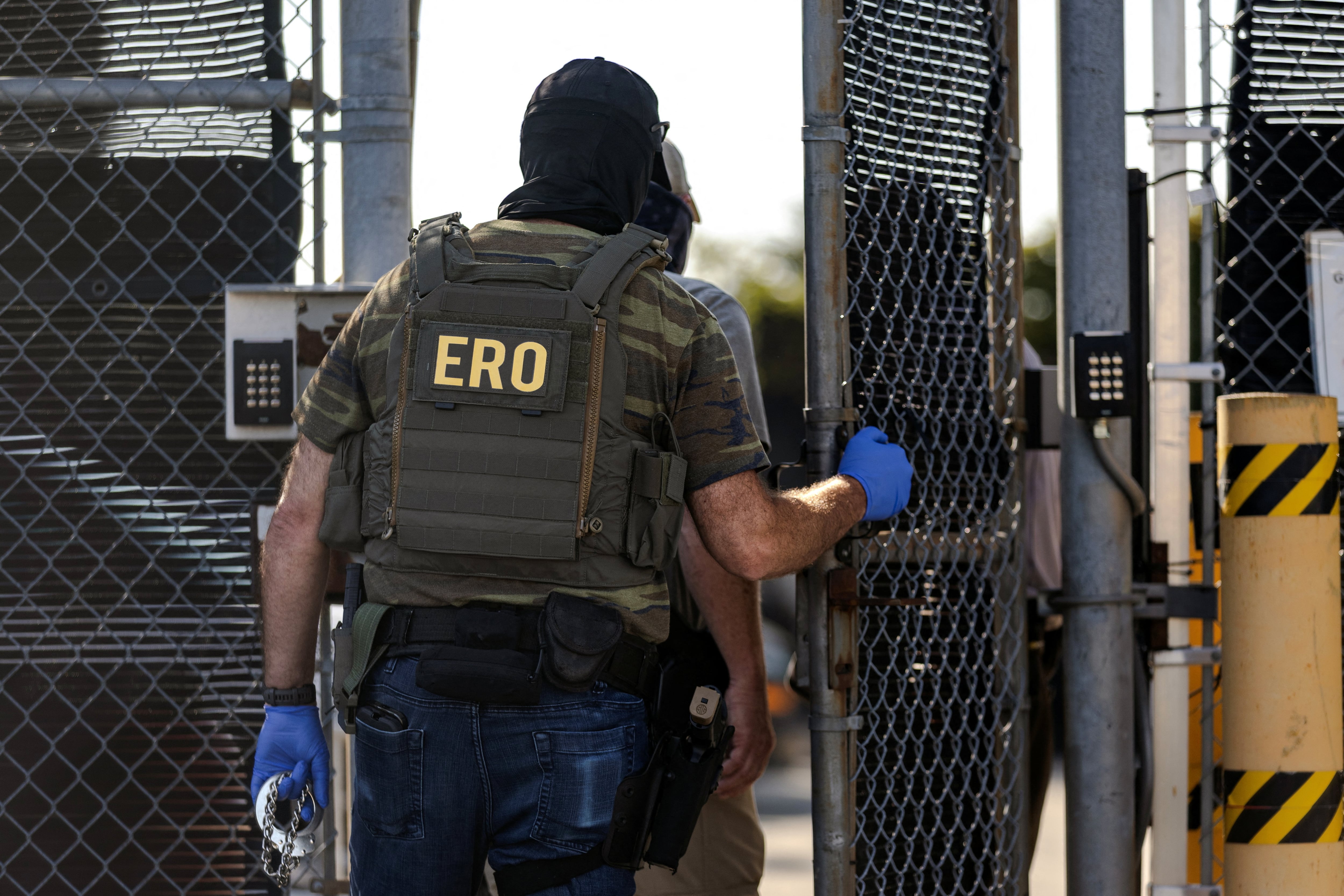
Federal agents at a detention center in Illinois, in September 2025.
  •  

A journey through the ages of soccer in the United States

The first time U.S. soccer legend Tab Ramos played on a team in the country he had just moved to from Uruguay, Argentina was the reigning champion of the 1978 World Cup and the boy was thrilled that the jersey he was given, the Harrison Rec kit, was orange “like the Dutch one.” Ten minutes in, the coach took him off the field: he was too good to compete with that group. He was 12 years old.

Seguir leyendo

© George Etheredge (George Etheredge)

The courts at Pier 5 in the Brooklyn Bridge Park, with the Manhattan skyline across the river.
  •  

Spain, a country of 50 million people with infrastructure for 40 million: ‘The cracks are starting to show’

At the rate at which Spain’s population has grown in recent years, a country of 50 million inhabitants could soon become a reality. The National Institute of Statistics (INE) is expected to reveal this month, in its 2026-2076 population projections, when it believes this milestone will be reached. According to the 2025 census, Spain surpassed 49.1 million inhabitants last year, but data from the Continuous Population Statistics—which combines census data with quarterly estimates—indicate that Spain already had 49,687,120 inhabitants in April.

Seguir leyendo

© Samuel Sánchez

Crowds of people on Gran Vía in Madrid.
  •  

On players, tournaments, percentages, and the need for dialogue

At major tournaments it’s common to see players, aware of the greater exposure these events provide, use the opportunity to make a demand. At this year’s Roland Garros they have once again called for a different distribution and a larger share of the money that, above all, these kinds of tournaments generate. The conflict is not new and — even though the Paris organizers unilaterally decided this year to raise the prize pool competitors would receive by about 10% — the players have deemed it insufficient.

Seguir leyendo

© MOHAMMED BADRA (EFE)

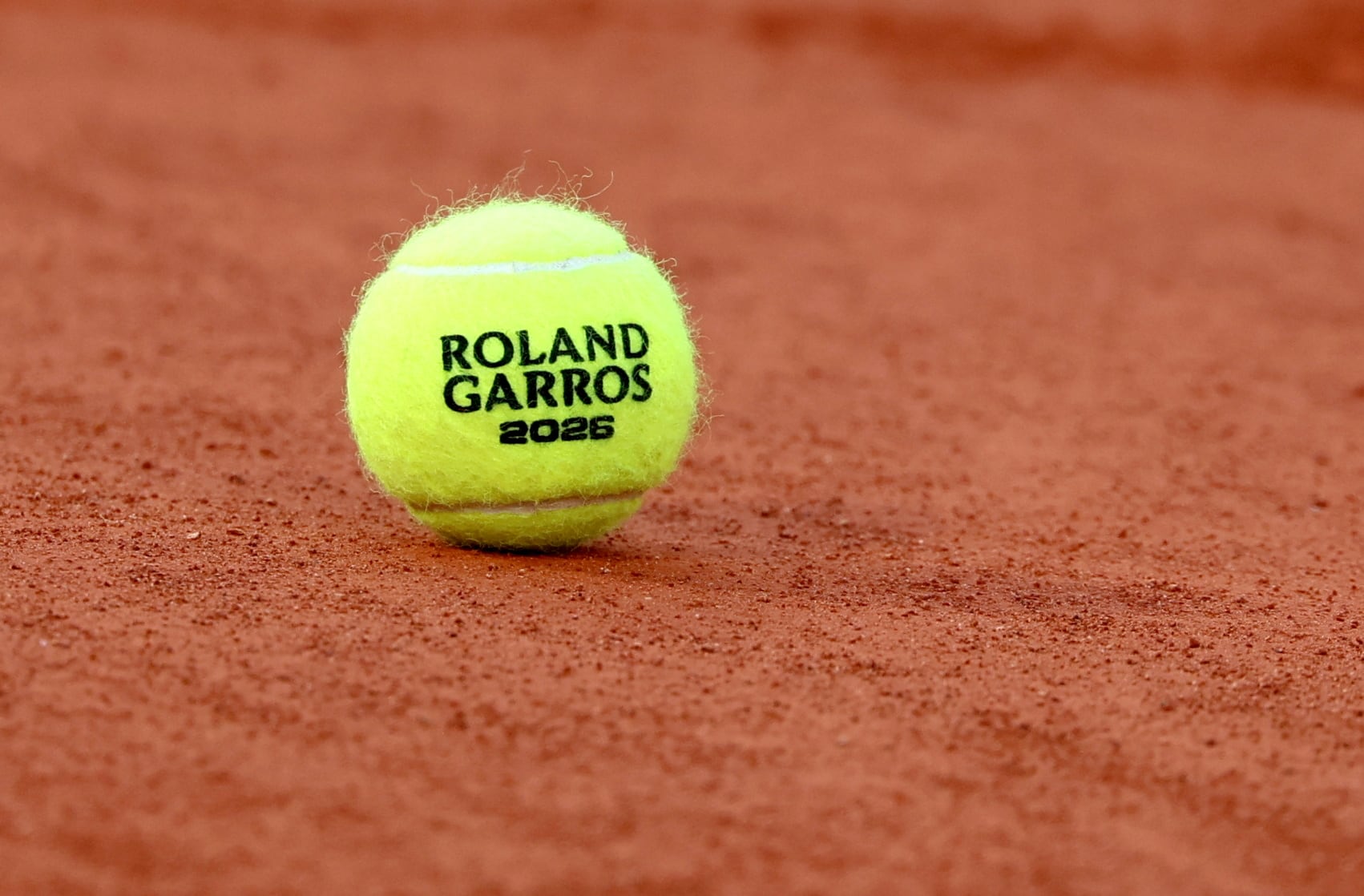
An official Roland Garros tournament ball.
  •  

Aram Harrow, quantum researcher: ‘These computers won’t take 10 years; they’ll arrive sooner’

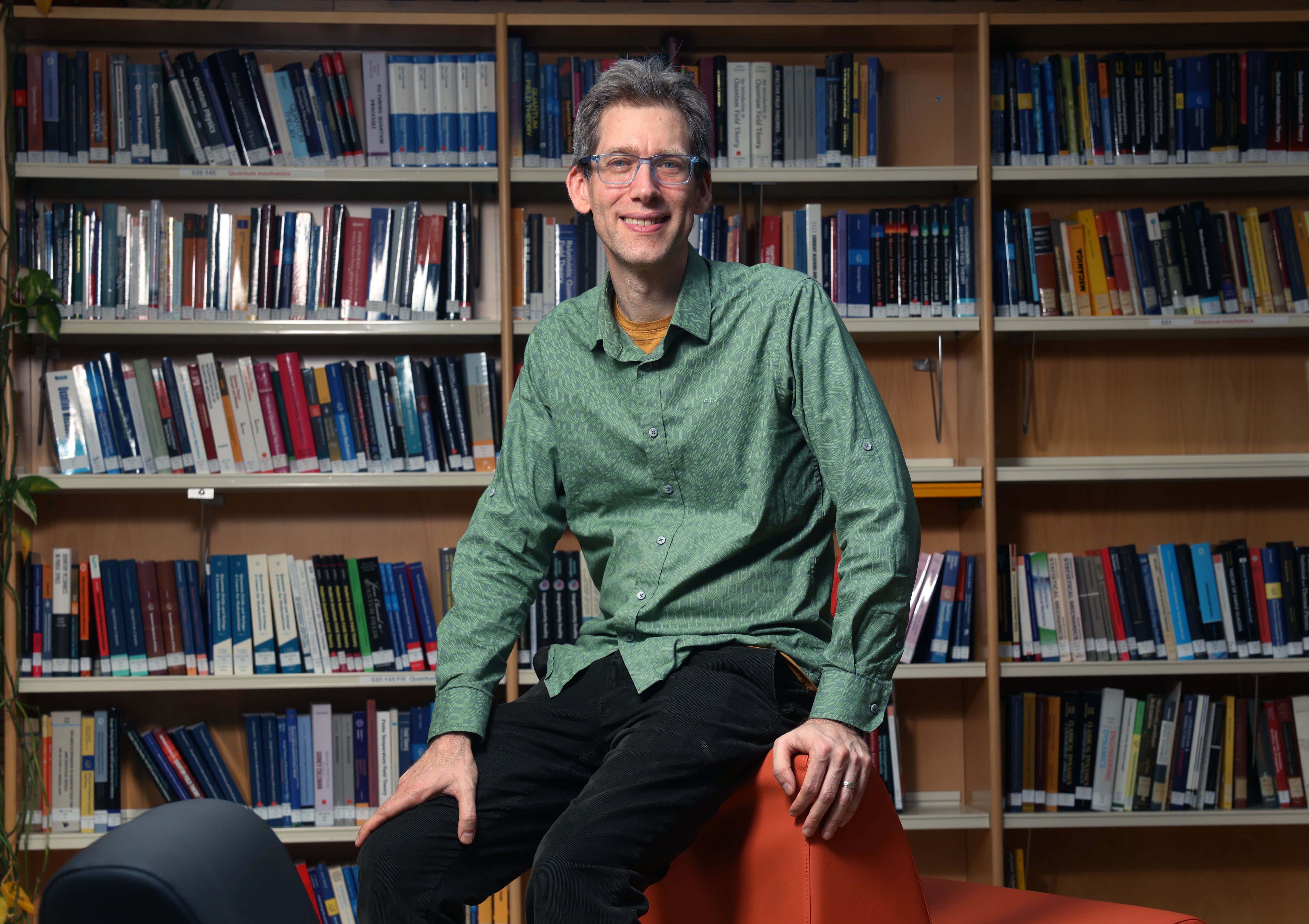
Aram Harrow, theoretical physicist specializing in quantum computing at MIT, at the Institute of Mathematical Sciences in Madrid.

Aram Harrow has spent 25 of his 46 years working in quantum computing. He is a researcher at the Massachusetts Institute of Technology (MIT) and is best known for co-developing the HHL algorithm in 2008, considered one of the first demonstrations of an exponential advantage of quantum computers over classical ones. This June marks the end of the year he has spent at Spain’s Institute of Mathematical Sciences (ICMAT) in Madrid, where he speaks with EL PAÍS.

Seguir leyendo

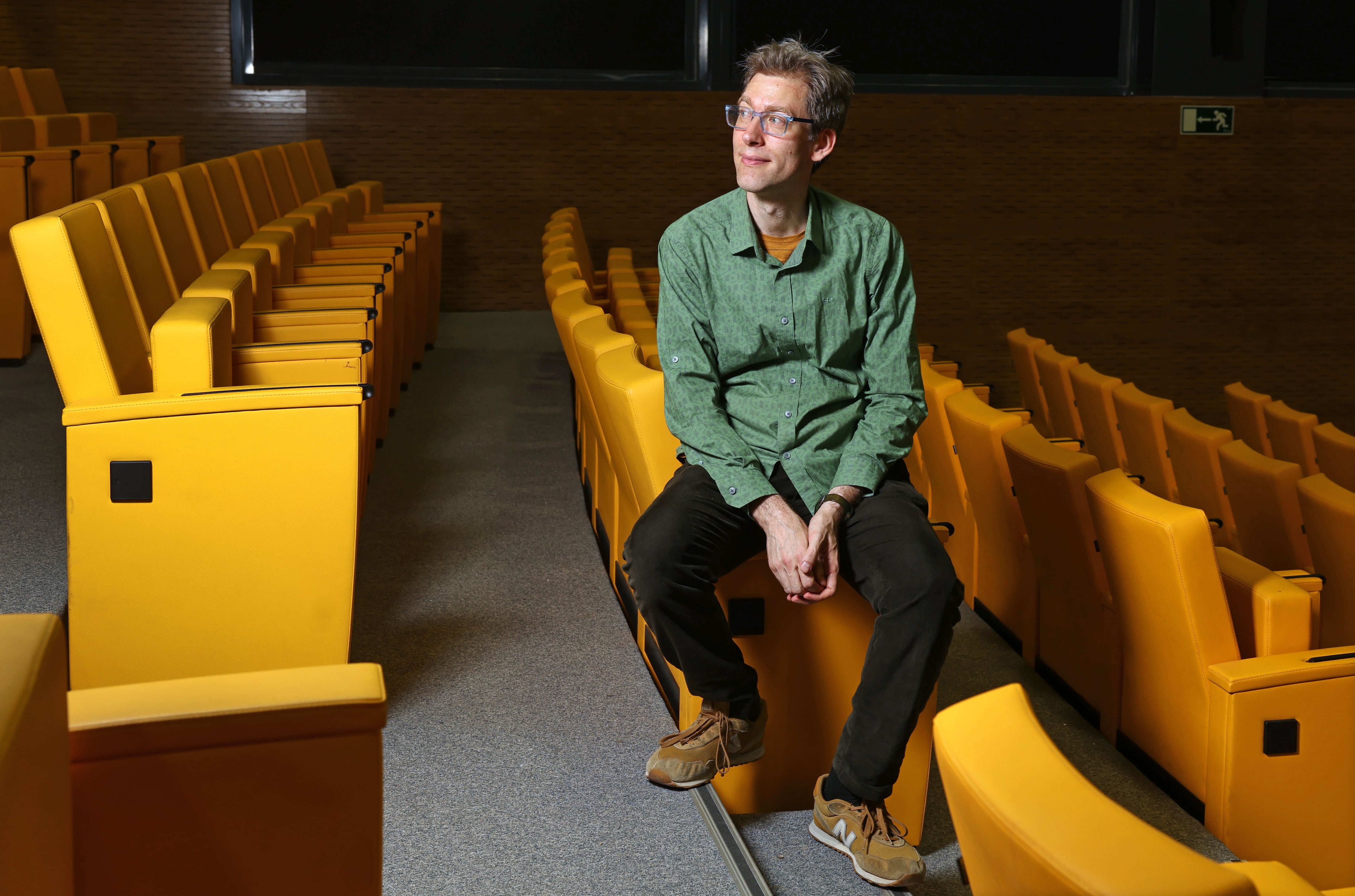
Researcher Aram Harrow.
  •  

A nurse who survived the current Ebola outbreak: ‘I screamed in pain, my body ached and I felt itchy all over’

When Furaha Tikamanyire began feeling ill on April 26, she did not imagine she had contracted Ebola. For weeks, this nurse at the Bunia Evangelical Medical Center in the Democratic Republic of the Congo (DRC) had cared for dozens of people arriving from the Mongbwalu region, about 75 kilometers away, where the virus had begun spreading before it was identified.

Seguir leyendo

© Gradel Muyisa Mumbere (REUTERS)

Furaha Tikamanyire, a Congolese health worker who recovered from the Ebola virus, on May 31, 2026.
  •  

The enduring fascination with Marilyn Monroe: The actress’s lipsticks, bras and frying pans fetch $2 million at auction

It’s only an imaginary birthday, one that was never meant to happen, but the celebrations say a lot about Hollywood’s eternal myth‑making. This Monday, June 1, Marilyn Monroe would have turned 100. And although she died more than 60 years ago, the world remains utterly fascinated by that perfectly imperfect blonde screen icon.

Seguir leyendo

Several items belonging to Marilyn Monroe were on display at the Julien's Auctions sale held at the Peninsula Hotel in Beverly Hills on June 4, 2026. On the left, a gold handbag; on the right, from top to bottom, lipsticks, a round lipstick, mascara, and an eyeliner pencil.A bra belonging to Marilyn Monroe, on display at the Julien's Auctions sale at the Peninsula Hotel in Beverly Hills on June 4, 2026.Four items belonging to Marilyn Monroe sold at Julien's Auction on June 4, 2026, in Los Angeles. Top: lipstick and Screen Actors Guild card. Bottom: Pucci blouse and workout weights.

© Julien Sauctions

On the left, Marilyn Monroe applying her makeup. She used the partially used pink powder blush compact and its original applicator (right), which was sold at auction on June 4, 2026.
  •  

Is it possible to die of grief? Science confirms that intense bereavement raises the risk of death

An man visits Boisaca cemetery in Santiago de Compostela, Spain.

The death, attributed to grief, of the cartoonist and filmmaker Marjane Satrapi, author of Persepolis, has brought back a recurring and widely studied question in the public imagination: is it possible to die of grief? Regardless of Satrapi’s personal circumstances — which remain unknown for now — science points to yes, while reframing the romantic idea within a biological explanation. For example, intense bereavement can worsen mental health, trigger cardiovascular problems and, ultimately, raise the risk of death. Satrapi’s family said on Tuesday that she died “of sadness a little more than a year after the death of Mattias Ripa, her husband and the love of her life.” They gave no further details.

Seguir leyendo

  •  

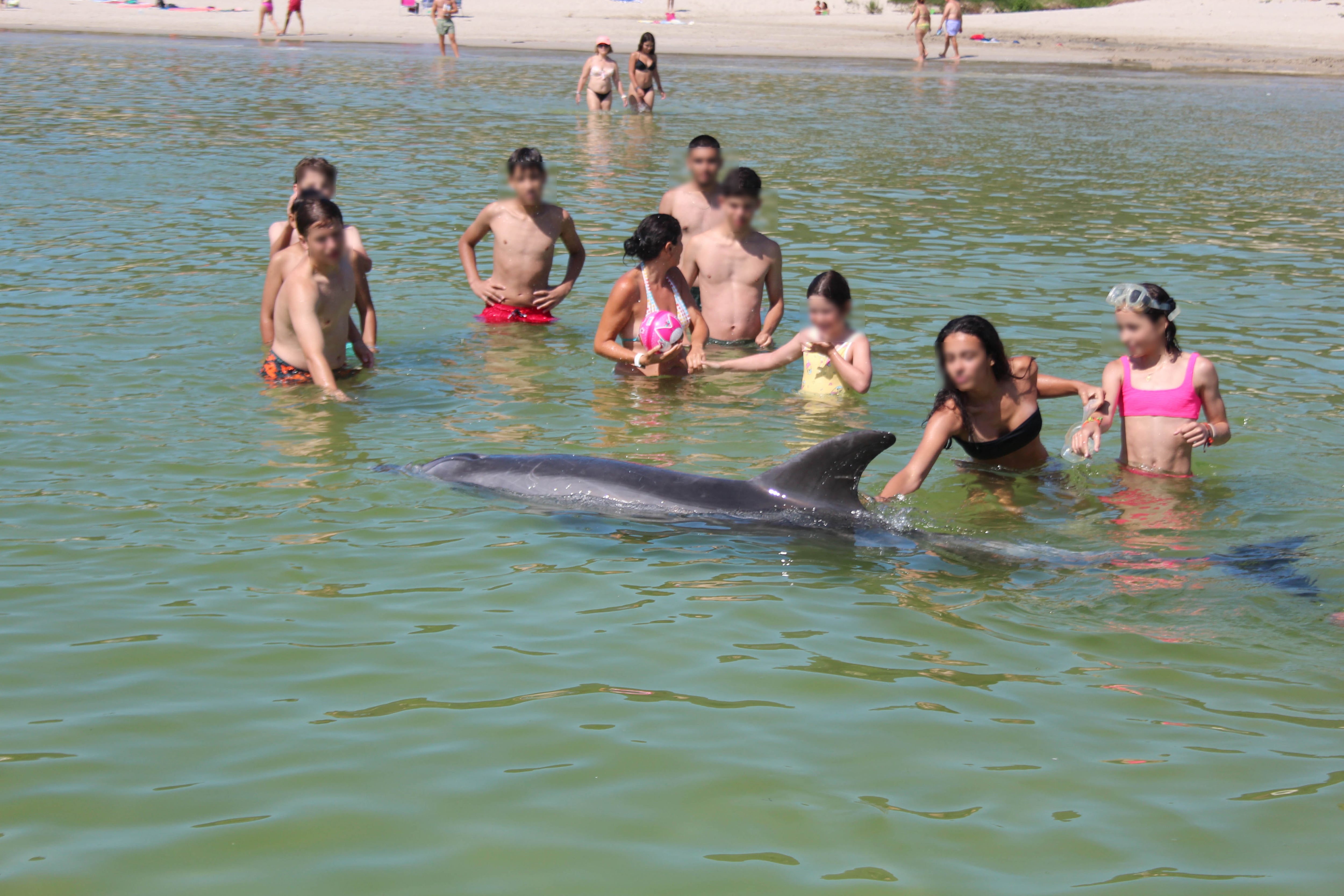
Manoliño and other dolphins who approach people to escape their loneliness

Manoliño, Spain’s most famous lone dolphin, was first spotted in 2019. Over time, he became a regular in the Muros‑Noia and Ferrol estuaries of the Spanish northwestern region of Galicia; he practically became one of the locals. For five and a half years, he approached boats and bathers, allowed himself to be touched in shallow waters near the shore, and even interfered with the work of divers who collected razor clams. He died in September 2025 after being struck by a ship’s propellers.

Seguir leyendo

💾

© EPV

El delfín solitario nadando en la ría de Muros y Noia
  •  

The reality the Spanish Catholic Church continues to hide: Seven cardinals and 61 bishops implicated in covering up child abusers for decades

EL PAÍS launched an investigation into child sexual abuse by members of the Spanish Church in 2018 and maintains a database updated with all known cases. If you know of a case that has not come to light, you can write to: abusos@elpais.es. If it is a case in Latin America, the email address is: abusosamerica@elpais.es.

Seguir leyendo

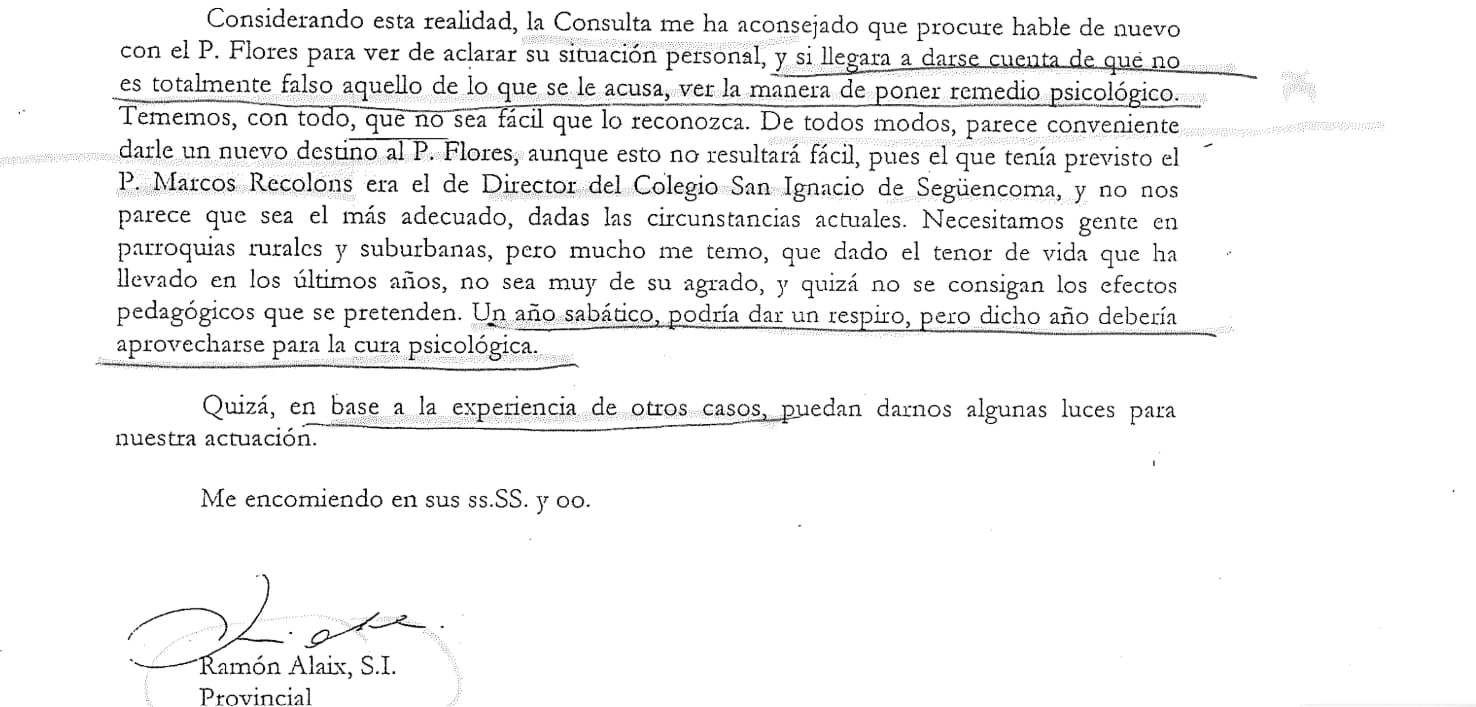
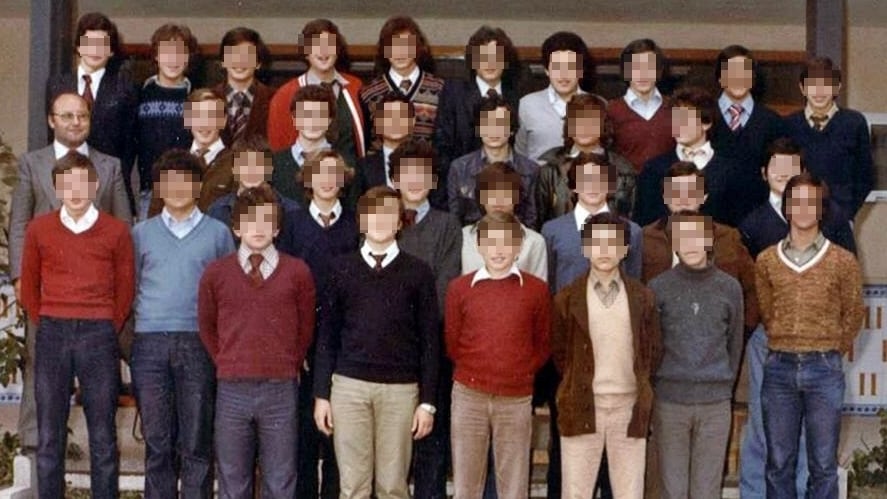
The cover of the music record The letter that Provincial Superior Ramón Alaix wrote to Superior General Peter Hans Kolvenbach, suggesting that a pedophile priest be relocated and given treatment.Brother Marino González with a class at the school of Talavera de la Reina in the late 1970s.

© Vatican Pool (Getty Images)

Pope Leo XIV, flanked by archbishop of Barcelona cardinal Juan José Omella, meets with Spanish seminarians at the Vatican on February 28, 2026.
  •  

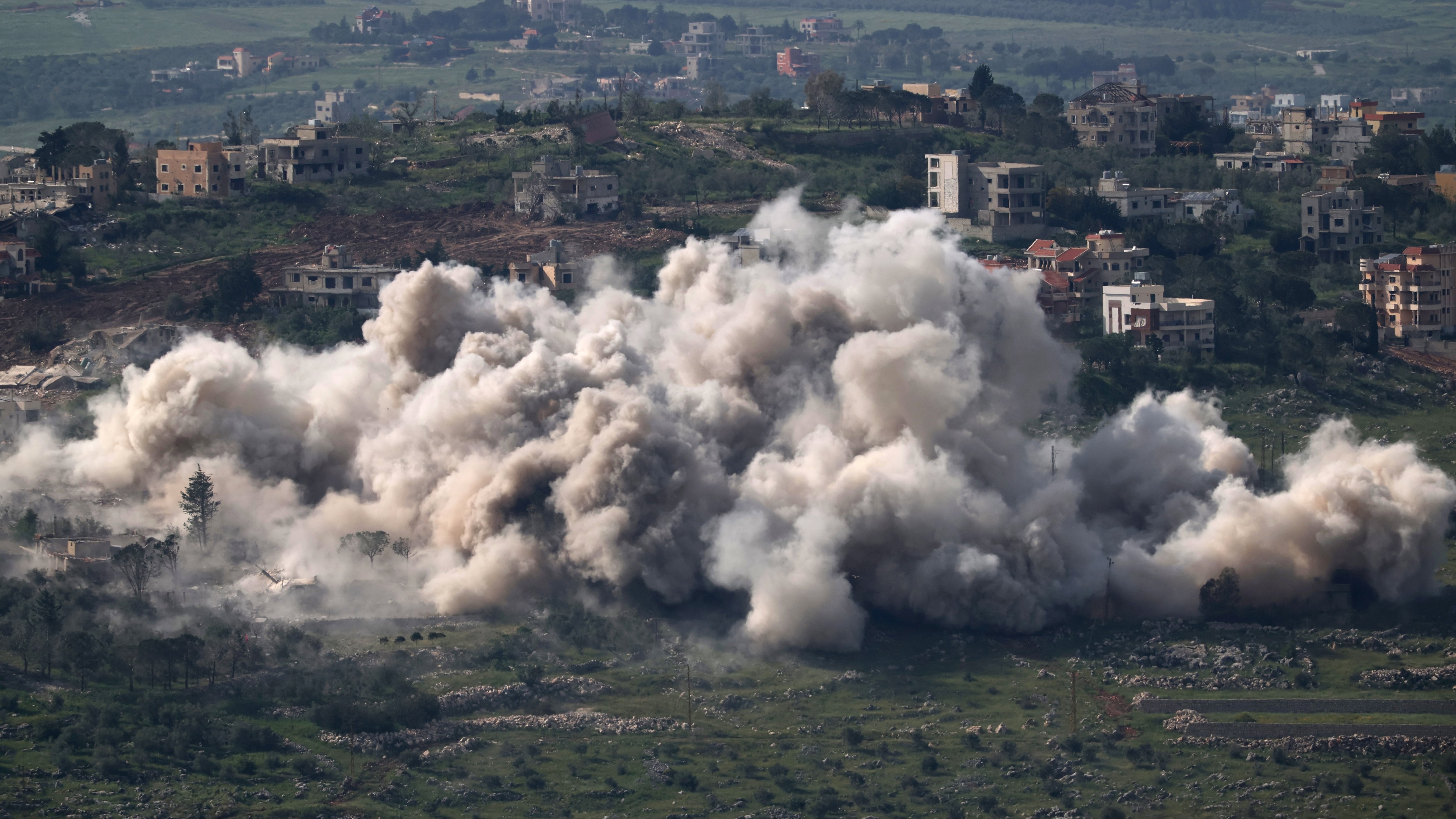
Israel’s offensive in southern Lebanon: 2,900 dead, 36,000 homes destroyed and 1.4 million displaced

Southern Lebanon — which was turned into a battleground between Israel and the pro‑Iranian militia Hezbollah in 2023 — has suffered a new wave of devastation since February 28, when the Israeli and U.S. governments declared war on Iran and Hezbollah once again took up arms in solidarity with its ally. Israel then shifted its focus from Iran to striking Lebanon, intensifying both its military offensive and its occupation of the neighboring country.

Seguir leyendo

💾

©

Israeli military demolition operations in the village of Taybeh, in southern Lebanon, on April 27.
  •  

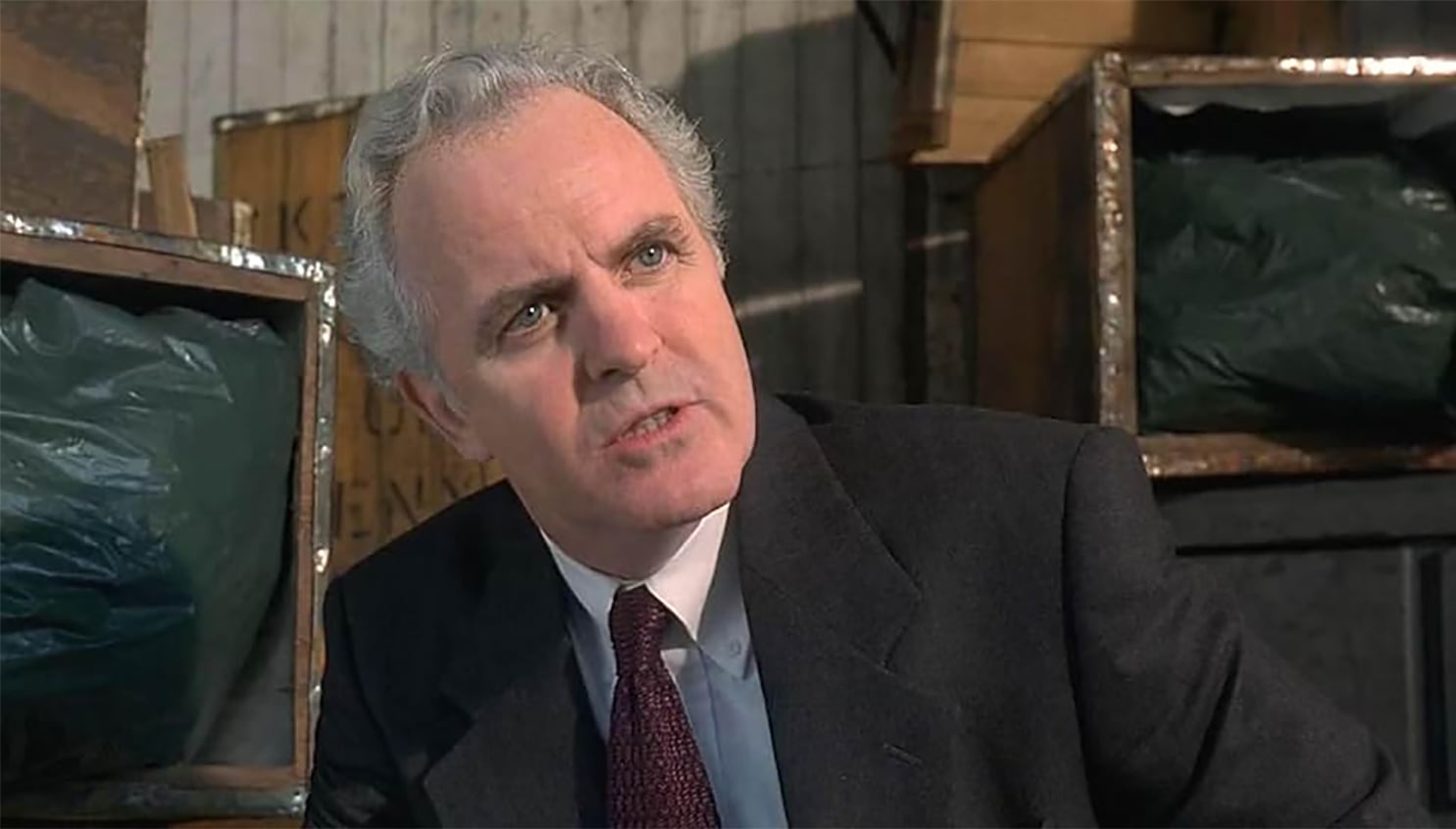
Actor James Handy, killed in his Los Angeles home by his girlfriend’s son

James Handy, an 81-year-old New York actor who had small roles in films such as Jumanji and the more recent Top Gun: Maverick, was killed outside his Los Angeles home. The confessed killer is his girlfriend’s son, a 44-year-old man named Michael Gledhill, who remains jailed on $2 million bail.

Seguir leyendo

Actor James Handy.
  •  

Steven Seagal and a ‘phantom’ Trump delegation: Putin showcases his soft power in St. Petersburg

Many years ago, the St. Petersburg International Economic Forum hosted world leaders such as Angela Merkel, Xi Jinping, Emmanuel Macron, and José Luis Rodríguez Zapatero. Russia’s invasion of Ukraine in 2022 changed everything. The Kremlin’s flagship business event is now a pale imitation of what it once was. This year, its main attractions have been a philosopher of Russian ultranationalism, Donald Trump’s chair of the Commission of Fine Arts, and Russian President Vladimir Putin.

Seguir leyendo

© ANATOLY MALTSEV (EFE)

An image of Vladimir Putin during the St. Petersburg International Economic Forum.
  •  

ICE arrests one of the soldiers linked to Mexico’s Ayotzinapa case in California

U.S. Immigration and Customs Enforcement (ICE) detained Enrique Martínez Chávez on Wednesday in Los Angeles, California, according to a statement the agency released Thursday on social media. The 32‑year‑old detainee is one of the military officers linked to the disappearance of 43 student teachers in the Mexican municipality of Iguala, Guerrero, in 2014. Martínez Chávez is wanted in Mexico for the alleged crime of enforced disappearance and has been a fugitive from justice for years. ICE says he will remain in its custody “until he can be sent home” to Mexico.

Seguir leyendo

© ICE Los Ángeles

Arrest of Enrique Martínez Chávez in Hawthorne, California, U.S., this Thursday.
  •  

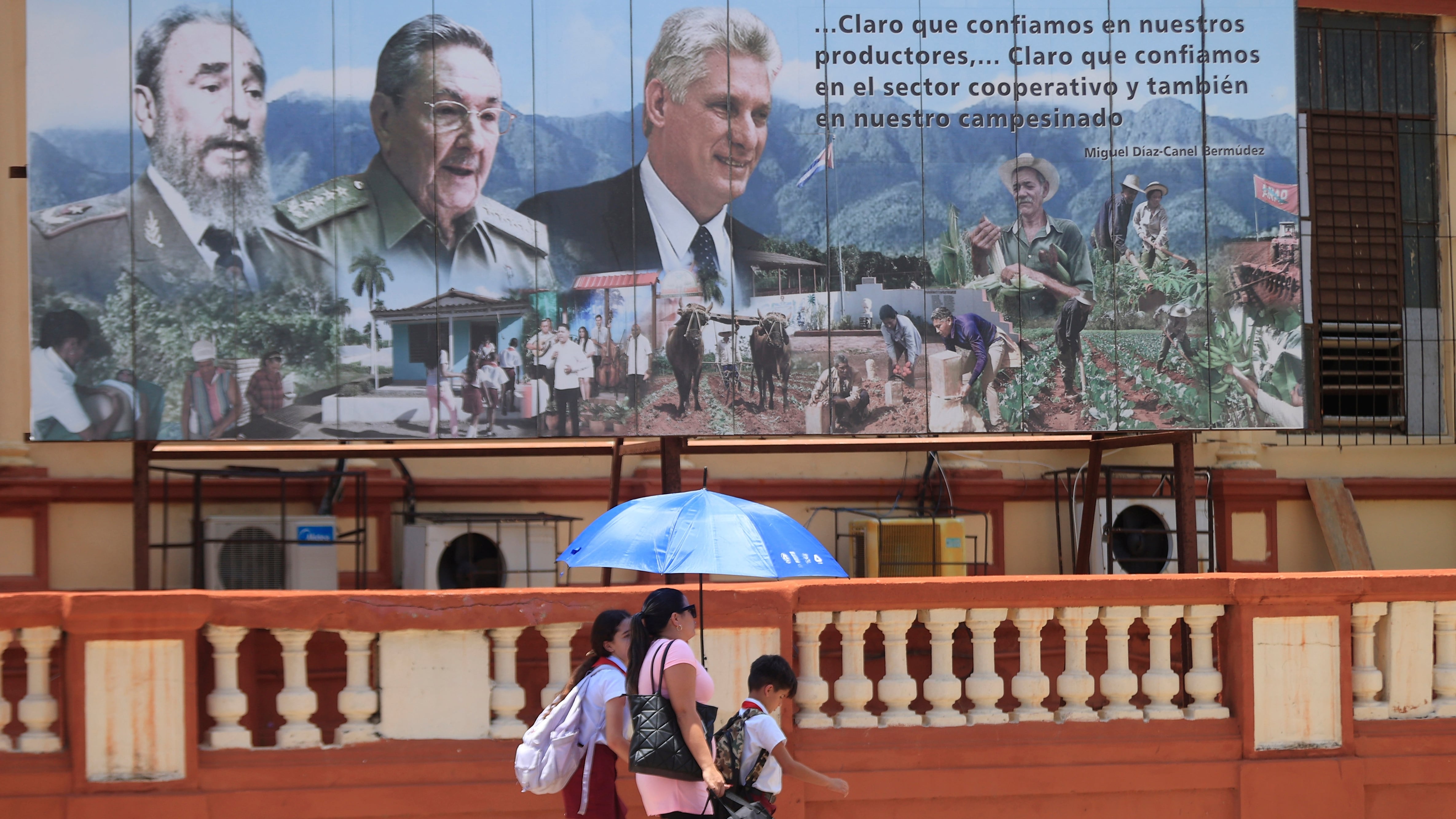
Trump corners Cuba’s political leadership in a bid to force regime change

The grill‑strategy is starting to work. With every degree the heat rises, the situation in Cuba — both on the streets and in the regime’s top offices — becomes more and more unbearable. The fall earlier this year of Venezuela’s Nicolás Maduro, Havana’s key ally, and the subsequent energy embargo on the island marked the beginning of a decline that now seems unstoppable.

Seguir leyendo

💾

© EPV

Billboard with images of Fidel and Raúl Castro and Miguel Díaz‑Canel, in Havana (Cuba), July 2.
  •  

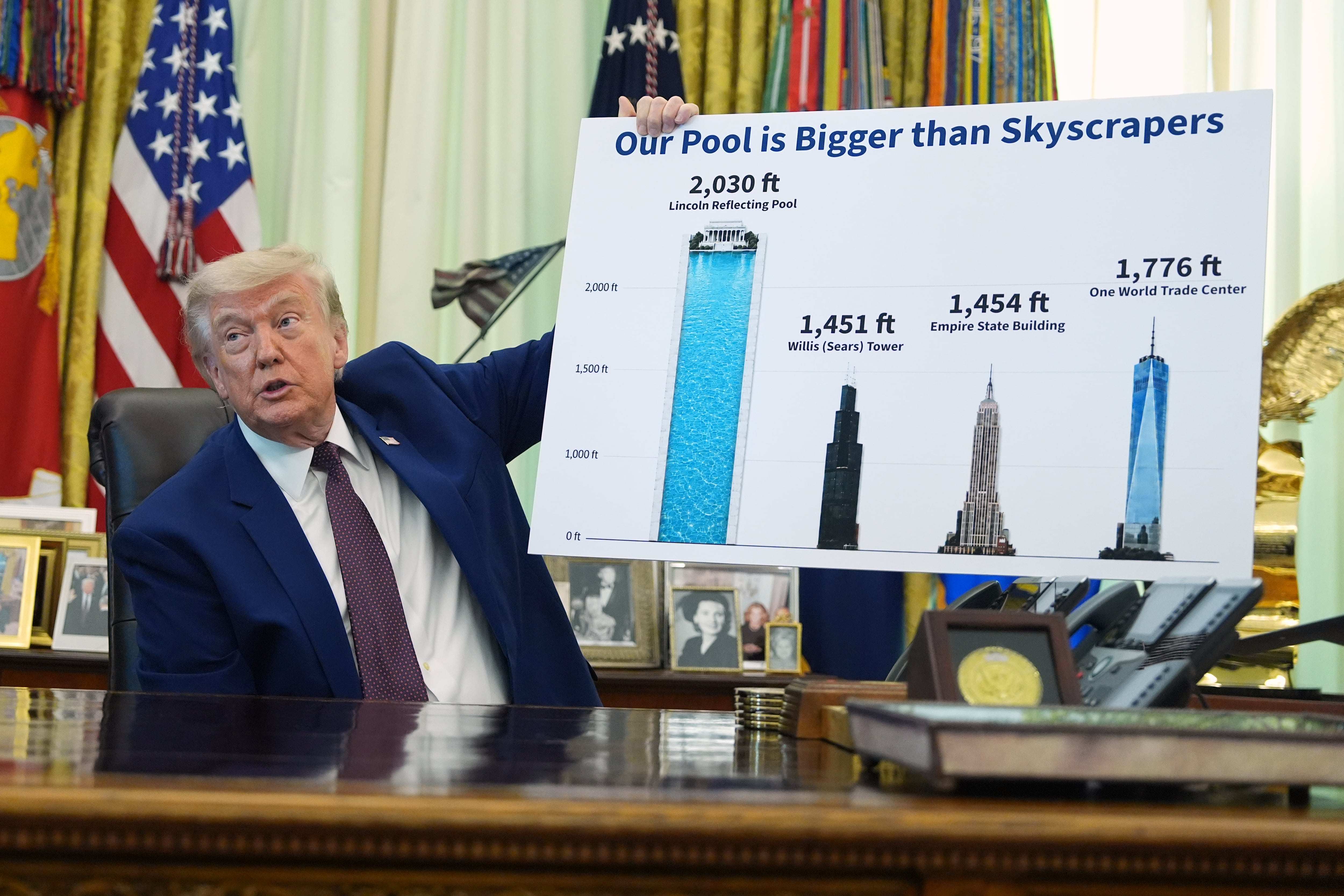
The Iran war and the billion‑dollar fund for Trump’s allies are eroding the president’s grip on Republicans in Congress

The vote in the House of Representatives on Wednesday to limit Donald Trump’s authority to continue his war in Iran will not bring that conflict to an end. But it does represent a symbolic setback for the U.S. president on an issue — the Middle East — that has become, both domestically and in foreign policy, the most painful stone in the shoe of his return to the White House. Meanwhile, the weeks go by and, with the peace deal with Tehran stalled, it seems clear that Washington has no idea how to extract itself from a quagmire of its own making.

Seguir leyendo

© Alex Brandon (AP Photo/Alex Brandon)

Trump on Wednesday in the Oval Office displays a chart comparing the length of the Lincoln Memorial pool with the height of iconic skyscrapers.
  •  

Tom Fletcher, UN humanitarian chief: 'Cuts force us to choose which lives to save and which lives not to'

A few months ago, at a center for malnourished children in the remote Darfur region of Sudan, an orphaned baby who had arrived days earlier on the brink of death gripped Tom Fletcher’s finger with surprising strength. The United Nations’ humanitarian chief says those seconds eased his frustration at international inaction and the “anger” he feels over cuts to aid at a time when needs and conflicts are rising around the world.

Seguir leyendo

Tom Fletcher, head of OCHA, on a Madrid street this Wednesday.

© Álvaro García

Tom Fletcher, U.N. humanitarian chief, in Madrid on Wednesday.
  •  

New World screwworm reappears in Texas for the first time in 60 years, putting the livestock industry on alert

The confirmation of a case of the New World screwworm (NWS) in Texas set off alarm bells across the United States, marking the return of a pest that had been eradicated from the country more than half a century ago. The discovery comes at a particularly sensitive time for the livestock industry, which is facing the smallest cattle herd in 75 years and record-high beef prices, raising concerns about the potential economic consequences of a spread of the parasite.

Seguir leyendo

© Daniel Becerril (REUTERS)

Borer worm larvae in Chiapas, in October 2025.
  •  

The couple traveling with Bad Bunny to make coffee for the singer and his entire team

In September 2017, just as Abner Román and Karla Ly Quiñones were about to open the doors of Café Comunión in the Santurce neighborhood of San Juan, Puerto Rico, Hurricane Maria devastated the island.

Seguir leyendo

© Harold Camilo

Abner Román and Karla Ly Quiñones in their mobile coffee shop on Bad Bunny’s tour in Madrid.
  •  
❌