Normal view

Pakistán asegura que Irán y EEUU han alcanzado un acuerdo de paz

12 June 2026 at 18:21
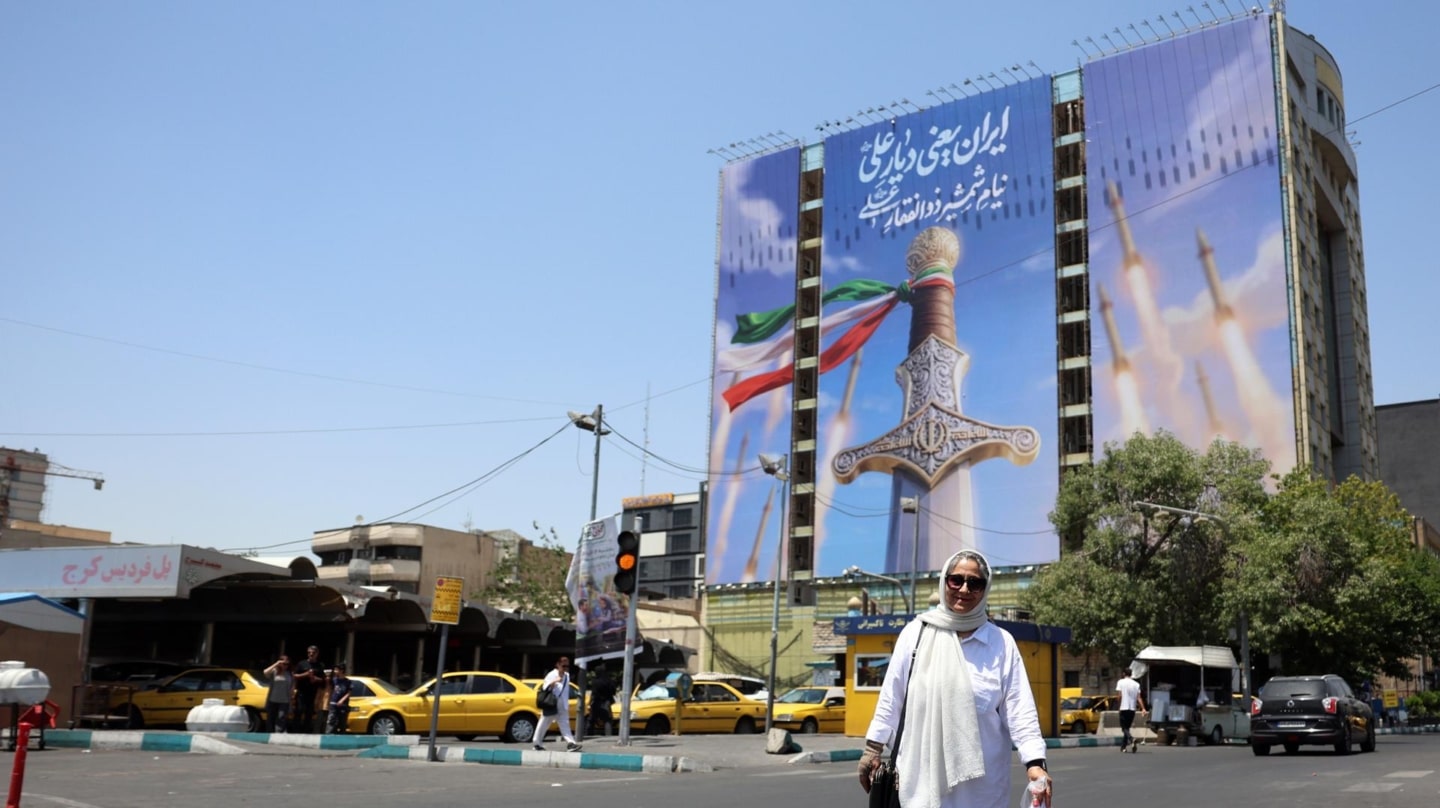
Una iraní pasa cerca de un gran cartel en el que se muestran los misiles del régimen en la plaza Vanak de Teherán.

Fumata gris. Blanca, según Pakistán, pero pendiente de confirmación. El primer ministro de Pakistán, Shehbaz Sharif, ha anunciado este viernes que se ha alcanzado un "texto definitivo y consensuado" para un acuerdo de paz entre Irán y EEUU. Pakistán actúa como mediador entre Washington y Teherán.

"Podemos confirmar que se ha alcanzado un texto definitivo y consensuado del acuerdo de paz y que Pakistán está colaborando estrechamente con ambas partes para concretar los próximos pasos", ha escrito el primer ministro Sharif en su cuenta de X.

Estados Unidos e Israel atacaron posiciones iraníes el pasado 28 de febrero con la intención de propiciar un cambio de régimen y forzar que Irán renunciara a su carrera nuclear. Acordaron una tregua el 7 de febrero, que ha corrido serio peligro en varias ocasiones. Esta misma semana iraníes y estadounidenses cruzaron ataques. Trump llegó a amenazar con tomar la isla de Jarg, clave en la economía iraní. Finalmente, las conversaciones siguieron adelante hasta llegar a un acuerdo.

El anuncio llegó poco más de una hora después de que el ministro de Exteriores de Irán, Abás Araqchí, asegurara, también en X, que un "memorando de entendimiento" con Estados Unidos estaba cerca.

Este mismo viernes, el vicepresidente de Estados Unidos, JD Vance, ha asegurado que la firma de un acuerdo de paz podría celebrarse este fin de semana en Europa. Vance ha añadido que los términos de lo que Irán define como memorando de entendimiento tienen "el potencial de transformar la región y conducir a una paz duradera".

"Muy cerca de la meta"

"Estamos muy cerca de la meta, pero aún no hemos llegado", ha dicho un funcionario estadounidense de alto rango a Reuters. Los términos del memorando de entendimiento (MOU) cumplirían los objetivos fundamentales de Donald Trump y su administración. Incluyen: la reapertura del estrecho de Ormuz y el levantamiento del bloqueo estadounidense sobre los puertos iraníes; el desmantelamiento del programa nuclear de Irán y la destrucción de su uranio altamente enriquecido, que posteriormente sería extraído del país; el alivio de algunas presiones económicas, incluyendo el desbloqueo de activos y el levantamiento de algunas sanciones que pesan sobre Irán.

"A los iraníes se les recompensa económicamente por cumplir con sus obligaciones en virtud del acuerdo. Así que, si entregan el material nuclear tal y como prometieron, obtendrán algo. Si desmantelan su programa nuclear o sus instalaciones nucleares, obtendrán algo más", ha apuntado esta fuente.

Un portavoz del Ministerio iraní de Exteriores ha declarado que están "en la fase final de revisión del memorándum". Las instituciones al mando en Irán se han reunido a estudiarlo.

Pakistán da por hecho que las dos partes van a secundar lo negociado previamente. Pero habrá aún tensión dramática. Como en un thriller.

At Least Five Killed as Israel Continues To Pound Southern Lebanon

13 June 2026 at 19:45
Hope springs eternal for the assorted ceasefires between Israel and Lebanon actually reducing the number of Israeli strikes on Lebanon. Despite the reports that the awaited Iran deal will include calls for an Israeli pullout, however, the strikes and ground troop advancement show no signs of slowing. Between Friday and early Saturday, the IDF has […]

MPs call for end to real estate event over fear it pushes sale of Israeli settlements

13 June 2026 at 17:06

More than 100 UK lawmakers urge government to cancel London event, warning it is linked to land ‘stolen from Palestinians’

More than 100 UK lawmakers have called for the cancellation of an Israeli real estate event scheduled to take place in London on Sunday, which had appeared to advertise the sale of land in Israeli settlements in the occupied West Bank.

In a letter sent to the foreign secretary on Friday, 101 parliamentarians and members of the House of Lords, warned the event was “firmly embedded in Israel’s project of colonial expansion by facilitating the sale of land that has been stolen from Palestinians” and called on the government to take “all necessary steps” to stop the event from going ahead in the capital.

Continue reading...

© Photograph: Mohammed Torokman/Reuters

© Photograph: Mohammed Torokman/Reuters

© Photograph: Mohammed Torokman/Reuters

Arenas movedizas

By: A A
13 June 2026 at 15:30

Rechazar la idea de haber cometido un error garrafal le lleva a permanecer inmóvil y erguido, mientras se hunde en las arenas movedizas en las que se ha aventurado imprudentemente.

Enrico TOMASELLI

Únete a nosotros en Telegram Twitter  y VK .

Escríbenos: info@strategic-culture.su

Por mucho que se le dé vueltas, la pelota siempre acaba en manos de Trump. El conflicto —desencadenado por él en Asia Occidental de forma tan imprudente como desafortunada— es, como era de esperar, una patata caliente muy difícil de manejar, pero por mucho que intente desesperadamente encontrar una salida, al final el quid de la cuestión siempre resurge, y nadie puede resolverlo salvo el presidente de los Estados Unidos.

Solo que se trata de una clásica situación de pérdida para ambas partes. Porque, despojado de todas las incrustaciones histórico-políticas de una de las regiones más complejas del planeta, el quid de la cuestión es este: la relación entre EE. UU. e Israel. Y si los intereses de ambos países divergen, o bien se separan, o bien uno de ellos impone su voluntad al otro.

Esta es precisamente la elección que tiene ante sí Trump. Pero él no es capaz, salvo de forma limitada (solo en algunas cosas, solo en cierta medida, solo durante un tiempo), de imponer su voluntad a Israel. Pero tampoco puede separarse de él; es más, los lazos militares son cada vez más estrechos y, por lo tanto, cada vez más difíciles de romper.

En la situación actual, es evidente que Washington utiliza a Tel Aviv para intentar intimidar a Teherán y, en cualquier caso, para mantenerla bajo presión. Todas las farsas entre Trump y Netanyahu son ridículas, los dos se coordinan en todo.

Además, EE. UU. intenta claramente separar unas cuestiones de otras (Palestina, Líbano, Yemen, Irán…), no solo para negar in nuce la causa de todos los conflictos —es decir, la presencia de Israel—, sino también para desmontar pieza a pieza el bloque enemigo. Un juego al que, sin embargo, Irán no se presta, y de hecho gestiona la escalada —siempre y sobre todo en el plano político.

Hay algo que debe quedar claro para los aficionados de los estadios. Irán juega un partido estratégico, por lo que mira hacia los resultados a medio y largo plazo, no actúa para satisfacer a los hooligans de la grada Sur. Por lo tanto, está preparado para la reanudación de la guerra, pero eso no significa que la desee. Si puede, la evita.

Si recapitulamos por un momento los acontecimientos de los últimos días, podemos leer entre líneas el hilo conductor.

Teherán ha dejado muy claro que está dispuesta a discutir el fin del conflicto, pero solo a condición de que se refiera a todo el teatro de operaciones, y no solo al Golfo Pérsico. Pero esto supone un gran problema para la administración Trump.

No es el único, quizá ni siquiera el más importante, pero sin duda el más difícil de resolver. Porque Tel Aviv puede aceptar el cese del conflicto con Teherán —en el que se encuentra en desventaja—, pero no puede ni quiere aceptarlo en lo que respecta a los demás frentes.

Por lo tanto, en un primer momento frenó a Netanyahu, quien en los últimos días había amenazado con un bombardeo masivo sobre Beirut, pero luego —dado que la negociación se estancaba también en otras cuestiones— el líder israelí volvió a la carga.

Así pues, con toda probabilidad, han acordado tantear el terreno. La aviación israelí ha atacado Beirut, pero de forma muy limitada: un único objetivo, un edificio que presuntamente albergaba un puesto de mando de Hezbolá. Ante esto, Irán ha respondido, y es la primera vez que reacciona militarmente ante un ataque que no se dirige contra su propio territorio.

Pero la respuesta es igualmente limitada: solo misiles balísticos (interceptables), en oleadas de pocos misiles sucesivos (lo que facilita la interceptación) sobre objetivos no especialmente sensibles.

El mensaje no es la fuerza de la respuesta, sino precisamente el simple hecho de que haya habido una. Teherán ha desplazado un poco más allá el equilibrio. A su vez, Israel ha contraatacado, atacando una serie de objetivos ya golpeados en el pasado. Irán también ha continuado con algunos lanzamientos, tras lo cual ambos se han detenido —por el momento.

Pero el comunicado de las fuerzas armadas iraníes afirma que están dispuestas a reanudar los ataques, incluso con mayor intensidad, si Israel ataca el Líbano. No (solo) Beirut, sino el Líbano. Por lo tanto, intenta alterar aún más el equilibrio de fuerzas.

Y aquí es donde llegamos, precisamente, a lo que decía al principio. Porque las jugadas y contrajugadas iraníes, siempre cuidadosamente calibradas, restringen el margen de maniobra del enemigo y, por lo tanto, devuelven la pelota a Trump, quien o bien logra detener a Netanyahu, o bien ve cómo se le cierra el camino de la negociación —y además aparece débil frente al líder israelí.

Y la situación vuelve a complicarse. De hecho, las FDI siguen bombardeando el sur del Líbano, desafiando abiertamente a Irán —y, en esencia, también a EE. UU. Al hablar con Channel 11, funcionarios israelíes han afirmado que cesan el fuego contra Irán, pero no lo harán en el sur del Líbano, a pesar de las amenazas iraníes.

Es evidente que Tel Aviv pretende agravar las tensiones y, en última instancia, sabotear las posibilidades de acuerdo entre Washington y Teherán.

Obviamente, en este punto los iraníes se ven obligados a responder de alguna manera, so pena de perder credibilidad —no solo ante Hezbolá y la propia población iraní, sino también ante Estados Unidos e Israel—.

Veremos en las próximas horas cómo evoluciona la situación, pero, evidentemente, la cuestión se refiere a un ámbito mucho más amplio, y precisamente en los términos antes mencionados.

Israel juega dos partidas: una tratando de complacer a Estados Unidos y coordinarse con ellos, y la otra tratando, por el contrario, de obligarlos subrepticiamente a hacer prevalecer los intereses israelíes sobre los estadounidenses.

A su vez, también Estados Unidos juega dos partidas: una pseudo-negociadora —y, en cualquier caso, extremadamente contradictoria— y otra en la que utiliza a Israel como el «perro rabioso» para mantener a Irán (y al Eje de la Resistencia) bajo presión. En esta última, simulan además una dialéctica polémica, que beneficia tanto a Washington como a Tel Aviv.

Obviamente, el problema es que, por el contrario, Irán juega una sola partida, y tiene muy claros tanto cuáles son sus objetivos tácticos y estratégicos, como cuál es el juego amañado por Israel y Estados Unidos. Como decía al principio, es una clásica situación de perder-perder. Cualquier movimiento que haga Trump, pierde.

Al parecer, su respuesta a esto es simplemente no hacer ningún movimiento. Evidentemente, desde que tuvo que detener la fase cinética del conflicto, no ha hecho más que ganar tiempo, sin tener, sin embargo, ninguna idea concreta sobre cómo desbloquear elimpasse.

Y así, de hecho, son los demás actores —con sus movimientos y contramovimientos— los que determinan la evolución del panorama.

Que, precisamente como consecuencia de ello, se modifica de una manera que escapa totalmente al control de la Casa Blanca, y Trump acaba pareciendo a merced de los acontecimientos.

Él es el único que puede decidir qué movimiento realizar, pero dado que —precisamente— cualquier movimiento supondría una derrota, opta por no elegir.

No hay que olvidar nunca que él es, indiscutiblemente, un narcisista patológico.

Y esto no significa simplemente que le guste que siempre se le considere el mejor, un ganador, sino que se trata de una auténtica distorsión cognitiva, que actúa en todos los ámbitos; el narcisista patológico rechaza la realidad cuando esta no coincide con sus expectativas.

Rechazar la idea de haber cometido un error garrafal le lleva a permanecer inmóvil y erguido, mientras se hunde en las arenas movedizas en las que se ha aventurado imprudentemente.

Publicado originalmente por  Giubbe Roisse

Traducción:  Observatorio de trabajador@s en lucha

Trump, not Netanyahu, has the cards. he should play them

By: A A
13 June 2026 at 14:01

By Josh PAUL

Join us on TelegramTwitter, and VK.

Contact us: info@strategic-culture.su

Upcoming Israeli elections give the U.S. president leverage he can use.

The U.S.-Israel relationship has never been less popular in America, but at the same time that support for Israel is cratering in American public opinion, Congress appears to be fast-tracking an effort to entrench the relationship and give Israel enduring access to both our most sensitive technologies and our most sensitive intelligence—in exchange for nothing more, it seems, than a thank you note from Israel’s Prime Minister Benjamin Netanyahu.

At the same time, the U.S. is at war, stuck in an unpopular and unnecessary conflict whose political and economic impacts create mounting and unanticipated obstacles for the Trump administration’s agenda. While this week Trump has seemed intent on escalating the conflict, he’s also shown a desire to end it—and a recognition of one major roadblock to peace. The president’s frustration at Netanyahu—who played a key role in convincing him to enter the conflict, and who can now act as a spoiler to prevent him from exiting it—has become evident in recent weeks.

Given the challenges posed by the Israeli leader, a common complaint on both the right and the left of American politics is that Israel exerts far too much power in U.S. politics. But a closer look at the facts demonstrates that Netanyahu is actually in an incredibly weak position—or would be, if the administration was willing to assess and deal with the entire U.S.-Israel portfolio holistically.

Trump’s interests are relatively clear: to extract the U.S. from the war in Iran, reduce Israel’s dependency on American military support, and get Israel to make real progress towards Palestinian self-determination in order to have a chance of getting the Abraham Accords back on track. As Trump’s apparent frustration with Netanyahu entered the headlines in recent weeks, the president seemed to understand the ways in which Israel’s prime minister undermines these interests.

Netanyahu’s own objectives are not shaped as much by geopolitics, or even national interest, as much as they are by the growing urgency of presenting himself as a winner in time for Israel’s elections this fall. To do this, he has to leverage U.S. military power to deliver something resembling a win in Iran (which seems less and less likely), do the same in Lebanon (now a quagmire), and demonstrate that despite the collapse of U.S. public support and the foreseeable end of U.S. grant military assistance, he has guaranteed a means of enduring Israeli influence in Washington that doubles as a financial boon for Israel’s tech sector and broader economy.

In short, his back is against the wall. By October, he may be out of a job. And by January, after the 120th Congress is seated, the odds of the U.S. enacting laws that entrench Israel in our defense and intelligence systems may drop precipitously.

Netanyahu, as is typical for him, is projecting strength, to the point of hubris (which is also typical for him). His advantage to this point has rested on keeping the two negotiations (Iran and framework legislation) separate. In the Iran context he can exercise significant leverage as a spoiler, and in the legislative context he can exercise significant leverage through Republican congressional endorsement of a plan for which he has publicly taken credit. For as long as these lanes stay apart, he would seem to have the advantage.

But as a businessman, Trump knows the value of writing his own script and re-framing the situation in a way that benefits his—and America’s—interests. In this context, the way to do that is by combining all three tracks in the U.S.-Israel relationship—Iran, Palestinian self-determination, and the future of security cooperation—into one.

There are signs he may already have recognized this. Although the White House pushed back on recent reporting from NBC and the New York Times regarding Israeli espionage against the United States, those stories may have been a shot across the bow following an incredibly contentious call between the two leaders. Or in other words: “Play nice on Iran, or the intelligence cooperation under consideration by Congress gets pulled.”

There’s no reason for the White House not to lean into this further. Netanyahu has not shown himself to be a helpful partner for the U.S.—indeed, from Gaza to Iran he has undermined U.S. regional and global influence and interests. There’s no reason to think a future Israeli government under his leadership would be any more compliant, particularly once laws are passed by the U.S. guaranteeing Israel lasting influence over U.S. national security equities. In short, while Israel may be able to punch above its weight when it comes to shaping U.S. diplomacy (and warfare) on Iran, in the bigger picture Netanyahu needs Trump far more than Trump needs Netanyahu.

The administration should leverage this opportunity by linking all three tracks together. Specifically, it should signal to Israel that continued progress on the pending U.S. legislation is premised on Israeli compliance with U.S. efforts to wind down the regional conflict and with U.S. efforts to drive forward a real diplomatic pathway for Palestinian self-determination. To demonstrate he holds the upper hand, Trump should also work with Republican leadership in Congress to slow-roll the current legislative vehicles so that Netanyahu cannot present them as a “sure thing” prior to Israel’s elections.

Such an approach would not only incentivize Netanyahu to work more constructively with the administration, but could also inform the policies and campaign strategies of Israel’s opposition leaders, resulting in a more compliant Israelis after the fall elections.

U.S. presidents have always had the upper hand, in theory, when it comes to dealing with Israel. They can suspend arms transfers or soften their diplomatic support for Israel, opening it up to both sanctions risk and legal peril through the ongoing proceedings at the International Court of Justice and International Criminal Court. Trump would be right to consider integrating these pressure points into his strategy as well, though he’s unlikely to take that path. But there’s a unique opportunity now between Netanyahu’s domestic political position as Israel enters election season, and Israel’s potential moment of crisis when it comes to transitioning U.S. security assistance into some form of enduring influence.

This is a winning hand for President Trump, should he choose to play it. There is no need to give away the game, as Congress now seems poised to do, just as the cards have been dealt. Trump can use Israel’s desperation for defense and intelligence integration as leverage to constrain Netanyahu on Iran. After Israel’s elections and the U.S. midterms, he will still have time to assess if the current legislative work to integrate Israel needs to proceed, or if further concessions are needed from Netanyahu or a new Israeli government, before signaling his assent to Congress.

Original article:  www.theamericanconservative.com

UNRWA fires 70 Gaza staffers amid allegations of Hamas ties, says terminations not admission of guilt

13 June 2026 at 13:18

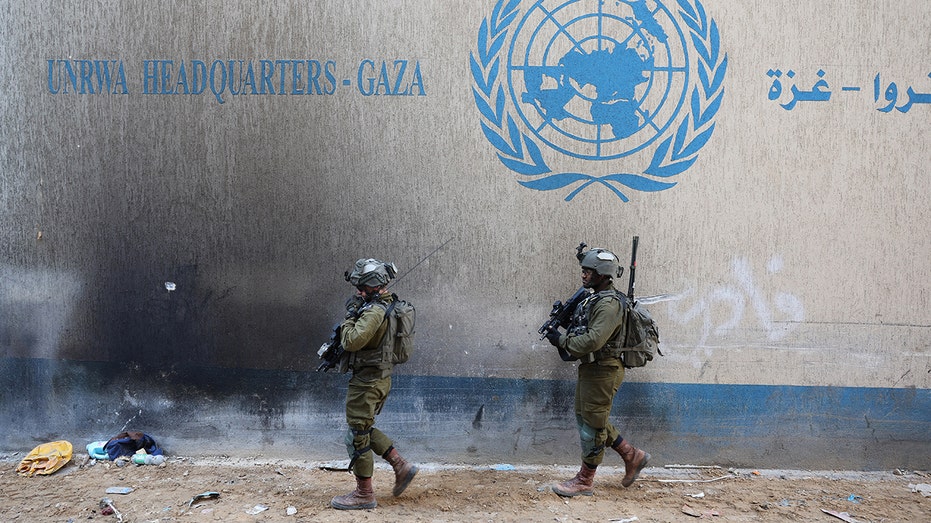
The United Nations Relief and Works Agency for Palestine Refugees in the Near East (UNRWA) fired 70 staff members working in Gaza after long-standing claims from Israeli authorities that the agency is a collaborator with the Hamas terrorist group.

"Today, the Commissioner-General ad interim of UNRWA, Christian Saunders, took the decision to terminate the employment of 70 UNRWA staff members in Gaza with immediate effect," UNRWA wrote in a statement Friday.

UNRWA insisted its decision was not an admission of guilt but one taken "to mitigate safety and security risks for the refugees the Agency serves under its mandate and for UNRWA personnel and premises."

The agency claims it has "repeatedly asked the Israeli authorities to provide information and evidence to substantiate allegations against individual UNRWA staff members in Gaza but has received no response to date."

ISRAEL SAYS UN MISLEADS WORLD AS GAZA AID STOLEN AND DIVERTED FROM CIVILIANS

"The dismissal of the staff is not part of a disciplinary process and does not constitute in any way a validation of the claims made against them," the UNRWA statement read.

The firings follow a United States Agency for International Development (USAID) investigation that referred more than 100 UNRWA staff members for suspension or dismissal.

USAID's investigation, the results of which the agency published June 5, assessed that a number of UNRWA's employees were deeply enmeshed in Hamas' civil society and military operations.

The investigation results included mention of "a deputy school principal serving as an al-Qassam deputy company commander in the Ain Gallout/5th infantry battalion, a deputy school principal serving as squad leader for the Khan Younis Brigade/2nd infantry battalion" and "a teacher with expertise as a sniper for Hamas."

The investigation also found numerous school teachers and principals it claimed to have participated directly in Hamas' Oct. 7 terrorist attacks.

Israeli authorities have long charged UNRWA with being directly tied to Hamas.

"Since October 7, evidence of numerous incidents of Hamas exploiting UNRWA infrastructure and UNRWA employees being involved in terrorist activity has been exposed. Civilians in Gaza have even stated that UNRWA is Hamas," the Israeli Defense Forces (IDF) wrote in a January web post.

Additionally, the IDF claimed, citing intelligence findings, that "among the 12,521 UNRWA employees in the Gaza Strip, at least 1,462 (12%) are members of Hamas or other designated terrorist organizations."

UNRWA SCHOOLS ‘HIJACKED BY HAMAS,’ WATCHDOG REPORT WARNS

Israel's Foreign Ministry pushed back on UNRWA's defense framing and claims that Israel had not supplied evidence of employee-Hamas collaboration.

"UNRWA's statement on the termination of 70 employees, while blaming the victim, Israel, and without even mentioning the word 'Hamas,' is a cynical cover-up," the ministry wrote in a statement shared on X.

"The responsibility to purge terrorism lies solely with the UN, yet Hamas membership remains simply acceptable within UNRWA's ranks. By harboring terrorists and letting its facilities serve as Hamas headquarters, UNRWA has become an arm of Hamas."

UNRWA, for its part, denies being an active collaborator with Hamas but insists working with the group is an operational necessity for distributing aid in Gaza.

"UNRWA, similar to other United Nations entities, does not have police or intelligence capacities and must rely on the cooperation and assistance of Member States, including the State of Israel as the Occupying Power, to protect its operations and neutrality amid high risks in the Occupied Palestinian Territory," the agency wrote in its statement Friday.

In April, UNRWA's Office of Internal Oversight Services (OIOS) announced the results of an investigation into 19 employees accused of participating in Oct. 7. UNRWA terminated 12 of the employees in January. Of the remaining seven cases, UNRWA had dismissed one, citing a lack of evidence. The remaining six cases were still under investigation as of April, according to the agency.

CLICK HERE TO DOWNLOAD THE FOX NEWS APP

President Donald Trump's administration weighed levying terrorism-related sanctions against UNRWA in December.

Secretary of State Marco Rubio has also referred to UNRWA as "a subsidiary of Hamas."

Fox News Digital contacted UNRWA and a spokesperson for the Israeli ambassador to the United Nations but did not immediately receive a response.

Palestinian American woman held without charge by Israeli military

13 June 2026 at 11:00

Soldiers arrested university student Sama Safi, 20, along with members of Palestinian women’s national soccer team

A 20-year-old Palestinian American woman has been held in Israeli military detention for nearly two weeks after Israeli soldiers stormed her family home in a pre-dawn raid on 2 June.

Sama Safi, a psychology student at Birzeit University in the occupied West Bank, has not been charged with any crimes. A spokesperson for the Israeli military said she and three other women detained around the same time were arrested “after promoting hostile terrorist activity and additional terrorist-related activities”.

Continue reading...

© Photograph: Courtesy of family of Sama Safi

© Photograph: Courtesy of family of Sama Safi

© Photograph: Courtesy of family of Sama Safi

The madness of Trump’s Iran idea and who’s behind it

By: A A
13 June 2026 at 10:05

Trump’s Iran strikes: staged weakness or real madness? Behind him, Graham and Keene push oil theft and fantasy invasions.

Join us on TelegramTwitter, and VK.

Contact us: info@strategic-culture.su

Many may be confused about America’s recent attacks on Iran, given that they come each day while Trump keeps telling us that a deal is about to be made. Just days ago, analysts believed that Trump was genuinely angry about Netanyahu going ahead with his IDF attacks in Lebanon against Hezbollah. But was that real, or staged? Given that Trump ordered strikes against Iran after that, a cynical view might be that there are only two scenarios why he would do something so incongruent. One: he believes that Iran is very close to signing a deal but needs the extra ’encouragement’ to finally get over the line. Or two: he felt embarrassed by what a whole phalanx of Western commentators were recently saying — that it was in fact Bibi who was running the whole show, using America’s resources to create chaos and havoc. The refusal by the Israeli PM to stop his troops fighting was a clear signal that Trump really doesn’t control the war and is very much a servile player to Israeli thinking.

But what is interesting is how Trump is not at all convinced that he has no military options, even given that they would certainly mean the total eradication of anything left of relations with GCC countries. Trump still believes even today that the US military — who have only a track record in the last 80 years of losing all wars and interventions they instigate — can actually take on Iran and win. As ludicrous as this sounds, it is what is at the heart of what is stalling any deal being struck, coupled with Trump’s sensational failure to negotiate — something he is simply incapable of doing despite his own hype and hubris. The US struck a number of water plants in Iran, which was an incredibly stupid initiative given that this is the region’s Achilles heel. If Iran wants to completely eliminate water desalination plants in, say, Qatar — a country which has no natural water at all — then it could easily do this in a matter of hours.

When a US Apache helicopter crashes, Trump’s reaction is a theatre of the absurd, similar to watching a child burst into tears on his first sports day where his new soccer shirt gets dirty on the pitch. The US is the aggressor, but when a helicopter is downed, this is met with misplaced outrage that borders on comedy. The reality is that no US military analysts believe the chopper was taken down by Iranian fire; it is more likely that it suffered a malfunction and crashed, with both pilots surviving. But it is interesting how Trump considers the war as more of a theatre of PR stunts rather than an important battle he can win.

One reason which explains this is the need for US troops to keep busy in the region, in a pathetic bid to remain relevant to GCC allies — a point made by the commentator Patrick Henningsen recently on RT television. Another reason, though, is the people that Trump keeps around him who he listens to, like Lindsey Graham — who one can only assume is being blackmailed by Israel over his sexual inclination, given his almost cultish beliefs in Zionism. But Graham knows nothing about war and seems to glean some sexual satisfaction from sending young American men in uniform to their deaths. On the other hand, General Jack Keene, a man who isn’t overburdened with intelligence, is probably responsible for a lot of the erroneous decisions Trump is making militarily, and certainly for stoking the “invasion option” while reminding the whole world what an irony-free zone America actually is.

Keene recently rambled on Fox News that he had no confidence in Iran ever keeping its word if Tehran were to ever sign a deal — a hilarious and preposterous claim given America’s reputation for never keeping its word on ceasefires and peace deals. The very fact that Trump is in talks with the Iranians every day demonstrates that they can be trusted, as it is the Trump camp which has no credibility whatsoever when it comes to integrity — the main reason why the Iranians are dragging their feet and are more comfortable with a drawn-out war that will recalibrate their position in the region and put down Israel and the US once and for all. For Keene to say such a thing is quite remarkable. But then he continues with his ideas about US troops “taking” Kharg Island, and a picture emerges of how and why Trump is so deluded about what the real capability of US troops is, and how his decisions and ideas are so detached from reality. Landing airborne troops on the island would only be possible if Iran allowed it to happen — so that it could disarm the occupiers and then hold them hostage as a key part of a new deal. That’s on a good day. On a bad day, if the more hardcore element of the IRGC has its way, they might simply decide to slaughter all of them. What Keene doesn’t seem to understand is the logistical nightmare of having 10,000 US soldiers on a single location within reach of just about everything Iran has to throw at it. And the talk of troops “landing” there with helicopters is a fantasy. How did General Keene become a general, given that he is stupid and seems to know little about warfare or Iran’s capability? The Iranians will shoot down US helicopters like they are having a fun day at clay pigeon shooting. But even if troops were allowed to land on Kharg and other islands, they have to be supplied practically every day. Presumably, the Iranians would prevent the supplies getting in and then starve the marines on the ground. If General Keene really has the ear of the president and Iran holds out for a better deal, the case for Trump to go to war becomes even stronger and grows each day.

But Keene let the cat out of the bag when he talked about oil. It’s really only about oil, or energy, as it was in Iraq, Afghanistan, Syria, and more recently Venezuela. For Trump to capture some oil production and then simply steal from it would be all in a day’s work for the president who has never had any problem with the stigmatisation of being called a thief. Trump believes oil theft is a real possibility and makes sense on any given day. But then there are days when he is desperate to get out of Iran altogether, which we can see with his panicky gestures — like the last strike, which actually achieved nothing but prepared Iran more for war, as the talks combined with bombardment don’t produce the results which Trump needs but make him look even weaker and more desperate. Has General Keene prepared Trump for a scenario where the ceasefire is over and he needs to move onto a new phase? Oil would only sweeten such a plan, and Keene makes no effort to hide this during his interview.

Al final solo encontrarán arena: la reconstrucción de Gaza prolonga la devastación

13 June 2026 at 04:30

La Convención de las Naciones Unidas sobre el Genocidio aprobada en 1948 especifica cinco actos que constituyen este crimen cuando se cometen con la intención de destruir, totalmente o en parte, a un grupo. Los dos primeros abarcan los asesinatos en masa y los daños físicos o mentales de gravedad. El cuarto y el quinto tienen que ver con la interrupción de la continuidad biológica de un grupo. La tercera consideración (…) prohíbe “imponer deliberadamente al grupo unas condiciones de vida calculadas para provocar su destrucción física”. Es decir, las formas indirectas de matar, que no golpean frontalmente a los seres humanos, sino el entorno en el que viven. Para que las “condiciones de vida” sean adecuadas hacen falta edificios, hospitales, infraestructuras sociales, redes de alcantarillado y de suministro de agua, la red eléctrica y la agricultura. La destrucción o degradación intencionada de esas estructuras disminuye la capacidad de sobrevivir de una población y, por consiguiente, es una forma de aniquilación lenta y tortuosa.

Seguir leyendo

© Majdi Fathi (NurPhoto / Getty Images) (EL PAÍS)

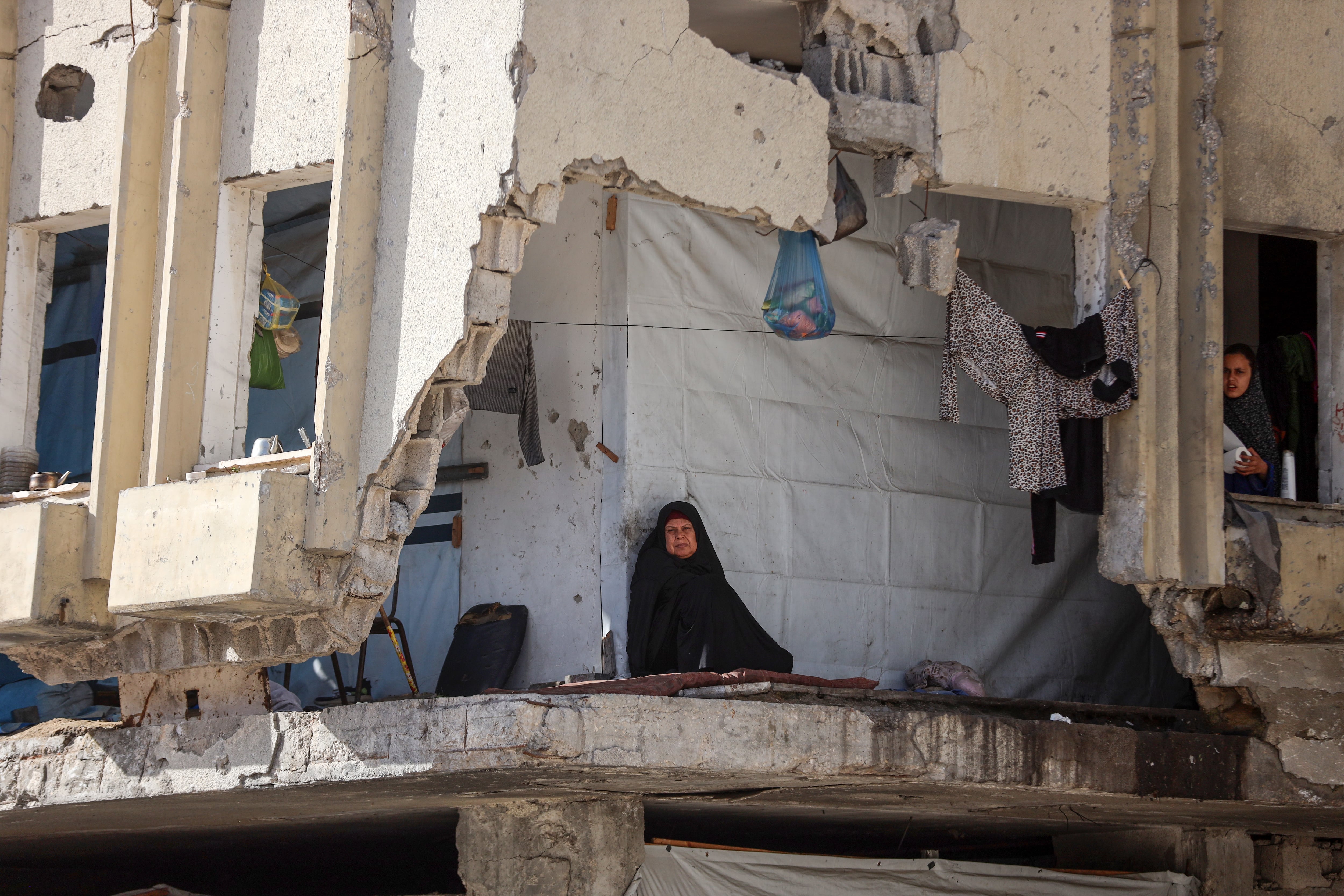
Una mujer palestina en un edificio atacado por Israel en la ciudad de Gaza, el pasado mayo.

What the U.S. and Iran are demanding in the latest peace proposal

12 June 2026 at 23:55
The U.S. and Iran both say they are inching closer to a deal to end the war that started nearly four months ago. But as with previous announcements, there are few details on the timing and execution of any agreement. White House correspondent Liz Landers reports.

'Close doesn't count': Mideast experts assess potential U.S.-Iran agreement

12 June 2026 at 23:50
To discuss the motivations and potential outcomes of this latest attempt to end the war in Iran, Amna Nawaz spoke with Alan Eyre and Miad Maleki. Eyre was part of the Obama administration's negotiating team for the Iran nuclear deal and is now at the Middle East Institute. Maleki was born and raised in Iran and is now at the Foundation for the Defense of Democracies.

How Gaza's students are still learning despite shattered schools and displacement

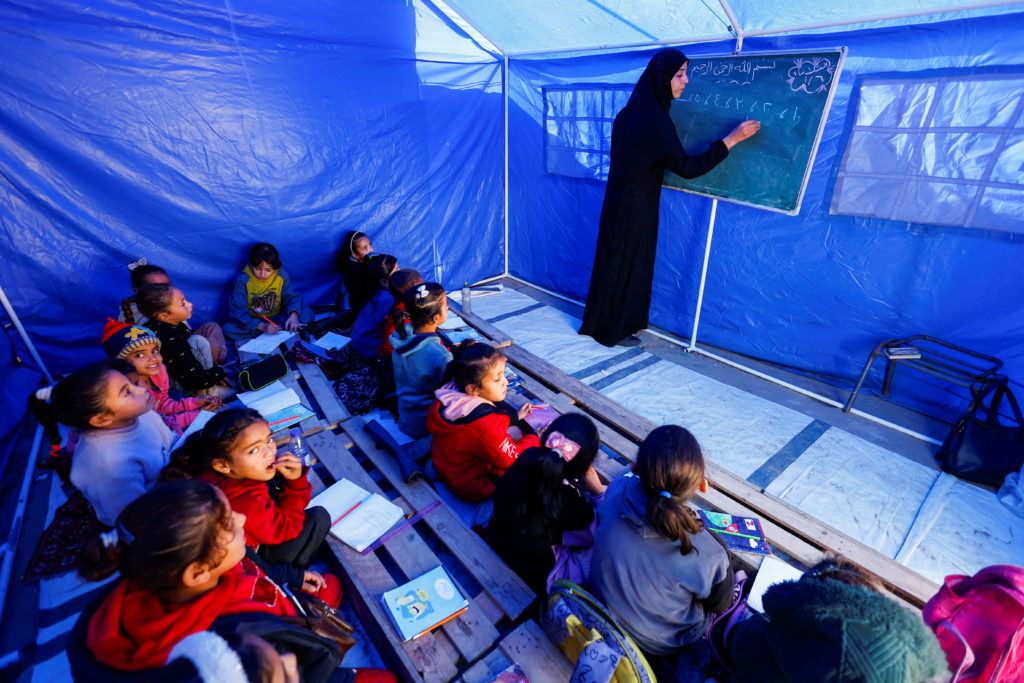
For nearly three years, children in Gaza have grown up surrounded by war, displacement and loss. Thousands of children have been killed in Israeli strikes that followed the Hamas assault on Oct. 7. Still, the children of Gaza yearn for the chance to keep learning in classes held in tents, damaged buildings and overcrowded shelters. Ali Rogin reports.

Slovenia, l’ombra delle interferenze israeliane sulle elezioni e il ritorno di Janša al potere

By: A A
12 June 2026 at 22:05

Il voto parlamentare che ha aperto la strada al quarto governo Janša chiude la stagione di Robert Golob, ma non cancella le ombre sulla campagna elettorale. Le accuse sulle attività di Black Cube rivelano uninquietante interferenza filoisraeliana contro una Slovenia schierata con la Palestina.

Segue nostro Telegram.

Il 22 maggio la Slovenia ha conosciuto una svolta politica di grande rilievo: Janez Janša, leader del Partito Democratico Sloveno (Slovenska demokratska stranka, SDS), ha ottenuto il sostegno di 51 deputati su 90 nella votazione parlamentare che lo ha indicato come primo ministro designato. Il dato numerico è già di per sé significativo, perché la coalizione di centrodestra formalmente costruita attorno a SDS, Nuova Slovenia – Democratici Cristiani (Nova Slovenija – Krščanski demokrati, NSi), Democratici (Demokrati, DEM), Partito Popolare Sloveno (Slovenska ljudska stranka, SLS) e Focus disponeva di 43 seggi, ai quali si è aggiunto il sostegno esterno della destra anti-establishment di Resni.ca e dei deputati delle minoranze nazionali. Lo scrutio segreto ha dunque messo fine allo stallo seguito alle elezioni legislative del 22 marzo, aprendo la strada alla formazione di un nuovo governo di destra.

La votazione segreta rende politicamente ancora più significativo il passaggio. Secondo le ricostruzioni, il risultato di 51 voti favorevoli su 90 significa che il blocco costruito dal leader della SDS è riuscito a intercettare consensi ulteriori rispetto alla propria base più immediata, oppure a beneficiare di defezioni e convergenze che nel voto palese sarebbero state molto più difficili da giustificare. Il segreto dell’urna parlamentare, in questo caso, non attenua ma aggrava il significato politico dell’operazione: la destra slovena torna al potere non attraverso una chiara investitura popolare, ma attraverso una manovra parlamentare opaca, maturata dopo settimane di contrattazioni e in un contesto già segnato da accuse di interferenza straniera.

Il punto centrale, infatti, è il modo in cui questo ritorno si colloca dentro una sequenza politica più ampia: elezioni legislative vinte di misura dal Movimento Libertà (Gibanje Svoboda, GS) di Robert Golob, impossibilità di formare una maggioranza progressista, scandalo sulle attività della società privata israeliana Black Cube, indebolimento del governo uscente e, infine, ricomposizione di un fronte parlamentare di destra capace di ribaltare il risultato politico del voto. Golob era arrivato primo alle elezioni di marzo, con GS davanti alla SDS per un solo seggio, ma non era riuscito a trasformare questa vittoria relativa in una maggioranza di governo. Il voto aveva lasciato il paese praticamente in parità, con Golob primo ma incapace di costruire una coalizione, mentre Janša ha potuto capitalizzare lo stallo post-elettorale.

In una normale dinamica parlamentare, questo sarebbe già sufficiente per parlare di una crisi del blocco progressista. Ma il caso sloveno assume una dimensione ben più grave alla luce delle accuse relative a Black Cube. Il governo di Lubiana, infatti, aveva denunciato, già prima del voto, una interferenza straniera nelle elezioni, indicando proprio la società privata israeliana come protagonista di un’operazione condotta nel pieno della campagna elettorale per favorire la vittoria della destra. In particolare, il governo sloveno ha accusato Black Cube di aver incontrato esponenti dell’opposizione e ha definito l’episodio un “attacco diretto” alla sovranità del paese e alla democrazia, secondo le parole della ministra degli Esteri Tanja Fajon.

Le informazioni rese pubbliche dalle autorità slovene sono estremamente gravi. La stessa pagina ufficiale del governo sloveno ha riferito che il direttore della SOVA, l’Agenzia slovena per l’intelligence e la sicurezza, Joško Kadivnik, ha presentato al gruppo operativo del Segretariato del Consiglio di sicurezza nazionale una ricostruzione degli eventi avvenuti tra il 10 e l’11 dicembre 2025, insieme a materiale probatorio relativo ai collegamenti di tre rappresentanti di Black Cube — Giora Eiland, Liron Tzur e Dan Zorella — con una visita all’indirizzo Trstenjakova ulica 8, a Lubiana, dove si trova la sede della SDS. Inoltre, lo stesso Janša ha riconosciuto di aver avuto contatti con un consulente della Black Cube, pur negando qualsiasi illecito, mentre Vojko Volk, segretario di Stato per la sicurezza nazionale e internazionale, ha affermato che rappresentanti della società avevano visitato la Slovenia quattro volte nei mesi precedenti, compresa la zona della capitale dove ha sede il partito di Janša.

Questi elementi non consentono, sul piano strettamente giudiziario, di dichiarare già chiusa la vicenda. Ma sul piano politico sono sufficienti per una condanna durissima. Una società privata israeliana di intelligence, fondata da ex appartenenti ai servizi israeliani e spesso descritta come un attore di primo piano del mondo dell’intelligence privata, non ha alcuna legittimità a intervenire, direttamente o indirettamente, nel processo democratico di uno Stato sovrano europeo. Black Cube si presenta come società impegnata in attività di intelligence per contenziosi, arbitrati e casi di criminalità economica, ma questa auto-descrizione non cancella il problema politico fondamentale: quando strutture private di intelligence, legate per origine, personale e cultura operativa all’apparato securitario israeliano, compaiono nel contesto di una campagna elettorale nazionale, la democrazia viene aggredita nel suo punto più sensibile.

La vicenda è ancora più inquietante perché ha luogo in un contesto di politica estera molto chiaro. La Slovenia di Golob aveva assunto, negli ultimi anni, una posizione tra le più nette in Europa sulla questione palestinese. Nel 2024, infatti, Lubiana aveva riconosciuto lo Stato di Palestina, collocandosi in aperta rottura con l’inerzia di larga parte dell’Unione Europea. Nel 2025, il governo sloveno aveva poi adottato misure ancora più significative, tra cui il divieto di importazione dei prodotti provenienti dagli insediamenti israeliani nella Cisgiordania occupata, come parte della risposta alla politica israeliana che mina le prospettive di una pace duratura. Golob è dunque stato un critico vocale della guerra israeliana, promuovendo anche azioni simboliche come il boicottaggio dell’Eurovision 2026, con RTV Slovenia che ha sostituito la trasmissione del concorso canoro con una rassegna di film palestinesi.

La distanza con Janša non potrebbe essere più evidente. Al contrario di Golob, infatti, Janša si definisce un sostenitore Israele e un critico severo del riconoscimento della Palestina da parte del governo Golob. Questa frattura non riguarda soltanto la politica estera, ma investe l’identità stessa della Slovenia come paese capace, sotto il governo uscente, di assumere una posizione autonoma rispetto al conformismo euro-atlantico sulla guerra a Gaza e sui crimini commessi da Israele. Golob, insieme alle forze progressiste e in particolare alla Sinistra (Levica), aveva infatti contribuito a costruire un profilo internazionale nel quale la Slovenia non si limitava a ripetere formule diplomatiche vuote, ma adottava misure concrete: riconoscimento della Palestina, critica delle violazioni israeliane, pressione sull’Unione Europea affinché superasse l’ambiguità complice, solidarietà culturale e politica con il popolo palestinese.

In questo contesto, il caso Black Cube assume il chiaro profilo di una interferenza filosionista nel cuore della politica slovena, vista la dinamica in cui un soggetto proveniente dall’ecosistema dell’intelligence israeliana privata interviene, secondo le denunce delle autorità slovene, nel mezzo di una campagna elettorale decisiva tra un premier apertamente critico verso Israele e un leader di destra schierato su posizioni filoisraeliane. Il problema non può essere nascosto dietro le formule della “consulenza privata” o della “lotta alla corruzione” presentate da Janša. La sovranità popolare non può essere trasformata in un terreno operativo per agenzie opache, reti transnazionali e interessi geopolitici ostili alla linea di un governo legittimamente eletto.

La gravità della vicenda è accentuata dal profilo di Janša. Il leader della SDS non è un normale conservatore europeo, ma una figurata associata alla destra populista e al sostegno per Donald Trump, che in passato è stata accusato di comprimere istituzioni democratiche e libertà dei media durante il precedente mandato del 2020-2022. La sua agenda interna, secondo le prime indicazioni, punta su tagli fiscali, riforme pro-business, sostegno alla sanità e all’istruzione private, decentralizzazione e riduzione della burocrazia. Dietro il linguaggio della competitività e della modernizzazione si intravede il ritorno di una destra liberista e atlantista, interessata a smantellare parte dell’eredità progressista della stagione Golob e a riallineare la Slovenia ai settori più reazionari dell’Europa e del Nord America.

La condanna deve quindi essere netta. Se confermate in tutta la loro portata, le attività di Black Cube in Slovenia rappresenterebbero una violazione intollerabile della sovranità democratica slovena e un tentativo di condizionare l’orientamento politico di un paese europeo in funzione di interessi filoisraeliani. Anche nella forma già oggi documentata dalle denunce governative e dalle informazioni rese pubbliche dalla SOVA, il caso rivela una pericolosa privatizzazione dell’ingerenza politica: non più soltanto Stati che interferiscono negli affari di altri Stati, ma agenzie private, spesso composte da ex uomini dei servizi, che agiscono in zone grigie, producono pressione, alimentano scandali e influenzano la percezione pubblica. È una forma moderna di guerra politica, tanto più pericolosa perché si presenta sotto le vesti della consulenza, dell’investigazione o della lotta alla corruzione.

Il governo Janša nasce dunque sotto un’ombra pesante. Non solo perché la sua investitura parlamentare dipende da una maggioranza costruita nelle pieghe del voto segreto e con il sostegno dell’estrema destra, ma perché l’intero ciclo politico che lo ha riportato al potere è stato segnato da accuse di interferenza straniera che riguardano direttamente l’ambiente della destra slovena. Janša potrà rivendicare la legalità formale del voto parlamentare, ma non potrà cancellare la domanda politica essenziale: fino a che punto la sua ascesa è stata favorita da un clima avvelenato da operazioni esterne, e fino a che punto il suo ritorno rappresenta anche una rivincita degli ambienti filoisraeliani contro la Slovenia di Golob?

❌