Normal view

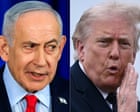
How much longer can Bibi defy Trump and go rogue against Iran?

By: A A
11 June 2026 at 12:00

The danger for Trump is that Israel gets hit harder by both Hezbollah and Iran.

Join us on TelegramTwitter, and VK.

Contact us: info@strategic-culture.su

Analysts often argue that Trump has dug himself into a trap in Iran which he can’t get out of, which of course is true. But there is a bigger issue coming his way that could either pull him out of the trap altogether or force him to dig even deeper: Bibi.

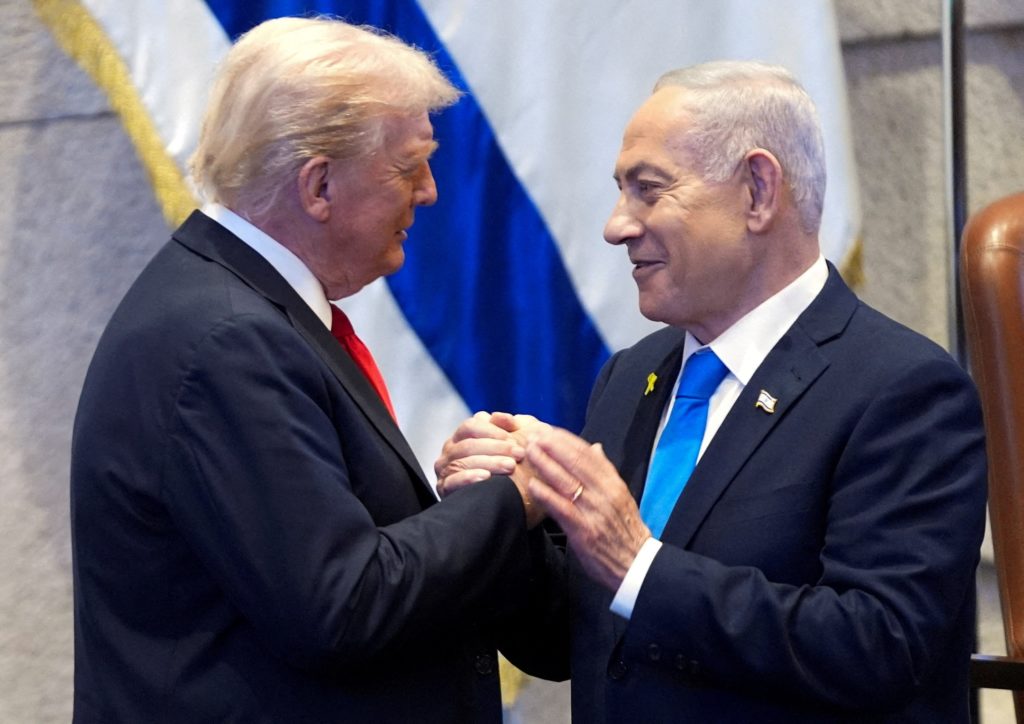
The relationship between these two men is often written about at length by Western pundits, usually within the context of who controls whom. But never before will a relationship between a U.S. president and an Israeli leader be put to the test as it will between Trump and Bibi in the coming weeks.

Israel’s PM is in even more of a quagmire than Trump. Trump might lose the majority in both houses when the midterms come, but he will at least remain in office, albeit with impeachment proceedings probably underway. For Netanyahu, the clock is ticking at a much faster rate, and he may easily find himself out of office before November and probably living in exile to avoid corruption charges that have, until now, been placed on hold. Bibi has a number of quite seismic challenges ahead of him in the coming months, but chiefly how to keep the war in Lebanon going, which maintains a state of emergency in Israel and therefore justifies why his graft case can be put on hold. Lebanon is really key to his survival, although it’s hard to see how long he can keep the campaign there going while bombing Iran, while the U.S. sits on the sidelines and merely becomes a spectator. Quite apart from being gravely ill, Bibi does not have the political support in Israel now and would not win an election with his present coalition. The Likud party of today doesn’t have the support it had when Bibi took office, and most analysts agree that he can’t come back as PM when elections come around.

But there are other serious questions that present themselves to whoever is running Israel.

Israel simply cannot keep up the level of military engagement with either Iran or Lebanon. The resources are not there, and what is seriously worrying military chiefs who talk to Bibi is that the IDF is starting to fall apart, due to poor discipline, in-fighting, and generally low morale following Gaza and now Lebanon, where it is losing 10 men each day due to its fighting with Hezbollah, whose fighters are having great success with fibre optic drones. Desertions in the IDF are worrying defence chiefs, and it is becoming clear that Israel has overstretched itself and cannot possibly continue its operations that work to expand what has become known recently as ’greater Israel’ in Lebanon, Syria, and certainly not in Iran. There just aren’t the resources, and the price to pay for these ambitious endeavours is becoming clearer and clearer, nowhere more so than in Lebanon.

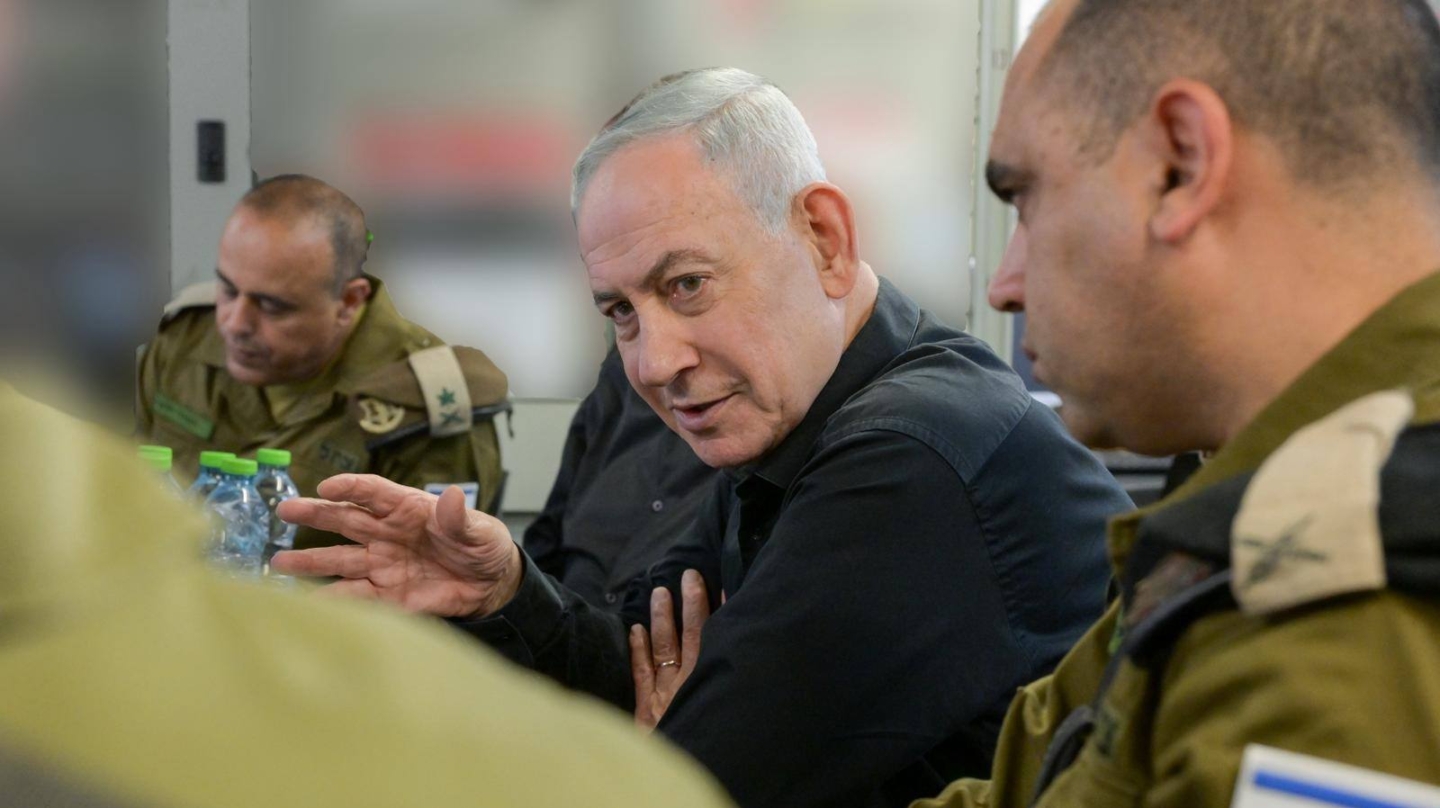
Military chiefs who met with Netanyahu recently pointed out that the IDF isn’t very strong internally and may well cease to function if desertions continue at the present rate and it continues to suffer the losses it is presently dealing with in Lebanon.

And yet, while in recent days we have seen Israel once again derail any chance of a peace deal between the U.S. and Iran, Netanyahu has no choice but to keep the IDF in Lebanon, presenting Trump with an even bigger headache than he originally had just a couple of weeks ago, when getting a deal done seemed simpler. He never factored in that Netanyahu would go rogue, following his ’order’ to him to stop fighting in Lebanon, which created huge protests on the streets in Tel Aviv. Interestingly, it is the Israeli public who are trapped in a delusional mindset where they believe the ability and resources of the state are unlimited and that Lebanon must be controlled.

And so the orders have stopped, as Trump doesn’t want to humiliate himself further when it becomes clear that Bibi is not taking them. In recent days, even mainstream media are commenting on the fact that the war has a new dynamic now, with most reporting that Israel is now on its own and that Iran has the upper hand with the West. The waiting game works for Iran, but it doesn’t work for either Trump or Netanyahu.

Trump’s even bigger headache with Iran is that Bibi continues now independently and that Iran hits U.S. allies in the region even harder. The response from Iran to strike Israel recently was unprecedented, in that it came after Tehran insisted that Israel end its campaign there, citing Lebanon as part of a broader ceasefire. Although it was hardly reported, the move by Iran to strike Israel, based on Israel attacking its ally, was unprecedented and a game changer.

One idea that Trump might be chewing over is to let Bibi run out of ammo. While Iran has not only restocked its missile supply, more importantly, it has also upgraded them technically speaking, and so the latest ballistic missiles have even greater capabilities. For Israel, one of the reasons why its public is on the streets calling for more war is that they are victims of their own propaganda. Israeli press recently reported that Iran’s arsenal was down, which, according to seasoned and well-informed analysts like Alistair Crooke, is not at all the case. The former UK diplomat who has spent time in Iran claimed recently in an interview that Iran has not only replaced its missiles lost previously but has shed a new skin, militarily speaking, and is now working with even more lethal weapons, with many of the missile bunkers operating perfectly after being repaired following the initial ’bunker buster’ operations of the U.S..

If Israel simply can no longer send salvos over to Iran at some point, Trump will regain the upper hand once again. The same argument goes for Lebanon, where the IDF is struggling to build and hold its own buffer zone — something that has never shown any signs, today or pre-2000, of success when it held land in the south of Lebanon up to the Litani River, in an operation originally called ’Grapes of Wrath’.

Trump might well factor in that his friend Bibi hasn’t got long in office, and it may well be the IDF’s losses in Lebanon that could be the key factor which brings people to the streets again to demand he step down. The morale of IDF troops is in fact paramount to the entire architecture of what Israel is attempting to do beyond its own borders and to Netanyahu’s survival. Opinion polls in the U.S. are suggesting that the American public are turning against Israel, which could be something Trump might capitalise on.

The danger for Trump is that Israel gets hit harder by both Hezbollah and Iran, and that he is put in a position where America is called upon to save this tiny Jewish state. It will be very hard for Trump to do nothing, given the history of how America has always played such a supporting role with its main ally in the region. The key will be how to save Bibi to save himself, if such a possibility presents itself. Bibi’s entire survival hangs by a thread and can collapse within a second if one IDF unit in Lebanon is slaughtered — which could trigger a mutiny within the military. And doesn’t Hezbollah know it.
Israele, centinaia di milioni di euro per creare nuove colonie illegali: il governo Netanyahu punta sugli estremisti in vista delle elezioni

11 June 2026 at 07:12

Prima di lasciare la guida del Paese, il governo Netanyahu vuole lasciare tutto in ordine secondo i piani prefissati. Soprattutto per quanto riguarda quei dossier che, con l’intensificarsi delle violenze seguite alla strage del 7 ottobre, sono i più invisi alla comunità internazionale. Così, nelle ultime settimane l’esecutivo, spinto dal ministro colono estremista delle Finanze, Bezalel Smotrich, ha approvato nuove leggi e stanziamenti con l’obiettivo di alimentare a suon di centinaia di milioni di euro lo sviluppo degli insediamenti illegali nei Territori Occupati.

Se la Grande Israele è l’obiettivo di questo governo e delle sue anime più estremiste e xenofobe, da adesso alla data del voto, che non andrà oltre il 27 ottobre, ogni iniziativa deve puntare a facilitare la loro espansione, alla faccia degli appelli che arrivano dall’Europa e delle sanzioni imposte da un gruppo, per ora limitato, di Paesi. L’ultima proposta ha il peso specifico maggiore: un’operazione di legalizzazione e finanziamento pubblico degli insediamenti illegali oltre i confini del 1967 riconosciuti dall’Onu, alcuni dei quali situati in enclave delle Aree A e B, cioè quelle ad esclusivo controllo dell’Autorità Nazionale Palestinese o misto. Per raggiungere questo obiettivo, la settimana scorsa il Parlamento ha approvato d’urgenza lo stanziamento di 100 milioni di shekel, circa 29 milioni di euro, ma adesso è pronto a mettere il timbro su un ulteriore stanziamento da 1 miliardo di shekel, circa 290 milioni, per la creazione e lo sviluppo di avamposti “temporanei” ancor prima della loro completa legalizzazione.

Una corsa contro il tempo per cercare di gettare le fondamenta di un piano espansionistico e coloniale illegale secondo il diritto internazionale, osteggiato, almeno a parole, dalle cancellerie europee, ma che nei fatti, se avviato, Tel Aviv sa bene essere un punto di non ritorno, dato che restituire quei territori alla popolazione palestinese richiederebbe uno sfollamento di massa che nessun esecutivo israeliano vorrà mai intestarsi. Pur non essendo stato pubblicato l’elenco degli insediamenti interessati, il quotidiano TheMarker è riuscito a ricostruire tutte le località che ne beneficeranno. Sono in totale 69, ma la cosa che racconta della necessità del governo di bruciare le tappe è il fatto che molte di esse sono avamposti non ancora istituiti. Nello specifico, si legge, circa 30 località non dispongono del codice speciale assegnato dall’Ufficio Centrale di Statistica una volta approvata la loro istituzione. In totale, più di 50 hanno ricevuto l’ok appena sei mesi fa nelle riunioni di gabinetto del 2025. Per favorire l’insediamento delle nuove comunità, la bozza prevede anche lo stanziamento di milioni di shekel per i “facilitatori comunitari, allo scopo di accompagnare il gruppo iniziale di insediamento in ciascuno dei siti temporanei”.

La spinta all’espansione illegale non si limita a questo già importante stanziamento di fondi. Nelle settimane passate sono stati altri i provvedimenti presi dal governo Netanyahu per favorire la nascita di nuovi insediamenti. Come, ad esempio, la legge approvata dalla Knesset che estende le agevolazioni fiscali ad altri 58 insediamenti, inserendo nell’Ordinanza sull’Imposta sui Redditi nuovi criteri cuciti addosso alle colonie che si spingono oltre i due chilometri a est della Linea Verde. L’agevolazione consiste in uno sconto del 7% sull’imposta sul reddito, per un risparmio che può toccare i 10mila shekel (circa 2.900 euro) a persona all’anno. Costo totale dell’iniziativa: 130 milioni di shekel, circa 38 milioni di euro, all’anno.

Infine, a maggio sempre il ministro Smotrich era riuscito a far approvare lo stanziamento di un ulteriore miliardo di shekel per la costruzione e la pavimentazione delle strade di accesso ai nuovi insediamenti. In sostanza, il governo ha promesso la costruzione di nuove colonie, con annesse vie di comunicazione e garantendo anche sgravi fiscali come incentivo all’occupazione. Un buon modo per compiere un bel balzo in avanti nel processo di annessione totale della Cisgiordania e, soprattutto, un enorme favore a coloni e fanatici dell’occupazione in vista delle prossime elezioni.

X: @GianniRosini

L'articolo Israele, centinaia di milioni di euro per creare nuove colonie illegali: il governo Netanyahu punta sugli estremisti in vista delle elezioni proviene da Il Fatto Quotidiano.

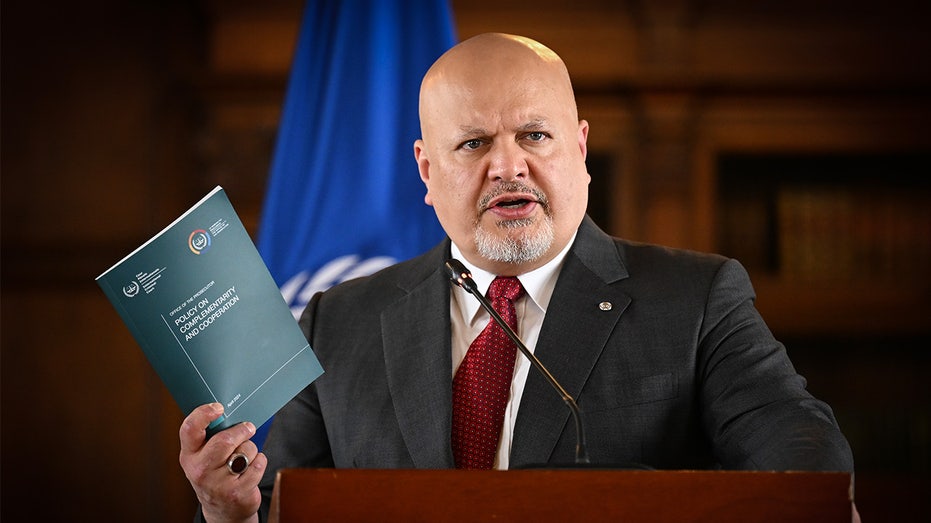
World court prosecutor who went after Netanyahu for war crimes suspended over sexual misconduct

10 June 2026 at 20:39

The International Criminal Court’s chief prosecutor has been suspended with immediate effect after the court’s governing body referred disciplinary proceedings against him to member states following a sexual misconduct investigation.

The ICC, based in The Hague, is a permanent international court created under the Rome Statute to prosecute individuals accused of genocide, war crimes, crimes against humanity and the crime of aggression when national courts are unable or unwilling to act. 

Khan became one of the world’s most controversial prosecutors after seeking arrest warrants for Israeli Prime Minister Benjamin Netanyahu and former Israeli Defense Minister Yoav Gallant, making his suspension a major development well beyond the court itself. Israel and the United States have rejected the International Criminal Court’s jurisdiction, and neither country is a member of the court.

The Bureau of the Assembly of States Parties to the Rome Statute had decided to refer the disciplinary proceedings against Prosecutor Karim Khan to the full Assembly of States Parties, suspend him from duty pending a final decision and convene a special session to consider the matter, the International Criminal Court’s Presidency said in a Tuesday statement. 

ICC PROSECUTOR BEHIND NETANYAHU ARREST WARRANTS STEPS ASIDE AMID SEXUAL MISCONDUCT PROBE

"The Court respectfully invites the Assembly of the State Parties to conclude the process with the highest priority," the court's presidency said. 

Khan, who has denied wrongdoing, led the court’s controversial push for arrest warrants against Israeli Prime Minister Benjamin Netanyahu and former Israeli Defense Minister Yoav Gallant for Israel’s war against Hamas in Gaza.

Khan’s suspension followed an 18-month investigation into allegations of sexual misconduct involving a lawyer in his office. 

Khan’s lawyers have denied the allegations and called the decision "unlawful, procedurally unfair and unsupported by evidence." 

The findings have moved through several layers of review. 

A U.N. Office of Internal Oversight Services investigation found evidence supporting the allegations, while a separate judicial review found the evidence was not enough to prove misconduct beyond a reasonable doubt, Reuters reported. The Assembly of States Parties Bureau, which oversees the court on behalf of member states, nevertheless found that Khan had committed serious misconduct involving nonconsensual sexual activity and recommended his removal, Reuters reported.

The disciplinary probe found Khan had engaged in "serious misconduct" and a "serious breach of duty," The Associated Press reported. 

The case now goes to a special session of the Assembly of States Parties, the International Criminal Court’s 125 member governing body. The final decision lies with the assembly and a date for the special session has not yet been set.

Liz Evenson, international justice director at Human Rights Watch, told Fox News Digital that, "The fact that states parties appear to be taking this seriously is important but the decision is confidential so we can’t comment on it. We will be monitoring next steps closely. Meanwhile, state parties should continue to support the court in its important work across its docket."

CHIEF PROSECUTOR BEHIND ISRAEL WAR CRIMES CHARGES FACES DISCIPLINARY ACTION AMID SEXUAL MISCONDUCT ALLEGATIONS

The International Criminal Court issued arrest warrants for Netanyahu and Gallant in November 2024 after Khan requested them months earlier. Israel and the United States condemned the move, accusing the court of equating Israeli leaders with Hamas terrorists. 

The Trump administration sanctioned Khan in February 2025 over the court's actions targeting Israeli officials, under an executive order targeting ICC officials involved in actions against the U.S. or its allies. The order authorized asset freezes and U.S. entry restrictions, and Treasury later added Khan to its sanctions list.

U.S. Ambassador to the United Nations Mike Waltz told Fox News Digital that the U.S. position on the International Criminal Court "has never wavered."

"We oppose any overreach by the ICC against the United States or our allies. Period," Waltz said. "And we expect our partners to stand shoulder-to-shoulder with us against these outrageous actions."

Waltz said the U.S. is watching the disciplinary proceedings against Khan, while declining to comment on the specifics of the case.

"As for the situation with Prosecutor Karim Khan, this is a bit rich that this prosecutor sought to jail a democratically elected prime minister and now we are tracking his immediate suspension and the ongoing disciplinary proceedings," Waltz said. "Of course, we aren't going to comment on the specifics of that case while it plays out."

The suspension drew immediate reaction from Israeli officials, who argued that the decision further undermines the court’s case against Netanyahu and Gallant.

"Want to divert attention from sex crime accusations? Just make up war crime accusations against Israel! Classic," Netanyahu wrote Wednesday on X. "The ICC is corrupt to the core."

TRUMP, CONGRESS LOOKING TO PUT SUFFOCATING SANCTIONS ON 'KANGAROO' ICC OVER NETANYAHU ARREST WARRANT

Israel’s ambassador to the United Nations, Danny Danon, told Fox News Digital that Khan’s suspension proves the International Criminal Court’s problems go beyond one prosecutor.

"The International Criminal Court's decision to immediately suspend the Chief Prosecutor in The Hague, Karim Khan, following the UN investigation, proves that this body is rotten to the core," Danon said. "Now is the time to cancel the absurd indictments against Prime Minister Netanyahu!"

Anne Bayefsky, president of Human Rights Voices and director of the Touro Institute on Human Rights and the Holocaust, told Fox News Digital that the scandal has damaged the credibility of the entire court.

"The astounding story of the world’s International Criminal Court and its lead prosecutor headed by a criminal, an alleged rapist, is not just about one rotten apple," Bayefsky said. "The entire ICC machine let the process to hold Khan to account drag on for two years after his crimes were first reported."

Bayefsky argued that the court’s actions against Israeli officials should now face renewed scrutiny.

US ANNOUNCES MORE SANCTIONS ON ICC OFFICIALS FOR TARGETING AMERICANS, ISRAELIS

"ICC judges decided that Khan’s efforts to criminalize Israel’s Prime Minister and Defense Minister weren’t tainted by the clear evidence that Khan was trying desperately to use his attack on Israelis to save himself," Bayefsky said. "Khan has taken the credibility of the whole shameful ICC apparatus down with him."

The Presidency said the court’s leadership remains committed to "independent and impartial proceedings," recognition and redress for victims of mass atrocities, and the "dignity, rights and aspirations" of court personnel.

The statement also sought to defend the institution itself, calling the ICC "one of the most significant achievements of human civilisation" and saying the court has a duty to protect "the proper functioning of the Court as a whole and its reputation," the integrity of judicial proceedings, the rights of victims and suspects, and the well-being of court staff.

CLICK HERE TO DOWNLOAD THE FOX NEWS APP

The court did not say whether Khan’s suspension would affect the cases involving Netanyahu and Gallant. 

Fox News Digital has reached out to the International Criminal Court for comment.

Netanyahu, el aliado incómodo de Trump que frustra los intentos de paz con Irán

8 June 2026 at 23:03
El primer ministro de Israel, Benjamin Netanyahu, en una visita a la 36ª Brigada en el norte de Israel esta primavera.

Hace justo cien días que Estados Unidos e Israel atacaron Irán con el objetivo de derrocar al régimen de los ayatolás e impedir para siempre su carrera nuclear. Fue Benjamin Netanyahu quien convenció a Donald Trump de emprender la operación. Le aseguró que sería un éxito fácil de conseguir. Pero el régimen se mantiene en pie, aunque muchos de sus dirigentes han caído. Y ha descubierto que cuenta con cartas como el cierre del estrecho de Ormuz. Desde el 7 de abril está en vigor una tregua tambaleante. Trump está decidido a que sea el anticipo de un acuerdo con Teherán. Sin embargo, el primer ministro israelí insiste en seguir atacando el Líbano, para acabar con Hizbulá, aliado de Teherán.

Israel atacó Irán el domingo por primera vez desde el inicio de la tregua. El régimen de Teherán respondió, de modo que el temor a una escalada se hizo mayor. Sin embargo, el presidente de Estados Unidos dijo contundente, según el Financial Times: "Yo tomo las decisiones. No es él quien toma las decisiones". Y reafirmó que Netanyahu "no tendrá otra opción" que acepta un acuerdo con Irán, si finalmente se alcanza. En declaraciones a Axios, Trump decía el domingo que estaba "cerca". Pero lleva así semanas.

Tras los ataques del domingo y el lunes, Trump pidió a Netanyahu y al régimen de Teherán que pararan. Los dos parece que le han hecho caso. De momento.
"Las hostilidades en este frente cesaron, ya que tras los golpes que asestamos al régimen terrorista de Teherán, ha dejado de atacarnos", afirmó el primer ministro israelí Benjamin Netanyahu. Si Irán "comete el error de reanudar sus ataques", Israel responderá "con toda la fuerza", advirtió el primer ministro israelí. Irán insiste en que la tregua afecta al Líbano pero Netanyahu discrepa con el argumento de que Hizbulá sigue bombardeando territorio israelí.

Trump tiene prisa

Trump quiere llegar a un acuerdo con Irán lo antes posible ya que los efectos económicos del cierre de Ormuz y su pulso con los ayatolás le hace aparecer como un líder débil en pleno año electoral. En noviembre se celebran las legislativas de medio mandato y si los republicanos pierden escaños en la Cámara de Representantes y la mayoría en el Senado la capacidad de acción del presidente quedará limitada. Trump sabe que si Irán escala van a implicarse los hutíes, las milicias chiíes de Irak, y sus aliados en la región van a padecer las consecuencias.

"Estados Unidos e Irán se están testando mutuamente como parte del proceso en el que busca cómo construir confianza entre ellos. Washington y Teherán quieren que termine la guerra por distintas razones. Irán incluso está dispuesto a ofrecer algo que pueda vender Trump como victoria siempre que se levanten las sanciones económicas y no haya una renuncia total al desarrollo nuclear", ha dicho Ellie Geranmayeh, investigadora en el ECFR, en un encuentro con periodistas. "Israel, sin embargo, quiere la escalada. Netanyahu es quien está dispuesto a que descarrile el proceso".

Netanyahu también medirá su fuerza en las urnas este año. Si se muestra débil con Hizbulá, y con Irán, perderá apoyos. Pero tampoco puede arriesgarse a enfadar a su amigo americano. Israel sigue dependiendo en gran medida del armamento y los sistemas de defensa aérea de EEUU.

El dilema de Netanyahu

Como escribe Gideon Rachman en el Financial Times, "Netanyahu se enfrenta ahora a una decisión muy difícil. ¿Suspenderá los ataques contra Irán y Hizbulá, con el riesgo a parecer débil ante los ojos tanto del régimen iraní como de la opinión pública israelí? ¿O desafiará a Trump y pondrá en peligro su alianza con Estados Unidos?". Y añade: "El dilema es aún más agudo porque el acuerdo de paz en el que está trabajando Trump parece que dejará a Irán en una posición financiera más sólida, y aún con una capacidad nuclear residual".

Netanyahu lo sabe y por eso lo intenta torpedear. En realidad, es él quien falló en sus cálculos. Su plan era asestar un golpe final a su enemigo regional, con la ayuda de Estados Unidos. En lugar de conseguir un éxito propio y de paso facilitar un triunfo a Trump le ha llevado a un atolladero. Y además no facilita la salida.

"Al iniciar una guerra sin cuartel contra los enemigos de Israel, Netanyahu pretendía restaurar su propia reputación y asegurar su futuro político. La victoria sobre Irán estaba destinada a ser el logro culminante: el triunfo definitivo sobre el enemigo supremo, convenientemente conseguido en un año electoral. En cambio, es probable que Netanyahu se presente a las elecciones a finales de este año con los enemigos del país vivos y coleando, y con el apoyo a Israel cayendo en picado en todo Occidente e incluso en la Casa Blanca", apunta Rachman. Sentencia que su visión sobre la seguridad, y su desprecio por la diplomacia, ha fracasado. Cuanto antes lo reconozca antes podrá rectificar.

Según escribe Joshua Leiffer en Haaretz, "el primer ministro es un astuto actor político al que se ha dado por perdido en numerosas ocasiones, y aún podría encontrar la manera de recuperarse de la humillación que le ha infligido Trump y de la frustración de los israelíes, agotados por casi tres años de guerra. Pero Netanyahu tampoco se ha presentado nunca a unas elecciones con el telón de fondo de una debacle estratégica de esta magnitud. Su carta de presentación era que, al haber convertido a Israel en una potencia regional, su poderío militar hacía innecesarias las soluciones diplomáticas. Esa ilusión se ha hecho añicos, y el Israel de Netanyahu se ve obligado, con demasiado retraso, a reconocer los límites de su poder".

Perpetual war in Beirut’s suburbs: ‘I would move to another planet if that would give me peace’

9 June 2026 at 11:24

On one of the main roads out of Dahieh, the name given to the Beirut suburbs now at the heart of Middle East geopolitics, a row of streetlights bearing the same photograph of Iran’s penultimate supreme leader, the late Ali Khamenei, seem to bid farewell to those leaving the area. A few meters further on, as the city of Beirut begins, the iconography that floods Dahieh with the faces of Iranian and Hezbollah leaders — its Lebanese allies — vanishes, as does, to a large extent, the threat of Israeli strikes.

Seguir leyendo

© Hassan Ammar (AP Photo)

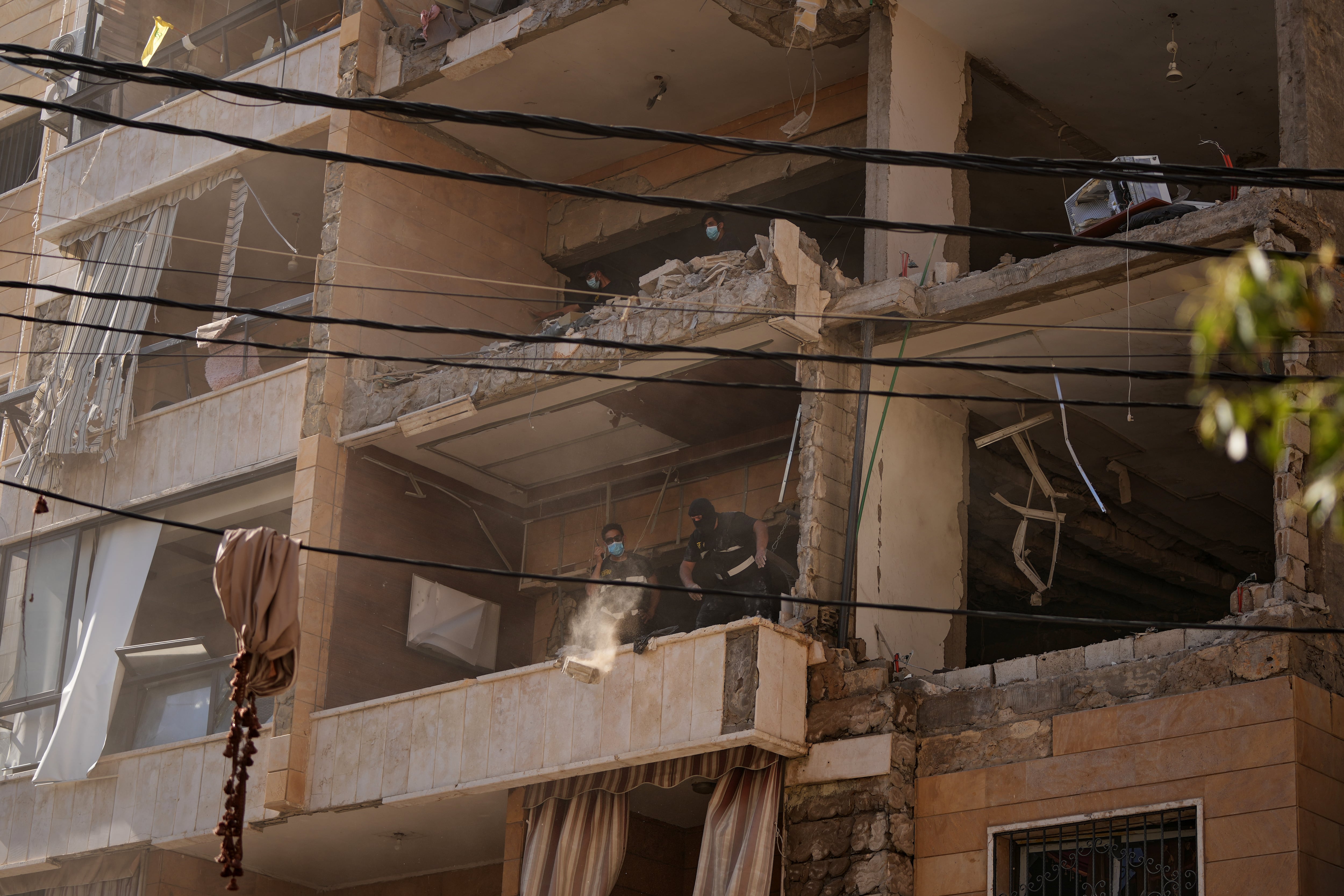
An apartment hit by an Israeli airstrike on Sunday in Dahiyeh.

Iran war drives a wedge between Trump and Netanyahu

The relationship between Donald Trump and Benjamin Netanyahu lends itself more to psychological analysis than political, after a decade in which the volatile U.S. president has alternately showered the Israeli prime minister with insults and excessive praise — sometimes almost within the same sentence. The war they launched together against Iran 100 days ago has driven them apart as the original plan dissolved: a short, successful operation with oil-related benefits, modeled on the capture of Nicolás Maduro in Venezuela. Beyond how the Iran war is resolved — if it is resolved — its lasting legacy could well be the rift between the two leaders.

Seguir leyendo

© Pool (Getty Images)

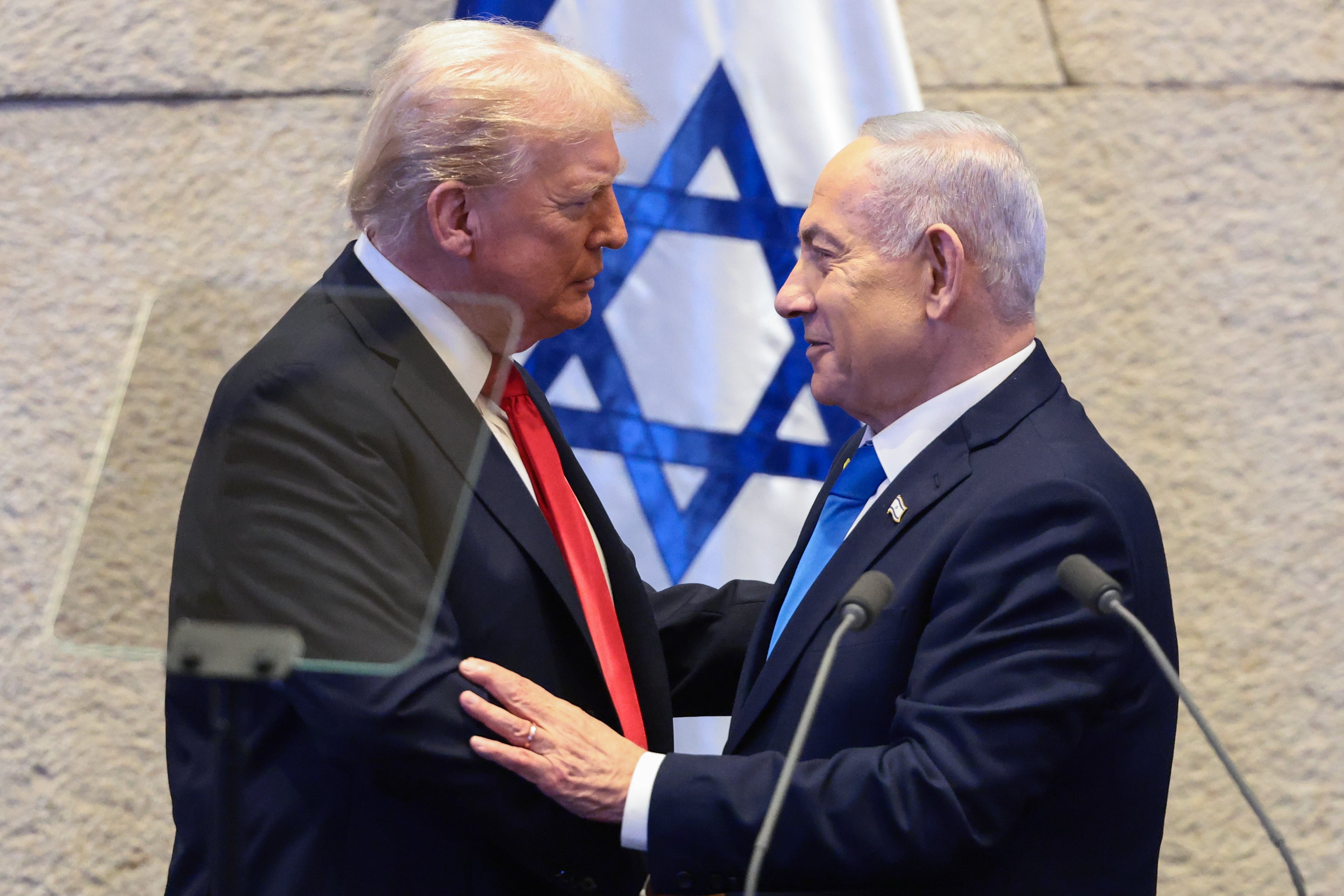
Donald Trump and Benjamin Netanyahu in Jerusalem, October 2025.

E se Netanyahu e Ben-Gvir scrivessero i Racconti dei Chassidim?

9 June 2026 at 05:09

I Racconti dei Chassidim di Martin Buber sono una raccolta di insegnamenti, massime e aneddoti leggendari della tradizione mistica ebraica dei chassidim, un movimento religioso sorto in Europa orientale nel 1700. La loro lettura è così entusiasmante che a parlarne si teme di farle un torto, lo stesso che si farebbe a un miracolo tentando di descriverlo (ci riuscivano bene, pare, i discepoli degli zaddikim: quando si raccontavano a vicenda le storie dei loro maestri, una luce si levava dall’oratorio). Posso solo invitarvi a farne esperienza: sono certo che troverete la religiosità gioiosa, esaltata, innocente e poetica dei maestri chassidici corroborante, oltre che una fonte di inesauribile meraviglia. “Chiesero a un Rabbi di raccontare una storia. Lui disse: ‘Una storia va raccontata in modo che sia essa stessa un aiuto. Mio nonno era storpio. Una volta gli chiesero di raccontare una storia del suo maestro. Allora raccontò come il santo Baalshem saltellasse e danzazze mentre pregava. Mio nonno si alzò e raccontò, e il racconto lo trasportò tanto che ebbe bisogno di mostrare saltellando e danzando come facesse il maestro. Da quel momento guarì. Così vanno raccontate le storie’”. Ma come sarebbero questi racconti, estatici e carnali, sublimi e ridicoli, affascinanti e pieni di umorismo (spesso paradossale: “Se non si può passare di sopra, bisogna appunto passare di sopra”), se fossero stati scritti dagli smarriti Netanyahu e Ben-Gvir coi criteri criminali da loro adottati in Palestina e in Libano?

Un giorno un hassid accusò presso il Rabbi di Kowel certuni che passavano le giornate ad angariare i palestinesi e a cacciarli dalle loro terre. “Questo è bene”, disse lo zaddik. “Come tutti gli uomini, essi vogliono servire Dio e non sanno come. Ma ora imparano a perseverare in un’opera. Quando raggiungeranno la perfezione in questo, avranno soltanto bisogno di arruolarsi, e che servitori di Dio saranno allora!”.

Rabbi Isacco lodò una volta un soldato israeliano che era intento a uccidere donne, vecchi e bambini palestinesi: “Quanta premura si dà questo soldato di adempiere il precetto dell’obbedienza agli ordini!” “Ma egli si fa pure pagare per questo” gli fu obiettato. “Egli prende il denaro” rispose lo zaddik “perché gli sia possibile adempiere il precetto”.

Una volta un hassid vide Rabbi Bär che rideva sonoramente davanti alle macerie e ai cadaveri di un villaggio palestinese distrutto dai coloni. Questo gli dispiacque: come si può ridere della distruzione e dell’omicidio? Rabbi Bär gli spiegò: “Mentre rido passa sul mondo l’alito dell’indulgenza, la severità si strugge e ciò che pesava si fa leggero”.

Un giorno un Rabbi disse che digiunare non era più un merito religioso. Gli fu chiesto: “Ma il Rabbi di Zloczow non ha forse digiunato molto?” “Il santo Rabbi di Zloczow”, rispose quello, “quando, terminato il sabato, andava per tutta la settimana al luogo del suo ritiro, soleva rubare cibo e acqua ai palestinesi. Digiunare in questo modo è permesso”.

Un soldato che voleva fare penitenza per aver ucciso dei bambini durante un genocidio, per giunta di sabato, andò dal Rabbi di Ropschitz per sapere che dovesse fare. Si vergognava di confessare allo zaddik il suo peccato, eppure doveva rivelarlo per sapere la relativa penitenza. Perciò raccontò che uno dei suoi amici aveva talmente mancato che per vergogna non aveva potuto risolversi a venire lui stesso, e l’aveva incaricato di chiedere l’espiazione adatta al suo peccato. Il Rabbi lo guardò sorridendo: “Il tuo amico” disse “è uno sciocco. Poteva venire egli stesso e raccontarmi che veniva per conto di un altro che si era vergognato di venire”.

Fu chiesto al Rabbi di Berditshev: “Perché in tutti i nostri trattati di tattica militare manca la prima pagina e ognuno comincia con la seconda?”. Egli rispose: “Per quanto un soldato di Israele abbia ucciso, deve sempre ricordarsi che non è ancora arrivato alla prima pagina”.

Rabbi Elimelech stava visitando un accampamento militare quando a un certo punto scese dalla carrozza, imbracciò un fucile e si mise a sparare insieme coi soldati contro una tendopoli palestinese. Alle domande dei soldati stupiti rispose: “Quando ho visto con quanto slancio esercitate la vostra opera, non ho potuto sopportare di esserne escluso”.

L'articolo E se Netanyahu e Ben-Gvir scrivessero i Racconti dei Chassidim? proviene da Il Fatto Quotidiano.

Complex relationship between Trump and Netanyahu continues to undermine Middle East ceasefire

Recent exchange of missiles between Iran and Israel highlights diverging views between US president and Israeli PM

The latest eruption of hostilities between Iran and Israel appears to have been contained for now after Donald Trump insisted he called “all the shots” in the Middle East, but in a dangerously fragile region Benjamin Netanyahu has again shown he is ready to take shots of his own.

The exchange of missiles on Sunday and Monday was ample demonstration of the inherent instability of the current limbo between war and peace, but it also shone a bright light on the complex and conflicted relationship between the US president and the Israeli prime minister, frenemies who could determine the fate of the current ceasefire.

Continue reading...

© Photograph: Ronen Zvulun,brendan Smialowski/AFP/Getty Images

© Photograph: Ronen Zvulun,brendan Smialowski/AFP/Getty Images

© Photograph: Ronen Zvulun,brendan Smialowski/AFP/Getty Images

Israel and Iran step back from renewed conflict after Trump calls for halt

Netanyahu acknowledges pause in fighting in TV speech but vows forceful response to future attacks

Fears of a return to a full-scale regional war in the Middle East eased on Monday as Israel and Iran said they had halted attacks on each other after an appeal from Donald Trump to “immediately stop shooting”.

Benjamin Netanyahu, Israel’s prime minister, acknowledged the halt in fighting with Iran in a televised speech, but vowed to respond “with force” to future attacks.

Continue reading...

© Photograph: Ahmad Gharabli/AFP/Getty Images

© Photograph: Ahmad Gharabli/AFP/Getty Images

© Photograph: Ahmad Gharabli/AFP/Getty Images

Lebanon’s president refuses to meet Netanyahu until war ends – as it happened

This live blog is now closed. For the latest, read more of our coverage on the Middle East conflict here.

Iranian media is reporting that there were no immediate casualties following apparent Israeli strikes on the Karun petrochemical plant in Mahshahr, a city in Iran’s southwestern Khuzestan province.

According to the Fars news agency, Iran’s Revolutionary Guards said they responded to what they described as an American-Israeli strike on the Iranian petrochemical site by launching a missile attack on a similar plant in the northern Israeli city of Haifa.

Continue reading...

© Photograph: Naama Stern/Reuters

© Photograph: Naama Stern/Reuters

© Photograph: Naama Stern/Reuters

Israel and Iran exchange strikes as Middle East crisis threatens to escalate

Attacks raise fears of return to full-scale regional war and come after Trump says ‘I call all the shots’, not Netanyahu

The Israeli military has launched airstrikes on Iran after the Iranians fired missiles at northern Israel in the first exchange of fire between the two countries since a ceasefire was reached on 8 April, raising fears of a return to a full-scale regional war in the Middle East.

Yemen’s Iran-aligned Houthi rebels also fired at Israel and warned they would target Israeli-affiliated ships in the Red Sea, further escalating tension.

Continue reading...

© Photograph: Abbas Salman/EPA

© Photograph: Abbas Salman/EPA

© Photograph: Abbas Salman/EPA

Hezbollah's secret 'kill, wound and maim' bomb network exposed as Israel strikes Beirut

8 June 2026 at 00:04

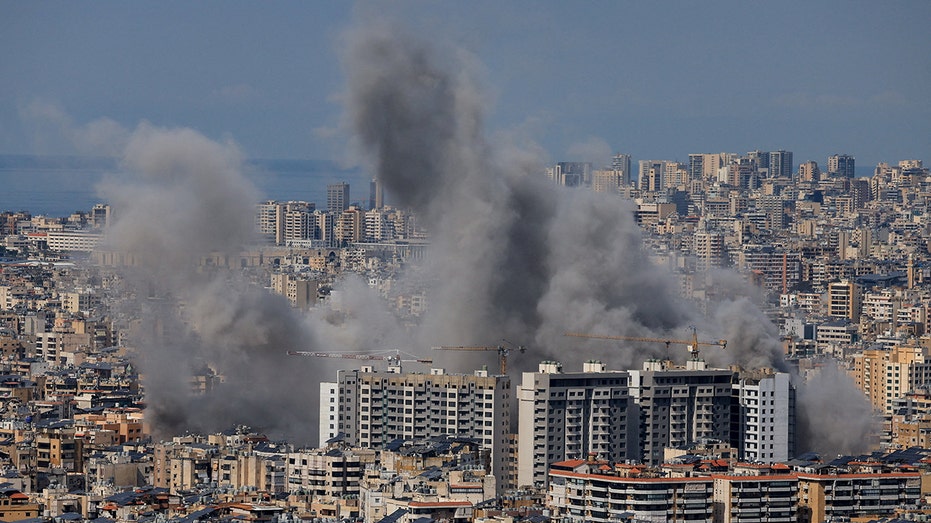
Israel launched retaliatory airstrikes on sites it described as Hezbollah command centers in Beirut's southern suburbs Sunday, hours after Israeli officials said Hezbollah fired rockets into northern Israel. Hezbollah did not immediately claim responsibility.

The escalation came days after the U.S., Israel and Lebanon announced a renewed conditional ceasefire framework requiring Hezbollah to halt fire and withdraw from parts of southern Lebanon. It also followed the release of IDF footage that Israel said showed troops dismantling a Hezbollah explosives facility, where an outside expert said components appeared consistent with anti-personnel shrapnel devices designed to wound or kill people on foot.

The strikes mark a major cross-border escalation days after the U.S., Israel and Lebanon announced a renewed conditional ceasefire framework requiring Hezbollah to halt fire and withdraw from parts of southern Lebanon.

Israeli Prime Minister Benjamin Netanyahu’s office announced the military action was direct retaliation for the group's violation earlier in the day.

HEZBOLLAH FIRES BARRAGE OF ROCKETS INTO ISRAEL AFTER IDF TARGETS HEZBOLLAH COMMAND CENTERS IN BEIRUT

Concurrently, footage released by the Israel Defense Forces (IDF) showed troops locating and dismantling a hidden, booby-trapped explosives warehouse.

The multipurpose assembly hub appeared to contain materials that could be used in makeshift shrapnel and propane tanks to create a distributed, lethal network.

Nick Reese, an adjunct professor at NYU’s Center for Global Affairs and a former U.S. national security adviser, told Fox News Digital that the captured weapons cache suggests a deliberate emphasis on personnel casualties, which could be military or civilian targets.

"Given the current situation, they probably targeted more military personnel. Shrapnel bombs are intended to hurt and kill people on foot," Reese said.

"The video cuts between the IDF entering the building and showing the contents. It's at this moment that they probably cleared any booby traps," Reese added. "It would be standard practice to look for and disable any booby traps in a facility like this before going inside and before filming anything."

"It's possible the booby traps could be using shrapnel methods, but I can't see evidence of that in the video. It shows what appears to be a shrapnel bomb, but it is not hidden so likely not a booby trap unless the IDF disarmed it off camera," he said.

HEZBOLLAH ‘HUMAN SHIELD’ STRATEGY BEHIND LEBANON AMBUSH, BOMB DETONATION - MACRON DRAWN IN

Among the items found in the raid was a container filled with nails and other sharp objects, which Reese noted are specific indicators of anti-personnel targeting.

"This video shows what appears to be a container with nails or other sharp implements in it," Reese noted. "This is likely for creating shrapnel bombs intended to kill, wound, and maim targets."

"Such devices are both effective and cause significant fear among the population, which was likely the intent," Reese continued. "The method is not particularly sophisticated but shows that they were targeting humans, not simply hardware or infrastructure."

"Making shrapnel bombs also tends to be cheap, easily concealed, and effective, especially against personnel. These types of bombs would likely have been in significant use."

"The video shows a variety of materials that could have been used to create bombs, from makeshift shrapnel to what appears to be a propane tank," Reese explained.

"These components would be used for very different purposes, so the location seems to have been a central general-purpose explosives-making facility."

"Propane tanks would be used for larger targets like tanks or buildings, while shrapnel would be used against infantry or in public places," Reese said.

US, ISRAEL ANNOUNCE TARGETED KILLINGS OF TERROR LEADERS IN SYRIA AND LEBANON

The dismantling of the factory follows a high-profile decapitation strike against the leadership running these hidden networks.

The IDF announced Friday that an airstrike in Lebanon killed Hezbollah’s chief explosives engineer, Abed Harb, the commander of Hezbollah’s engineering unit, after he "attempted to harm" Israeli soldiers.

The military said Harb was a veteran commander responsible for "numerous attacks against IDF soldiers" over the decades.

When considering the expertise required to manage such operations, Reese observed: "Over a 20-year career, this is difficult to say. Given Iran's well-known funding and support to Hezbollah and its experience fighting the Israelis in multiple conflicts, he likely had a mix of internal and external training combined with combat experience."

"Harb was targeted as part of an effort to disrupt Hezbollah's war-making infrastructure and limit its ability to continue to plan and execute large bombing operations against the IDF and civilian targets."

"The loss of Abed Harb by Hezbollah is not just a loss of leadership but of institutional knowledge," Reese added.

"His two decades of battlefield experience were significant to Hezbollah not only because of his bomb-making abilities but because of how he understood the IDF, Hezbollah, and the junior ranks.

CLICK HERE TO DOWNLOAD THE FOX NEWS APP

"As a member of Hezbollah since 2006, Harb likely had significant skills in making and disguising bombs over a 20-year career, which will be a blow to Hezbollah's operational capabilities and infrastructure," Reese said.

Rula Jebreal sul Nove: “Caro De Gregori, chiedere agli artisti di stare in silenzio è ormai qualcosa di criminale”

By: F. Q.
7 June 2026 at 08:15

“Netanyahu, latitante per crimini di guerra, dice che sta commettendo questo massacro dei bambini, questo genocidio in mondovisione, nel nome dell’Occidente”. Lo ha dichiarato Rula Jebreal ad Accordi & Disaccordi, il programma condotto da Luca Sommi con la partecipazione di Marco Travaglio e Andrea Scanzi, in onda ogni sabato sul Nove, commentando le dichiarazioni di Francesco De Gregori.

“Non saranno i governi a fermare quella strage. Sarà soltanto la discesa in campo dei popoli, perché l’unico modo per fermare davvero questa strage è cominciare a boicottare, a parlare e, soprattutto, a usare ciascuno il mezzo che preferisce. Gli artisti possono usare le parole, i pittori possono usare la pittura, i musicisti possono usare la loro musica. Chiedere loro di stare in silenzio, significa chiedere loro di continuare nella complicità e, soprattutto, nell’omertà, che io trovo non solo intollerabile, ma a questo punto veramente criminale”.

L'articolo Rula Jebreal sul Nove: “Caro De Gregori, chiedere agli artisti di stare in silenzio è ormai qualcosa di criminale” proviene da Il Fatto Quotidiano.

❌