Coup d’envoi ce jeudi de la Coupe du monde organisée conjointement par les États-Unis, le Mexique et le Canada. L’événement sportif le plus suivi de la planète s’ouvre dans un contexte géopolitique tendu. Avant même le premier coup de sifflet, Donald Trump est pointé du doigt pour sa politique autoritaire et les difficultés d’accès au territoire américain, où se déroulera la majorité des matchs.
El Nino, Nature's chaotic climate agent, has formed in a warmed-up Pacific Ocean and is expected to grow to historic strength, meteorologists announced Thursday.
Evento em destaque: O Governo vai voltar a disponibilizar apoios à compra de veículos elétricos em Portugal, com a abertura de candidaturas a acontecer esta quinta-feira. Depois de os incentivos anteriores terem esgotado rapidamente, surge agora uma nova fase do programa, financiada pelo Fundo Ambiental, com uma dotação inicial de 10 milhões de euros. Saiba mais aqui.
Outros eventos em foco:
Presidente da República na Madeira no âmbito dos 50 anos da Autonomia. Até 12/6;
Plenário da Assembleia da República. 14h;
Reunião da Comissão de Assuntos Parlamentares dos Assuntos Constitucionais Direitos e Liberdades e Garantias – Audição de António Pombeiro e do Presidente do SIRESP. 17h30;
Reunião do Eurogrupo. Luxemburgo;
Conferência de Imprensa apos reunião do BCE;
Governo deverá abrir até hoje as candidaturas ao novo programa de apoio à compra de veículos 100% elétricos;
Eurostat divulga índices de preços agrícolas (1.º trimestre de 2026) e regime de propriedade da superfície agrícola útil (2023);
Organização dos Países Exportadores de Petróleo (OPEP) publica relatório mensal do mercado do petróleo;
FEI-TUR – Feira de turismo do SW. Até 14/6 – Vila Nova de Milfontes. Informação aqui;
Estreia do filme de Steven Spielberg – O Dia da Revelação;
Abertura do Mundial de Futebol. EUA.
Presidente da República de Cabo Verde, José Maria Neves, inicia visita aos Estados Unidos;
Moçambique: Início da 5.ª Conferência Empresarial “Energias Renováveis em Moçambique” e da 3.ª Conferência Internacional Crescendo Azul;
Angola: 6.ª edição do ANGOTIC – Fórum Internacional de Tecnologias de Informação, promovido pelo Ministério das Telecomunicações, Tecnologias de Informação e Comunicação Social, sob o tema “Na Rota da Transformação Digital”.
A depiction of the destruction of Jerusalem by the Babylonians, 1896. Credit: Wikimedia Commons, public domain
The first interaction between the Jews and the Persians (the ancient Iranians) was a profoundly important and beneficial one. This initial interaction between the two nations was not a battle. Rather, the Persians freed the Jews from captivity in Babylon. What were the circumstances behind this event, and what exactly did the Persians do?
Why the Jews were captives in Babylon
The background to this event is that the ancient Babylonians attacked and destroyed the Jewish city of Jerusalem near the turn of the seventh century BCE. Consequently, the Babylonians took the surviving Jews captive, deporting them to the region of Babylon.
Despite not enduring the extreme hardships of slavery, as in their Egyptian bondage, they nevertheless faced harsh and unpleasant conditions. They were captives in the region, along with many other peoples whom the Babylonians had conquered.
This captivity lasted for several decades. According to the Hebrew Scriptures of the Bible, there were ancient Jewish prophets who had foretold that this captivity would end and Babylon would fall. Historically, what occurred?
The Persian conquest of Babylon
Eventually, the Persians freed the Jews from Babylon. How did this happen?
During much of the sixth century BCE, the Babylonians ruled over a vast empire. It controlled essentially the entire Fertile Crescent, from the Persian Gulf to the Egyptian border. It also ruled over much of northern Arabia. Historians believe that the city of Babylon at that time was the largest in the world.
For that reason, its downfall was a shock to the world. In 550 BCE, King Cyrus I of Persia began conquering the Middle East with the defeat of the Medes. He then travelled to Anatolia, where he conquered the Lydian Empire. Finally, he turned his attention to Babylon.
In 539 BCE, Cyrus’s army marched towards the powerful and intimidating city of Babylon. They diverted the Euphrates River, which surrounded the city like a moat. This lowered the water level enough for the Persian army to wade across.
For some reason, the gates of the city had been left open, and the army simply marched in. The Babylonians were completely unprepared for a battle, resulting in a swift and definitive Persian victory.
The Persians freed the Jews
The Babylonians had a policy of never releasing their prisoners of war. The Persians, in contrast, had no such policy. Cyrus the Great—and the Persian Empire in general—is famous today for the relatively lenient position taken regarding subject peoples.
According to the ancient Hebrew Scriptures, in the first year of Cyrus’s rule over Babylon, he ordered the Jews to be released and return to their land of Jerusalem. Thus, the Persians freed the Jews from Babylon. In fact, rather than merely allowing them to go, Cyrus positively supported them in their return.
According to the Bible’s Book of Ezra, written in the fifth century BCE, Cyrus took the treasure of Jerusalem’s temple that the Babylonians had plundered and gave it directly to the Jews. He allowed them to take it back with them to Jerusalem.
Furthermore, when the Persians freed the Jews, they went even further in their support for them. The record in Ezra states that Cyrus encouraged his subjects to assist the Jews by giving them financial support for their return trip.
Did the Persians really free the Jews?
Did the Persians really free the Jews from ancient Babylon, or is the Bible’s account about this event fictional? Archaeologists uncovered an ancient artifact known as the Cyrus Cylinder in 1879. This dates to just after the fall of Babylon and describes Cyrus’ conquest of the city. Notably, it includes the following description:
“I returned to sacred cities on the other side of the Tigris, the sanctuaries of which have been ruins for a long time, the images which (used) to live therein and established for them permanent sanctuaries. I (also) gathered all their (former) inhabitants and returned (to them) their habitations.”
Although this does not mention Jerusalem and the Jews specifically, it does provide significant support to the Biblical narrative. As we can see, Cyrus claimed to have been responsible for the restoration of certain sanctuaries, or sacred temple sites, in distant cities.
He even specifically mentions returning the “images”, or idols, that came from those sanctuaries. This ties in very well with the Bible’s claim that Cyrus returned the Jews’ temple treasures to Jerusalem.
Furthermore, alongside the restoration of the temples, Cyrus claims that he returned the inhabitants of those cities to their respective sanctuaries. This aligns perfectly with the Bible’s assertion that the Persians freed the Jews and allowed them to return to Jerusalem.
All evidence indicates that the construction of the Second Temple of Jerusalem began only after the Persians defeated Babylon. This logically concludes that the Persians freed the Jews, thereby allowing them to return to their city and build the Second Temple.
Face à l'immense émotion suscitée par la mort de la jeune Lyhanna, 11 ans, dont les obsèques se tiendront vendredi dans l'intimité familiale, le gouvernement français et la justice font l'objet de vives critiques en raison des défaillances présumées de plusieurs institutions, notamment judiciaires. En visite mercredi dans une unité spécialisée de l'hôpital pédiatrique Hôpital Robert-Debré à Paris, E. Macron a estimé qu'il fallait en faire davantage pour "protéger" les enfants des violences.
A Alameda do Tabolado transformou-se, de 4 a 6 de junho, numa montra dos produtos endógenos do Alto Tâmega e Barroso, com a quarta edição do Aqua Wine Fest, certame que juntou produtores, empresas, instituições e público.
O evento reuniu 22 produtores de vinho, três empresas de água da região e vários momentos de animação musical, aliando promoção económica, turismo, convívio e afirmação dos recursos locais.
Na abertura da iniciativa, a presidente da Comunidade Intermunicipal do Alto Tâmega e Barroso (CIMAT), Fátima Fernandes, caracterizou o Aqua Wine Fest como “mais um evento que traz valor acrescentado para o território”, sublinhando que a iniciativa celebra “dois produtos de excelência”, mas também uma cultura ancestral, uma forma de fazer e a resiliência dos produtores locais.
Segundo a responsável, o certame representa “uma afirmação das gentes do Norte muitas vezes esquecidas”, que “todos os dias luta e trabalha para se afirmar pela diferença”. Fátima Fernandes defendeu ainda que o território precisa de “uma visão diferenciada” e de mais apoios aos produtores, lembrando que os custos de produção “não são iguais num território de montanha” como o Alto Tâmega e Barroso.
Também a presidente da Comissão Vitivinícola Regional de Trás-os-Montes (CVRTM), Ana Alves, valorizou a importância do evento para a promoção conjunta dos vinhos e das águas, recordando que o Aqua Wine Fest foi pensado para unir “dois setores fundamentais do território”.
Ana Alves deixou uma palavra de apreço aos produtores presentes, destacando a resiliência de um setor que atravessa dificuldades, mas que continua a proteger “um património vitícola fantástico” e a afirmar os vinhos transmontanos.
A responsável sublinhou ainda a importância da realização, pela primeira vez em Trás-os-Montes, do Portugal Wine Trophy, competição internacional que decorreu em Chaves entre 5 e 7 de junho e reuniu provadores nacionais e internacionais.
O presidente da Câmara de Chaves, Nuno Vaz, anfitrião do evento, disse que a iniciativa pretendeu valorizar dois recursos estratégicos da região, a água e o vinho, mas também afirmar o território no seu conjunto.
“A agricultura é muito mais do que a agricultura. É turismo, é enoturismo, é defesa do território e combate às alterações climáticas”, referiu o autarca, sublinhando o papel dos produtores na valorização da região.
Para Nuno Vaz, o Aqua Wine Fest e o Portugal Wine Trophy reforçaram a visibilidade dos vinhos, das marcas e das propostas regionais, contribuindo para projetar o Alto Tâmega e Barroso no panorama nacional e internacional.
O programa integrou animação musical ao longo dos três dias, com atuações de DJ White Lewis, Diego Dias, Luís Pedreira, DJ Esteves, Carlos Sanches e DJ WILD.
Ni las declaraciones públicas de ayuntamientos ni las acciones de protesta ciudadana amilanan a la Generalitat: la limitación de acceso a los espacios naturales en 19 municipios por la crisis de peste porcina continuará en verano, aseguraron este miércoles fuentes del departament de Agricultura.
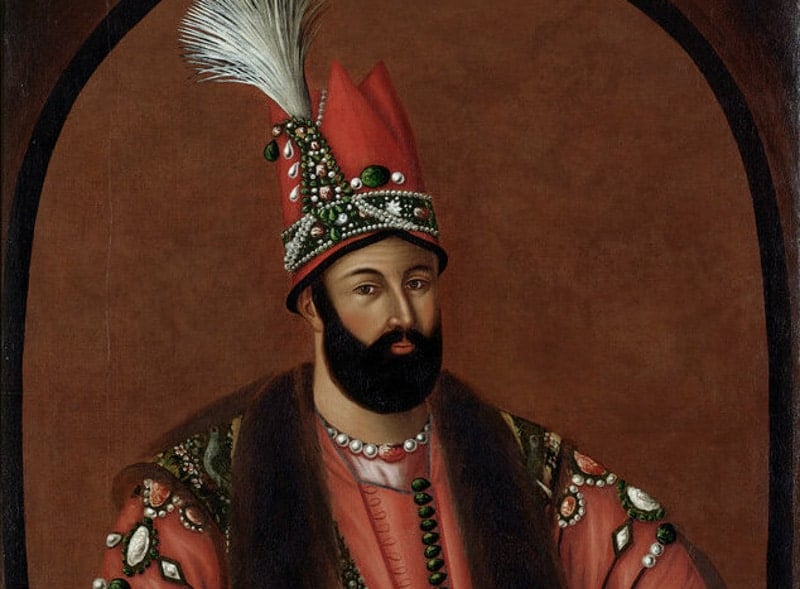
Occult-scientific manuals for rulers were common in early modern Persia (1500-1800). Oil portrait of Nadir Shah of Persia (1732-1747). Credit: Public Domain
The early modern Persian world produced a substantial body of occult-scientific manuals dedicated to one of humanity’s oldest political ambitions: world domination. This was a distinct genre of literature that promised access to universal sovereignty through mastery of the hidden forces governing the cosmos.
In his study “How to Rule the World: Occult-Scientific Manuals of the Early Modern Persian Cosmopolis,” historian Matthew Melvin-Koushki examines texts that reveal an intellectual culture in which political authority, scientific inquiry, and esoteric knowledge were deeply intertwined.
Between the 15th and 17th centuries, the Persian cosmopolis stretched across a vast geographical area, encompassing regions ruled by the Timurids, Safavids, Mughals, and Ottomans. Persian functioned as a language of administration, scholarship, and elite culture throughout much of the Islamic world. Within this environment, occult sciences held a prestigious position. Far from being marginalized superstition, disciplines such as astrology, lettrism, talismanic science, geomancy, and astral magic were widely regarded as legitimate branches of knowledge capable of revealing the hidden structure of reality.
Rulers across the wider early modern Persian world cultivated an image of themselves as universal, sacral, and cosmocratic sovereigns. In this context, Alexander the Great, famous for conquering much of Asia, served as one of the key historical models of world rulership.
Resāla-ye Ḥorūf (On the Letters) by Ebn Torka Esfahāni is an influential treatise on lettrism, the occult power of letters and language. It was written to support the ambitions of a Timurid ruler and presents an explicitly imperial application of occult knowledge. Kholāsat al-Baḥrayn (Epitome of the Two Seas) by Lotf-Allāh Nishāpuri Samarqandi is a Timurid manual combining geomancy and talismanic magic squares. The “two seas” refer to these two occult disciplines.
Historian of science Sonja Brentjes has argued that the traditional distinction between “scientific” and “occult” disciplines often obscures how knowledge was organized in pre-modern Islamic societies. Her research shows that astrology, astronomy, mathematics, and related fields frequently coexisted within shared scholarly frameworks. Rather than treating occult sciences as marginal pursuits, many learned communities regarded them as legitimate fields of inquiry tied to broader investigations of nature and causality.
World domination and universal kingship in Persian occult-scientific manuals
The central premise of many Persian occult-scientific manuals was that the universe operated according to precise correspondences linking celestial bodies, divine names, letters, numbers, and earthly events. A skilled practitioner could decipher these relationships and harness them for practical purposes. Political power was one of the most significant of these ends. Sovereignty was not understood solely as a matter of military force or administrative competence. It was also conceived as a cosmological phenomenon rooted in the proper alignment of ruler, heavens, and sacred knowledge.
One of the defining features of these manuals was their emphasis on universal kingship. Authors frequently addressed rulers who aspired not merely to govern territories but to establish dominion over the entire inhabited world. Such ambitions reflected broader political developments of the period. The rise of large imperial formations, including the Safavid and Mughal empires, fostered ideological visions of global sovereignty. Occult sciences provided a language through which these aspirations could be articulated and legitimized.
A notable example of such a text is Kāshefi Jr.’s Herz al-amān (Amulet of Safety from the Seditions of the Times), which promises to enable officials and bureaucrats to exert extraordinary influence over sovereigns even to the point of what the text frames as magical mind control. Asrār-e Qāsemī (Qāsemian Secrets) by Hosayn Vāʿez Kāshefi engages with illusionism and terrestrial magic.
These manuals typically promised access to what might be described as technologies of sovereignty. Through the manipulation of sacred letters, numerical formulas, planetary configurations, and ritual procedures, rulers could acquire charisma, victory, obedience, and divine favor. These techniques were often presented as scientific rather than magical. Their authors argued that they operated according to discoverable laws embedded within creation itself. Mastery of occult science thus became analogous to mastery of astronomy, medicine, or mathematics: a disciplined pursuit of knowledge that yielded predictable effects.
Importance of letters
A particularly important branch of this intellectual tradition was the science of letters (ʿilm al-ḥurūf). Drawing on centuries of Islamic mystical speculation, practitioners argued that letters constituted the fundamental building blocks of reality. According to this belief, just as God created the universe through speech, letters possessed creative and transformative power. By arranging, calculating, and invoking letters according to specific procedures, the practitioner could influence events in the material world.
Toḥfa-ye Rūḥānī (A Spiritual Boon) by Jalāl al-Din Davāni is a concise treatise on political letter magic. Written for a Khalji sultan in central India, it continued the Timurid tradition of applying occult knowledge to governance. Soʾl al-Molūk (Query of Kings) by Ebn Torka Esfahāni is a more extensive handbook of political letter magic intended to guide rulers seeking power and legitimacy through occult practices.
For rulers, the implications were profound. The science of letters promised more than personal enlightenment. It also offered practical written methods for governing subjects, defeating enemies, and securing dynastic stability. These occult-scientific manuals frequently contained instructions for constructing talismans, calculating auspicious moments for military campaigns, or invoking divine assistance through combinations of sacred names and letters. Books were more socially significant in early modern Islamdom than in Christendom and, as a rule, were considerably more encyclopedic in scope.
Melvin-Koushki argues that these texts should not be dismissed as irrational relics of a pre-modern worldview. Such interpretations impose modern distinctions between science and magic that did not exist in the same form during the early modern period. For many Persian scholars, the occult sciences represented advanced forms of natural philosophy. They sought to uncover causal mechanisms operating beyond ordinary perception yet still embedded within the natural order. Political success became inseparable from the ability to understand and manipulate the hidden architecture of existence.
This perspective helps explain why prominent intellectuals devoted considerable attention to occult subjects. Scholars who wrote on astronomy, philosophy, theology, and medicine frequently engaged with occult disciplines as well. Court patronage further elevated their status. Rulers sought astrologers, letter mystics, and talismanic experts not because they rejected rational inquiry but because they viewed these specialists as possessors of powerful forms of knowledge essential to successful governance.
Occult and the empire
The relationship between occult science and empire was particularly significant. Early modern rulers faced immense challenges, including administering diverse populations, maintaining military superiority, and legitimizing their authority across vast territories. Persian occult-scientific manuals addressed these concerns directly. They promised techniques for enhancing royal charisma, predicting political developments, and securing divine support for imperial projects. In effect, they offered a comprehensive theory of power that united metaphysical insight with practical statecraft.
At the same time, these manuals illuminate important dimensions of Islamic intellectual history that are often overlooked in conventional narratives. Modern accounts frequently emphasize legal scholarship, theology, or philosophy while marginalizing esoteric traditions. Yet the evidence suggests that the occult sciences occupied a central place within elite culture. These texts were copied, studied, translated, and circulated across political boundaries. Their practitioners moved between courts and scholarly networks, contributing to a shared intellectual world that extended from Anatolia to India.
The popularity of these texts also reflects broader transformations across early modern Eurasia. In many cultures, periods of imperial expansion generated heightened interest in universal systems of knowledge. European courts patronized astrologers and alchemists, Chinese emperors consulted cosmological experts, and rulers throughout the wider Persian world sought guidance from occult scientists. In each case, political ambition encouraged efforts to understand and control the forces believed to shape history. The pursuit of world rule was simultaneously a quest to master the hidden workings of the cosmos.
Liana Saif, a historian specializing in Islamic esotericism and the occult, stresses that practitioners understood occult operations as grounded in a structured cosmology. She notes that many authors viewed magical and talismanic practices as operating through hidden natural causes rather than supernatural violations of nature. In this interpretation, the occult sciences functioned as extensions of natural philosophy rather than alternatives to it.
Language and symbolism in Persian occult-scientific manuals
Noah Gardiner, a professor of religious studies specializing in Sufism and the occult, highlights the importance of language and symbolism in Islamic esoteric thought. He demonstrates that letter mysticism was not merely a form of speculative theology but a sophisticated intellectual tradition concerned with the relationship between divine speech, creation, and human knowledge. Such ideas helped support broader claims that mastery of letters could provide access to hidden dimensions of power.
Melvin-Koushki argues that the influence of Persian occult-scientific manuals should not be exaggerated. Their promises were often grandiose, and their practical effectiveness remains impossible to evaluate by modern standards. Historically, however, what matters is not whether their techniques worked but why educated individuals considered them credible. Their authority rested on coherent intellectual frameworks that integrated religion, philosophy, mathematics, and cosmology. Within these frameworks, occult science appeared neither irrational nor marginal but deeply meaningful.
This perspective helps explain why prominent intellectuals devoted considerable attention to occult subjects. Scholars who wrote on astronomy, philosophy, theology, and medicine frequently engaged with occult disciplines as well. Court patronage further elevated their status. Rulers sought astrologers, letter mystics, and talismanic experts not because they rejected rational inquiry but because they viewed these specialists as possessors of powerful forms of knowledge essential to successful governance.
The decline of these traditions resulted largely from changing epistemological assumptions introduced during the modern period. New distinctions between science and superstition gradually relegated occult disciplines to the margins of intellectual life. As a result, much of their historical significance became obscured. Recent scholarship, including Melvin-Koushki’s work, seeks to recover these traditions not as curiosities but as integral components of early modern knowledge systems.
Olivier Francois riceve l’Editors’ Award 2026 di Autocar per il rilancio di FIAT e il ruolo strategico della Grande Panda.
Il riconoscimento assegnato a Olivier Francois agli Autocar Awards 2026 non è soltanto un premio personale. L’Editors’ Award consegnato al CEO di FIAT fotografa una fase in cui il marchio torinese sta cercando di tornare centrale nel mercato europeo e, allo stesso tempo, di rafforzare la propria dimensione globale dentro l’architettura industriale di Stellantis. In un settore che cambia rapidamente tra elettrificazione, pressione sui prezzi e concorrenza cinese, la rinascita di un brand generalista accessibile diventa un segnale rilevante.
Francois, che ricopre anche il ruolo di Global Chief Marketing Officer di Stellantis, viene premiato per il contributo dato al rilancio dell’identità FIAT. Il punto industriale è chiaro: il marchio non può competere inseguendo il premium, ma deve presidiare il terreno dove storicamente è stato più forte, quello della mobilità semplice, urbana e accessibile. In questo scenario, la recente Grande Panda diventa il prodotto simbolo di una strategia che prova a coniugare prezzo, riconoscibilità e respiro internazionale.
Il premio arriva dopo anni complessi per FIAT, segnata in Europa da una gamma ridotta e dalla necessità di ridefinire il proprio ruolo all’interno di un gruppo molto ampio. La guida di Francois ha puntato su una ricostruzione dell’immagine di marca, ma anche su una lettura pragmatica del mercato: servono modelli globali, costi sotto controllo e una comunicazione capace di distinguersi senza perdere concretezza. È una linea coerente con la trasformazione dell’auto generalista, oggi chiamata a difendere volumi e redditività in un contesto molto più selettivo rispetto al passato.
La Grande Panda rappresenta il primo banco di prova di questa impostazione. Non è solo un modello nuovo, ma un tentativo di riportare FIAT dentro una fascia di mercato strategica, quella delle auto compatte ad alto potenziale commerciale. Per la filiera significa piattaforme condivise, economie di scala e maggiore prevedibilità produttiva. Per i consumatori, invece, il tema è la possibilità di accedere a un’auto moderna senza entrare nella spirale dei prezzi che ha allontanato molti clienti dal nuovo.
Nelle parole di Francois, il riconoscimento appartiene anche ai team FIAT che hanno lavorato per rendere il marchio “più globale, più rilevante e di nuovo più vicino alle persone”. È una frase che, oltre il tono istituzionale, indica la direzione della Casa: recuperare prossimità con il pubblico senza rinunciare alla dimensione internazionale. In un mercato europeo dove i marchi cinesi spingono sull’elettrico accessibile e i costruttori tradizionali devono proteggere i margini, FIAT prova a rientrare nel gioco con un’identità meno dispersiva.
Anche il giudizio di Autocar va letto in chiave industriale. Il direttore Mark Tisshaw ha sottolineato come Francois abbia riportato FIAT verso il suo spirito più riconoscibile, citando proprio la Grande Panda come esempio di prodotto culturalmente significativo. È un passaggio non banale: nel mercato attuale, un’auto di successo non deve essere solo efficiente nella produzione, ma anche leggibile, desiderabile e coerente con la storia del marchio.
Il premio, quindi, non chiude un percorso: lo mette alla prova. Per FIAT, la vera sfida sarà trasformare il ritorno di attenzione in risultati commerciali duraturi, ampliando la gamma e rafforzando la presenza nei mercati chiave. L’Editors’ Award 2026 riconosce la direzione impressa da Francois, ma il peso della strategia si misurerà nei prossimi anni, quando il marchio dovrà dimostrare di poter crescere senza perdere la sua promessa più difficile: restare popolare in un’auto che costa sempre di più.
Scheda
Premio: Autocar Editors’ Award 2026 Premiato: Olivier Francois Ruolo: CEO di FIAT e Global Chief Marketing Officer di Stellantis Motivazione: contributo al rilancio globale del marchio FIAT Modello chiave citato: Grande Panda Scenario: rafforzamento FIAT in Europa e posizionamento globale Tema industriale: mobilità accessibile, gamma compatta, identità di marca
Cinq années de procédure, des audiences au tribunal judiciaire de Béziers, des avocats mobilisés et une enseignante traînée en justice pour les escapades de son chat Rémi. Le 7 avril 2026, Dominique a été condamnée à verser 100 euros à son voisin, qui réclamait 5 700 euros de dommages et intérêts pour une douzaine de jours de passages félins. Une décision qui reconnaît sa bonne foi tout en illustrant l’absurdité d’une machine judiciaire qui s’acharne sur le quotidien des citoyens ordinaires.
LE COURRIER DES STRATÈGES
Restez libre !
LA NEWSLETTER · GRATUITE
Le Courrier, chaque matin.
L'essentiel de l'actualité, passé au crible par les cinq plumes du Courrier. Dans votre boîte, chaque jour ouvré.
Gratuit. Vous restez libre de partir quand vous voulez.
Alors que la justice française est régulièrement critiquée pour ses délais, ses moyens limités et l'engorgement des tribunaux, l'affaire de Rémi, un chat roux et blanc d'Agde, illustre une réalité parfois déroutante : cinq années de contentieux pour quelques passages félins de l'autre côté d'une clôture.
LE COURRIER DES STRATÈGES
Restez libre !
TELEGRAM · L'INFO EN CONTINU
Entre deux éditions, le fil.
La newsletter vous donne le matin. Le fil vous donne l'instant.
Le 7 avril 2026, le tribunal judiciaire de Béziers a rendu son verdict. Dominique, enseignante à Agde et propriétaire de Rémi, devra verser 100 euros à son voisin. Une somme symbolique comparée aux 5.700 euros réclamés par le plaignant, un chef d'entreprise marseillais propriétaire d'une résidence dans le quartier.
Le conflit remonte à plusieurs années. Le voisin reprochait au chat de traverser régulièrement sa propriété et d'y faire ses besoins. Une première décision avait même envisagé une astreinte de 30 euros par intrusion constatée. Au fil de la procédure, photographies, témoignages et constats ont été produits pour tenter d'établir la responsabilité du seul animal incriminé.
L'un des éléments déterminants du dossier a toutefois affaibli la thèse du plaignant : plusieurs chats au pelage similaire fréquentent le quartier. Des témoignages ont confirmé la présence d'autres félins sur les clichés produits devant le tribunal.
Plus surprenant encore, Dominique apparaît comme la seule propriétaire poursuivie alors que d'autres chats, parfois identifiés par les riverains, circuleraient également dans le secteur. Le tribunal a finalement reconnu que Rémi n'était pas l'unique animal à pénétrer sur la propriété concernée, réduisant considérablement la portée des demandes indemnitaires.
Pour sa défense, la propriétaire a multiplié les mesures de précaution : confinement partiel de l'animal, fenêtres maintenues fermées, achat d'un enclos grillagé destiné à empêcher toute nouvelle escapade.
LE COURRIER DES STRATÈGES
Restez libre !
ABONNEMENT
Allez au fond des choses.
Deux grands formats par jour. Les cinq plumes du Courrier. La série Sécession, le dimanche.
Au-delà du simple différend animalier, cette affaire révèle la mécanique des conflits de voisinage poussés à l'extrême. D'un côté, un particulier mobilisant l'arsenal judiciaire pour obtenir plusieurs milliers d'euros de réparation .
De l'autre, Dominique sort de cinq ans d'insomnie, de stress chronique et de sur-alimentation . Elle se dit soulagée mais pas réparée, elle vit désormais fenêtres fermées, vient d'installer une cage grillagée dans son jardin pour que Rémi prenne l'air sans s'échapper. Elle a gagné sa liberté au prix de la sienne.
Le jugement de Béziers apparaît finalement comme un rappel au principe de proportionnalité. La justice a reconnu un trouble limité tout en rejetant implicitement l'essentiel des prétentions financières du plaignant.
La vraie question que cette affaire soulève dépasse le fait divers : dans un pays où la justice manque de moyens pour instruire des dossiers autrement urgents, combien coûte à la collectivité cinq ans de procédure pour une clôture et un chat ?
LE COURRIER DES STRATÈGES
Restez libre !
TIPS · SANS ABONNEMENT
Offrez-nous un café.
Un média libre vit de ses lecteurs. Un pourboire ponctuel, sans compte ni engagement, quand le cœur vous en dit.
Vous donnez ce que vous voulez. Vous restez libre.
Donald Trump’s immigration crackdown is largely targeting people from the countries most vulnerable to displacement from climate-driven disasters, a Guardian analysis shows.
As the Trump administration pushes policies to boost planet-heating fossil fuels, millions of people are being forced to flee their homelands due to storms, floods and droughts worsened by the climate crisis.
A Comissão Europeia está a analisar o estado da transposição das novas regras sobre transparência salarial pelos Estados-membros, incluindo Portugal, e poderá abrir um processo de infração por incumprimento, disse esta quarta-feira à Lusa fonte comunitária.
“Se um Estado-membro não tiver notificado as medidas de transposição no prazo legal, a Comissão avaliará a situação e poderá instaurar um processo de infração”, disse à Lusa um porta-voz do executivo comunitário.
“Até que a Comissão tenha avaliado formalmente os projetos de medidas nacionais notificados ou os processos legislativos em curso, não iremos especular sobre potenciais processos de infração futuros”, acrescentou.
A mesma fonte salientou ser “da máxima importância que os Estados-membros transponham a diretiva de forma rápida e eficaz, de modo a que os parceiros sociais, os empregadores e os trabalhadores beneficiem de segurança jurídica”.
O prazo para a transposição para a legislação nacional da Diretiva sobre Transparência Salarial terminou no dia 7.
Esta diretiva verte em lei aplicável o princípio consagrado no Tratado de salário igual para trabalho igual ou de valor igual entre mulheres e homens e, refere ainda o porta-voz, a prioridade da Comissão, desde a adição das novas regras em 2023, “continua a ser a transposição atempada e correta da diretiva que resulte numa mudança real para os trabalhadores e em particular para as mulheres”.
Ao abrigo das novas regras, os empregadores são obrigados a divulgar a faixa salarial inicial ou o salário base nos anúncios das vagas ou antes da entrevista e os funcionários têm o direito de solicitar por escrito informações sobre o seu nível salarial individual e sobre os níveis médios de remuneração, discriminados por sexo, para categorias de trabalhadores que desempenham funções equivalentes.
As empresas da UE têm ainda de tomar medidas se a disparidade remuneratória em função do género for superior a 5%.
A diretiva inclui igualmente disposições sobre a indemnização das vítimas de discriminação remuneratória e sanções, incluindo coimas, para os empregadores que violem as regras.
Segundo dados de Bruxelas, a falta de transparência salarial foi identificada como um dos principais obstáculos à eliminação da disparidade salarial entre homens e mulheres, que se mantém em cerca de 11%, o que significa que as mulheres ganham, em média, menos 11% do que os homens por hora por trabalho igual ou de valor igual, de acordo com informação do Eurostat relativa a 2024.
Today, 10 June 2026, marks the 1,568th day of Russia's full-scale war against Ukraine — exactly the same number of days that World War I lasted, ArmyInform observes. Russia has not achieved its strategic objectives to eliminate Ukraine, with the Kremlin's original "Kyiv in three days" planning now four years and three months past.
Russian losses across that period, as documented by Ukraine's General Staff, total more than 1.3 million Russian military personnel killed and wounded, tens of thousands of tanks, armored vehicles, and artillery pieces destroyed, and 33 Russian ships and boats sunk or destroyed.
The Black Sea Fleet is now operating only in a land-support capacity after Ukrainian strikes forced its retreat from operating bases in temporarily occupied Crimea.
The total cost of destroyed Russian equipment over four years is estimated at approximately $153 billion. May 2026 alone saw more than 31,500 Russian troops killed and seriously wounded, according to Ukrainian Defense Minister Mykhailo Fedorov. These figures are Ukrainian estimates. Russian casualty data is not publicly released.
Strategic ledger after four years
Russia's stated strategic objectives at the start of the February 2022 full-scale invasion, including the capture of Kyiv, the change of Ukrainian government, the demilitarization and "denazification" of Ukraine, and the establishment of a Russian-aligned regime in the Ukrainian capital, have not been reached.
Russian forces retreated from the northern Kyiv and Chernihiv axes in spring 2022, and although Russia has incrementally occupied additional territory in Donetsk, Luhansk, Zaporizhzhia, and Kherson Oblasts since then, the pace of advance has been limited.
Ukrainian fire control and deep-strike expansion
On the Ukrainian operational side, the past 12 months have seen a significant expansion of Ukraine's ability to strike targets across occupied territory and Russian rear areas.
The Ukrainian Defense Forces have established fire control over key logistics nodes in temporarily occupied Donetsk and Luhansk oblasts and in Crimea, including bringing Donetsk Airport within range of regular strikes and striking the Chonhar Bridge.
In Crimea specifically, where Russia has concentrated air defense systems, 12 Russian Pantsir-S1 systems have been destroyed since the start of 2026.
Logistics Lockdown and 1,800-kilometer deep-strike envelope
These operations are conducted within Ukraine's $113 million "Logistics Lockdown" program announced in May, which provides for systematic strikes on Russian warehouses, equipment, command posts, and supply routes deep behind the front line. A separate Ukrainian Deep Strike track targets critical infrastructure inside Russia itself, with Ukrainian deep strikes reaching up to 1,800 kilometers into Russian territory and recent operations hitting Russian oil-logistics nodes from Volgograd to Novorossiysk.
Le président chinois, Xi Jinping, a bouclé mardi son déplacement en Corée du Nord. Il a été accueilli en grande pompe lundi par Kim Jong-un, à l'occasion de sa première visite dans le pays depuis 2019, à l'heure où Pyongyang s'affirme aux côtés de Moscou et maintient fermement le cap sur son programme nucléaire.
La Torre Gran, una histórica masía de l’Hospitalet de Llobregat protegida como Bien Cultural de Interés Local (BCIL) que lleva años abandonada, ha sufrido un incendio este martes por la tarde. Según han confirmado fuentes de los Bombers de la Generalitat, no se han producido heridos, aunque en la zona han hallado a un caballo y se ha requerido la intervención de los Agents Rurals. Según fuentes consultadas, en algunas épocas allí viven personas sin hogar. De hecho, ahora allí se refugiaba una persona y por la zona hay barracas.
« Gardienne de la liberté individuelle », selon la Constitution, l'autorité judiciaire prête pourtant main forte à la politique répressive de l'État : la lourdeur des condamnations infligées aux « gilets jaunes » contraste ainsi avec la clémence envers les violences de la police. Paupérisée et dénigrée, la justice est gagnée par l'idéologie sécuritaire. Mais certains magistrats refusent cette dérive.
Tomas van Houtryve ///// Série « Blue Sky Days » (Journées de ciel bleu), « Prison », 2014
Contrairement aux clichés sur son prétendu « laxisme », la justice pénale fonctionne à plein régime. Son taux de réponse, c'est-à-dire le nombre d'affaires auxquelles elle a donné suite, rapporté au nombre de celles dont elle a été saisie, s'élève à 91 % contre 35 % il y a trente ans. Les 9 % restants consistent en des classements sans suite de dossiers « non élucidés » ou ne relevant pas de sa compétence. La justice a donc presque « réponse à tout ». Cette augmentation constante des condamnations s'explique par la conjonction d'une idéologie sécuritaire et d'un accroissement de la fonction répressive d'un État néolibéral qui délaisse son rôle d'opérateur économique et social et sa mission redistributive.
Depuis la loi organique relative aux lois de finances (LOLF) de 2001 et la révision générale des politiques publiques (RGPP), même la justice est soumise à la vision technocratique du new public management (« nouvelle gestion publique »), comme d'ailleurs la police : les statistiques déterminent l'orientation des procédures et la carrière des magistrats, en fonction des stocks et des flux de dossiers, sur le seul critère du rendement, au détriment de la motivation et de la qualité des décisions (1). En France, le nombre de détenus a crû de plus d'un tiers en vingt ans (de 40 000 en 2000 à presque 70 000 en 2021) (2), alors que la population carcérale diminue depuis plusieurs années dans la plupart des pays de l'Union européenne, comme l'Allemagne, l'Italie et les pays du nord de l'Europe Les Pays-Bas, la Belgique, la Norvège et la Suède ont même fermé plusieurs établissements pénitentiaires depuis cinq ans, faute de détenus. Si la France fait partie, avec la Turquie, des cinq États parmi les quarante-sept membres du Conseil de l'Europe à afficher la densité carcérale la plus élevée (lire l'extrait du rapport sur les prisons, « Dans les geôles de la République »), ce n'est pas lié à l'évolution de la délinquance. C'est le résultat de la poursuite systématique de petites infractions par les parquets, de la suppression — de fait — des lois d'amnistie, ainsi que du durcissement continu des peines
Or, la politique pénale actuelle et sa traduction judiciaire sont socialement discriminantes. Cela s'explique d'abord par le fait que les audiences de comparutions immédiates explosent dans les tribunaux. On sait que les peines prononcées dans ces conditions sont beaucoup plus sévères à délit égal en raison de l'urgence, de la faible place accordée à la défense, du manque d'éléments informant sur la personnalité du prévenu et de la « justice d'abattage » imposée aux magistrats. Mais, surtout, la situation socio-économique de cette petite délinquance génère des peines de prison ferme, car elle n'a pas, comme l'écrivent les juges dans nombre de décisions, « de garantie de représentation », c'est-à-dire pas de logement permettant, par exemple, la pose d'un bracelet électronique au lieu de l'incarcération, pas d'argent pour payer une amende, pas de proches pour soutenir une injonction de soins ou une démarche d'insertion professionnelle.
Pénalisation de la misère
Mme Dominique Simonnot, aujourd'hui contrôleuse générale des lieux de privation de liberté, a relaté chaque semaine, pendant quatorze ans, cette pénalisation de la misère dans ses chroniques du Canard enchaîné. Ainsi, lors de l'audience banale du 14 octobre 2016 au tribunal judiciaire de Nanterre, sur les sept prévenus qui comparaissaient, un seul possédait le baccalauréat, deux avaient vécu dans des foyers de l'Aide sociale à l'enfance, l'un était sans domicile fixe (SDF), un autre percevait le revenu de solidarité active (RSA), deux étaient au chômage, deux en contrats précaires, et un seul en contrat à durée indéterminée (CDI). Tous étaient français. Exemple de peine prononcée : deux mois de prison ferme avec mandat de dépôt pour le vol de deux montres d'une valeur de 35 et 20 euros dans un magasin de sport…
Le traitement judiciaire du mouvement des « gilets jaunes », entre novembre 2018 et fin 2019, constitue un autre exemple de ce qu'on aurait nommé jadis « une justice de classe ». Selon le bilan de la chancellerie, 3 100 « gilets jaunes » ont été condamnés, dont un millier d'entre eux à des peines de quelques mois à trois ans de prison ferme — un chiffre inédit pour un mouvement social. À Paris, où furent concentrées le tiers des gardes à vue, la moitié de celles-ci se sont terminées par une remise en liberté et un classement sans suite, ce qui confirme l'usage préventif de la garde à vue et sa fonction d'intimidation des mouvements de protestation. En une année, il y eut autant de manifestants blessés par la police, et parfois mutilés à l'œil ou aux mains par des tirs de lanceurs de balles de défense, que pendant les vingt ans précédents. Pour autant, seules 313 procédures ont été ouvertes à l'inspection générale de la police nationale (IGPN) — la police des polices —, et très peu ont abouti à une sanction contre des membres des forces de l'ordre ou à des condamnations judiciaires (3). Le retentissement médiatique des affaires politico-financières (4), qui représentent à peine 1 % des condamnations pénales, ne doit pas occulter cette réalité du fonctionnement quotidien de la justice, à coups d'audiences de comparutions immédiates et d'expulsions locatives.
S'il est vrai que la sévérité des condamnations prononcées en matière financière s'accroît depuis quelques années, cette tendance masque la remise en cause du rôle de la justice comme autorité d'équilibre entre les pouvoirs législatif et exécutif. En effet, au sein de l'institution judiciaire, la fonction même du juge s'efface au profit du parquet, qui est dépendant du gouvernement de par son organisation et son statut. Progressivement, le procureur se fait juge puisque le parquet rend désormais environ 40 % des décisions pénales (5).
Dépourvus de garanties
Ainsi, la procédure de comparution préalable de culpabilité (CRPC) ou « plaider coupable », massivement utilisée, est en réalité une négociation de la peine entre le procureur, qui propose une sanction, et l'avocat de la défense, qui n'a que quelques minutes pour l'accepter ou non, encourant le risque, s'il la refuse, de voir le tribunal aggraver la peine par la suite. En outre, beaucoup de sanctions pénales sont prononcées, non pas par des magistrats professionnels, mais par des personnels précaires dépourvus des garanties statutaires d'indépendance des juges professionnels : magistrats à titre temporaire, juges de proximité et délégués du procureur, recrutés sur contrat à durée déterminée (CDD)… Ils comptent désormais pour 10 % des magistrats et la chancellerie entend en recruter encore mille. Des peines d'emprisonnement ferme, jusqu'à trois ans, sont infligées chaque année à l'encontre de milliers de personnes dans des affaires de vols et de petits trafics de stupéfiants, sans qu'un juge intervienne pour s'interroger sur leur culpabilité, sans réelle audience publique, sans véritable défense.
La France est en passe d'instaurer une justice sans juge, comme aux États-Unis, où 90 % des décisions pénales sont rendues de cette manière, c'est-à-dire par « négociation » (plea bargaining). La chancellerie semble faire sienne cette orientation, comme l'attestent certaines questions posées aux professionnels, aux citoyens et aux associations sur le site des états généraux de la justice, Parlons justice ! : « Faut-il réserver l'accès au juge pour les cas les plus complexes ou urgents, et systématiser pour les autres cas une tentative de règlement amiable… ? Faut-il réserver l'audience aux infractions les plus graves… et systématiser pour les autres cas une peine négociée ? Que pensez-vous d'un modèle de justice pénale dans lequel… les victimes et les mis en cause doivent contribuer à apporter les preuves utiles ? » Il n'est pas précisé que dans ce modèle, dit accusatoire, les frais d'avocats sont très élevés car ceux-ci recherchent les preuves (expertises, témoignages…). En France, actuellement, ils sont payés par l'État, au titre des frais de justice. On comprend que, dans un tel système où l'intervention du juge devient marginale, il ne soit pas prévu de recruter des magistrats, la plupart des litiges se réglant sans eux, entre les parties et leurs avocats.
Règlement amiable
« Le problème de la police, c'est la justice », clamaient certains groupes de policiers lors de la grande manifestation parisienne du 15 mai 2021. La réalité est tout autre. Dans la nouvelle conception des pouvoirs publics, la justice n'est plus qu'une « chaîne pénale » qui doit homologuer les initiatives policières. Pourtant, ce n'est pas le rôle qui lui est assigné par la Constitution, laquelle énonce dans son article 66 que « l'autorité judiciaire est gardienne de la liberté individuelle ». Cela suppose que les juges contrôlent la validité des procédures policières et s'interrogent sur la culpabilité et les preuves avant de prononcer une condamnation.
(1) Alain Supiot, La Gouvernance par les nombres. Cours du Collège de France (2012-2014), Fayard, Paris, 2015.
(2) Rapport « Statistiques pénales annuelles du Conseil de l'Europe », Strasbourg, 8 avril 2021.
(3) Selon le ministère de la justice, sur plus de 10 000 gardes à vue, 3 166 au total se sont déroulées à Paris, dont 1 459 n'avaient débouché sur aucune poursuite. Cf. Le Monde, 8 novembre 2019.
(4) Entre un an et cinq ans d'emprisonnement ferme à l'encontre de MM. Nicolas Sarkozy, François Fillon, Patrick Balkany, pour des infractions de dépassements de plafond de dépenses électorales, de corruption, de détournements de fonds publics et de fraudes fiscales.
(5) Chiffres de la Conférence nationale des procureurs de la République dans son interpellation du 6 janvier 2022 à l'endroit des candidats à la présidentielle.
Sharp rise in hospital visits will in turn drive up annual healthcare costs for heat-related conditions to over $1bn
People in the US are poised to endure another summer of unusually ferocious heat and there will be little respite in the years ahead, with a new study finding that the coming 15 years could see a doubling in hospitalizations due to heat-related illnesses.
The number of annual heat-related emergency department visits or hospitalizations across the US are set to rise from about 109,000 cases a year to as many as 237,000 cases by 2040, the new research has estimated.
Israël et l'Iran ont lancé lundi des attaques réciproques après les tirs de missiles iraniens en direction du territoire israélien, menaçant la trêve en vigueur et les espoirs de Donald Trump d'arriver à un accord pour mettre fin à la guerre au Moyen-Orient. Téhéran a annoncé à la mi-journée une "cessation" des frappes contre Israël, alors que le sud du Liban reste sous le feu israélien.
 Login
Login