Ukrainian Flamingo missiles strike military plant in large-scale attack on Russia, Zelensky confirms


Greece is a goldmine for souvenirs because the best things to bring home are deeply rooted in centuries of culinary, agricultural, and artistic traditions. Skipping the generic plastic keychains, here are the top 10 authentic souvenirs to bring back.
1. Extra Virgin Olive Oil (EVOO)
Greece consumes more olive oil per capita than any other country, and its liquid gold is world-renowned. Look for oils from Crete, Kalamata, or Mani. For easier travel packing, skip the glass bottles and buy the tightly sealed tin canisters found in local supermarkets or specialty shops.
2. Greek Thyme Honey

Because Greek bees feed on wild herbs under intense sunshine, the honey here is thick, rich, and distinctly aromatic. Thyme honey (particularly from Crete or the Aegean islands) is considered the gold standard.
3. The Mati (Evil Eye) Amulet

The distinctive blue-and-white eye charm is designed to ward off bad energy or jealousy (to mati). You can find it on beautifully crafted silver jewelry, ceramic wall hangings, or simple glass beads. It’s light, cheap, and undeniably Greek.
4. Ouzo, Tsipouro, or Mastiha

Bring the taste of a Greek summer back home:
5. Dried Greek Oregano & Mountain Tea
Greek oregano (rigani) grows wild on rocky hillsides, giving it a much more intense, peppery flavor than supermarket varieties back home. Pair it with a bunch of Greek Mountain Tea (tsai tou vounou), a dried herb brewed for centuries to boost the immune system and soothe digestion.
6. Olive Wood Kitchenware
From salad bowls and cutting boards to honey dippers, items made from Greek olive wood are gorgeous and incredibly durable. The tight grain of the wood means it doesn’t absorb odors or bacteria easily, and each piece features entirely unique natural patterns.
7. Handmade Leather Sandals

If you pass through Athens (especially the Monastiraki neighborhood) or certain islands such as Crete and Rhodes, you can buy genuine, handmade leather sandals. They are styled according to Ancient Greek designs, crafted to last for years, and mold comfortably to your feet over time.
8. Greek Ceramics & Pottery
From museum-quality replicas of ancient black-and-figure vases to modern, minimalist, blue-and-white tableware handmade on islands such as Sifnos, Greek pottery is a beautiful addition to any home.
9. Natural Sea Sponges

Harvested for generations by traditional divers (most famously on the island of Kalymnos), genuine Greek sea sponges are entirely natural, hypoallergenic, and far softer and longer-lasting than synthetic alternatives. They are fantastic for skincare and bathing.
10. Spoon Sweets (Glyka tou Koutaliou)
These are traditional fruit preserves served on a small spoon alongside Greek coffee or dolloped over Greek yogurt. They are made by boiling wild fruits (like sour cherries, figs, or bitter oranges) in sugar syrup, preserving the firm texture and vibrant flavor of the fruit.
10+1. The Komboloi

The Komboloi, or worry beads, may be one of the most typical symbols of Greece’s easy-going mentality that has been widely established in Greece since the middle of the 20th century. Whether on the street, on an airplane, or in a busy kafeneion downtown, you will find people playing with their worry beads in various manners, even doing flips and tricks with them, letting go of their stress and worries as one bead moves deliberately towards the other. The repetitive action and clicking of the beads turn this pastime into an easy motion reported to help ease tension.
Packer’s Tip: If you’re traveling with carry-on luggage only, you won’t be able to take liquid souvenirs such as honey, olive oil, or alcohol past airport security. Buy these items at the airport duty-free shops after security—the quality is still highly authentic, and the prices are surprisingly fair!

![]()
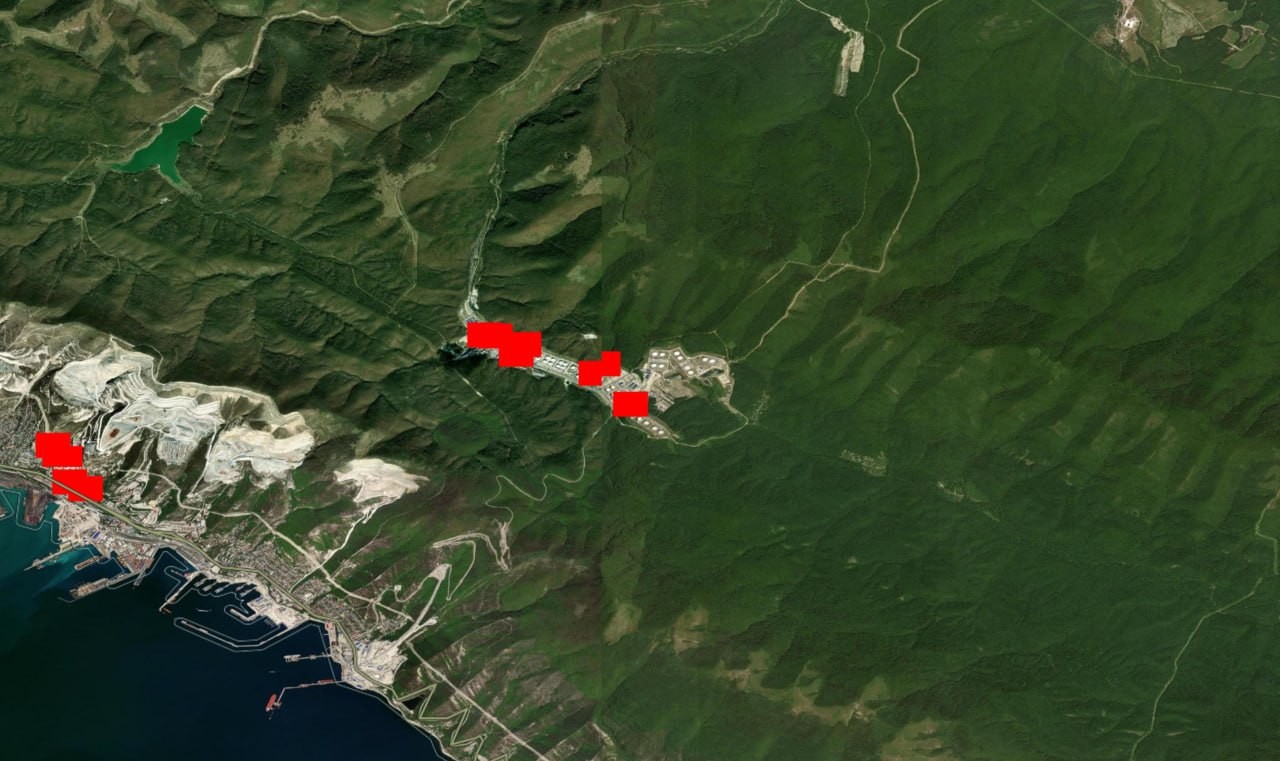
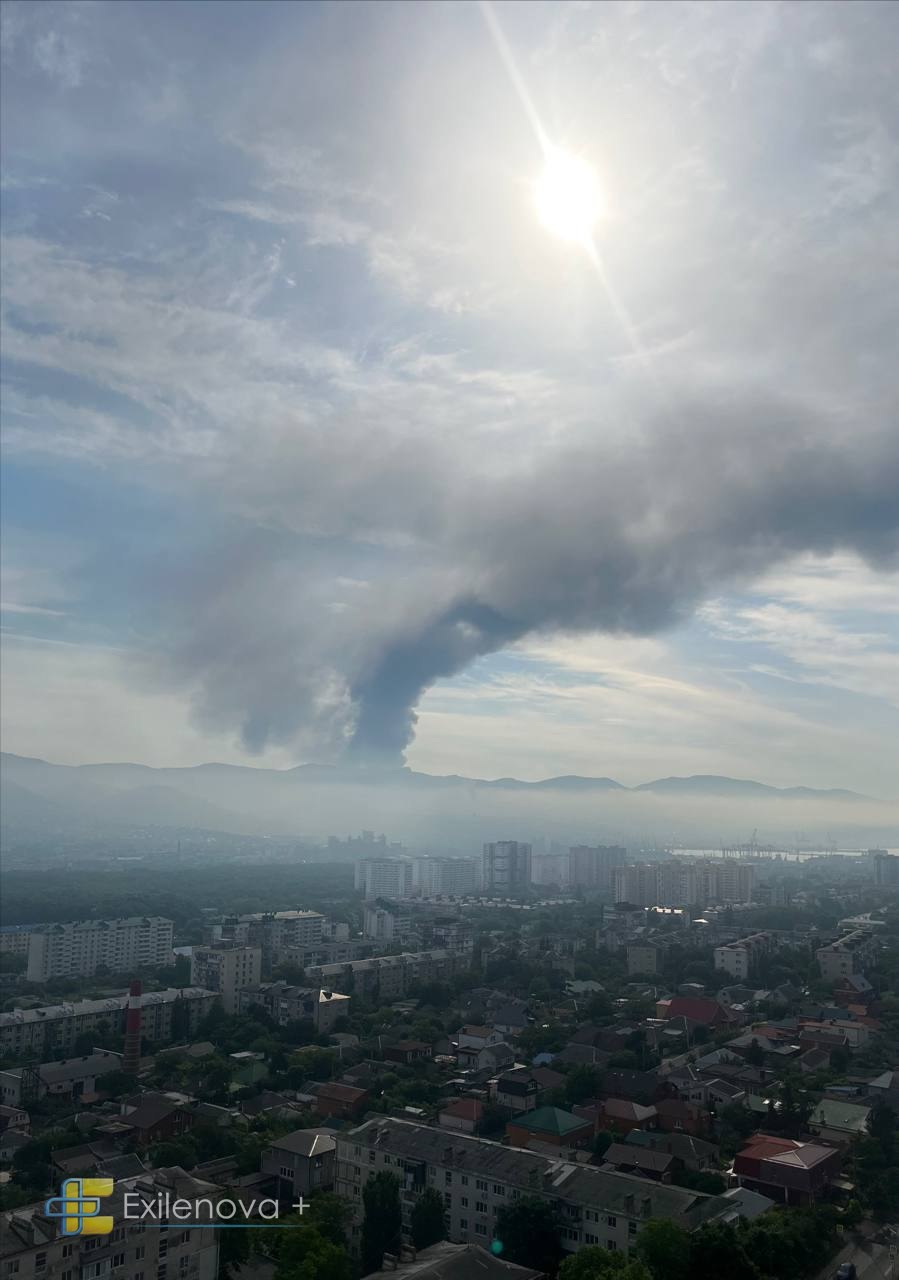
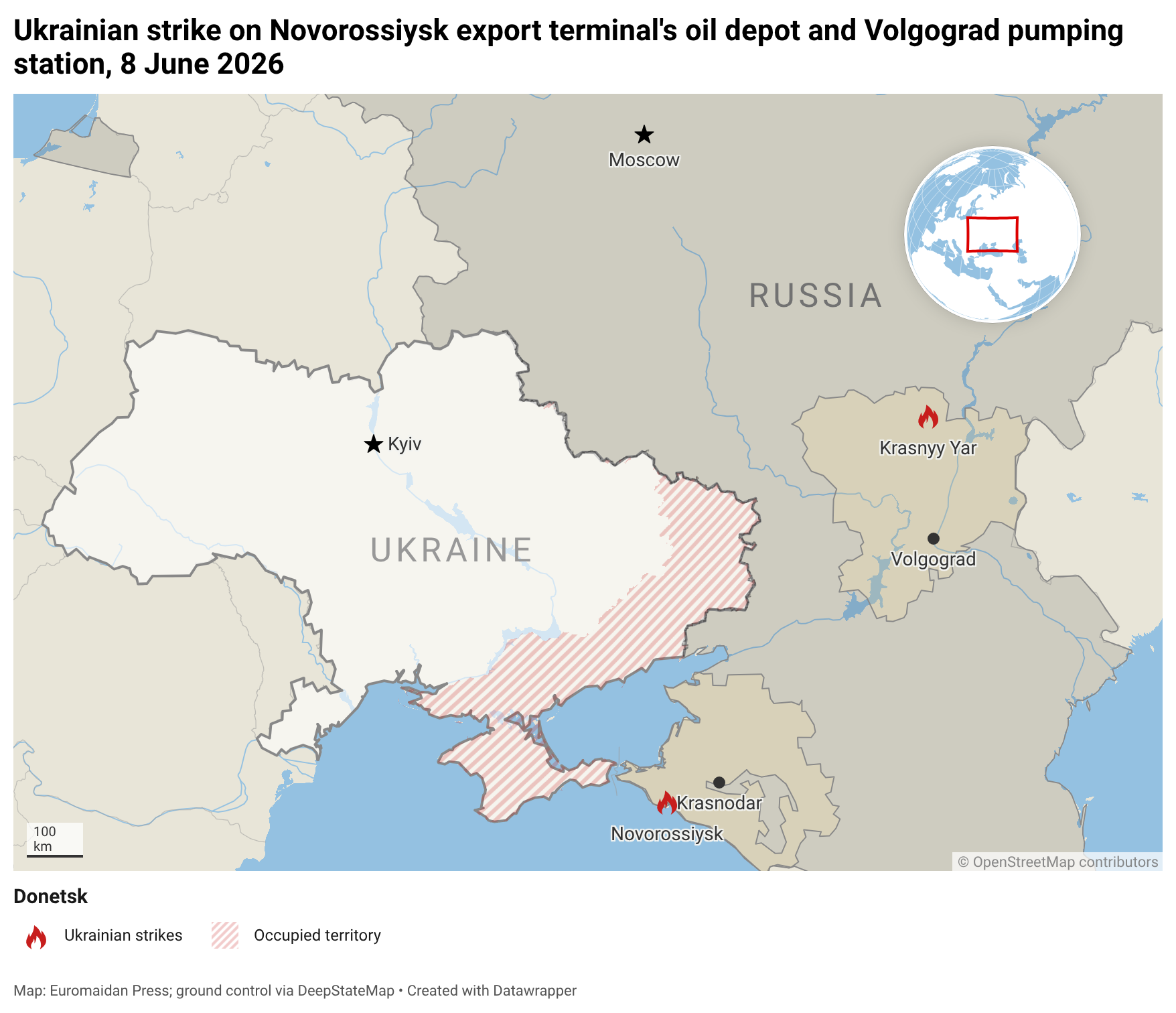
Ukrainian drones set a major oil depot ablaze near the Russian Black Sea port of Novorossiysk overnight on 7-8 June 2026, in a strike confirmed by Ukraine's Unmanned Systems Forces (SBS). Residents reported a string of blasts and heavy smoke over the Grushovaya storage site, which feeds Russia's busiest oil-export port. Ukrainian forces hit two more targets in southern Russia the same night.
The strike came before dawn. Residents of Novorossiysk, in Russia's Krasnodar Krai, reported about 50 blasts, then heavy smoke over the Grushovaya oil depot. Operators of the SBS's 1st Separate Center, working with Special Operations Forces (SSO) and other units, confirmed the hit. Ukraine's General Staff also confirmed the strike and said a fire broke out, with damage still being assessed. Russian officials claimed no one was hurt.

NASA's FIRMS satellite service detected abnormal heat at the site at 02:48 on 8 June. Ukrainian Telegram channel Exilenova+ began reporting the attack around 3 a.m., posting photos and videos of fire in the mountains above the city. OSINT Telegram channel Falcon insight pinpointed the location. Russian news Telegram channel ASTRA confirmed the burning tank farm from eyewitness footage shot about 11 km away.
A fuel storage depot is burning in Novorossiysk, Russia, after a drone strike hit the tank farm overnight
— Euromaidan Press (@EuromaidanPress) June 8, 2026
Novorossiysk is one of Russia's most strategically important Black Sea ports, handling a significant share of Russian oil exportsSupernova pic.twitter.com/d2ab4SSuH0
The Grushovaya site is a transshipment depot for the Sheskharis terminal. Chernomortransneft runs it, under Russia's state pipeline monopoly Transneft. It sits in the Grushovaya Balka tract beyond the Markotkh Ridge, about 12 km from Novorossiysk. The tank farm holds more than 1.2 million m³ of fuel across dozens of tanks, on a site of about 212 hectares. SBS called it one of the largest oil-product stores in the Caucasus.

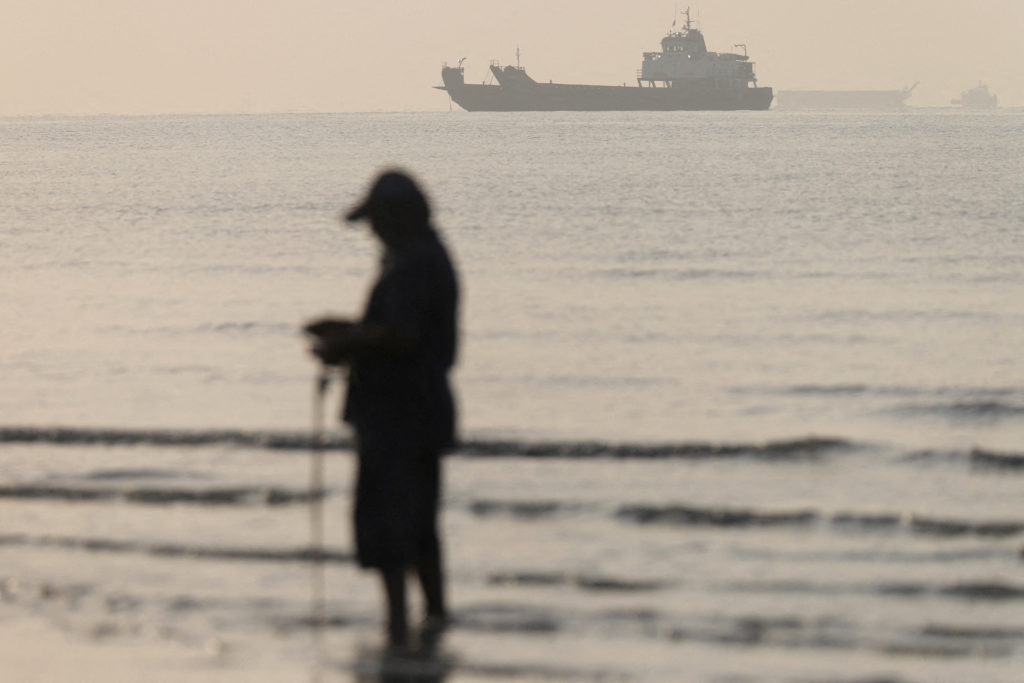
Novorossiysk is southern Russia's biggest oil-export hub, the Moscow Times reported. The port ships up to 700,000 barrels a day, and its terminals moved 19.8 million tonnes of oil products in 2025. That trade feeds Russia's budget, which bankrolls the war on Ukraine. The port has become a recurring target in Ukraine's strikes on Russia's Black Sea oil logistics.
The same night, Ukraine's General Staff said its forces struck the Krasny Yar oil-pumping station in Volgograd Oblast, where a fire broke out. Volgograd governor Andrei Bocharov claimed the blaze came from falling drone debris at the Zhirnovsk pumping station and was quickly put out, the Moscow Times reported. Ukrainian forces also hit a Russian radar station near Kabardinka in Krasnodar Krai, according to the General Staff.
Ukrainian forces have hit this infrastructure before. Ukrainian defense outlet Militarnyi reported that drones struck the Grushovaya depot on 23 May 2026, when fire spread across much of the site. Strike drones also hit the Sheskharis terminal on 6 April, damaging oil-metering systems and shut-off valves at the loading berths. ASTRA said the wider complex was attacked in early March, early April, and on 22 May.


![]()
by Brian Shilhavy
Health Impact News
Parkinson’s Disease is a neurological disease that has increased in modern times, similar to Alzheimer’s Disease.
Studies have linked Parkinson’s Disease to an increase in the use of statin drugs, which artificially lower a person’s cholesterol levels.
Here are a couple of articles that have been published in the past here on Health Impact News regarding this topic:
The herbicide glyphosate has also been linked to Parkinson’s Disease. See:
Staying away from cholesterol-lowering drugs and limiting one’s exposure to the poison glyphosate in their diet could go a long way in preventing Parkinson’s Disease.
For those already suffering with Parkinson’s Disease, coconut oil is a natural remedy that can help people with this disease which has been known for over a decade-and-a-half now, and studies continue to be published on how effective coconut oil can be for people suffering with Parkinson’s Disease.
Here are a couple of recently published studies regarding Parkinson’s Disease and coconut oil:
Abstract
Purpose of review: This review examines the potential role of coconut-derived nutritional supplements in influencing Parkinson’s disease risk and progression by modulating oxidative stress and mitochondrial function. Parkinson’s disease is a neurodegenerative disease characterized by the death of dopaminergic neurons, mitochondrial damage, and increased oxidative stress. Nutritional approaches have garnered attention as adjunctive therapeutic strategies.
Recent findings: The natural products of coconut, including coconut oil, coconut milk, coconut water, and coconut kernel, are rich in fatty acids, antioxidants, vitamins, and other essential minerals, which can have neuroprotective effects. Additionally, evidence suggests an inverse correlation between coconut consumption and the PD prevalence. Consequently, nutrients obtained from coconut products represent promising natural neuroprotective agents for the prevention and management of PD. Further studies ought to focus more on clinical trials to confirm the effectiveness of coconut-based supplements and explain the underlying neuroprotective effects of these supplements in the management of PD.
Keywords: Coconut consumption; Coconut supplements; Neurological disorder; Nutritional deficiency; PD prevalence; Parkinson’s disease.
Abstract
Neurodegenerative disease (ND) is a clinical condition in which neurons degenerate with a consequent loss of functions in the affected brain region. Parkinson’s disease (PD) is the second most progressive ND after Alzheimer’s disease (AD), which affects the motor system and is characterized by the loss of dopaminergic neurons from the nigrostriatal pathway in the midbrain, leading to bradykinesia, rigidity, resting tremor, postural instability and non-motor symptoms such as cognitive declines, psychiatric disturbances, autonomic failures, sleep difficulties, and pain syndrome.
Coconut oil (CO) is an edible oil obtained from the meat of Cocos nucifera fruit that belongs to the palm family and contains 92% saturated fatty acids. CO has been shown to mediate oxidative stress, neuroinflammation, mitochondrial dysfunction, apoptosis and excitotoxicity-induced effects in PD in various in vitro and in vivo models as a multi-target bioagent. CO intake through diet has also been linked to a decreased incidence of PD in people.
During digestion, CO is broken down into smaller molecules, like ketone bodies (KBs). The KBs then penetrate the blood-brain barrier (BBB) and are used as a source of energy its ability to cross BBB made this an important class of natural remedies for the treatment of ND.
The current review describes the probable neuroprotective potential pathways of CO in PD, either prophylactic or therapeutic. In addition, we briefly addressed the important pathogenic pathways that might be considered to investigate the possible use of CO in neurodegeneration such as AD and PD.
Here are some testimonials from Parkinson’s Disease patients that we have published in the past.
I have been writing about and teaching people for 24 years now how beneficial coconut oil is for neurological diseases, and how dangerous statin drugs are, along with vaccines (especially the COVID vaccines) and the contamination of our food supply with glyphosate for neurological health.
And now that I am a senior myself, I have found that I have to increase my consumption of coconut oil, not only for neurological health, but for a lot of other reasons as well.
You can download the short book I published several years ago about Holistic Geriatric Care and Coconut Oil for free in my online store:
Disclaimer: I also sell Virgin Coconut Oil in my store, and yes, I will earn a profit if you buy it from me. I was the first one to import a Virgin Coconut Oil from the Philippines into the U.S. in 2001.
This article was written by Human Superior Intelligence (HSI)![]()
See Also:
Having problems receiving our emails? See:
If our website is seized and shut down, find us on Telegram, as well as Bitchute and Odysee for further instructions about where to find us.
If you use the TOR Onion browser, here are the links and corresponding URLs to use in the TOR browser to find us on the Dark Web: Health Impact News, Vaccine Impact, Medical Kidnap, Created4Health, CoconutOil.com.
The post Studies Continue to Show Coconut Oil Improves the Lives of People with Parkinson’s Disease first appeared on Health Impact News.

![]()
by Brian Shilhavy
Health Impact News
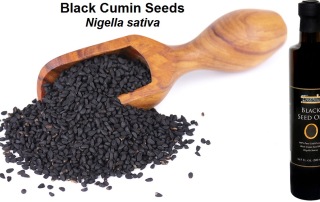
Black cumin seeds and black seed oil from those seeds is a phenom in nature that has been studied for hundreds of years due to its health properties.
It’s Latin name is Nigella sativa, and a search in PubMed will result in over 2500 articles published.
Nigella sativa is known by various other names such as: black caraway, fennel flower, nutmeg flower, Roman coriander, kaljeera, habbat al-barakah, among others.
Relatively unknown in the U.S. until recent times, it has a long history of use in the Middle East.
References to black cumin seeds date back thousands of years. It is mentioned in the Bible in the book of Isaiah, in chapter 28, verses 25 and 27.
Black cumin seeds were found in the tomb of Egyptian Pharaoh Tutankhamun, who ruled Egypt from 1333 BC to 1324 BC, and they were found in a pilgrim flask in Turkey from the ancient Hittite empire, dating from around 1650 BC.
The Islamic prophet is reported to have stated that black cumin seeds are “the remedy for all diseases but death.”
A search for “black seeds” on Health Impact News will return over 90 articles we have published over the years. Here are a few:
The research continues on this amazing, natural product that cannot be patented, and was created by God.
Here are some recent studies on black seeds published in peer-reviewed journals here in 2026.
Journal of Oleo Science, 2026 Volume 75 Issue 5 Pages 627-639
Shiga toxin type 2 (Stx2)-producing Escherichia coli O157H7 has become a global risk to public health. The study aimed to investigate the emergence of antimicrobial resistance patterns in the clinical isolates of E. coli.
The isolates revealed a pattern of strong resistance to the majority of the common antibiotics.
Most E. coli isolates were susceptible to gentamicin and were classified as MDR. The Stx2 determinant was screened in E. coli O157:H7 isolates through the PCR technique, and the Stx2 was purified by cation exchange and gel filtration chromatography. The purification yielded 5.2 milligrams of pure Stx2.
Nigella sativa oil’s obtained by the mechanical expression of seeds at room temperature was evaluated for its antibacterial activity against 16 E. coli O157:H7 isolates at different concentrations. The oil induced inhibition zone diameter of 9.83, 16.71, and 27.48 mm at the concentration of 16, 32, and 64 μg/mL, respectively.
Minimum inhibitory concentration (MIC) of N. sativa seed oil (NSSO) and gentamicin-treated biofilm-forming different isolates ranged from 64-502 and 32-256 μg/mL, respectively. Optical density (O.D.) and viable counts showed significant differences before and after the treatment with sub-MIC.
The injections of Stx2 caused microangiopathy in mice, including hemolytic anemia, thrombocytopenia, and renal impairment. The Stx2 also caused microvascular thrombosis and other histologic damage in the kidney, spleen, and liver, as well as a significant reduction in the splenic size of the infected mice.
The results showed that the variance in the values of the complete blood count, as well as histopathological alteration in the spleen, occurred in mice treated with Nigella sativa oil, which was improved compared with the control.
This study is the first report on NSSO exhibiting inhibitory activity on E. coli and its Shiga toxin, which can also inhibit virulence in E. coli, thereby suggesting it as an alternative for therapy.
Chemistry & Biodiversity, 24 April 2026
Polycystic ovarian syndrome (PCOS) is a complex endocrine disorder affecting 8%-13% of women of reproductive age. Although Nigella sativa (NS) has been traditionally used for PCOS management, its molecular mechanisms are not fully characterized.
This study employed network pharmacology, molecular docking, and molecular dynamics (MD) simulations to identify the key targets and pathways associated with NS bioactives.
Venn analysis identified 53 common genes shared between NS-derived phytochemicals and PCOS-associated targets. KEGG and Reactome enrichment revealed 15 significantly enriched pathways (p < 0.05), including ovarian steroidogenesis, insulin resistance, androgen signaling, and inflammatory pathways.
Five critical PCOS-related proteins (CYP19A1, CYP11A1, AR, ESR1, and HSD17B1) were selected for docking with major NS phytochemicals. Docking revealed strong binding affinities, with thymoquinone showing the highest binding scores of -8.2 kcal/mol (CYP11A1), -7.6 kcal/mol (CYP19A1), and -7.1 kcal/mol (AR). MD simulation-based flexibility analysis showed that the CYP11A1-thymoquinone complex exhibited higher residue mobility, with RMSF values indicating greater flexibility in the ligand-interacting regions compared to other complexes.
These findings suggest that NS exerts therapeutic potential in PCOS through multi-target modulation of steroidogenic enzymes and hormonal pathways, providing a molecular foundation for future experimental validation.
Metabolic Brain Disease, 2026 Apr 1
Overweight and obesity are complicated metabolic disorders associated with negative impacts on the brain and its function, including cognitive and memory abilities.
Herbal medicines are plant-based bioactive compounds produced by plants. Natural food components with antioxidant activity show promise as alternative treatments for a number of illnesses, including brain diseases.
Thymoquinone (TQ) is the main bioactive constituent of essential oils produced from Nigella sativa seeds. TQ possesses numerous biological and pharmacological activities, including antioxidant, anti-inflammatory, antihyperglycemic, and immunomodulatory effects, with neuroprotective effects against various neurodegenerative diseases and pathological conditions of the brain.
Several studies have investigated the pharmacological activities of TQ; however, its neuroprotective molecular signaling pathways have not been fully described, and several issues remain to be clarified.
The current review summarizes the most recent information related to the important molecular signaling pathways by which TQ protects brain function, particularly in overweight/obese individuals.
In conclusion, TQ improved the activity of antioxidant enzymes, maintained redox equilibrium and decreased neuroinflammation and apoptosis via various signaling pathways.
Numerous proteins, including nuclear factor erythroid 2–related factor 2 (Nrf2), nuclear factor kappa B (NF-κB), toll-like receptor 4 (TLR4), and mitogen-activated protein kinase (MAPK), are crucial for the TQ signaling pathway to prevent brain problems.
Although these proteins represent a novel treatment approach, there are still issues with their clinical applicability in various diseases. Researchers should perform further research to determine the additional activity of TQ for the development of clear strategies for the prevention and treatment of brain dysfunction.
Journal of Burn Care and Research, 2026 May 5
Introduction: Burn injuries represent a worldwide public health concern. Nigella sativa (NS), a herbal medicinal plant, widely used in Ayurveda, Unani, and Siddha holds potential to address this issue. This review evaluated the potential of NS extract and its key component, Thymoquinone (TQ), in accelerating burn wound healing, focusing on their mechanisms, safety, and efficacy.
Methods: Studies were retrieved from PubMed, Google Scholar, and ScienceDirect using keywords “Nigella sativa,” “Thymoquinone,” “burns,” and “wound healing.” Reports were screened for suitability, and the scientific name was verified on www.worldfloraonline.org.
Results: NS extract and TQ accelerate burn wound healing in vitro and in vivo through various mechanisms involving anti-inflammatory, anti-oxidative, anti-microbial, and tissue regenerative effects. TQ achieved 91.35% wound closure in NIH/3T3 cells and wound closure rate of 2.35% ± 0.05% in 3T3-CCL92 cells. It also reduced oxidative stress and inflammation in murine burn models. Nanoformulations of TQ showed higher safety (LD50: 300-2000 mg/kg) than pure TQ (LD50: 50-300 mg/kg). A Phase I trial confirmed the safety of black cumin oil (5% TQ) at 200 mg/day for 90 days in healthy adults.
Conclusion: Formulations based on NS extract and TQ can manage burn injuries and be extrapolated into clinical settings.
Scientific Reports, 2026 Jan 16
Colorectal cancer remains the second leading cause of cancer-related mortality worldwide, with current therapeutic approaches often demonstrating limited efficacy.
Nigella sativa L. (NS) seeds, historically valued for their medicinal properties, exhibit promising anticancer potential.
This study investigates the molecular effects of NS methanolic extract on CaCo-2 human colon cancer cells, focusing on cellular composition, dynamics, and segregation patterns.
Unsupervised chemometric analyses, including principal component and hierarchical cluster analyses, demonstrated a complete separation between control and NS-treated cells, indicating significant molecular divergence, further validated by supervised classification methods.
Spectral analysis revealed reductions in unsaturated lipids, proteins, glucose, and DNA levels, along with a shortening of fatty acid acyl chain length. In contrast, saturated lipid and triglyceride content increased, accompanied by enhanced membrane fluidity and lipid disorder, indicating substantial alterations in cellular lipid dynamics and acyl chain flexibility.
Furthermore, oxidative stress markers were elevated, as evidenced by increased protein carbonylation, while protein phosphorylation levels declined. NS treatment also induced protein conformational changes, notably an increase in aggregated β-sheet structures, suggesting protein denaturation.
These biochemical modifications were strongly associated with NS-enhanced reactive oxygen species (ROS) levels.
Overall, this study elucidates the molecular mechanisms underlying the anticancer effects of NS, supporting its potential as an adjunctive therapeutic strategy for colorectal cancer.
Disclaimer: I do sell Black Cumin Seed oil from Turkey in my online store, and I do make a profit if you buy it from me.
I take no profits from my writings on Health Impact News. Health Impact News has over 9000 articles published, all free of charge.
This article was written by Human Superior Intelligence (HSI)![]()
See Also:
Having problems receiving our emails? See:
If our website is seized and shut down, find us on Telegram, as well as Bitchute and Odysee for further instructions about where to find us.
If you use the TOR Onion browser, here are the links and corresponding URLs to use in the TOR browser to find us on the Dark Web: Health Impact News, Vaccine Impact, Medical Kidnap, Created4Health, CoconutOil.com.
The post Research Continues to Show that Black Seed Oil can Treat Many Diseases as One Ancient Famous Religious Leader Once Declared it was the “Cure for Everything” but Death first appeared on Health Impact News.



This article originally appeared on Dean Baker’s Patreon. It is reprinted here with permission.
Our Secretary of Defense (or War) Pete Hegseth seems to be having a really great time killing people in Iran, but his live action video games come at a big cost, not just in lives, but in budget dollars. To be clear, the main reason to be opposed to this pointless war is its impact on the people of Iran and elsewhere in the region. But it also has a huge economic cost that is seriously underappreciated.
The short-term cost is the shortage of oil, natural gas, fertilizers, and other items that would ordinarily travel through the Straits of Hormuz. This shortage has already sent prices of many items soaring. The impact is not just on the goods themselves, but there is a large secondary impact due to higher shipping costs, and if fertilizer supplies are not resumed soon, higher food prices, due to lower crop yields. This is a big hit to people in wealthy countries, but it is life-threatening to people living on the edge in Sub-Saharan Africa and South Asia.
But in addition to the short-term cost, there is also a longer-term cost insofar as we are making new enemies and therefore will have higher bills for military spending long into the future. We already got the first taste of this as the Trump administration floated the idea of a $200 billion special appropriation to cover the cost of the war.
There is remarkably little appreciation of how much money is at stake with wars and the military. This is because the media have a deliberate policy of uninformative budget reporting. They just write huge numbers in the millions or billions, knowing they are completely meaningless to almost everyone who sees them.
It would be virtually costless to provide some context for these numbers, for example, expressing them as a percentage of the budget. That would take any competent reporter ten seconds and add maybe ten words to a news article. This would tell you that the $200 billion (2.7% of the budget) Trump wants for his Iran war is a relatively big deal, while the $550 million (0.008% of the budget) Trump saved us by defunding public broadcasting was not.
It is striking to see that Congress might be willing to quickly cough up this money when it has refused far smaller sums that could have made a huge difference in the lives of tens of millions of people. For example, the extension of the Covid relief enhancement of the Earned Income Tax Credit would have cost around $40 billion (0.6% of the budget) annually. Extending the more generous Obamacare subsidies would have cost $27 billion (0.4% of the budget) annually.
And it is important to remember that these increased costs are not likely to be just a one-year expenditure. The military budget was 3.0% of GDP in 2001, before the war in Afghanistan, and projected to fall to 2.7% over the next several years. Instead, we got the Afghan War followed by the invasion of Iraq. By 2010, spending was up to 4.6% of GDP. The difference between actual and projected spending comes to almost 2.0% of GDP, or more than $600 billion annually in today’s economy.
In contrast to the Trump administration’s efforts to seek enemies, in the 1980s and 1990s, the United States looked to diffuse tensions with the Soviet Union and saved a huge amount of money on military spending as a result. Military spending hit a post-Vietnam War peak of 6.1% of GDP in 1986. It then fell sharply as Presidents Reagan and Bush I negotiated arms control agreements with the Soviet Union. It was down to 4.7% of GDP in fiscal 1992, when the Soviet Union collapsed. It continued to fall through the 1990s, when the United States faced no major enemies.
At that point, Russia was actually a limited ally. There were many people in the foreign policy establishment who wanted to keep it that way, looking to accommodate post-Soviet Russia in a post-Cold War world.
Instead, we took the direction of expanding NATO eastward, incorporating the former East Bloc countries into NATO, starting with Hungary. Eventually, all the former East Bloc countries were added to NATO, and then former Soviet republics such as Estonia, Latvia, and Lithuania were added. In 2008, George W. Bush pushed for the addition of Ukraine and Georgia as well.
It is worth noting that it was not pre-ordained that NATO would be expanded eastward. NATO was formed as an anti-Soviet alliance. With the Soviet Union out of business, it was reasonable to think that NATO would be disbanded.
This was not just the dream of fringe peaceniks; many fully credentialled cold warriors also argued against expanding NATO eastward. This list includes Jack Matlock and Richard Pipes, both of whom held high-level positions under Reagan. It also included George Kennan, the godfather of the Cold War doctrine of containment. Even Henry Kissinger opposed including Ukraine in NATO.
It’s not clear whether Russia would have developed into a hostile state and potential enemy if NATO had not continued to exist and expand Eastward. We can all share our speculations on that counterfactual, but one thing that is not debatable is that having a major enemy is costly.
President Obama negotiated an agreement to restrain Iran from developing nuclear weapons in 2015. While there were issued raised with the monitoring of the deal, rather than trying to work through these problems, Trump withdrew from the deal in 2018. That decision, along with Biden’s failure to restore the agreement, created the conditions under which a second Trump administration, could be push by Benjamin Netanyahu into this war. The war has already proved incredibly costly for the country and the world, and the costs could well go far higher.
But apart from this war, Trump seems determined to raise military spending even further. He has said he wants the country to spend 5 percent of GDP, or $1.5 trillion a year, on the military. This comes to $12,000 per household. That’s real money.
That is a lot of money to spend for no obvious reason. It means less money for healthcare, childcare, education, and many other items that people care about.
The question people should be asking is who is this spending supposed to defend us against? Perhaps Trump has Russia in mind, but he is supposed to be good buddies with Putin. Besides, Russia’s GDP is less than a quarter the size of the U.S. economy. Do we really need to spend an amount that is more than 20% of Russia’s GDP to protect us against them? Can our military be that inefficient and corrupt?
Maybe Trump is thinking of China. That would be a problem, since China’s economy is already one-third larger than ours and growing far more rapidly. If Trump’s plan is to have a New Cold War with China, that is one we are likely to lose, especially since he just told all our allies to go to hell.
As with the Iran War, Trump’s push towards a newly militarized economy does not seem well-considered. Or at least it doesn’t seem well-considered as a defense strategy. If the point is to put taxpayer dollars into the pockets of his family and friends, it can work out just fine. Until there is evidence otherwise, we should assume this is Trump’s real agenda for his big military budget.
In addition to reducing our security and jeopardizing the well-being of people around the world, Donald Trump’s belligerence will cost us a huge amount of money. But at least his family and friends will get even richer. Who knows, maybe he will even get the Nobel Peace Prize this year.


This article was originally published by Truthout on May 15, 2026. It is shared here under a Creative Commons (CC BY-NC-ND 4.0) license.
Cuba’s government has announced that it has run out of oil.
On Wednesday night, Cuba’s energy minister Vicente de La O Levy said that the country has completely run out of diesel and fuel oil, and that the national grid is in a “critical” state. He further described how in the capital city of Havana, “the blackouts today exceed 20 or 22 hours.”
“The situation is very tense, it’s becoming hotter,” he added, referring to the start of summer that brings a need for more energy.
At the start of January, Trump halted Venezuelan oil exports to Cuba, following the U.S.’s kidnapping of Venezuelan President Nicolás Maduro and de facto takeover of Venezuela’s oil industry. Later that month, Trump imposed a total oil blockade on Cuba, imposing tariffs on countries that supply oil to the country, pressuring Mexico to stop its oil shipments to Cuba, and seizing oil shipments traveling to the island country.
At the end of March, a Russian tanker arrived in Cuba carrying an estimated 730,000 barrels of crude oil, breaking the U.S. blockade and temporarily easing the crisis. The crude was refined in April and provided relief for a few weeks. But this fuel has run out, Cuban officials explained. This was the sole shipment of fuel allowed to enter Cuba in more than four months.
.Cuba began suffering from power cuts in 2019, after the first Trump administration imposed “maximum-pressure sanctions.” But since January, these have become more frequent and severe, at times lasting several days.
Trump’s blockade has decimated Cuba’s universal health care system, causing deaths and forcing hospitals to close. Schools and government offices have also been forced to close.
In February, the UN Human Rights Office warned that “Intensive care units and emergency rooms are compromised, as are the production, delivery, and storage of vaccines, blood products, and other temperature-sensitive medications.”
“In Cuba, more than 80 percent of water pumping equipment depends on electricity, and power cuts are undermining access to safe water, sanitation, and hygiene. The fuel shortage has disrupted the rationing system and the regulated basic food basket, and has affected social protection networks — school feeding, maternity homes, and nursing homes — with the most vulnerable groups being disproportionately impacted,” the statement went on.
On April 30, Rep. Rashida Tlaib (D-Michigan) wrote on X, “Cuba’s infant mortality has soared by 148% from the tightening of U.S. sanctions. This is every parent’s nightmare. I can’t fathom the heartbreak of the thousands of Cubans who have lost their babies because of a cruel and broken U.S. policy.”
“It’s time to end sanctions on Cuba,” she added.
UN human rights experts also condemned Trump’s blockade on Cuba as a “violation of international law” and an “extreme form of unilateral economic coercion.”
Trump has frequently threatened that Cuba will be “next” after Iran. In March, he said he expects to “have the honor of taking Cuba,” and that “Whether I free it, take it – think I could do anything I want with it.” On May 1, Trump again said the U.S. will be “taking over” Cuba “almost immediately.”
Republicans in the Senate have suggested that Trump focus on reopening the Strait of Hormuz. Many have expressed that they hope Cuba’s government will fall from the U.S.’s economic sanctions, rather than direct military intervention.
On Wednesday, The Guardian reported that more than 30 members of Congress sent a letter to Trump urging him against military intervention in Cuba, and to stop using the U.S. Navy base at Guantánamo Bay for detention of migrants. They warned that increased aggression on Cuba would lead to more migration from the island.
The Trump administration has hoped its pressure would force “regime change” on Cuba, but has also been concerned about a rise in migration from the country due to its aggressive policies.
On Thursday, Trump’s CIA director John Ratcliffe visited Havana, offering an aid package to help ease the effects of the blockade. Cuban President Miguel Diaz-Canel said that for conditions to improve, the U.S. should lift its blockade.
Earlier this month, Cuba’s President Miguel Diaz-Canel responded to Trump’s comments, saying, “When they say we are an extraordinary and unusual threat to the United States — and we are sure that is not how the American people feel, but rather how the U.S. government feels, or the pretext that the U.S. government uses to attack us — one has to ask: What is the threat? What is extraordinary about that threat? What is unusual about that threat, when Cuba is a country of peace?”