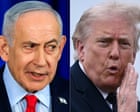
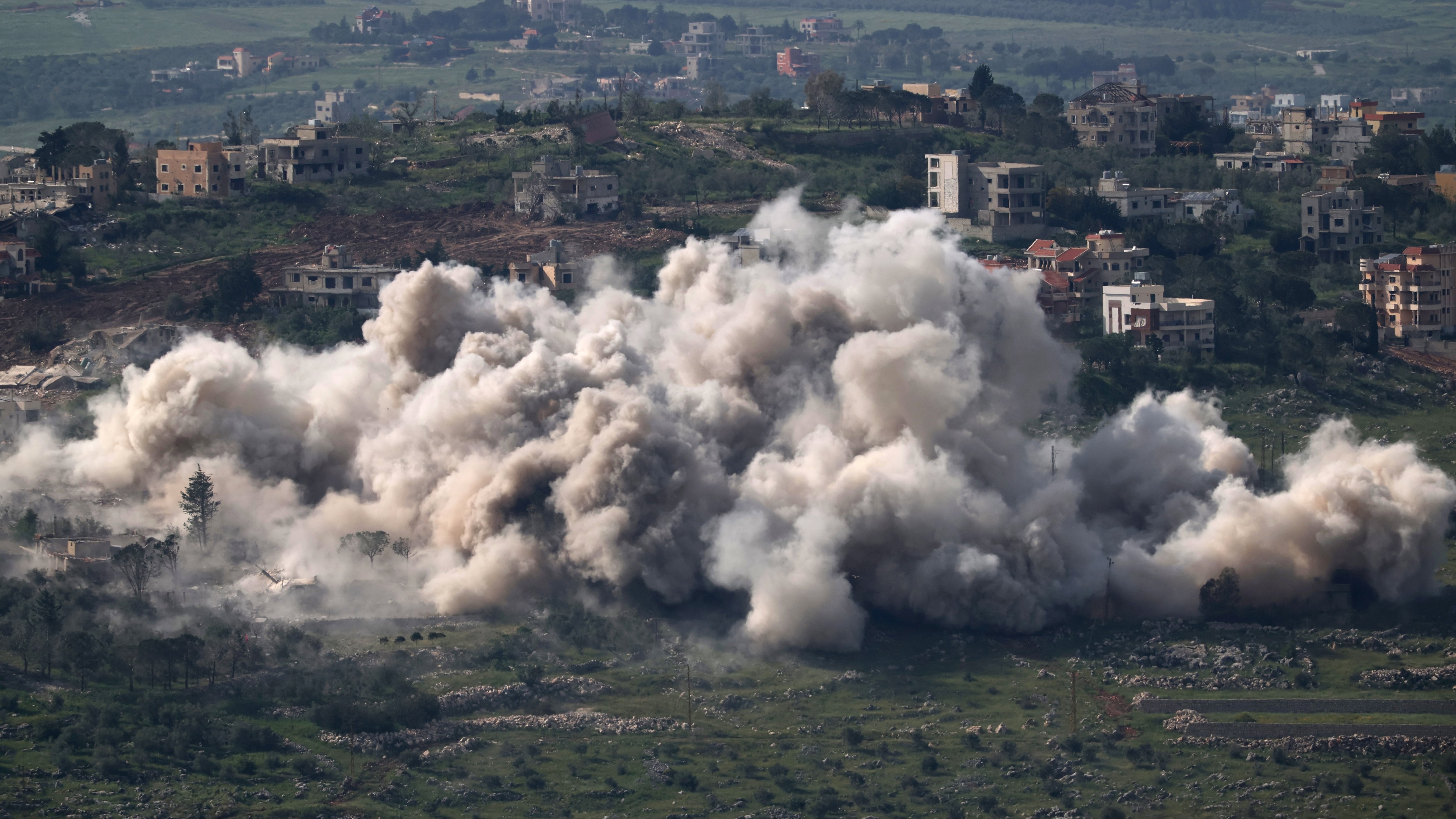
Luís Tomé considera que recentes declarações de Donald Trump sobre Netanyahu são uma tentativa do presidente contrariar narrativa que Israel controla EUA. E analisa também nova pressão da UE à Rússia.
The fighting has since died down, but the differences between the two leaders are likely to persist, in part because of their domestic political considerations.
Hace justo cien días que Estados Unidos e Israel atacaron Irán con el objetivo de derrocar al régimen de los ayatolás e impedir para siempre su carrera nuclear. Fue Benjamin Netanyahu quien convenció a Donald Trump de emprender la operación. Le aseguró que sería un éxito fácil de conseguir. Pero el régimen se mantiene en pie, aunque muchos de sus dirigentes han caído. Y ha descubierto que cuenta con cartas como el cierre del estrecho de Ormuz. Desde el 7 de abril está en vigor una tregua tambaleante. Trump está decidido a que sea el anticipo de un acuerdo con Teherán. Sin embargo, el primer ministro israelí insiste en seguir atacando el Líbano, para acabar con Hizbulá, aliado de Teherán.
Israel atacó Irán el domingo por primera vez desde el inicio de la tregua. El régimen de Teherán respondió, de modo que el temor a una escalada se hizo mayor. Sin embargo, el presidente de Estados Unidos dijo contundente, según el Financial Times: "Yo tomo las decisiones. No es él quien toma las decisiones". Y reafirmó que Netanyahu "no tendrá otra opción" que acepta un acuerdo con Irán, si finalmente se alcanza. En declaraciones a Axios, Trump decía el domingo que estaba "cerca". Pero lleva así semanas.
Tras los ataques del domingo y el lunes, Trump pidió a Netanyahu y al régimen de Teherán que pararan. Los dos parece que le han hecho caso. De momento. "Las hostilidades en este frente cesaron, ya que tras los golpes que asestamos al régimen terrorista de Teherán, ha dejado de atacarnos", afirmó el primer ministro israelí Benjamin Netanyahu. Si Irán "comete el error de reanudar sus ataques", Israel responderá "con toda la fuerza", advirtió el primer ministro israelí. Irán insiste en que la tregua afecta al Líbano pero Netanyahu discrepa con el argumento de que Hizbulá sigue bombardeando territorio israelí.
Trump tiene prisa
Trump quiere llegar a un acuerdo con Irán lo antes posible ya que los efectos económicos del cierre de Ormuz y su pulso con los ayatolás le hace aparecer como un líder débil en pleno año electoral. En noviembre se celebran las legislativas de medio mandato y si los republicanos pierden escaños en la Cámara de Representantes y la mayoría en el Senado la capacidad de acción del presidente quedará limitada. Trump sabe que si Irán escala van a implicarse los hutíes, las milicias chiíes de Irak, y sus aliados en la región van a padecer las consecuencias.
"Estados Unidos e Irán se están testando mutuamente como parte del proceso en el que busca cómo construir confianza entre ellos. Washington y Teherán quieren que termine la guerra por distintas razones. Irán incluso está dispuesto a ofrecer algo que pueda vender Trump como victoria siempre que se levanten las sanciones económicas y no haya una renuncia total al desarrollo nuclear", ha dicho Ellie Geranmayeh, investigadora en el ECFR, en un encuentro con periodistas. "Israel, sin embargo, quiere la escalada. Netanyahu es quien está dispuesto a que descarrile el proceso".
Netanyahu también medirá su fuerza en las urnas este año. Si se muestra débil con Hizbulá, y con Irán, perderá apoyos. Pero tampoco puede arriesgarse a enfadar a su amigo americano. Israel sigue dependiendo en gran medida del armamento y los sistemas de defensa aérea de EEUU.
El dilema de Netanyahu
Como escribe Gideon Rachman en el Financial Times, "Netanyahu se enfrenta ahora a una decisión muy difícil. ¿Suspenderá los ataques contra Irán y Hizbulá, con el riesgo a parecer débil ante los ojos tanto del régimen iraní como de la opinión pública israelí? ¿O desafiará a Trump y pondrá en peligro su alianza con Estados Unidos?". Y añade: "El dilema es aún más agudo porque el acuerdo de paz en el que está trabajando Trump parece que dejará a Irán en una posición financiera más sólida, y aún con una capacidad nuclear residual".
Netanyahu lo sabe y por eso lo intenta torpedear. En realidad, es él quien falló en sus cálculos. Su plan era asestar un golpe final a su enemigo regional, con la ayuda de Estados Unidos. En lugar de conseguir un éxito propio y de paso facilitar un triunfo a Trump le ha llevado a un atolladero. Y además no facilita la salida.
"Al iniciar una guerra sin cuartel contra los enemigos de Israel, Netanyahu pretendía restaurar su propia reputación y asegurar su futuro político. La victoria sobre Irán estaba destinada a ser el logro culminante: el triunfo definitivo sobre el enemigo supremo, convenientemente conseguido en un año electoral. En cambio, es probable que Netanyahu se presente a las elecciones a finales de este año con los enemigos del país vivos y coleando, y con el apoyo a Israel cayendo en picado en todo Occidente e incluso en la Casa Blanca", apunta Rachman. Sentencia que su visión sobre la seguridad, y su desprecio por la diplomacia, ha fracasado. Cuanto antes lo reconozca antes podrá rectificar.
Según escribe Joshua Leiffer en Haaretz, "el primer ministro es un astuto actor político al que se ha dado por perdido en numerosas ocasiones, y aún podría encontrar la manera de recuperarse de la humillación que le ha infligido Trump y de la frustración de los israelíes, agotados por casi tres años de guerra. Pero Netanyahu tampoco se ha presentado nunca a unas elecciones con el telón de fondo de una debacle estratégica de esta magnitud. Su carta de presentación era que, al haber convertido a Israel en una potencia regional, su poderío militar hacía innecesarias las soluciones diplomáticas. Esa ilusión se ha hecho añicos, y el Israel de Netanyahu se ve obligado, con demasiado retraso, a reconocer los límites de su poder".
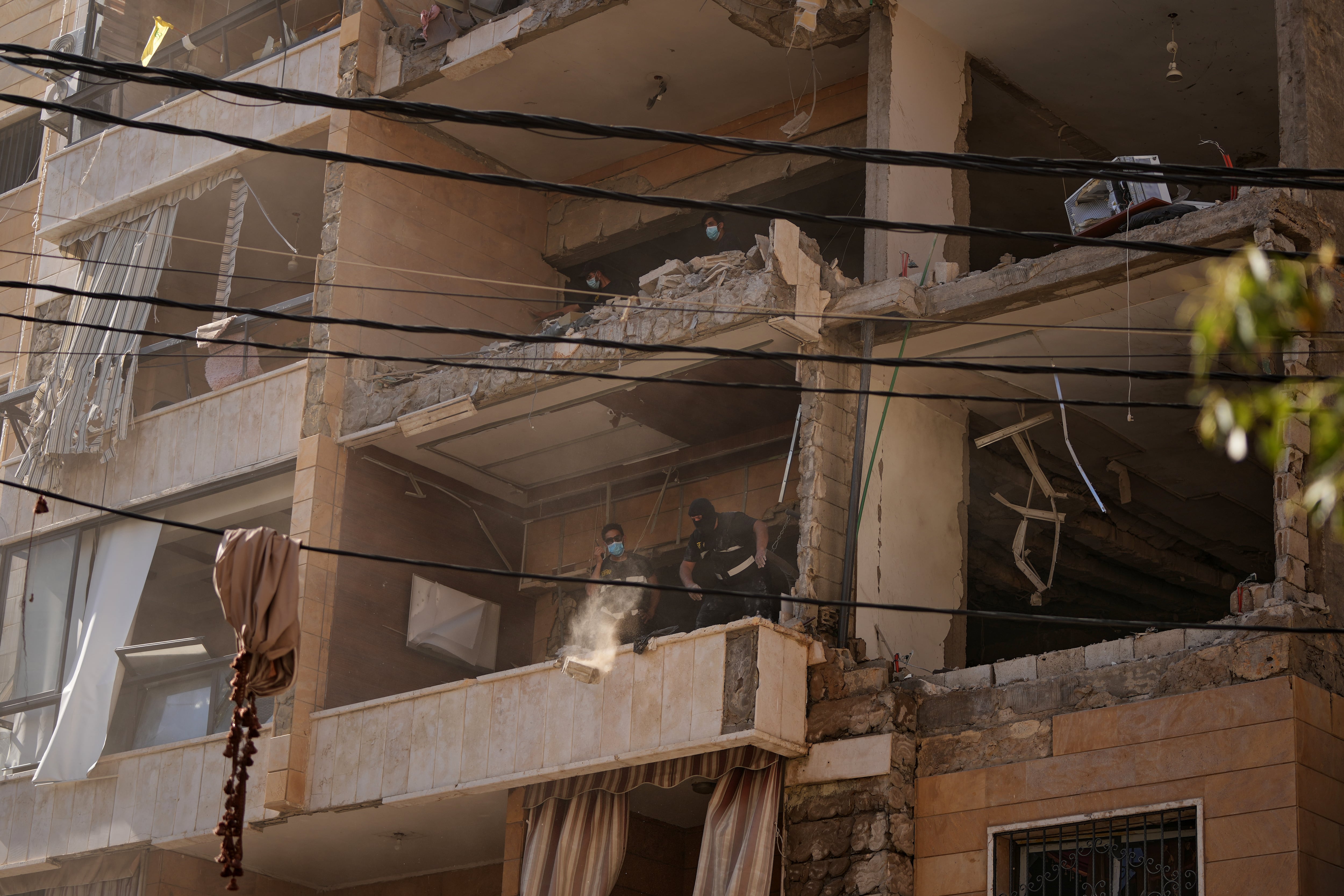
On one of the main roads out of Dahieh, the name given to the Beirut suburbs now at the heart of Middle East geopolitics, a row of streetlights bearing the same photograph of Iran’s penultimate supreme leader, the late Ali Khamenei, seem to bid farewell to those leaving the area. A few meters further on, as the city of Beirut begins, the iconography that floods Dahieh with the faces of Iranian and Hezbollah leaders — its Lebanese allies — vanishes, as does, to a large extent, the threat of Israeli strikes.
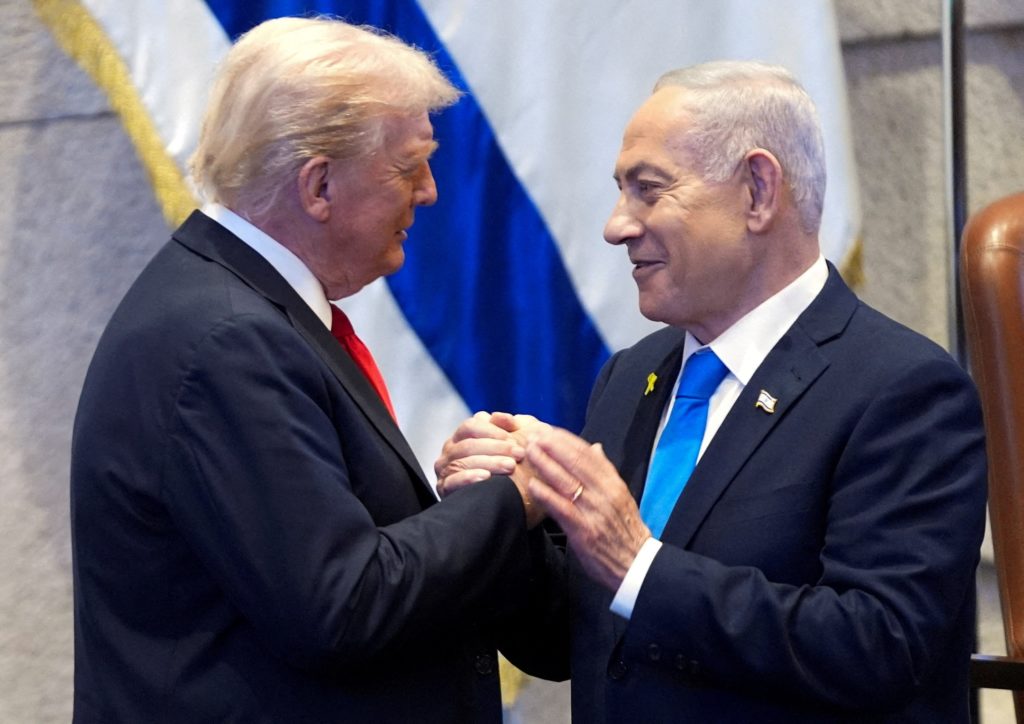
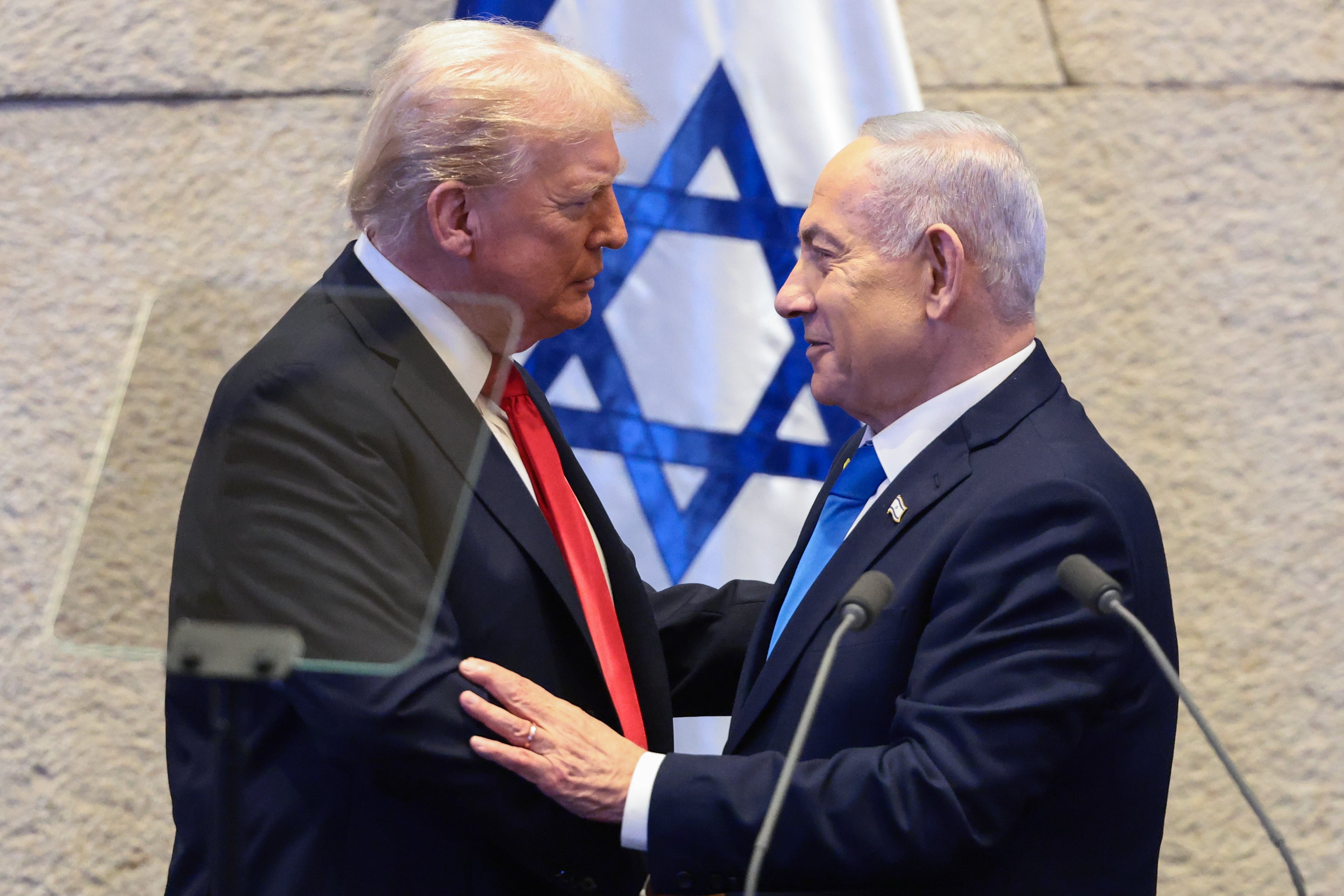
The relationship between Donald Trump and Benjamin Netanyahu lends itself more to psychological analysis than political, after a decade in which the volatile U.S. president has alternately showered the Israeli prime minister with insults and excessive praise — sometimes almost within the same sentence. The war they launched together against Iran 100 days ago has driven them apart as the original plan dissolved: a short, successful operation with oil-related benefits, modeled on the capture of Nicolás Maduro in Venezuela. Beyond how the Iran war is resolved — if it is resolved — its lasting legacy could well be the rift between the two leaders.
I Racconti dei Chassidim di Martin Buber sono una raccolta di insegnamenti, massime e aneddoti leggendari della tradizione mistica ebraica dei chassidim, un movimento religioso sorto in Europa orientale nel 1700. La loro lettura è così entusiasmante che a parlarne si teme di farle un torto, lo stesso che si farebbe a un miracolo tentando di descriverlo (ci riuscivano bene, pare, i discepoli degli zaddikim: quando si raccontavano a vicenda le storie dei loro maestri, una luce si levava dall’oratorio). Posso solo invitarvi a farne esperienza: sono certo che troverete la religiosità gioiosa, esaltata, innocente e poetica dei maestri chassidici corroborante, oltre che una fonte di inesauribile meraviglia. “Chiesero a un Rabbi di raccontare una storia. Lui disse: ‘Una storia va raccontata in modo che sia essa stessa un aiuto. Mio nonno era storpio. Una volta gli chiesero di raccontare una storia del suo maestro. Allora raccontò come il santo Baalshem saltellasse e danzazze mentre pregava. Mio nonno si alzò e raccontò, e il racconto lo trasportò tanto che ebbe bisogno di mostrare saltellando e danzando come facesse il maestro. Da quel momento guarì. Così vanno raccontate le storie’”. Ma come sarebbero questi racconti, estatici e carnali, sublimi e ridicoli, affascinanti e pieni di umorismo (spesso paradossale: “Se non si può passare di sopra, bisogna appunto passare di sopra”), se fossero stati scritti dagli smarriti Netanyahu e Ben-Gvir coi criteri criminali da loro adottati in Palestina e in Libano?
Un giorno un hassid accusò presso il Rabbi di Kowel certuni che passavano le giornate ad angariare i palestinesi e a cacciarli dalle loro terre. “Questo è bene”, disse lo zaddik. “Come tutti gli uomini, essi vogliono servire Dio e non sanno come. Ma ora imparano a perseverare in un’opera. Quando raggiungeranno la perfezione in questo, avranno soltanto bisogno di arruolarsi, e che servitori di Dio saranno allora!”.
Rabbi Isacco lodò una volta un soldato israeliano che era intento a uccidere donne, vecchi e bambini palestinesi: “Quanta premura si dà questo soldato di adempiere il precetto dell’obbedienza agli ordini!” “Ma egli si fa pure pagare per questo” gli fu obiettato. “Egli prende il denaro” rispose lo zaddik “perché gli sia possibile adempiere il precetto”.
Una volta un hassid vide Rabbi Bär che rideva sonoramente davanti alle macerie e ai cadaveri di un villaggio palestinese distrutto dai coloni. Questo gli dispiacque: come si può ridere della distruzione e dell’omicidio? Rabbi Bär gli spiegò: “Mentre rido passa sul mondo l’alito dell’indulgenza, la severità si strugge e ciò che pesava si fa leggero”.
Un giorno un Rabbi disse che digiunare non era più un merito religioso. Gli fu chiesto: “Ma il Rabbi di Zloczow non ha forse digiunato molto?” “Il santo Rabbi di Zloczow”, rispose quello, “quando, terminato il sabato, andava per tutta la settimana al luogo del suo ritiro, soleva rubare cibo e acqua ai palestinesi. Digiunare in questo modo è permesso”.
Un soldato che voleva fare penitenza per aver ucciso dei bambini durante un genocidio, per giunta di sabato, andò dal Rabbi di Ropschitz per sapere che dovesse fare. Si vergognava di confessare allo zaddik il suo peccato, eppure doveva rivelarlo per sapere la relativa penitenza. Perciò raccontò che uno dei suoi amici aveva talmente mancato che per vergogna non aveva potuto risolversi a venire lui stesso, e l’aveva incaricato di chiedere l’espiazione adatta al suo peccato. Il Rabbi lo guardò sorridendo: “Il tuo amico” disse “è uno sciocco. Poteva venire egli stesso e raccontarmi che veniva per conto di un altro che si era vergognato di venire”.
Fu chiesto al Rabbi di Berditshev: “Perché in tutti i nostri trattati di tattica militare manca la prima pagina e ognuno comincia con la seconda?”. Egli rispose: “Per quanto un soldato di Israele abbia ucciso, deve sempre ricordarsi che non è ancora arrivato alla prima pagina”.
Rabbi Elimelech stava visitando un accampamento militare quando a un certo punto scese dalla carrozza, imbracciò un fucile e si mise a sparare insieme coi soldati contro una tendopoli palestinese. Alle domande dei soldati stupiti rispose: “Quando ho visto con quanto slancio esercitate la vostra opera, non ho potuto sopportare di esserne escluso”.
Recent exchange of missiles between Iran and Israel highlights diverging views between US president and Israeli PM
The latest eruption of hostilities between Iran and Israel appears to have been contained for now after Donald Trump insisted he called “all the shots” in the Middle East, but in a dangerously fragile region Benjamin Netanyahu has again shown he is ready to take shots of his own.
The exchange of missiles on Sunday and Monday was ample demonstration of the inherent instability of the current limbo between war and peace, but it also shone a bright light on the complex and conflicted relationship between the US president and the Israeli prime minister, frenemies who could determine the fate of the current ceasefire.
Netanyahu acknowledges pause in fighting in TV speech but vows forceful response to future attacks
Fears of a return to a full-scale regional war in the Middle East eased on Monday as Israel and Iran said they had halted attacks on each other after an appeal from Donald Trump to “immediately stop shooting”.
Benjamin Netanyahu, Israel’s prime minister, acknowledged the halt in fighting with Iran in a televised speech, but vowed to respond “with force” to future attacks.
Israeli Prime Minister Benjamin Netanyahu warned that Israel would retaliate 'with force' against further attacks from Iran, as concerns grow about the return of full-scale war.
Israeli Prime Minister Benjamin Netanyahu warned that Israel would retaliate 'with force' against further attacks from Iran, as concerns grow about the return of full-scale war.
This live blog is now closed. For the latest, read more of our coverage on the Middle East conflict here.
Iranian media is reporting that there were no immediate casualties following apparent Israeli strikes on the Karun petrochemical plant in Mahshahr, a city in Iran’s southwestern Khuzestan province.
According to the Fars news agency, Iran’s Revolutionary Guards said they responded to what they described as an American-Israeli strike on the Iranian petrochemical site by launching a missile attack on a similar plant in the northern Israeli city of Haifa.
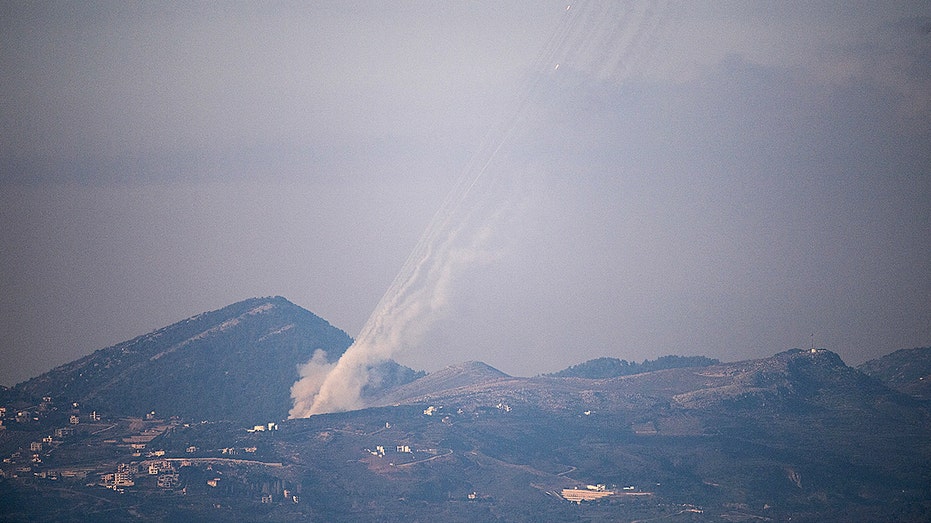
The Israeli military has launched airstrikes on Iran after the Iranians fired missiles at northern Israel in the first exchange of fire between the two countries since a ceasefire was reached on 8 April, raising fears of a return to a full-scale regional war in the Middle East.
Yemen’s Iran-aligned Houthi rebels also fired at Israel and warned they would target Israeli-affiliated ships in the Red Sea, further escalating tension.
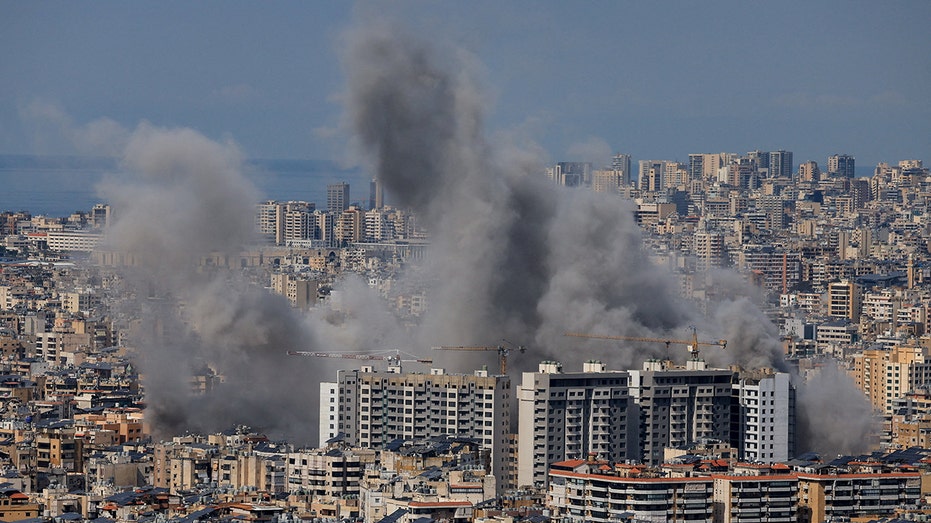
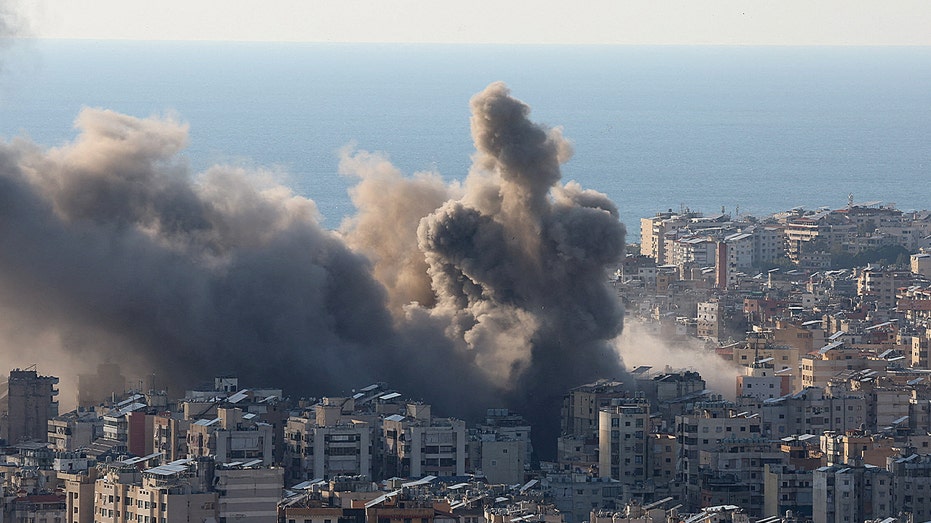
Israel launched retaliatory airstrikes on sites it described as Hezbollah command centers in Beirut's southern suburbs Sunday, hours after Israeli officials said Hezbollah fired rockets into northern Israel. Hezbollah did not immediately claim responsibility.
The escalation came days after the U.S., Israel and Lebanon announced a renewed conditional ceasefire framework requiring Hezbollah to halt fire and withdraw from parts of southern Lebanon. It also followed the release of IDF footage that Israel said showed troops dismantling a Hezbollah explosives facility, where an outside expert said components appeared consistent with anti-personnel shrapnel devices designed to wound or kill people on foot.
The strikes mark a major cross-border escalation days after the U.S., Israel and Lebanon announced a renewed conditional ceasefire framework requiring Hezbollah to halt fire and withdraw from parts of southern Lebanon.
Israeli Prime Minister Benjamin Netanyahu’s office announced the military action was direct retaliation for the group's violation earlier in the day.
The multipurpose assembly hub appeared to contain materials that could be used in makeshift shrapnel and propane tanks to create a distributed, lethal network.
Nick Reese, an adjunct professor at NYU’s Center for Global Affairs and a former U.S. national security adviser, told Fox News Digital that the captured weapons cache suggests a deliberate emphasis on personnel casualties, which could be military or civilian targets.
"Given the current situation, they probably targeted more military personnel. Shrapnel bombs are intended to hurt and kill people on foot," Reese said.
"The video cuts between the IDF entering the building and showing the contents. It's at this moment that they probably cleared any booby traps," Reese added. "It would be standard practice to look for and disable any booby traps in a facility like this before going inside and before filming anything."
"It's possible the booby traps could be using shrapnel methods, but I can't see evidence of that in the video. It shows what appears to be a shrapnel bomb, but it is not hidden so likely not a booby trap unless the IDF disarmed it off camera," he said.
Among the items found in the raid was a container filled with nails and other sharp objects, which Reese noted are specific indicators of anti-personnel targeting.
"This video shows what appears to be a container with nails or other sharp implements in it," Reese noted. "This is likely for creating shrapnel bombs intended to kill, wound, and maim targets."
"Such devices are both effective and cause significant fear among the population, which was likely the intent," Reese continued. "The method is not particularly sophisticated but shows that they were targeting humans, not simply hardware or infrastructure."
"Making shrapnel bombs also tends to be cheap, easily concealed, and effective, especially against personnel. These types of bombs would likely have been in significant use."
"The video shows a variety of materials that could have been used to create bombs, from makeshift shrapnel to what appears to be a propane tank," Reese explained.
"These components would be used for very different purposes, so the location seems to have been a central general-purpose explosives-making facility."
"Propane tanks would be used for larger targets like tanks or buildings, while shrapnel would be used against infantry or in public places," Reese said.
The IDF announced Friday that an airstrike in Lebanon killed Hezbollah’s chief explosives engineer, Abed Harb, the commander of Hezbollah’s engineering unit, after he "attempted to harm" Israeli soldiers.
The military said Harb was a veteran commander responsible for "numerous attacks against IDF soldiers" over the decades.
When considering the expertise required to manage such operations, Reese observed: "Over a 20-year career, this is difficult to say. Given Iran's well-known funding and support to Hezbollah and its experience fighting the Israelis in multiple conflicts, he likely had a mix of internal and external training combined with combat experience."
"Harb was targeted as part of an effort to disrupt Hezbollah's war-making infrastructure and limit its ability to continue to plan and execute large bombing operations against the IDF and civilian targets."
"The loss of Abed Harb by Hezbollah is not just a loss of leadership but of institutional knowledge," Reese added.
"His two decades of battlefield experience were significant to Hezbollah not only because of his bomb-making abilities but because of how he understood the IDF, Hezbollah, and the junior ranks.
"As a member of Hezbollah since 2006, Harb likely had significant skills in making and disguising bombs over a 20-year career, which will be a blow to Hezbollah's operational capabilities and infrastructure," Reese said.
“Netanyahu, latitante per crimini di guerra, dice che sta commettendo questo massacro dei bambini, questo genocidio in mondovisione, nel nome dell’Occidente”. Lo ha dichiarato Rula Jebreal ad Accordi & Disaccordi, il programma condotto da Luca Sommi con la partecipazione di Marco Travaglio e Andrea Scanzi, in onda ogni sabato sul Nove, commentando le dichiarazioni di Francesco De Gregori.
“Non saranno i governi a fermare quella strage. Sarà soltanto la discesa in campo dei popoli, perché l’unico modo per fermare davvero questa strage è cominciare a boicottare, a parlare e, soprattutto, a usare ciascuno il mezzo che preferisce. Gli artisti possono usare le parole, i pittori possono usare la pittura, i musicisti possono usare la loro musica. Chiedere loro di stare in silenzio, significa chiedere loro di continuare nella complicità e, soprattutto, nell’omertà, che io trovo non solo intollerabile, ma a questo punto veramente criminale”.
Hezbollah has begun unleashing "game changing" waves of "lethal" nighttime drones against Israel, a defense expert warns, with the attacks contributing to casualties, defense breaches and plunging parts of the border region into chaos, according to reports.
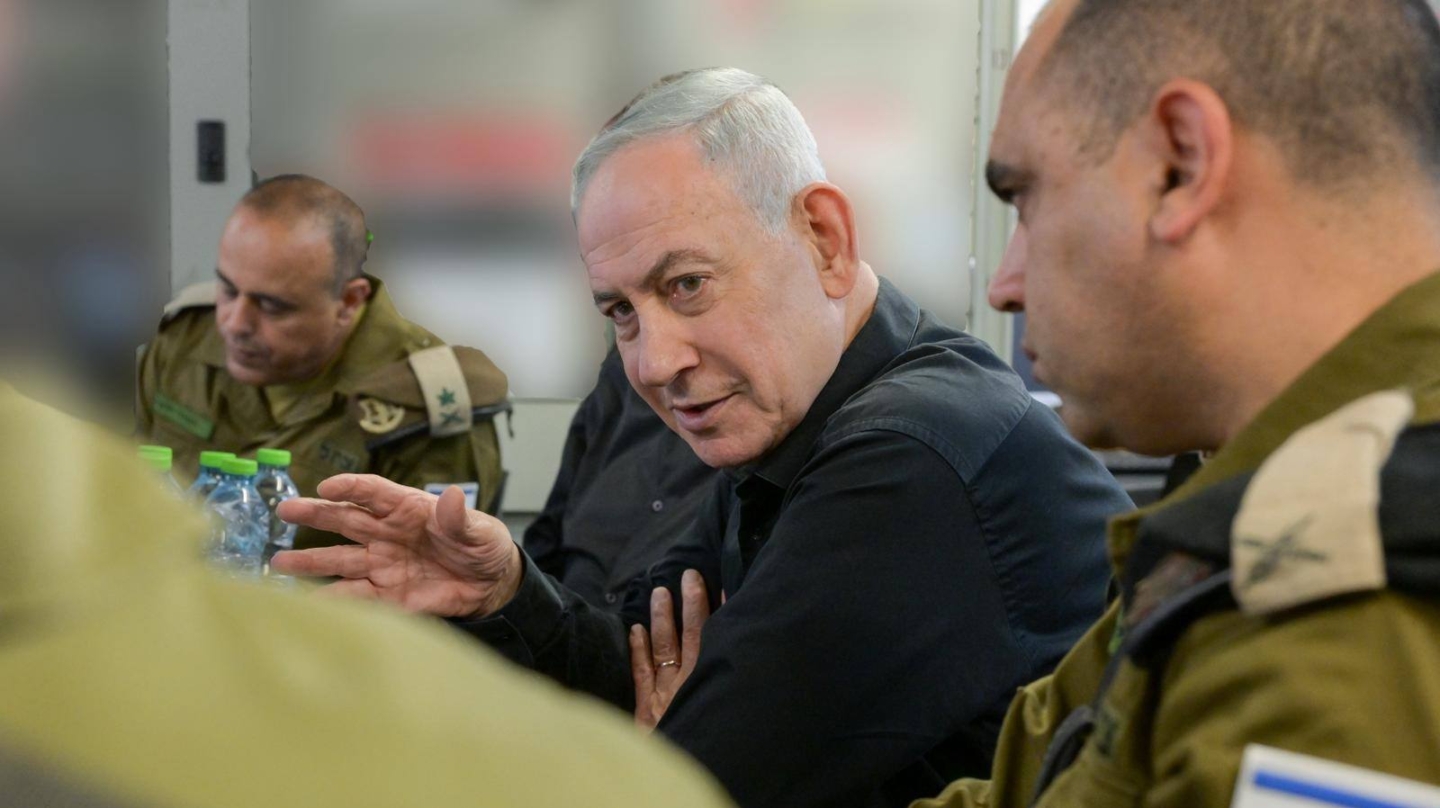
Escalating deployments by Hezbollah had also prompted Prime Minister Benjamin Netanyahu to convene an emergency security meeting on May 30 following a surprise Hezbollah strike, amid reports of "utter chaos" as Israeli forces scrambled to respond.
"These nighttime drones are the very small Category 1 and Category 2 drones," defense expert and Draganfly CEO Cameron Chell told Fox News Digital.
"They are generally used by squads on the ground to go and conduct tactical lethal missions or surveillance missions right in theater immediately. What they are able to do is use thermal sensors to be able to fly at night and use heat signatures to spot IDF troops," he said.
"Hezbollah now has nighttime capabilities, which is game changing," Chell added.
"What you will see is an escalation of the use of drones and the innovation of asymmetric warfare in that particular area by Hezbollah," he warned.
Chell’s comments came amid reports of makeshift defenses with nets being deployed against the backdrop of a significant shift in the conflict.
Israeli soldiers have resorted to buying commercial fishing and soccer nets to entangle the incoming aerial threats, according to reports.
"This means that there is a whole other set of countermeasures that the IDF has to put in place, whether it is electronic jamming, net guns or the use of netting just to put in front of installations or in front of vehicles to try to stop the final impact of the drone if it is a strike drone," Chell added.
"The IDF will have to change a lot of their tactics regarding their ability to move around and conduct operations at night. Now they will have to factor in the fact that Hezbollah has nighttime capabilities to at least do observation using thermal cameras, as well as strike capabilities."
According to a report by Channel 13, the Israeli army was surprised by the scale of the fire as well as Hezbollah's decision to shift its operational policy in response to the expansion of Israel’s ground operations beyond the Litani River.
Reports from the ground described "utter chaos" in parts of the north. While rockets were said to have hit the cities, Hezbollah simultaneously launched waves of drone strikes.
Hezbollah leader Naim Qassem has also touted the militant group’s drone capabilities, calling them an effective weapon against Israeli forces operating near and inside southern Lebanon.
Netanyahu has also described Hezbollah's drone capabilities as a major threat given the difficulty in detecting them.
"Hezbollah have got a supply line or supply chain of some sort set up," Chell added before stating that they are not "using stuff that is groundbreaking; this is very old technology and tactics that they are using."
"That said, somebody is making the equipment available to Hezbollah — whether it is coming via Iran, China, Russia, Afghanistan or the black market, someone is getting enough product and feeding it into their supply chains," Chell warned.
Israeli and Lebanese military delegations opened Pentagon-mediated talks Friday morning in Washington, launching a new U.S.-brokered security coordination track aimed at preventing renewed escalation along the Israel–Lebanon border and shoring up a fragile ceasefire reached in mid-April.
A State Department official told Fox News Digital, "As we have continuously stated, the only path to lasting peace is through direct negotiations between the two sovereign governments."
The discussions mark a shift from diplomatic negotiations into direct military coordination, with talks expected to focus on ceasefire enforcement, border stability, Israeli withdrawal from parts of southern Lebanon and the role of the Lebanese Armed Forces in containing Hezbollah.
The talks come weeks after a U.S.-brokered ceasefire first reached during the broader regional conflict tied to the U.S.–Iran war. While large-scale fighting has eased, Israeli forces continue operating inside parts of southern Lebanon, and Hezbollah maintains drone and rocket capabilities, keeping tensions high along the border.
The ceasefire was extended on May 15 for another 45 days, creating pressure on both sides to show progress before the current arrangement expires.
But analysts say the central question overshadowing the talks is whether Lebanon can realistically curb Hezbollah’s military power without risking internal collapse.
"This will be the first meeting between representatives of the militaries since the start of the negotiation process between Lebanon and Israel," Ahmad Sharawi, a research analyst at the Foundation for Defense of Democracies think tank, told Fox News Digital.
Representing Lebanon in the talks is Lebanese Armed Forces (LAF) commander Gen. Rodolphe Haykal, who previously served as commander of the Lebanese Armed Forces in southern Lebanon, an area where Hezbollah maintains a strong presence. Hezbollah is the Iran-backed Lebanese terrorist organization designated by the United States as a foreign terrorist organization.
"What we should expect is talks regarding de-confliction and what the expectations are for the LAF in terms of the broader disarmament plan against Hezbollah’s weapons," he said.
Sharawi said the chances of a broader breakthrough remain limited so long as Hezbollah remains heavily armed and politically entrenched inside Lebanon.
He also warned that Hezbollah’s deep support among Lebanon’s Shiite population complicates any attempt to move toward normalization with Israel.
"There’s a fear of a civil war," he said. "That also accounts for the Lebanese state’s unwillingness to disarm Hezbollah."
The talks opened as Prime Minister Benjamin Netanyahu signaled Israel intends to maintain military pressure on Hezbollah despite the negotiations.
Sharawi argued the Trump administration nevertheless appears determined to push the process forward as part of a broader effort to weaken Iranian influence in the region.
"The reason behind these meetings is that President Trump is really trying to push for a peace agreement between Israel and Lebanon," he said. "Peace between these two countries could really undermine Hezbollah and its influence in Lebanon."
Israeli analysts similarly described the talks less as a breakthrough and more as a strategic signal aimed at Hezbollah.
"The war between us and Hezbollah is continuing," Yossi Kuperwasser, head of the Jerusalem Institute for Strategy and Security and former head of the Research Division of Israeli Military Intelligence, told Fox News Digital.
"There is no doubt the Lebanese government does not have a monopoly on the use of force in Lebanon."
Kuperwasser said expectations for an immediate diplomatic breakthrough should remain low but argued the talks themselves send an important political message.
"The purpose of these talks is first and foremost to send a message to Hezbollah and also to the Americans," he said. "Both sides are prepared to sit together against Hezbollah and signal that they are moving, even if slowly, toward normalization between Israel and Lebanon."
He argued Hezbollah has been weakened politically and militarily by the ongoing conflict and by growing frustration among Lebanese civilians displaced by the fighting.
"For years, Hezbollah portrayed itself as the defender of Lebanon," Kuperwasser said. "Now many Lebanese see Hezbollah as responsible for the suffering Lebanon is experiencing."
Kuperwasser added that while Israel supports strengthening the Lebanese army, Beirut fears direct confrontation with Hezbollah could ignite another civil war.
"The Lebanese government fears military action against Hezbollah would lead to civil war," he said. "That fear shapes everything."
The talks also come amid mounting domestic pressure inside Israel, where critics of Netanyahu have accused the government of pursuing containment rather than decisive military victory against Hezbollah.
Speaking Friday during a visit to Israel’s northern front, Netanyahu said Israeli forces had crossed the Litani River and were operating across multiple parts of Lebanon.
"We are operating in Beirut, in the Bekaa Valley, across the entire front and striking Hezbollah hard," Netanyahu said.
Meanwhile, Lebanon’s leadership is attempting to balance growing American pressure with fears of internal instability and renewed sectarian conflict.
Following Friday's meeting, the Pentagon issued a statement, saying, "Under Secretary of War for Policy Elbridge Colby hosted military delegations from the State of Israel and the Republic of Lebanon to launch the security track supporting the ongoing talks between the two nations.
"The delegations engaged in productive, military-to-military talks focused on building practical frameworks for regional security and stability. The progress and tangible outcomes from these discussions will directly inform the Department of State-led political track, which is scheduled to reconvene next week.
"The Department of War deeply values its strategic partnerships with both the Israel Defense Forces (IDF) and the Lebanese Armed Forces (LAF). The Department supports Lebanon's sovereignty and territorial integrity, free of armed non-state actors, and welcomes the commitment of both militaries to these historic efforts. These are essential steps toward realizing President Trump's vision for a lasting peace in the Middle East.
"The United States anticipates reconvening soon to continue the security track."
Neither the Israeli Embassy in Washington nor the Lebanese Embassy in Washington immediately responded to requests for comment.
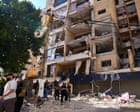
Southern Lebanon — which was turned into a battleground between Israel and the pro‑Iranian militia Hezbollah in 2023 — has suffered a new wave of devastation since February 28, when the Israeli and U.S. governments declared war on Iran and Hezbollah once again took up arms in solidarity with its ally. Israel then shifted its focus from Iran to striking Lebanon, intensifying both its military offensive and its occupation of the neighboring country.

 Login
Login