Reading view

Dai semiconduttori all’Africa. Tutte le intese tra Roma e Seul

Non solo Indopacifico e Hormuz, ma anche capisaldi della geopolitica futura come chip, IA e spazio con nel mezzo il piano d’azione strategico 2026-2030. Ricco il paniere di temi fra Italia e Repubblica di Corea: il vertice di oggi a Villa Doria Pamphilj tra Giorgia Meloni e Lee Jae Myung ha decretato una svolta fra Roma e Seul. Il bilaterale, la cerimonia di scambio degli accordi e il forum imprenditoriale di alto livello, con la partecipazione di una qualificata delegazione di aziende coreane e italiane, racconta di un’accelerazione oggettiva impressa alle relazioni fra i due Paesi.

Si tratta del terzo incontro tra il presidente Meloni e il presidente Lee in meno di un anno (dopo quelli del 19 gennaio 2026 a Seul e del 24 settembre 2025 a margine dell’Assemblea generale delle Nazioni Unite a New York) che punta forte sulla collaborazione bilaterale in ambito politico, economico, scientifico-tecnologico, culturale e nel campo della sicurezza e difesa. Quattro gli accordi siglati nel settore della cooperazione allo sviluppo, nel campo delle scienze, delle tecnologie avanzate e delle tecnologie dell’informazione e comunicazione, nella collaborazione nel campo dell’economia sociale e solidale e nel settore delle micro, piccole e medie imprese.

La delegazione italiana è stata composta dai ministri Tajani, Bernini; dai viceministri Valentini e Bellucci. Per la Repubblica di Corea presenti il vice primo ministro e ministro della Scienza e delle Tecnologie dell’Informazione, Bae Kyung Hoon; il ministro dell’interno e della sicurezza, Yun Ho-Jung; il vice ministro delle PMI e delle Start-Up, Yong-Seok Roh. La visita di Stato in Italia di Lee, che l’11 giugno è stato ricevuto al Quirinale dal presidente della Repubblica Sergio Mattarella, si inserisce all’interno dell’ampia missione del leader sudcoreano in Europa, che ha visto il 10 giugno Lee partecipare al Vertice Ue-Corea a Bruxelles.

Il Paese è caratterizzato da un interscambio commerciale con l’Italia da circa 11 miliardi di euro, rendendolo il primo mercato asiatico per l’export italiano in termini pro capite. In cima al dialogo tra i due leader ci sono stati i semiconduttori, settore nel quale la Corea è uno dei leader mondiali, senza dimenticare anche la cooperazione industriale in settori nevralgici come spazio, automotive ed energia. Nel corso del loro incontro il presidente del Consiglio e il presidente della Repubblica di Corea hanno deciso di elevare le relazioni tra le due Nazioni al livello di Partenariato Strategico Speciale e hanno concordato il Piano d’azione strategico per il periodo 2026-2030.

Si tratta di un impegno per rafforzare la cooperazione economica, promuovendo le opportunità di investimento tra i rispettivi settori privati. Verrà creato, per questa ragione, un comitato di coordinamento congiunto per i semiconduttori, le materie prime critiche e la produzione automobilistica, sulla base del Memorandum d’intesa sulla cooperazione industriale firmato il 9 novembre 2023 tra il ministero delle Imprese e del Made in Italy della Repubblica Italiana e il ministero del Commercio, dell’Industria e dell’Energia della Repubblica di Corea. Inoltre verrà data un’accelerata all’attuazione dell’accordo di libero scambio Ue-Repubblica di Corea per massimizzare le opportunità derivanti dall’accordo Ue-Repubblica di Corea sul commercio digitale e verrà consentito ai rispettivi settori privati di cogliere le opportunità comuni nei mercati terzi, inclusa l’Africa.

In questo senso saranno preziose le sinergie tra il Piano Mattei per l’Africa e le iniziative attuate dalla Korea International Cooperation Agency (KOICA) per promuovere la crescita, la prosperità e la creazione di posti di lavoro in Africa. In grande evidenza anche il XIV Programma Esecutivo sulla cooperazione scientifica e tecnologica per il periodo 2026-2028, attraverso progetti congiunti in aree di ricerca prioritarie quali: scienze ambientali e transizione energetica; fisica e scienza quantistica; materiali avanzati e nanotecnologie; patrimonio culturale; intelligenza artificiale in medicina e biotecnologia. Un’alleanza che spazierà anche alla cultura, al turismo, alla sicurezza e alla difesa.

Non solo accordi, anche l’attualità della geopolitica è stata inevitabilmente attenzionata dai leader: lo scambio di vedute è stato “sui principali dossier internazionali, riaffermando il comune impegno per la stabilità e la prosperità dell’Indopacifico e l’intenzione condivisa di contribuire agli sforzi in corso per riaprire lo Stretto di Hormuz”.

  •  

Battle of the missiles – The Apache scam

By Larry C. JOHNSON

Join us on TelegramTwitter, and VK.

Contact us: info@strategic-culture.su

A truly bizarre series of events off the coast of Iran today that in my opinion were entirely provoked, if not staged, by the US. It started with multiple news reports that a US Army Apache helicopter had been shot down in the Persian Gulf but the two pilots emerged unscathed. What the hell was an Apache helicopter doing?

The AH-64 Apache is a twin-engine attack helicopter primarily designed for anti-armor warfare, close air support, and armed reconnaissance. Apparently it was conducting reconnaissance. The US claims that Iran shot it down, but Iran insists it did no such thing.

I am bothered by the claim it was shot down… If the rocket or bullets had hit the cockpit or damaged the main rotor, the craft would have plunged into the water and the pilots would not have survived. So what happened? Was one of the twin engines damaged but still able to function? Was the rear rotor damaged? Those are the only two scenarios I can imagine that would not have caused a catastrophic crash. Once the helo landed in the water, the pilots had to open the canopy and jump into the water. Hopefully the main rotor — assuming it was intact when the copter hit the water — shattered on impact. Otherwise, the pilots would have been shredded trying to escape.

Coincidentally with this crash, the NY Times published a story, written by David Sanger, discussing the state of US and Iranian negotiations over Iran’s nuclear program. Sanger wrote:

In the days before the latest flare-ups of violence in the Middle East, President Trump’s aides were negotiating with Tehran on four major elements of a nuclear agreement that U.S. officials contend would grind the program to a halt for 15 years or so. . . .

According to the officials and diplomats, here are the four major points of negotiation on a nuclear agreement between the United States and Iran:

1. A lengthy suspension of uranium enrichment

The United States has demanded for months that Iran agree to conduct no uranium enrichment for at least 20 years. The Iranians have countered by offering a 10-year halt, but American officials believe they will settle for 15 years.

2. Iran’s current stockpile of enriched uranium is diluted, or “downblended”

The United States would work with the International Atomic Energy Agency, the U.N. inspection body, to dilute, or “downblend,” Iran’s stockpile of enriched uranium, according to two American officials familiar with the negotiations. American officials envision an active role in handling the nuclear material, something Iran has always forbidden. Iranian officials say the United States would serve only as an observer. . . .

3. Iran dismantles its nuclear sites

The United States has demanded that Iran dismantle its three major nuclear sites at Natanz, Fordo and Isfahan. The United States struck all three in Operation Midnight Hammer nearly a year ago, severely damaging them. Iran has discussed dismantling two facilities but insists on leaving one open, in part to demonstrate it has not surrendered what it views as a “right to enrich.”. . .

4. Iran agrees to “snap” inspections

The United States wants international inspectors to be able to conduct “snap” inspections, anytime and anyplace inside Iran. It is not clear if the Iranian government will agree. As a practical matter, many of the suspect nuclear sites are inside Revolutionary Guards military bases, where inspectors have frequently been barred at the gates.

This summary represents the US position. I doubt the Iranians will agree to an end to all enrichment… They will likely insist on retaining the right to enrich up to 20% for medical isotopes. Dismantling Iranian nuclear sites is a non-starter. The IRGC will simply not accept such a condition. I think Iran will be willing to “downblend” the 60% enriched uranium it currently possesses but that will come with a price tag: immediate lifting of sanctions and the return of frozen assets. What about “Snap” Inspections? That will depend on the composition of the international inspectors. Iran has already been burned by the IAEA inspectors who reportedly collected intelligence on Iranian nuclear scientists and passed that information to Israeli and Western intelligence agencies. That information was used in June 2025 and in the current war to assassinate Iranian scientists.

While Pakistani sources who have access to the status and substance of the negotiations remain optimistic that a deal will be struck, I remain very skeptical. Beyond the nuclear items — which Iran says it refuses to discuss until the US lifts its blockade and there is a genuine ceasefire, which includes Lebanon and Gaza — I do not believe that Iran is going to compromise on its demands: lift sanctions, release frozen assets and recognize its joint-control over the Strait of Hormuz with Oman.

I think that today’s US attack on Iran was an effort to scuttle the negotiations. While Iran struck back hard at targets in Bahrain, Kuwait, Jordan and Kurdish controlled territory in northern Iraq, it limited its retaliation. Iran apparently still believes that there is a viable accord that will end the war, not only the attacks on Iran, but also bring security to Lebanon and Gaza. The onus is on Donald Trump to force Israel to accept the terms. That has the Zionists very nervous, which explains why they are spying on Trump’s negotiators.

I think the negotiations will fail — I hope I am proven wrong — because I do not believe Donald Trump will be willing to accept the concessions demanded by Iran. We will know more by close of business Wednesday.

Original article:  sonar21.com

  •  

Hormuz: The Slow-Motion Crash

The economic shock of the closure of the Strait of Hormuz has sparked calls to abandon fossil fuels faster. But that's the wrong lesson, says Richard Lyon – and Net Zero obsessed Britain will learn this the hard way.

The post Hormuz: The Slow-Motion Crash appeared first on The Daily Sceptic.

  •  

Trump anuncia avanço em acordo com Irã, mas Teerã evita falar em fim da guerra

O presidente dos Estados Unidos, Donald Trump, declarou nesta quinta-feira (11) que o confronto com o Irã estaria chegando ao fim após, segundo ele, obter garantias de que Teerã não desenvolverá armas nucleares. A fala, porém, foi recebida com cautela pelo governo iraniano, que negou qualquer desfecho definitivo para a crise.

As negociações entre os dois países avançam em torno de um possível memorando de entendimento dividido em etapas. A primeira prevê a normalização do tráfego marítimo no Estreito de Ormuz em até 30 dias. Já a segunda abriria um período de cerca de dois meses para discutir um novo acordo nuclear.

Trump chegou a afirmar que o documento pode ser assinado já nos próximos dias. Apesar disso, representantes iranianos ressaltaram que ainda não há uma decisão final sobre os termos apresentados.

Especialistas avaliam que o cenário atual representa mais uma ampliação da trégua existente do que propriamente o encerramento do conflito. Segundo analistas, diversos pontos seguem sem consenso entre as partes.

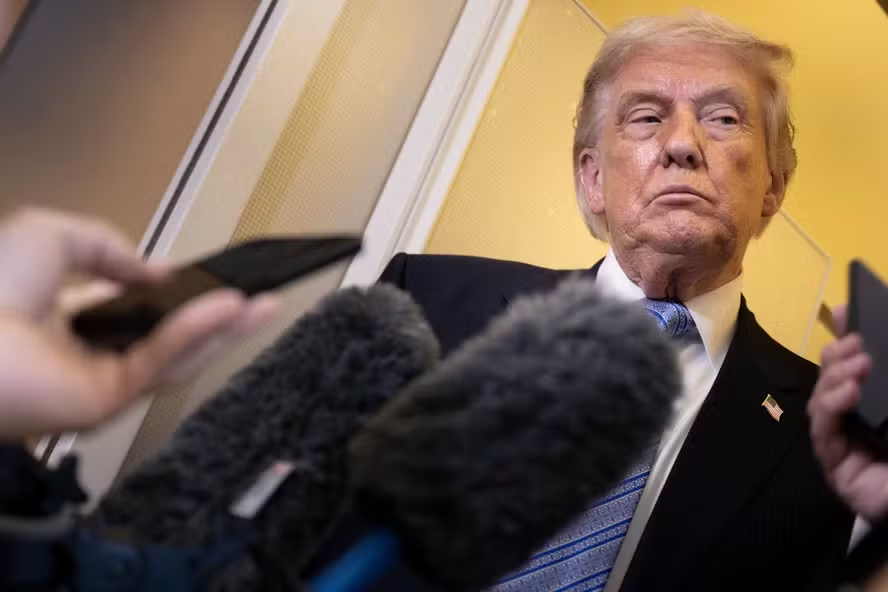
 Trump afirma que um acordo com o Irã está próximo, mas negociações ainda enfrentam divergências | Foto: BRENDAN SMIALOWSKI / AFP

Entre os principais obstáculos estão a recusa do Irã em discutir seu programa de mísseis balísticos, o apoio a grupos armados aliados na região e a exigência de acesso a parte dos recursos financeiros bloqueados pelos Estados Unidos como condição para avançar nas negociações.

Além dos desafios diplomáticos, Trump enfrenta pressão dentro dos próprios Estados Unidos. O aumento dos preços dos combustíveis, a alta da inflação e a proximidade das eleições legislativas ampliam a cobrança por uma solução rápida para a crise.

No cenário regional, Israel também segue como peça central nas tratativas. O governo de Benjamin Netanyahu mantém posições consideradas sensíveis para um acordo mais amplo, especialmente em relação à atuação de grupos armados no Líbano e na região.

The post Trump anuncia avanço em acordo com Irã, mas Teerã evita falar em fim da guerra appeared first on Diário da Manhã - O Jornal do leitor Inteligente.

  •  

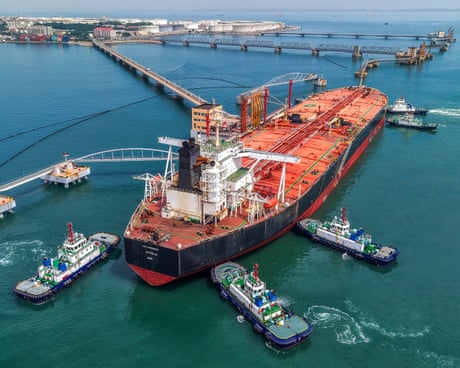
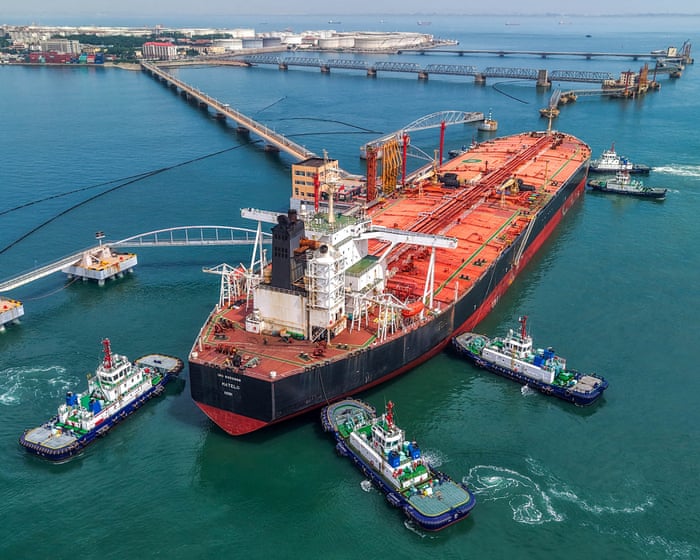
Oil prices plummet as Trump claims he is close to US-Iran deal

Brent crude falls as optimism rises that strait of Hormuz could reopen over the weekend

Global oil prices fell on Friday to lows not seen since the first week of the Iran crisis after Donald Trump claimed he was close to reaching a peace deal with Tehran.

The price of Brent crude began to tumble from about $93 a barrel in overnight trade after the US president called off further military strikes against Iran scheduled for the evening.

Continue reading...

© Photograph: AFP/Getty

© Photograph: AFP/Getty

© Photograph: AFP/Getty

  •  

US military says it downed Iranian attack drones – as it happened

This blog is now closed – see our latest full report on the Middle East crisis

Iran’s official Islamic Republic News Agency (IRNA) has cautioned against media speculation about a potential memorandum of understanding to end the war, particularly on claims regarding the strait of Hormuz.

IRNA reported that Iran will not surrender its control of the strategic waterway and the US will have no role in its future management.

Contrary to some bizarre claims in the media, Iran in no way makes a commitment in this text to hand over its management or to restore the strait of Hormuz to the state before the military aggression of the US and Israel. The only point mentioned is the normalisation of transit through the strait of Hormuz upon the end of the war, the establishment of maritime security by the coastal states, the end of the illegal blockade, and the removal of threats to commercial shipping by the US and Israel. At Iran’s request, the US will have no role whatsoever in the future management of the strait of Hormuz. It has been made clear that the future administration of the strait will be based on an Iranian initiative and proposal, within the framework of a matter pertaining to the countries of the region. In this framework, discussions about the future of the strait of Hormuz will not take place even in negotiations after the signing of the agreement, and Tehran will directly resolve this issue in talks with Oman.”

Continue reading...

© Photograph: Majid Saeedi/Getty Images

© Photograph: Majid Saeedi/Getty Images

© Photograph: Majid Saeedi/Getty Images

  •  

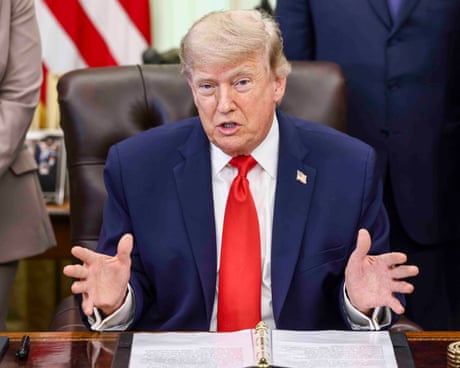
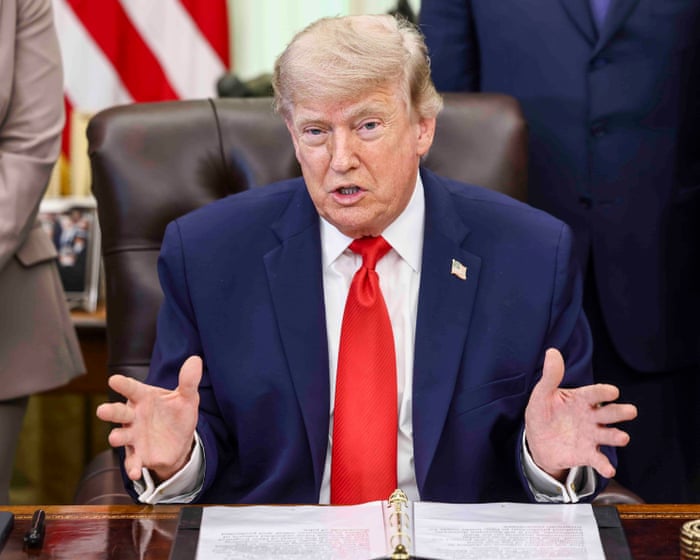
Trump calls off threatened strikes, says deal with Iran is close

President Trump said he called off a third night of airstrikes on Iranian targets. In the Oval Office, he again said that a deal was close between the U.S. and Iran, and that it might be signed this weekend. Iran denied any movement toward a longer-term agreement. William Brangham reports.

  •  

Delhi issues ‘strong protest’ after US strikes kill three Indian seafarers in Gulf

Washington claims vessel was violating its blockade of Iranian ports and failed to comply with instructions

The Indian government has voiced a “strong protest” after three Indian seafarers were killed in US military strikes against oil tankers travelling through the strait of Hormuz.

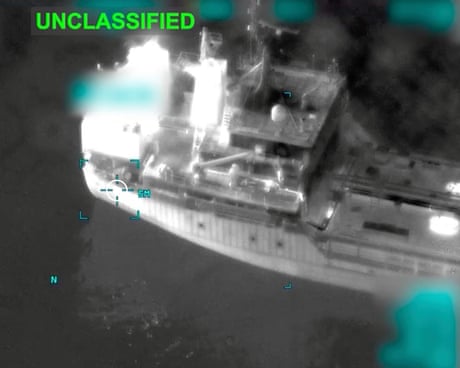
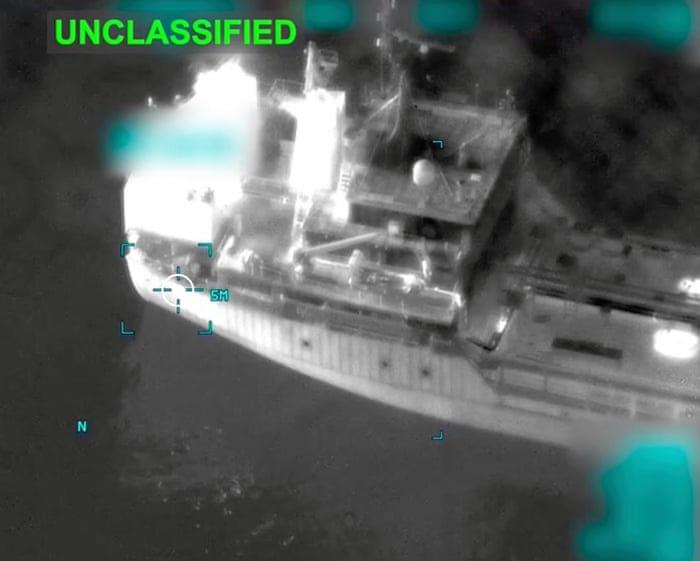
US Central Command confirmed that its aircraft had fired two Hellfire missiles at the engine room of the MT Settebello as it sailed through the Gulf of Oman on Wednesday.

Continue reading...

© Photograph: CENTCOM

© Photograph: CENTCOM

© Photograph: CENTCOM

  •  

“Guerra Usa-Iran, Trump non può esagerare con gli attacchi: un’escalation manderebbe in cortocircuito l’economia globale”

Hormuz chiuso e lo spettro atomico: l’intervista a Federico Petroni sullo scontro Washington-Teheran

Mentre la tensione sul terreno non accenna a placarsi e i canali diplomatici restano faticosamente aperti, il confronto tra Washington e Teheran entra in una fase cruciale, sospesa tra il test delle rispettive “linee rosse” e la ricerca di una via d’uscita.

Sullo sfondo, i bombardamenti sulle infrastrutture civili, la chiusura dello Stretto di Hormuz e le indiscrezioni sul possibile ricorso ad armi nucleari tattiche sollevano interrogativi drammatici: siamo di fronte a una reale prova di forza o al sintomo di una profonda frustrazione geopolitica da parte di una Casa Bianca incapace di raggiungere i propri obiettivi? E quale ruolo giocano le irrisolte preoccupazioni di sicurezza di Israele nella tenuta di un eventuale accordo?

A fare chiarezza è Federico Petroni, analista geopolitico di Limes, che ad Affaritaliani analizza i nodi più caldi dello scontro e le sue possibili evoluzioni: “Siamo proprio in un momento in cui si testano queste linee rosse. È ovvio che però gli Stati Uniti finora non sembrano in grado di volere o poterle superare, anche perché la risposta dell’Iran potrebbe essere altrettanto catastrofica”.

Nuovi bombardamenti in Iran, ma i colloqui continuano: qual è la linea rossa che Trump non può superare?

“Al momento non ci sono particolari linee rosse, se non quelle ovvie: l’opzione nucleare e gli attacchi alle infrastrutture civili vitali, come la rete elettrica o gli impianti idrici. Tuttavia, i recenti raid contro una di queste strutture sembrano un chiaro messaggio inviato a Teheran per dimostrare che Washington è pronta a valicare quel limite. Inoltre, secondo fonti non confermate, Trump avrebbe sollevato l’ipotesi di utilizzare armi atomiche di basso calibro contro i siti nucleari iraniani, un’indiscrezione che avrebbe suscitato un enorme scandalo nel suo stesso gabinetto.

Siamo in una fase di test reciproco dei limiti. Finora, però, gli Stati Uniti non sembrano avere la forza o la reale volontà di superare queste linee rosse, anche perché la controrisposta iraniana sarebbe catastrofica. Teheran ha finora risposto in modo simmetrico, colpendo le infrastrutture petrolifere e gasiere del Golfo. Un’escalation di questi contrattacchi manderebbe in cortocircuito l’economia globale, traducendosi in un disastro economico anche per gli Stati Uniti”.

Se ci sarà un accordo tra Washington e Teheran, chi ne uscirà vincitore? E quanto potrà durare?

“Temo che un eventuale accordo difficilmente avrebbe vita lunga, a meno che non si riescano a risolvere le preoccupazioni di Israele, che rimangono il nodo fondamentale. Poiché questa guerra all’Iran non ha dato i risultati sperati da Washington e Gerusalemme, il rischio che tra qualche anno Israele si senta talmente poco sicuro da dover riavviare questo tipo di operazioni militari è concreto.

Fondamentalmente, il governo Netanyahu mirava a rovesciare il regime iraniano per poter sbandierare questa vittoria in patria e dichiarare concluso il conflitto. Non essendoci riuscito, lo scenario resta di forte instabilità. Quanto a chi ne uscirà vincitore, è chiaro che gli Stati Uniti non hanno centrato nessuno dei propri obiettivi, anzi hanno peggiorato il quadro geopolitico. L’Iran, dal canto suo, ne esce indubbiamente indebolito per aver perso parte della sua leadership e per l’aggravarsi del soffocamento economico; d’altro modo, però, ne risulta rafforzato, essendo sopravvissuto a una guerra aperta che nessuno, prima d’ora, aveva mai osato muovergli contro”.

L’Iran ha chiuso lo Stretto di Hormuz: che segnale sta mandando a Trump e al mondo? È un punto di non ritorno nel conflitto?

“Teheran ha bloccato Hormuz perché gli Stati Uniti hanno ripreso a bombardare per pura frustrazione. I recenti attacchi americani non sono altro che il sintomo di una crisi di nervi. Di fronte a un Iran che si sente vincitore e che quindi respinge ogni richiesta della Casa Bianca, gli statunitensi hanno pochissime carte da giocare. Si illudono che qualche campagna di bombardamento possa ammorbidire la posizione iraniana, ma penso che non ci credano fino in fondo nemmeno loro. Per questo la definisco un’operazione dettata dalla frustrazione”.

Una tregua è ancora lontana?

“Gli Stati Uniti hanno ampiamente dimostrato di non avere né la forza né la volontà di andare fino in fondo, ovvero di intensificare sensibilmente le operazioni militari. Questo accade anche perché Washington non ha una visione chiara di cosa vuole ottenere da un conflitto avviato per ragioni che hanno pochissimo a che fare con i reali interessi strategici americani.

Allo stesso tempo, però, la Casa Bianca non può fare marcia indietro senza rimediare un gravissimo danno d’immagine. Ritirarsi significherebbe ammettere non solo di aver perso la guerra, ma anche di aver ceduto il controllo di uno stretto marittimo vitale, un passaggio chiave per chiunque voglia continuare a definirsi la prima potenza del pianeta. A un certo punto Trump potrebbe anche stufarsi e decidere di abbandonare il campo, ma finora non lo ha fatto proprio perché è consapevole dell’altissimo prezzo reputazionale che pagherebbe in prima persona”.

LEGGI LE NOTIZIE DEL CANALE ESTERI

L'articolo “Guerra Usa-Iran, Trump non può esagerare con gli attacchi: un’escalation manderebbe in cortocircuito l’economia globale” proviene da Affaritaliani.it.

  •  

Trump threatens to take 'total control' of Iran's oil industry with major strikes

President Donald Trump said in a social media post that the U.S. would hit Iran "VERY HARD TONIGHT" and would "assume total control" of Iran's oil and gas industries, including the key Kharg Island oil terminal, in the "not too distant future."

  •  

Ceasefire Shattered: US and Iran Trade Heavy Strikes for Second Day

Iran US
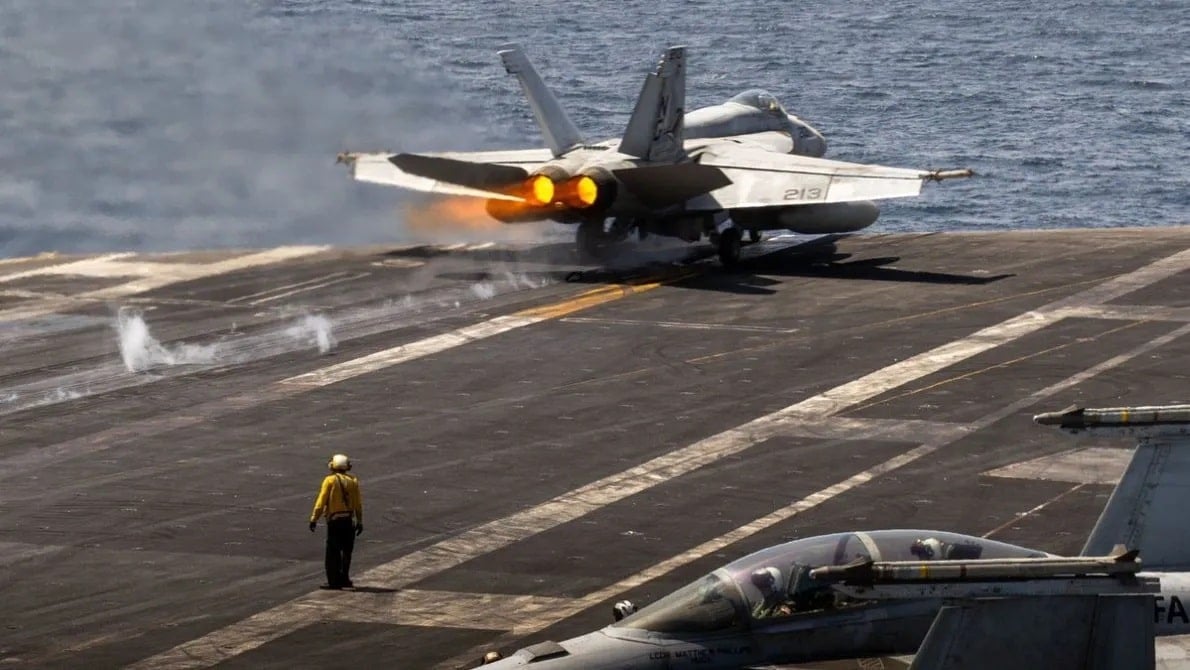
US Central Command (CENTCOM) confirmed a fresh wave of “self-defense strikes” directly hitting radar, surveillance, and military facilities in southern Iran. Credit: CENTCOM

For the second straight day, the US and Iran have traded retaliatory military strikes across the Middle East, pushing an already fragile April ceasefire to the brink of collapse.

US Central Command (CENTCOM) confirmed a fresh wave of “self-defense strikes” directly hitting radar, surveillance, and military facilities in southern Iran. The American bombardment followed a stark warning from US President Donald Trump, who declared that Washington would hit Iran “hard” because Tehran had taken “too long to make a deal” to halt hostilities permanently.

Iran is being hit harder than anything we’ve seen. 👀 pic.twitter.com/bwvB2aYaFJ

— USA NEWS 🇺🇸 (@usanewshq) June 11, 2026

Iran targets US bases in the Middle East

Tehran immediately struck back, targeting US military infrastructure across multiple neighboring countries. For a second consecutive day, American bases in Kuwait and Bahrain faced Iranian fire, while Iranian state media reported that the Islamic Revolutionary Guard Corps (IRGC) launched ballistic missiles at a US command center in Jordan. The attacks forced Kuwait to temporarily shut down its airspace after its military intercepted “hostile aerial targets,” while air raid sirens sounded in the middle of the night in Bahrain.

The conflict has also spilled into vital global shipping lanes. Iranian state media claimed the IRGC struck two oil tankers and declared the strategic Strait of Hormuz “completely closed.” While CENTCOM countered that commercial maritime traffic was still successfully transiting the waterway, global energy markets panicked. Brent crude quickly jumped 2%, surging to around $95 a barrel.

The escalating rhetoric suggests no immediate end to the violence. US Defense Secretary Pete Hegseth warned that bombs would continue to drop on Iran’s core facilities if a diplomatic resolution isn’t reached, a sentiment echoed by President Trump on Truth Social.

Meanwhile, Iranian President Masoud Pezeshkian stood defiant, vowing that Iran “will stand firm against any pressure or threat” while slamming Washington for sabotaging peace talks with contradictory diplomacy.

  •  

Oil prices fall after Trump says he is cancelling strikes – as it happened

This blog is now closed – see our latest full report on the Middle East crisis

Three Indian seafarers were killed in a US attack on an oil tanker earlier this week, India’s shipping minister, ‌Sarbananda Sonowal, said.

“It is deeply unfortunate to learn of the tragic incident aboard the Palau-flagged MT Settebello. Sadly, three Indian seafarers initially reported missing are now confirmed dead after bodies have been located and identified,” he wrote in a post on X.

The Middle East is being pulled deeper into crisis & the consequences reach far beyond the region.”

Continue reading...

© Photograph: Jim Lo Scalzo/EPA

© Photograph: Jim Lo Scalzo/EPA

© Photograph: Jim Lo Scalzo/EPA

  •  

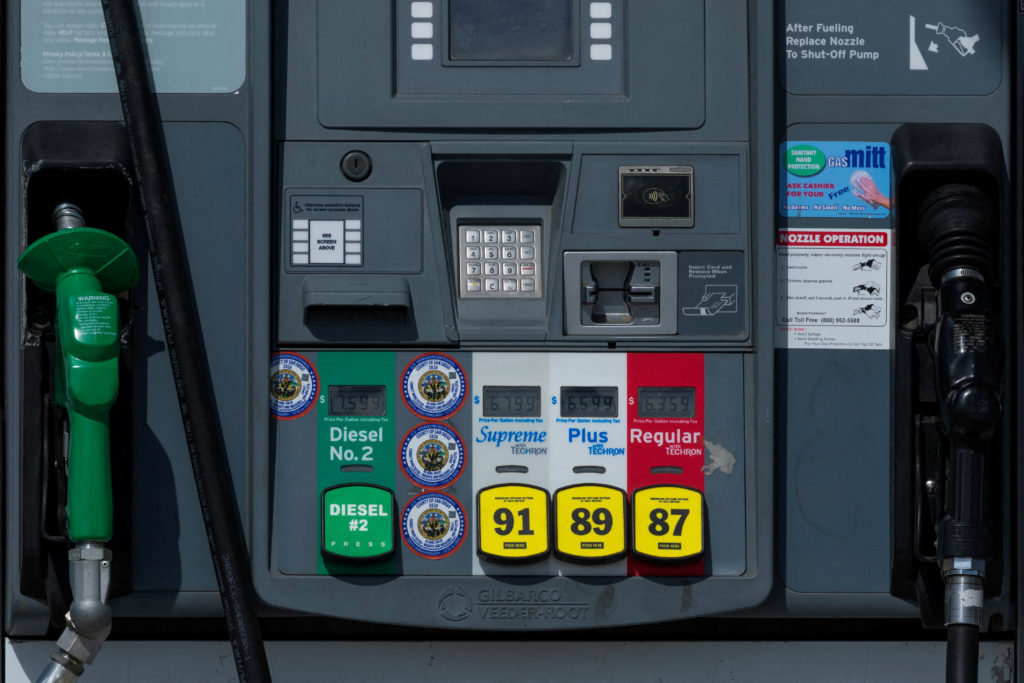
Inflation rises to a 3-year high on spiking gas prices, highlighting affordability challenges

Rising gas prices pushed inflation to its highest level in three years last month, a headache for the Federal Reserve and a potential political challenge for the Trump administration as midterm elections near.

  •  

U.S. retaliates against Iran after American helicopter downed near Strait of Hormuz

The U.S. military started what it called "self-defense strikes" against Iran for the downing of an Army helicopter near the Strait of Hormuz. President Trump said the two crew members were both "safe and uninjured" after the Apache helicopter went down while on patrol off the coast of Oman. Geoff Bennett discussed the latest with Dan Lamothe of The Washington Post.

  •  

Trump prevê acordo entre Irã e Israel em poucos dias e fala em reabertura de Ormuz

Donald Trump declarou nesta terça-feira (9) que as negociações para encerrar o conflito entre Irã e Israel estão próximas de um desfecho. Segundo o presidente dos Estados Unidos, um entendimento entre as partes poderá ser concluído em até três dias, abrindo caminho para a retomada da circulação no Estreito de Ormuz e para novas garantias relacionadas ao programa nuclear iraniano.

Ao conversar com jornalistas após acompanhar as finais da NBA, Trump afirmou que as duas nações aceitaram interromper os ataques recentes após uma nova rodada de confrontos registrada nos últimos dias. De acordo com ele, os avanços ocorreram com participação direta da diplomacia americana.

Presidente dos EUA diz que acordo prevê reabertura do Estreito de Ormuz | Foto: Tom Williams/Getty Images

O republicano também declarou estar confiante de que as negociações caminham para um resultado positivo e disse não enxergar obstáculos significativos para a assinatura do acordo. Mesmo com o otimismo, destacou que as restrições impostas pelos Estados Unidos aos portos iranianos permanecem em vigor.

Um dos pontos centrais das conversas, segundo Trump, é impedir que o Irã desenvolva armamento nuclear. Ele afirmou que o eventual acordo incluirá mecanismos para evitar esse cenário e contribuirá para reduzir a instabilidade na região.

Apesar das declarações, o momento segue delicado. Irã e Israel suspenderam temporariamente as ofensivas mútuas após uma escalada recente de violência, mas autoridades iranianas já sinalizaram que novos ataques poderão ocorrer caso operações militares israelenses continuem no sul do Líbano.

The post Trump prevê acordo entre Irã e Israel em poucos dias e fala em reabertura de Ormuz appeared first on Diário da Manhã - O Jornal do leitor Inteligente.

  •  
❌