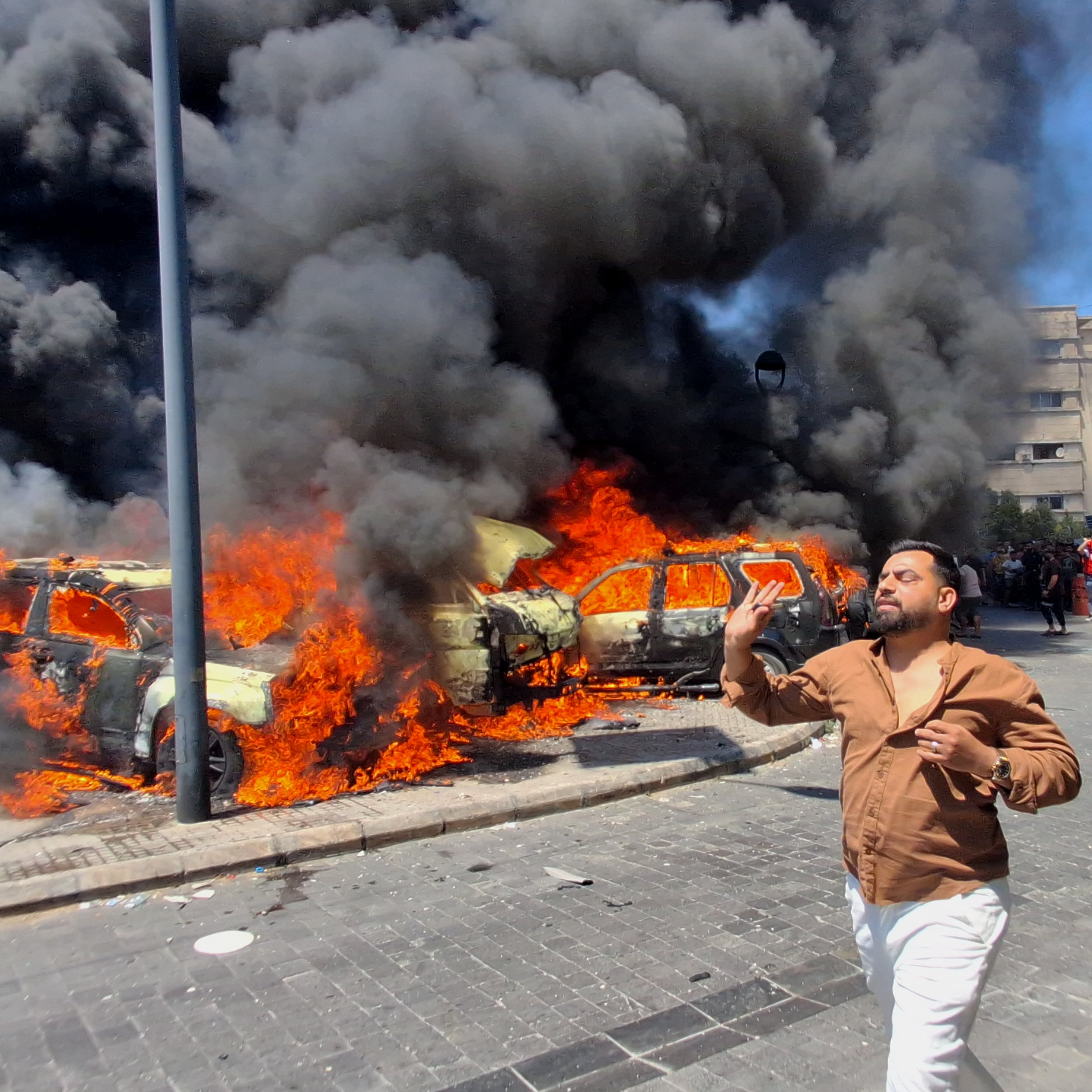
With the latest exchanges of fire between the United States and Iran, the war in the Persian Gulf and its fragile ceasefire — marked by increasingly serious skirmishes — has entered a new phase, the most dangerous yet, raising the prospect of a return to hostilities. While the United States attacked Iranian targets for the second consecutive night, the Iranian General Staff has once again announced the complete closure of the Strait of Hormuz, and the Revolutionary Guard Corps has warned that Iranian troops will respond “decisively” to any attack by the adversary. President Donald Trump has threatened attacks may continue on Thursday if Tehran does not accept his conditions for peace.
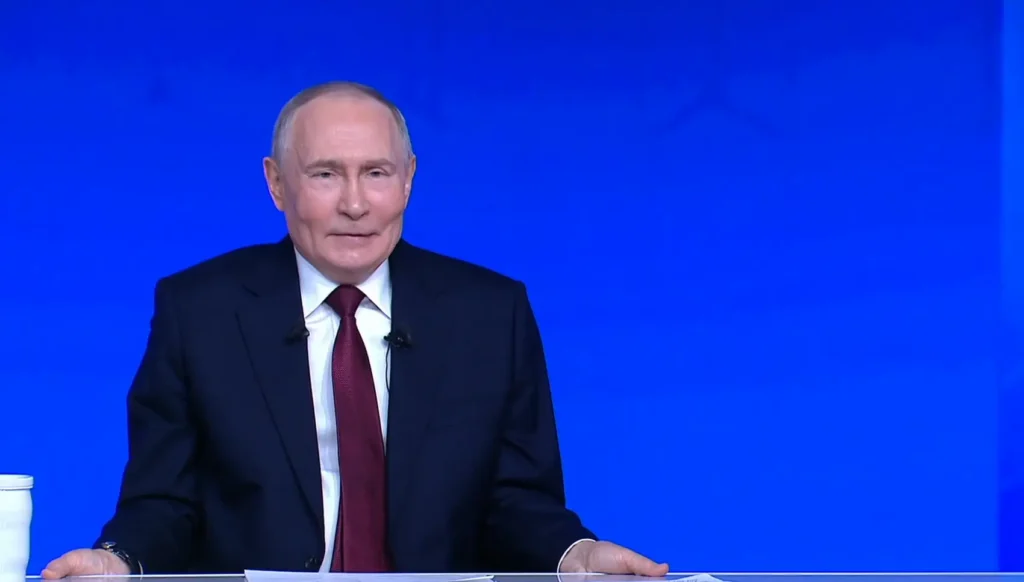
Russian President Vladimir Putin signed a law allowing Russia to seize the property and bank balances of citizens living abroad before any court ruling, the Moscow Times reported. The legislation turns a single formal charge into an immediate asset freeze in absentia against exiled Kremlin critics. It takes effect on 1 September 2026.
Property has become a routine instrument of Russian state coercion: Russian occupation authorities are confiscating Ukrainian homes inside occupied territory under federal legislation running until 2030.
Several hundred thousand Russians left the country after the start of the full-scale invasion of Ukraine in 2022.
What the law does
The amendments to Russia's Code of Administrative Offenses cover "administrative offenses against the interests of the Russian Federation." The seizure is framed as a "precautionary measure," not a sentence. Qualifying offenses include "discrediting" the Russian army, calls for sanctions against Russia, and "propaganda of Nazi symbols." They also cover producing and distributing "extremist materials" and non-payment of fines for any of these acts.
The value of property arrested, including bank account balances, is not capped at the underlying fine. Russian outlet Meduza noted that courts had previously fined people abroad under those administrative articles. Pre-trial seizure as a precautionary measure had never been available before.
Explore further
Russia is holding at least 100 people in occupied Crimea with no contact with outside world and no lawyer — and no trials
How it differs from the 2024 confiscation law
The legislation extends the post-conviction asset-confiscation regime that Putin signed in February 2024. That earlier law let Russia seize the assets of those convicted of spreading "deliberately false information" about the army and other offenses. The new law moves the seizure earlier, before any verdict.
It is aimed squarely at Russians who fled after Moscow's full-scale invasion of Ukraine in 2022. The Moscow Times saidthe legislation "hands the government a new tool to punish Kremlin critics living abroad, including exiled journalists and activists."
If a Russian abroad cannot be notified of charges, the court must appoint a defense lawyer. Legal fees are reimbursed from the federal budget only if the case is dropped. The document was published on Russia's official legal information portal on 10 June 2026.
Explore further
Children informing on parents, teachers beaten, collaborators later jailed — researcher details Russia’s occupation playbook
A "preventive" measure aimed at exiled critics
The bill's explanatory note cited "bright examples" of relocants conducting "activity directed against the interests of Russia." It argued for applying "measures of preventive influence" to such citizens. The authors stated the law will help "stop" calls to violate Russia's territorial integrity and constitutional order. In Russian official usage, that language covers the Kremlin's claim over occupied Crimea, Donetsk, Luhansk, Zaporizhzhia, and Kherson oblasts.
From Tatarstan to Putin's desk
Lawmakers from the Russian republic of Tatarstan first proposed the bill in October 2024. The State Duma — Russia's lower house of parliament — passed it late in May 2026. State Duma speaker Vyacheslav Volodin praised the bill as a cover for Russian forces deployed in Ukraine. Russian state news agency TASS reported that the amendments make individuals abroad newly liable for abusing media freedom, inciting hatred, calls to violate Russia's territorial integrity, and discrediting the armed forces.
Trump said in a social media post that military officials told him "the Iranians shot down one of our highly sophisticated Apache Helicopters." He added that both service members "are safe and uninjured."
World War II veteran Arthur Rose read a letter written a few days after June 6, 1944, at a ceremony Saturday in Normandy, France, as part of a commemoration of the 82 years since D-Day.
"Dear mom and dad and kids, About a month before we landed, I had a feeling I might be part of the invasion. I couldn't quite believe, though, that I would. I kept thinking, what could I possibly do in an invasion? Pull engines in the middle of a battle? I figured men like me would come along afterwards — after they cleared the wreckage and the damage had passed," Rose read to the crowd.
"But two weeks before D-Day, I was told I would go along and do whatever I could. We had moved to the assault port. Thousands of ships and landing craft of every description filled the harbor. Everyone worked day and night preparing fuel, provisions, ammunition and secret material. Everything was checked and rechecked and checked again. You can imagine the confusion and activity," he continued.
"Then came the day we began loading supplies for the invasion: food, blankets, ammunition, and all the countless things that would be needed once the men landed in France. We knew then the invasion could not be far. Then came the word: D-Day will be June 6th.
"I can't describe the feeling exactly. It wasn't fear, and it wasn't excitement. Just a funny feeling — nervousness, expectancy, and wondering what was going to happen next. Then we sailed. The sea was rough, windy, and miserable. I was seasick most of the time. Everyone expected bombing, submarines, battleships, and all hell to break loose at any moment. But the first attempt was called off because the sea was too rough, and we returned to the harbor. That was a real letdown," Rose continued.
"The next day, we sailed again. Near the coast of France, we could see flashes in the distance and hear the explosions continuously. In went the landing craft. We expected terrible destruction, as there was shelling, and men died. But not all of us," he read.
"Then our work truly began: back and forth, day and night, bringing in equipment, medical supplies, and ammunition. What had once been just another stretch of French coast had suddenly become a vast harbor filled with hundreds of ships and thousands of men."
Fireworks set off without authorization in Rome reportedly triggered a mass stampede of frightened horses during a late-night rehearsal for Italy’s annual Republic Day parade, injuring multiple riders and animals.
The incident occurred late Friday near the ancient Baths of Caracalla as mounted units from Italy's armed forces and law enforcement agencies were practicing for the June 2 national celebration, Reuters reported.
Roughly 35 horses bolted through city streets following the unexpected fireworks, the outlet said. Video captured the chaotic scene, showing numerous horses galloping along Via Cristoforo Colombo as drivers recorded the scene.
The search and recovery effort reportedly continued until dawn the next day, with the last horse recovered roughly nine miles from the scene.
According to Reuters, the sudden bangs began shortly before 11:30 p.m. and triggered panic among the ceremonial horses, many of which were being escorted by Italy’s Army, Carabinieri paramilitary police, and state police.
Some riders were mounted, while others were leading horses by hand when the startled animals broke free, the outlet said.
During the chaos, a 22-year-old soldier reportedly suffered broken ribs and a punctured lung, though officials said his injuries were not life-threatening. At least 15 horses were also injured, though none required euthanasia, according to reports.
Italian outlet ANSA said the stampede injured three young soldiers from the Montebello Lancers and a 29-year-old policewoman.
The Rome Local Police Command said four traffic police officers were involved in the incident and were reportedly near the firecrackers when the explosion occurred, ANSA said.
Officials said one of the officers allegedly lit a battery of fireworks about 200 yards from the horses, the outlet reported. The officer was identified as a 50-year-old who joined the force after passing the most recent exam.
Video footage and witness statements suggest the explosions and the horses’ escape occurred simultaneously, according to the local report.
Rome police commander Mario De Sclavis told Corriere della Sera that the incident "discredits the image of the Corps and its officers," according to Reuters.
Sclavis added that the agency will take "necessary measures" to hold those responsible accountable, according to ANSA.
"Last night's events hit us like a tsunami," he said.
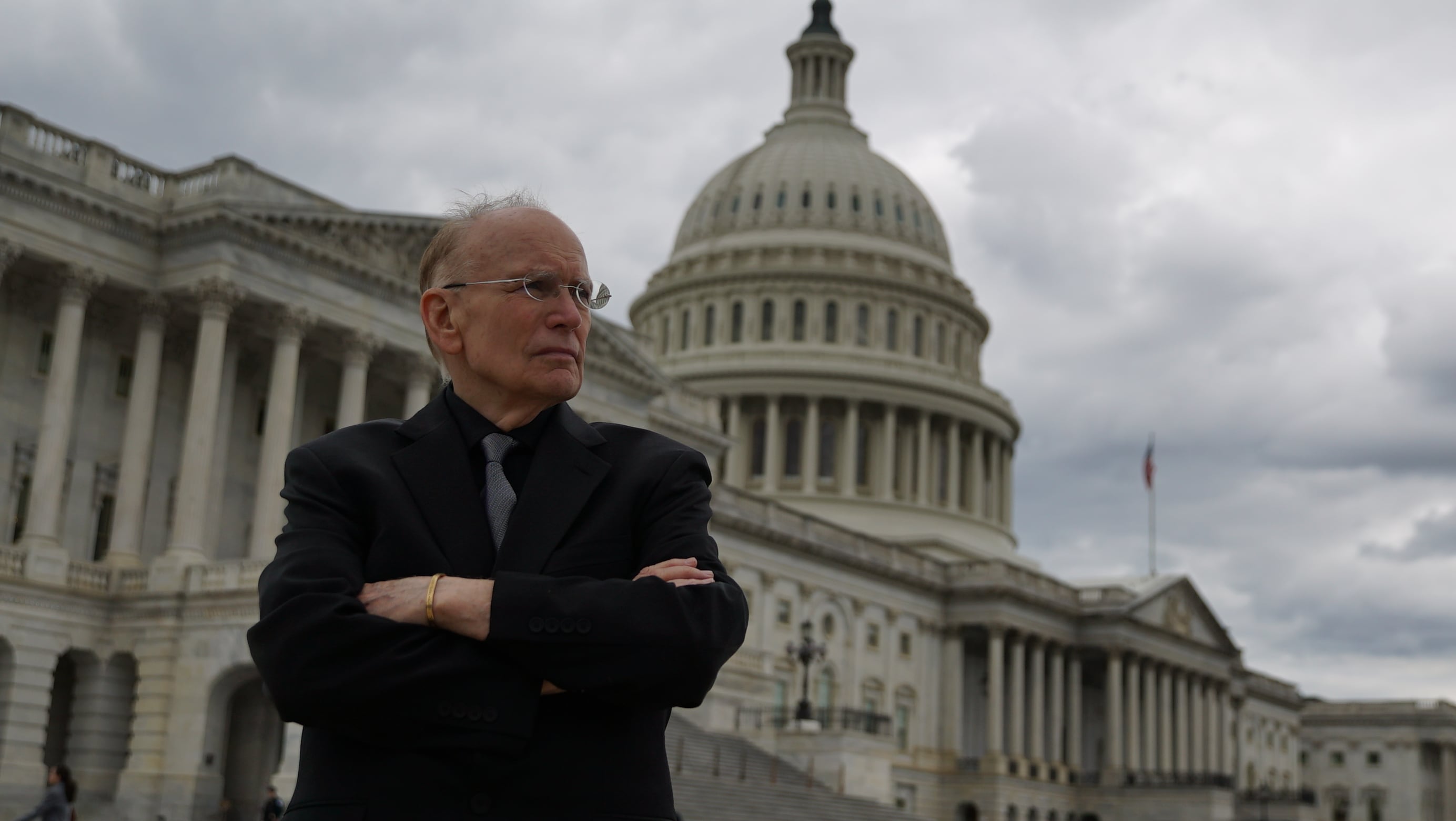
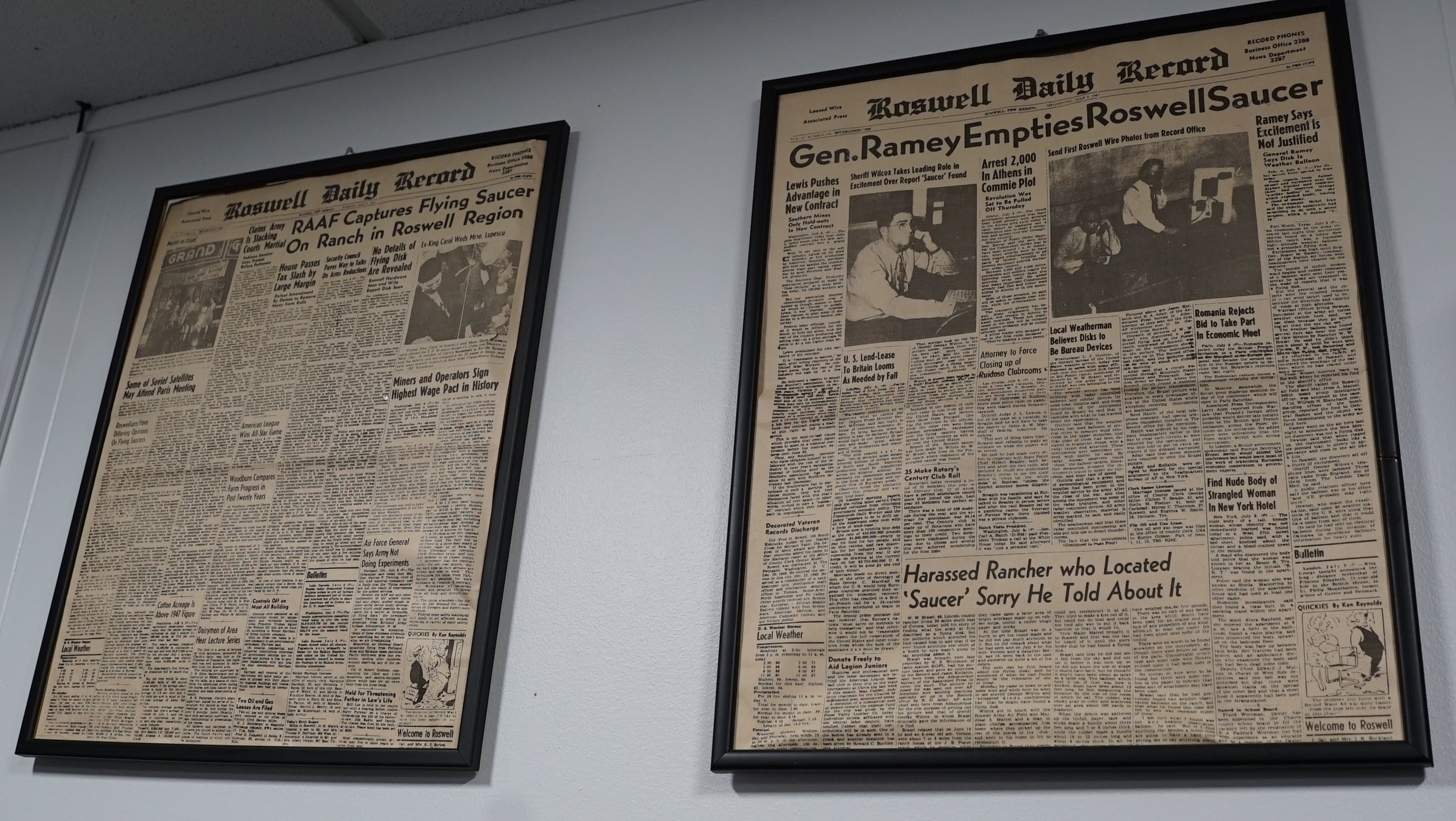
Let’s start with the proven facts: Disclosure Day is the most anticipated film of the summer. Its director and screenwriter, Steven Spielberg, revealed details about its plot this week on one of Stephen Colbert’s final shows: he says it tells the story of the theft by officials, “committed to the truth,” of all information held by the government “about UFOs and extraterrestrial visits,” and the system’s desperate attempts to prevent it being revealed.

 Login
Login