Reading view

German company that already supplies Ukraine with drones has unveiled Shahed-hunter aircraft with four weapons categories on single airframe

Render of the Pulse P19 multi-purpose optionally piloted aircraft. Source: Quantum Systems

Germany's Quantum Systems has unveiled the Pulse P19, an optionally-piloted aircraft designed to hunt drones and repel massed drone attacks, per Defense Express. The technology company already supplies Vector reconnaissance drones to Ukraine. 

The Pulse P19's primary mission profile, which is hunting drones and repelling massed drone attacks, addresses exactly the Russian Shahed threat that Ukraine has been responding to.

Ukraine is now intercepting 95% of incoming Russian Shaheds, using a layered defense system that includes Patriot, NASAMS, IRIS-T, naval-platform interceptors, helicopter-based interceptors, Ukrainian-made Bullet interceptors, and autonomous drone-on-drone systems.

The Pulse P19 would add a dedicated, optionally piloted drone-hunter platform to this layered defense,  though the aircraft is currently in early design stages, with only renders released.

What does Pulse P19 carry, and how would it hunt? 

For air-target detection and tracking, the Pulse P19 can be equipped with an active electronically scanned array (AESA) radar and an electro-optical targeting station.

The aircraft's armament options are unusually broad. The Pulse P19 is designed to carry interceptor drones, loitering munitions, missiles with semi-active laser homing heads (APKWS class), pod-mounted machine guns, and additional weapons that may be developed in the future.

The interceptor drones referenced in the Quantum Systems presentation are likely the same systems being integrated onto the Airbus U145 helicopter, which Quantum Systems also unveiled at ILA Berlin 2026 with anti-drone armament.

Specifications: small, fast, with significant payload

The Pulse P19 has a maximum speed of 556 km/h and a service ceiling of 7,620 meters. The aircraft's empty weight is approximately 1,700 kg, while it can carry up to 2,500 kg of payload and armament.

The payload-to-empty-weight ratio is unusually high. This indicates the design is built around the requirement to carry multiple weapons systems simultaneously. The 556 km/h maximum speed places the Pulse P19 in the slow-to-mid-tier of fixed-wing combat aircraft, but adequate for the Shahed-pursuit mission, given that Shahed-136 drones typically cruise at 180 km/h.

Development status: renders only, timeline undisclosed

Quantum Systems has presented only renders of the Pulse P19. The project's development stage has not been disclosed. The aircraft is likely still in early design phases. No first-flight timeline has been published.

The aircraft's specifications and weapons configuration represent design intent rather than current operational capability. Ukrainian defense procurement officials would likely engage with Quantum Systems on the Pulse P19 trajectory once the aircraft reaches the flight-test stage, given Quantum Systems' established relationship with Ukraine and the operational fit between the Pulse P19's mission profile and Ukraine's defensive needs.

  •  

All three Rosneft Samara refineries now offline or reduced as drones halt Kuibyshevsky operations yesterday

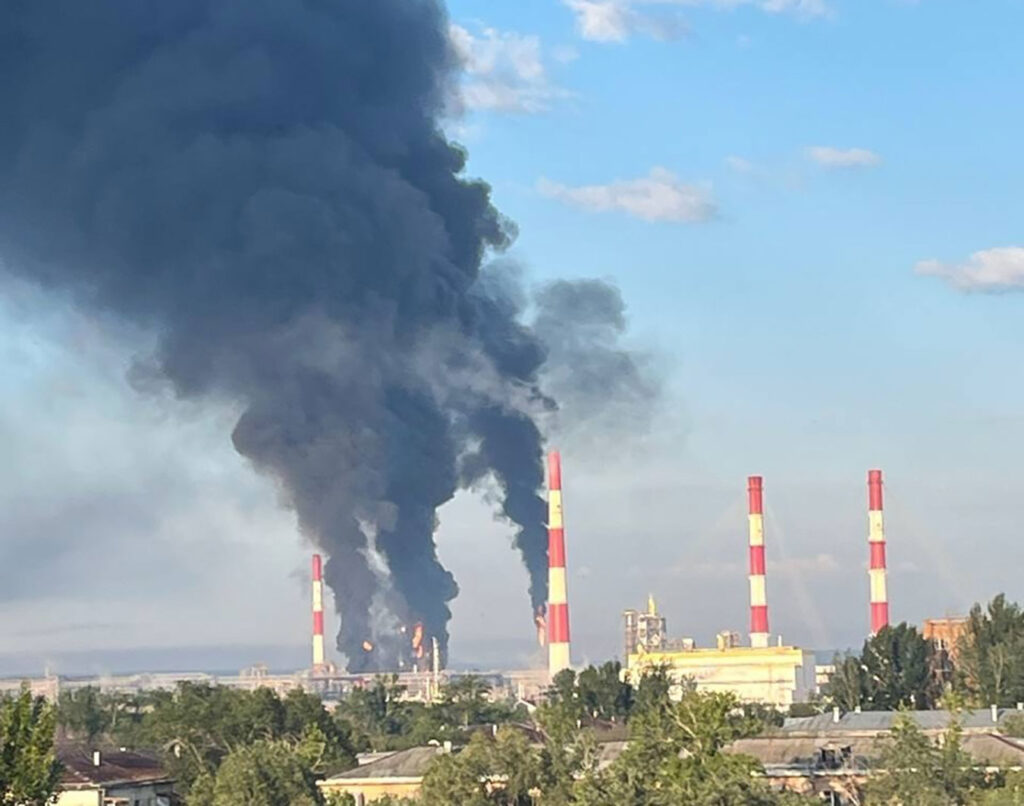
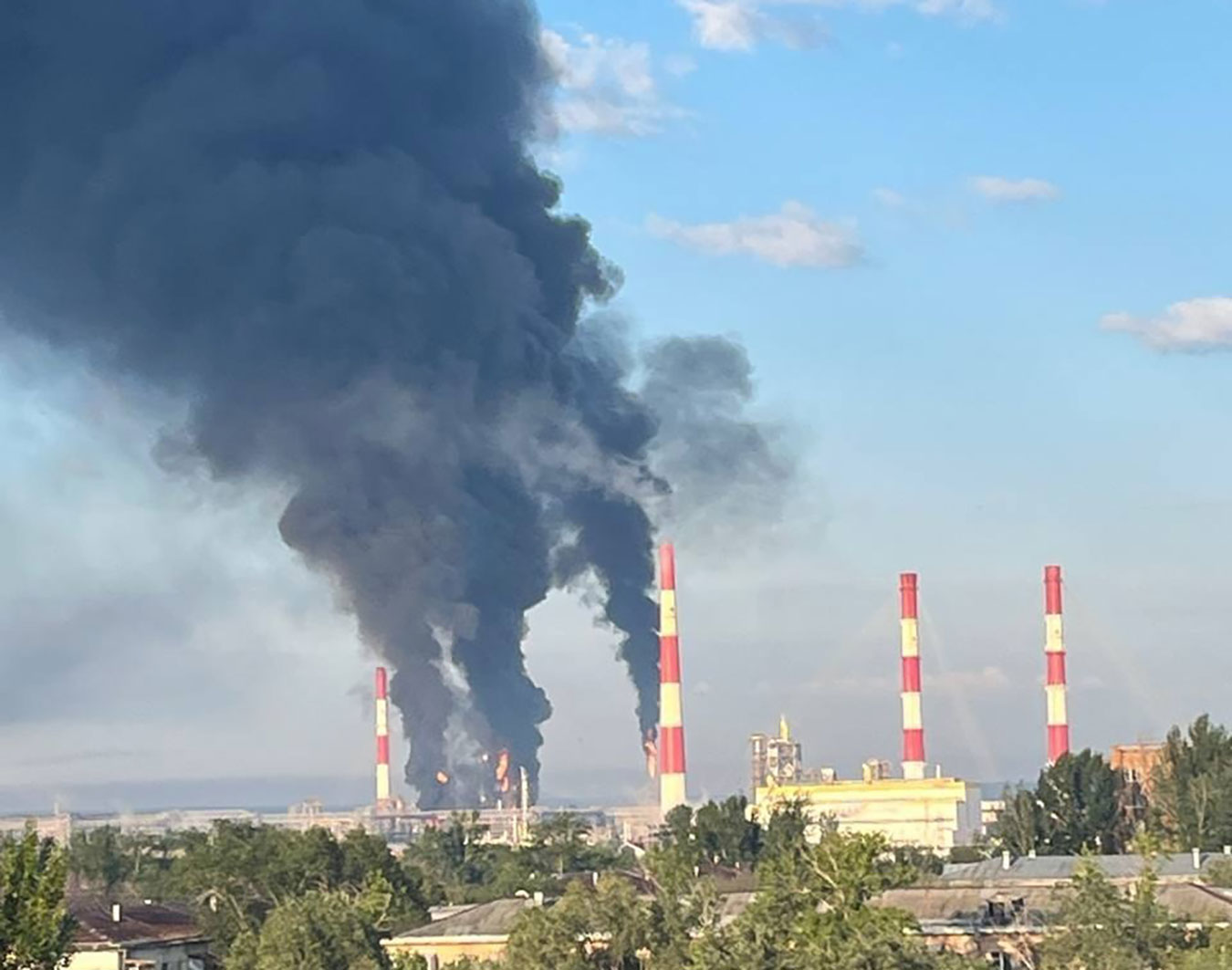
rosneft's kuibyshev refinery joins syzran novokuibyshevsk offline after ukrainian drone strike yesterday · post fires raging kuybyshevsky oil samara russia 10 2026 fires-rage-at-samara-kuybyshevsky-oil-refinery ukraine news reports

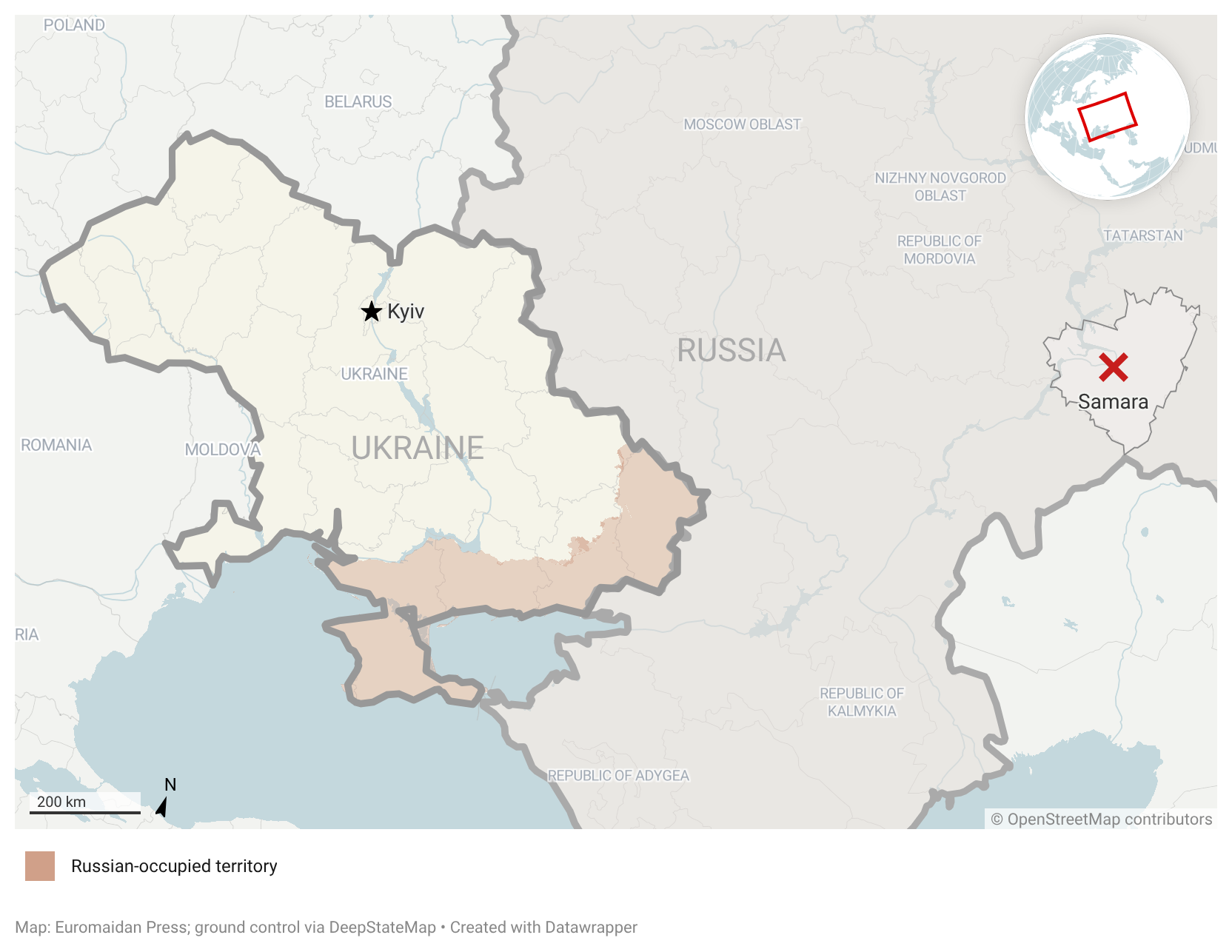
Ukrainian drones forced Rosneft's Kuybyshevsky oil refinery in Samara Oblast, Russia, to halt oil processing on 10 June, Reuters reported. The strike puts all three plants in the Rosneft Samara refining hub out of full operation at the same time.

With Ukraine's deep strikes accelerating into the summer season, each new plant taken out compresses Russia's repair window and hardens the fuel-supply squeeze on its military logistics.

Reuters confirms processing halt at both primary units

Reuters cited two industry sources to confirm that processing stopped at both AVT-4 and AVT-5 after the strike. Each unit has a nominal processing capacity of about 73,000 barrels of crude oil (10,000 metric tons) per day. The hits caused damage and subsequent fires at both. 

Samara Oblast Governor Vyacheslav Fedorishchev claimed a massive overnight drone attack injured three people and caused "damage to several industrial facilities." 

An earlier report on 10 June described fires at the Kuybyshevsky refinery after the strike.

rosneft's kuibyshev refinery joins syzran novokuibyshevsk offline after ukrainian drone strike yesterday · post fires raging kuybyshevsky oil samara russia 10 2026 fires-rage-at-samara-kuybyshevsky-oil-refinery ukraine news reports
Explore further

Fire reported at Kuibyshev oil refinery in Russia’s Samara after drone strike

Plant size and output

Kuybyshevsky's 2024 crude oil throughput was 4.7 million tons, equal to 94,400 barrels a day, Reuters reported. That year's output included 0.8 million tons of gasoline, 1.4 million tons of diesel, and 1.3 million tons of fuel oil. Nominal capacity stands at 7 million tons per year. The plant is one of the largest oil refining facilities in the Volga region. It also supplies fuel for the Russian army.

The Kuybyshevsky plant belongs to Rosneft's Samara refining cluster alongside Novokuibyshevsky and Syzran. Syzran's operations have been suspended since a 21 May drone attack, Reuters reported, and the plant has yet to resume. The Novokuibyshevsky plant shut down after an 18 April strike and now operates at reduced throughput. Ukraine has hit all three plants in the cluster in less than two months.

The Kuybyshevsky plant was also previously hit in January 2026, August 2025, and in March 2024. The earlier strikes damaged equipment and forced production cycles to stop.

Same night: Cheboksary defense plant struck

The same night, Ukrainian forces also struck the VNIIR-Progress plant in Cheboksary, Chuvashia, which was previously hit on 5 May. The factory makes "Kometa" antennas that protect Russian drones from electronic warfare. It also makes satellite receivers for GLONASS, GPS, and Galileo systems. Ukraine's General Staff said such modules are used in Shahed-type drones, Iskander and Kalibr missiles, and aerial bombs.

Meanwhile, today saw a strike on the Afipsky refinery in Krasnodar Krai. 

afipsky oil refinery burns again ukrainian drones return krasnodar krai · post fire after drone strike russia 11 2026 5282989402957225318 ukraine news reports
Explore further

Afipsky oil refinery burns again as Ukrainian drones return to Krasnodar Krai

By May 2026, Ukrainian drones had taken six of ten Russian refineries hit during that month offline. Russian media counted 24 of Russia's 33 largest refineries struck since 2022. Only the Omsk and Angarsk plants east of the Urals remain untouched so far.

  •  

Afipsky oil refinery burns again as Ukrainian drones return to Krasnodar Krai

afipsky oil refinery burns again ukrainian drones return krasnodar krai · post fire after drone strike russia 11 2026 5282989402957225318 ukraine news reports

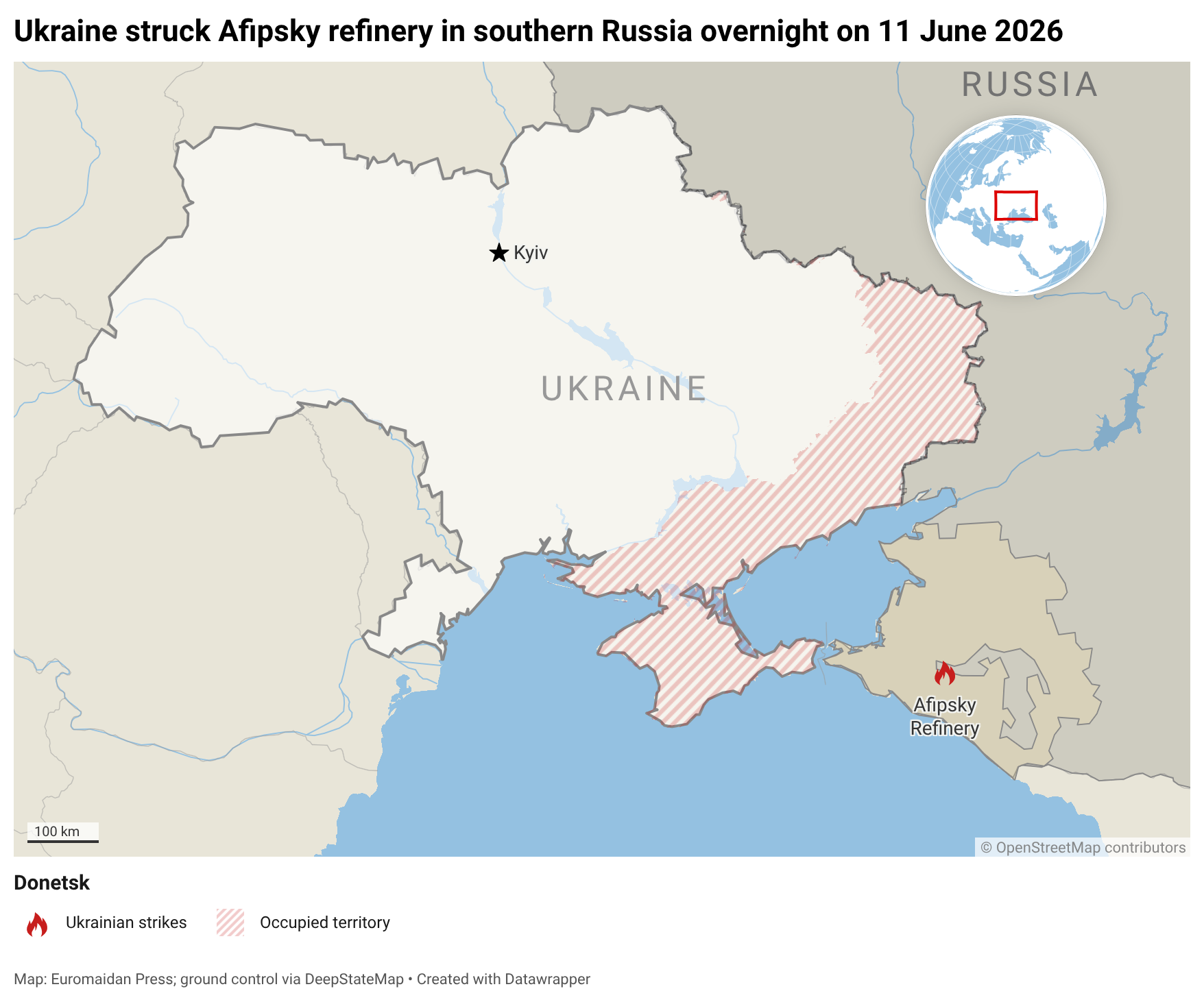
Ukrainian drones struck the Afipsky oil refinery in Russia's Krasnodar Krai overnight on 11 June, sparking a fire later extinguished, according to the Krasnodar Krai operational headquarters. The southern Russian plant, repeatedly targeted by Ukrainian strikes, supplies fuel to the Russian military.

Amid the ongoing Russo-Ukrainian war, the Russian oil industry has been under sustained pressure from Ukrainian deep strikes, with gasoline rationing currently spreading across multiple regions and occupied territories. Output at Russian refineries has been falling on Rosstat's own index as repeated hits keep facilities offline.

A blaze at one of southern Russia's largest refineries

The Ukrainian Telegram channel Exilenova+ posted footage from local witnesses showing air defense fire and a blaze. The attack started after midnight, with residents reporting drone overflights and explosions at intervals of a few minutes. 

Krasnodar Krai authorities claimed drone "debris" fell in the village of Afipsky and set the refinery on fire — Moscow's standard framing for Ukrainian strikes on Russian energy targets. The fire was out by 07:32 Moscow time, the operational headquarters later stated. Russian authorities reported no casualties at the plant itself.

The Afipsky plant is one of southern Russia's largest oil-processing facilities, with a capacity of over 6 million tons of crude a year. It produces gasoline, diesel, gas oil, vacuum gas oil, fuel oil, sulfur, and gas condensate distillates. The facility supplies fuel to the Russian army. Ukraine's General Staff has assessed that the refinery processes about 2.1% of Russia's total oil refining.

The plant runs two primary oil distillation units with capacities of 9,786 and 8,829 tons per day. It is export-oriented and does not currently produce gasoline or diesel for Russia's domestic market. Combined throughput at the Afipsky plant and the affiliated Krasnodar refinery reached 7.2 million tons in 2024. Another 3 million tons were processed in the first half of 2025.

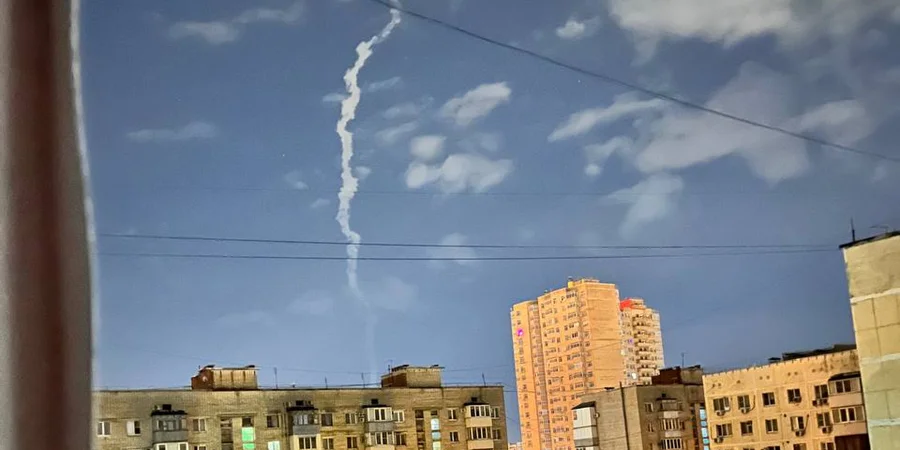
afipsky oil refinery burns again ukrainian drones return krasnodar krai · post smoke trail over amid drone attack russia 11 2026 краснодар у росії атакували дрони вночі червня року exilenova+
Smoke trail over Krasnodar amid a Ukrainian drone attack, Russia, 11 June 2026. Photo: Exilenova+ Telegram channel

Third strike on Afipsky in 2026 amid wider drone campaign

Russia's Defense Ministry claimed its air defenses intercepted and destroyed 330 Ukrainian drones over Russian territory overnight, the Moscow Times reported. According to the ministry, drones were spotted over Bryansk, Kursk, Belgorod, Oryol, Smolensk, Kaluga, Tula, Tver, Vladimir, and Moscow oblasts, as well as Krasnodar Krai and occupied Crimea. Russian aviation regulator Rosaviatsia restricted operations at airports in Tambov, Krasnodar, Sochi, Gelendzhik, and Zhukovsky outside Moscow.

afipsky oil refinery burns again ukrainian drones return krasnodar krai · post smoke plume after drone strike russia 11 2026 пожежа на афіпському нпз в рф червня telegram-канал exilenova+ ukraine
Smoke plume after a Ukrainian drone strike on the Afipsky oil refinery, Krasnodar Krai, Russia, 11 June 2026. Photo: Exilenova+ Telegram channel

The 11 June raid was the third attack on the Afipsky refinery this year, following hits on 21 January and 14 March. During the March hit, drones damaged the AT-22/4 primary oil processing unit at Afipsky — the plant's refining starting point. Satellite imagery had previously confirmed structural damage from a November 2025 drone attack.

  •  

Inflation rises to a 3-year high on spiking gas prices, highlighting affordability challenges

Rising gas prices pushed inflation to its highest level in three years last month, a headache for the Federal Reserve and a potential political challenge for the Trump administration as midterm elections near.

  •  

Good News.Space cooperation, good deeds, social contacts, internships and more

Which positive messages of the past few weeks and announcements of events to come are important to keep in mind amid the massive news flow? Space: Past, Present, Future In April, the world marked the 65th anniversary of the first human flight into space. Across the globe, people not only honored the achievements of Soviet […]
  •  
❌