Selecção japonesa já mudou de local de treino duas vezes (em dois dias). Os campos “não estavam à altura” do torneio. O “caso Saltillo” no Mundial 1986 foi muito mais do que campos inclinados: teste positivo de doping a Veloso, um hotel que não era dos melhores, jogos com equipas amadoras, alegadamente prostitutas no estágio, exigências financeiras dos jogadores, greve e “guerra” com a federação. E sim, um campo de treinos inclinado em Saltillo, a cidade mexicana mais famosa de sempre para o futebol português. Precisamente 40 anos depois, precisamente poucos dias antes de um Mundial de futebol, e precisamente
In each photograph by 37-year-old Citlali Fabián, you can find the story of an encounter, as well as an attempt to portray memory with dignity. For her series Bilha, Stories of My Sisters, the artist — who hails from the Yalateca Indigenous community in the Mexican state of Oaxaca — was named Photographer of the Year at the 2026 Sony World Photography Awards, run by the World Photography Organization. This is one of the most prestigious recognitions in her field.
Por Juan Manuel de Prada La accidentada visita de Isabel Díaz Ayuso a México se ha rematado con un rifirrafe de acusaciones cruzadas que, naturalmente, no entraremos a glosar aquí,…
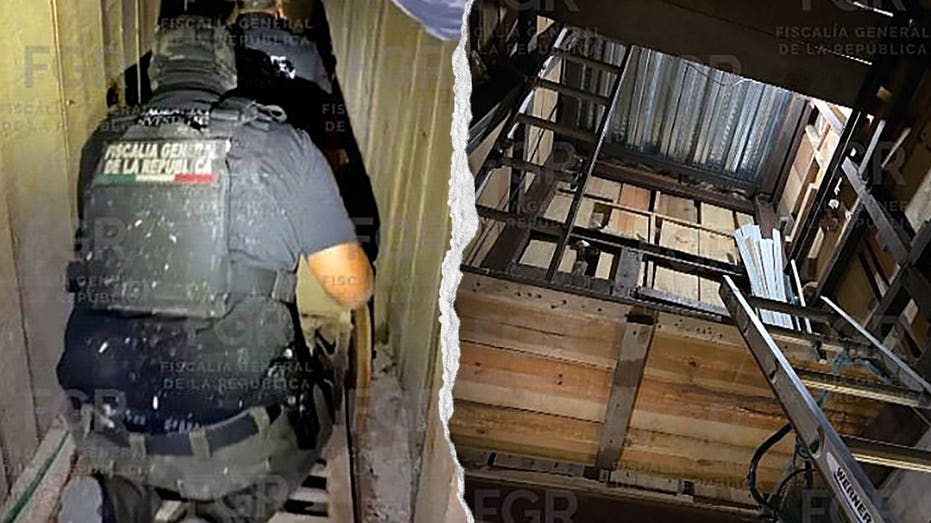
Mexican authorities have uncovered a sophisticated underground tunnel near the U.S.-Mexico border that was equipped with lighting, ventilation and an electronic transport system, which they say may connect Tijuana to a street in San Diego.
Mexico's Attorney General's Office, known as the FGR, announced the discovery Saturday following a search warrant executed at a property in the Nueva Tijuana neighborhood of Tijuana, Baja California.
Authorities said the tunnel stretched approximately 265 meters, or about 870 feet, and reached a depth of roughly 6.3 meters, or 21 feet underground.
According to investigators, the tunnel contained operational infrastructure, including lighting and ventilation systems, as well as an electronic sliding mechanism designed to move items in both directions between Mexico and the U.S.
The tunnel was discovered through intelligence work conducted by agents with the FGR's Criminal Investigation Agency in coordination with Mexico's Security Cabinet.
Officials said the search warrant was executed as part of an investigation into alleged violations of Mexico's firearms and explosives laws as well as drug-related offenses.
Authorities said they believe the property may have functioned as a storage, logistics and trafficking center for firearms, explosives and illicit drugs.
Photos released by the FGR appear to show agents navigating the underground passageway, access points leading into the tunnel and evidence recovered during the operation.
Images released by Mexican authorities also appear to show ventilation infrastructure inside the tunnel, underscoring what officials described as a sophisticated operation.
The FGR said its investigation indicates the tunnel likely connects to a street in San Diego, though authorities have not publicly identified the location or confirmed whether the U.S. side of the tunnel has been located.
The tunnel discovery comes as U.S. authorities announced charges against four individuals accused of trafficking more than a ton of cocaine through a sophisticated cross-border tunnel stretching between Tijuana and San Diego.
According to federal prosecutors in San Diego, the tunnel extended approximately 1,933 feet, reached a depth of about 55 feet and was equipped with reinforced walls, electricity, ventilation systems and rail infrastructure.
Federal investigators said the tunnel connected Tijuana to a storefront in Otay Mesa known as "Buy 4 Less," where agents discovered a concealed exit point hidden beneath the floor of a storage room.
Authorities seized approximately 1,029 kilograms, or more than 2,269 pounds, of suspected cocaine during the investigation, an amount prosecutors estimated was worth roughly $45 million.
Homeland Security Investigations said the seizure dealt a significant blow to the Jalisco New Generation Cartel, one of Mexico's most powerful criminal organizations.
The investigation resulted in charges against four suspects accused of using the tunnel to move narcotics into the U.S.
Federal officials said the tunnel was discovered after months of surveillance that began in late 2025 and culminated in coordinated enforcement actions on May 29.
Officials described the discovery as a significant blow to criminal organizations that rely on underground smuggling routes to move narcotics and other contraband across the border.
"For these defendants, it wasn’t a light at the end of the tunnel. It was lights and sirens," U.S. Attorney Adam Gordon for the Southern District of California, said.
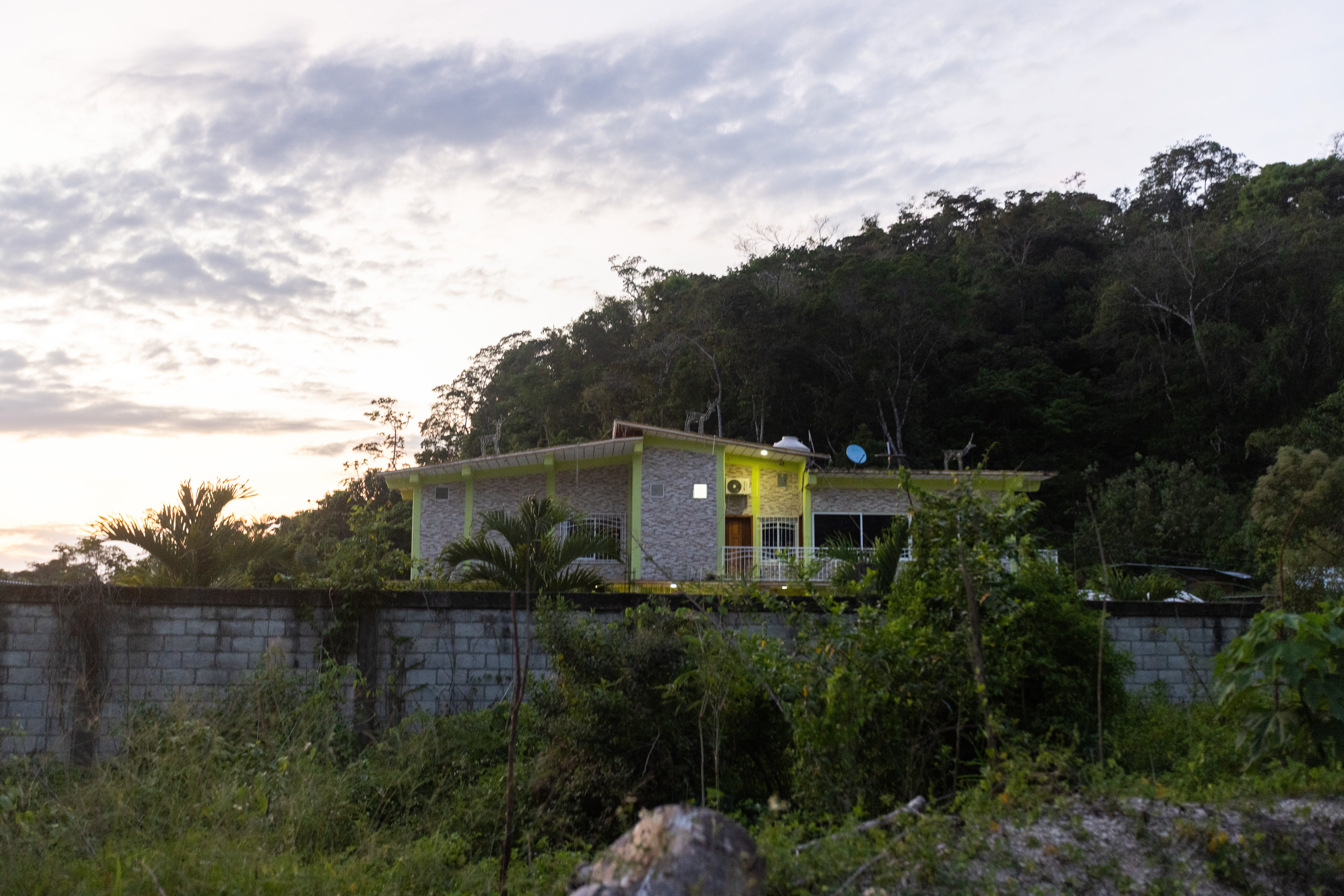
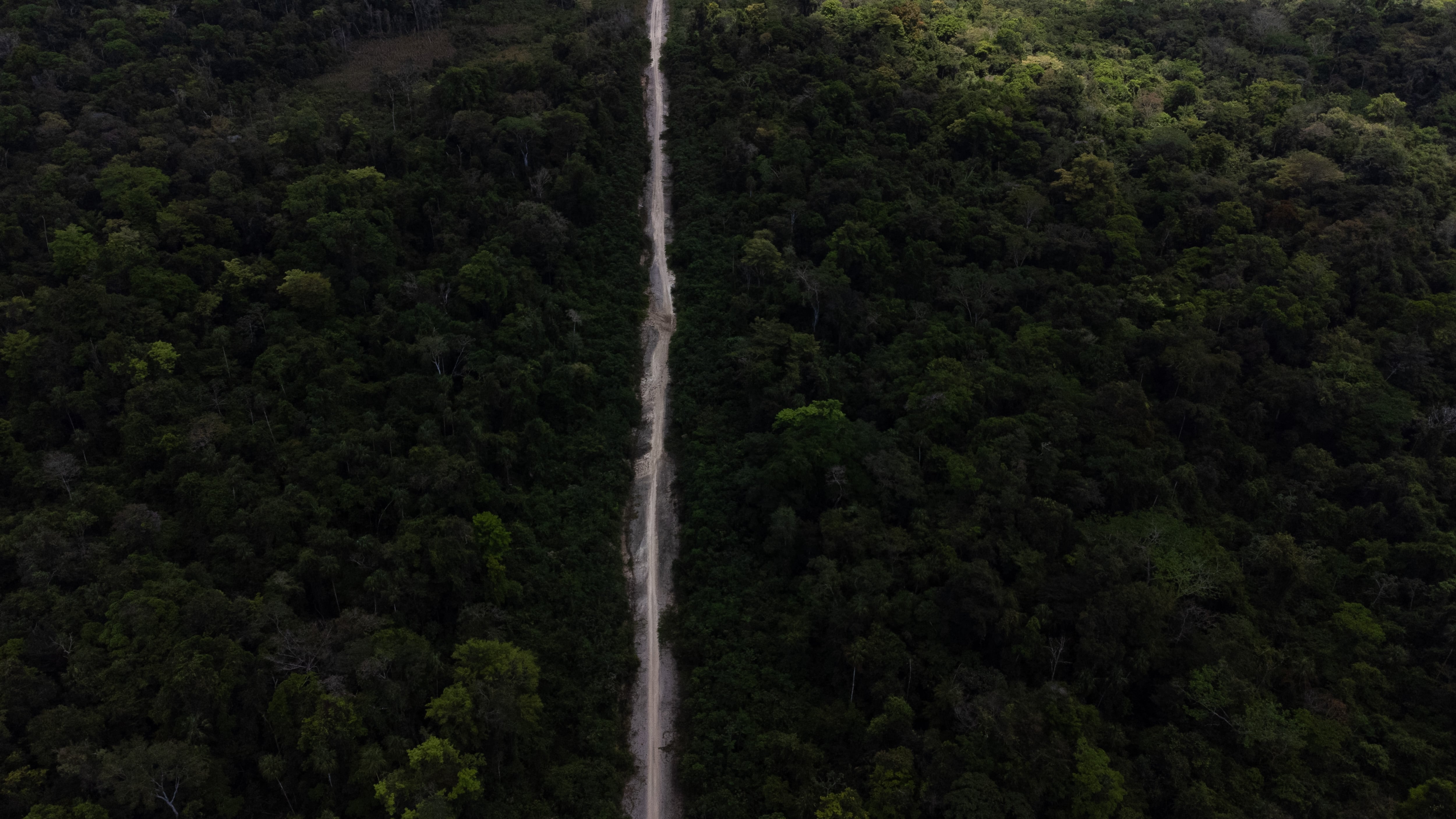
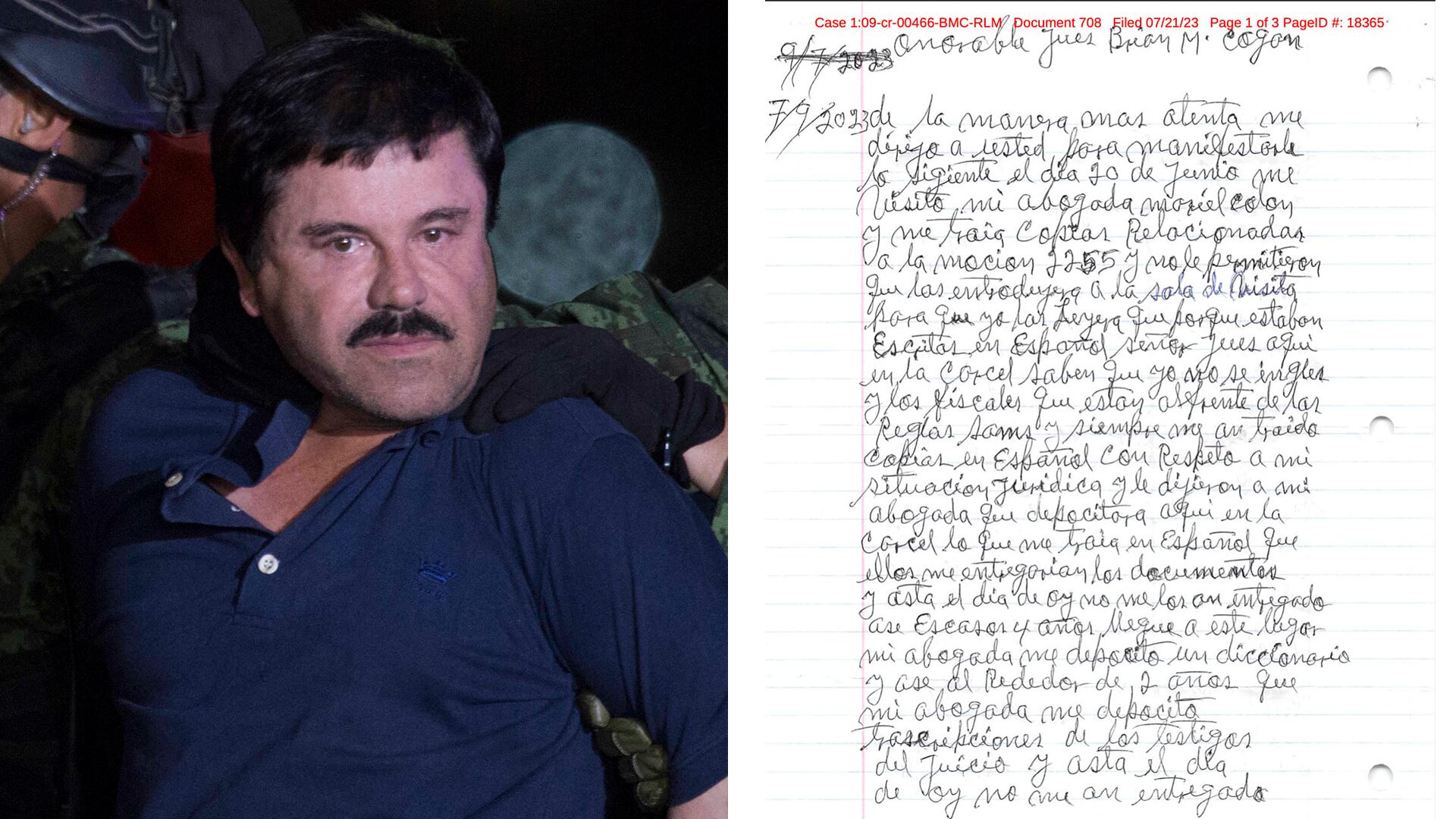
Everything in this story comes back to El Cabra. Everything leads to him, Cabrero Segundo, the “famous Lacandón,” the boss, a man of average height, about five foot five, brown-skinned, with a paunch, a goatee and tattoos: a cross on his left shoulder and a jaguar on his right. An eccentric character. In the film he had made about his life, he cast a hulking actor who was eight inches taller. At the height of his power he built a clandestine airstrip two minutes from his house to receive drug shipments. The night he kidnapped 33 soldiers, disarmed and stripped them — no one in the jungle forgets that — he spent the final hours before dawn snorting cocaine in front of them, using a banknote. El Cabra, a man with ambition.
There are two Joaquín Guzmáns. One, known as “El Chapo,” rose to become the world’s biggest drug trafficker. He was feared by his rivals and by the authorities. He spilled the blood of anyone who crossed his path. It didn’t matter if they were members of a rival cartel, or innocent civilians.
Archaeologists working at an ancient Maya site in southern Mexico have found what they say is the earliest known evidence of Maya kingship and calendar use in the region.
Kenichiro Tsukamoto, an archaeologist at the University of California, Riverside, led the study published in Ancient Mesoamerica. His team analyzed three stone monuments at El Palmar, a site in southeastern Campeche, Mexico.
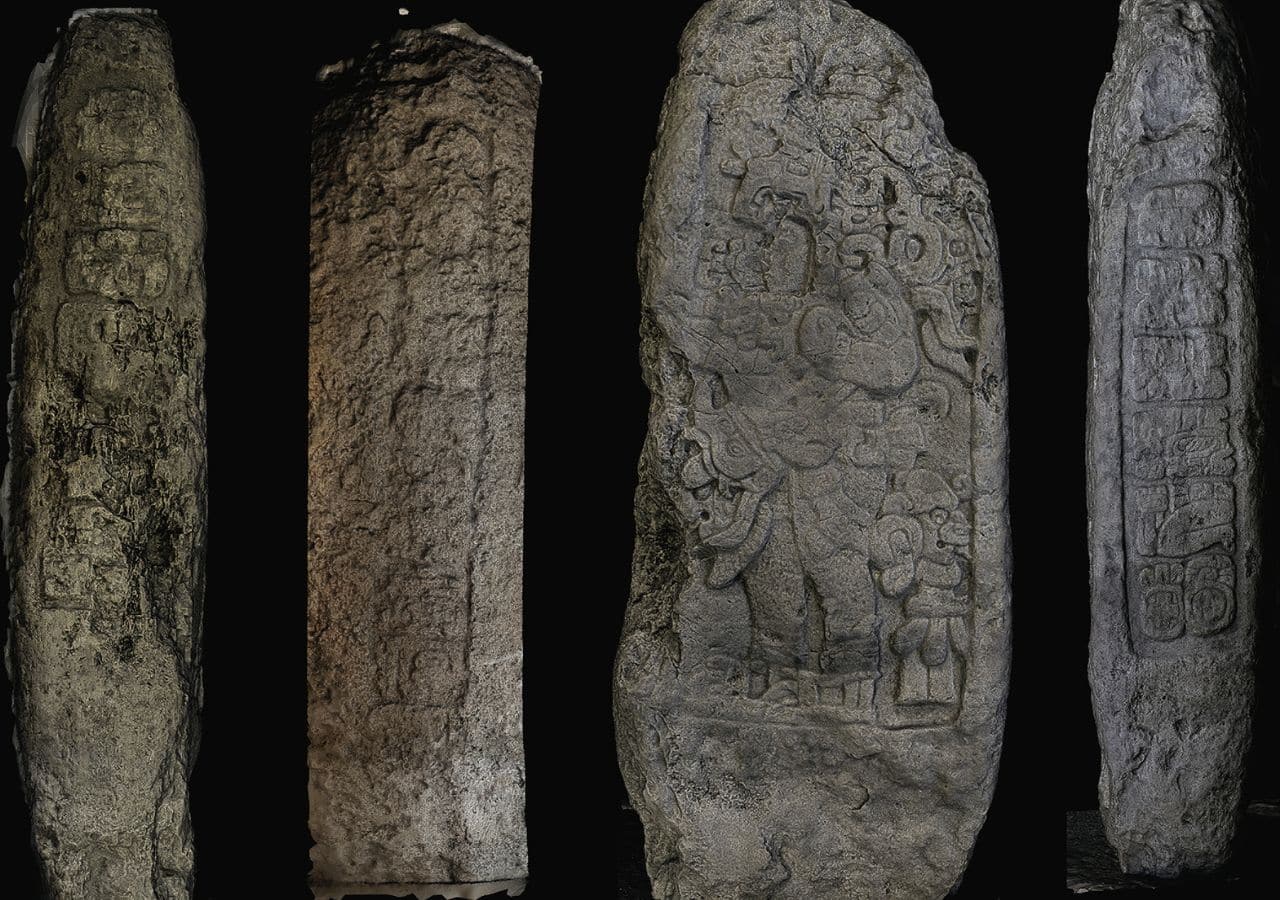
One of them, Stela 46, carries an inscription dated to A.D. 180. That makes it the oldest confirmed “Long Count” calendar date discovered in the Maya Lowlands.
The Long Count is a dating system the ancient Maya used to record historical events in a fixed chronological order. Before this discovery, a stone monument at Tikal held that record with a date of A.D. 292. The El Palmar inscription predates it by 112 years.
Stone monuments link Maya kingship to an ancient calendar
What distinguishes Stela 46 from earlier finds is its direct connection to historical rulers and events. A king named Ajaw K’al Ubaah acceded to the throne in A.D. 131. Some 49 years later, in A.D. 180, he commissioned the stela as part of a royal ritual.
Alongside the Long Count, the inscription also incorporates the 260-day divinatory calendar, binding the royal event to a specific ceremonial date. No earlier Long Count inscription had ever been linked to a named ruler, the researchers said.
To read the heavily worn carvings, researchers combined traditional photography with photogrammetry and a high-resolution 3D scanner called Artec Spider II. The device captures detail as fine as 0.1 millimeters (0.0039 inches). It uncovered inscriptions that scholars had previously missed entirely.
The carvings also show that the king carried two royal titles, pointing to an already established order of royal authority at the site.
Monument traces El Palmar’s rulers back 17 generations
A second monument, Stela 20, strengthened the picture of Maya kingship at El Palmar. Its text identifies the ruler who commissioned it as the 17th king in a successive royal line.
Using the estimated average reign of 22.5 years for Classic Maya kings, the team calculated that the lineage’s first ruler likely rose to power between A.D. 102 and 154. That closely matches the accession date recorded on Stela 46.
A third monument, Stela 45, records the accession of a ruler named Tz’u Chak Ahk in A.D. 342. Together, the three stelae trace a royal dynasty from the second century A.D. to at least A.D. 884, one of the longest recorded among ancient Maya kingdoms.
Tsukamoto noted that El Palmar rose during a turbulent period. Several large Maya polities collapsed around A.D. 150 due to drought, soil erosion, and political instability. El Palmar appears to have grown as a new power center in their place.
The study concludes that calendar systems did more than track time. At El Palmar, they helped rulers legitimize and hold power for more than 700 years.
U.S. Immigration and Customs Enforcement (ICE) detained Enrique Martínez Chávez on Wednesday in Los Angeles, California, according to a statement the agency released Thursday on social media. The 32‑year‑old detainee is one of the military officers linked to the disappearance of 43 student teachers in the Mexican municipality of Iguala, Guerrero, in 2014. Martínez Chávez is wanted in Mexico for the alleged crime of enforced disappearance and has been a fugitive from justice for years. ICE says he will remain in its custody “until he can be sent home” to Mexico.
The confirmation of a case of the New World screwworm (NWS) in Texas set off alarm bells across the United States, marking the return of a pest that had been eradicated from the country more than half a century ago. The discovery comes at a particularly sensitive time for the livestock industry, which is facing the smallest cattle herd in 75 years and record-high beef prices, raising concerns about the potential economic consequences of a spread of the parasite.
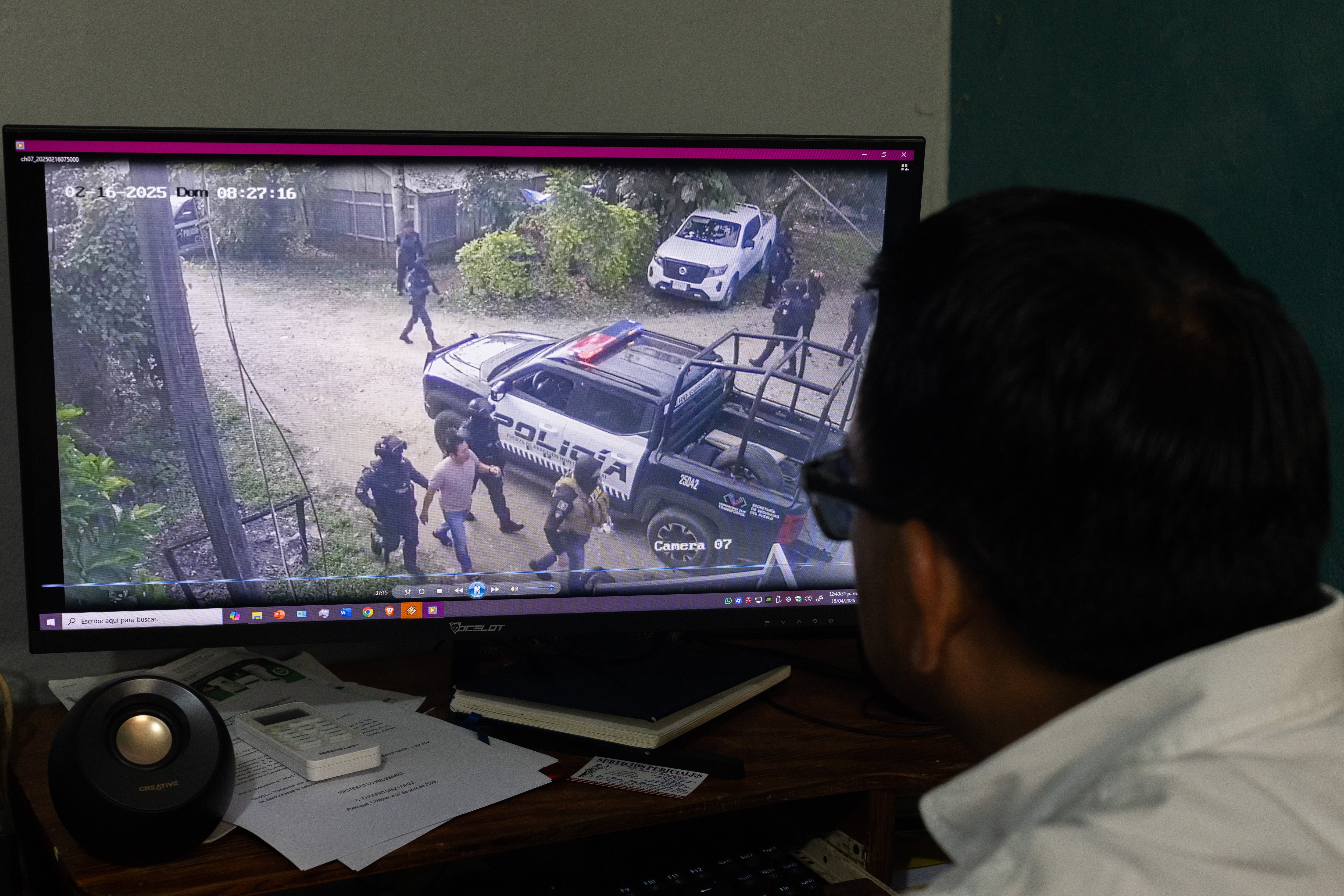
The journalist Roxana Berenice Guzmán was inside her home when armed men showed up and smashed the door. Like in a nightmare, they did not succeed immediately: they broke the glass and then began hammering at the lock. Blow after blow, up to a dozen. A man inside asks them to wait, but one of the attackers silences him, sticking a rifle through the broken glass and taking aim. They begin to kick at the door. The kicks are combined with the hammer blows. The man inside the house pleads again: “There’s a baby, calm down!” But, as in nightmares, the squad finally manages to break a piece of the door and enter the house. “Get on the floor!” one of the hooded men shouts, before grabbing the phone that is recording him. There are no images after that, but the attackers took the founder of the local media outlet Pulso Informativo del Sureste. The recording has shaken a country used to attacks on its journalists.
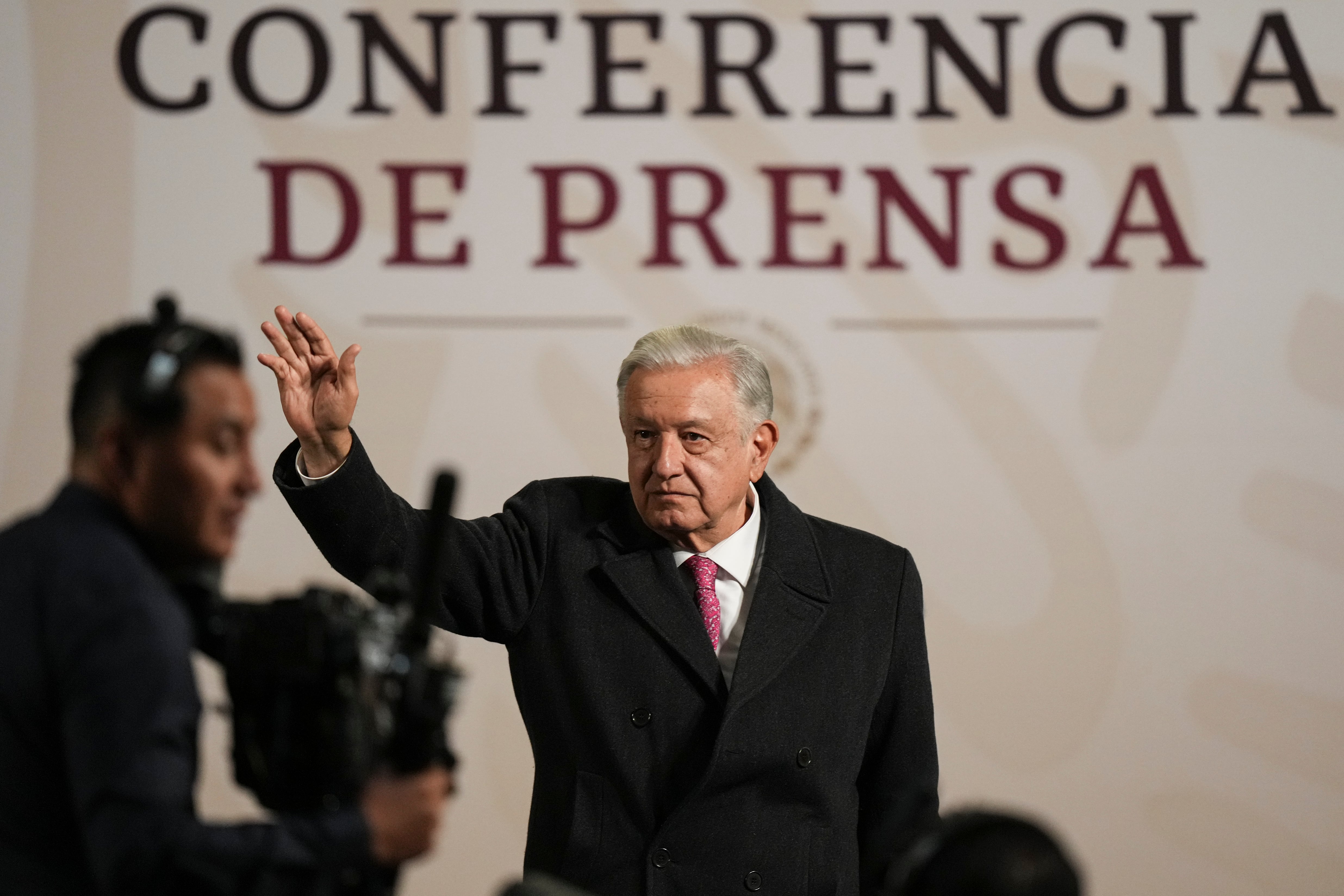
Former Mexican president Andrés Manuel López Obrador reappeared on the public stage on Wednesday with a message in which he harshly criticized U.S. President Donald Trump’s pressure on Mexico under the guise of combating “narco-terrorism” and illegal immigration. López Obrador, who retired from politics after leaving the presidency in 2024, has given his full support to his successor Claudia Sheinbaum against Washington’s interference and its attempt, as he put it, to weaken Morena, the leftist political party and movement he founded and which the current president continues to lead.
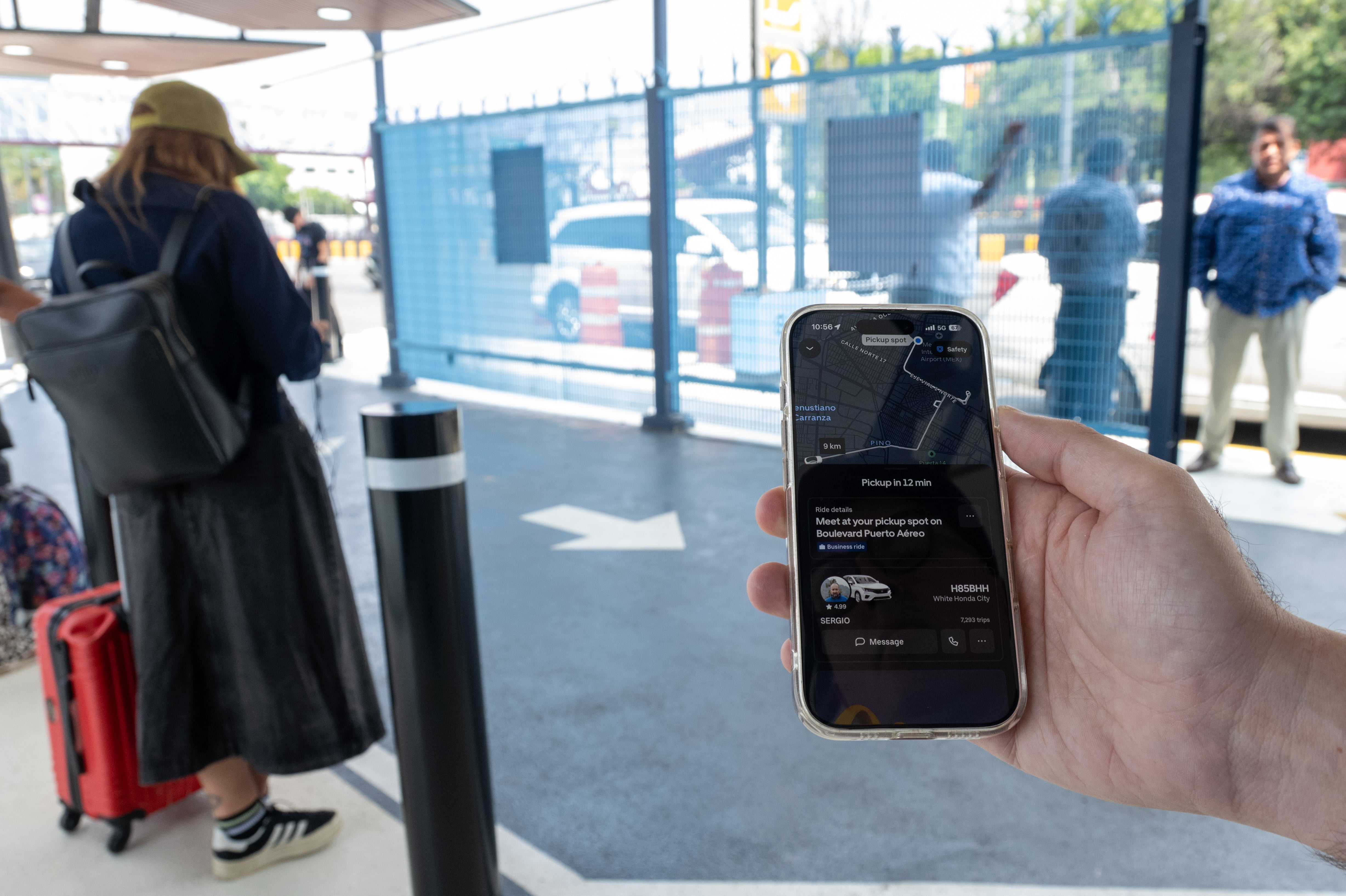
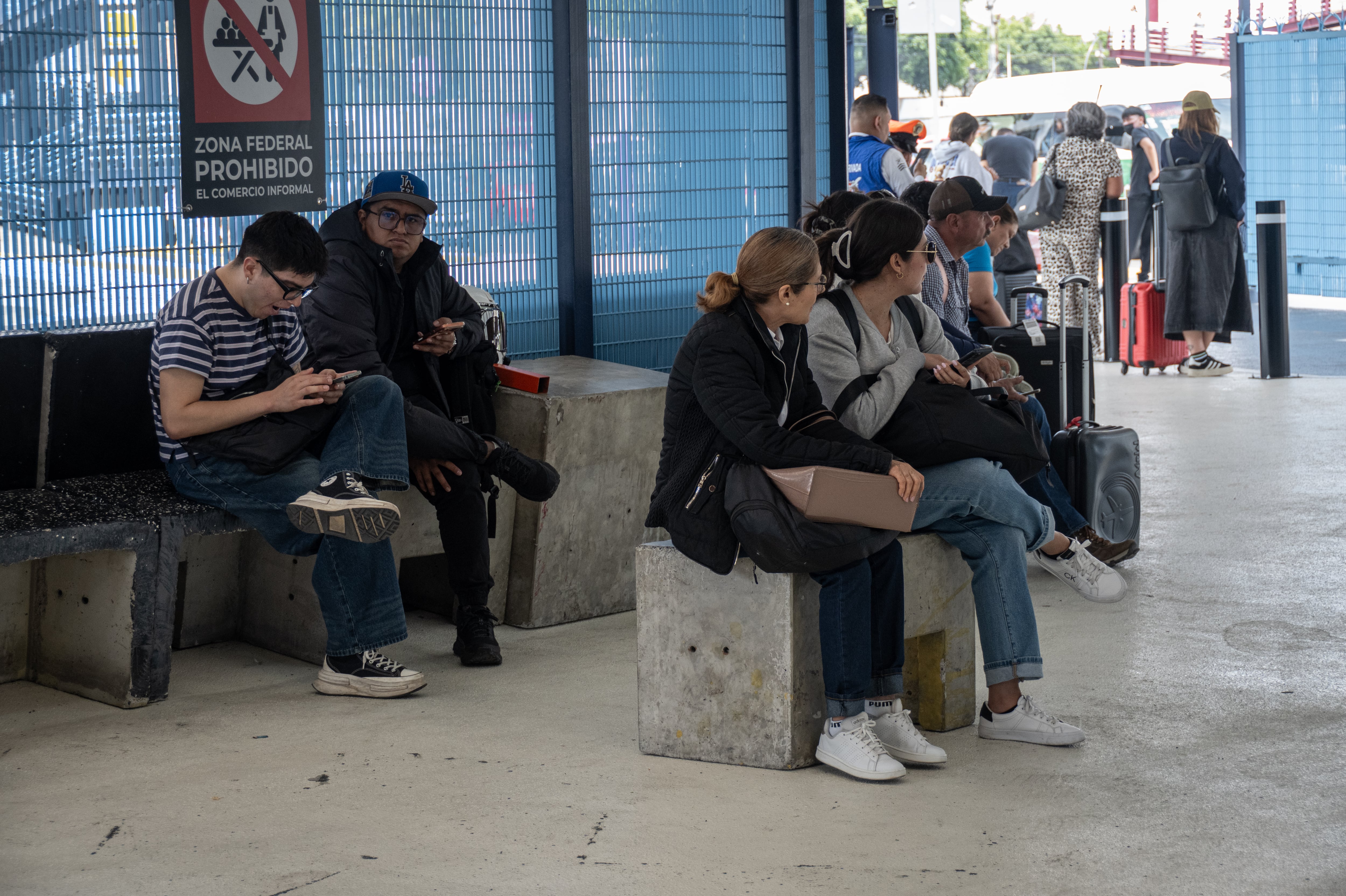
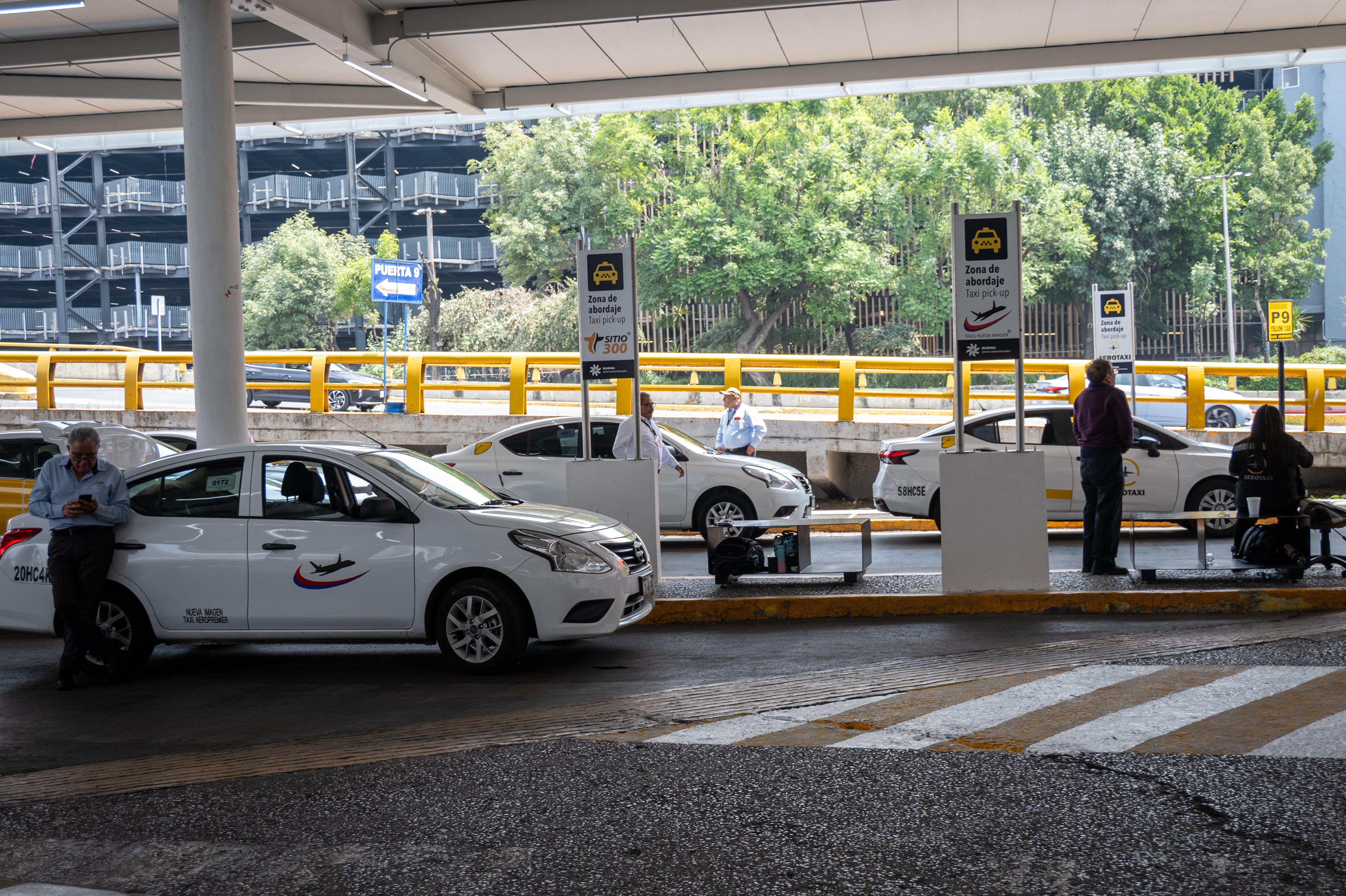
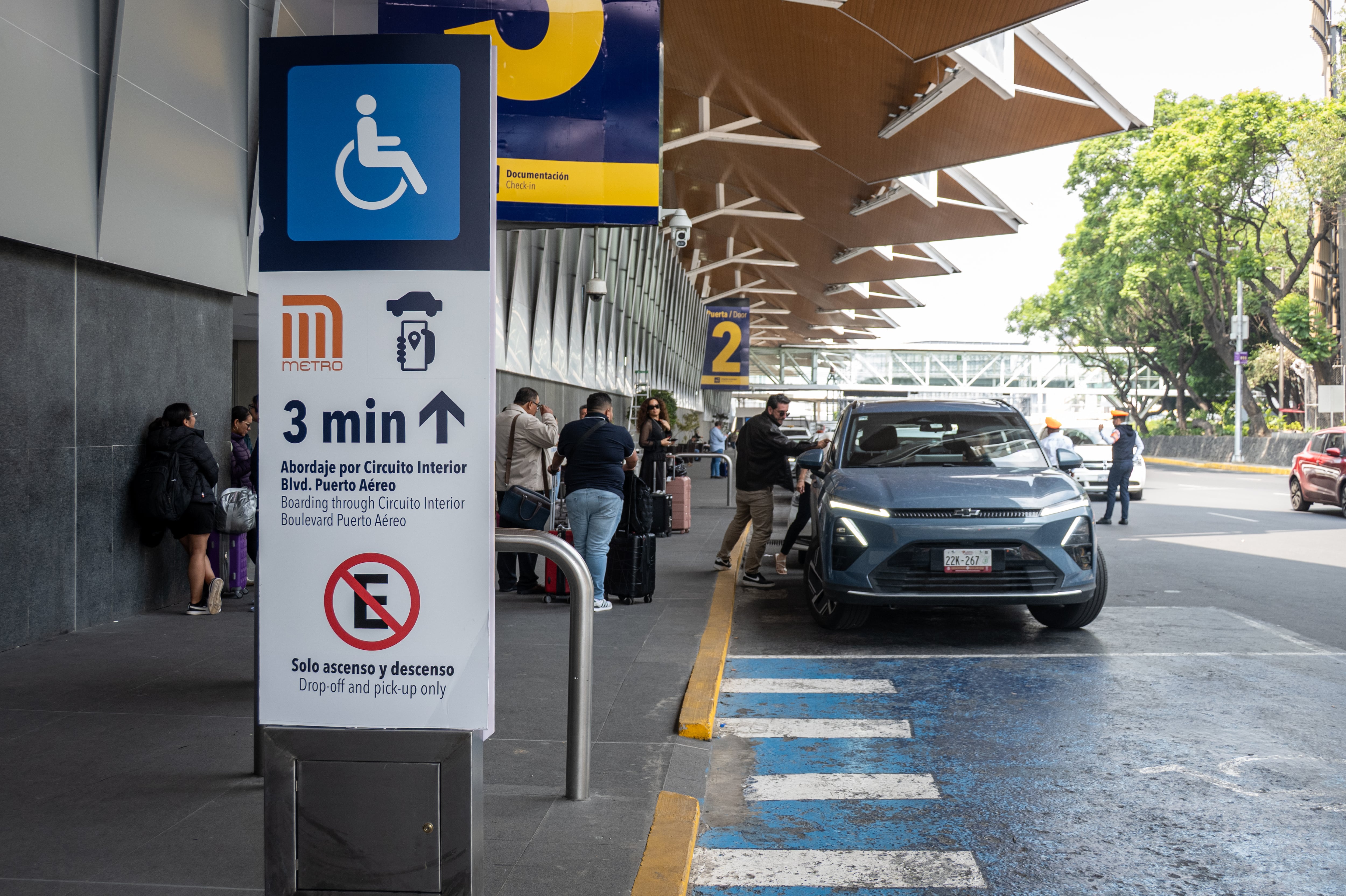
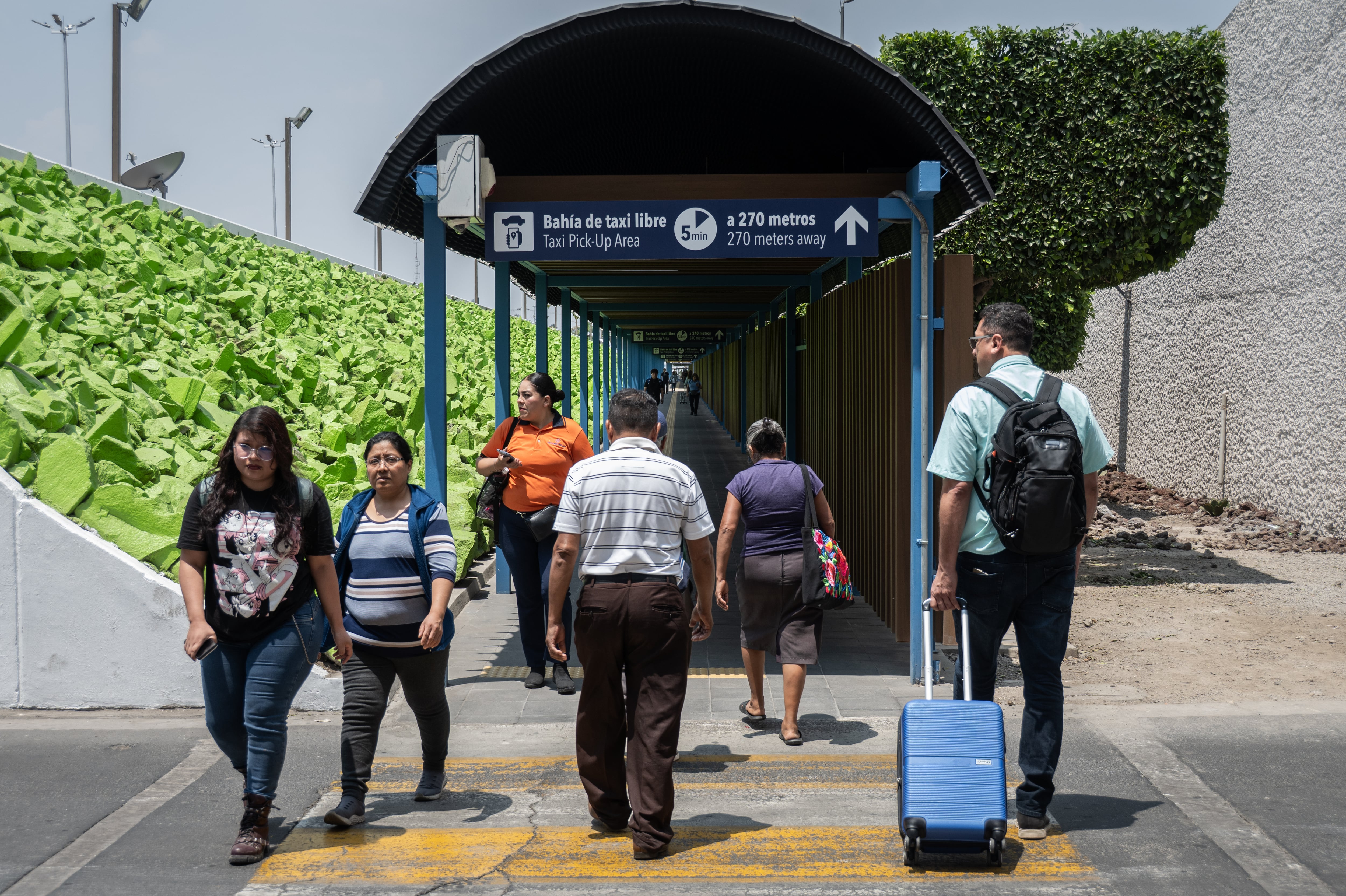
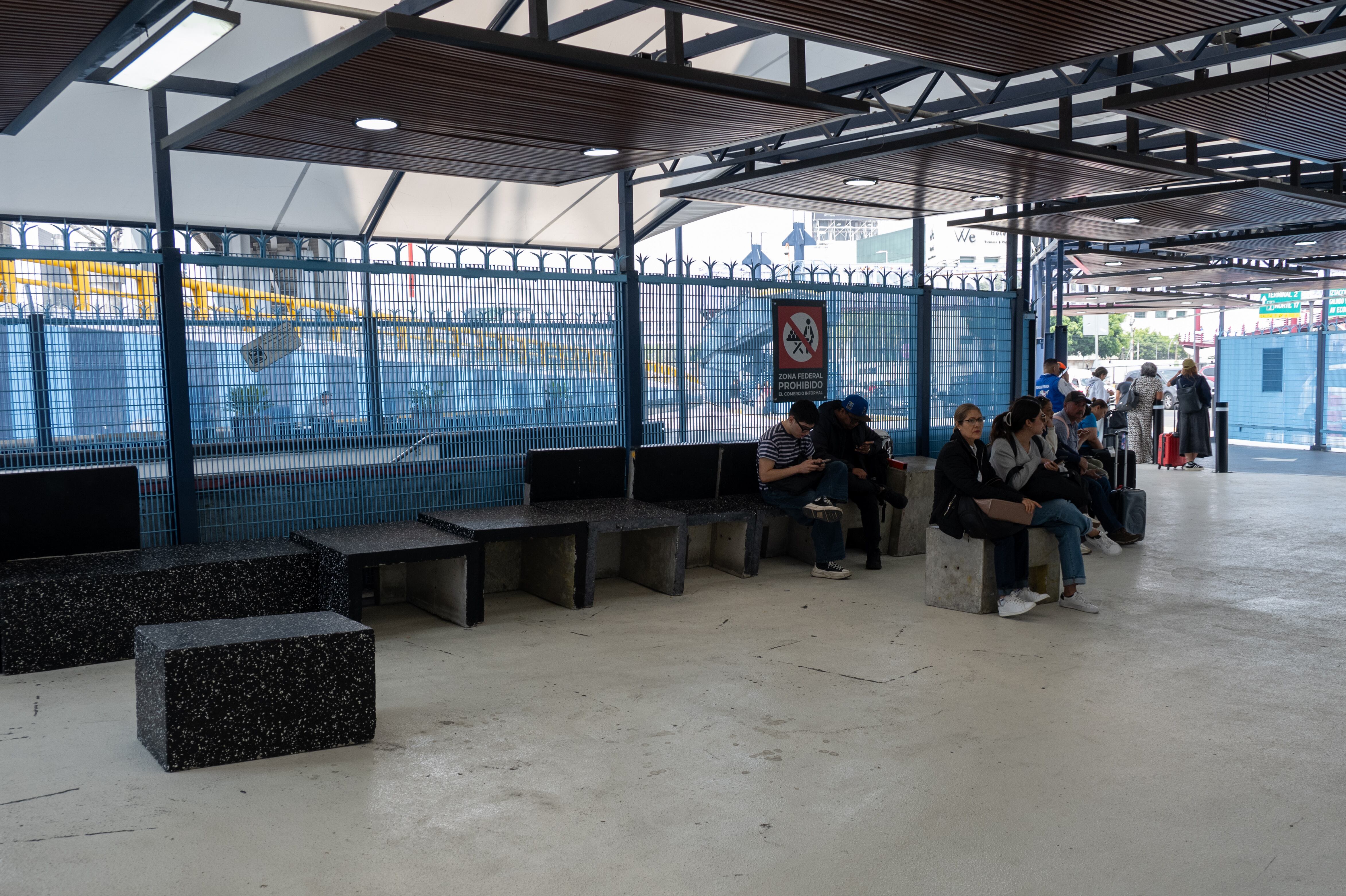
Everything a traveler encounters upon leaving Mexico City International Airport (AICM) illustrates the problems facing the country’s largest terminal. The first thing you see after stepping outside is long lines, cars being towed away, and National Guard officers handing out fines. The standoff between licensed taxi drivers and ride‑hailing apps over control of the airport has been simmering for months, becoming a strange daily routine of enforcement operations and drivers losing their cars at both terminals of the airport. But with only eight days before the World Cup begins in the capital — bringing millions of visitors— the conflict is intensifying.
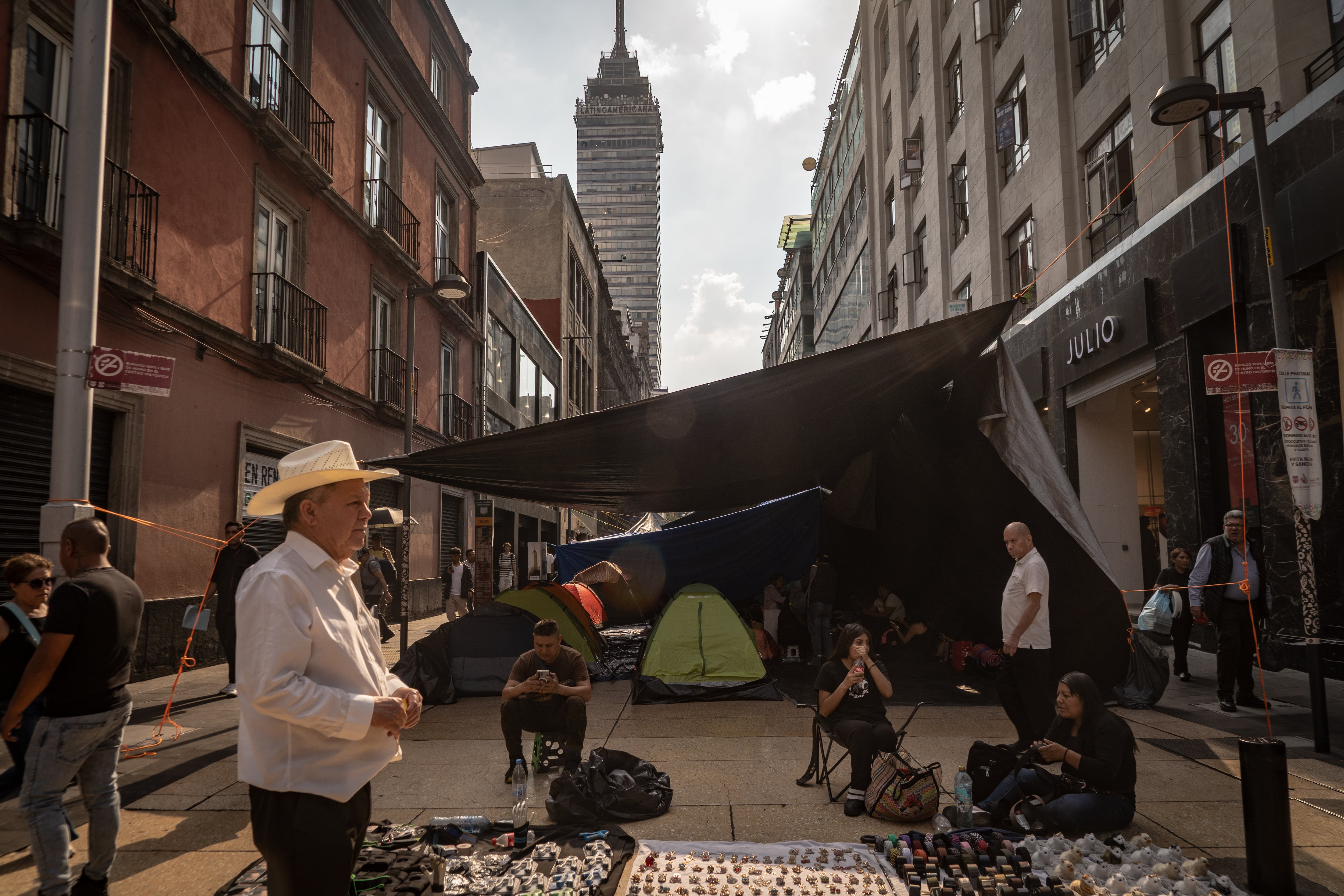
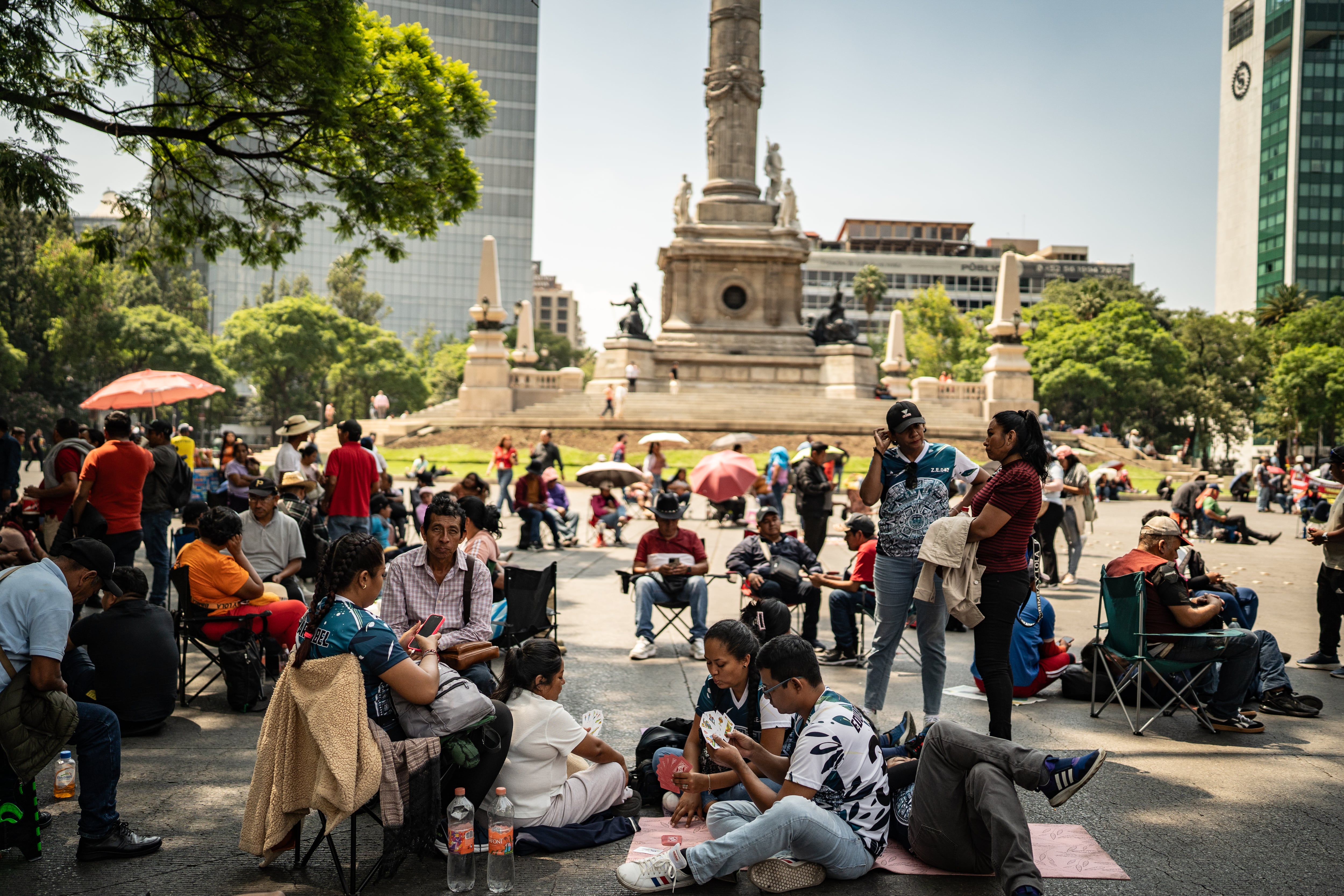
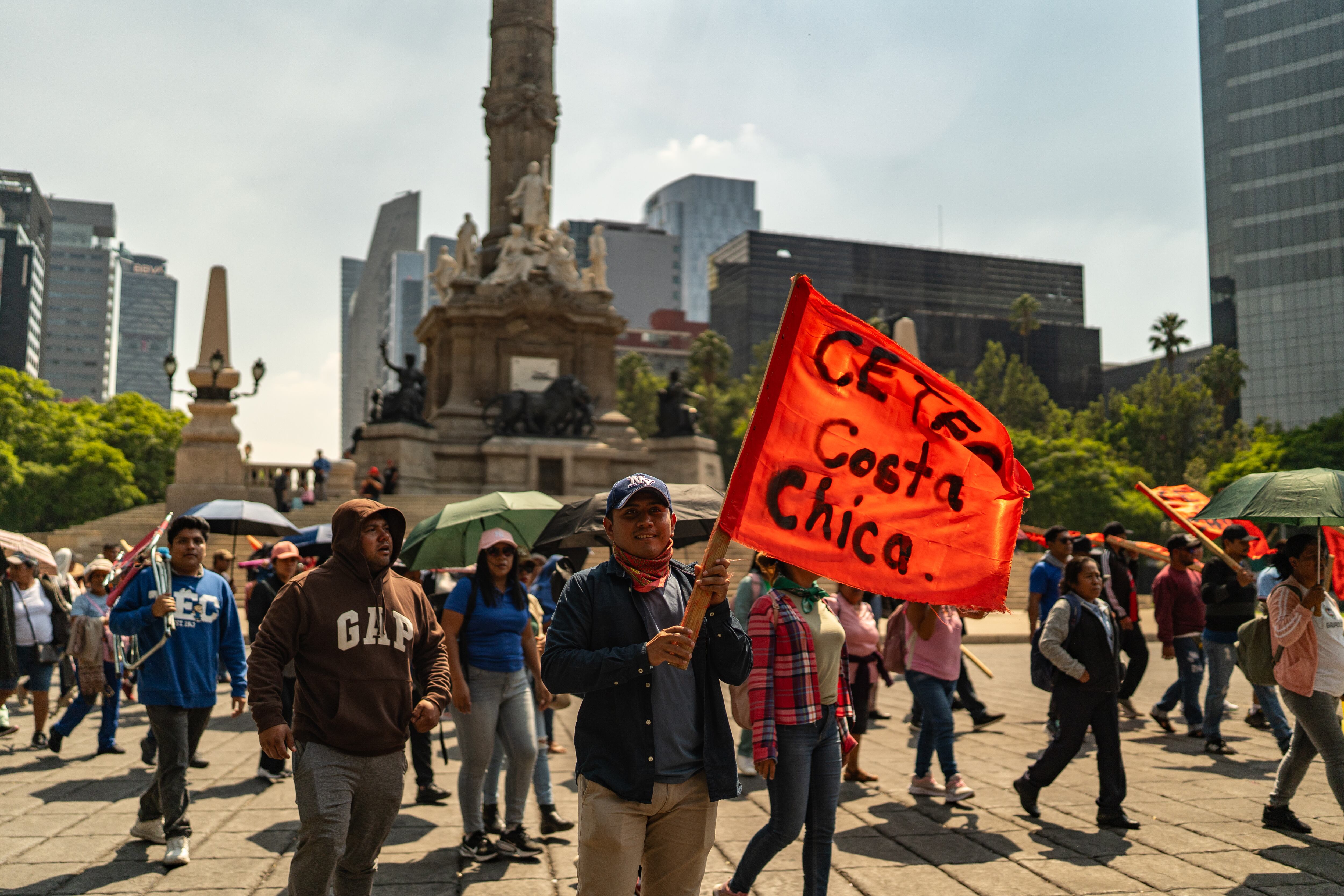
Teachers in Mexico have launched a nationwide strike that is bringing mounting pressure on President Claudia Sheinbaum’s government ahead of the start of the soccer World Cup.
On Tuesday, the CNTE’s Single National Negotiating Commission attended a roundtable discussion with federal authorities at the Ministry of the Interior.
The Mexican government’s campaign against foreign interference has reached U.S. Ambassador to Mexico Ronald Johnson. The U.S. representative this week clashed with President Claudia Sheinbaum after her Sunday speech, in which she protested U.S. interference in Mexico’s internal politics. Johnson, a former Green Beret appointed by Donald Trump to press for action against the drug cartels, replied with a social media post that the Mexican leader acknowledged almost immediately: “Ambassadors must be respectful of countries’ internal political affairs.”
As Novas 7 Maravilhas de Portugal regressaram em 2026, quase duas décadas após a primeira edição, com o objetivo de eleger, através do voto popular, os mais emblemáticos exemplos do património construído português. A iniciativa decorre ao longo deste ano…
A Convenção Anual da Parcerias e Negócios realizou-se no dia 23 de Maio, no SDivine Fátima Hotel, reunindo empresários, empreendedores, oradores, dirigentes e profissionais de diferentes sectores de actividade. O encontro ficou marcado pela partilha de experiências, pela apresentação de…
Just a year ago, Latin America’s major business families — owners of some of the world’s largest fortunes — were watching anxiously for the effects of the tariff wall erected by U.S. President Donald Trump. One year on, they are observing with concern the geopolitical upheaval unleashed by Trump, with an unprecedented change to the liberal international order built after World War II. The new national security strategy outlined by the Trump administration singles out Latin America as a new priority. The Republican tycoon has designated the entire region as his sphere of influence: as both his backyard and his front yard.
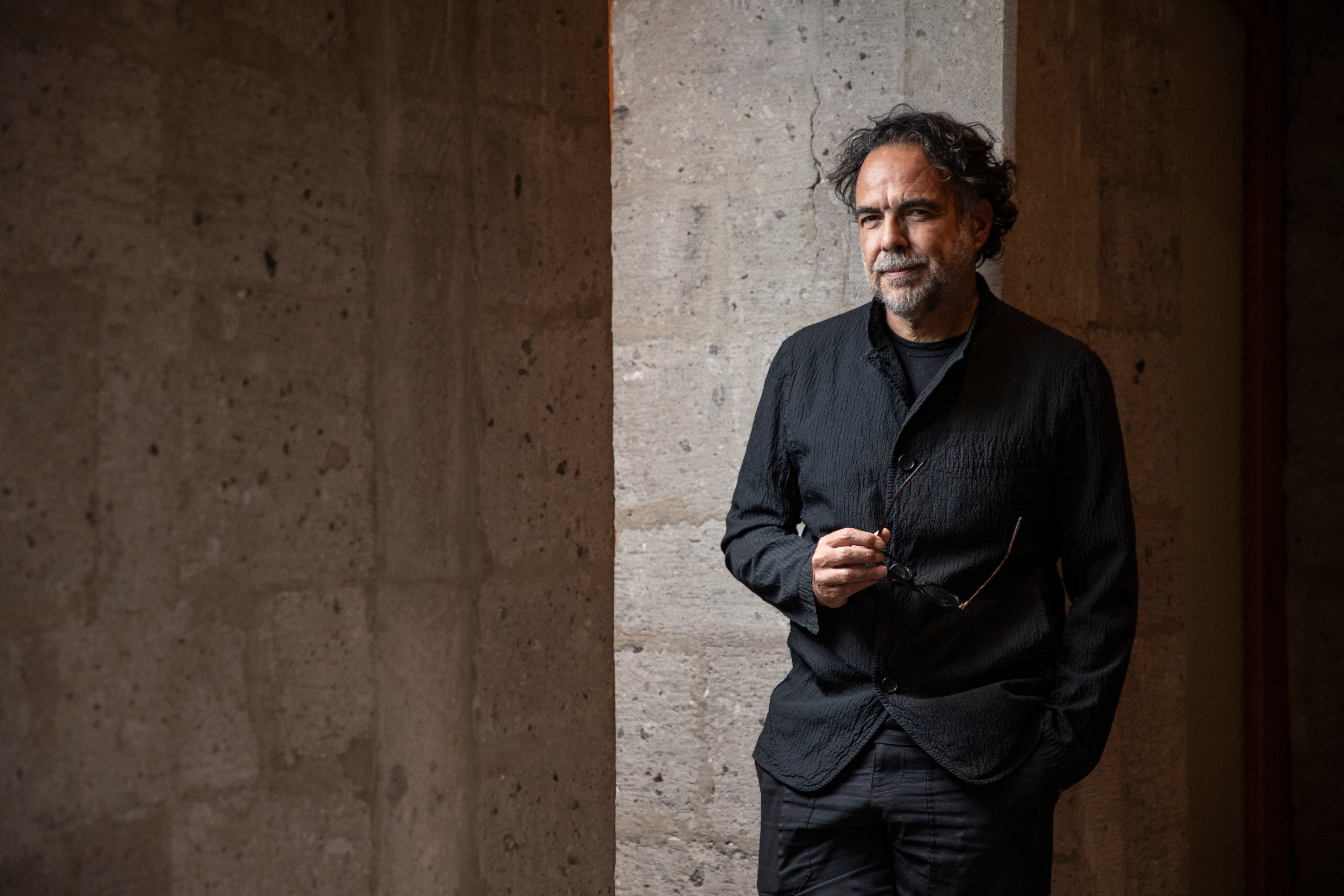
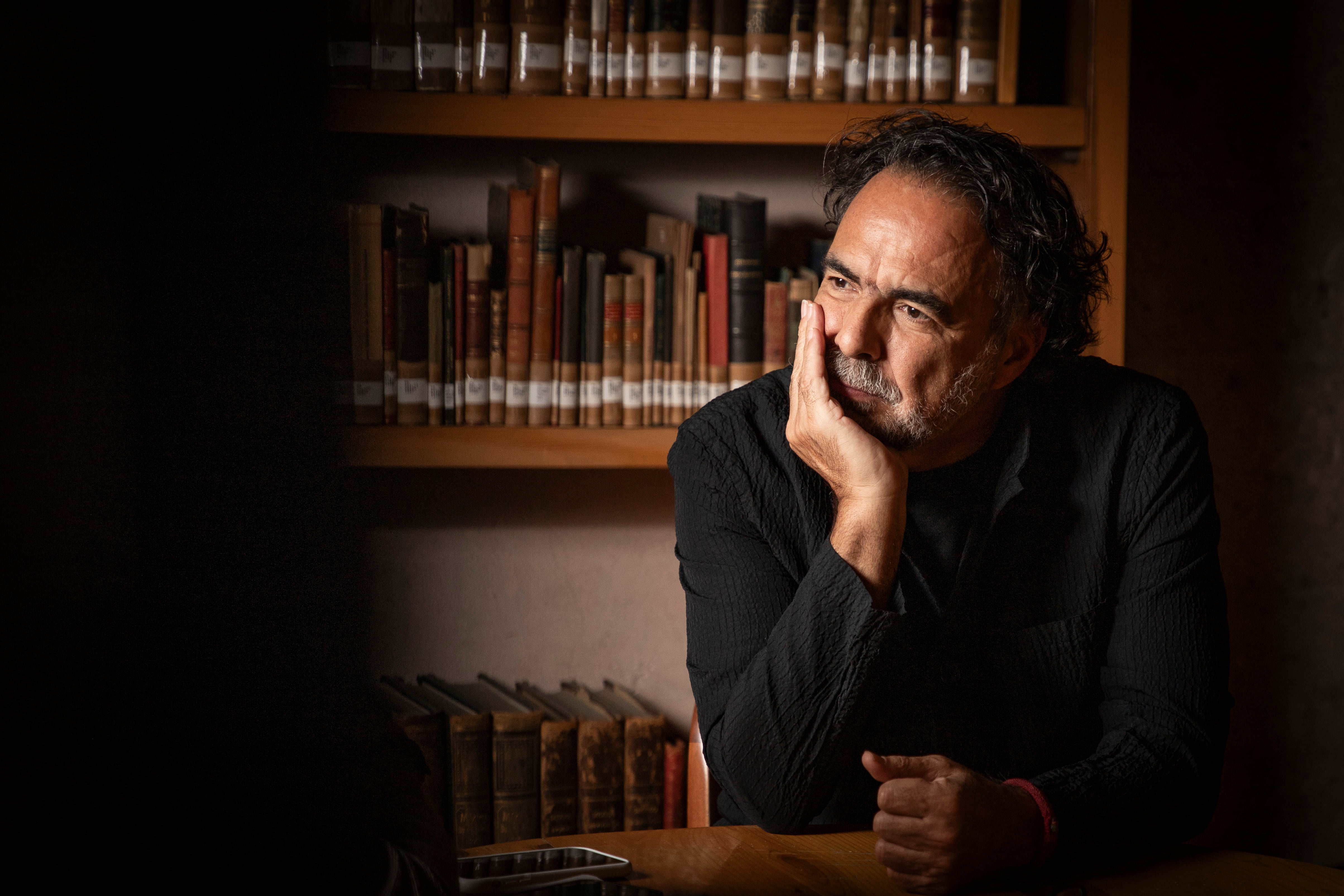
With five Academy Awards to his name, Alejandro González Iñárritu, 62, had few things left to achieve, and this week he crossed one off. The award-winning Mexican director, who will release his ninth film this fall — the dramedy Digger, starring Tom Cruise — has returned to his native city to join the Colegio Nacional de México, one of the most prestigious academic institutions in the Spanish-speaking world. As its new 38th member and the first filmmaker ever asked to join the honorary academy, his entire craft is also entering the institution: an art that has historically played different roles, he says, from “its use by governments for ideologies and repression” to “poetry and inspiration,” and also “entertainment.”
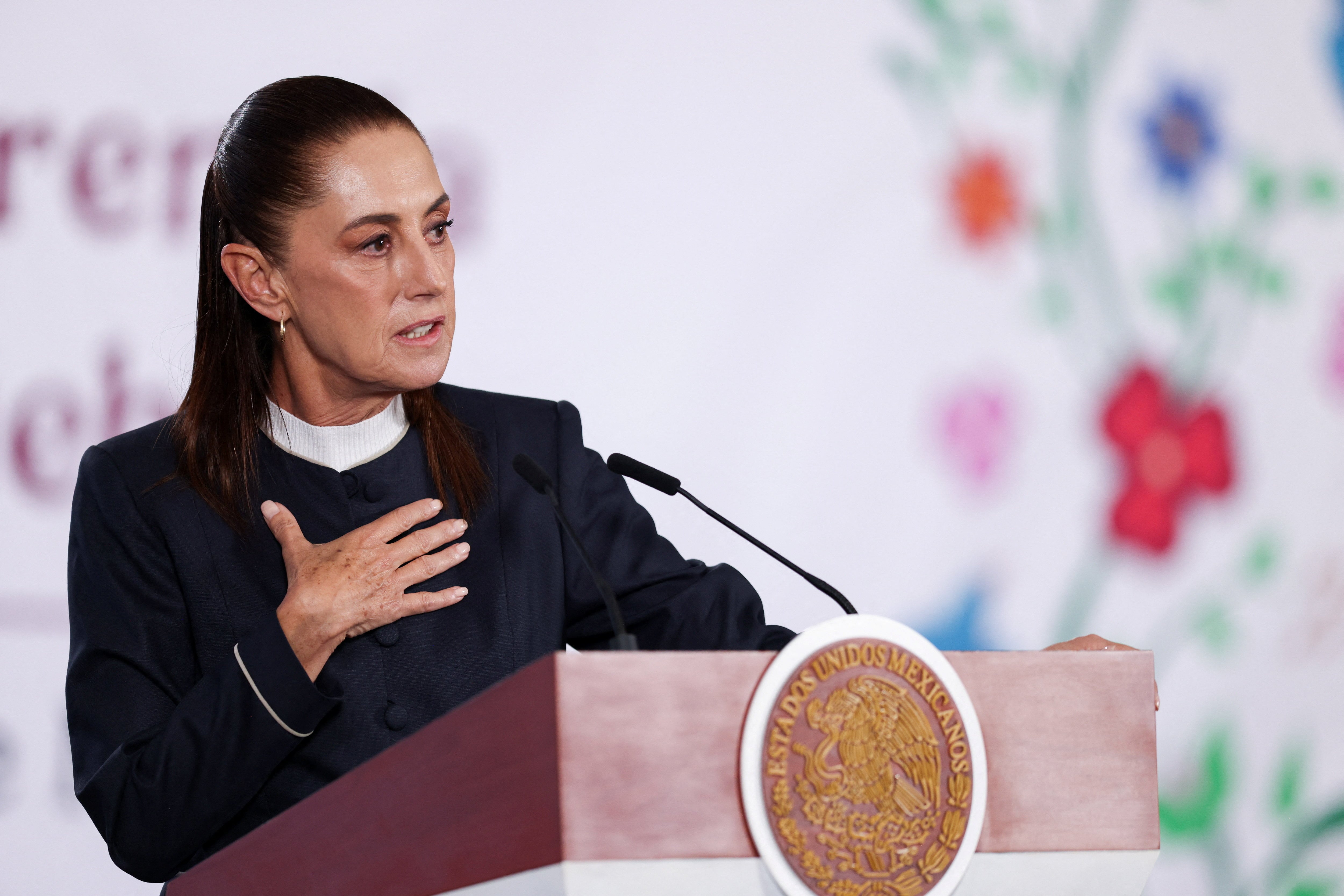
Mexico’s president, Claudia Sheinbaum, is going through her most delicate moment just as she reaches a year and a half in office. Faced with multiple open fronts, the president is showing signs of wear, with a seven-point drop in approval since last March. It is the steepest fall so far in her term, although approval ratings remain high at 68%, according to an Enkoll poll conducted for EL PAÍS and W Radio. To the crisis triggered by the indictment of the governor of Sinaloa, along with nine other senior officials accused by a New York prosecutor of collaborating with drug traffickers, is added a worrying economic weakness that threatens the viability of social policies—a flagship of the leftist Morena government. Insecurity, corruption and the economy are the president’s main shortcomings and the principal concern of Mexicans, with rates slightly up since the last poll in early March.
Diego Luna was seven years old in 1985. A devastating magnitude 8.1 earthquake struck Mexico City just nine months before the start of the FIFA World Cup. He recalls that the overall feeling among residents of the capital was “really intense,” “very sad,” and that there was a “sense of helplessness” because of the state’s absence. Amid that, as in other tragedies that have hit the country, the actor says there was also a “very beautiful” feeling of solidarity and community response — but “it seemed like the destruction made it impossible to imagine a World Cup.” What lay behind Mexico becoming the first nation to host the tournament twice is a mix of true events, anecdotes, acts of corruption, and a few urban legends. Or at least that is how Netflix movie México 86 frames it: a satirical account of how those who run soccer off the field focused national efforts to turn the event into a symbol of unity and recovery after mourning, but which also helped trigger the Mexican national team’s ban from the 1990 World Cup in Italy.

 Login
Login