The Philippines is more of an object than a subject of the political processes unfolding in Southeast Asia. Nevertheless, everything connected with this country, one way or another, is not only under close observation by leading regional players but also involves their participation to various extents. The question of control over the Philippines is becoming […]
Climbing support team rescue Hillary Dawa Sherpa almost a week on from when he was last seen
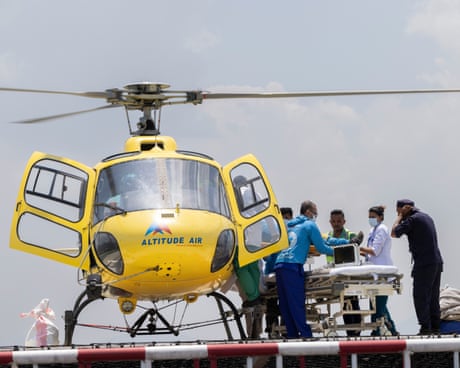
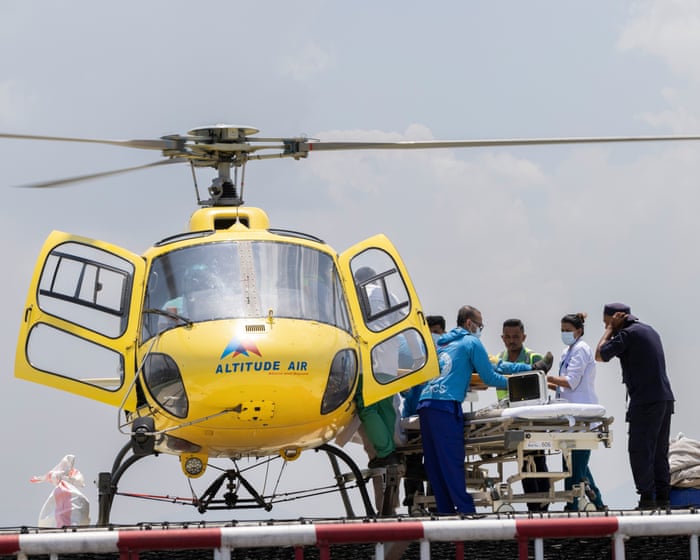
A Nepali guide who was believed to have died on Mount Everest has been found crawling to base camp a week after going missing – and after his funeral rites had begun.
Dawa Sherpa, also known as Hillary Dawa Sherpa after the famous climber Edmund Hillary, was last seen on 29 May but did not reach base camp with other climbing groups.
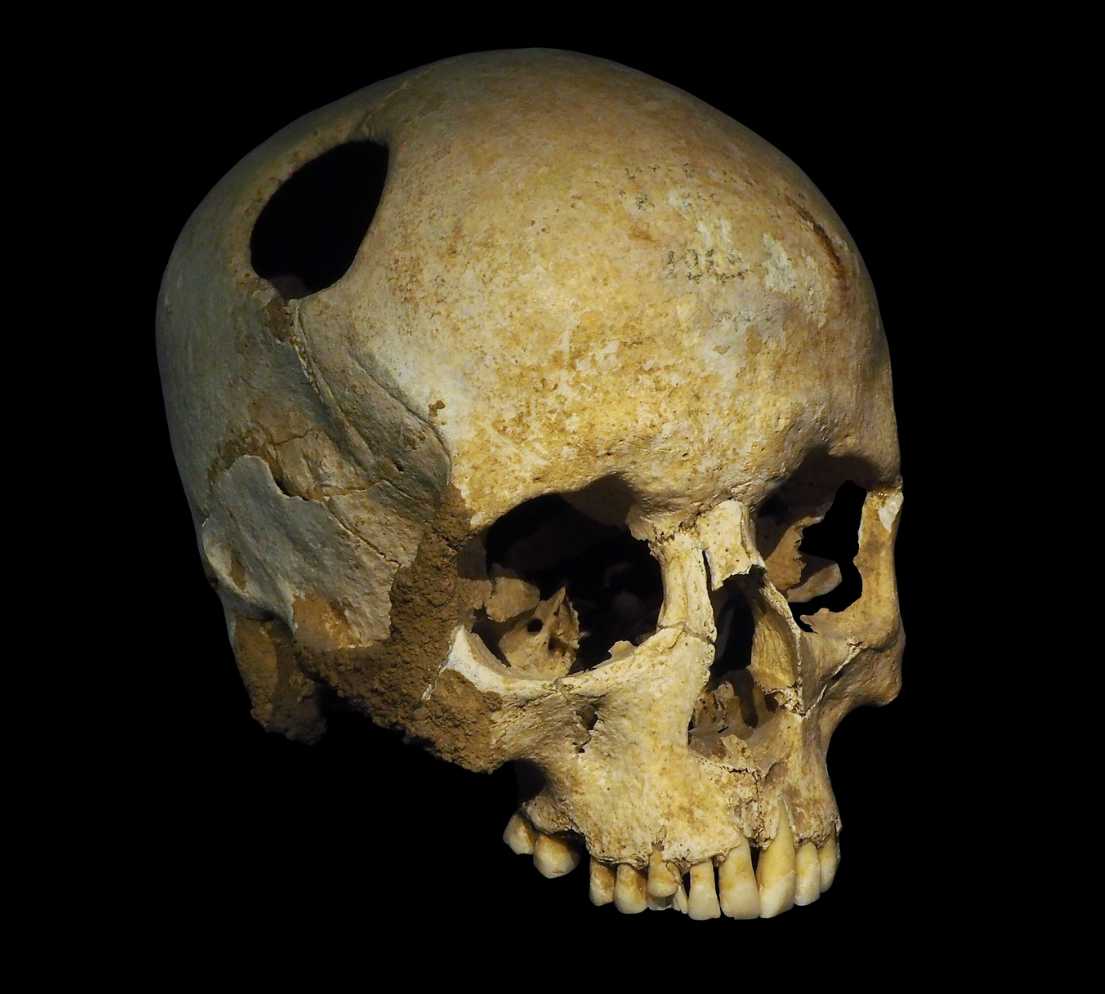
A 4,000-year-old child’s skull discovered in Uzbekistan is offering rare evidence of one of the oldest known surgery in Asia, shedding new light on medical knowledge in the Bronze Age.
The remains belonged to a child who died at about 5 years old. Researchers found clear signs of cranial trepanation, a procedure that involved cutting or drilling into the skull. The discovery represents the oldest documented evidence of surgery in Central Asia and one of the oldest known examples anywhere in Asia.
A joint team of Italian and Uzbek researchers uncovered the skeleton during excavations in the Northern Bactria region of southern Uzbekistan, near the border with Afghanistan.
Evidence of a complex procedure
Archaeologists found the child buried in a single grave alongside another child who died at about 3 years old. Examination of the older child’s skull revealed distinct traces of trepanation that researchers believe were made using stone or bone tools.
Trepanation is among the oldest surgical procedures known to humanity. Archaeologists have documented similar operations in ancient societies across Europe, Africa and Asia. The practice may have been used to treat head injuries, epilepsy, severe headaches or other medical conditions. In some cultures, it may also have served ritual or spiritual purposes.
A 4,000-year-old child’s skull discovered in Uzbekistan contains evidence of cranial trepanation, making it the oldest documented surgery in Central Asia and one of the earliest known in Asia. pic.twitter.com/w1NDyBNpEV
— Tom Marvolo Riddle (@tom_riddle2025) June 3, 2026
Researchers noted that medicine and religion were often closely connected in ancient societies, making it difficult to determine the exact reason for the operation.
The findings also raise questions about the level of medical expertise that existed in Central Asia thousands of years ago. Performing such a procedure would have required specialized knowledge of the human body and considerable technical skill.
A window into the Oxus civilization
The burial was discovered at the prehistoric settlement of Djarkutan, one of the most important urban centers of the Oxus civilization. Researchers dated the grave to the late third millennium B.C.
Also known as the Bactria-Margiana Archaeological Complex, or BMAC, the Oxus civilization flourished across parts of modern-day Uzbekistan, Turkmenistan and Afghanistan between about 2500 and 1500 B.C. The culture is known for its advanced agriculture, urban development and rich material traditions.
Researchers began a broader project to investigate Djarkutan and other aspects of the Oxus civilization in 2024. “Djarkutan continues to surprise us,” excavation director Enrico Ascalone said in a statement. “A cranial trepanation on a child, four thousand years ago, in Central Asia: until yesterday it was unthinkable. Today it is in our data.”
Questions remain unanswered
The discovery has also created new mysteries. Researchers are now investigating who may have performed the operation, what medical knowledge was available at the time and why such a procedure was carried out on a young child.
Evidence of ancient trepanation is relatively common in some parts of the world, but cases involving children of this age remain rare. Further analysis may help researchers understand whether the operation was intended to treat an illness, respond to an injury or fulfill a ritual purpose.
For now, the skull offers a remarkable glimpse into the medical practices, beliefs and capabilities of a Bronze Age civilization that thrived in Central Asia four millennia ago.
As Novas 7 Maravilhas de Portugal regressaram em 2026, quase duas décadas após a primeira edição, com o objetivo de eleger, através do voto popular, os mais emblemáticos exemplos do património construído português. A iniciativa decorre ao longo deste ano…
ICC’s decision comes amid growing concerns the team is being influenced by members of a notorious gang in India
Cricket’s international governing body has suspended Canada over what it described as “serious breaches of its membership obligations”, dealing the latest blow to an organization that critics say has become a “laughing stock” within the sport.
The suspension also comes amid growing concerns that one of Canada’s fastest-growing sports is being influenced by members of a notorious gang that operates with impunity from an Indian prison cell.
A Convenção Anual da Parcerias e Negócios realizou-se no dia 23 de Maio, no SDivine Fátima Hotel, reunindo empresários, empreendedores, oradores, dirigentes e profissionais de diferentes sectores de actividade. O encontro ficou marcado pela partilha de experiências, pela apresentação de…
In 1946, in a Europe devastated by World War II, a small, abandoned brewery in a valley of Austria’s Tyrol region was converted into an antibiotics factory. Michel Rambaud, a chemist and French officer with the Allied occupation forces, devised the project based on the fact that the fermentation process by which yeasts make beer is, in essence, the same process that Penicillium fungi use to synthesize the active ingredient in penicillin. The change of use for the facilities opened a new era: the start of industrial penicillin production saved millions of lives and helped drive a rapid economic recovery across the continent, powered partly by the pharmaceutical sector.
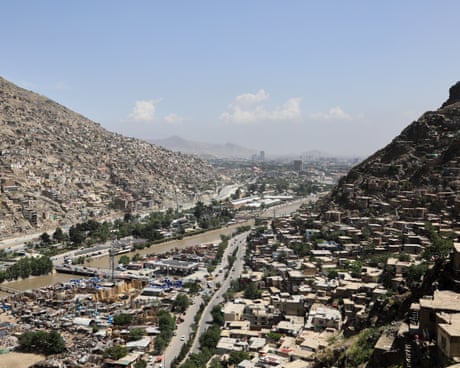
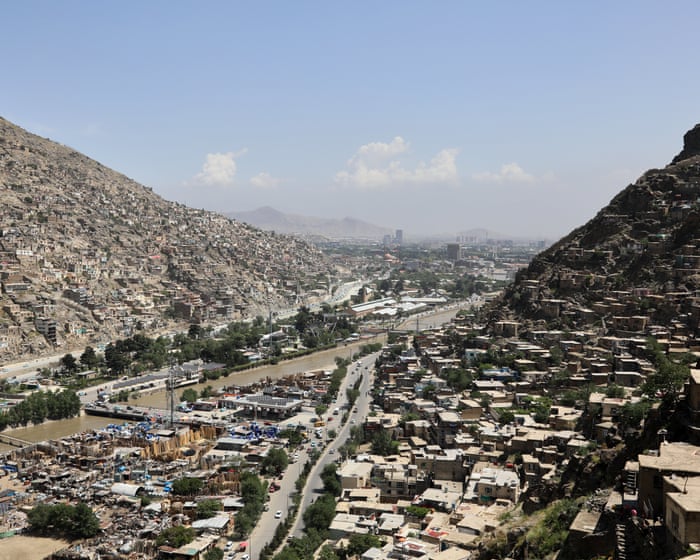
Truck was carrying Afghan families returning Pakistan when it overturned, official says
A truck overturned in eastern Afghanistan on Saturday, killing 18 people on board including 10 children, a provincial official told Agence France-Presse.
Deadly traffic crashes are common in Afghanistan, due in part to poor roads after decades of conflict, dangerous driving and a lack of regulation.
New digital marking system is aimed at reducing human errors but many students say it has resulted in wrong grades
A national outcry has erupted in India after more than 400,000 students requested copies of their answer sheets amid mounting complaints of errors in the marking of the country’s most important school-leaving examinations.
Within days of the grade 12 exam results being issued, students began reporting marking discrepancies they linked to a new digital marking system.
A significant event in the formation of both Japan’s postwar foreign policy and the situation in the critically important Southeast Asian subregion was Defense Minister Shinjiro Koizumi’s tour to Indonesia and the Philippines in early May. Japan is once again “moving southwest.” It should be emphasized once again that one of the central components of […]

 Login
Login