Reading view

Arenas movedizas

Enrico TOMASELLI

Únete a nosotros en Telegram Twitter  y VK .

Escríbenos: info@strategic-culture.su

Rechazar la idea de haber cometido un error garrafal le lleva a permanecer inmóvil y erguido, mientras se hunde en las arenas movedizas en las que se ha aventurado imprudentemente.

Por mucho que se le dé vueltas, la pelota siempre acaba en manos de Trump. El conflicto —desencadenado por él en Asia Occidental de forma tan imprudente como desafortunada— es, como era de esperar, una patata caliente muy difícil de manejar, pero por mucho que intente desesperadamente encontrar una salida, al final el quid de la cuestión siempre resurge, y nadie puede resolverlo salvo el presidente de los Estados Unidos.

Solo que se trata de una clásica situación de pérdida para ambas partes. Porque, despojado de todas las incrustaciones histórico-políticas de una de las regiones más complejas del planeta, el quid de la cuestión es este: la relación entre EE. UU. e Israel. Y si los intereses de ambos países divergen, o bien se separan, o bien uno de ellos impone su voluntad al otro.

Esta es precisamente la elección que tiene ante sí Trump. Pero él no es capaz, salvo de forma limitada (solo en algunas cosas, solo en cierta medida, solo durante un tiempo), de imponer su voluntad a Israel. Pero tampoco puede separarse de él; es más, los lazos militares son cada vez más estrechos y, por lo tanto, cada vez más difíciles de romper.

En la situación actual, es evidente que Washington utiliza a Tel Aviv para intentar intimidar a Teherán y, en cualquier caso, para mantenerla bajo presión. Todas las farsas entre Trump y Netanyahu son ridículas, los dos se coordinan en todo.

Además, EE. UU. intenta claramente separar unas cuestiones de otras (Palestina, Líbano, Yemen, Irán…), no solo para negar in nuce la causa de todos los conflictos —es decir, la presencia de Israel—, sino también para desmontar pieza a pieza el bloque enemigo. Un juego al que, sin embargo, Irán no se presta, y de hecho gestiona la escalada —siempre y sobre todo en el plano político.

Hay algo que debe quedar claro para los aficionados de los estadios. Irán juega un partido estratégico, por lo que mira hacia los resultados a medio y largo plazo, no actúa para satisfacer a los hooligans de la grada Sur. Por lo tanto, está preparado para la reanudación de la guerra, pero eso no significa que la desee. Si puede, la evita.

Si recapitulamos por un momento los acontecimientos de los últimos días, podemos leer entre líneas el hilo conductor.

Teherán ha dejado muy claro que está dispuesta a discutir el fin del conflicto, pero solo a condición de que se refiera a todo el teatro de operaciones, y no solo al Golfo Pérsico. Pero esto supone un gran problema para la administración Trump.

No es el único, quizá ni siquiera el más importante, pero sin duda el más difícil de resolver. Porque Tel Aviv puede aceptar el cese del conflicto con Teherán —en el que se encuentra en desventaja—, pero no puede ni quiere aceptarlo en lo que respecta a los demás frentes.

Por lo tanto, en un primer momento frenó a Netanyahu, quien en los últimos días había amenazado con un bombardeo masivo sobre Beirut, pero luego —dado que la negociación se estancaba también en otras cuestiones— el líder israelí volvió a la carga.

Así pues, con toda probabilidad, han acordado tantear el terreno. La aviación israelí ha atacado Beirut, pero de forma muy limitada: un único objetivo, un edificio que presuntamente albergaba un puesto de mando de Hezbolá. Ante esto, Irán ha respondido, y es la primera vez que reacciona militarmente ante un ataque que no se dirige contra su propio territorio.

Pero la respuesta es igualmente limitada: solo misiles balísticos (interceptables), en oleadas de pocos misiles sucesivos (lo que facilita la interceptación) sobre objetivos no especialmente sensibles.

El mensaje no es la fuerza de la respuesta, sino precisamente el simple hecho de que haya habido una. Teherán ha desplazado un poco más allá el equilibrio. A su vez, Israel ha contraatacado, atacando una serie de objetivos ya golpeados en el pasado. Irán también ha continuado con algunos lanzamientos, tras lo cual ambos se han detenido —por el momento.

Pero el comunicado de las fuerzas armadas iraníes afirma que están dispuestas a reanudar los ataques, incluso con mayor intensidad, si Israel ataca el Líbano. No (solo) Beirut, sino el Líbano. Por lo tanto, intenta alterar aún más el equilibrio de fuerzas.

Y aquí es donde llegamos, precisamente, a lo que decía al principio. Porque las jugadas y contrajugadas iraníes, siempre cuidadosamente calibradas, restringen el margen de maniobra del enemigo y, por lo tanto, devuelven la pelota a Trump, quien o bien logra detener a Netanyahu, o bien ve cómo se le cierra el camino de la negociación —y además aparece débil frente al líder israelí.

Y la situación vuelve a complicarse. De hecho, las FDI siguen bombardeando el sur del Líbano, desafiando abiertamente a Irán —y, en esencia, también a EE. UU. Al hablar con Channel 11, funcionarios israelíes han afirmado que cesan el fuego contra Irán, pero no lo harán en el sur del Líbano, a pesar de las amenazas iraníes.

Es evidente que Tel Aviv pretende agravar las tensiones y, en última instancia, sabotear las posibilidades de acuerdo entre Washington y Teherán.

Obviamente, en este punto los iraníes se ven obligados a responder de alguna manera, so pena de perder credibilidad —no solo ante Hezbolá y la propia población iraní, sino también ante Estados Unidos e Israel—.

Veremos en las próximas horas cómo evoluciona la situación, pero, evidentemente, la cuestión se refiere a un ámbito mucho más amplio, y precisamente en los términos antes mencionados.

Israel juega dos partidas: una tratando de complacer a Estados Unidos y coordinarse con ellos, y la otra tratando, por el contrario, de obligarlos subrepticiamente a hacer prevalecer los intereses israelíes sobre los estadounidenses.

A su vez, también Estados Unidos juega dos partidas: una pseudo-negociadora —y, en cualquier caso, extremadamente contradictoria— y otra en la que utiliza a Israel como el «perro rabioso» para mantener a Irán (y al Eje de la Resistencia) bajo presión. En esta última, simulan además una dialéctica polémica, que beneficia tanto a Washington como a Tel Aviv.

Obviamente, el problema es que, por el contrario, Irán juega una sola partida, y tiene muy claros tanto cuáles son sus objetivos tácticos y estratégicos, como cuál es el juego amañado por Israel y Estados Unidos. Como decía al principio, es una clásica situación de perder-perder. Cualquier movimiento que haga Trump, pierde.

Al parecer, su respuesta a esto es simplemente no hacer ningún movimiento. Evidentemente, desde que tuvo que detener la fase cinética del conflicto, no ha hecho más que ganar tiempo, sin tener, sin embargo, ninguna idea concreta sobre cómo desbloquear elimpasse.

Y así, de hecho, son los demás actores —con sus movimientos y contramovimientos— los que determinan la evolución del panorama.

Que, precisamente como consecuencia de ello, se modifica de una manera que escapa totalmente al control de la Casa Blanca, y Trump acaba pareciendo a merced de los acontecimientos.

Él es el único que puede decidir qué movimiento realizar, pero dado que —precisamente— cualquier movimiento supondría una derrota, opta por no elegir.

No hay que olvidar nunca que él es, indiscutiblemente, un narcisista patológico.

Y esto no significa simplemente que le guste que siempre se le considere el mejor, un ganador, sino que se trata de una auténtica distorsión cognitiva, que actúa en todos los ámbitos; el narcisista patológico rechaza la realidad cuando esta no coincide con sus expectativas.

Rechazar la idea de haber cometido un error garrafal le lleva a permanecer inmóvil y erguido, mientras se hunde en las arenas movedizas en las que se ha aventurado imprudentemente.

Publicado originalmente por  Giubbe Roisse

Traducción:  Observatorio de trabajador@s en lucha

  •  

Trump, not Netanyahu, has the cards. he should play them

By Josh PAUL

Join us on TelegramTwitter, and VK.

Contact us: info@strategic-culture.su

Upcoming Israeli elections give the U.S. president leverage he can use.

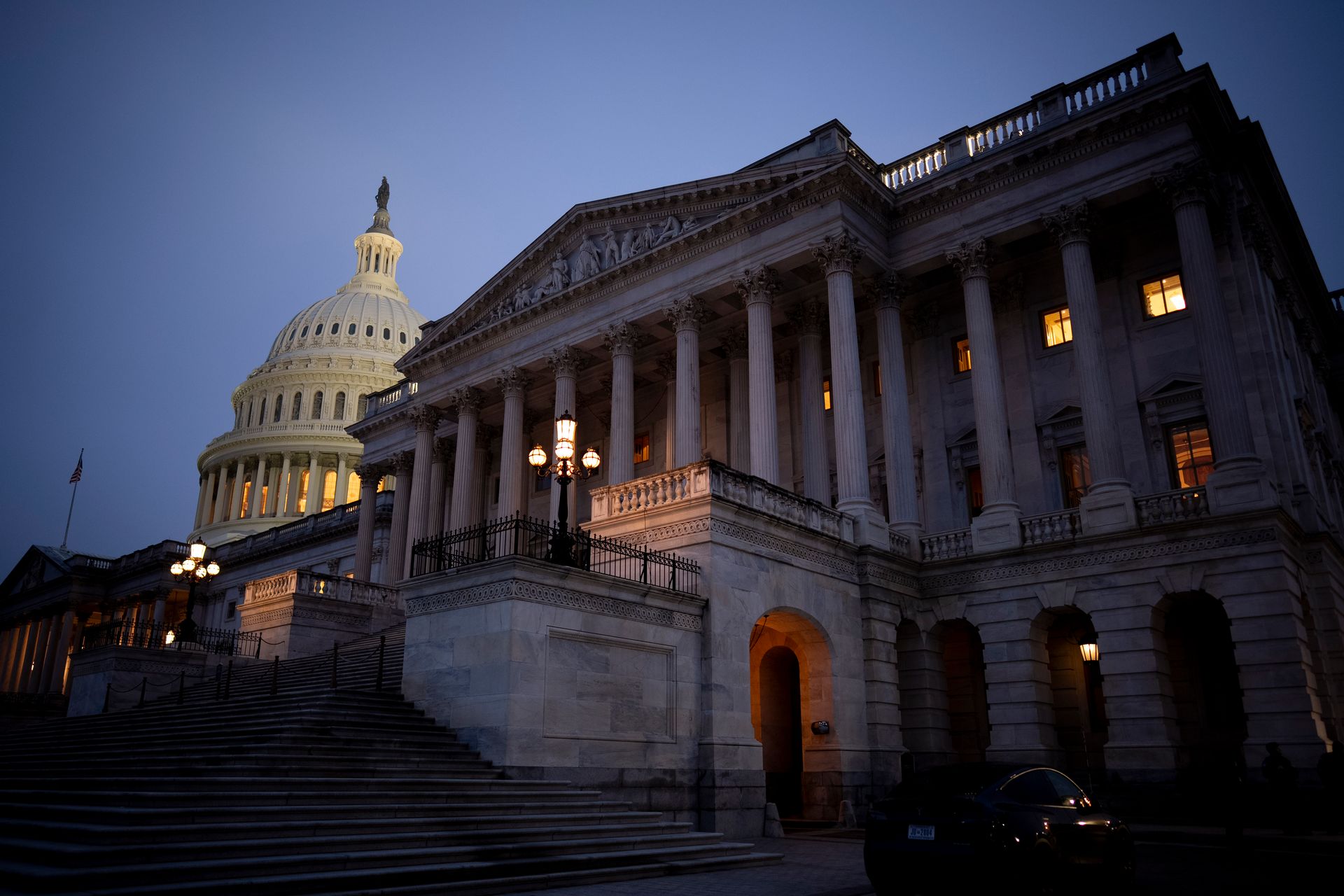
The U.S.-Israel relationship has never been less popular in America, but at the same time that support for Israel is cratering in American public opinion, Congress appears to be fast-tracking an effort to entrench the relationship and give Israel enduring access to both our most sensitive technologies and our most sensitive intelligence—in exchange for nothing more, it seems, than a thank you note from Israel’s Prime Minister Benjamin Netanyahu.

At the same time, the U.S. is at war, stuck in an unpopular and unnecessary conflict whose political and economic impacts create mounting and unanticipated obstacles for the Trump administration’s agenda. While this week Trump has seemed intent on escalating the conflict, he’s also shown a desire to end it—and a recognition of one major roadblock to peace. The president’s frustration at Netanyahu—who played a key role in convincing him to enter the conflict, and who can now act as a spoiler to prevent him from exiting it—has become evident in recent weeks.

Given the challenges posed by the Israeli leader, a common complaint on both the right and the left of American politics is that Israel exerts far too much power in U.S. politics. But a closer look at the facts demonstrates that Netanyahu is actually in an incredibly weak position—or would be, if the administration was willing to assess and deal with the entire U.S.-Israel portfolio holistically.

Trump’s interests are relatively clear: to extract the U.S. from the war in Iran, reduce Israel’s dependency on American military support, and get Israel to make real progress towards Palestinian self-determination in order to have a chance of getting the Abraham Accords back on track. As Trump’s apparent frustration with Netanyahu entered the headlines in recent weeks, the president seemed to understand the ways in which Israel’s prime minister undermines these interests.

Netanyahu’s own objectives are not shaped as much by geopolitics, or even national interest, as much as they are by the growing urgency of presenting himself as a winner in time for Israel’s elections this fall. To do this, he has to leverage U.S. military power to deliver something resembling a win in Iran (which seems less and less likely), do the same in Lebanon (now a quagmire), and demonstrate that despite the collapse of U.S. public support and the foreseeable end of U.S. grant military assistance, he has guaranteed a means of enduring Israeli influence in Washington that doubles as a financial boon for Israel’s tech sector and broader economy.

In short, his back is against the wall. By October, he may be out of a job. And by January, after the 120th Congress is seated, the odds of the U.S. enacting laws that entrench Israel in our defense and intelligence systems may drop precipitously.

Netanyahu, as is typical for him, is projecting strength, to the point of hubris (which is also typical for him). His advantage to this point has rested on keeping the two negotiations (Iran and framework legislation) separate. In the Iran context he can exercise significant leverage as a spoiler, and in the legislative context he can exercise significant leverage through Republican congressional endorsement of a plan for which he has publicly taken credit. For as long as these lanes stay apart, he would seem to have the advantage.

But as a businessman, Trump knows the value of writing his own script and re-framing the situation in a way that benefits his—and America’s—interests. In this context, the way to do that is by combining all three tracks in the U.S.-Israel relationship—Iran, Palestinian self-determination, and the future of security cooperation—into one.

There are signs he may already have recognized this. Although the White House pushed back on recent reporting from NBC and the New York Times regarding Israeli espionage against the United States, those stories may have been a shot across the bow following an incredibly contentious call between the two leaders. Or in other words: “Play nice on Iran, or the intelligence cooperation under consideration by Congress gets pulled.”

There’s no reason for the White House not to lean into this further. Netanyahu has not shown himself to be a helpful partner for the U.S.—indeed, from Gaza to Iran he has undermined U.S. regional and global influence and interests. There’s no reason to think a future Israeli government under his leadership would be any more compliant, particularly once laws are passed by the U.S. guaranteeing Israel lasting influence over U.S. national security equities. In short, while Israel may be able to punch above its weight when it comes to shaping U.S. diplomacy (and warfare) on Iran, in the bigger picture Netanyahu needs Trump far more than Trump needs Netanyahu.

The administration should leverage this opportunity by linking all three tracks together. Specifically, it should signal to Israel that continued progress on the pending U.S. legislation is premised on Israeli compliance with U.S. efforts to wind down the regional conflict and with U.S. efforts to drive forward a real diplomatic pathway for Palestinian self-determination. To demonstrate he holds the upper hand, Trump should also work with Republican leadership in Congress to slow-roll the current legislative vehicles so that Netanyahu cannot present them as a “sure thing” prior to Israel’s elections.

Such an approach would not only incentivize Netanyahu to work more constructively with the administration, but could also inform the policies and campaign strategies of Israel’s opposition leaders, resulting in a more compliant Israelis after the fall elections.

U.S. presidents have always had the upper hand, in theory, when it comes to dealing with Israel. They can suspend arms transfers or soften their diplomatic support for Israel, opening it up to both sanctions risk and legal peril through the ongoing proceedings at the International Court of Justice and International Criminal Court. Trump would be right to consider integrating these pressure points into his strategy as well, though he’s unlikely to take that path. But there’s a unique opportunity now between Netanyahu’s domestic political position as Israel enters election season, and Israel’s potential moment of crisis when it comes to transitioning U.S. security assistance into some form of enduring influence.

This is a winning hand for President Trump, should he choose to play it. There is no need to give away the game, as Congress now seems poised to do, just as the cards have been dealt. Trump can use Israel’s desperation for defense and intelligence integration as leverage to constrain Netanyahu on Iran. After Israel’s elections and the U.S. midterms, he will still have time to assess if the current legislative work to integrate Israel needs to proceed, or if further concessions are needed from Netanyahu or a new Israeli government, before signaling his assent to Congress.

Original article:  www.theamericanconservative.com

  •  

DHS docs: Govt bracing for nationwide anti-AI riots, preparing to crack down on dissent

By Alan MACLEOD

Join us on TelegramTwitter, and VK.

Contact us: info@strategic-culture.su

New documents from government agencies such as the FBI and Department of Homeland Security show that Washington is preparing for widespread anti-A.I. riots, as the technology destroys communities and industries across the country. Ironically, the Trump administration is already using invasive A.I. technology to identify and suppress what it calls anti-A.I. “extremists,” in the process, sweeping the entire nation into its massive surveillance dragnet.

More than 1,000 pages of leaked documents reviewed by WIRED Magazine show that government agencies are anticipating a huge wave of domestic unrest in the coming years, as artificial intelligence upends American society. Automation-related job losses could shatter entire industries, while the building of gigantic data centers will remove water and electricity from public use, ramping up the price of what little remains.

As one report from the New York Intelligence and Counterterrorism Bureau notes:

“The chaotic atmosphere that may result from emergent A.I. technology in the next five years may fuel large-scale protests that devolve into civil unrest and anti-tech violent extremist activity, especially in large urban areas such as New York City.”

An Environmental and Health Catastrophe

Last year, the tech industry collectively spent around half a trillion dollars on the construction of new data centers. These buildings consume near insatiable amounts of energy and water. By 2030, they are expected to represent around 12% of total U.S. electricity consumption. One large data center consumes up to five million gallons of water per day – as much as a small city. It has been calculated that a single 100-word A.I. prompt to a chatbot like Claude or ChatGPT uses over half a liter of water, equivalent to one bottle.

When a data center moves into town, utility prices skyrocket. In this situation, wholesale electricity, for example, jumps by up to 267%. Ordinary Americans cannot compete with the likes of Amazon or Microsoft, and can be priced out of even the most basic necessities of life, causing widespread resentment.

Living near a data center can also be hazardous to human health. Thanks to the low-frequency noises they produce, residents often report chronic symptoms such as insomnia, vertigo, and nausea. Worse still, to meet their enormous energy demands, data centers often rely on gas or diesel generators, which emit high levels of nitrogen oxides, fine particular matter, and so-called “forever chemicals” into the air, further complicating the situation.

A.I. will also have a profound effect on employment. Goldman Sachs predicts that, over the next decade, 300 million jobs could be lost to A.I.-based automation. Sam Altman, CEO of ChatGPT’s parent company, OpenAI, has suggested that whole industries may be replaced by his product. “Entire classes of jobs will go away and not come back,” he confidently stated in 2019. Facing growing public anger, last month, he walked those statements back, assuring the public that there would be no “jobs apocalypse.”

But if these predictions are anything close to correct, it will cause massive economic disruption across America, and send towns and entire cities dependent on certain types of work into potentially permanent depressions. The latest news that Washington is preparing to treat this unrest as akin to terrorism should be of great concern to all Americans.

The Dark Side of A.I.

The public, as a whole, is highly skeptical of artificial intelligence. A recent poll found that only 5% trust A.I. a great deal, while 77% think it could pose a fundamental threat to humanity.

The U.S. national security state, however, has fully committed to A.I., and is using it to mass surveil the public and to identify those not sufficiently supportive of the new technology. In March, FBI director Kash Patel confirmed that the bureau is buying Americans’ personal online user data from brokers in order to track the public. The Department of Homeland Security has spent millions purchasing A.I. software that detects the sentiment and emotions of Americans’ online posts, and is using it to identify activists and other potential “threats.” It has also sent subpoenas to Google, Facebook, Instagram, Reddit, Discord, and other large social media apps demanding they share the personal information and identities of anonymous users who have criticized the actions of the Trump administration. Government officials confirmed to The New York Times that platforms have often complied with their requests.

A.I. giant Anthropic publicly pulled out of a deal with the U.S. Department of War to develop A.I. systems in “classified environments,” stating that they feared the technology would immediately be used to carry out mass domestic surveillance in the United States. “We cannot in good conscience accede to their request,” they said, explaining their decision. The company was immediately labeled a national security “supply chain risk” by the Trump administration, and the contract was fulfilled by OpenAI.

OpenAI co-founder Greg Brockman is one of Trump’s most generous donors, having channeled $25 million to the president’s super PAC, MAGA Inc. He has also poured $50 million into Leading the Future, a bipartisan super PAC aimed at promoting pro-A.I. legislation in Washington, D.C., and defeating and silencing lawmakers who wish to curb the influence and power of the new industry.

It remains to be seen to what extent A.I. will actually become a revolutionary technology, but what is clear is that the U.S. government is preparing for major economic and social disruption in its wake. Instead of creating economic bailout plans and social welfare programs to help those negatively affected, however, it is preparing an authoritarian response, looking to crush dissent. What makes this future even more ironically dystopian is that, to do so, it is using the very A.I. that is triggering the problem in the first place.

Original article:  www.mintpressnews.com

  •  

A Tren de Aragua Leader Is Killed in a Joint Strike, U.S. and Venezuela Say

A strike this week in Venezuela killed a gang leader known as Niño Guerrero who was wanted in the United States, officials in both countries said.

© Eric Lee for The New York Times

President Trump said the operation had been conducted in close consultation with the new Venezuelan government.
  •  

L’Iran scommette sulla guerra

Questa fase del conflitto iraniano probabilmente si concluderà solo quando l’Occidente precipiterà nel baratro economico che si profila all’orizzonte

Segue nostro Telegram.

La guerra degli Stati Uniti contro l’Iran è passata dalla fase iniziale a una nuova fase emergente — una fase in cui l’Iran scommette implicitamente sul fatto che la fase successiva sarà la guerra. Molto probabilmente si tratterà di episodi brevi di guerra limitata, che tuttavia potrebbero estendersi a livello regionale, qualora gli Stati Uniti (e Israele) decidessero di inasprire drasticamente la situazione.

La nuova fase comporta ovviamente dei rischi, ma l’Iran detiene le carte vincenti: la capacità di infliggere danni sproporzionatamente più gravi alle infrastrutture del Golfo come rappresaglia per qualsiasi danno subito, e la consapevolezza che l’Occidente si sta avvicinando sempre più al precipizio energetico.

I tre pilastri alla base di questo cambiamento sono, in primo luogo, la fiducia che l’Iran non sarà (e non potrà essere) allontanato dal suo controllo su Ormuz e che, consolidando le proprie strutture amministrative in quella zona, la realtà del controllo iraniano su Ormuz sarà sempre più assimilata dagli Stati e si rifletterà nella loro accettazione del controllo iraniano-omanita.

A questo principio fondamentale si associa l’attuazione da parte dell’Iran di una deterrenza intensificata nei confronti del blocco navale americano. Qualsiasi tentativo di intercettare o attaccare navi iraniane o di interferire con l’amministrazione dello Stretto sarà accolto con risposte sempre più dure. In definitiva, questa politica potrebbe portare l’Iran a infliggere danni sempre più gravi alle navi da guerra statunitensi – un altro punto di attrito.

Il 3 giugno, ad esempio, gli Stati Uniti hanno lanciato un missile Hellfire contro una petroliera iraniana nei pressi dello Stretto di Hormuz. In risposta, una nave di proprietà statunitense (o in parte di proprietà statunitense), la Panaya, è stata colpita da missili. Inoltre, l’Iran ha lanciato tre ondate di missili da crociera contro la base aerea e di elicotteri statunitense in Kuwait da cui era partito l’attacco. Sono emerse immagini che mostrano gravi danni anche all’aeroporto internazionale del Kuwait (sebbene la causa dei danni rimanga controversa).

Il secondo principio di fondo che influenza questo cambiamento riflette semplicemente il disprezzo iraniano per il continuo inasprimento delle richieste da parte di Trump, le minacce esagerate (che palesemente non sono all’altezza delle capacità statunitensi), insieme al suo continuo zigzagare e alla retorica sprezzante nei confronti dell’Iran.

La leadership iraniana ha concluso, a quanto pare, che probabilmente non si arriverà a un compromesso e che è meglio interrompere i “negoziati” piuttosto “che continuare i negoziati inutili e in malafede con un regime americano ingannevole e decrepito”, come il New York Times ha definito i “negoziati” con l’Iran — suggerendo che il “caos dell’accordo” non sia un singolo intoppo di Trump limitato alla questione iraniana, ma piuttosto un modello costante di disfunzionalità che si ripete praticamente in tutte le iniziative di “pace” di Trump.

Dietro la decisione dell’Iran di sospendere i colloqui, tuttavia, si cela probabilmente la chiarezza che sta gradualmente emergendo, filtrata dalle dichiarazioni e dalle analisi israeliane e americane, secondo cui il vero obiettivo dell’attacco a sorpresa statunitense-israeliano del 28 febbraio non è mai stato il cambio di regime di per sé — mirato a sostituire gli “integralisti” iraniani con un leader più moderato in stile “Delcy Rodrigues”; ma era piuttosto quello di provocare la completa distruzione e frammentazione dell’Iran — un’intuizione destinata a modificare i calcoli dell’Iran.

Questa intuizione ha consolidato enormemente il sostegno pubblico alla Repubblica Islamica e, allo stesso tempo, ha trasformato la guerra in una lotta esistenziale per preservare i valori etici della Rivoluzione. Da questo punto di vista, l’Iran ha ben poco da discutere con Trump, a parte un futuro modus vivendi — quando e se Washington comprenderà di essere con le spalle al muro e si affermerà un nuovo realismo.

Il terzo principio alla base di questa nuova fase del conflitto è quello enunciato dall’Iran sin dall’inizio dei colloqui di Islamabad: «Cessate il fuoco per tutti; oppure cessate il fuoco per nessuno». Ciò è stato nuovamente ribadito nell’ultimo ultimatum dell’Iran a Trump: «Se le minacce israeliane della scorsa settimana di radere al suolo il sobborgo meridionale di Beirut, Dahiyeh, fossero state messe in atto, l’Iran avrebbe colpito duramente il nord di Israele con i propri missili. “Era un cessate il fuoco per tutti – o nessun cessate il fuoco”.

Trump ha scelto il cessate il fuoco e, in seguito alla sua telefonata con Netanyahu, ha annunciato che era in vigore. Ha detto a Netanyahu di annullare il bombardamento pianificato su Dahiyeh, a sud di Beirut. In Israele, un’enorme ondata di rabbia proveniente da tutte le parti dello spettro politico ha attaccato Netanyahu per la sola idea di frenare qualsiasi attacco israeliano in Libano. L’ex primo ministro Naftali Bennett ha accusato Netanyahu di «aver perso il controllo sulla sovranità israeliana». E l’ex primo ministro Yair Lapid ha affermato che Israele era stato ridotto a uno “Stato vassallo” dopo la sospensione degli attacchi.

Da alcuni mesi gli Stati Uniti e Israele stanno tentando di convincere una parte dei leader libanesi ad accettare il compito di disarmare Hezbollah, come ha spiegato Rubio, “in modo che Israele non debba farlo” — cosa che i leader libanesi chiaramente non sono in grado di fare.

Israele non ha una strategia coerente per il Libano. L’ex alto ufficiale dell’intelligence militare israeliana, Danny Citrinowicz, delinea un nuovo “risultato iraniano”:

“Teheran è effettivamente riuscita a collegare il fronte libanese alla più ampia arena iraniano-israeliana. Qualsiasi escalation in Libano è ora vista sempre più attraverso il prisma delle dinamiche tra Stati Uniti e Iran”.

Ciononostante, egli osserva:

«La situazione in Libano rimane altamente instabile. Israele e Hezbollah continuano a interpretare gli attuali accordi in modi fondamentalmente diversi. [Mentre] Israele sostiene di mantenere la libertà di azione in tutto il Libano eccetto Beirut, Hezbollah [d’altra parte] insiste sul fatto che qualsiasi attività militare israeliana – in assoluto – violi il quadro del cessate il fuoco. Queste interpretazioni contrastanti creano un potenziale significativo di rinnovati attriti ed escalation sul campo».

In Israele, la situazione nelle città del nord rimane un punto nevralgico per quasi tutti gli israeliani. Molte città lungo il confine con il Libano e giù fino alla Galilea sono semivuote — «intere fasce di territorio abbandonate dal governo», scrive Ben Caspit. I politici locali sostengono di «essere anch’essi israeliani» e che il governo debba intervenire.

Il Libano rimarrà sicuramente un punto di contesa. Non è questione di se, ma di quando scoppierà la prossima crisi. Israele non lascerà le cose come stanno — persino i leader dell’opposizione liberale chiedono la distruzione di Hezbollah e protestano contro il fatto che Trump leghi le mani a Netanyahu in Libano.

Neanche l’Iran lascerà le cose come stanno. I mediatori hanno informato gli americani che l’Iran considera la fine della guerra in Libano, il ritiro delle forze israeliane e il ritiro da Hormuz come condizioni vincolanti — prima di discutere altre questioni.

Eccoci quindi a questo punto. Continuano le scaramucce militari – di fatto una serie abbreviata di attacchi da parte delle forze statunitensi contro la navigazione iraniana e le infrastrutture dello Stretto, scaturite dal desiderio di Trump di affermare il proprio blocco navale agli occhi dell’opinione pubblica statunitense. Questa situazione è chiaramente esplosiva – proprio come lo è il contesto libanese.

L’Iran sta di fatto riconoscendo la realtà che in questa nuova fase – con così tanti punti critici intrinseci – l’escalation militare americana a un certo punto diventerà probabilmente una necessità politica per le esigenze interne di Trump e dei suoi finanziatori ebrei.

E i negoziati? Non porteranno a nulla fintanto che Israele e i miliardari ebrei donatori statunitensi rifiuteranno qualsiasi esito con l’Iran che lasci il Paese intatto e più forte e – pari passu in questo pensiero binario – indebolisca di conseguenza il progetto «Israel First» all’interno degli Stati Uniti e della regione.

Un accordo che non veda l’Iran irrimediabilmente indebolito sarà condannato da queste ultime forze come una «negligenza traditrice» da parte di Trump. Egli sarà attaccato senza pietà. Eppure, deve rendersi conto che l’Iran è comunque sul punto di liberarsi dalle catene statunitensi.

Questa fase del conflitto iraniano probabilmente terminerà solo quando l’Occidente precipiterà dal precipizio economico che si avvicina…

  •  

The madness of Trump’s Iran idea and who’s behind it

Trump’s Iran strikes: staged weakness or real madness? Behind him, Graham and Keene push oil theft and fantasy invasions.

Join us on TelegramTwitter, and VK.

Contact us: info@strategic-culture.su

Many may be confused about America’s recent attacks on Iran, given that they come each day while Trump keeps telling us that a deal is about to be made. Just days ago, analysts believed that Trump was genuinely angry about Netanyahu going ahead with his IDF attacks in Lebanon against Hezbollah. But was that real, or staged? Given that Trump ordered strikes against Iran after that, a cynical view might be that there are only two scenarios why he would do something so incongruent. One: he believes that Iran is very close to signing a deal but needs the extra ’encouragement’ to finally get over the line. Or two: he felt embarrassed by what a whole phalanx of Western commentators were recently saying — that it was in fact Bibi who was running the whole show, using America’s resources to create chaos and havoc. The refusal by the Israeli PM to stop his troops fighting was a clear signal that Trump really doesn’t control the war and is very much a servile player to Israeli thinking.

But what is interesting is how Trump is not at all convinced that he has no military options, even given that they would certainly mean the total eradication of anything left of relations with GCC countries. Trump still believes even today that the US military — who have only a track record in the last 80 years of losing all wars and interventions they instigate — can actually take on Iran and win. As ludicrous as this sounds, it is what is at the heart of what is stalling any deal being struck, coupled with Trump’s sensational failure to negotiate — something he is simply incapable of doing despite his own hype and hubris. The US struck a number of water plants in Iran, which was an incredibly stupid initiative given that this is the region’s Achilles heel. If Iran wants to completely eliminate water desalination plants in, say, Qatar — a country which has no natural water at all — then it could easily do this in a matter of hours.

When a US Apache helicopter crashes, Trump’s reaction is a theatre of the absurd, similar to watching a child burst into tears on his first sports day where his new soccer shirt gets dirty on the pitch. The US is the aggressor, but when a helicopter is downed, this is met with misplaced outrage that borders on comedy. The reality is that no US military analysts believe the chopper was taken down by Iranian fire; it is more likely that it suffered a malfunction and crashed, with both pilots surviving. But it is interesting how Trump considers the war as more of a theatre of PR stunts rather than an important battle he can win.

One reason which explains this is the need for US troops to keep busy in the region, in a pathetic bid to remain relevant to GCC allies — a point made by the commentator Patrick Henningsen recently on RT television. Another reason, though, is the people that Trump keeps around him who he listens to, like Lindsey Graham — who one can only assume is being blackmailed by Israel over his sexual inclination, given his almost cultish beliefs in Zionism. But Graham knows nothing about war and seems to glean some sexual satisfaction from sending young American men in uniform to their deaths. On the other hand, General Jack Keene, a man who isn’t overburdened with intelligence, is probably responsible for a lot of the erroneous decisions Trump is making militarily, and certainly for stoking the “invasion option” while reminding the whole world what an irony-free zone America actually is.

Keene recently rambled on Fox News that he had no confidence in Iran ever keeping its word if Tehran were to ever sign a deal — a hilarious and preposterous claim given America’s reputation for never keeping its word on ceasefires and peace deals. The very fact that Trump is in talks with the Iranians every day demonstrates that they can be trusted, as it is the Trump camp which has no credibility whatsoever when it comes to integrity — the main reason why the Iranians are dragging their feet and are more comfortable with a drawn-out war that will recalibrate their position in the region and put down Israel and the US once and for all. For Keene to say such a thing is quite remarkable. But then he continues with his ideas about US troops “taking” Kharg Island, and a picture emerges of how and why Trump is so deluded about what the real capability of US troops is, and how his decisions and ideas are so detached from reality. Landing airborne troops on the island would only be possible if Iran allowed it to happen — so that it could disarm the occupiers and then hold them hostage as a key part of a new deal. That’s on a good day. On a bad day, if the more hardcore element of the IRGC has its way, they might simply decide to slaughter all of them. What Keene doesn’t seem to understand is the logistical nightmare of having 10,000 US soldiers on a single location within reach of just about everything Iran has to throw at it. And the talk of troops “landing” there with helicopters is a fantasy. How did General Keene become a general, given that he is stupid and seems to know little about warfare or Iran’s capability? The Iranians will shoot down US helicopters like they are having a fun day at clay pigeon shooting. But even if troops were allowed to land on Kharg and other islands, they have to be supplied practically every day. Presumably, the Iranians would prevent the supplies getting in and then starve the marines on the ground. If General Keene really has the ear of the president and Iran holds out for a better deal, the case for Trump to go to war becomes even stronger and grows each day.

But Keene let the cat out of the bag when he talked about oil. It’s really only about oil, or energy, as it was in Iraq, Afghanistan, Syria, and more recently Venezuela. For Trump to capture some oil production and then simply steal from it would be all in a day’s work for the president who has never had any problem with the stigmatisation of being called a thief. Trump believes oil theft is a real possibility and makes sense on any given day. But then there are days when he is desperate to get out of Iran altogether, which we can see with his panicky gestures — like the last strike, which actually achieved nothing but prepared Iran more for war, as the talks combined with bombardment don’t produce the results which Trump needs but make him look even weaker and more desperate. Has General Keene prepared Trump for a scenario where the ceasefire is over and he needs to move onto a new phase? Oil would only sweeten such a plan, and Keene makes no effort to hide this during his interview.

  •  

Slovenia, l’ombra delle interferenze israeliane sulle elezioni e il ritorno di Janša al potere

Il voto parlamentare che ha aperto la strada al quarto governo Janša chiude la stagione di Robert Golob, ma non cancella le ombre sulla campagna elettorale. Le accuse sulle attività di Black Cube rivelano uninquietante interferenza filoisraeliana contro una Slovenia schierata con la Palestina.

Segue nostro Telegram.

Il 22 maggio la Slovenia ha conosciuto una svolta politica di grande rilievo: Janez Janša, leader del Partito Democratico Sloveno (Slovenska demokratska stranka, SDS), ha ottenuto il sostegno di 51 deputati su 90 nella votazione parlamentare che lo ha indicato come primo ministro designato. Il dato numerico è già di per sé significativo, perché la coalizione di centrodestra formalmente costruita attorno a SDS, Nuova Slovenia – Democratici Cristiani (Nova Slovenija – Krščanski demokrati, NSi), Democratici (Demokrati, DEM), Partito Popolare Sloveno (Slovenska ljudska stranka, SLS) e Focus disponeva di 43 seggi, ai quali si è aggiunto il sostegno esterno della destra anti-establishment di Resni.ca e dei deputati delle minoranze nazionali. Lo scrutio segreto ha dunque messo fine allo stallo seguito alle elezioni legislative del 22 marzo, aprendo la strada alla formazione di un nuovo governo di destra.

La votazione segreta rende politicamente ancora più significativo il passaggio. Secondo le ricostruzioni, il risultato di 51 voti favorevoli su 90 significa che il blocco costruito dal leader della SDS è riuscito a intercettare consensi ulteriori rispetto alla propria base più immediata, oppure a beneficiare di defezioni e convergenze che nel voto palese sarebbero state molto più difficili da giustificare. Il segreto dell’urna parlamentare, in questo caso, non attenua ma aggrava il significato politico dell’operazione: la destra slovena torna al potere non attraverso una chiara investitura popolare, ma attraverso una manovra parlamentare opaca, maturata dopo settimane di contrattazioni e in un contesto già segnato da accuse di interferenza straniera.

Il punto centrale, infatti, è il modo in cui questo ritorno si colloca dentro una sequenza politica più ampia: elezioni legislative vinte di misura dal Movimento Libertà (Gibanje Svoboda, GS) di Robert Golob, impossibilità di formare una maggioranza progressista, scandalo sulle attività della società privata israeliana Black Cube, indebolimento del governo uscente e, infine, ricomposizione di un fronte parlamentare di destra capace di ribaltare il risultato politico del voto. Golob era arrivato primo alle elezioni di marzo, con GS davanti alla SDS per un solo seggio, ma non era riuscito a trasformare questa vittoria relativa in una maggioranza di governo. Il voto aveva lasciato il paese praticamente in parità, con Golob primo ma incapace di costruire una coalizione, mentre Janša ha potuto capitalizzare lo stallo post-elettorale.

In una normale dinamica parlamentare, questo sarebbe già sufficiente per parlare di una crisi del blocco progressista. Ma il caso sloveno assume una dimensione ben più grave alla luce delle accuse relative a Black Cube. Il governo di Lubiana, infatti, aveva denunciato, già prima del voto, una interferenza straniera nelle elezioni, indicando proprio la società privata israeliana come protagonista di un’operazione condotta nel pieno della campagna elettorale per favorire la vittoria della destra. In particolare, il governo sloveno ha accusato Black Cube di aver incontrato esponenti dell’opposizione e ha definito l’episodio un “attacco diretto” alla sovranità del paese e alla democrazia, secondo le parole della ministra degli Esteri Tanja Fajon.

Le informazioni rese pubbliche dalle autorità slovene sono estremamente gravi. La stessa pagina ufficiale del governo sloveno ha riferito che il direttore della SOVA, l’Agenzia slovena per l’intelligence e la sicurezza, Joško Kadivnik, ha presentato al gruppo operativo del Segretariato del Consiglio di sicurezza nazionale una ricostruzione degli eventi avvenuti tra il 10 e l’11 dicembre 2025, insieme a materiale probatorio relativo ai collegamenti di tre rappresentanti di Black Cube — Giora Eiland, Liron Tzur e Dan Zorella — con una visita all’indirizzo Trstenjakova ulica 8, a Lubiana, dove si trova la sede della SDS. Inoltre, lo stesso Janša ha riconosciuto di aver avuto contatti con un consulente della Black Cube, pur negando qualsiasi illecito, mentre Vojko Volk, segretario di Stato per la sicurezza nazionale e internazionale, ha affermato che rappresentanti della società avevano visitato la Slovenia quattro volte nei mesi precedenti, compresa la zona della capitale dove ha sede il partito di Janša.

Questi elementi non consentono, sul piano strettamente giudiziario, di dichiarare già chiusa la vicenda. Ma sul piano politico sono sufficienti per una condanna durissima. Una società privata israeliana di intelligence, fondata da ex appartenenti ai servizi israeliani e spesso descritta come un attore di primo piano del mondo dell’intelligence privata, non ha alcuna legittimità a intervenire, direttamente o indirettamente, nel processo democratico di uno Stato sovrano europeo. Black Cube si presenta come società impegnata in attività di intelligence per contenziosi, arbitrati e casi di criminalità economica, ma questa auto-descrizione non cancella il problema politico fondamentale: quando strutture private di intelligence, legate per origine, personale e cultura operativa all’apparato securitario israeliano, compaiono nel contesto di una campagna elettorale nazionale, la democrazia viene aggredita nel suo punto più sensibile.

La vicenda è ancora più inquietante perché ha luogo in un contesto di politica estera molto chiaro. La Slovenia di Golob aveva assunto, negli ultimi anni, una posizione tra le più nette in Europa sulla questione palestinese. Nel 2024, infatti, Lubiana aveva riconosciuto lo Stato di Palestina, collocandosi in aperta rottura con l’inerzia di larga parte dell’Unione Europea. Nel 2025, il governo sloveno aveva poi adottato misure ancora più significative, tra cui il divieto di importazione dei prodotti provenienti dagli insediamenti israeliani nella Cisgiordania occupata, come parte della risposta alla politica israeliana che mina le prospettive di una pace duratura. Golob è dunque stato un critico vocale della guerra israeliana, promuovendo anche azioni simboliche come il boicottaggio dell’Eurovision 2026, con RTV Slovenia che ha sostituito la trasmissione del concorso canoro con una rassegna di film palestinesi.

La distanza con Janša non potrebbe essere più evidente. Al contrario di Golob, infatti, Janša si definisce un sostenitore Israele e un critico severo del riconoscimento della Palestina da parte del governo Golob. Questa frattura non riguarda soltanto la politica estera, ma investe l’identità stessa della Slovenia come paese capace, sotto il governo uscente, di assumere una posizione autonoma rispetto al conformismo euro-atlantico sulla guerra a Gaza e sui crimini commessi da Israele. Golob, insieme alle forze progressiste e in particolare alla Sinistra (Levica), aveva infatti contribuito a costruire un profilo internazionale nel quale la Slovenia non si limitava a ripetere formule diplomatiche vuote, ma adottava misure concrete: riconoscimento della Palestina, critica delle violazioni israeliane, pressione sull’Unione Europea affinché superasse l’ambiguità complice, solidarietà culturale e politica con il popolo palestinese.

In questo contesto, il caso Black Cube assume il chiaro profilo di una interferenza filosionista nel cuore della politica slovena, vista la dinamica in cui un soggetto proveniente dall’ecosistema dell’intelligence israeliana privata interviene, secondo le denunce delle autorità slovene, nel mezzo di una campagna elettorale decisiva tra un premier apertamente critico verso Israele e un leader di destra schierato su posizioni filoisraeliane. Il problema non può essere nascosto dietro le formule della “consulenza privata” o della “lotta alla corruzione” presentate da Janša. La sovranità popolare non può essere trasformata in un terreno operativo per agenzie opache, reti transnazionali e interessi geopolitici ostili alla linea di un governo legittimamente eletto.

La gravità della vicenda è accentuata dal profilo di Janša. Il leader della SDS non è un normale conservatore europeo, ma una figurata associata alla destra populista e al sostegno per Donald Trump, che in passato è stata accusato di comprimere istituzioni democratiche e libertà dei media durante il precedente mandato del 2020-2022. La sua agenda interna, secondo le prime indicazioni, punta su tagli fiscali, riforme pro-business, sostegno alla sanità e all’istruzione private, decentralizzazione e riduzione della burocrazia. Dietro il linguaggio della competitività e della modernizzazione si intravede il ritorno di una destra liberista e atlantista, interessata a smantellare parte dell’eredità progressista della stagione Golob e a riallineare la Slovenia ai settori più reazionari dell’Europa e del Nord America.

La condanna deve quindi essere netta. Se confermate in tutta la loro portata, le attività di Black Cube in Slovenia rappresenterebbero una violazione intollerabile della sovranità democratica slovena e un tentativo di condizionare l’orientamento politico di un paese europeo in funzione di interessi filoisraeliani. Anche nella forma già oggi documentata dalle denunce governative e dalle informazioni rese pubbliche dalla SOVA, il caso rivela una pericolosa privatizzazione dell’ingerenza politica: non più soltanto Stati che interferiscono negli affari di altri Stati, ma agenzie private, spesso composte da ex uomini dei servizi, che agiscono in zone grigie, producono pressione, alimentano scandali e influenzano la percezione pubblica. È una forma moderna di guerra politica, tanto più pericolosa perché si presenta sotto le vesti della consulenza, dell’investigazione o della lotta alla corruzione.

Il governo Janša nasce dunque sotto un’ombra pesante. Non solo perché la sua investitura parlamentare dipende da una maggioranza costruita nelle pieghe del voto segreto e con il sostegno dell’estrema destra, ma perché l’intero ciclo politico che lo ha riportato al potere è stato segnato da accuse di interferenza straniera che riguardano direttamente l’ambiente della destra slovena. Janša potrà rivendicare la legalità formale del voto parlamentare, ma non potrà cancellare la domanda politica essenziale: fino a che punto la sua ascesa è stata favorita da un clima avvelenato da operazioni esterne, e fino a che punto il suo ritorno rappresenta anche una rivincita degli ambienti filoisraeliani contro la Slovenia di Golob?

  •  

Battle of the missiles – The Apache scam

By Larry C. JOHNSON

Join us on TelegramTwitter, and VK.

Contact us: info@strategic-culture.su

A truly bizarre series of events off the coast of Iran today that in my opinion were entirely provoked, if not staged, by the US. It started with multiple news reports that a US Army Apache helicopter had been shot down in the Persian Gulf but the two pilots emerged unscathed. What the hell was an Apache helicopter doing?

The AH-64 Apache is a twin-engine attack helicopter primarily designed for anti-armor warfare, close air support, and armed reconnaissance. Apparently it was conducting reconnaissance. The US claims that Iran shot it down, but Iran insists it did no such thing.

I am bothered by the claim it was shot down… If the rocket or bullets had hit the cockpit or damaged the main rotor, the craft would have plunged into the water and the pilots would not have survived. So what happened? Was one of the twin engines damaged but still able to function? Was the rear rotor damaged? Those are the only two scenarios I can imagine that would not have caused a catastrophic crash. Once the helo landed in the water, the pilots had to open the canopy and jump into the water. Hopefully the main rotor — assuming it was intact when the copter hit the water — shattered on impact. Otherwise, the pilots would have been shredded trying to escape.

Coincidentally with this crash, the NY Times published a story, written by David Sanger, discussing the state of US and Iranian negotiations over Iran’s nuclear program. Sanger wrote:

In the days before the latest flare-ups of violence in the Middle East, President Trump’s aides were negotiating with Tehran on four major elements of a nuclear agreement that U.S. officials contend would grind the program to a halt for 15 years or so. . . .

According to the officials and diplomats, here are the four major points of negotiation on a nuclear agreement between the United States and Iran:

1. A lengthy suspension of uranium enrichment

The United States has demanded for months that Iran agree to conduct no uranium enrichment for at least 20 years. The Iranians have countered by offering a 10-year halt, but American officials believe they will settle for 15 years.

2. Iran’s current stockpile of enriched uranium is diluted, or “downblended”

The United States would work with the International Atomic Energy Agency, the U.N. inspection body, to dilute, or “downblend,” Iran’s stockpile of enriched uranium, according to two American officials familiar with the negotiations. American officials envision an active role in handling the nuclear material, something Iran has always forbidden. Iranian officials say the United States would serve only as an observer. . . .

3. Iran dismantles its nuclear sites

The United States has demanded that Iran dismantle its three major nuclear sites at Natanz, Fordo and Isfahan. The United States struck all three in Operation Midnight Hammer nearly a year ago, severely damaging them. Iran has discussed dismantling two facilities but insists on leaving one open, in part to demonstrate it has not surrendered what it views as a “right to enrich.”. . .

4. Iran agrees to “snap” inspections

The United States wants international inspectors to be able to conduct “snap” inspections, anytime and anyplace inside Iran. It is not clear if the Iranian government will agree. As a practical matter, many of the suspect nuclear sites are inside Revolutionary Guards military bases, where inspectors have frequently been barred at the gates.

This summary represents the US position. I doubt the Iranians will agree to an end to all enrichment… They will likely insist on retaining the right to enrich up to 20% for medical isotopes. Dismantling Iranian nuclear sites is a non-starter. The IRGC will simply not accept such a condition. I think Iran will be willing to “downblend” the 60% enriched uranium it currently possesses but that will come with a price tag: immediate lifting of sanctions and the return of frozen assets. What about “Snap” Inspections? That will depend on the composition of the international inspectors. Iran has already been burned by the IAEA inspectors who reportedly collected intelligence on Iranian nuclear scientists and passed that information to Israeli and Western intelligence agencies. That information was used in June 2025 and in the current war to assassinate Iranian scientists.

While Pakistani sources who have access to the status and substance of the negotiations remain optimistic that a deal will be struck, I remain very skeptical. Beyond the nuclear items — which Iran says it refuses to discuss until the US lifts its blockade and there is a genuine ceasefire, which includes Lebanon and Gaza — I do not believe that Iran is going to compromise on its demands: lift sanctions, release frozen assets and recognize its joint-control over the Strait of Hormuz with Oman.

I think that today’s US attack on Iran was an effort to scuttle the negotiations. While Iran struck back hard at targets in Bahrain, Kuwait, Jordan and Kurdish controlled territory in northern Iraq, it limited its retaliation. Iran apparently still believes that there is a viable accord that will end the war, not only the attacks on Iran, but also bring security to Lebanon and Gaza. The onus is on Donald Trump to force Israel to accept the terms. That has the Zionists very nervous, which explains why they are spying on Trump’s negotiators.

I think the negotiations will fail — I hope I am proven wrong — because I do not believe Donald Trump will be willing to accept the concessions demanded by Iran. We will know more by close of business Wednesday.

Original article:  sonar21.com

  •  

Does sportsmanship still exist?

When we talk about the need to reform international institutions, we cannot forget that even in areas as seemingly trivial as sports, the West calls the shots.

Join us on TelegramTwitter, and VK.

Contact us: info@strategic-culture.su

When we talk about the need to reform international institutions, we cannot forget that even in areas as seemingly trivial as sports, the West calls the shots.

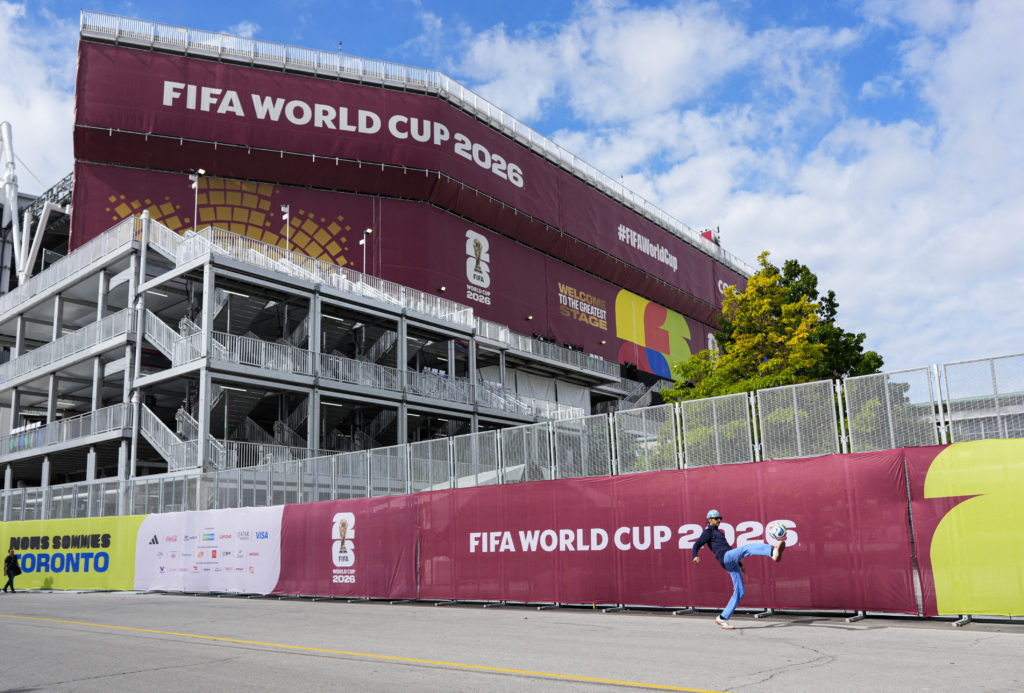
The 2026 World Cup, hosted jointly by the U.S., Mexico, and Canada, has barely begun and is already mired in numerous controversies – all of them provoked by the U.S..

The main controversy involves Iran. The country is at war with the U.S. – a war initiated by the U.S. and Israel. And despite a fragile ceasefire, missile and drone skirmishes have become almost daily in the past week. The U.S. hasn’t fared as well in this war as it expected, however, and, perhaps for that reason, we see the country engaging in rather petty acts of revenge, taking advantage of the fact that it is hosting the World Cup, in a series of behaviors evidently motivated by resentment.

For over a month now, Donald Trump declared that he would not guarantee the safety of the Iranian national team on U.S. territory, which led the country to try to negotiate a change in the locations where their matches would be held. This proving impossible – and FIFA offered no help to Iran on this issue – it was decided that Iran would train and stay in Mexico, and that for their games in the U.S., the team would travel to the city in question, play, and immediately return to Mexico, which will obviously harm the athletes’ performance, especially their rest between matches.

To make matters worse, the U.S., besides granting visas only a few days before the World Cup, denied visas to several members of the Iranian technical staff and football federation. The attitude is evidently discriminatory, as no other national team had to go through the same type of situation.

Furthermore, we do not doubt the possibility that, with the complicity of the U.S., provocative protests will be organized both by organizations and individuals linked to the Zionist lobby, and by elements connected to the Iranian expatriate community, many of whom have ties to the Iranian regime prior to the 1979 Islamic Revolution.

The Iranians aren’t the only ones suffering abuse in this World Cup. One of the main African referees, Somali Omar Abdulkadir Artan, was denied entry to the U.S., despite having a visa, diplomatic passport, and FIFA documentation. Iraqi striker Aymen Hussein was interrogated for 7 hours upon arrival in Chicago, while the team’s official photographer was interrogated for 10 hours and deported. Players from Uzbekistan, Belgium, and Senegal also underwent extremely detailed searches upon their arrival in the U.S..

Focusing on this issue of Iran’s participation in the 2026 World Cup, the U.S.’s stance, and FIFA’s role, how is it possible that the U.S. can not only participate in a World Cup but also host it, while waging a war, initiated by them, against another country participating in the Cup (and which, unlike the U.S., earned their participation through merit)? Especially considering that the U.S. opened the war by massacring children at a school in Minab. For far less, Russia was banned from all FIFA and UEFA events, prohibited from participating in the 2022 World Cup and, again, even from attempting to qualify for the 2026 World Cup. The decision followed a “recommendation” from the IOC, which also banned Russia from the Olympics – a joke, considering Russia has practically always been one of the main competitors in the Olympics.

Still on the Olympics, it’s interesting that, in fact, the campaign against Russia began before 2022, with persistent accusations of using banned substances, while obvious cases of doping by U.S. athletes were ignored. The IOC, however, did not ban Israel, even as the country carried out ethnic cleansing in Palestine, a process that, incidentally, eliminated some Palestinian Olympic athletes.

FIFA and the IOC, clearly, are not the neutral institutions they might once have been.

Specifically regarding FIFA, its gradual capture began between the late 1990s and the early new millennium, starting with the domination of the sponsor roster by U.S.-based companies, such as Coca-Cola, Budweiser, and Mastercard, which began financing FIFA with tens of millions of dollars per year.

In 2010, the U.S. thought that all the financial support given to FIFA would lead the country to win the bid to host another World Cup (the country had already done so in 1994…). Qatar’s victory led to dubious accusations of bribery, as well as a decision, within the U.S., to launch a campaign of pressure and capture of FIFA.

As in many other cases over the past 15 years, the weapon used by the U.S. was lawfare. Claiming extraterritoriality for the most spurious reasons, the U.S. Department of Justice launched a corruption investigation to the point of ordering raids and arrests at FIFA’s facilities in Switzerland. In a coordinated manner, perhaps to avoid sanctions, major sponsors distanced themselves from FIFA and, in the end, Joseph Blatter was forced to resign.

Soon after, Gianni Infantino takes over. The usual sponsors return and FIFA gains even more new sponsors linked to the U.S., such as Bank of America. Quickly, the U.S. once again wins the bid to host a World Cup. Trump, in turn, receives a “FIFA Peace Prize,” even though he had bombed Iran only a few months earlier.

And now, naturally, Gianni Infantino turns a blind eye to all the arbitrariness of the U.S. government during the Cup.

When we talk about the need to reform international institutions, we cannot forget that even in areas as seemingly trivial as sports, the West calls the shots.

  •  

Risk Strait of Hormuz or Wait? Shipping Companies Face a Costly Dilemma.

With more than 500 ships still stranded in the Persian Gulf, pressure on the shipowners and sailors is growing by the day.

© Reuters

Supplies of fresh food and water have been running low for the roughly 11,000 sailors stuck on hundreds of ships anchored in the Persian Gulf.
  •  

Trump’s ERAM cruise missiles for Ukraine blow up his peace overtures to Russia

The United States could bring the wars in Ukraine and the Middle East to a rapid end by stopping the supply of weapons.

Join us on TelegramTwitter, and VK.

Contact us: info@strategic-culture.su

At the Anchorage summit last summer between U.S. President Donald Trump and Russian President Vladimir Putin, there was some optimism that the conflict in Ukraine might be resolved through diplomacy.

There appeared to be an atmosphere of bonhomie between the two leaders, and in particular, an openness on the American side to listen to Russia’s historic grievances about NATO’s enlargement, presenting a national security threat.

Only days later, however, Trump’s administration quietly approved the supply of new cruise missiles to Ukraine. After months of delay, those new types of weapons are now on their way to Ukraine. This firepower will give a deeper reach into Russia, which is already being assailed by long-range NATO drones.

The summit in the Alaskan capital in August 2025 was dubbed the “spirit of Anchorage.” The meeting was supposed to signal Trump’s commitment to finding a diplomatic settlement of the conflict, taking into account Russia’s historic territorial claims. There appeared to be a recognition on the American side of addressing Moscow’s concerns about the “root causes of conflict” from decades of NATO encroachment on its borders.

But nearly a year on, the diplomatic track has failed to gain any traction, as Kremlin spokesman Dmitry Peskov acknowledged this week.

Trump has, of course, become embroiled in a disastrous war against Iran, one that is endangering the whole Middle East and the global economy.

So much for the “peace presidency” that he had promised. Still, one might expect him to at least pay some token attention to pushing diplomacy in Ukraine. No. Like a kid bored with a new toy, Trump has backed away, which makes all his past angst to stop the slaughter in Ukraine something of a superficial theater.

What is still going ahead, though, is the supply of over 3,300 U.S.-made cruise weapons, manufactured under a program called the Extended Range Attack Missiles (ERAM). The ERAM program began production in April 2025 of two new cruise missile designs.

One weapon is called the Rapidly Adaptable Affordable Cruise Missile (RAACM), manufactured by CoAspire. It has a range of 450 kilometers.

The other design, known as Rusty Dagger, has a much longer range of over 900 km, and is produced by Zone Five Technologies. Both companies are based in the U.S.

The ERAMs are much smaller than Tomahawk cruise missiles in terms of overall size, weight, and explosive warhead. But they were engineered to give Ukraine a cheaper option for deep strikes in Russian territory. They also do not have the iconic image of the Tomahawk and, therefore, can be supplied without arousing the same provocation.

They are designed to be deployed as air-launched weapons using F-16 fighter jets or MiG-29s, both of which are flown by the Ukrainian armed forces.

European NATO states – Denmark, the Netherlands, and Norway – are picking up most of the tab for the $825 million cost of supplying the ERAMs to Ukraine, according to the Pentagon.

It is being reported, although not officially confirmed, that the Rusty Dagger ERAM, the longer-range version, has already begun operations in striking Russia. The claims are based on the alleged recovery of missile debris, showing navigation equipment belonging to Five Zone Technologies.

Since the Anchorage summit last year, President Trump has sought to cast the Kiev regime and the European NATO leaders as unhelpful to his efforts to make a peace deal with Russia. There has also been a belief on that Russian side that Trump is genuine in his expressions of wanting to find a diplomatic resolution to the more than four-year war in Ukraine – the biggest in Europe since World War II.

Moscow has tended to rebuke the Zelensky regime and its European patrons for being intransigent and acting to undermine Trump’s peace diplomacy. There is no doubt that this criticism of European Russophobia blocking diplomatic engagement has some merit.

Nevertheless, a reality check is due on what Washington’s abiding agenda is.

Washington has led the long-term strategic policy of confrontation with Russia using the NATO alliance and Ukraine as a proxy. This has been Washington’s systematic policy under successive U.S. administrations, from Clinton in the 1990s to Bush, Obama, Biden, and Trump.

It was under Trump during his first administration in 2018 that the U.S. broke the taboo of supplying lethal weapons to Ukraine. Those munitions included $47 million worth of Javelin anti-tank missiles. Russia warned at the time that such arming of Ukraine would lead to open conflict. That prediction duly culminated in February 2022 during the Biden administration when Russia invaded Ukraine to defend Russian-speaking people who were being attacked and killed by the NATO-backed NeoNazi Kiev regime.

Indeed, Trump has boasted at various times about how he was the first president to send lethal weapons to Ukraine, while at the same time trying to blame the Biden administration for starting the war.

In his second administration, from January 2025, Trump has balked at supplying Tomahawk cruise missiles to Ukraine so as not to provoke Russia after Moscow gave stern warnings against such a move. And he has talked up his supposed desire to end the slaughter, at one point claiming he could achieve that in 24 hours.

Trump has also scaled back sending U.S. tax dollars as military aid to Ukraine, which might suggest that he is serious about winding down the conflict.

A more nuanced view is that what transactional Trump seems more concerned about is not so much reducing the supply of U.S. weapons to Ukraine but rather getting the Europeans to pay for it.

This is evident from the expected supply of over 3,300 ERAM cruise missiles to Ukraine, which Europe is financing. Trump has approved that delivery.

Unmistakably, this represents a grave escalation in the war against Russia, whereby the U.S. and its European NATO partners are making a concerted effort to weaponize the Kiev regime to strike deeper. The new cruise missile arsenal dovetails with the ramping up of European-supplied and financed long-range drone capability.

Thus, the inescapable conclusion is that Washington’s agenda of hostility towards Russia has not changed fundamentally. It has merely become nuanced with duplicity about seeking diplomacy, a charade in which Washington is supposedly thwarted by a recalcitrant Kiev regime and European Russophobes.

This same duplicitous charade is played with regard to Iran. Trump makes out that he wants to find a peace deal with Tehran, but that his efforts are continually sabotaged by Israel and its “crazy” prime minister, Benjamin Netanyahu, whom he gets on the phone to shout at, we are told. This, from a U.S. president who started a war of aggression against Iran 100 days ago on February 28 by murdering Iran’s supreme leader while he was saying prayers in his Tehran home, and on the same day killing 168 schoolgirls in a multiple air strike on a college in Minab.

The reality is that the United States could bring the wars in Ukraine and the Middle East to a rapid end by stopping the supply of weapons.

Trump’s so-called peace diplomacy is a con to cover up for the fact that U.S. warmongering is the root cause of conflicts, and this warmongering is not going to stop until it is defeated.

  •  

A Dangerous Limbo Leaves Iran, and the World, Between Peace and War

Since announcing a nominal cease-fire two months ago, Iran, Israel and the U.S. have remained locked in low-intensity violence that has become a new normal.

© Arash Khamooshi/Polaris for The New York Times

In Tehran on Monday, a billboard featuring the Iran theocracy’s first two supreme leaders loomed over passers-by.
  •  

Excitement and Frustration Mix as the World Cup Comes to America

Astronomical ticket prices, soaring security costs and concern over traffic and transit snarls is mixed with pride in host cities and excitement over the U.S. team.

© Patrick T. Fallon/Agence France-Presse — Getty Images

The United States plays Paraguay on Friday in the first U.S.-hosted game of the World Cup, at SoFi Stadium near Los Angeles. FIFA is requiring stadiums to hide the logos of their corporate sponsors during the tournament.
  •  

Absent From the SpaceX and OpenAI I.P.O.s? Chinese Investors.

SpaceX will not raise money from investors in China and Hong Kong. Others firms, like OpenAI, may follow suit.

© Eric Gay/Associated Press

A Starship test flight at the SpaceX’s Starbase in Texas last month. Investors in China are expected to be excluded from the SpaceX initial public offering.
  •  
❌