Reading view

No air show, no confidence: Russia quietly cancels MAKS for fourth year as Ukraine intensifies strikes on Moscow region

Russia's MAKS airshow at Zhukovsky airfield near Moscow in 2015. Photo via Wikimedia Commons

Russia has removed the International Aviation and Space Salon (MAKS) from its 2026 exhibition calendar, effectively cancelling the event for a fourth consecutive year and pushing its return to 2027, according to a government order cited by The Moscow Times.

The exhibition was once a flagship showcase for Russia’s aviation and defense industry, drawing international delegations and major arms manufacturers. Its continued suspension highlights how the war has increasingly affected even symbolic elements of Russia’s defense sector.

The decision also affects the Hydroaviasalon air show, which has been shifted to the same year. No official reason was given for the move.

MAKS repeatedly postponed since 2021 amid wartime disruptions

MAKS, traditionally held at Zhukovsky airfield near Moscow, was last staged in person in 2021, prior to the full-scale invasion of Ukraine. Since then, it has been repeatedly downgraded or postponed, with online-only formats replacing physical displays in 2024–2025.

The cancellation comes as Russia continues to scale back or relocate major public and symbolic events under what officials describe as a “security situation” linked to the war, The Moscow Times reports.

Ukrainian deep-strike campaign increasingly reaches Moscow region

In recent months, Ukrainian long-range drone operations have increasingly reached Moscow and the surrounding oblast, targeting infrastructure tied to military production and logistics. 

Strikes reported in May hit industrial sites in and around the capital, including facilities linked to electronics and fuel distribution networks, while Russian authorities have acknowledged repeated drone incursions over the wider Moscow area.

Ukraine launched its largest drone attack on Moscow yet, targeting more than a dozen facilities across the city and Moscow Oblast. 🧵

📷 Exilenova+, Astra pic.twitter.com/sSHvk0khoo

— Euromaidan Press (@EuromaidanPress) May 17, 2026

Expanding reach of Ukraine’s long-range strike strategy

Analysts say the pattern reflects a broader shift in Ukraine’s deep-strike campaign, which has expanded from border regions and occupied territories to more frequent attempts to penetrate central Russian air defense layers. The goal is not only economic pressure, but also disruption of systems tied to command, production, and energy supply.

Ukrainian officials have not commented on the MAKS decision, but Kyiv has repeatedly framed long-range strikes as a response to Russian attacks on Ukrainian cities and infrastructure.

The suspension of MAKS also follows a wider trend of reduced large-scale public events in Russia since the start of the full-scale invasion of Ukraine in 2022, including scaled-back national celebrations and security-restricted gatherings in Moscow.
  •  

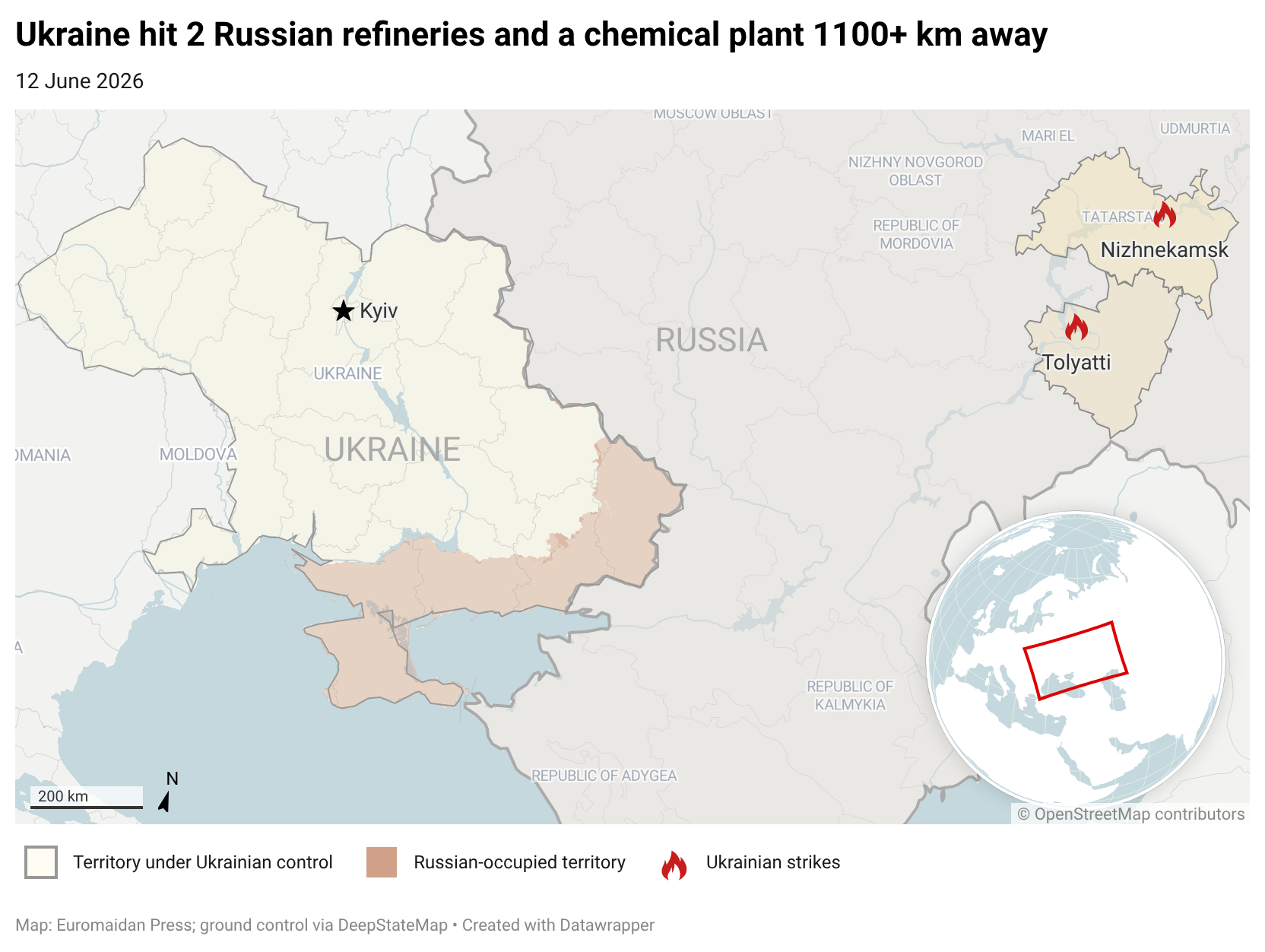
Ukraine confirms strikes on two Tatarstan refineries and rocket-fuel rubber plant in Tolyatti

ukraine confirms strikes two tatarstan refineries rocket-fuel rubber plant tolyatti · post black smoke rises over burning oil refining facility after ukrainian strike nizhnekamsk russia 12 2026 0b9bde49-e761-4e4b-9abe-9bd2dd867a7d ukraine's defense

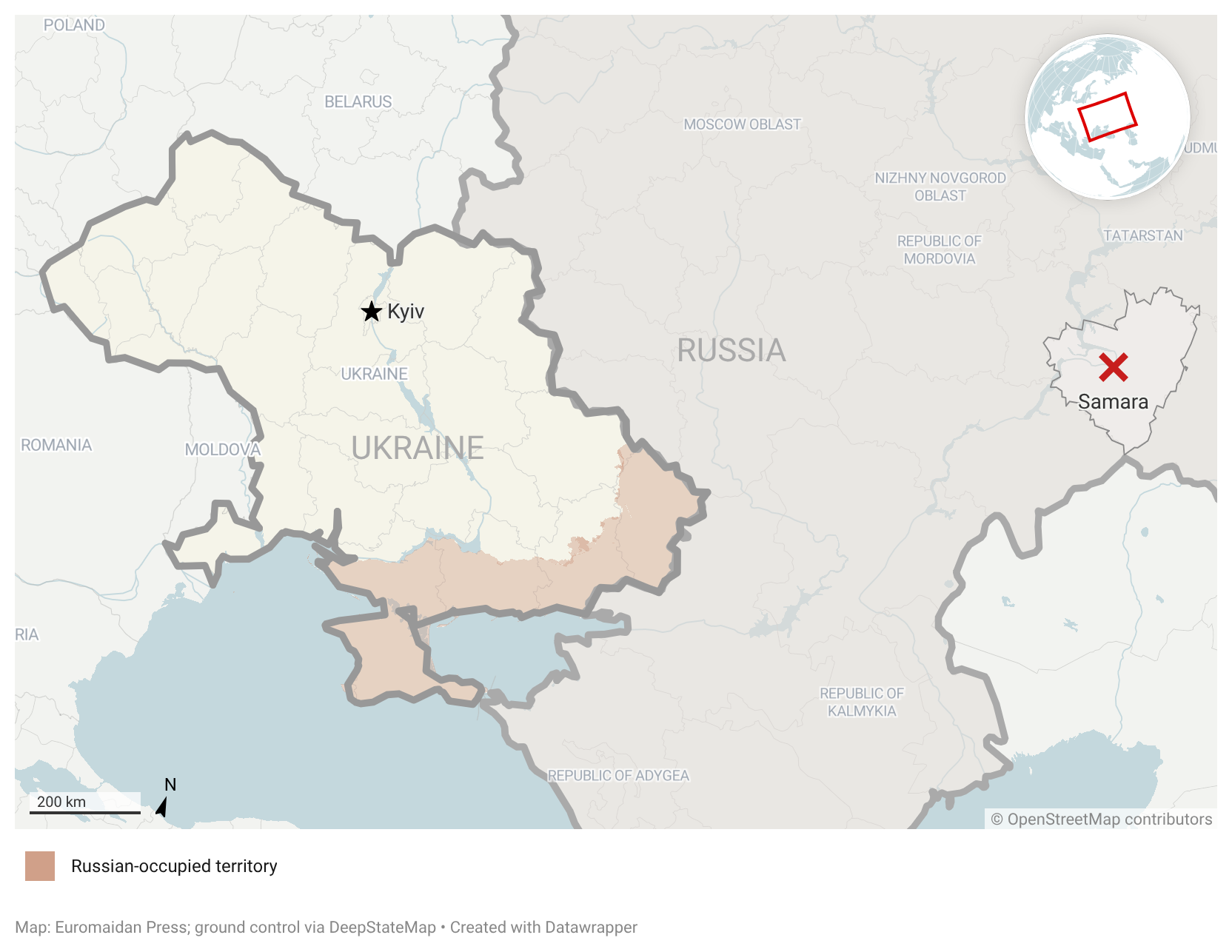
Ukraine's Defense Forces set major fuel and petrochemical plants deep inside Russia on fire and hit military targets along the front overnight on 12 June, according to Ukraine's General Staff. Fires broke out at refineries in Tatarstan and a rubber plant in Samara Oblast, while monitoring channels reported strikes in occupied Crimea. The raid forced one Russian city to cancel its Russia Day celebrations.

Ukraine's deep-strike campaign has already pushed Russia's gasoline crisis into 25 regions and six occupied Ukrainian areas, with earlier reports claiming roughly 40% of Russian refining capacity knocked offline since January. With Russian oil facilities now burning on back-to-back nights, each confirmed shutdown tightens the fuel squeeze on the army Moscow needs to keep its war going — and shows its air defense cannot cover the depth of its own territory.

Two refineries burn in Nizhnekamsk

Units of Ukraine's Defense Forces struck the TANECO and TAIF-NK oil refineries in Nizhnekamsk, Republic of Tatarstan, Russia. The General Staff confirmed hits and fires at both plants. TANECO ranks among Russia's largest refineries, with a design capacity of over 16 million tons of oil per year. It produces diesel, aviation fuel, and other petroleum products. The plant lies more than 1,100 km from Ukraine's border.

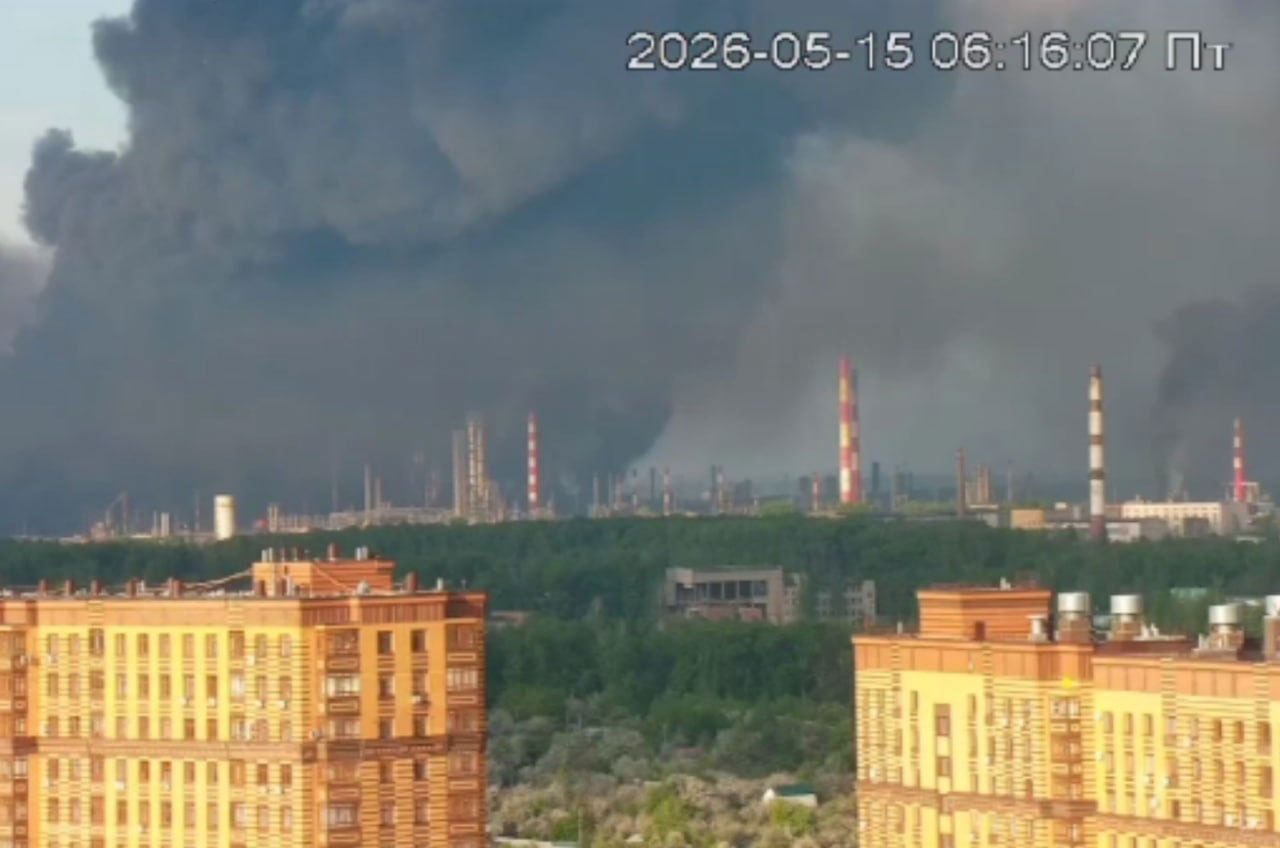
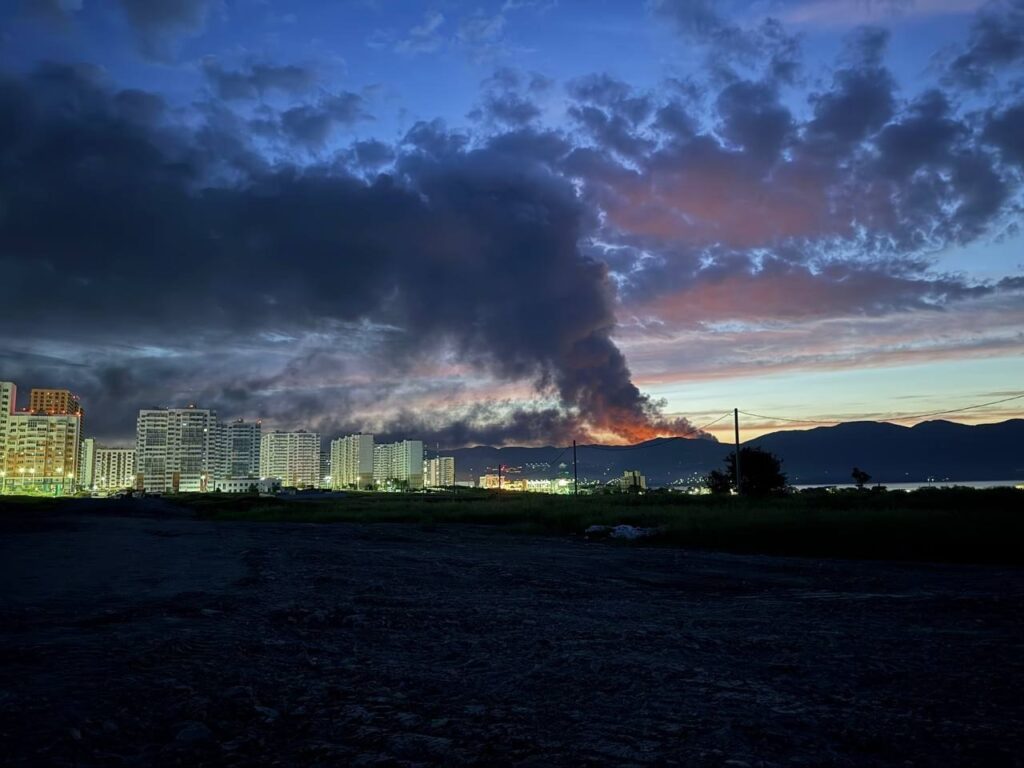
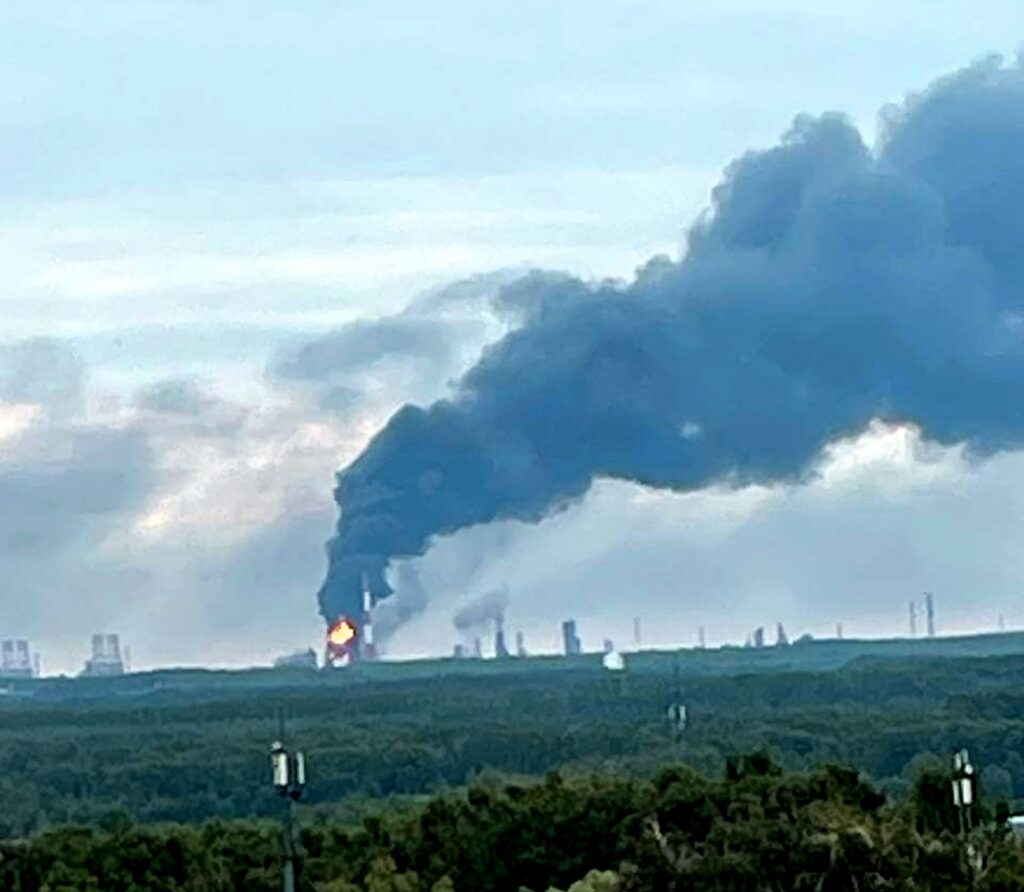
Drones set fire to Nizhnekamskneftekhim, one of Russia's largest petrochemical plants, in Tatarstan in the early hours of 12 June.

The strike reportedly ignited the AVT-8 unit, where crude oil gets its primary processing and is split into gasoline, diesel, and other fractions.… pic.twitter.com/BQFXXp4NyJ

— Euromaidan Press (@EuromaidanPress) June 12, 2026

Russian news Telegram channel Astra found at least three separate fires at TANECO in its OSINT analysis of eyewitness footage. Astra's source said the ELOU AVT-9 primary oil processing unit and the ELOU AVT-8 column were burning. The channel called TANECO one of Russia's most efficient refineries, with a refining depth of 99.6%. Monitoring Telegram channel Supernova+ published footage of two large fires with thick black smoke at the plant. Preliminary data pointed to damage at two primary processing units and a tank farm.

TAIF-NK, the second refinery hit, processes heavy high-sulfur crude and gas condensate at a declared refining depth above 95%, the General Staff noted. Its output runs from mass-market fuel to feedstock for petrochemicals and military needs. 

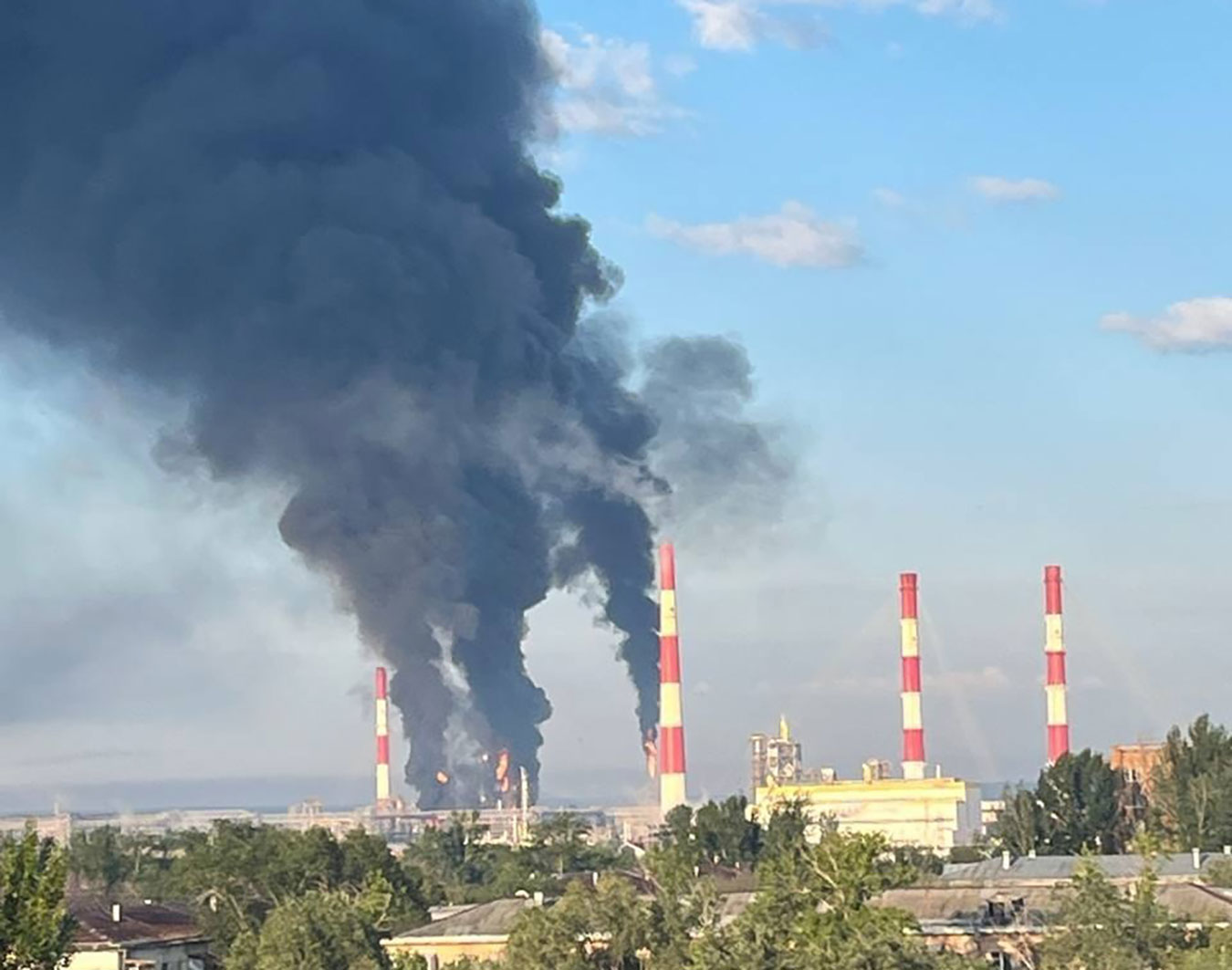
ukraine confirms strikes two tatarstan refineries rocket-fuel rubber plant tolyatti · post fire engulfs industrial unit next chimney after ukrainian strike nizhnekamsk russia 12 2026 2bd5189f-62e7-4645-ae48-dc42a84a9054 ukraine's defense forces set
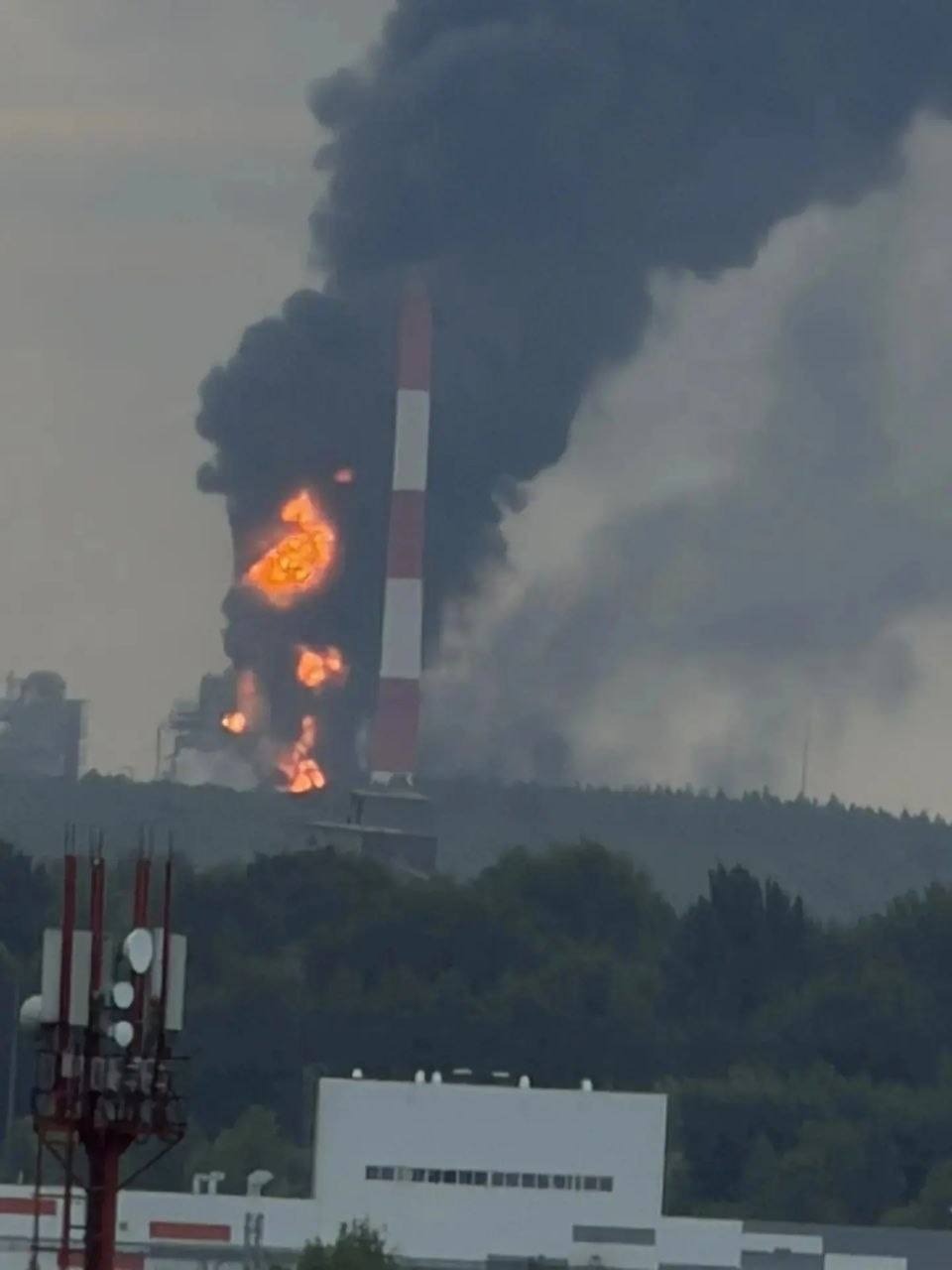
Fire engulfs an industrial unit next to a chimney after the Ukrainian strike on Nizhnekamsk, Tatarstan, Russia, 12 June 2026. Photo: Exilenova+

Russia Day canceled as a petrochemical giant burns

Tatarstan declared a drone danger regime at 3 a.m., and the airports of Kazan and Nizhnekamsk restricted flights. Residents of Nizhnekamsk then reported powerful explosions across the city. Nizhnekamsk Mayor Radmir Belyaev stated the city canceled all festivities for Russia Day, the state holiday marked on 12 June.

Monitoring Telegram channels Exilenova+ and Supernova+ tracked the night's fires. Monitoring channels also reported a hit on Nizhnekamskneftekhim (NKNH), one of Europe's largest petrochemical complexes, located in the same city. The SIBUR-owned plant processes feedstock from TANECO and TAIF-NK into synthetic rubbers, plastics, and ethylene, Astra said.

Rubber for Russian missile fuel burns in Tolyatti

Ukrainian forces also hit the Tolyattikauchuk plant in Tolyatti, Samara Oblast, Russia. The General Staff confirmed the strike and a fire at the site. The plant makes synthetic rubbers used, among other things, in producing solid rocket fuel for tactical and ballistic missiles, plus monomers, fractions, and high-octane gasoline additives.

Multiple fires are burning across the industrial zone of Russia's Tolyattikauchuk chemical plant after a massed Ukrainian Defense Forces drone attack on Tolyatti.

The petrochemical plant in Samara Oblast produces synthetic rubber and tire components. Explosions rattled windows… pic.twitter.com/2Po2sqkq7v

— Euromaidan Press (@EuromaidanPress) June 12, 2026

Astra reported that Tolyattikauchuk, part of the Tatneft group, is listed in a closed registry of defense enterprises kept by Russia's Industry and Trade Ministry. Its rubbers go into tires for military vehicles and components for the aviation industry, the channel said. 

moscow's fuel supplier under fire ukrainian drones strike rosneft's ryazan refinery · post black smoke rises over oil hours after drone 15 2026 ryazan-supernova+-5204027262443918426 ukraine news reports
Explore further

Russia’s oil production falls for sixth straight month as Ukrainian drone strikes hit storage and transport

Tolyatti Mayor Ilya Sukhikh stated that one industrial facility took damage from what he called a drone fall during a massive Ukrainian drone attack. Samara Oblast Governor Vyacheslav Fedorishchev said nobody was hurt in the attack on the region.

Russia's Defense Ministry claimed its air defenses "intercepted and destroyed" 231 Ukrainian drones overnight on 12 June. The ministry claimed downings over Tatarstan and Samara Oblast, a dozen other regions from Belgorod to Astrakhan, the Moscow region, and occupied Crimea.
  •  

Russia’s oil production falls for sixth straight month as Ukrainian drone strikes hit storage and transport

moscow's fuel supplier under fire ukrainian drones strike rosneft's ryazan refinery · post black smoke rises over oil hours after drone 15 2026 ryazan-supernova+-5204027262443918426 ukraine news reports

Russia's crude oil production fell in May to its lowest level in a year, with Ukraine's record-setting drone campaign against oil infrastructure playing a major role, Bloomberg reported. The decline, now running for half a year, cuts into the mineral extraction tax — the main channel through which oil fills the federal budget that finances the war, the Russian-language Moscow Times noted.

With Ukraine's deep strikes at a record tempo and Russia's regional budgets posting record shortfalls, every lost barrel of extraction tightens the fiscal squeeze on Moscow's war in Ukraine.

Output slides for half a year, far below the OPEC+ quota

Russia averaged 9.009 million barrels of crude a day in May, OPEC's monthly report shows. Daily output last peaked in November at 9.38 million barrels and has shrunk every month since, losing roughly 370,000 barrels, the Moscow Times wrote. The May figure sits 690,000 barrels a day short of what the OPEC+ deal obliges Russia to pump, Bloomberg calculated. The data excludes condensate, and April's level was revised slightly lower.

rosneft's kuibyshev refinery joins syzran novokuibyshevsk offline after ukrainian drone strike yesterday · post fires raging kuybyshevsky oil samara russia 10 2026 fires-rage-at-samara-kuybyshevsky-oil-refinery ukraine news reports
Explore further

All three Rosneft Samara refineries now offline or reduced as drones halt Kuibyshevsky operations yesterday

The Ukrainian strikes have been disabling oil storage and transportation capacity. That shortage, combined with underinvestment, reduces the volume of crude Russia extracts. Bloomberg observed that while the latest monthly drop marks a slowdown against previous months, it will likely keep weighing on oil markets. Oil prices stay elevated amid the continuing Middle East conflict, and Russia ranks among the world's three biggest crude producers whose barrels bypass the Strait of Hormuz, shut in practice since the Iran war erupted.

russia's fuel crisis jumps 15 25 regions five days—plus six occupied ukrainian areas · post russian truck burns gas station skadovsk kherson oblast after logistic lockdown mid-range strike 11 2026
Explore further

Russia’s fuel crisis jumps from 15 to 25 regions in five days—plus six occupied Ukrainian areas

A record month of strikes crushes refining

Ukraine sharply intensified its May campaign against Russian oil sites, logging at least 31 strikes on refineries, seaborne export terminals, and pipelines, Bloomberg counted — the highest monthly count since the full-scale invasion, as Kyiv works to cut the Kremlin's income from elevated crude prices. Because most strikes targeted fuel-producing facilities, Russian refining collapsed to its 2009 level in May. So far this month, Russia's refining runs have fallen to a two-decade low, EA Analytics, part of consultancy Energy Aspects, estimates.

russian crude reaches sea through tunnels under mountain ridge—and ukraine hit storage end near novorossiysk · post smoke fire rise over after ukrainian drone strike grushovaya oil depot krasnodar krai
Explore further

Russian crude reaches the sea through tunnels under a mountain ridge—and Ukraine hit the storage end near Novorossiysk

Exports rise while the budget's tax base shrinks

The gasoline shortage behind the fuel crisis in a number of Russian regions led producers to redirect more crude to export markets. The Baltic and Black Sea ports damaged in the first two months of spring have been repaired. Seaborne crude exports averaged 3.64 million barrels a day over the four weeks ending 31 May, Bloomberg's tanker-tracking data show. That compares with 3.17 million barrels daily over the four-week stretch to 17 April, when Ukrainian forces actively bombed ports and export terminals.

The Moscow Times notes that the export shift allows companies and intermediaries who retain significant sums from sales abroad to raise their incomes. The federal budget that pays for the war, though, is filled above all by the mineral extraction tax, so falling production hits government revenue directly.

  •  

All three Rosneft Samara refineries now offline or reduced as drones halt Kuibyshevsky operations yesterday

rosneft's kuibyshev refinery joins syzran novokuibyshevsk offline after ukrainian drone strike yesterday · post fires raging kuybyshevsky oil samara russia 10 2026 fires-rage-at-samara-kuybyshevsky-oil-refinery ukraine news reports

Ukrainian drones forced Rosneft's Kuybyshevsky oil refinery in Samara Oblast, Russia, to halt oil processing on 10 June, Reuters reported. The strike puts all three plants in the Rosneft Samara refining hub out of full operation at the same time.

With Ukraine's deep strikes accelerating into the summer season, each new plant taken out compresses Russia's repair window and hardens the fuel-supply squeeze on its military logistics.

Reuters confirms processing halt at both primary units

Reuters cited two industry sources to confirm that processing stopped at both AVT-4 and AVT-5 after the strike. Each unit has a nominal processing capacity of about 73,000 barrels of crude oil (10,000 metric tons) per day. The hits caused damage and subsequent fires at both. 

Samara Oblast Governor Vyacheslav Fedorishchev claimed a massive overnight drone attack injured three people and caused "damage to several industrial facilities." 

An earlier report on 10 June described fires at the Kuybyshevsky refinery after the strike.

rosneft's kuibyshev refinery joins syzran novokuibyshevsk offline after ukrainian drone strike yesterday · post fires raging kuybyshevsky oil samara russia 10 2026 fires-rage-at-samara-kuybyshevsky-oil-refinery ukraine news reports
Explore further

Fire reported at Kuibyshev oil refinery in Russia’s Samara after drone strike

Plant size and output

Kuybyshevsky's 2024 crude oil throughput was 4.7 million tons, equal to 94,400 barrels a day, Reuters reported. That year's output included 0.8 million tons of gasoline, 1.4 million tons of diesel, and 1.3 million tons of fuel oil. Nominal capacity stands at 7 million tons per year. The plant is one of the largest oil refining facilities in the Volga region. It also supplies fuel for the Russian army.

The Kuybyshevsky plant belongs to Rosneft's Samara refining cluster alongside Novokuibyshevsky and Syzran. Syzran's operations have been suspended since a 21 May drone attack, Reuters reported, and the plant has yet to resume. The Novokuibyshevsky plant shut down after an 18 April strike and now operates at reduced throughput. Ukraine has hit all three plants in the cluster in less than two months.

The Kuybyshevsky plant was also previously hit in January 2026, August 2025, and in March 2024. The earlier strikes damaged equipment and forced production cycles to stop.

Same night: Cheboksary defense plant struck

The same night, Ukrainian forces also struck the VNIIR-Progress plant in Cheboksary, Chuvashia, which was previously hit on 5 May. The factory makes "Kometa" antennas that protect Russian drones from electronic warfare. It also makes satellite receivers for GLONASS, GPS, and Galileo systems. Ukraine's General Staff said such modules are used in Shahed-type drones, Iskander and Kalibr missiles, and aerial bombs.

Meanwhile, today saw a strike on the Afipsky refinery in Krasnodar Krai. 

afipsky oil refinery burns again ukrainian drones return krasnodar krai · post fire after drone strike russia 11 2026 5282989402957225318 ukraine news reports
Explore further

Afipsky oil refinery burns again as Ukrainian drones return to Krasnodar Krai

By May 2026, Ukrainian drones had taken six of ten Russian refineries hit during that month offline. Russian media counted 24 of Russia's 33 largest refineries struck since 2022. Only the Omsk and Angarsk plants east of the Urals remain untouched so far.

  •  

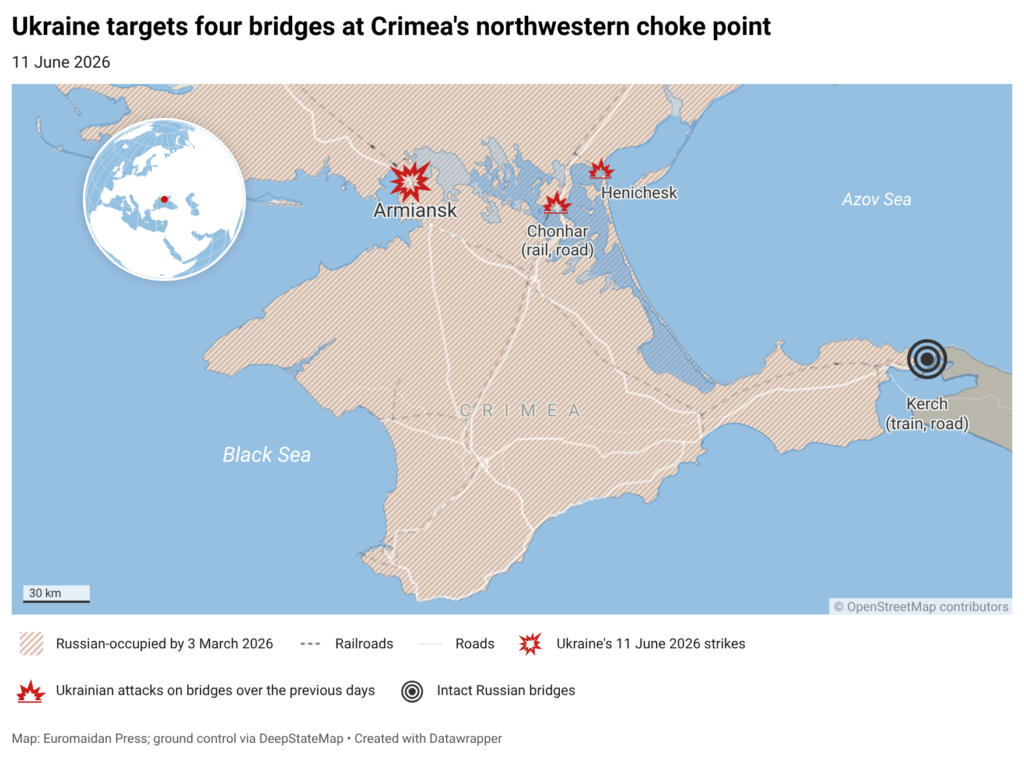
Ukrainian drones knocking out the northwestern entrance to Crimea: four bridges targeted in one night

ukrainian drones knocking out northwestern entrance crimea bridges damaged one night · post rl9vo -ukraine-targets-four-bridges-at-crimea-s-northwestern-choke-point- struck four vehicular crimea's overnight 11 2026 quisling official vladimir saldo claimed strikes part ukraine's

Ukrainian drones struck four vehicular bridges at Crimea's northwestern entrance overnight on 11 June 2026, quisling official Vladimir Saldo claimed. The strikes are part of Ukraine's most recent mid-range strike push—now at its fourth day—reaching every road corridor between Crimea and mainland Ukraine. The same night, drone attacks also rolled across Sevastopol, Bakhchysarai, Saky, and other Crimean sites.

Russia depends on the Crimean land corridor to push fuel, ammunition, and replacements to its forces in occupied southern Ukraine. Ukrainian mid-range drones operating under the military's Logistics Lockdown program have steadily shrunk that corridor's reliability since May. Ukraine has now struck all three major connection points between occupied Crimea and mainland Ukraine within four days, damaging some bridges and destroying others.

Four bridges damaged at the Armiansk isthmus

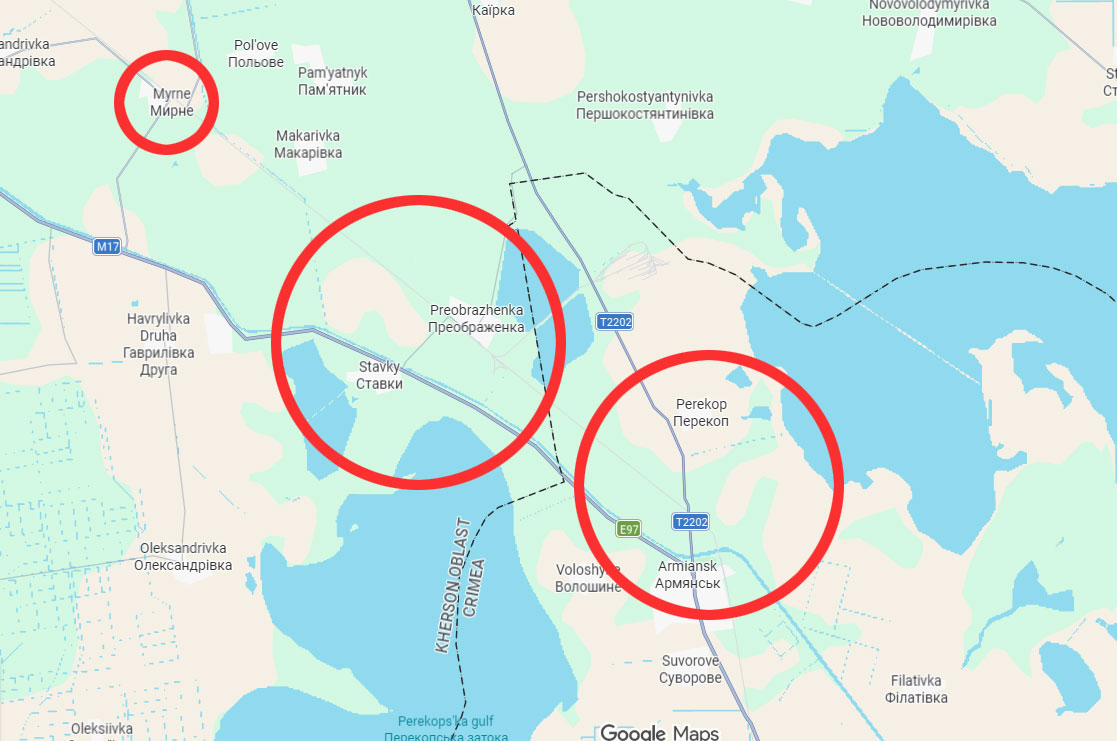
Saldo, the Russian-installed head of occupied Kherson Oblast, named the four targets on his Telegram. They include the automobile bridge in the Perekop-Armiansk area and a bridge near Stavky, Kherson OblastTwo more bridges near Myrne and Preobrazhenka span the North Crimean Canal. Saldo stated all four spans sustained damage.

ukrainian drones knocking out northwestern entrance crimea bridges damaged one night · post google maps view four struck overnight 11 2026 — near myrne between stavky preobrazhenka perekop armiansk crimean
Google Maps view of the four bridges struck by Ukrainian drones overnight on 11 June 2026 — near Myrne, between Stavky and Preobrazhenka, and at Perekop near Armiansk in the northwestern Crimean isthmus. Map: Google Maps

Three Crimean northern choke points hit in four days

Ukraine struck the Chonhar bridge on 7 and 9 Juneclosing Russia's main road link to occupied Crimea, yet the Russians reportedly installed a pontoon bridge next to the severely damaged crossing. On 10 June, Ukrainian drones hit the bridge from Henichesk to Arabat Spit. With both routes fully or partially shut, Russia had rerouted traffic through Armiansk and Perekop — the very corridor struck overnight. DeepState analysts noted that Ukrainian strikes on the bridges are an important part of the blockade of occupied southern Ukraine.

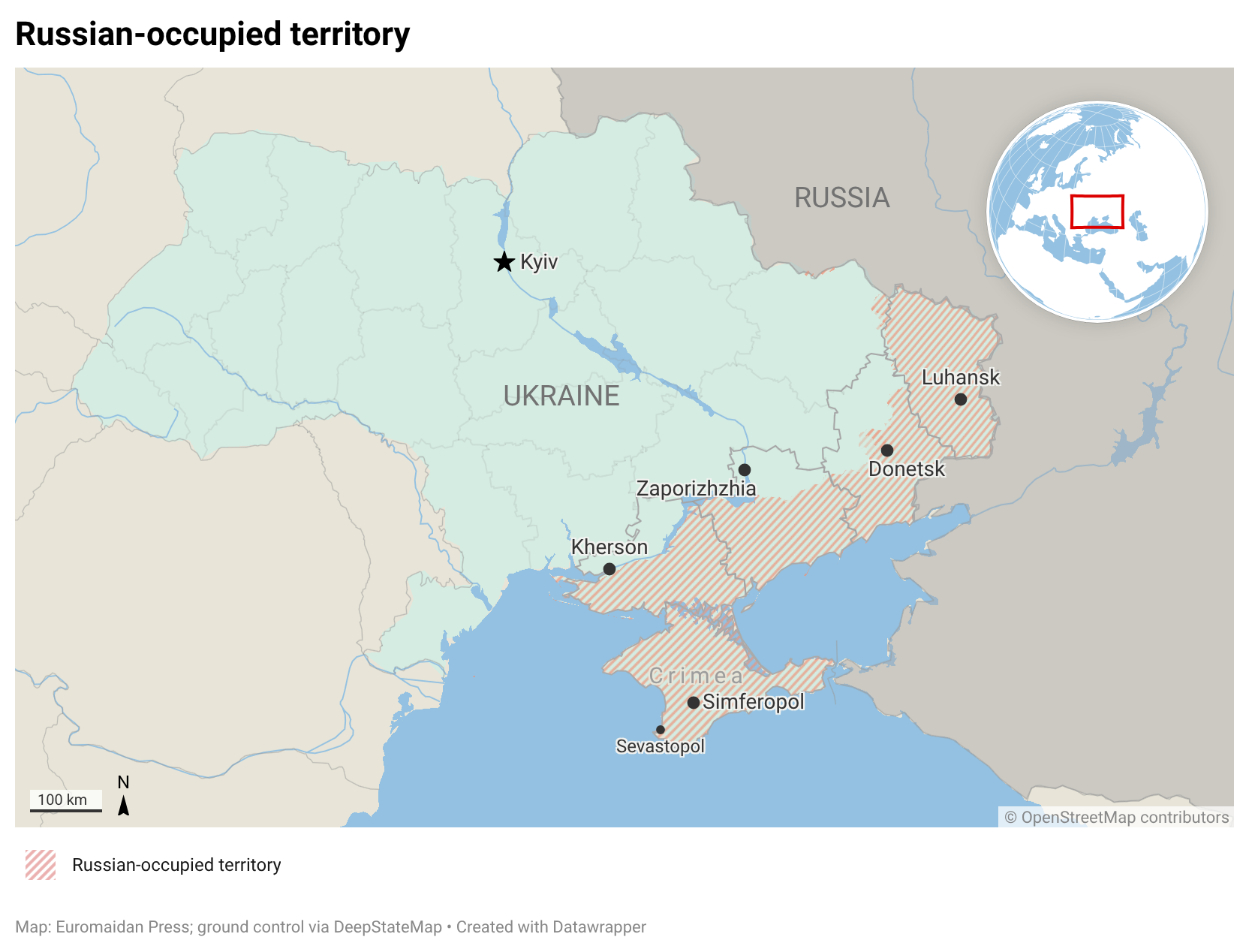
Russian-occupied Ukrainian territory, including Crimea and parts of Luhansk, Donetsk, Zaporizhzhia, and Kherson oblasts. Illustrative map: Euromaidan Press

Not only an entrance, but also targets across the peninsula

Russia's occupation governor, Mikhail Razvozhayev, claimed 32 drones were shot down over Sevastopol between 22:00 and midnight. He claimed the drones fell near Sevastopol Bay, Cape Fiolent, and Balaklava. The city declared two air alerts during the night and the morning.

Monitoring Telegram channel Krymsky Veter reported machine-gun fire in Pishchane at 21:40 and in Andriivka shortly after, citing subscribers. 

"At 21:40 a machine gun started firing in Pishchane, at 21:48 a machine gun started in Andriivka, after which an anti-aircraft gun fired a couple of bursts," the channel wrote. 

Detonations followed near Cape Fiolent, in Sevastopol, and later in Bakhchysarai. By morning, Krymsky Veter reported explosions and shooting in Saky.

Russia's Defense Ministry claimed the destruction of 330 drones over Russia and the occupied territories in the same overnight period.

Update

The First Assault Brigade shared the footage of the strikes:

Videos emerged of some of the Ukrainian strikes on bridges linking occupied Crimea to occupied Kherson Oblast

Ukraine's 1st Assault Brigade, 475th Assault Regiment, and SBU's Alfa reportedly took part.

📹 1st Assault Brigade
More on the strikes: https://t.co/xkKf15akux https://t.co/7FhAOJbWl0 pic.twitter.com/WFXUcKjfWm

— Euromaidan Press (@EuromaidanPress) June 11, 2026
  •  

Russia starts hauling gasoline to the front in the trunks of civilian cars

russia starts hauling gasoline front trunks civilian cars · post jerrycans loaded supply russian forces occupied ukraine 2026 перевезення-бензину-цивільними-автівками-для-військових-рф-на-тимчасово-окупованій-тери news ukrainian reports

Russia has begun moving gasoline to its frontline units in occupied Ukraine in convoys of civilian cars, the Ukrainian defense outlet Militarnyi reported. Soldiers filmed themselves loading jerrycans into ordinary trunks, an improvised workaround after Ukrainian drone strikes made fuel tankers too risky to run. Russian forces are also disguising army trucks as civilian vehicles along the supply route to occupied Crimea.

This comes amid Ukraine’s ongoing “Logistics Lockdown,” a campaign by several Ukrainian military branches and the Security Service to target Russian fuel, logistics, and other supplies across occupied territories, at depths of up to 200 km.

Soldiers filmed the fuel run themselves

A video on the Exilenova+ Telegram channel showed Russians describing a convoy of passenger cars assembled to carry one metric ton of gasoline, Militarnyi reported. A man off-camera says the cars left the city of Kizilyurt in Dagestan, Russia, on the local head's orders, with the fuel destined for Russian units in occupied Tokmak, Zaporizhzhia Oblast. The footage shows jerrycans filling the trunks:

Besides the fuel, the drivers carried 1.5 million rubles ($20,900) to buy another batch of gasoline. Fuel keeps Russian frontline positions running: generators power electronic-warfare systems, charge batteries for reconnaissance and strike drones, and run communications gear in dugouts and observation posts.

Disguised trucks and a strained supply line

Russian forces have also begun disguising army trucks as civilian transport because of Ukrainian drone attacks deep in the rear. In northern Crimea, monitors spotted a freshly painted blue Ural truck driven by a man in civilian clothes, still carrying military plates, its oversized body posing as a dump truck.

The command of Russia's Dnepr grouping ordered mass use of civilian vehicles to move fuel along the route linking Rostov-on-Don with occupied Crimea, the Krymsky Veter monitoring project reported. That improvisation tracks the M-14 corridor, now within Ukraine's deepening drone range.
Drones of the 20th Separate Brigade of Ukraine's Unmanned Systems Forces (SBS), known as K-2, and the Phoenix drone unit strike a Russian military truck on a logistics route in Donetsk Oblast, 7 June 2026. Photo: SBS
Explore further

ISW: The strikes will likely cascade into deeper disruption across Russia’s rear supply network

Why Russia is improvising

Ukraine's Defense Forces have intensified drone strikes on logistics trucks and fuel tankers on the roads from Russia to occupied Crimea. The attacks have already forced the occupiers to limit cargo traffic through the occupied part of Kherson Oblast toward the peninsula, and Russia has closed stretches of its own land corridor to keep them clear of strike drones.

  •  

Russian crude reaches the sea through tunnels under a mountain ridge—and Ukraine hit the storage end near Novorossiysk

russian crude reaches sea through tunnels under mountain ridge—and ukraine hit storage end near novorossiysk · post smoke fire rise over after ukrainian drone strike grushovaya oil depot krasnodar krai

Ukrainian drones set a major oil depot ablaze near the Russian Black Sea port of Novorossiysk overnight on 7-8 June 2026, in a strike confirmed by Ukraine's Unmanned Systems Forces (SBS). Residents reported a string of blasts and heavy smoke over the Grushovaya storage site, which feeds Russia's busiest oil-export port. Ukrainian forces hit two more targets in southern Russia the same night.

Ukraine has spent the past year pushing its deep-strike campaign further into Russia, hunting the refineries, pipelines, and export ports that turn crude into the cash funding the invasion. Each hit on this Black Sea network forces costly repairs and brief loading halts, and steady Ukrainian success deep in Russia's rear, alongside a steadier front, is shifting how the West reads the war.

Drones spark a blaze at Novorossiysk's oil hub

The strike came before dawn. Residents of Novorossiysk, in Russia's Krasnodar Krai, reported about 50 blasts, then heavy smoke over the Grushovaya oil depot. Operators of the SBS's 1st Separate Center, working with Special Operations Forces (SSO) and other units, confirmed the hit. Ukraine's General Staff also confirmed the strike and said a fire broke out, with damage still being assessed. Russian officials claimed no one was hurt.

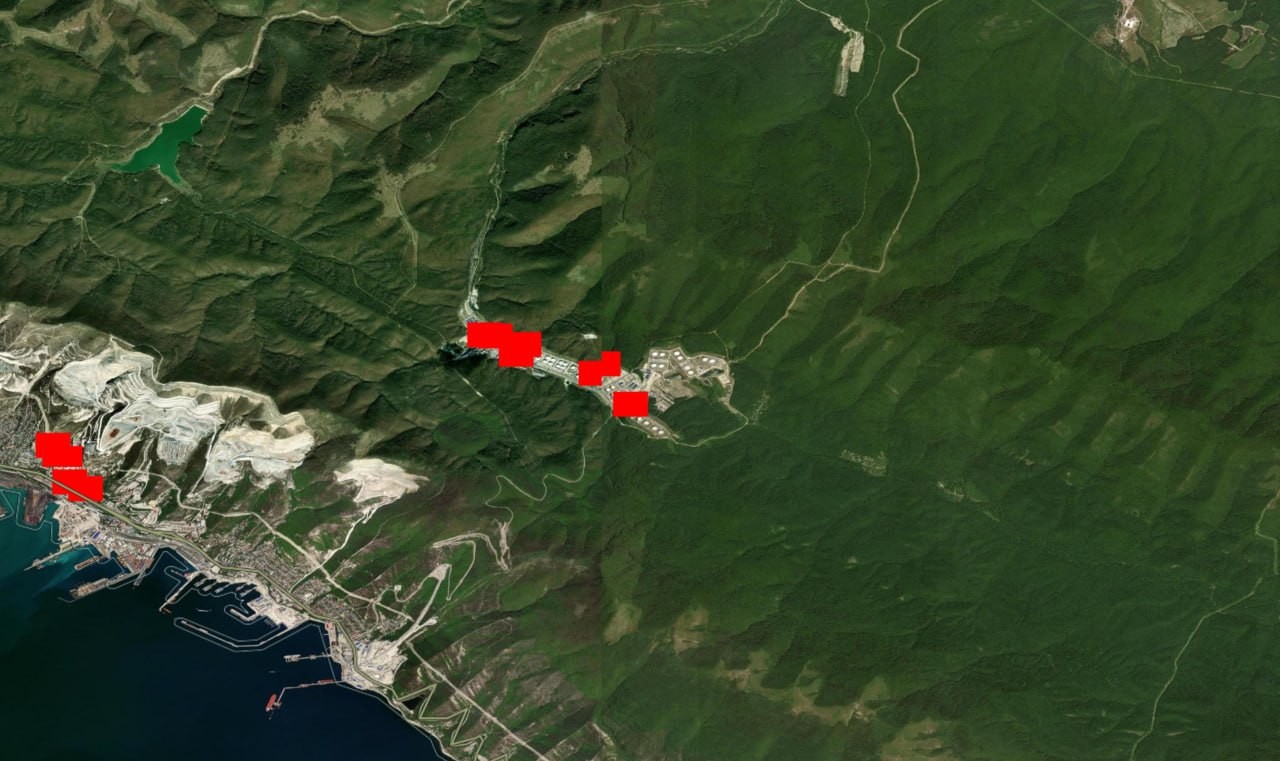
russian crude reaches sea through tunnels under mountain ridge—and ukraine hit storage end near novorossiysk · post nasa firms satellite data fire hotspots (the red squares top right) grushovaya oil
NASA FIRMS satellite data showing fire hotspots (the red squares, the cluster to the right) at the Grushovaya oil depot near Novorossiysk, 8 June 2026. Map: NASA FIRMS

NASA's FIRMS satellite service detected abnormal heat at the site at 02:48 on 8 June. Ukrainian Telegram channel Exilenova+ began reporting the attack around 3 a.m., posting photos and videos of fire in the mountains above the city. OSINT Telegram channel Falcon insight pinpointed the location. Russian news Telegram channel ASTRA confirmed the burning tank farm from eyewitness footage shot about 11 km away.

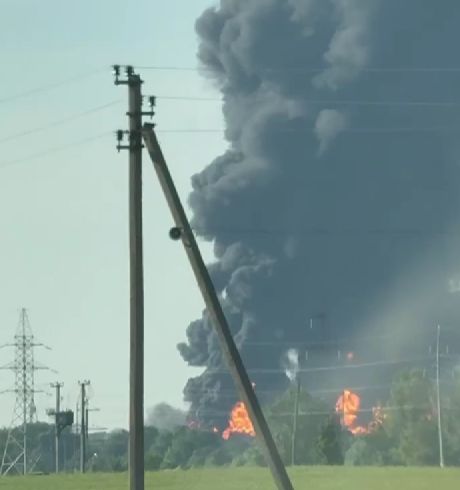
A fuel storage depot is burning in Novorossiysk, Russia, after a drone strike hit the tank farm overnight

Novorossiysk is one of Russia's most strategically important Black Sea ports, handling a significant share of Russian oil exports
🎥 Supernova pic.twitter.com/d2ab4SSuH0

— Euromaidan Press (@EuromaidanPress) June 8, 2026

What the Grushovaya depot feeds

The Grushovaya site is a transshipment depot for the Sheskharis terminal. Chernomortransneft runs it, under Russia's state pipeline monopoly Transneft. It sits in the Grushovaya Balka tract beyond the Markotkh Ridge, about 12 km from Novorossiysk. The tank farm holds more than 1.2 million m³ of fuel across dozens of tanks, on a site of about 212 hectares. SBS called it one of the largest oil-product stores in the Caucasus.

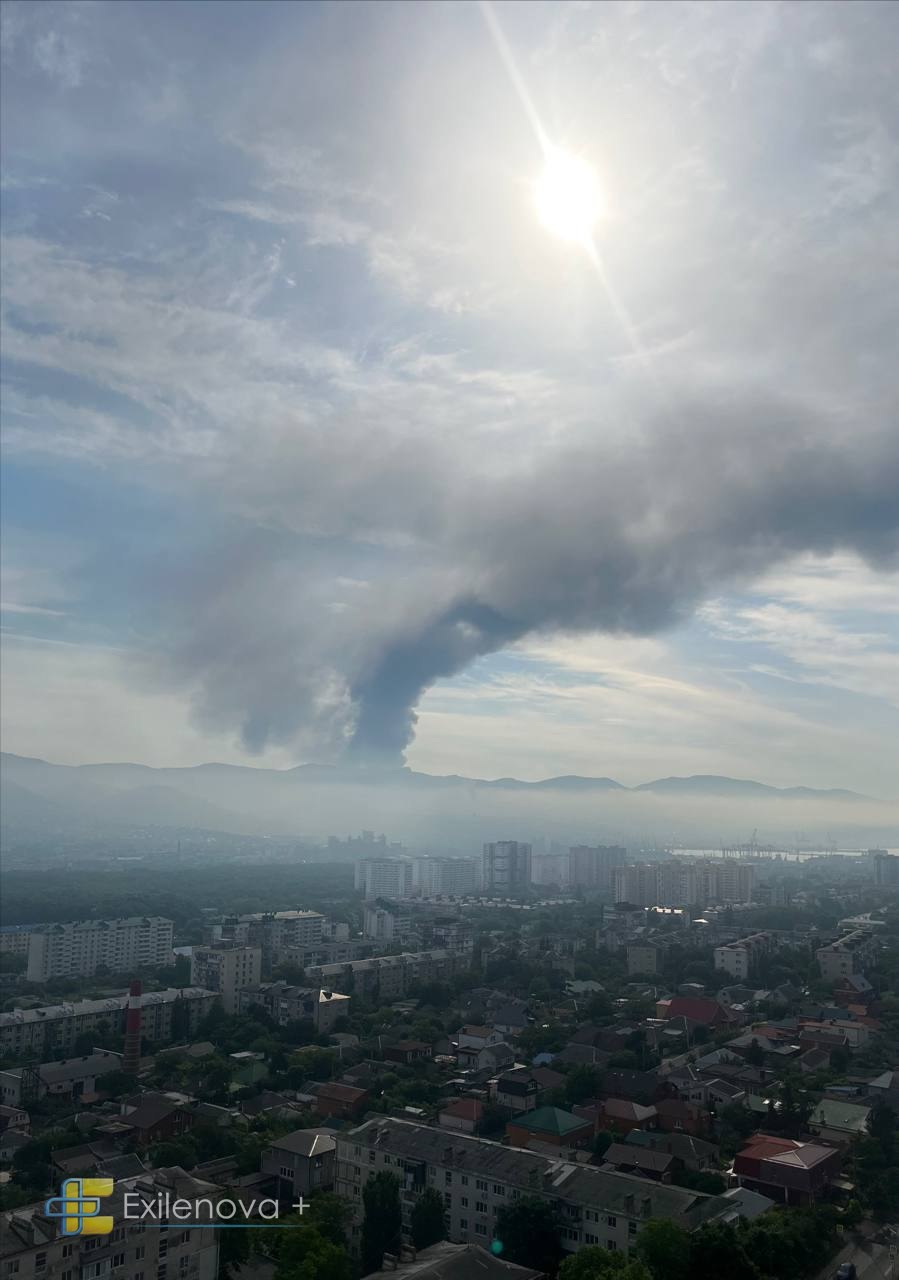
russian crude reaches sea through tunnels under mountain ridge—and ukraine hit storage end near novorossiysk · post smoke burning grushovaya oil depot drifts over after ukrainian drone strike 8 2026
Smoke from the burning Grushovaya oil depot drifts over Novorossiysk after the Ukrainian drone strike, 8 June 2026. Photo: Exilenova+

Novorossiysk is southern Russia's biggest oil-export hub, the Moscow Times reported. The port ships up to 700,000 barrels a day, and its terminals moved 19.8 million tonnes of oil products in 2025. That trade feeds Russia's budget, which bankrolls the war on Ukraine. The port has become a recurring target in Ukraine's strikes on Russia's Black Sea oil logistics.

Volgograd and a coastal radar also hit

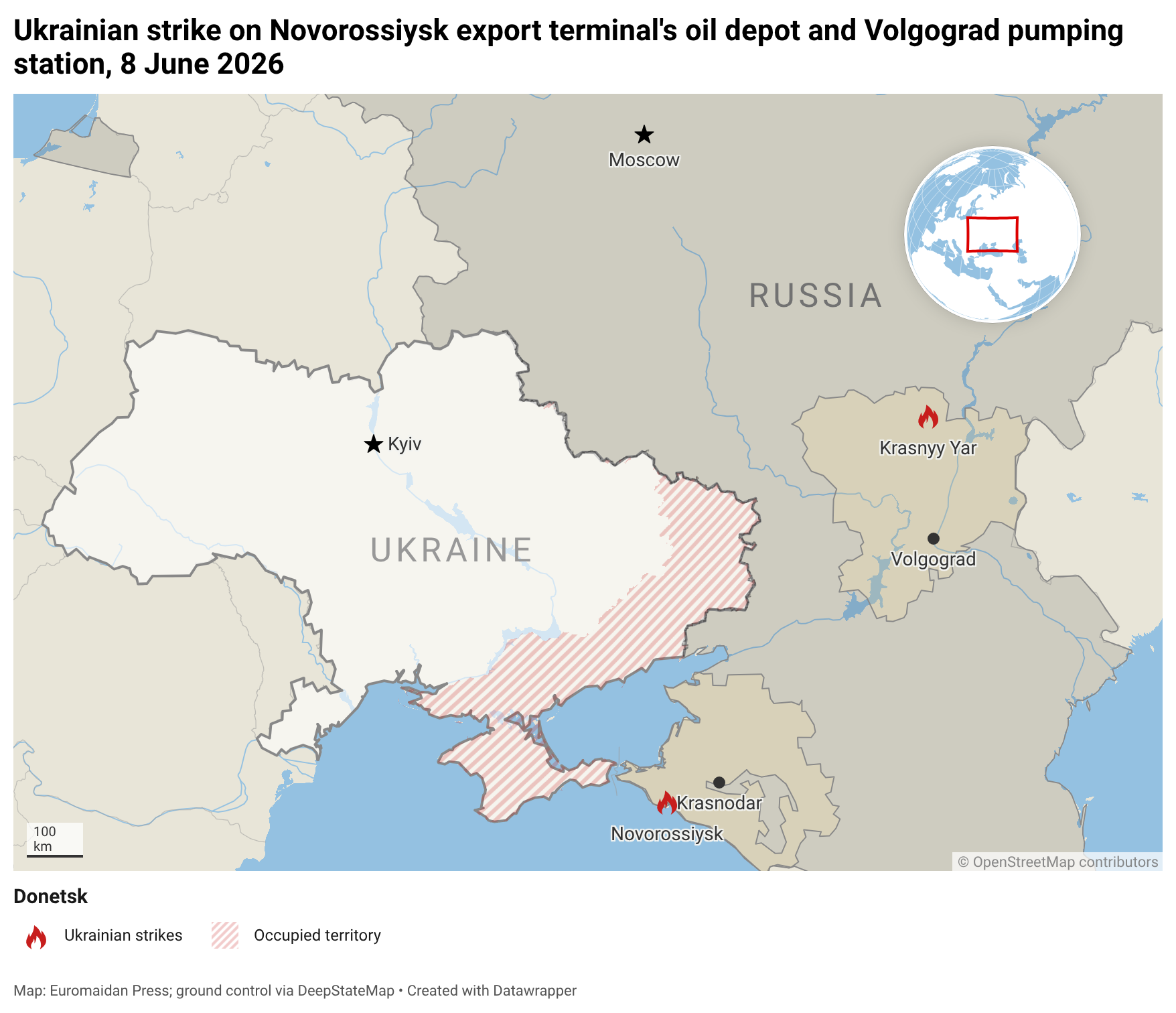
The same night, Ukraine's General Staff said its forces struck the Krasny Yar oil-pumping station in Volgograd Oblast, where a fire broke out. Volgograd governor Andrei Bocharov claimed the blaze came from falling drone debris at the Zhirnovsk pumping station and was quickly put out, the Moscow Times reported. Ukrainian forces also hit a Russian radar station near Kabardinka in Krasnodar Krai, according to the General Staff.

Ukrainian drones struck Russia's Baltic Fleet base at Kronstadt near St. Petersburg overnight, flying nearly 1,000 km. Source: Zelenskiy
Explore further

Kronstadt, Russia’s major naval Base after Black Sea Fleet losses, gets hit by Ukrainian drones (VIDEO)

Not the first strike on Novorossiysk's oil chain

Ukrainian forces have hit this infrastructure before. Ukrainian defense outlet Militarnyi reported that drones struck the Grushovaya depot on 23 May 2026, when fire spread across much of the site. Strike drones also hit the Sheskharis terminal on 6 April, damaging oil-metering systems and shut-off valves at the loading berths. ASTRA said the wider complex was attacked in early March, early April, and on 22 May.

  •  

ISW: The strikes will likely cascade into deeper disruption across Russia’s rear supply network

Drones of the 20th Separate Brigade of Ukraine's Unmanned Systems Forces (SBS), known as K-2, and the Phoenix drone unit strike a Russian military truck on a logistics route in Donetsk Oblast, 7 June 2026. Photo: SBS

Ukraine's drone strikes on the highways that feed Russian forces in occupied southern and eastern Ukraine are disrupting Russian logistics and will likely bite deeper in the near future, according to the Institute for the Study of War (ISW). The campaign is also rattling Russia's pro-war online community, where bloggers have begun turning their anger on the Kremlin's own military leadership. Russian forces are already rerouting and disguising convoys to keep supplies moving.

Ukraine's drone war has dragged the fight off the trench line and into Russia's rear, where fuel and transport increasingly decide how long Moscow can keep its invasion supplied. If Ukrainian crews keep the main arteries under watch, Russia faces a slow squeeze on its rear and the political cost of admitting those roads are no longer safe.

Ukraine's drones now own a key supply road

Ukraine's 3rd Army Corps said on 31 May that its drones had won "fire control" over five occupied cities. All five sit on or near the M-04 highway: Luhansk City, Starobilsk, Alchevsk, Bryanka, and Kadiivka. In plain terms, Ukrainian crews can now strike traffic on that road.

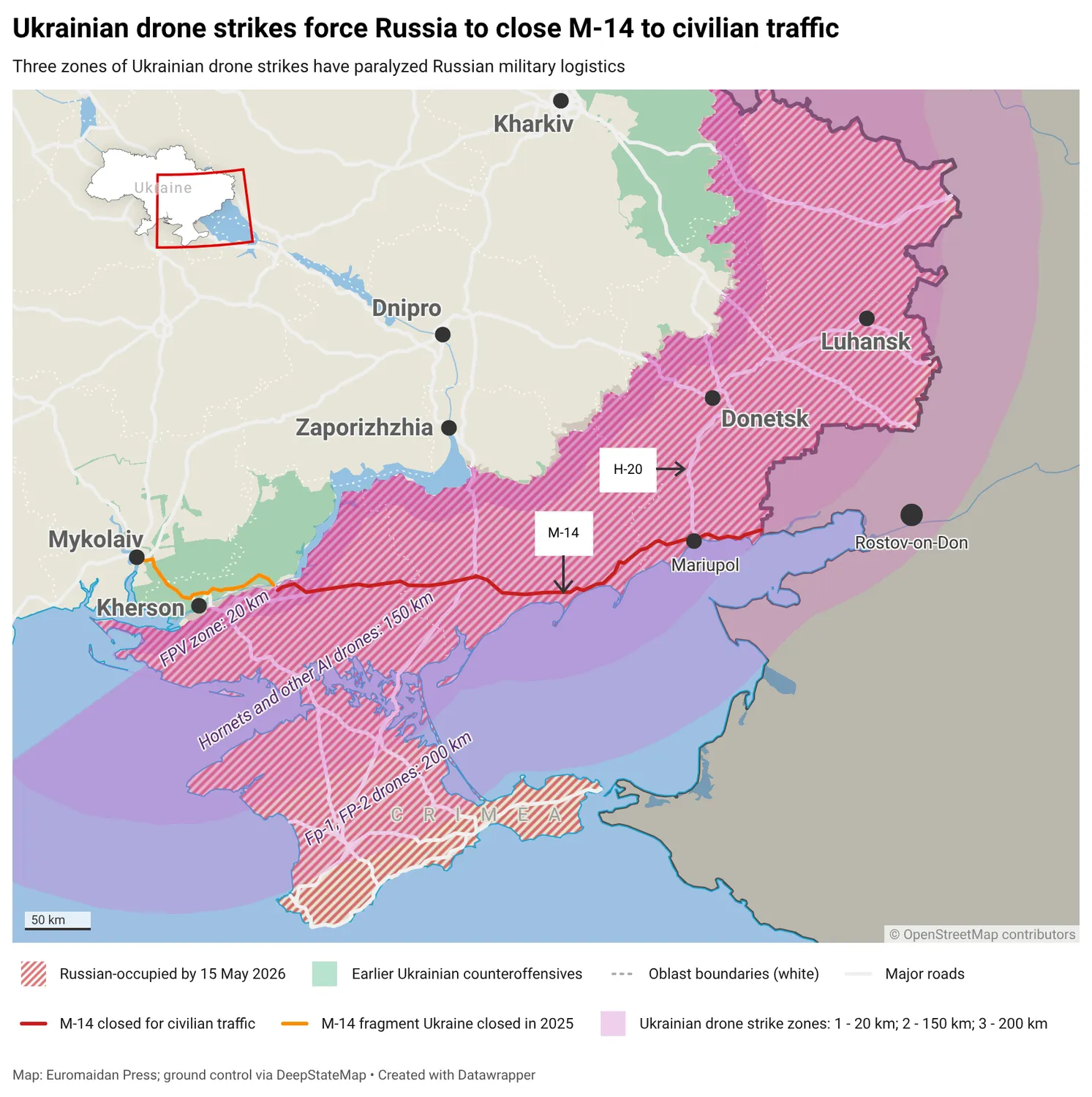
Map of southern Ukraine and adjacent Russian territory showing three concentric Ukrainian drone strike zones — FPV at 20 km, AI-assisted Hornets at 150 km, and FP-1/FP-2 long-range drones at 200 km — layered over the M-14 highway (Rostov to occupied Crimea) and the H-20 (Mariupol north into Donetsk Oblast). The Mariupol-Crimea-Rostov segment of M-14 is highlighted as closed by Russia for civilian traffic. The Mykolaiv-Kherson segment is highlighted as closed by Ukraine in 2025.
Ukrainian drone strike zones layered over Russia's southern supply network. FPVs reach roughly 20 km from the front, Hornets and other AI-assisted drones to 150 km, and FP-1 and FP-2 long-range drones to 200 km. The M-14 highway (Rostov-on-Don to occupied Crimea) and H-20 (branches north from Mariupol into Donetsk Oblast) both fall inside the deeper rings. Russian authorities have closed the M-14 to civilian traffic. The Ukrainian segment of the same highway, between Kherson and Mykolaiv, was closed by Ukrainian authorities in August 2025 after Russian drones turned it into a "human safari" killing ground. Map: Euromaidan Press.

A Ukrainian drone operator argued the M-04 matters more to Russia than the better-known M-14. The M-14 links Rostov Oblast to occupied Crimea. The M-04 begins near Moscow and reaches Rostov-on-Don before carrying on to Russia's Black Sea coast and into the Caucasus. It feeds occupied Crimea, southern Ukraine, and Luhansk Oblast through the Russian towns of Millerovo and Kamensk-Shakhtinsky. It also supplies Donetsk Oblast through Novoshakhtinsk in Rostov Oblast.

The Russian vehicles are burning on the route to Crimea. Source: The 3rd Separate Special Purpose Regiment
Explore further

Flat steppe: Ukraine is strangling Crimea’s supply lines from air. Melitopol-Chonhar road is latest target

The two highways connect, and Ukrainian forces are also hitting the H-20 road that joins them through Donetsk City. ISW assessed that the strikes will likely generate "even more profound cascading effects" across Russia's rear. The effort extends Ukraine's wider push to drive deep strikes further behind the front.

Russia bans buses and repaints its trucks

The strikes are already forcing changes on the ground. Leonid Pasechnik, the Russian-installed head of occupied Luhansk Oblast, issued a decree on 6 June. It bars regular bus and coach services on the section of the highway crossing occupied Luhansk.

A Russian “Svitlyak” border patrol ship seen from a Ukrainian drone before a strike near Yurkine, occupied Crimea. Screenshot from video: Madyar
Explore further

The Crimean Bridge is heavily guarded. Ukraine struck its maritime security layer in the Kerch Strait.

Ukrainian Mariupol mayoral adviser Petro Andriushchenko reported on 7 June that Russian forces had changed their Mariupol–Berdiansk route. They now use local coastal roads instead of the M-14. ndriushchenko said the troops are passing army vehicles off as civilian, recoloring the tarpaulins over each cargo bed and spraying the trucks white. ISW assessed the detours will likely slow Russian supply runs as Ukraine keeps hunting vehicles.

Russia's war bloggers turn on the Kremlin's generals

Ukraine's strikes are landing in Russia's information space too. Russia's pro-war military bloggers are voicing discontent and panic over the campaign.

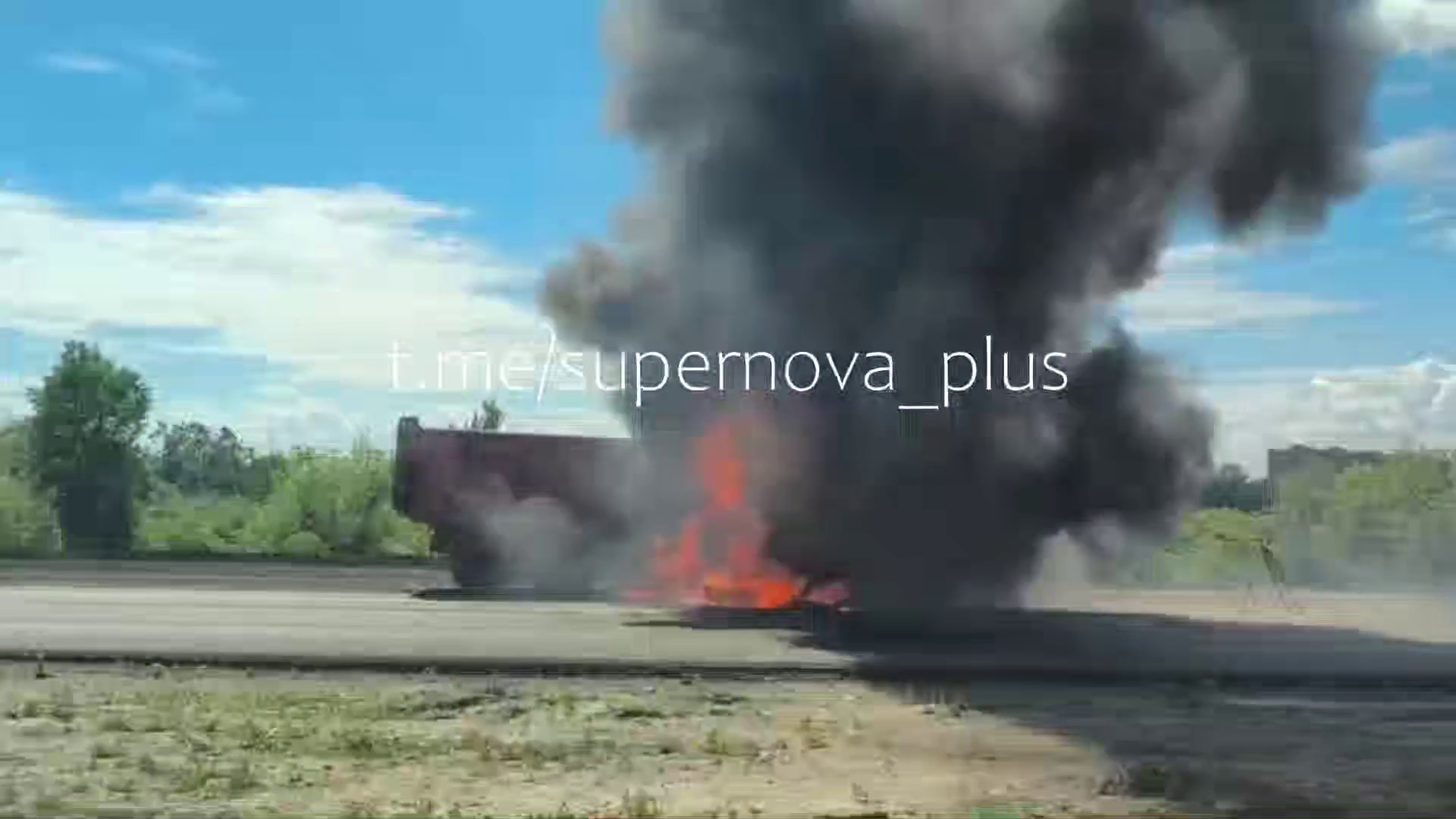
Russian military truck on fire after a Ukrainian drone strike near occupied Horlivka, Donetsk Oblast, 5 June 2026. Screenshot from video: Supernova+
Explore further

Ukraine doubles deep strikes beyond 50 km as “Logistics Lockdown” shifts priority deeper into Russia’s transport nodes and rear logistics chains

A pro-war blogger and former Storm-Z assault-unit instructor complained on 7 June that Ukraine is now striking factories and defense plants deep inside Russia while degrading Russian air-defense radars and systems. He blamed bureaucracy and state-corporate infighting for Moscow's failure to respond, and separately complained that Russia cannot read Ukraine's battlefield trends and underrates its capabilities. Other bloggers piled on: one claimed fuel shortages were stoking panic in occupied Crimea, while others faulted the Russian Defense Ministry and top general Valery Gerasimov for not striking Ukrainian logistics, especially the Dnipro River bridges.

ISW found the complaints are escalating, and that the strike campaigns are becoming "points of neuralgia" in Russia's ultranationalist crowd. It noted the discontent feeds on Russia's poor battlefield results, rising casualties, and economic strain. Even before this, Russia's war bloggers had turned on the Kremlin's commanders over inflated victory claims.

  •  

Over 2,000 Russian casualties in first six days of June, Madyar reports amid surge in drone strikes on occupied territories

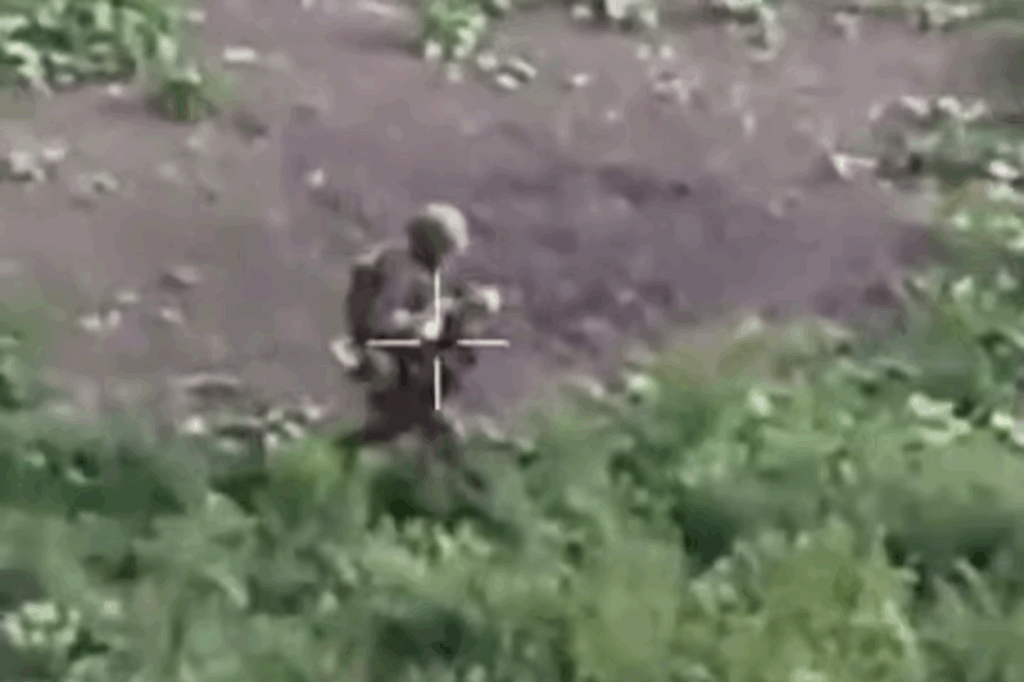
Russian soldier seen by Ukrainian drone before strike, June 2026. Screenshot from video: Madyar

Commander of Ukraine’s Unmanned Systems Forces, Robert “Madyar” Brovdi, says Russian losses reached 1,006 killed and 1,090 wounded during the first six days of June, as Ukrainian drone forces continued strikes against targets on and beyond the front line.

The commander of Ukraine’s Unmanned Systems Forces published the figures on 7 June alongside an update on overnight operations targeting Russian logistics and infrastructure in occupied territory and inside Russia.

More than 2,000 casualties reported in six days

Brovdi said Russian forces suffered a combined 2,096 killed and wounded between 1 and 6 June.

He described the losses as equivalent to the combat strength of a full Russian assault brigade lost within a single week.

The commander also used a railway comparison to illustrate the scale of the casualties, saying the losses would add the equivalent of 20 refrigerated and medical railcars to Russia’s “one-way ticket” train over the six-day period.

Drone strikes target rear-area infrastructure

According to Brovdi, Ukrainian forces also struck 26 targets overnight on 7 June across occupied parts of Luhansk, Donetsk, Zaporizhzhia, and Crimea, as well as Russia’s Bryansk Oblast.

He said Ukrainian units destroyed an air defense system and damaged three locomotives, two railway fuel tanks, four electrical substations, and six telecommunications towers. The strikes also disrupted the movement of military cargo toward the front, according to the statement.

Earlier on 7 June, Ukrainian Special Operations Forces reported strikes on the Semikolodezyanska oil depot in Yedi-Quyu and a maritime fuel terminal in Feodosia. Ukrainian officials said the operation was intended to reduce Russia’s logistical and economic capacity to sustain military operations in occupied territory.

The reported targets fit a broader Ukrainian effort to degrade Russian logistics networks, transport infrastructure, and support systems operating behind the frontline.

Ukraine says it doubled the number of successful strikes on Russian targets more than 50 kilometers behind the front line in May under the “Logistics Lockdown” program, which prioritizes attacks on transport networks, fuel infrastructure, depots, and other systems supporting Russian military operations.

  •  
❌