Reading view

Pro-Palestine activists sentenced as terrorists over damage at Israeli arms factory in UK

Four found guilty get tougher conditions as judge says actions were ‘designed to intimidate the UK government and a section of the public’

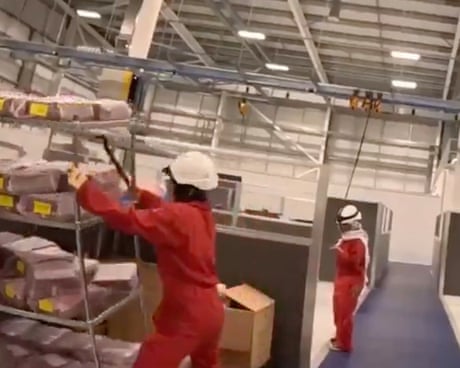
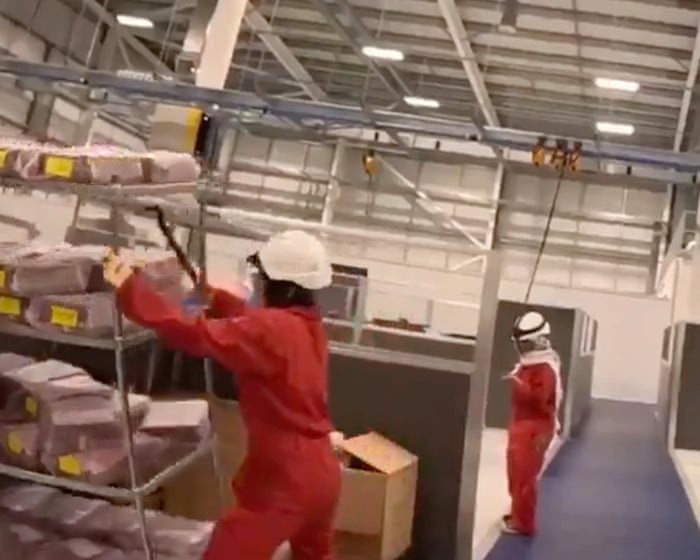
A judge has imposed lengthy custodial sentences on four Palestine Action activists who smashed up drones and other equipment at an Israeli arms manufacturer’s UK factory after ruling that there was a “terrorist connection” to their offending.

Charlotte Head, 30, and Leona Kamio, 30, were each jailed for five years and Fatema Rajwani, 21, was sentenced to four years and 8 months for criminal damage in relation to a 2024 break-in at the Elbit Systems UK site in Gloucestershire. Samuel Corner, 23, who was additionally convicted of grievous bodily harm without intent for striking Sgt Kate Evans with a sledgehammer, was sentenced to seven years and eight months. Each will also spend an additional year on licence and be subject to 15 years of terrorist notification requirements.

Continue reading...

© Photograph: X

© Photograph: X

© Photograph: X

  •  

JP Morgan diz que investidores afastam-se da ‘debasement trade’ com retirada de capital do ouro e bitcoin

Uma nota de analistas do JP Morgan, divulgada pela publicação The Block, salienta que os investidores do retalho e os institucionais se estão a afastar da ‘debasement trade‘, com a retirada de capital a acelerar na bitcoin e a continuar no ouro.

A debasement trade é a retirada de capital de moedas como o euro e o dólar e o mobilizam para outro tipo de ativos como por exemplo o ouro, a bitcoin, ou o imobiliário.

O banco refere que se verificaram saídas de external traded funds (ETF) de ouro de cerca de 20 mil milhões de dólares (17,2 mil milhões de euros), na semana que terminou a 5 de junho, face às entradas verificadas na semana passada, enquanto que os ETF de bitcoin tiveram saídas graduais crescentes de capital nas últimas quatro semanas.

“Observámos uma retirada generalizada da debasement trade tanto por parte dos investidores de retalho como institucionais. Esta retirada da debasement trade continuou para o ouro e, se algo mudou, foi acelerada para a bitcoin nas últimas semanas”, disse a nota da instituição bancária divulgada pela The Block.

O JP Morgan refere que os investidores em ouro têm reduzido as suas posições desde o final de fevereiro. Quanto à bitcoin beneficiou da cobertura de posições curtas antes de inverter a tendência no início de maio. A nota divulgada pela The Block salienta que as novas posições curtas podem ter amplificado a queda do ouro esta semana.

O banco diz ainda que a queda do bitcoin parece ter sido amplificada pela menor liquidez nos mercados de ETF e futuros.

Desde o início do ano o ouro já desvalorizou 2% enquanto que a bitcoin caiu 27%.

Ouro e bitcoin a se comportarem como ativos de risco

A nota destaca também a mudança que se tem verificado nas correlações de mercado. A instituição bancária diz que a correlação da bitcoin com os rendimentos reais dos títulos do Tesouro norte-americano a 10 anos tornou-se negativa. Isto surgiu na sequência de um movimento semelhante no ouro no início deste ano. O JP Morgan adianta que a correlação do ouro com o índice bolsista norte-americano S&P 500 aproxima-se da relação tradicionalmente positiva da bitcoin com as ações, indicando que o ouro e a bitcoin se estão a comportar mais como ativos de risco do que como diversificadores de carteiras de investimento.

  •  

Pokémon Go data trained AI that could assist military drones in war zones

Location scans from the globally popular augmented reality game have helped train AI to recognise and interpret physical spaces

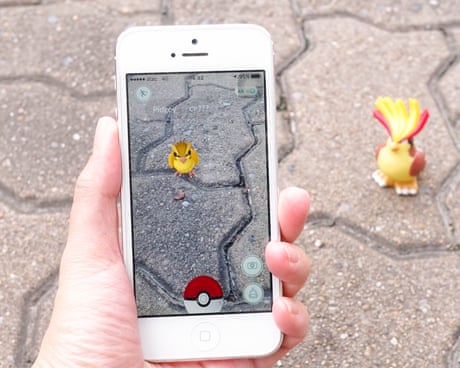
An AI model trained on data collected from users of Pokémon Go will potentially help military drones find their location in war zones.

Pokémon Go, a 2016 augmented reality mobile game, allowed players to find and catch Pokémon in the real world using the cameras on their mobile phones, and exploded in popularity. In 2018, the company reported having more than 800m downloads worldwide.

Continue reading...

© Photograph: EnchantedFairy/Getty Images

© Photograph: EnchantedFairy/Getty Images

© Photograph: EnchantedFairy/Getty Images

  •  

Pro-Palestine activists believe ‘sea change’ coming in Labour’s approach to Middle East

Green surge in local elections and recent polling of Labour members may cause government to toughen stance on Israel

Pro-Palestine activists believe there could be a “sea change” in the Labour party’s approach to the crisis in the Middle East which could result in the government taking a tougher stance on Israel.

Campaigners have pointed to the threat posed to Labour by the Green surge in the local elections, the likely departure of Keir Starmer from No 10, and new polling which shows an appetite among Labour members for a ban on all arms shipments to Israel.

Continue reading...

© Photograph: Vuk Valcic/ZUMA Press Wire/Shutterstock

© Photograph: Vuk Valcic/ZUMA Press Wire/Shutterstock

© Photograph: Vuk Valcic/ZUMA Press Wire/Shutterstock

  •  

The Rio-Antirrio Bridge: An Engineering Marvel That Changed Greece

Rio-Antirrio Bridge
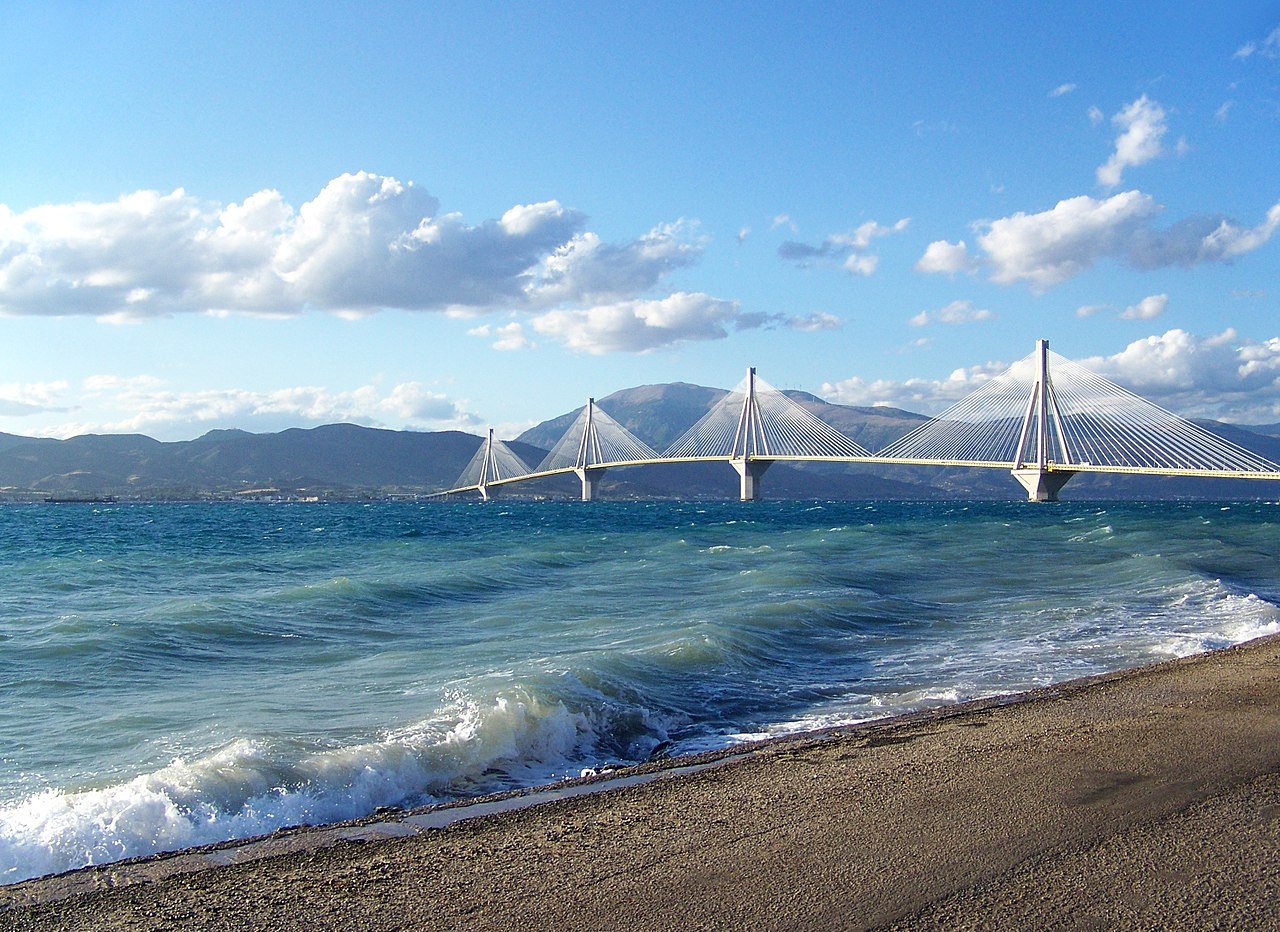
The Rio-Antirrio Bridge in Western Greece is one of the world’s longest multi-span, cable-stayed bridges. Credit: Eusebius, Eusebius CC BY-SA 3.0/ Wikipedia

The Rio-Antirrio Bridge was inaugurated on August 7, 2004, one week before the opening of the 2004 Summer Olympics in Athens.

Within two decades, it changed the economic landscape in Greece. The Rio-Antirrio Bridge, which connects the Peloponnese with Central Greece, had the aim of making the transport of passengers and cargo much easier. That has certainly been achieved.

The opening of the bridge was a celebration, with the first people to officially cross it being none other than the Olympic torchbearers of the 2004 Olympics. One member of that group was Otto Rehhagel, the German football coach who had led the Greek national team to their triumph in the Euro 2004 Cup just a month earlier.

The official name of the bridge is the Charilaos Trikoupis Bridge, named after the nineteenth-century prime minister of Greece, who was the first man to envision such a span connecting the Peloponnese with Central Greece. Unfortunately, state finances at the time did not allow for such a large-scale project.

The 2,380-meter (approximately 1.8-mile) long bridge is one of the longest cable-stay bridges in the entire world. It improves access to and from the Peloponnese, which could previously only be reached by ferry or via the Isthmus of Corinth.

Rio-Antirrio Bridge
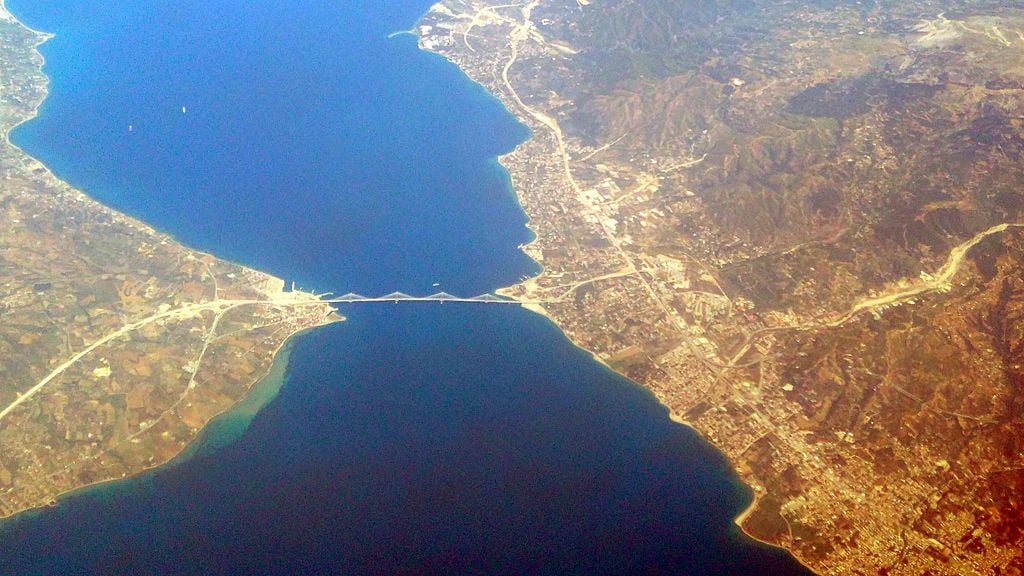
The bridge connects Peloponnese with western Greece. Public Domain

According to a recent study by the Observatory of Road Networks in Western Greece and the Peloponnese, the construction of the graceful white cable-stay bridge has already resulted in enormous financial benefits. To date, this amount is estimated to be over 400 million euros.

The experts believe that the total amount of funds the bridge’s construction will bring to the area will be more than one billion euros during the period of 2017 to 2032.

Tourist flows have also improved, which is especially noted with arrivals coming into the area from the north from the port of Patras. Travelers heading for the Ionian Sea islands and areas in Central Greece can now easily and swiftly cross through the central area of the country and back again.

The study also noted that the bridge has already had a positive effect on property values in the northern region, which has led to a significant rise in land prices. This has given added value to an area that had been largely underdeveloped, attracting investment.

Traffic flows have also benefited immensely from the creation of the Charilaos Trikoupis Bridge. It not only connects two major motorways, the Ionian Odos and Olympia Odos, but transport connections between Epirus and Aitoloakarnania have been greatly improved, as well.

Before the construction of the new span, Aitoloakarnania had basically been almost completely cut off from the rest of the country.

Rio-Antirrio Bridge considered an engineering masterpiece

The construction of the imposing cable-stay bridge is widely considered to be an engineering masterpiece, owing to several solutions applied to overcome difficulties caused by its location and the geology of the region.

These difficulties included the especially deep waters of the river, the once-unstable underlying ground under the bases of the bridge, seismic activity, the probability of tsunamis, and the expansion of the Gulf of Corinth due to plate tectonics.

The seabed was first reinforced and stabilized by driving two hundred hollow steel pipes into the ground beneath each pier. The pier footings themselves were not driven into the seabed; they rest on a bed of gravel meticulously leveled to an even surface (a difficult endeavor at this depth).

During an earthquake, the piers are able to move laterally along the sea floor, with the gravel bed absorbing the energy. The bridge decking is also connected to the pylons using special jacks and dampers designed to absorb any movement.

View the fascinating video below to see all the special features of this unique and beautiful cable-stay bridge, which has already contributed immensely to the economy of the country.

  •  

Mundial de Futebol 2026 deverá injetar 9,1 mil milhões de dólares no PIB da América do Norte, segundo Allianz Trade

O Campeonato do Mundo FIFA 2026™, que arranca nos Estados Unidos, Canadá e México, deverá gerar um impacto económico temporário de cerca de 9,1 mil milhões de dólares no Produto Interno Bruto (PIB) da América do Norte durante o período da competição, que decorre entre junho e julho. De acordo com um estudo da Allianz Trade, o crescimento será impulsionado sobretudo pelos setores do turismo, hotelaria, transportes e serviços relacionados.

Tratando-se do maior torneio da história do futebol, com 48 seleções nacionais e 104 jogos distribuídos por 16 cidades anfitriãs, o evento promete atrair milhões de visitantes, concentrando o impulso financeiro em regiões e setores económicos específicos, explica a Allianz Trade.

Os Estados Unidos surgem como o maior beneficiário absoluto do torneio em termos financeiros, uma vez que acolhem a maioria das partidas (78 dos 104 jogos).

A seguradora de crédito projeta um contributo de aproximadamente 6,1 mil milhões de dólares para o PIB norte-americano, o que representa um acréscimo de cerca de 0,1 pontos percentuais no crescimento económico do país. Cidades como Nova Iorque/Nova Jérsia, Los Angeles, Dallas e Miami deverão registar um aumento substancial na procura hoteleira, no retalho e no entretenimento.

No entanto, o documento ressalva que fatores como a exigência na obtenção de vistos, limitações nos transportes e as grandes distâncias a percorrer podem mitigar o impacto total esperado. Em termos proporcionais ao tamanho da respetiva economia, o México será o país com o maior ganho relativo.

A previsão aponta para uma injeção de 1,7 mil milhões de dólares no PIB mexicano, correspondendo a um aumento de 0,3 pontos percentuais no crescimento económico nacional. A Cidade do México, Guadalajara e Monterrey destacam-se como os principais polos de atração de procura interna e externa, beneficiando de uma forte cultura futebolística e de custos competitivos, ainda que o impacto possa vir a ser atenuado por debilidades nas infraestruturas, preocupações com a segurança e a expressão da economia paralela.

Por sua vez, o Canadá deverá registar um incremento de 1,3 mil milhões de dólares no seu PIB (equivalente a 0,2 pontos percentuais de crescimento), com Toronto e Vancouver a liderar os ganhos no setor turístico, enfrentando também o risco de subida acentuada de preços devido a constrangimentos na capacidade de alojamento.

A análise detalhada dos canais de transmissão indica que o investimento associado ao turismo atingirá cerca de 8 mil milhões de dólares na região, divididos entre 6,8 mil milhões de gastos de visitantes internacionais e 1,2 mil milhões de turismo doméstico. Adicionalmente, as despesas governamentais em segurança vão reforçar a atividade económica regional.

Os ganhos setoriais serão, contudo, assimétricos: as companhias aéreas e o alojamento encontram-se na posição mais vantajosa para capitalizar o fluxo de passageiros, ao passo que os negócios de restauração, retalho e entretenimento sentirão uma procura acrescida no decorrer dos jogos.

Em sentido inverso, o setor das infraestruturas terá retornos limitados, dado que os investimentos estruturais mais relevantes ficaram concluídos antes do início do evento desportivo. Mesmo não integrando a organização do torneio, Portugal poderá colher dividendos económicos indiretos através do canal das exportações para o mercado norte-americano.

Tendo como referência o ano de 2025, em que Portugal exportou entre 12 a 14 mil milhões de dólares em bens para os três países anfitriões — com os Estados Unidos a assumirem a liderança como principal destino extracomunitário —, perspetiva-se um acréscimo na procura externa.

Os setores nacionais potencialmente mais beneficiados pelo pico de consumo na América do Norte são o agroalimentar e bebidas (com particular destaque para o vinho), o têxtil, vestuário e calçado, e ainda o mobiliário e artigos direcionados para a hotelaria. Apesar destas oportunidades comerciais, a Allianz Trade sublinha que este efeito na economia portuguesa será circunscrito no tempo, focado em segmentos muito particulares e sem capacidade para alterar significativamente a trajetória de crescimento do PIB nacional.

  •  

Trump says he may not renew USMCA with Mexico and Canada

President Trump on Wednesday said he may not renew the free trade agreement between the U.S., Canada and Mexico six years after he implemented it in his first term to replace the North American Free Trade Agreement (NAFTA). “Well, I’m not looking to renew it,” Trump told reporters in regard to the United States-Mexico-Canada Agreement…

  •  

Trump says he may not renew USMCA with Mexico and Canada

President Trump on Wednesday said he may not renew the free trade agreement between the U.S., Canada and Mexico six years after he implemented it in his first term to replace the North American Free Trade Agreement (NAFTA). “Well, I’m not looking to renew it,” Trump told reporters in regard to the United States-Mexico-Canada Agreement…

  •  

Trump’s Sharp Turn on China: Embracing It as a Peer Power

President Trump’s warming with Xi Jinping of China, a leader he admires, has ignited anxieties in Washington and across Asia.

© Kenny Holston/The New York Times

The U.S. and Chinese governments rolled out a new phrase, “constructive strategic stability,” during President Trump’s meeting in Beijing last month with the leader of China, Xi Jinping.
  •  

Camionista ubriaco guida un tir in contromano per 10 chilometri sull’A26: denunciato e revocata la patente

Stava guidando ubriaco contromano in autostrada, la polizia è riuscito a fermarlo prima che ferisse qualcuno. È successo nei giorni scorsi sulla A26 Voltri-Sempione: il camionista alla guida di un tir ha proseguito la sua corsa per circa 10 chilometri.

Quando la polizia stradale lo ha fermato è risultato positivo all’etilometro, con un valore di 2,18 g/l. È stato denunciato per guida in stato di ebrezza e sanzionato amministrativamente per il contromano con patente revocata e fermo amministrativo dell’autoarticolato per tre mesi.

Intorno alle 22.00, le pattuglie della polstrada della sezione di Novara hanno ricevuto la segnalazione di un tir in contromano nel tratto Romagnano Sesia – Vercelli Est. Una volta raggiunto il punto, avvicinandosi al mezzo, le due pattuglie hanno usato il dispositivo safety-car per rallentare e bloccare i veicoli che sopraggiungevano nel senso di marcia corretto, al fine di evitare collisioni. Nei 1o chilometri percorsi, il conducente ha urtato più volte il guard-rail. L’autoarticolato è quindi stato intercettato all’altezza dell’intersezione con l’A4 Torino-Milano e, grazie alle manovre di interruzione del traffico messe in atto, è stato posto in sicurezza fuori dalla carreggiata.

FOTO DI ARCHIVIO

L'articolo Camionista ubriaco guida un tir in contromano per 10 chilometri sull’A26: denunciato e revocata la patente proviene da Il Fatto Quotidiano.

  •  

“Stavo ascoltando il Rosario alla radio e non me ne sono accorta”: suora si distrae e guida contromano sull’autostrada Napoli-Salerno:

Attimi di panico sull’autostrada Napoli-Salerno. Gli automobilisti hanno segnalato subito alle autorità un’auto che procedeva contromano la carreggiata in direzione Napoli. Alcune vetture hanno frenato bruscamente, altre hanno evitato la traiettoria per evitare il tamponamento a catena.

Poi un’auto civetta della Polizia allertata dalle segnalazioni, si trovava per caso proprio in quell’aera e gli agenti hanno potuto constatare sul posto cosa stesse accadendo in quel momento. A riportarlo è Salerno Today.

Una volta avvicinata la vettura in contromano la grande sorpresa. A bordo della Panda c’era una suora “in stato confusionale, che secondo quanto riferito stava ascoltando il Rosario alla radio nel momento dell’accaduto“.

La religiosa ha infatti dichiarato agli agenti che era concentrata sulle preghiere e che si era distratta, non rendendosi conto che stava mettendo a repentaglio la vita di centinaia di automobilisti che transitavano sulla sua stessa traiettoria.

I soccorsi sono stati immediatamente allertati: sul luogo dell’incidente sono intervenuti gli agenti della Polizia Stradale, il personale Anas e i sanitari del 118, ai quali è stata affidata la donna per ricevere le cure e l’assistenza necessarie.

L'articolo “Stavo ascoltando il Rosario alla radio e non me ne sono accorta”: suora si distrae e guida contromano sull’autostrada Napoli-Salerno: proviene da Il Fatto Quotidiano.

  •  

For Honduran coffee growers, EUDR compliance means changing old habits

CONCEPCIÓN DE SOLUTECA, Honduras — In the 1970s, the Honduran government granted a piece of land in the mountains of Concepción de Soluteca to Roberto González’s parents. They duly grabbed a chainsaw and a machete to clear the forest. On the 12 hectares (30 acres) they received as part of a land reform, they planted corn, beans and bananas, the basic staple foods. It was a hard life up in the mountains, allowing the farmers and their families to just survive. There wasn’t much public infrastructure, and most children had to help with farmwork early on. This included González, who only attended elementary school for three years. When González inherited the land 20 years later, coffee cultivation was just taking off. Middlemen promised the farmers good money for the export crop, and the banks provided loans for cultivation. At first, this worked well, González, now 39, remembers. Coffee helped the farmers to generate income and improve living conditions. But it didn’t last long. They grew coffee much the same way they did other crops, without adequate soil or shade management. When harvests dwindled, they expanded their area, cutting the last standing forests and damaging water sources. Around 2012, they faced an outbreak of coffee rust, a fungal disease. It was a complete disaster: many farmers were thrown into poverty and forced to migrate. “We destroyed the foundations of our livelihoods, but it was out of ignorance; we just didn’t know better,” González tells Mongabay. Under the EUDR, coffee farmers step…This article was originally published on Mongabay

  •  
❌