Reading view

Alertan sobre catástrofe en Gaza por el bloqueo israelí

Ramala, 13 jun (Prensa Latina) Gaza enfrenta hoy una inminente catástrofe humanitaria, sanitaria y ambiental por el deterioro acelerado de los servicios de agua y saneamiento debido al continuo bloqueo israelí, denunciaron hoy fuentes oficiales.

The post Alertan sobre catástrofe en Gaza por el bloqueo israelí first appeared on Noticias Prensa Latina.

  •  

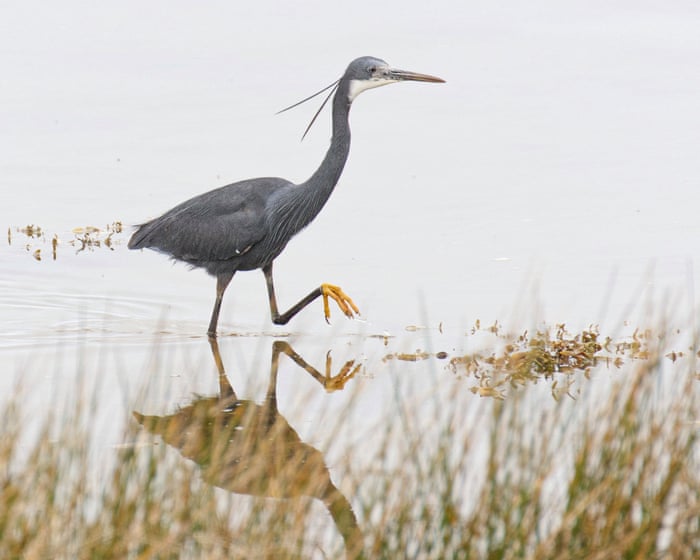
Tropical heron spotted in UK for first time as more exotic birds arrive to thrill birdwatchers

Appearance of a western reef heron in north Wales is unlikely to be the last, as heating temperatures mean species can survive Britain’s winter, say experts

It is a tropical bird typically encountered between west Africa and India, but last week a western reef heron arrived in north Wales in what is believed to be the first ever sighting in the UK.

The heron was first spotted in Foryd Bay at the weekend before flying to nearby Caernarfon harbour where it fed among the boats.

Continue reading...

© Photograph: Lewi Burgess/SWNS

© Photograph: Lewi Burgess/SWNS

© Photograph: Lewi Burgess/SWNS

  •  

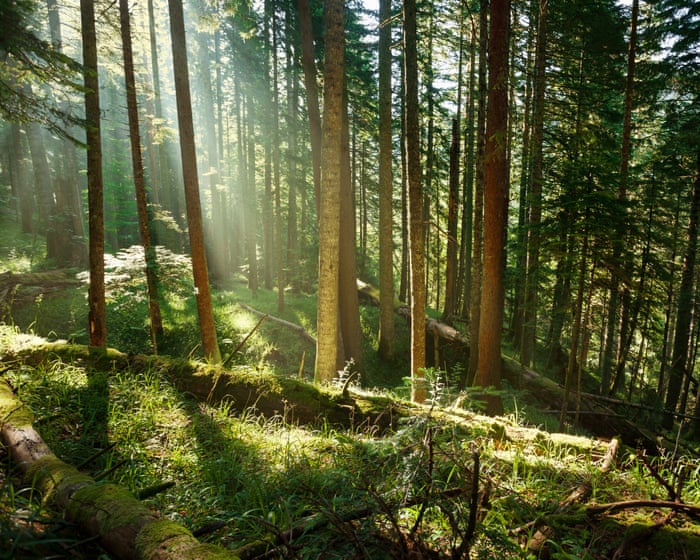
Trees may store less planet-heating carbon than hoped, study suggests

Photosynthesis does not always result in wood growth, a key factor in carbon dioxide sequestration

Trees may not be able to store as much planet-heating carbon as hoped, a study suggests, with researchers finding photosynthesis does not always lead to wood growth.

Scientists studied 137 sites across the US and found trees stopped growing months before the point in the year at which photosynthesis stopped.

Continue reading...

© Photograph: Drbouz/Getty Images

© Photograph: Drbouz/Getty Images

© Photograph: Drbouz/Getty Images

  •  

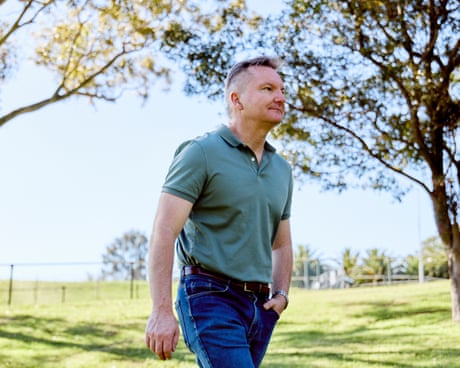
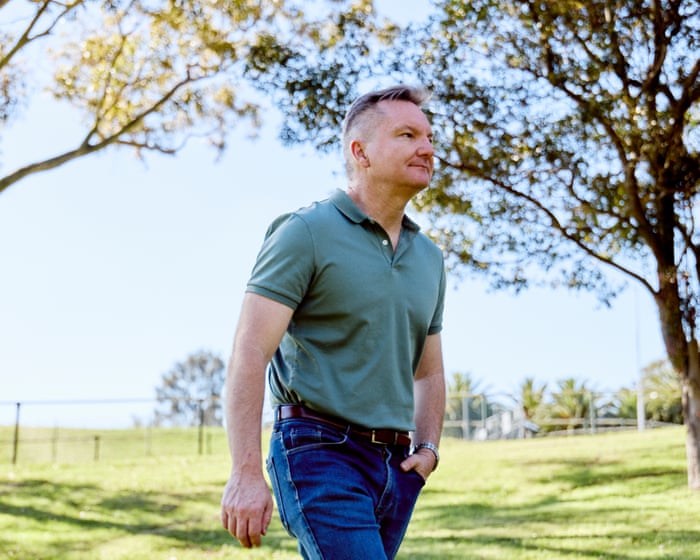
Australia can switch from fossil fuel exports to renewables, says next Cop president

Climate minister Chris Bowen says country must prepare for changing world and can play bigger role in reducing emissions

Australia will find exporting fossil fuels increasingly difficult but can switch to exporting clean energy products, the president of the next UN climate negotiations has declared.

Speaking at a climate conference in Bonn, Germany, Chris Bowen, Australia’s minister for climate change and energy, argued his country had led the global push to “transition away from fossil fuels” – based on the rapid growth of renewable energy and batteries in its domestic power grids – and that its economy could manage the switch.

Continue reading...

© Photograph: Bec Lorrimer/The Guardian

© Photograph: Bec Lorrimer/The Guardian

© Photograph: Bec Lorrimer/The Guardian

  •  

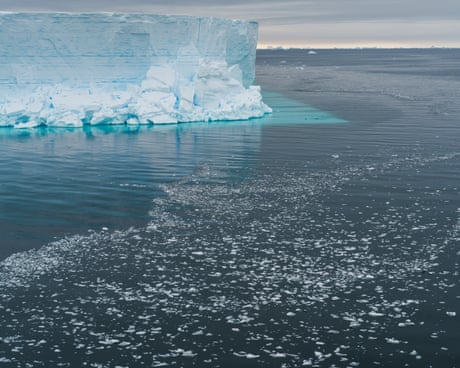
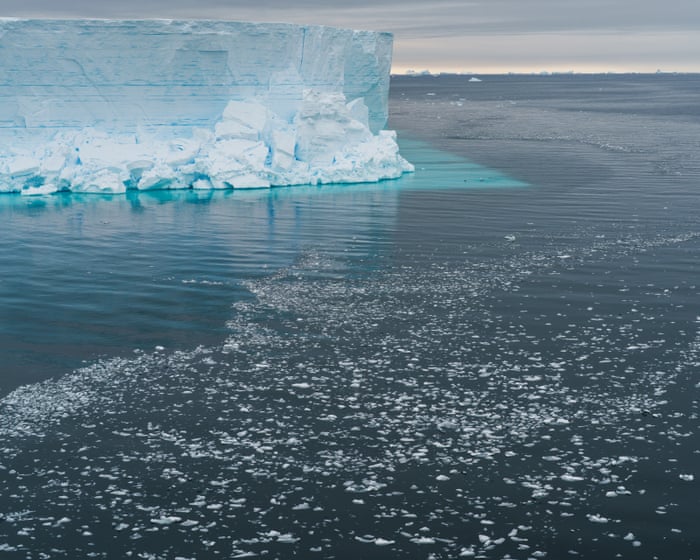
Antarctica’s west coast missing an area of sea ice the size of France as temperatures peak 20C above average

Exclusive A vast area of the Bellingshausen Sea should be covered by sea ice by now, with one expert calling the loss of ice ‘depressing’

Antarctica’s west coast is missing an area of winter sea ice the size of France, sparking concerns for threatened penguins other marine life and global sea levels.

One expert said the loss of ice in the Bellingshausen Sea was “depressing” and the failure of ice to form could have intensified a heatwave over the continent’s peninsula last week that saw daytime temperatures peak at 15.4C which is more than 20C above average.

Continue reading...

© Photograph: Alex Ingle/Schmidt Ocean Institute

© Photograph: Alex Ingle/Schmidt Ocean Institute

© Photograph: Alex Ingle/Schmidt Ocean Institute

  •  

Natural history GCSE to teach teenagers to plant wildflower-friendly gardens

Long-awaited course to examine human effects on natural world and explore everyday ways to aid biodiversity

School pupils will learn how to plant a wildflower-friendly garden, according to long-awaited plans announced on Thursday for a natural history GCSE in England, Wales and Northern Ireland.

Campaigners have for more than a decade called for the study of biodiversity loss and global heating to be introduced as a dedicated subject in classrooms across the country, but despite a curriculum being previously drawn up, its launch has faced repeated delays.

Continue reading...

© Photograph: enviromantic/Getty Images

© Photograph: enviromantic/Getty Images

© Photograph: enviromantic/Getty Images

  •  

‘Super El Niño’ is officially here, scientists say. What can we expect?

Experts say climate pattern could supercharge extreme weather events and push temperatures to record highs

EL Niño has officially arrived, US officials at the National Oceanic and Atmospheric Administration (Noaa) said on Thursday, and scientists predict it could be the strongest of the century.

Forecasters had previously anticipated that a phenomenon known as a super “El Niño” would emerge this summer – supercharging extreme weather events and pushing global temperatures to record heights.

Continue reading...

© Photograph: Patrick T Fallon/AFP/Getty Images

© Photograph: Patrick T Fallon/AFP/Getty Images

© Photograph: Patrick T Fallon/AFP/Getty Images

  •  

Elites at a Standstill: Why the Western European Ruling Circles Are Failing

A considerable number of political scientists, when assessing the current state of international affairs, come to the conclusion that the most striking manifestation of the new global balance of power is the decline of Western civilization, the rapid rise of China, and the marginalisation of Western Europe. Former German Foreign Minister Joschka Fischer noted in […]
  •  

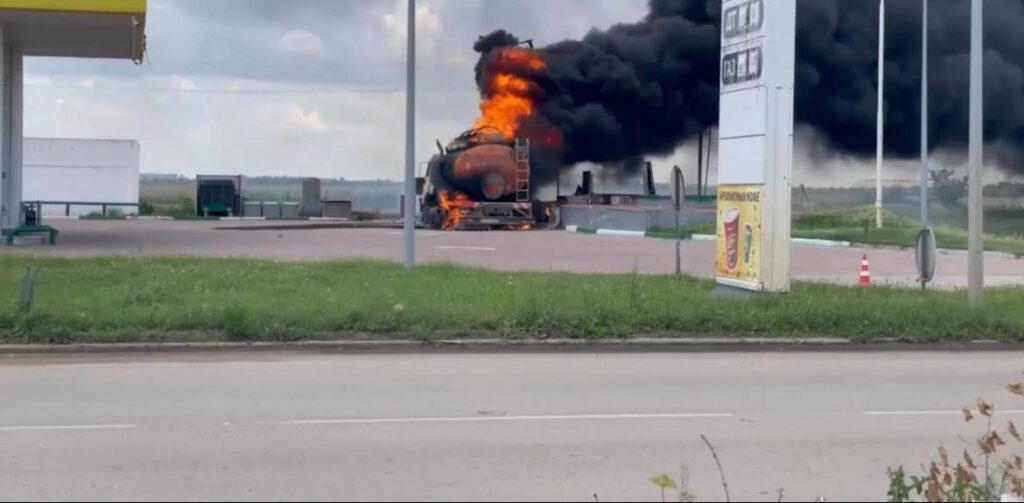
Russia’s fuel crisis jumps from 15 to 25 regions in five days—plus six occupied Ukrainian areas

russia's fuel crisis jumps 15 25 regions five days—plus six occupied ukrainian areas · post russian truck burns gas station skadovsk kherson oblast after logistic lockdown mid-range strike 11 2026

Russia's gasoline crisis has spread to 25 of its own regions and six occupied Ukrainian ones, the Russian-language Moscow Times reported on 10 June. Six days earlier, the count stood at 15. Ukrainian strikes on Russian refineries hit a wartime monthly record in May 2026, dropping Russian refining loading well below the start of the year.

This comes amid the Ukrainian long-range drone strike campaign, targeting Russian oil processing, transportation, and storage facilities almost every day. Additionally, Ukraine has escalated its mid-range "Logistic Lockdown" campaign, targeting Russian logistics in the occupied territories at depths of up to 200 km.

From 15 regions to 25 in under a week

The Russian Telegram channel 7×7 counted at least 25 Russian regions facing gasoline shortages and supply disruptions as of 10 June. Less than a week earlier, on 4 June, the number stood at 15. Restrictions also apply across six Russian-occupied Ukrainian regions: Crimea, Sevastopol, and the Luhansk, Donetsk, Kherson, and Zaporizhzhia oblasts.

Bloomberg counted 38 Ukrainian strikes on Russian refineries from January through May 2026. May alone saw 16 — the highest monthly figure of the war. According to OilX, Russian refinery loading has dropped 14% since the start of the year and stays roughly 20% below pre-war levels.

afipsky oil refinery burns again ukrainian drones return krasnodar krai · post fire after drone strike russia 11 2026 5282989402957225318 ukraine news reports
Explore further

Afipsky oil refinery burns again as Ukrainian drones return to Krasnodar Krai

Regional officials have responded unevenly. The acting governor of Belgorod Oblast, Alexander Shuvaev, acknowledged the shortage. Krasnodar Krai governor Veniamin Kondratyev called the situation "artificial hype." Residents publicly mocked the claim under his Telegram post, which was republished on a local channel. Gas stations in Krasnodar Krai have begun closing due to a shortage.

Fuel prices have spiked in occupied Crimea. On 10 June, AI-92 cost about $1.14 per liter, against $0.96 in Moscow. AI-95 traded near $1.25, up from $1.04 in the Russian capital. Resellers were offering fuel at $1.81-$2.08 per liter — about 50% above official Crimean prices.

On 8 June, Russia's Energy Ministry announced the creation of a task force to manage the fuel crisis, citing "growing enemy air attacks."

Occupied Sevastopol cancels fuel coupons after tankers fail to arrive

Sevastopol's Russian-installed governor said on 10 June that planned distribution of rationed petrol had been delayed, Reuters wrote on 11 June. Mikhail Razvozhayev claimed oil tanker trucks could not bring fuel into the city, following recent Ukrainian strikes on supply routes. Crimea, occupied by Russia in 2014, introduced fuel rationing last month due to shortages on the peninsula.

"Unfortunately, oil tanker trucks were unable to come to the city tonight," Razvozhayev wrote on Telegram. 

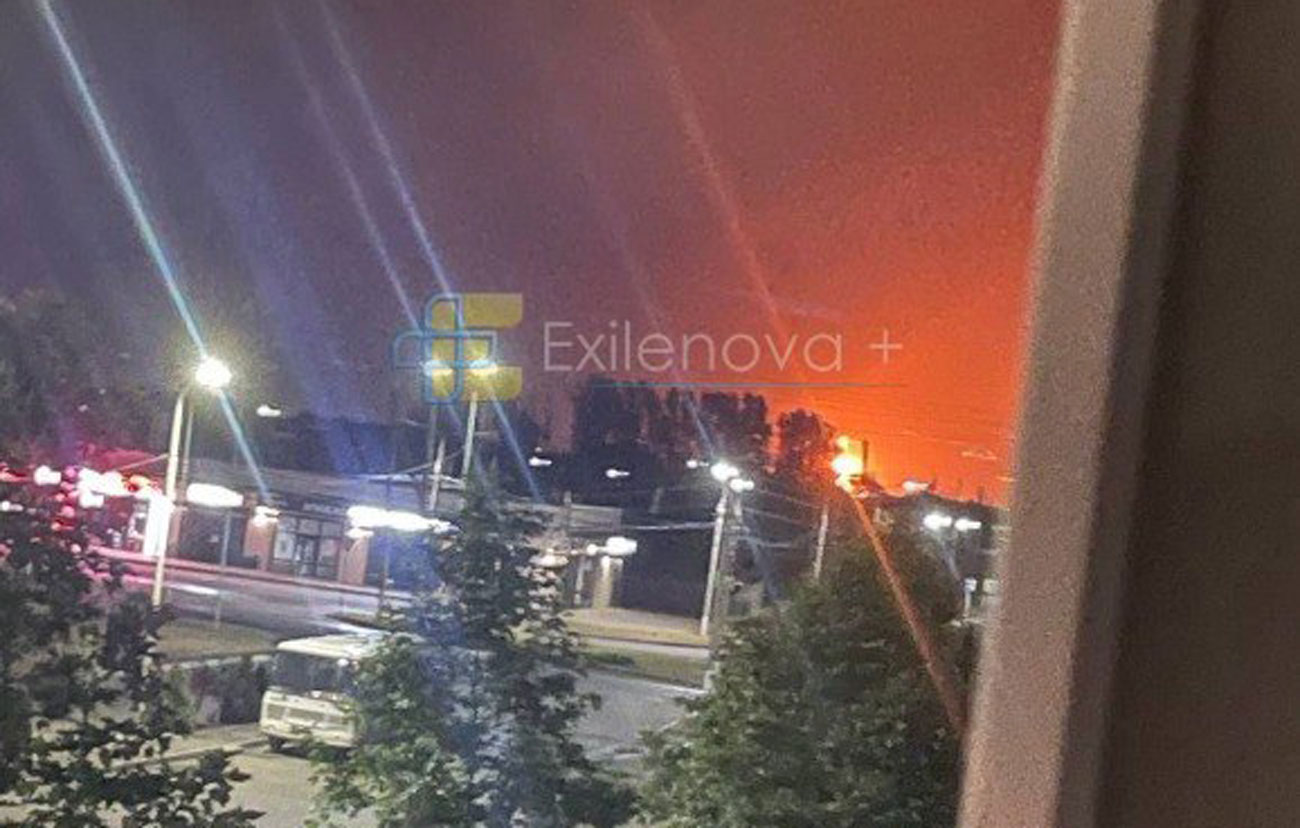
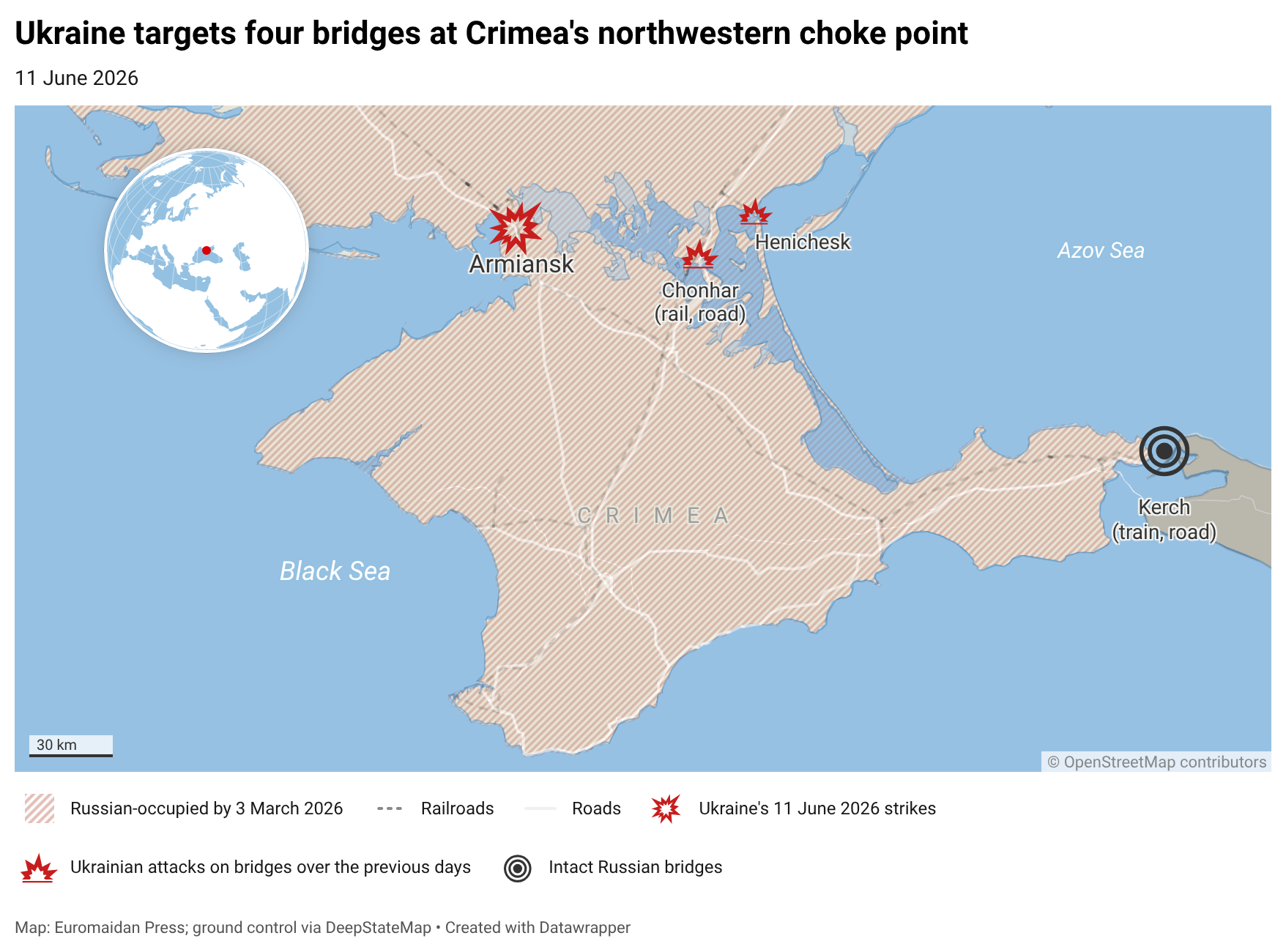
ukrainian drones knocking out northwestern entrance crimea bridges damaged one night · post rl9vo -ukraine-targets-four-bridges-at-crimea-s-northwestern-choke-point- struck four vehicular crimea's overnight 11 2026 quisling official vladimir saldo claimed strikes part ukraine's
Explore further

Ukrainian drones knocking out the northwestern entrance to Crimea: four bridges targeted in one night

He said priority for refueling on 11 June would go to public transport, utilities, emergency vehicles, and government vehicles.

"I am addressing everyone: there is no point in lining up at... the gas stations tomorrow," he added late on 10 June. 

Existing rationing coupons would be canceled and new ones issued today.

Razvozhayev later claimed over two dozen Ukrainian drones were downed in the early hours of Thursday in a fresh attack on Sevastopol. The city is Crimea's second-largest and home to Russia's Black Sea Fleet.

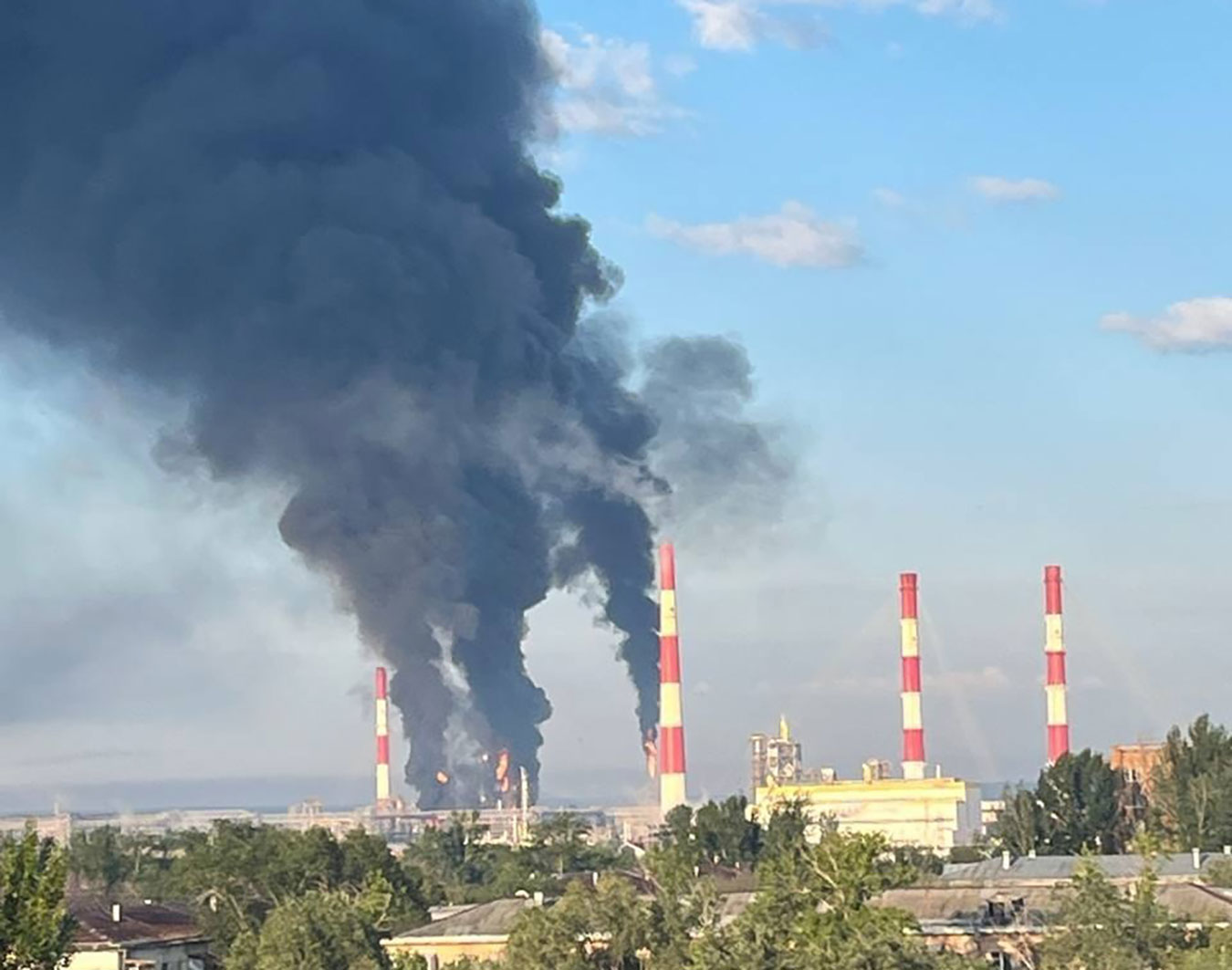
On the same day, a major drone attack hit Russia's Volga region of Samara, more than 900 km from the front line, forcing state-owned oil giant Rosneft to halt processing at its Kuibyshevsky refinery.

rosneft's kuibyshev refinery joins syzran novokuibyshevsk offline after ukrainian drone strike yesterday · post fires raging kuybyshevsky oil samara russia 10 2026 fires-rage-at-samara-kuybyshevsky-oil-refinery ukraine news reports
Explore further

All three Rosneft Samara refineries now offline or reduced as drones halt Kuibyshevsky operations yesterday

Ukrainian President Volodymyr Zelenskyy said Wednesday evening that Ukraine’s recently launched mid-range strike campaign against Russian logistics, including large-scale strikes on supply and fuel trucks, had proved its worth.

"In recent months, we are especially grateful for the mid-strikes: Russian military logistics throughout the entire depth of the temporarily occupied territory are now within reach of Ukrainian drones," he said. "Our impact reaches Russia’s border regions as well. The enemy feels it, and we will continue to expand it."

  •  

Los bárbaros occidentales

Sobre el lento desenmascaramiento del orden liberal y el descubrimiento, bastante incómodo, de que el emperador lo sabía desde el principio

Marcos Paulo CANDELORO

Únete a nosotros en Telegram Twitter  y VK .

Escríbenos: info@strategic-culture.su

Hay algo casi infantil en la fascinación que parte de Occidente ha desarrollado por el lema de la alianza de naciones europeas. Sin embargo, la realidad revela que se trata más bien de un consorcio militar-financiero que intenta preservar una hegemonía que ya empieza a escapársele de las manos.

La guerra de Ucrania, en términos generales, no hizo sino acelerar un proceso que llevaba décadas en marcha. Europa se percató, algo tarde, de que el monopolio político, económico y cultural construido después de 1945 comenzaba a mostrar fisuras irreversibles. China, Rusia, India, Irán e incluso las potencias medianas comprendieron algo que Bruselas y Davos nunca han llegado a admitir del todo: que el orden internacional liberal nunca fue universal. Se trataba, más bien, de la universalización forzada de los intereses de Washington, disfrazada con el sentimental lenguaje del humanitarismo.

Aquí reside la ironía central de nuestra época. Los mismos países que pasaron décadas predicando la soberanía relativa, la gobernanza global y la responsabilidad internacional ahora redescubren frenéticamente el valor de las fronteras, del patriotismo industrial y de la autonomía estratégica. La globalización cumplió su propósito mientras consolidó su supremacía. En el momento en que comenzó a beneficiar a rivales civilizacionales, se convirtió en una amenaza existencial, y he aquí que el viejo instinto territorial resurgió rápidamente, ese mismo instinto que durante años se había tratado como un síntoma de atraso provinciano y, en casos más graves, como evidencia de algún tipo de psicopatología colectiva.

El conflicto actual, por consiguiente, trasciende con creces la dimensión militar y se adentra en el terreno antropológico, ese terreno sobre el que la hoja de cálculo del consultor de Davos no explica absolutamente nada. Por un lado, Occidente posmoderno se transformó en una máquina burocrática de disolución cultural, un bloque político incapaz de defender su propia memoria histórica y, sin embargo, deseoso de exportar compulsivamente la política de identidad al resto del planeta. Por otro lado, los países que han comprendido algo bastante elemental que Aristóteles ya había descrito siglos antes de que existieran los consultores de ESG, (Environmental, Social and Governance (Ambiental, Social y Gobernanza evalúan el desempeño ambiental, social y de gobernanza de una empresa, determinando su sostenibilidad y capacidad de generar valor a largo plazo) a saber, que los pueblos sobreviven gracias a la preservación de la identidad, la continuidad histórica y la cohesión simbólica

Rusia lo comprendió pronto, China aún antes, y ambas percibieron que el liberalismo occidental había dejado de funcionar como modelo económico para convertirse en una especie de religión negativa, fundada en la deconstrucción permanente de los lazos orgánicos. La familia se convierte en opresión, la nación en prejuicio, la religión en atraso, la masculinidad en peligro, la frontera en violencia moral, en una lista cada vez más extensa de aquello que debe ser pulverizado en nombre de un progreso que nadie es capaz de definir con precisión. No es casualidad que Occidente contemporáneo produzca riqueza material y depresión espiritual con igual eficiencia industrial.

Y, sin embargo, lo más curioso de todo es observar cómo la prensa internacional insiste en narrarlo todo a través de la vieja lente moral de la Guerra Fría. Democracia contra autoritarismo, libertad contra tiranía, civilización contra barbarie: he aquí la caricatura que ya no convence ni siquiera al ciudadano europeo o estadounidense medio, a ese ciudadano común que mira Londres, París o Los Ángeles y se da cuenta, sin necesidad de un diploma de Harvard, de que quizás el colapso viene desde dentro. La crisis migratoria europea es solo el síntoma visible, amigos. El verdadero problema es mucho más profundo y, además, resulta considerablemente más embarazoso, pues Europa se ha cansado de sí misma, ha perdido el instinto civilizatorio básico de la supervivencia, ha transformado la culpa histórica en política de Estado, ha sustituido la identidad por la administración tecnocrática y ha cambiado la pertenencia por el consumo

Mientras tanto, el establishment occidental responde de la única manera que conoce: con censura, vigilancia y propaganda moralizante. Toda disidencia se convierte en una amenaza para la democracia, toda crítica al globalismo en extremismo, toda resistencia cultural en radicalización, y los regímenes supuestamente liberales han llegado a depender abiertamente de mecanismos antiliberales para su supervivencia política, en un espectáculo que avergonzaría incluso a Carl Schmitt.

La máscara se cayó durante la pandemia, se cayó de nuevo con la guerra y se cayó definitivamente en medio de la creciente desesperación de las élites globalistas enfrentadas al surgimiento de cualquier fuerza mínimamente soberanista.

El ciudadano medio, el de a pie, por consiguiente, ha comenzado a considerar una hipótesis bastante herética: que la mayor amenaza a la libertad contemporánea quizás no provenga de Moscú ni de Pekín, sino del propio aparato burocrático-financiero que gobierna Occidente en nombre de la democracia, neutralizando elecciones, censurando opiniones y redefiniendo los conceptos básicos de la realidad mediante una ingeniería semántica permanente. El nuevo orden mundial, por lo tanto, prescinde del modelo del imperio formal. Bastará con algo mucho más sofisticado: un régimen administrado por conglomerados financieros, plataformas digitales, organismos transnacionales y estructuras de inteligencia capaces de moldear el comportamiento humano a escala industrial, preservando al mismo tiempo la estética de la libertad.

Y quizás sea precisamente esto lo que explique el creciente pánico en Occidente. Por primera vez en décadas, el resto del mundo ha comenzado a darse cuenta de que el emperador está desnudo. Lo más triste de todo, sin embargo, es que el emperador siempre lo supo. Simplemente contaba con que nadie lo mirara, y así no se den cuenta.

Publicado originalmente por  The Elegant Ruin

 Traducción:  InfoPosta

  •  

Millions of homes in London, Essex and Kent at risk of sinking as climate crisis worsens

Analysis pinpoints areas most vulnerable to hotter, drier weather causing ground to shrink and drag foundations down

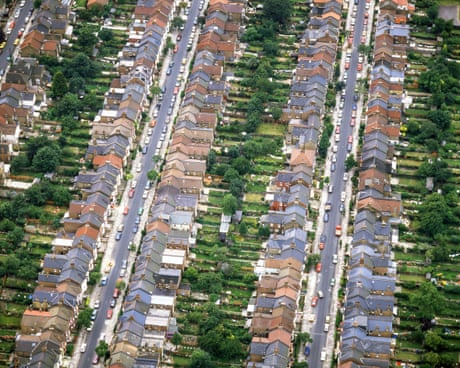
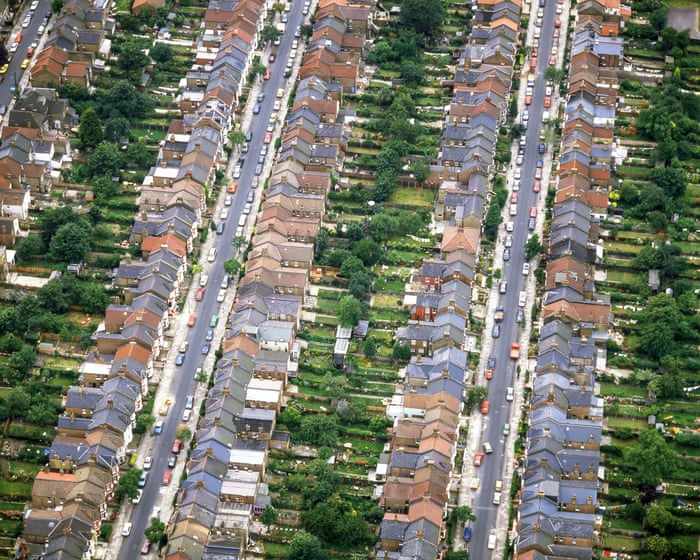
Millions of homes are at risk from climate-related subsidence, according toan analysis by the British Geological Survey (BGS).

As hotter, drier summers driven by global heating become more frequent, the ground under houses can shrink and drag down a property’s foundations. The most vulnerable areas include London, Essex, Kent and a tranche of land from Oxford up to the Wash on England’s east coast, according to scientists, who say mitigation measures will be needed.

Continue reading...

© Photograph: Greg Balfour Evans/Alamy

© Photograph: Greg Balfour Evans/Alamy

© Photograph: Greg Balfour Evans/Alamy

  •  

Four days of extreme rain in Indonesia killed 7% of world’s rarest great apes, study finds

Critically endangered Tapanuli orangutan population falls after heavy rain and landslides, fuelled by climate crisis, in North Sumatra

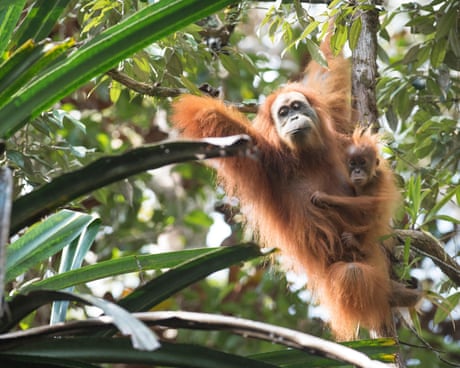
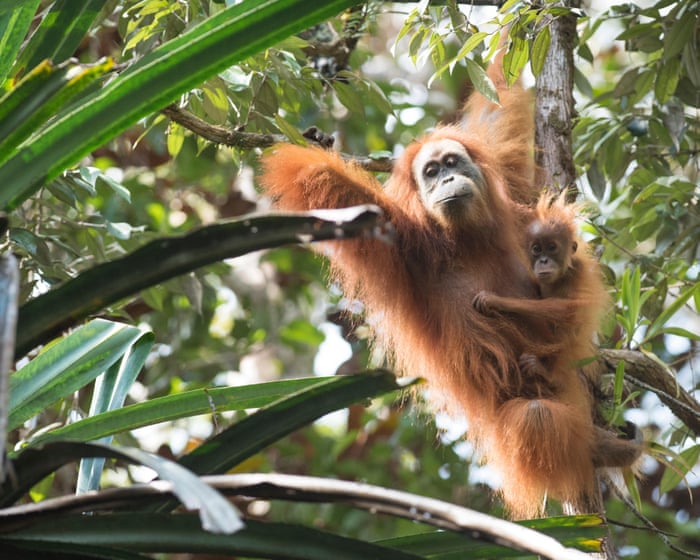
Extreme rainfall and landslides fuelled by the climate crisis killed 7% of the remaining population of the world’s rarest great ape, a study has found, prompting fears for the species’ survival.

The research suggests 58 out of the remaining 800 critically endangered Tapanuli orangutans (Pongo tapanuliensis) were killed after more than 1,000mm (39in) of rain fell over four days in Indonesia’s North Sumatra province in November 2025. This equates to 11% of the local population and 7% of the entire species.

Continue reading...

© Photograph: Nature Picture Library/Alamy

© Photograph: Nature Picture Library/Alamy

© Photograph: Nature Picture Library/Alamy

  •  

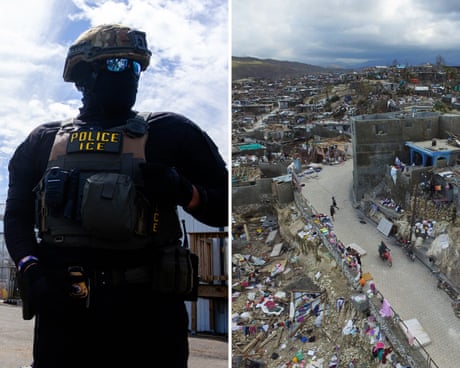
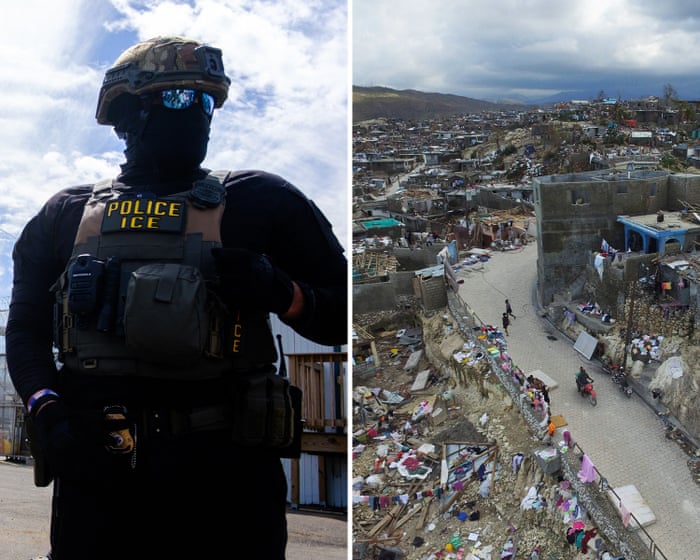
Trump targeting immigrants from countries hit most by climate shocks

A Guardian analysis reveals how most of 39 countries facing US entry restrictions are most vulnerable environmentally

Donald Trump’s immigration crackdown is largely targeting people from the countries most vulnerable to displacement from climate-driven disasters, a Guardian analysis shows.

As the Trump administration pushes policies to boost planet-heating fossil fuels, millions of people are being forced to flee their homelands due to storms, floods and droughts worsened by the climate crisis.

Continue reading...

© Composite: The Guardian, AFP via Getty Images

© Composite: The Guardian, AFP via Getty Images

© Composite: The Guardian, AFP via Getty Images

  •  

Nike charges World Cup fans the most for replica shirts after price surge

England supporters face paying inflation-busting £95 for an adult shirt as the tournament begins in the US

Fans of World Cup teams kitted out by Nike face the highest costs if they want to buy a replica shirt before the tournament kicks off this week amid a “striking” overall increase in prices.

Alongside the official match versions, which are retailing for as much as €160, manufacturers typically make “stadium”, or replica, versions aimed at supporters.

Continue reading...

© Photograph: Eddie Keogh/The FA/Getty

© Photograph: Eddie Keogh/The FA/Getty

© Photograph: Eddie Keogh/The FA/Getty

  •  

Friedrich Merz: Meet the Most Unpopular Chancellor in Modern German History

Germany’s economic decline is no longer merely an economic story. It has become a political one. Chancellor Friedrich Merz has become the focal point of this broader crisis of governance and legitimacy. For decades, Germany was regarded as the economic engine of Europe and, alongside France, a principal political architect of the European Union. Today, […]
  •  

Sudan crisis worsens as civil war enters 4th year and Hormuz closure disrupts aid

It's the world's largest humanitarian crisis, yet aid groups say it has received far too little attention. As Sudan's civil war enters its fourth year, nearly two out of every five people face emergency-level hunger and humanitarian officials warn the crisis has been compounded by the closure of the Strait of Hormuz. Nick Schifrin reports. A warning, some images in this story are disturbing.

  •  
❌