Triumphant Achilles dragging Hector’s body around Troy, from a panoramic fresco of the Achilleion. Credit: Franz Matsch / Public Domain
He was the swift-footed Achilles, the greatest warrior of the Trojan War, a semi-divine hero whose very name was synonymous with speed and power. And yet, for centuries, the smart brilliance of an ancient Greek philosopher has left him perpetually—and quite comically—stuck behind a tortoise. Zeno’s paradox presents a philosophical conundrum that still captivates people millennia after it first questioned the intellectual doctrines of Ancient Greece.
It is a paradox that prompts us to question the nature of motion and reality itself. Specifically, it compels us to explore the infinite—a concept that still confounds quantum physicists today.
Zeno’s Paradox: The problem with Achilles and infinite steps
Picture the scene: Achilles, in all his glorious, muscular beauty, lines up against a tortoise. The tortoise, naturally, gets a head start—a gesture of fair play, one might say, that quickly devolves into philosophical torture.
Credit: Loco Steve, Wikimedia Commons, CC BY-SA 2.0 (left), Greek Reporter archive (right)
During this event, Achilles, being well, would instantly sprint past the slow tortoise. But Zeno, with a mischievous twinkle in his eye, argued otherwise. Before Achilles can even reach the position where the tortoise started, the cute little animal will have managed to go forward a little compared to its initial position.
When Achilles finally arrives at that particular spot, the tortoise has moved again. This would carry on forever. This continuous cycle, Zeno noticed, continues ad infinitum, meaning Achilles is forever playing catch-up, never truly reaching the tortoise. It sounds childish and blatantly wrong, but is it? Think about it. It makes sense. It’s enough, at least, to make you wonder about what’s real and what isn’t.
Zeno of Elea’s Achilles paradox. Credit: Aelwyn. CC BY-SA 4.0/ Wikimedia Commons/Aelwyn
This confused the ancient Greeks, whose understanding of infinity was still rudimentary. It challenged the very idea of continuous motion, suggesting that movement itself might be an illusion, a series of frozen moments rather than a fluid progression. Indeed, Zeno’s mentor, Parmenides, had famously argued that reality was static and unchanging, and our perception of movement was nothing but a trick of the senses.
Zeno, always the loyal—and brilliant—student, used his paradoxical skills skillfully as an intellectual shield for this peculiar paradox. One can almost imagine the expressions on the faces of Athenian philosophers as Zeno calmly explained why their fastest runner could never quite outrun a slow tortoise.
Of course, modern humans comprehend concepts such as calculus, therefore understanding that Zeno’s apparent deadlock is resolved. Mathematicians like Newton and Leibniz, centuries later, demonstrated that an infinite series of ever-decreasing distances can indeed sum to a finite total.
This means that in Zeno’s paradox, Achilles does overtake the tortoise; the finish line, for him, is not an illusion. Yet, to dismiss Zeno’s paradox completely as a mathematical footnote and a logical mistake would be to miss its profound impact on human thought.
It was a puzzle that had such a consequential effect that it shaped our understanding of the universe. Consider quantum mechanics, for example, where particles seem to exist in multiple states simultaneously—a concept similar to Zeno’s discomfiting fragmentation of reality.
Our digital devices work by breaking down continuous processes into tiny, distinctive steps. This is similar to how a movie creates the illusion of motion from individual frames. This approach, which traces back to Zeno’s ideas about infinitely dividing space and time, is embedded in much of our modern technology.
However, beyond academia and the complex equations of physics that ordinary people can’t even comprehend, the paradox of Achilles and the tortoise has a surprisingly relatable, almost melancholic, wisdom for our own lives that is easier to grasp.
Modern life sometimes feels like the paradox of Achilles and the tortoise: A never-ending struggle to reach our goals, only to realise it’s not possible. Credit: Greek Reporter
Achilles and the tortoise as a modern metaphor for our lives
How many times have we felt like Achilles, tirelessly chasing a goal, a dream, or even just the promise of a calmer, better tomorrow, only for it to perpetually remain just out of reach? Life, too, often feels like a series of infinite, tiny steps, each requiring immense effort, each seeming to bring us no closer to the finish line despite the progress we make daily.
Yet, Achilles and the tortoise, when illuminated by the light of calculus, can become a story of hope. It tells us that even an infinite process can have a finite, tangible result, perhaps representing the better tomorrow we all strive for. Progress is undeniably real, however gradually it arrives.
So, the next time you feel stuck, relentlessly pursuing a goal that seems to go further away with every step, remember Achilles and that remarkably slow tortoise.
Zeno, the ancient Greek mastermind, may have created this paradox to confound his contemporaries. But in doing so, he left us with a timeless truth: movement—whether through space, thought, or life itself—is never as simple as it appears. Yet, if we keep putting one foot in front of the other, even if the journey feels impossibly long, like Achilles, we will get there. Eventually.
Collapse layer east of the Late Roman wall. Credit: Department of Antiquities, Cyprus
Archaeologists in Cyprus have uncovered a massive Late Roman wall at the ancient city of Amathous that may have formed part of a defensive system protecting the summit of the acropolis.
The structure, discovered on the site’s Western Terrace, offers new evidence of efforts to fortify one of the island’s most important ancient urban centers during the Late Roman period.
Details of the defensive wall
The wall reaches up to 2 meters (6.6 feet) in thickness and was built using large limestone ashlar blocks, smaller stones, and clay mortar. Excavation evidence shows that it underwent at least two construction phases, suggesting it remained an important feature of the acropolis over time.
Researchers also uncovered a floor surface associated with the wall, fallen architectural blocks, roof tiles, and mudbrick fragments from a collapsed structure. Together, the finds provide new insight into construction methods and defensive planning at Amathous during the final centuries of Roman rule.
The discoveries were made during the second excavation season of the French Archaeological Mission of Amathous, held from March 30 to April 24, 2026. The project is directed by Dr. Anna Cannavo and focuses on the Western Terrace of the Acropolis.
Expanded excavations reveal a substantial wall
The wall was first identified during excavations in 2025 following a geophysical survey conducted in 2024. During the 2026 season, archaeologists expanded Trench 1 and uncovered a much larger section of the structure.
The wall runs parallel to the natural edge of the terrace, with its southern section turning slightly toward the west. Its eastern face was constructed from large limestone ashlar blocks, while the interior was packed with smaller rough stones bonded with clay.
Researchers identified evidence for at least two building phases. The original wall measured about 135 centimeters (4.4 feet) in thickness. It was later strengthened by adding a second row of limestone blocks and filling the space between the two walls with stone rubble.
Foundations and associated floor date to the Late Roman period
A small trench excavated along the eastern side of the wall exposed its foundations and revealed a floor directly connected to the structure. Part of the floor was paved with reused roof tiles laid over a gravel bedding.
Excavation evidence indicates that both the wall and the floor date to the Late Roman period. East of the structure, archaeologists uncovered destruction deposits containing fallen ashlar blocks, roof tiles, and mudbrick fragments from the building’s upper portions.
Findings highlight the strategic importance of the Acropolis
Iron Age terracotta figurines and pottery. Credit: Department of Antiquities, Cyprus
A second excavation area, known as Trench 3, was opened at the northern end of the terrace. Although no architectural remains were found there, archaeologists recovered a rich collection of Iron Age artifacts, indicating earlier activity in the area.
Researchers believe the newly discovered wall formed part of a defensive system protecting the summit of the acropolis and the basilica that had replaced the sanctuary of Aphrodite, one of the most important religious centers in ancient Cyprus.
Future excavations will investigate the full extent of the fortification and determine whether the Late Roman remains were built over earlier structures, helping researchers better understand the long-term development of Amathous.
Early Greek alphabet painted on the body of an Attic black-figure cup. Today, there are missing letters in the Greek alphabet. Credit: flickr / Dan Diffendale CC BY-SA 2.0
The Greek alphabet has changed in many ways over the course of its existence. This is hardly surprising, given that the Greeks have been using it for nearly three millennia. One way in which it has changed is that some letters that used to exist in the Greek alphabet are now missing. Which letters were these, and what do we know about them?
The first letters of the Greek alphabet
To start, let us establish how the Greek alphabet acquired its letters in the first place. According to ancient Greek historians, the Greeks adopted the Phoenician alphabet after the arrival of a Phoenician prince named Cadmus. Archaeology confirms that this occurred at some point in the ninth century BCE.
The Phoenician alphabet was composed of only consonants. When the Greeks adopted it, they modified it to include vowels as well. This was a major step forward in the development of writing.
According to Plutarch, a Greek historian of the first century CE, there were originally sixteen Greek letters. However, Hyginus, an earlier writer, reports that there were originally eighteen.
In reality, it appears that neither version is correct. Physical evidence in the form of ancient inscriptions reveals that the earliest Greek inscriptions made use of all twenty-two letters in the Phoenician alphabet. However, four of these were for sounds which did not exist in Greek, so they were modified into vowels.
Perhaps this is where Hyginus’ idea of eighteen original letters comes from, being a distorted memory of the eighteen original consonants. In any case, the total number of letters in the Greek alphabet increased over time.
Why are there some missing letters?
Some of the letters used in ancient Greek inscriptions are simply not in the modern Greek alphabet. Why is this? Simply put, the reason is that the Greek language itself has evolved over time, and the alphabet exists to comply to the needs of the language rather than vice versa.
Additionally, different dialects of the Greek language existed within the Greek world at the same time. Therefore, the needs of each dialect would not necessarily be covered by the same letters.
In the late fifth century BCE, the alphabet used by the Ionian Greeks became the official, standardized alphabet of Athens. Over the following century, it then replaced the local alphabets of other Greek regions. By that time, the dialect of the Ionian Greeks was such that their alphabet did not make use of all the letters that had once been in use. Rather, their alphabet used just twenty-four letters. Hence, what were the letters that the Greek alphabet used to have but no longer does?
Digamma
One of the most famous lost letters of the Greek alphabet is Digamma. This had the following form:
Ϝ
It is superficially very similar to the modern F, but the sound was completely different. It was essentially the modern w sound. In fact, the original name for this letter was ‘wau’, taken directly from the Phoenician name for this letter.
San
Another lost letter is San. This had the following form:
Ϻ
Like Digamma, this looks almost identical to a more familiar letter. In this case, it looks just like the modern letter M. However, like with Digamma, the sound indicated by this ancient letter was completely different. Unlike the modern M, the ancient San, or Ϻ, was used to indicate an s sound. This fell out of use in favor of the alternative letter Sigma, written as Σ.
Koppa
Another letter that is no longer in use is Koppa, which had the following written form:
Ϙ
This is similar to the modern Q in the English alphabet, and that is no coincidence. Koppa was still part of the Greek alphabet when the Latins adopted it, which led to this letter eventually becoming the Q in English. The English alphabet originated from the Romans. The sound Koppa indicated was a k sound. It eventually fell out of favor in Greek, being replaced by the alternative letter Kappa, written as Κ.
Sampi
This next letter is called Sampi. It was written as:
Ͳ
This is very similar to the modern T, but it is unrelated. That modern letter comes from the ancient Greek Tau which, of course, had a t sound. In contrast, the ancient Greek Sampi had some kind of s or sh sound, although the exact vocalization is unknown. In any case, it fell out of favor when this sound was no longer used.
Young students going home from school. Credit: GR Archive
Greece recorded one of the lowest rates of young people leaving education and training early in the European Union in 2025, ranking second among all 27 member states for keeping young people in education, according to new data from Eurostat.
The country posted a rate of 3.0%, trailing only Croatia, which reported the lowest share in the EU at 2.1%. Ireland placed third at 3.6%.
Greece’s standing reflects consistent progress over the past decade. In 2015, the country’s rate stood at 7.9%. Over ten years, it fell to 3.0%, a drop of nearly 5 percentage points.
Eurostat defines “early school leavers” as young people between the ages of 18 and 24 who exit education and training before completing upper secondary or higher-level studies. The data measures this group as a share of the total population in that age range.
Greece’s decade-long push keeps young people in education
The EU-wide average stood at 9.1% in 2025, just above the bloc’s own target of bringing that figure below 9.0% by 2030. The rate has declined steadily from 11.0% in 2015. Nineteen of the 27 EU member states reported a lower rate in 2025 compared to 2015, and 17 have already met the 2030 target.
In 2025, the share of early school leavers (young people aged 18-24 leaving early from education and training) in the EU was 9.1%.
Lowest shares in: Croatia (2.1%) Greece (3.0%)
Highest shares in: Romania (15.5%) Germany (13.1%)
Among countries that improved the most since 2015, Malta led with a drop of 7.7 percentage points. Portugal followed with a decrease of 7.4 percentage points, and Spain dropped by 7.2 percentage points.
Not all countries moved in the right direction. Seven EU member states reported higher rates in 2025 than in 2015. Cyprus saw the biggest rise, climbing 4.6 percentage points over the decade.
Germany increased by 3.0 percentage points, and Austria rose by 2.7 percentage points. Romania posted the highest rate in the EU in 2025 at 15.5%, followed by Germany at 13.1% and Spain at 12.8%.
Men across the EU still quit school earlier than women
A gap between men and women remained consistent across the EU. More young men left education early than women, though both groups showed improvement. The rate for men fell from 12.5% in 2015 to 10.6% in 2025. For women, the figure dropped from 9.4% to 7.5% over the same period.
Greece’s rate of retaining young people in education has improved in nearly every year over the past decade, placing it firmly among the EU’s strongest performers on this measure.
Erasistratus discovers the cause of the illness of Antiochus. Painting by Jacques-Louis David. Public Domain
Ancient Greek scientist Erasistratus (300-250 B.C.) is credited with being among the first human lie detectors. He devised a specific technique to read a person’s physical response so as to spot when an individual was lying.
While in Alexandria, Egypt, he is said to have proven Prince Antiochus was desperately in love with his father’s new wife, Stratonice. He noted how his pulse increased significantly whenever the queen’s name was mentioned, despite his insistence that he did not have the hots for his stepmother.
Love-struck, he fell ill with passion and chose to pine away in silence. The physicians were unable to discover the cause and nature of his disease.
Erasistratus himself was at a loss at first, until, finding nothing amiss about his body, he began to suspect that it must be the man’s mind that was diseased and that he might perhaps be in love.
Erasistratus confirmed his conjecture when he observed that the skin of Antiochus grew hotter, his color deeper, and his pulse quicker whenever Stratonice came near him, while none of these symptoms occurred on any other occasion.
The Greek physician eventually told the father, King Seleucus, that his son’s disease was incurable, for he was in love with the monarch’s wife and that he chose to die rather than to disclose his secret.
According to the anecdote, Seleucus not only gave up Stratonice, but also resigned to his son several provinces of his empire.
Erasistratus founded school of anatomy in Alexandria
Erasistratus, along with fellow physician Herophilus, founded a school of anatomy in Alexandria where they carried out anatomical research.
He is credited for his description of the valves of the heart. He also concluded that the heart was not the center of sensations. Instead, he said, it functioned as a pump. He was among the first to distinguish between veins and arteries, believing that arteries were full of air and carried the “animal spirit” (pneuma).
Together with Herophilus, he is credited by historians as the potential founder of neuroscience due to his acknowledgment of nerves and their roles in motor control through the brain and skeletal muscles.
Furthermore, Erasistratus is seen as one of the first physicians/scientists to conduct recorded dissections and potential vivisections alongside Herophilus.
The two physicians were said by several Roman authors, notably, Augustine, Celsus, and Tertullian, to have performed controversial vivisections on criminals to study the anatomy and possible physiology of human organs while they were in Alexandria.
Archbishop of Athens and all of Greece, Ieronymos. Photo Credit: AMNA
A new bill introduced by the Greek Ministry of Finance recently in the nation’s Parliament includes sweeping salary increases for the highest-ranking officials of the Orthodox Christian Church of Greece. Under the proposed legislation, the Archbishop and Metropolitan Bishops will see their monthly gross pay rise by as much as 95%, standardizing their new salaries at €4,671.90.
Greece to restructure how Bishops are paid
The adjustments, outlined in Article 56 of the extensive finance bill, fundamentally change how the state compensates senior clerics. Rather than utilizing the previous tiered allowance system, the new legislation equals the base pay of Metropolitan Bishops with that of the Archbishop of Athens and All Greece.
Both positions are now pegged directly to the compensation of top government executives. Specifically, the hierarchs will receive 90% of the maximum gross salary allotted to a Ministry General Secretary. The public sector basic salary limit for General Secretaries adjusts to €5,191 effective April 1, 2026. The legislation calculates the new clergy pay explicitly as 90% of this figure. The bill firmly states that no other supplementary benefits or allowances will be paid beyond this established rate.
Prior to this legislative update, senior clergy salaries fluctuated based on specific representation expenses and educational qualifications, such as holding a master’s or doctoral degree. The contrast with the new pay scale is significant:
The Archbishop: Previously earned a monthly gross income ranging from €2,840 to €2,915. The adjustment delivers an approximate 60% baseline increase.
Metropolitan Bishops: Previously collected between €2,400 and €2,475 monthly. Under the new equalization framework, their gross pay jumps by up to 95% to match the Archbishop.
Assistant and Titular Bishops: The bill standardizes compensation for lower-ranking hierarchs, setting their total monthly salaries at exactly 70% of the top-tier rate.
Wider public sector wage adjustments
While initially framed around measures combating the energy crisis and supporting vulnerable groups and pensioners, the bill extends far beyond ecclesiastical pay. The legislative package contains comprehensive wage restructuring for various sectors of the Greek state apparatus.
Articles 49 through 55 dictate specific salary and promotional adjustments for the judiciary and civil service. Judicial officers facing delayed promotions due to a lack of open vacancies will receive calculated percentage adjustments to their base pay, depending strictly on their accumulated years of service.
The bill also implements hard compensation caps for other public servants. Members of constitutionally protected independent authorities who hold supplementary government positions cannot exceed 80% of a judicial officer’s total pay. Finally, the legislation actively standardizes the pay scales for administrative staff serving both the Presidency of the Government and the Presidency of the Republic, ensuring direct alignment with the updated 2026 public sector guidelines.
A digital representation of Ctesibius. Credit: Greek Reporter archive
Ever found yourself scratching your head, wondering if aside from legendary philosophers and epic poets there were also any “tech gurus” in ancient Greece? When the conversation turns to Greek scientific minds, one might think of figures like Archimedes and Euclid and rightly so. However, there’s a name that truly deserves a much brighter spotlight—that of Ctesibius.
Ctesibius was a true genius of Hellenistic Alexandria, who, quite literally, set the wheels (and yes, the water organ, or hydraulis!) in motion. Due to his brilliant mind, he laid down fundamental principles for technologies that, believe it or not, continue to shape our everyday world to this very day.
Ctesibius was one of ancient Greece’s greatest innovators
Born into the vibrant, intellectual epicenter of Alexandria during the Ptolemaic era, Ctesibius became a hands-on inventor, driven by an almost insatiable curiosity to truly understand and harness the raw power of the natural world.
Imagine at a time when entire civilizations relied on human muscle and simple machines, seeing someone create music from water or build a clock accurate for two thousand years. The sheer innovative audacity of Ctesibius was difficult to fathom.
Of course, at a time of wizards, this wasn’t a magic trick but the real, unadulterated brilliance of the mind of this Greek man. His groundbreaking contributions to pneumatics, the study of compressed air, and hydraulics, the science of liquids in motion, were utterly revolutionary for their time, making Ctesibius the “father of pneumatics.”
Just think about the fact that long before your car tires ever saw a pump or your pneumatic drill came to life, Ctesibius meticulously explored the very principles that made these tools possible. It’s a bit humbling, isn’t it, how many unsung heroes from antiquity have genuinely shaped the modern world we so often take for granted?
Reconstruction of the ancient hydraulis on display at the Kotsanas Museum in Athens. Credit: Aga39memnon, Wikimedia Commons, CC BY 4.0.
From melodic water organs to clocks
Among Ctesibius’ most well-known creations was the hydraulis, a genuinely revolutionary water organ. This was, quite simply, the world’s very first keyboard instrument. What an astonishing feat of engineering from over two millennia ago! It ingeniously utilized water pressure to guarantee a completely constant supply of air to its pipes, producing a sound that was remarkably stable and resonant. Imagine the awe of ancient audiences in hearing such a complex, melodic instrument for the absolute first time. It must have felt like nothing short of a miracle.
Beyond the enchanting music, Ctesibius’ improvements to the clepsydra, or water clock, were equally impressive. Prior to this tech guru, water clocks were notoriously imprecise. He revolutionized them through innovative mechanisms for regulating water flow and added an indicator system that provided unprecedented accuracy.
For over 1,800 years, his water clocks were the absolute gold standard in timekeeping. In other words, the pinpoint accuracy of your smartphone’s clock owes an indirect yet profoundly deep debt to a man who lived centuries before the mere concept of electricity was even a thing.
Ctesibius’ water clock, the first alarm clock ever, as depicted by an architect in the 17th century. Credit: Wikimedia Commons, Public domain
Ctesibius’ impact on our world
While Ctesibius himself may not have managed to become one of ancient Greece’s top names, his principles and inventions survived the test of time. They influenced later Roman and Arab engineers and eventually powered the European Renaissance. The very force pump he designed, for instance, is a direct progenitor of modern pumping systems, absolutely essential for everything from our city water supplies to the fire engines we rely on to keep us safe on a daily basis.
His profound understanding of the properties of air-laid processes set the foundation for all future pneumatic applications which today power everything from colossal industrial machinery to delicate medical devices. Hence, next time you hear the satisfying whoosh of a bus door, the gentle hiss of an automated machine, or simply admire the quiet precision of a modern watch, take a moment to think back to Ctesibius, the ancient Greek tech genius.
Under these plans, the Sofia-to-Athens route would be completed in six hours, compared to the current 13.5 hours. Credit: 21st Europe
A highly ambitious transportation proposal aims to connect Athens with approximately 40 other destinations in Europe through a high-speed “mega-metro” rail network by 2040. Dubbed “Starline,” the blueprint of this plan hopes to replace Europe’s fragmented national railways with a unified 22,000-kilometer (14,000-mile) system, significantly reducing travel times for Greek and European passengers overall, offering a green alternative to short-haul flights.
Developed by the Copenhagen-based think tank 21st Europe, the Starline project proposes five major railway corridors spanning 22 nations across Europe. The proposed routes include Line A from Naples to Helsinki, Line B from Lisbon to Kyiv via Madrid, Line C connecting Madrid to Istanbul, Line D from Dublin to Kyiv, and Line E linking Milan to Oslo. Operating like a city metro on a continental scale and obviously above ground, the network will link European cities under a single transit identity, with trains reaching speeds between 300 and 400 kilometers per hour.
Where do Athens and Greece come into the equation of this Europe-wide system?
For Greece, the infrastructure upgrade would drastically alter regional connectivity within the country and across southeastern Europe. Τhe European Commission recently announced targets to cut Sofia-to-Athens travel from 13 hours and 40 minutes to six hours, and Berlin-to-Copenhagen from seven hours to four.
The proposal complements these targets across the continent, where similar reductions will happen. A trip from Berlin to Copenhagen, from example, will drop from seven hours to four, while historically overnight routes like Kyiv to Berlin will become predictable, direct daytime connections.
Credit: 21st Europe
Transportation remains one of Europe’s largest climate challenges, generating roughly a quarter of all greenhouse gas emissions. While aviation accounts for a smaller percentage globally, short-haul flights remain the default for millions of European travelers. High-speed rail produces up to 90 percent less carbon dioxide per journey. 21st Europe states that a large-scale shift to rail represents the best path toward meeting the European Union’s 2050 net-zero emissions targets while maintaining fast mobility.
The proposal moves away from traditional railway conventions as the dark blue trains will abandon standard first- and second-class divisions, replacing them with purpose-built spaces such as quiet workspaces, family-oriented sections, ergonomic seating, and communal coffee areas. This layout aims to democratize long-distance travel and prioritize passenger comfort.
There is something about Greece that sets it apart from many other holiday destinations across the globe; its mythological sites.
Many ancient societies had different beliefs and myths, but none are more prominent in modern-day life than that of the Greeks. Their creatures have become legends, their tales inspiration for great fiction and their gods immortalized through the continued retelling of their conquests and trials.
Delos: an ancient mythological site in Greece
Matched only by the Acropolis of Athens, Greek mythological site the ruins on the island of Delos are an unmissable location for anybody interested in ancient Greek culture. One of the best-preserved examples of an ancient Greek civilization, the island is completely unblemished by modern architecture and as such, allows its visitors to delve deep into history.
However, it is not just a site of great historical importance, but a mythological one too. It was on this island that both gods Artemis and Apollo are said to have been born. As a result, the island became a sacred place. Sanctuaries and temples sprung up across its hillsides as people from across Greece came to the island’s shores to worship the deities.
Throne room of the Minoan Palace in Knossos, Crete Credit: Annatsach – Wikimedia Commons / CC BY-SA 4.0
The Labyrinth, a famous site in Greek mythology
One of the most famous and exciting stories of Greek mythology is the tale of Minos, Theseus and the Minotaur. Minos was a powerful king, ruler of Crete and the son of Zeus, but after he betrayed Poseidon, he was cursed to raise a son with the body of a man and the head of a bull. Using this curse to his advantage, however, Minos built the fabled Labyrinth and trapped the Minotaur within it. He would then send victims to their deaths until Theseus, prince of Athens, ventured into the Labyrinth and slayed the beast.
While there are no Minotaur bones for you to see, there are two possible Labyrinths to explore. First is the likely home of King Minos, and therefore the most plausible home for the labyrinth, Kommos. Located along the southern coast of the island, Kommos is a great place to visit, with spectacular ancient ruins and beautiful ocean views.
However, if you venture deep enough into the ruins of this ancient city, you will find many maze-like corridors and walkways that may have been the Minotaur’s home; or at least the inspiration for its tale. However, just down the road you will also find Gortyn, a site of great archaeological importance to Crete and another suspected home of the Labyrinth. Further away from Minos’ home, these ruins bear a much similar resemblance to the maze of mythology. Perhaps then, it is best to visit both Greek mythological sites and decide for yourself.
The Island of Ithaca: an ancient Greek site and holiday destination
An olive tree on Ithaca that is thought to be 1,500 years old. Credit: Wikimedia Commons
Ithaca, a well-known Greek mythological site for a holiday destination, is a place with a very interesting mythological past. Most notably, it was home to the legendary trickster Odysseus, the island’s greatest king and the brains behind the trojan horse.
Odysseus was also the protagonist of Homer’s “Odyssey.” His decade-long struggle to return home after the war is the source of many of the most enduring Greek myths.
The famous Cave of Zeus on the Greek island of Crete
Cave of Zeus in Crete, Greece Credit: Tomisti / Wikimedia Commons / CC BY-SA 4.0
Hidden away on the island of Crete is an extraordinary piece of Greek mythological history. Within a cave beneath Mount Ida, it is said that the King of Gods, Zeus, was born and raised.
The Cave of Zeus is a beautiful location, with one entrance leading into a network of caves filled with stunning rock formations and underground pools. It does indeed seem a fitting place for the beginnings of the greatest god Greek mythology has ever known. However, it was not by choice he was raised here but by necessity.
His father, the titan Cronus, was set on devouring all of his progeny to ensure that they could never contest his power. However, unbeknownst to Cronus, Zeus’ mother, Rhea, hid him within the cave so one day he could return to overthrow his tyrannical father; which, according to legend, he did.
Along the eastern coast of the Greek mainland, you will find one of the most well-known natural landmarks in the world; Mount Olympus. This legendary and iconic Greek mythological site is an awe-inspiring sight, however, there is more to it than meets the eye.
In Greek mythology, Olympus was created after the gods defeated the titans in the battle of Titanomachy; otherwise known as the War of the Titans. Atop its peak they then built the Pantheon, where Zeus sat upon his throne as King of Gods and the rest of the deities would convene to discuss matters of the world below and survey the world of men.
Seeing all these incredible mythological sites can be tricky, unless you charter a course aboard Deep Blue Yachting’s luxury sailing boat, the Glaros. It is a private vessel, you can set your own course and visit every site on this list, all in one trip.
Greece is planning on taxing profits from cryptocurrencies. Credit: Jorge Franganillo / Wikimedia Commons CC BY 2.0
The Greek government is reportedly finalizing legislation to impose a 15% tax on capital gains derived from cryptocurrencies, aiming to formally integrate digital assets into the national tax code. According to government officials who spoke to Reuters on Friday, the Ministry of National Economy and Finance in Greece is drafting the bill, which authorities expect to submit to Parliament for approval in the coming months.
Under the proposed financial framework, the initial 500 euros of cryptocurrency profits will remain exempt from the new tax to shield small-scale retail investors. Any capital gains exceeding this threshold will face a flat 15% rate, aligning the taxation of digital assets with traditional securities sales in Greece.
It is believed that people engaged in personal cryptocurrency mining will not face taxation on their yields. However, if the mining operation functions as a registered corporate entity, standard business tax rules will apply.
The current situation regarding cryptocurrency taxation in Greece
At present, Greece operates without a comprehensive legal framework specifically targeting cryptocurrency profits and people making a living out of them. This regulatory gap reflects a broader inconsistency across the European Union, where member states currently lack a unified fiscal system for the rapidly expanding sector. Across the continent, tax rates on digital capital gains vary significantly, ranging from an 8% low in neighboring Cyprus to 30% in France. The upcoming Greek legislation seeks to close domestic loopholes and bring Athens in line with European peers that have already established clear rules for digital investors.
The legislative move coincides with a wider European push to curb tax evasion and financial opacity within the digital space. The European Union recently introduced the Markets in Crypto-Assets (MiCA) Regulation and the DAC8 Directive, which mandate strict reporting standards and demand that crypto-asset service providers share user transaction data with national tax authorities. Greece’s updated tax code will operate in tandem with these measures on a European level.
A pointless measure?
Despite the planned implementation, government sources acknowledged severe difficulties in measuring the actual size of the domestic cryptocurrency market. The vast majority of Greek investors execute their trades through international, offshore platforms rather than locally registered exchanges. This decentralized structure makes it nearly impossible for financial authorities to accurately track the total volume of digital assets held by people. Consequently, the Ministry of Finance has not yet published any specific projections regarding the exact state revenues the 15% tax might generate.
Until the proposed legislation officially becomes law, cryptocurrency profits remain largely undeclared in Greece, leaving a substantial pool of potential state revenue untapped.
Ukraine officially apologized to Greece late on Friday over the presence of a sea drone off of the island of Lefkada. Credit: AMNA
Ukraine officially apologized to the Greek government on Friday following the discovery of a Ukrainian sea drone near the Ionian island of Lefkada. The unexpected discovery of the uncrewed surface vessel prompted swift diplomatic action from Athens, which raised serious safety and environmental concerns regarding the military presence in Greek territorial waters.
Last week, the Greek government escalated the issue by lodging a formal double diplomatic demarche. Athens directed its official protests to both the Ukrainian Embassy located in the Greek capital and directly to the Ukrainian Ministry of Foreign Affairs in Kyiv. Greek authorities clearly stated that the stray sea drone severely compromised the safety of civilian maritime navigation in the busy Ionian Sea, which is a popular tourist destination both for Greeks and foreigners. Experts noted that any accidental detonation or collision involving the device could have led to human casualties and inflicted extensive environmental damage on the region’s marine ecosystem.
Ukraine’s response to Greece
In direct response to the diplomatic protest from Athens, Ukrainian Foreign Ministry spokesman Heorhii Tykhyi released a public statement on social media late on Friday evening, addressing the issue. Tykhyi offered a formal apology on behalf of Ukraine, attributing the drone’s errant journey into Greek waters to the unpredictable circumstances generated by the ongoing Russian invasion of Ukraine.
“The Ukrainian side expresses its apologies for the incident, stressing that it was the result of circumstances brought about by the ongoing Russian aggression,” Tykhyi wrote in a statement published on Friday. He argued that the discovery off the coast of Lefkada, along with similar events reported in other regions, demonstrates how the current conflict threatens not only Ukraine but also friendly European states and the broader international community.
Addressing the specific maritime concerns raised by the Greek demarche, the Ukrainian foreign ministry noted its strict commitment to international law and the fundamental principles of civilian maritime safety. Ukraine also reiterated a strong, vested interest in preventing any similar occurrences from happening in the future.
Tykhyi pointed out that international and regional security, specifically maritime safety and combating the operations of Russia’s “shadow fleet,” remain urgent, shared priorities for both Greece and Ukraine. Despite the immediate friction caused by the drone’s discovery, Ukraine utilized the statement to emphasize the strength of its bilateral relationship with Greece.
The foreign ministry expressed deep gratitude to the Greek government and the Greek people, praising the country for its steadfast, continuous support of Ukraine since the very first days of Russia’s full-scale invasion. Kyiv concluded by reaffirming its dedication to deepening these friendly relations and maintaining a constructive dialogue across all areas of mutual interest.
Alexander the Great is said to have encountered sea monsters during his campaigns. Credit: Johann Bayer / Public domain / Wikimedia Commons
As one of the most famous figures in human history, it comes as little surprise that the life of Alexander the Great is tied to several legends of mythic proportions, of which several concern the conqueror’s encounters with sea monsters.
Alexander’s armies traversed much of the known ancient world, leaving their native Macedon far behind them. Over the course of their long campaigns, they encountered many strange sights, some of which may have inspired later myths and legends.
At least two historians, from the ancient and medieval periods, described Alexander the Great and his encounters with sea monsters. The first was Diodorus Sciulus, a Greek historian of the 1st century BC and the Arab scholar Ibn Khaldun of the 14th century AD.
The sea creature at the siege of Tyre, 332 BC
In 323 BC, the intrepid Macedonian king laid siege to Tyre, a well-fortified Phoenician city-state on the coast of the Mediterranean. The city was extremely difficult to penetrate because it was located on an island and was defended by high walls that came right up to the sea.
Nevertheless, it was necessary to capture Tyre to deny the Persians access to a strategically important naval base. Thus, Alexander ordered his engineers to prepare artillery pieces and siege works for an assault on the city.
However, whilst this effort was underway, a strange event in which the army of Alexander the Great encountered a sea monster in the waters around Tyre occurred, according to the writings of Diodorus Siculus.
Late 5th century ancient Greek red-figure pottery depicting a hippocamp, a mythical creature with a horse’s body and the tail of a fish. Credit: Metropolitan Museum of Art / CC0, / Wikimedia Commons
“As the Macedonian construction came within range of their missiles, portents were sent by the gods to them in their danger,” wrote Diodorus Siculus. “Out of the sea, a tidal wave tossed a sea monster of incredible size into the midst of the Macedonian operations.”
“It crashed into the mole but did it no harm, remained resting a portion of its body against it for a long time and then swam off into the sea again,” continued the Greek historian. “This strange event threw both sides into superstition, each imagining that the portent signified that Poseidon would come to their aid, for they were swayed by their own interest in the matter.”
A less fantastical explanation for this incident is possible than a mythical sea monster sent by Poseidon. The creature in question may have been a shark, dolphin, whale, or other entirely normal aquatic inhabitant.
Alexander the Great and the sea monsters of Alexandria
The siege of Tyre was not the only time Alexander is said to have encountered a sea monster. According to the Arab scholar Ibn Khaldun, he saw several mythical aquatic beasts in Egypt.
In fact, Ibn Khaldun claimed that sea monsters initially halted the construction of Alexandria until Alexander devised a way to scare them away from the area.
“Sea monsters prevented Alexander from building Alexandria,” wrote the scholar. “He took a wooden container in which a glass box was inserted, and dived in it to the bottom of the sea. There he drew pictures of the devilish monsters he saw.”
According to Ibn Khaldun, “He then had metal effigies of these animals made and set them up opposite the place where building was going on. When the monsters came out and saw the effigies, they fled. Alexander was thus able to complete the building of Alexandria.”
George Souflias in 2009, weeks before his retirement from active politics. Credit: Katerina Mavrona, AMNA
George Souflias, a prominent figure in Greek politics and a long-serving cabinet minister for the center-right New Democracy party, died at the age of 85, it was made public late on Friday evening. Known for his long political career across multiple key ministries and his two bids for the New Democracy (ND) party leadership, Souflias leaves behind an impressive political record spanning over three decades. He had reportedly been facing several health challenges in his final years that led to his death on Friday.
Who Was Souflias
Born on July 7, 1941, during the German Nazi occupation, in the village of Agia Triada in the Farsala municipality of Thessaly, Souflias initially built a career far from politics. He earned a degree in civil engineering from the Polytechnic School of the Aristotle University of Thessaloniki. By 1967, he had established his own design and construction firm in the central Greek city of Larissa, working extensively in the private sector prior to his transition to public service.
His political career launched alongside the restoration of Greek democracy following the junta of 1967–1974. As a candidate for the ND party, Souflias was first elected to the Greek Parliament representing the Larissa constituency in 1974. He quickly established a formidable local stronghold, securing re-election in 11 subsequent national contests: 1977, 1981, 1985, both the June and November elections of 1989, 1990, 1993, 1996, 2004, 2007, and finally in 2009.
Throughout his parliamentary tenure, Souflias was entrusted by party leaders and prime ministers with some of the most critical portfolios in the Greek government. He began his executive service as Deputy Minister of the Interior under Prime Ministers Konstantinos Karamanlis and Georgios Rallis. His influence grew significantly in subsequent administrations. During the Tzannetakis government in 1989 and the later Mitsotakis one between 1990 and 1993, he served as Minister of National Economy. He also held the cabinet positions of Minister of Finance, Minister of National Education and Religious Affairs, and Minister of Environment, Physical Planning, and Public Works (ΥΠΕΧΩΔΕ).
Within the center-right ND party, Souflias was a powerful internal factional leader, mounting two high-profile campaigns for the party leadership. He challenged Miltiades Evert for the leadership in 1996 and subsequently ran against Kostas Karamanlis during the party’s fourth congress in 1997. Both bids were ultimately unsuccessful. Political friction eventually led to his formal expulsion from New Democracy in 1998. The rupture proved temporary, and he was readmitted to the party ranks in 2001, resuming his position as a senior conservative official.
Although he was re-elected as a Member of Parliament for Larissa, he chose to resign his seat immediately. His retirement came amid heavy internal party criticism, as Souflias had been the primary proponent of calling the 2009 snap elections, a strategic decision that resulted in a severe electoral defeat for ND and the landslide election of the center-left PASOK party under George Papandreou, only months before the beginning of the Greek financial crisis. Following the loss, he accepted the political fallout and permanently withdrew from active politics.
Stoicism was one of ancient Greece’s philosophical movements founded by Zeno of Citium in Athens in the early 3rd century BC. Credit: Public domain
Stoicism, was one of ancient Greece’s philosophical movements founded by Zeno of Citium in Athens in the early 3rd century BC.
Stoicism is a philosophy of personal ethics informed by its system of logic and its views on the natural world. For the Stoic, virtue alone is sufficient for human happiness.
For Stoics, emotions like fear, envy, passionate love were merely false judgements and the sage, a person who had attained moral and intellectual perfection, would not be touched by them.
It is a philosophy of life where the individual maximizes positive emotions, reduces negative emotions, and helps him or herself hone their virtues of character.
The name derives from the porch (stoa poikile) in the Agora at Athens decorated with mural paintings, where the members of the school congregated, and their lectures were held.
Birth of Stoicism, one of ancient Greece’s philosophical movements
The philosophy of Stoicism was originally known as “Zenonism” after the founder, Zeno of Citium.
Zeno ended up in Athens after his ship wrecked near the city. He was not a philosopher, but he turned his misfortune into an opportunity by studying all the philosophical resources available in the city.
He sat in on lectures from the other schools of philosophy (e.g., Cynicism, Epicureanism) and eventually started his own.
However, the Stoics did not believe that the founders were perfectly wise. In order to avoid their philosophy becoming a cult of personality, they chose to name it Stoicism after the place they were meeting, the stoa poikile of the Agora.
Zeno’s ideas developed from those of the Cynics, whose founding father, Antisthenes, had been a disciple of Socrates. Zeno’s most influential follower was Chrysippus, who was responsible for molding what is now called Stoicism.
Other prominent Stoics included Cleanthes of Assos, Panaetius of Rhodes, Aristo of Chios, Posidonius of Apameia, Diodotus, and others.
Later, Seneca, Epictetus, and Roman emperor Marcus Aurelius ushered Stoicism to the Roman world. The philosophy flourished until the 3rd century AD.
A bust of ancient Greece’s philosopher Zeno of Citium, the creator of stoicism. Credit: Rama/Wikimedia Commons/ Gallo-Roman Museum of Lyon
Stoic Philosophy
According to Stoicism, the path to eudaimonia (happiness) is embracing and accepting the moment as it presents itself by not allowing oneself to be controlled by the desire for pleasure or by the fear of pain.
The Stoic must use his or her mind to understand the world and to do one’s part in nature’s plan by working together and treating others fairly and justly.
The Stoics are especially known for the teaching “virtue is the only good” and that people must lead a virtuous life to be accomplished and complete human beings.
External things—such as health, wealth, and pleasure—are not good or bad in and of themselves but have value as “material for virtue to act upon.”
The Stoics also held that certain destructive emotions, such as fear or jealousy, resulted from errors of judgment, and they believed people should aim to maintain a prohairesis (will) that is “in accordance with nature.”
To live a good life, a person had to understand the rules of the natural order, Stoics believed, since everything was rooted in nature.
For many Stoics, virtue is sufficient for happiness. Thus, a sage would be emotionally resilient to misfortune and would therefore be considered truly free.
According to Stoics, people don’t truly have control over many things and situations in life. Therefore, they believe that worrying about things outside of their control is unproductive, or even irrational for a person who wants to attain tranquility and happiness.
Stoics differentiate between what is and what is not under human control and do not waste energy and thoughts over uncontrollable adverse events.
Where many people worry endlessly about things out of their control, the Stoics believe they should expend their energy in thinking of creative solutions to problems, rather than the issues themselves.
Stoicism is not about having a set of beliefs or ethical claims. It is not a school of philosophy that is separate from everyday life.
The stoic must continuously practice and train (“askesis”). Stoic philosophical and spiritual practices include logic, Socratic dialogue and self-dialogue.
Roman emperor and philosopher Marcus Aurelius. Credit: Eric Gaba/Wikipedia
The Greek term for word is logos. The Greek philosopher Heraclitus used logos (the word) to explain what he saw as the universal force of reason that governed everything.
In the 5th century BC, Heraclitus said that all things happen according to the Logos. The Stoics also believed in the Logos, along with the notions of conscience and virtue.
A few centuries later, Greek-speaking Jews came to view the Logos as a force sent by God. In the Gospel of John, Jesus is referred to as the Word — “and the Word of God was made flesh and dwelt among men.”
The apostle Paul is known to have met with Stoics during his stay in Athens. In his letters, Paul reflected on his knowledge of Stoic philosophy, using Stoic terms and metaphors to assist new converts in their understanding of Christianity.
Both Stoicism and Christianity teach a person the importance of training their mind and body to be disciplined.
Both encourage the elimination of passions and inferior emotions, such as lust and envy, from one’s life, so that the higher possibilities of one’s humanity can be awakened and developed.
“If you want to be perfect, go, sell your possessions and give to the poor, and you will have treasure in heaven,” Jesus preached.
Similarly, as Seneca wrote, “We must give up many things to which we are addicted, considering them to be good.”
The Eastern Orthodox Church and Oriental Orthodox Church accept the Stoic ideal of dispassion to this day, as do ascetics all over the world.
Stoicism today
Daily Stoic, How to be a Stoic, The Modern Times Stoic, Modern Stoicism, Traditional Stoicism: these are only a handful of the websites that hail the importance of—even the need for—Stoicism in the 21st century.
Is it possible, though, for today’s man to embrace a philosophy that teaches indifference to material things and possessions in a ruthlessly material world?
An intellectual and popular movement called Modern Stoicism began at the end of the 20th century which is aimed at reviving the practice of Stoicism.
However, before that, Stoic philosophy served as the original philosophical inspiration for modern cognitive psychotherapy, particularly as mediated by Dr. Albert Ellis’ Rational-Emotive Behavior Therapy (REBT), the major precursor of Cognitive Behavioral Therapy (CBT).
In the original cognitive therapy treatment manual for depression by Aaron T. Beck et al., it is stated, “The philosophical origins of cognitive therapy can be traced back to the Stoic philosophers.”
A well-known quotation from the “Enchiridion” of Epictetus was taught to most clients during the initial session by Ellis and his followers: “It’s not the events that upset us, but our judgments about the events.”
This subsequently became a common element in the socialization phase of many other approaches to CBT.
Ryan Holiday’s The Obstacle is the Way; Stoicism—A Stoic Approach to Modern Life, by Tom Miles; Modern Stoicism, by Steve Brooks; and Modern Stoicism—How to Be a Stoic in the 21st Century, by Stephen Ryan are some of the books on Stoicism that have been published recently.
Famous Stoic quotes
“The happiness of your life depends upon the quality of your thoughts.”
“Luck is what happens when preparation meets opportunity.”
“You have power over your mind—not outside events. Realize this, and you will find strength.”
“It is not death that a man should fear, but he should fear never beginning to live.”
“Think of yourself as dead. You have lived your life. Now take what’s left and live it properly.”
“To live a good life; we all have the potential for it, if we learn to be indifferent to what makes no difference.”
“Death smiles at us all, but all a man can do is smile back.”
“Accept whatever comes to you woven in the pattern of your destiny, for what could more aptly fit your needs?”
“The object of life is not to be on the side of the majority, but to escape finding oneself in the ranks of the insane.”
“The best revenge is not to be like your enemy.”
“Very little is needed to make a happy life; it is all within yourself, in your way of thinking.”
“Loss is nothing else but change, and change is nature’s delight.”
“It is not because things are difficult that we don’t dare; it is because we do not dare that things are difficult.”
“A gem cannot be polished without friction, nor a man perfected without trials.”
“The bravest sight in the world is to see a man struggling against adversity.”
“Throw me to the wolves and I will return leading the pack.”
“Life is never incomplete if it is an honorable one. At whatever point you leave life, if you leave it in the right way, it is whole.”
“Man is affected not by events, but by the view he takes of them.”
“Sometimes even to live is an act of courage.”
“If you really want to escape the things that harass you, what you’re needing is not to be in a different place but to be a different person.”
“He suffers more than necessary, who suffers before it is necessary.”
“It is not the man who has too little, but the man who craves more, that is poor.”
“If a man knows not to which port he sails, no wind is favorable.”
“If you want to improve, be content to be foolish and stupid.”
“The world turns aside to let any man pass who knows where he is going.”
“Seek not the good in eternal things, seek it in yourselves.”
“It is the nature of the wise to resist pleasures, but the foolish to be a slave to them.”
“No man is free who is not a master of himself.”
“It is impossible to begin to learn that which one thinks one already knows.”
“Never depend on the admiration of others. There is no strength in it. Personal merit cannot be derived from an external source.”
“Iris” by John Atkinson Grimshaw. The Greek goddess of the rainbow is often depicted with wings. Credit: Public Domain
Iris, the Greek goddess of the rainbow, also served as a messenger of the gods. Although now a little known member of the pantheon, Iris was a prominent figure in many ancient myths and is even a character in Rick Riordan’s “Lightning Thief” book series.
The Greek goddess was the daughter of Thaumas, whose name means “miracle” or “wonder” in Greek, an old and powerful sea god who was linked to the wonders of the sea, and Elektra, a sea-dwelling nymph.
Her sisters were the terrifying Harpies Ocypete and Aello—fearsome creatures that were half-women, half-birds, who represented the storm winds.
During the Titanomachy, when the Olympian gods fought against the Titans, the old gods, Iris became the messenger for the Olympians and her sister, Arke, delivered messages for the Titans. Arke betrayed the Olympian gods and became the her sister’s rival.
From this point on, Iris served as messenger to the gods, making her the female counterpart of Hermes, who is more widely known for the role.
Iris, Greek goddess of the rainbow and messenger to the gods
While Iris is found throughout Homer’s Iliad, an epic poem that details the story of the Trojan War, and serves as a divine messenger, she is not mentioned in the Odyssey, Homer’s later poem which tells the story of Odysseus’ return home from the war.
In addition to her role as messenger, Iris is known to serve the gods their nectar from a large chalice she is often depicted holding.
Much like a rainbow, Iris was linked to the sea and sky and serves as a link between the gods and humanity.
Iris shown on pottery from the 5th century BC. Credit: Public Domain
In myth, she frequently travels to the ends of the world using the speed of the wind on her wings and even ventures to the depths of the sea and through the underworld, often taking the trips to deliver important messages.
In antiquity, when one saw a rainbow, it was also believed that they were witnessing Iris traveling across the world or through the sea to deliver a divine message to a mortal.
The goddess of the rainbow was described and depicted either as a rainbow or as a stunningly beautiful winged woman, often carrying a staff with wings, as well.
Along with her winged staff, Iris was said to carry water from the River Styx, or the river that led to the underworld, at the command of Zeus. She was to use this water to put anyone who lied to her to sleep. This was the custom when gods made solemn oaths to each other.
One of the few sculptural depictions of Iris, the Greek goddess of the rainbow, on the west pediment of the Parthenon. Credit: Public domain
In some myths, Iris is considered one of the most beautiful of all of the Greek goddesses.
She conceived a child with Zephyrus, one of the Anemoi, or the Greek gods of the winds. The child was Pothos, the god of sexual desire and longing.
Despite her prominent role as divine messenger, there were no known temples built to Iris, and experts suspect there was little cult activity to the goddess, apart from records of Delians offering cakes made of wheat, honey, and figs to her.
Although described as extremely beautiful, there were also very few statues created depicting Iris. She was frequently portrayed in vase paintings, however. One of the few ancient Greek sculptures of Iris is found on the west pediment of the Parthenon.
An ancient Greek grill for souvlaki from Akrotiri, Santorini. Credit: Wikimedia Commons/ Public domain
The beloved souvlaki has been around since ancient times. Archaeologists have found skewers dating back to the Bronze Age, and recent research looks at the functioning of early grills. In particular, “souvlaki trays” have been discovered dating all the way back to Mycenaean culture.
Therans and Mycenaean cultures were known for their luxurious lifestyles, ornate and colorful clothes, exquisite art, and sea trade with other cultures, such as Egypt. People developed these cultures on the islands of Crete and Santorini.
World’s oldest Bronze Age souvlaki on Santorini
The oldest souvlaki skewers found seem to be those discovered by archaeologists on Santorini dating back as far as 2000 BC. There are traces of the popularity of souvlaki on Santorini and Crete through the Bronze Age, and both Theran and Mycenean cultures made use of this method of cooking.
Ancient bronze skewers and a vase. Credit: diffendale/CC BY-NC-SA 2.0.
Ancient Greek texts such as the Iliad and the Odyssey describe a spit (Greek: ὀβελός) being used to roast meat, but the exact functioning of the souvlaki trays was unknown until recently. The works of great poets and writers describe the same obeliskos being popular. Sophocles, Aristophanes, Xenophon, and Aristoteles all mention or describe the popular dish in their works.
Mycenean cooking and culture
It seems that ancient Mycenaeans did not have a large variety of foods available to them. Despite this, they developed various types of cooking methods, fostering innovation. Part of that innovation was souvlaki trays, as was cooking in jars, among other techniques. At the time and for most of ancient history, cooking was mostly done on hearths with few ingredients. The portable and lightweight souvlaki trays changed this for Mycenaeans around 1400 to 1050 B.C.
Academics suggest that an important historical force behind these contraptions was status. While the Myceneans had incredibly rich art and fashion, their diet lacked diversity, though a marker of status was drinking wine. On the other hand, one can imagine poorer Mycenaeans drank beer.
As they were skilled sailors, Therans on Santorini island had begun brewing beer in the II millennium B.C., possibly learning the skill from Egypt or the Near East, where beer had been brewed since the III and IV millennium B.C. Accounts of the 5th and 4th centuries B.C. tell of an Athenian bias against beer. It was considered a drink of barbarians, Egyptians, or even women. Beer brewing was never seen as valuable.
By the Classical period, this all changed. Wine had become readily available to all, pushing elites in later Greek societies to seek other ways to distinguish themselves — for instance, through the use of specific gadgets and kitchen appliances, echoing earlier innovations like the Mycenaean souvlaki trays.
The souvlaki tray
The souvlaki trays found in Gla, Pylos, and Crete added something to the age-old tradition. Similar to modern-day outdoor grills, they were designed to be portable and good for travel or entertainment. Meat cuts seem to have been similar to the ones popular for souvlaki today, made from either lamb, pork, or mutton, and the meal was accompanied by bread made of various cereals.
The clay trays had placeholders for the skewers and, until recently, how they actually functioned was unknown. Researchers at Dartmouth College have recreated the trays using original ancient pottery techniques, tools, and ingredients. They realized the trays were not meant to be put on a hearth as originally thought. Rather, embers were placed in the tray and the skewers were grilled. They were practical, portable, and delicious!
Researchers have developed an AI-designed vaccine that could protect against a broad range of coronaviruses, including future strains that have not yet emerged.
Scientists at the University of Cambridge say the project marks the first time an Artificial Intelligence-designed vaccine antigen has been tested in human volunteers. They believe the technology could eventually help protect against entire families of viruses rather than individual strains.
AI designs a vaccine for multiple coronavirus threats
Most vaccines are built using versions of viruses that are already circulating. As those viruses mutate, vaccines often need updating to remain effective. The new approach aims to overcome that challenge.
Researchers collected genetic information from a wide range of coronaviruses identified through surveillance programs that monitor viruses with pandemic potential. Artificial intelligence then analyzed the data and designed a “super-antigen,” a vaccine component intended to train the immune system to recognize many related coronaviruses at once.
Antigens are the parts of vaccines that teach the immune system what to attack. Researchers say the AI-designed antigen could potentially protect against current coronavirus variants as well as animal viruses that may one day spread to humans.
Professor Jonathan Heeney of the University of Cambridge described the research as a major shift in pandemic preparedness. He said the goal is to develop vaccines that protect against future threats rather than reacting after outbreaks occur.
Early human trials show encouraging results
The first human trial involved 39 volunteers and was designed to evaluate safety. Researchers reported no major safety concerns. A larger study involving about 200 participants is now underway to better understand how effectively the vaccine stimulates immune responses.
Scientists at the University of Cambridge say AI developed a vaccine’s ‘key component’ for the first time
The vaccine was engineered to work on all coronaviruses, but is in its early stages of work pic.twitter.com/YYt5SGDe5v
Results published in the Journal of Infection showed that the vaccine generated a measurable, though modest, immune response. Despite the early-stage findings, researchers and independent experts say the technology shows significant promise.
Professor Saul Faust of the University of Southampton, who helped conduct some of the trials, said the approach has strong potential, particularly for rapidly changing viruses that can spark future pandemics.
Researchers expand the technology to other diseases
Researchers are already applying the technology to other diseases. Animal studies are underway on a universal influenza vaccine that could eliminate the need for yearly updates. Scientists are also developing vaccines targeting H5N1 bird flu and viral hemorrhagic fevers, including Ebola.
Professor Andy Pollard, director of the Oxford Vaccine Group, said the findings add to growing evidence that artificial intelligence could transform vaccine research. He noted that future AI systems may help predict how the immune system will respond to vaccine candidates, potentially accelerating development.
Experts see a new era for vaccine development
Professor Marian Knight, scientific director at the National Institute for Health and Care Research, called the trial an important step toward broader and longer-lasting protection against viral diseases.
UK Science Minister Patrick Vallance said the early results demonstrate how artificial intelligence and scientific research can work together to create new medical tools.
Researchers caution that much larger studies are needed before the vaccine can be widely used. However, they believe the technology could help the world prepare for future pandemics before they begin.
Egyptian archaeologists have uncovered part of an ancient cemetery from the Greco-Roman period at Tell Kom Aziza in Egypt’s Nile Delta, offering fresh insight into one of the region’s most historically layered sites. The site sits in Beheira Governorate and spans multiple historical periods stretching back thousands of years.
The Egyptian archaeological mission, working under the Supreme Council of Antiquities, found a wide range of burial types during excavations. Some bodies were placed directly in simple earth pits.
Others were buried in mud brick-framed pits, painted plaster coffins, or barrel-shaped pottery coffins. The barrel-shaped pottery coffin was among the most common burial types during the Ptolemaic era.
Tourism and Antiquities Minister Sherif Fathy said that the site holds value far beyond its burial remains. He described it as a window into settlement patterns, daily life, and how people interacted with their environment over millennia.
Burial diversity points to centuries of ritual evolution
Secretary-General of the Supreme Council of Antiquities Hisham El-Leithy said that early analysis of human remains pointed to a notable variety in burial practices. Some graves were individual, while others were collective.
Burial orientations ran along both north-south and east-west axes. Hand positions ranged from resting at the sides to the crossed-arms “Osirian” pose on the chest.
El-Leithy added that studying the archaeological layers confirmed the Greco-Roman cemetery was built over earlier settlement levels. Artifacts trace human activity at Tell Kom Aziza from the Old Kingdom through the New Kingdom, the Late Period, and into the Greek and Roman eras.
Mohamed Abdel Badie, head of the Egyptian Antiquities Sector, said that excavations produced a broad range of everyday artifacts. These included pottery and stone vessels, bread molds, multi-purpose stone tools, ovens, and storage jars.
Large quantities of fish, bird, and animal bones were also recovered, offering clues about the diet and daily habits of the site’s ancient residents.
Wild boar burials found at Egypt’s Greco-Roman cemetery
Among the more unusual finds, mission chief and Beheira Antiquities Director Khaled Abdel Ghani Farhat reported the discovery of complete wild boar burials within one of the archaeological layers.
He said that this is rare at ancient Egyptian funerary sites, given the pig’s symbolic association with the god Set. The find may suggest the boar played an economic or livelihood role at the site during a specific period of use.
Farhat said that the findings confirm Tell Kom Aziza is more than a burial ground. It is a detailed archaeological record of human life across successive historical eras. Further excavation seasons are expected to uncover more of what the site still holds.
The Claude by Anthropic. Credit: Greek Reporter Archive
Anthropic, one of the world’s leading artificial intelligence companies, has called for a slowdown in the development of advanced AI systems, warning that humanity may be approaching a point where the technology becomes difficult to control.
The company behind the Claude chatbot said it would support a temporary pause in developing more powerful AI models if other leading developers agreed to do the same.
Anthropic argued that a slowdown could provide governments, researchers, and society with more time to understand and manage the risks associated with increasingly capable AI systems.
The warning comes as Anthropic continues to position itself as one of the industry’s strongest advocates for AI safety. The company has reportedly withheld public access to its most advanced AI system, known as Mythos, because of concerns that it could be misused for large-scale cyberattacks and other harmful activities.
Researchers warn of self-improving AI
In an essay published Thursday, Marina Favaro, head of Anthropic’s research division, and company president Jack Clark said AI may be approaching a critical milestone known as “recursive self-improvement.”
The concept refers to AI systems helping design and improve future generations of AI with decreasing human involvement. Researchers said such a development could rapidly accelerate technological progress but also introduce new challenges for oversight and control.
LATEST: Claude maker Anthropic is calling for a global pause in AI development, warning that models are approaching the ability to self-improve without human intervention. pic.twitter.com/7WM9jmDZjt
Favaro and Clark pointed to growing evidence that AI is already contributing to its own development. According to the company, employees now produce roughly eight times more code than they did between 2021 and 2025, largely because of AI-assisted software development. The researchers also said AI systems are becoming better at generating ideas, planning research, and supporting scientific work.
Anthropic Chief Executive Officer Dario Amodei has previously warned about the potential risks of advanced AI, estimating there is a 25% chance that the technology could lead to severe negative outcomes if it is not developed responsibly.
A global pause would be difficult
Despite advocating caution, Anthropic acknowledged that coordinating a worldwide slowdown would be extremely challenging.
The company said any meaningful pause would require cooperation among leading AI laboratories across multiple countries. It also noted that verifying compliance would be difficult because AI training runs can be conducted privately and are far less visible than traditional military infrastructure.
Anthropic compared the competition to develop advanced AI to an arms race, arguing that companies may feel pressure to move faster to avoid falling behind rivals.
Critics question the warnings
Not all experts agree with Anthropic’s assessment. Some researchers and industry observers argue that AI companies may be overstating the capabilities of current systems or emphasizing risks to encourage regulations that could disadvantage competitors.
The debate comes amid growing uncertainty in the AI sector. Shares of semiconductor company Broadcom recently fell sharply after disappointing investors with its sales outlook, triggering a broader decline among AI-related chipmakers and renewing concerns that enthusiasm surrounding artificial intelligence may have outpaced market realities.
As AI capabilities continue to advance, questions about safety, governance, and oversight are expected to remain central to the global conversation surrounding the technology.
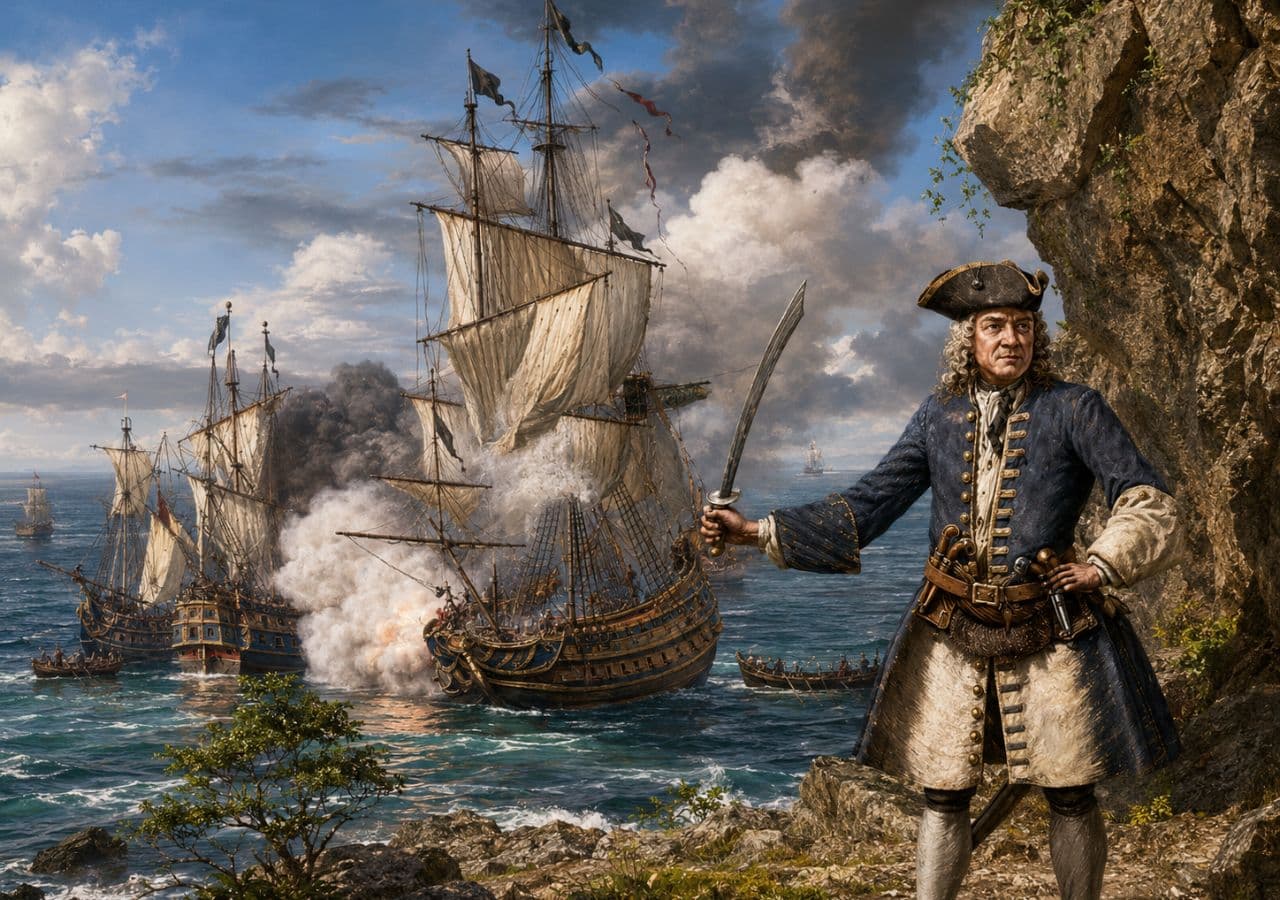
An AI-colored reconstruction of an 18th-century depiction of pirate Henry Avery. Credit: GR Archive
Six shipwrecks linked to the real ‘Pirates of the Caribbean‘ have been found in Nassau’s harbor in the Bahamas for the first time, an international expedition announced.
The New Providence Pirates Expedition conducted the survey in late 2025 after receiving the first official permission to dive in the harbor’s restricted zone. Marine archaeologist Sean Kingsley and Michael Pateman, the Bahamas’ ambassador for history and culture, co-directed the project.
Three of the six wrecks are tied to the golden age of piracy, a period from the 1690s through the 1720s when Nassau served as a base for buccaneers, including Blackbeard, Henry Avery, Calico Jack Rackham, and Anne Bonny.
The standout find is a charred wooden hull fastened with wooden treenails, a method typical of 18th-century shipbuilding, burned down to the waterline. Pateman said that pirates burned seized ships after stripping them to remove evidence of their crimes.
Burned hull may belong to Avery’s missing pirate ship
Researchers believe the hull may be the Fancy, last commanded by Avery. In 1695, his crew seized gold, silver, sapphires, emeralds, and diamonds from Mughal Empire vessels, a haul worth around $150 million today.
The ship was never found afterward. The wreck fits the Fancy’s estimated age, size, and construction, though no formal identification has been made.
Pirates of the Caribbean shipwrecks found in the Bahamas for the first time reveal Nassau as history's most notorious golden age pirate port. pic.twitter.com/9WrS1pxMI1
— Tom Marvolo Riddle (@tom_riddle2025) June 5, 2026
A second site about 20 miles east of Nassau yielded iron cannons, 25 lead musket balls, a grinding stone for sharpening swords, and a swivel gun. Kingsley described swivel guns as pivot-mounted weapons pirates used to open fire on enemy crews at close range.
A third site under Nassau’s old bridge produced hull planks, rigging, wine bottles, wooden crates, and galley bricks. Nearby, researchers recovered 143 clay tobacco pipes marked with a horse, unicorn, crown, and the English royal crest.
The style suggests they were made in London around the 1740s. Kingsley said the cargo reflects Nassau settling back into regular trade after the pirate era closed.
Bahamas shipwrecks reveal the real ‘Pirates of the Caribbean’
The discoveries came despite significant disturbance to the harbor floor from years of dredging. Kingsley said the finds are likely only a fraction of what may remain and estimated that dozens more wrecks could be hidden in the harbor. The team plans to return using underwater drones but has found no evidence of treasure.
Until now, no shipwrecks connected to Caribbean pirates had been found in the Bahamas, even though Nassau served as the pirates’ primary base throughout that period.
The findings are featured in a documentary series, Mystery of the Pirate King’s Treasure, now on Wreckwatch TV, and in the latest issue of Wreckwatch magazine.

 Login
Login


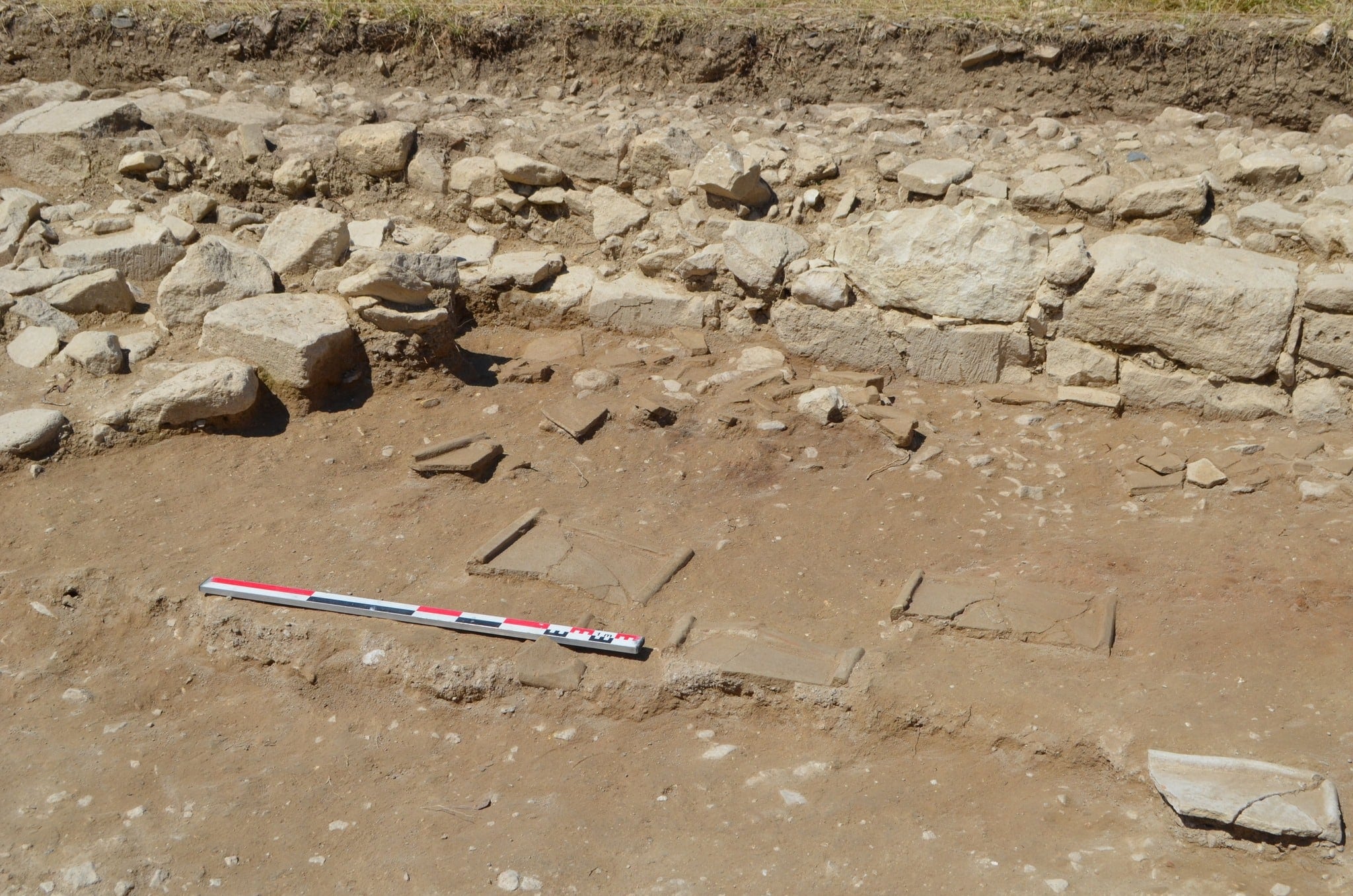
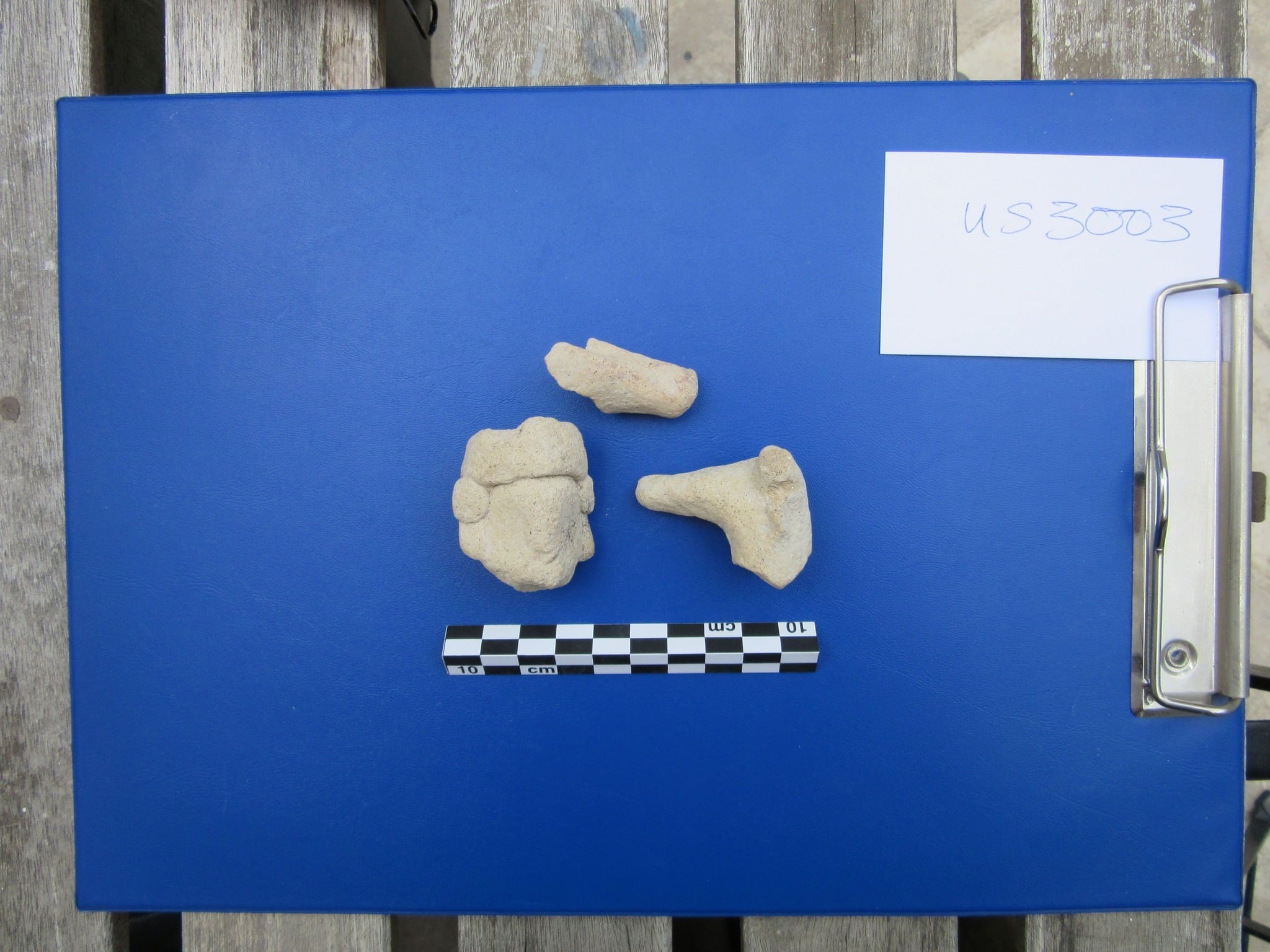




 Croatia (2.1%)
 Greece (3.0%)
 Romania (15.5%)
 Germany (13.1%)
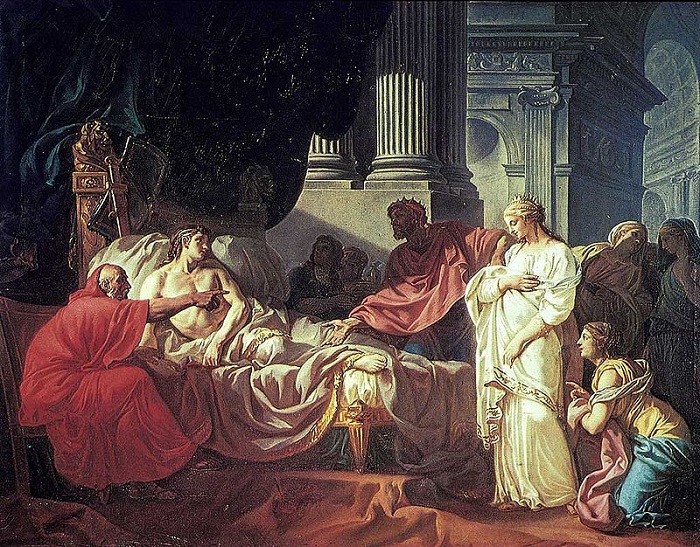



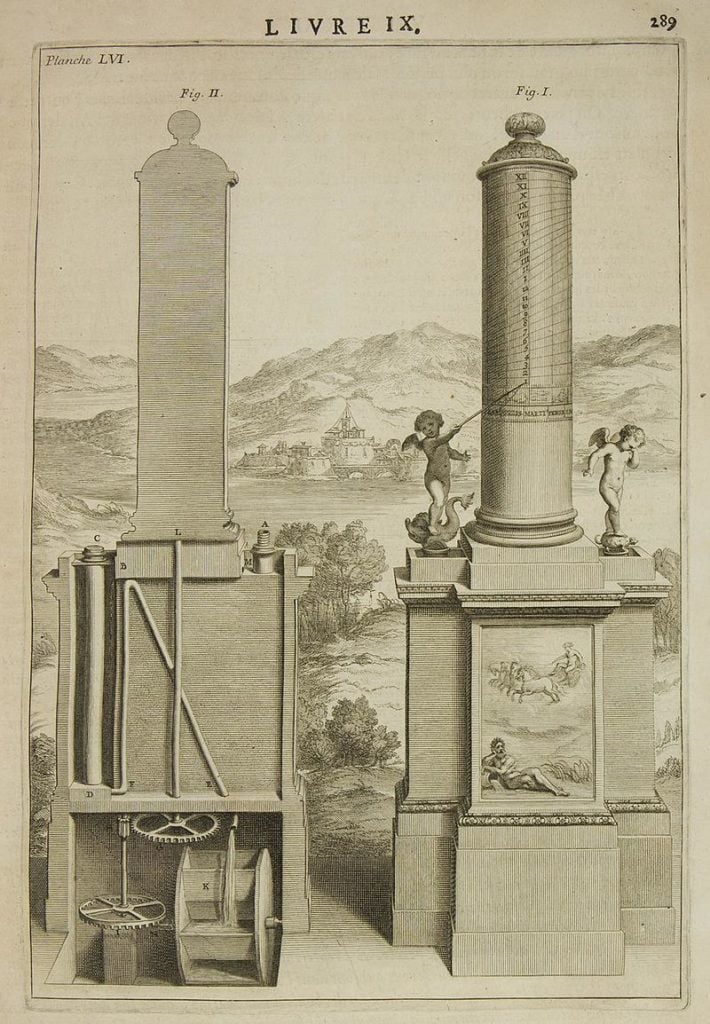


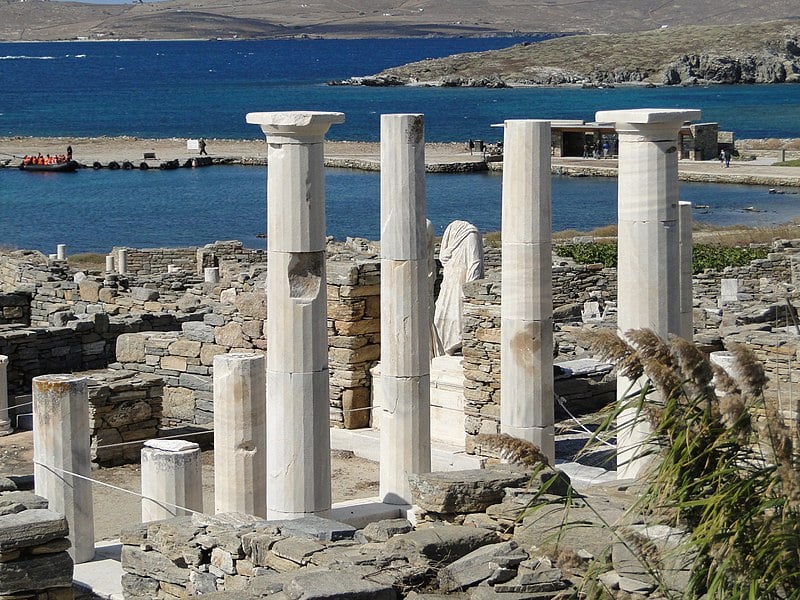
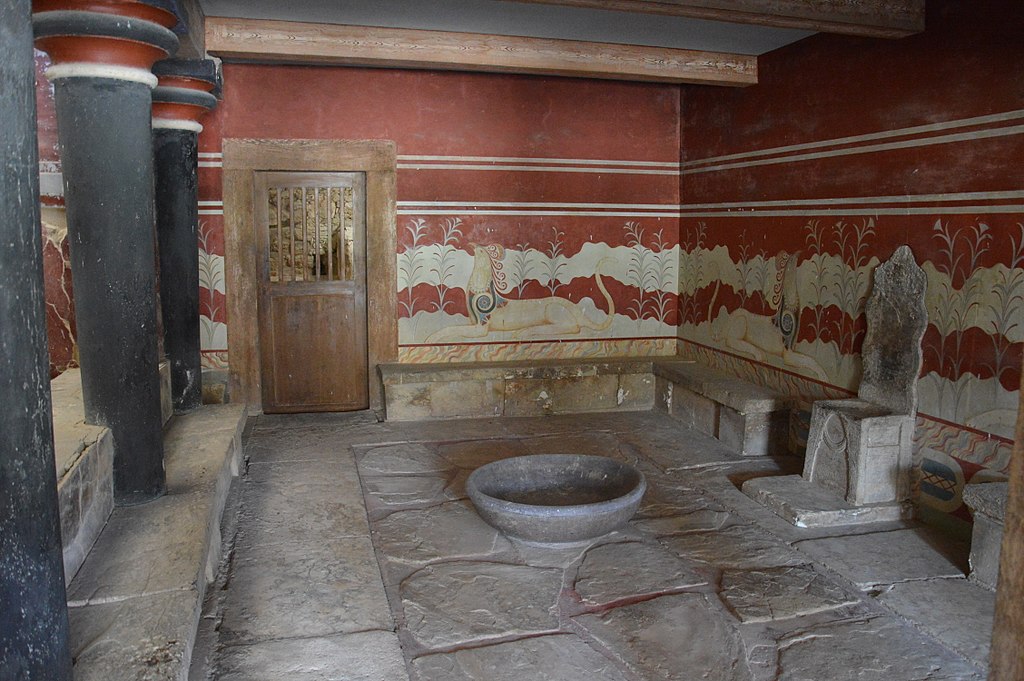
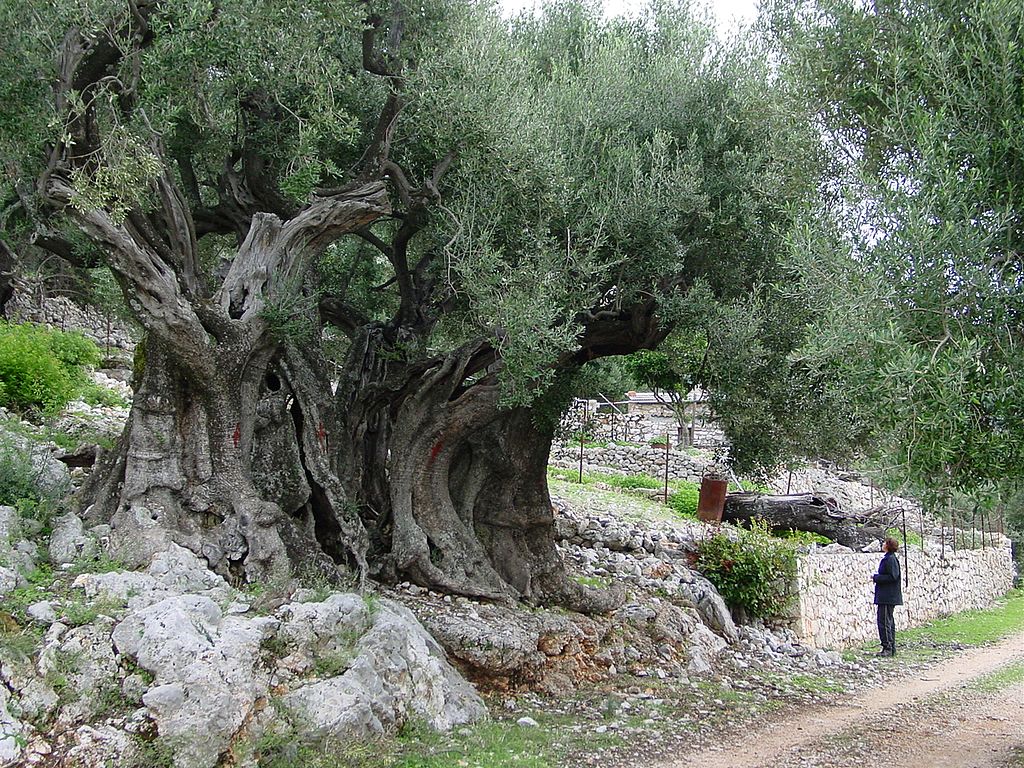
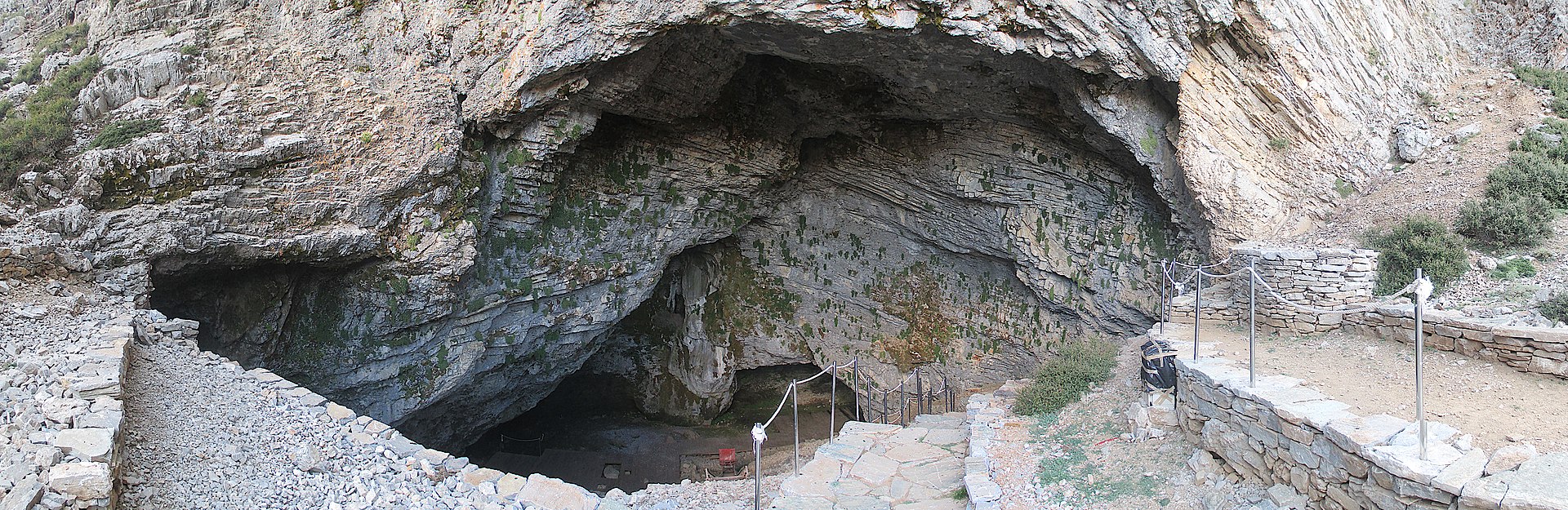



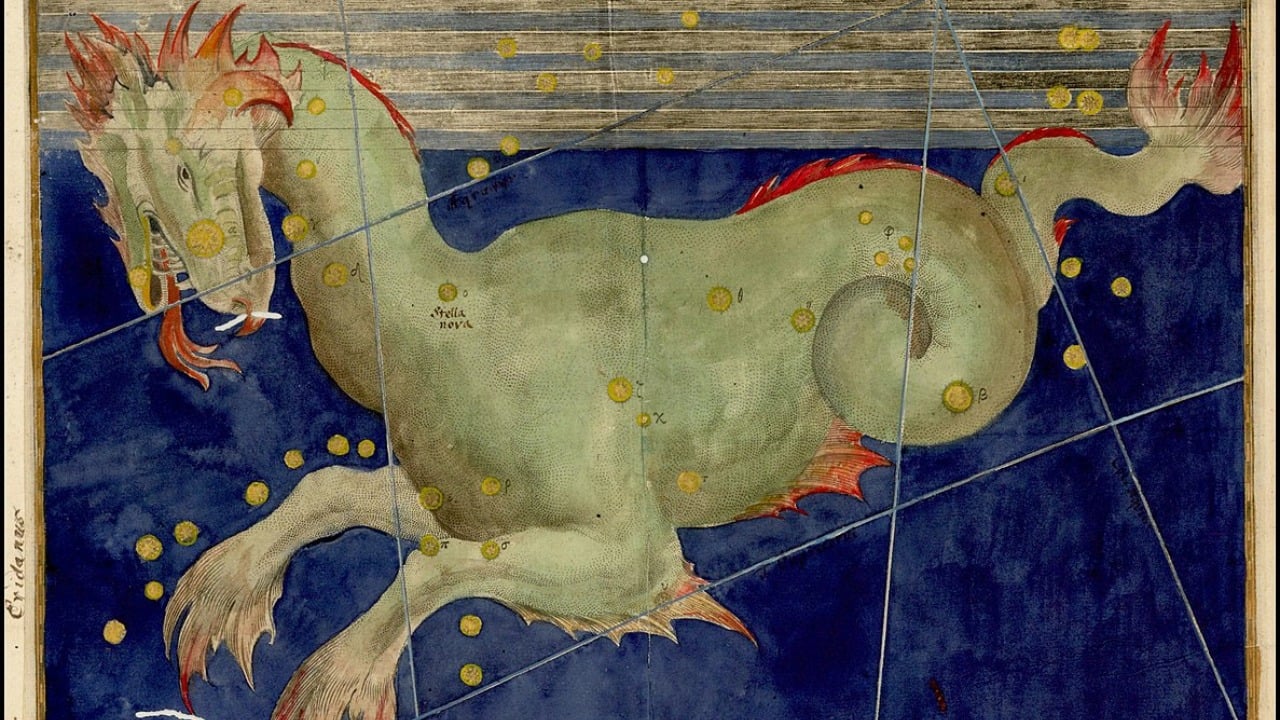
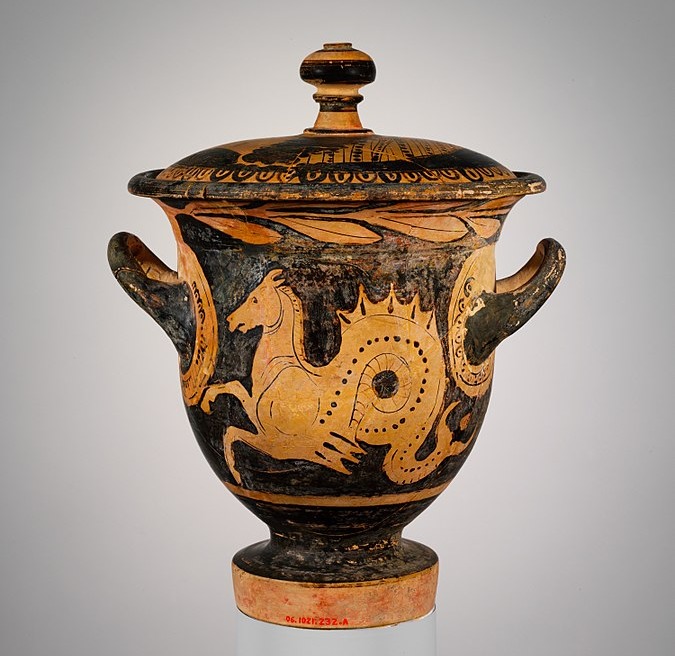

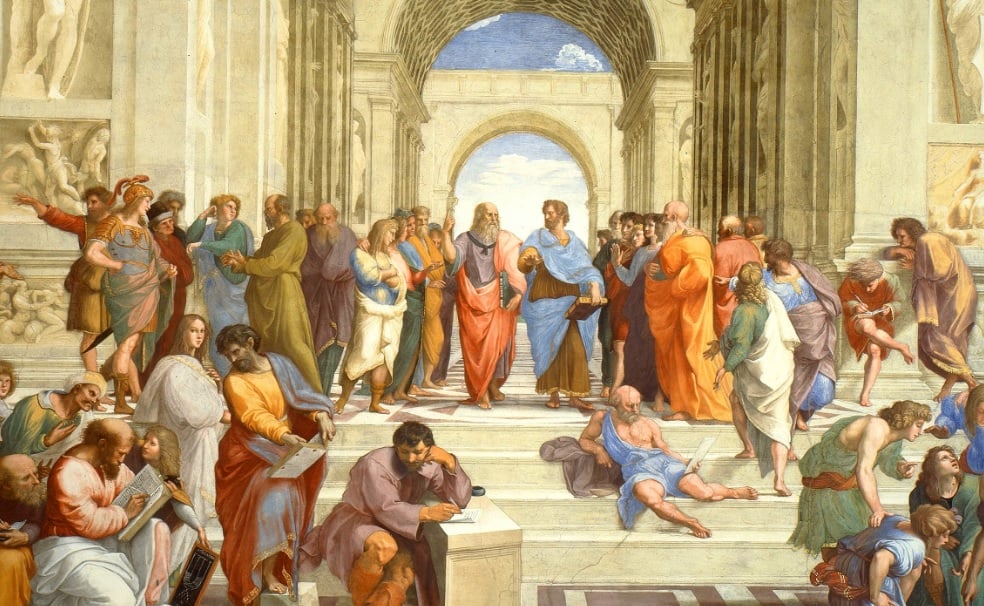
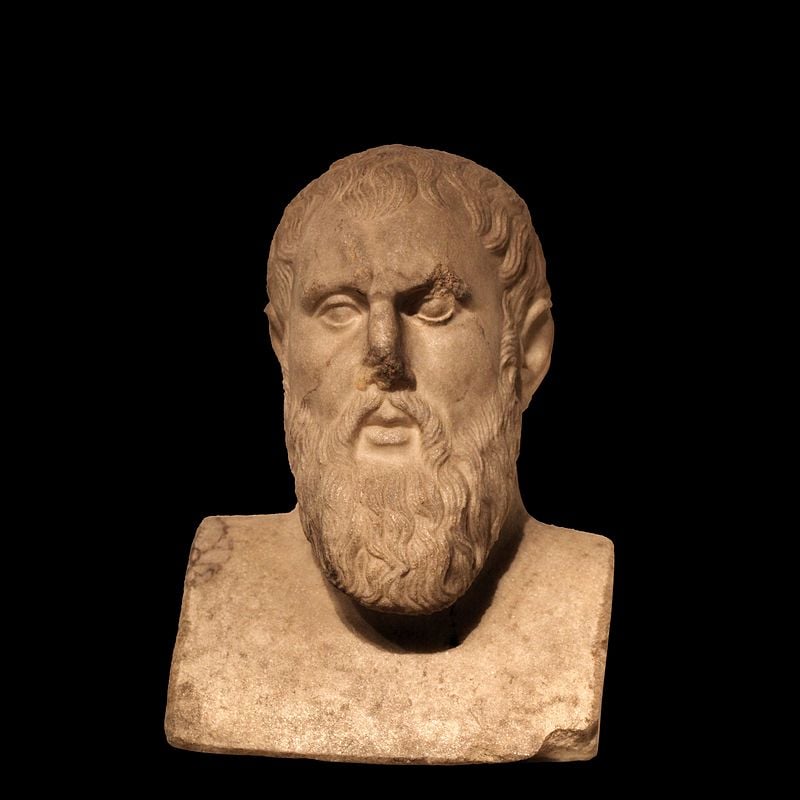
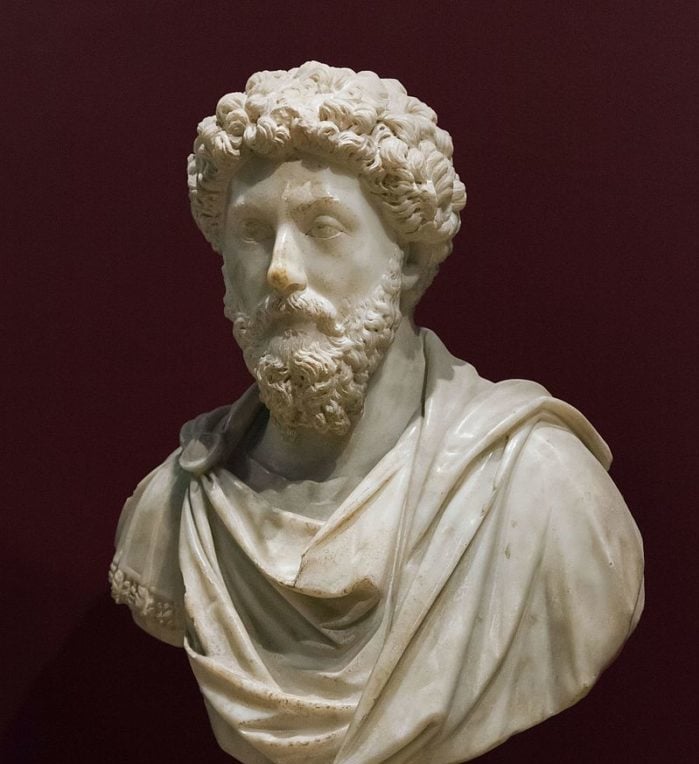

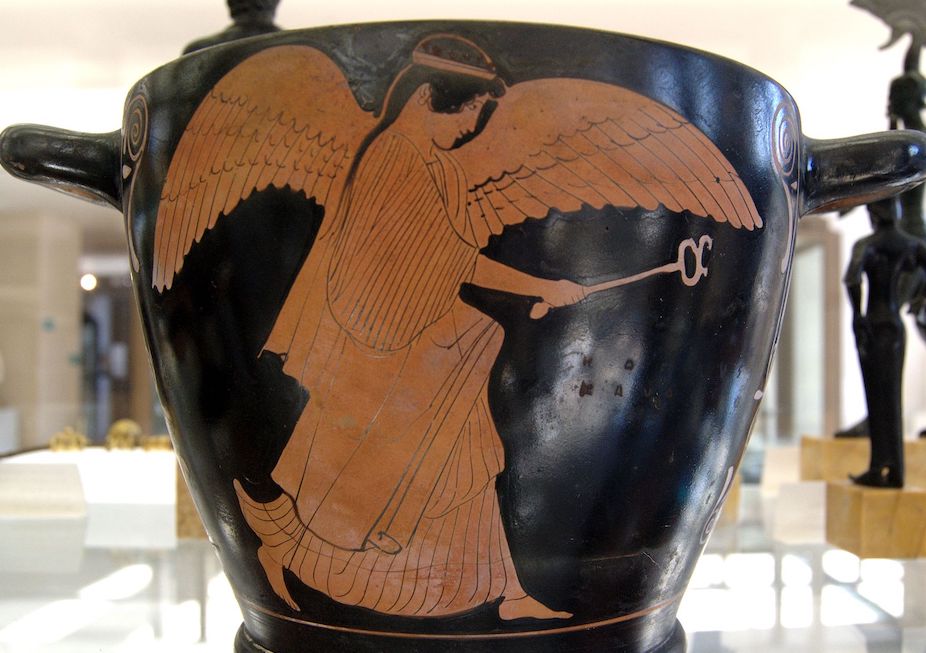
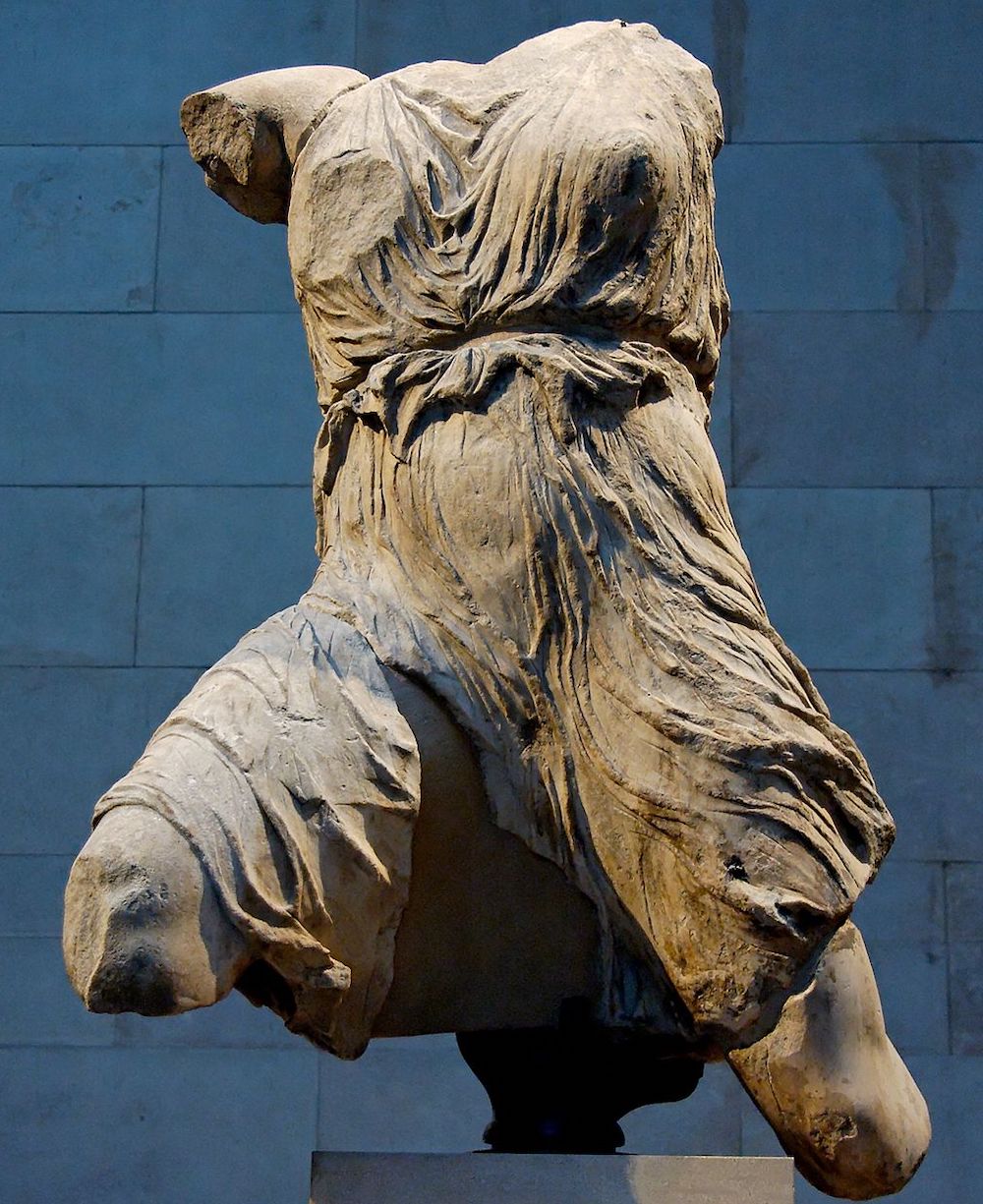

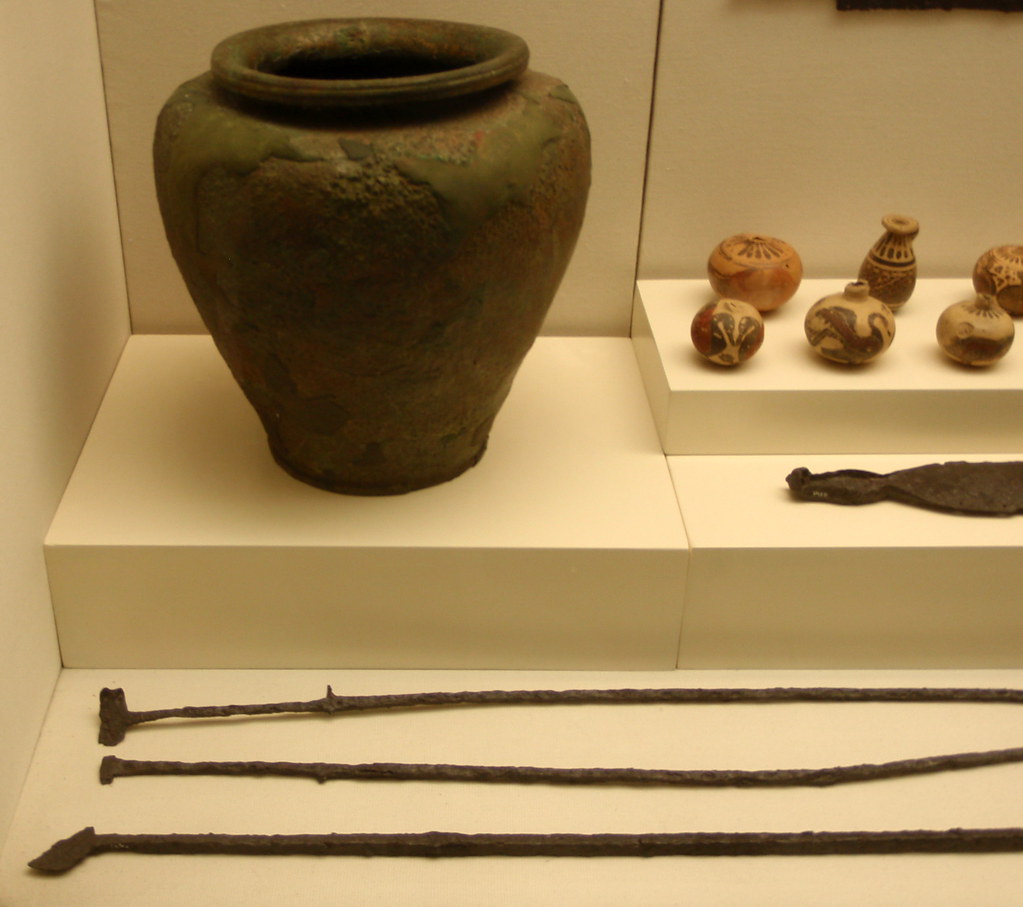


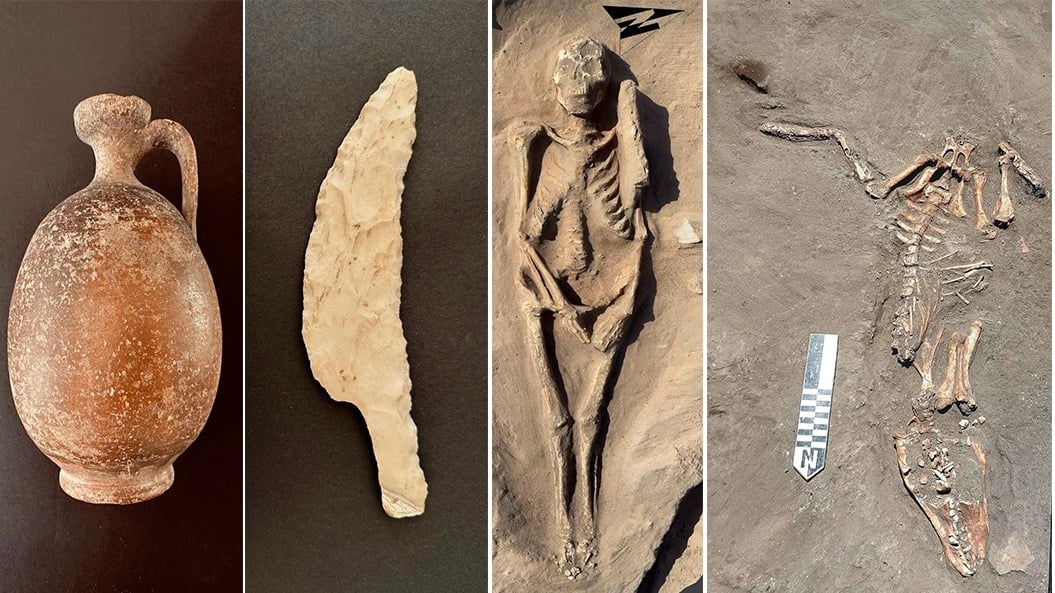
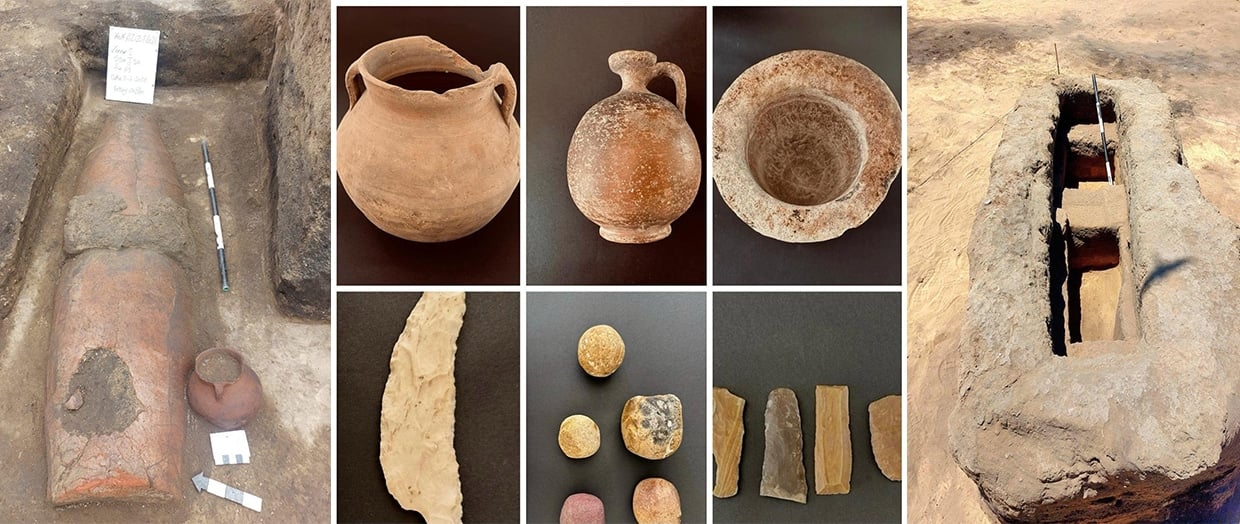

 LATEST: Claude maker Anthropic is calling for a global pause in AI development, warning that models are approaching the ability to self-improve without human intervention.