Normal view

Caso arbitro somalo, Infantino spudorato: “Episodio sfortunato e spiacevole. Non possiamo controllare tutto”

10 June 2026 at 20:34

“Un caso sfortunato e spiacevole”. Così Gianni Infantino – presidente della Fifa – ha commentato il caso diventato internazionale dell’arbitro somalo, Omar Artan, a cui è stato negato l’ingresso negli Stati Uniti, dove si era recato in quanto arbitro designato per i Mondiali 2026. “È spiacevole quello che è successo a… Omar, l’arbitro somalo. Ma, ripeto, non possiamo controllare tutto“, ha dichiarato Infantino in una conferenza stampa alla vigilia del torneo.

Mondiali 2026, i gironi e il nuovo regolamento
Mondiali 2026, tutti i convocati e le formazioni tipo
Calendario Mondiali: date e orari, dove vedere le partite in tv
La mappa dei Mondiali: 16 città, 4 fusi orari
L’albo d’oro dei Mondiali

Omar Artan, che nel 2025 è stato eletto come miglior arbitro dell’Africa da parte della Federazione africana, è stato trattenuto e interrogato per 11 ore in aeroporto e alla fine è stato rimandato indietro, in Somalia, dove è stato accolto da eroe. “Non mi lascio scoraggiare, nel 2030 tornerò e renderò la Somalia orgogliosa”, ha detto Artan al rientro a Mogadiscio. Successivamente è stato anche portato in uno stadio, accolto da migliaia di tifosi.

Artan è stato cacciato senza una motivazione ufficiale. Nel frattempo, un funzionario del Dipartimento di Stato americano parlando con i media francesi ha dichiarato che l’arbitro era “legato a presunti membri di organizzazioni terroristiche” e che dunque “il viaggiatore non era idoneo all’ingresso negli Stati Uniti”. Come spiega però il New York Times, potrebbe trattarsi di un clamoroso caso di omonimia, visto che Artan ha più volte ribadito di non sapere nulla di organizzazioni terroristiche – di Al-Shabab nello specifico – e di essere solo un arbitro di calcio.

La decisione è stata presa “per ottime ragioni”, si è limitato a dire Andrew Giuliani, direttore esecutivo della task force Fifa della Casa Bianca. “Ci sono cose di cui non possiamo parlare. Posso dire che chiunque parli con ‘soggetti negativi‘ che mirano a danneggiare gli Stati Uniti non saranno ammessi nel nostro paese. Non permetteremo che un torneo di calcio, anche se enorme, diventi una minaccia per gli americani. Siamo orgogliosi del lavoro che è stato fatto sinora a livello di visti: vogliamo che ci sia massima sicurezza per tutti”, ha aggiunto a Sky News

L'articolo Caso arbitro somalo, Infantino spudorato: “Episodio sfortunato e spiacevole. Non possiamo controllare tutto” proviene da Il Fatto Quotidiano.

La prigione dei Mondiali: a Kansas City il carcere per i tifosi costato 25 milioni. Da simbolo a flop: non sarà pronto per l’arrivo di Messi

10 June 2026 at 17:48

Doveva essere pronta prima dell’arrivo di Lionel Messi e delle centinaia di migliaia di tifosi attesi per il Mondiale 2026. Doveva rappresentare la risposta di Kansas City a quella che le autorità locali consideravano una delle principali sfide dell’evento: gestire l’inevitabile aumento di arresti, disordini e reati minori legati all’afflusso di visitatori. Invece la cosiddetta “prigione dei Mondiali” rischia di diventare il simbolo di un’altra storia: quella di un progetto costato 25,8 milioni di dollari che non sarà pronto in tempo. A Kansas City il calcio è arrivato accompagnato da promesse, investimenti e aspettative enormi.

Mondiali 2026, i gironi e il nuovo regolamento
Mondiali 2026, tutti i convocati e le formazioni tipo
Calendario Mondiali: date e orari, dove vedere le partite in tv
La mappa dei Mondiali: 16 città, 4 fusi orari
L’albo d’oro dei Mondiali

La città del Missouri ospiterà 6 partite della Coppa del Mondo e si prepara ad accogliere circa 650mila visitatori. Tra le attrazioni più attese c’è l’Argentina di Messi, ma anche le Nazionali di Inghilterra e Paesi Bassi hanno scelto l’area metropolitana come base operativa durante il torneo. Per una città di circa 2,2 milioni di abitanti, la più piccola tra le 11 sedi statunitensi del Mondiale, si tratta di un banco di prova senza precedenti. È proprio questo scenario che, negli ultimi due anni, è stato utilizzato dai politici locali per giustificare la costruzione di una struttura detentiva modulare da 100 posti letto. Kansas City non possiede una prigione municipale dal 2009: chi viola le ordinanze cittadine viene trattenuto nelle stazioni di polizia oppure trasferito in strutture situate a oltre 80 chilometri di distanza.

Un problema logistico che, secondo gli amministratori, sarebbe diventato ancora più grave durante il Mondiale. Come riporta The Athletic, già nel maggio 2025 il city manager Mario Vasquez aveva avvertito che la città doveva essere pronta ad affrontare “alcuni degli spiacevoli eventi che potrebbero verificarsi” durante la competizione, accelerando la realizzazione di una struttura capace di gestire eventuali violazioni penali o comportamenti scorretti dei visitatori. Da quel momento, media locali e attivisti hanno iniziato a ribattezzarla la “prigione dei Mondiali”. La struttura avrebbe dovuto aprire il primo giugno 2026, appena due settimane prima della gara tra Argentina e Algeria. Non accadrà. I ritardi nella consegna di alcuni componenti da parte dei produttori e quelli nella formazione del personale hanno fatto slittare l’entrata in funzione.

A fine maggio, l’ufficio del city manager ha confermato che durante il torneo i detenuti non saranno ospitati nella nuova struttura. Il paradosso è evidente. Per rispettare le scadenze, il consiglio comunale aveva perfino autorizzato deroghe alle consuete procedure ambientali. L’opera, inoltre, è stata finanziata interamente attraverso una tassa locale destinata alla sicurezza pubblica, ossia un’imposta dal valore di 24 milioni di dollari annui. Insomma, per questa prigione modulare è stato speso più dell’intero bilancio annuale. Ma le polemiche non riguardano soltanto i ritardi. Quando i consiglieri comunali hanno visionato le immagini aeree dell’edificio, alcuni lo hanno paragonato a un magazzino, altri a un centro di detenzione dell’Ice. Le fotografie della struttura, priva di finestre visibili e composta da moduli prefabbricati, hanno alimentato ulteriormente le critiche.

Le associazioni contrarie al progetto hanno organizzato manifestazioni con slogan come “Lo sport unisce, le carceri separano”. Secondo Dylan Pyles, del gruppo Decarcerate KC, la struttura sarebbe servita soprattutto a “ripulire le strade mentre la città è sotto i riflettori del mondo”. Un’accusa respinta dall’amministrazione, che insiste sul fatto che l’edificio sarà dotato di servizi medici, aree ricreative all’aperto e spazi progettati per garantire condizioni dignitose. Nel frattempo anche il racconto politico è cambiato. Se fino a pochi mesi fa i Mondiali venivano indicati come una delle ragioni principali dell’urgenza del progetto, oggi diversi amministratori preferiscono minimizzare il collegamento.

Nel luglio del 2025, il consigliere Wes Rogers dichiarò: “Che siamo pronti o no, i Mondiali arriveranno, quindi dobbiamo assolutamente costruire questa struttura. Lo scorso maggio ha invece parlato della Coppa del Mondo come di una semplice “nota a piè di pagina” in una questione più ampia: la necessità di dotare Kansas City di una prigione municipale”. Dei quasi 160 milioni di dollari di fondi pubblici e aiuti federali mobilitati per il torneo nell’area di Kansas City, quei 25,8 milioni rappresentano forse la spesa più controversa.

L'articolo La prigione dei Mondiali: a Kansas City il carcere per i tifosi costato 25 milioni. Da simbolo a flop: non sarà pronto per l’arrivo di Messi proviene da Il Fatto Quotidiano.

16h. Marcelo classifica como "excecional" o discurso do PR

10 June 2026 at 17:28
À saída do local onde decorreram as celebrações do Dia de Portugal, Marcelo Rebelo de Sousa foi de poucas palavras. O antigo chefe de Estado deixa elogios ao discurso do atual Presidente.

Nuclear Powers Spent Record of $119 Billion on Arsenals in 2025, Report Says

10 June 2026 at 14:01
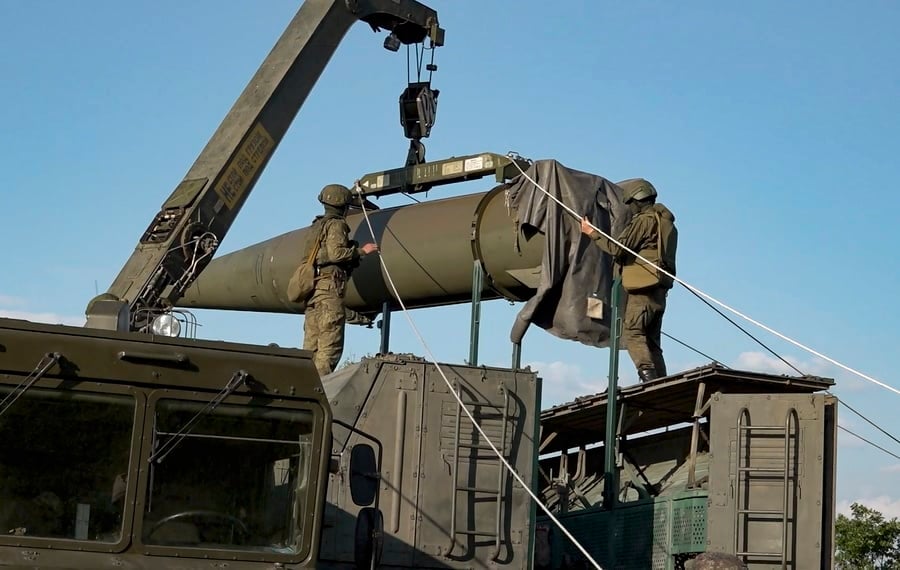
Soldiers use a crane to load a large military missile onto a transport vehicle.
Russian military personnel load a missile onto a transport vehicle. Nuclear powers spent a record of $119 billion on their arsenals in 2025, according to ICAN. Credit: Russian Defence Ministry / EPA / AMNA.

Nuclear powers spent a record of $119 billion on arsenals in 2025, as the world’s nine nuclear-armed states significantly increased their weapons-related expenditure, according to a new report by the International Campaign to Abolish Nuclear Weapons (ICAN).

The figure marks a 19 percent rise from 2024, with nuclear powers spending $17 billion more than the previous year. ICAN warns that the increase reflects a broader trend that is likely to continue for decades. The report covers the United States, Russia, China, the United Kingdom, France, India, Israel, Pakistan, and North Korea.

ICAN warns of a new nuclear arms race

As per the Nobel Peace Prize-winning organization, rising geopolitical tensions are fueling what it describes as a new nuclear arms race. ICAN has also raised concerns over the possible role of artificial intelligence in nuclear decision-making, warning that AI could accelerate the process leading to the potential use of nuclear weapons.

Susie Snyder, ICAN’s program coordinator and one of the report’s authors, described the figures as deeply troubling. Speaking to Agence France-Presse, she declared it’s deeply terrifying.

US spent more than all other nuclear powers combined

The United States remained the world’s largest nuclear spender in 2025, allocating $69.2 billion to its arsenal. That was $12.4 billion more than in 2024 and more than the combined total spent by the other eight nuclear-armed states. China ranked second, with estimated spending of $13.5 billion. The United Kingdom followed with $12.6 billion, while Russia spent $9.5 billion.

According to ICAN, the nine nuclear-armed countries have spent over $470 billion on their arsenals in the past five years.

Long-term nuclear programs could last beyond 2100

The report reveals that nuclear weapons spending is expected to continue rising as countries modernize and maintain their arsenals over time. ICAN points to spending plans in the United States, the United Kingdom, and France that could necessitate billions of dollars through the end of the century. Other nuclear-armed states are also developing weapons systems designed to remain in service for decades.

In the United States, the planned Sentinel intercontinental ballistic missile program is expected to remain operational beyond 2100. Based on the report, expanded US production of plutonium pits could support nuclear warheads until at least 2120. ICAN estimates that the United States alone is expected to spend nearly $1 trillion on its nuclear arsenal between 2025 and 2034.

Report compares record spending by nuclear powers with global needs

The scale of spending, ICAN says, comes as governments face pressing global challenges, including health care, food security, and humanitarian needs. According to Snyder, the amount spent by nuclear-armed states in 2025 would have been enough to fund the United Nations budget dozens of times over. She added that a single day of nuclear weapons spending could have guaranteed food security for two million people last year.

The report argues that nuclear-armed countries are committing public resources to weapons that, according to Snyder, they “could not use without committing a war crime.” ICAN maintains that the latest figures show that nuclear weapons spending is becoming a long-term strategic priority rather than a short-term response to current global tensions.

OpenAI Takes First Step Toward Stock Market Debut

10 June 2026 at 00:31
OpenAI files for IPO
OpenAI files for IPO. Credit: Focal Foto / Wikimedia Commons / CC BY-SA 4.0

OpenAI confirmed Monday it has confidentially filed an IPO with U.S. regulators, joining rival Anthropic as the AI sector moves toward public markets. No timeline, share count, or pricing was announced.

The company said the move preserves the option for an earlier listing, while some decisions are easier to handle as a private firm.

Reuters reported OpenAI is targeting a valuation near $1 trillion for a debut possible as early as September. Anthropic filed for a U.S. IPO on June 1 after a $65 billion funding round valued it at $965 billion.

SpaceX is also pursuing a $75 billion offering at a $1.75 trillion valuation. Analysts say the simultaneous push by three major AI companies toward public markets is the most significant development of its kind for technology investors in a decade.

$2 billion monthly revenue signals rapid growth beyond ChatGPT

In March, OpenAI raised $122 billion from SoftBank, Amazon, and Nvidia at a valuation of $840 billion to $852 billion. ChatGPT had exceeded 900 million weekly active users and 50 million paying subscribers.

Monthly revenue stood at $2 billion, up from roughly $1 billion per quarter at the end of 2024, growing nearly four times faster than Alphabet and Meta at comparable stages. Internal projections put the company’s break-even point no earlier than 2030.

JUST IN: OpenAI confidentially files for IPO. pic.twitter.com/sAORVBWEy1

— Whale Insider (@WhaleInsider) June 8, 2026

Beyond ChatGPT, OpenAI launched tools for government, healthcare, and finance, a web browser, consumer hardware plans, and an AI coding agent. It added a lower-cost $8 subscription tier and advertising as new revenue sources.

The Information reported in April that OpenAI projects 122 million subscribers this year and expects advertising to lead revenue by 2030.

A renegotiated Microsoft deal, covering $13 billion in investment since 2019, enabled growth at Azure and opened new agreements with Amazon and Alphabet.

OpenAI files its IPO amid legal battles and market pressure

Gil Luria of D.A. Davidson warned that large AI listings and Google’s recent secondary share sales could reduce the capital available for smaller offerings.

Michael Ashley Schulman of Cerity Partners said OpenAI appeared to be keeping its options flexible while Anthropic moved ahead in the IPO filing process. Prediction markets had expected OpenAI to file first.

OpenAI began as a nonprofit in 2015 and later added a for-profit arm under nonprofit oversight, a structure that drew attention when CEO Sam Altman was ousted by its board and reinstated within days in late 2023.

The company announced plans to convert to a public benefit corporation in December 2024. Early backer Musk filed a lawsuit alleging Altman and others redirected the organization from its founding mission for personal benefit.

A jury ruled against Musk in May, removing what analysts described as a significant legal obstacle ahead of the OpenAI IPO filing. His attorneys plan to appeal. Separate lawsuits link ChatGPT to shootings and suicides, and public skepticism toward AI persists.

Peru Geoglyphs Reveal Hidden Links to Ancient Travel Routes

10 June 2026 at 00:01
Nazca Lines, Peru
Nazca Lines, Peru. Credits: Diego Delso, CC BY-SA 4.0, via Wikimedia Commons

Ancient Peru geoglyphs in the Chillón Valley near Lima are offering new clues about how early communities may have used and organized the landscape thousands of years ago.

A new study suggests that some of these large ground markings were placed in ways that cannot be fully explained by chance, although researchers caution that the evidence does not yet prove a direct connection to ancient roads or ritual practices.

The research, led by Christian Mesía-Montenegro and published in PLOS One, examined geoglyphs in two areas of Peru’s middle Chillón Valley known as Huarabí and Pichausa.

The study combined field surveys, drone mapping, and statistical modeling to investigate whether the location of the geoglyphs was related to nearby routes used for movement through the rugged valley landscape.

Geoglyphs are large designs or markings created on the ground. Peru is best known for the famous Nazca Lines, but similar features exist in several other parts of the country. Many remain poorly studied compared with the better-known geoglyphs of southern Peru.

Illustrated and photographed ceramic sherds from Huarabí
Illustrated and photographed ceramic sherds from Huarabí. Credit: Christian Mesía-Montenegro / CC BY 4.0

Researchers examine overlooked geoglyph sites

The geoglyphs documented at Huarabí and Pichausa differ from many of Peru’s famous geometric and animal-shaped figures. Instead, they consist of irregular line patterns located within quebradas, or dry valleys, that cut through the landscape.

Researchers conducted systematic surveys between 2021 and 2022 and recorded geoglyphs across multiple sectors of the Chillón Valley. The study focused on four irregular geoglyph groups, two at Huarabí and two at Pichausa. It also examined six locations near Huarabí where surface pottery fragments from the Formative Period were found.

Ancient geoglyphs in Peru's Chillón Valley are shedding new light on how early communities may have used and organized the landscape. pic.twitter.com/HkbOKhx2Ic

— Tom Marvolo Riddle (@tom_riddle2025) June 9, 2026

The Formative Period on Peru’s central coast spans a time when early ceremonial centers, agriculture, and ceramic traditions were developing. Nearby archaeological sites include several U-shaped ceremonial structures that played important roles in the region’s ancient communities.

Statistical tests challenge simple explanations

Rather than simply measuring distances between geoglyphs and routes, researchers used Monte Carlo simulations. This method allowed them to compare the actual placement of the geoglyphs with thousands of hypothetical random placements across the landscape. The results showed a contrast between the two study areas.

At Huarabí, the geoglyphs differed from what would be expected under the researchers’ chance-placement models. At Pichausa, however, the geoglyphs generally matched patterns that could be produced through random placement. The findings suggest that Huarabí may have followed a different spatial logic than Pichausa.

Even so, the researchers emphasize that the results do not automatically mean the geoglyphs were intentionally built beside roads or movement corridors.

Instead, the analysis shows only that the Huarabí geoglyphs were less easily reproduced by the statistical models used in the study. Other factors, including terrain, visibility, erosion, and landscape features, could also have influenced where the geoglyphs were created.

Pottery provides limited clues about age

One of the study’s most important findings concerns chronology. At Huarabí, researchers identified diagnostic pottery fragments that resemble ceramics from the Formative Period. The pottery suggests human activity occurred near the geoglyphs during that era.

However, the artifacts were found on the surface rather than in sealed archaeological deposits. As a result, they cannot directly date the construction of the geoglyphs.

No comparable pottery evidence was discovered at Pichausa, making the age of those geoglyphs even less certain. Because of these limitations, the researchers avoid claiming that the geoglyphs themselves were definitely built during the Formative Period.

Questions remain about ancient landscape use

Researchers conclude that Huarabí should currently be viewed as a geoglyph locality associated with nearby Formative-period activity rather than as a securely dated Formative geoglyph complex.

They argue that future work should focus on obtaining direct dates, studying visibility across the landscape, and developing more detailed models of how ancient people moved through the valley.

While the findings do not solve the mystery of the Chillón Valley geoglyphs, they provide one of the most detailed examinations to date of how these large ground markings may have related to movement, settlement, and ritual activity in ancient Peru.

Pentagon Cuts Military Religion Categories From 220 to 31

9 June 2026 at 22:32
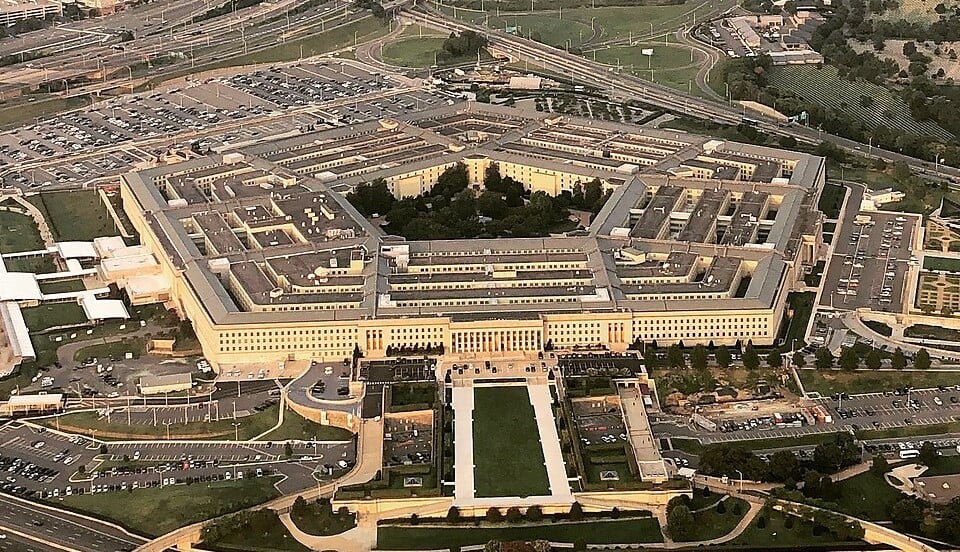
Pentagon
NATO will continue its support to Europe but will prioritize U.S. security. Photo credit: Touch of Light Wikimedia Commons CC BY-SA 4.0

The Pentagon has sharply reduced the number of religion codes used by the U.S. military, replacing a list of about 220 faith groups and denominations with 31 broader religious categories.

The updated system, which is expected to take effect in July, has sparked debate among veterans, chaplains, lawmakers, and religious groups over its potential impact on faith representation within the armed forces.

The new categories include Buddhism, Hinduism, Baha’i, Islam, Judaism, Sikhism, and a designation for people with no religious affiliation. Christian denominations make up most of the recognized categories.

Pentagon says change is administrative

Military officials said the change is intended to simplify record-keeping and improve data collection for military chaplains. The Pentagon explained that the revised list is not meant to determine which religions are officially approved or recognized by the government.

Service members whose faiths are not among the 31 listed categories will still be able to identify their religion and include it on military dog tags, officials said.

Critics question the impact on religious diversity

The policy change has drawn criticism from some veterans, former chaplains, and religious groups who argue that the consolidation could reduce the visibility of minority faiths within military records.

The Office of the Secretary of War is announcing a significant change to the Department’s categorization of religious affiliation. In a long overdue move, we reduced the list from over 200 unmanageable categories to 31. With this move, we are returning to the original intent of… https://t.co/dgHX5ytzjJ pic.twitter.com/eho537O08J

— Sean Parnell (@SeanParnellASW) June 5, 2026

A former U.S. Army chaplain said that the move raises concerns about the military’s commitment to religious diversity.

“When I raised my hand to become an Army chaplain, I swore that I would support and defend the Constitution,” the former chaplain said. “The First Amendment is the free exercise of religion for everybody. That’s what I was buying into.”

The update also arrives amid broader debate over Defense Secretary Pete Hegseth and his public use of Christian prayers while discussing military operations. Some critics have questioned whether such expressions blur the line between personal faith and official government leadership.

Latter-day Saints’ designation draws attention

The revised system has also sparked concern among members of the Church of Jesus Christ of Latter-day Saints. Under the new classification structure, the church appears as a separate category rather than being included among the military’s Christian denominations.

That decision prompted criticism from Mike Lee, a Republican senator from Utah and a member of the church.

“Can anyone tell me why The Church of Jesus Christ of Latter-day Saints was left out of the list of Christian churches?” Lee wrote on X.

Can anyone tell me why The Church of Jesus Christ of Latter-day Saints was left out of the list of Christian churches? pic.twitter.com/t4u6PI29ON

— Mike Lee (@BasedMikeLee) June 6, 2026

Smaller faith groups lose separate classifications

According to an analysis, the consolidation removed separate classifications for numerous faith traditions, spiritual movements, and nonreligious belief systems. Those no longer listed individually include Eckankar, Heathen, Native American spiritual traditions, Rosicrucianism, Druidism, Deism, Asatru, Paganism, Humanism, Unitarian Universalism, Wicca, Shamanism, and Atheism, among others.

Defense Department officials have emphasized that the changes are administrative rather than ideological. Sean Parnell, a Defense Department official, said the military continues to place a high value on the First Amendment and the free exercise of religion for all service members.

O primeiro 10 de Junho de Seguro em sete pontos

9 June 2026 at 22:02
Confirmou boa relação com Montenegro, teve Marcelo a metros, foi comparado a Deus, admitiu afirmação de soberania, mas evitou tema Lajes. O 10 de Junho de Seguro na Terceira, 23 anos depois de Sampaio

© DIOGO VENTURA/OBSERVADOR

❌