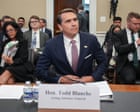
Todd Blanche’s nomination to be permanently made the attorney general marks the apex of a gamble from a man who bet everything on representing Donald Trump and became one of his most steadfast and punishing enforcers.
Trump announced the news at the White House on Monday. The nomination will require Senate confirmation to become permanent.
Donald Trump nominated Todd Blanche to serve permanently as attorney general on Monday, lining up his former personal lawyer to be the country’s top law enforcement officer.
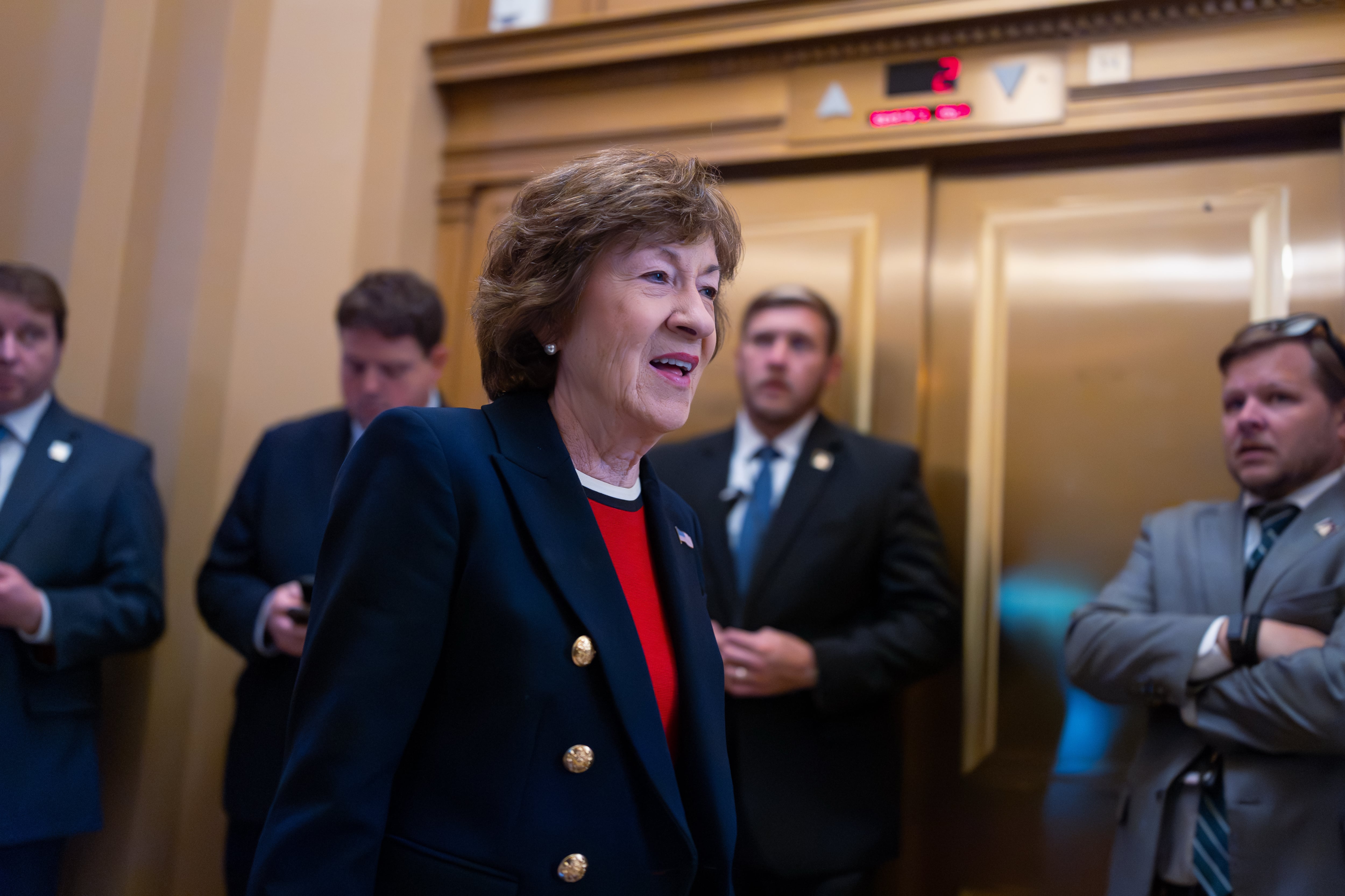
Voters in Maine, Nevada, South Carolina, and North Dakota will head to the polls this Tuesday, June 9, to participate in another round of primary elections. The elections will determine the candidates for the Senate, the House of Representatives, governorships, and dozens of state and local offices that will be up for grabs in November.
Recent exchange of missiles between Iran and Israel highlights diverging views between US president and Israeli PM
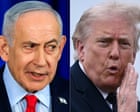
The latest eruption of hostilities between Iran and Israel appears to have been contained for now after Donald Trump insisted he called “all the shots” in the Middle East, but in a dangerously fragile region Benjamin Netanyahu has again shown he is ready to take shots of his own.
The exchange of missiles on Sunday and Monday was ample demonstration of the inherent instability of the current limbo between war and peace, but it also shone a bright light on the complex and conflicted relationship between the US president and the Israeli prime minister, frenemies who could determine the fate of the current ceasefire.
A federal judge on Monday blocked a $100,000 fee for H-1B visa applications imposed by the Trump administration. U.S. District Judge Leo Sorokin agreed with a group of Democratic-led states that the administration exceeded its authority, and the fee usurped Congress’s power to set immigration policy and taxes. “Here, the substance and application of the $100,000 payment reveal that it is a tax, regardless of…
Netanyahu acknowledges pause in fighting in TV speech but vows forceful response to future attacks
Fears of a return to a full-scale regional war in the Middle East eased on Monday as Israel and Iran said they had halted attacks on each other after an appeal from Donald Trump to “immediately stop shooting”.
Benjamin Netanyahu, Israel’s prime minister, acknowledged the halt in fighting with Iran in a televised speech, but vowed to respond “with force” to future attacks.
Progressive and former reality TV star have been battling for the number two spot to face off against Karen Bass
Nithya Raman, the progressive Los Angeles city councillor, appeared to be edging out Spencer Pratt in the LA mayoral race challenging Karen Bass as Donald Trump continues to repeat falsehoods that California elections are “rigged”.
The pair have been battling for the number two spot to face off against the incumbent, who already secured enough votes to advance to a runoff in November. Pratt, a former reality TV star, held a lead over Raman for days, but as ballot processing from last week’s election continued, the city councillor has pulled ahead.
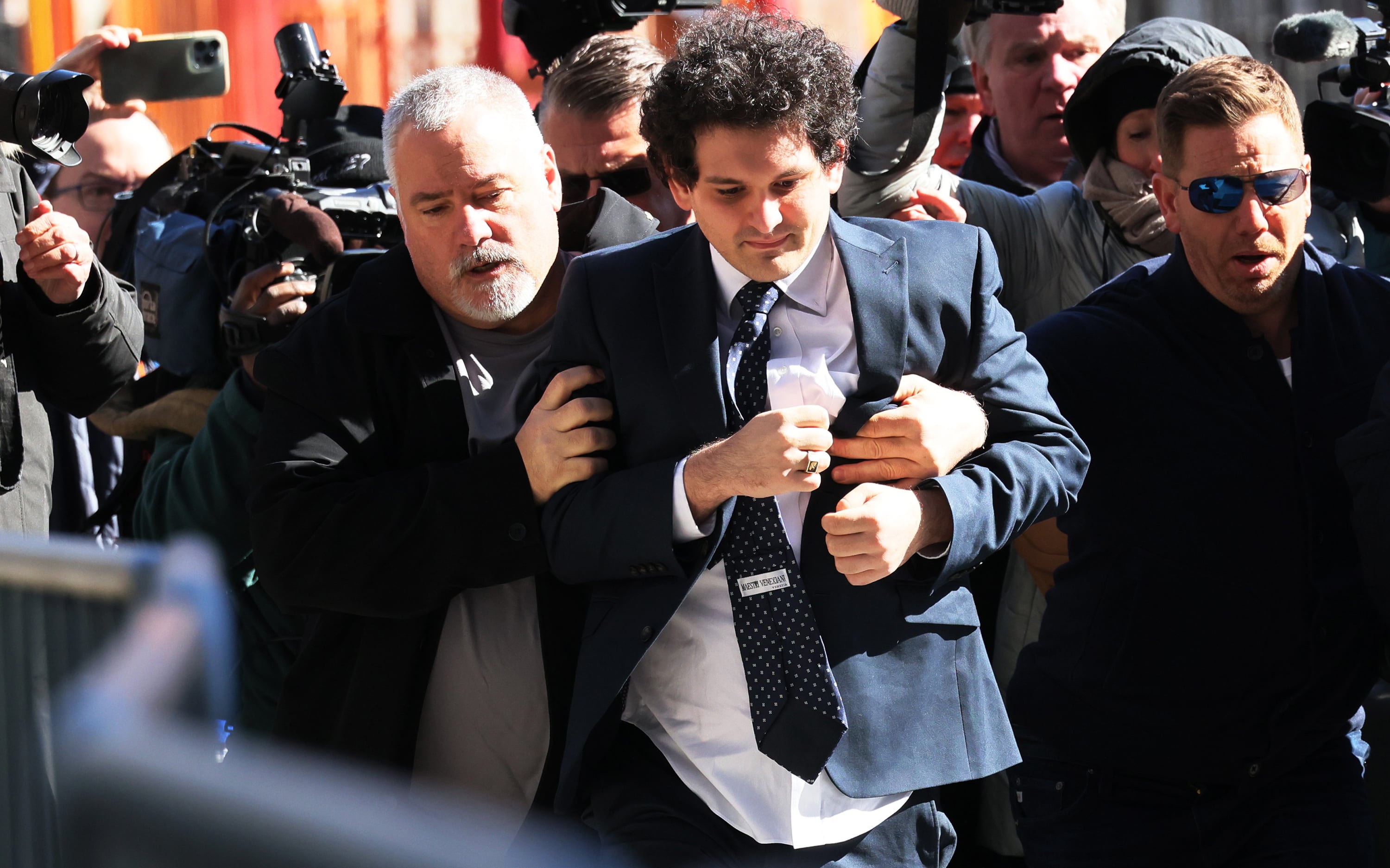
Sam Bankman-Fried, el hombre de 34 años que protagonizó una de las mayores estafas en la industria de las criptomonedas a través de su plataforma de intercambio FTX, busca reducir las consecuencias de su crimen una vez salga de prisión tras ser condenado a 25 años. En concreto, ha solicitado un indulto parcial al presidente de Estados Unidos, Donald Trump, según figura en la página web de la Oficina del Abogado de Indultos del Departamento de Justicia.
La guerra de Estados Unidos con Irán ha traspasado su fase inicial para entrar en una nueva etapa emergente, en la que Irán apuesta implícitamente por que la siguiente fase sea la guerra.
Lo más probable es que se trate de episodios breves de guerra limitada, pero que, no obstante, encierran el potencial de extenderse a nivel regional, en caso de que Estados Unidos (e Israel) decidan intensificar drásticamente el conflicto.
La nueva fase conlleva riesgos, por supuesto, pero Irán tiene las cartas ganadoras: la capacidad de infligir daños desproporcionadamente mayores a la infraestructura del Golfo como represalia por cualquier daño que se le cause, y la conciencia de que Occidente se está acercando cada vez más al «precipicio» energético.
Los tres pilares que sustentan este cambio son, en primer lugar, la confianza en que Irán no será (ni puede ser) desplazado de su control sobre Ormuz, y que, al consolidar allí sus estructuras administrativas, la realidad del control iraní sobre Ormuz será asimilada cada vez más por los Estados, y se reflejará en su aceptación del control iraní-omaní.
Asociada a este principio fundamental está la aplicación por parte de Irán de una disuasión escalada frente al bloqueo naval estadounidense. Cualquier intento de interceptar o atacar buques iraníes o de interferir en la administración del estrecho se enfrentará a represalias cada vez más duras.
En última instancia, esta política puede llevar a que Irán inflinja daños cada vez mayores a los buques de guerra estadounidenses —otro punto de fricción—.
El 3 de junio, por ejemplo, Estados Unidos disparó un misil Hellfire contra un petrolero iraní cerca del estrecho de Ormuz. En respuesta, un buque de propiedad estadounidense (o parcialmente estadounidense), elPanaya, fue alcanzado por misiles.
Además, Irán lanzó tres oleadas de misiles de crucero contra la base aérea y de helicópteros estadounidense en Kuwait desde donde se había originado el ataque. También han surgido imágenes de graves daños en el aeropuerto internacional de Kuwait (aunque la causa de los daños sigue siendo objeto de controversia).
El segundo principio subyacente que influye en este cambio refleja simplemente el desdén iraní ante el continuo aumento de las exigencias de Trump, sus amenazas exageradas (que claramente no están a la altura de las capacidades de EE. UU.), junto con sus continuos giros y su retórica despectiva hacia Irán.
Al parecer, los dirigentes iraníes han llegado a la conclusión de que probablemente no habrá compromiso, y de que es mejor poner fin a las «negociaciones» «antes que continuar con las inútiles negociaciones de mala fe con un régimen estadounidense engañoso y decrépito», como el New York Times ha calificado las «negociaciones» con Irán — lo que sugiere que el «caos del acuerdo» no es un fallo puntual de Trump limitado a la cuestión de Irán, sino más bien un patrón constante de disfuncionalidad que se repite en prácticamente todas las iniciativas de «paz» de Trump.
Sin embargo, detrás de la decisión de Irán de suspender las conversaciones se esconde probablemente la claridad que va surgiendo gradualmente, filtrándose a través de las declaraciones y análisis israelíes y estadounidenses, de que el verdadero objetivo del ataque por sorpresa estadounidense-israelí del 28 de febrero nunca fue el cambio de régimen per se —con el fin de sustituir a los «radicales» iraníes por un líder más moderado al estilo de «Delcy Rodrigues»—; sino que pretendía, más bien, provocar la completa destrucción y fractura de Irán —una perspectiva que estaba destinada a cambiar los cálculos de Irán.
Esta perspectiva ha consolidado enormemente el apoyo público a la República Islámica y, al mismo tiempo, ha convertido la guerra en una lucha existencial por preservar los valores éticos de la Revolución. Desde esta perspectiva, Irán tiene poco que discutir con Trump, salvo algún futuro modus vivendi —en el momento en que Washington comprenda que se encuentra acorralado y que el nuevo realismo se imponga.
El tercer principioque sustenta esta nueva fase del conflicto es el enunciado por Irán desde el inicio de las conversaciones de Islamabad: «Alto el fuego para todos; o alto el fuego para nadie». Esto se volvió a subrayar en el último ultimátum de Irán a Trump: «Si se hubieran llevado a cabo las amenazas israelíes de la semana pasada de arrasar el barrio de Dahiyeh, en el sur de Beirut, Irán habría golpeado duramente el norte de Israel con sus misiles. “Era un alto el fuego para todos, o ningún alto el fuego”.
Trump optó por el alto el fuego y, tras su conversación con Netanyahu, anunció que estaba en vigor. Le dijo a Netanyahu que cancelara el bombardeo previsto sobre Dahiyeh, en el sur de Beirut. En Israel, una oleada masiva de indignación procedente de todos los sectores del espectro político arremetió contra Netanyahu ante la mera idea de frenar cualquier ataque israelí en el Líbano.
El ex primer ministro Naftali Bennett acusó a Netanyahu de «perder el control sobre la soberanía israelí». Y el ex primer ministro Yair Lapid afirmó que Israel se había visto reducido a un «Estado vasallo» tras la suspensión de los ataques.
Desde hace algunos meses, Estados Unidos e Israel han estado intentando que un sector de los líderes libaneses acepte la tarea de desarmar a Hezbolá, tal y como explicó Rubio, «para que Israel no tenga que hacerlo», algo que los líderes libaneses claramente no pueden hacer.
Israel carece de una estrategia coherente para el Líbano. El exalto cargo de la inteligencia militar israelí, Danny Citrinowicz, esboza un nuevo «logro iraní» estratégico:
Teherán ha logrado efectivamente vincular el frente libanés al ámbito más amplio de las relaciones entre Irán e Israel. Cualquier escalada en el Líbano se percibe ahora cada vez más a través del prisma de la dinámica entre Estados Unidos e Irán.
No obstante, observa:
La situación en el Líbano sigue siendo muy inestable. Israel y Hezbolá continúan interpretando los acuerdos actuales de formas fundamentalmente diferentes. [Mientras que] Israel sostiene que conserva libertad de acción en todo el Líbano, excepto en Beirut, Hezbolá [por su parte] insiste en que cualquier actividad militar israelí —cualquiera que sea— viola el marco del alto el fuego. Estas interpretaciones contrapuestas crean un potencial significativo para una renovada fricción y escalada sobre el terreno.
En Israel, la situación en las localidades del norte sigue siendo un punto neurálgico para casi todos los israelíes. Muchas localidades a lo largo de la frontera con el Líbano y hacia el sur, en Galilea, están medio vacías —«franjas enteras de territorio abandonadas por [el] Gobierno», escribe Ben Caspit. Los políticos locales afirman que «ellos también son israelíes» y que el Gobierno debe responder.
Es seguro que el Líbano seguirá siendo un punto de discordia. No se trata de si se producirá la próxima crisis, sino de cuándo. Israel no dejará que el asunto quede así: incluso los líderes de la oposición liberal exigen la destrucción de Hezbolá y protestan por el hecho de que Trump haya atado las manos de Netanyahu en el Líbano.
Irán tampoco dejará pasar el asunto. Los mediadores han informado a los estadounidenses de que Irán considera que el fin de la guerra en el Líbano, la retirada de las fuerzas israelíes y la retirada de Ormuz son condiciones vinculantes —antes de discutir otras cuestiones—.
Así pues, aquí estamos. Continúan las escaramuzas militares —en la práctica, una serie abreviada de ataques de las fuerzas estadounidenses contra el transporte marítimo iraní y la infraestructura del estrecho, surgidas del deseo de Trump de reafirmar su bloqueo naval ante la opinión pública estadounidense—. Esta situación es claramente inflamable, al igual que lo es el contexto libanés.
Irán está reconociendo de hecho la realidad de que, en esta nueva fase —con tantos puntos álgidos inherentes—, la escalada militar estadounidense probablemente se convertirá en algún momento en una necesidad política para satisfacer las necesidades de Trump y de sus financiadores judíos nacionales.
¿Y las negociaciones? No llegarán a ninguna parte mientras Israel y los donantes multimillonarios judíos de EE. UU. rechacen cualquier resultado con Irán que deje a este país intacto y más fuerte y —pari passu en este pensamiento binario— debilite en consecuencia el proyecto «Israel First» dentro de EE. UU. y de la región.
Un acuerdo que no vea a Irán irremediablemente debilitado será condenado por estas últimas fuerzas como una «negligencia traicionera» por parte de Trump. Será atacado sin piedad. Sin embargo, debe darse cuenta de que Irán está, de todos modos, a punto de liberarse de las ataduras de EE. UU.
Es probable que esta fase del conflicto iraní solo termine cuando Occidente caiga por el precipicio económico que se avecina…
La souveraineté des îles Chagos ravive les tensions entre Washington, Londres et Port-Louis, la capitale de Maurice. Après le Groenland, Donald Trump envisagerait le rachat de l’archipel, misant sur la base...
Era il 2022 quando l’attacco della Russia all’Ucraina ha gettato l’Europa nel caos energetico. Sono passati solo quattro anni e siamo di nuovo allo stesso punto: una crisi internazionale fa salire i prezzi, famiglie e imprese pagano il conto, mentre le compagnie del petrolio e del gas trasformano l’instabilità globale in nuovi profitti.
Non è una fatalità. È il risultato di una dipendenza costruita e difesa per anni: quella dai combustibili fossili, dalle importazioni di gas e petrolio e da un modello energetico che ci espone a guerra, ricatto e tensione geopolitica.
La gente comune sta pagando con la propria vita per guerre che non ha iniziato, mentre le compagnie petrolifere continuano a trarre profitto sulle spalle di cittadini e cittadine che pagano la crisi energetica. Dopo l’attacco illegale di Stati Uniti e Israele all’Iran, con il silenzio ignavo e complice del governo italiano, i prezzi di benzina e petrolio sono saliti e a poco servono le misure emergenziali – ripetuti pannicelli caldi – che l’esecutivo Meloni tenta di mettere in campo.
La crisi che stiamo vivendo è colpa di Trump e Netanyahu, ma è responsabilità di Meloni, per la sua mancata opposizione agli attacchi, e dei governi italiani (presente e passati), per la loro totale incapacità di rendere il nostro Paese indipendente dalle risorse energetiche estere, in primis petrolio e gas.
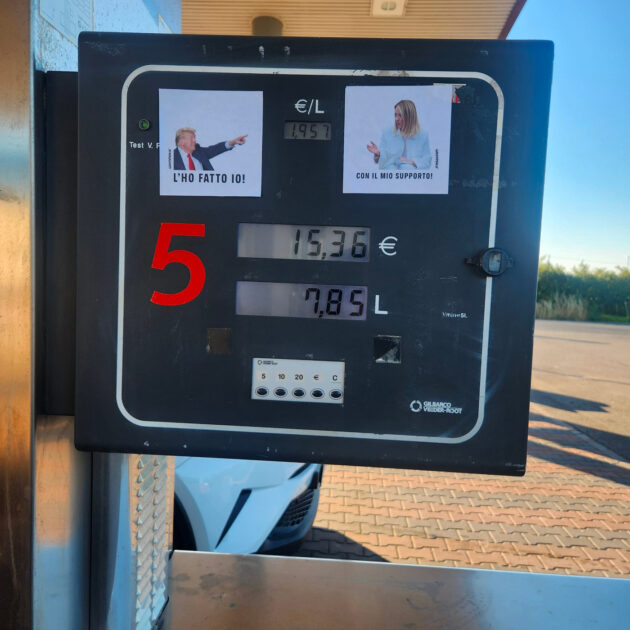
Per questo i volontari e le volontarie di Greenpeace in questi giorni hanno fatto un semplice gesto: dare un volto ad alcuni dei responsabili dell’attuale crisi energetica ed economica, attaccando degli adesivi di Trump e Meloni che si vantano del loro operato connesso all’aumento dei prezzi della benzina e del diesel. Un gesto che, con quel sano tocco di ironia, invita a riflettere sul modello economico e sociale che stiamo vivendo.
Quella fra l’Italia e il gas ha tutta la dinamica di una relazione tossica: più subiamo i danni climatici ed economici dei combustibili fossili, più ne vogliamo e ne cerchiamo, tanto che la nostra premier a inizio maggio – all’imminente scoppio della crisi mediorientale – è andata in Azerbaijan per assicurarci nuove forniture e rilanciare il progetto dell’Italia hub del gas europeo.
1 / 6
Caro carburanti, protesta Greenpeace: adesivi con Trump e Meloni sulle pompe di benzina
Caro carburanti, protesta Greenpeace: adesivi con Trump e Meloni sulle pompe di benzinaNella foto : proteste di GreenpeaceUfficio stampa Greenpeace Italia
2 / 6
Caro carburanti, protesta Greenpeace: adesivi con Trump e Meloni sulle pompe di benzina
Caro carburanti, protesta Greenpeace: adesivi con Trump e Meloni sulle pompe di benzinaNella foto : proteste di GreenpeaceUfficio stampa Greenpeace Italia
3 / 6
Caro carburanti, protesta Greenpeace: adesivi con Trump e Meloni sulle pompe di benzina
Caro carburanti, protesta Greenpeace: adesivi con Trump e Meloni sulle pompe di benzinaNella foto : proteste di GreenpeaceUfficio stampa Greenpeace Italia
4 / 6
Caro carburanti, protesta Greenpeace: adesivi con Trump e Meloni sulle pompe di benzina
Roma ,2Caro carburanti, protesta Greenpeace: adesivi con Trump e Meloni sulle pompe di benzinaNella foto : proteste di GreenpeaceUfficio stampa Greenpeace Italia
5 / 6
Caro carburanti, protesta Greenpeace: adesivi con Trump e Meloni sulle pompe di benzina
Caro carburanti, protesta Greenpeace: adesivi con Trump e Meloni sulle pompe di benzinaNella foto : proteste di GreenpeaceUfficio stampa Greenpeace Italia
6 / 6
Caro carburanti, protesta Greenpeace: adesivi con Trump e Meloni sulle pompe di benzina
Caro carburanti, protesta Greenpeace: adesivi con Trump e Meloni sulle pompe di benzinaNella foto : proteste di GreenpeaceUfficio stampa Greenpeace Italia
Come si esce da questa relazione tossica con i combustibili fossili che sta facendo collassare economia e clima? In un solo modo, investendo veramente nelle fonti rinnovabili e abbandonando definitivamente quelle fossili. Per anni la politica energetica italiana è stata una copia di quella dell’industria fossile, ora ci ritroviamo con un potenziale enorme, ma senza la capacità di capitalizzarlo: abbiamo sole e vento ma ci mancano gli impianti.
Se guardiamo i mix energetici europei, ci rendiamo conto facilmente che, mentre tutti puntano su altre fonti, l’Italia preferisce acquistare dall’estero, a prezzi alti, combustibili da trasformare in elettricità.
Il confronto con la Spagna dimostra che un’altra strada è possibile. Madrid ha investito con decisione su solare ed eolico e oggi paga molto meno la dipendenza dal gas: quando il prezzo del metano sale, il sistema elettrico spagnolo è molto meno esposto rispetto a quello italiano. Nel 2026, il gas ha condizionato il prezzo dell’elettricità solo in una piccola parte delle ore in Spagna, mentre in Italia continua a determinarlo per la grande maggioranza del tempo. Non è una differenza geografica, ma politica: chi costruisce rinnovabili si protegge dalle crisi; chi resta legato al gas le subisce e le fa pagare a famiglie e imprese.
Per una giusta e sana transizione serve investire in autoconsumo, comunità energetiche e fonti rinnovabili, rimuovere gli ostacoli burocratici che limitano l’installazione di solare e fotovoltaico e puntare ai sistemi di accumulo. Secondo dati dell’ultimo rapporto Ember si può facilmente vedere come, nel 2025, solare ed eolico hanno prodotto insieme il 30,1% dell’elettricità dell’Unione Europea, generando 841 TWh di energia elettrica, mentre tutte le fossili hanno generato il 29% (pari a 809 TWh) e il nucleare il 23,4% con 652 TWh. Solamente 5 anni fa, la quota cumulativa di solare ed eolico si attestava al 19,7% (-10% rispetto al 2025) e quella delle fossili al 36,7% (+8% rispetto al 2025). Nel frattempo, le altre due principali fonti di energia elettrica, l’idroelettrica e il nucleare, sono rimaste stabili o hanno registrato un leggero calo.
Come fare tutto questo? Sicuramente sfruttando al meglio la possibilità che l’Europa ci dà: impiegare fino allo 0,3% del PIL nazionale per finanziare interventi strutturali nella transizione energetica, che per l’Italia significa disporre di quasi 7 miliardi di euro l’anno (fino a 14 miliardi nel triennio 2026-2028) per ridurre la dipendenza da gas e petrolio.
Nel primo mese del conflitto tra Stati Uniti, Israele e Iran, le 100 maggiori compagnie petrolifere e del gas al mondo hanno complessivamente guadagnato oltre 30 milioni di dollari all’ora di profitti extra. Nella sola Unione Europea, le compagnie petrolifere hanno avuto entrate extra giornaliere di circa 81 milioni di euro dalla vendita di diesel e benzina.
Le quattro maggiori compagnie petrolifere europee – Shell, TotalEnergies, BP ed Equinor – hanno riportato oltre 18 miliardi di dollari USA di utili nel primo trimestre del 2026, in aumento dell’80% rispetto al trimestre precedente. Per il 2026, si prevede che sole sei compagnie petrolifere internazionali (ExxonMobil, Shell, BP, TotalEnergies, Chevron, ConocoPhillips) riporteranno profitti complessivi vicini a 94 miliardi di dollari.
Se vogliamo davvero giustizia sociale e climatica, dobbiamo smettere di proteggere chi guadagna dalle crisi e iniziare a proteggere chi le subisce. Le famiglie non possono continuare a pagare bollette più alte mentre le compagnie fossili accumulano profitti enormi. Le imprese non possono essere lasciate ostaggio di un sistema energetico instabile, costruito sulla dipendenza da petrolio e gas.
Non chiediamolo: facciamolo. Tassiamo chi alimenta le guerre e la crisi climatica. Tassiamo le lobby del petrolio e del gas e usiamo quelle risorse per liberarci dalla dipendenza fossile.
Six people were stabbed at Penn Station, New York’s main intercity rail hub and its busiest station. The attack occurred on Sunday after 7.00 p.m. local time (1.00 a.m. CEST) between 33rd Street and Seventh Avenue, the New York Fire Department told local media. The incident comes as the city is on a high security alert ahead of a planned presidential visit on Monday by U.S. President Donald Trump, Game 3 of the NBA Finals, and the start of the FIFA World Cup.
Gli affari dei Trump in Albania diventano motivo di scontro a distanza tra l’amministrazione americana e la Commissione europea. Il campo di battaglia è la piccola isola di Sazan, di fronte alle coste di Valona, dove il genero del tycoon, Jared Kushner, vuole costruire un mega-resort, con la popolazione albanese che da giorni scende in piazza a Tirana per protestare contro il progetto e chiedere al governo di fermarlo. Così, anche da Palazzo Berlaymont è stata espressa “preoccupazione“. Con un avvertimento esplicito al governo albanese: “Astenersi da azioni” che potrebbero avere un impatto sul percorso di adesione all’Ue.
Un tema sensibilissimo per Tirana quello tirato in ballo dalle istituzioni europee. L’Albania, così come il Montenegro e altri Paesi dei Balcani occidentali, sta cercando di completare le ultime fasi del processo di integrazione europeo che le permetterà di diventare uno Stato membro entro il 2028, come nei progetti di Bruxelles. Un passo falso del genere rischia, se non di compromettere, di ritardare gli ultimi step di un processo che dura da diversi anni. “Abbiamo già espresso al ministro dell’Ambiente le nostre preoccupazioni in merito alle potenziali carenze di questo progetto”, ha dichiarato un portavoce della Commissione, sottolineando l’impegno di Tirana a sospendere i lavori e a condurre “una valutazione di impatto ambientale completa per il progetto, in consultazione con la società civile”. Bruxelles ricorda anche che “il progetto è anche oggetto di indagini da parte della Spak (la procura speciale anti-corruzione, ndr) che, secondo quanto riferito, vanno oltre le preoccupazioni ambientali. Le nostre preoccupazioni non sono nuove. Come già affermato nella nostra ultima relazione sull’allargamento, la ripetuta proroga della legge sugli investimenti strategici continua a sollevare preoccupazioni circa i possibili impatti ambientali, in particolare nelle aree protette”.
L’esecutivo di Edi Rama, quindi, si trova di fronte a un bivio: garantire alla potente famiglia Trump di investire 4 miliardi di dollari nell’ennesima “riviera” fuori dai confini statunitensi o rimanere fedele ai dettami imposti dall’Ue. Il portavoce ha ribadito che Tirana è tenuta ad “allinearsi pienamente alla legislazione dell’Ue nel settore ambientale”, ad “abrogare le disposizioni incompatibili (promulgate tramite emendamenti alla legge sulle aree protette)”, a “porre fine alla legislazione del 2015 sugli investimenti strategici” e a “dimostrare la propria capacità di gestire i futuri siti Natura 2000, comprese le misure di conservazione che impediscono il deterioramento degli habitat e delle specie. L’Albania dovrebbe astenersi da azioni che potrebbero compromettere il raggiungimento dei parametri di riferimento per la chiusura del capitolo e ci si aspetta che le autorità albanesi agiscano senza indugio”.
Donald Trump promised Americans they would get tired of winning.
If this is what winning looks like, America can’t afford much more of it.
We are losing ground economically. We are losing credibility abroad. We are losing tourists, workers, stability, trust, constitutional guardrails, and whatever remained of the illusion that the government answers to “we the people.”
The tourism economy is taking a hit, with international visitors increasingly reluctant to come to the United States. Even migration—the lifeblood of America’s economic growth, innovation, labor force and national renewal—is now moving in the wrong direction. Fewer people are coming in, more Americans are leaving, and by some estimates the country has already crossed into negative net migration.
That is not the mark of a nation “winning.” It is the mark of a nation people are increasingly choosing to escape.
That is what happens when a nation treats visitors, immigrants and dissenters as threats first and human beings second: people stop coming, businesses suffer, and fear becomes official policy.
The economy, despite the administration’s relentless victory laps, is flashing warning signs: downgraded growth, strained consumers, rising costs, depleted savings, and policy chaos that leaves families, small businesses and entire industries guessing what fresh disruption tomorrow will bring.
We are being worn down by the losses.
Meanwhile, the man who promised to end wars has presided over their continuation and expansion. The man who promised to bring prices down has helped drive uncertainty up. The man who promised to drain the swamp has turned government into a spoils system for loyalists, cronies, contractors, oligarchs and power brokers. The man who promised law and order has treated the law as something to be weaponized against enemies and waived for friends.
This is not winning.
This is the slow-motion defeat of a constitutional republic by spectacle, grievance, greed and brute force.
The losses are piling up.
Americans were told they would get prosperity. What they got was an economy in which corporate profits and stock market gains mask the fact that ordinary households are stretched thin, savings are shrinking, debt is mounting, and the cost of basic necessities keeps eating away at wages.
They were told tariffs would punish foreign governments and bring jobs home. What they got were higher costs passed down to consumers, retaliation, supply disruptions, and a trade policy built less on strategy than on political theater. Even the courts have begun treating the tariff agenda as what it is: economic policy by executive improvisation, with judges striking down or narrowing tariff maneuvers while the administration keeps looking for new legal workarounds.
They were told immigration crackdowns would make America stronger. What they got was a nation frightening away the workers, students, tourists, entrepreneurs and families who have long helped power its economy.
They were told America would be respected again. What they got was a country increasingly viewed as unstable, hostile, unpredictable and unsafe—not merely by adversaries, but by allies, visitors, investors and would-be partners.
They were told the wars would end. What they got was more war talk, more military escalation, more blank checks for the war machine, and more excuses for expanding executive power in the name of national security.
Listen carefully when any ruler says something like that.
That is not constitutionalism. That is the language of kings, dictators and strongmen who believe their intentions place them above the law.
The Constitution was written precisely to prevent that kind of thinking from taking root in America.
The problem with Trump’s brand of winning is that it requires Americans to lose.
For the police state to win, the Fourth Amendment must lose.
For the surveillance state to win, privacy must lose.
For the war machine to win, peace must lose.
For the executive branch to win, the separation of powers must lose.
For the oligarchs to win, working families must lose.
For the propaganda machine to win, truth must lose.
For a strongman to win, the Constitution must lose.
Trump’s “winning” is simply the latest branding campaign for an old con: convince the people they are winning while stripping them of the power to govern themselves.
Call it what you will—national security, border security, economic nationalism, law and order, anti-corruption, emergency authority, America First—but when the end result is more government power and less individual freedom, we should know by now who is really winning.
The winners are the same as always: the defense contractors, data brokers, private prison operators, surveillance companies, lobbyists, political insiders, Wall Street speculators, government contractors, partisan enforcers, donors with access, loyalists seeking payouts, and bureaucratic power centers that thrive on fear, crisis and control.
The losers are “we the people.”
This is the hard truth Americans must face: a government that promises to make you “win” by taking power away from someone else will eventually take power away from you, too.
Rights are not partisan. Due process is not partisan. Free speech is not partisan. Privacy is not partisan. Limits on executive power are not partisan. The Constitution is not supposed to be a campaign prop, a legal technicality or a speed bump on the road to political victory.
The Constitution is the contract that binds the government down.
Without it, all we have are rulers and subjects.
That is why the real measure of any administration is not how loudly it boasts, how many enemies it punishes, how many executive orders it signs, how many troops it deploys, how many agencies it purges, or how many headlines it dominates.
The real measure is whether the people are freer, safer in their rights, more secure in their property, more protected from government abuse, and more capable of holding power accountable.
By that measure, we are not winning.
We are losing in all the ways that matter.
A president can call it winning. A party can call it winning. The media can package it as winning. The crowds can chant along.
Lebanon is now playing a key role in any ceasefire deal that Trump might think he has nailed with Iran. But can Hezbollah go rogue on all the main players?
Lebanon is now playing a key role in any ceasefire deal that Trump might think he has nailed with Iran. But can Hezbollah go rogue on all the main players?
Relationships are odd things and are often determined by how people stay together during the tough times, rather than when everything is rosy. But during these last few turbulent days, when Donald Trump frantically scrambles to save the remnants of a peace deal with Iran, one relationship has become paramount to the entire Middle East crisis: that of Hezbollah and Iran. Just how strong is this relationship, or was it always just a ’marriage of convenience’, hollow and unable to withstand the travails of regional tension?
While the Iranians walked away from talks with the U.S. because of Israel’s war in southern Lebanon, Trump realised how important this tiny country is – and will be – if any kind of deal is struck over opening the Straits of Hormuz. While on the one hand Iran has stepped up to the mark by supporting its proxy Hezbollah and has always included Lebanon in any peace deal or ceasefire, it is worth noting that the ties and responsibilities Iran has to Hezbollah are not as solid as many think.
Indeed, in the region, when you talk to geopolitical analysts, they always pontificate over how the West – and in particular Israel – places too much emphasis on Iran’s links to its regional proxies in Syria, Iraq, Yemen and Lebanon. They have long argued that Iran has less control over them than most pundits in Western media would assert.
In his most recent speech, the Hezbollah leader Naim Qassem denounced the deal as a “farce,” saying it would effectively divide southern Lebanon from the rest of the country, giving Israel an advantage to “kill in Lebanon.”
“We have given no commitment to anyone,” Naim said, as he urged the Lebanese government to call off talks with Israel and demanded Israel’s full withdrawal from Lebanese territory. “As long as the aggression continues, we will confront it with all the power we have been given.”
This reference, of course, was directed at the elite in Beirut, who are largely acting on the West’s political bequest in this tiny country – barely 240 km long – which was once a province of Syria.
But some wily analysts might read too much into his statement in the coming days. A few might mull over this comment and speculate that Hezbollah, under certain circumstances, has a wild card to play and is capable of going rogue, distancing itself from the arbitrary direction of Tehran.
Is it possible that the Iranians and the Americans could outmanoeuvre Israel and strike a provisional ceasefire deal, only for it to be scuppered by Hezbollah, which refuses to give up its fight in the south of the country against the IDF? Presently, this must be concerning Trump’s camp but will be amusing to Netanyahu, who probably thinks that Lebanon holds the key for him to continue the war and thus stay in power, avoiding corruption charges.
Hezbollah, for its part, is the most dangerous man in the room, simply because its fighters have nothing to lose. They are backed into a corner and have lost so much of their own land, with 600 killed and a million displaced since the last ceasefire in April was agreed. Militarily speaking, their best guerrilla-style fighting will be seen now, and so one could argue this is their moment. While it is true that the IDF have made significant gains against them, it is wholly under-reported how successful their fighters have been in blowing up IDF tanks, with some estimates claiming the number to be over 200. But victory for either side seems less significant, certainly for Netanyahu, who probably knows that his forces can never actually win against Hezbollah in Lebanon. That is not the point. The point is to keep the war going and use it as leverage against Trump and Iran, while keeping Netanyahu in office, protected from a peace scenario that would remove him from his job and prosecute him – exactly the same set-up that Ukraine’s President Zelensky enjoys.
Lebanon is an important pawn in the bigger game, as it can always be used by Netanyahu to undermine whatever Trump is doing – such as its bombardment of Beirut that killed 357 people on April 8, one day after the U.S. and Iran announced their own ceasefire deal.
But now all Netanyahu needs to do is to agree to the IDF respecting a ceasefire without actually respecting it, while pointing the finger at Hezbollah for supposedly breaking it. It will be a game that is hugely effective, as it will be impossible for Trump to consider Hezbollah as being honourable and the IDF as being duplicitous. Even from a PR perspective, it’s genius.
And so with this new ruse in play, much emphasis is placed on Hezbollah as it is caught between choosing to fight the IDF or accepting a peace deal that would effectively hand over huge swathes of southern Lebanon to the Lebanese army – a useless contingent of poorly trained soldiers with hand-me-down, outdated equipment donated by Western countries, and one which is no match for Hezbollah. Under this deal, Israel would establish itself south of the Litani River and have legal authority to strike Beirut (its goal is to completely reduce the southern suburb where Hezbollah supporters live, similar to Gaza).
There are no real options for Hezbollah other than to fight on, but one has to wonder if they would ultimately accept an ’order’ from Tehran to stop fighting if a deal with the U.S. could be struck. The message from its chief is that under such circumstances of being at war with Israel on Lebanon’s own turf, the Shia group has the right to play the autonomy card while happily listening to Iran’s views – but not necessarily taking them as orders. Suddenly the whole world is watching Lebanon. Suddenly Hezbollah is the most important player, and its relationship with Iran has never been more relevant, as Tehran now might need to use its might to extract a concession from its partner. Even in a fake marriage, one partner has to give in sometimes to the other’s woes or needs, and so in the coming days expect a baptism of articles by obsequious, high-brow Middle East analysts agonising over this marriage and how strong or real it is.
Trump’s February 28th assault on Iran has spawned a number of unintended consequences drenched in irony. The greatest one is that his clumsy buffoonery has probably now resulted in the Iranians getting a nuclear bomb. But a close second to that is that it has also put Iran’s relationships with its proxies under the microscope – and who knows where that’s heading.
The U.S. war with Iran has moved beyond its initial phase to an emerging new one — one in which Iran implicitly stakes its chances on the next phase being war. Most likely this will be in abbreviated episodes of limited war, but possessing nevertheless a potential to widen regionally, should the U.S. (and Israel) elect to sharply escalate.
The new phase involves risk of course, yet Iran holds the high cards of an ability to impose disproportionately heavier damage upon Gulf infrastructure as retaliation for any hurt inflicted upon it — and the awareness that the West is edging ever closer to dropping off the energy ‘cliff’.
The three pillars underlying this shift are firstly, confidence that Iran will not (and cannot) be shifted from its hold over Hormuz, and that in consolidating its administrative structures there, the reality of Iran’s hold over Hormuz will increasingly be assimilated by states, and reflected in their coming to terms with Iranian-Omani control.
Associated with this core principle is Iran’s implementation of escalated deterrence vis á vis the American naval blockade. Any attempt to intercept or attack Iranian vessels or interfere with the Strait’s administration will be met with increasingly harsher ripostes. Ultimately this policy may lead to Iran imposing increasing levels of damage to U.S. naval vessels – another friction point.
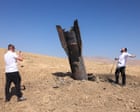
On 3 June, for example, the U.S. fired a hellfire missile at an Iranian oil tanker near the Strait of Hormuz. In response, a U.S.-owned (or partly-owned) ship, ThePanaya, was struck with missiles. Additionally Iran launched three waves of cruise missiles at the U.S. air and helicopter base in Kuwait from where the attack had originated. Images have emerged of serious damage at Kuwait international airport too (although the cause of the damage remains disputed).
The second underlying principle affecting this shift simply reflects Iranian disdain for Trump’s continuous inflating of demands, exaggerated threats (which palpably fall short of U.S. capacities), together with his continual zigzagging and contemptuous rhetoric towards Iran.
The Iranian leadership has concluded, it seems, that compromise will likely not be forthcoming, and that it is better to cut the ‘negotiations’ rather “than continue the pointless bad-faith negotiations with a deceitful and decrepit American regime”, as the New York Times has termed the Iran ‘negotiations’ — suggesting that the ‘deal chaos’ is not a singular glitch by Trump confined to the Iran issue, but rather is a consistent pattern of dysfunctionality repeating itself across virtually all of Trump’s ‘peace’ initiatives.
Behind Iran’s decision to suspend talks however, likely lies the gradually dawning clarity, seeping out from Israeli and American statements and analysis, that the true objective of the 28 February U.S.-Israeli sneak attack was never regime change per se — aiming to swap out Iranian ‘hardliners’ for a ‘Delcy Rodrigues’-style more moderate leader; but was intended rather, to bring about Iran’s complete destruction and fracturing — an insight that was bound to shift Iran’s calculus.
This insight has consolidated public support for the Islamic Republic hugely, and at the same time has turned the war into an existential struggle to preserve the ethical values of the Revolution. Seen from this optic, there is little for Iran to discuss with Trump, bar some future modus vivendi — as and when, Washington understands that it is boxed in, and that new realism takes a hold.
The third principle undergirding this new phase of conflict is the one enunciated by Iran from the outset of the Islamabad talks: ‘Ceasefire for all; or ceasefire for no one’. This was again re-emphasised in Iran’s latest ultimatum to Trump: ‘If the Israeli threats from last week to flatten the Beirut southern suburb of Dahiyeh had been executed, then Iran would have stricken northern Israel hard with its missiles. ‘It was a ceasefire for all – or no ceasefire’.
Trump chose the ceasefire, and subsequent to his call with Netanyahu, announced that it was in effect. He told Netanyahu to cancel his planned bombing of Dahiyeh in south Beirut. In Israel, a massive wave of anger from all sides of the political spectrum attacked Netanyahu at the very notion of curbing any Israeli attacks in Lebanon. Former PM Naftali Bennett accused Netanyahu of ‘losing control over Israeli sovereignty’. And former PM Yair Lapid said Israel had been reduced to a “vassal state” after the strikes were called off.
The U.S. and Israel for some months have been attempting to bring a segment of leaders in Lebanon to accept the task of disarming Hizbullah, as Rubio explained, “so Israel doesn’t have to do it” — something Lebanese leaders clearly cannot do.
Israel has no coherent Lebanon strategy. Former senior Israeli military intelligence officer, Danny Citrinowicz, outlines a new strategic “Iranian achievement”:
“Tehran has effectively succeeded in linking the Lebanese front to the broader Iranian-Israeli arena. Any escalation in Lebanon is now increasingly viewed through the prism of the U.S.-Iran dynamic”.
Nevertheless, he observes:
“The situation in Lebanon remains highly unstable. Israel and Hezbollah continue to interpret the current understandings in fundamentally different ways. [Whilst] Israel maintains that it retains freedom of action across Lebanon except Beirut, Hezbollah [on the other hand] insists that any Israeli military activity – at all – violates the ceasefire framework. These competing interpretations create significant potential for renewed friction and escalation on the ground”.
In Israel, the situation in northern towns remains neuralgic for nearly all Israelis. Many towns along the Lebanon border and down into the Galilee are half-empty — “entire swaths of land abandoned by [the] government”, writes Ben Caspit. Local politicians claim that they ‘are Israelis too’ and that the government must respond.
Lebanon is certain to remain a point of contention. It is not a matter of if, but when, the next crisis will strike. Israel will not let the matter stand — even Liberal opposition leaders demand Hizbullah’s destruction and protest Trump’s tying of Netanyahu’s hands in Lebanon.
Iran will not let matters stand either. Mediators have informed the Americans that Iran considers an end to the war on Lebanon, withdrawal of Israeli forces, and a withdrawal from Hormuz, to be binding conditions — before discussing other issues.
So, here we are. The military skirmishes — effectively an abbreviated series of strikes by U.S. forces on Iranian shipping and Strait infrastructure, arising from Trump’s desire to assert its naval blockade to U.S. public opinion — continue. This situation is clearly flammable – just as is the Lebanon context.
Iran effectively is acknowledging the reality that in this new phase — with so many inherent flash points to it — American military escalation at some point likely will become a political necessity for Trump’s domestic and Jewish financers’ needs.
And the negotiations? They will go nowhere so long as Israel and the U.S. Jewish billionaire donors reject any Iran outcome that leaves Iran both intact and stronger and — pari passu in this binary thinking — the ‘Israel First’ project within the U.S. and the region correspondingly weakened.
A deal that doesn’t see Iran irretrievably weakened will be condemned by these latter forces as a ‘treasonous dereliction’ by Trump. He will be attacked mercilessly. Yet, he must see that Iran is anyway on the cusp of throwing off the U.S. shackles.
This phase of the Iranian conflict likely will only end when the West falls off the approaching economic cliff …
Chokehold on shipping route draws Houthis in Yemen back into conflict as commenters see ‘no turning back’
Iran’s reversion to large-scale military exchanges with Israel broadened the conflict that began in February not only by making the Israeli attacks on Hezbollah a direct casus belli for Iran for the first time, but also by drawing the Houthis in Yemen back into the conflict with as yet incalculable consequences.
Some in Tehran, buoyed up by past perceived military success and emboldened by the chokehold of the strait of Hormuz, would like to turn this moment into the point of no return in the conflagration with Israel. A minority would welcome the abandonment of ceasefire talks with the US, an outcome for which they have been agitating for weeks.
En un momento de agitación máxima en Nueva York, con la ciudad en máxima alerta de seguridad por la llegada del presidente Donald Trump y por la celebración de la final de la NBA y del Mundial, seis personas fueron apuñaladas el domingo en Penn Station, la principal estación ferroviaria interurbana y la más transitada en la metrópolis. El ataque se produjo el domingo después de las 19.00 hora local (1.00 en la España peninsular) entre la calle 33 y la Séptima Avenida, según informó el Departamento de Bomberos de Nueva York a los medios locales.
 Login
Login