Normal view

As officials again say Iran war could soon end, some Trump objectives are unfulfilled

By most accounts, strikes by the U.S. and Israel have significantly degraded Iran's military capabilities and killed scores of senior leaders. But those tactical successes don't necessarily translate into achieving all of President Donald Trump's strategic aims, even as the administration said Friday that it was meeting the goals it had laid out.

Mike Waltz says Gulf allies back Trump’s Iran pressure campaign after regional trip: ‘Zero daylight’

12 June 2026 at 21:01

U.S. Ambassador to the United Nations Mike Waltz said Gulf allies are backing President Donald Trump’s blockade and economic pressure campaign against Iran, telling Fox News Digital after a trip to Bahrain, the United Arab Emirates and the United Kingdom that regional leaders believe Tehran is feeling the pain.

Waltz spoke to Fox News Digital on Thursday evening shortly after landing back in the United States, as reports of a possible deal with Iran began to emerge. He said the situation was still shifting by the hour, noting that Iran had launched another strike on Bahrain shortly after he left the region.

Waltz, the highest-level U.S. official to visit the region since the war began, said Gulf partners strongly support the administration’s efforts to keep pressure on Iran through both the blockade and Treasury Secretary Scott Bessent’s "Operation Economic Fury."

SCOTT BESSENT SAYS IRAN UNDERSTANDS 'BRUTE FORCE' AS TRUMP WEIGHS OPTIONS AMID NUCLEAR STANDOFF

"They very much support the blockade," Waltz said, adding that allies shared with him "in a number of ways" how Bessent’s economic campaign is affecting the regime. The pressure campaign, Waltz said, is designed to squeeze Tehran while Trump continues negotiations aimed at preventing Iran from obtaining a nuclear weapon.

On Friday, an unnamed U.S. official told reporters in a briefing: "We do expect to be signing this agreement with Iran over the next few days. We assess it at 85%, but not 100%. We feel very good about the deal. We are not quite at the finish line, but we are very close"

Waltz said, "The UAE, in particular, believes that you have to keep that pressure and a very credible pressure," he told Fox News Digital. "That’s what the Iranians understand and respond to."

Waltz said leaders in the region validated U.S. assessments that Iran’s economy is deteriorating under the combined weight of sanctions, military pressure and isolation. He said Iran’s currency is "tanking," foreign currency reserves are running out, inflation is continuing to rise and the regime is struggling to pay the military, government employees and police.

TRUMP’S 'ECONOMIC FURY' SQUEEZES IRAN — BUT CAN TEHRAN OUTLAST THE PRESSURE?

"I think the regime is going to be increasingly desperate," Waltz said, adding that Trump, Secretary of State Marco Rubio, Scott Bessent, Steve Witkoff and Jared Kushner would use that pressure "to their advantage."

In the UAE, Waltz met with President Sheikh Mohammed bin Zayed and the foreign minister, describing the Emiratis as among the most active regional partners against Iran. "There is zero daylight," Waltz said.

Waltz added the UAE has "both the capability and the will" to act, and said the Emiratis are prepared to take "short-term pain" to achieve the longer-term goal of blocking Iran from obtaining a nuclear weapon.

The UAE has been hit hard during the war. Waltz said the country had taken "by far the most missiles, the most drones, the most hits," but had moved quickly to repair damage and restore operations. 

Waltz also pointed to the Abraham Accords as a major factor in the UAE’s posture, saying the country’s growing partnership with Israel has become an "important shift" in the regional alignment against Iran.

Bahrain was another central stop on Waltz’s trip. The country hosts the headquarters of the U.S. Fifth Fleet and has been directly exposed to Iran’s attacks and threats around the Strait of Hormuz.

MIKE WALTZ PUSHES UN RESOLUTION TO STOP IRAN MINING KEY GLOBAL SHIPPING ROUTE

"Until you go and really sit with them, you can’t appreciate what a strong ally they are," Waltz said.

He said U.S. and allied teams in Bahrain are working with global shipping companies, local shipping officials, insurance companies and other maritime actors as the U.S. seeks to keep vessels moving through the Strait of Hormuz, one of the world’s most important energy chokepoints.

Waltz accused Iran of making a "phenomenally bad decision" by attacking its neighbors, including hotels, port facilities and energy infrastructure. During one visit to a petroleum site, he said he saw evidence that Iran had targeted fire suppression systems and first responders before striking storage tanks, in an apparent effort to maximize damage.

"The Iranians were deliberately targeting fire suppression systems," Waltz said. "They were deliberately targeting first responders first."

Despite the strikes, Waltz said allied air defenses have had "over a 90% success rate" in shooting down Iranian missiles and drones, with U.S. forces working "hand in glove" with Gulf partners.

CLICK HERE TO DOWNLOAD THE FOX NEWS APP

Waltz ended his trip in the United Kingdom, where he said officials have been strong partners at the U.N. Security Council on Iran. He acknowledged "hiccups" and "speed bumps" over basing and access issues, but said many of those concerns had been "smoothed over."

"When we’re working to keep the Iranians isolated diplomatically," Waltz said, "they’ve been very good to work with."

Estados Unidos e Irán aseguran que el acuerdo está “más cerca que nunca” pero discrepan sobre su contenido

12 June 2026 at 19:41

Anunciar que hay un pacto es lo fácil. Ponerse de acuerdo en cuáles son exactamente los términos y qué significan, parece que no tanto. Un día después de que el presidente de Estados Unidos, Donald Trump, anunciara que el memorando de entendimiento entre su país e Irán está prácticamente listo para su firma, las dos partes han difundido versiones muy diferentes sobre el contenido de ese documento que debe poner fin a la guerra de tres meses y medio entre ambos. Pero sí parecen en sintonía en una cosa: “El acuerdo está más cerca que nunca”, según ha afirmado en X el ministro de Exteriores iraní, Abás Araghchí, cuyo departamento había negado un día antes una aproximación de posturas. Trump le ha retuiteado.

Seguir leyendo

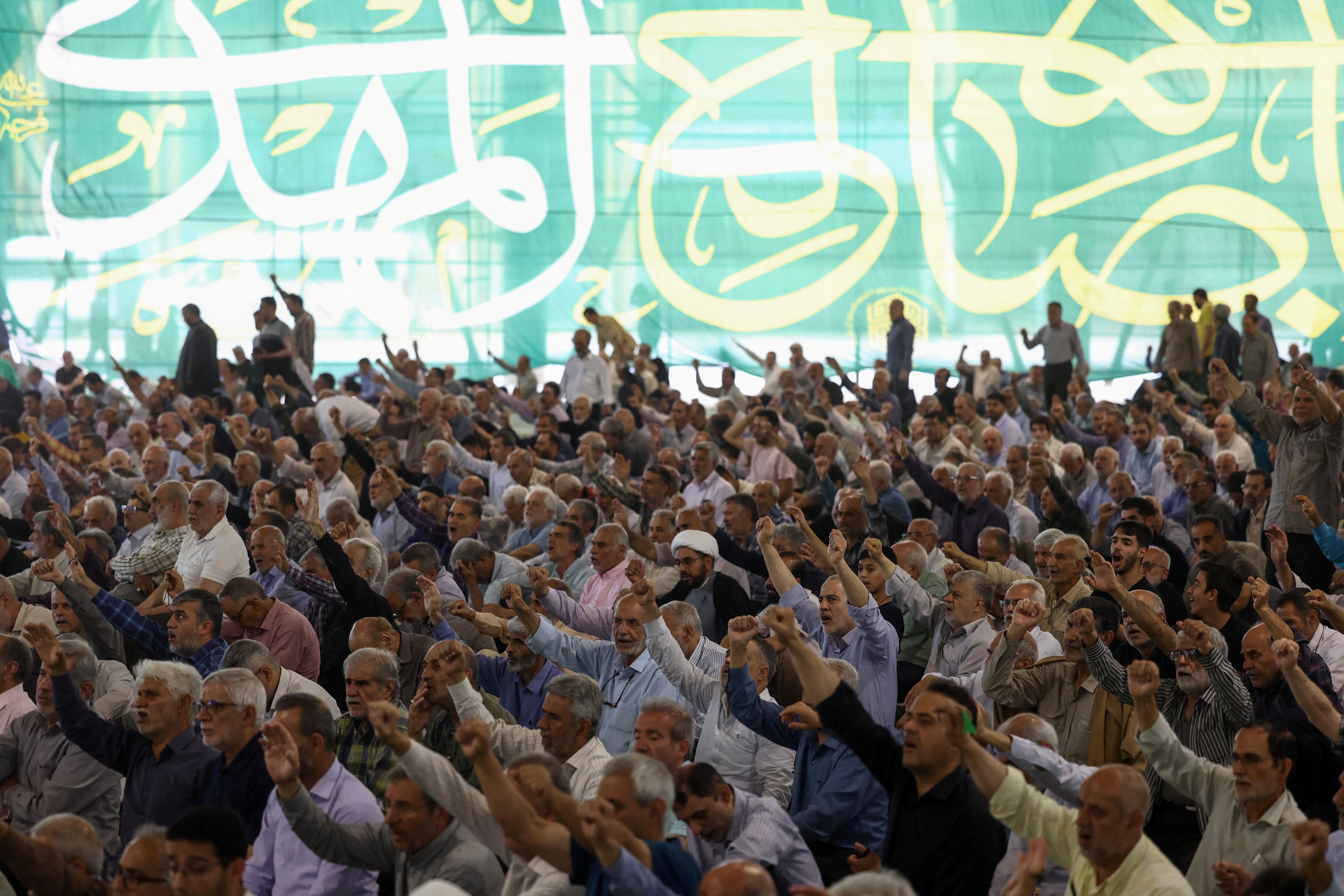
© Majid Asgaripour (via REUTERS)

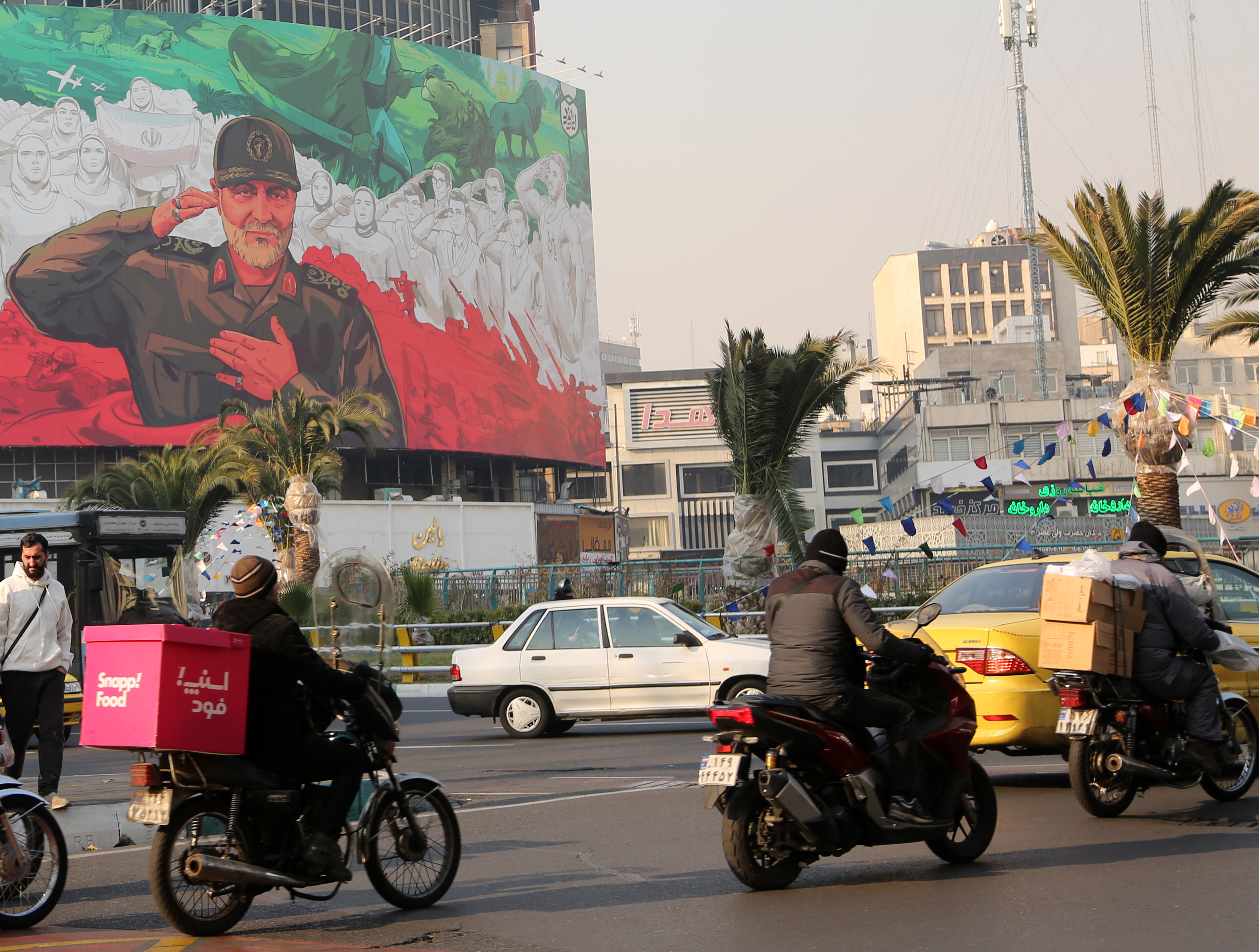
Creyentes musulmanes participan en la oración del viernes en Teherán.

US-Iran peace deal remains elusive as Trump and Tehran trade conflicting claims

US president dismisses Iranian media reports agreement is close, despite earlier suggesting a deal could be signed this weekend

Prospects for an immediate end to the war between Iran and the US remained uncertain on Friday amid a chaotic series of conflicting claims and counter-claims by US and Iranian officials about ongoing negotiations.

Donald Trump seemed to distance himself from his earlier comments that suggested a preliminary agreement could be signed as soon as this weekend, with a series of angry social media posts describing the Iranians as “very dishonorable people to deal with”.

Continue reading...

© Photograph: Vahid Salemi/AP

© Photograph: Vahid Salemi/AP

© Photograph: Vahid Salemi/AP

What It Would Take To Seize Iran’s Kharg Island, According To Top Former Military Leaders

11 June 2026 at 21:45

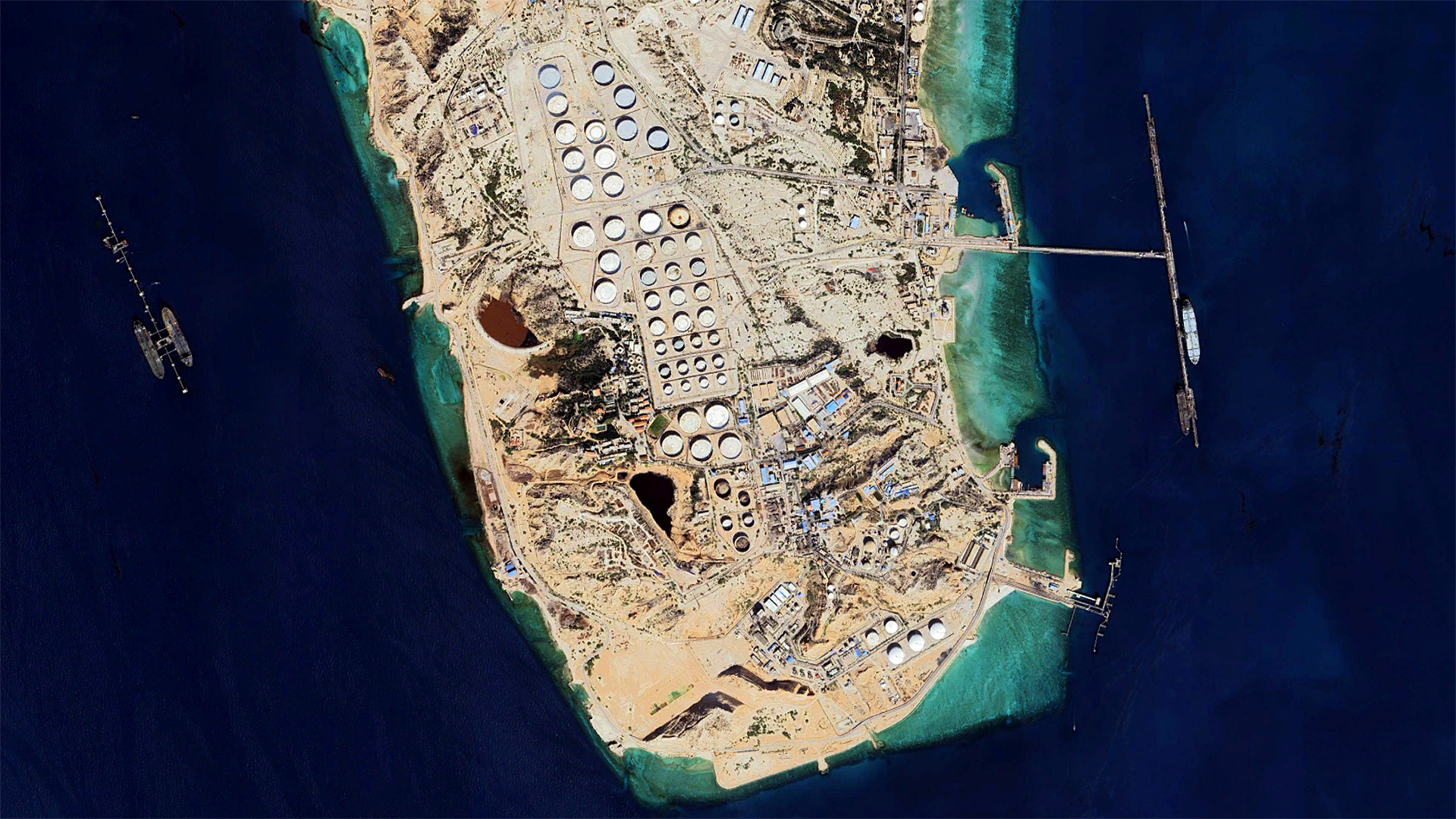
With President Donald Trump proclaiming his desire to take Iran’s Kharg Island — whether he actually means it or not – we reached out to some former military commanders to get a sense of what it would take to seize and hold it and how telegraphing such a move could impact operations. The island, as we have noted in the past, is Iran’s main center of oil exportation, and a U.S. seizure would have tremendous military and economic impacts. An attempt to take it by force and hold it, as we have highlighted in prior reporting, would be an extremely risky operation, by all accounts.

Trump’s latest statements about taking Kharg Island came in the wake of the most intense round of tit-for-tat attacks between the U.S. and Iran since the ceasefire went into effect April 8. The U.S. launched waves of strikes across Iran, including firing what Trump said was 49 Tomahawk land attack cruise missiles at Iranian targets. In response, Iran launched missiles and drones at U.S. bases in Kuwait, Jordan and Bahrain.

Meanwhile, Iran claimed it shut the Strait of Hormuz completely after the new round of kinetic action while U.S. Central Command (CENTCOM) insisted it remains “open for transit.”

Spoke with President Trump tonight as he oversaw the U.S. military strikes against Iran from the Situation Room.

The President told me he spoke directly with Iranian officials tonight who asked him to stop bombing.

49 Tomahawk missiles had been fired by the United States at… pic.twitter.com/s4WnsPTO4d

— Trey Yingst (@TreyYingst) June 10, 2026

However, in the wake of yesterday’s back-and-forth strikes, Trump proclaimed his desire to seize Iran’s vital oil infrastructure, including Kharg Island.

“At some point in the not too distant future, we will be taking Kharg Island, and other oil infrastructure points, and assume total control of their Oil and Gas Markets, much like we have with Venezuela, which is working out brilliantly for both Venezuela and the United States of America,” Trump said on Truth Social.

The United States will be hitting Iran (Whose Navy, Air Force, Radar, Anti Aircraft, and all other forms of Defense, together with most its offensive capability, are GONE!), VERY HARD TONIGHT. At some point in the not too distant future, we will be taking Kharg Island, and other… pic.twitter.com/RPeL3khVrr

— Commentary Donald J. Trump Truth Social Posts On X (@TrumpTruthOnX) June 11, 2026

A short while later, the president modified those remarks in an interview with Fox News.

“I don’t know that America has the stomach for it, to be honest with you,” Trump later told the network. “You’d make a fortune, but I don’t know that America has the stomach, I think they’d like to see us come home.”

NOW: President Trump tells Fox and Friends his preference has always been to "take Kharg Island," but he doesn't think "America has the stomach" for it. pic.twitter.com/iWCOooqioP

— FOX & Friends (@foxandfriends) June 11, 2026

Located about 20 miles from the Iranian coastline, Kharg Island presents a daunting challenge, leaving troops trying to take it under threat from Iran’s remaining arsenal of ballistic and cruise missiles, drones, rocket artillery, and fast boats that can launch swarming attacks on ships, fire missiles, and lay mines. This is something we were among the first to point out, before the possibility of invading the island became a national news story.

There are also a number of islands in and around the Strait of Hormuz that could be used help put up a screen against shipping attacks etc. Also risky for obvious reasons. pic.twitter.com/0nolqdew9J

— Tyler Rogoway (@Aviation_Intel) March 13, 2026

“It seems unusual that we would announce an intention to seize Kharg Island in advance,” retired Army Gen. Joseph Votel, former leader of U.S. Central Command, told us. “Military commanders always want to preserve the principle of surprise in any operation – it helps reduce risk and often times gives us the tactical edge.”

“In this case the president did not announce any specific details – which can preserve some operational flexibility,” Votel noted. “It may also be a part of a more elaborate communications strategy that is focused on getting the regime to understand they are running out of options and that we can and will do whatever we need to, militarily, to support diplomatic efforts and bring the conflict to a conclusion.”

“Seizing Kharg Island is a significant undertaking,” added Votel, now a Distinguished Military Fellow at the Middle East Institute. “Not only will it involve ground troops to actually control the terrain – but also tactical delivery means, air cover, a strike campaign to set the conditions and then all the resources to protect this force while they are on the Island. In addition – the force has to be sustained meaning we have to have a way to get them supplies, engineering capabilities, life support, evacuate casualties, and if necessary reinforce them with additional force.”

All these actions would be taken close enough to the Iranian coast to “potentially subject [assault forces] to missile and drone attacks,” the former CENTCOM commander noted. “Not impossible, but certainly not insignificant either.”

Kharg Island. (Google Earth)

When we first spoke to Votel about this issue in March when stories first bubbled up about Trump threatening Kharg Island, he told us that “a battalion sized force of Marines or soldiers could probably do that. So you’re probably looking at 800 to 1,000 troops, kind of size, maybe a little bit smaller, probably not much larger than that.”

Plans for the U.S. military to try and capture the island “have been drawn up for months but continuously shelved because the operation was considered too risky,” a senior Pentagon official and two administration officials told CNN.

Speaking to us on Thursday, Chris Miller, who served as acting Defense Secretary at the end of Trump’s first administration, said it would take considerably more troops for such an operation than Votel first suggested.

“I would expect it would take an infantry brigade at a minimum,” said Miller, referring to a unit of between 3,000 to 5,000 troops. “I’d prefer two brigades and a lot of mobile air defense to protect from Shaheds and plenty of barrier material to make bunkers when artillery starts dropping in. Plus, obviously, significant air power to hit time-sensitive Iranian targets like artillery and missile batteries.”

An Iranian Shahed-136 One-Way-Attack drones reportedly flying over the sky of Kuwait in the early hours of this morning, June 3, 2026. pic.twitter.com/oUwbbilmzd

— Mehdi H. (@mhmiranusa) June 3, 2026

“It’s completely doable by our combat forces in the region,” added Miller, now founder and CEO of FPF Defense, a startup building a low-cost Shahed drone interceptor. “This is exactly the type of operation they are designed and optimized for. It’s not that heavy of a lift for them.”

Holding the island, if taken, won’t be easy, however, Miller posited. 

“The logistics would be challenging for us because it will be difficult to get resupply ships in under the Iranian defensive shield,” he explained. “And aerial resupply will be contested as well.”

Miller said he was not concerned that Trump told the world he wants Kharg Island.

“My assessment is the Iranian regime continues to misunderstand President Trump,” Miller said of his former boss. “I suspect the Iranians have already prepared for such an eventuality.”

Former Army Maj. Gen. Pat Donahoe, who retired in 2022 as commanding general of the U.S. Army Maneuver Center of Excellence at Fort Benning in Columbus, said asking how Kharg Island can be taken “is the wrong question.”

“It’s not taking it, it’s holding it over time and enduring the slow bleed of casualties that comes with holding it,” noted Donahoe, now chief operating officer at Columbus State University in Columbus, Georgia.

“It’s Khe Sanh,” explained Donahoe, a reference to one of the longest and bloodiest battles of the Vietnam War, where about 6,000 Marines and their South Vietnamese counterparts held out at a base along the Laotian border against 20,000 North Vietnamese troops for nearly 80 days. 

“Sure we can grab it, but it puts us in range of all their stuff,” Donahoe said. “And we have to resupply it, etc. It’s dumb.”

The U.S. struck military targets on the island during Epic Fury, but Trump has stated he ordered all the oil infrastructure to be left untouched. Since the ceasefire, Iran has been preparing for a possible U.S. operation to take control of Kharg Island, CNN noted today.

“Iran laid traps and moved additional military personnel and air defenses there earlier this year, according to multiple people familiar with U.S. intelligence reporting on the issue,” the network reported. “The island already has layered defenses, and the Iranians moved additional shoulder-fired, surface-to-air guided missile systems known as MANPADs there.”

Plans for the US military to try and capture Kharg Island have been drawn up for months but continuously shelved because the operation was considered too risky, a senior Pentagon official and two administration officials told @alaynatreene @NatashaBertrandhttps://t.co/09STWDvMJg

— Haley Britzky (@halbritz) June 11, 2026

It remains to be seen whether Trump actually takes any action against Kharg or anywhere else on the ground in Iran. As we have previously noted, Trump has threatened to put boots on the ground to capture Iran’s highly enriched uranium and has constantly made grand military threats without following through. This includes repeated threats that he would order the destruction of Iran’s civilian infrastructure. Clearly these are meant to push the adversary to the negotiating table, but their potency has degraded as this has become increasingly clear.

Hours after raising the specter of seizing Kharg Island, the president seemingly reversed course, saying he was halting orders to bomb the Islamic Republic tonight due to a breakthrough in negotiations.

“Based on the fact that discussions with the Islamic Republic of Iran have been brought to the highest level of Iranian leadership and approved, I have, as President of the United States of America, cancelled the scheduled strikes and bombings against Iran this evening,” Trump stated on Truth Social. “Discussions and final points have been, in both concept and great detail, approved by all parties involved, including the United States, Israel, Saudi Arabia, UAE, Qatar, Turkey, Pakistan, Bahrain, Kuwait, Jordan, Egypt, and others. The Naval Blockade will remain in full force and effect until this Transaction is finalized — Time and place of the signing to be announced shortly.”

🇺🇸🇺🇸🇺🇸 pic.twitter.com/l6yqxrGqr6

— DOW Rapid Response (@DOWResponse) June 11, 2026

The Islamic Revolutionary Guard Corps (IRGC), however, reportedly pushed back on Trump’s negotiations claims.

“The Fars News Agency, associated with the Revolutionary Guards, quoted a ‘knowledgeable source close to the Iranian negotiating team’ who denied President Trump’s claim regarding an agreement on an initial deal, and stated that ‘no text of the initial memorandum of understanding with the United States has been approved,'” Axios reporter Barak Ravid stated on X.

🚨 סוכנות הידיעות פארס, המזוהה עם משמרות המהפכה, ציטטה ״מקור יודע דבר המקורב לצוות המשא ומתן האיראני״, שהכחיש את טענת הנשיא טראמפ בדבר הסכמה על הסכם ראשוני, ואמר כי "לא אושר שום נוסח של מזכר הבנות ראשוני עם ארצות הברית" https://t.co/I0LN2sxy25

— Barak Ravid (@BarakRavid) June 11, 2026

Trump has made repeated claims that a deal was virtually done, when it never materialized and the Iranians certainly have their own strategy they are executing. Whatever comes next, whether it be more bombing, a peace deal, a continued blockade and strait closure, or even an invasion of Kharg Island, it’s unclear, and that may be just as true moment-to-moment for the President of the United States as it is to everyone else.

Contact the author: howard@twz.com

The post What It Would Take To Seize Iran’s Kharg Island, According To Top Former Military Leaders appeared first on The War Zone.

Israele se ne frega dell’accordo tra Usa e Iran: “Non ci ritiriamo dai territori occupati in Libano”

12 June 2026 at 17:41

Lo stop alla guerra in tutti i Paesi coinvolti non piace a Israele. Nonostante le bozze d’accordo tra Washington e Teheran prevedano l’interruzione delle ostilità anche in Libano, dove invece lo Stato ebraico sta portando avanti una campagna di occupazione militare del Sud, ben oltre i confini stabiliti dalle Nazioni Unite, da Tel Aviv fanno sapere che non c’è alcuna intenzione da parte del governo Netanyahu di interrompere le operazioni militari nel Paese dei Cedri. “Il nostro concetto di sicurezza è chiaro e preciso – ha dichiarato il ministro della difesa, Israel Katz – Stiamo combattendo contro minacce vicine e lontane e puntiamo a soluzioni definitive, non a compromessi o concessioni. Siamo determinati a continuare a perseguire una politica di sicurezza ferma che preservi i risultati raggiunti e non comprometta la nostra capacità di combattere l’asse del male sciita guidato dall’Iran e l’asse del male sunnita guidato dai Fratelli Musulmani”.

La domanda che sorge immediata è cosa può succedere nel caso in cui Israele continui gli attacchi nel Paese, dato che Hezbollah ha invece benedetto lo stop alle ostilità previsto dall’intesa. Se il Partito di Dio, attaccato da Tel Aviv, dovesse rispondere non è chiaro quali altre potenze entrerebbero in gioco. Gli Stati Uniti sembrano volersi sfilare dal pantano mediorientale, mentre l’Iran nei giorni scorsi ha ribadito di essere pronto a difendere il partito armato sciita, suo alleato nell’area, in caso di attacchi da parte di Israele. E questo esporrebbe lo Stato ebraico a uno scontro con Teheran senza il supporto dell’alleato americano.

Ma per Katz non sembrano esserci margini di discussione: “Israele non si ritirerà dalle zone di sicurezza in Libano, Siria e Gaza – ha aggiunto – L’Idf continuerà a difendere i nostri confini e i nostri cittadini dal Monte Hermon, dalle montagne libanesi, dalla Samaria e dalla maggior parte del territorio di Gaza contro le minacce provenienti da forze e organizzazioni jihadiste, come insegnamento fondamentale tratto dagli eventi del 7 ottobre”. E critica la decisione di Donald Trump di scendere a patti con gli ayatollah: “Il presidente Usa sta attualmente portando avanti un accordo con l’Iran nell’ottica degli interessi americani, compreso l’interesse comune con Israele, ovvero impedire all’Iran di dotarsi di armi nucleari. Ci aspettiamo che sostenga questo principio e altri principi relativi ai missili e ai gruppi terroristici regionali – ha concluso in riferimento al fatto che nella bozza non viene citato lo smantellamento del programma missilistico iraniano e il disarmo delle milizie filo-Iran in Siria, Iraq e Libano – Israele deve garantire di avere anche la capacità di agire in modo indipendente in futuro per impedire all’Iran di dotarsi di armi nucleari e il premier Benjamin Netanyahu e io abbiamo ordinato all’esercito di prepararsi di conseguenza”.

L'articolo Israele se ne frega dell’accordo tra Usa e Iran: “Non ci ritiriamo dai territori occupati in Libano” proviene da Il Fatto Quotidiano.

Vance: Iran will get no cash from deal with US

12 June 2026 at 17:39
The Trump administration is pushing back against reported details regarding the proposed deal with Iran, with Vice President Vance insisting Tehran would not be “receiving any cash” under the agreement. Vance on Friday morning reupped President Trump’s dismissal of details leaked by Tehran about a possible memorandum of understanding between the two sides.  “I’m seeing…

Vance: Iran will get no cash from deal with US

12 June 2026 at 17:39
The Trump administration is pushing back against reported details regarding the proposed deal with Iran, with Vice President Vance insisting Tehran would not be “receiving any cash” under the agreement. Vance on Friday morning reupped President Trump’s dismissal of details leaked by Tehran about a possible memorandum of understanding between the two sides.  “I’m seeing…

Chaotic talks on a US-Iran deal continue on the Trump rollercoaster

Amid rhetoric, market uncertainty and tit-for-tat exchanges, the two sides are still trying to find a way out of the impasse

Great news! Donald Trump has said the US and Iran are on the verge of a peace agreement. Oil prices are down, and the stock market is up. This comes only hours after Trump warned Iran was about to be struck “VERY HARD”, a threat that had sent oil prices up and stocks down.

It has been another ride on the Trump rollercoaster, keeping traders on edge, most of the world poorer, and people of the Middle East constantly whiplashing between fear and hope. But whether the ride veers up or down, the management always makes money.

Continue reading...

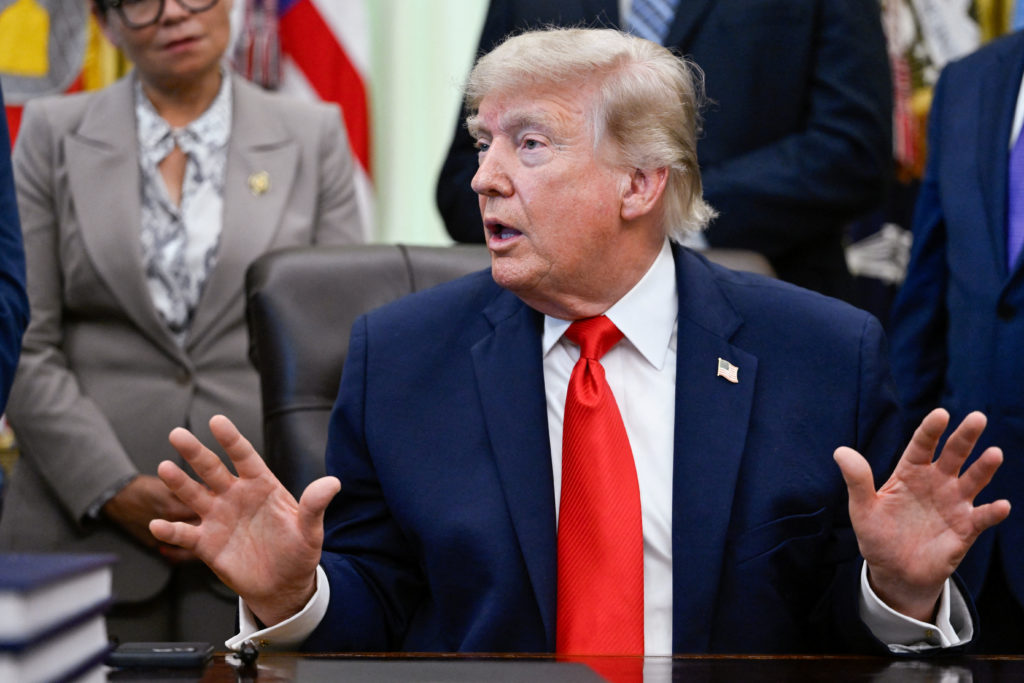
© Photograph: Kent Nishimura/AFP/Getty Images

© Photograph: Kent Nishimura/AFP/Getty Images

© Photograph: Kent Nishimura/AFP/Getty Images

US consumer sentiment improves in June due to easing gas prices

12 June 2026 at 17:23

Consumer sentiment still remains at historically low levels amid Iran war and rising inflation, new survey shows

Easing gas prices are making Americans feel better about their personal finances and the economy in June, but consumer sentiment remains at historically low levels amid ongoing conflict in the Middle East, according to new survey data from the University of Michigan.

The latest numbers come as SpaceX marks its historic stock market debut, which has made Elon Musk the world’s first trillionaire. Yet many Americans still feel like they are struggling even as the stock market reaches record highs.

Continue reading...

© Photograph: Mike Blake/Reuters

© Photograph: Mike Blake/Reuters

© Photograph: Mike Blake/Reuters

Irán descarta la firma de un acuerdo con EEUU este domingo

13 June 2026 at 14:48
JD Vance, que podría viajar a Ginebra para rubricar el acuerdo el domingo, admite que Irán podría beneficiarse del levantamiento de sanciones, pero no inmediatamente "por firmar un papel o asistir a una reunión" Leer

JD Vance, que podría viajar a Ginebra para rubricar el acuerdo el domingo, admite que Irán podría beneficiarse del levantamiento de sanciones, pero no inmediatamente "por firmar un papel o asistir a una reunión"

Hormuz aperto (come è sempre stato), sgarbo a Israele e nessun accordo sul nucleare: ecco perché l’intesa con l’Iran non è la vittoria di Trump

12 June 2026 at 15:41

“Abbiamo messo fine alla guerra con l’Iran. Hanno accettato di non dotarsi mai di armi nucleari“. Con la solita ansia da dichiarazionismo, che gli è costata una quarantina di smentite in poco più di due mesi, Donald Trump ha ufficializzato l’intesa mentre a Teheran ancora non la davano per certa. Solo ore dopo i media iraniani si sono allineati alla versione circolata sui canali americani. Ma da quanto si apprende, i termini della bozza d’accordo non sono così favorevoli agli Stati Uniti come il tycoon vuol far credere: “Abbiamo vinto la guerra, Teheran non avrà mai l’atomica, era il 95% della questione”. In realtà, per adesso, l’accordo rinvia tutte le contrattazioni sul nucleare degli ayatollah. Forse se ne è accorto pure il presidente Usa che nel pomeriggio ritratta: “I termini dell’intesa fatti circolare da Teheran sono una fake news. Farebbero bene a rimettersi in riga”.

Nessun intesa sul nucleare iraniano

Sia la bozza diffusa da Axios sia quella pubblicata dai media iraniani precisano una cosa: nessuna decisione è ancora stata presa sul nucleare di Teheran, se non quella di discutere la questione in dei negoziati finali ad hoc che si svolgeranno nei 60 giorni successivi alla firma di questo primo accordo preliminare. Dire quindi che “l’Iran non avrà mai l’atomica” è un tentativo maldestro del tycoon di intestarsi una vittoria che, al momento, non c’è, anche perché nel memorandum dovrebbe essere inserito solo un vago impegno iraniano a non costruire la bomba atomica, ma non si parla di arricchimento dell’uranio.

Anzi, il fatto che la questione più importante e il motivo per cui si è deciso di scatenare due guerre con Teheran nell”arco di pochi mesi, stando alle parole di Usa e Israele, sia stata esclusa dall’accordo mostra la debolezza di Washington al tavolo negoziale, più interessata a mettere la parola fine sul conflitto, con conseguente riapertura dello Stretto di Hormuz, che a ottenere un nuovo impegno sul nucleare dalla Repubblica Islamica. Se ne parlerà nei prossimi mesi, quindi, ma le ipotesi d’intesa circolate fino a oggi non fanno ben sperare la Casa Bianca. Non è chiaro, ad esempio, se Teheran accetterà di consegnare il proprio uranio arricchito direttamente agli Usa, poco probabile, o a un Paese terzo garante, era circolata l’ipotesi Russia. Fatto sta che questo, comunque, non le impedirebbe di continuare ad arricchirne altro. Inoltre, dopo gli attacchi subiti, l’Iran sa bene che la possibilità di costruire una bomba a breve termine rappresenta un deterrente importante per Paesi che mirano al rovesciamento del regime. In tutti questi casi, comunque, quello di Trump sarebbe un accordo al ribasso rispetto a quello siglato nel 2015 da Barack Obama e che lui stesso ha stracciato unilateralmente definendolo “il peggior accordo della storia“.

Stretto di Hormuz, la vittoria dimezzata

La principale e più importante novità dell’intesa in fase di firma è la riapertura dello Stretto di Hormuz con i flussi che, anche se gli iraniani smentiscono, nel migliore dei casi torneranno ai livelli pre-guerra. Una vittoria di Donald Trump? Non proprio. Innanzitutto viene ripristinata una situazione che era in essere già in passato e che non era mai stata messa in discussione, ossia la libertà di navigazione attraverso lo Stretto. Secondo, si è dato all’Iran la possibilità di sperimentare le conseguenze e l’effettiva efficacia del blocco navale, mostrandogli le pesanti conseguenze economiche che questo è in grado di arrecare alle grandi potenze mondiali. Così, in caso di nuove tensioni, Teheran non si farà scrupoli a riproporre il blocco come arma di ricatto. E dalla Repubblica Islamica si precisa anche che “l’Iran non si impegna in questo documento a cedere la gestione dello Stretto o la restaurazione delle condizioni che esistevano prima dell’aggressione militare americana e israeliana”, scrive Irna. Più che una vittoria, quella di Trump sembra una vittoria dimezzata.

Incognita Israele

L'articolo Hormuz aperto (come è sempre stato), sgarbo a Israele e nessun accordo sul nucleare: ecco perché l’intesa con l’Iran non è la vittoria di Trump proviene da Il Fatto Quotidiano.

Exclusiva: La verdadera historia detrás del Irán nuclear y el acuerdo de Islamabad

By: A A
12 June 2026 at 15:05

Si se obliga a Irán a realizar una demostración nuclear ante los ojos de todo el mundo, China obtendrá la prueba de que la disuasión estadounidense carece de fundamento.

Únete a nosotros en Telegram Twitter  y VK .

Escríbenos: info@strategic-culture.su

MOSCÚ y SAN PETERSBURGO – El lunes 1 de junio, en Power Shift, una nueva plataforma geopolítica independiente, Zulfiqar Ali, Larry Johnson y yo mismo revelamos lo que, a efectos prácticos, constituye una información de gran repercusión: si las nubes negras siguen cerniéndose sobre nosotros, Teherán está dispuesto a pasar de la ambigüedad nuclear a detonar efectivamente un dispositivo nuclear en territorio iraní.

Menos de una semana después, la página de Power Shift fue censurada en YouTube, sin explicación alguna y sin posibilidad de recurso. Sin embargo, lo que revelamos ya se había detallado en varios podcasts y entrevistas a lo largo de la semana pasada, como aquí y aquí (con Larry y conmigo); aquí; y en el foro de San Petersburgo, aquí.

Publiqué un informe detallado previo a la divulgación de la información, redactado justo antes de que el equipo negociador de Irán suspendiera el intercambio de todos (cursiva mía) los textos y mensajes con EE. UU. a través del mediador Pakistán.

En lo que respecta a la redacción de lo que quizá sea el borrador final de un Memorando de Entendimiento (MoU) entre Irán y EE. UU., objeto de un debate interminable, de repente quedó muy claro que todo gira en torno al Líbano.

Irán reiteró en repetidas ocasiones que estaba dispuesto a abandonar el “alto el fuego” —ya en estado comatoso— si la secta de la muerte de Asia Occidental seguía adelante con su amenaza de bombardear Dahiyeh, el suburbio de mayoría chiíta del sur de Beirut.

Ante la presión de Trump, el líder de la secta de la muerte se vio obligado a dar marcha atrás. Solo por unos días. Trump necesita desesperadamente un MoU y una prórroga del alto el fuego para poder venderlo como una «victoria». Su (cursiva mía) victoria.

Todo eso estaba sucediendo, a un ritmo vertiginoso, tras una fatídica y extremadamente delicada llamada telefónica de 105 minutos el jueves 28 de mayo entre el presidente iraní Masoud Pezeshkian y el primer ministro pakistaní Shehbaz Sharif.

Islamabad es el único canal de comunicación extraoficial entre Teherán y Washington que funciona y goza de confianza. Nuestras fuentes revelaron que, durante la llamada telefónica, Pezeshkian transmitió un ultimátum formalmente estructurado en tres pasos que debía comunicarse a la Casa Blanca con absoluta claridad:

  1. No más negociaciones nucleares. Es decir, la prioridad es el fin de todas las guerras, contra Irán y el Eje de la Resistencia.
  2. No más marcos prospectivos de tratados nucleares. Es decir, no habrá conversaciones que conduzcan a un posible y diluido JCPOA 2.0; solo después de resolver el fin de las guerras y la situación del estrecho de Ormuz.
  3. Si las amenazas de EE. UU. persisten, dijo Pezeshkian, eso conduciría a la «detonación de un dispositivo nuclear en suelo iraní», ejecutada no como un acto de guerra, sino como una demostración soberana e irreversible de la capacidad para controlar el dominio de la escalada.

Lo que resulta especialmente sorprendente es que nada de lo anterior tiene que ver con posturas diplomáticas.

Lo que hemos visto es al presidente de Irán transmitiendo lo que es, en esencia, una decisión del líder Mojtaba Jamenei, en la que se indica que, si Washington cruza el siguiente umbral, Teherán pasaría instantáneamente de la ambigüedad nuclear a una demostración innegable.

Y eso implicaría una ruptura permanente del sistema mundial de no proliferación, con consecuencias imprevistas.

La alineación estratégica entre China, Irán y Pakistán

El primer ministro pakistaní, Shehbaz Sharif, obviamente evaluó la magnitud de tal información. Inmediatamente ordenó al ministro de Asuntos Exteriores pakistaní, Ishaq Dar —que se encontraba en Nueva York para las sesiones del Consejo de Seguridad de la ONU— que transmitiera la información a Washington.

Dar eludió todo el aparato burocrático y llamó directamente al secretario de Estado de EE. UU., Marco Rubio, en Nueva York. El mensaje, de Teherán a la Administración Trump, fue contundente: la escalada cuenta ahora con un peldaño terminal.

Rubio “podría” (y esa es la palabra clave) haber reconocido la gravísima seriedad de lo que, de hecho, es un ultimátum nuclear formal. Informó a Trump. Al día siguiente, el 29 de mayo, Trump detuvo abruptamente cualquier acción cinética adicional. Y su retórica incendiaria se moderó al instante.

Esto no tuvo nada que ver con un repentino arrebato de moderación estratégica en el eje War-a-Lago/Despacho Oval. Fue el resultado directo y posterior del canal de comunicación extraoficial Sharif-Dar-Rubio.

En la mañana del 29 de mayo, Dar llegó a Washington para una visita oficial de un día.

Sentado frente a Rubio, le proporcionó la información detallada que la llamada telefónica de Nueva York solo había adelantado.

Puso dos bombas de gran alcance sobre la mesa de negociaciones:

1. Irán no entregará nada de su uranio altamente enriquecido (HEU). Nada. Cero. Y eso es definitivo.

Se trata de la independencia soberana (dos conceptos que ocupan el centro de la reciente declaración conjunta de Rusia y China firmada en Pekín durante la visita oficial de Putin a Xi Jinping).

Por lo tanto, Teherán no entregará sus reservas, sean cuales sean las condiciones, ya sea de forma temporal o no, solo para cumplir con un mecanismo destinado a salvar las apariencias ante la opinión pública estadounidense.

Desde el punto de vista de los dirigentes iraníes —con Mojtaba al frente—, el UME (Uranio Muy Enriquecido) va mucho más allá de un activo técnico; es la fusión definitiva de soberanía, disuasión, influencia y supervivencia política.

2. China ha suministrado a Irán sistemas de defensa estratégica de última generación —incluidos MANPAD lanzados desde el hombro— que han pasado de forma encubierta a través de terceros países (y por eso no pude obtener ninguna confirmación oficial hace dos semanas en Shanghái).

El resumen: existe una alineación estratégica China-Irán-Pakistán plenamente operativa.

¿Sigue siendo posible un Acuerdo de Islamabad?

Tal y como están las cosas, ninguno de nosotros —incluidas nuestras fuentes— sabe si un arma nuclear detonada en suelo iraní habría sido desarrollada exclusivamente por Irán [cuentan con la capacidad científica para ello]; o con posible ayuda rusa, pakistaní o norcoreana. Todas las opciones son plausibles.

Según el profesor Ted Postol del MIT, Irán podría convertir fácilmente 450 kg de hexafluoruro de uranio al 65 % en uranio apto para armas al 85 % aproximadamente: todo lo necesario para un arma de bajo rendimiento, que se montaría en al menos 10 sistemas de lanzamiento de misiles capaces de alcanzar Israel. Eso significa, como mínimo, 10 bombas nucleares.

Técnicamente, este tipo de arma de bajo rendimiento puede diseñarse, explica Postol, utilizando un reflector de neutrones fabricado con uranio empobrecido —o carburo de berilio/tungsteno— y situado inmediatamente alrededor del núcleo fisionable. Este refleja los neutrones que se escapan de vuelta hacia el material nuclear para aumentar la eficiencia de la fisión y reduce la masa crítica necesaria. En pocas palabras: menos material y más bombas.

Muy importante: a principios de la semana pasada se presentó un borrador de esta columna a un alto funcionario iraní, miembro del círculo extremadamente reducido que rodea al líder Mojtaba Jamenei. Su reacción: «No haré comentarios sobre este asunto».

Más allá de esta respuesta evasiva, lo que quedó claro al instante es la transmisión verificada de la comunicación extraoficial más trascendental de la crisis de “ni guerra ni paz”.

La historia es la siguiente: Pezeshkian habla con Sharif; Sharif habla con Dar; Dar habla con Rubio; Rubio habla con Trump; Dar habla con Rubio cara a cara (durante su rueda de prensa en Washington).

Todo ello arroja nueva luz sobre el alto el fuego de 60 días, posteriormente roto, la frágil vía de salida que Trump necesitaba desesperadamente. Este marco ha sido organizado por Pakistán y respaldado estructuralmente por China, tal y como confirmé en Shanghái.

Teherán ha insistido en el orden de los procedimientos, una y otra vez. En primer lugar, deben cesar todas las guerras, especialmente la ofensiva del culto a la muerte sobre el Líbano. A continuación, se abordan las modalidades para restablecer el tráfico comercial a través del estrecho de OrmuzLa tercera y última etapa consiste en reanudar algún tipo de diálogo nuclear significativo.

En el panorama general, ya se está llevando a cabo una profunda reestructuración, independientemente de las desagradables sorpresas que puedan deparar futuras rupturas del alto el fuego.

Tal y como están las cosas: los Acuerdos de Abraham están, a todos los efectos prácticos, muertos; Arabia Saudí ha congelado todas las conversaciones secretas de «normalización» con Israel; Catar y Omán están elaborando discretamente calendarios de transición militar para retirar gradualmente a EE. UU. de Asia Occidental.

Y lo más crucial: una nueva arquitectura de seguridad en Asia Occidental se está consolidando rápidamente fuera del paraguas «protector» estadounidense, impulsada por los Cuatro Suníes: Pakistán, Arabia Saudí, Turquía y Egipto.

El jueves pasado, de nuevo en «Power Shift» (nuestro canal de YouTube aún estaba activo), Zulfiqar Ali, Larry Johnson y yo señalamos un posible “Acuerdo de Islamabad” como el marco emergente para poner fin a la guerra entre Estados Unidos e Irán, mucho antes de que los principales medios de comunicación occidentales lo reconocieran como la estructura organizativa.

También identificamos el mecanismo que lo impulsaba: una incesante diplomacia itinerante pakistaní, respaldada de forma discreta pero decidida por China.

Esbozamos la hoja de ruta en dos fases: en primer lugar, un alto el fuego inmediato y la reapertura del estrecho de Ormuz (Irán está de acuerdo con ambas medidas); en segundo lugarun breve margen de negociación para ultimar el acuerdo político y financiero más amplio.

Informamos de que la liberación de los activos congelados de Irán, tema extremadamente polémico, no era un tema de debate especulativo, sino una palanca activa en el proceso. Esa liberación de activos y el posible alivio de las sanciones se estaban tratando como medidas concretas de fomento de la confianza.

También informamos de que una delegación iraní de alto nivel —incluidos el líder del Parlamento, Ghalibaf, el ministro de Asuntos Exteriores, Abbas Araghchi, y el gobernador del Banco Central, Abdolnaser Hemmati— viajaría a Doha en relación con la vía de los fondos congelados.

Esto se confirmó posteriormente en todos los ámbitos, incluido el hecho de que el componente del Banco Central estaba directamente vinculado a los activos congelados.

También adelantamos que Islamabad podría convertirse en el escenario del acto político final, incluida una posible visita de Trump, junto a Pezeshkian: sin embargo, ahora esa posibilidad parece tan remota como siempre.

China se limita a observar cómo fluye el río

Estos son los hechos, tal y como están:

Irán está lejos de estar aislado y se encuentra posicionado para una guerra prolongada, con un respaldo material y estratégico significativo por parte de China, Pakistán y Corea del Norte, y un apoyo cuidadosamente calculado de Rusia, tal y como confirmé durante el foro de San Petersburgo.

Estados Unidos está paralizado. La administración Trump puede parecer que desea una vía de salida; pero se encuentra totalmente limitada por la presión del culto a la muerte en Asia Occidental —como hemos visto este fin de semana—; por vías de escalada agotadas; y por la ausencia de una opción militar decisiva que pueda alterar el tablero de ajedrez sin crear una crisis infinitamente más inmanejable.

Las petro-monarquías del Golfo están aterrorizadas ante una posible reanudación de la guerra —con la principal excepción de los Emiratos Árabes Unidos.

Esto deja a Islamabad como la única vía de salida disponible, con el mariscal de campo Asim Munir posicionado como el intermediario indispensable; y Pekín y Moscú siguiendo todo de cerca, en algunos aspectos configurando activamente el marco general.

El bombardeo del sur de Beirut el 6 de junio se perpetró una vez más en un momento crítico de las negociaciones, como señaló Mohammad Mokhber, asesor principal del líder Mojtaba Jamenei y miembro del Consejo de Discernimiento de Irán:

Al bombardear el Líbano durante la presencia del mediador en Irán [se refería a Asim Munir], el enemigo prendió fuego a la mesa de negociaciones por tercera vez para denunciar las repetidas violaciones del alto el fuego en todas las zonas. Nos dirigimos a los violadores con el lenguaje del “poder”; el eje de la resistencia es un cuerpo unificado, y sin duda pagarán un precio alto y doloroso por esta agresión sobre el terreno.

El bombardeo de la secta de la muerte sobre el sur de Beirut dio lugar a un espectáculo francamente surrealista: la Administración Trump persiguiendo al mediador pakistaní en Teherán, suplicándole que intercediera ante los iraníes para lograr una desescalada.

El Emperador que quería destruir la civilización iraní tuvo que pedir a Pakistán que salvara lo que aún se podía salvar.

Esto significa, tal y como informamos, que con Irán marcando las condiciones de la escalada y aumentando su potencial de disuasión, y con Trump sin ninguna carta que jugar, la única solución posible reside en la diplomacia a través de Islamabad.

Esta semana en Power Shift, en tres programas consecutivos de lunes a miércoles, profundizaremos en la información de inteligencia y la diplomacia que subyacen a estos giros tectónicos.

Y luego, por supuesto, está el intrigante ángulo chino.

Los think tanks estadounidenses quedarán totalmente paralizados cuando finalmente se den cuenta de que, al introducir armamento militar avanzado en el teatro de operaciones iraní, Pekín está poniendo a prueba de forma activa los límites de la coacción hegemónica estadounidense.

Y si la situación llega a un punto crítico, y se obliga a Irán a realizar una demostración nuclear ante los ojos de todo el mundo, China obtendrá una prueba de concepto inexorable de que la disuasión estadounidense es vacía.

No queda más que admirar la ingeniería de una clase magistral estratégica de tal envergadura, sin disparar un solo tiro.

Traducción:  Observatorio de trabajador@s en lucha

Última hora de la guerra de Estados Unidos e Israel contra Irán, en directo | Pakistán afirma que Irán y Estados Unidos han alcanzado un acuerdo de paz

12 June 2026 at 17:58

El primer ministro de Pakistán, Shehbaz Sharif, uno de los países que median en la guerra de Oriente Próximo, ha afirmado este viernes que Irán y Estados Unidos han alcanzado un acuerdo de paz, tal y como ya había avanzado Teherán, cuyo jefe de la diplomacia asegura que el pacto “está más cerca que nunca”. El presidente Donald Trump ha acusado al régimen de los ayatolás de filtrar unos términos incorrectos del memorando de entendimiento un día después de asegurar que las cláusulas principales ya están cerradas y solo queda un último visto bueno para firmar. “Son una gente muy deshonrosa”, ha declarado. El ejército israelí ha lanzado nuevos ataques contra una localidad del sur de Líbano, pese al anuncio de Trump del fin de la guerra con Irán y su optimismo sobre las negociaciones en marcha con la República Islámica. Anoche Trump avanzó que ambos países habían aprobado un memorando de entendimiento al que solo falta dar los últimos toques. El republicano apuntó que el pacto podría firmarse incluso este fin de semana, quizá en Europa, y Estados Unidos estaría representado por su vicepresidente, J. D. Vance.

Seguir leyendo

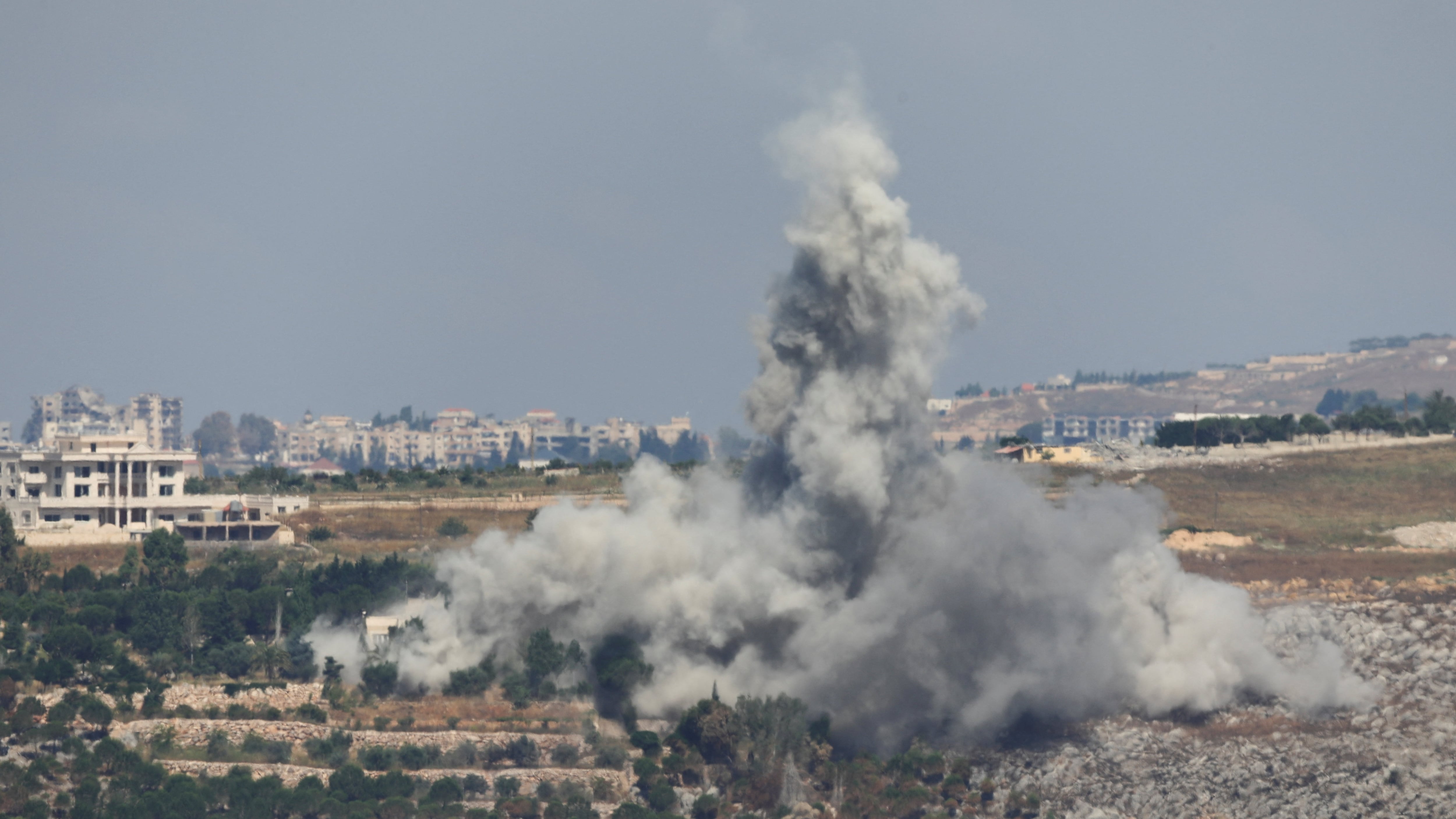
© Stringer (REUTERS)

Una columna de humo se levanta tras un ataque aéreo israelí contra Marjayoun, en el sur de Líbano, este viernes.
❌