Normal view

10 Authentic Greek Souvenirs to Pack in Your Suitcase

9 June 2026 at 11:27
Athens, Greece. Aerial view of the Parthenon. What authentic Greek souvenirs should you make sure to pack in your suitcase?
Bringing Greece home: 10 traditional keepsakes with a century of soul. Credit: Greek Reporter

Greece is a goldmine for souvenirs because the best things to bring home are deeply rooted in centuries of culinary, agricultural, and artistic traditions. Skipping the generic plastic keychains, here are the top 10 authentic souvenirs to bring back.

Authentic Greek souvenirs

1. Extra Virgin Olive Oil (EVOO)

Greece consumes more olive oil per capita than any other country, and its liquid gold is world-renowned. Look for oils from Crete, Kalamata, or Mani. For easier travel packing, skip the glass bottles and buy the tightly sealed tin canisters found in local supermarkets or specialty shops.

2. Greek Thyme Honey

Greek honey
Image of Greek honey. Credit: Greek Reporter

Because Greek bees feed on wild herbs under intense sunshine, the honey here is thick, rich, and distinctly aromatic. Thyme honey (particularly from Crete or the Aegean islands) is considered the gold standard.

3. The Mati (Evil Eye) Amulet

Greek souvenirs
Mati. Credit: Greek Reporter

The distinctive blue-and-white eye charm is designed to ward off bad energy or jealousy (to mati). You can find it on beautifully crafted silver jewelry, ceramic wall hangings, or simple glass beads. It’s light, cheap, and undeniably Greek.

4. Ouzo, Tsipouro, or Mastiha

Mastic from Chios
Mastic from Chios. Credit: Anastasios Papapostolou/Greek Reporter

Bring the taste of a Greek summer back home:

  • Ouzo: The famous anise-flavored, clear spirit that turns milky white when you add water or ice
  • Tsipouro: A strong, unaged grape distillate (similar to grappa)
  • Mastiha: A sweet, incredibly refreshing liqueur flavored with resin harvested exclusively on the island of Chios

5. Dried Greek Oregano & Mountain Tea

Greek oregano (rigani) grows wild on rocky hillsides, giving it a much more intense, peppery flavor than supermarket varieties back home. Pair it with a bunch of Greek Mountain Tea (tsai tou vounou), a dried herb brewed for centuries to boost the immune system and soothe digestion.

6. Olive Wood Kitchenware

From salad bowls and cutting boards to honey dippers, items made from Greek olive wood are gorgeous and incredibly durable. The tight grain of the wood means it doesn’t absorb odors or bacteria easily, and each piece features entirely unique natural patterns.

7. Handmade Leather Sandals

Greek sandals
Handmade leather sandals of Greece. Credit: Efi

If you pass through Athens (especially the Monastiraki neighborhood) or certain islands such as Crete and Rhodes, you can buy genuine, handmade leather sandals. They are styled according to Ancient Greek designs, crafted to last for years, and mold comfortably to your feet over time.

8. Greek Ceramics & Pottery

From museum-quality replicas of ancient black-and-figure vases to modern, minimalist, blue-and-white tableware handmade on islands such as Sifnos, Greek pottery is a beautiful addition to any home.

9. Natural Sea Sponges

Natural sponges
Kalymnos sponges. Credit: Nabokov, CC3/Wikipedia

Harvested for generations by traditional divers (most famously on the island of Kalymnos), genuine Greek sea sponges are entirely natural, hypoallergenic, and far softer and longer-lasting than synthetic alternatives. They are fantastic for skincare and bathing.

10. Spoon Sweets (Glyka tou Koutaliou)

These are traditional fruit preserves served on a small spoon alongside Greek coffee or dolloped over Greek yogurt. They are made by boiling wild fruits (like sour cherries, figs, or bitter oranges) in sugar syrup, preserving the firm texture and vibrant flavor of the fruit.

10+1. The Komboloi

Komboloi is also known as Greek Worry beads
Greek worry beads. Credit: Greek Reporter

The Komboloi, or worry beadsmay be one of the most typical symbols of Greece’s easy-going mentality that has been widely established in Greece since the middle of the 20th century. Whether on the street, on an airplane, or in a busy kafeneion downtown, you will find people playing with their worry beads in various manners, even doing flips and tricks with them, letting go of their stress and worries as one bead moves deliberately towards the other. The repetitive action and clicking of the beads turn this pastime into an easy motion reported to help ease tension.

Packer’s Tip: If you’re traveling with carry-on luggage only, you won’t be able to take liquid souvenirs such as honey, olive oil, or alcohol past airport security. Buy these items at the airport duty-free shops after security—the quality is still highly authentic, and the prices are surprisingly fair!
The Magnificent Church of Saint Nicholas on Syros Island, Greece

9 June 2026 at 11:04
Saint Nicholas on Syros
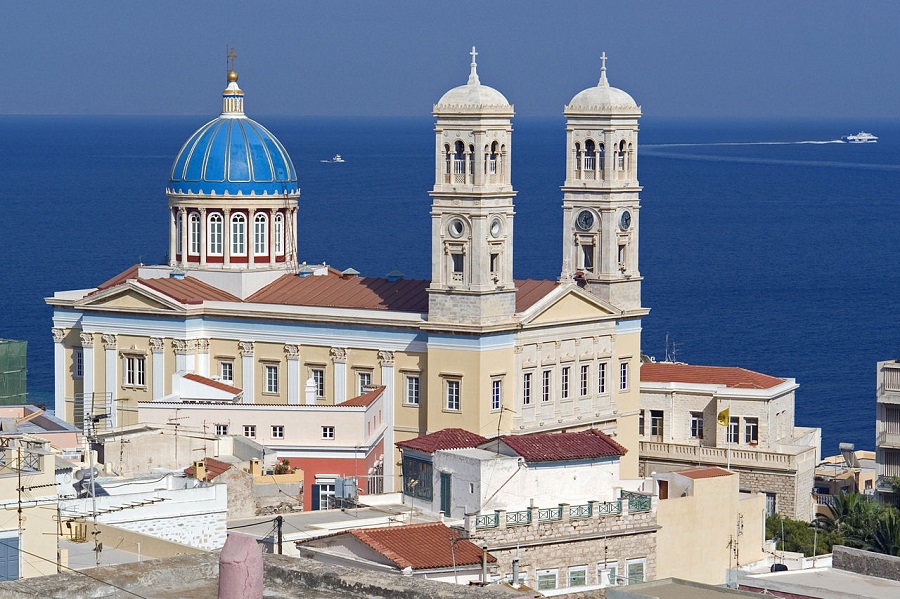
Saint Nicholas dominates the skyline in Ermoupoli, the capital of the island of Syros. Credit: Hans Peter Schaefer, CC BY-SA 3.0/Wikipedia

The Church of Saint Nicholas, a magnificent church in Ermoupoli, the capital of Syros, took twenty-two years to build.

Overlooking the Cycladic island, Saint Nicholas’ construction began in 1848, following the designs of a Greek architect named G. Metaxas. They were personally approved by King Otto, the Bavarian prince who ruled Greece from the establishment of the monarchy in 1832. The church was finally completed in 1870.

Saint Nicholas, the patron saint of seafarers, is also the patron saint of Ermoupoli. The cathedral dedicated to him stands out even to this day for its impressive architectural structure. The two-story monumental church has marble bell towers, an imposing marble staircase and marble propylaea, Ionic columns, archaic motifs, arcades, and an array of sculpted decorations.

It has lavish interiors including its icon of Saint Nicholas, which was plated in silver in Moscow. Its marble throne, pulpit, and marble iconostasis are also very unusual in Greek ecclesiastical architecture.

Saint Nicholas Church one of the finest in Greece

St. Nicholas was constructed between 1883 to 1899 by Tinian sculptor G. Vitalis and is considered one of the finest churches of the nineteenth century in Greece.

Saint Nicholas temple
The Church of Saint Nicholas. Credit: Hans Peter Schaefer, CC BY-SA 3.0/Wikipedia

The church’s icons were created by some of the best hagiographers of the time while many Greeks from abroad, including shipowners, contributed funds toward the construction of the temple.

Internally, arches divide the church into three aisles; places for female congregants run along its three sides.

The imposing church is known as Agios Nikolaos “the rich,” to distinguish it from “Agios Nikolaos of the poor” another church on Syros.

Syros has a long history that began three millennia ago

Syros’ long history explains the many different styles of architecture and the many government buildings in the capital, Ermoupoli. It has also led to the establishment of a wealth of museums and cultural events that take place there in the summer.

On Syros, one will find City Hall, comprised of the remains of the castle in Ano Syros and the Theater Apollon—all buildings atypical of Cycladic architecture.

Syros was never under Ottoman occupation since it was protected by the French, and there is a strong Catholic element on the island due to the Venetian influence there as well.

Nowadays, the island is world-renowned for its rich cultural tradition with events that take place in Ermoupolis, such as the International Classical Music Festival of Cyclades, ANIMASYROS International Animation Festival, Ermoupoleia Cultural Festival etc that offer a range of options for every visitor to experience.

Related: Syros: The Lady of the Aegean Islands

Skiathos Revives Its Winemaking Legacy

9 June 2026 at 10:14
Skiathos. What is its wine-making legacy?
Image of Skiathos. Credit: Greek Reporter

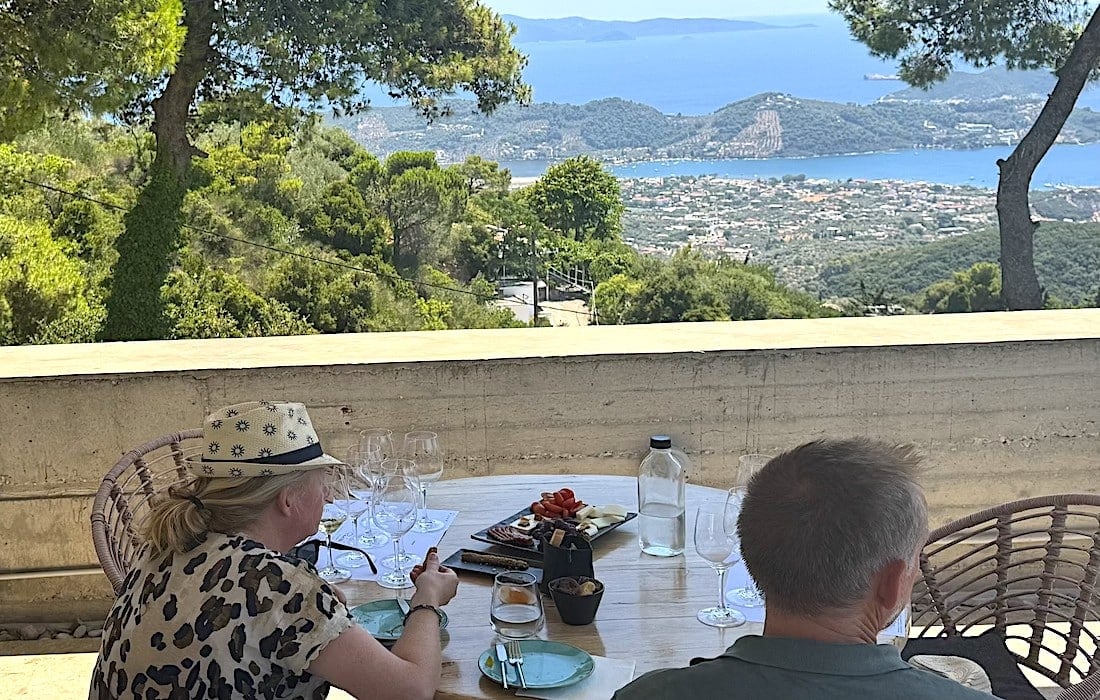
The island of Skiathos in Greece, renowned for its picturesque beaches and vibrant atmosphere, is reviving its ancient wine production as it gains recognition as a gastronomic destination in the Sporades.

Mayor Thodoris Tzoumas has highlighted the island’s unique culinary identity, emphasizing the harmonious blend of fresh seafood and local produce. In speaking to Greek Reporter, he mentioned dishes such as shrimp with wild greens, octopus with zucchini, and distinctive soups featuring foraged greens. The island’s beloved “pita,” both oven-baked and fried, also holds a special place in its culinary heritage.

The return of wine to Skiathos

Skiathos vineyards
Skiathos vineyards. Credit: Greek Reporter

A pivotal development in Skiathos’ burgeoning gastronomic scene is the establishment of its first modern winery, Parissi Winery. This enterprise signifies a profound reawakening of the island’s long-dormant winemaking tradition.

Historically, Skiathos boasted a flourishing viticultural landscape, with vineyards thriving until the mid-20th century. However, a combination of prolonged drought and shifting economic priorities led to a decline in wine production, with many locals turning to olive cultivation instead.

According to Maria Koutseri, co-owner of Parissi Winery, a key element defining Skiathos wines is the island’s unique terroir. Many of their vineyards are strategically situated in secluded areas in close proximity to the sea. This coastal influence imparts a subtle yet distinctive salty, savory characteristic to their wines. This intriguing quality echoes historical accounts of “Stratis,” an ancient Skiathian wine rumored to have incorporated seawater during its production, a practice believed to have enhanced its flavor and appeal among the Romans.

Parissi Winery is dedicated to reclaiming this forgotten legacy. Despite the inherent challenges of cultivating vineyards on a highly tourist-driven island, they are demonstrating the immense potential for producing high-quality, distinctive wines.

The winery operates on a small scale, meticulously cultivating 45 strains of exclusively Greek grape varieties. Their focus is unwavering on showcasing the indigenous flavors of Greece, including Roditis, Assyrtiko, Malagouzia, Alexandria Muscat, Xinomavro, and Limniona. From these, they craft a select range of offerings: four dry whites, one rosé, one red, and a sweet wine, all of which are sold exclusively on Skiathos.

An assortment of wines on Skiathos
An assortment of wines. Credit: Greek Reporter

A wine-making legacy reclaimed

Perched at one of the island’s highest points, Parissi Winery not only offers a taste of its unique wines but also commands breathtaking panoramic views of Skiathos town. Visitors are invited to embark on an immersive experience, beginning with a guided tour of the vineyards, where they learn about the cultivation process and specific grape varieties.

The journey continues into the production area, providing firsthand insight into the meticulous winemaking journey. The experience culminates in a dedicated tasting session, allowing guests to savor the distinctive flavors of Skiathos and take home a piece of its revitalized wine heritage.

Maria Koutseri expresses her heartfelt hope that Parissi Winery will serve as a catalyst, encouraging others to join in this revival. She envisions a future where Skiathos’ rich winemaking tradition is fully restored and celebrated, thereby adding a lasting and sophisticated dimension to the island’s growing reputation as a premier gastronomic destination.

RelatedSkiathos Navigates Tourism Growth With Focus on Sustainability, Quality

Nemi Ships: The Ancient Floating Palaces Destroyed in WWII

9 June 2026 at 09:26
Nemi shipwrecks
The remains of the hull of one of the two ships recovered from Lake Nemi. Workers in the foreground indicate scale. Credit: Public Domain

Located in Lake Nemi in Italy, the Nemi ships consisted of two vessels constructed on orders of Roman Emperor Caligula (37 to 41 AD), known for his extravagant lifestyle.

The ships served as floating palaces, complete with intricate decorations, marble floors, and elaborate plumbing systems and demonstrated advanced Roman engineering techniques.

There is evidence of the use of waterproof concrete, complex hull designs, and innovative plumbing systems with features such as heated baths. The ships were adorned with exquisite artwork, including mosaics, marble statues, and bronze decorations.

Nemi Ships
An artistic depiction of a Nemi ship by CM Knight-Smith. Credit: Public Domain

Nemi ships were impressively large for their time

The Nemi ships were impressively large for their time. The first ship, the Prima Nave, had a length of approximately 70 meters (230 feet) with a width of about 20 meters (66 feet). The second, the Seconda Nave, was 73 meters (240 feet) long and 24 meters (79 feet) wide.

Nemi ship
The remains of a Lake Nemi ship pictured in 1929. Credit: Public Domain

Both ships were constructed with high-quality materials, including oak and pine wood, and featured advanced techniques such as waterproofing with lead sheeting and bitumen.

The sheer size and opulence of the ships reflected the grandeur and luxurious lifestyle associated with Emperor Caligula. They were likely used for leisure and ceremonial purposes, showcasing the emperor’s wealth and technological advancement of the Roman Empire.

Ships discovered and then destroyed during the Second World War

The ships were discovered in the 15th century, but serious attempts to recover them only began in the late 19th and early 20th centuries. Italian dictator Benito Mussolini ordered the draining of Lake Nemi in the 1930s, leading to their successful recovery.

Nemi ships
Benito Mussolini observes the drainage system for the emptying of Lake Nemi. Credit: Public Domain

The Nemi ships were destroyed in the final stages of World War II. On the night of May 31, 1944, a fire broke out in the Museum of Roman Ships at Lake Nemi, where the ships were housed. The fire caused extensive damage, destroying much of the wooden structures and artifacts. Most of the ships were lost to the flames.

The exact cause of the fire remains disputed. One theory suggests that retreating German forces set the museum ablaze to prevent advancing Allied troops from capturing the ships and the valuable artifacts. Another theory posits that the fire resulted from Allied bombing in the area, although there is less evidence to support this.

Furthermore, there was also the possibility of an accidental fire, possibly caused by negligence or the mishandling of flammable materials during the chaotic war period.

The remains of the Nemi ships, along with related artifacts and replicas, are housed in the Museo delle Navi Romane (Museum of Roman Ships), located near Lake Nemi in Italy.

Despite the destruction, some metal and stone artifacts survived the fire. These remnants, along with photographs and drawings made before the fire, have allowed historians and archaeologists to reconstruct aspects of the ships.

Related: Stunning Ancient Marble Bust Found at the Bottom of Italian Lake

Hamas Launching “Strategic Shift” in Europe, Warns Greek Minister After Terror Arrest

9 June 2026 at 07:54
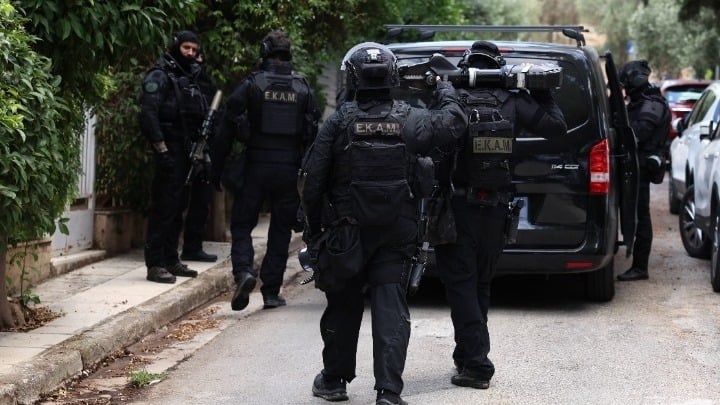
Members of the Greek anti-terrorism squad (EKAM) during a recent operation
Members of the Greek anti-terrorism squad (EKAM) during a recent operation. Credit: AMNA

Greece’s Minister for Citizen Protection, Michalis Chrysochoidis, has warned of a highly concerning “strategic shift” by Hamas, suggesting the organization may be expanding its operations into Europe following the arrest of a suspected operative on Crete.

In an interview with radio station Parapolitika 90.1, Chrysochoidis pointed out that for the forty years since its founding, Hamas has traditionally restricted its violent activities to Israeli territory without causing external disruption. The potential establishment of European networks marks a dangerous departure from that history.

“This is precisely what concerns us greatly—that it constitutes a strategic shift by Hamas,” Chrysochoidis said, emphasizing the need for constant, continent-wide vigilance. “We need to see exactly what this means and understand the potential scope of such a danger, such a threat.” The Minister also firmly rejected the idea that European security forces are dealing with isolated actors. When asked if recent threats could be classified as “lone wolf” actions, Chrysochoidis called the term unfortunate.

“No one can carry out an action on their own; it requires extensive preparation, extensive training,” he explained. “Let’s abandon these images of the lone wolf and focus on efforts carried out by organizations or through coordinated campaigns aimed at striking specific targets.”

Hamas suspect in Greece faces court deadline

The Minister’s warnings come in the wake of a major counter-terrorism operation in Agios Nikolaos, Crete, where a 37-year-old Palestinian man was arrested for allegedly plotting terrorist attacks against Israeli interests using improvised explosive devices (IEDs).

The suspect was escorted to court under heavy security measures to face both felony and misdemeanor charges. Appearing before the prosecutor and the examining magistrate without legal representation, he was granted a deadline until Thursday, June 11 to formalize his statement. According to judicial authorities, the 37-year-old is being prosecuted for:

  • Forming and joining a terrorist organization
  • Receiving specialized training in the manufacturing and usage of explosives for the purpose of carrying out terrorist acts
  • Traveling abroad to attend training related to committing terrorist acts
  • Providing criminal support for terrorist purposes

Greek authorities are now working to determine the extent of the suspect’s connections and whether he is tied to broader cells operating across other European countries.

RelatedGreece Revokes Asylum of Palestinian Over Ties to October 7 Attacks

Cyprus, France Sign Defense Agreement to Deepen Military Ties

9 June 2026 at 07:18
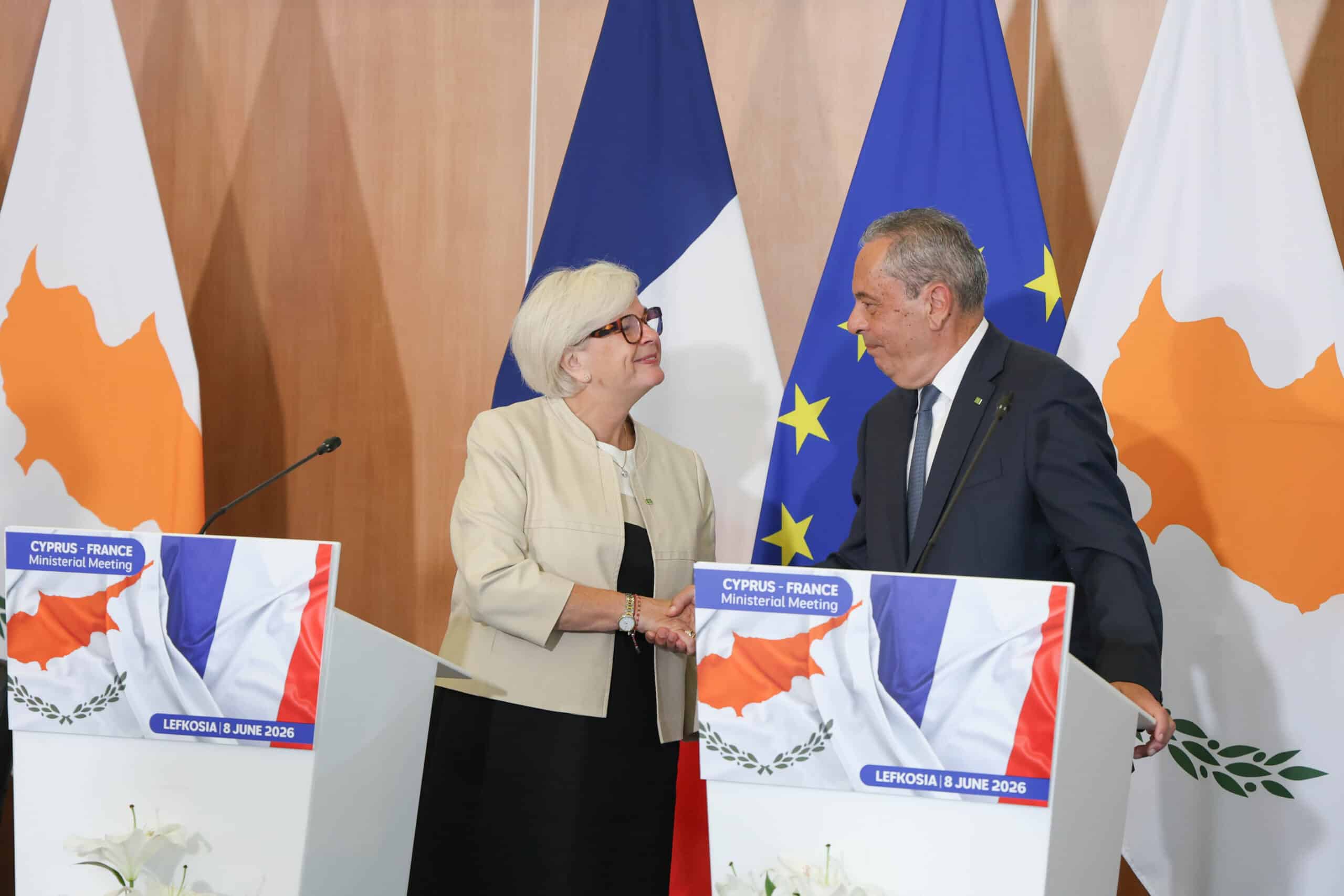
Cyprus Defense Minister Vasilis Palmas and his counterpart from France, Catherine Vautrin, who signed a defense agreement on Monday.
Defense Minister Vasilis Palmas and his French counterpart, Catherine Vautrin, signed the defense agreement on Monday. Credit: European Council

Cyprus and France signed a Status of Forces Agreement (SOFA) on Monday that strengthens defense cooperation between the two nations and allows for the conditional deployment of French troops on the island nation.

The agreement was signed in Nicosia by Defense Minister Vasilis Palmas and his French counterpart, Catherine Vautrin, on the sidelines of the informal meeting of EU defense ministers, hosted by Cyprus.

Vautrin described Cyprus as a key strategic partner for France and an essential hub for French military operations in the Eastern Mediterranean and the Middle East. “Cyprus is an essential support point for the conduct of our military operations in the Eastern Mediterranean and the Near East,” she said.

She noted that the ports of Larnaca and Limassol host around thirty French naval visits annually, with twenty-one already recorded since the beginning of this year. The French Minister highlighted the extensive cooperation between the two countries’ armed forces, pointing to joint naval exercises, including Argonaut and Eunomia, aimed at strengthening maritime security, freedom of navigation, and crisis response capabilities.

According to Vautrin, cooperation has also expanded in recent years to include land and air operations, military mobility, air defense, operational readiness, and logistical support.

Provisions of the Cyprus-France defense agreement

Cyprus President Nikos Christodoulides announced the agreement’s entry into force on his official social media accounts, stating that the signing and implementation of the SOFA contribute to the shared European objective of strengthening the European Union’s strategic autonomy.

Όταν ο Γάλλος Προέδρος Emmanuel Macron επισκέφθηκε την Κύπρο στις 23 Απριλίου 2026, είχαμε αναφερθεί δημόσια, κατά τη διάρκεια της διάσκεψης τύπου, στην πολυεπίπεδη στρατηγική μας συνεργασία, ειδικότερα στους τομείς της Άμυνας και της Ασφάλειας. Μέσα σε αυτό το πλαίσιο, είχα… pic.twitter.com/E3Gk5IZgX8

— NikosChristodoulides (@Christodulides) June 8, 2026

Under the SOFA, which was discussed during French President Emmanuel Macron’s visit to Nicosia on April 23 and subsequently negotiated between the two sides, the military assets of France may be deployed in southern Cyprus under certain conditions. The agreement also provides a legal framework for the presence of French military forces in Cyprus in support of various activities in the Eastern Mediterranean and the Middle East.

Furthermore, the SOFA, whose entry into force was announced by Christodoulides, grants France access to military bases and infrastructure in Cyprus. The agreement is reported to also include provisions on military technology sharing, joint exercises, and strategic dialogue between France and Cyprus.

Trump Eyes Jerusalem Patriarch as Potential Mediator in Russia-Ukraine Conflict

9 June 2026 at 06:47
Jerusalem Patriarch Theophilos meets Trump
President Donald Trump is reportedly considering Patriarch Theophilos III of Jerusalem as a potential mediator in Russia-Ukraine peace efforts. Credit: Jerusalem Patriarchate

In a novel diplomatic development, US President Donald Trump has reportedly approached the Greek Orthodox Patriarch of Jerusalem, Theophilos III, to act as an informal mediator to help de-escalate the war between Russia and Ukraine.

According to reports from Israeli media, including Ynet, and Greek news outlet iefimerida, the proposal was discussed during a recent forty-minute meeting between Trump and the Patriarch at the White House. Sources close to the Patriarchate reveal that Trump asked Theophilos III to leverage his long-standing communication channels with Moscow—and specifically with Russian President Vladimir Putin—to explore avenues toward a ceasefire.

Jerusalem Patriarch: A religious intermediary?

Theophilos III is widely regarded as a figure of immense moral and religious authority, largely viewed as free from direct political alignment. Crucially, the Jerusalem Patriarchate has maintained close ties with the Russian Orthodox Church and has notably abstained from recognizing the autocephaly (independence) of the Ukrainian Orthodox Church, which was granted by the Ecumenical Patriarchate in 2019. This stance, combined with Moscow’s historical interest in protecting the Holy Sites in Jerusalem, gives the Patriarch unique diplomatic leverage with the Kremlin.

Furthermore, the Patriarch is no stranger to sensitive diplomacy. He previously assisted in securing the release of Israeli citizen Naama Issachar from a Russian prison. Trump is reportedly eager to utilize these open channels to demonstrate swift progress in resolving the conflict, especially as official diplomatic avenues remain heavily strained.

Mixed reactions and official caution

A meeting between Patriarch Theophilos III and Vladimir Putin is already scheduled for later this month. While no official mediation proposal has formally been presented to Kyiv, a Ukrainian government source generally welcomed the initiative. “Why not? The more mediators there are, the more responses we will get from Russia showing that Putin wants to keep fighting,” the source stated.

However, ecclesiastical sources in Athens have expressed deep skepticism regarding the feasibility of the endeavor, questioning whether Ukraine will ultimately accept a mediator with such close ties to Moscow.

Diplomatic talks shift to Athens

Patriarch Theophilos III in Athens
Greek FM Gerapetritis welcomes Patriarch Theophilos III in Athens. Credit: Greek Ministry of Foreign Affairs

Amid these backstage diplomatic maneuvers, Patriarch Theophilos III arrived in Athens for an official visit, where he met with Greek Foreign Minister George Gerapetritis. While the Greek Ministry of Foreign Affairs focused on regional stability, Gerapetritis reaffirmed Greece’s unwavering support for the Patriarchate and the protection of Christian populations in the volatile Middle East.

The meeting concluded with the signing of a Memorandum of Cooperation between the Greek Ministries of Foreign Affairs and Culture and the Patriarchate to preserve the Holy See’s cultural heritage. Gerapetritis also underscored the vital importance of maintaining the historical Status Quo of Jerusalem, emphasizing the unity required among the ancient Eastern Patriarchates during this highly complex geopolitical era.

Greek Gaza Flotilla Activist Exposes Alleged Israeli Torture

9 June 2026 at 06:12
Gaza flotilla carrying a Greek activist as well
The Greek activist was aboard a vessel aimed at breaking the naval blockade of Gaza. Credit: Global Sumud Flotilla

Greek activist and academic Antonis Vradis shared his harrowing experience after being detained by Israeli authorities in international waters alongside fellow Freedom Flotilla activists.

Speaking to Al Jazeera, Vradis revealed that he was held for 52 hours aboard an Israeli vessel before being transferred to Israel and ultimately deported. He alleges that he was subjected to brutal torture by Israeli commandos during his detention.

As a member of the Global Sumud Flotilla, a fleet of over fifty vessels aimed at breaking the naval blockade of Gaza to deliver humanitarian aid and stand in solidarity with Palestinians, AntVradis was aboard the La Sirena when it was intercepted by Israeli forces in international waters near Cyprus. The passengers were detained at gunpoint and transferred to the Nahshon, a ship he describes as a “floating prison.”

“I began calculating how many minutes on my knees I would trade for just a few seconds inside the torture container. It felt like we were kneeling for an eternity,” Vradis recalled. “A drone hovered overhead, and a nationalistic song blared continuously from the loudspeakers in an exhausting, repetitive loop.”

Greek flotilla activist alleges torture by Israelis

Greek activist Israel torture
Antonis Vradis is a professor of human geography at the University of Oslo and a reader at the University of St Andrews. Credit: University of St Andrews

The activist detailed accounts of beatings, electric shocks, and humiliation. He noted that he was held in metal containers with dozens of other activists and deprived of food, water, and medical care. This experience, he said, helped him truly understand the depth of sumud—the steadfastness and resilience that characterizes Palestinians.

Upon arrival at the Israeli port of Ashdod, Vradis claims he faced further violence and was threatened with a knife, all while being denied medical attention.

“During the fingerprinting and photographing process inside a large registration tent, two guards dragged me into a small, isolated area behind a curtain,” he described. “One of them lunged at me with a folding knife. The blade was aimed at my stomach, but I instinctively moved, and it struck my arm instead, leaving a bleeding, four-centimeter gash.”

Vradis’ allegations are now the subject of legal proceedings in Greece. Reflecting on the ordeal, he warned that his experience reflects practices that have reportedly been inflicted on Palestinians for decades. “They put us in a black box stripped of all rights,” he stated, describing the incident as an act of “state piracy.”

RelatedIsrael Exploits Greece to Advance Regional Hegemony, UN Special Rapporteur Warns

Battle of Granicus: Turkey’s Newest Archaeological Site

8 June 2026 at 12:47
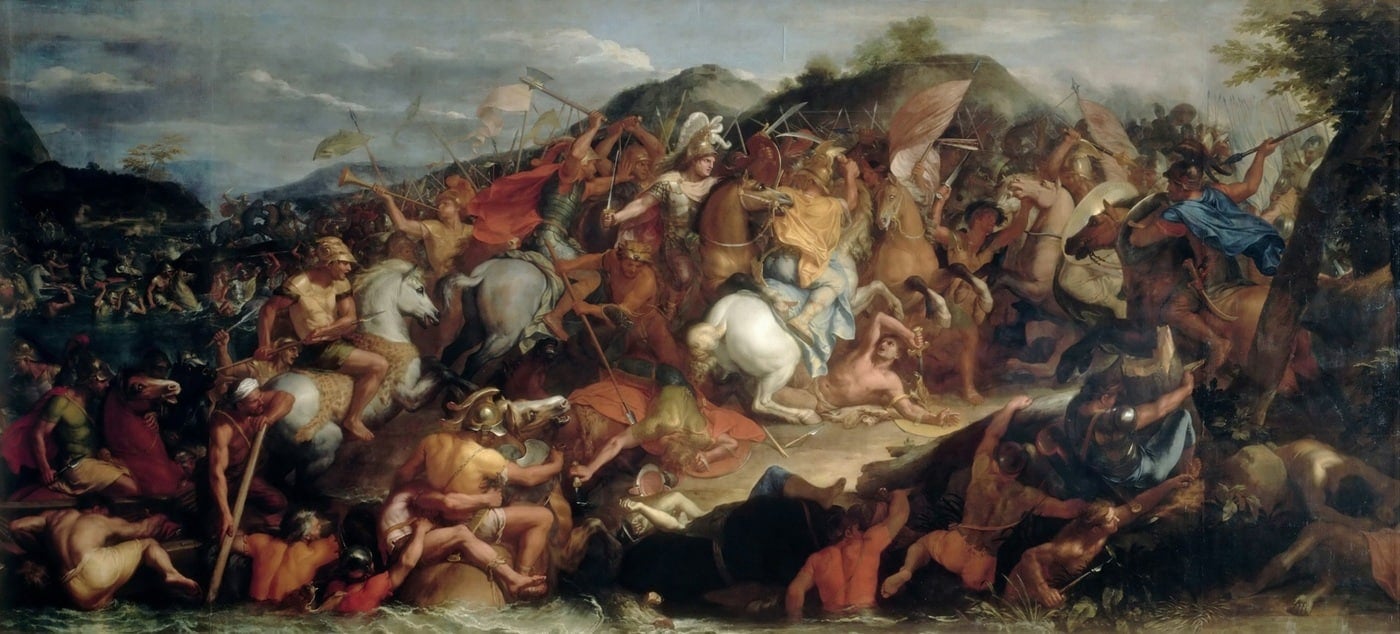
Battle of Granicus
The location is one of the most iconic landmarks in military history, marking the definitive starting point of Alexander the Great’s triumph over the Persian Empire. Public Domain

The Turkish Ministry of Culture and Tourism has officially declared the Granicus Battlefield—where Alexander the Great secured his first major victory against the Persian Empire—a “protected historical and archaeological site.”

According to a ministry announcement and statements shared on social media by Culture and Tourism Minister Mehmet Nuri Ersoy, the decision was based on recent archaeological discoveries and scientific studies in the Biga district of Çanakkale (Dardanelles).

Following extensive field surveys, scientific data evaluation, and the analysis of ancient sources linked to the Battle of the Granicus, the Çanakkale Regional Council for the Conservation of Cultural Property determined that the area meets all criteria for designation as an archaeological site.

The ministry highlighted the location as one of the most iconic landmarks in military history, marking the definitive starting point of Alexander the Great’s triumph over the Persian Empire.

Battle of the Granicus: “A Turning Point in World History”

In a social media post, Minister Mehmet Nuri Ersoy stated:

“We have officially placed the grounds of a battle that reshaped world history under state protection. The Granicus Battlefield, where Alexander the Great achieved his first major victory against the Persians and paved his way into Asia, has now been designated a ‘historical site.’ Located in Biga, Çanakkale, this unique landmark is officially protected in light of archaeological finds and rigorous scientific research. We believe this crucial step will significantly contribute to historical scholarship, boost cultural tourism, and enrich our country’s cultural routes.”

The Battle of Granicus

Battle of Granicus
The Biga River, historically known as the Granicus River, near the site of the Battle of Granicus fought in 334 BC. Credit: Kizildeniz/CC BY-SA 4.0

The Battle of the Granicus, fought in May 334 BC near modern-day Biga in northwestern Turkey, was Alexander the Great’s dramatic opening salvo against the Persian Empire. Having recently crossed the Hellespont into Asia Minor with roughly 32,000 infantry and 5,100 cavalry, the 21-year-old Macedonian king confronted a combined force of local Persian satraps (governors) and highly capable Greek mercenaries.

The Persians, positioned defensively along the steep, muddy eastern banks of the Granicus River, hoped to neutralize Alexander’s aggressive tactical style by forcing him to fight from a disadvantageous position in the water. Rejecting the cautious advice of his veteran general Parmenion to delay the attack, Alexander ordered an immediate, highly risky amphibious assault in broad daylight.

The engagement quickly devolved into a chaotic, brutal melee within the riverbed and up the muddy slopes. Alexander personally led the elite Companion Cavalry from the right wing, instantly becoming a prime target due to his conspicuous, brightly plumed helmet.

The fighting was so fierce that Alexander was nearly killed; a Persian noble shattered his helmet with a battleaxe, and just as another was about to deliver a fatal blow, his captain Cleitus the Black severed the attacker’s arm, saving the young king’s life.

Once the formidable Macedonian phalanx (infantry formation) crossed the river to support the cavalry, the Persian battle lines shattered. The victory was absolute: the Persian leadership was decimated, the surviving Greek mercenaries were ruthlessly executed or enslaved, and the psychological myth of Persian invincibility was shattered, effectively throwing open the gates of Asia Minor to Alexander’s conquering army.

Related: Archaeologists Identify Location of Alexander the Great’s Battle of Granicus

3,500-Year-Old Minoan Royal Road: Europe’s Oldest Paved Path

8 June 2026 at 11:03
Minoan Road Crete
The road showcases the advanced engineering skills of the Minoans. Credits: Public Domain

The Minoan Road, over 3,500 years old, is the oldest known paved road in Europe. It connected the prominent Minoan cities of Knossos, Gortyn, and Lebena on ancient Crete.

Only small sections of the road remain intact today, but this impressive ancient route ran approximately 50 kilometers (31 miles) across Crete.

Built during the height of the Minoan civilization, around 1600 BC, the road showcases the advanced engineering skills of the Minoans, who created an infrastructure that supported both daily life and economic activity across Crete.

The road included side drains to handle water runoff, a feature that helped preserve its structure by preventing water damage. Its condition is remarkable for an ancient road.

It was constructed with a solid, 200 mm (8-inch) thick layer of sandstone blocks bound with a clay-gypsum mortar. This sturdy base layer was then topped with basaltic flagstones, providing a durable surface.

The road included defined shoulders, which may have functioned as pedestrian pathways or for animal traffic, keeping it orderly and safe for movement.

Knossos Palace
Knossos, Crete. Credit Greek Reporter

Mythical King Minos used the road to talk to Zeus

According to legend, King Minos, the mythical king of Crete, son of Zeus and Europa, set out on this road (then a mere pathway) from Knossos, covering a large part of the way to the sacred cave, to meet his father Zeus and speak with him in person. There, he would learn about the mistakes that had been made and receive oracles concerning the best legislation for the future.

He started from Knossos and ended in the stalagmite cave of Dikteon Andron, located on Mount Dikte of the Ida or Ideon mountains of Crete (the current mountain of Psiloritis).

Minoan Road a crucial link in the Minoan civilization

The Minoan Road was a crucial link in the Minoan civilization’s network, facilitating trade, communication, and cultural exchange across Crete. Knossos, one of its endpoints, was the center of Minoan political and cultural life, while Gortyn and Lebena were significant in both Minoan and later Greek periods.

This road not only attests to the Minoans’ ingenuity but also underscores the role of Crete as a cultural and commercial bridge between the civilizations of the ancient Mediterranean.

The Minoan civilization’s infrastructure, especially roads like this, laid the groundwork for the development of European trade routes and road-building techniques in the centuries that followed.

Throughout most of the Bronze Age, the Minoans were the rulers of Crete. Over the course of their civilization, they gradually built up an incredible palace complex at Knossos. This was the most powerful city on the island.

The palace complex at Knossos served temple functions and was also an administrative center.

Bodossaki Foundation Honors Distinguished Greek Scientists in the US

8 June 2026 at 09:33
Bodossaki Foundation
The honorees are preeminent theoretical computer scientist Christos Papadimitriou and internationally renowned economist Pinelopi Koujianou Goldberg. Credit: Bodossaki Foundation

The Bodossaki Foundation announced the two distinguished Greek scientists honored with the Bodossaki Excellence Award 2026 for their pioneering, internationally recognized life’s work: preeminent theoretical computer scientist Christos Papadimitriou and internationally renowned economist Pinelopi Koujianou Goldberg.

The Bodossaki Excellence Award is awarded biennially to Greeks who have dedicated their lives to science. It is accompanied by a cash prize of €100,000 (around $115,500).

In the field of Technological Sciences: The award is presented to Christos Papadimitriou, Donovan Family Professor of Computer Science at Columbia University, USA.

In the field of Social Sciences: The award is presented to Pinelopi Koujianou Goldberg, William Nordhaus Professor of Economics and Global Affairs at Yale University, USA.

The awards will be presented by the President of the Hellenic Republic, Mr. Konstantinos An. Tasoulas, at an official ceremony to be held on Thursday, 25 June 2026, at Megaron the Athens Concert Hall.

“The objective of the Bodossaki Excellence Award is twofold: to serve as our country’s most elevated scientific recognition for Greek scientists who have expanded the frontiers of knowledge, and to showcase crucial role models for the generations to come,” notes Athina Dessypri, President of the Board of Trustees of the Bodossaki Foundation.

“It is with great pleasure that we welcome Ms. Pinelopi Koujianou Goldberg and Mr. Christos Papadimitriou into the prestigious circle of the institution’s laureates.”

About the Bodossaki Foundation laureates’ scientific contributions

Christos Papadimitriou: The Limits of Computation

Christos Papadimitriou has had a decisive influence on theoretical computer science, shaping the language and tools on which modern algorithmic design is based.

Foundations of Complexity: His early research laid the mathematical foundations of computational complexity theory—the study of what computers can and cannot solve efficiently. He pioneered the study of approximation algorithms and computationally intractable problems, such as finding equilibrium points in games.

Interdisciplinary Pioneer: Over the last three decades, he has used computational theory as an interpretive tool for other sciences. He is a founder of algorithmic game theory (crucial to our understanding of the Internet) and has since expanded his research into biology, evolutionary theory, the human brain, and artificial intelligence.

Public Engagement: Beyond academia, he has popularized modern computational theory among students and the broader public through both foundational textbooks and acclaimed novels.

Academic Background: A graduate of the National Technical University of Athens and Princeton, he has taught at Harvard, MIT, Stanford, UCSD, UC Berkeley, and Columbia University. He is a full member of the Academy of Athens, the US National Academy of Sciences, and the National Academy of Engineering.

Pinelopi Koujianou Goldberg: Empirical Analysis of Global Trade and Development

Pinelopi Koujianou Goldberg is a leading researcher in the empirical analysis of global trade policy, focusing on international trade, inequality, and development.

Measuring Globalization: By combining microeconomic data with structural economic models, she has produced critical estimates regarding the impact of globalization on social well-being and the unequal distribution of its benefits both between and within countries.

Nuanced Trade Impacts: Her work has demonstrated that the effects of trade liberalization are not uniform; rather, they depend on market structures, competition, institutional conditions, and domestic policies.

Global Leadership: As Chief Economist of the World Bank (2018–2020), she enhanced research transparency and promoted evidence-based policy design. She has also served as Editor-in-Chief of the American Economic Review and President of the Econometric Society.

Current Focus: Her recent work analyzes shifts in globalization—including the US-China trade war and the resurgence of industrial policy—as well as the role of gender-based distortions in restricting economic growth.

Academic Background: She studied at the University of Freiburg and completed her Ph.D. at Stanford. She has held tenured professorships at Princeton, Columbia, and Yale. She is a member of the US National Academy of Sciences and an International Fellow of the British Academy.

Related: 10 Foundations Join Forces to Help Start-Ups, Non-Profits in Greece

Alpha Omega Council Celebrates 2026 Greek Heritage Night with Boston Red Sox at Fenway Park

8 June 2026 at 08:05
Alpha Omega Council
Approximately 5,000 Greek-Americans turned up for the Greek Heritage Night. Credit: Alpha Omega Council

The Alpha Omega Council of Boston hosted recently its 7th annual Greek Heritage Night at Fenway Park, welcoming an estimated 5,000 Greek-Americans to the stadium to watch the Boston Red Sox take on the Atlanta Braves.

The annual event serves as a major fundraiser for the Alpha Omega Council, a Greek-American organization dedicated to cultivating the ideals of Hellenism, philanthropy, and fellowship. This year’s celebration paid tribute to the memory of baseball legend Harry Agganis, nicknamed “The Golden Greek,” and raised vital funds for the Metropolis of Boston Camp (MBC). Net proceeds from a sold-out block of 2,400 tickets will directly benefit the MBC Gym Field House Project, currently underway at the St. Methodios Faith & Heritage Center in Contoocook, New Hampshire.

A Celebration of Culture on Jersey Street

Alpha Omega Council
Credit: Alpha Omega Council

Greek Heritage Night transformed Fenway Park into a vibrant celebration of culture. Prior to first pitch, a Heritage Pregame Ceremony on Jersey Street featured traditional performances from local Greek dance groups, including the Metropolis of Boston Dance Group, the Boston Lykeion Ellinidon, the Sons & Daughters of Alexander the Great, and the Annunciation Church of Brockton Dance Group.

The festive evening officially kicked off with a stunning rendition of the National Anthem by Dessa Kavrakis, a Grammy Award-winning Greek-American musician and undergraduate student at Harvard University and Berklee College of Music. The ceremonial first pitch was thrown by MBC Program Director Louis Stamoulis, followed by an on-field ceremony recognizing a distinguished group of community leaders and athletes.

Alpha Omega Council
Credit: Alpha Omega Council

“Greek Heritage Night with the Boston Red Sox has become a wonderful tradition for the Alpha Omega Council to promote Hellenism and unite thousands of Greek-Americans from across New England,” said Chairperson Christos Chrisafides. “We are blessed to use this platform to raise both awareness and funds for causes that deeply impact our community. It has been an honor to serve as Chairperson, building on the foundation laid by pioneers like Bill Galatis and the Boston AHEPA. Of course, none of this would be possible without the incredible cooperation of the Boston Red Sox organization.”

Council President Paul Tsitsopoulos added, “We are thrilled to dedicate this year’s proceeds to the new Field House and Gym Project at the Metropolis of Boston Camp. The camp is a sacred space where generations of Greek-American youth have built lifelong friendships while strengthening their roots. This new facility will expand the camp’s capabilities, allowing it to serve even more youth, especially during the winter months.”

Commemorating community heroes

Alpha Omega Council
Credit: Alpha Omega Council

During the game’s “Hats Off to Heroes” segment, Cretan-native and HELPIS founder and president Joyce Deliyiannis received special recognition. The Color Guard—featuring MBC dance group members Alexander Athanasiou, Christopher Chronopoulos, Evan Meltsakos, Nickolas Potamitis, Harry Theodore, and Paul Tsiomplikas—proudly presented the Greek, American, Massachusetts State, and Alpha Omega Council flags.

Distinguished guests in attendance included His Eminence Metropolitan Methodios of Boston, who is celebrating 40 years of spiritual leadership in New England and is the visionary behind the Faith and Heritage Center, alongside Chancellor Father Ted Barbas.

The successful event was orchestrated by the Greek Heritage Night planning committee, led by Chairperson Christos Chrisafides and Co-Chair John Mokas, alongside committee members Paul Tsitsopoulos, Costa Sideridis, Nick Rizos, John Pappas, Teddy Demitriades, George Karalis, Kosta Alexis, and Tom Gatzunis.

The Red Sox game capped off a trilogy of major 2024 sports fundraisers for the Council, following highly successful heritage nights with the Boston Celtics on March 20 and the New England Revolution on March 23.

The Alpha Omega Council

The Alpha Omega Council is a non-profit philanthropic organization based in Boston, Massachusetts. Its mission is to promote patriotism and cultivate the ideals of Hellenism by supporting scholarly, athletic, medical, charitable, scientific, literary, religious, and educational activities throughout New England and the United States.

Comprised of professionals across business, academia, medicine, law, and science, the Council has contributed over $2,000,000 to various philanthropic causes since its inception, in addition to its annual Peter Agris Memorial Journalism Scholarship Awards.

Related: Alpha Omega Council Hosts Record-Breaking 2025 Honors Gala

Greek Diaspora International Festival Returns to Kastellorizo

8 June 2026 at 07:25
Greek Diaspora International Festival Kastellorizo
With the participation of artists from Greece and the diaspora, and with the active involvement of the local community, Near & Far continues to build a new cultural tradition. Kastellorizo. Credit: Greek Reporter

On the remote island of Kastellorizo, the Near & Far Festival, the world’s only cultural event dedicated entirely to the Greek diaspora, returns for its second edition from June 25 to 28, 2026, transforming this historic island into a vibrant crossroads of cultures, people, and experiences.

Spanning four days, this multi-themed festival bridges the “Near” and the “Far,” connecting Greece with its global diaspora, the local community with international audiences, and art with society. The festival is the brainchild of Pericles Kanaris, a New York-based artist with an acclaimed international career. Driven by his vision to create a platform for Greek artists excelling worldwide, Kanaris has turned this ambitious concept into a reality.

Following its spectacular 2025 debut, which local authorities recorded as the highest-attended cultural event in Kastellorizo’s history, the festival returns even stronger, boasting a distinct identity and an expanded program.

Last year’s inaugural event was defined by the exceptional caliber of its performers, the blending of diverse musical traditions, and, most movingly, the active participation of the island’s children—a beautiful legacy that continues this year. Furthermore, a global radio broadcast via ERT’s “Voice of Greece” shattered geographical boundaries, amplifying the festival’s international reach.

In 2026, Near & Far is aiming even higher. This year, the festival aspires to livestream the entire Kastellorizo experience via real-time video to global audiences, forging new bonds with the Greek diaspora and international communities. The event proudly continues its collaboration with the Hellenic Ministry of Culture and the Ministry of Foreign Affairs (General Secretariat for Greeks Abroad and Public Diplomacy).

Concert Program: 4 Themed Nights

Thursday, June 25 | 21:00 Bridges — ERINI “Fos: An Asia Minor Story”

Greek Diaspora International Festival Kastellorizo
Credit: Kastellorizo International Festival

ERINI, based in the United States with roots from Crete and Asia Minor, presents a musical journey blending traditions and contemporary influences, in collaboration with musicians from Greece.

Friday, June 26 | 21:00 Far Voices — Mario’s Toumbas Jazz Trio “East of the Sun”

Greek Diaspora International Festival Kastellorizo
Credit: Kastellorizo International Festival

Pianist Mario Toumbas and his trio present original compositions and jazz standards in an evening that resonates with the global sound of jazz.

Saturday, June 27 | 21:00 Together — Pericles Kanaris Quartet featuring Andriana Babali, George Karavelatzis & Kastellorizo Kids

Greek Diaspora International Festival Kastellorizo
Credit: Kastellorizo International Festival

Original compositions and arrangements by Pericles Kanaris in a special collaboration with the island’s children. Joining them are beloved singer Andriana Babali and oud player George Karavelatzis, a specialist in the local musical tradition of Kastellorizo.

Sunday, June 28 | 21:00 Near Roots — Costa Latsos “Pappou’s Grammophone”

Greek Diaspora International Festival Kastellorizo
Credit: Kastellorizo International Festival

Tenor Costa Latso, born in Australia to Kastellorizian parents and based in Berlin, presents a program moving between opera, Broadway, and crossover, accompanied by accordionist Thanos Stavridis.

Workshops, activities & parallel Program of the Kastellorizo festival

The Near & Far 2026 festival expands beyond concerts, incorporating educational, experiential, and participatory activities for all ages.

Educational & Creative Workshops (Children)

Visual arts workshop with Heike Kummer (June 25, 11:00–13:00)

Music workshop with Mario Toumbas (June 26, 13:30–15:00)

Wellness & Experiential Activities

Meditation and sound healing sessions for adults (June 27 & 28, 11:00–13:00)

Lecture

Talk by Alexandros Kitroeff on the Greek Diaspora (June 27, 20:00–21:00)

A festival that connects

Near & Far is more than just a festival. It is an open platform for connection, where art becomes a catalyst for bringing people, places, and generations together. A space where Kastellorizo is not on the edge, but at the center of a global cultural dialogue.

With the participation of artists from Greece and the diaspora, and with the active involvement of the local community, Near & Far continues to build a new cultural tradition—vibrant, participatory, and outward-looking.

Treasure Hunters in Greece: Digging Through Time

8 June 2026 at 06:52
A treasure hunter in Greece
Thousands of treasure hunters look for past riches in Greece. Photo courtesy of Antonis Vlachos

Armed with metal detectors, treasure hunters roam the landscapes of Greece, where myth and history intertwine. Drawn by whispered legends, ancient texts and the promise of lost riches they delve into the mountains, islands, and forgotten ruins in pursuit of gold, relics and long-lost artifacts.

Treasure hunters are often drawn to locations of great historical significance, with the rugged mountainous regions of Greece being among their preferred destinations. These landscapes, steeped in history and mystery, have long served as silent witnesses to war, upheaval, and human resilience.

Treasure hunters in Greece target mountainous areas

During World War II and the subsequent Greek Civil War (1946–1949), many villagers, fearing for their lives and possessions, resorted to hiding their valuables in secret caches. With no access to banks or secure storage facilities in these remote areas, people buried gold coins, jewelry, and family heirlooms deep within the earth or concealed them inside natural enclosures such as caves, stone walls, and hollowed-out tree trunks.

However, the brutal conflicts claimed countless lives and many of those who had hidden their treasures never survived to retrieve them. Over the decades, these hidden fortunes have become the stuff of local folklore, fueling speculation and inspiring generations of treasure hunters to embark on daring quests to uncover the lost wealth of the past.

Even today, rumors persist of forgotten hoards waiting to be discovered, buried beneath the very ground where history was once shaped by war and survival.

Antonis Vlachos stands out among treasure hunters. Not only does he own one of the few specialized shops in Greece that sell sophisticated metal detectors, but he also collaborates closely with the police to prevent illegal activities, such as the unauthorized excavation of ancient artifacts. For him, treasure hunting is more than just a business—it’s a passion, a lifelong hobby that combines adventure with a deep respect for history and the law.

He is also the only one of the treasure hunters who was willing to speak to Greek Reporter.

“Treasure hunters are in their thousands all over Greece. Perhaps most of the activity takes place the Peloponnese, Epirus, and Northern Greece,” he says.

“People have made money out of this activity and understandably they keep a low profile. It’s like winning the lotto. Nobody wants to reveal their identity and the value of the treasure they found.”

Treasure hunters Greece
A location of a supposed treasure find that was a hoax. Photo courtesy of Antonis Vlachos

The legend of the Ali Pasha treasure

For decades treasure hunters searched for the so-called riches supposedly left behind by Ali Pasha, an Ottoman ruler of Ioannina known for his atrocities (1740–1822).

According to local folklore, Ali Pasha, anticipating his eventual fall from power, concealed vast amounts of treasure in various secret locations across Epirus, Thessaly and western Greece. His personal wealth came from heavy taxation, trade, extortion and alliances with foreign powers (including the British and the French).

Treasure hunters from all over the world began searching for his fortune to no avail. The first organized operation to find the treasure took place in 1913, with the liberation of Ioannina, by an Italian company. For five whole years its workers excavated the surrounding areas without result.

The latest highly publicized case was that of a Greek-Australian treasure hunter, Vangelis Dimas, who financed an excavation to locate the hoard in 2012 in Thessaly.

“It remains a topic of speculation among people, as historically, there is no concrete evidence that such a treasure ever existed,” Vlachos notes.

“Some believe that one of Ali Pasha’s sons took the wealth and fled, but the details of what truly happened—and how—remain unknown. Over time, numerous legends and myths have emerged, though only a small portion of them may be based on actual events,” he adds.

The legend of Ali Pasha is just one of many—“in every coffee shop in the country there is talk of a lost treasure that is supposedly somewhere nearby.”

Maps supposedly showing lost treasures in Greece

Vlachos is not prepared to divulge the value of the treasures that have been unearthed in Greece over the recent decades, but he insists that many people make a good living out of their endeavors. Some people—he says—go to the beaches at night and use metal detectors to search for jewelry lost by bathers in the previous days or even months.

Treasure hunters Greece
A map supposedly showing the location of a treasure in Greece. Photo courtesy of Antonis Vlachos

He reveals that maps of supposed buried treasures are circulating among treasure hunters. They are made in a way that makes them look old, to give the impression that they are authentic. “Various crafty people make them and sell them to naive people, from 1,000 euros. I have even heard a price of 15,000 euros.”

Vlachos also says that most gold hunters operate within a legal framework and that illegals are a minority.

To proceed with an excavation, one must have three permits. A permit to possess a metal detector, then they must obtain a research permit, issued by the Ministry of Culture and the local Antiquities Ephorates. For the permit to be issued, a process that can take from three months to a year, the proposed search area must not be located within a designated archeological site.

If any findings emerge during the search, an excavation request is submitted to the appropriate authorities.

Turkey Denies Its Jets Harassed Aircraft Carrying the Greek Defense Minister to Cyprus

8 June 2026 at 14:24
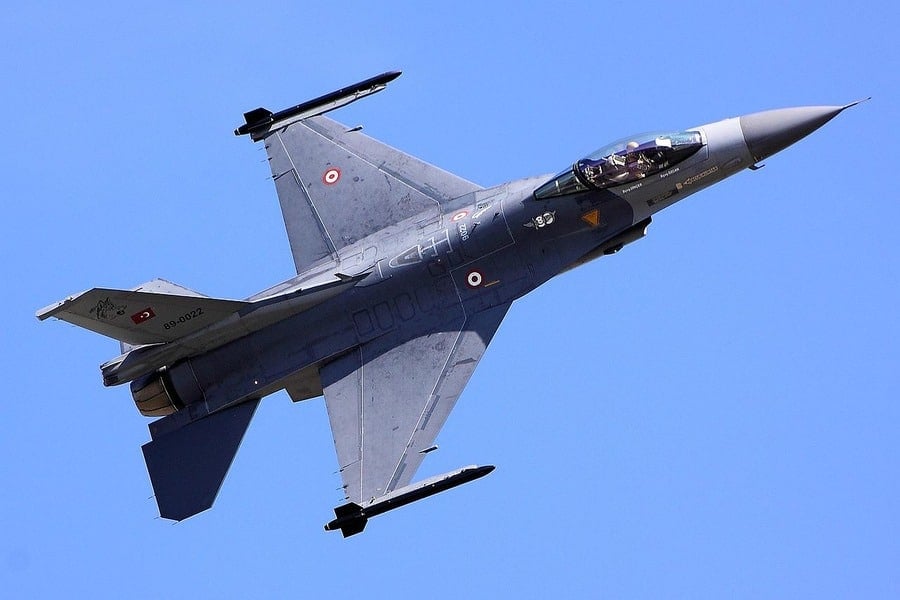
Turkish F-16s reportedly harassed the aircraft carrying Greek and other European ministers
Two Turkish F-16 fighter jets tracked the official state aircraft of the European ministers from a distance. Credit: Wikimedia Commons, Tim Felce, CC BY SA 2

Turkey denied that its jets harassed the military aircraft carrying Greek National Defense Minister Nikos Dendias and his French and Dutch counterparts to Cyprus.

Earlier, it was reported that the “control tower” of the illegal Tymbou Airport in occupied Cyprus attempted to jam the aircrafts’ communications system. Furthermore, according to Philenews, two Turkish F-16 fighter jets scrambled from Tymbou, tracking the official state aircraft of the European ministers from a distance as they headed toward Cyprus.

A statement from the Turkish Presidency said that “claims in certain news media and social media accounts” about such harassment on Sunday and about Turkish warplanes violating Greek airspace were “completely false.”

The statement said that four of the six aircraft heading from Greece to Cyprus “breached the airspace” of Turkish-occupied northern Cyprus, and as a result two Turkish F-16 fighters took off from the ethnically divided island’s north “as a precaution.”

It said the F-16s did not enter Cypriot airspace and “there was no harassment” of the four aircraft.

The incident took place just hours before France and Cyprus were set to sign a Status of Forces Agreement (SOFA) on Monday, which will allow Paris to station military forces on the island.

France and Cyprus to sign military deployment agreement

The agreement will be signed in Nicosia by French Defense Minister Catherine Vautrin and her Cypriot counterpart, Vassilis Palmas. Both ministers are scheduled to attend an informal meeting of the EU Foreign Affairs Council (Defense) on the same day.

The Turkish Cypriot side condemned the agreement as “null, void, and legally invalid.” They expressed concerns that the deal could alter the balance of power on the island, disregard Turkish Cypriot rights, and escalate regional tensions. They further argued that the Republic of Cyprus lacks the authority to sign such an agreement on behalf of the entire island.

Related: Turkey Deploys Six F-16s to Occupied Northern Cyprus

Traditional Fishing in Greece’s Messolonghi-Aitolikos Lagoons: A Sustainable Legacy

7 June 2026 at 09:03
Messolonghi-Aitolikos Lagoons Greece
Traditional fishing in the lagoons stretches back to Byzantine times and Venetian rule. Credit: Greek Ministry of Culture

The Messolonghi-Aitolikos Lagoons National Park in Western Greece is a testament to the enduring legacy of traditional fishing, a practice deeply intertwined with the ingenuity of local communities and the sustainable management of natural resources.

This ancestral knowledge, vital to the region’s cultural identity, is now being meticulously recorded and preserved for future generations. For centuries, fishing here has been more than just a profession; it’s an art form with roots stretching back to medieval-Byzantine times and Venetian rule. Through collaborative efforts with local communities, this crucial element of the region’s heritage is being safeguarded.

Traditional boats in the Messolonghi-Aitolikos Lagoons, Greece
Traditional boats in the lagoons. Credit: Greek Ministry of Culture

Part of the history and life of our country

“The traditional fishing of the Messolonghi Lagoon is part of the history and life of our country. It is connected to the collective cultural consciousness of the inhabitants of the region and travels through the depths of time,” said Spilios Livanos, the former Minister of Rural Development and Food.

The lagoon itself is a vibrant ecosystem, a living organism teeming with rich flora and fauna. This biodiversity, which boasts 290 bird species and over 100 plant species, underpins the traditional fishing practices and exemplifies the harmonious coexistence of humans and nature. The rich natural environment is a cornerstone of professional activity, sustainable development, and the preservation of the traditional way of fishing.

House built in the Messolonghi-Aitolikos Lagoons, Greece
House built in the sea. Credit: Greek Ministry of Culture

Central to the unique fishing culture of the Messolonghi-Aitolikos lagoons are the distinctive methods and tools employed. The divaria, permanent fishing traps that double as natural fish farms, are a prime example. Across the lagoon complex, there are fourteen such facilities, eight of which are traditional and strategically located where the lagoon meets the sea.

Remarkably, the placement of these traditional divaria has remained unchanged since 1826, a testament to their enduring effectiveness and the deep-rooted knowledge of the local fishermen. These wetlands are highly productive habitats, attracting a vast array of aquatic organisms that are commercially exploited by the more than seven hundred active fishermen in the lagoon today.

Messolonghi-Aitolikos Lagoons, Greece
Fishermen’s homes in the lagoons. Credit: Greek Ministry of Culture

Beyond the stationary divaria, other key elements of this traditional know-how include the Pelades, the iconic reed houses built on stilts above the water, which serve as both homes and operational bases for fishermen. The gaites, unique flat-bottomed wooden boats, are essential for navigating the shallow waters of the lagoon and are built using specific types of wood, reflecting a deep understanding of local resources.

Flathead grey mullet (Mugil cephalus) is the most famous fish species caught in these waters. This species is particularly important, as its roe is used to produce the famous Avgotaracho of Messolonghi, a protected designation of origin (PDO) delicacy.

Preserving traditional fishing in Greece’s lagoons

Despite the demanding conditions, generations of fishermen continue this tradition, making it an integral part of their historical and cultural heritage. This resilience was even a crucial factor in the survival of the people of Messolonghi during the city’s historic siege.

The rich tapestry of traditional fishing knowledge encompasses a wide range of skills: from constructing buildings and utilitarian objects to identifying suitable wood for boat building and crafting fishing tools like longlines, harpoons, and stafnokari (a type of net). These permanent installations (divaria) and mobile means (boats, gaites), along with the tools, collectively form a cultural heritage that continues to sustain the inhabitants of the region.

In 2022, the traditional fishing practices of the Messolonghi-Aitolikos Lagoons were included in the National Register of Intangible Cultural Heritage of Greece.

RelatedTreasure From the Sea: The Salt Flats of Messolonghi

Ancient Greek Scientist Erasistratus Was the King’s Lie Detector

6 June 2026 at 15:01
Erasistratus
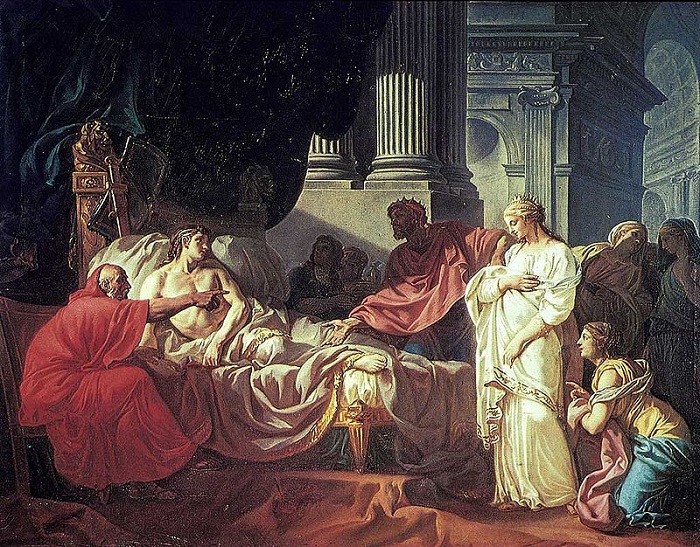
Erasistratus discovers the cause of the illness of Antiochus. Painting by Jacques-Louis David. Public Domain

Ancient Greek scientist Erasistratus (300-250 B.C.) is credited with being among the first human lie detectors. He devised a specific technique to read a person’s physical response so as to spot when an individual was lying.

While in Alexandria, Egypt, he is said to have proven Prince Antiochus was desperately in love with his father’s new wife, Stratonice. He noted how his pulse increased significantly whenever the queen’s name was mentioned, despite his insistence that he did not have the hots for his stepmother.

Love-struck, he fell ill with passion and chose to pine away in silence. The physicians were unable to discover the cause and nature of his disease.

Erasistratus himself was at a loss at first, until, finding nothing amiss about his body, he began to suspect that it must be the man’s mind that was diseased and that he might perhaps be in love.

Erasistratus confirmed his conjecture when he observed that the skin of Antiochus grew hotter, his color deeper, and his pulse quicker whenever Stratonice came near him, while none of these symptoms occurred on any other occasion.

The Greek physician eventually told the father, King Seleucus, that his son’s disease was incurable, for he was in love with the monarch’s wife and that he chose to die rather than to disclose his secret.

According to the anecdote, Seleucus not only gave up Stratonice, but also resigned to his son several provinces of his empire.

Erasistratus founded school of anatomy in Alexandria

Erasistratus, along with fellow physician Herophilus, founded a school of anatomy in Alexandria where they carried out anatomical research.

He is credited for his description of the valves of the heart. He also concluded that the heart was not the center of sensations. Instead, he said, it functioned as a pump. He was among the first to distinguish between veins and arteries, believing that arteries were full of air and carried the “animal spirit” (pneuma).

Together with Herophilus, he is credited by historians as the potential founder of neuroscience due to his acknowledgment of nerves and their roles in motor control through the brain and skeletal muscles.

Furthermore, Erasistratus is seen as one of the first physicians/scientists to conduct recorded dissections and potential vivisections alongside Herophilus.

The two physicians were said by several Roman authors, notably, Augustine, Celsus, and Tertullian, to have performed controversial vivisections on criminals to study the anatomy and possible physiology of human organs while they were in Alexandria.

Related: Ancient Library of Alexandria One of Greatest Treasures of Mankind

Lemnos: Restoring the Posidonia Sanctuary, Mediterranean’s Marine “Amazon”

5 June 2026 at 13:20
Lemnos Posidonia
The Posidonia sanctuary holds over 270,000 tons of stored carbon dioxide. Credit: iSea

The environmental organization iSea, in collaboration with the Hellenic Ornithological Society and the Municipality of Lemnos, has launched an ambitious project to restore the Eastern Mediterranean’s largest marine meadow—a 140-square-kilometer Posidonia sanctuary off the coast of Lemnos, widely known as the region’s “Amazon.”

This massive underwater ecosystem serves as a vital carbon sink, holding over 270,000 tons of stored carbon dioxide and effectively absorbing the annual emissions produced by the vehicles of an entire small city.

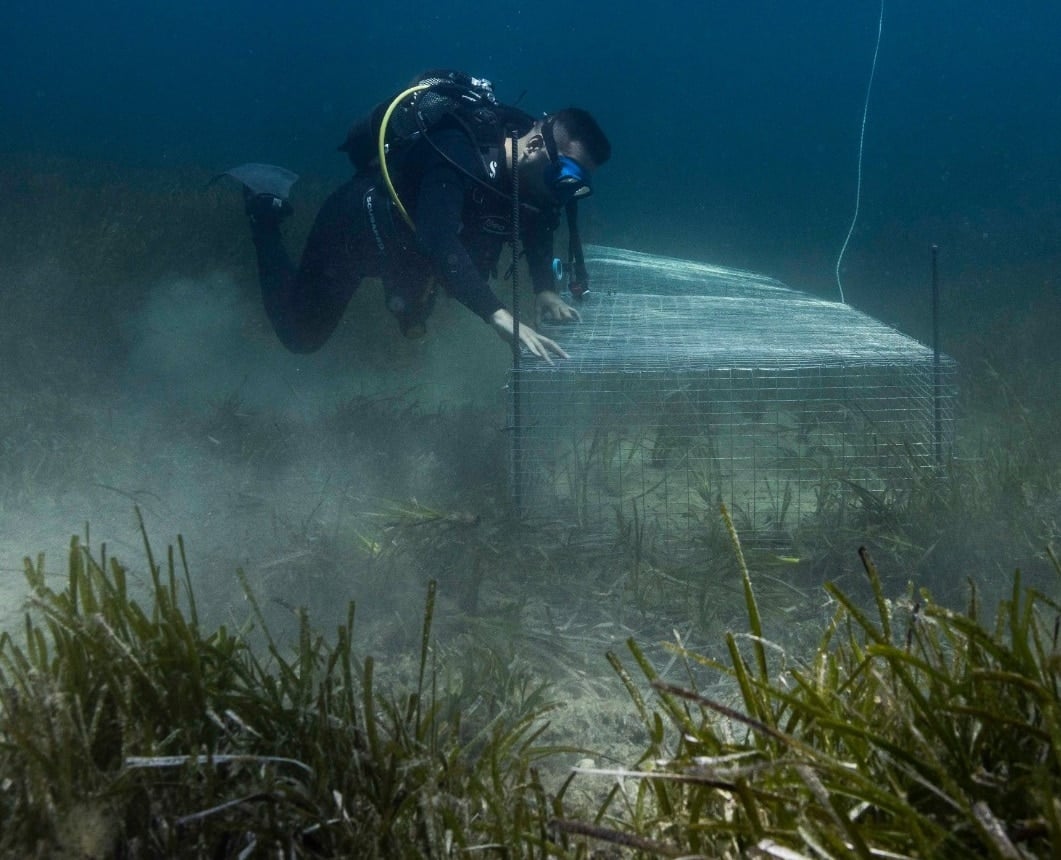
To mark World Environment Day 2026, the project partners are celebrating the completion of the initiative’s pilot phase under the “Reviving Lemnos” program, which successfully transplanted more than 250 posidonia shoots.

A Vital Marine Ecosystem

Posidonia oceanica is not an algae, but a flowering marine plant (seagrass) that forms dense underwater meadows. These meadows act as a crucial sanctuary for an abundance of marine life. While most people recognize it from the long, brown “seaweed” leaves that wash ashore, its true value lies beneath the surface.

The Lemnos marine meadow thrives at depths of up to 30 meters and stretches over 20 kilometers long, extending beyond the boundaries of the Natura 2000 Protected Area and into international waters. According to data from iSea, this single ecosystem hosts more than 66 species of marine organisms.

Looking Ahead: The “Reviving Lemnos” Project

During this pilot phase, the transplanted shoots have been secured inside protective metal cages to shield them until they mature, and they will remain under close scientific monitoring.

This initial phase sets the foundation for a much larger effort: restoring more than 10,000 posidonia rhizomes across a 400-square-meter area over the coming years.

“The knowledge gained from monitoring this pilot application will provide a valuable roadmap for completing our restoration actions and ensuring the long-term success of ecosystem conservation in Lemnos,” said Nikoletta Sidiropoulou, Project Manager at iSea.

The “Reviving Lemnos” project is one of seven large-scale initiatives funded by the international Endangered Landscapes & Seascapes Programme.

Related: Posidonia Seagrass Meadows in Greece Reveal their Secrets

Breaking Down Stereotypes of Women in Ancient Athens and Sparta

5 June 2026 at 12:02
Statue of a female. What were the stereotypes related to women in ancient Athens and Sparta?
A Greek archaeologist says it is crucial to avoid broad generalizations about women in ancient Greece, given the differences across regions and centuries. Credit: Egisto SaniCC BY-NC-SA 2.0/Flickr

In ancient Greece, the experiences of women varied dramatically from Athens to Sparta. While the prevailing image often portrays women as largely “invisible” in public life, a closer examination reveals a striking contrast between the lives of Athenian and Spartan women.

As archaeologist Evi Pini emphasized in speaking recently to the Athens-Macedonia News Agency (AMNA), it is crucial to avoid broad generalizations about women in ancient Greece, given the vast differences across regions and centuries.

Pini’s research, which focuses on the classical period in Athens and Sparta, illuminates how these two prominent societies treated women in fundamentally distinct ways, revealing that invisibility was far from a universal reality.

Women in ancient Athens: The “invisibles of history”

Vase depicting household chores of women of ancient Athens
Domestic chores of Athenian women are portrayed on a vase at the Archaeological Museum of Athens. Credit: Marsyas, Creative Commons BY-SA 2.5/Wikipedia

For the most part, Athenian society aimed for women to be unseen and unheard. The ideal Athenian woman was confined to the home, managing the household and raising legitimate children. Their public presence was minimal, and their lives were largely dictated by their male relatives.

As Pini notes, there were specific primary obstacles women in ancient Athens confronted, as indicated below.

Limited legal rights

Athenian women had no legal right to inherit property directly. Their dowry, while providing some security in case of divorce, remained largely under the control of their husband or father.

If a woman was the sole heir to her father’s property (an epikleros kore), she was legally obligated to marry her closest male relative, even if it meant divorcing her current husband. This highlights a system in which women were often pawns in the preservation of family property and lineage.

Marriage and love

Conventional wisdom, often derived from ancient male writers, suggests that Athenian marriages were devoid of emotional connection, serving primarily the purpose of procreation. Love was supposedly reserved for concubines and courtesans.

However, Pini challenges this stereotype, pointing out the economic impracticality for most men in maintaining multiple partners and citing funerary monuments as evidence of genuine affection between spouses.

High mortality in childbirth

Childbirth posed a significant danger for women, contributing to high female mortality rates. This was a grim reality for women across ancient societies, including Athens.

Sole area of distinction

The primary public role for Athenian women was in priesthood. Their participation in religious ceremonies and rituals was crucial. Beyond this, opportunities for distinction were virtually nonexistent.

Women in ancient Athens and Sparta: A striking contrast

Bronze figure of a female of Sparta running
Bronze figure of a Spartan running girl, 520-500 BC. Credit: Caeciliusinhorto,  Creative Commons Attribution-Share Alike 4.0/Wikipedia

According to Greek archaeologists, in stark contrast to Athens, Spartan society granted women a much more prominent and respected position.

While not entirely equal to men, their social status, legal rights, and public recognition were remarkably progressive for the time.

High social status and public honor

Spartan women, especially mothers, held high social standing and were not shy about expressing their opinions publicly. They were even honored with public praise, a stark difference from the Athenian ideal of female silence.

Numerous “Lakaean aphorisms” attributed to Spartan women attest to their wit and influence.

Economic power and inheritance

Spartan women possessed significant economic power. Unlike their Athenian counterparts, they could inherit property from their parents and manage it independently. Due to high male mortality in warfare, Spartan women controlled approximately two-fifths of the land by the 4th century BC.

This economic independence was so unusual that other Greeks, including Aristotle, reportedly viewed Spartans as “womanizers” because of it, misinterpreting their women’s power.

Physical education and health

Spartans prioritized the physical training of girls from a young age, believing that strong bodies would lead to healthier offspring who could better cope with the rigors of childbirth.

They also married their daughters off at an older age (18-20) than Athenians (15-16), considering physical maturity beneficial for motherhood.

Absence of dowry and adultery laws

Spartan law prohibited dowries, ensuring that even less fortunate girls could marry. Furthermore, the concept of adultery as a punishable offense largely didn’t exist in the same way as in Athens.

Consensual extramarital relations, often for the purpose of procreation and to ensure strong offspring for the state, were acceptable and not kept secret. While secret affairs might have occurred, they didn’t lead to the severe penalties and social ostracism faced by Athenian women caught committing adultery.

“Secret” weddings

Spartan weddings involved a ritualistic “secret abduction” of the bride, a haircut, and disguise.

While Plutarch offered a practical, though likely inaccurate, explanation for these “secret” marriages (testing for offspring), Pini suggests they were more likely ancient customs signifying a transition from one state to another, a young woman “disappearing” to reappear as a married woman with a new identity.

Distinction in arts and philosophy

Beyond their domestic roles, Spartan women, alongside women from other Dorian and Aeolian cities and colonies, could achieve distinction as poets and philosophers.

Stereotypes about women in ancient Athens and Sparta to break down

Evi Pini’s insights reveal several crucial stereotypes pertaining to women in Greek antiquity that need to be challenged, as indicated below.

The monolithic “ancient Greek woman”

It’s a significant oversimplification to generalize about “women in antiquity.” The vast differences between Athenian and Spartan societies, among others, demonstrate the diverse realities of women’s lives across different regions and periods. The notion of a single, universal experience for women in ancient Greece is inaccurate.

Absence of marital love

The stereotype that emotional bonds were absent in Athenian marriages, with love reserved for concubines and courtesans, is largely unfounded. Economic realities for most Athenians would have made supporting multiple partners impossible.

Furthermore, evidence from funerary monuments suggests genuine affection and grief existed between spouses.

Universal invisibility

While Athenian women were indeed largely “invisible” in public life, Spartan women were far from it.

Their economic power, social standing, and public voice demonstrate that invisibility was not a universal experience for women in all Greek societies.

Adultery as a universal sin

The draconian Athenian laws surrounding adultery, including the husband’s right to kill the adulterer, are often projected onto all of Greek antiquity.

Sparta’s approach, where consensual extramarital relations for procreation were accepted and “adultery” as a concept barely existed, shows a dramatically different cultural norm.

By examining the nuances of different Greek city-states, particularly the contrasting experiences of Athenian and Spartan women, we gain a much richer and more accurate understanding of women’s roles, rights, and visibility in Greek antiquity, dismantling simplistic and often misleading generalizations.

(With information from AMNA)

RelatedWhat Did Everyday Life in Ancient Athens Really Look Like?

World Environment Day 2026: Greece Outlines Major Strides

5 June 2026 at 09:13
World Environment Day
Observed every year on June 5, World Environment Day is the United Nations’ main global platform for raising awareness and mobilizing action to protect the natural world. Credit: Greek Reporter

Greece is marking World Environment Day 2026 with a nationwide program of events that brings the global call for climate action down to the local level—from protected areas and wetlands to city galleries, museums, and island beaches.

Observed every year on June 5, World Environment Day is the United Nations’ main global platform for raising awareness and mobilizing action to protect the natural world. First celebrated in 1973, the day has grown into an international campaign involving governments, organizations, schools, communities and citizens around the world.

In Greece, the Natural Environment and Climate Change Agency, NECCA, is at the center of the program, organizing 65 events across the country. Activities include guided nature walks, biodiversity recording, wildlife observation, educational games, workshops, public information events and volunteer cleanups, many of them in or near protected areas.

Greece’s government highlights achievements on World Environment Day

Greece’s Minister of Environment and Energy, Stavros Papastavrou, highlighted some of the government’s environmental policies and key achievements over the past seven years.

  • Expanded Marine Protection: Moving forward from commitments made at global ocean conferences (2024 in Athens and 2025 at the UN), Greece is establishing two new large National Marine Parks in the Ionian and South Aegean seas. This will double protected waters to 36% of territorial waters, surpassing the EU’s 30% target well ahead of 2030.
  • Banning Industrial Fishing: Greece is pioneering marine conservation internationally by completely banning bottom trawling in all national marine parks.
  • Renewable Energy Zoning Restrictions: New regulations prohibit the installation of solar farms in all Natura areas, forests, and woodlands, and ban wind farms at altitudes above 1,200 meters (3,937 ft).
  • “Untrodden” Landscapes: Greece has introduced pioneering designations for strict ecological preservation, establishing thirteen “Untrodden Mountains” and 250 highly protected “Untrodden Beaches” to limit human development in sensitive ecosystems.
  • Targeted Species & Habitat Conservation: Twelve National Action Plans have been launched to protect endangered species (including the brown bear, Mediterranean monk seal, Loggerhead sea turtle, and bearded vulture). Additionally, all major wetlands (Ramsar sites) and Key Biodiversity Areas are now placed under strict legislative protection.
❌