Normal view

Federal Judge Strikes Down Trump’s $100,000 H-1B Visa Fee Requirement

9 June 2026 at 21:26
US President Donald Trump
US President Donald Trump. Credit: White House

A federal judge ruled on Monday that the $100,000 fee Trump imposed on H-1B visa applications was unlawful, striking down one of the administration’s key immigration measures targeting skilled foreign workers.

U.S. District Judge Leo Sorokin of Boston found the payment was a tax, not a penalty, and that the president lacked authority to impose it without congressional approval. His 42-page ruling also barred the State Department and U.S. Citizenship and Immigration Services from enforcing the requirement.

Sorokin, appointed by former President Barack Obama, applied reasoning from a February Supreme Court decision that struck down Trump’s tariffs issued under emergency authority. He concluded that immigration law, like the emergency statute in that case, does not permit the president to levy taxes.

Inside Trump’s case for the $100,000 H-1B visa fee

The H-1B program allows U.S. companies to hire foreign workers for specialized roles. Applicants must hold at least a bachelor’s degree. Visas are approved for three years with a possible three-year extension.

Each year, the program makes 65,000 visa slots available, along with a separate pool of 20,000 set aside for applicants holding advanced degrees.

Trump's $100,000 H-1B visa fee has been blocked by a judge.

Judge Leo Sorokin ruled the new fee for highly skilled foreign workers is unlawful and that it amounts to an unauthorised tax. pic.twitter.com/v1J9Np5qyV

— Pubity (@pubity) June 9, 2026

Employers typically paid $2,000 to $5,000 in fees before the order. Economists say the program helps American companies stay competitive and creates domestic jobs.

Trump announced the $100,000 H-1B visa requirement in September, saying the program had been misused to replace American workers with cheaper foreign labor.

The fee did not apply to foreign nationals already in the country on student visas, who represent a significant portion of new applicants.

The requirement saw little uptake. USCIS recorded only 85 payments as of Feb. 15, according to a March court filing.

Attorneys General celebrate as administration vows to appeal

Twenty Democratic attorneys general filed the lawsuit in December. California Attorney General Rob Bonta, who led the group, said that the ruling protects the country’s ability to attract skilled workers, on which the economy depends.

New York Attorney General Letitia James said that it blocked what she called an unlawful effort to undermine the program and the jobs it supports.

The administration defended the policy as a lawful use of presidential authority over immigration. White House spokeswoman Taylor Rogers said that the ruling would be appealed, adding that the president has the authority to restrict the entry of foreign nationals deemed harmful to American interests.

Justice Department spokeswoman Natalie Baldassarre said that the department would continue holding companies accountable for misusing the program.

At least three lawsuits have targeted the fee. A federal judge in Washington ruled in December in favor of the administration in a separate case brought by the U.S. Chamber of Commerce, which is appealing that outcome.

The administration has also called for stricter applicant screening and put forward a revised selection process designed to give priority to foreign workers with higher qualifications and better pay.

Passenger on train to London given first sentence for harassment under new law

9 June 2026 at 19:46

David Stroud grabbed a woman’s hair and asked if he could kiss her two days after legislation took effect

A train passenger has become the first person to be sentenced under a new harassment law after a prosecution brought by the British Transport Police (BTP).

David Stroud, 44, grabbed a woman’s hair and asked her “can I kiss you?” on a rail journey to London on 3 April, two days after the new legislation came into force banning harassment motivated by a person’s sex.

Continue reading...

© Photograph: Antonia Johlen/PA

© Photograph: Antonia Johlen/PA

© Photograph: Antonia Johlen/PA

Can common sense replace Equality Act protections, as Kemi Badenoch suggests?

The Tory leader says the public sector duty to consider minorities encourages division – but legal experts say abolishing it will fuel discrimination

For more than two decades, an important part of Britain’s equality laws ensured public institutions had to think about the impact their decisions could have on different groups in society.

Introduced after the Stephen Lawrence inquiry, the public sector equality duty required public bodies – such as local councils, police forces and hospitals – to think proactively about equality law. Now this once uncontroversial public duty is a new battleground in Britain’s culture wars.

Continue reading...

© Photograph: James Manning/PA

© Photograph: James Manning/PA

© Photograph: James Manning/PA

Former Air Canada pilot charged after allegedly flying without proper license for 16 years

Geoffrey Wall is alleged to have flown over 900 flights domestically and internationally between 2009 and 2025

A former Air Canada pilot has been charged after flying for years without a proper license, Canadian police have said.

Geoffrey Wall, of Barrie, Ontario, is alleged to have operated as an airline captain between 2009 and 2025 without a license to fly large commercial passenger planes, according to Peel regional police.

Continue reading...

© Photograph: Kevin Carter/Getty Images

© Photograph: Kevin Carter/Getty Images

© Photograph: Kevin Carter/Getty Images

La CPI: quien paga manda

By: A A
9 June 2026 at 15:56

El 84% del presupuesto de la CPI viene de potencias imperialistas, que dictan sus investigaciones y protegen a sus aliados.

Únete a nosotros en Telegram Twitter  y VK .

Escríbenos: info@strategic-culture.su

Para perseguir a gobernantes incómodos para el imperialismo, la CPI pasó por encima de su norma básica: limitar su actuación a los países que ratificaron el Estatuto de Roma. Sin embargo, mientras la Libia de Gadafi y la Rusia de Putin fueron víctimas de la CPI, Estados Unidos continúa impune. Y ha demostrado que, aun sin formar parte de la Corte, es quien verdaderamente manda en ella.

Cuando Bensouda intentó investigar los crímenes de guerra en Afganistán —sin limitar su investigación a la actuación del Talibán y del Estado Islámico, sino incluyendo a lo que ella consideraba los mayores criminales de aquella guerra (el ejército estadounidense y la CIA)—, sufrió una fuerte presión desde Washington, hasta el punto de resultar en sanciones gubernamentales. Sus cuentas bancarias y las de sus familiares fueron congeladas, y su marido fue espiado.

Finalmente, Bensouda fue sustituida por un nuevo fiscal dócil a Estados Unidos. Karim Khan modificó el enfoque de las investigaciones sobre Afganistán, declarando que daría prioridad al Talibán y al ISIS y retiraría la prioridad de Estados Unidos, alegando falta de recursos para una investigación más amplia.

Durante una de las muchas intervenciones militares francesas en África en este siglo (entre 2013 y 2016), soldados violaron y abusaron sexualmente de niños en campos de desplazados en la República Centroafricana. La ONU, aunque prestó una atención limitada al caso, fue acusada de una “grave falla institucional” por una comisión independiente, al haber permitido que las atrocidades continuaran. La CPI —que podría haber intervenido, dado que Francia es un Estado Parte y los magistrados franceses no lograron condenar a ningún soldado por una supuesta insuficiencia de pruebas— prefirió guardar silencio al respecto.

Durante el mismo período, en su intervención en el Sahel, soldados franceses —incluidos mercenarios de la Legión Extranjera— fueron acusados de asesinar civiles y de entrenar y armar fuerzas de seguridad responsables de masacres, ejecuciones sumarias y violaciones. Los gobernantes franceses tampoco tuvieron de qué preocuparse.

Por otro lado, la CPI incluso fingió examinar los crímenes de guerra cometidos por el Reino Unido en Irak, incluidas torturas contra prisioneros. Pero justificó el cierre del caso alegando que las autoridades británicas ya estaban llevando a cabo investigaciones internas, aun cuando la propia Oficina del Fiscal de la CPI reconoció que existía una “base razonable” para creer que tropas británicas habían cometido crímenes de guerra.

El Reino Unido no castigó a ningún oficial, aunque una investigación pública posterior concluyó que hubo violencia generalizada y un silencio corporativo —es decir, una responsabilidad de altos mandos militares—. Como el Reino Unido realmente no había sido capaz de concluir el caso, la CPI podría haber intervenido, ya que Londres integra el Estatuto de Roma. Pero la CPI volvió a lavarse las manos.

Ahora, como reveló Bensouda, Israel también está protegido, y no solo por las sanciones estadounidenses, sino también por la actuación de una burocracia de la CPI confabulada con el Mossad, que permite la injerencia directa e ilegal de Israel sin hacer absolutamente nada al respecto.

Una estructura dominada por las naciones imperialistas

De acuerdo con los datos disponibles en el último balance financiero de la CPI, correspondiente a 2024 y publicado en julio de 2025, es posible calcular que alrededor del 84% de toda su financiación proviene de países imperialistas y asociados (miembros de la OTAN, Suiza, Austria, Japón, Corea del Sur, Australia y Nueva Zelanda). Sin embargo, en conjunto representan apenas el 28% de los Estados Parte del organismo. Mientras tanto, el resto de los países (72%) aportan solamente el 16% de su presupuesto.

Existe un claro desequilibrio estructural en la financiación de la CPI. Naturalmente, esto está directamente relacionado con la actuación parcial de la Corte. Como dice el dicho, quien paga manda.

La propia CPI considera que el 60% de los países africanos que la integran están “no representados” o “subrepresentados” en su estructura interna. Es decir, apenas el 40% cuenta con algún tipo de representación. Para los países latinoamericanos y caribeños, ese porcentaje es todavía menor: solo el 14% de los integrantes de la Corte están adecuadamente representados. En los países de Asia-Pacífico, la cifra es del 28%. En cambio, la mitad de los países imperialistas y asociados sí están debidamente representados, un porcentaje muy superior al de las demás regiones.

Según un informe de la Asamblea de los Estados Parte, el 56% de los funcionarios de la CPI en 2024 provenían del grupo compuesto por países de Europa Occidental y relacionados. Apenas el 16% eran africanos, el 11% provenían de Europa Oriental, el 8% de Asia-Pacífico y el 8% de América Latina y el Caribe.

Entre los 18 jueces actuales de la Corte, ocho pertenecen a países imperialistas y asociados, y cinco mantienen vínculos académicos y/o profesionales con instituciones hegemónicas de esos países. Los demás son altos burócratas estatales, generalmente de países cuya burocracia estatal es intrínsecamente dependiente del imperialismo.

De esta forma, queda claro que las víctimas de la CPI siempre serán los dirigentes incómodos para las potencias imperialistas. Mientras incluso Putin ha tenido una orden de arresto emitida por el organismo y los gobiernos africanos continúan siendo su objetivo favorito, ningún país de la OTAN ha sido jamás seriamente molestado por procesos de la CPI.

Los bombardeos con armas prohibidas en Yugoslavia en 1999, las torturas en Abu Ghraib y Guantánamo, las masacres en Irak y Afganistán, las violaciones en África o, más recientemente, la masacre en la escuela de Minab y los asesinatos semanales de pescadores en el Caribe y el Pacífico Oriental, no preocupan a los jueces de la CPI.

Precisamente por ello, la mayoría de los países soberanos que no se arrodillan ante el imperialismo jamás se adhirieron a la CPI. Cuba acusó al organismo de tener una política “selectiva contra los países en desarrollo”. Corea del Norte calificó sus maniobras como “un producto de fuerzas hostiles”.

Pero, junto con la declaración de Burundi, quizás la mejor definición de lo que es la CPI fue dada por el vicesecretario del Consejo de Seguridad de Rusia, Alexander Venediktov: “Un títere obediente en manos del Occidente colectivo.”

Ukrainian parliament makes mixed progress on EU, IMF-mandated bills

9 June 2026 at 15:10
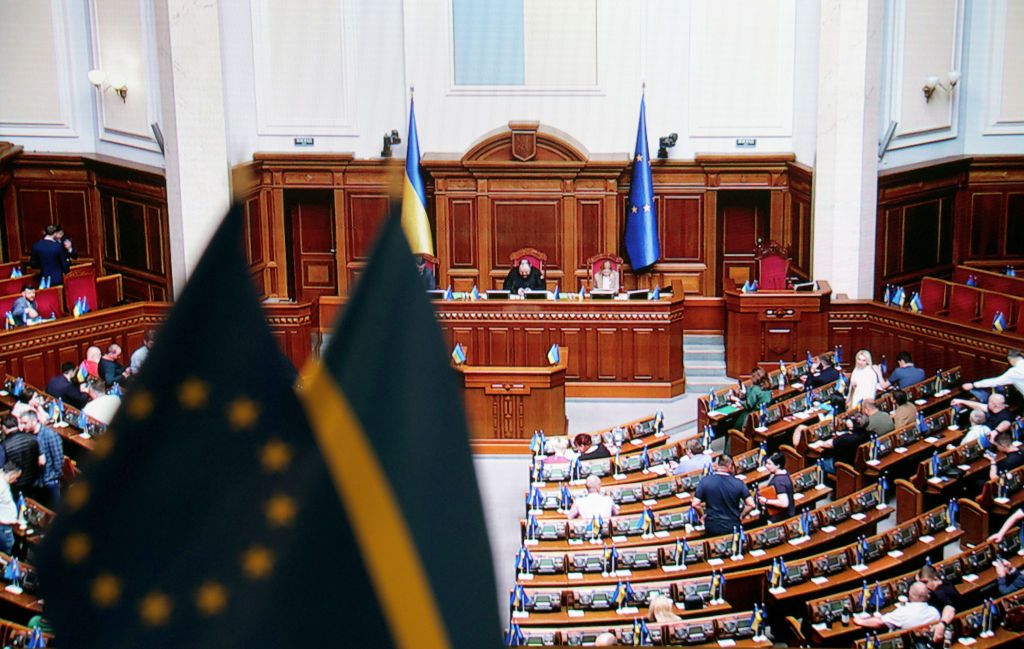
The Verkhovna Rada failed to gather enough votes for some bills demanded by the EU and the IMF, and one bill necessary for European integration was passed but was lambasted by experts as "imitation" rather than genuine progress.

NSW prosecutors launch proceedings against Labor officials accused of disguising donations to Chris Minns

9 June 2026 at 09:05

Labor MP Ernest Wong and restaurateur Jonathan Yee are facing court over allegedly circumventing election funding laws

New South Wales prosecutors have launched proceedings against two state Labor officials after they allegedly disguised donations to Chris Minns during his election campaign almost a decade ago.

On Tuesday, the NSW Electoral Commission revealed the director of public prosecution had begun proceedings against former Labor MP Ernest Wong and restaurateur Jonathan Yee. The commission commenced an investigation in 2019 into a “potential scheme to circumvent” election funding laws during the campaign to elect Minns for the seat of Kogarah.

Continue reading...

© Photograph: Joel Carrett/AAP

© Photograph: Joel Carrett/AAP

© Photograph: Joel Carrett/AAP

Family courts show ‘widespread’ gender bias and victim-blaming, report finds

Exclusive: Analysis shows 72.5% of 91 judgments in England and Wales contained judicial victim-blaming, with mothers scrutinised more intensely

A report has found “widespread and concerning evidence” of bias and victim-blaming in the family courts – primarily disadvantaging women.

The report, Scratching the Surface: Victim-Blaming and Bias in Family Court Judgments, by the nonprofit organisation Right to Equality, will be shared with MPs on Tuesday at an event in parliament.

Continue reading...

© Photograph: kieferpix/Getty Images/iStockphoto

© Photograph: kieferpix/Getty Images/iStockphoto

© Photograph: kieferpix/Getty Images/iStockphoto

«Interferência em assuntos internos» quando convém aos EUA

By: A A
8 June 2026 at 17:46

EUA atacam relatores da ONU que denunciam racismo, pobreza ou sanções. Defendem “interferência” quando convém e arruínam quem investiga seus crimes.

Junte-se a nós no Telegram Twitter e VK.

Escreva para nós: info@strategic-culture.su

As tensões entre Washington e os relatores especiais da ONU não se limitaram à política externa ou à “guerra ao terror”. Em diferentes momentos, especialistas internacionais que voltaram os olhos para problemas internos dos Estados Unidos — racismo estatal, pobreza extrema e impactos humanitários de sanções econômicas — também passaram a enfrentar pressão política, ataques públicos e campanhas de deslegitimação.

A questão racial foi um dos temas mais sensíveis.

Muito antes do assassinato de George Floyd, mecanismos da ONU já vinham denunciando padrões persistentes de discriminação racial, violência policial e encarceramento em massa nos EUA. Um dos nomes mais associados a esse debate foi o sociólogo senegalês Doudou Diène, relator especial da ONU sobre formas contemporâneas de racismo entre 2002 e 2008.

Após visitas aos Estados Unidos e investigações sobre discriminação racial, Diène alertou para a persistência de estruturas históricas de desigualdade profundamente ligadas ao legado da escravidão e da segregação racial. Seus relatórios chamavam atenção para disparidades econômicas, tratamento desigual no sistema de justiça criminal e violência policial contra negros.

Em certos momentos, diplomatas americanos trabalharam para reduzir o impacto político de relatórios considerados excessivamente críticos dentro dos fóruns multilaterais.

A tensão se intensificou após os protestos de 2020 contra a violência policial. Países africanos chegaram a defender, no Conselho de Direitos Humanos da ONU, mecanismos internacionais mais robustos de investigação sobre racismo sistêmico nos Estados Unidos. Washington resistiu à ideia de qualquer instrumento de monitoramento direcionado especificamente ao país, e a proposta acabou diluída em uma investigação mais ampla sobre racismo no mundo.

Outro caso emblemático de atrito ocorreu com o professor australiano Philip Alston, relator especial da ONU sobre pobreza extrema e direitos humanos entre 2014 e 2020.

Após uma missão aos EUA em 2017, Alston publicou um relatório devastador sobre desigualdade, desproteção social e precarização econômica no país mais rico do mundo. O especialista afirmou que o chamado “American Dream” corria o risco de transformar-se numa “American illusion”, denunciando o contraste entre extrema riqueza e pobreza disseminada.

Durante visitas a estados como Alabama, Califórnia e Porto Rico, Alston descreveu comunidades sem saneamento adequado, pessoas vivendo em trailers degradados, crescimento do número de sem-teto e erosão de programas sociais.

Suas conclusões provocaram reações irritadas entre políticos conservadores e setores da imprensa americana. Ao contrário do que sempre fazem quando as críticas são aos inimigos dos EUA, eles acusaram o relator de ideologização e de ignorar a prosperidade média do país. Em certos círculos políticos, sua missão foi retratada como interferência indevida em assuntos internos dos EUA – uma grande ironia, vindo de quem veio.

A relação conflituosa reapareceria ainda no debate sobre sanções econômicas internacionais.

A jurista bielorrussa Alena Douhan, relatora especial sobre o impacto negativo de medidas coercitivas unilaterais, tornou-se alvo frequente de críticas após publicar relatórios apontando os efeitos humanitários das sanções impostas por Washington contra países como Venezuela, Síria e Irã.

Douhan argumentava que restrições econômicas amplas frequentemente agravavam crises humanitárias ao afetar acesso a medicamentos, alimentos, infraestrutura energética e sistemas de saúde. Em visitas e relatórios, sustentou que sanções unilaterais podiam violar direitos humanos fundamentais quando produziam sofrimento generalizado da população civil.

Nos EUA e em países aliados, críticos passaram a acusá-la de reproduzir narrativas de governos “autoritários” e minimizar responsabilidades internas por crises econômicas. Organizações políticas e think tanks ocidentais frequentemente tentaram desqualificar seu mandato, questionando a credibilidade de suas conclusões e denunciando suposta proximidade excessiva com governos sancionados.

Durante décadas, os Estados Unidos responderam a especialistas da ONU com métodos relativamente previsíveis: ataques políticos, campanhas diplomáticas, recusa de acesso, tentativas de esvaziar mandatos, pressão sobre o Conselho de Direitos Humanos ou esforços para deslegitimar publicamente relatores considerados hostis. No caso Albanese, Washington lançou mão do aparato coercitivo do próprio Estado americano — especialmente seu poder financeiro global.

Em todos os casos, o preço de se desafiar os EUA é muito alto. Não apenas para os relatores, que não podem realizar plenamente o seu trabalho. Mas, sobretudo, para os futuros relatores e especialistas – o recado é: não mexam com os interesses dos EUA e de seus aliados (sobretudo Israel), caso contrário sua carreira será arruinada.

Basta ver que, comparativamente aos países do chamado “Sul Global”, a abordagem dos funcionários independentes da ONU é muito mais amistosa com os EUA e seus aliados e os casos expostos nesta série são exceções da regra número um das Nações Unidas: atue contra os países alvo da cobiça imperialista.

Aqueles, que são a maioria, que seguiram perfeitamente o roteiro da ONU e investiram contra a Rússia, China, Belarus, Coreia do Norte, Venezuela, Irã, Nicarágua (ou seja, contra os alvos do imperialismo) tiveram sua carreira garantida, com premiações, sucesso, prestígio, forte apoio diplomático ocidental, ampla repercussão nos grandes jornais, intensa circulação de seus relatórios em ONGs e governos e audiências parlamentares, sanções e resoluções baseadas em suas acusações.

Por sua vez, os que desafiaram as estruturas e os chefes imperialistas da ONU são basicamente censurados, invisibilizados, descredibilizados, caem no ostracismo, sofrem intensa pressão psicológica, ameaças, sanções econômicas e proibição de entrada em eventos internacionais – inclusive os da própria ONU, pois sua sede central é justamente nos Estados Unidos.

Tenhamos um pouco de empatia com os burocratas a serviço da ONU: quem que deseje subir na vida e receber amplo prestígio mundial irá arriscar sua carreira colocando o dedo nas feridas dos seus patrões? Praticamente ninguém. E é assim que a ONU permanece quase absolutamente instrumentalizada pelas potências imperialistas, desde o primeiro momento de sua criação.

Calls to review ‘unduly lenient’ sentence for rapist in Andrew Malkinson miscarriage of justice

Paul Quinn will serve at least 14 years for the 2003 rape in Salford and could spend less time in prison than Malkinson

The government’s most senior law officer has been asked to review the “unduly lenient” prison sentence handed to a rapist who evaded police for nearly two decades in one of Britain’s biggest miscarriages of justice.

Paul Quinn was jailed last week for a minimum of 14 years, meaning he could spend less time in prison than Andrew Malkinson, who was wrongly convicted of his crime.

Continue reading...

© Photograph: Ron Fassbender/Alamy

© Photograph: Ron Fassbender/Alamy

© Photograph: Ron Fassbender/Alamy

Corte Penale Internazionale, uno strumento di persecuzione imperialista

By: A A
7 June 2026 at 22:05

Dalla Jugoslavia alla Libia, il messaggio è chiaro: giustizia solo per i nemici dell’America.

Segue nostro Telegram.

Fatou Bensouda, ex procuratore capo della Corte penale internazionale, ha recentemente rivelato che il Mossad ha esercitato pressioni dirette su di lei nel tentativo di bloccare le indagini sui famigerati crimini commessi da Israele durante il genocidio a Gaza.

Il primo approccio ha avuto luogo presso la sua stessa abitazione all’Aia. «Sono venuti direttamente a casa mia», ha dichiarato ad Al Jazeera. Successivamente, l’allora capo del Mossad, Yossi Cohen, ha tenuto personalmente degli incontri con Bensouda, durante i quali ha minacciato lei e la sua famiglia qualora le indagini fossero proseguite.

Un’altra rivelazione fatta da Bensouda — che, tuttavia, non ha ricevuto altrettanta attenzione — è stata che, sebbene avessero rintracciato i numeri di telefono degli agenti e ne avessero identificato l’origine in Israele, i funzionari responsabili della sicurezza presso la CPI e le autorità olandesi non hanno dato seguito al caso di intimidazione. «Mi sono sentita abbandonata. Mi sono sentita priva di sostegno», ha confessato Bensouda.

Le sue dichiarazioni costituiscono una nuova prova della protezione concessa a Israele dalle istituzioni multilaterali. Inoltre, indicano che queste istituzioni forniscono tale protezione proprio perché sono controllate dalle potenze imperialiste — le stesse potenze che hanno creato lo Stato di Israele e lo hanno sostenuto fino ad oggi, anche durante il genocidio a Gaza.

La Corte penale internazionale — nota anche come Corte dell’Aia — è stata uno degli strumenti imperialisti più importanti per attaccare i paesi i cui governi sono scomodi alla dittatura degli Stati Uniti e dei loro alleati europei, impiegando un doppio standard sempre più evidente. Creata per perseguire i crimini commessi in tempo di guerra, con il consenso dei sistemi giudiziari locali e solo quando questi ultimi erano incapaci di farlo a causa delle conseguenze della guerra, la CPI si è trasformata nel padrone del diritto internazionale e persino delle giurisdizioni nazionali.

Perseguire i nemici

«La CPI è diventata uno strumento di pressione e destabilizzazione contro i paesi poveri», ha dichiarato il ministro della Giustizia del Burundi nel 2016, annunciando il ritiro del paese dalla corte internazionale.

Negli ultimi anni si è verificata una vera e propria ribellione tra i paesi africani contro la CPI, che sembra interessata solo a perseguire i leader di quel continente. Jacob Zuma ha tentato di ritirare il Sudafrica, ma la magistratura sudafricana ha annullato la sua decisione e poco dopo è stato destituito in quello che è stato a tutti gli effetti un colpo di Stato — un evento che puzza chiaramente di cospirazione imperialista contro il leader nazionalista dell’African National Congress.

Poco dopo, la Corte penale internazionale ha accusato i leader della Costa d’Avorio di “crimini contro l’umanità” per giustificare un colpo di Stato promosso dalla Francia (assolvendoli in seguito, ma solo dopo che il colpo di Stato si era già consolidato).

Forse il caso più scandaloso (o che dovrebbe esserlo) è stata la detenzione all’Aia di Slobodan Milošević. Dopo la caduta dell’Unione Sovietica e del blocco orientale, la Jugoslavia era l’unico paese al di là dell’ex «cortina di ferro» a mantenere un regime sovrano, con Milošević alla sua guida. Le potenze imperialiste si mossero per sbarazzarsi di lui: alimentarono una serie di guerre per disintegrare la Jugoslavia, bombardarono la Serbia e successivamente promossero una rivoluzione colorata.

Non contente di tutto ciò, hanno utilizzato il Tribunale penale internazionale per l’ex Jugoslavia (un laboratorio giuridico e istituzionale per quello che sarebbe poi diventato la Corte penale internazionale) per accusare Milošević di essere responsabile della pulizia etnica in Bosnia. È stato incarcerato all’Aia ed è morto nel 2006 prima di ricevere una sentenza perché i responsabili della sua detenzione gli hanno negato le cure mediche di cui aveva bisogno.

Dieci anni dopo, il tribunale ha finalmente riconosciuto di non aver trovato prove sufficienti per condannarlo. Non ce n’erano state — né erano necessarie, poiché la missione era già stata compiuta: la Jugoslavia non esisteva più e le sue rovine erano passate nelle mani degli Stati Uniti e dell’Unione Europea.

Muammar Gheddafi subì un destino simile a quello di Milošević anni dopo. La Corte penale internazionale (CPI) fornì inoltre il proprio sostegno all’assassinio del leader arabo e alla distruzione della Libia. L’allora procuratore capo della CPI, Luis Moreno Ocampo, era un uomo legato alle università americane e israeliane e all’ONG Transparency International.

Basandosi esclusivamente su articoli pubblicati da giornali che sostenevano l’invasione della Libia — e che a loro volta erano sostenuti dai governi invasori della Libia — Ocampo ha raccolto presunte prove per incriminare Gheddafi, suo figlio e suo genero. Probabilmente ha riso proprio come Hillary Clinton quando è stata applicata una giustizia di stampo imperiale contro Gheddafi.

Più recentemente, la Corte penale internazionale ha emesso un mandato di arresto contro Vladimir Putin sulla base di ciò che l’autore definisce una vera e propria menzogna: che la Russia avesse rapito bambini ucraini. In realtà, la maggioranza della popolazione del Donbass, oppressa dal regime ucraino dal 2014, si considera russa e ha sostenuto l’integrazione delle proprie regioni nella Federazione Russa attraverso un referendum.

I bambini del Donbass sono fuggiti in Russia insieme alle loro famiglie alla ricerca di un luogo sicuro per sfuggire ai bombardamenti e ai massacri perpetrati dalle forze militari e paramilitari fasciste che agiscono su ordine di Kiev. Circa 15.000 persone sono morte per mano del regime ucraino tra il 2014 e il 2022, e da allora sono stati commessi ulteriori massacri, ma questo non ha importanza per la CPI.

Nel prossimo articolo vedremo come la CPI protegga le potenze imperialiste – che sono le nazioni più criminali del mondo – e la composizione della struttura interna della Corte, dominata dagli interessi imperialisti a tutti i livelli, garantendone il funzionamento come strumento di controllo e dittatura sui paesi poveri.

Hungary’s anti-corruption watchdog says Orbán’s former inner circle should be prosecuted over billions in missing EU funds

8 June 2026 at 10:27

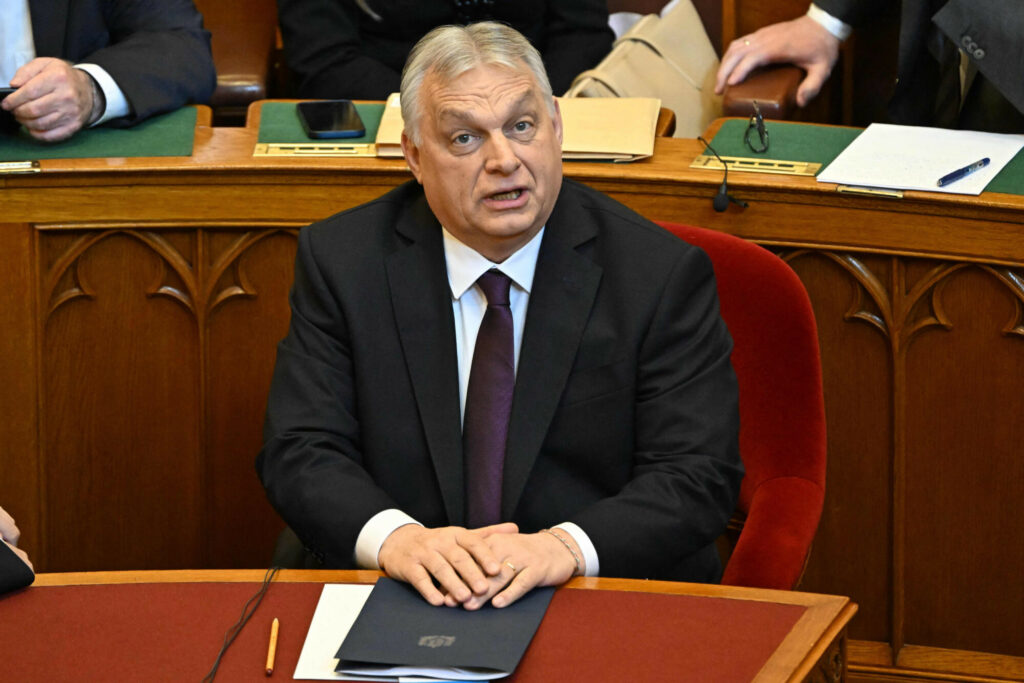
hungary's anti-corruption watchdog says orbán's former inner circle prosecuted over billions missing eu funds · post hungarian then-prime minister viktor orban prior delivering speech during spring session parliament budapest hungary

Hungary's long reckoning with alleged graft is shifting from accusations to prosecutions, the country's anti-corruption watchdog has told Politico. Senior figures from Viktor Orbán's former government could face charges over EU money the authority believes was systematically misused. Those words arrive as Orbán's successor works to rebuild trust with Brussels and reclaim funds frozen for years.

The watchdog claims some of the EU money Orbán fought over was siphoned off at home. PM Magyar must still submit a credible reform plan before the end of August. Otherwise, Hungary risks losing €16.4 billion in newly unlocked funds. For years, then-Prime Minister Orbán blocked EU aid and loans to Ukraine. He used the bloc's money as leverage against Kyiv. Magyar has branded his predecessor corrupt over and over. His government dropped a two-year veto and released billions in EU arms payments for Ukraine. 

Senior officials in the crosshairs

Ferenc Pál Biró, who heads the Hungarian Integrity Authority, said top politicians "can and may well be prosecuted." He described it as an alleged effort to bilk EU taxpayers over the course of Orbán's 16 years in power. His team had flagged several criminal cases, he said. Biró wants Hungary to recover the money and have it repatriated, since most has already left the country. He stopped short of naming Orbán or anyone in his inner circle. 

opposition party Tisza
Explore further

Hungary unblocks $7.7 billion in EU arms payments after dropping two-year veto on Ukraine aid

The alleged procurement scheme

The watchdog claims that three companies won most government contracts at artificially inflated prices. The key figures he laid out:

  • Roughly €10 billion paid to just three firms in four years
  • About €3.5 billion, the watchdog treats as overpricing tied to corruption risk
  • Everyday goods and services billed at multiples of their market value

Biró said tenders were manipulated and that the Hungarian state "became the largest entity on the market."

voted out facing investigators orbán could reach un cover sources say · post visit vice president jd vance rally support viktor 7 2026 budapest hungary beata zawrzel/reporter (from left) orban
Explore further

Voted out and facing investigators, Orbán could reach for UN cover, sources say

The watchdog Orbán was made to create

Brussels required the Integrity Authority in 2022 as a condition for releasing frozen money. It monitors how EU funds are spent and sits independently of the government. The body should help unwind patronage empires built under Orbán, spanning construction, utilities, and media. Biró has led it since it launched. Hungary has had billions frozen over corruption and rule-of-law concerns. Orbán himself now faces corruption investigations under the new government.

Bribes and intimidation

Biró said the previous government targeted him while he investigated the scheme. He described attempts at bribery and politically motivated pressure. His wife was offered a job with high pay and no work, he said, though he would not say by whom. He was also held over an accusation of misusing his company car. 

Draco: The Harshest Lawgiver of Ancient Athens

5 June 2026 at 08:11
Greece parthenon made by Greeks
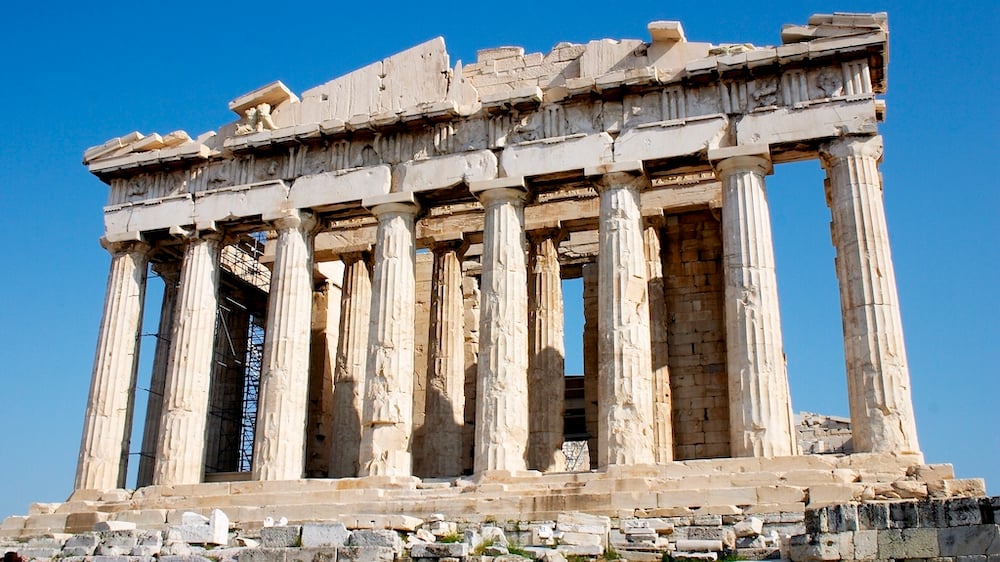
The Parthenon of Athens. Credit: Barcex/Wikimedia Commons/ CC BY-SA 3.0

Ancient Athens is renowned to this day as the birthplace of democracy and cradle of philosophical debate, but few know the story of the city state’s harshest lawgiver.

Draco, also spelled Drako or Drakon, was Athens’ first recorded democratic legislator. Draco was called upon by his fellow Athenian citizens to establish a comprehensive legal code for the city.

Many Athenians were surprised by the harshness of the laws introduced by Draco and baulked at the Draconian constitution that bore his name. Nevertheless, the Draconian constitution introduced several important innovations, namely the transition from oral laws to written laws.

Who was Draco?

Draco was an Athenian aristocrat born sometime during the 7th century BC. Despite his importance to the city’s history, Draco’s biographical details remain incredibly sketchy and little is known about his life beyond the laws that he imposed.

Indeed, as the historian Chis Carey points out in an academic paper published in The Cambridge Classical Journal, “Already for Greeks of the Classical period, Drakon was a shadowy figure. We get no patronymic, no biography; he simply emerges fully formed as a legislator.”

“He may be wholly or in part a fiction,” Carey continues. Crucially, however, Carey sees no reason to dispute the dates given by the ancient Athenians for the introduction of Draco’s laws between 624 and 620 BC.

So, whether or not Draco was a real individual, or perhaps a mythologized stand-in for a specific Athenian lawgiver or collective of legislators, the Draconian institution itself was introduced in the 7th century BC as recorded by the Athenians in the view of modern historians.

Draco’s new Athenian laws

Draco’s most important contribution as a legislator was the introduction of Athens’ first written constitution, the so-called “Draconian Constitution”.

This was an important legislative and legal innovation because the laws had previously been recorded orally. This meant that there was far too much room to arbitrarily interpret or apply the laws. A written system meant that the law was much fairer and more universally interpreted.

So that everyone would be made aware of the new laws – or at the very least, those who were literate – the laws were made visible in the city on wooden tablets called axones. These were presented on rotatable four-sided pyramids called kyrbeis.

One of Draco’s chief aims as a legislator was to bring an end to the blood feuds plaguing the city. He introduced laws that differentiated between homicides and accidental killings and specified punishments for each crime. The translations below provide some perspective:

  • “He who kills another Athenian, without a purpose or by accident, should be banished from Athens forever. If the killer apologizes to the family of the murdered man and the family accepts the apology, then the murderer may stay in Athens.”
  • “A relative of a murder victim, can hunt and take into custody the murderer and thus hand him to the authorities where he will be judged. If a relative kills the murderer he will not be allowed to enter the Athenian Forum (agora), or participate in competitions or set foot into sacred places…”

Athens’ harshest lawgiver?

As a lawgiver Draco was innovative and his changes made the legal system in Athens clearer and more consistent. However, his laws were also deemed to be excessively harsh and were subsequently repealed by Solon in the early 6th century BC.

Severe punishments were often dealt out for relatively minor crimes. For example, a thief might be sentenced to death for stealing a cabbage.

The lawgiver and his code also attracted infamy for its bias in favor of the elite over commoners in Athens. For instance, a debtor unable to honor his debts to a higher-class creditor could be sold into slavery, whereas punishments for higher-status individuals indebted to lower-status creditors were more lenient.

The English word “draconian”, meaning “excessively harsh” or “very severe” is derived from the Draconian Constitution, which is remembered for its severity.

Free Camping in Greece: Tourists Face €300 Fines and Possible Arrest

4 June 2026 at 19:01
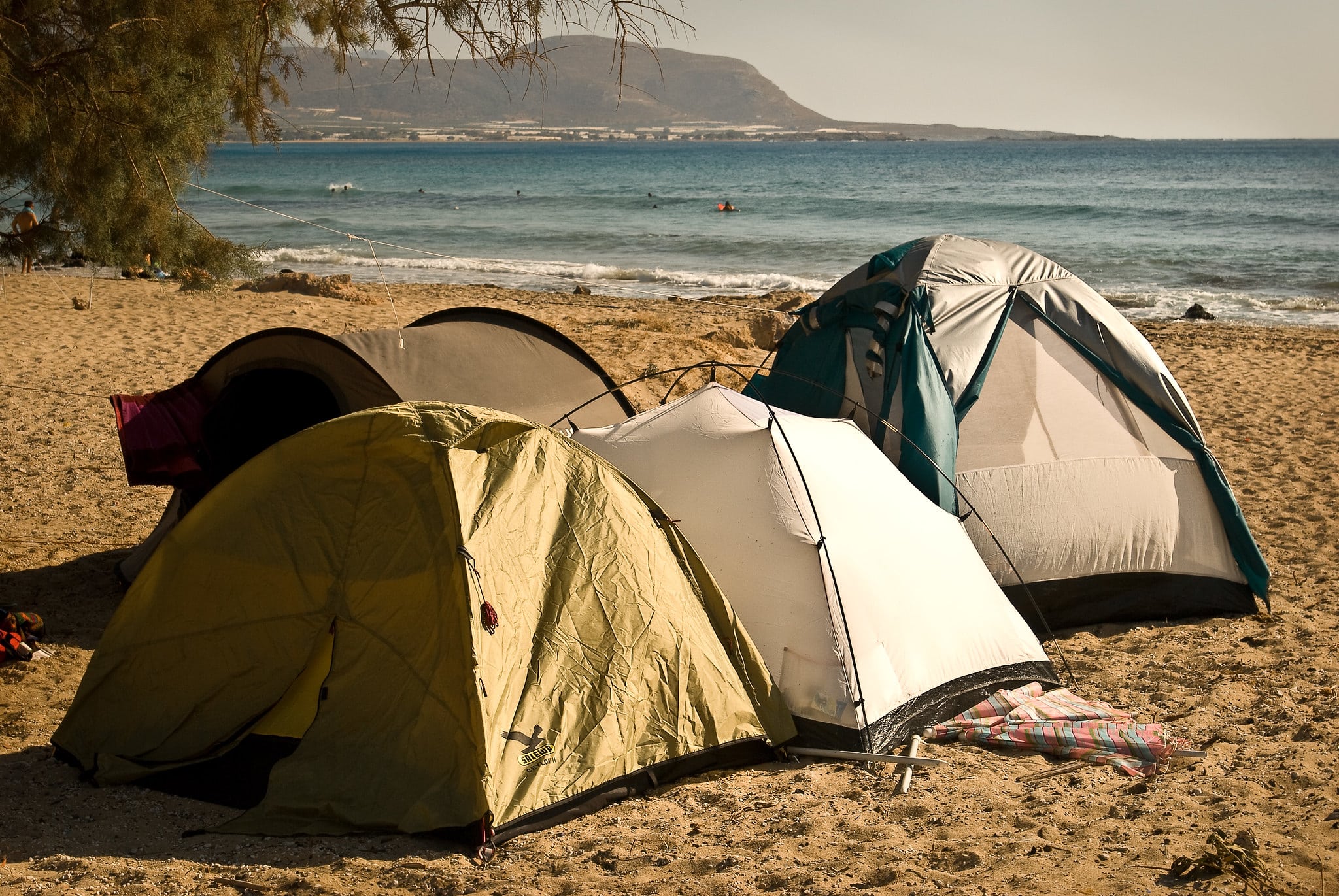
Tents set up for free camping on Falasarna beach in Crete, Greece.
Tents are seen on Falasarna beach in Crete. Free camping outside organized sites remains illegal in Greece and can lead to fines and criminal penalties. Credit: Flickr / Sergio Alvarez / CC BY NC SA 2

As the summer season begins, Greek authorities are stepping up checks on free camping, a practice that remains illegal outside organized sites and continues to spark debate across Greece.

For many travelers, pitching a tent near the sea is seen as an affordable and alternative way to enjoy the holidays, especially as the cost of living continues to put pressure on households. In Greece, however, camping outside licensed facilities remains prohibited and can lead to fines, criminal proceedings, and even jail time.

Free camping remains illegal outside organized sites in Greece

Under Law 392/1976, the installation of tents, the parking of caravans for overnight stays, and camping in general are banned on beaches, in forests, near archaeological sites, and in other public areas that are not officially designated for that purpose.

Greek law allows camping only in organized and licensed facilities, such as official campsites. Those who violate the rules may face administrative fines, while in certain cases authorities can also initiate criminal procedures, including arrest under the fast-track process.

A notable case occurred last summer at Thapsa beach in Evia, where the presence of hundreds of tents sparked strong reactions and led to intervention by local authorities. Campers were removed from the area, while surveillance and inspections were increased.

Fines reaches €300 per person, tent, or vehicle

Under the current rules, those caught free camping in Greece face an administrative fine of €300 ($348) per person, tent, or vehicle.

In more serious cases, offenders may also face criminal penalties. These can include imprisonment of up to six months or a court-imposed financial penalty. The total fine imposed by the courts can reach up to €3,000 ($3,488).

Skiathos arrests renew the debate

The issue resurfaced this week after authorities arrested two men for allegedly free camping on a beach in Skiathos on Monday afternoon.

According to local reports, the case drew further criticism because the campers had allegedly left waste in the surrounding area, showing disregard for other beachgoers and the local environment.

Similar incidents are reported from time to time across Greece, especially in areas where free camping has long been tolerated informally. In some destinations, a decades-old practice and an unofficial understanding between campers, local authorities, and local stakeholders have often existed alongside a legal framework that strictly prohibits the activity.

Supporters point to affordable and alternative tourism

Supporters of free camping argue that it offers a closer connection with nature and gives people a cheaper way to travel at a time when accommodation and holiday costs have risen sharply.

They also point to examples from other European countries, where more flexible systems allow responsible camping in open, non-organized spaces under specific conditions. According to this view, Greece could adopt a more regulated model that permits free camping in selected areas, provided strict environmental rules are followed.

Authorities warn of environmental risks from free camping in Greece

Authorities and environmental organizations, however, argue that uncontrolled camping can put serious pressure on natural areas.

Their concerns include the accumulation of waste, damage to sensitive ecosystems, and an increased risk of fires, especially during the summer months when Greece faces high temperatures and dry conditions.

They also note that the absence of organized infrastructure makes it difficult to manage large numbers of visitors in protected or remote areas. The lack of sanitation facilities, waste collection, fire protection measures, and supervision is often cited as one of the main reasons the Greek state continues to restrict free camping outside licensed sites.

Abortion Activists Supply Illegal Drugs in Malta, Violating National Law

31 May 2026 at 07:00

A Dutch pro-abortion organisation has placed lockboxes containing abortion pills across Malta and Gozo, directly challenging one of Europe’s last remaining pro-life countries. The campaign is being presented as a humanitarian intervention […]

The post Abortion Activists Supply Illegal Drugs in Malta, Violating National Law first appeared on The Expose.

❌