Normal view

Complex relationship between Trump and Netanyahu continues to undermine Middle East ceasefire

Recent exchange of missiles between Iran and Israel highlights diverging views between US president and Israeli PM

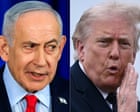
The latest eruption of hostilities between Iran and Israel appears to have been contained for now after Donald Trump insisted he called “all the shots” in the Middle East, but in a dangerously fragile region Benjamin Netanyahu has again shown he is ready to take shots of his own.

The exchange of missiles on Sunday and Monday was ample demonstration of the inherent instability of the current limbo between war and peace, but it also shone a bright light on the complex and conflicted relationship between the US president and the Israeli prime minister, frenemies who could determine the fate of the current ceasefire.

Continue reading...

© Photograph: Ronen Zvulun,brendan Smialowski/AFP/Getty Images

© Photograph: Ronen Zvulun,brendan Smialowski/AFP/Getty Images

© Photograph: Ronen Zvulun,brendan Smialowski/AFP/Getty Images

Iran war: who is fighting and why?

8 June 2026 at 15:54

Arch-enemies Israel and Iran have returned to active confrontation while Donald Trump tries to present himself as mediator

Israel and Iran have returned to active war for the first time since a ceasefire was agreed two months ago in an exchange of rocket fire that threatened efforts to end the conflict.

Donald Trump, who started the war in February alongside Israel but has since attempted to present himself as a mediator, told the two sides to stop shooting and said “final negotiations” on peace were proceeding. By late afternoon on Monday, the attacks had stopped.

Continue reading...

© Photograph: Hussein Malla/AP

© Photograph: Hussein Malla/AP

© Photograph: Hussein Malla/AP

Will Iran give up on ceasefire talks as strait of Hormuz blockade continues?

Chokehold on shipping route draws Houthis in Yemen back into conflict as commenters see ‘no turning back’

Iran’s reversion to large-scale military exchanges with Israel broadened the conflict that began in February not only by making the Israeli attacks on Hezbollah a direct casus belli for Iran for the first time, but also by drawing the Houthis in Yemen back into the conflict with as yet incalculable consequences.

Some in Tehran, buoyed up by past perceived military success and emboldened by the chokehold of the strait of Hormuz, would like to turn this moment into the point of no return in the conflagration with Israel. A minority would welcome the abandonment of ceasefire talks with the US, an outcome for which they have been agitating for weeks.

Continue reading...

© Photograph: Abedin Taherkenareh/EPA

© Photograph: Abedin Taherkenareh/EPA

© Photograph: Abedin Taherkenareh/EPA

Kallas: “L’Ue ha pronto un piano per Hormuz. Ucraina? Putin non vuole negoziare”

8 June 2026 at 09:17

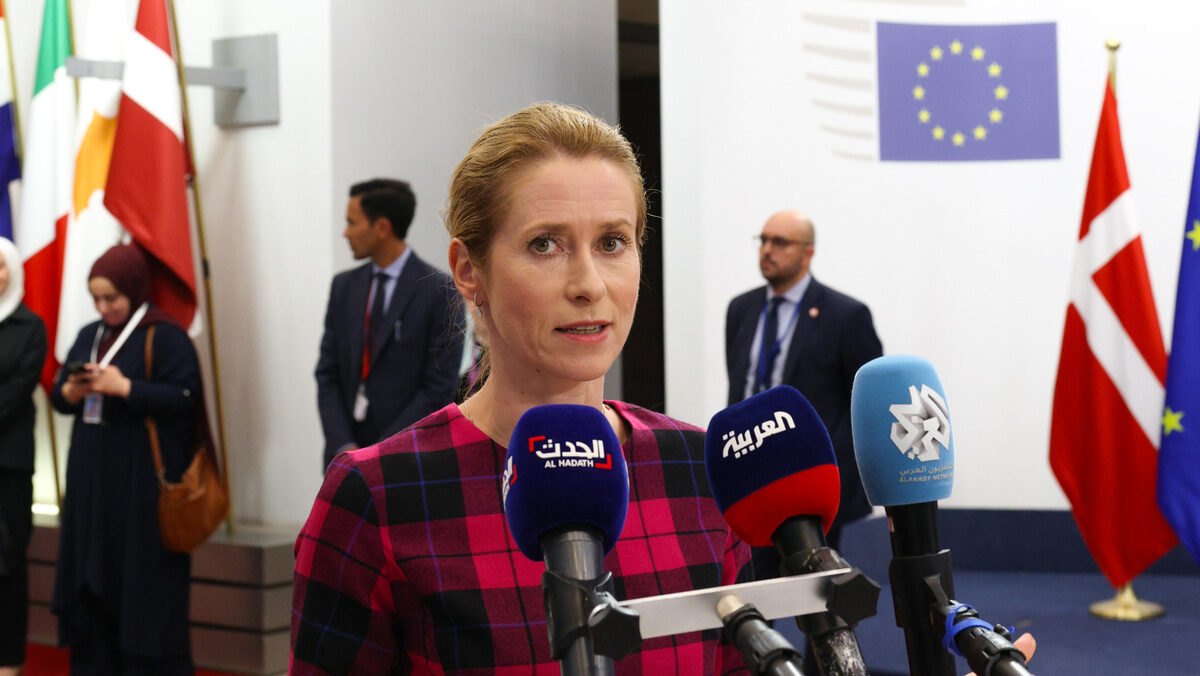
Per quanto riguarda lo Stretto di Hormuz, Iran e Stati Uniti devono trovare un accordo“, mentre l’Unione europea può “certamente contribuire, ad esempio dopo un cessate il fuoco, anche attraverso l’accompagnamento e la protezione delle navi, e discuteremo di questo oggi”. Lo ha dichiarato l’Alta rappresentante dell’Ue per la Politica estera, Kaja Kallas, all’arrivo alla riunione informale del Consiglio Difesa Ue, a Lefkosia, Cipro. Per Kallas gli Stati Ue parleranno oggi di “cosa possiamo fare di più con l’Operazione Aspides nella regione“, e inoltre oggi sarà la prima volta che verranno applicate all’Iran le sanzioni relative alla libertà di navigazione.

Kallas affronta anche il problema relativo alla guerra in Ucraina. “La Russia – sostiene l’alto rappresentante Ue – non è ancora pronta ad avviare i negoziati per l’Ucraina, e l’Unione europea deve dimostrare pazienza strategica su questo tema. Vediamo un’escalation dei loro attacchi. Tuttavia, osserviamo anche alcuni segnali all’interno della Russia che indicano un crescente malcontento verso il proseguimento della guerra”, ha affermato Kallas. “Ritengo che la Russia non sia ancora arrivata a quel punto. Per questo dobbiamo avere più pazienza strategica. Non dobbiamo essere noi a rincorrere i negoziati; deve essere la Russia a voler parlare con noi, se davvero desidera porre fine alla guerra. E si cominci con un cessate il fuoco“, ha sottolineato. Kallas ha inoltre elogiato i cinque punti menzionati ieri nella dichiarazione a margine del vertice dei leader E3 a Londra, che menziona “gli interessi fondamentali europei“, come l’alleggerimento delle sanzioni o lo sblocco dei beni congelati.

L'articolo Kallas: “L’Ue ha pronto un piano per Hormuz. Ucraina? Putin non vuole negoziare” proviene da Affaritaliani.it.

Lebanon’s president refuses to meet Netanyahu until war ends – as it happened

This live blog is now closed. For the latest, read more of our coverage on the Middle East conflict here.

Iranian media is reporting that there were no immediate casualties following apparent Israeli strikes on the Karun petrochemical plant in Mahshahr, a city in Iran’s southwestern Khuzestan province.

According to the Fars news agency, Iran’s Revolutionary Guards said they responded to what they described as an American-Israeli strike on the Iranian petrochemical site by launching a missile attack on a similar plant in the northern Israeli city of Haifa.

Continue reading...

© Photograph: Naama Stern/Reuters

© Photograph: Naama Stern/Reuters

© Photograph: Naama Stern/Reuters

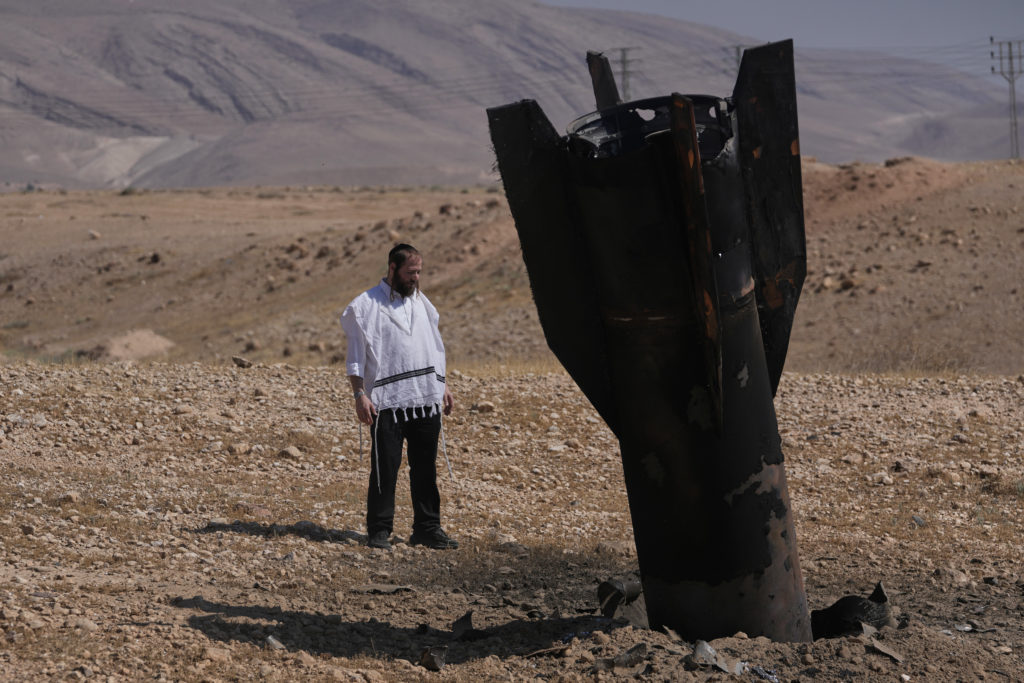
Israel and Iran exchange strikes as Middle East crisis threatens to escalate

Attacks raise fears of return to full-scale regional war and come after Trump says ‘I call all the shots’, not Netanyahu

The Israeli military has launched airstrikes on Iran after the Iranians fired missiles at northern Israel in the first exchange of fire between the two countries since a ceasefire was reached on 8 April, raising fears of a return to a full-scale regional war in the Middle East.

Yemen’s Iran-aligned Houthi rebels also fired at Israel and warned they would target Israeli-affiliated ships in the Red Sea, further escalating tension.

Continue reading...

© Photograph: Abbas Salman/EPA

© Photograph: Abbas Salman/EPA

© Photograph: Abbas Salman/EPA

What may happen as oil supplies dwindle and Strait of Hormuz remains mostly closed

As U.S.-Iran talks show little sign of progress, commercial traffic through the Strait of Hormuz remains sharply reduced, raising concerns about global energy markets and supply chains. Geoff Bennett speaks with energy analyst Daniel Yergin, vice chairman of S&P Global, for more on what a prolonged disruption could mean around the world.

Aviation industry looks skywards as leaders fly in for Rio summit

Oil tankers may be stuck behind strait of Hormuz, but holding the Iata AGM in Brazil defies warnings of impending shortages

Nothing says jet fuel crisis, as one prospective attender put it, like flying everyone to Rio de Janeiro. Aviation leaders will converge in Brazil this weekend for the Iata AGM, the annual global airline summit, with the industry still, for the most part, looking resolutely skyward.

The oil tankers may still be stuck behind the strait of Hormuz as the conflict between the US, Israel and Iran flickers on, but for now, airlines continue to defy dire warnings of impending shortages which had stoked fears of a summer of chaos for European holidaymakers.

Continue reading...

© Photograph: Nature Picture Library/Alamy

© Photograph: Nature Picture Library/Alamy

© Photograph: Nature Picture Library/Alamy

❌