Experiencing premature menopause can significantly increase women’s risk of cardiovascular events. Such is the conclusion of a study recently published in The Lancet Obstetrics, Gynaecology & Women’s Health, in which over 111,000 women from 26 countries participated. Backed by more than 30 academic and medical institutions, it is considered the biggest international study of the subject to date.
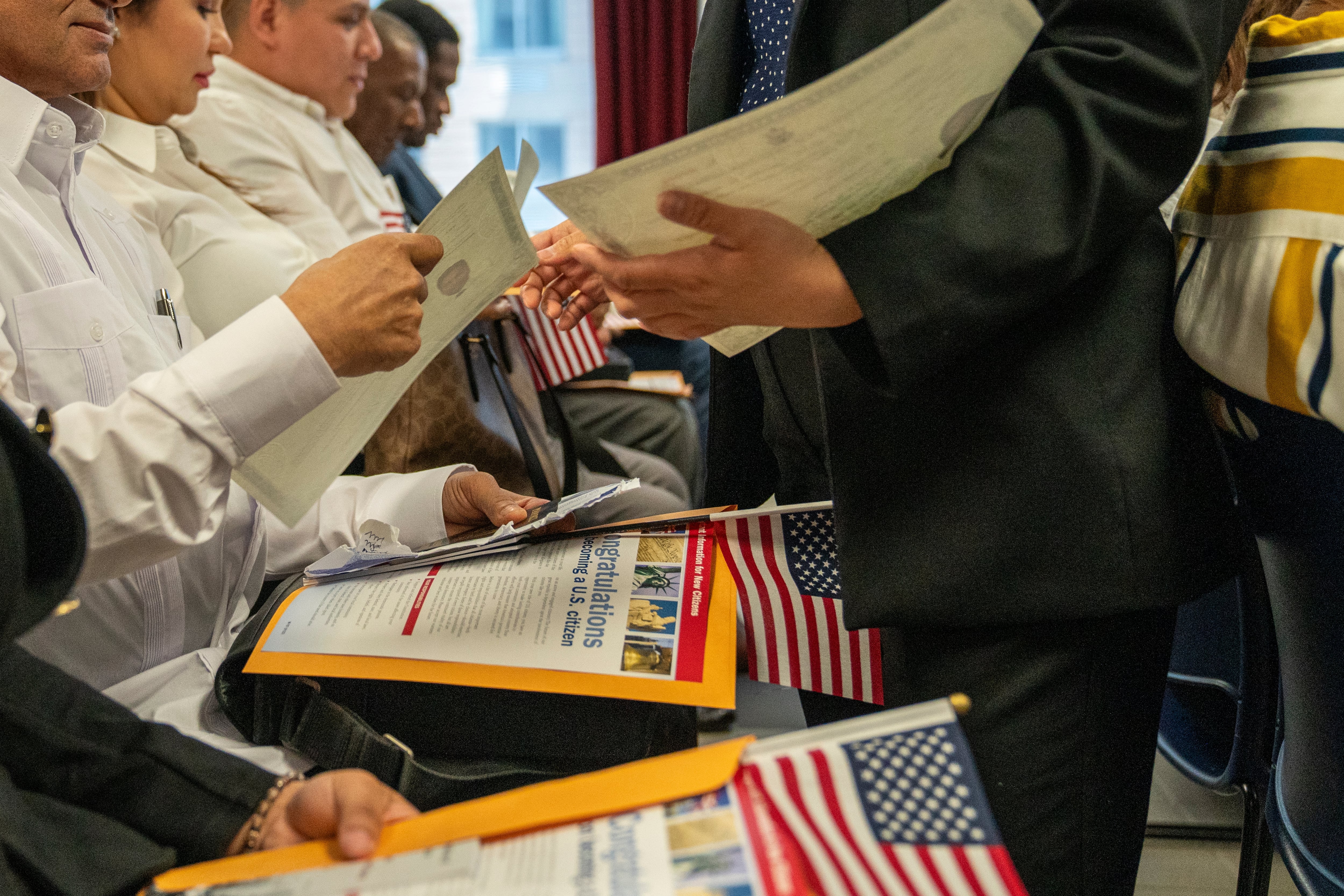
Seventeen naturalized U.S. citizens could lose their citizenship after the Department of Justice announced new actions on Monday to revoke that status. The move is part of the denaturalization campaign pursued by President Donald Trump’s administration against people whom the Republican government says obtained citizenship through fraud or deception during the naturalization process.
No more gods, no more fairies, no more magic. The dawn of the Enlightenment implied the displacement of religious ideas, superstitions and all supernatural belief. Reason-led scientific knowledge would guide civilization towards progress. Max Weber called this process the “disenchantment of the world,” as its steam engine flattened prophets and goblins alike.
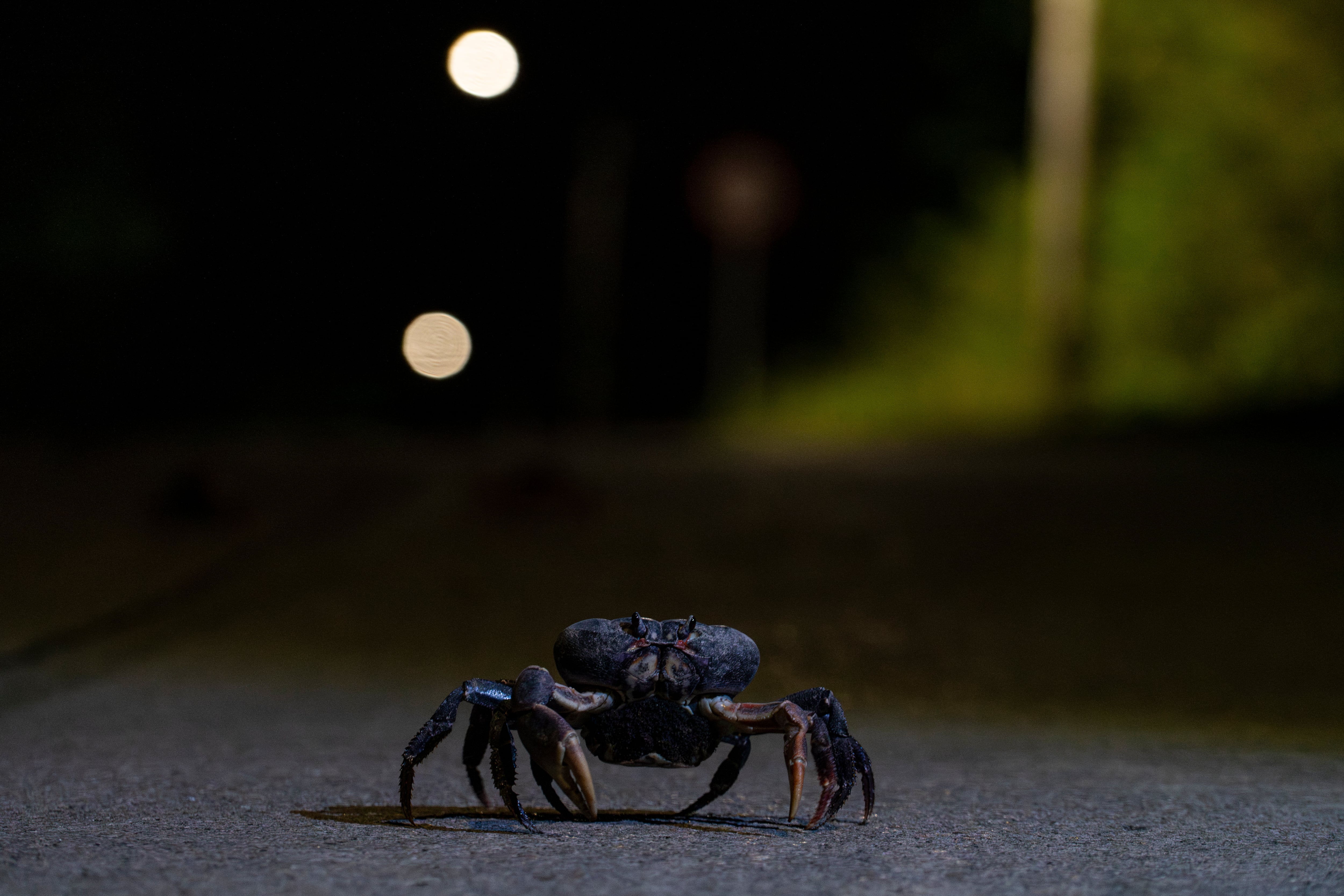
With the first rains of the year, everything changes on the islands. Residents of the Archipelago of San Andrés and Providencia, about 775 km (481 miles) northwest of mainland Colombia, know that in the rainy season the migration of a nine-centimeter (3.5 inch) crustacean disrupts everyone’s routine. It has been this way for as long as islanders can remember. When she was little, Asilvina slept with earplugs, Darson placed towels under his doors and Nicolás’ school bus driver would get down with a palm frond to sweep crabs off the road as they crossed from the mountain to the sea. Hundreds of thousands of Gecarcinus ruricola once carpeted the main road in black and purple, making it impossible for any vehicle to pass at night. Today, the same children who used to go to sleep worried that the claws would catch their ears are the biologists who, from April to July, close the roads so the few individuals that now climb the hill can reach the coast to spawn without being crushed by a car.
There is an old propaganda poster advertising Evo Morales’ third-term program: “Bolivia will be the energy heart of South America. Bolivia will have energy sovereignty. We will export energy to neighboring countries and become a regional leader.” The former president began that term in 2015 backed by an overwhelming electoral victory of more than 60%. The support reflected the economic stability the country had enjoyed since his first term in 2006, sustained mainly by natural gas exports, which in 2014 alone reached $6.1 billion. International reserves became the highest in South America relative to GDP. But behind the scenes, the picture was different. Reserve certifications did not match the extravagant figures that had been proclaimed, and oil companies had neglected exploration of new fields.
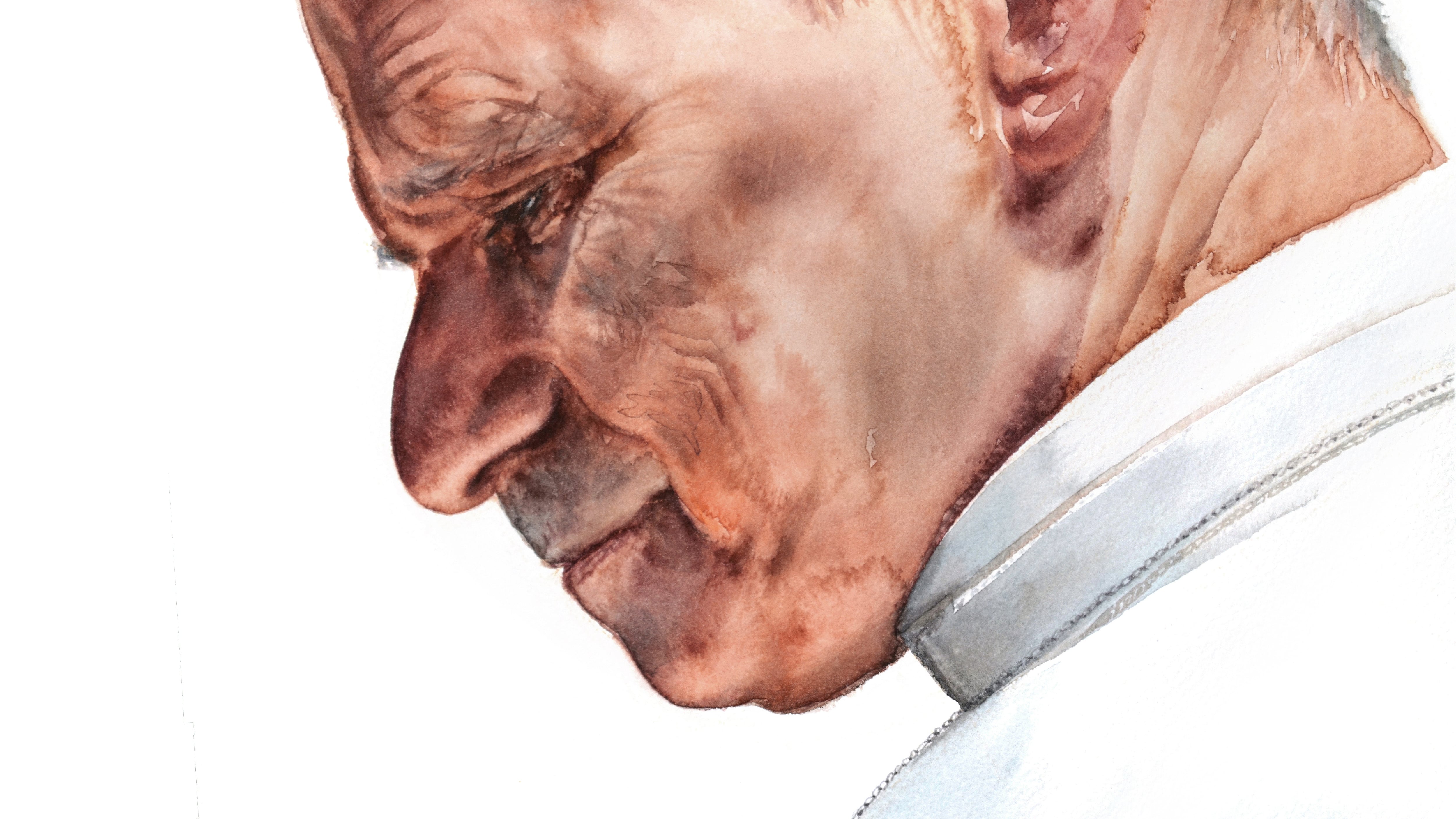
Spaniards are currently getting a close look at a pope the world still knows little about. He has gone from being a mystery, a man who seemed feeble, to becoming, in the space of two months, a startling revelation after he clashed with Donald Trump in mid-April and, two weeks ago, published a far-reaching encyclical; an argument against the techno-fascism of Silicon Valley. His visit to Spain will culminate in the definitive discovery of Prevost, since it is his first major trip to Europe and he will speak to the entire Western world. But what does this pope think and why has he been so disconcerting?
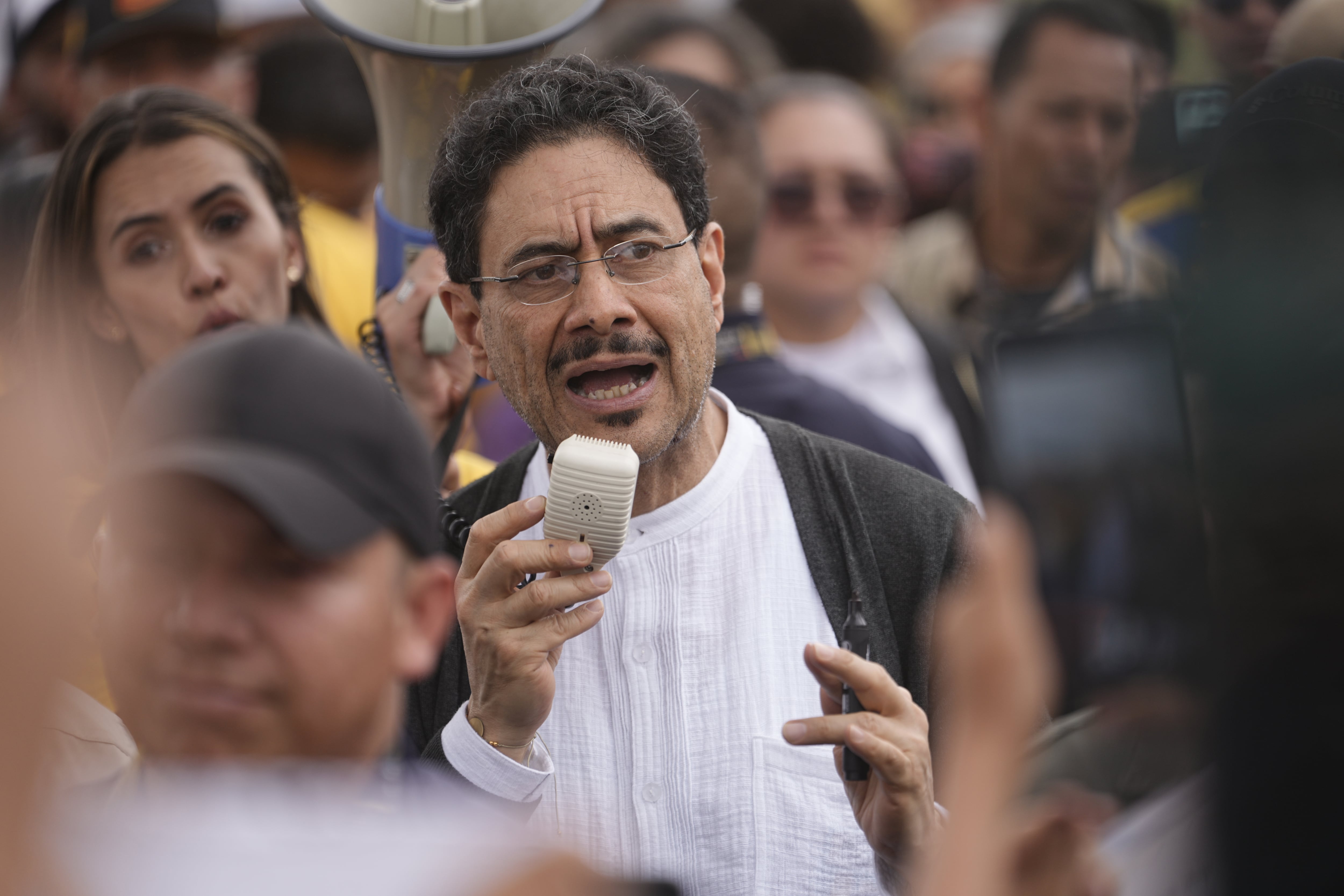
Iván Cepeda begins his second week heading into the presidential runoff with no money and time running out. His campaign team, deployed across several regions of the country for the final push, is convinced that the race will be decided in two cities: Bogotá and Barranquilla. The ruling party candidate has renewed his bet on social media: he now appears in more personal videos with voters, painting murals and even playing soccer. And he has the math clear: he needs at least 2.5 million additional votes to overtake his opponent Abelardo de la Espriella and cross the threshold into the Casa de Nariño presidential residence.
The first time FIFA announced cooling breaks in World Cup matches, in 2014, the matter ended up in court. Players, worried about the heat and humidity in Brazil, did not trust soccer’s world governing body, which left the decision for each match to the discretion of its medical staff. The players went to a labor court and obtained an order that the pauses would be automatic at the 30th minute of each half if temperatures reached 32 degrees Celsius. Twelve years later, FIFA has mandated three-minute hydration breaks at the 22nd minute of every match at the 2026 World Cup, regardless of temperature or humidity. The move, announced as being for the “well-being of the players,” signals a fundamental change in how the game is played: from two 45-minute halves, as it has been since 1897, to four quarters of roughly 22 minutes.
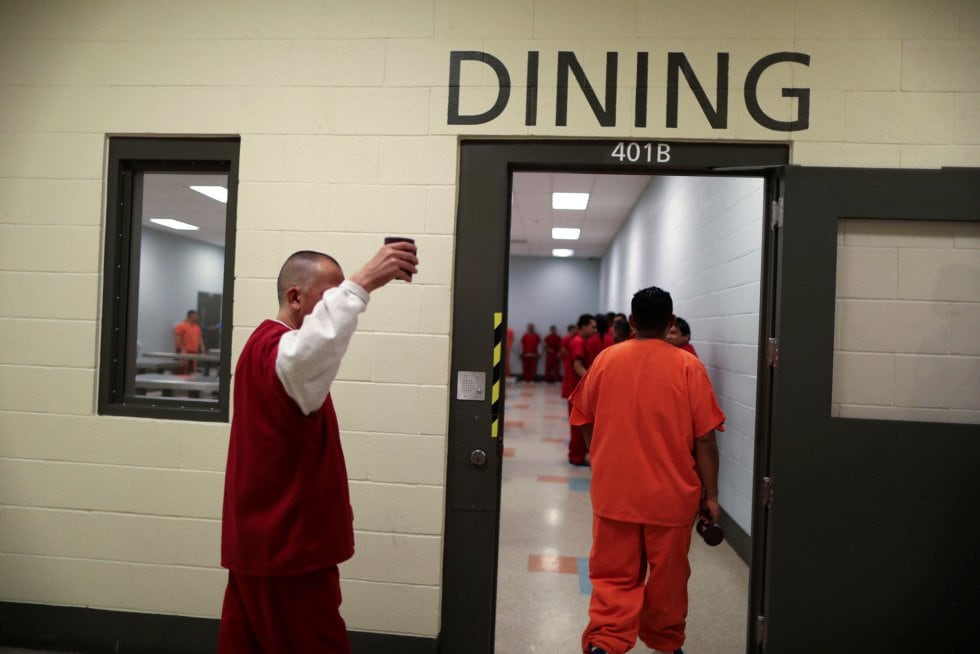
Esteban had never heard of the prison gang Los Paisas until he was held at the Adelanto immigrant detention center in California. As soon as he passed through the bars of his housing unit, other detainees made it clear he had to choose: join them or join another group made up of Russians, Indians, Chinese, and Armenians. He understood that doing neither would leave him defenseless, so he accepted. There was no initiation ritual and he was not asked to swear allegiance. The rules were simple: protect your own from violent people, settle internal disputes, and keep a measure of order in a place where authority often seemed insufficient. Over the months, deportations and transfers took away people he knew. They were replaced by newcomers, some of whom did not understand the dynamics of detention. He had to teach them. Before he knew it, Esteban was among the most long-standing members and, without seeking the role, he became one of the leaders of the gang.
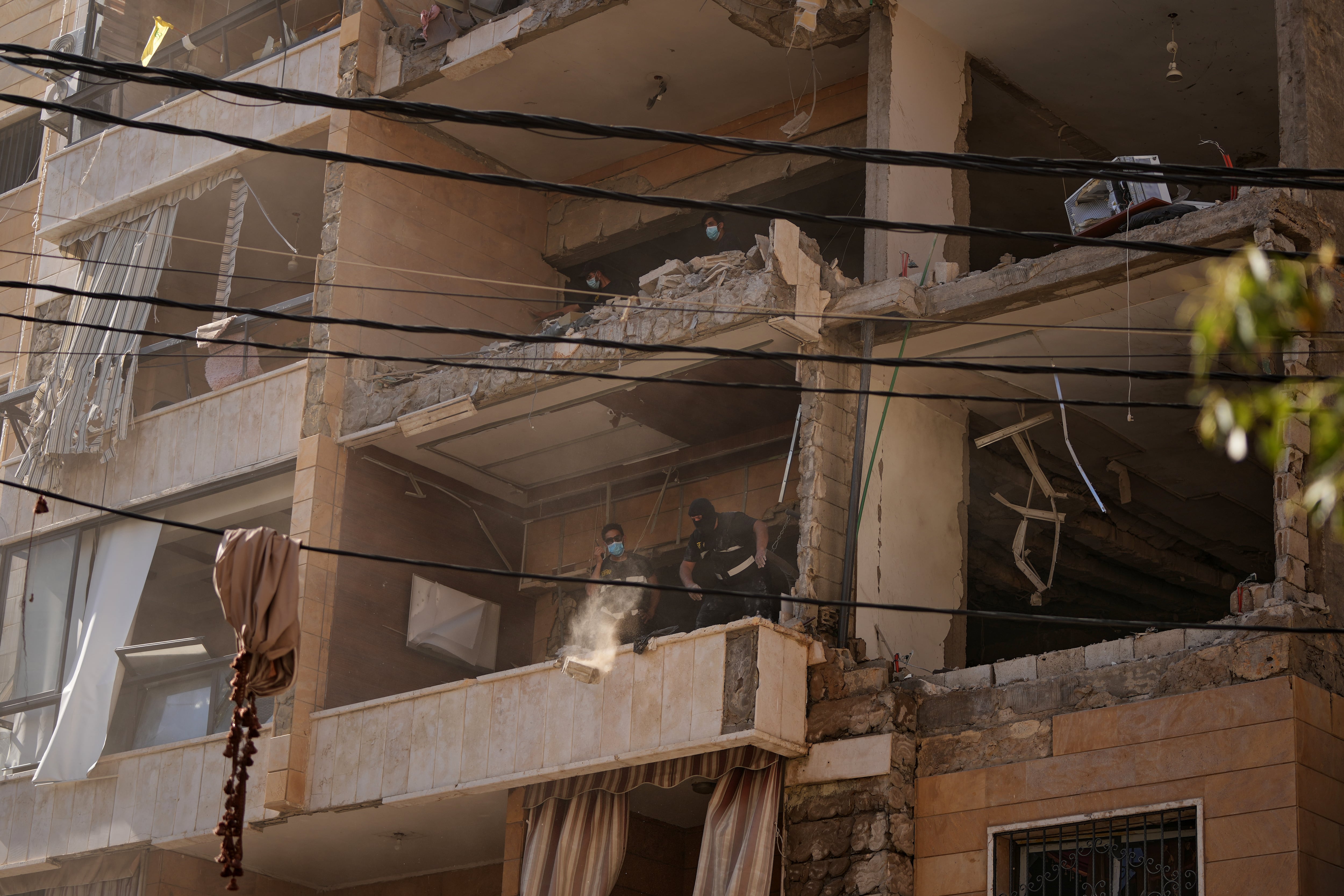
On one of the main roads out of Dahieh, the name given to the Beirut suburbs now at the heart of Middle East geopolitics, a row of streetlights bearing the same photograph of Iran’s penultimate supreme leader, the late Ali Khamenei, seem to bid farewell to those leaving the area. A few meters further on, as the city of Beirut begins, the iconography that floods Dahieh with the faces of Iranian and Hezbollah leaders — its Lebanese allies — vanishes, as does, to a large extent, the threat of Israeli strikes.
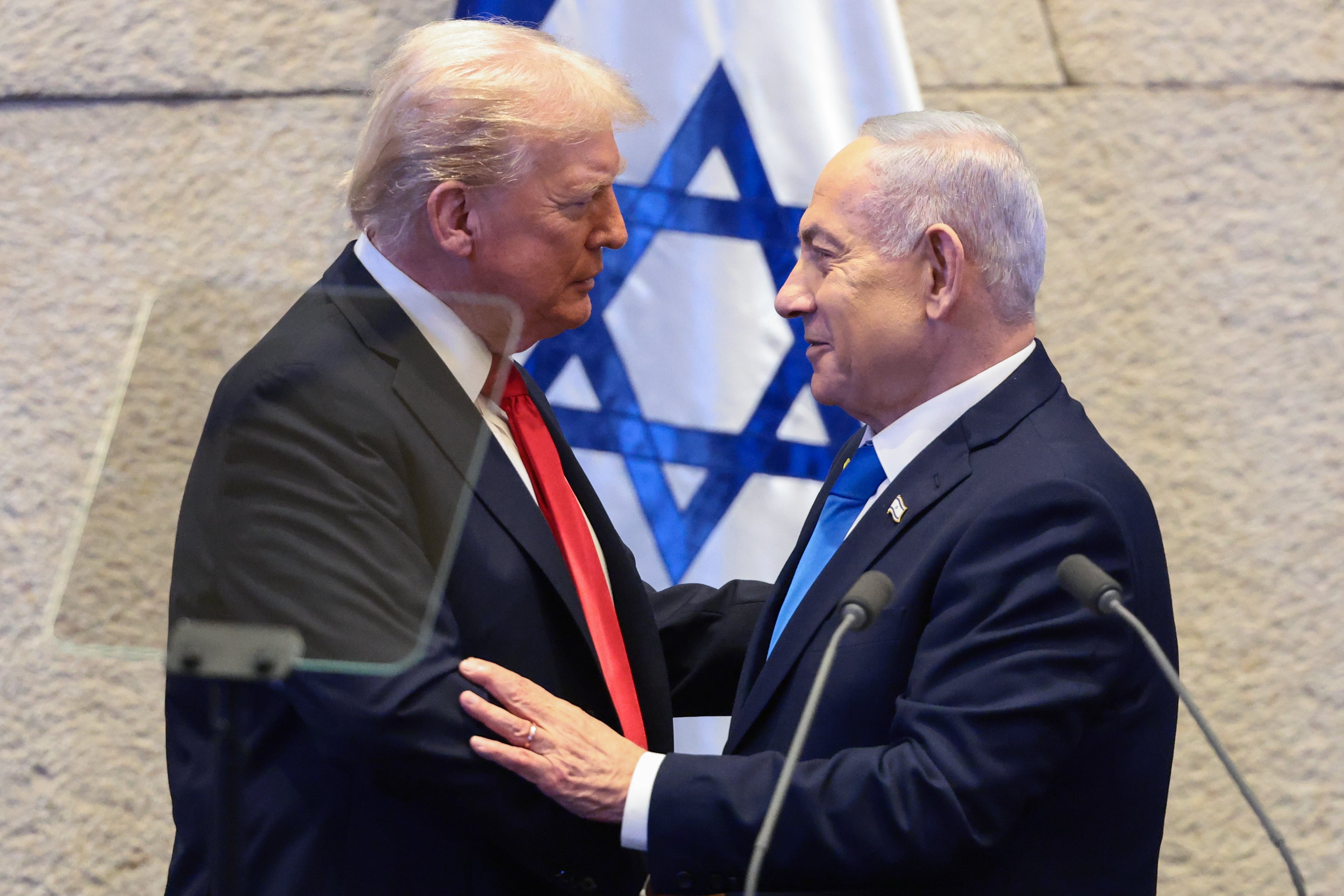
The relationship between Donald Trump and Benjamin Netanyahu lends itself more to psychological analysis than political, after a decade in which the volatile U.S. president has alternately showered the Israeli prime minister with insults and excessive praise — sometimes almost within the same sentence. The war they launched together against Iran 100 days ago has driven them apart as the original plan dissolved: a short, successful operation with oil-related benefits, modeled on the capture of Nicolás Maduro in Venezuela. Beyond how the Iran war is resolved — if it is resolved — its lasting legacy could well be the rift between the two leaders.
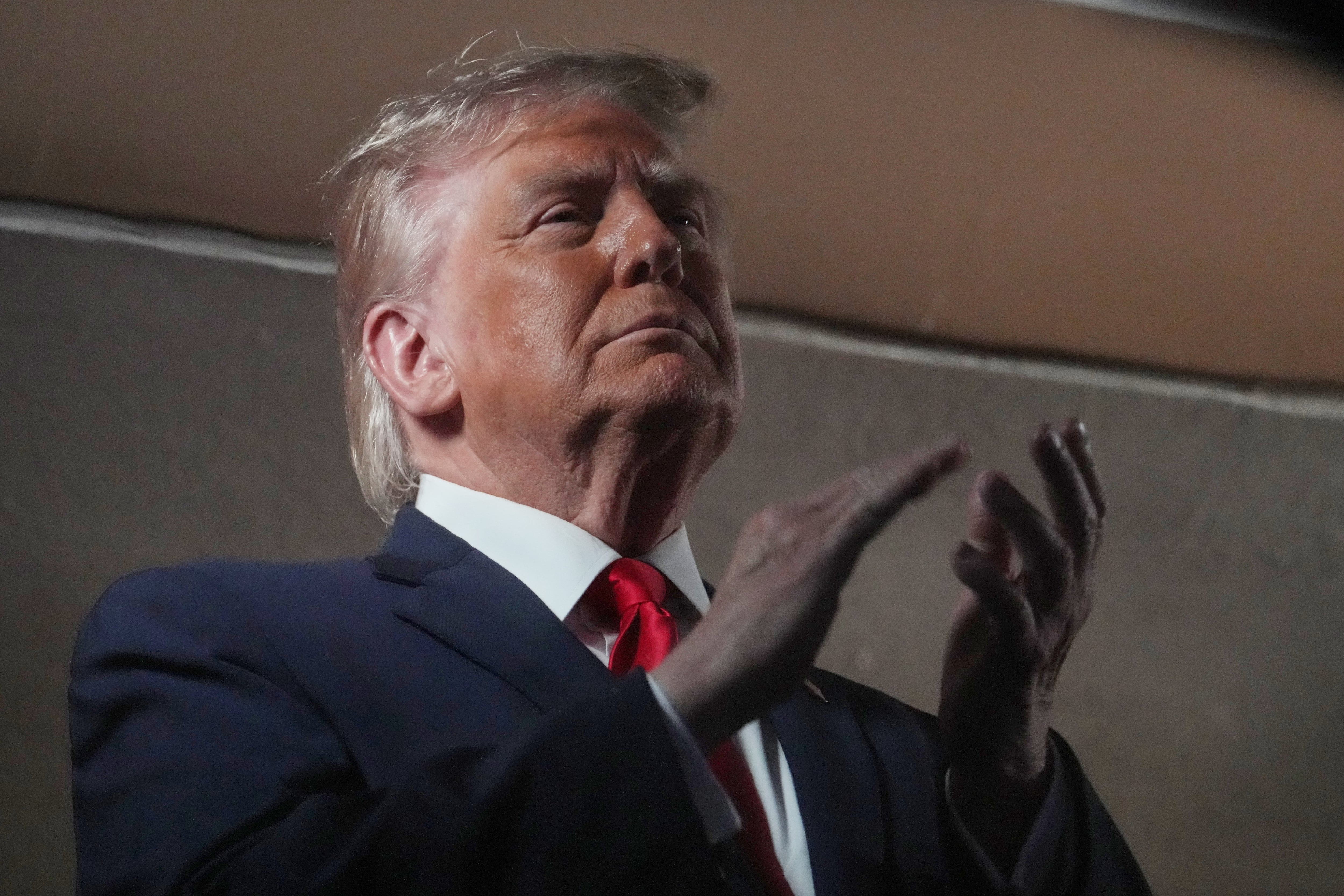
New Yorkersdidn’t hesitate to make their displeasure heard during Donald Trump’s attendance at one of the city’s most important sporting nights in decades. In a packed Madison Square Garden, as the national anthem played before the start of the first NBA Finals game to be staged in New York in 27 years, fans erupted in boos when the president of the United States — the first sitting president to attend an NBA Finals game — appeared in his box, protected by bulletproof glass, and appeared on the arena’s giant screen. The Republican offered a mocking smile as the game between the Knicks and the San Antonio Spurs got under way in a series the New Yorkers now lead 2-1 after the visitors’ 115-111 victory.
Voters in Maine, Nevada, South Carolina, and North Dakota will head to the polls this Tuesday, June 9, to participate in another round of primary elections. The elections will determine the candidates for the Senate, the House of Representatives, governorships, and dozens of state and local offices that will be up for grabs in November.
Arab Barghouti (Jerusalem, 35) says that “at the end of the day” he does not think of Marwan Barghouti as a politician, nor as the Palestinian leader of the Second Intifada (2000–2005), who was sentenced by Israel to five life terms in a trial full of irregularities 24 years ago. He thinks of himself as the son who wants his father “to come home.”
Six people were stabbed at Penn Station, New York’s main intercity rail hub and its busiest station. The attack occurred on Sunday after 7.00 p.m. local time (1.00 a.m. CEST) between 33rd Street and Seventh Avenue, the New York Fire Department told local media. The incident comes as the city is on a high security alert ahead of a planned presidential visit on Monday by U.S. President Donald Trump, Game 3 of the NBA Finals, and the start of the FIFA World Cup.
“The world will stand still, and the eyes of the world will be focused on North America,” the 56-year-old Swiss president of FIFA, Gianni Infantino, said a few days ago from the United Nations headquarters in New York. With four days to go before the ball starts rolling, the three host countries — the United States, Mexico, and Canada — say they have everything ready. Or, more precisely, almost everything. The biggest soccer tournament in history — 48 national teams playing a total of 104 matches — takes place amid various circumstances that complicate organization: the United States remains at war with Iran, President Donald Trump’s strict immigration policies are frightening away many supporters, and FIFA’s dynamic-pricing ticket system has put seats out of reach for much of the fan base.
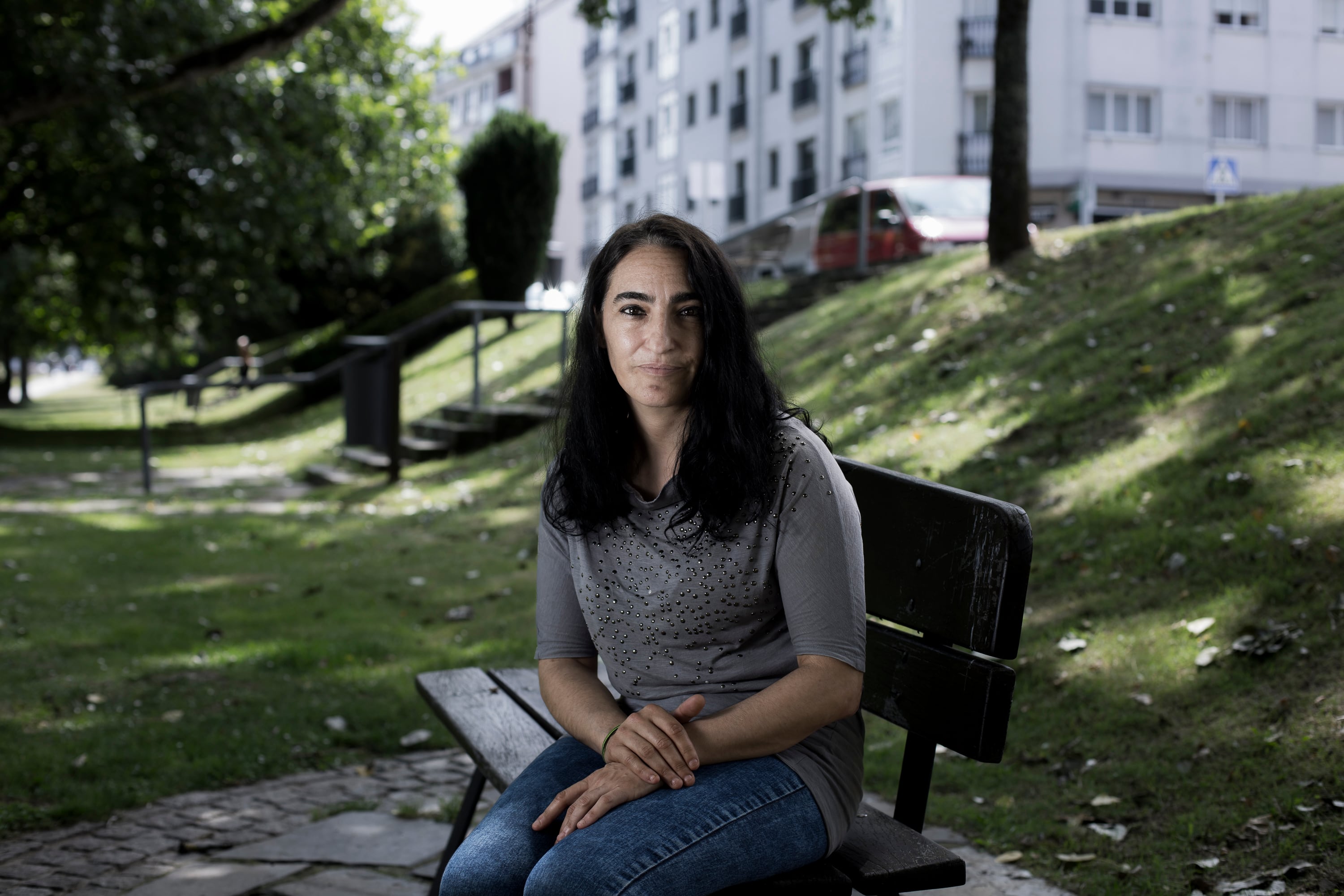
She could hardly believe it. Sitting at home, Tamara Fernández Varela kept reading and re-reading the letter from the court in Carballo, in Spain’s northwestern Galicia region, notifying her that her ex-husband had drugged, raped and photographed her. It included six images. In some she appeared completely naked. “I kept looking at them and saying: it can’t be me. Such brutality doesn’t fit inside your head. A woman looking dead in a bed. And it’s me,” recalls the 43-year-old woman. Her mother and she both began to scream. They screamed so loudly that a frightened neighbor called an ambulance.
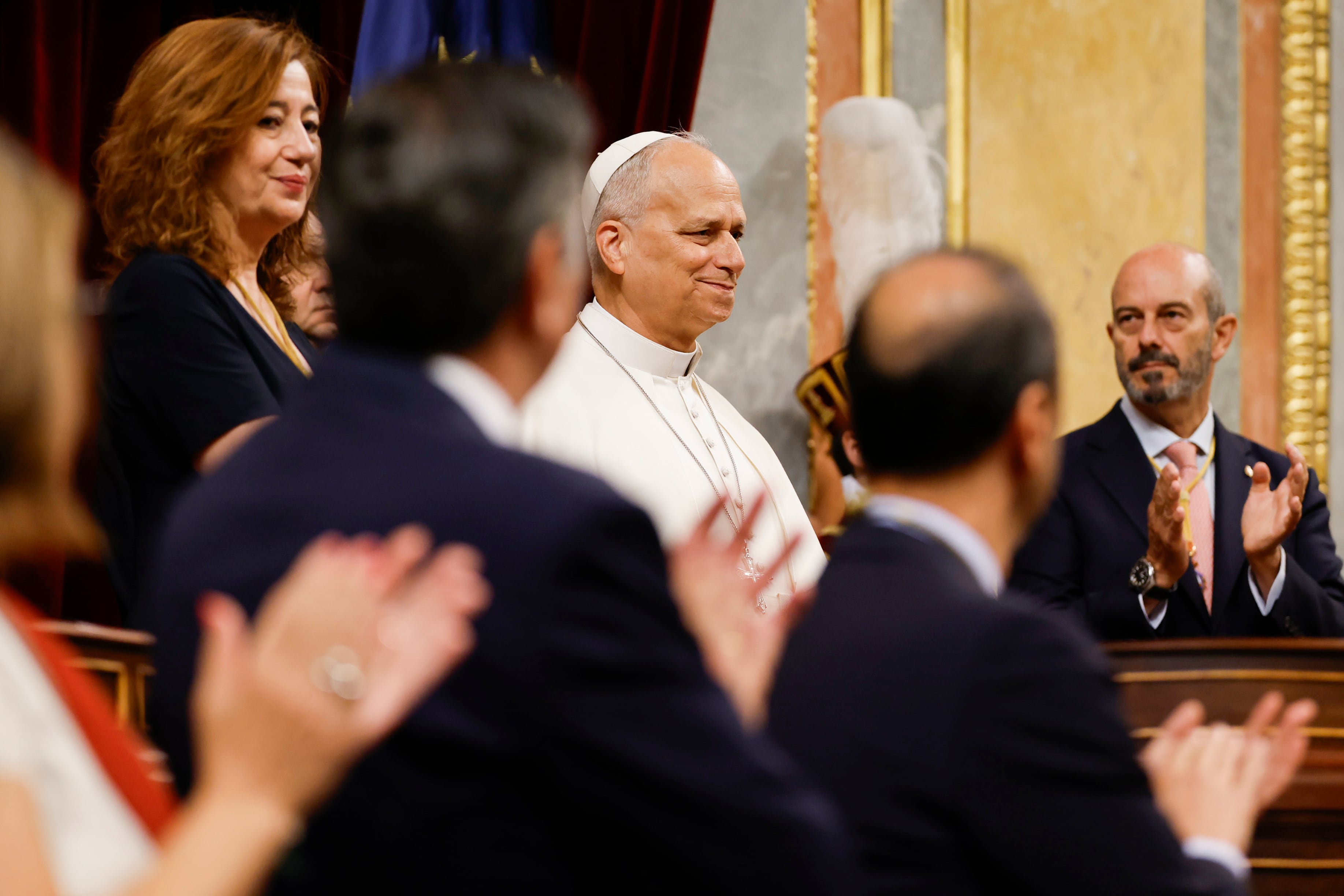
Pope Leo XIV delivered a historic speech on Monday inside Spanish parliament in a joint session of both houses, where he stressed that the moral value of political decisions must prevail “over mutable social consensus” and lamented “the permanent denigration of the adversary.”
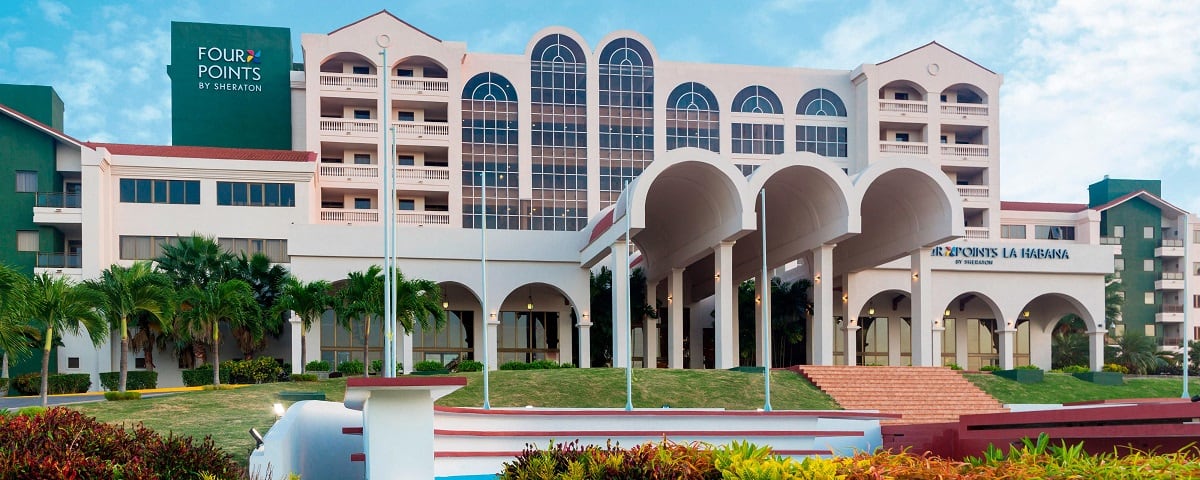
The executive order issued by the White House on May 1 has shaken Cuba’s foundations. The United States decided to tighten the noose around an economy that was already in intensive care even before the new sanctions that took effect on Friday, or the oil blockade implemented earlier this year. Washington’s threat to freeze assets on U.S. territory of any foreign company or individual doing business with the Cuban regime — especially with the vast portfolio of businesses held by Gaesa, the military conglomerate that controls half of Cuba’s GDP — has produced its first effects. And once foreign companies withdraw, their replacement by U.S. firms appears to be the next step.
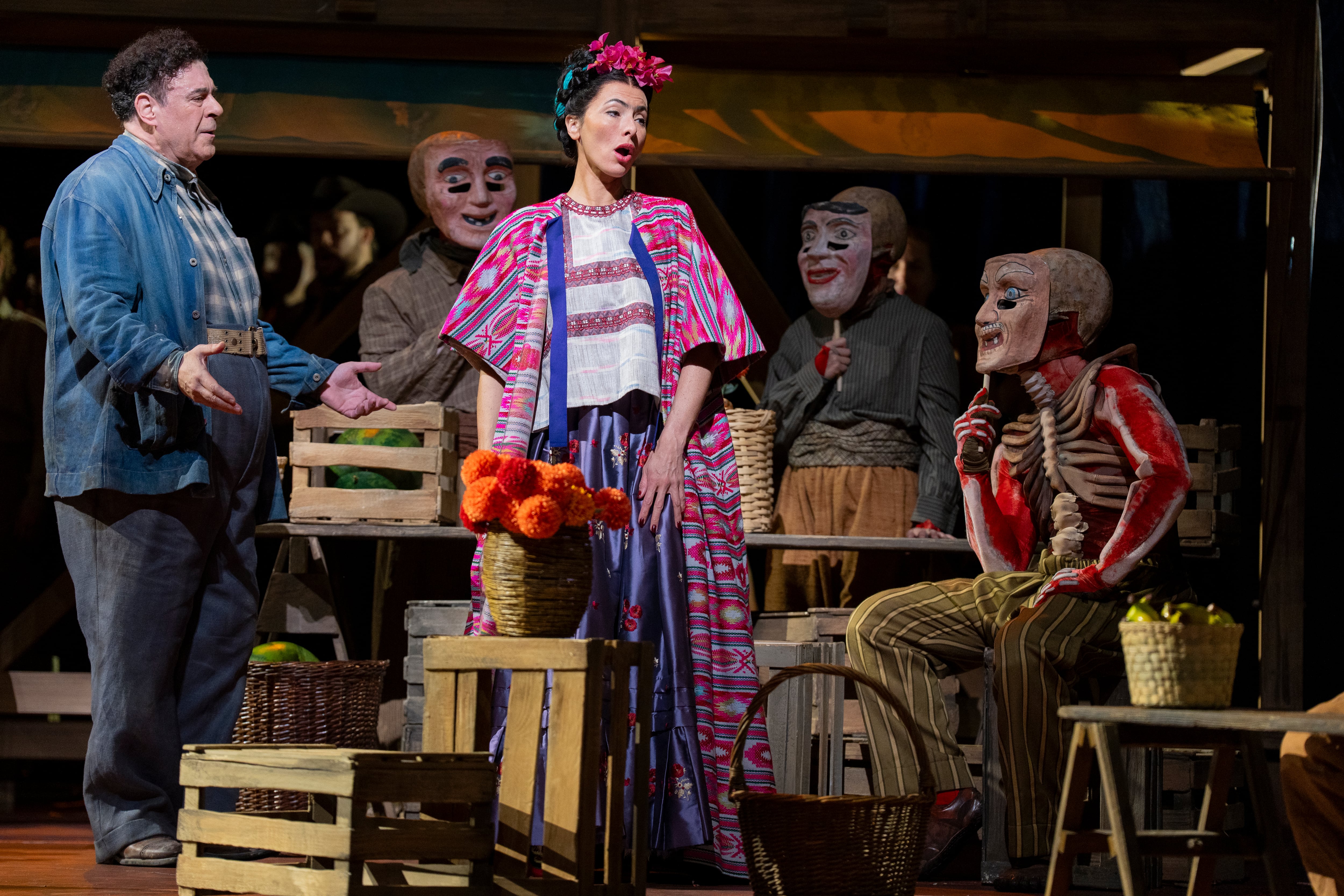
On stage, the performers are playing Frida Kahlo and Diego Rivera. He is about to die. She has returned to the world of the living, but only briefly, to be reunited with her beloved/loathed husband. “Life is brief, but the light will remain,” sings the chorus surrounding them, framed by a luminous staging and the baton of music director Yannick Nézet-Séguin. The music has not even finished when a near-capacity Lincoln Center erupts in applause, with ecstatic shouts of “viva,” in Spanish.

 Login
Login