Normal view

Come Russia e Iran stanno riposizionando la geografia commerciale nel Mar Caspio

By: A A
12 June 2026 at 09:32

Il Mar Caspio non rappresenta più una rotta secondaria: sta diventando uno dei pilastri silenziosi della risposta eurasiatica all’egemonia statunitense.

Segue nostro Telegram.

Ri-orientamento strategico

Per anni la pressione militare contro l’Iran è stata concepita soprattutto da sud. Le basi statunitensi circondano il Golfo Persico, mentre Israele opera attività di intelligence dall’Azerbaigian e da altre aree vicine. La superiorità navale americana ha trasformato da tempo gli stretti attorno all’Iran in uno strumento di pressione strategica consolidato, capace di influenzare non soltanto i flussi commerciali ma anche la percezione di vulnerabilità dell’apparato difensivo iraniano.

Più l’asse USA-Israele concentra la propria attenzione sul Golfo, più la profondità strategica iraniana si sposta verso nord, oltre il Mar Caspio, uno spazio chiuso che le potenze occidentali non possono controllare facilmente. Questa dinamica non è casuale: riflette una deliberata scelta di diversificazione geopolitica operata da Teheran nel corso dell’ultimo decennio, accelerata dall’intensificarsi delle sanzioni e delle pressioni militari.

Il Caspio assume oggi un’importanza decisiva perché offre a Iran e Russia ciò di cui entrambe hanno urgente bisogno: una via diretta e politicamente sicura, al di fuori dei corridoi terrestri soggetti all’influenza occidentale. Le rotte terrestri attraversano paesi vicini a Washington oppure riluttanti a sfidare le sanzioni secondarie americane. Il Caspio, invece, collega direttamente Mosca e Teheran senza intermediari, garantendo a entrambe le capitali una linea di comunicazione strategica difficile da intercettare o da neutralizzare senza ricorrere a un’escalation militare di vasta portata.

Anche se le navi potrebbero essere colpite da droni o missili, farlo richiederebbe operazioni molto più profonde nel territorio iraniano e comporterebbe il rischio di uno scontro diretto con la Russia. Nel breve periodo, il Caspio garantisce quindi all’Iran una linea di approvvigionamento relativamente sicura. Nel lungo termine, potrebbe rafforzare ulteriormente l’integrazione tra i due paesi e trasformarsi in una rotta fondamentale verso l’Asia occidentale, l’India e altri mercati internazionali attualmente fuori dalla portata delle sanzioni statunitensi.

Stabilire se il Caspio sia un mare o un lago non è una semplice questione terminologica. Se considerato un mare, rientrerebbe nella Convenzione ONU sul diritto del mare (UNCLOS), che assegna a ogni stato 12 miglia nautiche di acque territoriali lasciando il resto alla libera navigazione internazionale. Se invece fosse classificato come lago, i confini dovrebbero essere concordati direttamente tra gli stati rivieraschi, senza alcun coinvolgimento di terze parti. Questa distinzione ha implicazioni profonde tanto sul piano commerciale quanto su quello militare.

Fino al 1991, sulle coste del Caspio si affacciavano solo Iran e Unione Sovietica. Il Trattato russo-persiano del 1921 vietava ad altri paesi di navigarvi. Con il crollo dell’URSS, si aggiunsero Azerbaigian, Kazakistan e Turkmenistan, che contestarono quell’accordo chiedendo nuove trattative ispirate ai principi dell’UNCLOS. Le ex repubbliche sovietiche, Russia inclusa, volevano trattare il Caspio come un mare. L’Iran, invece, preferiva considerarlo un lago, poiché la sua costa relativamente corta gli avrebbe garantito una quota territoriale minore. Inoltre, l’applicazione dell’UNCLOS avrebbe potuto consentire l’ingresso di flotte straniere vicino alle acque iraniane, una prospettiva particolarmente sensibile viste le strette relazioni tra Azerbaigian e Israele.

L’assenza di un accordo mantenne per anni ambiguo lo status legale del Caspio, ostacolando progetti strategici di integrazione regionale, come il gasdotto Trans-Caspico tra Turkmenistan e Azerbaigian. La svolta arrivò nel 2018, quando i cinque stati rivieraschi firmarono la Convenzione sullo status giuridico del Mar Caspio: il bacino venne definito come una categoria unica, né mare né lago. L’accordo attribuì a ciascun paese 15 miglia nautiche di acque territoriali più ulteriori 10 miglia dedicate alla pesca, con le aree restanti da condividere tra gli stati firmatari. Diversamente dall’UNCLOS, il trattato vietò la presenza di forze militari di paesi esterni, consentendo a Teheran di raggiungere l’obiettivo ritenuto prioritario: impedire l’ingresso di marine straniere nel bacino.

Il valore geoeconomico che non si può scartare

Prima dell’inizio della SMO nel febbraio 2022, i rapporti commerciali tra Mosca e Teheran, pur significativi sul piano politico, erano strutturalmente limitati da una serie di vincoli comuni: entrambi i paesi erano esposti a regimi sanzionatori occidentali, ma la Russia manteneva ancora una serie di canali con i mercati europei che la rendevano cauta nei confronti di un’eccessiva vicinanza all’Iran. Il volume degli scambi bilaterali si attestava attorno ai 4 miliardi di dollari annui, un dato modesto rispetto al potenziale delle due economie.

Nel 2013 Mosca aveva promosso il Corridoio Internazionale Nord-Sud (INSTC), una rete di ferrovie, strade e infrastrutture energetiche destinata a collegare la Russia all’Iran attraverso l’Azerbaigian, per poi proseguire verso India e Asia. Tuttavia, fino al 2022, il corridoio restò in larga misura un progetto sulla carta: le rotte terrestri erano ancora percorribili, gli incentivi economici per svilupparlo non erano abbastanza urgenti, e l’Azerbaigian — stato cardine per i transiti terrestri — manteneva equilibri delicati tra Mosca e Occidente.

Il 24 febbraio 2022 segnò una rottura strutturale in questo quadro. Le sanzioni occidentali contro la Russia — le più severe mai adottate contro un’economia di grandi dimensioni — resero urgente per Mosca la ricerca di mercati e partner alternativi. L’Iran, già aduso a operare in un contesto di isolamento internazionale, divenne il partner naturale. Dal canto suo, Teheran comprese che la convergenza con Mosca non era più soltanto una scelta politica ma una necessità economica: la Russia offriva tecnologia, cereali, materie prime industriali e, soprattutto, un mercato alternativo per l’export energetico iraniano.

Il 2022 sancisce pertanto la nascita di una partnership geoeconomica strutturata, con il Caspio come suo asse portante, il porto iraniano di Noshahr accolse la prima nave cargo russa dopo oltre vent’anni e, nello stesso periodo, compagnie marittime russe e iraniane crearono una nuova società congiunta per sviluppare l’INSTC. Nel 2025, il traffico commerciale nel porto di Anzali, principale hub sul Caspio, aumentò del 56% rispetto all’anno precedente: un incremento che non ha precedenti nella storia recente dei due paesi e che testimonia la velocità con cui si sta consolidando questa nuova geografia degli scambi.

Hormuz e la nuova linea rossa

La chiusura dello Stretto di Hormuz — o anche soltanto la sua credibile minaccia — rappresenta uno degli scenari più temuti anche dall’asse Russia-Iran.

Con l’escalation militare tra Stati Uniti, Israele e Iran e il successivo blocco imposto da Washington nel Golfo Persico, Teheran si è trovata a dover riorientare rapidamente e in misura massiccia i propri flussi commerciali e di approvvigionamento. Le vie terrestri attraverso Azerbaigian, Pakistan e Turchia sono diventate più rischiose, non solo per ragioni logistiche, ma per le crescenti pressioni politiche esercitate dagli Stati Uniti su questi governi affinché non facilitassero scambi con Teheran in violazione delle sanzioni secondarie. Il Caspio è emerso come unica alternativa concretamente percorribile.

Dal punto di vista geoeconomico, la chiusura di Hormuz ha determinato una serie di effetti strutturali che si estendono ben oltre il perimetro del conflitto immediato. In primo luogo, ha costretto l’Iran a monetizzare la propria posizione geografica settentrionale, valorizzando porti come Anzali, Noshahr e Amirabad come snodi alternativi per l’import-export. In secondo luogo, ha reso la Russia il principale fornitore di beni essenziali per il mercato iraniano: secondo alcune stime, le esportazioni russe verso l’Iran nel settore alimentare sono raddoppiate nel solo primo semestre del 2025, con particolare riguardo ai cereali e ai prodotti derivati, settore in cui Mosca detiene una posizione dominante sui mercati mondiali.

In terzo luogo, la chiusura di Hormuz ha ridefinito il valore strategico del corridoio INSTC. Ciò che fino al 2021 era un progetto di integrazione regionale dal valore prevalentemente simbolico si è trasformato in un’infrastruttura di rilevanza critica, capace di determinare l’esito della tenuta economica iraniana sotto embargo. Mosca ha dunque acquisito una leva di influenza senza precedenti su Teheran: non soltanto come fornitore militare, ma come garante dell’approvvigionamento civile e come partner commerciale di ultima istanza. Questa asimmetria nella dipendenza reciproca costituisce uno degli elementi più significativi della nuova architettura geoeconomica del Caspio.

Con l’escalation militare e la chiusura del Golfo, anche le rotte settentrionali sono diventate oggetto di attenzione militare. Secondo il New York Times, Mosca avrebbe trasferito componenti per droni attraverso il Caspio, rifornendo l’arsenale iraniano in un momento di estrema pressione. Questi droni si sono dimostrati fondamentali sia nel conflitto ucraino sia nelle operazioni iraniane contro basi militari americane in Asia occidentale. Navi russe avrebbero inoltre trasportato beni essenziali, inclusi prodotti alimentari, per attenuare gli effetti del blocco economico sull’Iran.

L’attacco israeliano contro Bandar Anzali nel marzo 2026 ha rappresentato un salto qualitativo nel conflitto. Il porto è il principale hub commerciale e logistico iraniano sul Caspio, strettamente collegato alle rotte russe e alle infrastrutture dell’INSTC. Colpirlo significava non soltanto degradare le capacità operative di Teheran ma anche inviare un segnale diretto a Mosca: la guerra non si sarebbe più fermata alle acque del Golfo. Il messaggio era ricevuto da entrambe le sponde del Caspio.

La portavoce del ministero degli Esteri russo, Maria Zakharova, dichiarò che l’attacco aveva colpito “gli interessi economici della Russia e di altri paesi regionali”, avvertendo che tali azioni rischiavano di trascinare gli stati del Caspio nel conflitto. Il Cremlino espresse forte preoccupazione, mentre Teheran cercò di trasformare l’episodio in una questione di sicurezza regionale, invitando tutti i paesi rivieraschi ad assumere una posizione comune contro la destabilizzazione del bacino. Il messaggio era evidente: una volta raggiunta la costa settentrionale iraniana, la guerra toccava direttamente gli interessi di tutti gli stati che dipendono dalla stabilità del Caspio.

Questo sviluppo ha introdotto de facto una nuova linea rossa nel conflitto: il Caspio non può più essere trattato come spazio neutro o di retrovia. La sua militarizzazione di fatto, ancorché ancora incompiuta, ha trasformato la geopolitica regionale. Kazakistan e Turkmenistan, che condividono il bacino con Russia e Iran, si trovano ora in una posizione di crescente disagio: dipendono dalle infrastrutture commerciali del Caspio e non possono permettersi di essere trascinati in un confronto diretto con le potenze occidentali, ma allo stesso tempo non possono ignorare le pressioni di Mosca e Teheran a solidarizzare con la causa della sicurezza regionale.

Prospettive di lungo termine

Anche dopo la fine del conflitto armato, il Caspio continuerà a essere strategico sia per l’Iran sia per la Russia. Già da anni Mosca vedeva nell’INSTC un modo per raggiungere l’Oceano Indiano aggirando l’Europa. Oggi, tra sanzioni occidentali e crescente competizione geopolitica, quel progetto ha assunto un peso ben superiore alle aspettative iniziali. Se in futuro le sanzioni dovessero diminuire e l’India ridurre la propria dipendenza dall’Occidente, questo corridoio potrebbe diventare una delle infrastrutture portanti di un ordine commerciale multipolare.

Sul piano energetico, il Caspio offre ulteriori opportunità. Il bacino stesso è ricco di idrocarburi: le riserve offshore del Kazakistan e dell’Azerbaigian hanno già attirato investimenti internazionali significativi. Un sistema integrato di infrastrutture energetiche che connettesse le risorse del Caspio con il mercato indiano, passando per l’Iran, trasformerebbe la regione in un polo energetico di prima grandezza. Mosca potrebbe fungere da garante politico e finanziario di tale sistema, consolidando la propria influenza in un’area in cui la presenza occidentale è strutturalmente limitata dalla Convenzione del 2018.

La Russia otterrebbe un accesso più diretto all’Oceano Indiano, mentre l’Iran assumerebbe un ruolo centrale nei commerci eurasiatici, riducendo la capacità degli Stati Uniti di isolare economicamente entrambi i paesi attraverso il controllo marittimo e finanziario. Questa visione non è meramente speculativa: le infrastrutture già realizzate o in via di completamento lungo l’INSTC — tra cui la ferrovia Iran-Russia che utilizza il traghetto ferroviario sul Caspio tra i porti di Astrakhan e Anzali — mostrano che esiste una concreta volontà politica e capacità operativa di trasformare questa visione in realtà.

Per anni il Caspio è rimasto sottovalutato, soprattutto finché le rotte terrestri sembravano sufficienti e il suo status legale restava indefinito, ma con il progressivo avvicinamento tra Mosca e Teheran in un contesto internazionale sempre più ostile, il Caspio non rappresenta più una via secondaria: sta diventando uno dei pilastri silenziosi della risposta eurasiatica all’egemonia statunitense. La sua rilevanza geoeconomica, amplificata dalla chiusura di Hormuz e dalla cristallizzazione di nuove linee rosse militari, potrebbe ridefinire in modo permanente le mappe del commercio internazionale e della proiezione di potenza nel XXI secolo molto più di quanto ci immaginiamo.
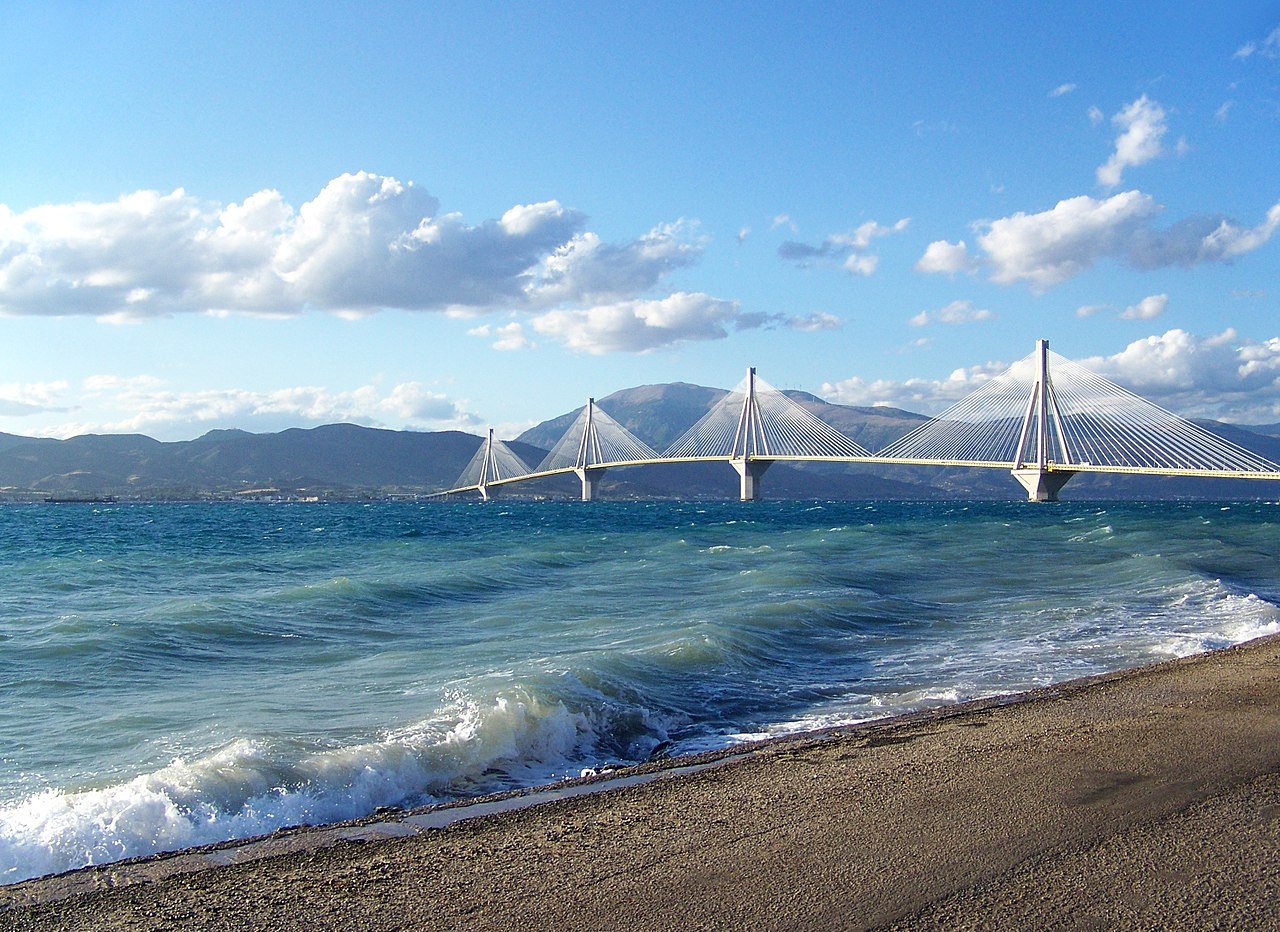

The Rio-Antirrio Bridge: An Engineering Marvel That Changed Greece

11 June 2026 at 21:46
Rio-Antirrio Bridge
The Rio-Antirrio Bridge in Western Greece is one of the world’s longest multi-span, cable-stayed bridges. Credit: Eusebius, Eusebius CC BY-SA 3.0/ Wikipedia

The Rio-Antirrio Bridge was inaugurated on August 7, 2004, one week before the opening of the 2004 Summer Olympics in Athens.

Within two decades, it changed the economic landscape in Greece. The Rio-Antirrio Bridge, which connects the Peloponnese with Central Greece, had the aim of making the transport of passengers and cargo much easier. That has certainly been achieved.

The opening of the bridge was a celebration, with the first people to officially cross it being none other than the Olympic torchbearers of the 2004 Olympics. One member of that group was Otto Rehhagel, the German football coach who had led the Greek national team to their triumph in the Euro 2004 Cup just a month earlier.

The official name of the bridge is the Charilaos Trikoupis Bridge, named after the nineteenth-century prime minister of Greece, who was the first man to envision such a span connecting the Peloponnese with Central Greece. Unfortunately, state finances at the time did not allow for such a large-scale project.

The 2,380-meter (approximately 1.8-mile) long bridge is one of the longest cable-stay bridges in the entire world. It improves access to and from the Peloponnese, which could previously only be reached by ferry or via the Isthmus of Corinth.

Rio-Antirrio Bridge
The bridge connects Peloponnese with western Greece. Public Domain

According to a recent study by the Observatory of Road Networks in Western Greece and the Peloponnese, the construction of the graceful white cable-stay bridge has already resulted in enormous financial benefits. To date, this amount is estimated to be over 400 million euros.

The experts believe that the total amount of funds the bridge’s construction will bring to the area will be more than one billion euros during the period of 2017 to 2032.

Tourist flows have also improved, which is especially noted with arrivals coming into the area from the north from the port of Patras. Travelers heading for the Ionian Sea islands and areas in Central Greece can now easily and swiftly cross through the central area of the country and back again.

The study also noted that the bridge has already had a positive effect on property values in the northern region, which has led to a significant rise in land prices. This has given added value to an area that had been largely underdeveloped, attracting investment.

Traffic flows have also benefited immensely from the creation of the Charilaos Trikoupis Bridge. It not only connects two major motorways, the Ionian Odos and Olympia Odos, but transport connections between Epirus and Aitoloakarnania have been greatly improved, as well.

Before the construction of the new span, Aitoloakarnania had basically been almost completely cut off from the rest of the country.

Rio-Antirrio Bridge considered an engineering masterpiece

The construction of the imposing cable-stay bridge is widely considered to be an engineering masterpiece, owing to several solutions applied to overcome difficulties caused by its location and the geology of the region.

These difficulties included the especially deep waters of the river, the once-unstable underlying ground under the bases of the bridge, seismic activity, the probability of tsunamis, and the expansion of the Gulf of Corinth due to plate tectonics.

The seabed was first reinforced and stabilized by driving two hundred hollow steel pipes into the ground beneath each pier. The pier footings themselves were not driven into the seabed; they rest on a bed of gravel meticulously leveled to an even surface (a difficult endeavor at this depth).

During an earthquake, the piers are able to move laterally along the sea floor, with the gravel bed absorbing the energy. The bridge decking is also connected to the pylons using special jacks and dampers designed to absorb any movement.

View the fascinating video below to see all the special features of this unique and beautiful cable-stay bridge, which has already contributed immensely to the economy of the country.

Sole survivor of Air India crash demands ‘honesty and answers’ one year on

11 June 2026 at 00:01

Vishwash Kumar Ramesh was the only passenger to survive the incident in June 2025, which killed 260 people

The only survivor of the Air India plane crash that killed 260 people in June 2025 has called for “honesty, transparency and answers” a year on from the disaster, and spoken about his “significant psychological scars” and financial hardship.

Vishwash Kumar Ramesh, a British national, has previously described his fate as a “miracle” after being the only person to survive the incident, in which a Boeing 787 Dreamliner struck a medical college shortly after taking off from Ahmedabad airport.

Continue reading...

© Photograph: Jacob King/PA

© Photograph: Jacob King/PA

© Photograph: Jacob King/PA

Former Air Canada pilot charged after allegedly flying without proper license for 16 years

Geoffrey Wall is alleged to have flown over 900 flights domestically and internationally between 2009 and 2025

A former Air Canada pilot has been charged after flying for years without a proper license, Canadian police have said.

Geoffrey Wall, of Barrie, Ontario, is alleged to have operated as an airline captain between 2009 and 2025 without a license to fly large commercial passenger planes, according to Peel regional police.

Continue reading...

© Photograph: Kevin Carter/Getty Images

© Photograph: Kevin Carter/Getty Images

© Photograph: Kevin Carter/Getty Images

KLM apologises after Paralympian denied onboard wheelchair on 11-hour flight

9 June 2026 at 09:45

Athlete Hannah Babalola says she was told to use the toilet without an aisle chair or leave Cape Town to Amsterdam flight

The Dutch airline KLM has offered “sincere apologies” to a Paralympic athlete who was denied access to an onboard wheelchair during a long-haul flight so she could go to the toilet.

The cabin crew on the flight later called the police after the request from Hannah Babalola, 37, who is paraplegic and competes in track events, for the wheelchair, known as an aisle chair as it is narrow enough to be used inside a plane. They first handed her a written notice, headed: “Unacceptable conduct and final warning on behalf of the captain of this plane.”

Continue reading...

© Photograph: Toussaint Kluiters/AFP/GETTYIMAGES

© Photograph: Toussaint Kluiters/AFP/GETTYIMAGES

© Photograph: Toussaint Kluiters/AFP/GETTYIMAGES

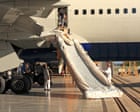
Air passengers ‘risking lives by grabbing bags and filming in emergencies’

Fines may be needed to deter travellers from retrieving hand luggage, says official from airlines body Iata

Air passengers are increasingly putting lives at risk by filming emergencies and retrieving bags instead of evacuating planes, industry experts have said, with some suggesting fines could be needed.

Passenger aircraft are designed to be fully evacuated in 90 seconds in an emergency – but people reaching for hand luggage can significantly increase that time, blocking exits and aisles as well as damaging slides or causing injury.

Continue reading...

© Photograph: The Photolibrary Wales/Alamy

© Photograph: The Photolibrary Wales/Alamy

© Photograph: The Photolibrary Wales/Alamy

Two US pilots killed after plane bound to pick up former MLB star crashes

Plane on way to pick up Yadier Molina and his family crashed in Dominican Republic, killing pilot and co-pilot

A pilot and co-pilot from the United States have died in a fiery plane crash as they attempted an emergency landing in the Dominican Republic, authorities said.

Former major league baseball all-star catcher Yadier Molina said on social media that the plane was bound for Texas to pick him up, along with family and friends.

Continue reading...

© Photograph: Houston Astros/Getty Images

© Photograph: Houston Astros/Getty Images

© Photograph: Houston Astros/Getty Images

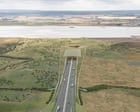
Extra £174m earmarked for ‘spiralling’ bill for Lower Thames Crossing

8 June 2026 at 06:00

More than £3bn is due to be spent on the proposed road tunnel between Kent and Essex, which is estimated to have higher costs per mile than HS2

Ministers have earmarked more than £170m extra to help build the Lower Thames Crossing road tunnel, fuelling concerns over the “spiralling” costs of one of the UK’s largest planned infrastructure projects.

The proposed £11bn route under the Thames between Kent and Essex is already estimated to cost more each mile than the HS2 high-speed rail link from London to Birmingham. It was given the funding boost as part of a plan to spend £3.1bn of public money on the project, before a hoped-for injection of £7.5bn by a private sector firm.

Continue reading...

© Photograph: Joas Souza Photographer/Joas Souza/National Highways

© Photograph: Joas Souza Photographer/Joas Souza/National Highways

© Photograph: Joas Souza Photographer/Joas Souza/National Highways

Lisbon Metro expansion: completion date slips back even further

5 June 2026 at 12:17

Originally presented as being ready by the end of 2023, Lisbon’s long-awaited expansion of the underground (Metro) network, should now be coming on track during the first quarter of 2027.

The post Lisbon Metro expansion: completion date slips back even further appeared first on Portugal Resident.

‘Car dependency’ undermines good environmental performance

5 June 2026 at 11:13
Portuguese car dealers accuse European study of ‘demonising new diesel vehicles’

Portugal has one of the lowest per capita greenhouse gas (GHG) emissions in Europe and generates a ‘high amount’ of renewable energy – but this performance is undermined by its

The post ‘Car dependency’ undermines good environmental performance appeared first on Portugal Resident.

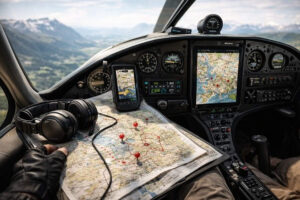
Chambley : an ultralight air rally sets out to conquer Europe

1 June 2026 at 08:24
A microlight flight across Europe (UAC photo)

A microlight flight across Europe (UAC photo)

From July 25 to 31, 2026, the Chambley-Bussières Air Base in northeastern France will host the official qualifying week for the Ultimate Air Challenge (UAC), a one-of-a-kind European ultralight aircraft competition.

Held as part of “Chambley Air Passion – The Sky Celebration,” the event will place France’s Grand Est region at the heart of a major continental aviation gathering. Georges Humeau, president of the Chambley ultralight flying club, and Vincent Pouilleux, owner of the well-known restaurant La Carlingue à Mémé, are the driving forces behind the project.

The official start of the European race will take place in Chambley on August 1, 2026, with crews expected to return by August 8, bringing to a close nearly two weeks of aviation activities in the region.

A european showcase

Pilots from several European countries will converge on Chambley to validate their performance during the qualifying phase. The results will determine the official starting order for the race and provide a strategically important and highly competitive stage of the event.

Throughout the week, spectators will be able to watch aircraft departures and arrivals, attend pilot briefings, follow the evolving rankings, meet competitors, and enjoy a variety of activities and entertainment on the airfield.

Highlighting the regional aviation industry

chambley-logo
chambley-logo

Chambley Air Passion will open its hangars and facilities to the public, showcasing flying clubs, aviation professionals, schools, industrial partners, and training organizations.

The event aims to highlight the region’s aviation expertise, attract families and aviation enthusiasts, generate local economic benefits, and establish Chambley as a major aviation hub in eastern France.

A seven-day journey across twenty countries

The Ultimate Air Challenge presents a deceptively simple yet formidable challenge: take off from Chambley, fly over as many designated checkpoints across Europe as possible, and return to the starting point within seven days.

Between August 1 and August 7, 2026, participants will be free to chart their own routes through countries including Germany, Spain, Greece, Norway, the United Kingdom, and Finland. In total, approximately twenty countries will be accessible, with some competitors potentially accumulating more than fifty flight hours during the event.

Chambley, a cradle of regional aviation

The Ultimate Air Challenge aims to become for ultralight aviation what major ocean races are for sailing: an iconic, widely followed, and highly publicized competition.

By hosting both the qualifying week and the official start of the European race, Chambley is reinforcing its position as the birthplace of a competition designed to leave a lasting mark on the European aviation landscape.

Overview and Rules of the UAC

Georges Humeau: President and Organizer of the UAC

Georges Humeau, Président du club ULM de Chambley (DR)

A co-organizer of Chambley Air Passion alongside Vincent Pouilleux, Georges Humeau, 69, is a lifelong aviation enthusiast with a particular passion for ultralight aircraft.

For the past fifteen years, he has led the Chambley Sport & Leisure Ultralight Club, sharing his enthusiasm with new generations of pilots. He also serves as president of the Chambley-Based Aviation Users Association (AUAB) and of the Ultimate Air Challenge itself.

Previously, Humeau served as vice president of the regional committee of the French Ultralight Federation and secretary of the national federation, which represents approximately 16,000 members. He stepped away from those positions to focus on his region, his airfield, and the ambitious projects he is now developing.

Originally from Issy-les-Moulineaux near Paris, Humeau eventually settled in Metz and joined the Chambley ultralight club.

“I joined when I turned fifty,” he recalls. “I’ve always been involved in nonprofit organizations, and I wanted to contribute my own vision and ideas. I started as the club’s secretary, then became vice president, and finally president in 2014.”

A former Airbus A380 pilot among the students

passeport-jeune-Today, the Chambley Sport & Leisure Ultralight Club has approximately 160 members and owns six aircraft. It also trains around fifty students, some of whom travel from La Rochelle, Saint-Brieuc, Luxembourg, and Paris.

One student is even a former Airbus A380 pilot.

“They appreciate the atmosphere and the energy of the club,” Humeau explains, “but above all, they value our operating model, which relies entirely on volunteers.”

An ultralight pilot license can generally be earned after 25 to 30 hours of flight instruction, at a cost of approximately €93 per flight hour. As with a driver’s license, candidates must pass both a written and a practical examination.

As part of Chambley Air Passion, Humeau will also introduce young people to aviation through a “Youth Passport” program. Participants who demonstrate commitment through regular visits to the club will be rewarded with a complimentary ultralight flight.

Another initiative involves a partnership between the club and Jean XXIII High School in Metz. The school plans to launch a higher-education aviation program next academic year. The bachelor’s degree program, developed by the IPSA School of Advanced Sciences and Engineering in partnership with Jean XXIII, is expected to further strengthen aviation education in the region.

These efforts appear to be paying off: membership has increased steadily by about five percent annually for the past twelve years.

Vincent Pouilleux: “A Popular, Friendly, and Festive Event”

Vincent Pouilleux, owner of La Carlingue restaurant in Mémé (DR)

Vincent Pouilleux, owner of the restaurant La Carlingue à Mémé, is one of the key organizers of Chambley Air Passion, which will run from the morning of July 25 through the evening of August 2, 2026.

“Our goal is to create an event that is popular, friendly, and festive, centered around aviation,” he says. “Every association based at the airfield and affiliated with the AUAB is taking part, along with neighboring municipalities and numerous partners.”

Games, Entertainment, and Activities for All Ages

The festival program includes a wide variety of family-friendly attractions, exhibitors, games, and workshops for children. Visitors can enjoy face-painting stations, jugglers, circus performers, amusement rides, and live entertainment announced throughout the event.

Military units and firefighters will also participate.

The sky itself will be part of the celebration, featuring kites, indoor model-aircraft workshops, miniature hot-air balloons, full-size hot-air balloons, airplanes, gliders, ultralights, paragliders, and skydivers.

Wednesday will be dedicated entirely to children. Hospitalized children and individuals with disabilities will be invited as honored guests.

Throughout the festival, visitors will have opportunities to win flights in hot-air balloons, airplanes, ultralights, gliders, and paragliders.

Music and dance enthusiasts can gather at a traditional open-air dance pavilion set up on the main esplanade.

The cultural side of aviation has not been overlooked. The event will also feature lectures by pilots and aviation experts, book signings by specialized authors, and aviation-themed booksellers.

The final weekend will conclude with what organizers promise will be a major surprise.

More Informations:
AUAB – Tel. +33 6 58 58 77 97

L’article Chambley : an ultralight air rally sets out to conquer Europe est apparu en premier sur FrenchDailyNews.

❌