SpaceX’s historic IPO turned Elon Musk into the world’s first trillionaire. Credit: NORAD and USNORTHCOM Public Affairs / Public Domain
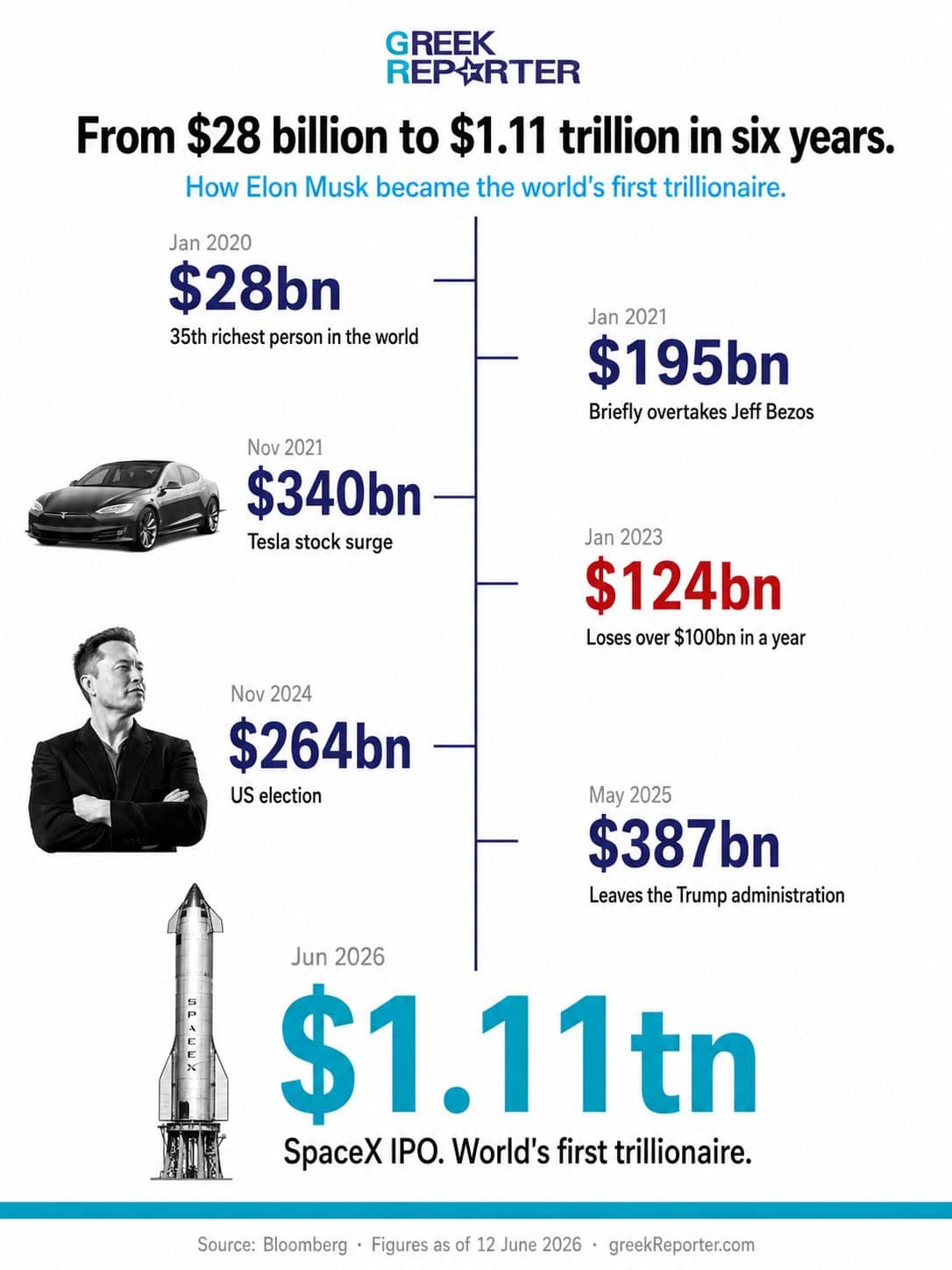
Elon Musk became the world’s first trillionaire on Friday after SpaceX closed the biggest stock market debut in history. Bloomberg put his net worth at $1.11 trillion at the end of trading.
SpaceX began trading on the Nasdaq at $150 per share, above the set offering price of $135. The stock reached $176 before closing at $160, a gain of more than 19%, pushing the company’s valuation to $2.1 trillion.
Executives rang the opening bell as Elton John’s Rocket Man played on the exchange floor. SpaceX President Gwynne Shotwell said that the company has a history of making history and confirmed a Falcon 9 rocket launched from Cape Canaveral Space Force Station that morning with 29 Starlink satellites.
Musk, speaking at headquarters, said that the startup he built in a warehouse is now behind the largest IPO ever and remains committed to making humanity multiplanetary.
SpaceX IPO made Elon Musk the world’s first trillionaire
Musk holds a 42% stake in SpaceX and a 12% stake in Tesla, valued at about $1.5 trillion. SpaceX itself encompasses Starlink, xAI, and social media platform X. Less than 0.1% of his net worth is held in cash, he has said, and several holdings have been pledged as collateral for loans.
Musk journey to world’s first trillionaire. Credit: GR Archive
He also holds stakes in The Boring Company and Neuralink. He is nearly four times wealthier than Google co-founder Larry Page and more than five times richer than Meta’s Mark Zuckerberg.
SpaceX used a fixed price of $135 with no range for investors to consider, closing orders two days before trading. Demand was four times the available supply. The company sought $75 billion but may have attracted up to $250 billion in interest.
Sen. Elizabeth Warren asked the Securities and Exchange Commission to delay the listing over concerns about potentially misleading accounting.
SpaceX burns cash while employees strike it rich
SpaceX reported revenue of $18.7 billion last year against an operating loss of $4.3 billion. For comparison, Meta posted more than $200 billion in revenue with net income above $60 billion. Musk controls about 85% of SpaceX voting shares, a level analysts say adds risk to the stock.
More than 4,400 current and former employees are expected to become millionaires, with about 400 set for $100 million or more each. SpaceX shares are expected to enter index funds faster than most newly public companies, potentially giving retirement savers indirect exposure.
OpenAI and Anthropic have also filed to go public this year at valuations near $1 trillion each. Gabriel Zucman, a French economist who studies extreme wealth, warned that the AI boom is concentrating capital rapidly and said there is a fundamental tension between extreme wealth and a functioning democracy.
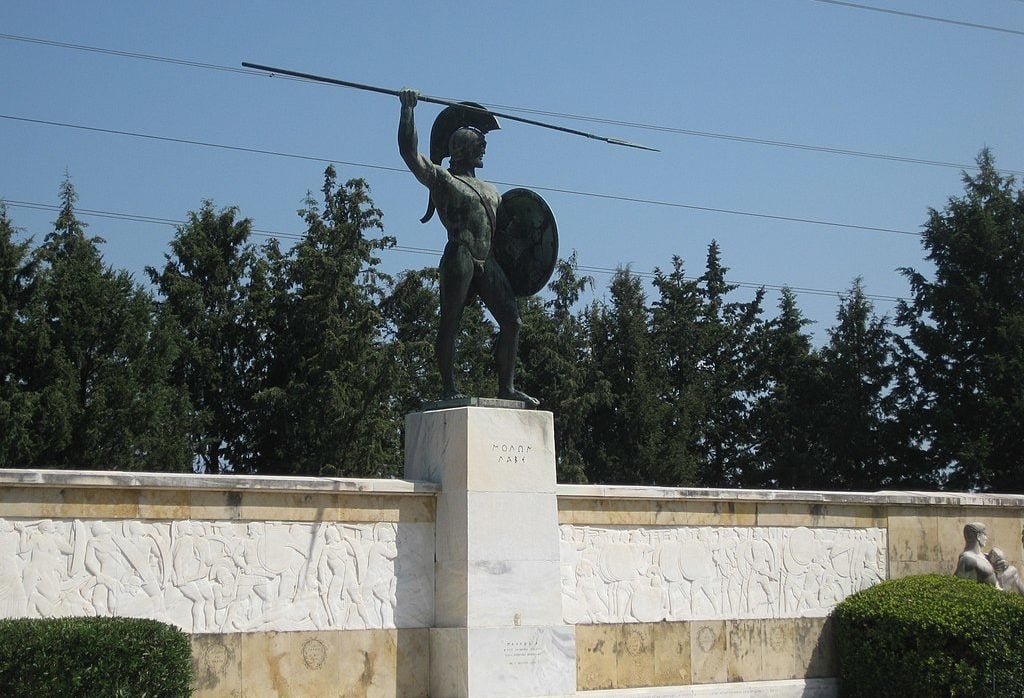
Statue of Leonidas of Sparta, Greece. Credit: Dmpexr/Wikimedia Commons/CC BY-SA 4.0
It was in 480 BC during the second Persian invasion of Greece, when King Leonidas of Sparta ahead of the legendary Battle of Thermopylae responded by the phrase “Molon Lave” (‘Come and Take Them’ in ancient Greek) to Persian King Xerxes’ demand that the Spartan army lay down their weapons and surrender to his army. The outnumbered Greeks were eventually annihilated, though they held Thermopylae for three days and inflicted serious damage to the Persians, while delaying them from reaching Athens.
That’s how the story ended back then. But little did King Leonidas know that over 2,500 years later, his “Molon Lave” phrase (also spelled “Molon Labe” by many) would not only become immortalized through the centuries but moreover, it would thrive as a global marketing tool -linked to the sale of weapons, wine, olive oil, expensive watches and even cigars.
King Leonidas I reigned the ancient city-state of Sparta, a warrior society, from 489 to 480 BC. Subjected to military drills since early manhood, the Spartans had become one of the most feared and formidable military forces in the ancient Greek world, attaining legendary status in their wars against Persia. At the height of Sparta’s power, between the 6th and 4th centuries BC, according to Peter Connolly, a British historian and the scholar of the ancient world, other Greeks commonly accepted that “one Spartan was worth several men of any other state.”
“The appeal of Molon Lave comes from its Spartan origins,” Effie Delimarkos-Fletcher, a Greek-American communications expert and marketing strategist tells Greek Reporter. “Spartans themselves have come to symbolize power, strength, resolve, and defiance, which was catapulted into the mainstream with the debut movie of ‘300.’ As a result, aligning with the phrase “Molon Lave” is a distinct way for a brand to signal strength and prowess in an area worth defending.”
Moreover, there are few other phrases like “Molon Lave,” where two single, short words are able to convey all that, perhaps the most famous military last stand of all time, embodies -defiance, strength and resolve. Spartans were expected to be men of few words, famous for using “laconic phrases,” named after Laconia, the region of Greece, including the city of Sparta, whose ancient inhabitants had a reputation for verbal austerity. A laconic phrase was used for efficiency (as during military training and operations), for emphasis or to deflate a pompous speaker.
The company has applied for and successfully registered the ‘Molon Lave’ brand in Greek, as seen on the handle of the knife. Credit: Panther WholesaleAnother Florida-based company named “Molon Labe” is selling high-quality cigars, spirits and coffee, and as with most other businesses, is also using a Spartan helmet on its logo. Credit: Molon Labe Official Instagram Account
Military, the industry where Molon Lave has the largest appeal as a brand
From tactical patches and other military paraphernalia sold online, to assault rifles sold in stores across the United States, the phrase “Molon Lave” graces thousands of military-related products.
According to Delimarkos-Fletcher, Molon Lave and its English translation “Come and Take Them” has been present in the country’s early DNA as it is said to have been used as far back as the Revolutionary War. Even so, it is better known for its connection to the Texas Revolutionary War, when the phrase was stitched onto a flag that has come to be associated with the defiant spirit of the state. In more recent times, many U.S.-based militia groups and paramilitary organizations have taken the phrase “Molon Lave,” and often the depiction of a Spartan helmet, signaling defiance for gun regulations.
“Because Molon Lave has been adopted by militia-type groups in the United States, securing the Molon Lave trademark is done by companies looking to appeal to that target,” Delimarkos-Fletcher says.
And that’s exactly what at least one US.-based company had done. A short Greek Reporter investigation revealed that, while there are hundreds of knives and weapons with the phrase “Molon Lave” appearing on them in different variations, in 2015 this one company has gone as far as to apply for and successfully register a year later a trademark for the original Molon Lave phrase in Greek (ΜΟΛΩΝ ΛΑΒΕ) for one of its knives selection. The company, advertises the knives on its website by stating “It takes a bold individual to make a statement of defiance like ‘Come and Take Them (Molon Labe),’ we provide the knives that re-enforce the bravado.”
But can a company apply and secure a trademark for the use of a common, ancient phrase like Molon Lave, that seems almost free for anyone to use?
According to Pamela Koslyn, a Los Angeles-based attorney specializing in intellectual property law, U.S. legislation allows a company to successfully apply for a trademark for a brand new phrase, or an “ancient” phrase or an invented word/phrase, with the age and origin of the phrase being irrelevant.
“A trademark isn’t a monopoly on a phrase, it’s a source identifier of some phrase associated with some goods or services. Like knives. Or olive oil. Or wine. These are all actual “live or pending marks of Molon Lave…There’s also a Chinese textile seller called Molon Lave,” Koslyn tells Greek Reporter. “If a user has a registered trademark on a phrase in a particular class, e.g. knives, that means the user own the exclusive right to use their mark in association with their goods or services and can theoretically successfully sue and enjoin any competitor who infringes those rights by using the same or confusingly similar mark for the same or confusingly similar goods or services.”
Still, Koslyn notes, that one in two trademark applications to the United States Patent and Trademark Office (USPTO) fail not only because they’re not viable or available but moreover because of the complexity of the law and the time needed to find out if an application has been approved by USPTO -a process that could take months if not years.
On its website, the restaurant says that it’s “based on the Spartan epic saying Molon Lave, which means ‘Come and Get Them,'” and has a mission “to celebrate and share Greek cuisine and culture.”Credit: Molon Lave Taverna Official Instagram Account
The famous ancient Greek phrase many want to own
But few actually register the phrase in order to enhance their branding or make their products stand out more. Given the enormous competition among companies to win the hearts of consumers, proper branding and marketing could mean the difference between life and death for a company. And given its global fame, that’s exactly what “Molon Lave” does.
Nowhere is this more obvious than in the United States, the beating heart of global consumerism. A family-owned farm winery in Virginia was established in 2009 under the name “Molon Lave.” Aside from informing its customers that it also produces “kokkineli,” a traditional Greek style rose, the winery fully explains on its website the origins of its name, noting that “‘Molon Lave’ is a phrase that has inspired throughout the centuries a sense of dignity and pride, and a unique perception of life.”
Another Florida-based company named “Molon Labe” is selling high-quality cigars, spirits and coffee, as with most other businesses, also using a Spartan helmet on its logo. Moreover, the cigars are wrapped in paper bearing the phrase in Greek. The company on its website gives no explanation as to why it chose the specific name.
A consumer browsing the handmade watches of the UK-based company. Credit: Greek Reporter
Greek Reporter’s investigation also found a watch company with the name “Molon Labe” based in the UK, selling handmade, military watches inspired by the phrase, with some having a price tag of over $1,500. There’s also a global security company named “Molon Lave,” an information technology service activity company in the UK and a gym in Cyprus, featuring on its premises the bust of a muscular Spartan soldier alongside the “Molon Lave” phrase, which is showcased in ancient Greek type. The list goes on.
With a fortitude reminiscent of the very people it once represented, the phrase “Molon Lave” survived to this day as one of the few expressions that so efficiently evoke an immediate connection not only to power but also to Greece.
It is no wonder the phrase has also been adopted as the name of a “small, Greek authentic restaurant” in Ontario, Canada, which on its website says that it’s “based on the Spartan epic saying Molon Lave, which means ‘Come and Get Them,'” and has a mission “to celebrate and share Greek cuisine and culture.”
At the same time, a thriving Greek olive oil brand named “Molon Lave” based in Sparta, the place where King Leonidas and his Spartan warriors once lived, is probably one of the more successful examples using the phrase as a marketing tool.
Delimarkos-Fletcher says many using the phrase may not even know its true origins so it is refreshing to see Greek-related businesses reclaiming Molon Lave as they “seek to evoke a connection to the best known story of Greek strength and prowess.”
“Other brands are just using ‘Molon Lave’ as shorthand for having something powerful enough that others want for their own,” Delimarkos-Fletcher tells Greek Reporter.
The winery explains on its website the origins of its name, noting that “‘Molon Lave’ is a phrase that has inspired throughout the centuries a sense of dignity and pride, and a unique perception of life.”Credit: Molon Lave Vineyards Official Instagram Account
Tata had been releasing wastewater into a rainwater harvesting pond within the premises, which eventually overflowed and polluted groundwater in the surrounding agricultural land
The ruling holds that a company that designs, trains, operates, and manages an AI system must assume legal liability for any damages caused by the responses it generates.
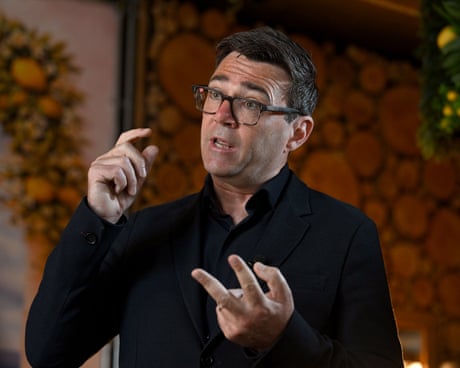
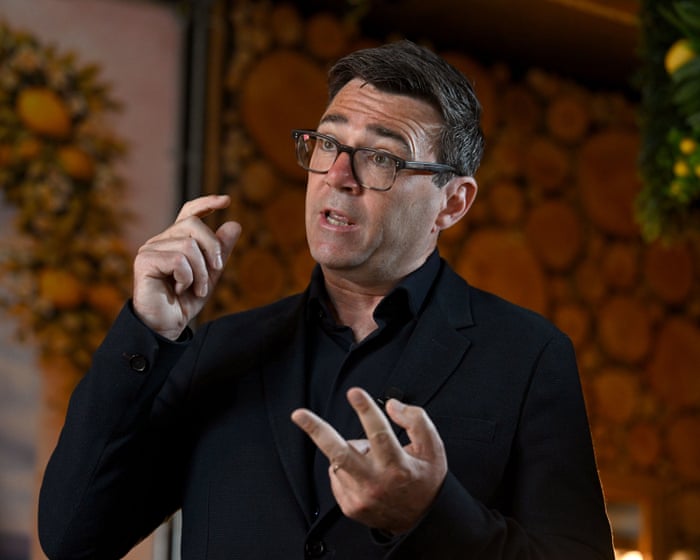
Exclusive: Greater Manchester mayor ‘serious’ about taking over ‘essentials of life’ if he becomes PM, a move critics say could cost taxpayer billions
A decade-long project to bring water and energy into public control will lie at the heart of Andy Burnham’s agenda should he become prime minister, according to sources close to the Greater Manchester mayor.
Several close allies of Burnham have said he wants to take over broad swathes of UK utilities in an effort to improve performance and potentially reduce bills for consumers.
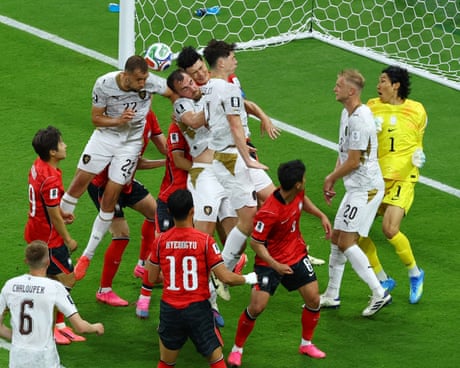
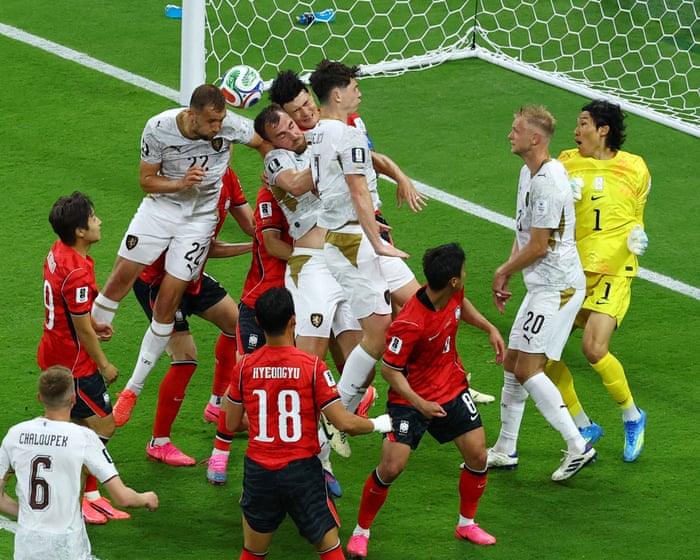
Change in viewing habits offered by match times at 2026 tournament could mean using cheaper off-peak power
Watching late-night or early hours football could provide UK households with a practical opportunity to cut their energy bills, as even just doing the washing when cheaper electricity rates apply can net a decent saving.
At a time when energy costs are back at worrying highs, research by E.ON Next shows the potential to save money on a time-of-use tariff – in this case, its Next Smart Saver deal, which has three rates: peak, off-peak and super off-peak.
Other western acts have attempted to crack country’s music scene since singer’s breakout success in 2018
One week after announcing she was “cancer free”, the British pop star Jessie J did what any recovering patient would do and travelled thousands of miles around the world to perform for an audience of more than a billion people.
On 29 May, the singer-songwriter, whose real name is Jessica Cornish, belted out a stage-rattling rendition of Frank Sinatra’s My Way on the stage of Singer, a hugely popular Chinese singing competition similar to The Voice. She also performed her new song, California, briefly adapting the lyrics to change California to Changsha, the Chinese city where Singer is hosted.
A group of state attorneys general, led by California, have also been probing the transaction, which would combine two of the five largest Hollywood studios.
The U.K. announced on June 12 that it will fully phase in its ban on diesel and jet fuel produced from Russian crude oil by Jan. 1, 2027, as part of broader efforts to cut off revenue streams funding Moscow's war against Ukraine.
Deal still under UK scrutiny with new investigation, and could face lawsuit from state attorneys general
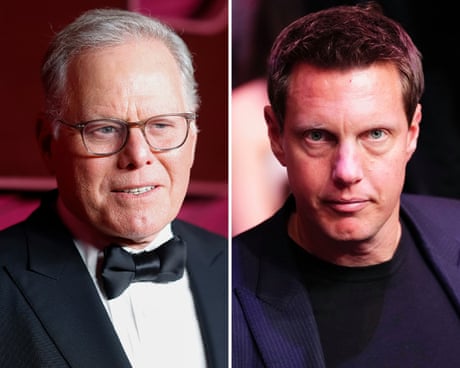
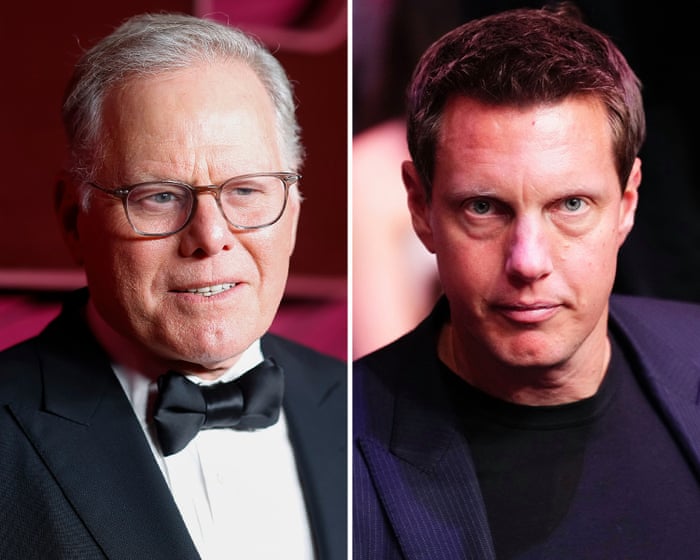
Donald Trump’s Department of Justice has decided to approve the $111bn merger of Paramount Skydance, controlled by the Ellison family, and Warner Bros Discovery, the parent company of networks like CNN and HBO.
The deal was approved by the justice department’s anti-trust division after months of review, and despite the concerns of many people in the entertainment and media industries who believe it will hurt competition by reducing the number of film studios and – most likely – merging two news networks, Paramount’s CBS News and CNN.
The International Monetary Fund (IMF) and Ukraine have reached a staff-level agreement on the first review of Kyiv's four-year Extended Fund Facility (EFF) program, potentially unlocking approximately $690 million in additional funding, the IMF announced on June 12.
After four years of zero diplomacy, multiple rounds of economic sanctions aimed at crushing the Russian state, and hundreds of billions of euros fueling a futile war in Ukraine against Russia, European capitals are lately abuzz with calls for opening peace negotiations with Moscow.
No doubt part of the shifting policy is due to the economic mess that Europe has created for itself by cutting off energy trade with Russia. Escalating energy costs are destroying European industries and imposing crippling financial hardship on millions of its citizens. Realizing the self-inflicted disaster, European capitals are desperate to appear to be normalizing relations with Russia and resume affordable energy supplies.
France and Italy are advocating the appointment of an envoy to engage with Russia to resolve the conflict and the lifting of anti-Russian sanctions.
Last weekend, the leaders of Britain, France, and Germany – the so-called E3 – stated that they would “help mediate” a peace deal between Ukraine and Russia. The Ukrainian puppet president, Vladimir Zelensky, was feted in Downing Street on June 7 by Britain’s Keir Starmer, France’s Macron, and Germany’s Merz. They proposed taking the lead in negotiations from the United States since President Trump seems more preoccupied with ending the war against Iran.
Various names have been suggested as to who could serve as an interlocutor representing Europe. Angela Merkel, the former German Chancellor, and former Italian Prime Minister Mario Draghi are two names that have been put forward. Finnish President Alexander Stubb has also been suggested. It’s unlikely any of them would be acceptable to Moscow, especially Merkel, mainly due to her past role in covertly undermining the 2015 Minsk Accords, thereby sowing the seeds for war that erupted seven years later.
The telling – almost laughable – thing is the paucity of any European figure with credibility as an envoy.
The EU’s top diplomat, Kaja Kallas, has become a laughing stock over her rank incompetence. Her Russophobic ranting has rendered her redundant in conducting foreign policy. So much so that there is a revolt among European diplomats against what they declaim as her “dysfunction”.
This week, Europe sent three ambassadors to Moscow to renew some form of dialogue. Russia’s deputy foreign minister, Mikhail Galuzin, met with representatives from Britain, France, and Germany. The Russian foreign ministry said it was open to hearing what Europe had to say.
However, Galuzin reportedly gave the visitors short shrift, reminding them that Europe cannot pose as mediators when it is a participant in the war against Russia.
Following the meeting on Thursday, Maria Zakharova, the foreign ministry spokeswoman, dismissed the European mission as not serious about addressing the challenge of finding a peace settlement.
Zakharova accused the ambassadors of promoting a “dead-end Zelensky formula.”
She said: “The leaders of these countries are pretending, through their statements, to be calling for peace, but in reality they are putting forward unacceptable conditions, increasing the production of long-range weapons for Kiev and generally taking steps towards the militarisation of Ukraine and Europe.”
If Europe were serious about peace, it would stop arming the Kiev NeoNazi regime and show some meaningful acknowledgment of Russia’s long-held demand to deal with the root causes of the conflict.
Europe’s backing of the Kiev regime’s call for an immediate ceasefire while expanding Ukraine’s ability to carry out deep strikes on Russian territory with European-manufactured drones, killing hundreds of civilians over recent months, is just a cynical ploy to rearm the proxy regime and give it some respite in order to resume the war with more lethal vigour at a later stage.
The duplicity of the European politicians goes back to the treachery of the Minsk Peace Accords in 2015 and the sabotage of the Istanbul peace negotiations in April 2022. That has culminated in the biggest war in Europe since World War Two, with millions of casualties and a real threat of spiralling into open war.
Europe’s governments and its EU and NATO bureaucrats are still wedded to the ideology of inflicting a strategic defeat on Russia. So, too, it seems is Washington, despite Trump’s talk of wanting peace.
Arming the Nazi regime in Kiev at an increasing pace while calling for a superficial ceasefire is proof that the European leaders are not authentic in their belated espousal of seeking diplomacy with Russia.
Former German foreign minister Sigmar Gabriel (2017-2018) recently pointed out a shameful truth when he said that Europe lost its chance for diplomacy in 2021.
Back then, the EU leadership and the American Biden administration both repudiated Russia’s earnest efforts to negotiate a way to avoid war in Ukraine. Moscow had clearly set out its objections to NATO expansion, in particular, the absorption of Ukraine into the military alliance, and it proposed rational solutions for collective security. Russia’s diplomacy was rejected out of hand by Washington and Brussels.
The Europeans and the Americans were bent on provoking Russia into an armed confrontation with their proxy Ukrainian regime that they had installed in the 2014 coup and weaponized. Diplomacy was rejected because the NATO axis calculated that it could defeat Russia with war and economic strangulation, or, as some Western politicians admitted, “total war”.
The European agenda, as reflected in demands for an immediate ceasefire without any cognizance of Russia’s arguments about historic claims and indivisible security, demonstrates that European leaders are not yet ready or willing to engage genuinely and meaningfully.
As 18th-century Prussian strategist Carl von Clausewitz might put it, their recent overtures for political talks are simply war by other means.
The good news is that the picture is finally clear. The new Nationality Law – Lei Orgânica n.º 1/2026 – was published on May 18 and came into force the
Consumer sentiment still remains at historically low levels amid Iran war and rising inflation, new survey shows
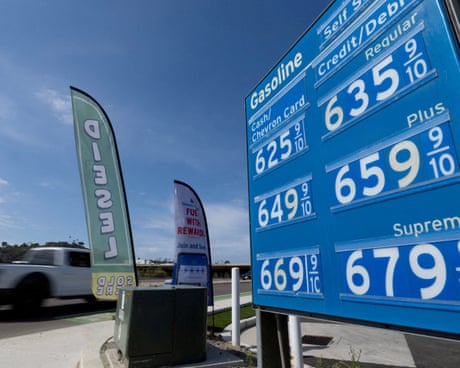
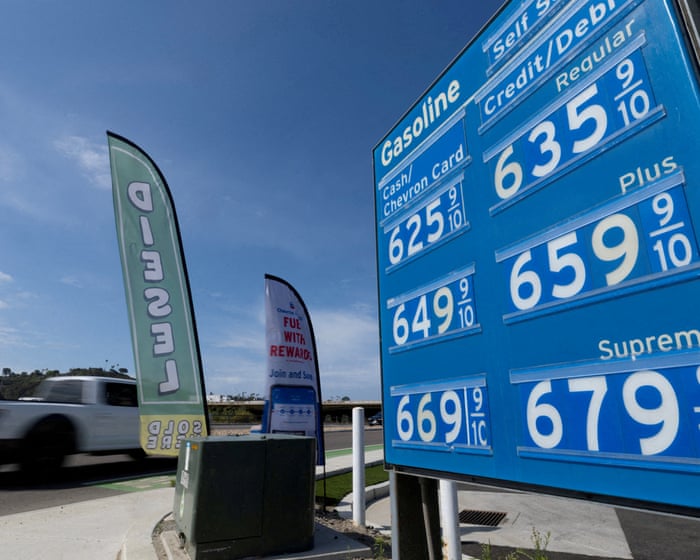
Easing gas prices are making Americans feel better about their personal finances and the economy in June, but consumer sentiment remains at historically low levels amid ongoing conflict in the Middle East, according to new survey data from the University of Michigan.
The latest numbers come as SpaceX marks its historic stock market debut, which has made Elon Musk the world’s first trillionaire. Yet many Americans still feel like they are struggling even as the stock market reaches record highs.

 Login
Login