Reading view

Boeing Drops Out Of Navy’s T-45 Jet Trainer Replacement Competition

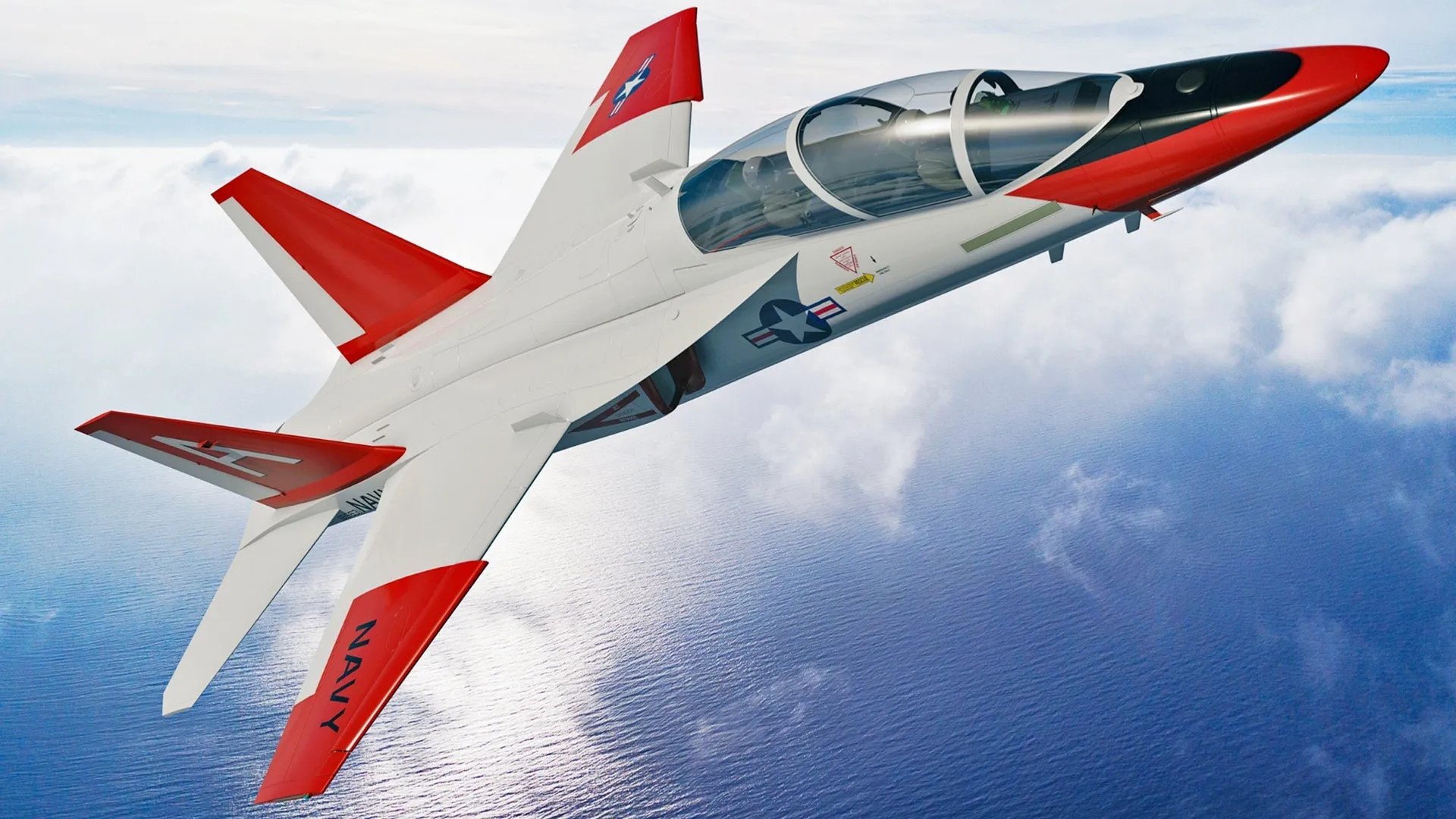
Boeing has decided not to pursue a bid for the U.S. Navy’s Undergraduate Jet Training System (UJTS) competition. The company had previously planned to submit a version of the T-7A Red Hawk being built now for the U.S. Air Force. The winning UJTS design will replace the Navy’s T-45 Goshawk jet trainers. The new trainers will become part of a future naval aviation training curriculum for prospective tactical jet pilots that no longer requires carrier qualifications or even simulated touch-and-go carrier landings at bases on land.

The Navy issued a formal request for proposals for UJTS in March. The service currently plans to acquire 216 new jet trainers to replace the just under 200 T-45s that are in its inventory today. With Boeing now out of the running, the Sierra Nevada Corporation (which has now partnered with Northrop Grumman and General Atomics) and a team led by Leonardo and Textron are the only known remaining competitors. Lockheed Martin, which had teamed with Korea Aerospace Industries (KAI), also dropped out back in April. Aviation Week and Breaking Defense were among the first to report on Boeing’s decision regarding UJTS.
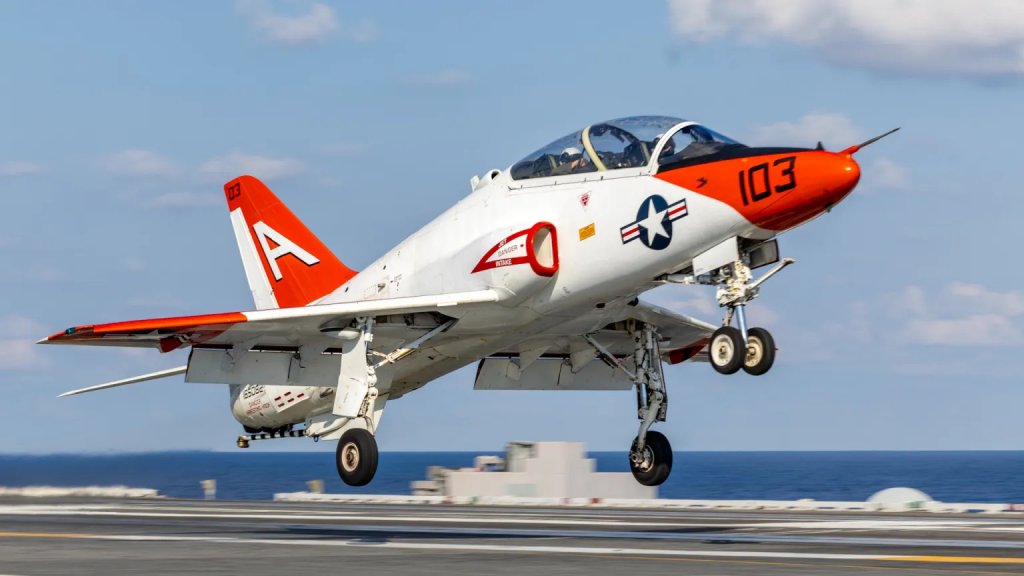
The winning UJTS design will replace the Navy’s T-45 jet trainers, one of which is seen here. USN

“Boeing is focused on meeting our commitments, and we bid for programs where we believe we can provide the right solution tailored to our customers’ needs and requirements,” a Boeing spokesperson told TWZ. “After careful evaluation, we have determined the T-7A does not meet the U.S. Navy’s Undergraduate Jet Training System requirements.”

“We have therefore informed the Navy that we will not bid on the current RFP. We remain committed to delivering the T-7A as a modern, growth-oriented training solution for 4th, 5th and 6th generation pilots as requirements evolve,” they added. “We look forward to providing and sustaining both current and future capabilities for the Navy.”

Boeing says its decision on UJTS is tied to the General Electric F404 turbofan. The company has stressed that the F404 is a proven design with millions of flight hours on multiple platforms, including the T-7A, and is a clear example of a ready-to-field design. Still, Boeing’s view is that the UJTS engine qualification requirements would require additional long-cycle development work, and potentially limit its ability to meet the Navy’s initial operational capability target for the new jet trainers.

All this being said, it is still not entirely clear what the specific issues might be, given that the F404 is such a well-established design that has been and continues to be used on a variety of military aircraft. This includes several other land-based jet trainer designs beyond the T-7, like the Scaled Composites Model 400, which competed against the Red Hawk in the Air Force’s T-X competition, and the Turkish Aerospace Industries Hürjet.
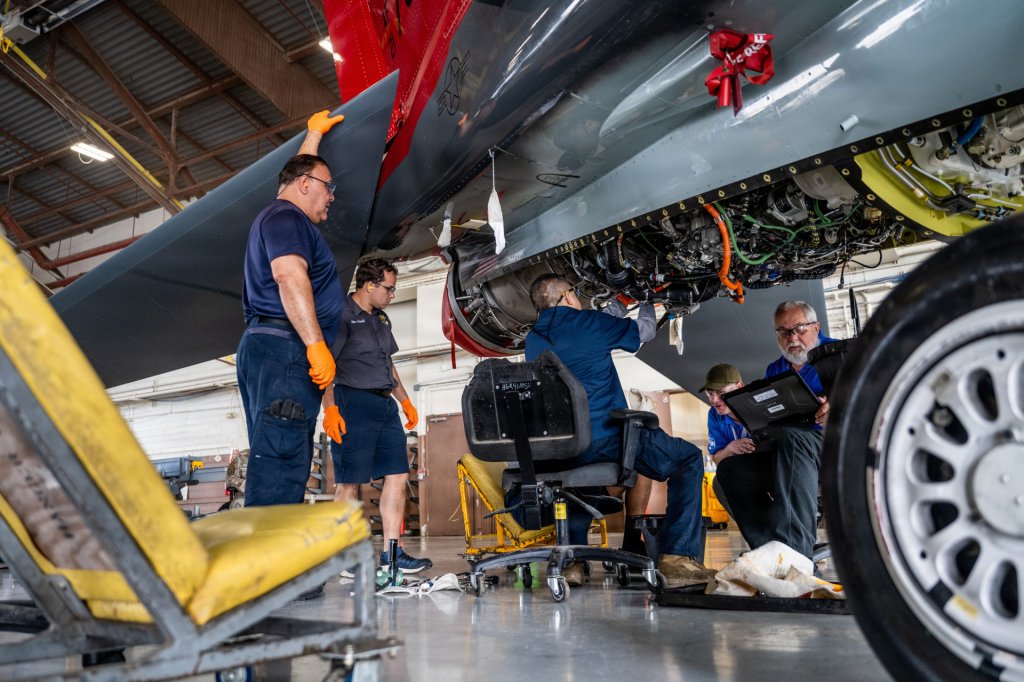
Maintainers work on the F404 engine on a US Air Force T-7A Red Hawk. USAF/Zelideth Rodriguez

Most notably, the F404 also powers the TF-50N that Lockheed Martin and KAI had put forward for UJTS. At the time of writing, neither Lockheed Martin nor KAI looks to have offered a detailed explanation for the decision to withdraw from the Navy jet trainer competition.
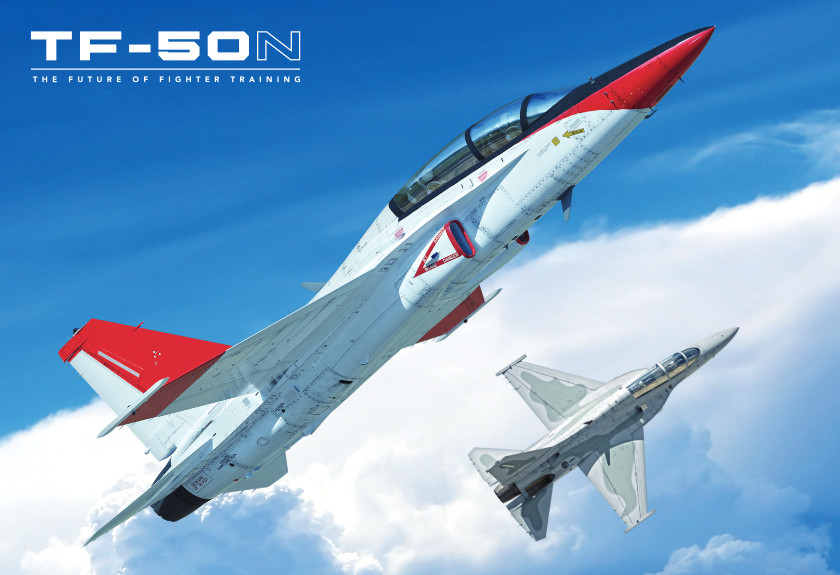
A rendering of the TF-50N. Lockheed Martin

The T-7A has also suffered from various technical and other issues over the course of its development, which has led to significant delays in its entry into Air Force service. The service is now hoping to reach initial operational capability with the Red Hawk next year. Any potential for direct synergies in terms of support and sustainment between the Air Force and Navy jet trainer fleets is now off the table.

It is worth pointing out that the TF-50N and the T-7 are also both single-engine designs. The Beechcraft M-346N that Leonardo and Textron have put forward is powered by a pair of Honeywell F124 turbofans. Two Williams FJ44-4M turbofans power SNC’s Freedom Jet, which is also the only clean-sheet design in the running for UJTS. This may point to a general view of the UJTS requirements that make single-engine designs less attractive.
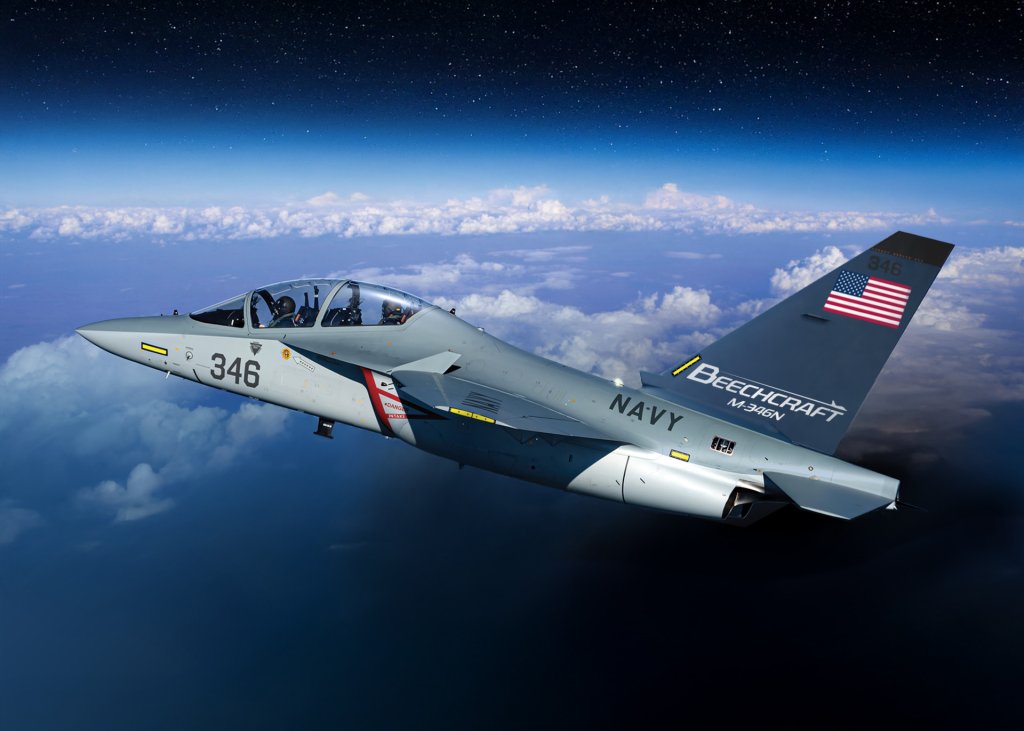
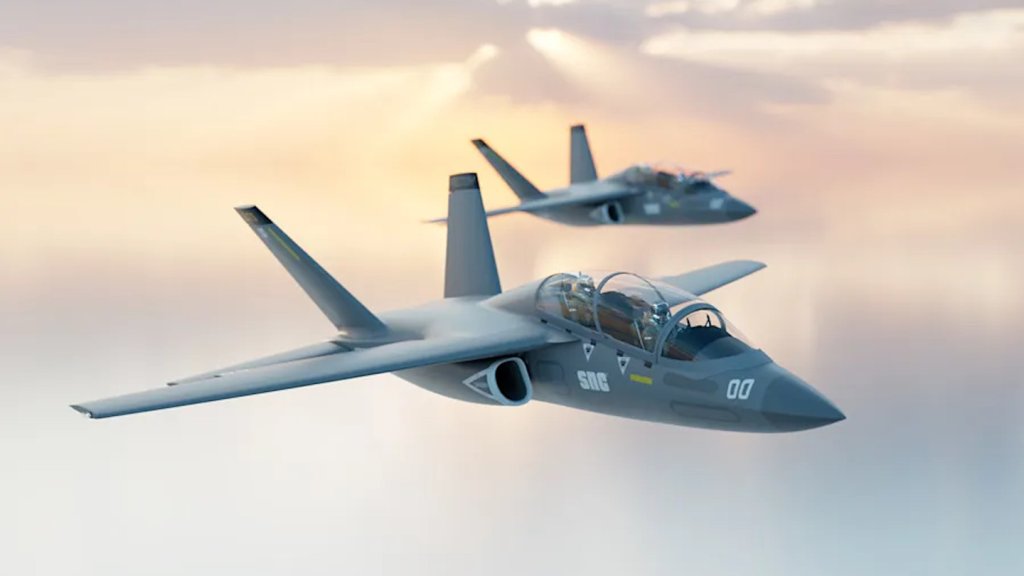
A rendering of the M-346N. Textron/Beechcraft
A rendering of a pair of SNC Freedom Jets. SNC

The Freedom Jet design is also tailored to meet now-axed requirements for UJTS to be able to perform carrier qualifications and simulated carrier touch-and-goes at base on land. The requirements for so-called Field Carrier Landing Practice (FCLP) training at facilities ashore have historically been structured specifically in a way that “simulates, as near as practicable, the conditions encountered during carrier landing operations,” according to the Navy.

SNC says its choice to build an aircraft that can still perform these tasks is deliberate, and offers the Navy what could still be important capability and flexibility in the future, as you can read more about here.

The Navy’s decision to remove carrier qualifications and otherwise alter key aspects of the tactical jet aviator training pipeline has been and continues to be controversial. The service has argued that substantial investments in virtualized training and assisted carrier landing capabilities, such as Magic Carpet and its successors, have fundamentally changed the landscape when it comes to training future pilots for carrier-based operations.

Earlier this month, the Navy also confirmed that it had raised the total cost ceiling for the prospective UJTS contract from approximately $1.8 billion to $2.7 billion.

“The Government updated the price cap to reflect a change in the program cost estimate due to new information received,” Naval Air Systems Command (NAVAIR) subsequently explained, according to Breaking Defense.

The substantial increase in the projected cost has raised its own questions about the outlook for the competition and the development program that is expected to follow. The Navy’s decisions to scale back its training requirements had previously been seen as opening the door to existing land-based jet trainer designs, or derivatives thereof, like the T-7 and the TF-50N. That, in turn, was viewed as a potential way for the service to help keep costs and risk low.
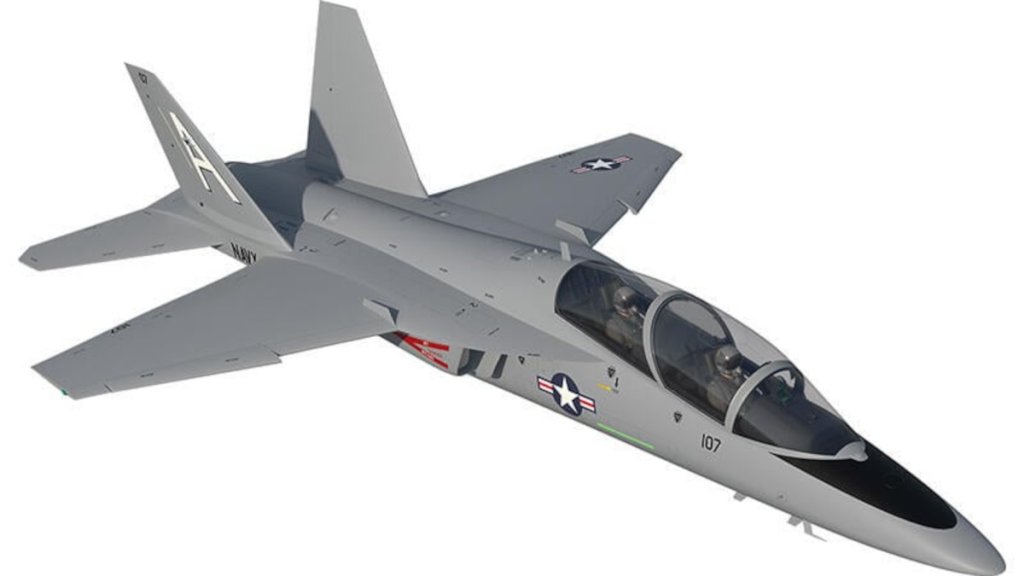
A rendering of the version of the T-7 Boeing had previously planned to submit to the UJTS competition. Boeing

The Navy’s T-45 replacement plans have already been delayed multiple times, with the service originally planning to pick a winning design this year and to have the first example enter operational service in 2028. The goal now is to award a contract in the middle of next year.

The aging T-45 fleet has faced its own struggles, including a spate of reported hypoxia-like physiological episodes among pilots that led to the development of a new oxygen system. There have been several Goshawk crashes in recent years due to a variety of factors, with the most recent coming just last month. The pilots in that case thankfully survived.

For Boeing, the decision to drop out of the running for UJTS could also allow it to refocus resources to other priorities. The company is also notably one of two remaining competitors vying to build the sixth-generation F/A-XX carrier-based fighter for the Navy. Boeing is already heavily engaged now on work for the F-47 sixth-generation fighter for the Air Force.

When it comes to the UJTS competition, with Boeing having bowed out, the SNC-led and Leonardo/Textron teams are now facing off head-to-head.

Contact the author: joe@twz.com

The post Boeing Drops Out Of Navy’s T-45 Jet Trainer Replacement Competition appeared first on The War Zone.

  •  

US-Iran peace deal remains elusive as Trump and Tehran trade conflicting claims

US president dismisses Iranian media reports agreement is close, despite earlier suggesting a deal could be signed this weekend

Prospects for an immediate end to the war between Iran and the US remained uncertain on Friday amid a chaotic series of conflicting claims and counter-claims by US and Iranian officials about ongoing negotiations.

Donald Trump seemed to distance himself from his earlier comments that suggested a preliminary agreement could be signed as soon as this weekend, with a series of angry social media posts describing the Iranians as “very dishonorable people to deal with”.

Continue reading...

© Photograph: Vahid Salemi/AP

© Photograph: Vahid Salemi/AP

© Photograph: Vahid Salemi/AP

  •  

Portugal ganha mil milhões com o Mundial de futebol. Veja o “Jogo Económico”

Ouça e acompanhe o “Jogo Económico” também em formato podcast:

SpotifyAnchor

O Mundial de futebol de 2026 pode ter um impacto económico próximo dos mil milhões de euros, um novo recorde em Portugal. Da restauração às redes sociais passando pelas cadernetas de cromos e apostas, tudo é lucro, segundo o estudo do IPAM. Daniel Sá, diretor executivo do IPAM e especialista em marketing desportivo, traz-nos todos os números.

A nossa análise (com a ajuda do consultor Jorge Faria de Sousa) vai ainda incidir no ponto em que estamos na centralização dos direitos televisivos no futebol português, como as transferências monopolizam uma boa parte das receitas em Portugal e deixamos ainda uma pergunta: sabe qual é a Seleção mais representada pela Liga portuguesa no Mundial?
  •  

Four U-2S Spy Planes Would Be Restored In Bill That Would Save The Dragon Lady Fleet

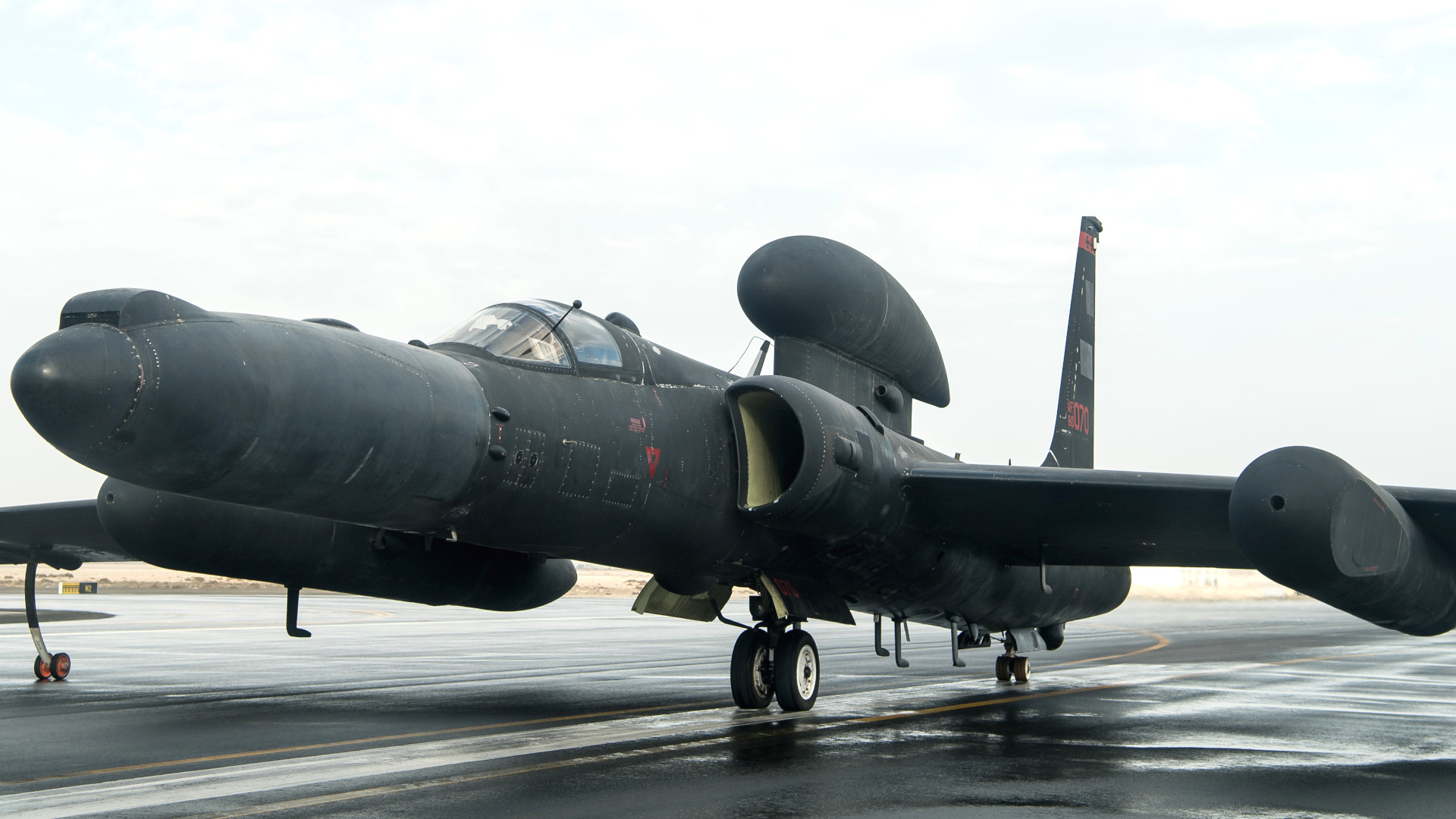
Members of Congress are again moving to block the U.S. Air Force from retiring all of its U-2S Dragon Lady spy planes. This time, legislators also want to compel the service to “fully restore” four of the iconic aircraft through heavy depot maintenance, which would bolster the fleet’s operational capacity. The Air Force continues to argue that the high-flying Cold War-era jets are too vulnerable to support future high-end fights and should be supplanted by a mix of space-based and other capabilities. This would presumably include a classified stealthy high-altitude drone, commonly (and unofficially) referred to as the RQ-180, or an evolution thereof, which first emerged publicly just earlier this year.

Yesterday, the House Appropriations Committee released a draft defense spending bill for the 2027 Fiscal Year. It includes a provision that would prevent the Air Force from retiring more than two U-2Ss in that fiscal cycle. The Air Force currently has 23 of these aircraft in inventory, including three two-seat TU-2S trainers.

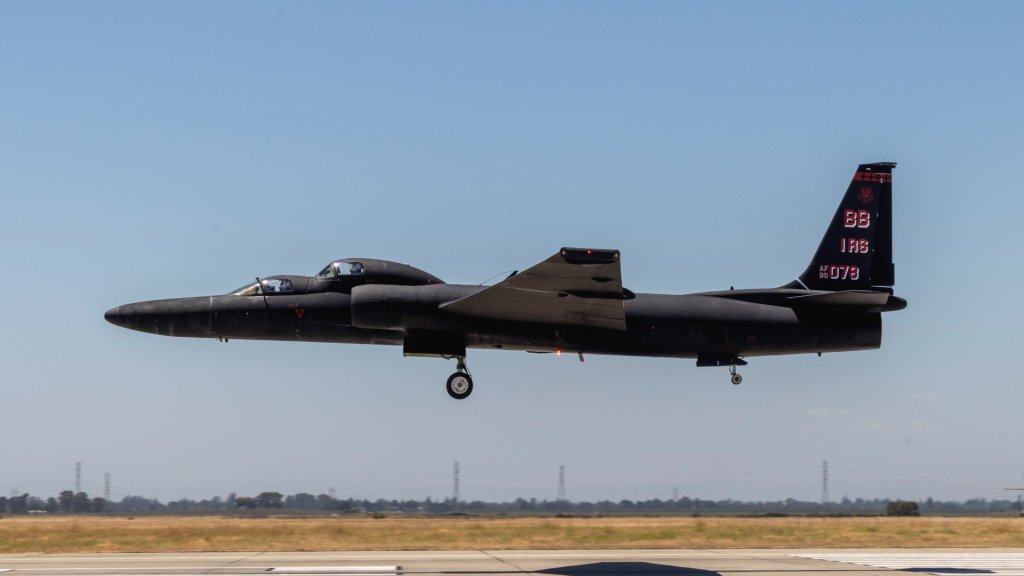
One of the Air Force’s three TU-2S trainers. USAF

A summary of the proposed legislation also says it includes “$81 million for U-2 programmed depot maintenance to fully restore four aircraft.” The current operational status of the aircraft in question is unclear. This is included under the umbrella of $335.3 billion in total funding for operation and maintenance (O&M) accounts across the services that the draft bill would appropriate for Fiscal Year 2027.

Programmed depot maintenance for any aircraft is an intensive process that essentially involves a full tear-down and detailed inspection. Paint and other coatings are typically stripped and reapplied. Upgrades and modifications are often worked into depot maintenance cycles given the extensive work already being done.

The Air Force’s proposed budget for the 2027 Fiscal Year completely zeroes out the line for U-2 O&M, to include depot maintenance, reflecting the service’s desire to retire the fleet. An annual force structure report the Pentagon released in May concisely outlines the current argument for retiring the remaining U-2Ss.

“The Air Force will retire the entire 23-ship U-2 fleet, as the platform is no longer viable for future high-end conflicts,” the force structure report says. “Continued operation presents significant safety, logistical, and financial risks that outweigh the platform’s remaining utility in contested environments.”

“This decision allows for the strategic reallocation of fiscal resources to fund more critical, high-priority service requirements and accelerate modernization efforts in other key areas,” it adds. “Continuing to operate the U-2 fleet would require a significant investment to address systemic issues, including diminishing manufacturing capacity, material shortages, and safety risks inherent in the aging platform.”

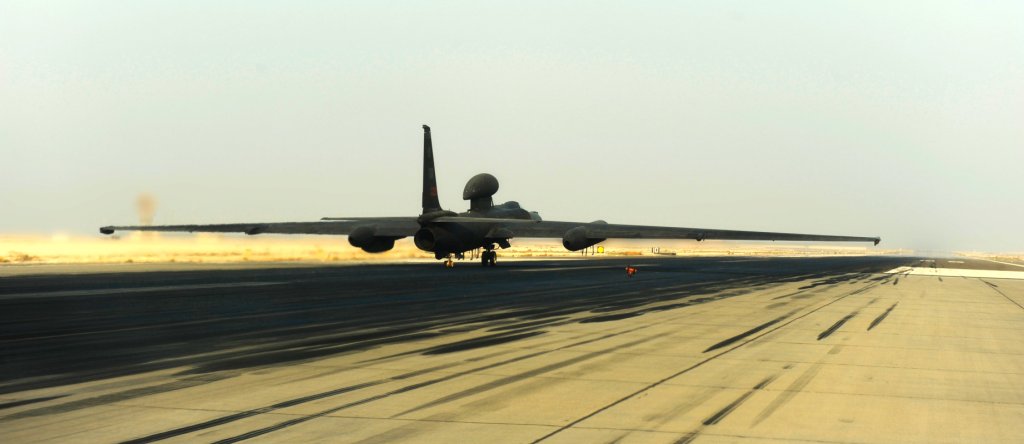
A U-2 seen taking off from an undisclosed location in the Middle East in 2010. USAF

Questions about the continued relevance of the U-2 in the face of an ever-expanding global air defense threat ecosystem are not new. Near-peer competitors like China and Russia, as well as lower-tier potential adversaries like Iran, continue to develop and field more capable air defense systems and expand their anti-access and area denial bubbles. This, in turn, has threatened to push the U-2 further and further from the areas where it would be tasked to collect.

On top of all this, the U-2s are aging and becoming more costly to operate and maintain. The U-2S models in service today were upgraded from earlier variants that began their service careers in the 1980s.

As noted, this is not the first time the Air Force has tried to retire its remaining U-2s, citing operational and sustainment-related factors. In response, Congress has repeatedly intervened in the past few years to at least block full divestment of the fleet over persistent concerns about the aerial intelligence, surveillance, and reconnaissance (ISR) capability and capacity gap that might result.

The Dragon Lady continues to offer a unique ISR platform that can fly higher than any other operational non-orbital platform, crewed or uncrewed, the U.S. military has, at least from what we know today. This, in turn, means that the aircraft can bring imaging, signals intelligence, communications payloads, and other sensors up to those altitudes, giving them particularly good fields of view. From this perch, aircraft can use a slant angle to peer deep into denied areas while still flying international airspace and further away from potential threats. The use of the U-2 to gather intelligence about a Chinese spy balloon that soared over parts of the United States and Canada in 2023, which involved flying above it, offered a particularly public demonstration of the value of the aircraft’s high-altitude capabilities.

A view of the Chinese spy balloon soaring over the United States in 2023, as seen from the cockpit of a U-2. USAF

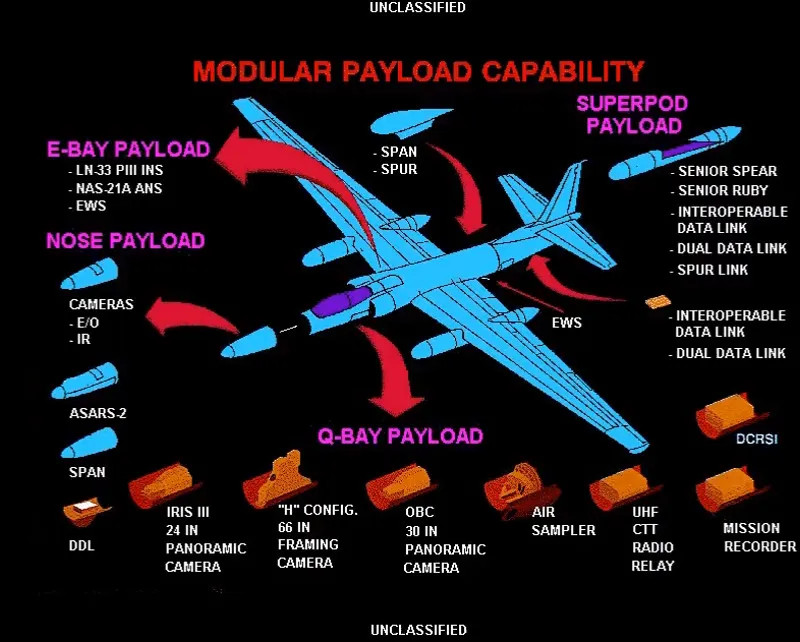
Each Dragon Lady can also carry a wide array of different sensor systems simultaneously, as well as communications packages, further increasing its flexibility. The U-2Ss have the ability to be readily deployed to forward locations globally and conduct long-duration sorties, as well. The latter points have been especially relevant in comparison to known existing ISR satellite constellations that are constrained by their orbits and can only offer relatively short-term coverage over a specific area. We will come back to this in a moment.

A now-dated graphic that still gives a good sense of the array of different sensors the U-2 can carry. US Military

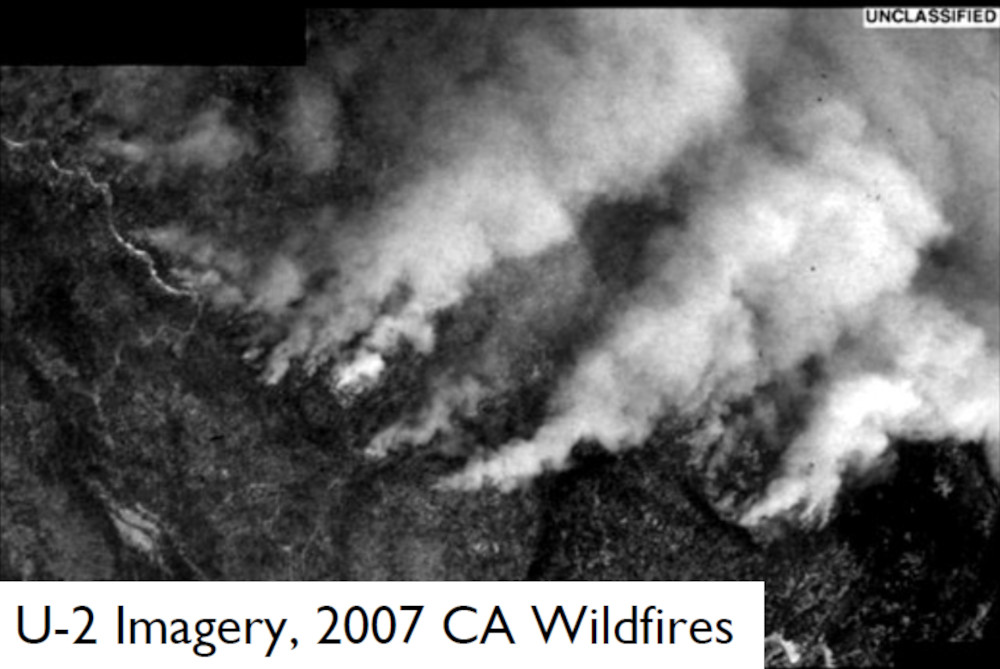
It is worth noting here that the Air Force’s Dragon Lady fleet also has a long history now of providing valuable ISR support outside of traditional combat operations. Last year, the service confirmed U-2Ss were supporting the enhanced border security mission along the United States’ southern boundary with Mexico. The aircraft have been used to support counter-narcotics operations over the years, as well as humanitarian assistance and disaster relief missions. NASA also operates a pair of ER-2 aircraft, another version of the Dragon Lady, as high-flying scientific research platforms.

A U-2 collected this image of wildfires in California in 2007. National Guard Bureau

The Air Force has been hinting for years now at the existence of advanced aircraft in the classified realm that could help fill gaps left by the retirement of the U-2, and also be more survivable in very high-threat environments. This has now been further underscored by the emergence of the ‘RQ-180,’ or a related stealthy design, in Greece earlier this year, the likely capabilities and roles of which TWZ explored in a detailed feature in April. At the same time, we have raised still unanswered questions in the past about how many of any such drones might actually be in service and what kind of operational capacity those fleets might provide.

American RQ-180 stealth drone landing in Greece, supporting US operations against Iran. pic.twitter.com/Go5YHBM1p8

— OSINTtechnical (@Osinttechnical) April 6, 2026

The U.S. military is also pushing ahead with the development and fielding of new space-based ground and air surveillance capabilities. This includes work toward the fielding of new satellite constellations that could provide game-changing persistent coverage globally, as you can read more about here. Despite steady progress, including on-orbit testing of prototypes, there are still questions about when any of these new assets in orbit will be fully operational. The U.S. Space Force recently announced it is now targeting 2028 for the “early” fielding of at least some of these new space-based surveillance capabilities.

The draft defense spending bill from the House Appropriations Committee does still have to be finalized, and then brought in line with companion legislation in the Senate. Both chambers of Congress then need to pass the bill before it can be sent to the President’s desk to be signed into law. There are many opportunities along the way for major changes to be made to the bill.

That being said, Congress has consistently blocked Air Force efforts to fully retire the U-2 in recent years. Another potential reprieve, which would also demand the service take steps to bolster the operational capacity of the remaining fleet, has now appeared on the horizon.

Contact the author: joe@twz.com

The post Four U-2S Spy Planes Would Be Restored In Bill That Would Save The Dragon Lady Fleet appeared first on The War Zone.

  •  

F-22’s ‘Catfish’ 757 Testbed Spotted Carrying Raptor’s New Infrared Sensor Pod

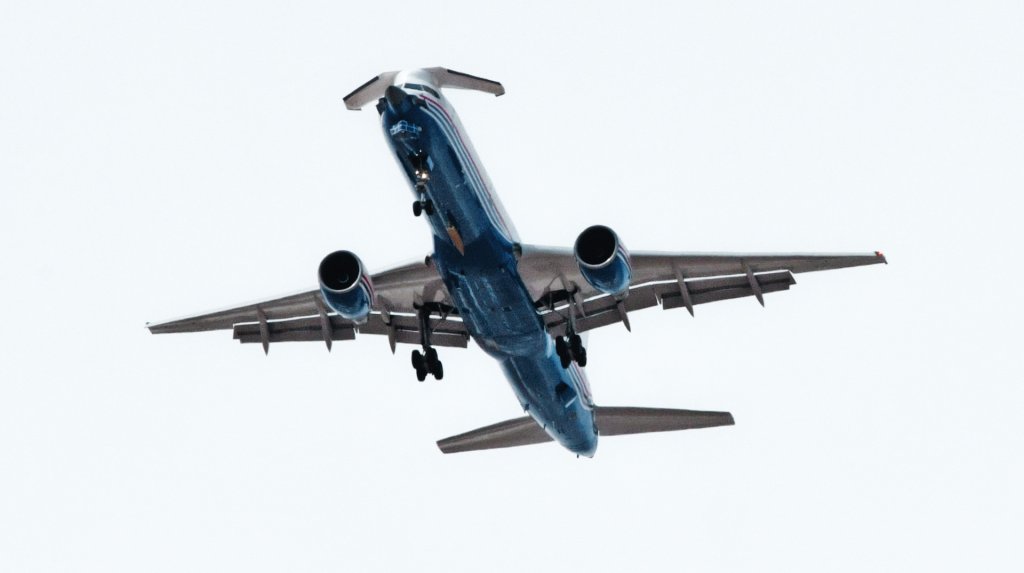
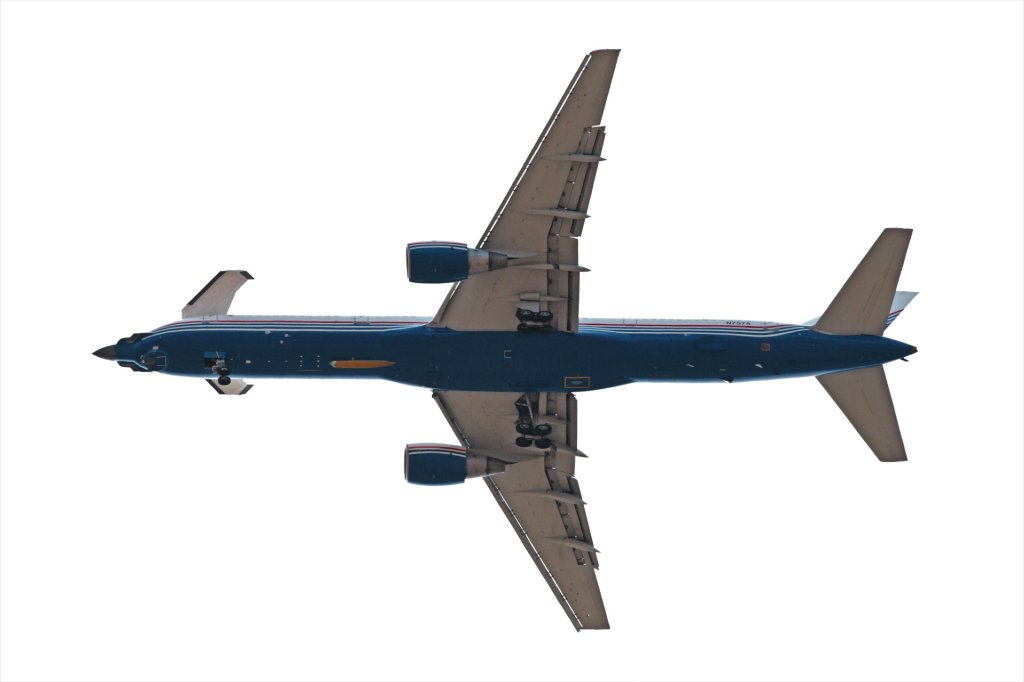
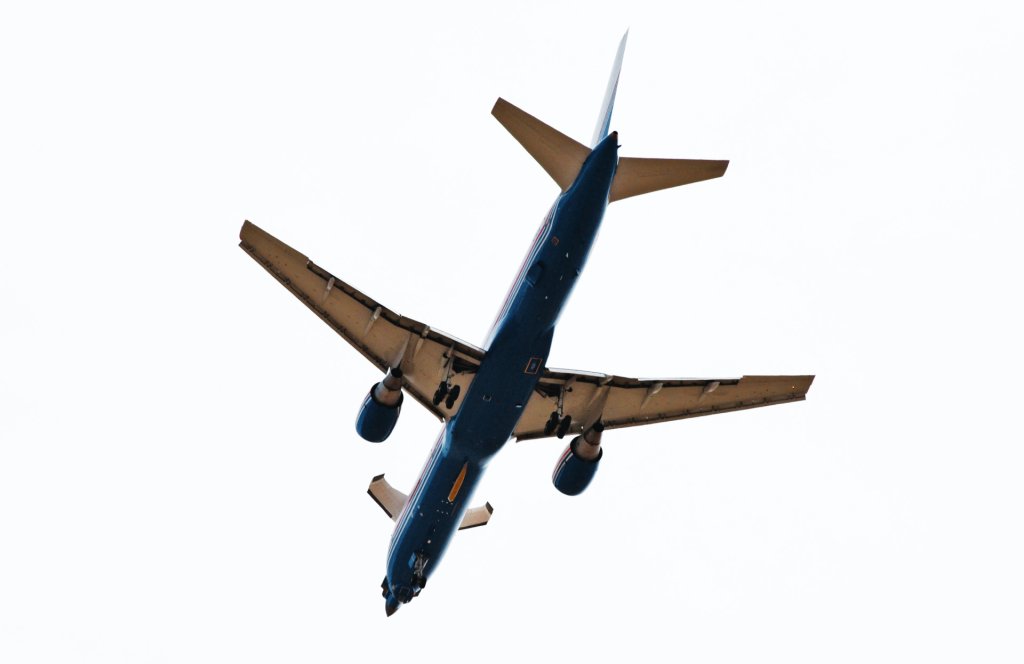
Boeing’s 757 Flying Test Bed was recently spotted carrying a stealthy underwing infrared sensor pod under its fuselage. This may be the first time this aircraft, better known as ‘The Catfish’ because of its unique and highly modified nose profile, has ever been seen lugging around a store on this station. The pod itself is part of a larger “Raptor 2.0″ upgrade package being developed for the F-22. Catfish has served as a key systems integration testbed for the Raptor since the 1990s.

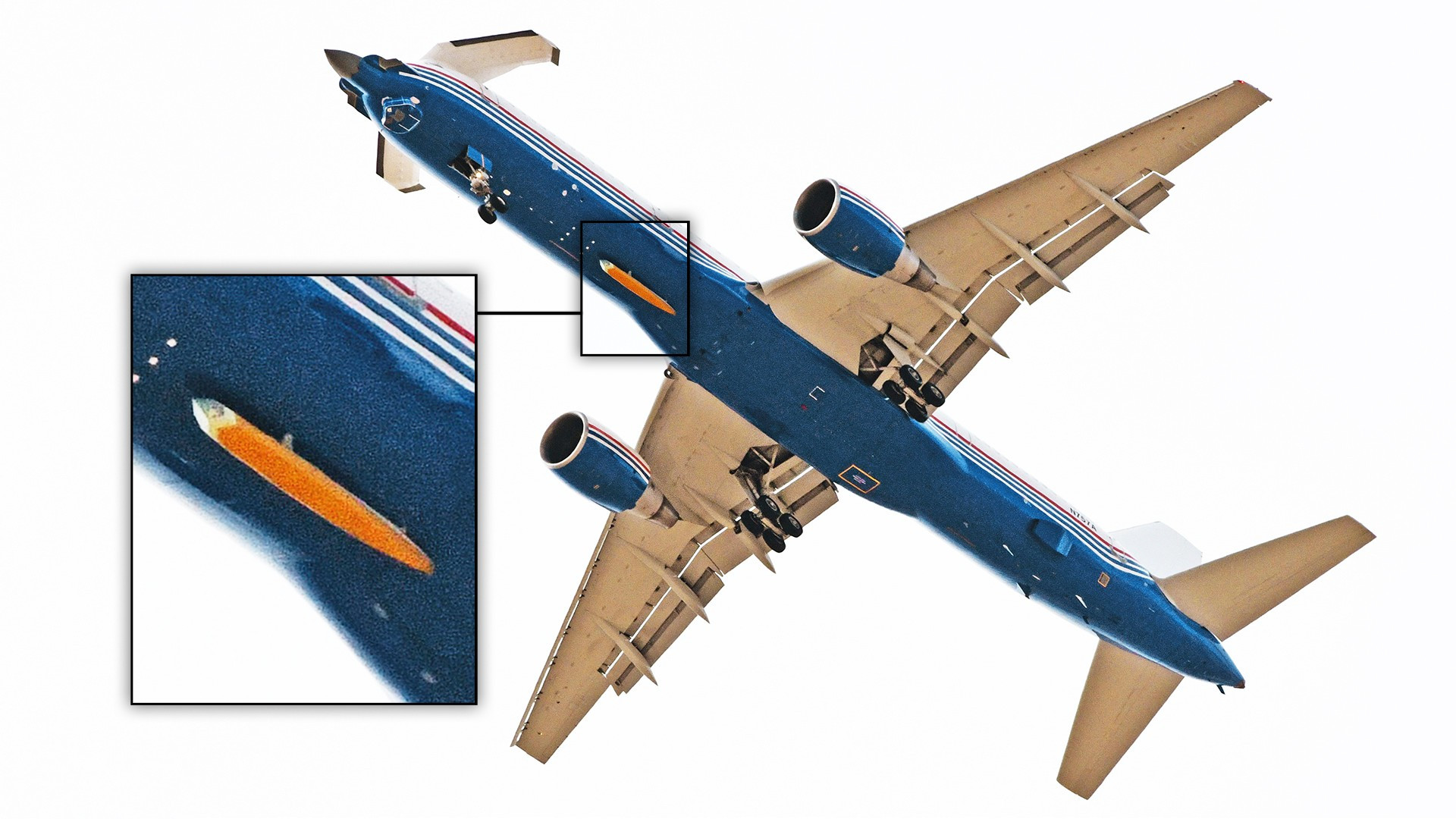
Jerod Harris caught Catfish with the pod under its belly as it came in to land at Edwards Air Force Base in California on Monday. Edwards is the main hub for U.S. Air Force test and evaluation activities, and Catfish has been seen there many times over the years as part of its work. The aircraft, which carries the U.S. civil registration code N757A, also happens to be the first 757 ever built, and took to the skies for the first time back in 1982.

Catfish with the pod under its fuselage seen on approach to Edwards Air Force Base in California. Jerod Harris

As already noted, Catfish has already played a central role in the story of F-22. The aircraft’s heavily modified nose is designed to directly replicate that of the Raptor, and contains the same AN/APG-77 active electronically scanned array (AESA) radar as the fighter. The swept wings on top of the cockpit were also designed to support testing of the conformal antennas for the Raptor’s AN/ALR-94 electronic support measures system and other components of its ‘fused’ sensor suite. The aircraft has supported the development of a wide array of other systems for the F-22, and is packed inside with additional equipment to support those needs in particular, including a replica of the Raptor’s cockpit. You can read more about Catfish and its general history here.

So it is not surprising then that the heavily modified 757 would also be used now to help with continued testing of the new underwing infrared sensor pods for the Raptor. Carrying the pod under the forward end of the fuselage would offer the sensors inside a good open field of view to the front, as well as to the left, right, and down.

Another view of Catfish carrying the stealthy infrared sensor pod. Jerod Harris

The stealthy pods have been test-flown on actual F-22s for years now. At the same time, there are only a limited number of Raptors available, in total, and they are notoriously fuel-hungry, maintenance-intensive, and otherwise expensive to operate. If the particular test plan calls just for level flight, and over extended periods of time, a platform like Catfish could be an attractive alternative. With space for dozens of engineers and technicians in its main cabin, and workstations for them, the aircraft would also offer very different options for testing and evaluating the pod while in-flight. A North American Sabreliner business jet has also been used to test these pods in the past.

N33TR, a Rockwell Sabreliner 65 for Airborne Imaging returns to KJWY/Mid-Way regional Airport as " AIRBORNE33 " carrying one of the future F-22 pods.

It was at Nellis AFB testing the pod alongside RATT55/NT-43A, a radar test bed that regularly flies alongside B-2s. pic.twitter.com/kNADnga7H0

— 𝗦𝗥_𝗣𝗹𝗮𝗻𝗲𝘀𝗽𝗼𝘁𝘁𝗲𝗿 (@SR_Planespotter) July 1, 2024

The capability, in general, for Catfish to carry stores under its fuselage might open up additional possibilities for utilizing the aircraft in support of other testing efforts, if it hasn’t already.

Catfish continues on with its approach to Edwards. Jerod Harris

Catfish would also be well suited to supporting testing of other elements of the Raptor 2.0 package. Under the current plan, the Air Force’s F-22s are also set to get a new integrated distributed infrared search and track (IRST) system called the Infrared Defensive System (IRDS).

IRST systems have seen a renaissance across the U.S. military in recent years, as well as elsewhere globally. IRSTs detect and track targets via their infrared emissions, making them particularly valuable for helping spot stealthy targets with features designed to reduce their radar cross-sections. The sensors are also immune to radio frequency electronic warfare jamming and operate passively, meaning they do not emit signals that could alert a target to the fact they are being tracked. IRSTs can also be used to cue or otherwise be linked to other sensors, including AESA radars. This data fusion can provide higher fidelity tracks of multiple targets, as well as improved situational awareness overall.

Increased demand for IRSTs has led to a commensurate increase in demand for testing using multiple platforms. This, in turn, has been a major component of a general uptick in U.S. military flight testing in recent years to support a variety of new, advanced programs.

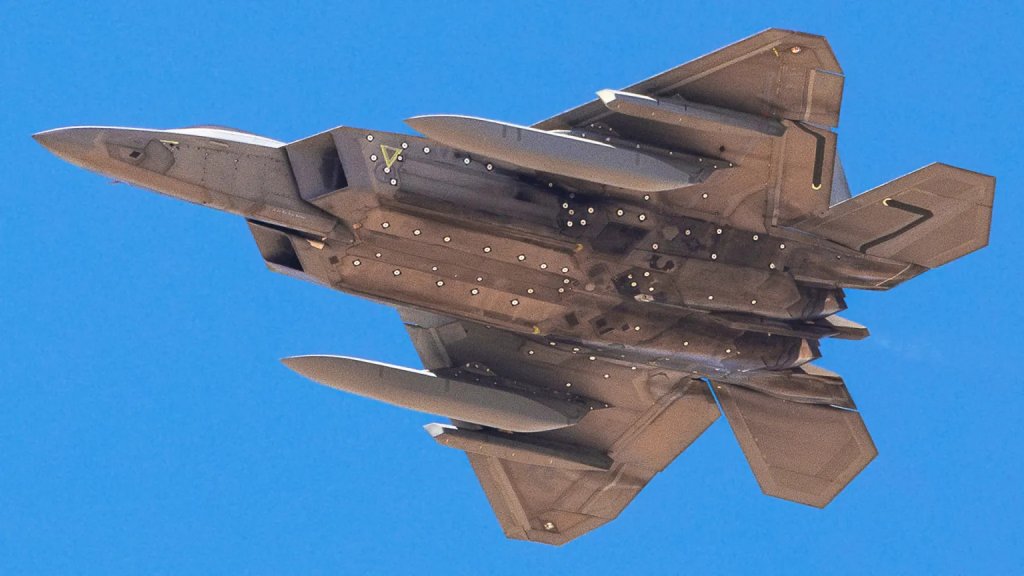
An F-22 with the stealthy underwing infrared sensor pods and drop tanks seen on a test flight over the Mojave Desert in March 2026. Jarod Hamilton

Other elements of the Raptor 2.0 upgrade plan include new stealthy drop tanks, improvements to the jet’s stealthy features, radar capabilities, electronic warfare suite, and more, as you can read about in detail here.

At least a portion of the Raptor fleet is also set to receive modifications to enable them to act as airborne controllers for Collaborative Combat Aircraft (CCA) drones. The Air Force’s F-22s are set to be the service’s first tactical jets to be used in that role, though others will follow.

The F-22 upgrade work is reflective of current Air Force plans to keep the Raptors in service for decades to come. In 2024, the Air Force said it no longer had a firm retirement schedule for the fighters.

Raptors have been used in recent years as surrogates to support work on the Next Generation Air Dominance (NGAD) initiative, a component of which is Boeing’s F-47 sixth-generation fighter. As such, Catfish will have already been feeding into those developments, which are now firmly a top Air Force priority.

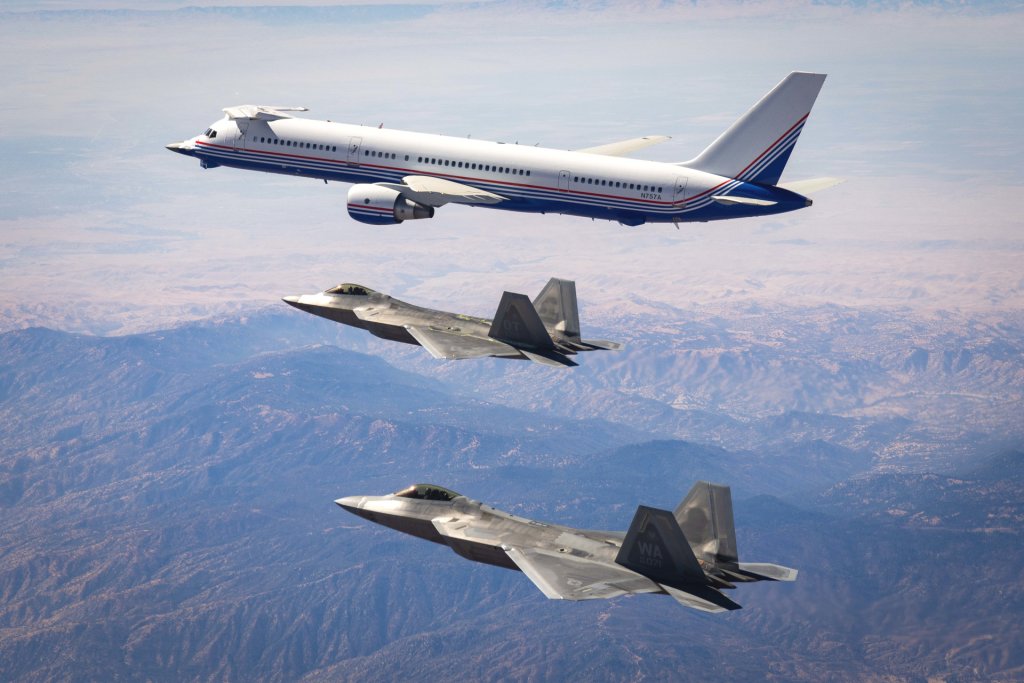
Catfish seen flying together with a pair of F-22s near Edwards in 2024. Courtesy photo/Kyle Larson via USAF Chase Kohler

At the same time, Catfish is now 44 years old. Boeing 757s, in general, are increasingly disappearing from service globally as they become more complicated and cost-intensive to sustain. Especially with the work ongoing now on the F-47, it seems likely Boeing will start looking toward a new highly specialized testbed aircraft modified to reflect the particular physical geometry, unique avionics, and other features of the new fighter.

Similarly, the F-35 family also has a dedicated test jet, the Boeing 737-300-based Cooperative Avionics Testbed, nicknamed the CATbird. There are several other airliner and business jet-based testbeds flying globally today, though Catfish is certainly one of the largest and most visually distinctive. Improving digital simulation and modeling tools could allow for less reliance on surrogate testbed aircraft in the future, but they will in no way be eliminated.

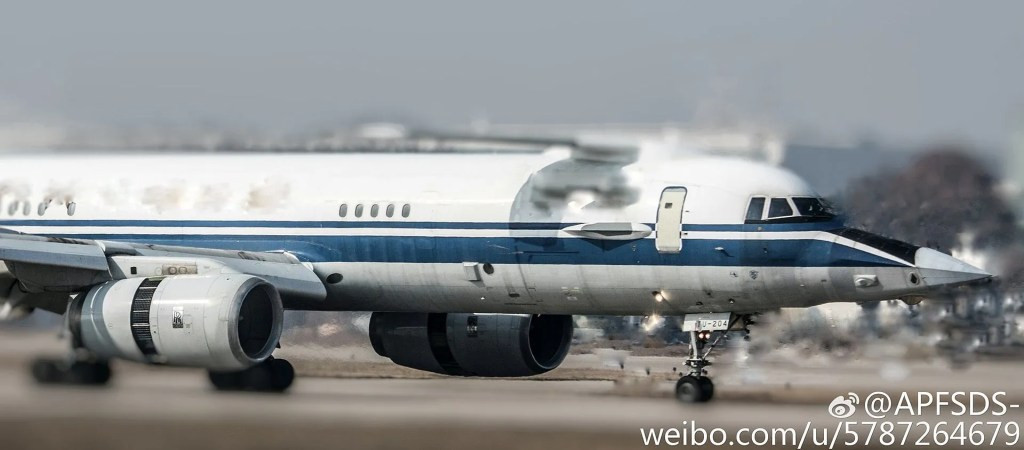
China notably has something of a clone of Catfish based on a Russian-made Tupolev Tu-204C airliner, which itself was designed as an analog to the 757. The Chinese jet’s primary purpose has been supporting the development of the J-20 stealth fighter, the country’s closest answer to the F-22.

China’s Tu-204C-based ‘Catfish’ testbed jet. Chinese internet via X

In the meantime, Boeing Catfish remains a very important part of continued work to improve and expand the capabilities of the F-22. This now extends to testing of specialized underwing pods for the Raptor.

Special thanks again to Jerod Harris for sharing his pictures of Catfish carrying the stealthy sensor pod with us.

Contact the author: joe@twz.com

The post F-22’s ‘Catfish’ 757 Testbed Spotted Carrying Raptor’s New Infrared Sensor Pod appeared first on The War Zone.

  •  

Women held at much-denounced ICE detention camp sign on to hunger strike

Nearly 40 women detained at Delaney Hall join striking men and outline demands ‘rooted in basic human rights’

Dozens of women detained inside the Delaney Hall immigration detention facility in New Jersey announced their participation in a hunger and labor strike, advocates announced on Thursday.

The women, detained in unit 1 of the contentious privately run facility, also released a new list of demands. They are calling on Immigration and Customs Enforcement (ICE) to release women under 21, women with medical conditions and mothers. They are also demanding improved conditions inside the facility and for their immigration cases to proceed more quickly.

Continue reading...

© Photograph: Michael M Santiago/Getty Images

© Photograph: Michael M Santiago/Getty Images

© Photograph: Michael M Santiago/Getty Images

  •  

Chazz Palminteri esgotou o São Jorge com o espetáculo “A Bronx tale - the one man show” e declara o seu amor às sardinhas

O ator Chazz Palminteri esgotou o seu espetáculo “A Bronx Tale - A One Man Show” no Cinema São Jorge, em Lisboa, pela primeira vez em Portugal. Altura para recordar esta conversa com Tony Gonçalves no podcast The Heart and Hustle of Portugal

  •  

Chazz Palminteri sold out “A Bronx tale - the one man show” in Lisbon, and declares his love for sardines

Chazz Palminteri sold out his “A Bronx Tale” in Lisbon, the second time he performed his breakthrough show outside of the United Sates. We revisit his conversation with Tony Gonçalves on the podcast The Heart and Hustle of Portugal

  •  

Buck-Dancing for Zion: Why Ghana Remains One of the Last Countries on Earth Where Israel Is Popular, by Jose Alberto Nino

The Pew Research Center released its annual survey of global attitudes toward Israel in June 2026, and the findings painted a picture of near universal disapproval. A median of 67 percent across all 36 countries surveyed held unfavorable views of Israel. Not a single country had a majority viewing Israel favorably. Confidence in Prime Minister...
  •  

Eletrificação não trouxe melhorias ao Algarve e ainda circulam comboios com mais de meio século

“Os comboios refletem de forma precisa a cultura do país: o país sórdido e miserável tem caminhos de ferro sórdidos e miseráveis; a nação orgulhosa e eficiente reflete-se de forma semelhante no seu parque ferroviário” — Paul Theroux em O velho Expresso da Patagónia

Às seis e cinquenta e quatro da manhã – horário cumprido com sucesso - tem início em Lagos uma viagem de três horas e pouco de comboio. Na verdade, teve início um pouco antes com a chegada do maquinista para “aquecer os motores” e ver se está tudo em ordem. Engane-se quem pensa que o destino é Lisboa ou outro distrito qualquer ou até um país europeu vizinho. A aventura é do Algarve até ao Algarve. Há uma linha que separa o homem da natureza; a linha férrea à saída de Lagos: à direita vê-se o sol roubar, aos poucos, a escuridão ao céu; vê-se o mar, ondas, areia, dunas, ervas e, ao longe, uma miniatura da Ponta da Piedade. Do lado esquerdo hotéis, casas que dificilmente um habitante local consegue pagar, obras e campos de golfe. No meio, viaja uma centopeia cansada, a arfar e a arrastar-se, como faz diariamente desde os anos 50.

O laranja começou cedo a pincelar a cidade porque o verão aproxima-se. Se fosse inverno, o passageiro teria de levantar os pés para evitar ser atingido pelo vento gelado proveniente das saídas de ar que estão perto do chão, logo após o ar condicionado da automotora ser ligado. Demora uns minutos até sair quente. Desta vez o azar falou mais alto e os passageiros têm ao seu dispor um transporte modernizado, mas não é a modernização que esperam há anos; são apenas os graffitis que decoram o seu exterior. Nem os vidros escaparam. Afinal, o que é uma viagem de comboio sem janelas? Apenas uma carruagem possui bancos com encosto de cabeça. As restantes têm uma espécie de ferro que não é muito amigo de nucas. Esta diferença faz o passageiro não-habitual achar que viaja em primeira classe, pelo menos até entrar na casa de banho e perceber que a sanita é um buraco com vista para os carris. Como não existem cortinas, o utente tem de conhecer a posição do sol em relação ao comboio se quiser evitar que, durante a viagem, o lado da cara que está virado para a janela fique vermelho. Talvez os «artistas» que vandalizaram os comboios estivessem, na verdade, a lutar contra escaldões. “Que incrível este comboio «novo» que circula no Algarve” é uma frase que nas últimas décadas seria impossível de proferir (e ainda é). Hoje, e já há vários anos, uma das maiores reivindicações dos algarvios é a aquisição de comboios modernos. O Jornal do Algarve questionou a CP e a Infraestruturas de Portugal sobre esta e outras questões, mas até ao fecho desta edição não obteve respostas. "A Chegada do Comboio à Estação", dos irmãos Lumière, foi um dos primeiros filmes da história do cinema, no final do século 19. Já “A Chegada dos Comboios Elétricos ao Algarve” também poderia ser um filme, talvez de ficção científica. O trailer foi lançado mais ou menos há um ano quando um comboio elétrico cir...

Exclusivo para assinantes

Se é assinante

Se é assinante

e continue a ler

Se não é assinante

DESDE 1€ POR SEMANA

Se é assinante e não possui conta solicite o acesso

Aproveite 20% de desconto ao subscrever a sua assinatura na Loja do JA

20% de desconto ao subscrever a sua assinatura na Loja do JA

  •  

Boeing “Encouraged” By C-17 Production Restart Discussions

Operators of the C-17 Globemaster III have been reaching out to Boeing about possibly restarting the product line, and the company has been “encouraged” by these engagements. Separately, Congress recently directed the U.S. Air Force to prepare a formal briefing on the feasibility of acquiring new Globemaster IIIs. The Air Force’s C-17 fleet is critical for U.S. power projection globally. At the same time, a succession of crises in recent years has put serious strain on these aircraft, and questions have already been raised about the viability of the current plan to keep them flying through 2075.

The House Committee on Armed Services added the requirement for the C-17 production restart briefing to a report accompanying the latest draft of the annual defense policy bill, or National Defense Authorization Act (NDAA), last week. The Air Force took delivery of its last Globemaster III in 2013, and has some 222 of these airlifters in service today. The air arms of Australia, Canada, India, Kuwait, Qatar, the United Arab Emirates, and the United Kingdom also have smaller fleets of these airlifters. Three more of these aircraft are operated under the Strategic Airlift Capability (SAC) initiative, a multi-national arrangement with several European members, as well as the United States. Boeing shuttered the C-17 line entirely in 2015.

“The committee recognizes that the existing C-17 fleet continues to bear significant operational demands supporting combatant commander requirements, humanitarian assistance missions, and global mobility operations,” the provision in the House Committee on Armed Services’ report notes. “The committee is concerned that future operational demands may place additional strain on the existing C-17 fleet.”

“Therefore, the committee directs the Secretary of the Air Force to provide a briefing to the House Committee on Armed Services not later than March 1, 2027, assessing the feasibility of restarting the production line for the C-17 aircraft,” it adds.

The committee wants the Air Force’s briefing to at least include the following:

  • “An assessment of the technical and industrial feasibility of restarting the C-17 production line, including the status of tooling, supplier base viability, workforce availability, and potential reconstitution costs.”
  • “An estimate of the timeline required to reestablish production and deliver the first newly produced aircraft.”
  • “A cost estimate for restarting the production line and procuring additional aircraft, including options for limited procurement and multi-year procurement.”
  • “An evaluation of alternative approaches to increasing strategic airlift capacity, including service life extension programs, modernization of existing aircraft, procurement of commercial derivative cargo aircraft, and expansion of the Civil Reserve Air Fleet.”
  • “An assessment of potential international partner interest in participating in or contributing to a restarted production line.”
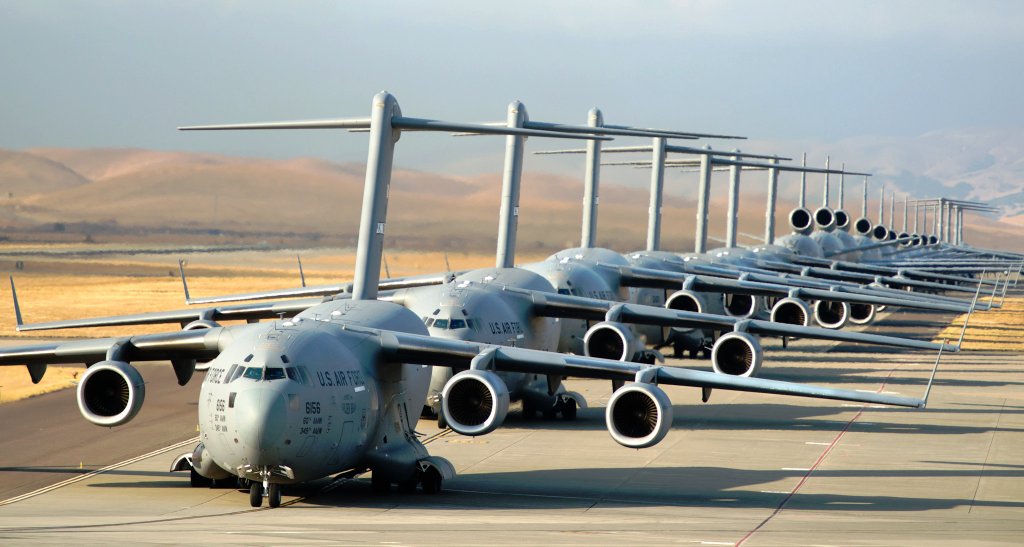
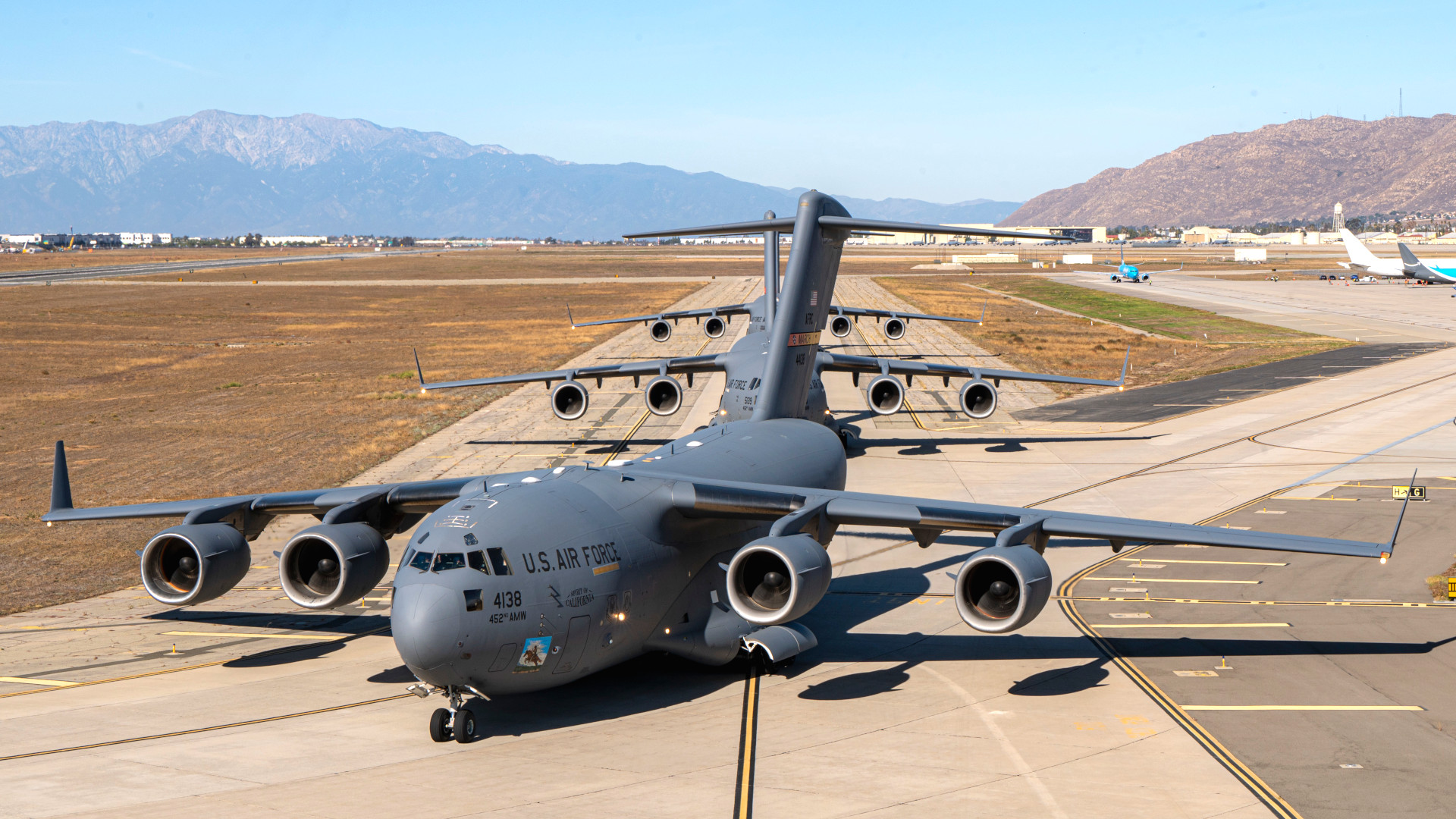
A row of US Air Force C-17s. USAF

TWZ subsequently reached out to Boeing to ask about the company’s current position on rebooting C-17 production.

“Our goal is to help our customers be successful, and we work with them to develop innovative solutions to meet their mission needs, including development and production partnerships,” a Boeing spokesperson told us this week. “We are proud of our continued support for the unique, mission-proven capabilities that the C-17 Globemaster III delivers to the U.S. Air Force and eight allied nation partners.”

At the Paris Air Show last year, Turbo Sjogren, Vice President and General Manager of Boeing Global Services-Government Services, had told Shephard Defense that talks with an unnamed country about a possible C-17 production restart were in their “early infancy.”

“It is a very extraordinary effort to do” and is “reflective of the utility of the aircraft,” he also said at the time, according to Shephard.

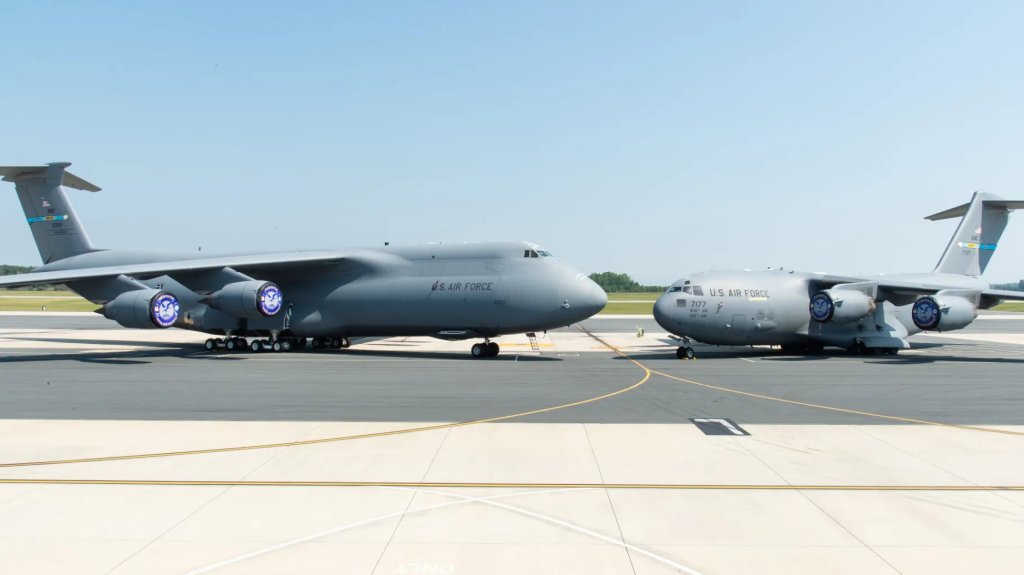
Boeing has also now said that it is always willing to work to better understand the requirements and needs of its customers. Any talk about the prospect of restarting C-17 production would also have to be viewed in the broader context of the Air Force’s still-evolving requirements for the Next Generation Air Lift (NGAL) program. The service’s current NGAL plans envision a single aircraft replacing the very different C-17 and C-5 Galaxy fleets, as you can read more about here.

A C-5 Galaxy, at left, and a C-17, right. USAF

TWZ also reached out to the U.S. Air Force about the recently requested briefing.

It is unclear what it might cost to get the C-17 line restarted and what the unit price of these new-production aircraft would be in the end. There are various factors at play, including whether Boeing retains any relevant tooling, the knowledge base of its current workforce, the state of third-party supply chains, and the availability of physical space to build the airplanes. Back in 2019, the company sold off the facilities in Long Beach, California, where it built the original run of Globemaster IIIs.

More than a decade ago, the RAND Corporation did conduct a detailed, independent analysis that explored options for resuming production of the baseline C-17A, a new C-17B, and a significantly revised “fuel efficient” C-17FE derivative.

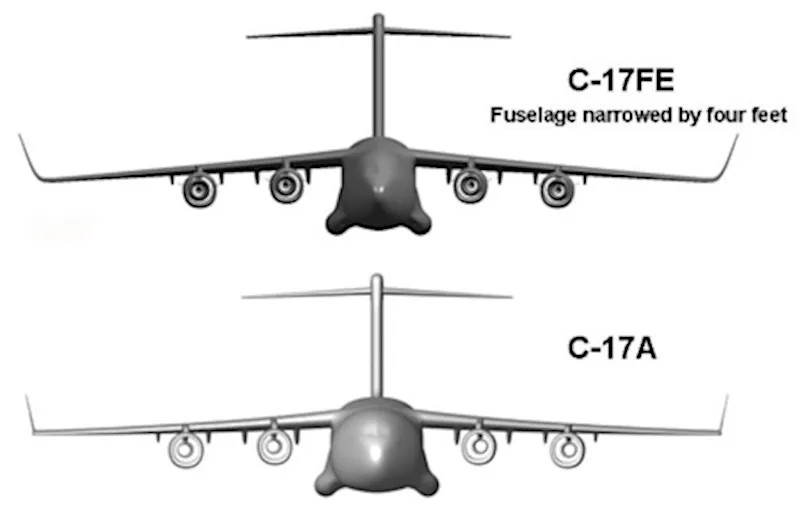
The C-17B was “a variant Boeing has proposed that adds centerline landing gear, a tire deflation/inflation system, higher-thrust engines, advanced flaps, and an advanced situational awareness and countermeasures system,” according to RAND’s report. The C-17FE derivative “would have a narrower fuselage, up-rated engines, a double-element flap system, winglets, a longer loading ramp, a shorter cargo door, and a modified horizontal tail.”

A graphic offering a very general comparison between the C-17A and the proposed C-17FE. Boeing

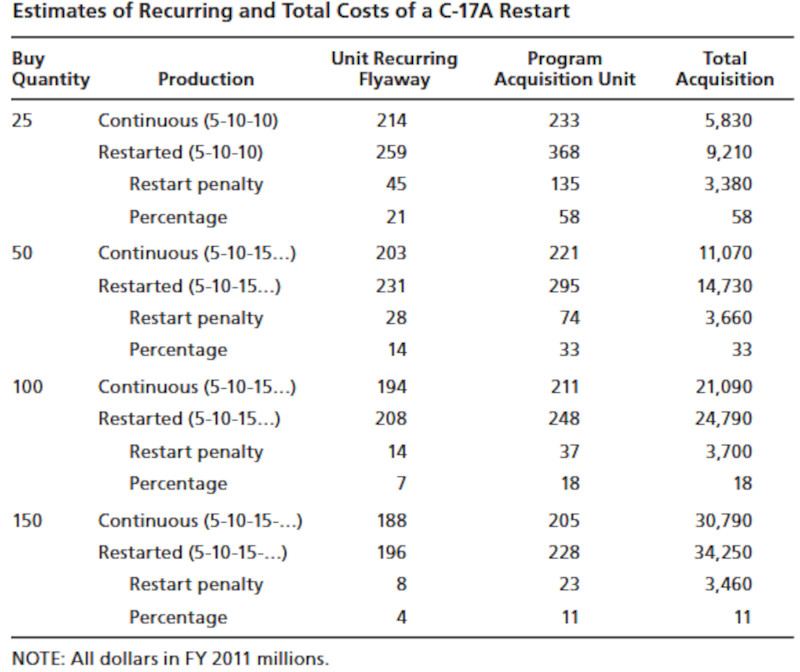
RAND said that it could cost between $2.1 and $2.7 billion in 2011 dollars to begin making C-17A models again after a pause, depending on how much tooling Boeing retained. The cost ranges would be $4.6 to $6.4 billion for new production of the improved C-17B version, and $6.2 billion to $7 billion to start building the C-17FE derivative. Billions more would be required to actually procure the aircraft, with unit prices being highly dependent on the total size of the production, as outlined in the table below. If nothing else has changed, these cost projections would still be significantly higher today just due to inflation.

RAND

As an aside here, RAND published a similar assessment of the options for restarting production of the F-22 Raptor in 2011. That report factored heavily into a study the Air Force subsequently delivered to Congress on that topic back in 2017, which you can read more about here.

Foreign participation in new production of C-17s could help defray costs, and is one of the points the House Armed Services Committee specifically wants the Air Force to address in its briefing. As TWZ noted last year after Turbo Sjogren made comments at the Paris Air Show, Boeing’s discussions at that point might not have been with the U.S. government. Earlier in 2025, then-Japanese Prime Minister Shigeru Ishiba had expressed interest in buying Globemaster IIIs, raising immediate questions about where those aircraft might come from.

It should be noted here that the U.S. Air Force’s C-17s have received various upgrades over the years, and the service continues to move ahead with other plans to improve their performance and expand their capabilities. This includes the installation of 3D-printed microvanes on the fuselage, which offer a very minor reduction in drag (approximately one percent), but that translates into real reductions in fuel consumption. All Air Force C-17s are expected to have this feature by the end of next year. Communications and data-sharing upgrades have also been a major focus area across all of the Air Force’s airlift and tanker fleets.

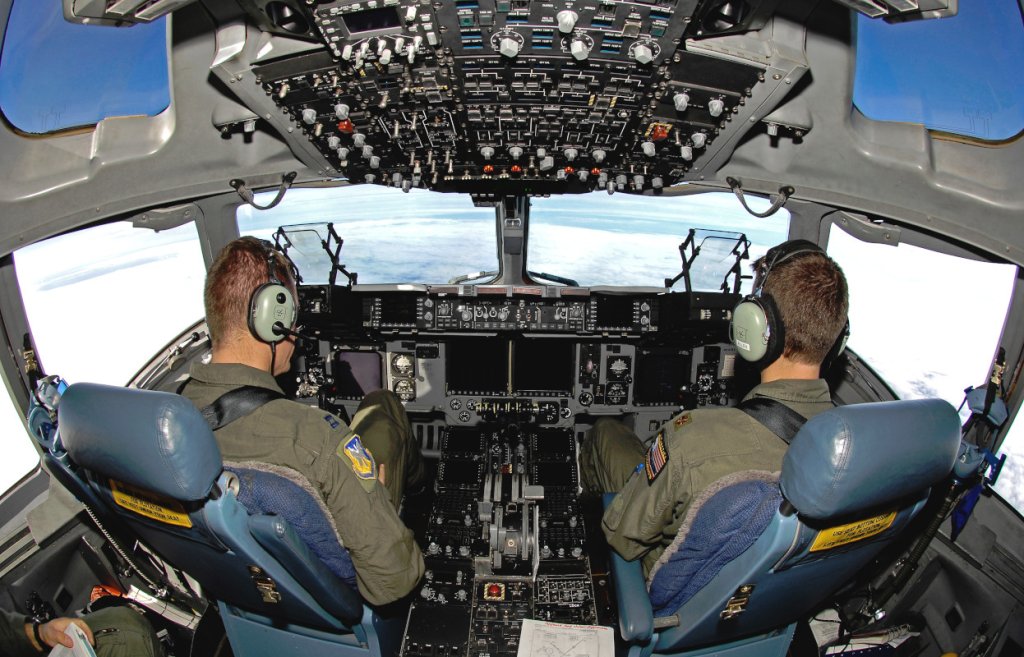
Boeing is now under contract for a more extensive upgrade of the flight decks on Air Force C-17s. The company says this will aid in “resolving avionics obsolescence” and integrate new open systems architectures to make it easier to add new and improved capabilities and functionality in the future.

A look inside the cockpit of a U.S. Air Force C-17. USAF

The prospect of a re-engining effort for the Globemaster III fleet has also been raised in the past, but the Air Force downplayed the value of doing so earlier this year.

When it comes to discussions about restarting C-17 production, another key factor is the lack of immediate alternative options. There is really no other aircraft in this class in production now in the United States or anywhere else in the West. Airbus has long positioned its turboprop-powered A400M as sitting in a capability space between Lockheed Martin’s C-130 family and the C-17. Embraer’s KC-390 Millennium design, which is also offered as an aerial refueling tanker, has generally been pitched as a jet-powered competitor to the C-130. China’s Y-20 and Russia’s Il-76 are really the only in-production analogs on any level to the C-17 globally.

The House Armed Services Committee has now also asked the Air Force to speak to the possibility of buying “commercial derivative cargo aircraft” and/or an “expansion of the Civil Reserve Air Fleet,” or CRAF, to help bolster airlift capacity. The CRAF is an arrangement by which the U.S. military can call upon commercial airlines and charter companies to help move cargo and personnel, which you can learn more about here.

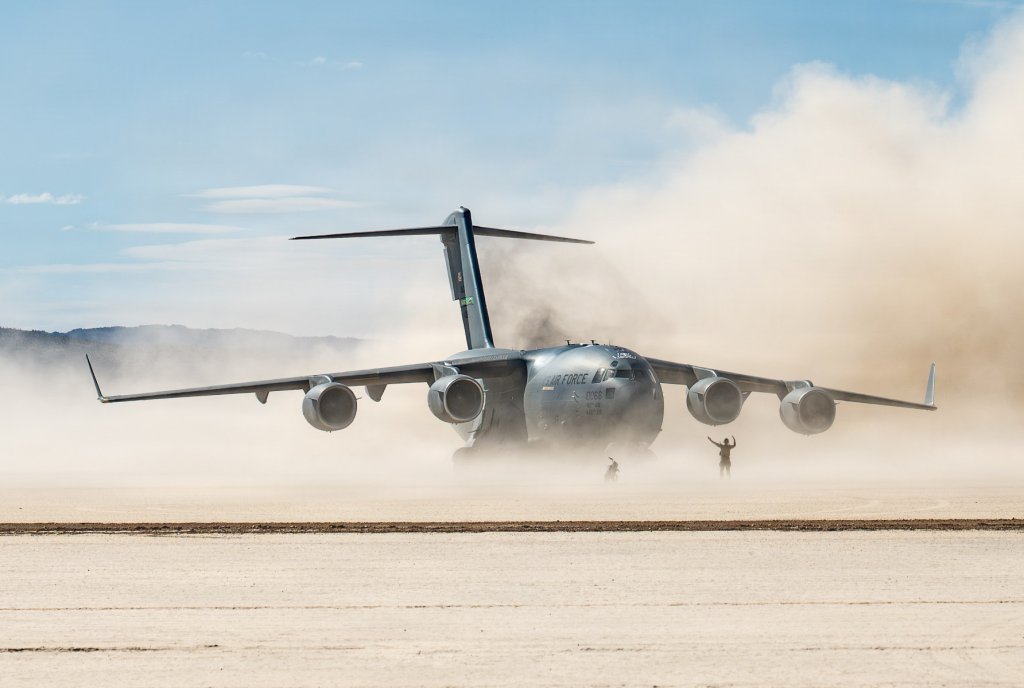
A key issue here is that the C-17 is specifically designed for tactical operations right at the tactical edge. This includes the ability to bring combat-ready forces to far-flung locations without the need for an established airfield. Additional commercial alternatives could still be utilized in rear areas to help free up C-17s for more demanding missions and otherwise relieve stress on the Globemaster III fleet.

A C-17 at Delamar Dry Lake in Nevada during training. USAF

Questions have been increasingly raised about the survivability of the C-17 itself, especially in the context of a future high-end fight, as the threat ecosystem continues to expand and evolve. The Air Force has made clear that it is working to find new ways to bolster the defensive capabilities of all of its existing airlifters, as well as its tanker fleets, and that this is a key consideration in the evolving NGAL requirements.

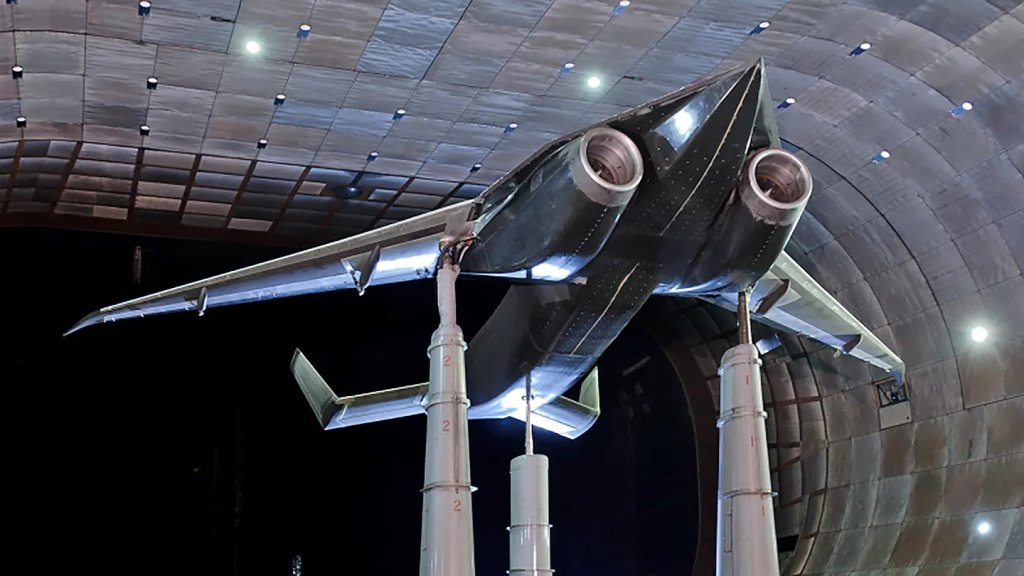
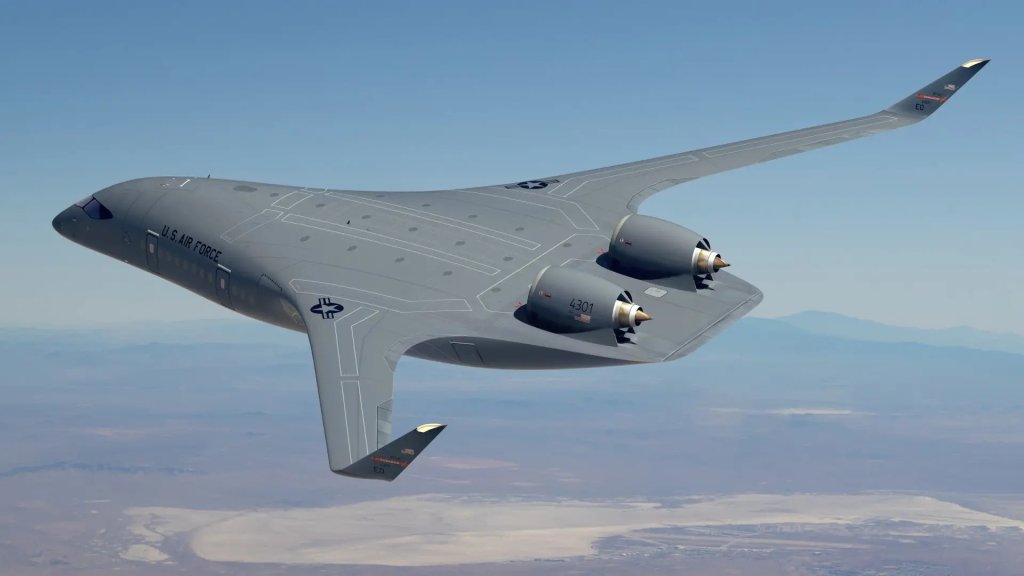
TWZ has long been sounding the alarm on the need for more survivable cargo planes and tankers. The Air Force already has decades’ worth of experimental work and studies on concepts for stealthy cargo aircraft and tankers, as well as non-stealthy ones with blended-wing-body (BWB) planforms, under its belt. Over the years, several companies have publicly put forward prospective designs that could be relevant for NGAL, as well.

A wind tunnel model of a design concept for an advanced tanker and/or cargo aircraft that the Air Force explored as part of a project called Speed Agile in the late 2000s and early 2010s. USAF
A rendering of the blended-wing-body demonstrator aircraft now in development for the Air Force. USAF

When any new platform developed under NGAL actually enters service remains to be seen. The stated plan the Air Force has put forward to date would see those new aircraft replacing its C-5s first, with C-17s flying through 2075. By that point, the Globemaster III, as a type, will have been in service for 80 years.

“The C-17 is the most amazing airplane ever made. I have a lot of time in it, so I can say that. We have asked it to do a lot of things, and it’s done more than we ever planned for when we bought that airplane,” Air Force Lt. Gen. Rebecca Sonkiss told TWZ and other outlets at a roundtable on the sidelines of the Air & Space Forces Association’s (AFA) annual Warfare Symposium in February. “It has performed flawlessly, but it’s getting old too.”

Sonkiss is Deputy Commander of Air Mobility Command (AMC). She has been serving as the interim head of the command since her predecessor, Gen. John Lamontagne, became Vice Chief of Staff of the Air Force in January.

“I cannot have a gap in my strategic airlift forces, and we’re working forward on the NGAL to combine the view of the C-5 and the C-17 fleet and figure out what the next strategic airlifter needs to be. That conversation, in my book, can’t happen enough, or can’t happen fast enough,” she added at the roundtable in February. “We have to get after what next looks like, and we can’t wait until we’re shoveling it into the boneyard before we get to that discussion.”

Whether the Air Force’s future airlift plans also include buying new-production C-17s remains to be seen. For its part, Boeing does not appear to have ruled out the possibility just yet.

Contact the author: joe@twz.com

The post Boeing “Encouraged” By C-17 Production Restart Discussions appeared first on The War Zone.

  •  

Guinea Ecuatorial: del legado español a una Iglesia «firme»

El arzobispo de Malabo, Juan Nsue Edjang Mayé, tomó la palabra esta mañana para agradecer a Robert Prevost su presencia. «El señor ha estado grande con nosotros», comentó el pastor. Con esta premisa, agradeció al Pontífice «la palabra clara que ha iluminado nuestras conciencias y ha orientado nuestro caminar como Iglesia y como sociedad».

En su intervención, el prelado repasó el papel que han jugado en estos 170 años de evangelización del país los españoles. «La Iglesia en Guinea Ecuatorial ha recorrido un camino fecundo y providencial, sin faltar dificultades históricas», expuso el pastor que lidera la principal diócesis de las cinco con las que cuenta el país.

Al echar la vista atrás, el arzobispo recordó la figura del padre Gerónimo Mariano Usera, misionero cisterciense enclaustrado, al que definió como un «pionero» dentro de los primeros precursores que llevaron «la semilla de la fe». Después se detuvo en 1857, cuando se creó la prefectura apostólica de la mano de un grupo de sacerdotes diocesanos de Toledo. El siguiente paso lo protagonizaron los misioneros claretianos, que «crearon la estructura eclesiástica que ha ido creciendo y consolidándose a lo largo de la historia con la presencia de otras congregaciones misioneras, así como la participación activa de los laicos». Hoy el 90% de los ecuatoguineanos se consideran católicos.

Con este legado por delante, comentó que la Iglesia ecuatoriana «siempre se ha mantenido firme a la fidelidad al Evangelio del amor, de la misericordia y del perdón». A partir de ahí, el arzobispo definió la visita papal como «un acontecimiento de gracia singular, un momento histórico que permanecerá impreso para siempre en la memoria de nuestro pueblo».

Sabedor de los frutos que dejan tras de sí los tres días de peregrinación de León XVI, el pastor aseguró que su presencia implica «dignificación, cercanía y reconocimiento que reaviva nuestra identidad como cristianos y católicos, y nos impulsa a caminar con mayor fidelidad al Evangelio». «Nos confirma en la fe, refuerza nuestra esperanza y renueva inquebrantablemente nuestra comunión con la Iglesia universal», enfatizó. Y aplaudió cómo Robert Prevost ha dejado tras de sí en estos días una «palabra clara que ha iluminado nuestras conciencias y ha orientado nuestro caminar como Iglesia y como sociedad».

Sobre el compromiso que adquiere la Iglesia tras este viaje, el arzobispo aseguró que los católicos ecuatoguineanos continuarán «sembrando ilusión, invitando a la responsabilidad y al compromiso para la defensa de la dignidad y seguir construyendo una sociedad más justa, solidaria, fraterna e inclusiva».

Tras las palabras de Nsue Edjang Mayé, varios peregrinos entregaron al Papa algunos regalos, entre ellos, algunas obras artísticas, productos locales e instrumentos musicales. El Pontífice correspondió entregando un cáliz a la Iglesia local.

💾

  •  

África ancla a León XIV como líder global

Poco después de las seis de la mañana, una nube cubrió Malabo. En apenas unos minutos el cielo se oscureció. Y cayó un aguacero a los que ya están acostumbrados los ecuatoguineanos. Pero que impactan al que llega de fuera. En veinte minutos frenó en seco la tormenta y la gente se echó a la calle para despedir su invitado durante tres días: León XIV.

Prueba de ello es que el estadio de la capital estaba repleto esta mañana de peregrinos preparados para celebrar la última misa del Papa agustino en suelo africano, después de su primera gira en el continente, que durante doce días le ha llevado también a Argelia, Camerún y Angola. León XIV culmina este viaje habiéndose resituado como referente de la conciencia global por sus constantes llamamientos a la paz. Los ataques verbales recibidos por el presidente de Donald Trump justo antes de despegar de Roma y su serena pero contundente respuesta contra la guerra le sacaron del anonimato mediático de este primer año de pontificado para erigirse como autoridad ética y moral.

Y así ha llegado a la jornada de este jueves, pisando con seguridad el altar ante las 30.000 personas que le jaleaban. El presidente ecuatoguineano, Obiang Nguema Mbasogo, y la primera dama, Constancia Mangue Nsue Okomo, abanderaban una delegación internacional de autoridades de diferentes países que se sumaba a una nutrida representación de obispos y cardenales de países del entorno. La locura se desató en el estadio cuando el papamóvil irrumpió en el terreno de juego en torno a las nueve y media de la mañana.

Sin embargo, la algarabía se transformó en recogimiento y solemnidad en cuanto dio inicio la procesión de entrada de la eucaristía, poco antes de las diez de la mañana. Los cantos litúrgicos del coro se combinaron con temas tradicionales que visibilizaban el entusiasmo y el ritmo que va en el ADN de los africanos, a pesar de cualquier adversidad. En el altar, una imagen de una Virgen Madre con rasgos inculturados.

«Cristo es la luz de Guinea Ecuatorial, y vosotros, sois sal de la tierra y luz del mundo», lanzó en su mensaje de despedida al finalizar la misa. «Hoy África está llamada a contribuir significativamente a la santidad y al carácter misionero del pueblo cristiano», encomendó a sus interlocutores. En este adiós, desveló que «me voy de África llevando conmigo un tesoro inestimable de fe, esperanza y caridad». «Es un tesoro grande hecho de historias, de rostros, de testimonios alegres y sufridos, que enriquecen abundantemente mi vida y mi ministerio», añadió.

En su homilía, León XIV se mimetizó con la invitación del Papa Francisco al pedir a los católicos presentes que encarnen en su día a día «la alegría del Evangelio» frente a la «tristeza individualista que brota del corazón cómodo y avaro, de la búsqueda enfermiza de placeres superficiales, de la conciencia aislada».

«Por ello, los animo a todos ustedes, Iglesia que peregrina en Guinea Ecuatorial, a continuar con alegría la misión de los primeros discípulos de Jesús», ratificó el Papa agustino.

El Pontífice advirtió de que «cuando la vida interior se clausura en los propios intereses, ya no hay espacio para los demás, ya no entran los pobres, ya no se escucha la voz de Dios».

De hecho, comentó que «la cerrazón» de ese individualismo no lleva a ninguna parte. Como alternativa, ofreció el amor de Dios como el ingrediente fundamental que «sostiene nuestro compromiso, especialmente al servicio de la justicia y de la solidaridad».

Por ello, compartió con los ecuatoguineanos que «la evangelización nos involucra a todos»: «El anuncio de la salvación se hace gesto, se hace servicio, se hace perdón; en una palabra, se hace Iglesia».

En su alocución Robert Prevost tomó punto de partida las lecturas de la misa, en las que se relata precisamente la experiencia de Felipe con un eunuco que regresa de viaje de África, en el que se considera uno de los primeros contactos del cristianismo con el continente. «Precisamente mientras regresa a su patria, África, convertida para él en lugar de servidumbre, el anuncio del Evangelio lo libera», explicó el Sucesor de Pedro sobre el pasaje, recogiendo de esta manera la llamada que a lo largo de estos días ha hecho con relación a la capacidad transformadora de la Palabra de Dios y del seguimiento de Cristo.

León XIV comenzó su homilía expresando su más «sentido pésame» por la muerte del vicario general de la Archidiócesis de Malabo, Fortunato Nsue Esono, que falleció días antes de su llegada al país. El Pontífice instó a afrontar este duelo «sin dejarse llevar por comentarios y conclusiones apresuradas». De la misma manera, confió en que hagan «plena luz sobre las circunstancias de su muerte».

💾

  •  

PHOTOS: Pope Leo honors Gaudi's Sagrada Familia masterpiece in Barcelona

Leo called Gaudí's unfinished temple, one of the world's most visited monuments, a "sign of unity and harmony for all of Spain," an ongoing building project like the lifelong journey all Christians make to find God.

  •  

Is This Secretive Air Force 737 About To Become NASA’s Next ‘Vomit Comet’? (Updated)

NASA is moving to hire a contractor to assess whether or not a Boeing 737-73W can meet its needs for a new reduced-gravity testbed aircraft. The use of planes modified for this role is now new, and they are often called “Vomit Comets” because of the extreme maneuvers they perform to simulate zero-G environments and the physical side effects this often induces. However, there’s an unusual twist here with the specific plane that NASA is now eyeing: it currently belongs to the U.S. Air Force and is part of a “classified military program.” There is a strong possibility that the aircraft in question is a mysterious 737 that the service acquired in 2020, and that has been the subject of much speculation as to its purpose ever since.

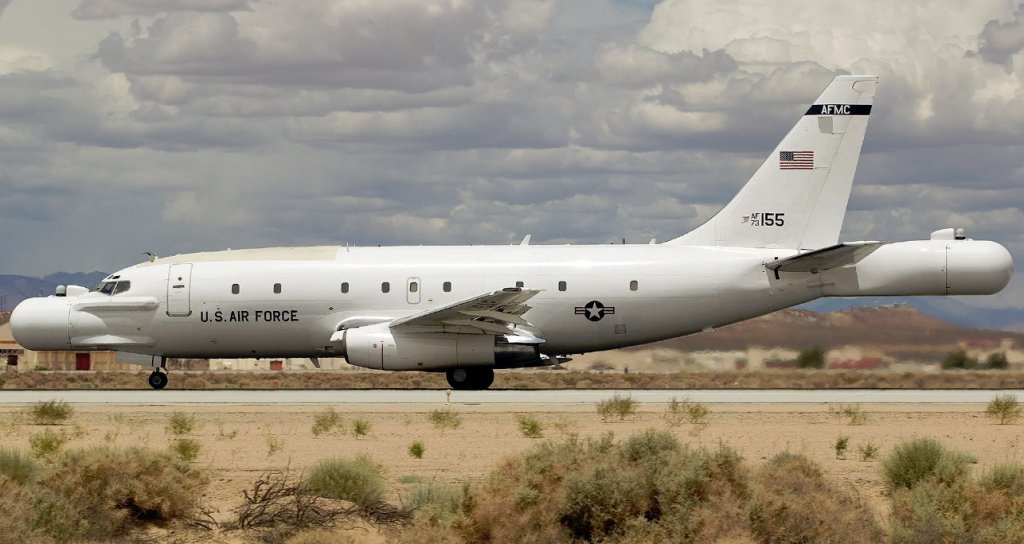
NASA’s Armstrong Flight Research Center posted a contracting notice yesterday justifying a planned sole-source contract to Denmar Technical Services, Inc. in relation to “Reduced Gravity Modification” of the 737-73W aircraft. Earlier this year, signs had already emerged that NASA might be in line to get a heavily modified and highly secretive 737 from the Air Force, designated the NT-43A and commonly referred to by the callsign RAT55. However, yesterday’s notice does not appear to refer to the NT-43A, long used as an airborne signature measurement platform and described in the past as the world’s most secretive 737, which is based on a much older 200-series airframe. We will come back to this later on.

A stock picture of the NT-43A Radar Test Bed aircraft, also commonly known by the callsign RAT55. Phodocu

What NASA wants now

“NASA requires Denmar Technical Services, Inc. to conduct a feasibility assessment to determine the Boeing 737-73W’s suitability to perform the NASA reduced gravity mission; modify the aircraft cabin, if required, to support reduced gravity operations; perform overdue maintenance and inspections, perform airworthiness restoration tasks, and paint the aircraft exterior with NASA identifiers,” the contracting notice NASA released yesterday explains.

The notice adds that the aircraft, if modified, would be used, at least most immediately, “for the Reduced Gravity Test Bed Project in support of the agency [sic] need for performing validation testing on Space Suits in support of the Artemis program.”

Artemis is NASA’s current effort to return U.S. astronauts to the lunar surface. The Artemis II mission, conducted in April, involved the first fly-by of the Moon by a crewed spacecraft since the end of the Apollo program in the early 1970s. However, the spacecraft did not touch down on the surface. The goal now is for a crewed lunar landing to come in 2028. RAT55 was notably used to support the launch of the Artemis II mission and the subsequent recovery of the capsule after its return to Earth.

Back in January, NASA had put out a separate contracting notice calling for information about new options to provide “parabolic flight services” to simulate “reduced gravity environments, including microgravity” for testing and scientific research purposes. The Florida-based Zero-G corporation is currently the primary provider of these services to NASA, using a retrofitted Boeing 727-200 dubbed ‘G-Force One.’ You can read more about NASA’s general use of Vomit Comets in the context of that notice here.

The Boeing 737-73W under consideration to be turned into a Vomit Comet “is owned by the United States Air Force (USAF). Denmar Technical Services, Inc. has specialized knowledge of this Boeing 737-73W aircraft as they are currently contracted by the USAF to modify the aircraft under a classified military program,” the contracting notice NASA released yesterday adds. “NASA does not have a ‘need to know’ regarding the details of the current modifications being made under the USAF contract and therefore is unable to provide modification details to another contractor or provide another contractor with access to the aircraft. The USAF will transfer ownership of the aircraft to NASA upon completion of the closeout tasks.”

“Denmar Technical Services, Inc. is uniquely positioned to close out work under their existing obligations while performing the feasibility assessment, maintenance, and any modifications required under this action,” the notice continues. “Additionally, due to the constrained timeline for the NASA Extravehicular Activity and Human Surface Mobility Program’s space suit testing for Artemis, NASA requires the assessment and overdue maintenance to be performed immediately upon contract award and any subsequent aircraft modifications to be complete no later than October 1, 2026. The timeline can only be supported if this requirement is fulfilled concurrently with the USAF closeout tasks.”

Denmar is a small aviation firm headquartered in Reno, Nevada. At the time of writing, its website lists a wide array of specialized design, modification, flight testing, and other work among its portfolios. This includes “advanced customized mission system development” that “encompasses the design of unique airborne operator interfaces, specialized emitters and sensors, system integration, and post-mission analytics and processing.” The company also describes itself as the “Nation’s leading experts on IR [infrared] and RF [radiofrequency] survivability, signature modeling, [and] agile software development for analysis and real-world operational assessments.”

In line with all this, Denmar is understood to have been the prime contractor behind the extensive modifications to RAT55. In April, the Air Force confirmed to TWZ that the NT-43A was “being transitioned to start the next phase of its career,” as reflected by its involvement in the Artemis II mission, “after decades of flights supporting the Air Force in various roles.” The aircraft, which is understood to have long called the secretive and remote Tonopah Test Range Airport (TTR) in Nevada home, has been seen much more publicly since then.

Best views of RAT55 yet. Dorsal sensor pod (EO ball) seen in detail here. Also shot inside. I wonder if this is going to be ported in full to a contractor (it is currently operated by a contractor) https://t.co/XoE1zGFN78

— Tyler Rogoway (@Aviation_Intel) April 4, 2026

However, as NASA’s recent contracting notice makes clear, the 737 it is now looking at as a potential Vomit Comet is a much newer 700-series model. TWZ has reached out to the Air Force and NASA for more information.

The curious case of N712JM

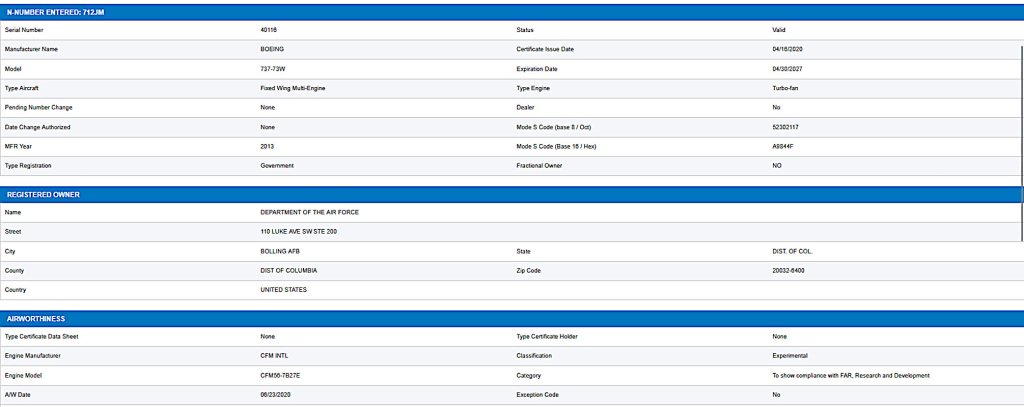
As mentioned, it is very possible, if not highly probable, that the 737 NASA is now considering turning into a Vomit Comet is one that the Air Force acquired in 2020, which TWZ explored in-depth at the time. That aircraft, which is a -73W model, is still officially on the U.S. civil register, with the registration code N712JM. Federal Aviation Administration (FAA) records show that the preceding owner of this aircraft was Denmar, which acquired it in 2019. The plane’s history before that is murky, with Boeing delivering it in 2013 to East West Bank via a trusteeship with Wells Fargo Bank, per the FAA’s records.

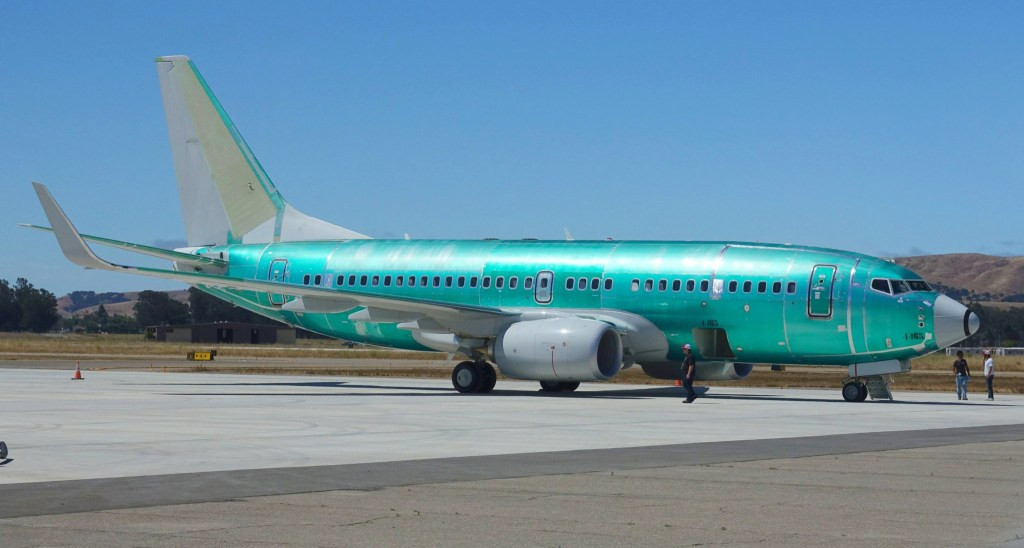
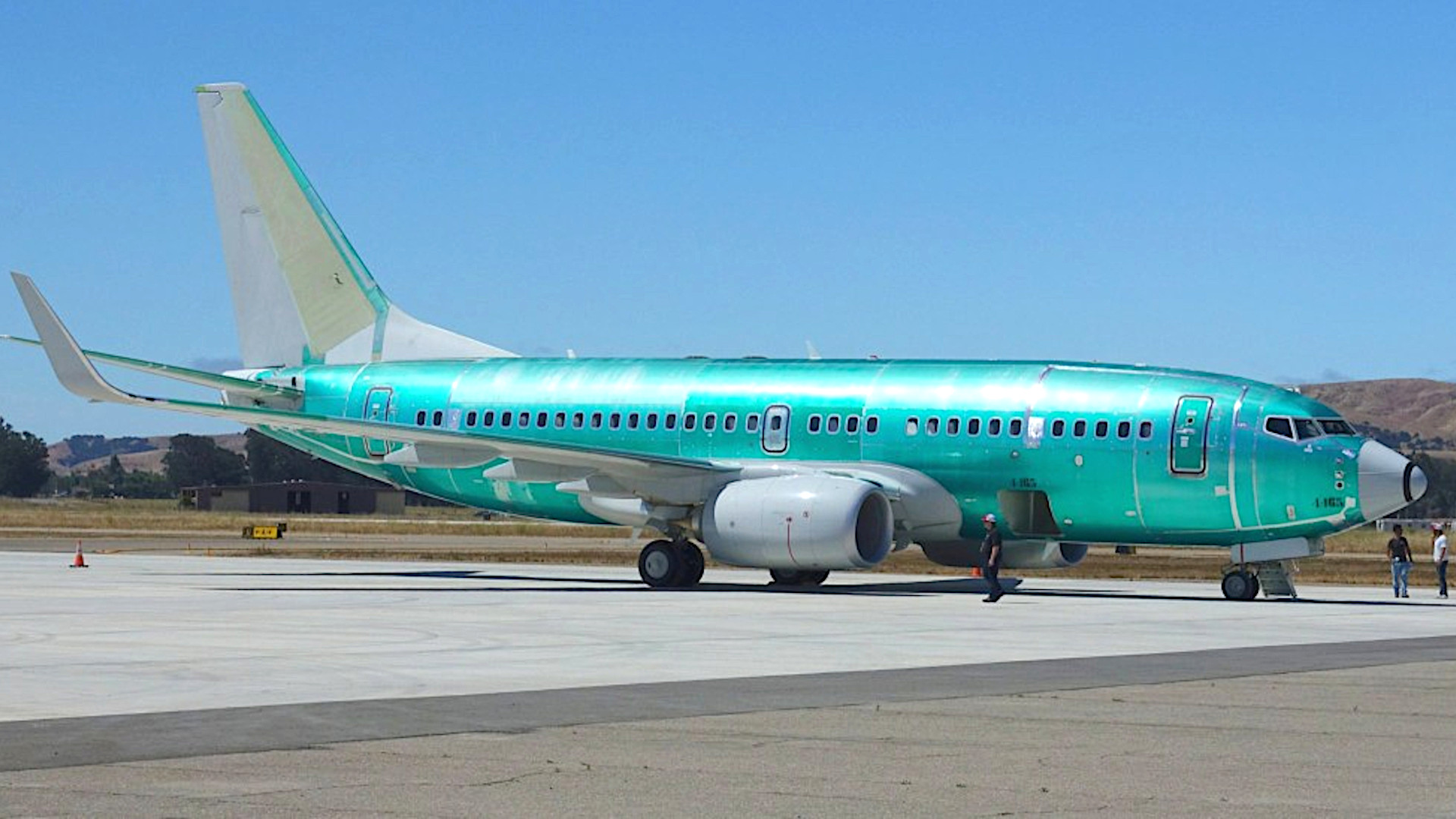
N712JM had drawn particular attention in 2020 not just because of its transfer to the Air Force, but also because it emerged at that time wearing a green protective coating and otherwise looking like it had just rolled off the production line. It also had some unusual external features that raised questions about its role, as we explored at the time.

N712JM as it was seen in 2020. Reader submission

In 2020, Jon Ostrower, long-time aviation journalist and editor-in-chief of The Air Current, told TWZ the following:

“This is definitely an airplane that never made it to a formal finish you’d expect from a commercial airplane. The green finish is a protective coating applied to fuselages during manufacturing to protect from scratches and other damage. It is dissolved during painting. You can also still see the manufacturing (line) number as well. That’s from its original trip down the assembly line. There’s also quite a bit of instrumentation visible with sensor wiring leading into the cabin through the passenger windows. This type of arrangement points to a flight test setup of some kind.”

In 2020, N712JM conducted many test flights in U.S. military ranges off the coast of Southern California, flying various flight profiles, some of them quite unusual. The aircraft flew those sorties from Santa Maria Airport in California, and used the callsign STING 38.

The 'mysterious' USAF Boeing 737-700 N712JM is just back to Santa Maria, Ca. after another 3+ hour flight as 'Sting 38'. https://t.co/3sxMyligwM

Seven years old yet still in 'greenie' primer, lots of sensors in odd places… Article: https://t.co/erZf3MMSwi @thewarzonewire pic.twitter.com/ivs2WQFkt4

— Airport Webcams (@AirportWebcams) June 15, 2020

What the Air Force has been using N712JM for to date is unknown. Per FAA, the aircraft has been and continues to be registered to an address at Bolling Air Force Base (technically now part of Joint Base Anacostia-Bolling) in Washington, D.C., which looks to belong to the Air Force’s Rapid Capabilities Office (RCO). The RCO has headed up multiple cutting-edge, high-priority programs over the years, including the development of the B-21 Raider stealth bomber and the X-37B reusable spaceplane. A 737-based platform could be configured to support an array of different research and development and test evaluation activities that would fall under the purview of RCO, as well as other stakeholders that this office might engage with.

A screen capture of the entry for N712JM in the FAA’s online database at the time of writing. FAA capture

There has also been some speculation over the years that N712JM might have transformed into an Air Force 737 with the serial number 21-0024, but this appears to still be unconfirmed. The 21-0024 serial has more recently become associated with other shadowy 737s tied to the U.S. military, which have civilian-style paint schemes and may also be on the U.S. civil register. One of them was notably spotted in 2025 at a U.S. forward operating location in El Salvador, sitting directly alongside an Air Force AC-130J Ghostrider gunship and a U.S. Navy P-8A Poseidon maritime patrol plane. This, in turn, raised questions about its involvement in the ongoing U.S. campaign of strikes on alleged drug smuggling boats in the Caribbean and the Eastern Pacific Ocean, as TWZ previously explored in detail.

21-0024, for reference. When I spotted it, FR24 was indeed calling it N712JM, though ADSBx had the BuNo and a different hex. https://t.co/3WwV3kxBC4

— Volgowrath (@volgowrath) April 27, 2023

Sightings and flight tracking data have also pointed to N712JM being a resident at the Sierra Nevada Corporation’s (SNC) facility at Colorado Springs Airport, in the Colorado city of the same name, over the years. SNC is well known for highly specialized and unique aircraft modification work, especially for the U.S. military, but its exact connection to this 737 is unclear.

Interestingly, there have been several online flight tracking data ‘pings’ suggesting new activity related to N712JM at Colorado Springs Airport since at least February of this year. However, there do not appear to be any confirmed flights by the aircraft from there in that same timeframe. This airport notably sits adjacent to Peterson Space Force Base.

N712JM was on again today, this time thing ping is outside the hangar but that may not be accurate https://t.co/ijkrCDLmUh pic.twitter.com/mCdJbY5OOI

— 𝗦𝗥_𝗣𝗹𝗮𝗻𝗲𝘀𝗽𝗼𝘁𝘁𝗲𝗿 (@SR_Planespotter) April 8, 2026

Are we seeing the revival of N712JM? Last ping about 2 hours ago. What will it look like? https://t.co/vnFH9W6Afw pic.twitter.com/MZSLhkwXv8

— 𝗦𝗥_𝗣𝗹𝗮𝗻𝗲𝘀𝗽𝗼𝘁𝘁𝗲𝗿 (@SR_Planespotter) March 25, 2026

There is still a possibility that NASA could be looking at a different Air Force 737-73W for possible conversion into a Vomit Comet. As the contracting notice makes clear, the aircraft in question is currently in the classified realm. At the same time, this seems far less likely to be the case given everything that is known (and still unknown) about N712JM.

A separate question does exist now as to what effort the Air Force might be in the process of closing out that would allow it to transfer any classified 737 to NASA. TWZ has previously raised tangential questions about how the Air Force might fill the resulting gaps left by the highly-specialized RAT55 moving on to the next stage of its career. It is certainly interesting in its own right that NASA seems to be focused heavily at the moment on leveraging some of the most secretive 737s in existence today to support its much less sensitive needs.

More details may emerge if Denmar deems the “classified” Air Force 737 to be a suitable starting place to create a new Vomit Comet to support NASA’s reduced gravity training needs and the Artemis program.

Update: 3:45 PM EST –

In immediate response to our queries, NASA has directed us to an additional notice about the award of the sole-source contract, valued at $8.4 million, to Denmar Technical Services back on June 1.

“The contractor will modify a Boeing 737-700 aircraft to perform lunar-gravity parabolic flights to test NASA space equipment. Once modifications are complete, NASA Armstrong will own the aircraft and oversee aircraft operations out of NASA Johnson,” the notice says. “The aircraft will be used to validate astronaut lunar suits and associated crew systems required to support Artemis mission objectives. This can be done with the modified 737 aircraft in an operationally relevant, reduced-gravity environment prior to lunar mission execution.”

No mention is made here about the sourcing of the aircraft from the Air Force or its classified mission work, as outlined in the sole-source justification that was released yesterday.

Update: 6/11/2026 –

The U.S. Air Force has provided TWZ with a brief statement about the 737-73W aircraft in question.

“The Boeing 737-73W aircraft was originally procured to serve as a flying testbed,” a spokesperson for the service said. “The program ended and [the] USAF is transitioning the aircraft to NASA.”

Contact the author: joe@twz.com

The post Is This Secretive Air Force 737 About To Become NASA’s Next ‘Vomit Comet’? (Updated) appeared first on The War Zone.

  •  

This Is The Corsair Drone Boat That Plucked The Downed Apache Crew Out Of The Gulf Of Oman

U.S. Central Command (CENTCOM) has confirmed a Saronic Corsair was the uncrewed surface vessel (USV) that rescued the crew of a U.S. Army AH-64 Apache out of the Gulf of Oman overnight. President Donald Trump has also now said Iranian forces downed the attack helicopter, and promised a response. This is the first known instance of a drone boat being used to recover personnel as part of a search and rescue mission, and has major implications for these operations going forward. Readers can otherwise get up to speed on what is already known about this incident in our initial reporting here.

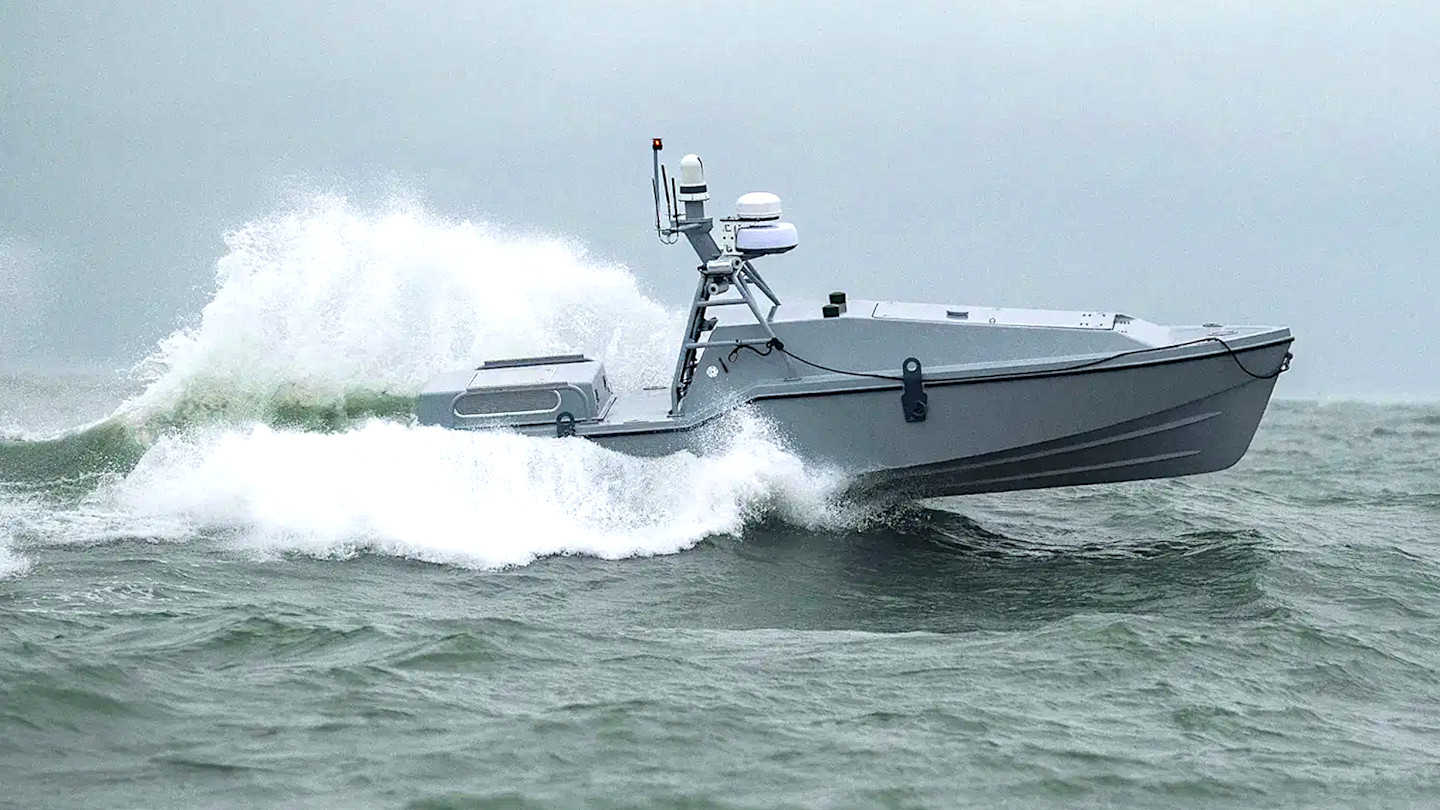
“The surface drone that assisted in last night’s rescue of the Apache crew off the coast of Oman was a U.S. Navy Corsair unmanned surface vessel operated by U.S. 5th Fleet’s Task Force 59,” U.S. Navy Capt. Tim Hawkins, a CENTCOM spokesman, told TWZ. “The task force began fielding these drones in theater in late March.”

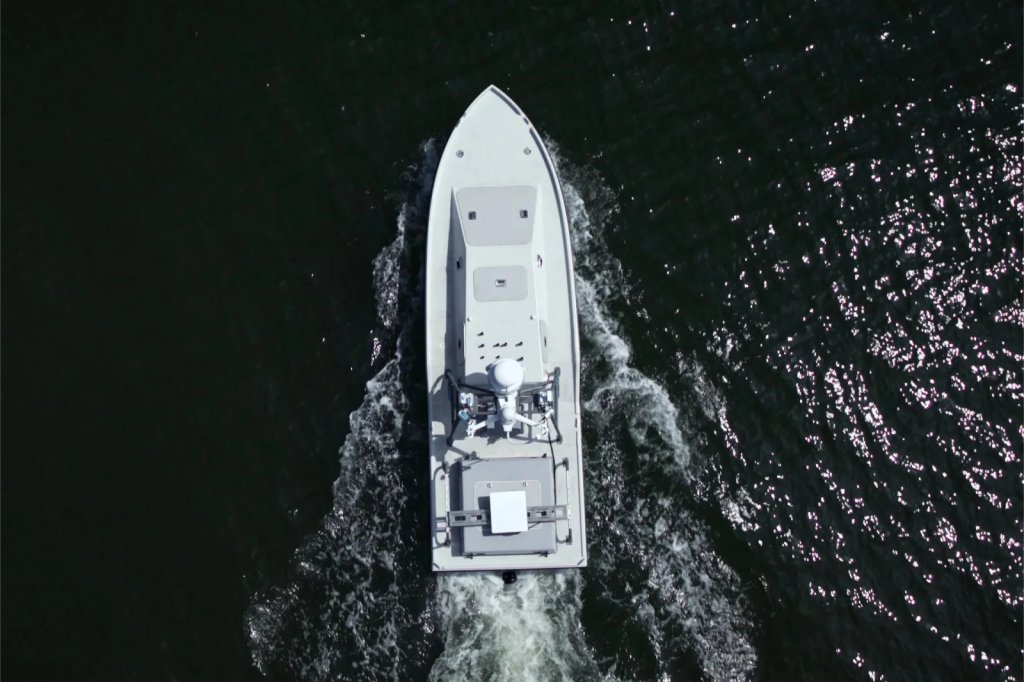
A top-down look at a Saronic Corsair USV. Saronic

The Navy confirmed last December that it had signed an Other Transaction Authority (OTA) deal with Saronic, valued at $392 million, for the production of Corsair USVs. The Corsair, which the manufacturer also calls an autonomous surface vessel (ASV), is a 24-foot-long drone boat with a speedboat-like design that was first unveiled in 2024. The manufacturer says it has a maximum range of 1,000 nautical miles, a top speed of 35 knots, and a 1,000-pound payload capacity.

Prototype to production in under 12 months. The @Saronic OTA proves how we’ll build a hybrid manned–unmanned Fleet: open competition, real contracts, real hardware for Sailors and Marines not slides. This is now the standard. pic.twitter.com/cC9DG7jTiW

— Archive: Secretary of the Navy John C. Phelan (@SecNavPhelan) December 8, 2025

The Corsair “picked them [the Apache crew] up and transported them to another location on the water where they were then hoisted up to a helicopter for further transport,” Capt. Hawkins, the CENTCOM spokesperson, added.

CENTCOM had already confirmed to TWZ and others that an unspecified USV found and rescued the two aircrew from the downed Apache. The Wall Street Journal was first to report the specific type of drone boat employed.

The Army aviators spent approximately two hours in the water before being recovered safely, according to a previous CENTCOM statement. As mentioned, President Donald Trump has also now separately said that Iranian forces were responsible for bringing down the Apache, and that a U.S. response will be forthcoming.

Trump says that Iranian forces shot down the Army AH-64 Apache attack helicopter that went down over Hormuz yesterday.

He says that the US "must, of necessity, respond to this attack" pic.twitter.com/divKHkhgZm

— OSINTtechnical (@Osinttechnical) June 9, 2026

Since its establishment in 2021, the Navy’s Task Force 59 has been charged with helping expand the service’s operational use of uncrewed platforms, as well as artificial intelligence (AI) and machine learning-driven capabilities, across the Middle East. It has operated an array of different types of USVs, as well as uncrewed aerial systems, over the years.

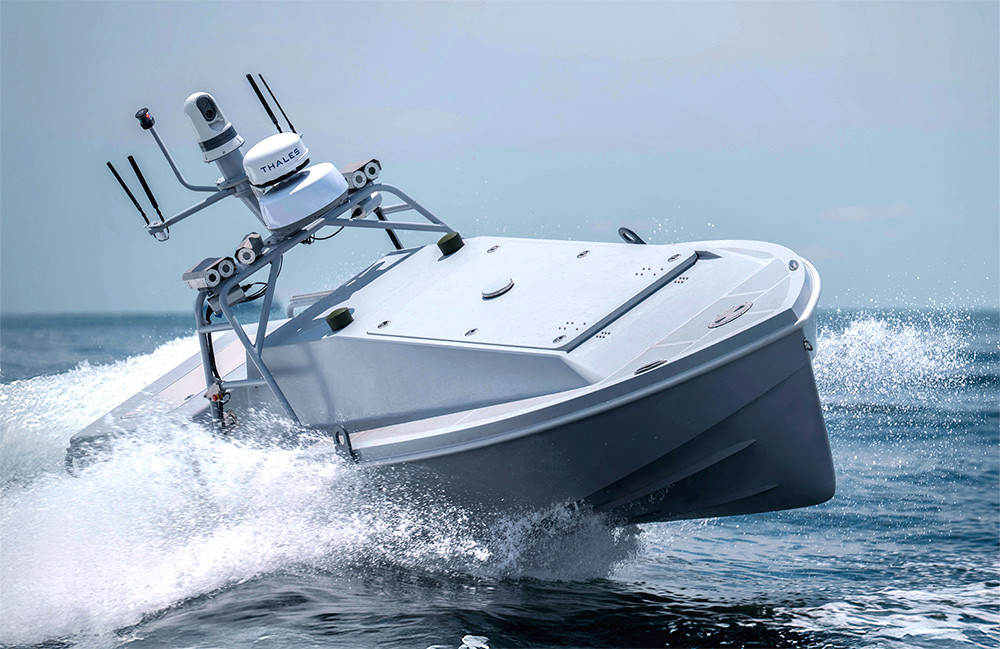
How many Corsairs Task Force 59 has currently, as well as their exact configuration, is unclear. Pictures and videos that Saronic has released to date have shown Corsairs fitted out primarily for surveillance and reconnaissance missions, with a camera turret on top of a central mast-like frame. A commercial navigation radar, additional cameras to help provide extra situational awareness, and various other antennas have also been seen fitted to that frame. Saronic has talked about integrating other capabilities to enable additional mission sets, including launchers for loitering munitions, in the past.

A picture showing the most typical configuration of the Corsair USV that has been seen to date. Saronic

Saronic also says Corsair has a high degree of autonomy, with the type having logged more than 100,000 nautical miles of total travel to date, including multi-day missions. The SUV is designed to be employed independently or in networked swarms, according to the company. Human operators are in the loop during these operations via datalink.

Corsair, our 24ft Autonomous Surface Vessel (ASV), has officially crossed 100,000 nautical miles traveled — that’s nearly five times around the Earth or almost halfway to the Moon!

This milestone represents more than distance. It reflects relentless testing across diverse… pic.twitter.com/opXtX6jSfO

— Saronic (@Saronic) February 23, 2026

“Corsair can be given a mission, alone or as part of a collaborative swarm, and execute with minimal human interaction to deter or counter adversarial threats at a range of 1,000 nautical miles,” Saronic said in a press release back in 2024. “Employing redundant communications and passive perception capabilities, Corsair can autonomously identify, track, follow, and intercept targets in contested and communications denied environments.”

These are all capabilities well suited to the U.S. Navy’s immediate needs in the Middle East, especially in support of the current blockade of Iranian ports. Corsair would notably offer a lower-risk way to closely shadow vessels that might be attempting a run into or out of the area. Corsair’s ability to automatically spot and track objects of interest would have helped in finding and rescuing the downed Apache crew, too. It is worth noting here that automated target detection is also a key part of Corsair’s ability to safely navigate autonomously, day or night, especially in congested waterways, as seen in the video below.

In 2025, we logged more than 79,000 nautical miles and over 15,000 hours of total operations with Corsair, our 24-ft ASV. Much of this was done on our own dime, operating 6 days a week at our test sites on the West Coast, East Coast, Gulf Coast, and beyond, allowing us to… pic.twitter.com/PZETeJia17

— Saronic (@Saronic) January 9, 2026

Corsair’s overall performance in the Middle East could easily translate to further operational use of this USV by the Navy globally. The service has particularly significant demands for persistent maritime surveillance and reconnaissance capacity, as well as just general presence, across the broad expanses of the Pacific. One of the key benefits that USVs offer is the ability to provide additional distributed ‘mass’ at relatively low cost. This can help bolster the capabilities of crewed platforms they are networked together with or just ease the operational strain on those assets.

The Navy has now also clearly demonstrated how valuable USVs could be in future maritime search-and-rescue operations worldwide. This, in turn, underscores the benefits uncrewed platforms bring to these missions, especially in the face of growing anti-air and other threats.

As we already wrote today:

“As TWZ regularly highlights, search and rescue operations present inherent complexities and risks, especially when conducted in or near hostile territory. The F-15E rescue effort in Iran put a particular spotlight on the immense risks that combat search and rescue (CSAR) forces take, with helicopters and C-130 variants sent into areas where even a high-end fighter aircraft didn’t survive.”

“Open-water recoveries can present distinct additional challenges. There is always the possibility of the loss of additional assets and personnel in the process, no matter where a CSAR mission occurs.”

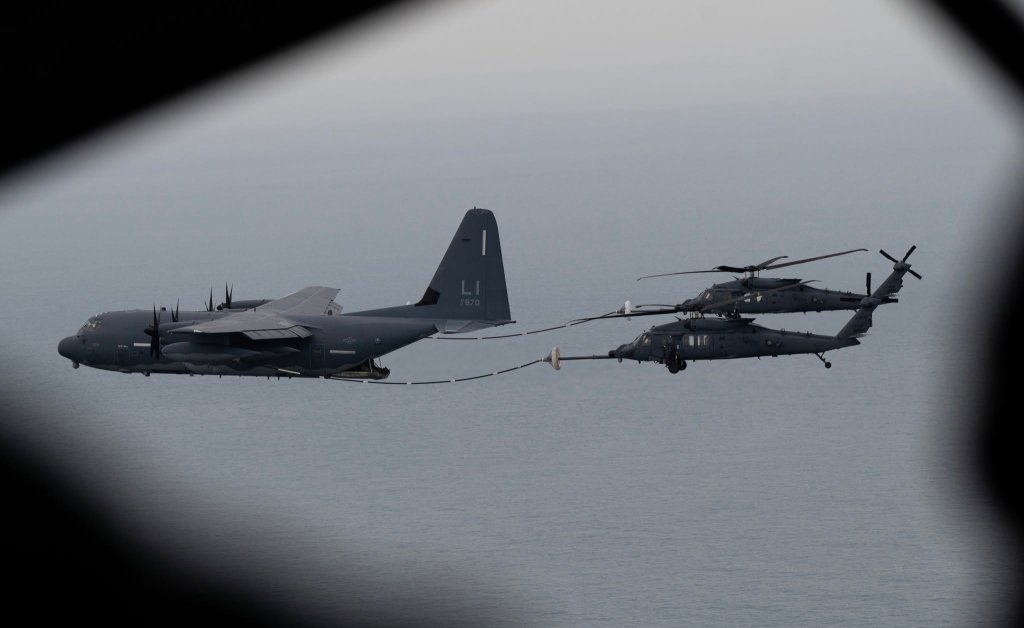
US Air Force HH-60W Jolly Green II search-and-rescue helicopters refuel from an HC-130J Combat King II aircraft. USAF

The use of a Navy drone boat in the rescue overnight highlights a new dimension for maritime CSAR going forward. These uncrewed assets can be more readily pre-positioned in a distributed manner. For example, in the broad expanse of the Pacific, USVs could be forward-deployed at multiple points along certain flight paths for this exact purpose. USVs could offer other distinct advantages in certain scenarios where they might be able to get into areas where traditional assets cannot and without risking additional personnel. These realities extend well beyond the maritime domain, and we are only likely to see uncrewed platforms of all kinds increasingly taking part in rescue efforts, especially in denied areas. The U.S. military is coming to terms with just how vulnerable their CSAR assets are and the ranges that would be needed to access highly defended areas, especially during a peer fight. Using drones to execute personnel recovery is being viewed as one part of a larger set of solutions to this pressing problem.

The additional detail we have now that the Corsair USV brought the downed aircraft to a territorial location, where they were then hoisted into a helicopter, is notable, too. This further shows how uncrewed platforms could be used as part of a distributed hub-and-spoke-style concept of operations for future rescue missions, which could increase flexibility and total area covered. USVs could be used to penetrate into especially high-threat areas, recover personnel, and then bring them to crewed assets at safer locations to the rear, as well.

“When it comes to search and rescue, you utilize the best asset that is the closest and the quickest, and that was the case in this instance,” CENTCOM’s Hawkins also told The Wall Street Journal today. “We’ve practiced this scenario in exercises, but not quite necessarily like this.”

Corsair’s now very public use in the Middle East could be a boon for Saronic when it comes to future sales opportunities with the U.S. military and foreign customers, as well. Corsair, by itself, has already been at least evaluated by the Pentagon’s Defense Innovation Unit (DIU) under its Production-Ready, Inexpensive, Maritime Expeditionary (PRIME) effort. It was also a finalist in the Army’s xTechPacific 2025 innovation challenge.

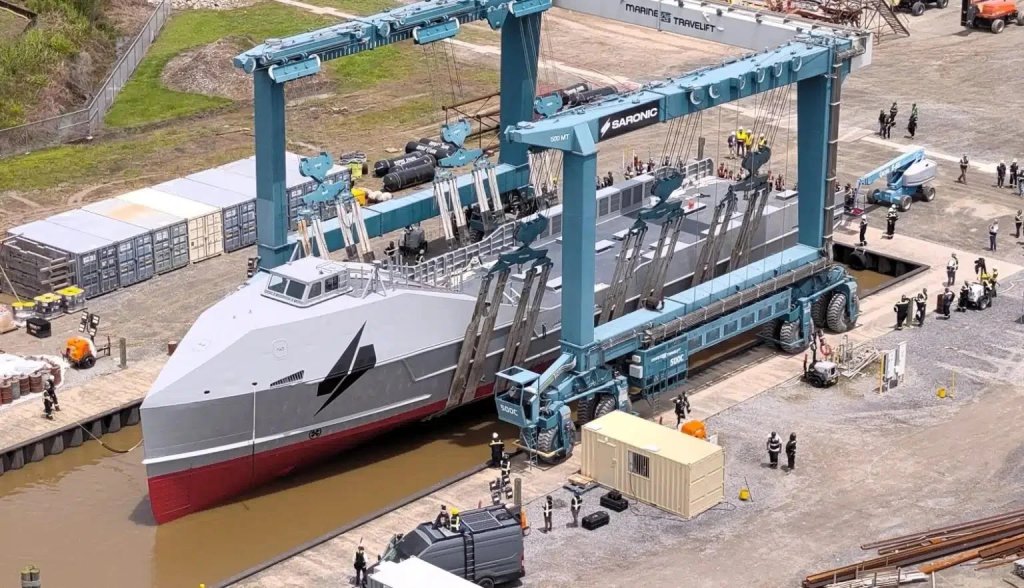
Saronic has multiple larger USV offerings beyond Corsair, and the company just recently launched the first example of the largest type it has in development now, the Marauder. This drone boat is 180 feet long and is designed to be able to travel up to 4,100 nautical miles while carrying 150 metric tons of containerized payloads, or even further with a lighter load.

The first Marauder prototype seen being launched earlier this year. Saronic

The Navy is already set to evaluate Marauder, as well as designs from six other companies, as part of the first round of prototyping under its latest Medium Unmanned Surface Vessel (MUSV) effort. This is part of a larger strategy the service rolled out in March to try to field more USVs and do so faster, as you can read more about here.

In the meantime, Saronic’s Corsair is already being employed operationally in the Middle East and demonstrating its ability to perform complex missions.

Contact the author: joe@twz.com

The post This Is The Corsair Drone Boat That Plucked The Downed Apache Crew Out Of The Gulf Of Oman appeared first on The War Zone.
  •  

Final countdown to defuse protests against Mexican government ahead of World Cup opening game

Only 24 hours remain before the World Cup kicks off in Mexico and the country is going though its final dress rehearsals. Preventing demonstrations on opening day is already a pipe dream: negotiations with teachers have stalled and search groups will march to make their missing relatives visible. With everyone in position and the cards on the table, attention is focused on avoiding the worst-case scenario for the government of Claudia Sheinbaum — an image of a police officer striking a teacher circling the globe on the day the country is playing for its international image. The concern is not unfounded: on the first day of protests a teacher lost an eye in clashes with police. The past two weeks have tested containment measures, and Wednesday will be the last chance to fine-tune the public staging. To ease the pressure, authorities have canceled classes for Thursday and ordered remote work for public servants.

Seguir leyendo

© Rogelio Morales Ponce (Cuartoscuro)

A police officer guarding the perimeter of Estadio Azteca on Tuesday.
  •  

VC-25B Air Force One “Bridge” Aircraft Now Wears Trump’s Preferred Red, White, and Blue Paint Job

The U.S. Air Force has confirmed that the VC-25B “Bridge” aircraft is now wearing its new (and controversial) red, white, and blue livery as it undergoes final preparations for its official delivery.

Aviation photographer Travis Ghormley shared the first picture of the modified Boeing 747-8i with its new paint scheme yesterday. It was taken the day before in Waco, Texas. The aircraft had been undergoing modification and flight testing at L3Harris’ facility in Greenville, also in Texas, as part of the conversion into its new role, since at least April, before subsequently moving to Waco to be painted. The jet, gifted to the Trump administration by the government of Qatar last year, is set to serve as an interim Air Force One aircraft ahead of the much-delayed arrival of two fully outfitted VC-25Bs from Boeing.

The VC-25B Bridge aircraft seen unpainted sometime circa May 1. Courtesy photo via the USAF

“The VC-25B Bridge aircraft has been painted and is going through final modifications,” an Air Force spokesperson told TWZ today when asked for more information about the aircraft’s current status. “I don’t have any additional details I can provide on delivery dates at this time.”

A press release the Air Force put out on May 1 said that the “VC-25B Bridge aircraft has officially completed modification and flight testing” and was “being painted.” We have confirmed that the completed modifications referred to here were on the contractor side, but the U.S. government still has additional modifications to make to the jet.

Ghormley’s picture does clearly show the jet wearing the same red, white, and blue scheme that has already been appearing on various Air Force and other U.S. government VVIP jets. The livery also includes a large American flag, depicted blowing in the wind, painted on both sides of the tail and “UNITED STATES OF AMERICA” written on both sides of the fuselage. The paint job is virtually identical to what President Donald Trump had previously chosen for the future VC-25B Air Force Ones during his first term. President Joe Biden had previously reversed that decision, bringing back plans to paint the VC-25Bs in the iconic scheme that dates back to President John F. Kennedy’s administration.

A rendering of a future VC-25B with the livery President Trump had originally selected. Boeing
A rendering of a future VC-25B wearing the Kennedy-era scheme. USAF A rendering of a future VC-25B Air Force one jet. USAF

The Bridge aircraft’s current location is also unclear. Video posted on social media yesterday, seen below, purported to be of the jet departing for its new home at Andrews Air Force Base just outside of Washington, D.C. This is where the two current VC-25A Air Force One jets, as well as a host of other Air Force VVIP aircraft, are based.

Full blown operation to get this thing out without us seeing. Fueled, loaded crew, and preflighted in the hangar. Flipped CRANE01 to face me at the south end and beam me with landing lights. Entire airport blacked out, crew and grounds crew all wearing NOD’s.

You can barely see… https://t.co/kaNB5FCdJ5 pic.twitter.com/JprSF5ykXW

— jadams (@jadamzs) June 7, 2026

Online flight tracking data does show that another U.S. military Boeing 747-8i flew from Waco, Texas, to Andrews on June 7, using the callsign Crane 01. However, this callsign has been associated with an ex-Lufthansa 747 the Air Force has also acquired for use as a trainer in support of future Air Force One operations. This aircraft, which may now carry the serial number 25-3200, has been tracked multiple times flying between facilities in Texas and Andrews in recent months. There does not appear to be tracking data for the VC-25B Bridge jet, which may also now have the serial number 25-3300, but it could have made the trip without broadcasting on ADS-B.

Past reports have indicated that the Bridge aircraft could make its public debut on July 4, which this year is also wrapped up in additional celebrations of the 250th anniversary of the founding of the United States. President Trump’s birthday (June 14) is also this weekend.

Otherwise, TWZ has previously laid out significant questions about the general feasibility of actually using the VC-25B Bridge aircraft in the Air Force One role, given the kinds of modifications that should be required for this demanding mission. Potential operational security concerns have been raised about using the gifted jet as a presidential aircraft, as well.

“L3Harris, known for its executive communications systems and services, was selected to undertake a complex modification of the bridge aircraft. L3Harris not only delivers secure, reliable and resilient communications for VC-25A and the executive airlift fleet but has extensive experience with self-protection and customization of VIP aircraft,” the Air Force wrote in the May 1 press release. “The accelerated timeline was further made possible by a mission-focused partnership with Boeing, who provided the necessary engineering data to support the required structural modifications.”

“Additionally, elite specialists from multiple government agencies developed advanced protocols to detect and-if necessary-neutralize potential technical hazards on previously owned aircraft,” it added. “Their rigorous approach on the Bridge aircraft has literally ‘written the book’ and set the benchmark for integrating used airframes into the secure military inventory.”

Another picture of the unpainted VC-25B Bridge aircraft, seen after arriving in Waco, Texas. Courtesy Photo via USAF

“Safety and security were at the forefront of this program. We deliberately minimized interior aesthetic modifications to focus on modifications for safety, security and mission execution. We assessed which requirements were necessary for an interim capability. We had greater flexibility in developing our mission requirements,” the Air Force also told TWZ directly at that time. “After safety and security, we focused on the mission communications systems.”

“We have made deliberate decisions such as the reduction of the number of airstairs, less chiller space, and exclusion of the Golden Eagle mission [to fly the remains of former presidents] to minimize structural modifications, while prioritizing modifications focused on safety, security and secure communications,” the service added.

Getting a new Air Force One aircraft of some kind into service on an accelerated timetable has long appeared to be a major goal for President Trump. The fully-equipped VC-25Bs from Boeing are years behind schedule. Last year, the Air Force announced that there had been some improvement on that front, but that it still did not expect to have the first of the two jets in hand until mid-2028, which would be just months before Trump is set to leave office.

What we do know for sure is that the VC-25B Bridge aircraft is now wearing Trump’s preferred red, white, and blue paint scheme ahead of its official rollout later this summer.

Contact the author: joe@twz.com

The post VC-25B Air Force One “Bridge” Aircraft Now Wears Trump’s Preferred Red, White, and Blue Paint Job appeared first on The War Zone.
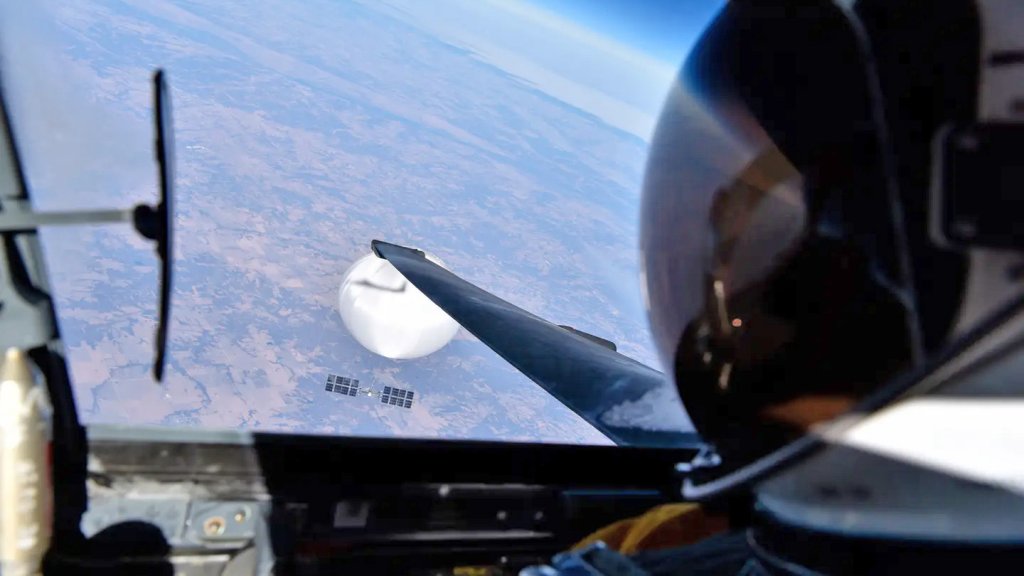
  •  
❌