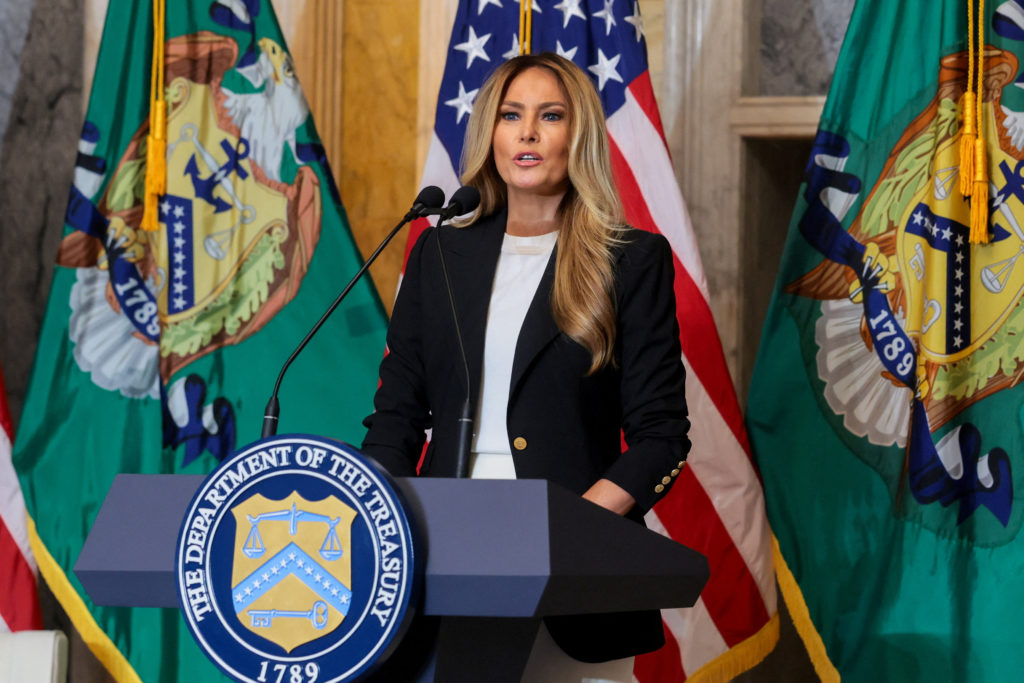
WATCH: First lady Melania Trump announces new investment accounts for foster youth


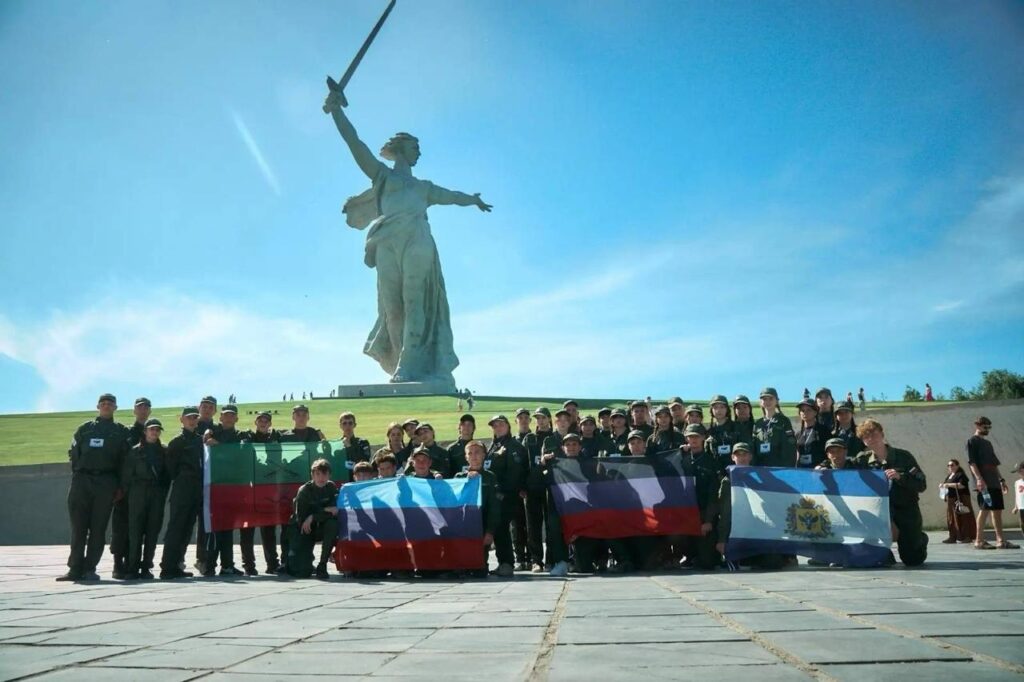
More than 900 Ukrainian children completed military training at a Volgograd camp, the resistance movement Yellow Ribbon reported on 11 June. The two-week shift drew teenagers from occupied Donetsk, Luhansk, Zaporizhzhia, and Kherson oblasts.
The session, Yellow Ribbon argued, is evidence of "systemic policy" rather than isolated cases. The documentary record supports that framing. Russia's Warrior Center is a creation of Vladimir Putin's 2022 decree. It ran 1,290 Ukrainian children through the same Avangard base in 2024 alone, a Kyiv Independent investigation found. Yale's Humanitarian Research Lab has separately mapped 210 facilities across Russia and occupied Ukraine that hold or militarize children.
The "Time of Young Heroes" session at the Avangard defense base ran for two weeks. Teenagers aged 14 to 17 trained in basic military preparation, drone operations, tactical medicine, and physical drills. The program also featured meetings with Russian war veterans and events built around loyalty to the Russian army, Yellow Ribbon said.
"The scale of such programs is striking. We are no longer talking about isolated cases, but about systemic policy." — Yellow Ribbon resistance movement, 11 June 2026
Avangard operates as a network of military-patriotic centers under Russia's Defense Ministry. The United Kingdom sanctioned the camp in November 2024 for deporting and indoctrinating Ukrainian children. At the same site, Ukrainian teenagers practice trench-digging, mine clearance, and weapons handling. The Kyiv Independent first documented that training pipeline in October. Ukrinform also reported the Yellow Ribbon findings the same day.
The 900 teenagers arrived at Volgograd from a re-education infrastructure built across the occupied territories. Schools in the occupied Donbas have made military training a mandatory subject from fifth grade onward. Occupation authorities enroll children as young as six in the Yunarmiya youth army for drills and pro-Kremlin lessons.
More than 19,000 Ukrainian children have been deported to Russia since 24 February 2022, Yale researchers estimate. Up to 1.6 million more remain under Russian occupation. Ukraine has returned just over 2,000 through its Bring Kids Back UA initiative.
In March 2026, Yale's lab tied Russian energy giants Gazprom and Rosneft to the camps. The two firms helped transfer at least 2,158 Ukrainian children across Russia, the report found.
Three months earlier, a Ukrainian rights lawyer told the US Senate of further escalation. Russia had sent teenagers to North Korea's Songdowon International Children's Camp—9,000 kilometers from home.
In March 2023, the International Criminal Court issued arrest warrants for Putin and Russian Children's Rights Commissioner Maria Lvova-Belova. Both face charges for the unlawful deportation of Ukrainian children. The court classified the practice as a war crime.

London, the east of England and the West Midlands have highest number of cases, as UKHSA urges families to get children vaccinated
Two children in England have died from measles, health officials say, as data shows more than 100 new reported cases in the last fortnight.
The UK Health Security Agency (UKHSA) said on Thursday that two children had died this year, one from “acute measles” and the other from the “late effects of measles”.
Continue reading...
© Photograph: Lourdes Balduque/Getty Images

© Photograph: Lourdes Balduque/Getty Images

© Photograph: Lourdes Balduque/Getty Images
The UCL study also found physically punished children were more likely to struggle in school
Children smacked by their parents struggle to get good exam results and are more likely to bully others, causing a negative impact on society, according to new research calling for smacking to be banned.
The study by University College London (UCL) found that children in England who were physically punished at the ages of three, five and seven were significantly less likely to pass GCSE exams compared with other children, even after factors such as family background were taken into account.
Continue reading...
© Photograph: Jack Sullivan/Alamy

© Photograph: Jack Sullivan/Alamy

© Photograph: Jack Sullivan/Alamy
In today’s newsletter: With Keir Starmer expected to announce Australia-style restrictions, further problems – including AI chatbots - are on the horizon
Good morning. Keir Starmer’s expected speech next week about young people’s access to social media will be analysed as much for how it benefits the outcome of a certain byelection, as its safeguarding of children’s synapses.
After issuing an ultimatum to tech firms yesterday to block children’s phones from sharing nude images, the government is expected to make another major announcement about social media within days. Briefings suggest it will stop short of a blanket ban on under-16s accessing social media. But it will still amount to radical regulation, with Downing Street insisting that Starmer is up for a fight with big tech.
UK politics | Volodymyr Zelenskyy has revealed that he plans to invite King Charles on a state visit to Ukraine as early as this year, which would make him the most senior royal to travel to Kyiv since Russia’s full-scale invasion.
Middle East | Fears of a return to a full-scale regional war in the Middle East eased on Monday as Israel and Iran said they had halted attacks on each other after an appeal from Donald Trump to “immediately stop shooting”.
UK news | A report has found “widespread and concerning evidence” of bias and victim-blaming in the family courts – primarily disadvantaging women.
US news | Donald Trump was loudly booed when he was shown on the video screens at Madison Square Garden on Monday night at the NBA finals.
Unemployment | A government-funded pilot of “hyperlocal” job support in 10 neighbourhoods across England has shown “promising early signs of effectiveness”, including for young people, and could be scalable nationwide, a new evaluation has shown.
Continue reading...
© Photograph: Hollie Adams/Reuters

© Photograph: Hollie Adams/Reuters

© Photograph: Hollie Adams/Reuters
Proposals considered by government would strengthen protections for parents forced to become full-time carers
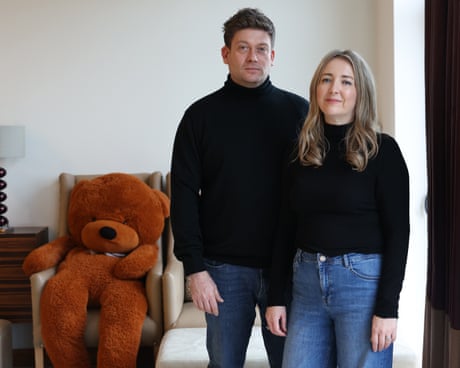
Thousands of parents who are forced to become full-time carers after their child becomes seriously ill would be entitled to financial support and job protections under new “Hugh’s law” proposals being floated by the government.
Hugh’s law is named after Hugh Menai-Davis, who was six when he died in 2021 just under a year after being diagnosed with a rare form of cancer and undergoing 10 months of intensive treatment, much of it in hospital.
Continue reading...
© Photograph: Martin Godwin/The Guardian

© Photograph: Martin Godwin/The Guardian

© Photograph: Martin Godwin/The Guardian
Echo project will help erase images as part of package of support to end ‘prolonged suffering of survivors’
Victims of child sexual abuse in England and Wales will be given help to remove online images of their abuse as part of a wider package of support to end the “prolonged suffering of survivors”.
The Echo project will help those who have reported their abuse to the police to identify and remove images of abuse online. They will also be given trauma support, the possibility of having a victim impact statement read in court against their perpetrators and the opportunity of criminal or civil compensation.
Continue reading...
© Photograph: Lukas Coch/AAP

© Photograph: Lukas Coch/AAP

© Photograph: Lukas Coch/AAP
Some names have been changed to protect the identities of those featured in the story
As a war crimes researcher at the Reckoning Project, my job was to listen to Ukrainians who had fled the occupation. What they had to say reshaped how I understand life in Russian-occupied territories.
Simplistic


After years of demographic doldrums, Portugal is finally getting to hear the increasingly louder patter of tiny feet. The country recorded 87,130 births in 2025 – 3,071 more than in
The post Portugal increasingly hearing ‘patter of tiny feet’ appeared first on Portugal Resident.
Companies such as Apple and Google have until September to install software or face legislation, says PM
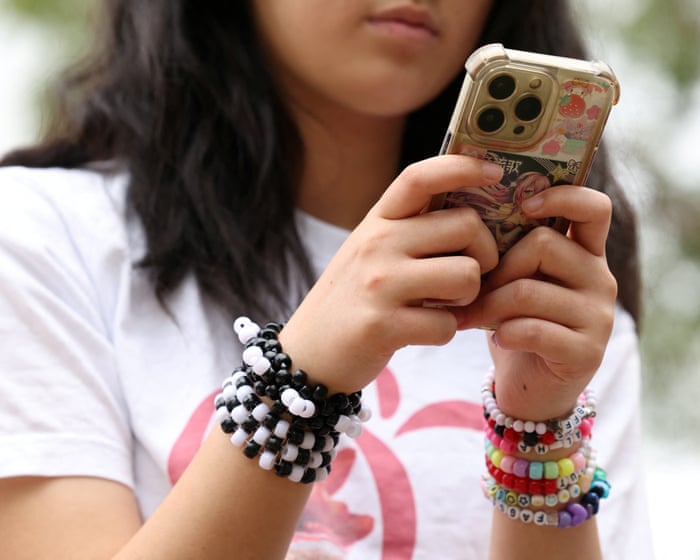
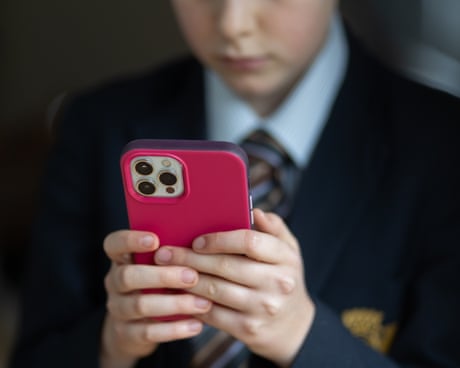
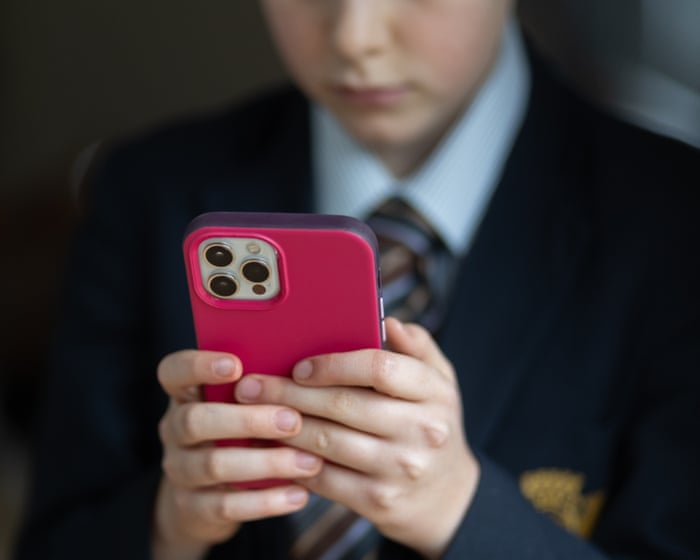
Apple and Google have been given until September to install software that blocks explicit images on children’s mobile phones or face legislation enforcing its requirement, Keir Starmer said on Monday.
The prime minister said tech companies must activate nudity-detection algorithms or other technical solutions on smartphones and tablets to prevent users taking photos or sharing images of genitalia unless they are verified as adults.
Continue reading...
© Photograph: Matt Cardy/Getty Images

© Photograph: Matt Cardy/Getty Images

© Photograph: Matt Cardy/Getty Images
The post Horizontal Swing Set appeared first on English Russia.
The post Soviet Musical Lessons appeared first on English Russia.
The post Russia in the Parallel Universe appeared first on English Russia.
The post Granny and Grandson appeared first on English Russia.