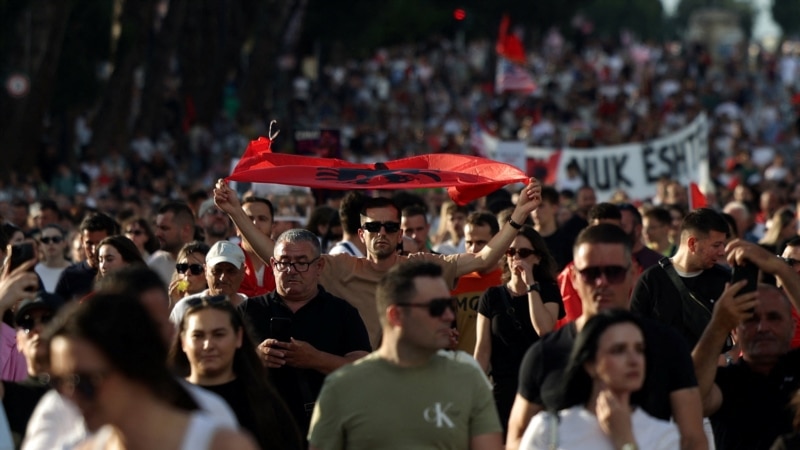
When thousands of Albanians began protesting plans for a billion-dollar resort in a once-protected wetlands area for pink flamingoes, few could have expected that Iran would see it as an opportunity for a brawl with the Albanian government.
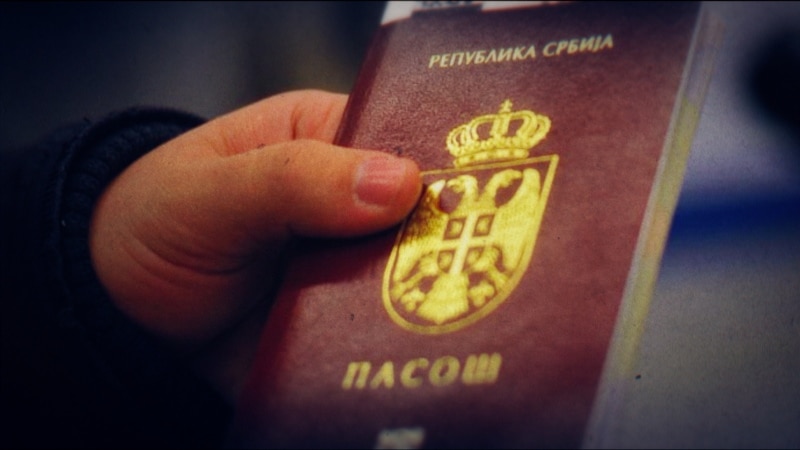
Despite warnings from the EU, Serbia’s government has granted citizenship to four times as many Russian nationals as to all other foreign citizens combined this year -- including individuals under international sanctions, an RFE/RL investigation has found.
A Russian woman who pleaded guilty to lying about her contacts with Russia’s main intelligence agency -- and was later accused of sending drunken harassing messages to the FBI -- was set to be sentenced in a Manhattan federal court.
Russian drone attacks are a daily reality in Kherson, a frontline city in southern Ukraine. Residents say the threat is growing, with drones increasingly targeting residential neighborhoods and forcing people to seek cover. Yet many refuse to leave.
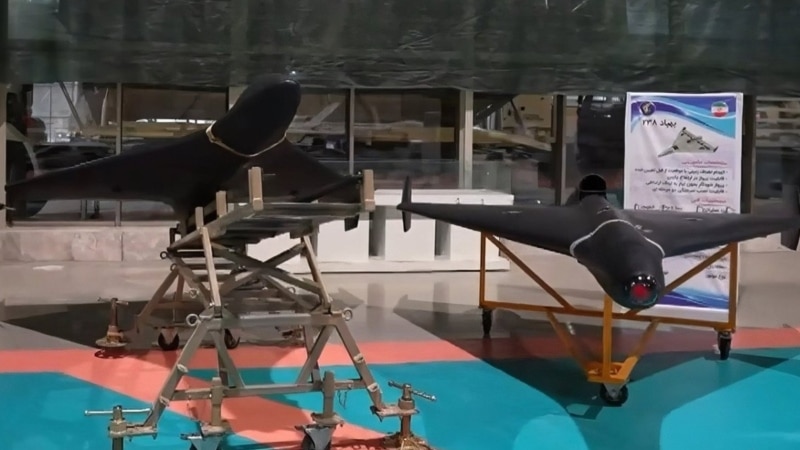
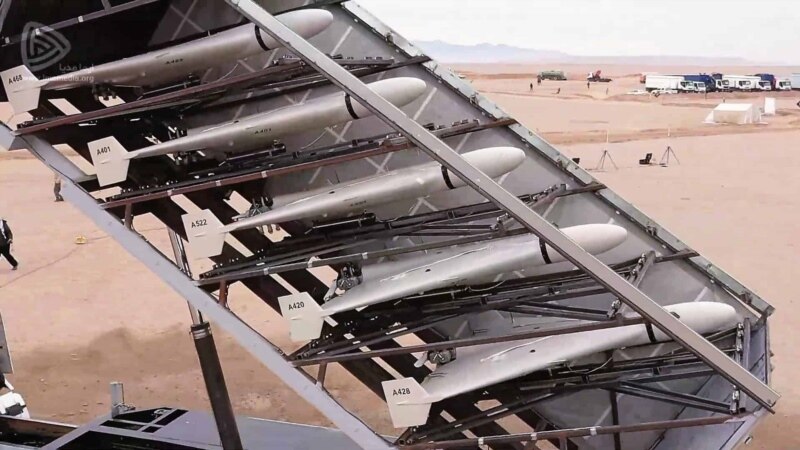
The US House of Representatives overwhelmingly approved legislation aimed at preventing American and allied technology from ending up in Iranian-made drones used in conflicts from Ukraine to the Middle East.
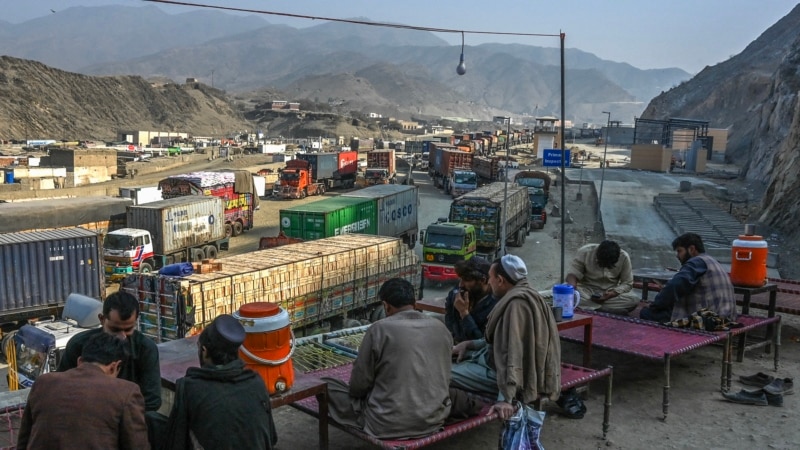
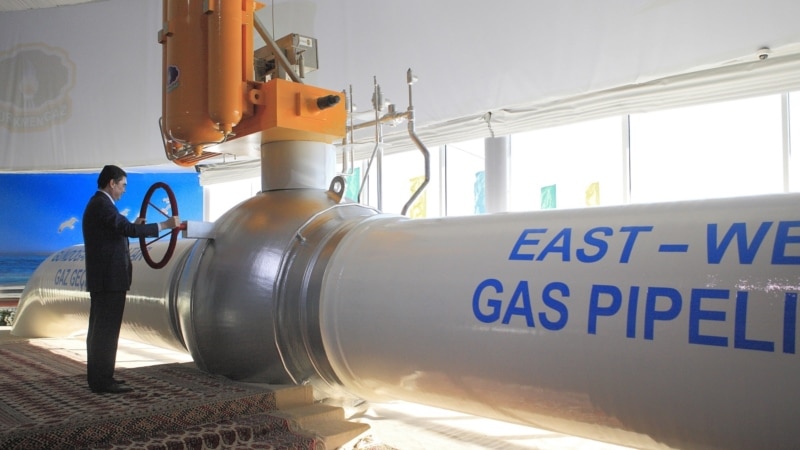
With the Iran war disrupting traditional energy supply routes and the West seeking to lessen reliance on Russian transit networks, Trans-Caspian corridors have again emerged as a focus of international diplomacy and investment.
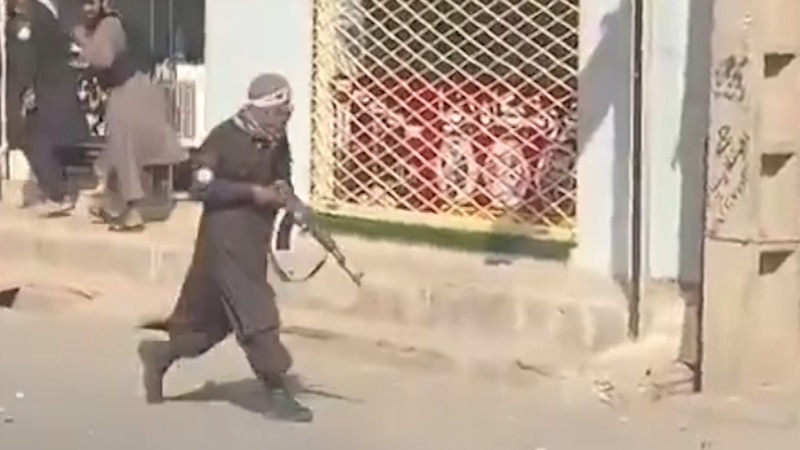
Afghanistan’s Taliban government used live fire to disperse a protest in the western city of Herat over new restrictions on women, eyewitnesses told RFE/RL’s Radio Azadi.
In this week's briefing, RFE/RL Europe Editor Rikard Jozwiak is drilling down on two issues: a damning rule-of-law assessment for Serbia and the latest Franco-German EU enlargement proposal.
RFE/RL spoke with Nathan Diller, a retired US Air Force colonel and current executive at defense technology firm Mach Industries, about the continued diplomatic engagement between Iran, Israel, and the United States.
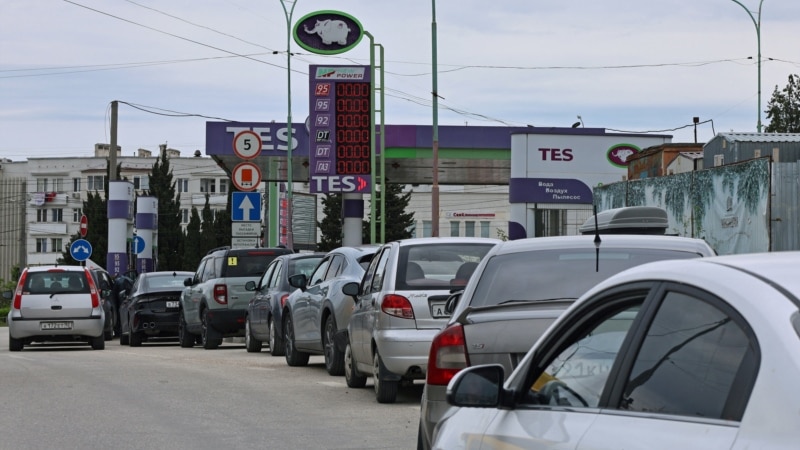
The summer tourist season is starting in Russian-occupied Crimea, but with Ukrainian drone attacks and fuel shortages, how many people will visit? Current Time correspondent Andrey Cherkasov explains, tour operators are trying to put a positive spin on the crisis, but it's being met with skepticism.
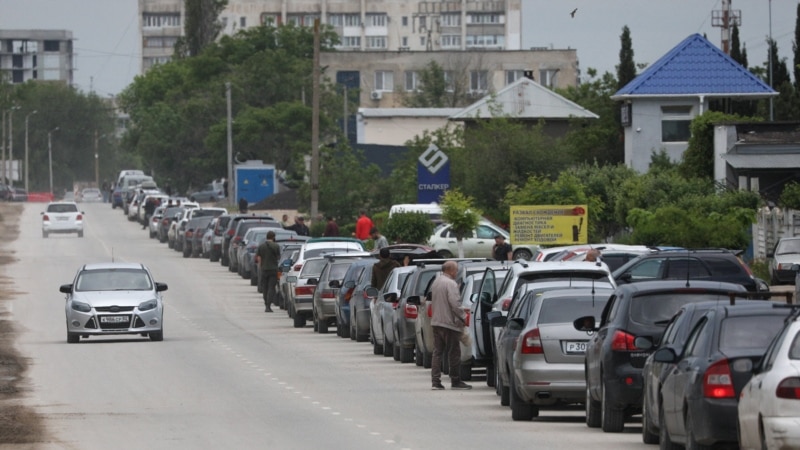
Russian authorities suspended train service for Crimea after a Ukrainian drone knocked out a locomotive, further squeezing commerce to the occupied Black Sea peninsula struggling with fuel shortages.
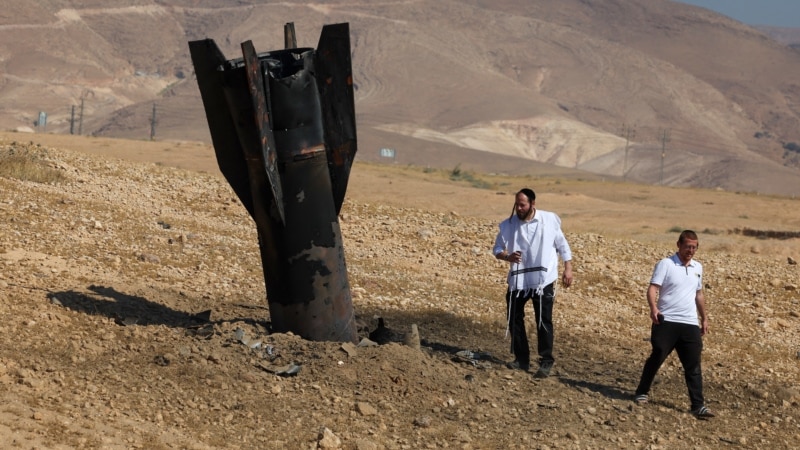
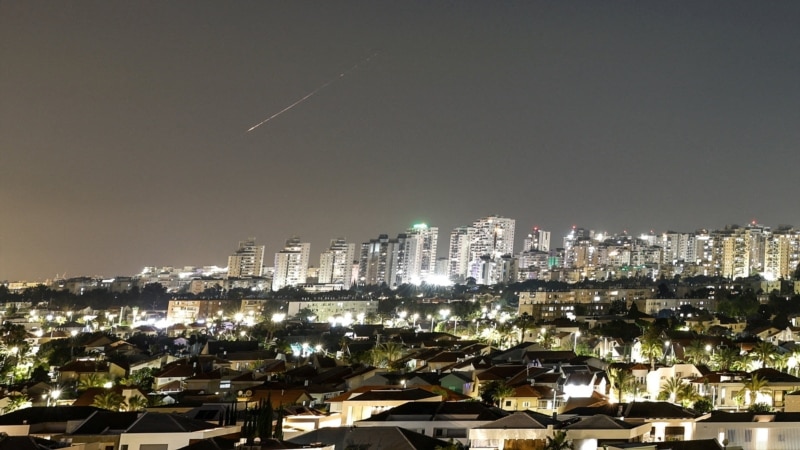
The Israeli military said its forces targeted Iranian regime sites early on June 8 in retaliation for Tehran's latest attacks on Israel and shortly after US President Donald Trump said he would tell Prime Minister Benjamin Netanyahu not to conduct such strikes.
Armenian Prime Minister Nikol Pashinian early on June 8 declared victory for his Civil Contract party over several pro-Russia groupings, with his party hovering around 50 percent as votes are counted, higher than pre-vote surveys suggested.
US President Donald Trump said a deal with Tehran to turn a cease-fire into a peace settlement is still "very close," even after Iran launched its first wave of air strikes against Israel since the fragile April truce took effect.
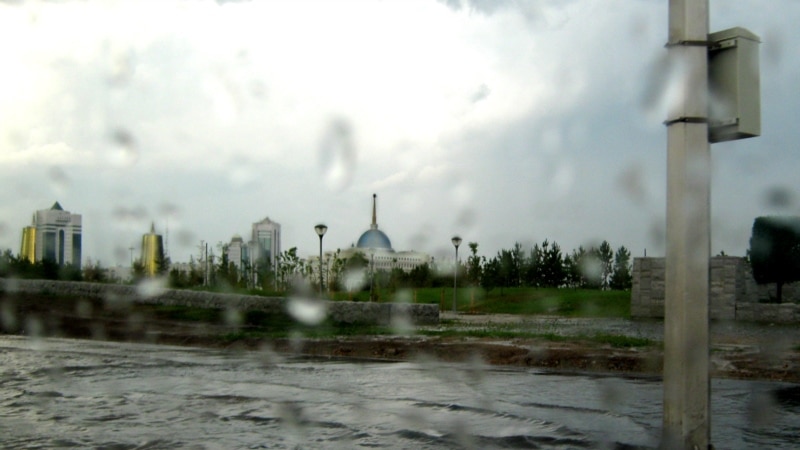
When Kazakhstan launched Central Asia’s first large-scale cloud-seeding program on May 17, it called it a high-tech response to drought, water scarcity, and accelerating desertification.
Crimea, the Ukrainian Black Sea region occupied by Russia, is heavily dependent on Russian visitors for its economy. This summer, it faces major gasoline shortages, as Ukraine’s military drone campaign squeezes transport routes, making life even more difficult for vacationers.
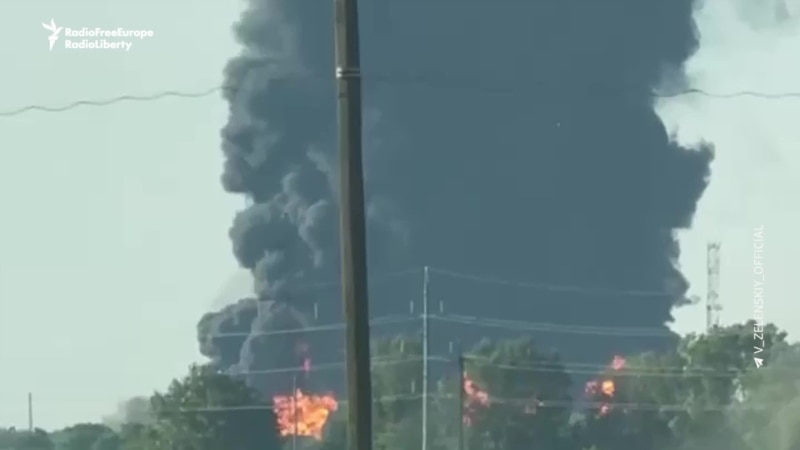
Ukraine launched hundreds of drones at targets across Russia, including scores over the St. Petersburg region, on the final day of Russia’s most important investment forum.
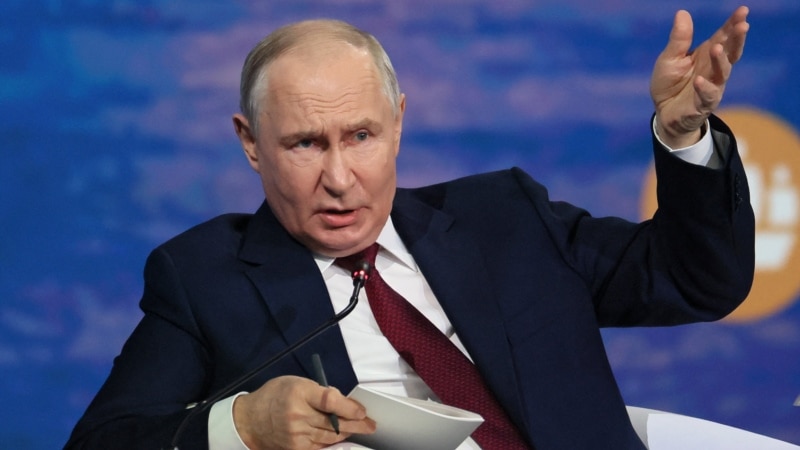
Russian President Vladimir Putin rejected a proposal by his Ukrainian counterpart Volodymyr Zelenskyy, to meet for talks to end the war as senseless, calling for the country's military to "do the job."
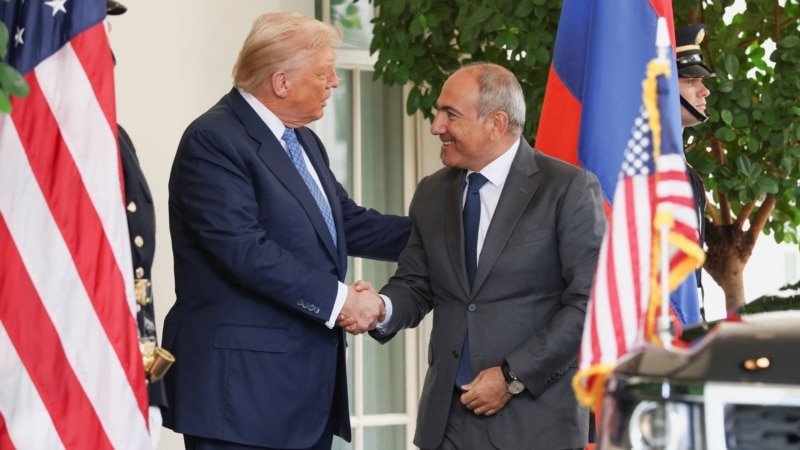
The United States has reaffirmed its support for Armenia's sovereignty and democratic institutions amid growing concerns over what Western officials describe as an intensifying Russian campaign to weaken Prime Minister Nikol Pashinian ahead of the country's upcoming elections.

 Login
Login