The prime minister of Pakistan said Friday the U.S. and Iran reached an agreement on a peace framework to end the more than 100-day war. The country has been leading the mediation efforts between the two sides to bring the Middle East hostilities to an end and reopen the Strait of Hormuz. The effective closure…
The prime minister of Pakistan said Friday the U.S. and Iran reached an agreement on a peace framework to end the more than 100-day war. The country has been leading the mediation efforts between the two sides to bring the Middle East hostilities to an end and reopen the Strait of Hormuz. The effective closure…
President Trump on Friday discredited details of a new U.S.-Iran peace deal that Tehran shared with various news organizations. “The terms that Iran leaked out to the Fake News have NOTHING to do with the terms that were agreed to, in writing,” Trump wrote in a Truth Social post. “What they said, including their weak…
President Trump on Friday discredited details of a new U.S.-Iran peace deal that Tehran shared with various news organizations. “The terms that Iran leaked out to the Fake News have NOTHING to do with the terms that were agreed to, in writing,” Trump wrote in a Truth Social post. “What they said, including their weak…
The Iranian regime on Thursday signaled the U.S. and Tehran “had not reached a final conclusion” on a deal to end hostilities in the region, despite President Trump’s claim of a breakthrough in negotiations. Foreign ministry spokesperson Esmail Baghaei said “most of the text of the agreement was finalized, but the problem began when the…
The Iranian regime on Thursday signaled the U.S. and Tehran “had not reached a final conclusion” on a deal to end hostilities in the region, despite President Trump’s claim of a breakthrough in negotiations. Foreign ministry spokesperson Esmail Baghaei said “most of the text of the agreement was finalized, but the problem began when the…
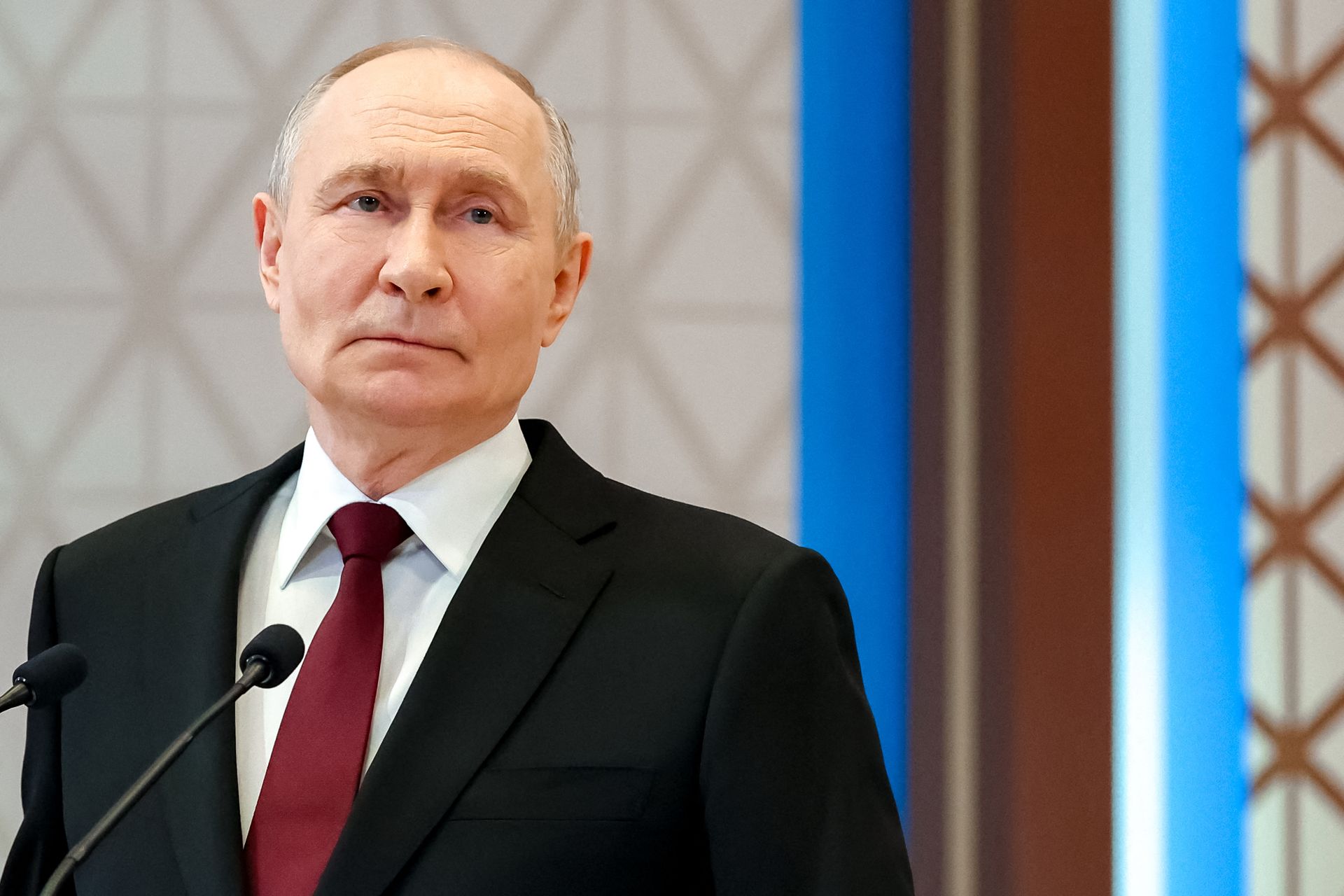
Against the backdrop of Ukrainian drone strikes on St. Petersburg that sent plumes of smoke over the city, Russian President Vladimir Putin took part in a lengthy discussion at Russia's flagship economic forum.
Both the setting and the battlefield situation have changed since the beginning of the full-scale
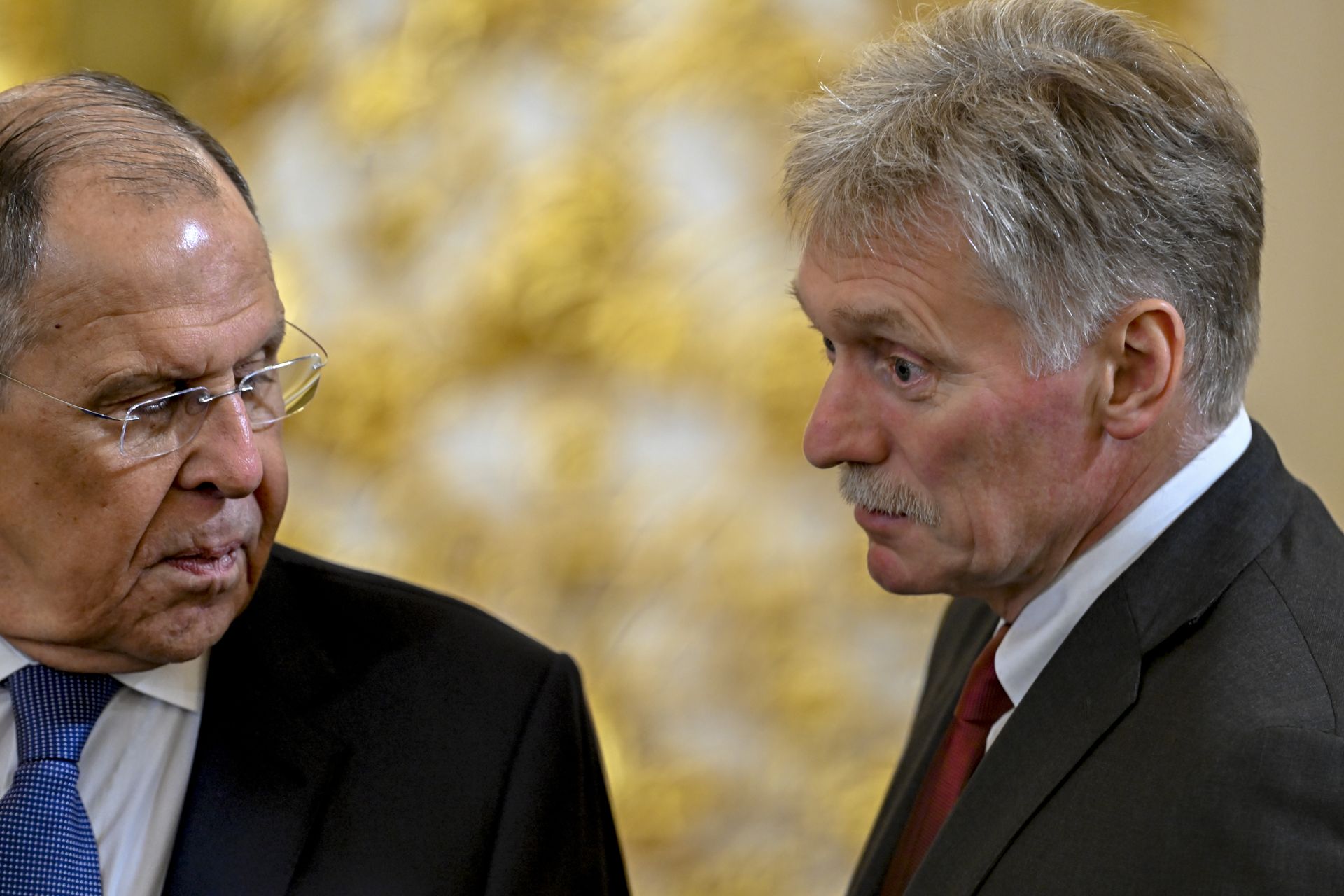
During the meeting, the Russian side presented "an objective assessment of the destructive policies" of Western countries, namely the ongoing support of Ukraine via the Coalition of the Willing, the Russian Foreign Ministry said.
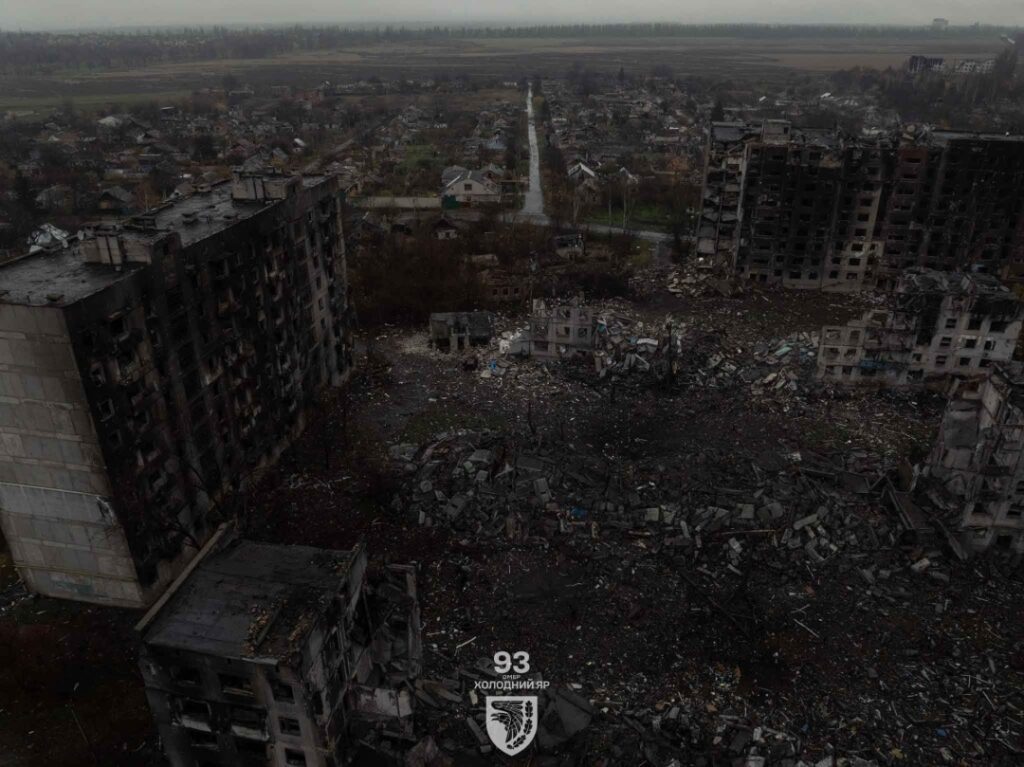
Russian forces may capture Kostiantynivka in Donetsk Oblast by the end of summer 2026, Ukrainian military observer Denys Popovych said on Radio NV. The warning comes as DeepState analysts have documented the Russian conversion of Kostiantynivka into ruins, and as Russian forces continue to consolidate in Pokrovsk and Myrnohrad.
Kostiantynivka is one of the "Fortress Belt cities" that Russia has demanded as part of its territorial conditions to take the entire Donetsk Oblast in the peace negotiations, even as it continues striking Ukrainian cities.
Popovych says Russia could capture the city despite what he himself characterizes as the broader operational failure of Russia's spring-summer offensive.
Russian success would come even as Ukraine's deep-strike envelope reaches 1,800 km into Russia and the "Logistics Lockdown" campaign degrades Russian rear-area infrastructure.
Pokrovsk tactic that may be repeated
"We are now talking about the general failure of the spring-summer phase of Russian army offensive actions in the east and the south. But the prize in the form of Kostiantynivka they may take during this summer," Popovych said.
He added that Russian occupiers in Kostiantynivka are attempting to apply the same tactic they used in Pokrovsk: entrenching on the outskirts, then progressively infiltrating into the city itself by occupying multi-story buildings.
"Those enemy infiltration groups are being destroyed. But the question is whether we have enough resources to destroy every group," he continued.
According to the expert, if one of them holds, settles in, and Ukraine doesn't notice it, then that chain, that path, will be trampled by the Russians.
"They will spread further through the city. This is the standard scenario the Russians have used during those cities that held defense for a long time," Popovych believes.
Russian drone crews may take same actions used in Pokrovsk, but now in Kostiantynivka
After the seizure of Pokrovsk and Myrnohrad per DeepState's assessment, Russian forces continue to build up forces inside them, particularly drone crews who have taken control of urban airspace.
"The enemy is establishing itself in the cities and currently maintains the active task of advancing into the depths of our defense," DeepState noted in its analysis.
The combination of Russian drone control of urban airspace in already-captured cities and the slow-infiltration approach for the next target city is what makes Kostiantynivka's risk, as Popovych described, not hypothetical. Russia has demonstrated that the tactic produces results, slowly, against cities that hold out for extended periods.
Nearly 6 in 10 adults in the U.S. expect gas prices to worsen over the next year, as the ongoing Iran war continues to roil energy markets, according to a new poll. The survey, released Monday by Reuters/Ipsos, found that 59 percent of 4,531 respondents said that gas prices will go up in the next…
Nearly 6 in 10 adults in the U.S. expect gas prices to worsen over the next year, as the ongoing Iran war continues to roil energy markets, according to a new poll. The survey, released Monday by Reuters/Ipsos, found that 59 percent of 4,531 respondents said that gas prices will go up in the next…
President Trump on Monday said two crew members who were aboard a U.S. attack helicopter when they crashed near the Strait of Hormuz are “fine.” The two crew members, whose AH-64 Apache helicopter was patrolling regional waters, were rescued within two hours after they crashed near Oman’s coast, according to U.S. Central Command (Centcom). The…
President Trump on Monday said two crew members who were aboard a U.S. attack helicopter when they crashed near the Strait of Hormuz are “fine.” The two crew members, whose AH-64 Apache helicopter was patrolling regional waters, were rescued within two hours after they crashed near Oman’s coast, according to U.S. Central Command (Centcom). The…
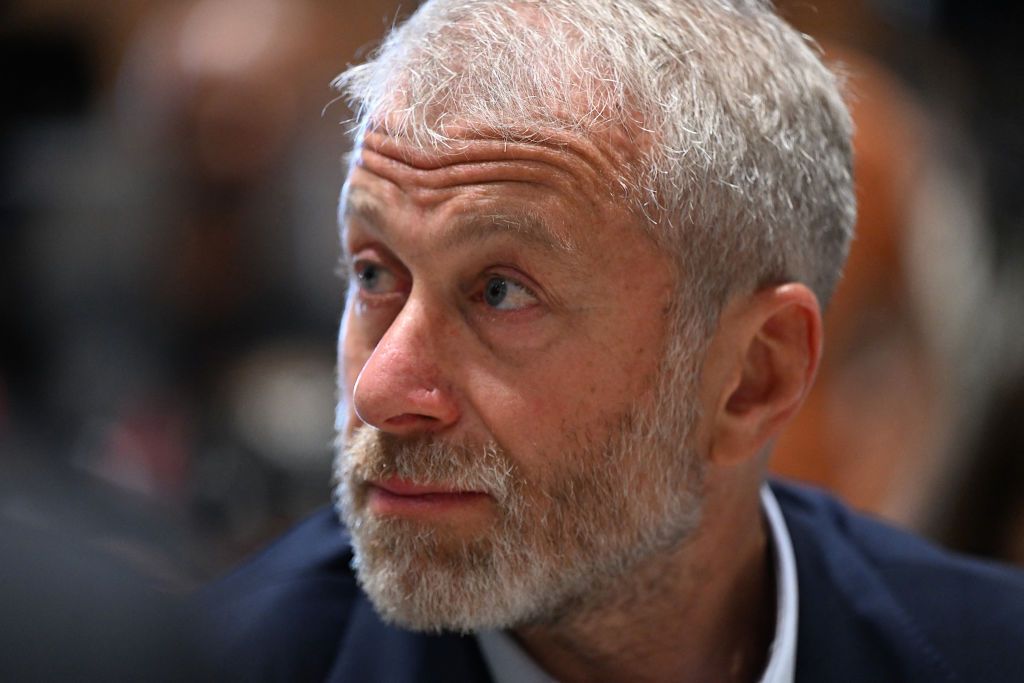
Zelensky said in a June 7 interview with Sky News that he asked Russian oligarch Roman Abramovich to deliver a message to Putin: Ukraine will never surrender Donbas, and Zelensky is ready to meet with Putin.

 Login
Login