Reading view

Etgar Keret, writer: ‘Living in Israel today is like living in a zombie movie’
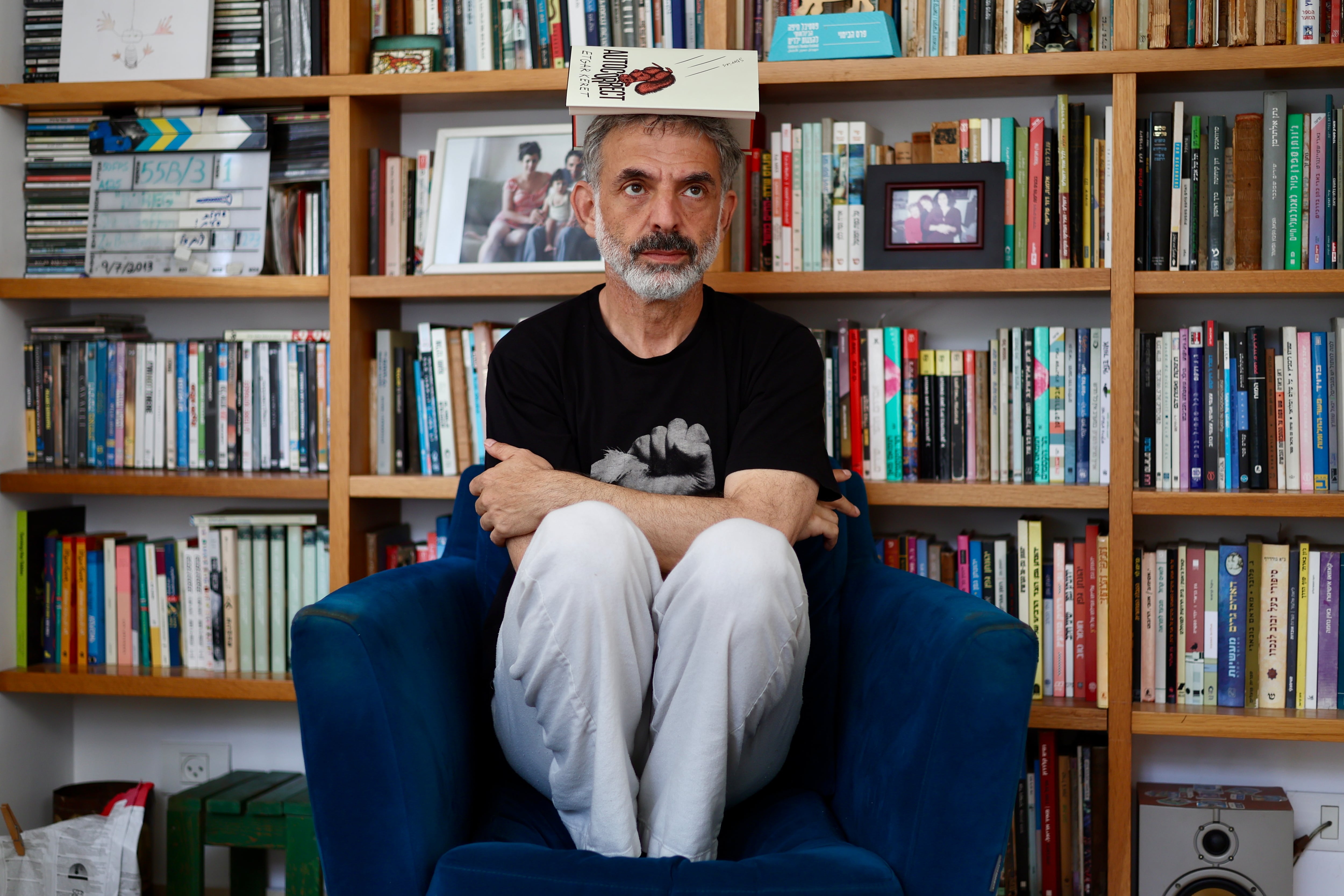
Etgar Keret on May 11 at his home in Tel Aviv.

Writer Etgar Keret (Ramat Gan, Israel, 58) had planned to deliver his ninth book of short stories to his publisher on October 8, 2023. He had picked the date at random: he produces one every seven years or so and sets himself a firm deadline. Two days earlier, he told his wife, Shira Geffen — the screenwriter and filmmaker who wrote the film Jellyfish (2007), directed by Keret and awarded at Cannes — that he felt the book had become too dark because of the personal and political events that had marked him in preceding years: his mother’s death, the coronavirus pandemic, a herniated disc, the return to power of Benjamin Netanyahu with the most right-wing government in the country’s history… His wife advised him to reread it calmly the next day and, if he still felt that way, to ask the publisher for an extension.

Seguir leyendo

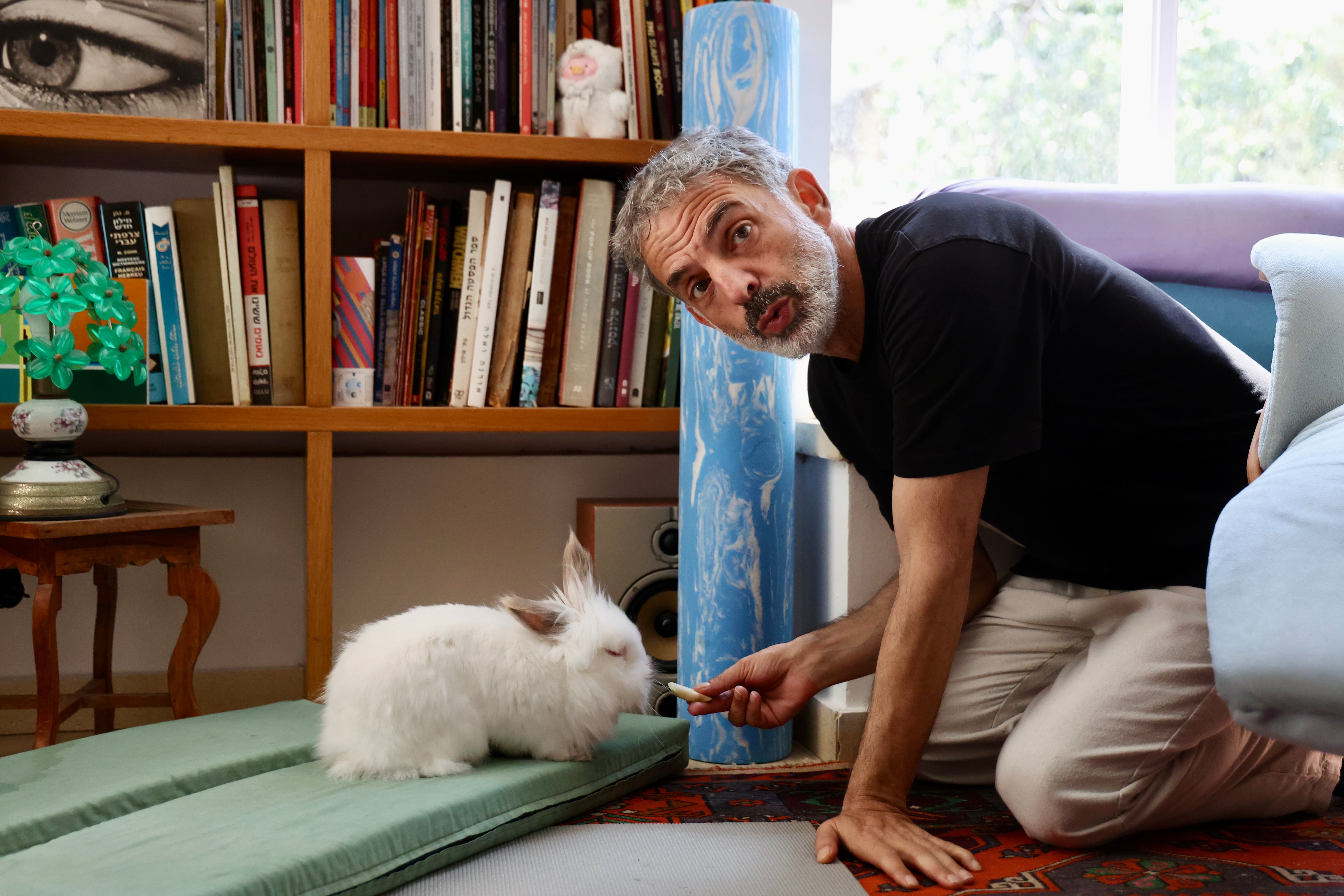
Etgar Keret poses with his rabbit before the interview, at his home in Tel Aviv.
  •  

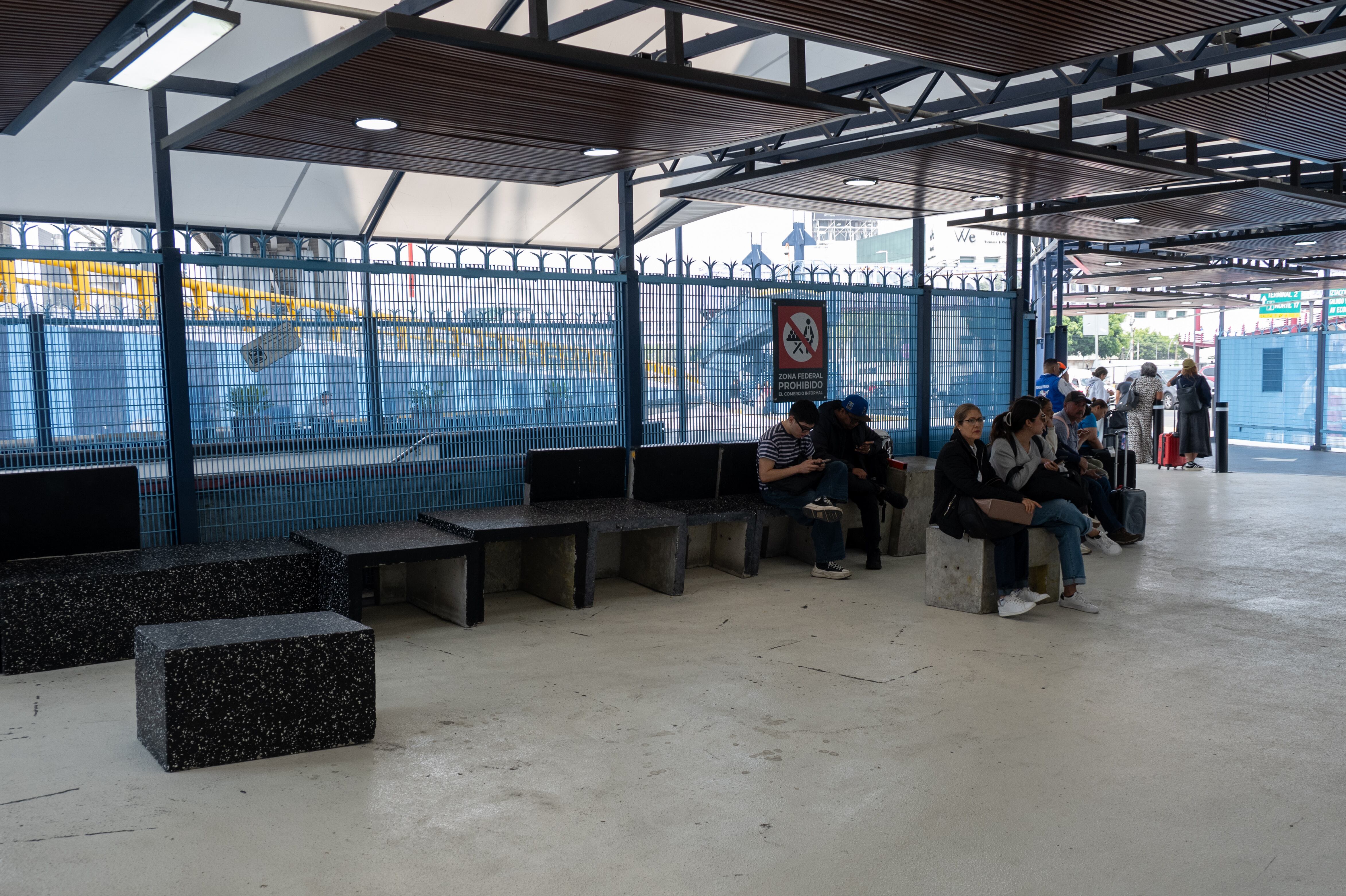
An army of lawyers is fighting so you can order an Uber at Mexico City’s airport

An Uber user waits at Mexico City International Airport on Tuesday.

Everything a traveler encounters upon leaving Mexico City International Airport (AICM) illustrates the problems facing the country’s largest terminal. The first thing you see after stepping outside is long lines, cars being towed away, and National Guard officers handing out fines. The standoff between licensed taxi drivers and ride‑hailing apps over control of the airport has been simmering for months, becoming a strange daily routine of enforcement operations and drivers losing their cars at both terminals of the airport. But with only eight days before the World Cup begins in the capital — bringing millions of visitors— the conflict is intensifying.

Seguir leyendo

Taxi bay for app services at Terminal 1 of the AICM, installed outside the airport.

© REBECA HERRERA

Airport taxi company, with its own parking area.

© REBECA HERRERA

Signage for the ride-hailing stand at Terminal 1 of the AICM.

© REBECA HERRERA

Passersby head to the taxi pick-up area at Terminal 2 of the AICM on Tuesday.

© REBECA HERRERA

The new ride‑hailing bay at Terminal 1 is almost empty.
  •  

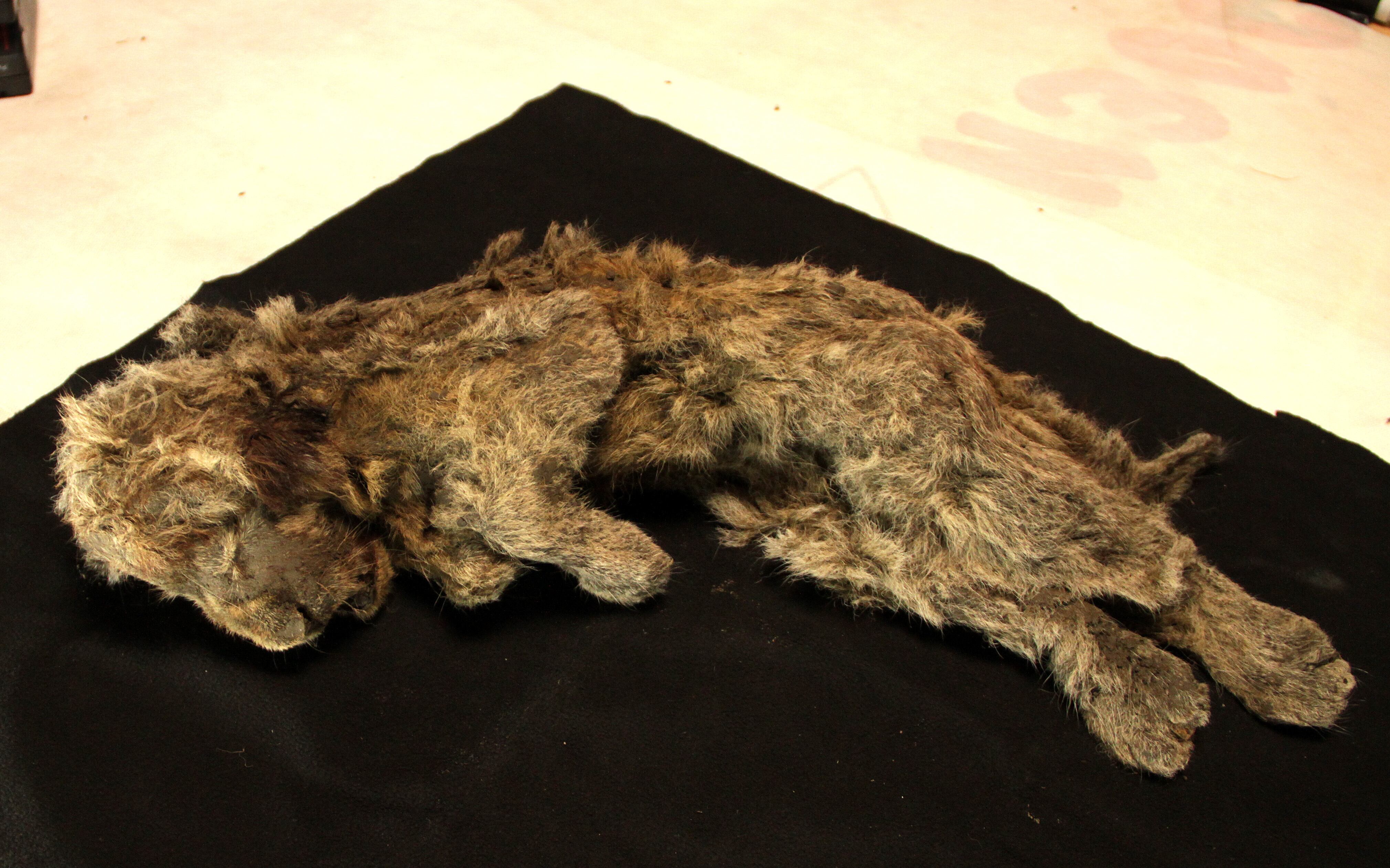
The cave lion wasn’t a lion: DNA reveals a species with nearly two million years of its own history

In 2018, Russian paleontologists discovered in Siberia the almost perfectly preserved frozen body of a cave lion cub. They named her Sparta. She was 32,000 years old, with blond fur, perfectly intact claws, and she looked as if she were asleep. What no one knew at the time was that Sparta carried a secret in her cells that would take years to decode: she and her kind were not, as previously thought, simply a larger, furrier version of the African lion, but something far more extraordinary.

Seguir leyendo

A photo of Sparta, the Iberian lion cub whose genome was sequenced in this study.
  •  

AI will consume as much water in 2030 as 1.3 billion people

By 2030, water consumption linked to the use of artificial intelligence will be equivalent to that of 1.3 billion people in sub-Saharan Africa, while it will require nearly three times the annual energy consumption of Pakistan, Bangladesh and Nigeria — countries with a combined population of 650 million. In terms of carbon emissions, these could reach 400 million tonnes of CO₂ equivalent, comparable to the United Kingdom’s total emissions. The operation of AI will require 14,500 square kilometres of land, including infrastructure and supply chains — twice the size of the Jakarta metropolitan area, a megacity with more than 32 million inhabitants, or 10 times that of Mexico City (21 million).

Seguir leyendo

One of the aisles of servers at Google's data centre in Douglas, Georgia.
  •  

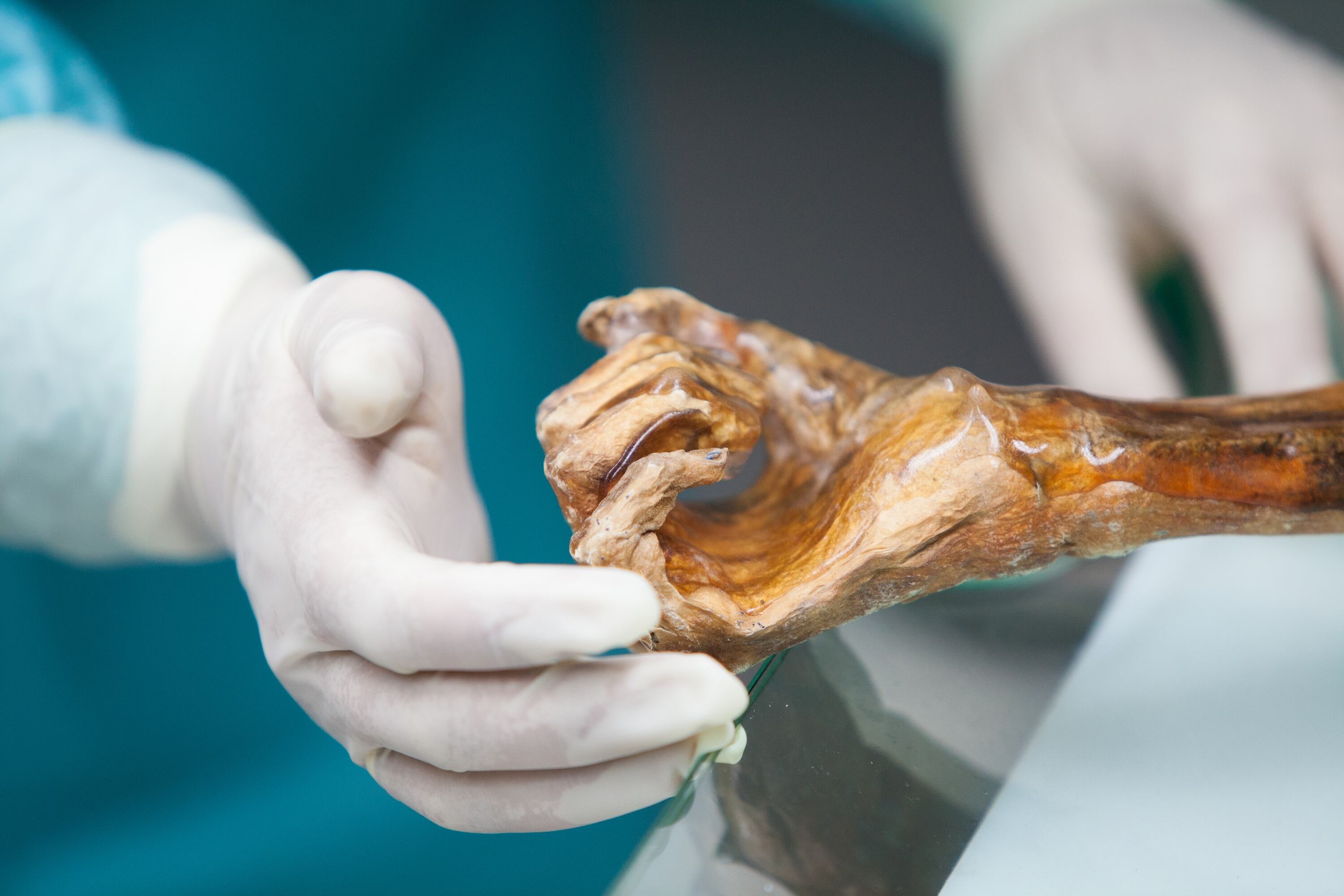
The microbes of Ötzi the Iceman awaken thousands of years after his death

Recovered from the ice of an Alpine glacier at the end of the last century, almost everything about Ötzi was already known. That he was about 45 when he was killed from behind some 5,300 years ago. A detailed genetic study published three years ago revealed that, besides being bald, he had a dark complexion and likely came from distant Anatolia. We even know what he ate shortly before he was killed by an arrow. Now, a new study identifies the microscopic life he carried inside him. The paper, published in the journal Microbiome, shows that his bacteria were very different from those of people in modern societies. The researchers also found a number of cold-adapted fungi that have awakened thousands of years later and could threaten the mummy’s future.

Seguir leyendo

© Museo Arqueológico del Tirol del Sur/Eurac Research/Marion Lafogler

The mummy known as Ötzi is kept inside a refrigerated chamber at a temperature of -6 °C and 99 % humidity.
  •  

Ten nights, one stadium: Bad Bunny and the business of residencies

Bad Bunny performing at the Estadi Olímpic in Barcelona on May 22.

Bad Bunny performs today, June 1, at Metropolitano Stadium. He played on May 30 and 31, and will return on June 2, 3, and so on, for a total of 10 shows. In the entertainment industry, this is known as a musical residency — a series of concerts an artist stages in the same venue over a short period of time. There’s no exact number that defines one, but one of the core ideas behind the concept is impact: the more shows, the better.

Seguir leyendo

Bad Bunny’s concert at the Estadi Olímpic in Barcelona on May 22.
  •  

Parmesan: The cheese used as bank collateral

What do medieval monasteries in Emilia-Romagna have in common with a local bank founded in 1910? Both made food preservation part of their daily work. In their own ways and in their own eras, monks and bankers have pursued the same goal in the same place: to profit from a singular product — a cheese capable of staying in good condition for years and increasing in value as it ages. This food, which ensured monastic survival in the 12th century, is now part of Italy’s gastronomic heritage and lies at the heart of a financial model that is so peculiar it has even been studied by Harvard Business School.

Seguir leyendo

© Pietro Gerboni (Consorcio del Parmigiano Reggiano)

A PDO Parmigiano Reggiano inspector checks cheese wheels for defects. The hammer is used to detect air pockets inside.
  •  

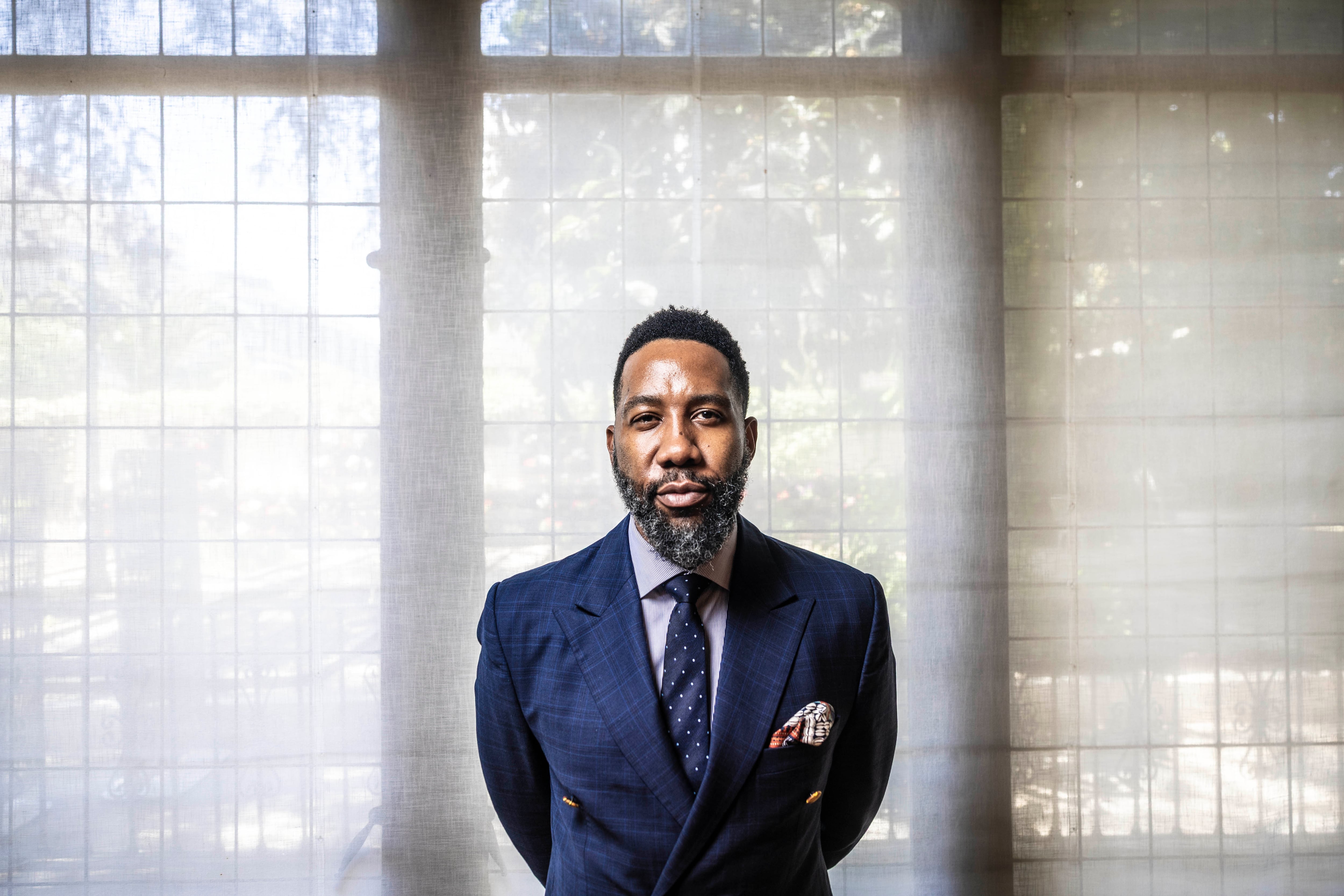
Ndaba Mandela, Nelson Mandela’s grandson: ‘As a child I wanted to live in a prison, like my grandfather’

Ndaba Mandela, Nelson Mandela’s grandson, in a restaurant in Madrid.

Ndaba Mandela was a child when he first met his grandfather, the Nobel Peace Prize laureate and leading anti-apartheid activist in South Africa Nelson Mandela, and he grew up at his side. Born in Soweto (Johannesburg) 43 years ago, he is now a political scientist who promotes his grandfather’s legacy as president of the Mandela Institute for Humanity, and was in Spain on Monday to support the Alliance for the Future of Education, an initiative to renew the focus on learning in particularly challenging times.

Seguir leyendo

Ndaba Mandela in El Bancal.
  •  

Cheng Li‑wun, leader of the opposition in Taiwan: ‘We do not want to become the next Ukraine’

Cheng Li-wun, chair of the Kuomintang (KMT), at her party’s headquarters on May 21.

Taiwanese politician Cheng Li-wun, who is notably tall, can be heard approaching with the click of her heels and long strides down the corridor of the headquarters of the Kuomintang (KMT), the main opposition party in Taiwan. In April, during a visit to Beijing, she looked the Chinese president, Xi Jinping, in the eye. In the photograph that captured their meeting in the Great Hall of the People they are not smiling; neither do they appear distant. Their expressions are neutral, perhaps waiting to see how the coming years unfold.

Seguir leyendo

  •  

De la Espriella’s far-right banners

Abelardo de la Espriella in Barranquilla on Sunday.

Colombia swung to the far right this Sunday, voting overwhelmingly for a candidate who won the support of 10 million citizens, Abelardo de la Espriella, the top vote-getter in the presidential first round. The criminal defense lawyer, who has never held elected office and once defended Alex Saab, Nicolás Maduro’s alleged front man in Venezuela, promises a shake-up of individual and collective rights: from putting God back into schools to pulling Colombia out of the United Nations. He still needs to mobilize votes for a runoff on June 21 against a left that represents the continuity of Gustavo Petro’s government. De la Espriella will be carried forward by very local banners, such as anti-Petrista sentiment, and by very global ones, like promises already voiced by far-right leaders around the world. Political leaders ranging from President Javier Milei of Argentina to Santiago Abascal, head of the hard-right Vox party in Spain, have already celebrated De la Espriella’s first-round victory.

Seguir leyendo

  •  

Marvin Dunn, the Miami historian challenging Trump’s presidential library: ‘This is commercial benefit for the family directly’

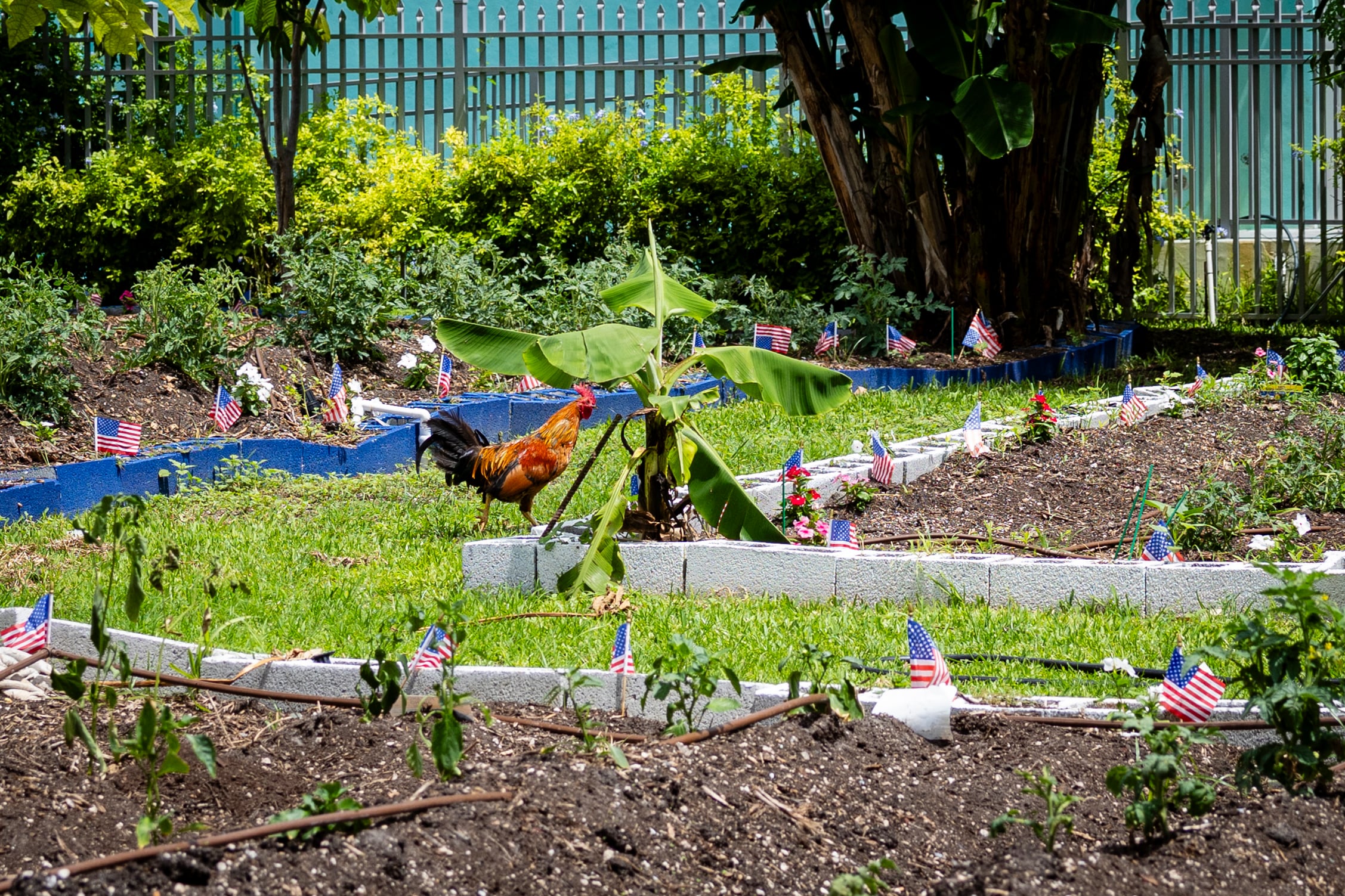
Marvin Dunn at his community urban farm in Overtown, Miami, May 27.

Marvin Dunn moves with surprising agility among the beds of lettuce, cabbage, and potatoes on his community farm in Overtown, a historic Black neighborhood in Miami that was fractured by the construction of the interstate highway in the 1960s. The farm, squeezed between I-95 and the high-rises packed into nearby downtown, is a kind of oasis where the 85-year-old historian — one of the most recognized voices on the history of segregation in Florida — hosts talks, distributes banned books, and is now preparing a new legal battle to stop construction of Donald Trump’s presidential library a little over 1,000 meters away.

Seguir leyendo

View of the Miami Dade College land under consideration for the possible construction of Donald Trump’s presidential library, in Miami, Florida.Crops at Dunn’s Overtown Farm.Marvin Dunn inspects crops at Dunn’s Overtown Farm on May 27.
  •  

Plants that scent the garden when night falls

On hot days, sunset and night bring the beneficial effect of falling temperatures. Sitting on a park bench or on the balcony at home offers a different perspective of the garden areas. Taller species will silhouette against the twilight sky, and following their outline with your eyes, as if tracing their shape, is an act of reverence, a connection with the plants. Likewise, the stillness of those hours will add a slowing sensation to the day’s fast pace.

Seguir leyendo

The whiteness of gardenia flowers stands out on moonlit nights.The silhouette of an oriental plane tree is traced against the twilight sky.A brugmansia and its enormous hanging flowers exhale their perfume at night.Cineraria and its silvery leaves are also a visual draw in a garden at dusk.

© Alamy Stock Photo

The night-blooming jessamine is full of fragrant flowers that can only be smelled after dusk.
  •  

Ann Dooms, mathematician: ‘In the real world, human intuition remains irreplaceable’

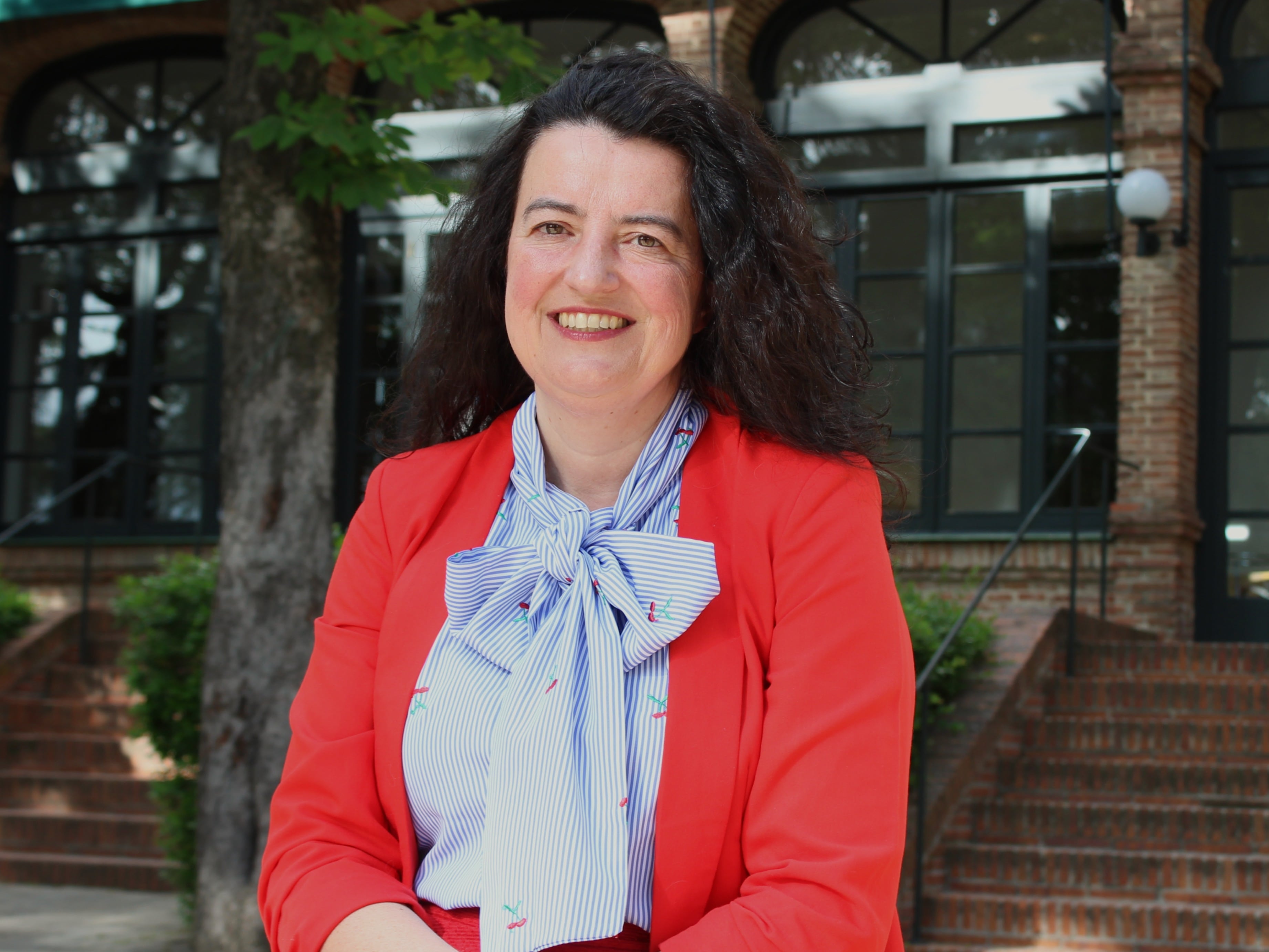
After two days in Madrid, Ann Dooms, 47, still hadn’t managed much sightseeing: only a quick visit to the Santiago Bernabéu stadium with her daughter. She was staying at the Residencia de Estudiantes, where she gave a talk at the invitation of the Institute of Mathematical Sciences and the Spanish National Research Council (CSIC). Public outreach is only one of the many tasks that occupy Dooms. She also leads the Mathematics and Data Science research group at the Free University of Brussels (VUB, by its Dutch initials), where she is a full professor, and chairs both the Belgian Defence Scientific Council and the Education Committee of the European Mathematical Society.

Seguir leyendo

© Laura Moreno Iraola (ICMAT)

Mathematician Ann Dooms in Madrid.
  •  

Ten Marilyn Monroe films to celebrate her centennial

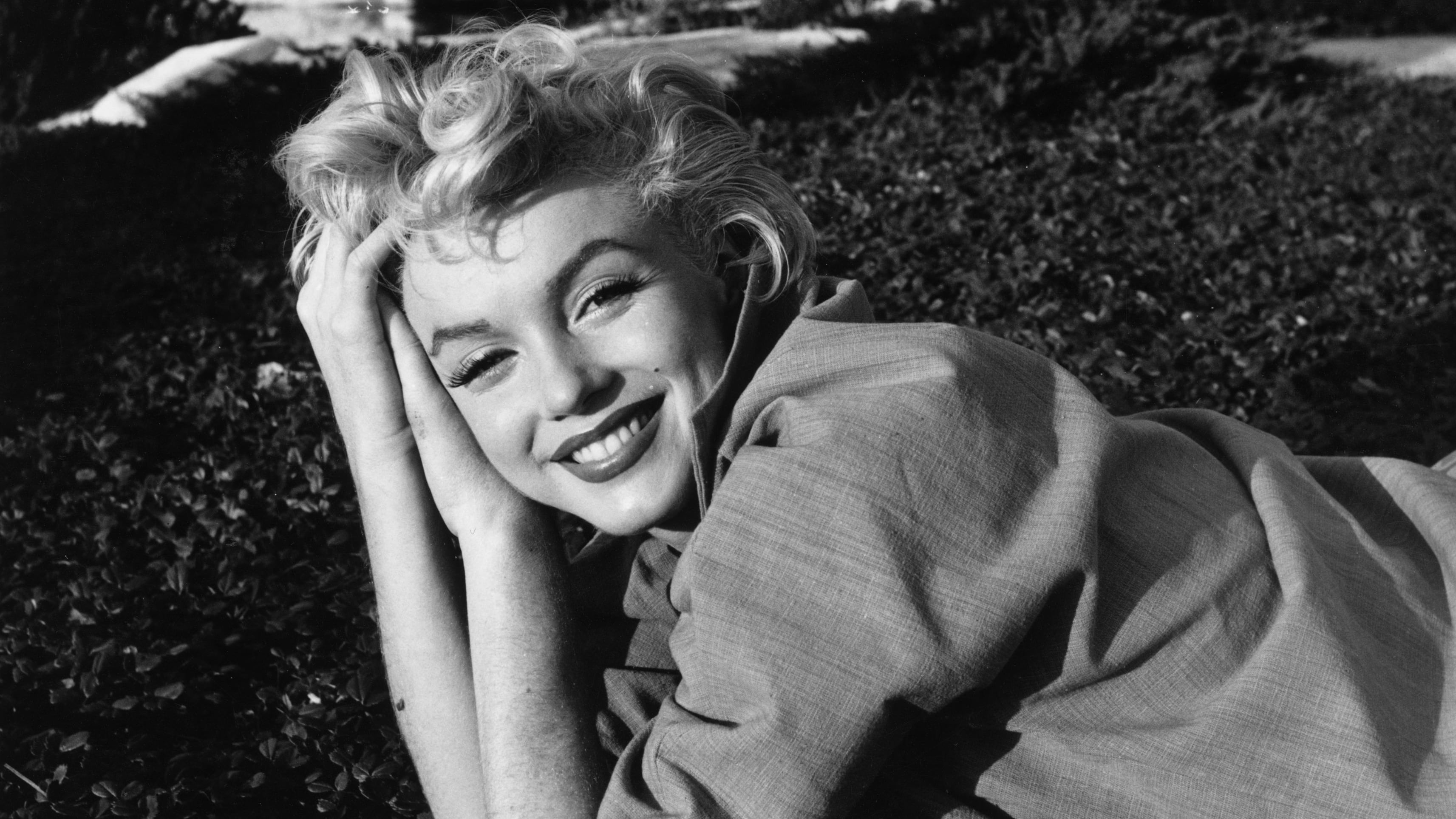
On June 1, Norma Jeane Mortenson would have turned 100. She died at the age of 36, on August 4, 1962, but her artistic alter ego, Marilyn Monroe, became a film legend. The Bombshell Blonde façade concealed a very harsh childhood during which she lived in as many as 12 foster homes, a torturous romantic life, and a career marked by artistic self-doubt and very poor health (she never carried a pregnancy to term).

Seguir leyendo

© Baron (Getty Images)

Marilyn Monroe in 1954.
  •  

Caetano Veloso: ‘Right now concern predominates within me; Brazil seems unable to save itself’

Caetano Veloso, in a video call from Lisbon, Portugal, speaks slowly with that blend of intellectual clarity and Bahian melancholy that for six decades has turned each of his interviews into something more like a philosophical conversation than a mere promotion of new albums or concerts. At age 83, the celebrated musician from Brazil is embarking on a tour titled Caetano nos festivais, which will stop in Madrid on June 4 and which he himself describes, without drama but with honesty, as perhaps his last visit to Spain. That is despite the close relationship he has always maintained with Spanish culture. There is no monumental nostalgia in his words; rather a physical weariness, a wise resignation, political concern and a bitter — though not yet defeated — view of the present. He speaks, without losing passion, about the military dictatorship his country suffered, about Silicon Valley, The Beatles, contemporary confusion and a Brazil that, in spite of everything, he still believes can “say something to the world.”

Seguir leyendo

© Jota Erre (AGIF via AFP / Europa Press)

Caetano Veloso during a concert in São Paulo, in November 2025.
  •  

Latin America seeks to build an Atlantic alliance with Europe and the US: ‘The region has never been so central to the world’

Closing of the CEAPI congress in Mexico.

Just a year ago, Latin America’s major business families — owners of some of the world’s largest fortunes — were watching anxiously for the effects of the tariff wall erected by U.S. President Donald Trump. One year on, they are observing with concern the geopolitical upheaval unleashed by Trump, with an unprecedented change to the liberal international order built after World War II. The new national security strategy outlined by the Trump administration singles out Latin America as a new priority. The Republican tycoon has designated the entire region as his sphere of influence: as both his backyard and his front yard.

Seguir leyendo

  •  

Russians make mass cash withdrawals amid internet shutdowns and transfer controls

Russians, accustomed to living with constant unpredictability, have been stashing rubles for months in the drawers of their homes. Cash withdrawals have been so massive since the start of the year that the Bank of Russia has carried out a substantial upward revision of the financial system’s liquidity needs through the end of 2026. Internet shutdowns — and, by extension, disruptions to payment systems — ordered by the authorities for alleged “security reasons” have driven Russians to withdraw money from ATMs. Added to this, in a bid to raise revenue to fund the war against Ukraine, is a new bill that would tighten controls on cash payments to businesses.

Seguir leyendo

© ALEXEY MALGAVKO (REUTERS) (EL PAÍS)

A woman pays in cash in Tara, Russia. 
  •  

Tony Leung, actor: ‘I considered quitting because I was on the verge of an existential boredom, but working with Wong Kar-wai transformed me’

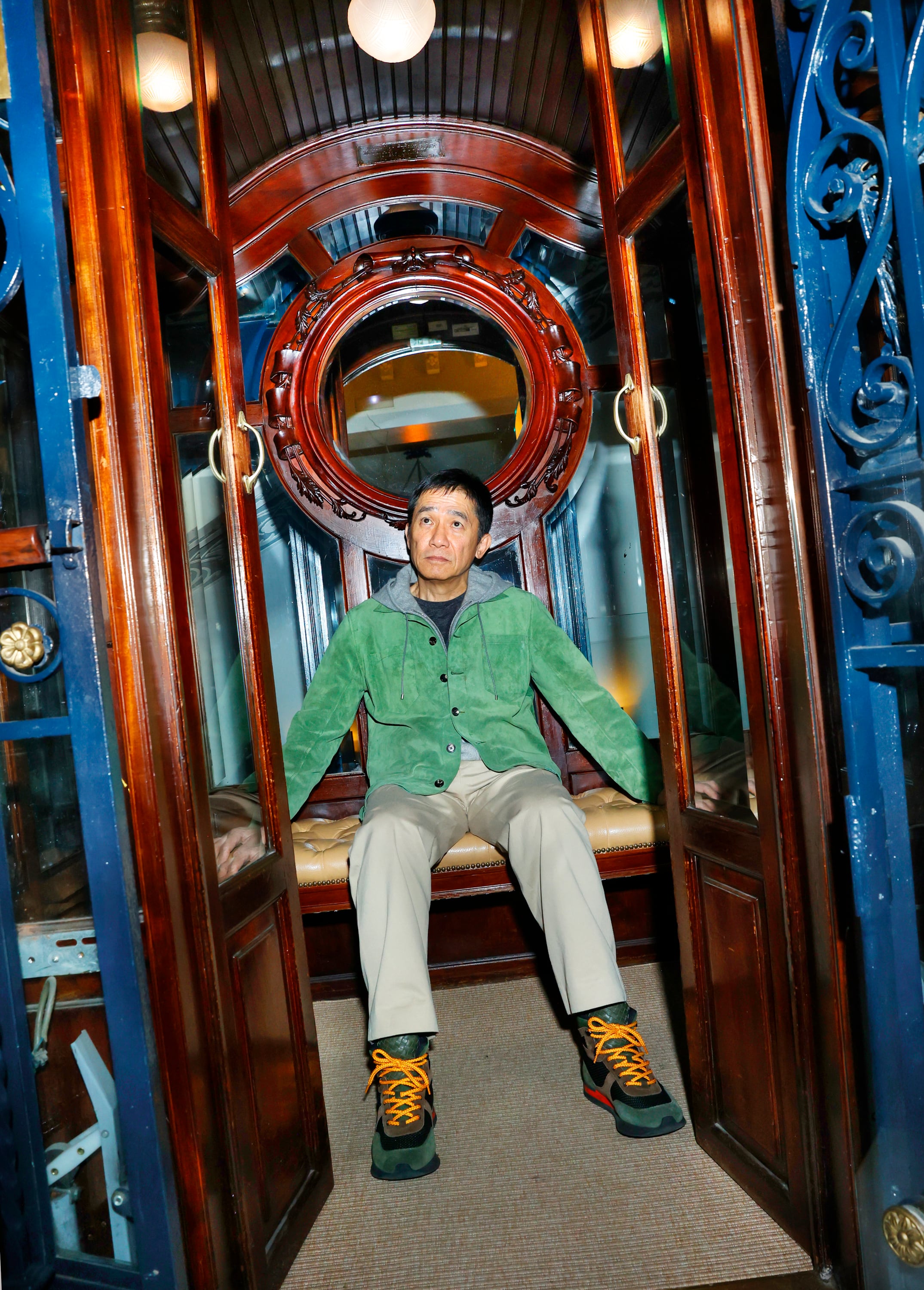
Tony Leung (Hong Kong, 63) enters the lobby of a Madrid hotel and brings with him an absolute sense of calm. The pace slows; you even get the impression the temperature has dropped slightly. Leung’s image in the film collective was sealed by his role in In the Mood for Love, Wong Kar-wai’s masterpiece that earned Leung the best actor award at the 2000 Cannes Film Festival. A man anchored in melancholy, unable to confront his unfaithful wife or to declare his love to his neighbor. That introspection turned Leung into one of the coolest men on the planet.

Seguir leyendo

© FRANCIS TSANG (EL PAÍS)

Tony Leung, photographed in Madrid.
  •  

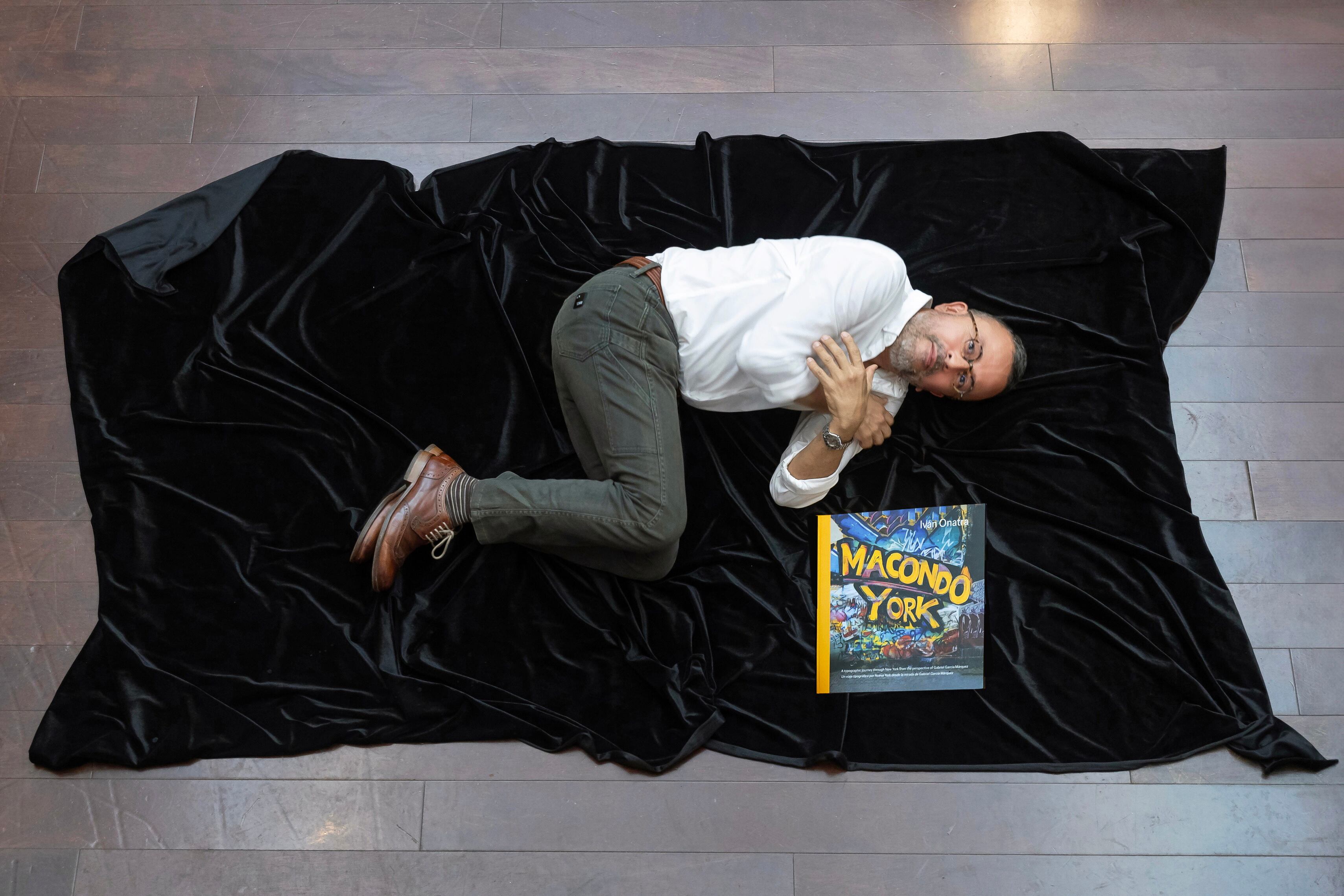
‘Macondo York’: The gaze of a García Márquez overwhelmed by the Big Apple

Few associate Gabriel García Márquez with the asphalt jungle of New York. Collective memory places the Nobel Prize-winner in the heat of Mexico, the hustle and bustle of Barranquilla or the elegance of Barcelona. But for Colombian graphic designer and author Iván Onatra, the Big Apple was a crucial — and at times, forgotten — stage in the scribe’s life. García Márquez’s time in the city that never sleeps takes on new life in Onatra’s bilingual design book Macondo York, in which he explores the writer’s love-hate relationship that lasted for six months, while he worked as a journalist for the Prensa Latina news agency.

Seguir leyendo

© Daniel Mordzinski

Colombian designer Iván Onatra.
  •  

Sweet dreams for $2,000 a night: Luxury sleep tourism and how it works

At some paddleball courts, the sound of rackets can be heard until close to midnight. Many gyms and swimming pools have expanded their hours of operation, as users wake up earlier, or else want to come during times of the evening once reserved for being at home or at the pub. Streaming platforms automatically queue one episode after another of their series in an attempt to keep you hooked until the next morning. Batch cooking takes place at night, and those with complex skincare routines perform them just before bed, adding steps to a ritual that seems to get longer and longer. Though today, many jobs necessitate a graveyard shift, or to be constantly available, there are also everyday leisure activities invading moments that traditionally have been dedicated to rest.

Seguir leyendo

© Fine Art (Corbis via Getty Images)

Several industries compete with TV to rob the hours we once spent sleeping.
  •  
❌