Normal view

O 25 de Abril também é ecológico

2 June 2026 at 17:00

No passado mês de Abril, considerado o mês da liberdade em Portugal, o conceito de democracia tem um significado ainda mais importante. Um país que viveu em ditadura sabe o que é não poder decidir e viver com medo e na sombra de um líder autoritário que dita as normas e as formas de vida. Mas não só em Abril se deve falar de democracia.

Mas porque é que uma organização não-governamental de conservação marinha está a falar de democracia?

Porque, a 25 de abril de 1974, Portugal ganhou a sua liberdade, e com isso, a abertura do espaço ao diálogo e associativismo, valores cruciais para o trabalho de uma organização não governamental que procura promover mudanças positivas.

A democracia implica liberdade, justiça, soberania popular e respeito pelos direitos fundamentais, o que inclui um oceano (e ambiente) limpo e saudável. Porque, sim, um meio ambiente limpo é um direito humano e, como tal, deve ser protegido. A democracia não é apenas um valor político, mas também ecológico e moral. 

A democracia foi ganha em Portugal depois de anos de luta. Mas a liberdade trouxe consigo responsabilidade. Uma responsabilidade civil que permite a expressão, tanto individual como coletiva, mas também o direito à exigência de melhores condições de vida, incluindo na qualidade ambiental e acesso a um ambiente saudável. Isto tem permitido, e até promovido, o surgimento de movimentos sociais, culturais e ambientais que visam proteger esses valores. O clamor de vozes que talvez nunca tenham sido ouvidas antes. As vozes da natureza, do mar, das comunidades piscatórias, das mulheres dentro dessas comunidades, entre tantas outras que, quiçá na escuridão de uma ditadura, nunca teriam ganho o valor que hoje acrescentam.

Geralmente, pensamos no processo de tomada de decisão, a nível governamental ou municipal, como algo distante e por vezes opaco. Mas, na verdade, o que lá se concretiza começa pelo que nós, o povo, fazemos, exigimos e votamos.

A responsabilidade inerente à democracia exige que o povo se mantenha informado e tome decisões conscientes. Em quem alguém vota não deveria ser uma decisão aleatória, muito menos assente na popularidade ou numa mera “preferência superficial”. O mérito e o alinhamento dos valores entre quem vota e quem se candidata deve ser o centro da questão. A participação em fóruns e instâncias de aprendizagem, sensibilização e partilha de informação é fundamental para votar de forma consciente e informada.

Contudo, a democracia também pode ser fragilizada por dentro. Movimentos políticos que colocam o crescimento económico acima da proteção ambiental têm ganho popularidade em vários países, incluindo na Europa, escolhidos precisamente através das urnas. Paradoxalmente, parte dessa ascensão alimenta-se de um ecossistema de informação digital fragmentado, onde algoritmos amplificam o sensacionalismo em detrimento do rigor – e onde a desinformação circula mais depressa do que os factos.

Ainda mais preocupante é a falta de interesse político em questões ambientais, devido ao crescente interesse em narrativas populistas e com base no ódio, que criam uma falsa necessidade de investimento em armas e defesa militar. Entretanto, o que realmente nos dá vida, um ambiente e oceano saudáveis, carece de recursos e apoio financeiro para a sua proteção.

A tripla crise ambiental das alterações climáticas, da poluição e da perda acelerada da biodiversidade tem de ser enfrentada de todos os ângulos possíveis. De cima para baixo e de baixo para cima. Na nossa vizinhança, bairro, município, localidade, no Algarve, no Alentejo, na Grande Lisboa e no país inteiro.

Participar, pronunciar-se e exigir transparência, com a liberdade que Abril conquistou, permite-nos influenciar prioridades políticas e contestar decisões que colocam interesses económicos acima do bem comum. A crise climática expõe que nem todas as vozes têm o mesmo peso – e é precisamente aí que a democracia tem de ser mais do que um valor declarado: tem de ser praticada. Sem ela, a participação é silenciada. Sem participação, a ação climática perde legitimidade, eficácia e alma.

Reforçar a democracia é uma condição indispensável para proteger o ambiente e o oceano e, com eles, o futuro.

NOTA: Este é o quinto artigo da “Coluna de Água”, um projeto da Sciaena – Associação de Ciências Marinhas e Cooperação e que publicará, durante um ano, 12 artigos, relacionados com justiça ambiental, direitos humanos, igualdade de género, participação democrática e literacia do oceano.

Gostou do que leu? Ajude-nos a continuar!
 
O nosso compromisso é levar até si notícias rigorosas, relevantes e próximas da sua comunidade. Para continuarmos a fazer o que fazemos, precisamos do seu apoio. Qualquer donativo, por mais pequeno que seja, faz a diferença e ajuda a garantir a continuidade deste projeto. Juntos, mantemos a informação viva no Algarve e no Alentejo.
Obrigado por fazer parte desta missão!
Contribua aqui!

O conteúdo O 25 de Abril também é ecológico aparece primeiro em Sul Informação.

Studies Continue to Show Coconut Oil Improves the Lives of People with Parkinson’s Disease

27 May 2026 at 23:01

by Brian Shilhavy
Health Impact News

Parkinson’s Disease is a neurological disease that has increased in modern times, similar to Alzheimer’s Disease.

Studies have linked Parkinson’s Disease to an increase in the use of statin drugs, which artificially lower a person’s cholesterol levels.

Here are a couple of articles that have been published in the past here on Health Impact News regarding this topic:

Study: Cholesterol-lowering Statin Drugs May Cause Parkinson’s Disease  

Study: Statin Cholesterol-lowering Drug Use Linked to Increase in Parkinson’s Disease

The herbicide glyphosate has also been linked to Parkinson’s Disease. See:

Roundup Herbicide Linked To Parkinson’s-Related Brain Damage

Staying away from cholesterol-lowering drugs and limiting one’s exposure to the poison glyphosate in their diet could go a long way in preventing Parkinson’s Disease.

For those already suffering with Parkinson’s Disease, coconut oil is a natural remedy that can help people with this disease which has been known for over a decade-and-a-half now, and studies continue to be published on how effective coconut oil can be for people suffering with Parkinson’s Disease.

Here are a couple of recently published studies regarding Parkinson’s Disease and coconut oil:

Nutritional Perspectives on Parkinson’s Disease: The Potential Neuroprotective Role of Coconut Derived Supplements

Abstract

Purpose of review: This review examines the potential role of coconut-derived nutritional supplements in influencing Parkinson’s disease risk and progression by modulating oxidative stress and mitochondrial function. Parkinson’s disease is a neurodegenerative disease characterized by the death of dopaminergic neurons, mitochondrial damage, and increased oxidative stress. Nutritional approaches have garnered attention as adjunctive therapeutic strategies.

Recent findings: The natural products of coconut, including coconut oil, coconut milk, coconut water, and coconut kernel, are rich in fatty acids, antioxidants, vitamins, and other essential minerals, which can have neuroprotective effects. Additionally, evidence suggests an inverse correlation between coconut consumption and the PD prevalence. Consequently, nutrients obtained from coconut products represent promising natural neuroprotective agents for the prevention and management of PD. Further studies ought to focus more on clinical trials to confirm the effectiveness of coconut-based supplements and explain the underlying neuroprotective effects of these supplements in the management of PD.

Keywords: Coconut consumption; Coconut supplements; Neurological disorder; Nutritional deficiency; PD prevalence; Parkinson’s disease.

Neuroprotective role of coconut oil for the prevention and treatment of Parkinson’s disease: potential mechanisms of action

Abstract

Neurodegenerative disease (ND) is a clinical condition in which neurons degenerate with a consequent loss of functions in the affected brain region. Parkinson’s disease (PD) is the second most progressive ND after Alzheimer’s disease (AD), which affects the motor system and is characterized by the loss of dopaminergic neurons from the nigrostriatal pathway in the midbrain, leading to bradykinesia, rigidity, resting tremor, postural instability and non-motor symptoms such as cognitive declines, psychiatric disturbances, autonomic failures, sleep difficulties, and pain syndrome.

Coconut oil (CO) is an edible oil obtained from the meat of Cocos nucifera fruit that belongs to the palm family and contains 92% saturated fatty acids. CO has been shown to mediate oxidative stress, neuroinflammation, mitochondrial dysfunction, apoptosis and excitotoxicity-induced effects in PD in various in vitro and in vivo models as a multi-target bioagent. CO intake through diet has also been linked to a decreased incidence of PD in people.

During digestion, CO is broken down into smaller molecules, like ketone bodies (KBs). The KBs then penetrate the blood-brain barrier (BBB) and are used as a source of energy its ability to cross BBB made this an important class of natural remedies for the treatment of ND.

The current review describes the probable neuroprotective potential pathways of CO in PD, either prophylactic or therapeutic. In addition, we briefly addressed the important pathogenic pathways that might be considered to investigate the possible use of CO in neurodegeneration such as AD and PD.

Here are some testimonials from Parkinson’s Disease patients that we have published in the past.

Coconut Oil Improves Life of 74-Year-Old Man with Parkinson’s.

Parkinson’s Sufferers Find Relief and Improved Life After Starting Coconut Oil

Coconut Oil Offers Hope for Alzheimer’s, Parkinson’s, and ALS

I have been writing about and teaching people for 24 years now how beneficial coconut oil is for neurological diseases, and how dangerous statin drugs are, along with vaccines (especially the COVID vaccines) and the contamination of our food supply with glyphosate for neurological health.

And now that I am a senior myself, I have found that I have to increase my consumption of coconut oil, not only for neurological health, but for a lot of other reasons as well.

You can download the short book I published several years ago about Holistic Geriatric Care and Coconut Oil for free in my online store:

Virgin Coconut Oil and Alzheimer’s Disease eBook – FREE

Disclaimer: I also sell Virgin Coconut Oil in my store, and yes, I will earn a profit if you buy it from me. I was the first one to import a Virgin Coconut Oil from the Philippines into the U.S. in 2001.

choosing-the-best-coconut-oil

This article was written by Human Superior Intelligence (HSI)

See Also:

Understand the Times We are Currently Living Through

New FREE eBook! Restoring the Foundation of New Testament Faith in Jesus Christ – by Brian Shilhavy

What Kind of Person did Jesus Say was True with no Injustice in Them?

KABBALAH: The Anti-Christ Religion of Satan that Controls the World Today

Christian Teaching on Sex and Marriage vs. The Actual Biblical Teaching

Exposing the Christian Zionism Cult

The Bewitching of America with the Evil Eye and the Mark of the Beast

Jesus Christ’s Opposition to the Jewish State: Lessons for Today

Identifying the Luciferian Globalists Implementing the New World Order – Who are the “Jews”?

The Brain Myth: Your Intellect and Thoughts Originate in Your Heart, Not Your Brain

What is the Condition of Your Heart? The Superiority of the Human Heart over the Human Brain

The Seal and Mark of God is Far More Important than the “Mark of the Beast” – Are You Prepared for What’s Coming?

The Satanic Roots to Modern Medicine – The Image of the Beast?

Medicine: Idolatry in the Twenty First Century – 10-Year-Old Article More Relevant Today than the Day it was Written

Having problems receiving our emails? See:

How to Beat Internet Censorship and Create Your Own Newsfeed

We Are Now on Telegram. Video channels at Bitchute, and Odysee.

If our website is seized and shut down, find us on Telegram, as well as Bitchute and Odysee for further instructions about where to find us.

If you use the TOR Onion browser, here are the links and corresponding URLs to use in the TOR browser to find us on the Dark Web: Health Impact News, Vaccine Impact, Medical Kidnap, Created4Health, CoconutOil.com.

The post Studies Continue to Show Coconut Oil Improves the Lives of People with Parkinson’s Disease first appeared on Health Impact News.

Research Continues to Show that Black Seed Oil can Treat Many Diseases as One Ancient Famous Religious Leader Once Declared it was the “Cure for Everything” but Death

14 May 2026 at 21:00

by Brian Shilhavy
Health Impact News

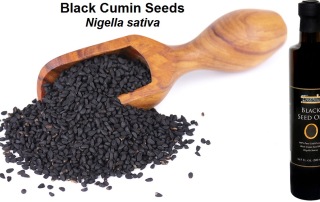
Black cumin seeds and black seed oil from those seeds is a phenom in nature that has been studied for hundreds of years due to its health properties.

It’s Latin name is Nigella sativa, and a search in PubMed will result in over 2500 articles published.

Nigella sativa is known by various other names such as: black caraway, fennel flower, nutmeg flower, Roman coriander, kaljeera, habbat al-barakah, among others.

Relatively unknown in the U.S. until recent times, it has a long history of use in the Middle East.

References to black cumin seeds date back thousands of years. It is mentioned in the Bible in the book of Isaiah, in chapter 28, verses 25 and 27.

Black cumin seeds were found in the tomb of Egyptian Pharaoh Tutankhamun, who ruled Egypt from 1333 BC to 1324 BC, and they were found in a pilgrim flask in Turkey from the ancient Hittite empire, dating from around 1650 BC.

The Islamic prophet is reported to have stated that black cumin seeds are “the remedy for all diseases but death.”

A search for “black seeds” on Health Impact News will return over 90 articles we have published over the years. Here are a few:

Black Seed Oil Cures Many Cancers According to Numerous Studies

Study: Black Seed Oil Relieves Pain Associated with Arthritis

New Research: Black Seed Oil Effective in Treating Alzheimer’s and Ischemia Organ Damage

Research: Black Seed Oil Protects Pancreas Damage from Diabetes – Helps Heal Wounds

Study: Black Seed Oil Helps Parkinson’s – Can be Used for Anti-depressant and Anti-anxiety Treatment

The research continues on this amazing, natural product that cannot be patented, and was created by God.

Here are some recent studies on black seeds published in peer-reviewed journals here in 2026.

Nigella sativa Seed Oil Antibacterial and Antibiofilm Activity against Escherichia coli O157H7 Shiga Toxin-2

Journal of Oleo Science, 2026 Volume 75 Issue 5 Pages 627-639

Abstract

Shiga toxin type 2 (Stx2)-producing Escherichia coli O157H7 has become a global risk to public health. The study aimed to investigate the emergence of antimicrobial resistance patterns in the clinical isolates of E. coli.

The isolates revealed a pattern of strong resistance to the majority of the common antibiotics.

Most E. coli isolates were susceptible to gentamicin and were classified as MDR. The Stx2 determinant was screened in E. coli O157:H7 isolates through the PCR technique, and the Stx2 was purified by cation exchange and gel filtration chromatography. The purification yielded 5.2 milligrams of pure Stx2.

Nigella sativa oil’s obtained by the mechanical expression of seeds at room temperature was evaluated for its antibacterial activity against 16 E. coli O157:H7 isolates at different concentrations. The oil induced inhibition zone diameter of 9.83, 16.71, and 27.48 mm at the concentration of 16, 32, and 64 μg/mL, respectively.

Minimum inhibitory concentration (MIC) of N. sativa seed oil (NSSO) and gentamicin-treated biofilm-forming different isolates ranged from 64-502 and 32-256 μg/mL, respectively. Optical density (O.D.) and viable counts showed significant differences before and after the treatment with sub-MIC.

The injections of Stx2 caused microangiopathy in mice, including hemolytic anemia, thrombocytopenia, and renal impairment. The Stx2 also caused microvascular thrombosis and other histologic damage in the kidney, spleen, and liver, as well as a significant reduction in the splenic size of the infected mice.

The results showed that the variance in the values of the complete blood count, as well as histopathological alteration in the spleen, occurred in mice treated with Nigella sativa oil, which was improved compared with the control.

This study is the first report on NSSO exhibiting inhibitory activity on E. coli and its Shiga toxin, which can also inhibit virulence in E. coli, thereby suggesting it as an alternative for therapy.

Source. Free Full Article.

Network Pharmacology Integrated Molecular Docking Analysis Identifies Potential Bioactive Compounds in Nigella sativa Against Polycystic Ovary Syndrome

Chemistry & Biodiversity, 24 April 2026

Abstract

Polycystic ovarian syndrome (PCOS) is a complex endocrine disorder affecting 8%-13% of women of reproductive age. Although Nigella sativa (NS) has been traditionally used for PCOS management, its molecular mechanisms are not fully characterized.

This study employed network pharmacology, molecular docking, and molecular dynamics (MD) simulations to identify the key targets and pathways associated with NS bioactives.

Venn analysis identified 53 common genes shared between NS-derived phytochemicals and PCOS-associated targets. KEGG and Reactome enrichment revealed 15 significantly enriched pathways (p < 0.05), including ovarian steroidogenesis, insulin resistance, androgen signaling, and inflammatory pathways.

Five critical PCOS-related proteins (CYP19A1, CYP11A1, AR, ESR1, and HSD17B1) were selected for docking with major NS phytochemicals. Docking revealed strong binding affinities, with thymoquinone showing the highest binding scores of -8.2 kcal/mol (CYP11A1), -7.6 kcal/mol (CYP19A1), and -7.1 kcal/mol (AR). MD simulation-based flexibility analysis showed that the CYP11A1-thymoquinone complex exhibited higher residue mobility, with RMSF values indicating greater flexibility in the ligand-interacting regions compared to other complexes.

These findings suggest that NS exerts therapeutic potential in PCOS through multi-target modulation of steroidogenic enzymes and hormonal pathways, providing a molecular foundation for future experimental validation.

Source.

The alteration of brain function in overweight/obese individuals and the neurological benefit of thymoquinone: uncovering molecular mechanisms

Metabolic Brain Disease, 2026 Apr 1

Abstract

Overweight and obesity are complicated metabolic disorders associated with negative impacts on the brain and its function, including cognitive and memory abilities.

Herbal medicines are plant-based bioactive compounds produced by plants. Natural food components with antioxidant activity show promise as alternative treatments for a number of illnesses, including brain diseases.

Thymoquinone (TQ) is the main bioactive constituent of essential oils produced from Nigella sativa seeds. TQ possesses numerous biological and pharmacological activities, including antioxidant, anti-inflammatory, antihyperglycemic, and immunomodulatory effects, with neuroprotective effects against various neurodegenerative diseases and pathological conditions of the brain.

Several studies have investigated the pharmacological activities of TQ; however, its neuroprotective molecular signaling pathways have not been fully described, and several issues remain to be clarified.

The current review summarizes the most recent information related to the important molecular signaling pathways by which TQ protects brain function, particularly in overweight/obese individuals.

In conclusion, TQ improved the activity of antioxidant enzymes, maintained redox equilibrium and decreased neuroinflammation and apoptosis via various signaling pathways.

Numerous proteins, including nuclear factor erythroid 2–related factor 2 (Nrf2), nuclear factor kappa B (NF-κB), toll-like receptor 4 (TLR4), and mitogen-activated protein kinase (MAPK), are crucial for the TQ signaling pathway to prevent brain problems.

Although these proteins represent a novel treatment approach, there are still issues with their clinical applicability in various diseases. Researchers should perform further research to determine the additional activity of TQ for the development of clear strategies for the prevention and treatment of brain dysfunction.

Source. Free Full Study.

Nigella sativa and Its Bioactive Compound Thymoquinone in Burn Therapy: Mechanisms, Efficacy, and Safety

Journal of Burn Care and Research, 2026 May 5

Abstract

Introduction: Burn injuries represent a worldwide public health concern. Nigella sativa (NS), a herbal medicinal plant, widely used in Ayurveda, Unani, and Siddha holds potential to address this issue. This review evaluated the potential of NS extract and its key component, Thymoquinone (TQ), in accelerating burn wound healing, focusing on their mechanisms, safety, and efficacy.

Methods: Studies were retrieved from PubMed, Google Scholar, and ScienceDirect using keywords “Nigella sativa,” “Thymoquinone,” “burns,” and “wound healing.” Reports were screened for suitability, and the scientific name was verified on www.worldfloraonline.org.

Results: NS extract and TQ accelerate burn wound healing in vitro and in vivo through various mechanisms involving anti-inflammatory, anti-oxidative, anti-microbial, and tissue regenerative effects. TQ achieved 91.35% wound closure in NIH/3T3 cells and wound closure rate of 2.35% ± 0.05% in 3T3-CCL92 cells. It also reduced oxidative stress and inflammation in murine burn models. Nanoformulations of TQ showed higher safety (LD50: 300-2000 mg/kg) than pure TQ (LD50: 50-300 mg/kg). A Phase I trial confirmed the safety of black cumin oil (5% TQ) at 200 mg/day for 90 days in healthy adults.

Conclusion: Formulations based on NS extract and TQ can manage burn injuries and be extrapolated into clinical settings.

Source.

ATR-FTIR spectroscopy combined with chemometrics reveals molecular alterations and anticancer effects of Nigella sativa extract in human colon cancer cells

Scientific Reports, 2026 Jan 16

Abstract

Colorectal cancer remains the second leading cause of cancer-related mortality worldwide, with current therapeutic approaches often demonstrating limited efficacy.

Nigella sativa L. (NS) seeds, historically valued for their medicinal properties, exhibit promising anticancer potential.

This study investigates the molecular effects of NS methanolic extract on CaCo-2 human colon cancer cells, focusing on cellular composition, dynamics, and segregation patterns.

Unsupervised chemometric analyses, including principal component and hierarchical cluster analyses, demonstrated a complete separation between control and NS-treated cells, indicating significant molecular divergence, further validated by supervised classification methods.

Spectral analysis revealed reductions in unsaturated lipids, proteins, glucose, and DNA levels, along with a shortening of fatty acid acyl chain length. In contrast, saturated lipid and triglyceride content increased, accompanied by enhanced membrane fluidity and lipid disorder, indicating substantial alterations in cellular lipid dynamics and acyl chain flexibility.

Furthermore, oxidative stress markers were elevated, as evidenced by increased protein carbonylation, while protein phosphorylation levels declined. NS treatment also induced protein conformational changes, notably an increase in aggregated β-sheet structures, suggesting protein denaturation.

These biochemical modifications were strongly associated with NS-enhanced reactive oxygen species (ROS) levels.

Overall, this study elucidates the molecular mechanisms underlying the anticancer effects of NS, supporting its potential as an adjunctive therapeutic strategy for colorectal cancer.

Source. Free Full Text.

Disclaimer: I do sell Black Cumin Seed oil from Turkey in my online store, and I do make a profit if you buy it from me.

I take no profits from my writings on Health Impact News. Health Impact News has over 9000 articles published, all free of charge.

This article was written by Human Superior Intelligence (HSI)

See Also:

Understand the Times We are Currently Living Through

New FREE eBook! Restoring the Foundation of New Testament Faith in Jesus Christ – by Brian Shilhavy

What Kind of Person did Jesus Say was True with no Injustice in Them?

KABBALAH: The Anti-Christ Religion of Satan that Controls the World Today

Christian Teaching on Sex and Marriage vs. The Actual Biblical Teaching

Exposing the Christian Zionism Cult

The Bewitching of America with the Evil Eye and the Mark of the Beast

Jesus Christ’s Opposition to the Jewish State: Lessons for Today

Identifying the Luciferian Globalists Implementing the New World Order – Who are the “Jews”?

The Brain Myth: Your Intellect and Thoughts Originate in Your Heart, Not Your Brain

What is the Condition of Your Heart? The Superiority of the Human Heart over the Human Brain

The Seal and Mark of God is Far More Important than the “Mark of the Beast” – Are You Prepared for What’s Coming?

The Satanic Roots to Modern Medicine – The Image of the Beast?

Medicine: Idolatry in the Twenty First Century – 10-Year-Old Article More Relevant Today than the Day it was Written

Having problems receiving our emails? See:

How to Beat Internet Censorship and Create Your Own Newsfeed

We Are Now on Telegram. Video channels at Bitchute, and Odysee.

If our website is seized and shut down, find us on Telegram, as well as Bitchute and Odysee for further instructions about where to find us.

If you use the TOR Onion browser, here are the links and corresponding URLs to use in the TOR browser to find us on the Dark Web: Health Impact News, Vaccine Impact, Medical Kidnap, Created4Health, CoconutOil.com.

The post Research Continues to Show that Black Seed Oil can Treat Many Diseases as One Ancient Famous Religious Leader Once Declared it was the “Cure for Everything” but Death first appeared on Health Impact News.

”Ozempic” 100% brasileiro custará R$452,00

2 June 2026 at 18:37

A farmacêutica EMS anunciou os preços da Ozivy, primeira caneta de semaglutida produzida no Brasil. O medicamento chegará ao mercado com valores a partir de R$ 452, abaixo dos praticados atualmente por concorrentes importados que utilizam o mesmo princípio ativo.

A semaglutida é a substância utilizada em medicamentos como Ozempic e Wegovy, indicados para o tratamento do diabetes tipo 2 e da obesidade. A entrada da versão nacional ocorre após o fim da patente da molécula no Brasil, abrindo espaço para novos fabricantes no mercado.

Segundo a EMS, a estratégia é oferecer o produto por valores cerca de 30% inferiores aos dos medicamentos concorrentes. A empresa estima comercializar mais de 1 milhão de unidades no primeiro ano e projeta faturamento de aproximadamente R$ 500 milhões com o novo medicamento.

Antes do anúncio dos preços ao consumidor, a Câmara de Regulação do Mercado de Medicamentos (CMED) já havia definido o teto regulatório da Ozivy. O limite aprovado ficou no mesmo patamar dos medicamentos de referência à base de semaglutida, como Ozempic e Wegovy.

A chegada da Ozivy é vista pelo setor como um marco para a indústria farmacêutica nacional, já que se trata da primeira caneta de semaglutida desenvolvida e produzida por uma empresa brasileira. Especialistas avaliam que o aumento da concorrência pode contribuir para ampliar o acesso ao tratamento e pressionar os preços para baixo nos próximos meses.

The post ”Ozempic” 100% brasileiro custará R$452,00 appeared first on Diário da Manhã - O Jornal do leitor Inteligente.

Parcerias e Negócios anuncia parceria com a Diáspora Lusa para aproximar empresários portugueses no mundo

29 May 2026 at 21:36

A Convenção Anual da Parcerias e Negócios realizou-se no dia 23 de Maio, no SDivine Fátima Hotel, reunindo empresários, empreendedores, oradores, dirigentes e profissionais de diferentes sectores de actividade. O encontro ficou marcado pela partilha de experiências, pela apresentação de…

O post Parcerias e Negócios anuncia parceria com a Diáspora Lusa para aproximar empresários portugueses no mundo aparece primeiro no Diáspora Lusa.

❌