Normal view

Ukraine’s drone output grew 12.7% month-on-month, but chief commander says don’t relax

11 June 2026 at 18:58

commander-in-chief-of-ukraines-army

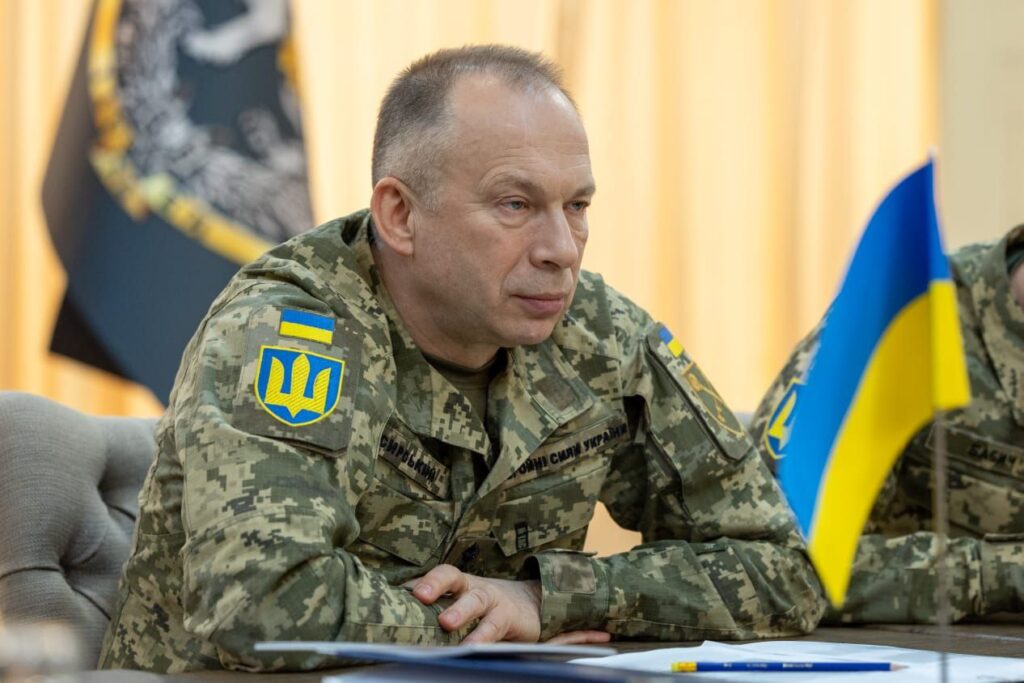
Ukraine maintains a 1.5-to-1 FPV drone advantage over Russia, Commander-in-Chief Oleksandr Syrskyi confirmed at the monthly meeting on unmanned systems development. In May 2026, Ukrainian unmanned systems hit nearly 180,000 confirmed enemy targets, which is 12.7% more than in April, the General Staff reports.

Syrskyi also disclosed that Ukrainian drone operators have eliminated 12,500 more Russian troops than Russia could recruit into its own unmanned systems units since the start of the year. 

Ukrainian operators neutralized approximately 4,000 Shahed-type strike drones in May (27% more than April) and hit nearly 10,000 Russian drone-operator positions, Syrskyi said. 

May 2026 metrics: 10,000 operator positions hit

Ukrainian forces additionally hit nearly 10,000 Russian drone operator positions in May. The number represents a doctrinal shift toward degrading Russian operator capability rather than just intercepting Russian platforms in flight.

Striking the operator unit prevents Russian forces from launching additional drones from that position.

The combined month-over-month growth with 12.7% across targets 27% across Shahed neutralization suggests the Ukrainian operational tempo continues to accelerate.

Middle Strike program: 414 headquarters and command posts hit

The Middle Strike program conducted nearly 2,000 strikes in May 2026. Ukraine utilizes this naming for strikes against Russian operational-tactical depth targets. 

Among the targets were 414 headquarters, command posts, troop concentration areas, and other important Russian objects. Syrskyi credited the establishment of coordination centers at the corps level with improving the effectiveness of these strikes.

The coordination centers improve inter-unit cooperation, allowing for more coordinated targeting of high-value Russian operational nodes. 

Ground robotic systems: supply problems persist

Ukrainian ground robotic systems conducted over 12,500 missions in May 2026, working on the most dangerous frontline sections. Their tasks included delivering ammunition and food, evacuating wounded, and providing other support functions.

Syrskyi noted that the potential of ground robotic systems is significantly greater than current deployment levels. Problems with the supply and procurement of these systems have arisen since the start of the year. 

Syrskyi cautions against complacency

Russia recruited only 14,500 contract personnel into its unmanned systems units since the start of 2026, which is approximately one-fifth of Russia's planned figure for the period. This recruitment shortfall is significant because Ukrainian drone operators eliminated approximately 12,500 more Russian troops than Russia recruited into its drone units during the same period.

Syrskyi emphasized that the achieved results should not cause Ukrainian forces to relax. Russia is actively developing its own unmanned capabilities, adopting Ukrainian experience, and improving its solutions.
German company that already supplies Ukraine with drones has unveiled Shahed-hunter aircraft with four weapons categories on single airframe

11 June 2026 at 18:41

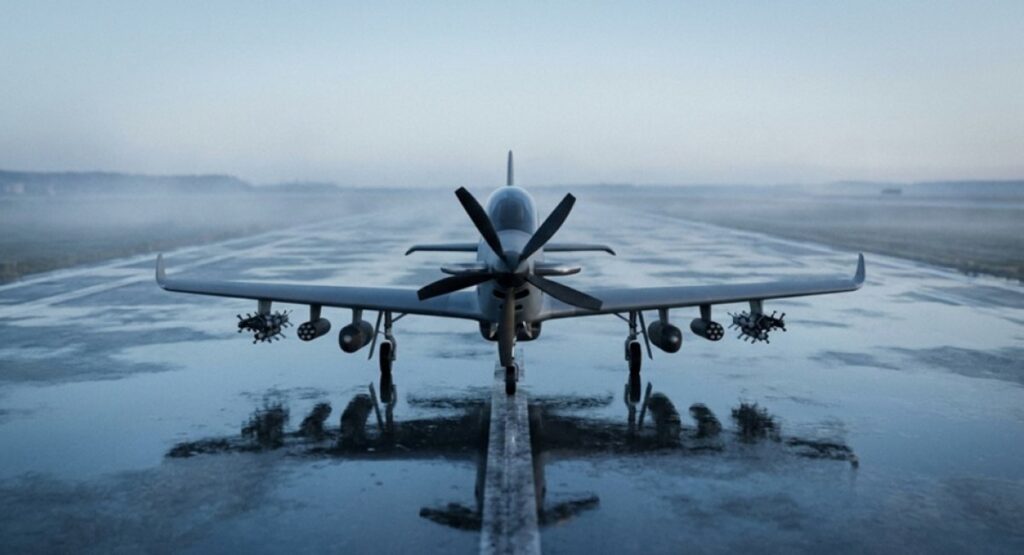
Render of the Pulse P19 multi-purpose optionally piloted aircraft. Source: Quantum Systems

Germany's Quantum Systems has unveiled the Pulse P19, an optionally-piloted aircraft designed to hunt drones and repel massed drone attacks, per Defense Express. The technology company already supplies Vector reconnaissance drones to Ukraine. 

The Pulse P19's primary mission profile, which is hunting drones and repelling massed drone attacks, addresses exactly the Russian Shahed threat that Ukraine has been responding to.

Ukraine is now intercepting 95% of incoming Russian Shaheds, using a layered defense system that includes Patriot, NASAMS, IRIS-T, naval-platform interceptors, helicopter-based interceptors, Ukrainian-made Bullet interceptors, and autonomous drone-on-drone systems.

The Pulse P19 would add a dedicated, optionally piloted drone-hunter platform to this layered defense,  though the aircraft is currently in early design stages, with only renders released.

What does Pulse P19 carry, and how would it hunt? 

For air-target detection and tracking, the Pulse P19 can be equipped with an active electronically scanned array (AESA) radar and an electro-optical targeting station.

The aircraft's armament options are unusually broad. The Pulse P19 is designed to carry interceptor drones, loitering munitions, missiles with semi-active laser homing heads (APKWS class), pod-mounted machine guns, and additional weapons that may be developed in the future.

The interceptor drones referenced in the Quantum Systems presentation are likely the same systems being integrated onto the Airbus U145 helicopter, which Quantum Systems also unveiled at ILA Berlin 2026 with anti-drone armament.

Specifications: small, fast, with significant payload

The Pulse P19 has a maximum speed of 556 km/h and a service ceiling of 7,620 meters. The aircraft's empty weight is approximately 1,700 kg, while it can carry up to 2,500 kg of payload and armament.

The payload-to-empty-weight ratio is unusually high. This indicates the design is built around the requirement to carry multiple weapons systems simultaneously. The 556 km/h maximum speed places the Pulse P19 in the slow-to-mid-tier of fixed-wing combat aircraft, but adequate for the Shahed-pursuit mission, given that Shahed-136 drones typically cruise at 180 km/h.

Development status: renders only, timeline undisclosed

Quantum Systems has presented only renders of the Pulse P19. The project's development stage has not been disclosed. The aircraft is likely still in early design phases. No first-flight timeline has been published.

The aircraft's specifications and weapons configuration represent design intent rather than current operational capability. Ukrainian defense procurement officials would likely engage with Quantum Systems on the Pulse P19 trajectory once the aircraft reaches the flight-test stage, given Quantum Systems' established relationship with Ukraine and the operational fit between the Pulse P19's mission profile and Ukraine's defensive needs.

15 tons of diesel, $22,500 in damages: Ukraine charges eight in Poltava military fuel-theft scheme

11 June 2026 at 18:25

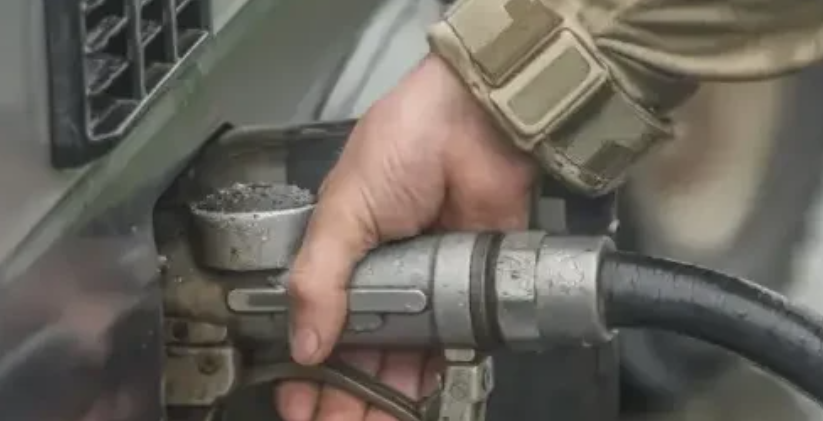
A Ukrainian soldier refuels a vehicle with gasoline. Source: ArmyInform

Six Ukrainian servicemembers and two civilians have been charged in a fuel-theft scheme that diverted over 15 tons of diesel fuel from a military unit in 2025, the Special Prosecutor's Office for Defense Sector of the Central Region announces. The scheme caused damages of over $22,500 to the military unit, whose fuel was destined for Ukrainian Defense Forces operations.

The defendants face up to 15 years' imprisonment under Article 410, Part 4, of the Ukrainian Criminal Code, for theft of military property during martial law by a prior conspiracy group.

The Poltava fuel-theft prosecution is one of several Ukrainian military corruption cases prosecuted in early June 2026.

How did scheme work? 

The scheme was organized by a technician of the Poltava-area military unit, prosecutors said.

The technician engaged refueling drivers with direct access to fuel during transport, along with civilians who acted as buyers and resellers of the stolen diesel. During loading operations, drivers manipulated the measuring sticks and exploited specific technical features of fuel tanker vehicles so that part of the diesel did not appear in official accounting.

They also artificially created fuel surpluses by reducing the actual consumption recorded during transport and entering false data into trip sheets, listing fuel as consumed when it was not.

The "surplus" fuel was poured into canisters and hidden in forest strips near the military unit. The technician then transported the stolen fuel to private buildings, where he stored and sold it to civilians. Proceeds were divided among scheme participants.

Ukraine's defense anti-corruption apparatus continues prosecution

Ukraine's defense-sector anti-corruption apparatus has continued to actively investigate and prosecute internal theft cases during the war. The DBR, Special Prosecutor's Office for Defense Sector, and SBU have pursued cases ranging from procurement fraud at the Defense Ministry level to FPV-drone theft from frontline supply caches to organized fuel-theft schemes like the Poltava case.

Medic stole 16 FPV from firm that entered $1.1 billion Pentagon competition and hid them for four months. Ukraine arrested him when he tried to sell them for 19% of their value

Russia trained 900 more Ukrainian children at Volgograd — a camp Britain already sanctioned in 2024

11 June 2026 at 17:21

Ukrainian teenagers in Avangard camp uniforms pose with flags of four Russian-occupied Ukrainian regions in front of the Motherland Calls statue at Mamayev Kurgan in Volgograd

More than 900 Ukrainian children completed military training at a Volgograd camp, the resistance movement Yellow Ribbon reported on 11 June. The two-week shift drew teenagers from occupied Donetsk, Luhansk, Zaporizhzhia, and Kherson oblasts.

The session, Yellow Ribbon argued, is evidence of "systemic policy" rather than isolated cases. The documentary record supports that framing. Russia's Warrior Center is a creation of Vladimir Putin's 2022 decree. It ran 1,290 Ukrainian children through the same Avangard base in 2024 alone, a Kyiv Independent investigation found. Yale's Humanitarian Research Lab has separately mapped 210 facilities across Russia and occupied Ukraine that hold or militarize children.

Two weeks of drills, drones, and indoctrination

The "Time of Young Heroes" session at the Avangard defense base ran for two weeks. Teenagers aged 14 to 17 trained in basic military preparation, drone operations, tactical medicine, and physical drills. The program also featured meetings with Russian war veterans and events built around loyalty to the Russian army, Yellow Ribbon said.

"The scale of such programs is striking. We are no longer talking about isolated cases, but about systemic policy." — Yellow Ribbon resistance movement, 11 June 2026

Avangard operates as a network of military-patriotic centers under Russia's Defense Ministry. The United Kingdom sanctioned the camp in November 2024 for deporting and indoctrinating Ukrainian children. At the same site, Ukrainian teenagers practice trench-digging, mine clearance, and weapons handling. The Kyiv Independent first documented that training pipeline in October. Ukrinform also reported the Yellow Ribbon findings the same day.

From occupied schools to the Volgograd pipeline

The 900 teenagers arrived at Volgograd from a re-education infrastructure built across the occupied territories. Schools in the occupied Donbas have made military training a mandatory subject from fifth grade onward. Occupation authorities enroll children as young as six in the Yunarmiya youth army for drills and pro-Kremlin lessons.

More than 19,000 Ukrainian children have been deported to Russia since 24 February 2022, Yale researchers estimate. Up to 1.6 million more remain under Russian occupation. Ukraine has returned just over 2,000 through its Bring Kids Back UA initiative.

In March 2026, Yale's lab tied Russian energy giants Gazprom and Rosneft to the camps. The two firms helped transfer at least 2,158 Ukrainian children across Russia, the report found.

Three months earlier, a Ukrainian rights lawyer told the US Senate of further escalation. Russia had sent teenagers to North Korea's Songdowon International Children's Camp9,000 kilometers from home.

In March 2023, the International Criminal Court issued arrest warrants for Putin and Russian Children's Rights Commissioner Maria Lvova-Belova. Both face charges for the unlawful deportation of Ukrainian children. The court classified the practice as a war crime.

Lessons from Sweden: After mass immigration comes the Orwellian state security system

11 June 2026 at 17:10

Using his personal experience of what has happened to his neighbourhood in Sweden over the decades,  Jacob Nordangård describes how mass immigration leads to the Agentic State and a global panopticon. The […]

The post Lessons from Sweden: After mass immigration comes the Orwellian state security system first appeared on The Expose.

Ukraine’s drone commander says his branch killed or wounded 102,000 Russians in 12 months. It started with a grenade taped to drone that filmed weddings

11 June 2026 at 15:59

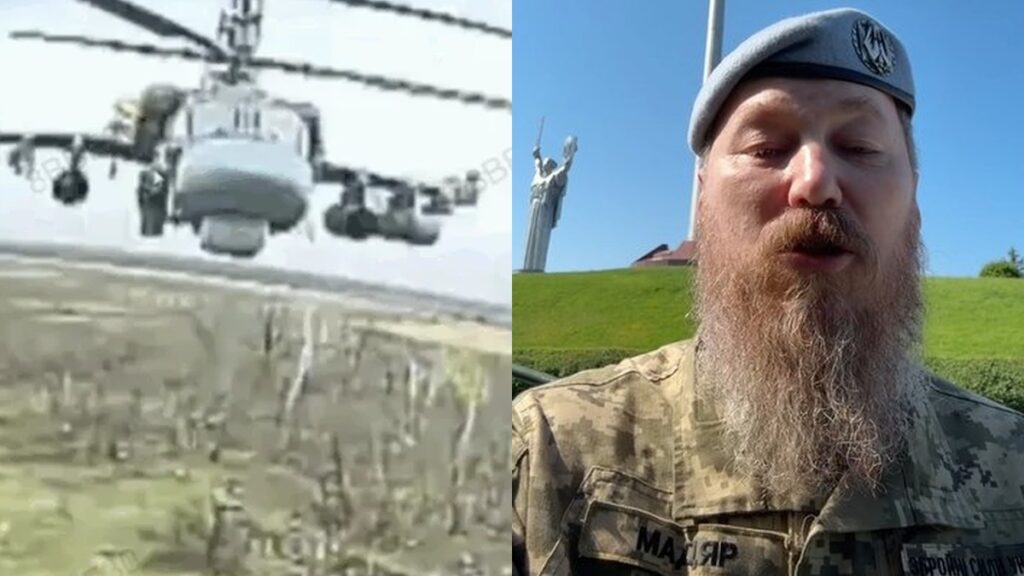
Collage. Left: Russian Ka-52 helicopter at low altitude seen through a Ukrainian FPV drone camera. Right: Major Robert "Magyar" Brovdi in fatigues and beret, speaking to camera with the Motherland Monument in Kyiv visible behind him.

Major Robert "Madiar" Brovdi marked Ukraine's first official Day of Unmanned Systems Forces on 11 June 2026 with a single number. His drone branch claims 102,000 Russian soldiers killed or wounded over twelve months, alongside 360,000 enemy targets hit and 1.7 million combat sorties flown, the commander said in a Telegram address.

The number translates four years of homemade weaponry into industrial output. By Brovdi's own reckoning, drones from his Unmanned Systems Forces (SBS) now account for one in every three Russian soldiers falling on the battlefield, and at a unit cost he prices in hundreds of dollars apiece.

"We exchange the plastic and metal of a drone worth a few hundred dollars for the carcass of an occupier. And that is the best exchange rate in the world," Brovdi said. 

"Birds changed both plan and course"

Brovdi narrated the four-year arc of Ukrainian drone warfare in a single Telegram thread. In 2022, he said, the starting slogan was "artillery, shovel, drone" to locate, correct, hide. Then, in spring 2022, he taped a grenade to a commercial quadcopter and pushed video of the drop to social media.

"No weapon in human history has evolved so quickly. A wedding drone, no joke, performed well at the front, fundamentally and forever changing world doctrine," he revealed. 

The unit he founded that month — Madiar's Birds — has since grown from platoon to brigade to a separate branch of the armed forces. The 414th brigade tripled in size in late 2024. On 3 June 2025, President Volodymyr Zelenskyy made Brovdi commander of the entire SBS, replacing Colonel Vadym Sukharevskyi.

Four targets, 2,000 kilometers deep

Madiar listed four target priorities for the year ahead: enemy manpower, sources of war financing, weapons production, and Russian air defense. The branch's reach now extends from frontline FPV strikes to deep-strike platforms confirmed beyond 1,700 kilometers inside Russia.

"The birds changed both the plan and the course," Madiar said. 

Art-collecting commander

Russian state TV calls him a "terrorist." A Russian court sentenced him in absentia to life in prison in March 2026 on charges of organizing a terrorist attack. Russian prosecutors have filed 46 counts against him in total.

The Center for European Policy Analysis calls him "a bearded talisman of Ukraine's defense" — a "swashbuckling, plain-spoken" commander whose journey ran from "besuited grain trader" to the top of the world's first dedicated drone branch.

Madiar's biography reads like Carpathian Tony Stark's: an ethnic Hungarian from Uzhhorod who ran one of Ukraine's largest grain traders, served on the Zakarpattia Regional Council from 2010 to 2015, and funded contemporary Ukrainian art through his BrovdiArt Foundation before walking into a recruitment office at the start of the full-scale war.

He closed his anniversary speech in his usual register: "And now to work, ladies and gentlemen, at all available depths, across all the hated enemy. The way we know how, with what we have, where we are."

“Heroes of UPA” unit will keep its name, Budanov’s office says despite Polish pressure

11 June 2026 at 15:16

Kyrylo Budanov, head of Ukraine's Office of the President, gestures while speaking during an interview, wearing a black fleece marked with his name and the HUR insignia.

Kyiv has no intention of renaming the "Heroes of UPA" Special Operations Forces unit despite more than two weeks of escalating Polish pressure, a source close to the head of the Office of the President, Kyrylo Budanov, told LIGA.net on 11 June.

The denial closes the most public off-ramp that has been floated since President Volodymyr Zelenskyy signed Decree 440/2026 on 26 May. The Polish outlet Wirtualna Polska, citing its own sources, reported that during Budanov's 5–6 June visit to Warsaw, Ukrainian representatives offered a compromise that would narrow the honor to UPA members who fought only the Soviet Union—with the final call resting with Zelenskyy. "The information the Polish press conveyed does not correspond to reality," the source said.

Two weeks, four Polish escalations

Zelenskyy's decree honored the Separate Center for Special Operations "Pivnich" of Ukraine's Special Operations Forces. Within 72 hours, President Karol Nawrocki moved to strip Zelenskyy of the Order of the White Eagle, Poland's highest distinction, which had been conferred on him by then-president Andrzej Duda in April 2023. On 8 June, the order's Chapter delivered its opinion; Nawrocki's spokesman, Rafał Leśkiewicz, said the president would decide "in due time".

On 1 June, former Polish ambassador Bartosz Cichocki—who stayed in Kyiv through Russia's 2022 invasion—returned his Ukrainian Order of Merit. A day later, Sejm Deputy Speaker Krzysztof Bosak called for blocking Ukraine's EU accession until Kyiv "moves away from the cult of criminals." Foreign Minister Andrii Sybiha replied on 3 June that the unit's name was the choice of Ukrainian soldiers who, "at the cost of their health and often their lives," hold the front line against Russia's war on Ukraine.

"The information the Polish press conveyed does not correspond to reality." —Source close to Budanov, LIGA.net, 11 June

Bartosz Cichocki, Poland’s wartime ambassador to Ukraine. Credit: Vikna Novyny

A cool reception in Warsaw

The Warsaw visit, initiated by Kyiv, did not produce a public breakthrough. Budanov, accompanied by first deputy Serhii Kyslytsia and deputy Iryna Vereshchuk, met Defense Minister Władysław Kosiniak-Kamysz, Bureau of International Policy chief Marcin Przydacz, and Deputy Foreign Minister Marcin Bosacki. Foreign Minister Radosław Sikorski declined to meet the Ukrainian delegation.

Kosiniak-Kamysz posted afterward that "the memory of the victims of Volhynia is not up for negotiation." Prime Minister Donald Tusk added that Ukraine had "brought this problem upon itself" and should resolve it.

Kielce councilors target Vinnytsia's Bandera street

Even as Kyiv held the line, the dispute spread into sister-city relations. On 10 June, the Law and Justice (PiS) faction of the Kielce city council sent a resolution to council chair Maciej Jakubczyk calling on Vinnytsia mayor Serhii Morhunov to rename the city's Stepan Bandera street. The councilors invoked the 70-year Kielce–Vinnytsia partnership and described the street name as "a stain" linked to "mass atrocities against the defenseless civilian population".

A day earlier, Vinnytsia had withdrawn a request for 15 decommissioned Kielce buses after Jakubczyk and PiS councilor Marcin Stępniewski opposed the donation over the same street.

All three Rosneft Samara refineries now offline or reduced as drones halt Kuibyshevsky operations yesterday

11 June 2026 at 14:38

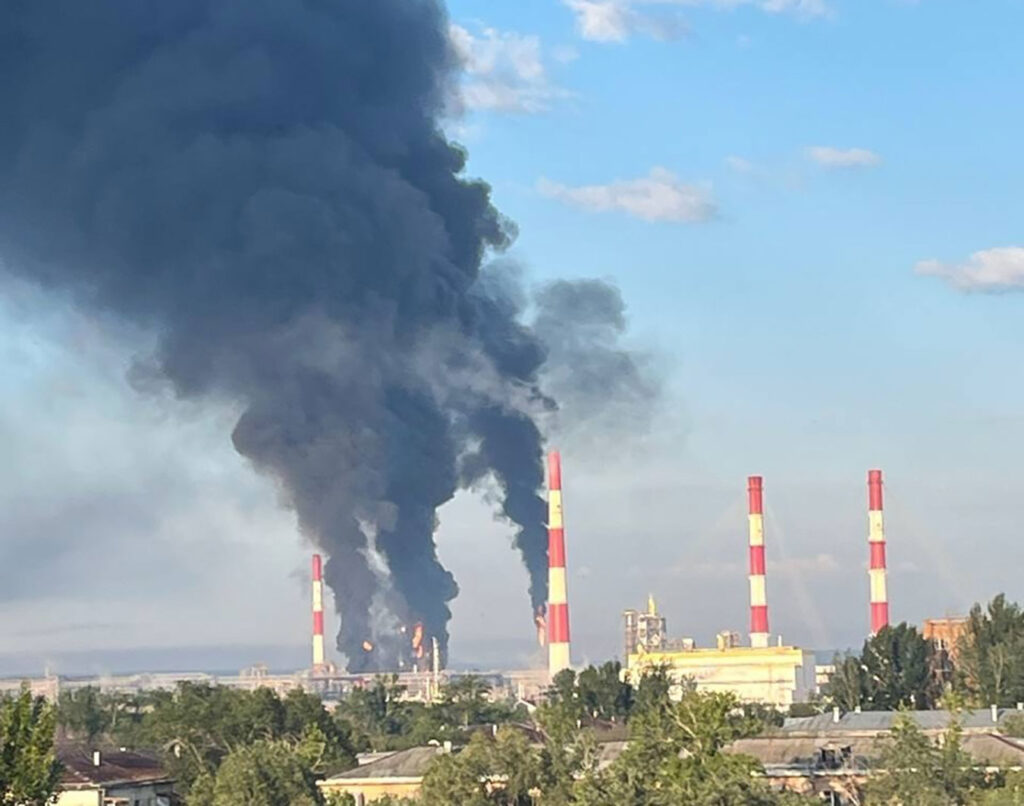
rosneft's kuibyshev refinery joins syzran novokuibyshevsk offline after ukrainian drone strike yesterday · post fires raging kuybyshevsky oil samara russia 10 2026 fires-rage-at-samara-kuybyshevsky-oil-refinery ukraine news reports

Ukrainian drones forced Rosneft's Kuybyshevsky oil refinery in Samara Oblast, Russia, to halt oil processing on 10 June, Reuters reported. The strike puts all three plants in the Rosneft Samara refining hub out of full operation at the same time.

With Ukraine's deep strikes accelerating into the summer season, each new plant taken out compresses Russia's repair window and hardens the fuel-supply squeeze on its military logistics.

Reuters confirms processing halt at both primary units

Reuters cited two industry sources to confirm that processing stopped at both AVT-4 and AVT-5 after the strike. Each unit has a nominal processing capacity of about 73,000 barrels of crude oil (10,000 metric tons) per day. The hits caused damage and subsequent fires at both. 

Samara Oblast Governor Vyacheslav Fedorishchev claimed a massive overnight drone attack injured three people and caused "damage to several industrial facilities." 

An earlier report on 10 June described fires at the Kuybyshevsky refinery after the strike.

rosneft's kuibyshev refinery joins syzran novokuibyshevsk offline after ukrainian drone strike yesterday · post fires raging kuybyshevsky oil samara russia 10 2026 fires-rage-at-samara-kuybyshevsky-oil-refinery ukraine news reports
Explore further

Fire reported at Kuibyshev oil refinery in Russia’s Samara after drone strike

Plant size and output

Kuybyshevsky's 2024 crude oil throughput was 4.7 million tons, equal to 94,400 barrels a day, Reuters reported. That year's output included 0.8 million tons of gasoline, 1.4 million tons of diesel, and 1.3 million tons of fuel oil. Nominal capacity stands at 7 million tons per year. The plant is one of the largest oil refining facilities in the Volga region. It also supplies fuel for the Russian army.

The Kuybyshevsky plant belongs to Rosneft's Samara refining cluster alongside Novokuibyshevsky and Syzran. Syzran's operations have been suspended since a 21 May drone attack, Reuters reported, and the plant has yet to resume. The Novokuibyshevsky plant shut down after an 18 April strike and now operates at reduced throughput. Ukraine has hit all three plants in the cluster in less than two months.

The Kuybyshevsky plant was also previously hit in January 2026, August 2025, and in March 2024. The earlier strikes damaged equipment and forced production cycles to stop.

Same night: Cheboksary defense plant struck

The same night, Ukrainian forces also struck the VNIIR-Progress plant in Cheboksary, Chuvashia, which was previously hit on 5 May. The factory makes "Kometa" antennas that protect Russian drones from electronic warfare. It also makes satellite receivers for GLONASS, GPS, and Galileo systems. Ukraine's General Staff said such modules are used in Shahed-type drones, Iskander and Kalibr missiles, and aerial bombs.

Meanwhile, today saw a strike on the Afipsky refinery in Krasnodar Krai. 

afipsky oil refinery burns again ukrainian drones return krasnodar krai · post fire after drone strike russia 11 2026 5282989402957225318 ukraine news reports
Explore further

Afipsky oil refinery burns again as Ukrainian drones return to Krasnodar Krai

By May 2026, Ukrainian drones had taken six of ten Russian refineries hit during that month offline. Russian media counted 24 of Russia's 33 largest refineries struck since 2022. Only the Omsk and Angarsk plants east of the Urals remain untouched so far.

Belfast riots: Northern Irish have had enough, Government responds by seeking more censorship

11 June 2026 at 14:28

Violent disorder erupted across Belfast and other parts of Northern Ireland for a second consecutive night on Wednesday, 10 June 2026. The disorder was triggered by the brutal knife attack on a […]

The post Belfast riots: Northern Irish have had enough, Government responds by seeking more censorship first appeared on The Expose.

Russia’s fuel crisis jumps from 15 to 25 regions in five days—plus six occupied Ukrainian areas

11 June 2026 at 14:26

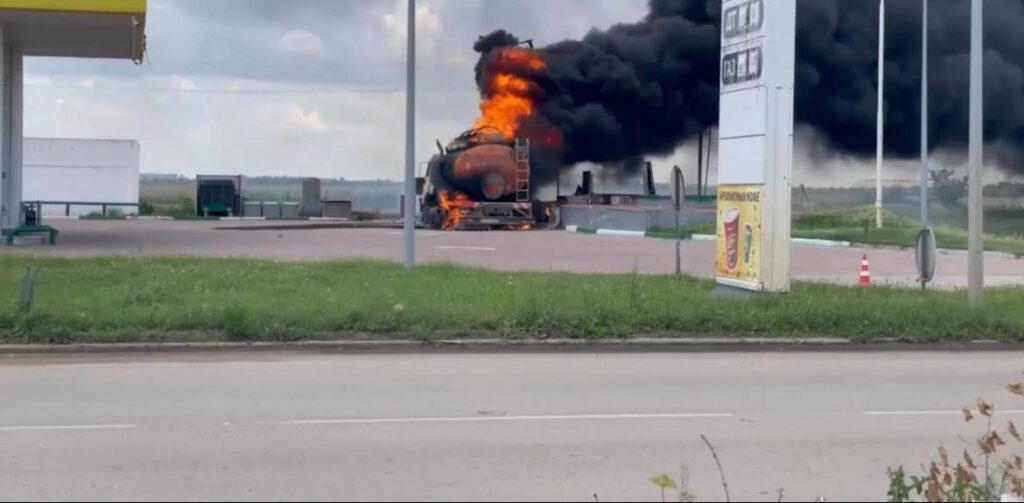
russia's fuel crisis jumps 15 25 regions five days—plus six occupied ukrainian areas · post russian truck burns gas station skadovsk kherson oblast after logistic lockdown mid-range strike 11 2026

Russia's gasoline crisis has spread to 25 of its own regions and six occupied Ukrainian ones, the Russian-language Moscow Times reported on 10 June. Six days earlier, the count stood at 15. Ukrainian strikes on Russian refineries hit a wartime monthly record in May 2026, dropping Russian refining loading well below the start of the year.

This comes amid the Ukrainian long-range drone strike campaign, targeting Russian oil processing, transportation, and storage facilities almost every day. Additionally, Ukraine has escalated its mid-range "Logistic Lockdown" campaign, targeting Russian logistics in the occupied territories at depths of up to 200 km.

From 15 regions to 25 in under a week

The Russian Telegram channel 7×7 counted at least 25 Russian regions facing gasoline shortages and supply disruptions as of 10 June. Less than a week earlier, on 4 June, the number stood at 15. Restrictions also apply across six Russian-occupied Ukrainian regions: Crimea, Sevastopol, and the Luhansk, Donetsk, Kherson, and Zaporizhzhia oblasts.

Bloomberg counted 38 Ukrainian strikes on Russian refineries from January through May 2026. May alone saw 16 — the highest monthly figure of the war. According to OilX, Russian refinery loading has dropped 14% since the start of the year and stays roughly 20% below pre-war levels.

afipsky oil refinery burns again ukrainian drones return krasnodar krai · post fire after drone strike russia 11 2026 5282989402957225318 ukraine news reports
Explore further

Afipsky oil refinery burns again as Ukrainian drones return to Krasnodar Krai

Regional officials have responded unevenly. The acting governor of Belgorod Oblast, Alexander Shuvaev, acknowledged the shortage. Krasnodar Krai governor Veniamin Kondratyev called the situation "artificial hype." Residents publicly mocked the claim under his Telegram post, which was republished on a local channel. Gas stations in Krasnodar Krai have begun closing due to a shortage.

Fuel prices have spiked in occupied Crimea. On 10 June, AI-92 cost about $1.14 per liter, against $0.96 in Moscow. AI-95 traded near $1.25, up from $1.04 in the Russian capital. Resellers were offering fuel at $1.81-$2.08 per liter — about 50% above official Crimean prices.

On 8 June, Russia's Energy Ministry announced the creation of a task force to manage the fuel crisis, citing "growing enemy air attacks."

Occupied Sevastopol cancels fuel coupons after tankers fail to arrive

Sevastopol's Russian-installed governor said on 10 June that planned distribution of rationed petrol had been delayed, Reuters wrote on 11 June. Mikhail Razvozhayev claimed oil tanker trucks could not bring fuel into the city, following recent Ukrainian strikes on supply routes. Crimea, occupied by Russia in 2014, introduced fuel rationing last month due to shortages on the peninsula.

"Unfortunately, oil tanker trucks were unable to come to the city tonight," Razvozhayev wrote on Telegram. 

ukrainian drones knocking out northwestern entrance crimea bridges damaged one night · post rl9vo -ukraine-targets-four-bridges-at-crimea-s-northwestern-choke-point- struck four vehicular crimea's overnight 11 2026 quisling official vladimir saldo claimed strikes part ukraine's
Explore further

Ukrainian drones knocking out the northwestern entrance to Crimea: four bridges targeted in one night

He said priority for refueling on 11 June would go to public transport, utilities, emergency vehicles, and government vehicles.

"I am addressing everyone: there is no point in lining up at... the gas stations tomorrow," he added late on 10 June. 

Existing rationing coupons would be canceled and new ones issued today.

Razvozhayev later claimed over two dozen Ukrainian drones were downed in the early hours of Thursday in a fresh attack on Sevastopol. The city is Crimea's second-largest and home to Russia's Black Sea Fleet.

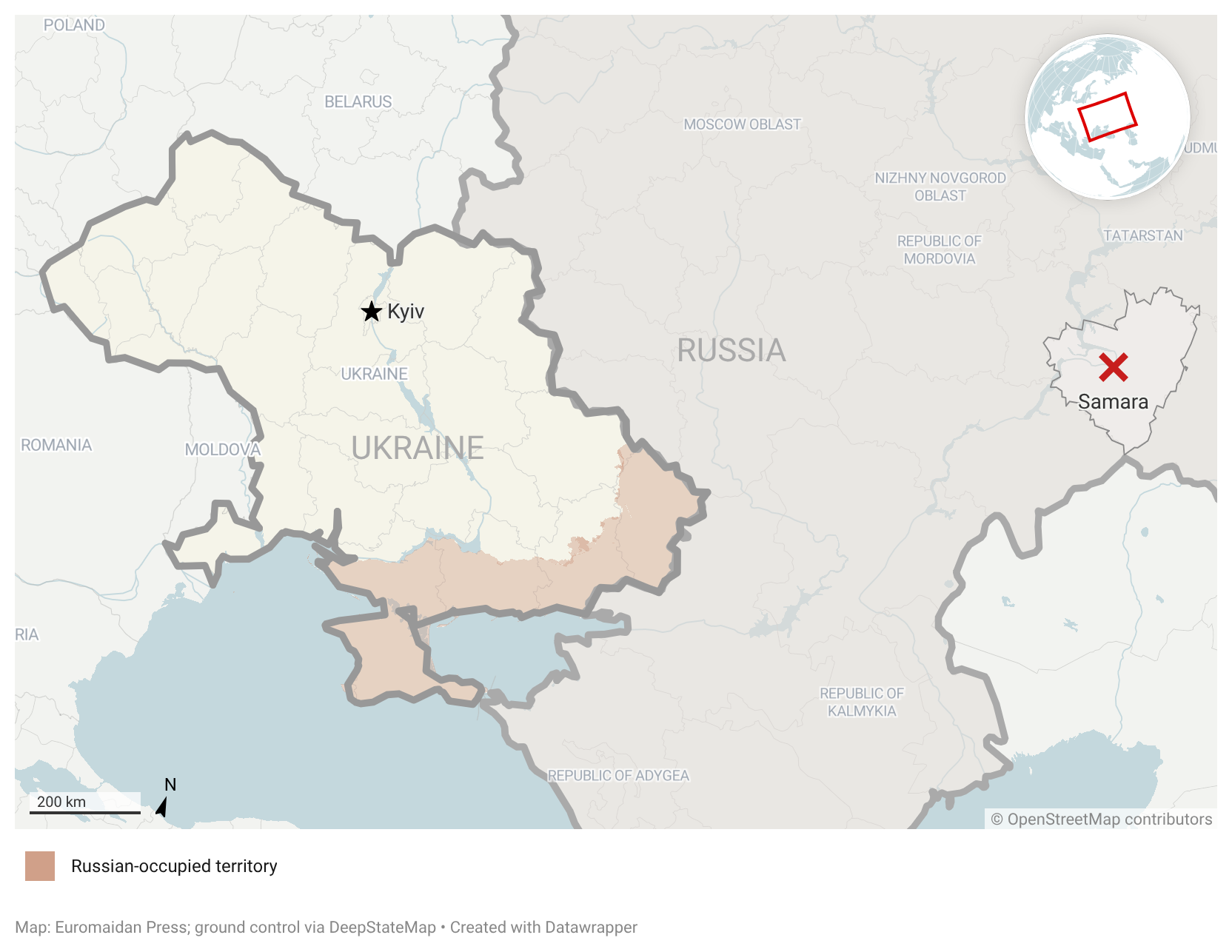
On the same day, a major drone attack hit Russia's Volga region of Samara, more than 900 km from the front line, forcing state-owned oil giant Rosneft to halt processing at its Kuibyshevsky refinery.

rosneft's kuibyshev refinery joins syzran novokuibyshevsk offline after ukrainian drone strike yesterday · post fires raging kuybyshevsky oil samara russia 10 2026 fires-rage-at-samara-kuybyshevsky-oil-refinery ukraine news reports
Explore further

All three Rosneft Samara refineries now offline or reduced as drones halt Kuibyshevsky operations yesterday

Ukrainian President Volodymyr Zelenskyy said Wednesday evening that Ukraine’s recently launched mid-range strike campaign against Russian logistics, including large-scale strikes on supply and fuel trucks, had proved its worth.

"In recent months, we are especially grateful for the mid-strikes: Russian military logistics throughout the entire depth of the temporarily occupied territory are now within reach of Ukrainian drones," he said. "Our impact reaches Russia’s border regions as well. The enemy feels it, and we will continue to expand it."

Ukrainian drones knocking out the northwestern entrance to Crimea: four bridges targeted in one night

11 June 2026 at 12:03

ukrainian drones knocking out northwestern entrance crimea bridges damaged one night · post rl9vo -ukraine-targets-four-bridges-at-crimea-s-northwestern-choke-point- struck four vehicular crimea's overnight 11 2026 quisling official vladimir saldo claimed strikes part ukraine's

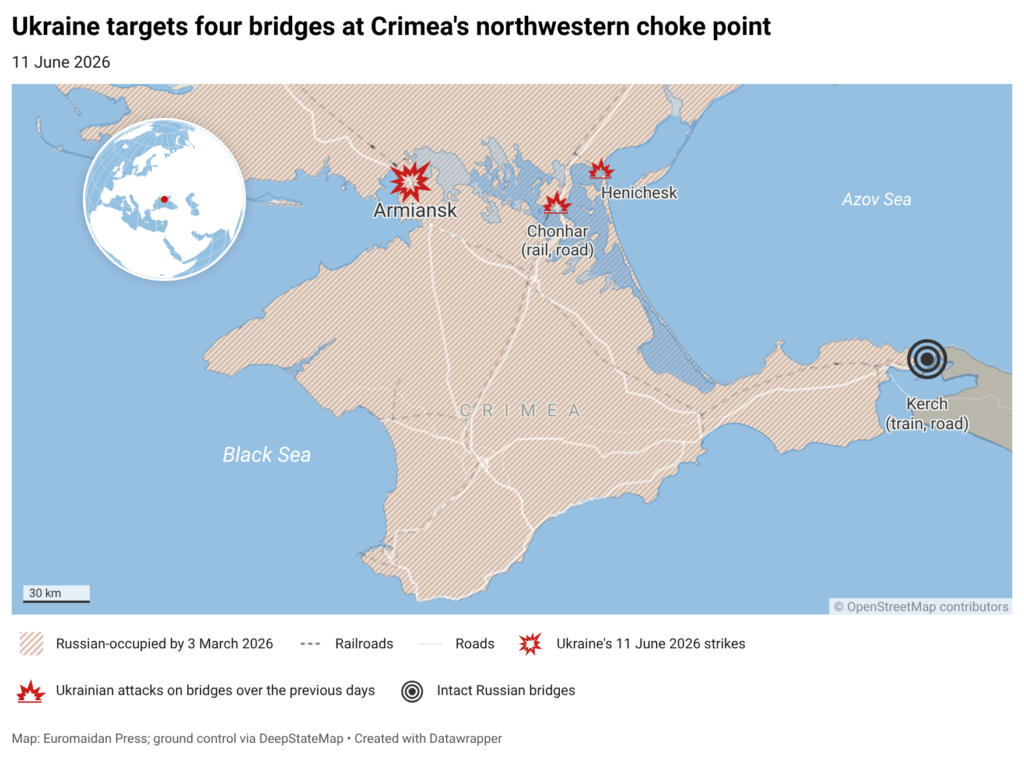
Ukrainian drones struck four vehicular bridges at Crimea's northwestern entrance overnight on 11 June 2026, quisling official Vladimir Saldo claimed. The strikes are part of Ukraine's most recent mid-range strike push—now at its fourth day—reaching every road corridor between Crimea and mainland Ukraine. The same night, drone attacks also rolled across Sevastopol, Bakhchysarai, Saky, and other Crimean sites.

Russia depends on the Crimean land corridor to push fuel, ammunition, and replacements to its forces in occupied southern Ukraine. Ukrainian mid-range drones operating under the military's Logistics Lockdown program have steadily shrunk that corridor's reliability since May. Ukraine has now struck all three major connection points between occupied Crimea and mainland Ukraine within four days, damaging some bridges and destroying others.

Four bridges damaged at the Armiansk isthmus

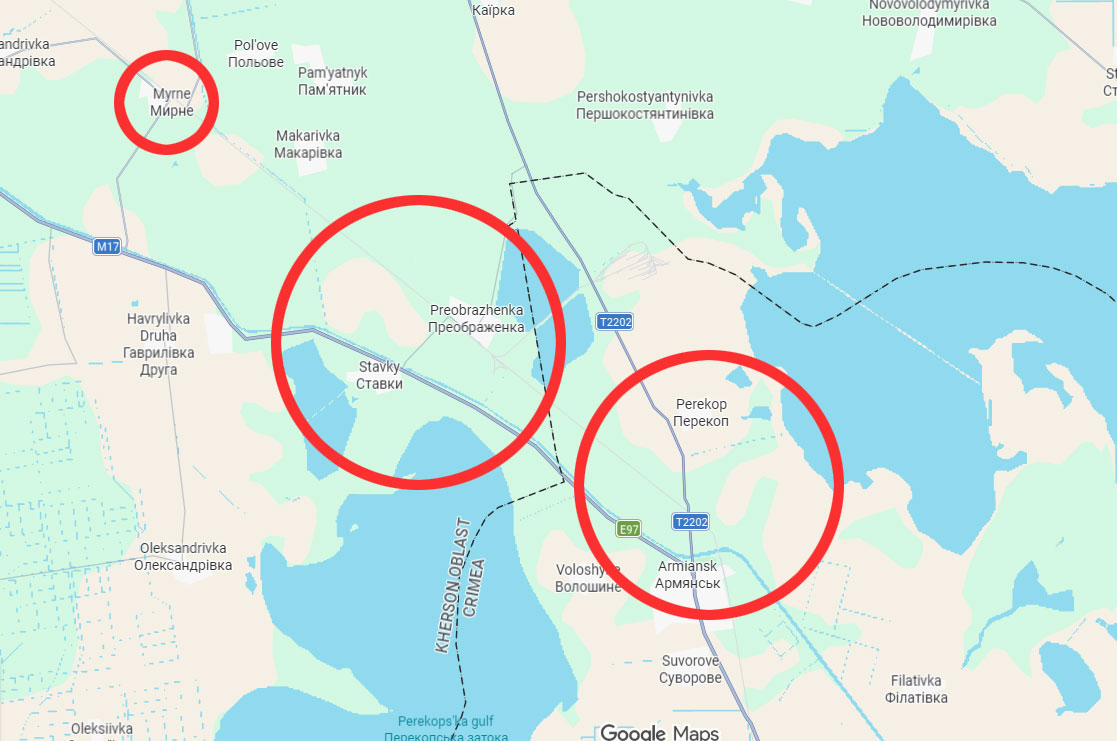
Saldo, the Russian-installed head of occupied Kherson Oblast, named the four targets on his Telegram. They include the automobile bridge in the Perekop-Armiansk area and a bridge near Stavky, Kherson OblastTwo more bridges near Myrne and Preobrazhenka span the North Crimean Canal. Saldo stated all four spans sustained damage.

ukrainian drones knocking out northwestern entrance crimea bridges damaged one night · post google maps view four struck overnight 11 2026 — near myrne between stavky preobrazhenka perekop armiansk crimean
Google Maps view of the four bridges struck by Ukrainian drones overnight on 11 June 2026 — near Myrne, between Stavky and Preobrazhenka, and at Perekop near Armiansk in the northwestern Crimean isthmus. Map: Google Maps

Three Crimean northern choke points hit in four days

Ukraine struck the Chonhar bridge on 7 and 9 Juneclosing Russia's main road link to occupied Crimea, yet the Russians reportedly installed a pontoon bridge next to the severely damaged crossing. On 10 June, Ukrainian drones hit the bridge from Henichesk to Arabat Spit. With both routes fully or partially shut, Russia had rerouted traffic through Armiansk and Perekop — the very corridor struck overnight. DeepState analysts noted that Ukrainian strikes on the bridges are an important part of the blockade of occupied southern Ukraine.

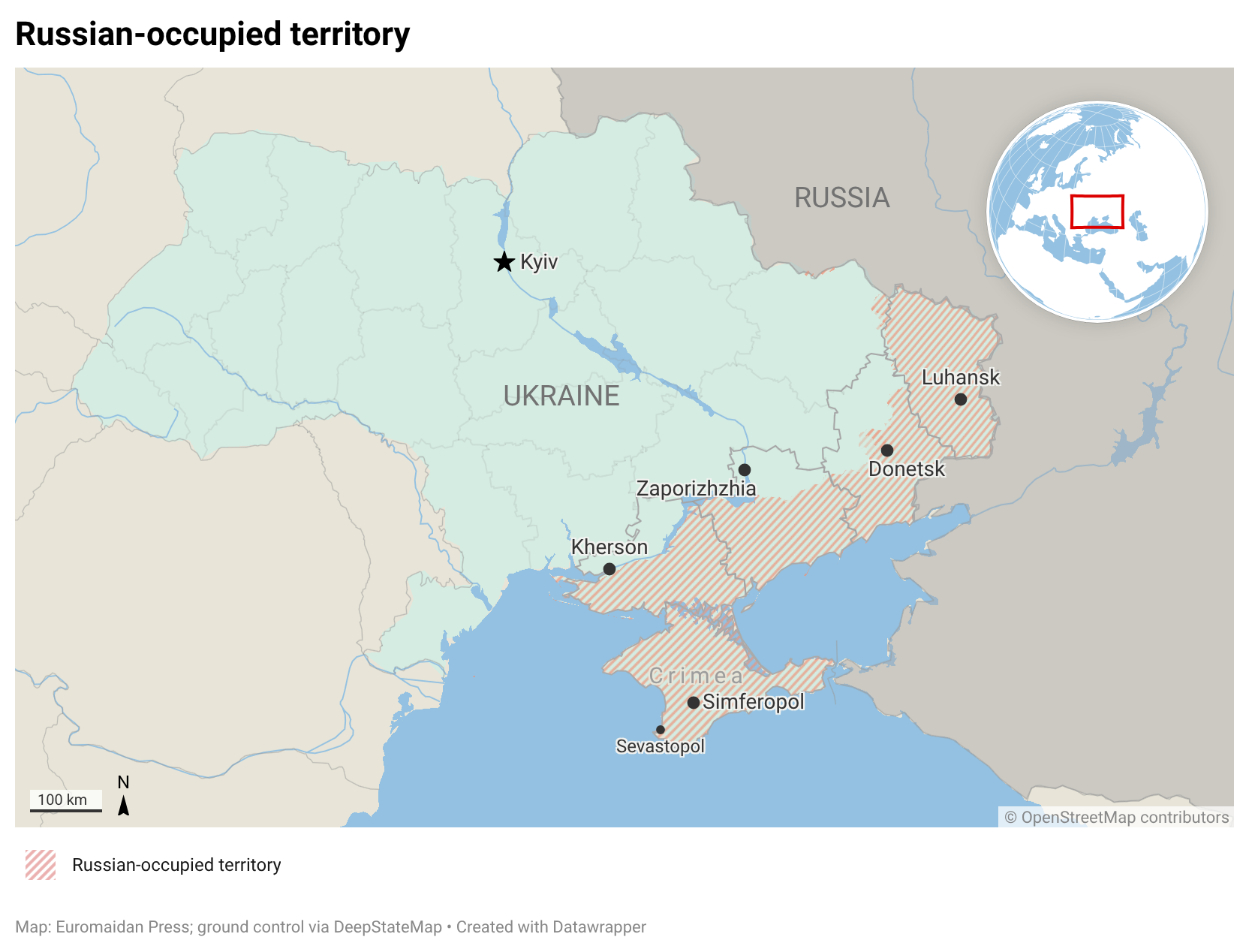
Russian-occupied Ukrainian territory, including Crimea and parts of Luhansk, Donetsk, Zaporizhzhia, and Kherson oblasts. Illustrative map: Euromaidan Press

Not only an entrance, but also targets across the peninsula

Russia's occupation governor, Mikhail Razvozhayev, claimed 32 drones were shot down over Sevastopol between 22:00 and midnight. He claimed the drones fell near Sevastopol Bay, Cape Fiolent, and Balaklava. The city declared two air alerts during the night and the morning.

Monitoring Telegram channel Krymsky Veter reported machine-gun fire in Pishchane at 21:40 and in Andriivka shortly after, citing subscribers. 

"At 21:40 a machine gun started firing in Pishchane, at 21:48 a machine gun started in Andriivka, after which an anti-aircraft gun fired a couple of bursts," the channel wrote. 

Detonations followed near Cape Fiolent, in Sevastopol, and later in Bakhchysarai. By morning, Krymsky Veter reported explosions and shooting in Saky.

Russia's Defense Ministry claimed the destruction of 330 drones over Russia and the occupied territories in the same overnight period.

Update

The First Assault Brigade shared the footage of the strikes:

Videos emerged of some of the Ukrainian strikes on bridges linking occupied Crimea to occupied Kherson Oblast

Ukraine's 1st Assault Brigade, 475th Assault Regiment, and SBU's Alfa reportedly took part.

📹 1st Assault Brigade
More on the strikes: https://t.co/xkKf15akux https://t.co/7FhAOJbWl0 pic.twitter.com/WFXUcKjfWm

— Euromaidan Press (@EuromaidanPress) June 11, 2026

Juryless trials will be complex, time consuming and lead to inequalities, the UK Justice Committee says

11 June 2026 at 11:22

At the end of last year, Justice Secretary David Lammy proposed scrapping jury trials for most offences in England and Wales, restricting the right to a jury primarily to cases involving murder, […]

The post Juryless trials will be complex, time consuming and lead to inequalities, the UK Justice Committee says first appeared on The Expose.

Strip out this one component and Russia’s drones fly blind. Ukraine found factory where it is made

11 June 2026 at 10:36

cheboksary

On 10 June, Ukrainian FP-5 "Flamingo" missiles struck the VNIIR "Progress" plant in Cheboksary, Russia. The factory produces satellite navigation antennas essential for Russian Shahed drones, KABs (precision-glide bombs), jet drones, Iskanders, and Orlans, advisor to the Defense Minister Serhii "Flash" Beskrestnov says.

Without these antennas, Russian precision weapons lose substantial accuracy against Ukrainian targets.

Cheboksary is over 1,400 km from the Ukrainian border. President Volodymyr Zelenskyy confirmed the strike. Social media photos suggest one of the factory buildings was practically completely destroyed, per ArmyInform. 

"Production for murder and terror" 

Progress manufactures satellite navigation systems without which Shaheds don't fly accurately, KABs and jet drones don't hit their targets, Iskanders can lose precision, and Orlans navigate poorly, Beskrestnov explains.

"Probably many are familiar with the CRPA antenna 'Kometa', which this plant produces. The enterprise does not produce military products for the defense segment. It produces products for murders and terror," Beskrestnov said. 

What CRPA antennas do, and why they matter

Controlled reception pattern antenna (CRPA) systems are anti-jamming receivers. They allow precision-guided weapons to maintain satellite navigation lock in electronic-warfare environments. Komea CRPA performs this function by filtering out interference and false GPS/GLONASS signals generated by Ukrainian electronic warfare systems, per United24 Media.

Kometa-M antennas with up to 16 elements have been found in Iskander-K cruise missiles, Shahed-type drones, and other Russian long-range weapons, per Defense Express.

Ukraine has developed its own electronic warfare systems to counter these Russian CRPAs, including the Lima-Quant system, which can suppress Russian Kometa CRPAs at distances of up to 50 km, Ukraine Today reports.

The Kometa antenna is part of a continuing EW-counter-EW arms race, and striking the manufacturer of these antennas degrades the precision capability across the entire Russian strike-weapons portfolio.

FP-5 Flamingo and 1,400 km strike envelope

The FP-5 "Flamingo" is a Ukrainian-made cruise missile that has become a primary weapon in Ukraine's expanding deep-strike envelope. The strike on the Progress plant in Cheboksary, approximately 1,400 km from the Ukrainian border, represents one of the deepest successful Ukrainian strikes on Russian territory.

This demonstrates that the Russian rear-area defense industry is no longer geographically insulated from Ukrainian operations. It was the second strike on the Progress plant in under a week, marking a deliberate Ukrainian sustained operation against this specific supply node.

Afipsky oil refinery burns again as Ukrainian drones return to Krasnodar Krai

11 June 2026 at 10:14

afipsky oil refinery burns again ukrainian drones return krasnodar krai · post fire after drone strike russia 11 2026 5282989402957225318 ukraine news reports

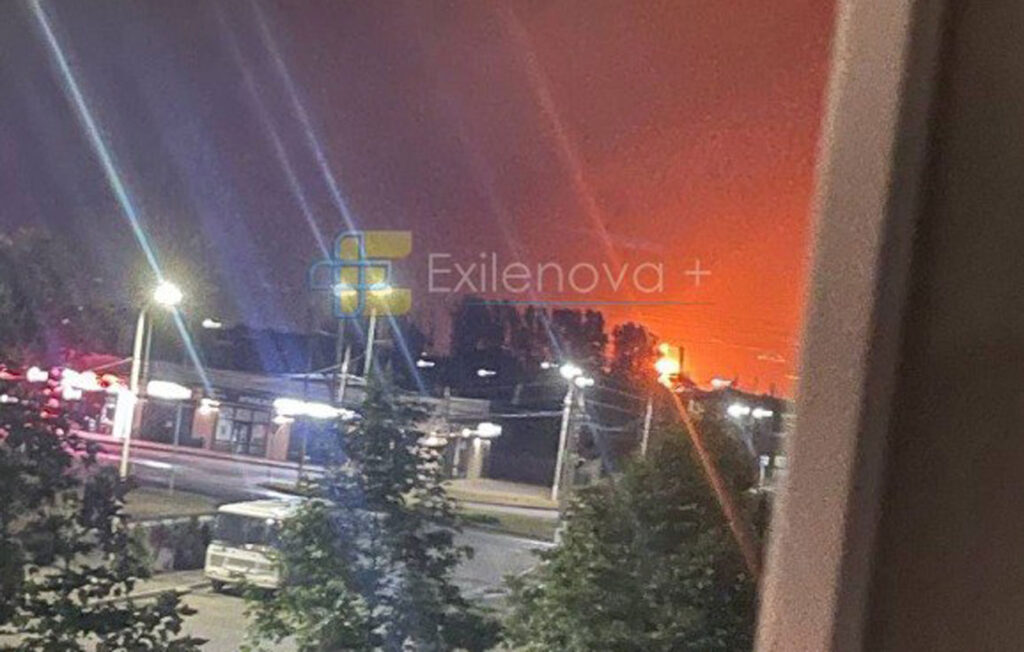
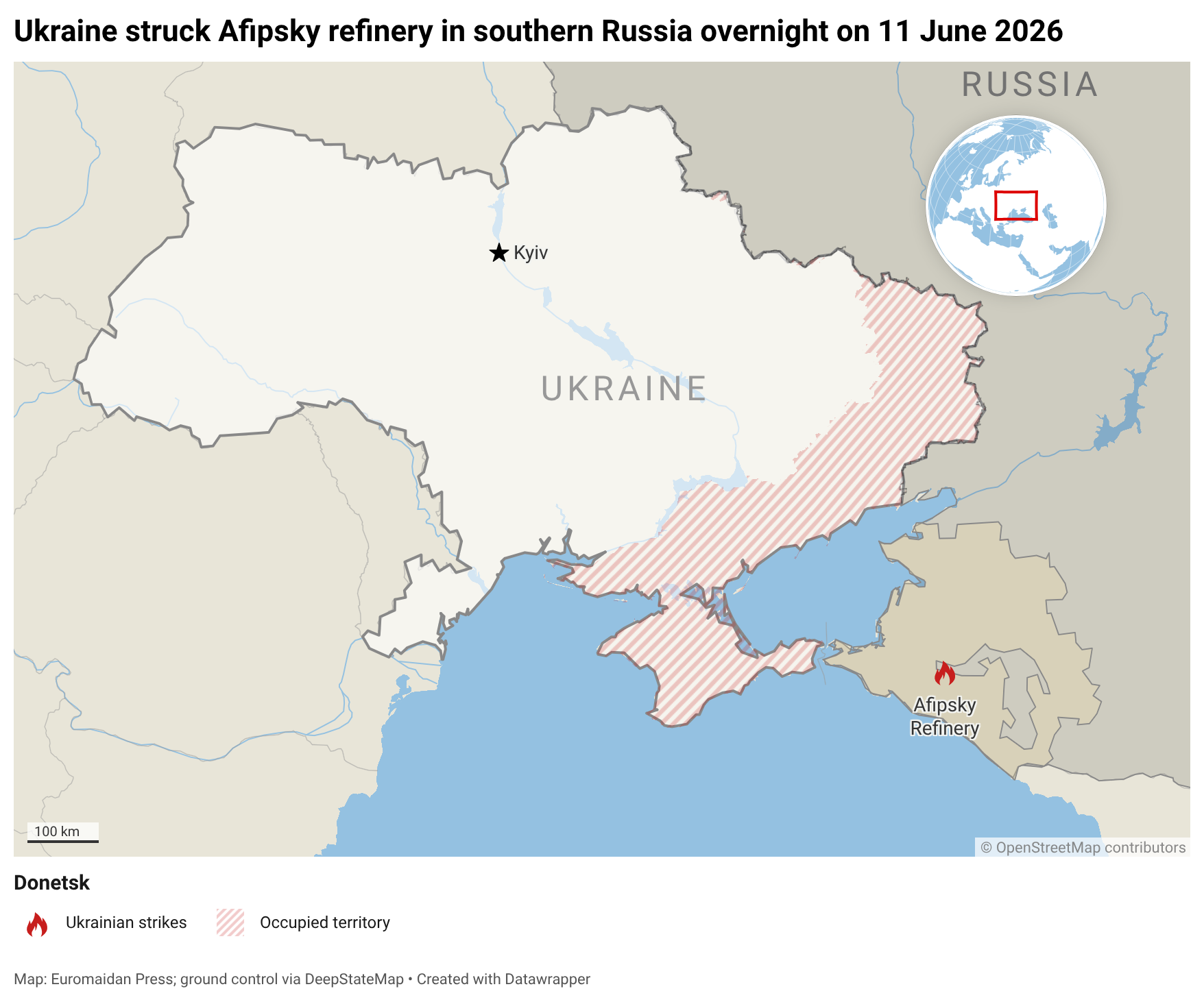
Ukrainian drones struck the Afipsky oil refinery in Russia's Krasnodar Krai overnight on 11 June, sparking a fire later extinguished, according to the Krasnodar Krai operational headquarters. The southern Russian plant, repeatedly targeted by Ukrainian strikes, supplies fuel to the Russian military.

Amid the ongoing Russo-Ukrainian war, the Russian oil industry has been under sustained pressure from Ukrainian deep strikes, with gasoline rationing currently spreading across multiple regions and occupied territories. Output at Russian refineries has been falling on Rosstat's own index as repeated hits keep facilities offline.

A blaze at one of southern Russia's largest refineries

The Ukrainian Telegram channel Exilenova+ posted footage from local witnesses showing air defense fire and a blaze. The attack started after midnight, with residents reporting drone overflights and explosions at intervals of a few minutes. 

Krasnodar Krai authorities claimed drone "debris" fell in the village of Afipsky and set the refinery on fire — Moscow's standard framing for Ukrainian strikes on Russian energy targets. The fire was out by 07:32 Moscow time, the operational headquarters later stated. Russian authorities reported no casualties at the plant itself.

The Afipsky plant is one of southern Russia's largest oil-processing facilities, with a capacity of over 6 million tons of crude a year. It produces gasoline, diesel, gas oil, vacuum gas oil, fuel oil, sulfur, and gas condensate distillates. The facility supplies fuel to the Russian army. Ukraine's General Staff has assessed that the refinery processes about 2.1% of Russia's total oil refining.

The plant runs two primary oil distillation units with capacities of 9,786 and 8,829 tons per day. It is export-oriented and does not currently produce gasoline or diesel for Russia's domestic market. Combined throughput at the Afipsky plant and the affiliated Krasnodar refinery reached 7.2 million tons in 2024. Another 3 million tons were processed in the first half of 2025.

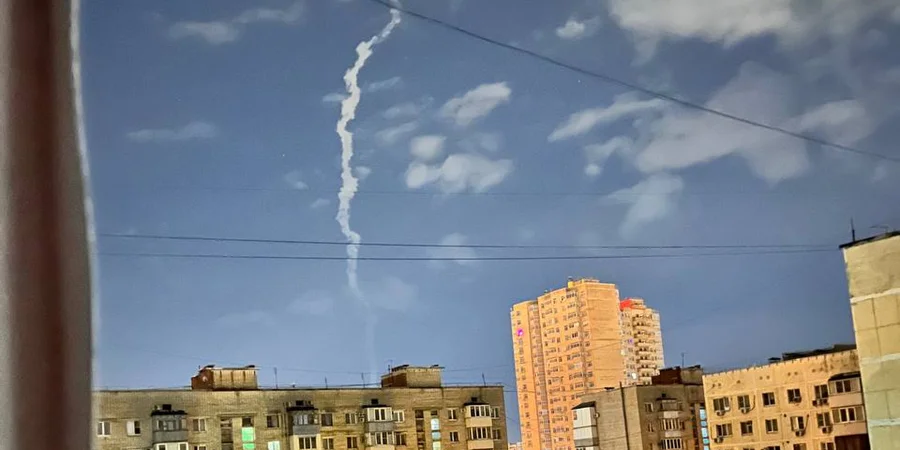
afipsky oil refinery burns again ukrainian drones return krasnodar krai · post smoke trail over amid drone attack russia 11 2026 краснодар у росії атакували дрони вночі червня року exilenova+
Smoke trail over Krasnodar amid a Ukrainian drone attack, Russia, 11 June 2026. Photo: Exilenova+ Telegram channel

Third strike on Afipsky in 2026 amid wider drone campaign

Russia's Defense Ministry claimed its air defenses intercepted and destroyed 330 Ukrainian drones over Russian territory overnight, the Moscow Times reported. According to the ministry, drones were spotted over Bryansk, Kursk, Belgorod, Oryol, Smolensk, Kaluga, Tula, Tver, Vladimir, and Moscow oblasts, as well as Krasnodar Krai and occupied Crimea. Russian aviation regulator Rosaviatsia restricted operations at airports in Tambov, Krasnodar, Sochi, Gelendzhik, and Zhukovsky outside Moscow.

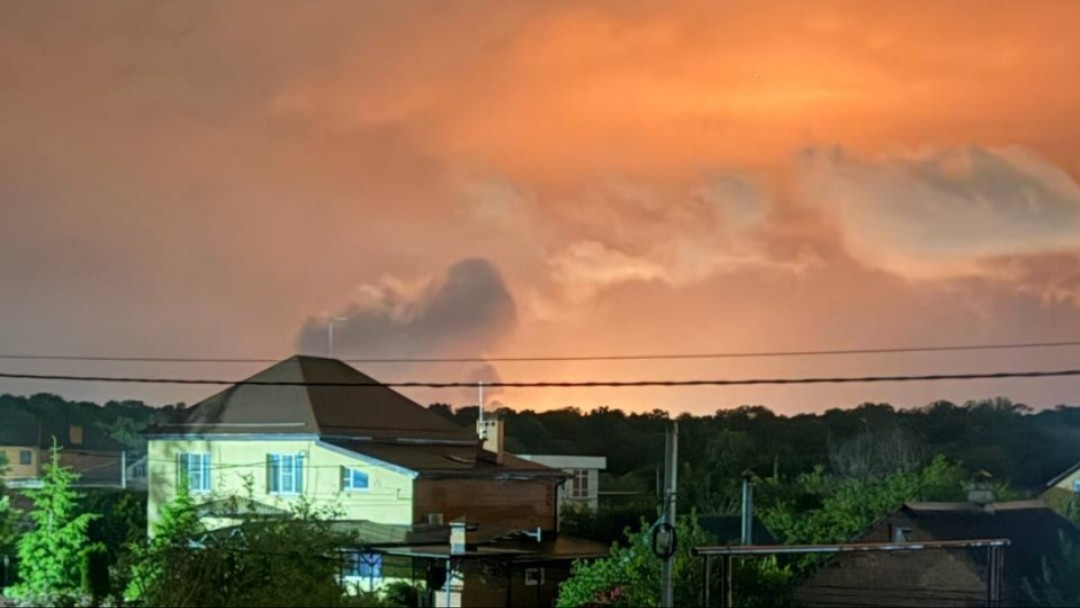
afipsky oil refinery burns again ukrainian drones return krasnodar krai · post smoke plume after drone strike russia 11 2026 пожежа на афіпському нпз в рф червня telegram-канал exilenova+ ukraine
Smoke plume after a Ukrainian drone strike on the Afipsky oil refinery, Krasnodar Krai, Russia, 11 June 2026. Photo: Exilenova+ Telegram channel

The 11 June raid was the third attack on the Afipsky refinery this year, following hits on 21 January and 14 March. During the March hit, drones damaged the AT-22/4 primary oil processing unit at Afipsky — the plant's refining starting point. Satellite imagery had previously confirmed structural damage from a November 2025 drone attack.

“Fourth house. Blue doors”: Four years ago three Ukrainians changed global warfare forever (VIDEO)

11 June 2026 at 10:04

Screenshot

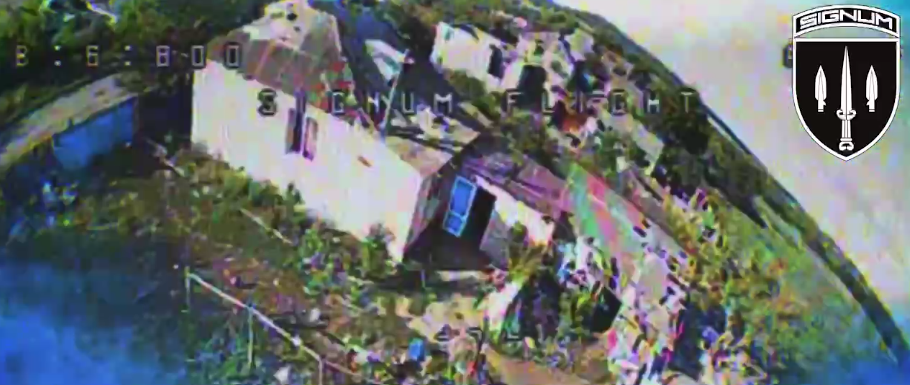
On 10 June 2022, the world's first successful FPV drone combat strike was carried out by Ukrainian Armed Forces fighters from the SIGNUM battalion. The three operators with call signs "Turyst," "Shvaiger," and "Bagdad" fired the strike against a Russian target, an advisor to the Defense Minister, Serhii Sterneko, recalls

The footage of the strike has become a defining artifact of the Russo-Ukrainian war. Four years later, Ukraine's Unmanned Systems Forces (SBS) has struck nearly $40 billion worth of Russian targets and grown into a full branch of the Armed Forces with its own doctrine and eleven combat units.

The 10 June 2022 FPV strike is recognized as the moment that changed not only the Russo-Ukrainian war but the broader rules of armed conflict. The combat application of a commercial-grade quadcopter against a moving Russian target opened a new category of warfare that has since been replicated by militaries worldwide.

Ukraine remains the operational pioneer in this category, with the SBS now leading the Logistics Lockdown program targeting Russian rear-area logistics, deploying $113 million in mid-strike drones.

"Fourth house. Blue doors" 

The footage of the 10 June 2022 strike captures Ukrainian SIGNUM battalion fighters operating an FPV drone against a Russian target on the frontline.

The radio call "Fourth house. Blue doors." — used by the operators to identify the target — has become one of the most recognizable phrases from the early war.

The day that changed military doctrine worldwide: On 10 June 2022, Ukraine carried out the world's first FPV drone combat mission

As a result, Ukraine established Unmanned Systems Forces, helping save thousands of Ukrainian lives
📹Sternenko pic.twitter.com/kbk5KphZBG

— Euromaidan Press (@EuromaidanPress) June 11, 2026

From battlefield improvisation to separate branch of armed forces

The 10 June 2022 strike was an act of battlefield improvisation. Ukrainian forces were using commercial drone technology adapted for combat, with no formal doctrine, no procurement pipeline, and no command structure for FPV operations.

Three years later, on 11 June 2025, Ukraine formally established the Unmanned Systems Forces (SBS) as a dedicated grouping within the Armed Forces.

SBS now has eleven combat units and its own military doctrine. President Volodymyr Zelenskyy on 10 June 2026 signed a decree establishing the Day of Unmanned Systems Forces as an annual commemorative day, to be observed each 11 June.

Robert "Madiar" Brovdi: from volunteer to branch commander

The SBS commander is Major Robert Brovdi with a call sign "Madiar". Brovdi is a Hero of Ukraine, the founder of the "Madiar's Birds" unit, and one of the originators and leading practitioners of innovations in unmanned systems for combat applications.

He traveled the path from volunteer to commander of a separate branch of the Armed Forces. The trajectory is consistent with the SBS's broader institutional history, which began with battlefield improvisation in places like the 10 June 2022 SIGNUM strike, and has developed into a formal military structure with doctrine, procurement, and command.

The footage of the strike has become a defining artifact of the Russo-Ukrainian war. Four years later, Ukraine's Unmanned Systems Forces (SBS) has struck nearly $40 billion worth of Russian targets and grown into a full branch of the Armed Forces with its own doctrine and eleven combat units.

Kremlin enacts law to grab homes and bank accounts of its exiled critics

11 June 2026 at 09:15

kremlin enacts law grab homes bank accounts its exiled critics · post russia president vladimir putin during direct line 19 2025 official broadcast putin2025_43 ukraine news ukrainian reports

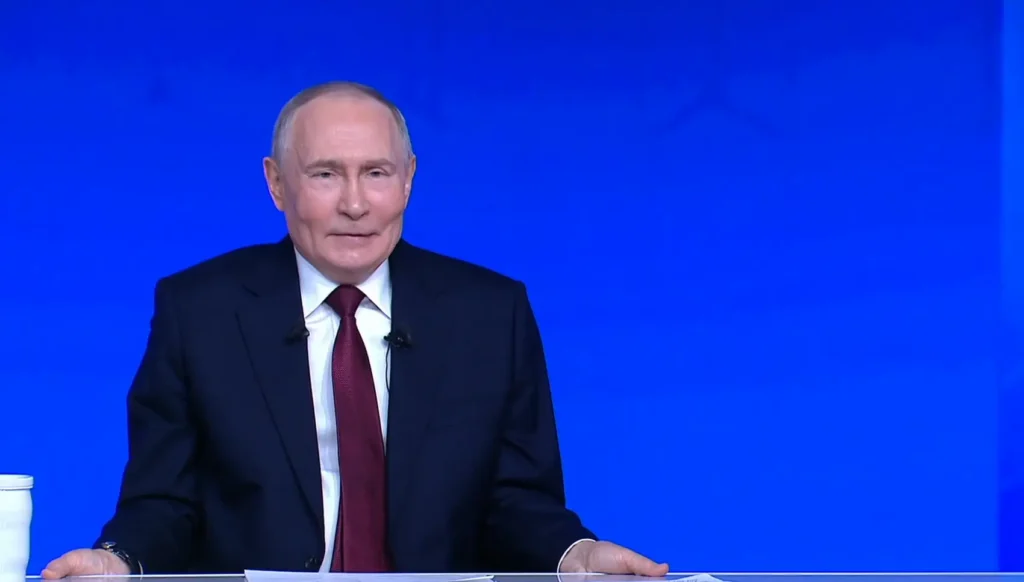
Russian President Vladimir Putin signed a law allowing Russia to seize the property and bank balances of citizens living abroad before any court ruling, the Moscow Times reported. The legislation turns a single formal charge into an immediate asset freeze in absentia against exiled Kremlin critics. It takes effect on 1 September 2026.

Property has become a routine instrument of Russian state coercion: Russian occupation authorities are confiscating Ukrainian homes inside occupied territory under federal legislation running until 2030. 

Several hundred thousand Russians left the country after the start of the full-scale invasion of Ukraine in 2022. 

What the law does

The amendments to Russia's Code of Administrative Offenses cover "administrative offenses against the interests of the Russian Federation." The seizure is framed as a "precautionary measure," not a sentence. Qualifying offenses include "discrediting" the Russian army, calls for sanctions against Russia, and "propaganda of Nazi symbols." They also cover producing and distributing "extremist materials" and non-payment of fines for any of these acts.

The value of property arrested, including bank account balances, is not capped at the underlying fine. Russian outlet Meduza noted that courts had previously fined people abroad under those administrative articles. Pre-trial seizure as a precautionary measure had never been available before.

The Kerch bridge, also known as the Crimean bridge
Explore further

Russia is holding at least 100 people in occupied Crimea with no contact with outside world and no lawyer — and no trials

How it differs from the 2024 confiscation law

The legislation extends the post-conviction asset-confiscation regime that Putin signed in February 2024. That earlier law let Russia seize the assets of those convicted of spreading "deliberately false information" about the army and other offenses. The new law moves the seizure earlier, before any verdict.

It is aimed squarely at Russians who fled after Moscow's full-scale invasion of Ukraine in 2022. The Moscow Times said the legislation "hands the government a new tool to punish Kremlin critics living abroad, including exiled journalists and activists."

If a Russian abroad cannot be notified of charges, the court must appoint a defense lawyer. Legal fees are reimbursed from the federal budget only if the case is dropped. The document was published on Russia's official legal information portal on 10 June 2026.

children informing parents teachers beaten collaborators later jailed — researcher details russia's occupation playbook · post serhii danylov deputy director center middle eastern studies a8eba632c784da1766417a401eb95004 ukraine news ukrainian reports
Explore further

Children informing on parents, teachers beaten, collaborators later jailed — researcher details Russia’s occupation playbook

A "preventive" measure aimed at exiled critics

The bill's explanatory note cited "bright examples" of relocants conducting "activity directed against the interests of Russia." It argued for applying "measures of preventive influence" to such citizens. The authors stated the law will help "stop" calls to violate Russia's territorial integrity and constitutional order. In Russian official usage, that language covers the Kremlin's claim over occupied Crimea, Donetsk, Luhansk, Zaporizhzhia, and Kherson oblasts. 

From Tatarstan to Putin's desk

Lawmakers from the Russian republic of Tatarstan first proposed the bill in October 2024. The State Duma — Russia's lower house of parliament — passed it late in May 2026. State Duma speaker Vyacheslav Volodin praised the bill as a cover for Russian forces deployed in Ukraine. Russian state news agency TASS reported that the amendments make individuals abroad newly liable for abusing media freedom, inciting hatred, calls to violate Russia's territorial integrity, and discrediting the armed forces.

US sanctions 13 Iran-Belarus-China entities supplying Iran’s IRGC. That’s three of four “Axis of Upheaval” states

11 June 2026 at 09:32

tehran

      The US imposed sanctions on 13 individuals and entities from Iran, Belarus, and China for facilitating weapons procurement for the Islamic Revolutionary Guard Corps (IRGC), State Department spokesperson Thomas Pigott announces. The designations aim to implement the UN sanctions regime on Iran, which was reinstated due to Tehran's "significant non-performance" with its nuclear obligations.

      The US sanctions package targets the network that integrates three of the four states scholars have identified as the "Axis of Upheaval" — Russia, China, Iran, and North Korea — whose deepening cooperation has sustained Russia's war on Ukraine.

      Iran has been the primary supplier of Shahed-type drones used by Russia against Ukraine since 2022, with Russian-produced Geran-4 jet variants now reaching speeds of 500 km/h based on Iranian designs.

      Belarus has served as a launch territory and signal-relay base for Russian drones targeting Ukraine.

      China has been a key supplier of dual-use components, electronics, and materials. 

      13 designations across three jurisdictions — Iran, Belarus, China

      The State Department statement describes the network as supplying conventional arms to the IRGC. This is in violation of the UN Security Council resolution that obligates UN members to prevent the supply, sale, or transfer of conventional weapons to Iran.

      The US said the designations are part of its continuing maximum pressure policy on Iran. The policy is designed to deprive the Iranian government and the IRGC of access to resources.

      Why analysts call this "Axis of Upheaval"

      In April 2024, foreign policy scholars Andrea Kendall-Taylor and Richard Fontaine published a Foreign Affairs analysis titled "The Axis of Upheaval: How America's Adversaries Are Uniting to Overturn the Global Order."

      The analysis argued that Russia, China, Iran, and North Korea have deepened cooperation across defense industry, intelligence, diplomatic, and financial channels to challenge "the US-based order".

      US sanctions targeting the Iran-Belarus-China network supplying the IRGC explicitly address three of the four Axis of Upheaval members.

      North Korea has separately supplied Russia with artillery shells, missiles, and troops since 2024. 


      Russia is building up forces in Belarus right next to Ukraine’s NATO supply corridor. Ukraine just started covering roads

      11 June 2026 at 06:36

      fishing nets used mediterranean millennia — now italy wants turn drone shields over ukrainian cities · post workers install anti-drone above road kharkiv's ring 2026 2daykhua sitka6 italy's senate has

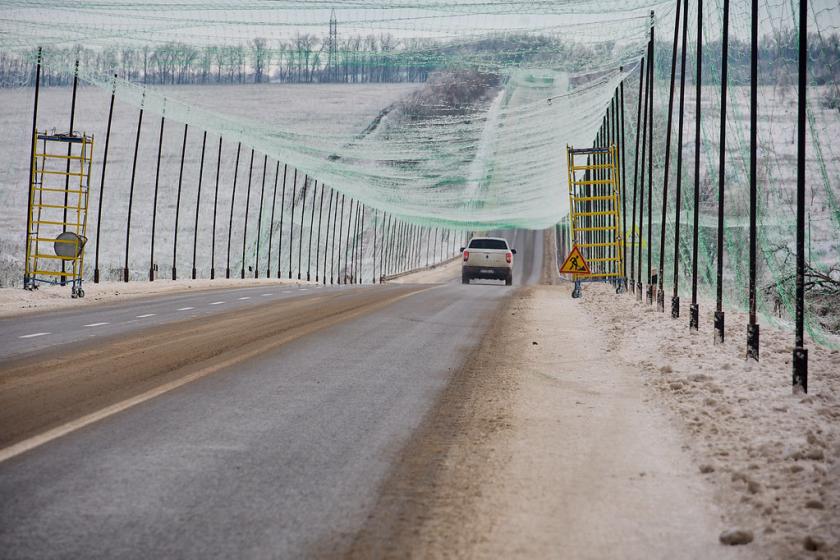
      Ukraine's Volyn Oblast will install anti-drone nets along sections of roads near the border with Belarus, the acting head of the Volyn Oblast Military Administration, Roman Romaniuk, announced. Volyn Oblast borders both Belarus and Poland in the northwest of Ukraine.

      Most Western military and humanitarian aid to Ukraine flows through the Polish border corridor, making the region not just a border zone but Ukraine's logistical lifeline to NATO.

      The anti-drone nets address the localized threat of FPV-class drones that could target road traffic on this corridor.

      Threat from Belarus 

      In April 2026, Ukrainian President Volodymyr Zelenskyy reported the expansion of military and road infrastructure in Belarus near the border with Ukraine, creating a potential security threat.

      Ukrainian intelligence has recorded the construction of new roads, military camps, training grounds, bases, and artillery positions.

      Russia has already used Belarus as a launch pad for signal-relay balloons that help its drones reach Ukrainian cities.

      In 2025, Russian drones launched from Belarus had already crossed into Polish airspace when 19 Russian Shahed-type drones entered Poland, and Warsaw invoked NATO Article 4 for the first time in the war.

      Meanwhile, the Institute for the Study of War (ISW) has assessed that a Belarusian ground invasion of Ukraine remains "very unlikely," but Russia may continue to use Belarusian airspace to hit Western Ukraine — and, as 2025 demonstrated, to test NATO's eastern flank response.

      Romaniuk: "Risks from the neighboring state remain"

      "Risks from the neighboring state remain, so Volyn Oblast continues to systematically prepare for any possible challenges," Romaniuk said.

      Ukraine is currently installing engineering barriers, strengthening defensive positions, and implementing new security measures.

      "One of them will be the installation of anti-drone nets on individual sections of roads, including on the territory of Shatsk hromada," the Shatsk hromada quoted Romaniuk as saying.

      Romaniuk added that Volyn today is one of the best-prepared border regions of Ukraine and that this work must be continued.

      Ukraine will keep issuing Polish exhumation permits despite historical tensions. Dispute “causes joy in Moscow,” Kyiv says

      10 June 2026 at 20:15

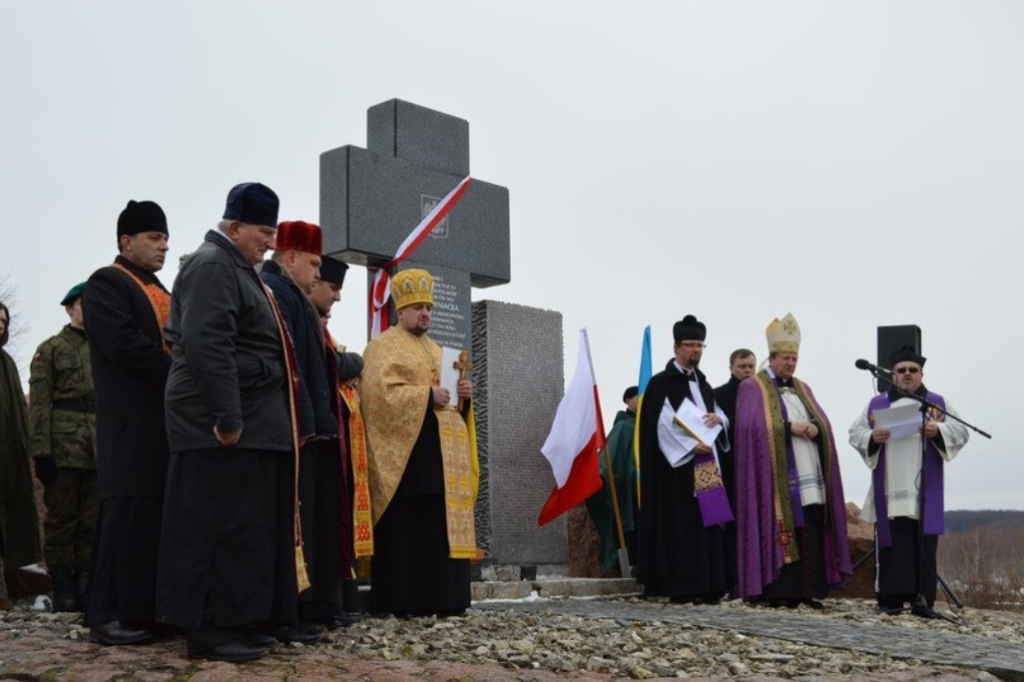
      The monument to murdered Polish civilians in Huta Peniatska in Ukraine's Lviv Oblast was restored in 2017. Photo: NV

      Ukraine remains ready to continue issuing permits for Polish exhumation work despite intensifying historical disputes between Ukraine and Poland, Ukrainian Foreign Ministry spokesperson Heorhii Tykhyi says, per Ukrinform. Exhumation work at the site of the Huta Pieniacka continues. 

      The spokesperson added that the intensifying tension between Ukraine and Poland causes "joy in Moscow." He called on allies to seek grounds for unity against the common enemy that "wants to destroy both Ukraine and Poland." 

      The current Polish-Ukrainian historical dispute centers on Ukrainian President Volodymyr Zelenskyy's 27 May decision to confer the honorary title "named after UPA Heroes" on the Separate Center of Special Operations "Pivnich" of Ukraine's Special Operations Forces. The Polish Foreign Ministry condemned the decision.

      The Ukrainian Insurgent Army (UPA) is a deeply contested figure in Polish-Ukrainian historical memory. Ukrainian historiography presents UPA as anti-Soviet and anti-Nazi independence fighters. Polish historiography emphasizes UPA's association with the 1943-44 Volhynia massacres.

      Zelenskyy UPA-naming decision and Polish reaction

      Tykhyi also stated that the honoring of UPA heroes had no anti-Polish subtext. He noted that the history of the Polish and Ukrainian peoples contains both glorious and tragic pages.

      The diplomat added that preparations for the Ukraine Recovery Conference (URC 2026), scheduled for June 25–26 in Gdańsk, are proceeding as planned and in a regular working mode.

      “We hope that the conference will be held successfully,” Tykhyi emphasized.

      Historical memory disputes spill into modern cooperation

      The Vinnytsia-Kielce bus dispute earlier this week is the latest concrete example of how historical memory tensions have affected practical Polish-Ukrainian cooperation, Euromaidan Press reported. Polish sister-city Kielce refused to transfer 20-year-old municipal buses to Vinnytsia, a Ukrainian city under regular Russian strikes, over a street named after Bandera.

      Stepan Bandera, the Ukrainian nationalist leader, led the Organization of Ukrainian Nationalists (OUN) and the UPA.  

      Russia actively uses its propaganda, referring to Ukrainians as “Banderites” and portraying Ukrainian statehood as a continuation of Nazism. 

      Russia recycles its Moldova script to brand Armenia’s election illegitimate, ISW says

      10 June 2026 at 20:10

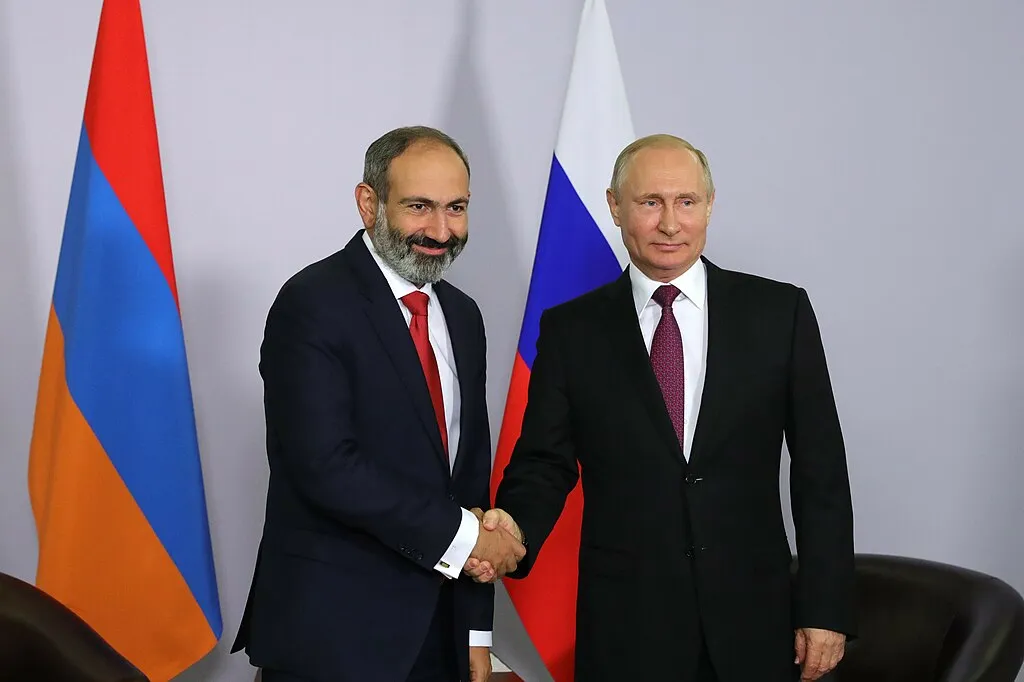
      Armenian Prime Minister Nikol Pashinyan shakes hands with Russian President Vladimir Putin in front of Armenian and Russian flags during a bilateral meeting.

      Russia began delegitimizing Armenia's election within hours of Nikol Pashinyan's 8 June 2026 victory. The Institute for the Study of War said so in its 9 June assessment. ISW identified three coordinated false narratives advanced by Russian government officials and pro-Kremlin commentators since the result.

      One narrative claims Pashinyan "lost" because Civil Contract took less than 50% of the vote. A second says the election unfolded under Western pressure and domestic opposition suppression. A third alleges mass electoral fraud. ISW wrote that Moscow "continues spreading false narratives of stolen elections in post-Soviet states when those results do not favor Russian interests."

      The narratives ISW found in Armenia's election

      Foreign Ministry spokeswoman Maria Zakharova led Moscow's reaction to Armenia's election on 8 June. She alleged the vote unfolded under "unprecedented pressure on the opposition and interference from the West, primarily the EU." Zakharova said Civil Contract "did not receive a monopoly on power." The campaign featured "harsh repression" of opposition activists and attacks on the Armenian Apostolic Church, The Armenian Mirror-Spectator reported.

      Kremlin spokesman Dmitry Peskov declined to congratulate Pashinyan. He told reporters Moscow is "waiting for the final results" and "recording numerous irregularities." The Central Election Commission's final tally put Civil Contract at 49.81%—727,160 votes. That left Samvel Karapetyan's pro-Russian "Strong Armenia" a distant second at 23.29%, Al Jazeera reported. Turnout topped 58%.

      The Moldova precedent ISW cites

      ISW pointed to Maia Sandu's 2024 Moldovan presidential victory as the direct precedent. The think tank wrote that Moscow had alleged "election fraud, suppression of opposition, and 'illegitimate' results." The Kremlin suggested "Sandu's victory materialized only after counting Western diaspora ballots," ISW added.

      Sandu's Party of Action and Solidarity went on to win 50.14% in the September 2025 parliamentary vote anyway. Moldovan Prime Minister Dorin Recean said the Kremlin spent approximately €200 million on the 2024 cycle. That equals nearly 1% of Moldova's GDP, Reuters reported.

      Economic coercion runs alongside the narrative

      ISW also flagged a parallel economic threat. On 8 June, the head of the Federal Agency for Fisheries, Ilya Shestakov, warned at the St Petersburg International Economic Forum. He vowed "further steps will certainly follow" against Armenian exports if "veterinary risks" arise, Kyiv Post reported.

      The warning compounded restrictions imposed since May on Armenian mineral water, alcohol, flowers, fruits, vegetables, and fish. ISW described the move as economic punishment for Armenia "distancing itself from Russia." That distancing is precisely what Armenia's election ratified — Pashinyan's government has reduced participation in the Russia-led CSTO and reoriented Civil Contract's policies toward the EU.

      ❌