Normal view

Faeb lança e-Agro Notícias e exalta potência do Oeste baiano

10 June 2026 at 18:41
O presidente da Federação da Agricultura e Pecuária da Bahia (Faeb), Humberto Miranda, afirmou que o lançamento do E-Agro Notícias tem como objetivo ampliar a divulgação das informações do agronegócio baiano e fortalecer a conexão entre o campo e os centros de decisão política e econômica do estado. A declaração foi dada nesta quarta-feira (10), durante a Bahia Farm Show, em Luís Eduardo Magalhães, no Oeste da Bahia.Ao apresentar a nova plataforma de comunicação da entidade, Miranda ressaltou a relevância da região para a produção agropecuária nacional e destacou os resultados obtidos pelos produtores locais. Leia Também: BAHIA FARM SHOW Bahia Farm Show apresenta soluções para geração de energia com biogás e biometano RECEPÇÃO CALOROSA Flávio Bolsonaro é recebido por apoiadores na visita a Bahia Farm Show BAHIA FARM SHOW Bahia Farm Show: Alckmin destaca R$ 14 bilhões em crédito para o campo “A região Oeste é uma das regiões mais importantes do Brasil. Aqui nós temos tecnologia, ciência, produção e produtividade. Nos últimos anos, tem sido recorde de produção por área tanto de algodão quanto de soja. As melhores produtividades do Brasil estão aqui”, afirmou.Visibilidade ao agroSegundo o dirigente, o E-Agro Notícias surge para ampliar a visibilidade do setor, especialmente em Salvador, onde estão concentradas decisões políticas, comerciais e institucionais que impactam o agronegócio.“A gente precisa comunicar isso, inclusive na nossa capital. O E-Agro também vai ter essa responsabilidade de pegar a boa informação do campo e disseminar em Salvador”, disse.Humberto Miranda destacou ainda que o agronegócio tem papel estratégico para a economia baiana, gerando empregos, renda e atraindo recursos externos por meio das exportações.“É preciso levar essa informação de que o produtor está no campo trabalhando duro, gerando emprego, gerando renda, produzindo para exportação e captando recursos de fora do Brasil para movimentar a economia do nosso estado”, pontuou.

“Ho vinto un reality e 100 mila euro di premio ma non ho potuto parlarne pubblicamente per vicende legali”: la rivelazione di Davide Donadei

10 June 2026 at 13:05

A quasi due anni di distanza, Davide Donadei è tornato a parlare di The Social Home, reality a cui aveva partecipato e che, a suo dire, aveva vinto. Lo ha fatto con un lungo post pubblicato sui social, spiegando di aver scelto il silenzio fino a oggi per via di questioni legali ancora aperte.

“Questa è la foto di quando ho vinto The Social Home“, scrive a corredo di uno scatto che lo ritrae con una coppa. Donadei racconta che il format prevedeva circa venti concorrenti, inizialmente divisi in squadre e poi sottoposti a eliminazioni progressive fino alla finale.

Secondo il suo racconto, però, il reality non avrebbe mai completato il percorso previsto. “Ho vinto il reality e anche un premio di circa 100 mila euro, ma purtroppo non tutte le persone agiscono con correttezza. Io, insieme a molti altri concorrenti e professionisti coinvolti nel progetto, alcuni anche molto conosciuti nel mondo social e televisivo, ci siamo ritrovati con una grande delusione”.

L’ex tronista fa poi riferimento a presunte analogie con The Fifty: “Fa ancora più effetto ripensarci oggi, vedendo format come The Fifty su Amazon, perché le somiglianze sono davvero tante”.

Non manca il riferimento a vicende giudiziarie ancora in corso: “Per molto tempo, per vicende legali ancora in corso, non ho potuto parlarne pubblicamente”. Nonostante tutto, Donadei rivendica con orgoglio quell’esperienza: “Una cosa nessuno potrà mai togliermela: quel programma l’ho vinto io”.

L'articolo “Ho vinto un reality e 100 mila euro di premio ma non ho potuto parlarne pubblicamente per vicende legali”: la rivelazione di Davide Donadei proviene da Il Fatto Quotidiano.

Bahia Farm Show apresenta soluções para geração de energia com biogás e biometano

9 June 2026 at 19:20
A corrida competitiva pela transição energética acelera ainda mais a demanda por fontes energéticas sustentáveis, principalmente no agronegócio, cujo setor é cobrado cada vez mais por produtividade.No segundo dia da 20ª edição da Bahia Farm Show, a demanda por fontes energéticas com o uso de alternativas sustentáveis como o biogás e biometano tornou-se uma das principais pautas para o setor.Para o presidente-diretor do Bahiagás, Luiz Gavazza, o setor está em um momento de gargalos na produção agro-silvo-pastoril, e que deve aproveitar as oportunidades produzidas no Nordeste. Leia Também: RECEPÇÃO CALOROSA Flávio Bolsonaro é recebido por apoiadores na visita a Bahia Farm Show BAHIA FARM SHOW Bahia Farm Show: Alckmin destaca R$ 14 bilhões em crédito para o campo BAHIA FARM SHOW Túlio Viana participa de visita técnica na Bahia Farm Show ao lado de Moisés Schimdt “O gás natural é um dos menos poluentes dos fósseis, e com o biometano, que é o gás natural renovável, existe um grande potencial para a produção no agronegócio”, explica ele.Um dos grandes cases de sucesso está ligado à Fazenda Capitar, um dos maiores empreendimentos do Matopiba em confinamento de animais para engorda e para o abate. Para a produção do gás, é usado resíduos agrossíduos pastoris.Produção insuficienteAlém disso, Gavazza aponta para a necessidade de produção de energia, que ainda é insuficiente para a demanda: "Conforme os dados que obtivemos da Aiba, da Abapa, da Assocafé e das associações corporativas aqui da região, aqui é uma região que produz 0,6 giga de energia e é um volume grande de energia, mas ainda é insuficiente para a sua demanda"."Nos próximos anos, até 2030, teremos produção de 1,3 giga de energia, mas ainda teremos 1,5 giga de carência. No Oeste baiana estamos procurando aglutinar as necessidades do Nordeste e como nós podemos enfrentá-las ao lado de usar insumos que são recursos inservíveis da agricultura, da pecuária, também da produção de lixos urbanos, que incomodam todas as cidades e até mesmo o esgotamento sanitário”, concluiu ele. Leia Também: RECEPÇÃO CALOROSA Flávio Bolsonaro é recebido por apoiadores na visita a Bahia Farm Show BAHIA FARM SHOW Bahia Farm Show: Alckmin destaca R$ 14 bilhões em crédito para o campo BAHIA FARM SHOW Túlio Viana participa de visita técnica na Bahia Farm Show ao lado de Moisés Schimdt O Centro Internacional de Energias Renováveis (CIBIOGÁS), que se debruça no estudo e produção de biogás como recurso energético limpo e competitivo, aposta em um novo momento com o uso de resíduos e dejetos de animais para a produção de energia."Já temos 1.700 plantas em operação e nos últimos 10 anos o setor tem crescido, principalmente do agropecuário, usada para a produção de energia".De acordo com a empresa, a produção de biogás pode chegar a até 120 milhões metros cúbicos por dia, maior que a demanda por energia.O recurso surge como ativo financeiro, além de gerar novas receitas, autossuficiência e venda de excedente e alternativa de biofertilizantes orgânicos de alta performance.

Vela Solidária conquista dois pódios na Vilamoura International Boat Show Regatta 2026

9 June 2026 at 19:41

A Vela Solidária marcou presença na Vilamoura International Boat Show Regatta 2026 com três embarcações que refletem a sua missão de promover uma vela mais inclusiva, acessível e diversa. O evento, realizado nos dias 6 e 7 de junho, em Vilamoura, reuniu 16 embarcações distribuídas por três classes, proporcionando um fim de semana marcado pela […]

"O pior poderia acontecer ali", diz João Roma sobre pane em voo

9 June 2026 at 15:47
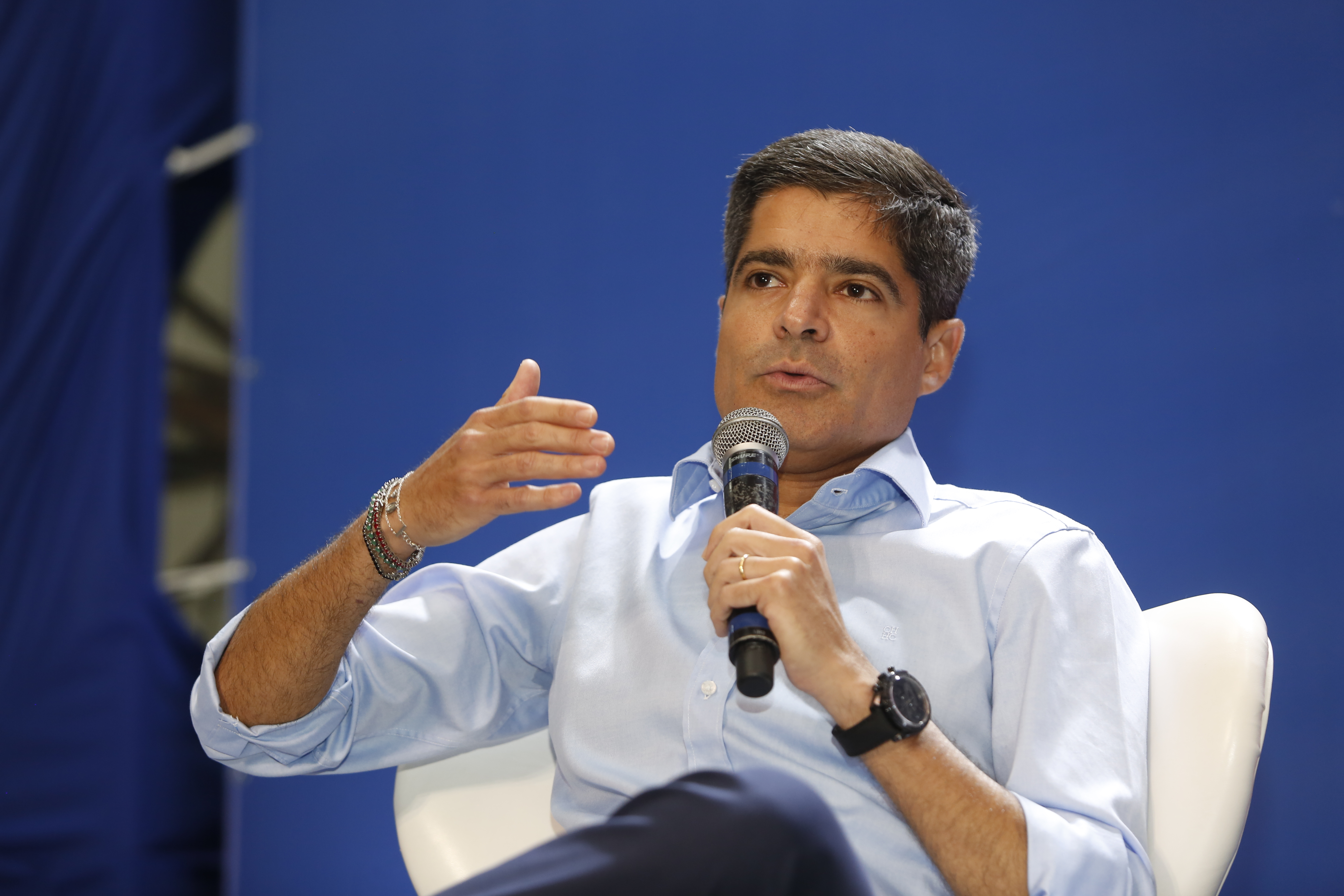
A pane na aeronave em que estava o ex-prefeito de Salvador, ACM Neto (União Brasil), na noite de segunda-feira, 8, continuou gerando grande comoção entre a cúpula da oposição.A viagem até a cidade de Livramento de Nossa Senhora, no sudoeste baiano, para agenda política, precisou ser adiada após problemas técnicos na aeronave em que estavam.O pré-candidato ao Senado e presidente do PL na Bahia, João Roma sintetizou a sensação como "terrível" e descreveu os momentos de tensão na aeronave."Ontem realmente foi um momento de grande tensão. Depois de transcorrido 20 minutos de voo, houve uma despressurizacao da cabine, caíram as máscaras e o avião deu uma embicada. O piloto teve que fazer uma descida brusca de 28 mil pés para 12 mil pés. Foi uma sensação terrível, de risco eminente, que o pior poderia acontecer na noite de ontem, mas graças a Deus o piloto conseguiu estabilizar a aeronave", disse ele em entrevista na Bahia Farm Show, em Luís Eduardo Magalhães. Leia Também: FALHA NA AERONAVE ACM Neto fala sobre susto com pane em avião: “Gratidão a Deus” POLÍTICA Jerônimo se solidariza com ACM Neto após pane em voo SUSTO Avião de ACM Neto perde altitude por problema técnico "Retomamos em segurança e voltamos para Salvador. Quero agradecer a Deus e as mensagens de carinho, e na próxima quinta-feira, terá uma missa de ação de graças, em Salvador", continuou ele.Além do pré-candidato ao governo do Estado da Bahia, estavam a bordo o pré-candidato ao Senado e ex-ministro João Roma (PL), a deputada federal Roberta Roma (PL), e o deputado estadual Nelson Leal.Agenda na Bahia Farm ShowJoão Roma visita a Bahia Farm Show, que chega ao 2° dia de feira. Junto ao prefeito de Luís Eduardo Magalhães, Junior Marabás, ele destacou a potência de oportunidades com a BFS."Um dos principais eventos do agro do Brasil, que é a Bahia Farm Show, na 20ª edição esse ano. Isso representa tecnologia, inovação, superação, empreeendimento. Tudo isso estimula e fortalece do futuro da Bahia e do Brasil", continuou ele.

Vilamoura International Boat Show Regatta juntou 16 embarcações

9 June 2026 at 14:58

A Vilamoura International Boat Show Regatta 2026 disputada este fim de semana, contou com um total de 16 embarcações, com destaque para a promoção de uma vela «mais inclusiva, acessível e diversa» pela Vela Solidária.

Nos dias 6 e 7 de Junho, a Vela Solidária e o CIMAV organizaram mais uma edição do evento – integrado no Vilamoura International Boat Show –, reunindo barcos distribuídos por três classes, num fim de semana marcado por ventos inconstantes.

Na classe open, triunfou a embarcação Titã, seguida de Azule e St. Terezinha.

Em ORC, a vitória pertenceu ao barco Mar Meu, com Magano e Corsário do Arade a completarem o pódio.

Por fim, em sport boat, o triunfo foi da embarcação CorksCrew, com Too Much e Corsário do Algarve nos 2º e 3º lugares, respetivamente.

Para a Vela Solidária, houve duas medalhas de bronze, com os barcos Corsário do Algarve, que se destacou por contar com uma tripulação maioritariamente feminina, «impulsionando a presença das mulheres na vela de competição», e Corsário do Arade, que integrou pessoas com deficiência, demonstrando que «a vela é um desporto acessível a todos e que o trabalho de equipa e o mar não conhecem barreiras».

Sul Informação

O conteúdo Vilamoura International Boat Show Regatta juntou 16 embarcações aparece primeiro em Sul Informação.

Bahia Farm Show: Alckmin destaca R$ 14 bilhões em crédito para o campo

8 June 2026 at 21:09
O primeiro dia da Bahia Farm Show 2026, que este ano celebra a histórica edição de 20 anos, começou nesta segunda-feira, 8, em Luís Eduardo Magalhães, oeste da Bahia, com movimentação política e discussões estratégicas para o futuro do agronegócio no Norte e Nordeste do país. A cerimônia de abertura oficial, realizada no complexo que sedia a feira, reuniu lideranças de peso das esferas municipal, estadual e federal, consolidando a relevância do evento no calendário econômico nacional.A mesa de honra contou com a presença do vice-presidente da República, Geraldo Alckmin; do governador da Bahia, Jerônimo Rodrigues (PT); do senador Jaques Wagner (PT); do Ministro da Agricultura e Pecuária; e do prefeito do município anfitrião, Júnior Marabá (PP). Leia Também: ENTREVISTA EXCLUSIVA Junior Marabá destaca Bahia Farm Show e pujança do agronegócio baiano IRREGULARIDADES Contratação de R$ 15 milhões é barrada em prefeitura baiana PORTAL MUNICÍPIOS Cerveja impulsiona crescimento econômico de Alagoinhas A comitiva liderou os discursos institucionais que marcaram as duas décadas de evolução tecnológica e produtiva da região Oeste.Cinturão agrícolaO destaque político foi o pronunciamento do governador Jerônimo Rodrigues, o qual reafirmou o compromisso do Estado com o combate à criminalidade na região por intermédio da Operação Safra. A iniciativa estratégica tem o objetivo de proteger o cinturão agrícola baiano, garantindo a tranquilidade de produtores, trabalhadores rurais e moradores das áreas urbanas e vicinais."A segurança pública no interior é uma prioridade absoluta da nossa gestão, especialmente em uma região de forte pujança econômica e que, por isso, demanda uma atenção minuciosa do aparato policial", declarou o governador. De acordo com Jerônimo, o plano de ação estadual está estruturado sob os pilares da integração e da inteligência, dividindo-se em três frentes principais:- ampliação do patrulhamento com o apoio fundamental da Polícia Militar, com destaque para a atuação da Companhia Independente de Policiamento Especializado (CIPE-Cerrado).- atuação conjunta e cirúrgica da Polícia Civil com o objetivo de desarticular grupos criminosos organizados que tentam se estabelecer na região.- utilização de ferramentas tecnológicas avançadas para o mapeamento de manchas criminais, permitindo a antecipação de movimentos suspeitos e agilidade nas respostas."A Operação Safra não é apenas uma ação sazonal, mas uma demonstração de que o Estado está presente, vigilante e pronto para agir com firmeza onde for necessário", enfatizou o chefe do Executivo baiano.ImpactosAs medidas de segurança anunciadas miram diretamente a redução de crimes de alto impacto financeiro para o setor, como o roubo de defensivos agrícolas, cargas e maquinários pesados. Contudo, o governo estadual ressaltou que o reflexo social é ainda mais amplo. Ao blindar o setor produtivo, a operação salvaguarda os milhares de empregos gerados pelo agronegócio no Oeste da Bahia e assegura o direito constitucional de ir e vir da população local.Modernização do agroPresente no evento, o vice-presidente Geraldo Alckmin anunciou o início das operações do Move Brasil para máquinas e implementos agrícolas. O programa vai injetar R$ 14 bilhões em linhas de crédito para a modernização tecnológica do campo.Os recursos vêm do superávit do FNDCT (Fundo Nacional de Desenvolvimento Científico e Tecnológico) e serão gerenciados pela Finep e bancos credenciados. O foco é financiar equipamentos com conteúdo nacional e inovação, como tratores, colheitadeiras e pulverizadores."São R$ 14 bilhões sendo lançados. Já pode procurar o sistema bancário", afirmou Alckmin.O montante se soma aos R$ 21,2 bilhões já disponíveis na versão do programa voltada para caminhões e ônibus, com juros de até 9,2% ao ano, carência de até 12 meses e prazo total de até 60 meses para pagamento.Luz mais barataNo mesmo evento, o governo federal lançou uma portaria que amplia a janela de horário para o desconto na conta de luz de irrigantes e aquicultores.Antes restrito à madrugada (22h às 6h), o benefício de 8 horas e 30 minutos diários agora vai poder ser utilizado (de forma contínua ou fracionada) dentro de um período muito maior: das 21h30 às 17h do dia seguinte.A mudança dá mais liberdade de manejo ao produtor e ajuda a aliviar a rede elétrica nos horários de pico. Alckmin e o ministro de Minas e Energia, Alexandre Silveira, apontaram a medida como essencial para mitigar os efeitos das mudanças climáticas na produção.Comércio exteriorA escolha do oeste baiano para os anúncios não foi por acaso. Alckmin classificou a região como o "epicentro" da tecnologia agrícola nacional e maior área irrigada do país.O setor segue como o principal motor das exportações brasileiras, respondendo por 49,5% da pauta comercial do país e gerando 38 milhões de empregos, de acordos com o ministro da Agricultura e Pecuária, André de Paula. Em 2025, o agro brasileiro atingiu a marca histórica de 525 novos mercados abertos desde 2023.Diplomacia comercialDurante o discurso, Alckmin garantiu que o governo federal vai fazer um "grande empenho" para reverter o recente embargo da União Europeia às carnes brasileiras, contrapondo o cenário com as boas relações com a China, que reconhece o status de livre de aftosa sem vacinação e com os EUA, onde a carne nacional segue isenta de tarifas.Tecnologia da fibraFechando a agenda do dia inaugural, as autoridades participaram da entrega do novo Centro de Análise de Fibras da Abapa (Associação Baiana dos Produtores de Algodão). Localizado dentro do próprio parque da feira, o laboratório representa um salto em inovação e controle de qualidade para a cotonicultura baiana, um dos principais motores de exportação do estado."Com a tecnologia do nosso novo centro,  a análise do algodão passa a ter o tempo recorde de 24h, o que antes era feito em até cinco dias", afirmou Alessandra Zanotto, presidente da Abapa.A Bahia Farm Show segue até o próximo sábado, 13, com a expectativa de quebrar recordes de público e volume de negócios nesta edição comemorativa.

Gay Dog Show

By: SGT
8 June 2026 at 20:00
from Moonbattery: Like global warmism, LGBTism is a totalitarian ideology and therefore applies to everything imaginable — even dog shows: Where are the animal rights activists when they are needed? No self-respecting dog should be subjected to this. Denver pride hosted their first ever “dog drag show” TRUTH LIVES on at https://sgtreport.tv/ Denver pride hosted their […]

João Gomes anuncia edição do São João Gomes no Recife com ingressos gratuitos; veja como ter acesso

8 June 2026 at 16:05

O cantor João Gomes anunciou uma nova edição do projeto São João Gomes no Recife. O evento será realizado no dia 17 de junho na Avenida Alfredo Lisboa, área central da cidade.

O acesso será por duas modalidades: entrada gratuita através da doação de 2 kg de alimentos não perecíveis ou pela compra do copo oficial do evento, no valor de R$ 30. A retirada dos ingressos começa nesta quarta-feira (10), às 12h, na plataforma Ingresse.

Segundo a organização, o evento terá uma programação cultural além do show. “O São João Gomes não é sobre palco e show. Apesar de a programação estar incrível, nosso evento será uma verdadeira avenida de acontecimentos culturais”, destacou, em publicação no Instagram.

Em fevereiro deste ano, o cantor realizou a “Drilha de São João Gomes”, com um percurso que teve início na Rua da Aurora e seguiu até a Avenida Norte, na altura da Ponte do Limoeiro. O cortejo contou com a participação de Mestrinho e Zé Vaqueiro, com trio elétrico dedicado ao forró e repertório junino.

De acordo com o artista, a proposta era transformar o evento em um anúncio permanente da chegada do São João.

Serviço

São João Gomes - Recife
Data: 17 de junho
Local: Avenida Alfredo Lisboa, Bairro do Recife
Ingressos: gratuito (troca por 2 kg de alimentos) ou compra do copo oficial (R$ 30)
Disponíveis a partir de quarta-feira, 10 de junho, às 12h, na plataforma Ingresse

© DIVULGAÇÃO

São João Gomes será realizado no dia 17 de junho, no Recife

Un espejo deformante – Por Juan Manuel de Prada

9 May 2026 at 23:32
Por Juan Manuel de Prada A nadie se le escapa que el meollo del engendro televisivo llamado reality show (programas que documentan la vida de personas anónimas o famosetes grimosos confinados y…

Especialistas debatem sustentabilidade na vitivinicultura no Lagoa Wine Talks

5 June 2026 at 10:01

O Município de Lagoa vai promover este sábado, dia 6 de Junho, pelas 17h00, no Convento de S. José, uma conferência integrada no Lagoa Wine Show, dedicada à reflexão e partilha de conhecimento sobre o setor vitivinícola.

Sob o tema “Sustentabilidade na produção da vinha e do vinho”, o encontro pretende «promover o debate em torno dos desafios e oportunidades associados à transição sustentável da vitivinicultura, incluindo a gestão eficiente dos recursos naturais, a adaptação às alterações climáticas, a preservação dos solos e a valorização da produção», lê-se numa nota da autarquia.

A sessão reunirá diferentes intervenientes da cadeia de valor do setor, promovendo uma abordagem multidisciplinar e a partilha de experiências entre produção, distribuição, certificação e conhecimento científico.

O painel contará com a presença do presidente da Câmara Municipal de Lagoa, da presidente da Comissão Vitivinícola do Algarve, da Arvad Wines e representante da distribuidora de Vinhos Sovipral, bem como da professora Ludovina Rodrigues Galego, da Universidade do Algarve, cuja participação se destaca pelo seu reconhecido percurso académico e científico na área da Ciência e Tecnologia, contribuindo para a análise dos desafios da sustentabilidade no setor.

«Esta iniciativa pretende fomentar uma reflexão alargada e informada sobre o futuro da viticultura, reforçando a importância da colaboração entre entidades públicas, agentes económicos e comunidade científica na construção de um setor mais sustentável, competitivo e inovador», frisa o Município.

O conteúdo Especialistas debatem sustentabilidade na vitivinicultura no Lagoa Wine Talks aparece primeiro em Sul Informação.

Moto Clube de Faro revela cartazes completos da 44.ª Concentração Internacional de Motos de Faro

No Vale das Almas já se trabalha há mais de 15 dias – Concentração realiza-se de 16 a 19 de julho

A contagem decrescente para a 44.ª Concentração Internacional de Motos de Faro, evento emblemático que se realizará entre os dias 16 e 19 de julho de 2026, no Vale das Almas, próximo do Aeroporto Internacional Gago Coutinho, em Faro, já começou há algum tempo.

Como é óbvio, num terreno onde nada existe e onde se realiza uma das maiores Concentrações de Motos da Europa, quiçá do Mundo, a preparação começa cerca de dois meses e meio antes do evento, ou seja, nas últimas duas semanas os trabalhos realizados por voluntários concentraram-se em limpar e lavrar o terreno para prevenir possíveis incêndios.

No Dia de Camões, de Portugal e das Comunidades Portuguesas, 10 de junho, será quando oficialmente os trabalhos começam em força e até à desmontagem será ‘non stop’, onde uma grande parte de voluntários, bem como pessoal contratado, dão o seu contributo nas diversas áreas para que no dia 16 de julho tudo esteja em pleno para começar a receber os cerca de 20.000 motociclistas que deverão chegar a Faro vindos dos quatro ou cinco cantos do mundo.

Esta semana mesmo, o organizador tornou público os três cartazes promotores do evento, como é o caso do cartaz principal, em que são visíveis os nomes da bandas e artistas que vão atuar no palco principal, com destaque para UHF, Rui Veloso, Xutos & Pontapés e UB40.

Outro cartaz é o do Oásis, que de acordo com declarações do presidente do Moto Clube de Faro, Pedro Baptista, ao Podcast TánaHora, nesta edição da Concentração o Oásis ia ser remodelado e quanto a animação musical o DJ LIPI é residente, destacando-se a subida ao palco dos Volt, Insane, Slash N Roses e Alltallica – Tributo aos Metallica.

No que concerne ao terceiro cartaz, promove o 34.º Bike Show, ao qual poderão competir motos preparadas para as categorias Custom, New School, Radical Custom, Strett Performance, Chopper Strange, Old School e Rat. Para mais informações os interessados devem enviar e-mail para: bike.show@motoclubefaro.com .

Vídeo: Bruno brinca sobre volta de Virginia e Zé Felipe durante Cabaré com Leonardo

3 June 2026 at 17:41

A turnê “Cabaré — O Último Encontro”, que marca o reencontro de Leonardo com Bruno & Marrone, ganhou mais um momento de repercussão no último domingo (31), durante apresentação realizada no Estádio Durival de Britto e Silva, em Curitiba.

Diante de cerca de oito mil pessoas, os artistas embalaram o público com sucessos da carreira e protagonizaram momentos de descontração no palco. Um deles aconteceu ao final da música “Agora Vai”, quando Bruno aproveitou a proximidade com Leonardo para fazer uma brincadeira envolvendo Virginia Fonseca e Zé Felipe.

Em tom bem-humorado, o cantor perguntou ao parceiro se “agora a Virginia vai voltar com Zé Felipe”, em referência ao filho de Leonardo. A resposta do sertanejo não pôde ser compreendida claramente pela plateia, mas provocou ainda mais risadas entre os presentes.

O comentário foi feito logo após o trecho da canção que diz “Meu coração está aberto se você voltar”, levando parte do público a associar a brincadeira ao recente fim do relacionamento entre Virginia e Zé Felipe.

Outro momento que divertiu a plateia foi quando Bruno e Leonardo fizeram piadas sobre o visual de Marrone. Questionado pelos colegas, o cantor respondeu que havia usado spray na franja, mas que o cabelo “não queria ficar no lugar”. Marrone passou por procedimentos estéticos e tratamento capilar nos últimos anos para renovar a aparência.

The post Vídeo: Bruno brinca sobre volta de Virginia e Zé Felipe durante Cabaré com Leonardo appeared first on Diário da Manhã - O Jornal do leitor Inteligente.

Vilamoura Boat Show regressa dcom foco na inovação, sustentabilidade e experiências no Mar

3 June 2026 at 17:27

A Marina de Vilamoura volta a receber, entre os dias 6 e 14 de junho, a 29ª edição do Vilamoura Boat Show, um dos mais emblemáticos eventos náuticos realizados em Portugal. Ao longo de nove dias, visitantes, profissionais do setor e entusiastas da náutica poderão conhecer as mais recentes novidades do mercado, experimentar soluções inovadoras […]

‘You can’t say ‘genocide’’: How US media sanitized Israel’s destruction of Gaza

21 May 2026 at 17:00
A balloon reading 'CNN lies, Gaza dies, Tell the truth' is flown by protestors during a demonstration outside of the CNN bureau in Washington, D.C. on August 25, 2025 in an effort to disrupt the shows of reporters Dana Bash and Wolf Blitzer, whom they accuse of covering up war crimes by Israel. Photo by Bryan Dozier/Anadolu via Getty Images

In her new book, The Complicit Lens, media scholar Robin Anderson reveals how legacy media in the US presented Israel’s genocidal violence in Gaza as defensive and justified, casting doubt on IDF bombings, employing passive language to deflect blame for atrocities, and repeating Israeli talking points, often word-for-word. In this episode of The Marc Steiner Show, Marc speaks with Anderson about the ways US media has systematically run interference for Israel’s ongoing genocide in Gaza, aligning its coverage with Israeli military narratives while downplaying—and even condoning—the wholesale massacre of Palestinians.

Guests:

  • Robin Andersen is professor emerita of media studies at Fordham University and an award-winning author of a dozen single- and co-authored books. Her work examines film, television, and media coverage of war, the environment, politics, and elections. Anderson edits the Routledge Focus Book Series on Media and Humanitarian Action, serves as a Project Censored Judge, and contributes to the annual State of the Free Press. Andersen is on the Board of Directors of Fairness and Accuracy in Reporting (FAIR), where she also writes regularly, and is an Izzy Award Judge for the Park Center for Independent Media. Her writing has appeared in a range of outlets, including CounterPunch, LA Progressive, The Progressive, Salon, Common Dreams, and ScheerPost.

Additional links/info:

Credits:

  • Producer: Rosette Sewali
  • Studio Production: David Hebden
  • Audio Post-Production: Stephen Frank
Transcript

The following is a rushed transcript and may contain errors. A proofread version will be made available as soon as possible.

Marc Steiner:

Welcome to the Marc Steiner Show here on The Real News. I’m Marc Steiner. It’s great to have you all with us. And just once again, we’re looking at Israel-Palestine and the disaster that’s happening there to bring you the intimate details of what people are facing and what can be done. And we’re talking today to Robin Anderson, who has The Complicit Lens, which is an incredible piece of work. Robin is Professor Emerita of media studies at Fordham University, award-winning author of a dozen single and co-authored books. Her work examines films, television, media coverage of war, the environment, politics, and elections. And she edits the Rutledge Focus Book series on media and humanitarian action and serves as project centered judge and contributes to the annual state free press and joins us here today and this latest book we’re talking about is The Complicit Lens: US Media Coverage of Israel’s Genocide in Gaza.

And Robin, welcome, good to have you with us.

Robin Anderson:

Thank you for inviting me.

Marc Steiner:

Going through all this work that you did on media coverage and what’s actually happening in Israel-Palestine. I want to get to the bottom of things first and why the major media in America is so complicit in telling the lies about what’s happening in this war. I mean, there have been decades and decades of anti-Semitic stuff about the Jewish control of the media. That’s not it. There’s something really fundamentally deep about what’s going on here and why they are willing to tell the lies they’re telling and push the agenda they’re pushing. So let’s start there.

Robin Anderson:

Yeah. Well, the theme through the book is exactly what happened in the US media to just actually compel them to completely abandon their basic role as journalists. And I think the Israeli lobby is a big one. I devoted an entire chapter to talking about the influences in the New York Times and a few other press, but they’ve been watched and monitored by a group called Camera, by honest reporting. Just as students and faculty have been doxed, if they get identified, many of them have by Canary mission, they will call up their employers and they will tell them not to employ them and that has happened in numerous cases. So it’s not only journalism, it’s kind of the civil society and the public sphere and our discourse has for years been very constrained. I’m not sure that US journalists anymore, even though they’re supposed to be the seasoned professionals at some of the most prominent and legacy media, I’m not sure they know the background anymore of Israel.

I’m not sure that they understand really the international rules of war because if you’re blocked by the directives such as the New York Times and CNN, if you have your editors openly telling you to cover the press in a certain way, which is what we have, we had it at the CNN and the New York Times, and those are very influential legacy media sources. If we have them doing that over a period of a few years, you’re not proficient anymore really in understanding the rules of war or the Geneva Conventions. And then when you leave those basic core understandings out of coverage, either through self-censorship, editorial censorship, or simply just ignorance, you can’t tell the story.

Marc Steiner:

I want to get very specific here, the stuff you’ve written about in terms of the New York Times and CNN and exactly what they did, exactly what the leadership has told their reporters what they can and cannot do and how can they even be possible. But this is really explain that in greater depth.

Robin Anderson:

Well, I think that was so shocking and I think the intercept, well, a number of articles came out on the intercept, but CNN was putting all of its copy through its Jerusalem Bureau and the IDF had eyes on that stuff and CNN tried to play it down and say, “Oh, really? They hardly had anything to say.” And the staffer who had leaked to the intercept this information said, “Oh yes, every single word was shaped by Israeli censors.” So they told them, “No, there are things you can and cannot say. You can’t say genocide.” That’s a taboo word. But the really weirdly obscured things that a lot of us began to notice where you couldn’t identify Israel as the perpetrator of the dropping of 2000 pound bombs. So you couldn’t say you just had to say explosion. So a lot of people identified these headlines and indeed the press did not identify that these were Israeli bombs until the Israelis themselves would say, “Oh, okay.

Well, we got a Hamas commander.” As soon as they said they got a Hamas commander, then you could justify any loss of human civilian life and then you could talk about Israel having done the bombing. So lots of very strange things like that, that you can actually … So what I did in a couple chapters is look at the coverage and compare them to these directives. New York Times, same thing. New York Times was more explicit about pulling out any of the principles really of international law about occupation when the New York Times staffer that leaked it to the intercept said, “How can you not talk about occupation?” That is at the core of the conflict. We’re not able to represent this more accurately without talking about the occupation, but they couldn’t talk. So a lot of them, refugee camps, that’s very, very important. You have to know that these people in Gaza, many of them were refugees or the descendants of refugees that were victims of the Nakba.

So all of that background history allowed them to start the war at October 7th, say, “This was only Hamas. It came from nowhere, the evil of Hamas and therefore all of the subsequent reporting was either justified or retaliatory. They started it and they didn’t start it. There’s a long history of how Israel was constantly actually committing war crimes already before October 7th.

Marc Steiner:

So there’s a lot of what you said here. Before we get back to Israel and Hamas, which I’d like to do, given what you’ve written, what do you think the political dynamic is that allows the journalistic leaders and others in those two organizations, CNN and New York Times? Look, I read the New York Times every day and every Sunday. I mean, I’ve been doing it for the last 40 years.

Robin Anderson:

Sorry to hear that, Marc. Really.

Marc Steiner:

There’s a lot of good stuff from there, but this is not one of them. What the dynamic is that allows that to happen.

Robin Anderson:

Right. Well, I actually devoted an entire chapter to the New York Times and you really have to look at their Jerusalem bureau. Their Jerusalem bureau over a period of years has been shaped to be very Israeli focused and Israeli-centric. So right off the bureau in the New York Times in Jerusalem sits atop on the air above a house where a BBC reporter, a Palestinian BBC reporter had to leave his house, put his wife and children in a taxi, leave their things and never come back. So right away the New York Times has a vested interest in no right to return. That’s a major issue for Palestinians, the right to return.

And right away, well, wow, that geostructural bias, if they had the right to return, the New York Times, the House that they spent money on that Thomas Friedman presided in and all of these other bureau chiefs stayed there admitting that many times their children were in the IDF. And for one, Elizabeth Kershner, who’s still writing for the New York Times, her husband was intimately involved with doing PR for the Israeli military. So these are conflicts of interest of all sorts. At one point, one of the public monitors for the New York Times said, wow, wouldn’t you get a different point of view if you had somebody in the West Bank that could really see what the settlers did to people and all that. So if you get a different view of the situation, but they never did that. In fact, they listened to a canary mission, either a canary mission or an honest reporting briefing that criticized one of their photojournalists and he was fired from the New York Times well before October 7th.

So they got rid of Palestinian journalists at the same time they kept nurturing this very individualized point of view from Israel.

Marc Steiner:

So a couple of things here, but I want to take a step backwards for just a minute to explain to the people listening to us what the Canary Commission is. You’ve referred to it like three or four times here. People need to understand what it is.

Robin Anderson:

It’s originally an Israeli based organization that monitors students and faculty and other kind of people canary mission and has docs people and students and faculty at university campuses and many times it has resulted in students being sanctioned and faculty being sanctioned. Of course, I wrote about this happening at Hunter College in the book. Honest reporting is basically a propaganda organ, which not only creates their own media, propagandized media, but that also puts pressure. And this is external pressure coming into newsrooms and into universities where they’ve got no business in these kinds of civil society venues and institutions of higher education and legacy media that is supposed to know how to manage its own electoral boards and its own electoral staff.

Marc Steiner:

What you bring out in complicit lens, I mean, has very frightening in terms of what it means not just for Israel, Palestine, and what’s going on there, but for the future of media in this country. It’s not new that the media is influenced by people who own the media. That’s been a battle forever. Sometimes winning, sometimes losing, but it’s been a battle inside the media forever. But what you’re describing here is something pretty frightening. And I think that the whole … It’s one of the reasons I think they don’t really cover the opposition inside of Israel from Jewish Israelis saying, no, we’re not participating and why they don’t cover those things as well and what life is like inside of Palestinian villages. So I think this is a really, what you’ve written, what you put together is important for people to wrestle with in terms of how you get your information.

How do we know what’s really happening?

Robin Anderson:

Well, one of the reasons, as a consequence of this type of reporting, the media has lost legitimacy, terribly lost legitimacy, but young people particularly who don’t look at legacy media, if I was in front of a class and I asked my students who read The New York Times this morning, nobody would have. So they’re getting their information from their handheld devices and that’s where they’re getting their news and they were on their handheld devices when Palestinian journalists were being killed in large numbers for documenting things on the ground. So we as Americans, we had these two different realities really. We had the documentation and the visuals, the testimony, the aftermath, the pictures of rubble and the suffering and the Palestinians. And that I believe really accounts for so much of why the United States is now rejecting the state of Israel and for a very long time, the majority of adults in the United States has not wanted our government to send weapons to Israel.

So we caught onto that. And I think in this barrage of propaganda, I think it’s notable that we have resisted it and I think that’s really incredible on the part of the American people. In terms of I would like to talk about how we fix this and I believe-

Marc Steiner:

That was my next question, but go right ahead, please. I

Robin Anderson:

Believe these journalists and these editorial boards, they need to be held accountable. They really do. The three Israeli leaders including Isaac Hertzag, the president of Israel to kind of a figurehead Netanyahu’s the prime minister.

Marc Steiner:

Right, but the president doesn’t have much power inside the Israeli structure. Well,

Robin Anderson:

He’s coming to New York City. He’s coming to New York City and he’s being hosted and honored by the Jewish religious seminar.

Marc Steiner:

Yeshiva or Union Theological?

Robin Anderson:

Union theological

And he’s going to be here in May and a UN commission found that it is very likely that he is responsible for inciting genocide. So the rules of genocide, very much part, you can’t have a genocide without a language that incites it. And these people were inciting this language and saying how Hamas was animals by extension Palestinian people and Herzog came right out and said, Palestinian civilians are guilty. So I think he shouldn’t be coming to New York City at all. I think he should be being hauled up in front of the Hague. At one point in the CNN, one of the staffers said, “Many of us noticed that our anchors didn’t have much pushback, if any, to these Israeli leaders who at a time, and here’s the language of the incitement statute is it has to be a time of great tension. You have to be a public figure and you have to have a platform, a legitimate … You have to be on a mainstream media platform and they all fit that bill.

So that’s what we call incitement. And as the CNN staffer said, we came very close to that by not challenging these demonization of the Palestinian people, which also is another theme that goes throughout the book is over and over again,

Marc Steiner:

Palestinians

Robin Anderson:

In frame and in adjectives and in every way were dehumanized over and over again.

Marc Steiner:

Yeah. And as I was reading what you wrote, I thought about my friends in Israel-Palestine on both sides and how I remembered distinctly this big fight that took place when one of my friends who was an Israeli, these were theater people and I used to do theater with Israeli Palestinian companies. I said something about Palestinians and he spit on the ground. And then a fight ensued between him and one of the women in the company over that spit who was also Jewish. And people don’t realize how deep the divide is, I think, inside Israel. It’s not evenly split, but it’s a deep divide over where everything is going.

Robin Anderson:

I think recent polls that have come out of Israel have shown that the majority of Israelis thought that all of the Palestinian civilians were guilty as well and they were a threat. They’ve been propagandized now for a very long time, even though the newspaper Haretz is one of my major sources because after October 7th, when they called in the Hannibal directive,

Marc Steiner:

Which

Robin Anderson:

Is just kill everybody, don’t let anybody take any hostages. We don’t want to negotiate. When they called that in, you had Israelis pilots in Apache helicopters indiscriminately bombing the festival grounds when Hamas was trying to get their hostages, of course that’s a war crime. It’s true that Hamas committed some war crimes, committed war crimes. Nothing could compare, however, to what Israel has done. And at the time, what’s so fascinating is that the demonization again and again of Hamas, particularly in Palestinians as animals, they justified and served to cover up and to be the beheaded baby stories. As Richard Sanders, the filmmaker said, it wasn’t what Hamas did. It was what they didn’t do that the media reported on. So Hamas was guilty. They made stuff that was really over the top saying that Hamas did so they could carry out the genocide. And I think over time that the Israeli people have been incentivized and propagandized to believe that.

Marc Steiner:

When you look at American media coverage as you do with intensity, and it seems that it’s changed significantly over the last 10 years, talk a bit about your analysis about why that is and why- Oh Mark,

Robin Anderson:

I’ve been writing about media and war for an awfully long time.

Marc Steiner:

Yes, you have. Yes, you have. Yes, you have. That’s why I asked you the question.

Robin Anderson:

I see this whole … I think one of the really big changes was when the US media embedded with the troops during the war on terror. This did two things. It showed you one side of the war, the US soldier’s side and emphasized that side because they were right there over the shoulder. And then the other thing is they allowed them to talk about it as if it were a reality show. And so we had these entertainment frames coming in with the war on terror, first a reality show, the invasion. Then of course there was the rescue of Saving Private Lynch, which was just the movie plot to Saving Private Ryan. And then you had all of the first person shooter game soldiers would come back and help them with the technology, help them with making it look like real shooters. So for a long time, the whole beginning of the 21st century, war was turned into entertainment by our media.

Sadly, what happened in Gaza was that it was so horrible. The media tried something else. Well, I’m just going to say what the Israelis say and have this outlandishly pro- Israel coverage, but people had their alternative information sources and they were looking through their handheld devices at the suffering of the people in Gaza. And I think they understood finally that war is not a game. It’s not fun. It’s not exciting. It’s horrible. It’s destructive. It kills people. It puts them in conditions of catastrophic no water, no food and no hospital. One of the things that I read and was the hardest chapter for me to write, Mark, was the hospital chapter, Israel’s destruction of the healthcare system and the attacks on El Shifa and all the subsequent hospitals. And it was so outrageous the way the media covered that, just distortions and one-sided. And those are the real things that I would really like to see them held accountable for that

Marc Steiner:

Kind of thing. And I’ve covered some of that with doctors from Palestine in Gaza talking about what’s been going on. I’m curious how you think we get to that point where they’re held accountable and well, let me just stop there because the other part is a much deeper question that we may not have time to get into. Well, I’ll say it anyway, which is that hatred of Jews just bubbles below the surface in our world. Antisemitism just bubbles below the surface. This is exploding it.

Robin Anderson:

That’s right.

Marc Steiner:

Absolutely.

Robin Anderson:

And I put that in a number of places in the

Marc Steiner:

Book

Robin Anderson:

About how this is really building antisemitism. The way that antisemitism is defined as you cannot say anything against the state of Israel implies that all Jews now are for the state of Israel. That implies that it’s a monolithic community.

Marc Steiner:

And it’s not.

Robin Anderson:

And it is absolutely

Marc Steiner:

Not.

Robin Anderson:

It’s not. And so when Jewish people are against the genocide, that gets lost in that equation. And now everybody’s going to look to the Jewish people as having perpetrated a genocide. And I think that’s a real problem.

Marc Steiner:

And in terms of the media coverage itself, one of the things I thought about as I was reading what you wrote, it shows the power of the media to influence the world in extremely negative and dangerous ways.

Robin Anderson:

Yes. So as long as the perpetrators are genocide, as long as the global elites, as long as the West unquote can look at a newspaper and stay in this beltway, if you will, this beltway bubble or stay … I think the New York Times and legacy media know that young people who are anti-genocide, they know they’re not watching them. All they care about is the elites and the governments and the congressmen who are under the same influence that the media is. 82% of our Congress people take money from APAC, both Republicans and Democrats. We know the influence that this Israeli lobby has had and that is now becoming toxic. That’s beginning to change. And now we’re going to have the anti-APAC primaries. You take APAC, you’re going to get primaried.

Marc Steiner:

But you have APAC along with the conservative Christian world together are really pushing this agenda.

Robin Anderson:

They

Marc Steiner:

Absolutely

Robin Anderson:

Are.

Marc Steiner:

Yeah.

Robin Anderson:

Christian Zionism and Christian nationalism and white supremacists. I mean, I was just writing something about Pete Hegthest, Christian Crusade cross on his chest and as Jesuit priest said in the Pope, this is not Christianity. This is a cartoon version. This is actually a war game, Crusader Kings. This is actually gaming again, this twisted version of Christianity that now is marked that this is at the White House and Trump thinks he’s God and it’s really horrible.

Marc Steiner:

So before we have to close, I’m curious all that you’ve written, and I really do encourage people to read this, it’s incredible analysis that you put inside your work that we’ve only touched the surface so we may have to do this again. How do you see this unfolding in terms of our future, in terms of resistance to it and what it might all pretend?

Robin Anderson:

Well, I think we need to act to preserve alternative media in every way, independent and alternative media and the internet. We need to really focus on that. We need to find the parallels between AI narratives and the kind of empire boomerang that we have going on where so much that has happened in Gaza is now being repeated, if you will, in Lebanon and now the media just isn’t covering it. But I think we really need to look carefully at more of the mechanisms and interconnections that drive the media and that drive the military industrial complex. We’ve now also are entering an era of elite capture where billionaires, the Ellison family is now controlling CBS and they may well control other outlets. And I think these are incredibly dangerous and I think we need to focus our attention there. And I think holding legacy media for their coverage of Gaza Responsible is really primary.

I mean, maybe this is a fantasy of MindMark, but I see my book. I have fantasies of somebody holding my book at the Hague and calling out the media at the International Court of Justice and actually telling them for the rest of us how they manipulate the media frames.

Marc Steiner:

That could happen. I mean, I could see that happening. That’s a good idea. I like that idea. I think this is really important to explore in greater depth and also the contradictions that are involved and the dangers involved in this on so many levels. And I think that I want to encourage people, if you have a chance just to check out the book, The Complicit Lens, US Media Coverage of Israel’s Genocide in Gaza, it’s really worth kind of wrestling with and looking at, plus the articles you’ve written you can find that we’ll be linking to here in this interview. And Robert Anderson, I do hope we stay in touch. You have a lot to say. We’ve barely touched the surface what you have to say and I look forward to many more conversations.

Robin Anderson:

I do too, Mark. Thanks so much, Brad.

Marc Steiner:

Thank you for being with us today. Once again, let me thank Robin Anderson for joining us today. We’ll be linking to her work and check out her book on Gaza. It’s entitled The Complicit Lens: Our Mainstream US Media Covered Gaza. And in the coming weeks and months, we’ll be delving more deeply into all of this. And thanks to David Hebdon for running the program today, audio editor, Stephen Frank, for working his magic, Rosette Sowali for producing the Mark Steiner show, the Tylers Keller Rivera for making it all work behind the scenes and everyone here at the real news for making this show possible. Please let me know what you thought about what you heard today, what you’d like us to cover, just write to me at mss@threwnews.com and I’ll get back to you right away. Once again, thank you, Robert Anderson, for joining us today.

So for the crew here at the Real News, I’m Marc Steiner. Stay involved, keep listening, and take care.

Ghada Karmi: How Gaza shattered the myth of coexistence

15 May 2026 at 19:49
Palestinians inspect the extensive damage at buildings following an Israeli air strike on the Al-Shati Camp violating the current ceasefire agreement in western Gaza City, Gaza, Palestine on May 09, 2026. Photo by Saeed M. M. T. Jaras/Anadolu via Getty Images

Israel’s genocidal war on Gaza has shattered long-held hopes for Palestinian-Israeli coexistence and exposed the global systems sustaining the decades-long destruction of Palestine and the dispossession of Palestinians. In this special edition of the The Marc Steiner Show, commemorating the solemn anniversary of the Nakba, Marc speaks with world-renowned author and physician Ghada Karmi about the destruction of Gaza, the collapse of faith in a political solution, and the deepening despair felt by many Palestinians and Israelis alike today.

Guests:

  • Ghada Karmi was born in Jerusalem. Forced from her home during the Nakba, she later trained as a Doctor of Medicine at Bristol University. She established the first British-Palestinian medical charity in 1972 and was an Associate Fellow at the Royal Institute for International Affairs. She is the author of numerous books, including the best-selling memoir In Search of Fatima and One State: The Only Democratic Future for Palestine-Israel.

Credits:

  • Producer: Rosette Sewali
  • Studio Production: Cameron Granadino
  • Audio Post-Production: Stephen Frank
Transcript

The following is a rushed transcript and may contain errors. A proofread version will be made available as soon as possible.

Marc Steiner:

Welcome to the Marc Steiner Show here on The Real News. I’m Marc Steiner. It’s great to have you all with us. As we begin our conversation, it’s important to remember that since October 7th, 2023, when the Gaza War began after the kidnapping of Israelis, 73,000 Palestinians have been killed. Over 20,000 of them being children and the land itself has been totally devastated. The program today is dedicated to the Nakhba. The day of remembrance when almost a million Palestinians were forced to flee from their homes, forced to flee for their lives, to live the rest of their lives as refugees. One of those people is my guest today, who was a child when she and her family were forced to flee their home during the Nakba. Dr. Ghada Karmi is a physician, author of numerous books about Palestine, Israel, and the state of Palestinians. Her latest work is a novel called Mojana, a novel of medieval Baghdad.

And Ghada, welcome. It’s good to see you. Good to have you with us.

Ghada Karmi:

Thank you. I’m very glad to be here.

Marc Steiner:

So Ghada I… I’ve been covering Israel-Palestine for years now and been involved since I was a child since I’m Jewish, that family in Israel, Palestine, and then my Palestinian friends over the years as well. So it’s gigantic part of my life. And I’m just saying that to say I don’t think I’ve ever experienced a moment as dire as the one we face now, other than the Nakba itself, that we’re in that kind of moment. Could you describe just analytically where you think we are, what we’re facing when it comes to Israel-Palestine, this moment?

Ghada Karmi:

First of all, I agree with you. I don’t remember a time as bad as this and you say excluding the original Nakba, I would not exclude that because I think what I’m seeing now is worse than the Nakba that I lived through as a child in 1948. It is actually worse because always previously I never really believed in my heart of hearts that Israel would last for long, that it would survive and that we would not be looking at a situation where as in my case, because I was evicted with my family in 1948, I never believed that in my lifetime I would not be able to return to my homeland, which would be the same as saying that the state of Israel would have been terminated. That’s what I always lived by. And I think all Palestinians live with that hope in their hearts.

However, I have to tell you, for the first time in all those years, I have begun to doubt that.

Marc Steiner:

As you were speaking, one of the things I thought about as a young man, a very young man, I was in the Zionist groups. The last one was in Karsha Mahatzeer with the Marxist Scionists who believed at that time in a binational state where everybody lived together in peace. I raised that only to ask you in all your life as a Palestinian woman, as a scholar, as an activist, is that dream gone completely where people you think could live together in that space, have we actually, because of the oppression and Palestinians, completely terminated that possibility?

Ghada Karmi:

Yes. I have advocated for what I would call one democratic state

Marc Steiner:

Solution

Ghada Karmi:

For many years. Be careful not by national, not by national.

Marc Steiner:

Got you. I understand.

Ghada Karmi:

Indeed, I don’t recognize that there is another nation in Palestine. I don’t. And for many, many years, my vision for the future has always been that we Palestinians would return home to Palestine. We and our children and grandchildren, we would return that, number one, as a matter of priority. And number two, the question of what is to be the future for the settler community because this is really what we Palestinians think of Jewish-Israelis. They’re settlers and children and grandchildren of settlers apart from the very small minority of originally indigenous, what we called Arab Jews. The rest came from outside. So what is to be done with them has been a secondary matter, but I’ve always believed that it would be only a right, humane and moral to invite them to stay if they would like to stay with us in a democratic state framework and enjoy equal rights and equal citizenship with us.

If they’re not prepared to do that, then they must leave. And that is really my vision for the future. Now I have to tell you, as you point out so rightly, I’ve begun to doubt that because I look at the Israeli Jewish population since the Gaza genocide and we look at opinion polls and we see that a majority of ordinary Jewish people in Israel are in support of the genocide. They support the destruction of the Palestinian people. And I cannot, as an activist, ask my fellow Palestinians to contemplate embracing people like this and saying, “Why don’t we live together?” And we can forget the past, we can get on. It’s not true. It’s no longer true.

Marc Steiner:

When I think about this, I spent years working in the anti-apartheid struggle around South Africa and places like South Africa, like Israel, there’s two alternatives. A, is either the Jewish population in Israel, Israel-Palestine is wiped out or they’re forced to leave or there’s one democratic state. There’s a poster I have on my wall that I got in Cuba in 1968. It’s a map of all of Palestine, all of the Holy Land. And on one side is the Palestinian flag, the other’s an Israeli flag. And down the front it’s written one state, two people, three face. Do you think that’s an absurdity?

Ghada Karmi:

I don’t think it’s a possibility, no.

Marc Steiner:

Okay. Tell me why.

Ghada Karmi:

I don’t. You see the Jewish Israelis are settler colonialists. That’s what they are. So it’s like saying, if you rephrase it, you are saying the flag of the indigenous population, Palestinians and the flag of the settler colonists, Jewish Israelis. Now, how would you then imagine these two communities living together in an arrangement where the rights of the colonists are equal to the rights of the indigenous people? That is not the case. Now, South Africa is confusing. I respect your activism on South Africa and correctly so, but South Africa, you see the majority of the population were indigenous.

Marc Steiner:

Correct.

Ghada Karmi:

They were indigenous natives of the land. The minority of whites had come as settler colonists in the same way as Jewish Israelis, but much, much further back. Now, the disparity in numbers in the South African situation makes it a nonsense to say to this minority of whites, “You must have your own space and we have our own space.” It’s a nonsense. So of course it made sense. Here with Palestine, the problem is that it’s about half and off. So if you discount the exiles and the refugees who are living outside the area altogether, what you end up with is a 50% Jewish population, 50% Palestinian Arab population, but it doesn’t alter the basic nature of the Jewish population who are settler colonists and their descendants. Now, that’s not acceptable. I cannot, as a Palestinian, be asked to accept these people as equivalent to myself, especially given the suffering that they have caused for us Palestinians and especially in the last three years.

I mean, it’s not moral, it’s not right, it’s not human to ask the victims, which is us, to take account of the victimizers and say, “Well, no, nevermind all is forgiven. Let’s all live together.” It can’t be done.

Marc Steiner:

I’m very curious. I’ve read a lot of your writing and work you’ve done over the years and looking forward to talking about your latest work another day. So then what do you see as a solution? How do we get to a place where the out of destruction of Palestinians is stopped, the murder of Palestinian people is ended and we come to a place of peace. How do you see that happening?

Ghada Karmi:

Well, good question. I can’t see it happening, not given the present circumstances. And by that I mean not just the murderous Israeli leadership and to a large extent, the population, not just that, but the support that Israel still enjoys after all this, you can wonder, be astonished at the continuing support that this genocidal state still enjoys without that support. Now there’s an argument. Now, if you could actually work on the support end that the Western states and particularly the United States, if you could work on them and get them to give up on Israel, then I think there’s a very great hope that the whole thing will come to an end. But given the current arrangement where you’ve got a powerful Israeli state supported, funded, shielded by the West, which is very powerful, this combination, you can’t expect a small people like the Palestinians, given their friends who are many in the world, even men, you cannot expect them to fight that kind of setup.

It’s not possible. So your question is really a very good question. How do you do it? I wish I knew the answer. I know what it would take. I know the mechanisms which you’d have to remove in order to get that result. I wouldn’t know how you could persuade Western countries that are addicted, it seems to me. They are addicted to Israel or the idea of Israel. It’s quite remarkable. How can you get them to give up their addiction? I honestly don’t know.

Marc Steiner:

That’s really an interesting way to put it. I’ve never thought about it in the way you described it as an addiction. The piece I wrote that didn’t sit well with many of my fellow Jews was if there had never been a Holocaust, there would never be in Israel.

Ghada Karmi:

That’s true.

Marc Steiner:

And that is the reason that it exists. I mean, the United States refused to let Holocaust victims in. People went to Palestine took what wasn’t theirs and created a place for themselves. It’s refugees creating other refugees. I wrestle with this as well about how we end it. And I got exceedingly frustrated trying to find an answer. And I’ve had hundreds of interviews with people around this issue over the decades, but I’ve never felt that we’re at a moment that we are A, as I said, on a precipice of total disaster for both Israelis and Palestinians. And I don’t see how you stop that collision from happening.

Ghada Karmi:

Nor do I. Because if I go back to an earlier answer I gave you,

Marc Steiner:

Which

Ghada Karmi:

Is how do I feel at this moment? Well, I feel very, very hopeless because for the first time in my life I’m contemplating the physical end of Palestine. That’s something I never, ever thought would happen. But given the license that Israel has to do whatever it likes, it’s currently continuing this genocidal attack on Palestinians in Gaza and it’s continuing the ethnic cleansing that it’s getting away with on the West Bank.

So if it’s allowed to do that unhampered and nobody stops it and nobody’s strong enough on our side to fight it and to stop it, I can’t see any other future other than that they will succeed in emptying the land of a majority, let’s say not everybody, but a majority of Palestinians. So it’s looking pretty bleak, I have to say. And of course my concern is with the Palestinians, but you mentioned Israelis and I agree with you. I think Jewish Israelis don’t have a future. They don’t have a future now. Whatever they do to the Palestinians, they’re finished because imagine what is the future for Israel? What is it? Given it’s now completely exposed as a utterly belligerent state which cannot survive without perpetual war. It cannot. Now, how on earth can you imagine a future for its people with this way of life? Unless they accept at some point that they are actually like other people and they must settle down and stop fighting other people and killing them unless they accept that.

I don’t see any future for them at all. So even though they’re not my primary concern- Yeah, no,

Marc Steiner:

Right. I understand. They’re right. No, I do understand.

Ghada Karmi:

They don’t have a future and we certainly don’t have a future, not given the current situation.

Marc Steiner:

I had no idea the direction our conversation was going to take today, though I’ve been reading a lot of what you’ve written. I’ve been in touch with friends in Israel who are Israelis and family and friends who are Palestinians who live in Ramallah and other places in the West Bank, people I’ve known forever. And a bleakness took over in those conversations over the last week, thinking about you coming on as well. And so that’s why the tenor of my questions and discussion is because of what I see as a real hopelessness that we’re facing at this moment. For me, it’s the question I ask them is, how do we who have been so oppressed oppress another? How do we let that happen? Yeah. So do you think the era of dialogue and hope are really over?

Ghada Karmi:

Look, I’m reluctant to say anything is absolutely over.

Marc Steiner:

I understand. Yes, I understand.

Ghada Karmi:

Yes. But having said that, you ask the question which says, how can people who’ve been oppressed be so oppressive? Well, I can think of a mechanism which explains all of this.

You see, one of the self-defense postures that people can adopt when they are persecuted is to create an idea that they are very special and that they are better than other people. The fact that they’re being attacked by lesser people can be made to feel not so painful if you are encouraged to believe that you are special, that you are being attacked by a load of barbarians who don’t understand how special you are and how superior you are to them. So this idea of superiority I think has taken over with many, I was going to say most Jews, whether in Israel or out of Israel, that that is the mechanism. That’s how it was created, I think. So we end up with a situation where the oppression that Jews were subjected to was met by this feeling of we’re better than them. Okay, they can kill us, but we know we’re much better.

Now, if you carry that kind of mentality into Israel-Palestine, you’ve created a population of Jewish-Israelis who really do think they’re supremacist, that they are special, and that everybody else around them, the Palestinians first and foremost, are lesser human beings. So you can do with them what you like. It doesn’t feel that you’re oppressing them like you’re oppressing them because they are subhuman anyway. So that I think is one explanation that interests me a great deal and I would want to put forward to explain, as you say, this depressing reality that the people who underwent the Holocaust, or some of them did, or their children, their descendants can behave in the same way, by the way, as the Nazis. So that would be what I would say to that.

Marc Steiner:

So you’ve lost your home, been forced out of the country of birth and you’ve been teaching and working in medicine and as a scholar all these years, which is not easier to do given the situation that you face and face. And when we see Donald Trump in the White House who is probably around Israel, Palestine, Palestine, Israel is probably one of the worst presidents we’ve ever had and only kind of pushes the neofascist control inside of Israel itself and agrees with it with Netinyahu and his crew. How do you see it ending? I don’t often answer this question, nor do I get confused about how to ask the question very easily. But after years of being in a struggle, bringing Israelis and Palestinians together, running camps, fighting to end the occupation, all the things to come to the moment we’re on now, I really don’t know where we go.

I don’t know how we find the road to peace because it’s between the two people who are at odds and between the Israelis, oppression of the Palestinians.

Ghada Karmi:

Yeah, it’s very difficult to see. Now you could imagine a number of scenarios which would end it. I don’t know how likely any of them are or how likely or in what order they might happen, but you can see, you can see a way in which the whole thing would change. Let’s take Iran supposing that things become much more acute or dramatic with Iran, with President Trump, in my view, obeying Israeli orders and bombing the hell out of Iran. Now Iran will bomb the hell out of Israel,

There’s no doubt about that. So now imagine a scenario in which that happens and the Israelis cannot continue to hide behind no internet, no showing of anything, no publicity, no information about the damage that’s being done. It’s already, I gather Tel Aviv and other areas in Israel are badly damaged already by the bombing by the missiles from Iran and this could be very, very much worse to a point where the state seesis to function. If you add that to the fact that fewer and fewer young Israelis will volunteer for the army, which is already happening. And if you add that to the fact that the economy, which is not badly affected now as we speak, but will become affected in the future. So if you take a number of these factors together and don’t forget Hezbollah, which is also lobbying missiles over the border at Israel, that’s one possible scenario that could happen.

Now, I can imagine another scenario in which unbelievable as it seems at the moment, Donald Trump actually realizes the danger he’s in domestically and drops Iran and drops Israel in it and withdraws, just withdraws. So there’s another way because the main support for Israel, of course, is the United States. So if something threatens that, then Israel has finished, it’s had it. So that’s another possibility. Now, how likely all these are, I don’t know. I add to that a third factor which we are seeing, which is the level of popular support for Palestine and an accompanying disenchantment with Israel, particularly in the United States. Now, where does that lead? I don’t know, but here’s another potential which could make things very difficult for the Israelis. Looking at the situation in general and wondering which bit or maybe more than one of these scenarios could come together and would make an enormous difference to the outcome.

Now, if you then add the internal factor in Israel that is nevermind all this stuff from outside internally Israeli society is split.

Marc Steiner:

Yes.

Ghada Karmi:

There is a problem between the Orthodox, the right-wingers and the liberal-

Marc Steiner:

The secular population. Yep.

Ghada Karmi:

Yeah. And the Haredeme of the Docs which refuse to fight for the army and then maybe force to fight and that’ll create a hell of a big problem. So it’s like a cocktail of impending disasters, any of which or some combination of which would bring about the end of the current awful situation we have.

Marc Steiner:

There’s also one other factor in that you can’t forget that Israel’s also a nuclear power.

Ghada Karmi:

Yeah. I haven’t forgotten.

Marc Steiner:

No, no, I’m sure you have not. I don’t mean you’ve forgotten. I mean, we cannot forget that that exists and that if Israel feels its back is completely against the wall, it’s going to use that power.

Ghada Karmi:

Yeah. And that is really a real possibility. That’s what I meant by I hadn’t forgotten because it often crosses my mind that Israel is mad enough, honestly, it’s psychotic enough to do something like that.

Marc Steiner:

Yeah. I mean, one of the stories in Jewish history is about the Massada.

Ghada Karmi:

Sure.

Marc Steiner:

And it’s in the consciousness of everybody who’s Jewish. You grow up with that, just like you grew up in the Holocaust or my grandparents who suffered the pogroms and were almost killed by the Kasaks. So all that’s an oppressed consciousness and I can see the powers within Israel, especially the right wing powers with Israel, saying if we’re going to die, they’re all going to die.

Ghada Karmi:

Yes, yes, yes, yes. Very well put. And I tell you, it’s a terrible fear that I have. It’s Samson all over again. And in Arabic, the whole Samson story has a line in it on me and on all my enemies and perfectly illustrates the situation. Yes, it’s very frightening. I don’t know what we can do except to express our fear of such an eventuality

Marc Steiner:

And we have to keep fighting for the alternative. We have to keep fighting for the peace to happen and to make- Of

Ghada Karmi:

Course.

Marc Steiner:

Of

Ghada Karmi:

Course.

Marc Steiner:

You can’t give up.

Ghada Karmi:

Yes. But I need to say when you’ve said before earlier in this interview, you said again, you said about peace. Look, peace can only come about if people understand what the problem is as well as me, that there’s a tremendous amount of obfuscation, of confusion, of sentimentality, of all kinds of things have been chucked at this story. The Bible, the Holocaust, all these factors mean that in the end, people are actually confused. What does peace mean? What would it mean? Now in my terms, the only peace that I can envisage is one where we Palestinians go home. It’s very, very simple. We all have to go home. And of course, if we go home, then the whole structure of the current state of Israel automatically changes and in my view, for the better.

Marc Steiner:

The right of return. Gadakaria, I want to thank you for the work you do. I want to talk to you next about your latest book and I want to thank you for joining us today. It’s been an important conversation and I deeply appreciate you to being with us today.

Ghada Karmi:

It was a great pleasure for me to talk to you.

Marc Steiner:

Once again, I want to thank Dr. Ghada Karmi for joining us today for the work she does and we’ll be linking to her work, which is extensive. And thanks to Cameron Granadino for running the program today, audio edits received from Frank for working his magic, Rosette Sewali, for producing the Marc Steiner Show and puting up with me and the titles, Kayla Rivara for making it all work behind the scenes and everyone here at The World News for making this show possible. Please, let me know what you thought about what you heard today, what you’d like us to cover. Just write to me at mss@therealnews.com and I’ll get right back to you. And once again, thank you joining us today. So for the crew here at The Real News, I’m Marc Steiner. Stay involved, keep listening and take care.

❌