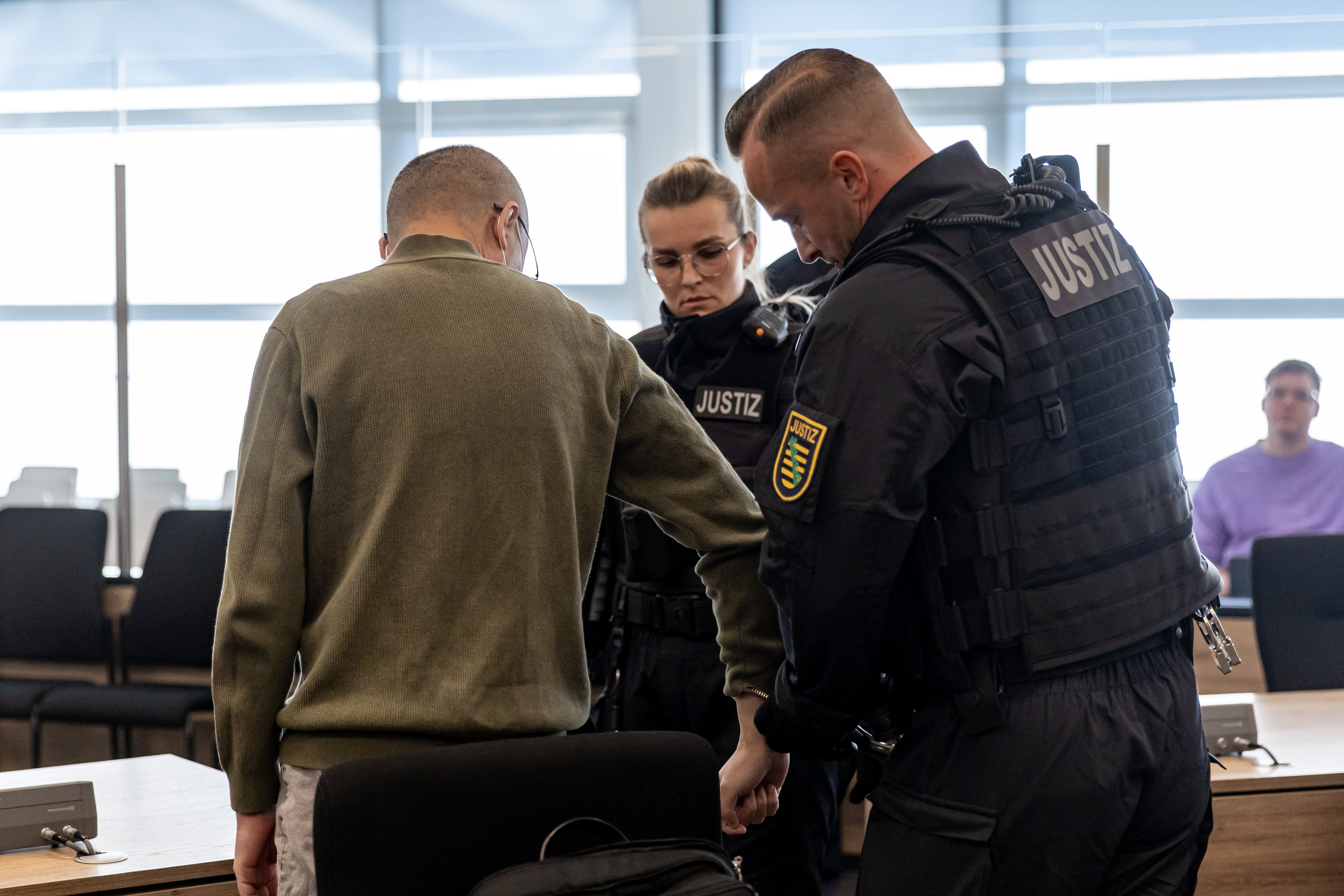
Chinese espionage in the European Union and neighboring countries reveals its full scope when certain pieces are connected. The May 20 arrest in Germany of a German couple of Chinese origin who were taking military-technology information from universities is a particularly notable case. But it is only one of many. The episode exposes a strategy of large-scale, coordinated infiltration when placed alongside other arrests in EU member states and neighboring countries. In total, around 30 agents and collaborators have been uncovered in Europe and its vicinity in just the past two years; some were arrested, several expelled, and others are awaiting trial. China typically denies all espionage allegations and describes them as slander.
Jian G., a German citizen and assistant to far-right MEP Maximilian Krah (of AfD), last September at the Dresden court where he was sentenced to four years and nine months in prison for spying for China.
In a huge warehouse in Geel, Belgium, $9.7 million in contraceptives have been locked up since early 2025. Some 77% of the shipment from the United States Agency for International Development (USAID) was destined for about 10 African countries, including Kenya, Nigeria, the Democratic Republic of Congo and Mali. But when Donald Trump’s administration dismantled the world’s largest development aid organization, these medicines were left stranded, destined either to be destroyed or to expire box by box. About 5,800 miles south of Belgium, in Nairobi, the capital of Kenya, Jane Anyongo, Violet Mosomi, Salma Kamau, and hundreds of thousands of women are still waiting for their pills, condoms, subdermal implants, intrauterine devices, and other sexual and reproductive health supplies.
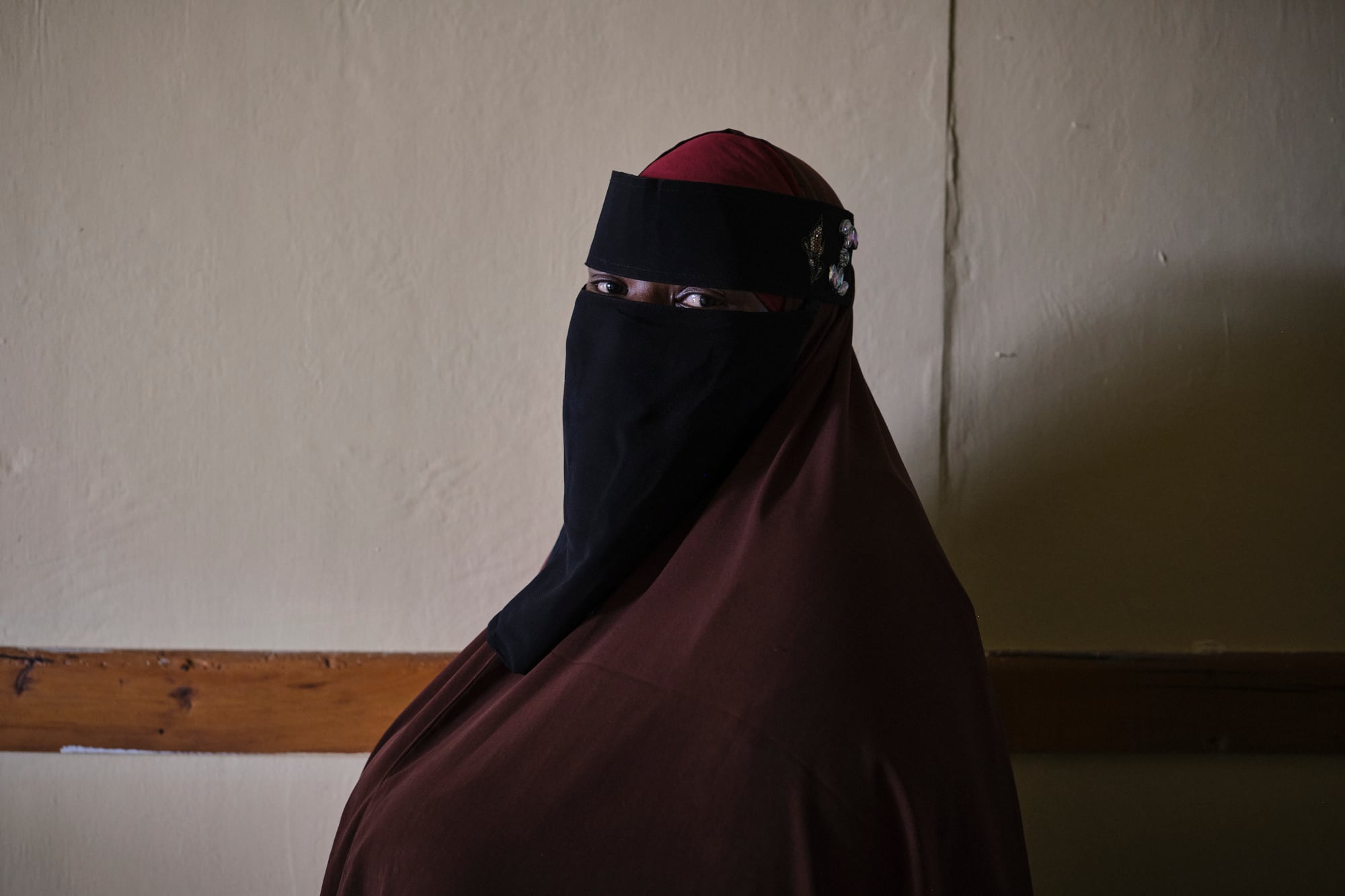
Salma* (32, Nairobi) is another woman affected by the shortage of contraceptives in Kenya. She wants to switch to a copper IUD, but there isn’t enough stock at the Njiru health center.
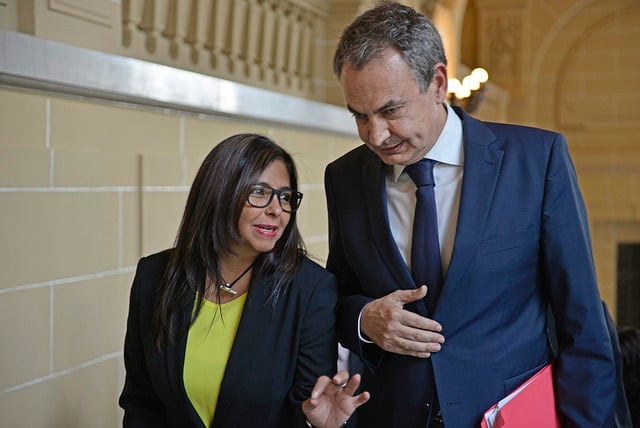
Those were turbulent times. It was November 2024 and Nicolás Maduro was holed up inside Miraflores Palace, the Venezuelan presidential residence. When any foreign leader hinted to him that it might be time to leave power, he answered with a single word: “Never.” The police and intelligence services under his command detained thousands of people who had taken to the streets to protest the electoral fraud that Chavismo had perpetrated in plain view of the world. Protesters had pulled down bronze statues of Hugo Chávez across the country. Prisons were overflowing. The nation was on the brink of rebellion or a bloodbath — or both.
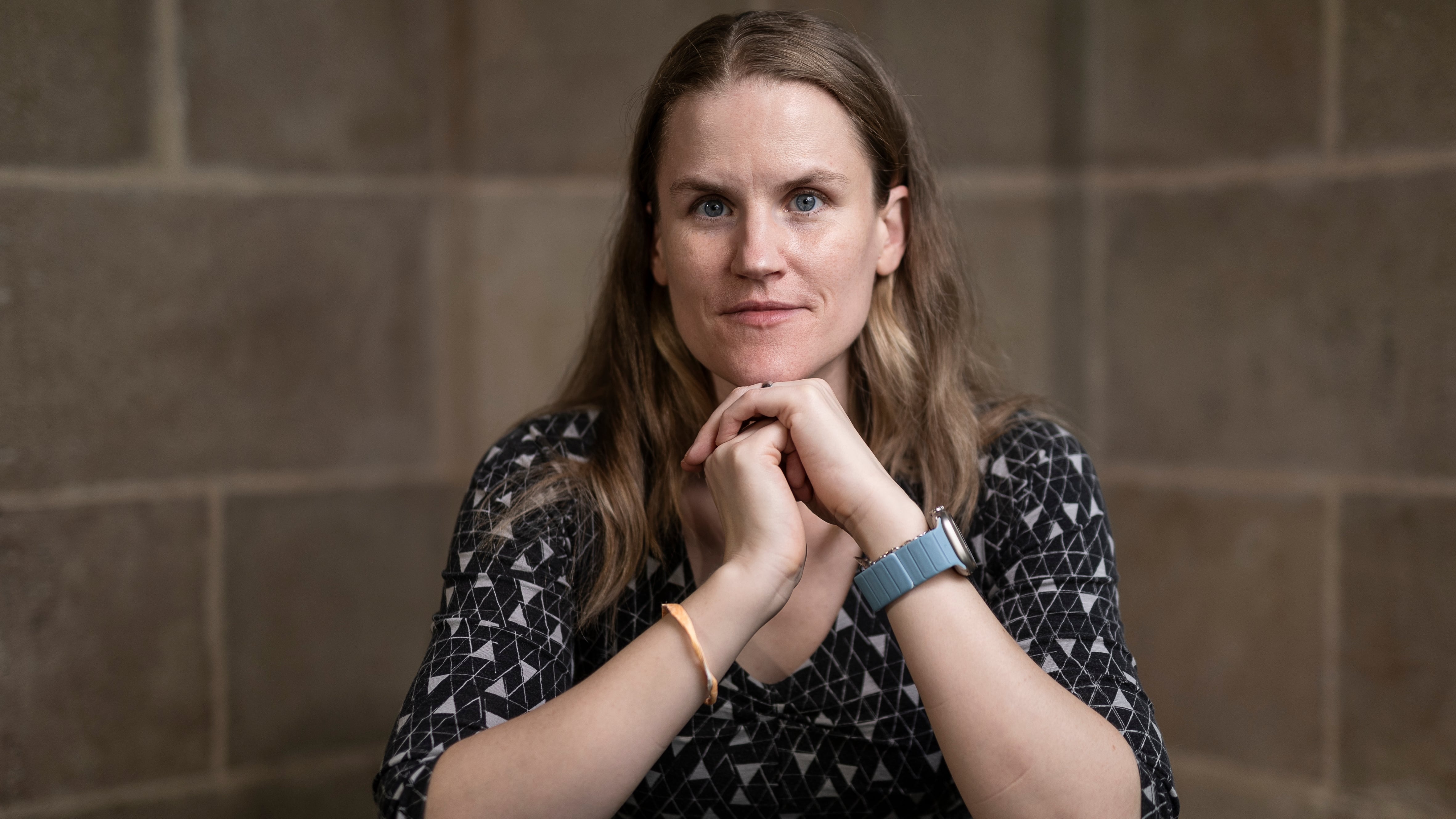
In September 2021, The Wall Street Journal published the Facebook Files, a series of reports based on internal documents from the tech company that, among other things, showed its executives were aware of the harms Instagram and Facebook were causing young people. It was a bombshell. It triggered the biggest reputational crisis for Mark Zuckerberg’s company, which weeks later rebranded as Meta. The person behind it was engineer Frances Haugen, 42, who left her post at Facebook carrying 21,000 internal documents. The U.S. Senate summoned her to testify, and investigations were opened into her revelations.
A friend is upset because you didn’t “like” a photo from her last trip, but the truth is you haven’t even had a chance to see it. Instead of displaying it on your feed, Instagram prioritized showing you ads for food.
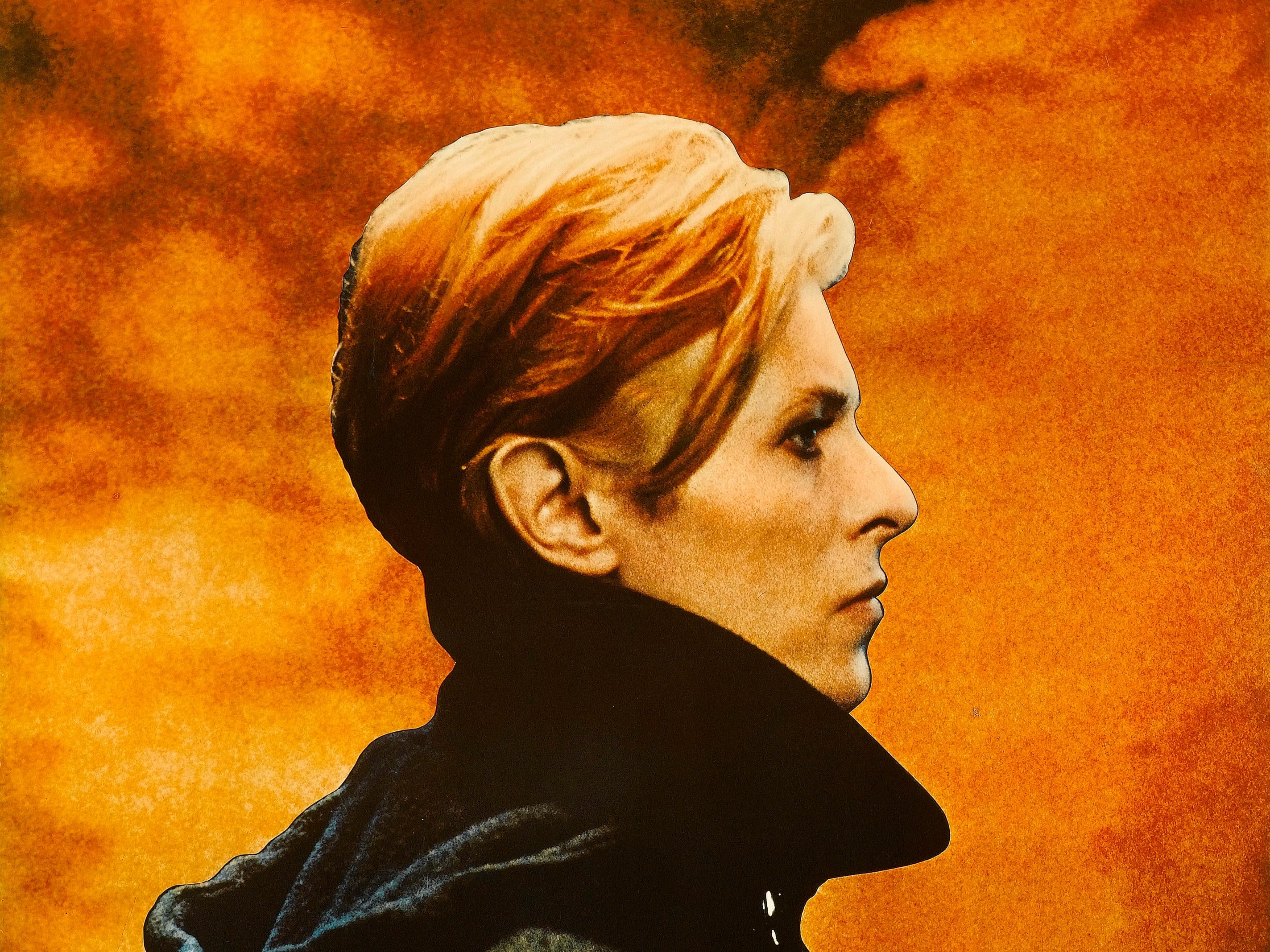
In the early days of 1975, David Bowie was a broken toy. Holed up in his grotesque Los Angeles mansion, the British musician spent his days reading obscure essays on Nazi esotericism, watching television sprawled across a wide Victorian four‑poster, and performing black‑magic rituals inspired by his new hero, the crackpot charlatan Aleister Crowley.
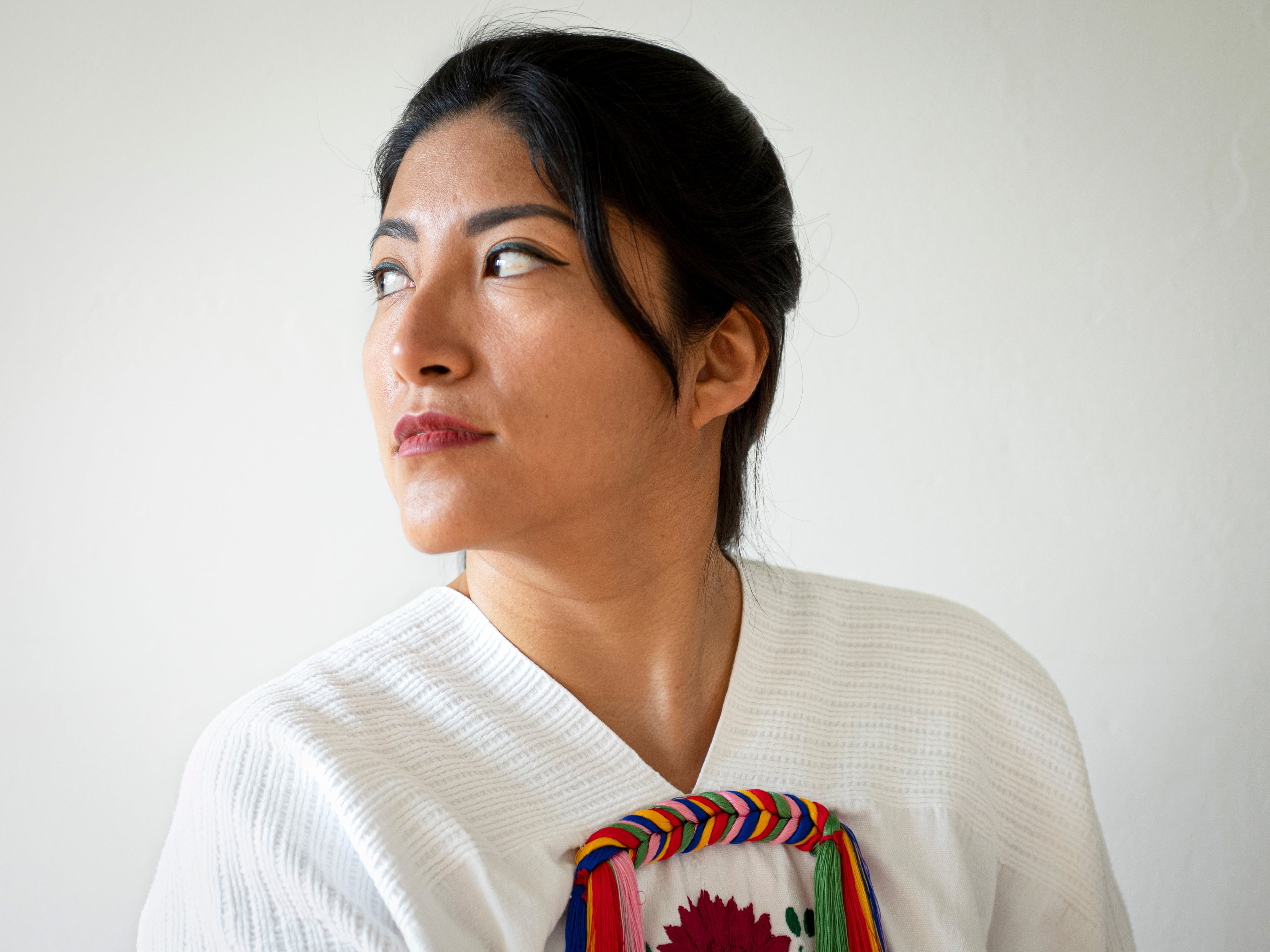
In each photograph by 37-year-old Citlali Fabián, you can find the story of an encounter, as well as an attempt to portray memory with dignity. For her series Bilha, Stories of My Sisters, the artist — who hails from the Yalateca Indigenous community in the Mexican state of Oaxaca — was named Photographer of the Year at the 2026 Sony World Photography Awards, run by the World Photography Organization. This is one of the most prestigious recognitions in her field.
The rhythm, the cadence, is hypnotic. The late-afternoon sun helps: scales flying off the fish flash in a silvery, summery gust. Three young men fall into a soft, steady rhythm — fish, knife, entrails — chop, chop! The day winds down at the pier, and Curaçao — this small, arid island off the northern coast of Venezuela, part of the former Dutch Antilles — now stands out as one of the best ideas conceived since the Big Bang; at times, it may also seem like the opposite: a Caribbean theme park for Europeans and Americans. But not now — it is a kingdom of physical well-being, a haven of tranquility, the soul of the slow world. Guts, scales, salt water, milky sun, rhythm, rhythm, rhythm.
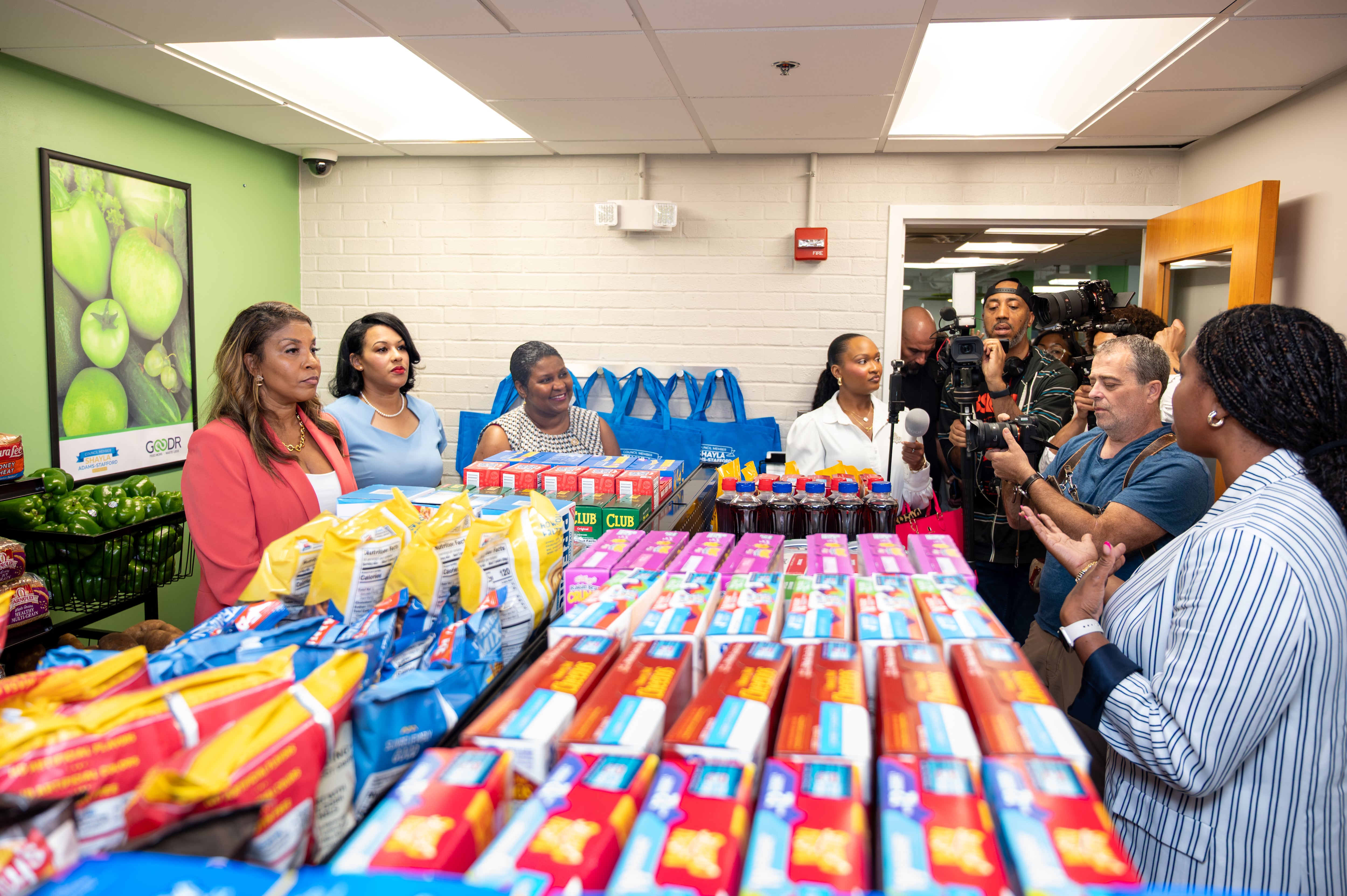
Since May 28, dozens of people have been coming to the Fairmount Heights Library in Prince George’s County, Maryland, looking for more than books. Bread, vegetables, fruit, cereal: the facilities built to feed minds will now also feed stomachs thanks to an initiative by the county’s District 5, which has installed a free grocery store inside the local library. The idea was born to help the neediest families, whose finances have suffered in recent months. In addition to inflation — which has driven gasoline prices to new highs because of the closure of the Strait of Hormuz, and raised the cost of basic goods — the loss of SNAP benefits (Supplemental Nutrition Assistance Program), pared back under the Trump administration, has hit low-income households hard.
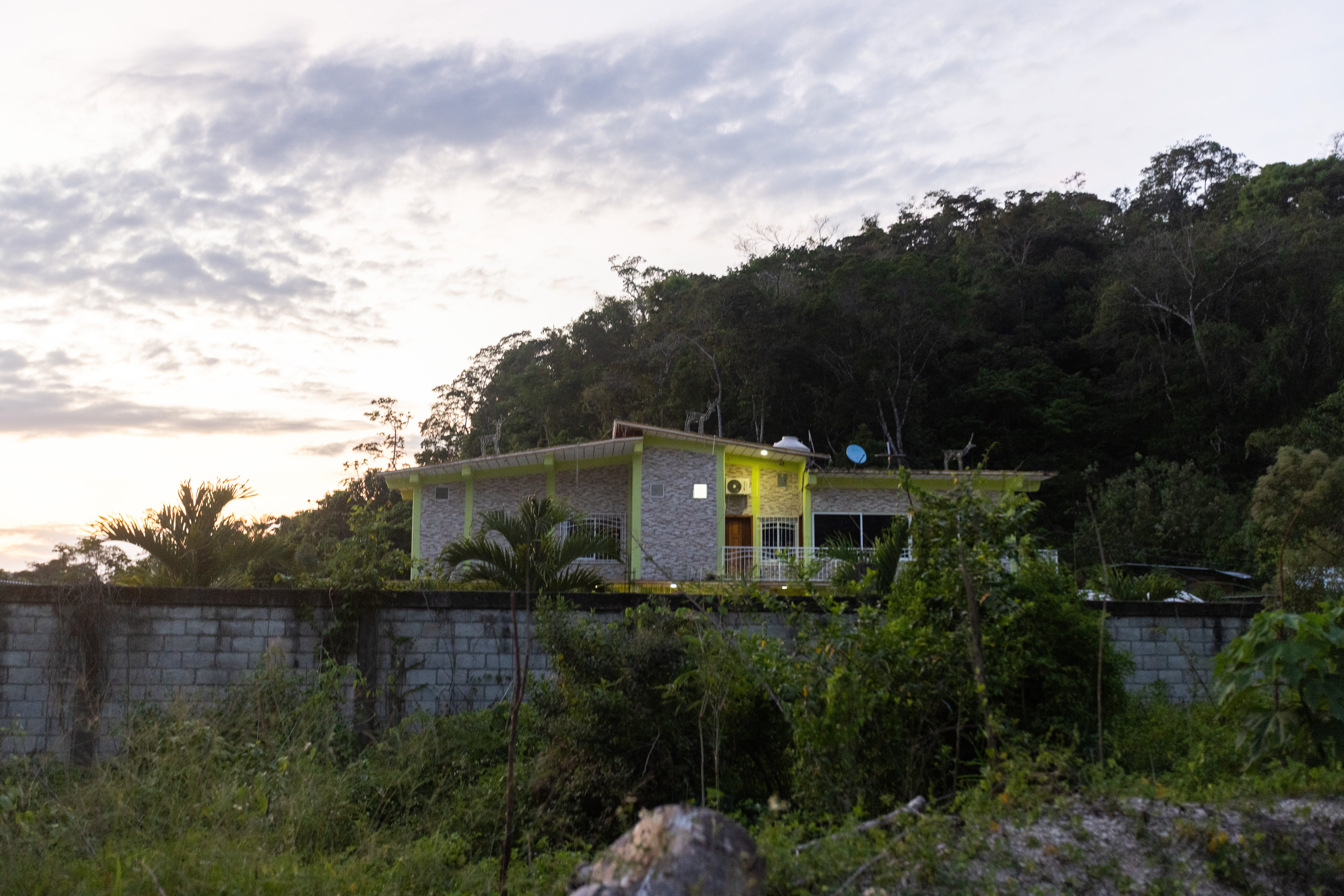
Everything in this story comes back to El Cabra. Everything leads to him, Cabrero Segundo, the “famous Lacandón,” the boss, a man of average height, about five foot five, brown-skinned, with a paunch, a goatee and tattoos: a cross on his left shoulder and a jaguar on his right. An eccentric character. In the film he had made about his life, he cast a hulking actor who was eight inches taller. At the height of his power he built a clandestine airstrip two minutes from his house to receive drug shipments. The night he kidnapped 33 soldiers, disarmed and stripped them — no one in the jungle forgets that — he spent the final hours before dawn snorting cocaine in front of them, using a banknote. El Cabra, a man with ambition.
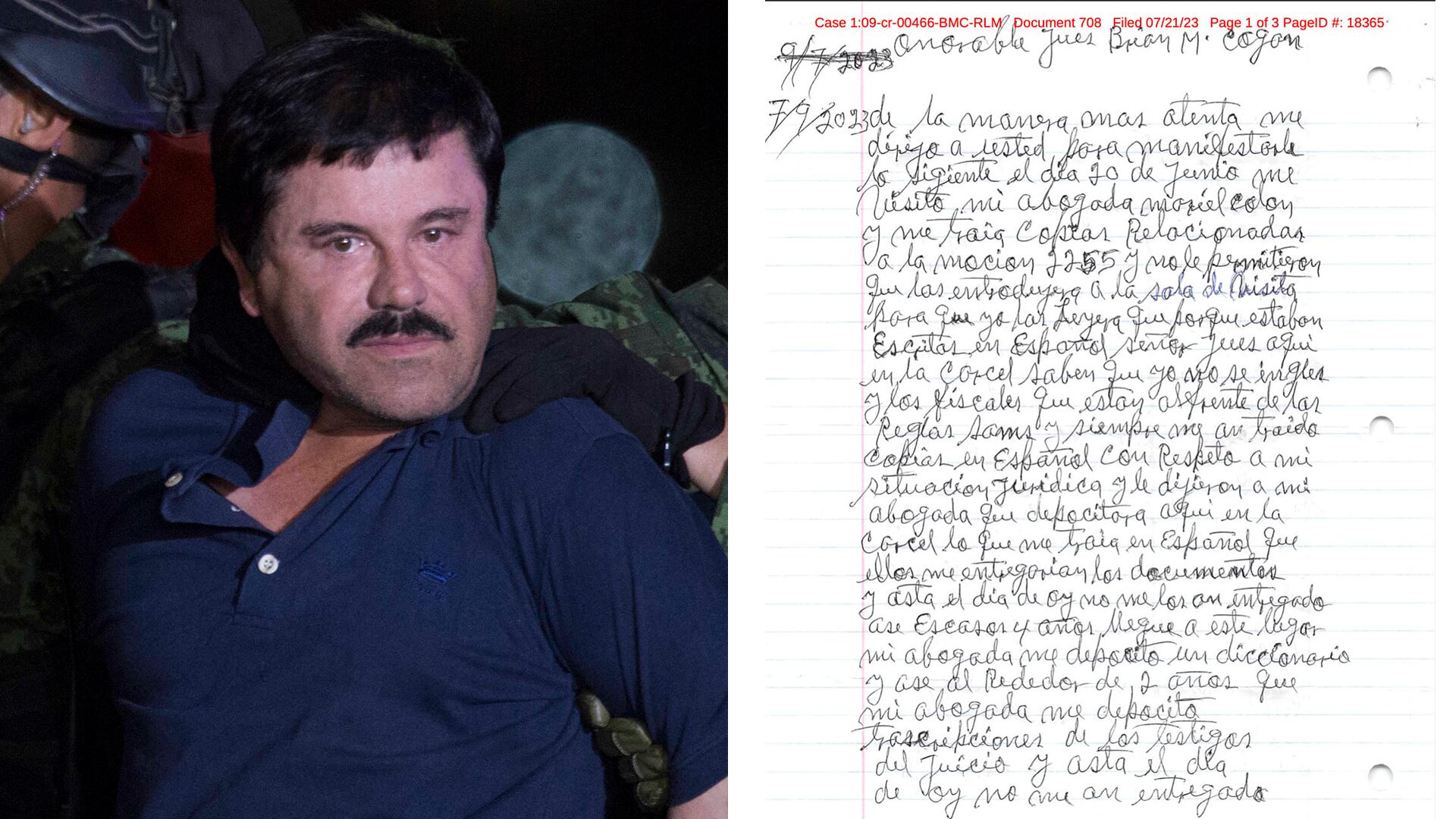
There are two Joaquín Guzmáns. One, known as “El Chapo,” rose to become the world’s biggest drug trafficker. He was feared by his rivals and by the authorities. He spilled the blood of anyone who crossed his path. It didn’t matter if they were members of a rival cartel, or innocent civilians.
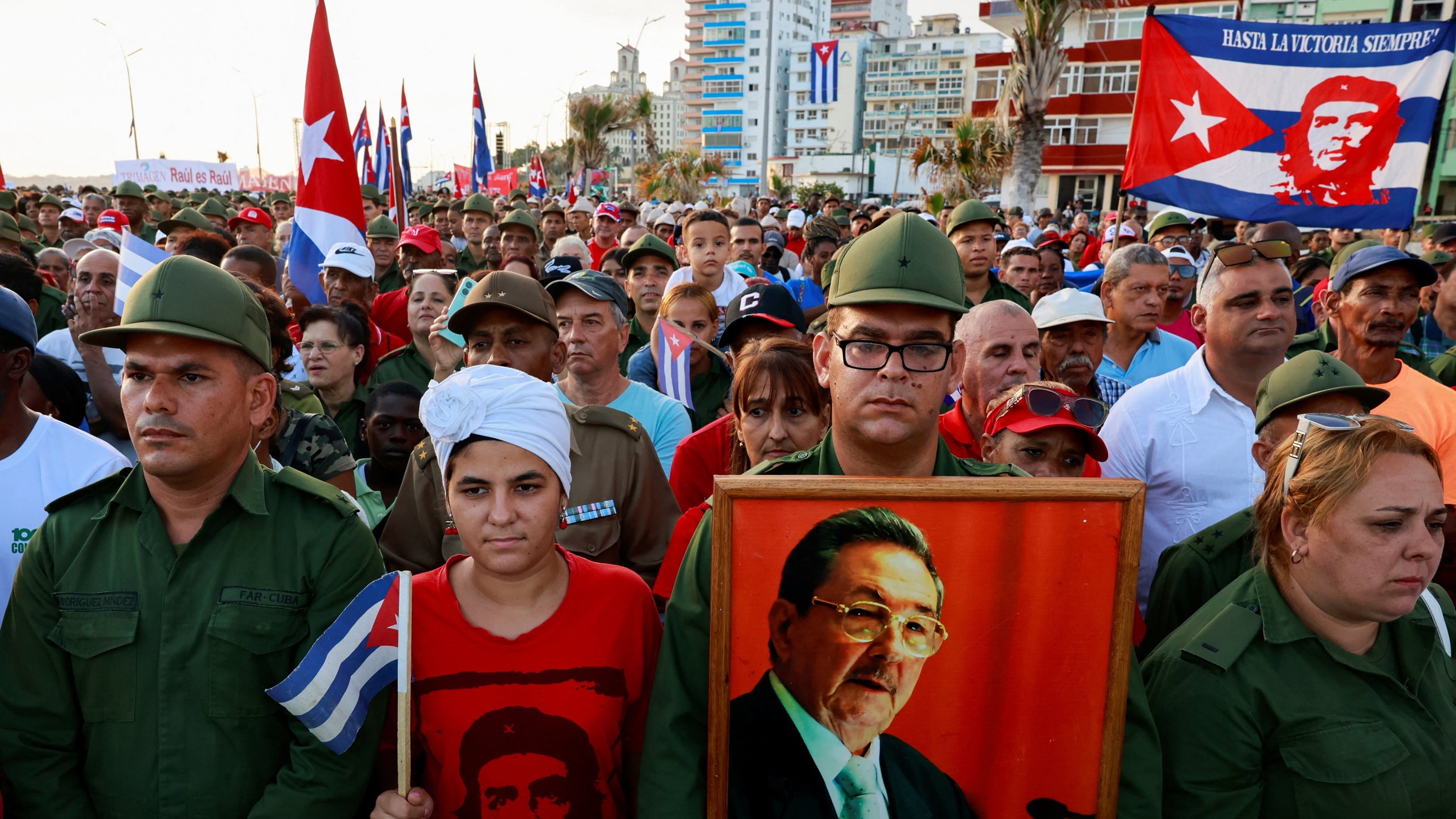
It’s quite possible that the Cuban Revolution will soon die. Just over 67 years ago, it burst forth laden with hopes and redemptive promises. Biblical parallels abounded: there were 12 survivors of the Granma — the yacht that transported the fighters from Mexico to Cuba — and a messiah (Fidel Castro) triumphantly entered the new Jerusalem (Havana). A dove landed on his shoulder as he recited the divine word for hours on end, foreshadowing paradise on earth. Meanwhile, on the other side of the water — the Straits of Florida — the Yankee devil threatened this paradise from hell.
When he arrives at his office in the morning, Rio de Janeiro Police Chief Rita Salim knows that throughout the course of the day, two or three people will come in to report having been a victim of racism. Some will do so after having lived a life of discrimination based on the color of their skin. “Many victims come when they can’t take it any more, the drop that made the cup overflow,” she says in an interview at her office. It’s a sorry state of affairs — but at the same time, there is hope. The veil of silence and shame that historically covered up this kind of discrimination is lifting. Brazil documented more than 7,000 complaints of racism in 2025, 67% more than the year before.
Protesters holding a banner that reads 'It's not soccer, it's racism' during a demonstration in Rio in 2023 following insults and threats against footballer Vinícius Júnior in Spain.
Peter Atwater, a professor of economics at William & Mary in Williamsburg, Virginia, began popularizing the idea of a “K‑shaped economy” shortly after the pandemic began. Analysts were debating on social media what the recovery would look like after the self‑induced coma into which GDP had been plunged, and they floated the usual options: an L (a plunge followed by stagnation), a V (a rebound as sharp as the drop), a W (a renewed recession after a brief uptick)… Though he wasn’t the first to suggest the K. An unknown user — now rebranded as Ivan The K — argued on X (still called Twitter at the time) that the final letter would be a K: meaning some things would recover and others wouldn’t. For Atwater, 65, that message was a revelation that went much further: the more privileged social groups would emerge from the pandemic strengthened in several aspects of their lives, while those at the bottom would be worse off relative to 2019.
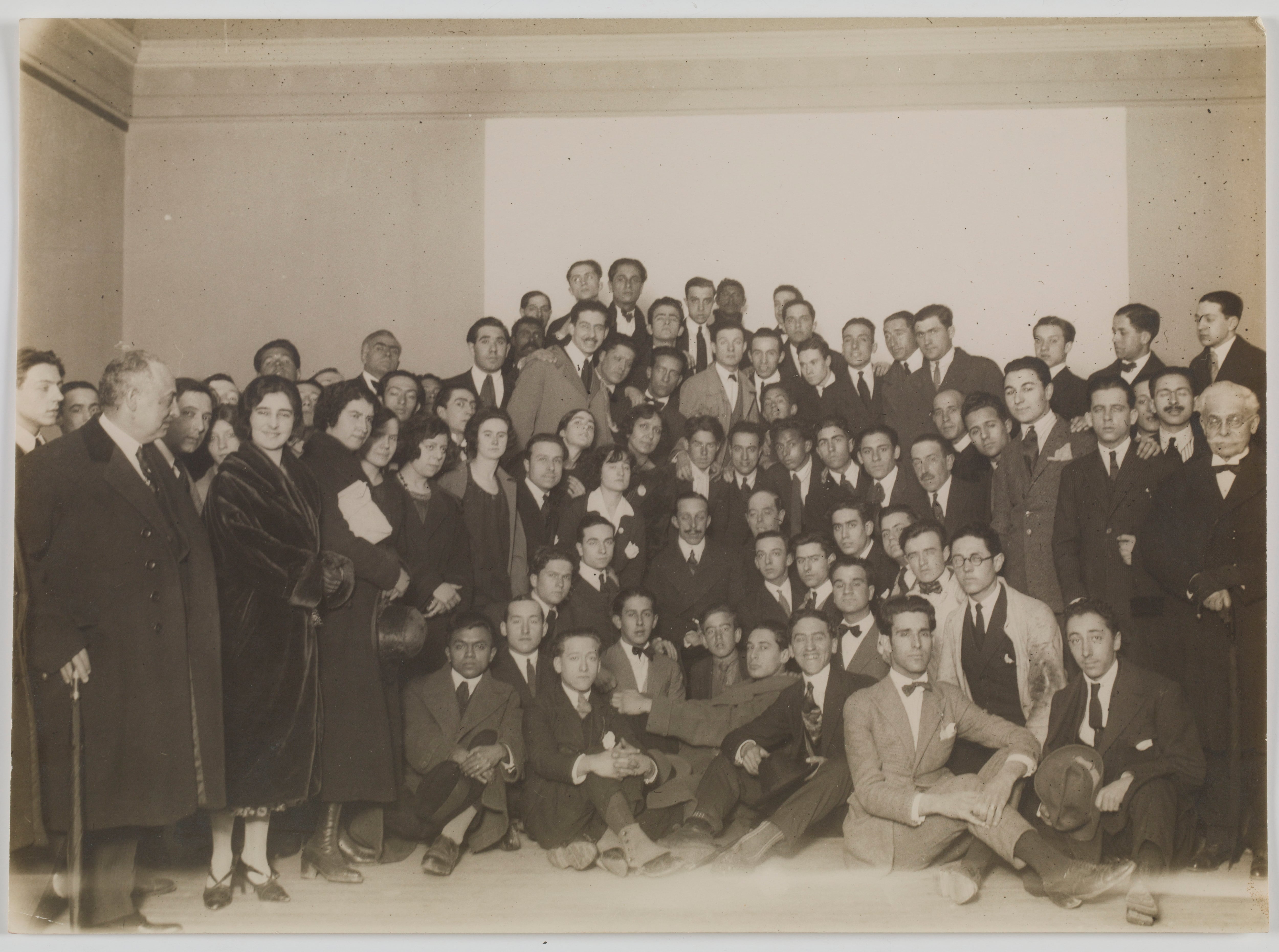
A century has passed since the day that forever changed the life of Salvador Dalí: his second dismissal, this one permanent, from the Special School of Drawing, Sculpture and Printmaking at Madrid’s prestigious San Fernando Fine Art Royal Academy. In such a rigid, rule‑bound environment, Dalí felt out of place — and perhaps for that reason, this academic period has been overshadowed in scholarly writing. What dominates the narrative of those years in Madrid — which he described as the happiest of his life— are his escapades and artistic exchanges with Federico García Lorca, Maruja Mallo, and Luis Buñuel, his companions at the Residencia de Estudiantes, a pioneering cultural and academic residence, and a circle of mutual inspiration.
Salvador Dalí and his classmates at the Special School of Painting, Sculpture, and Engraving (Academy of San Fernando). 1922–1923. GALA-SALVADOR DALÍ FOUNDATION
From left to right, Salvador Dalí, José Moreno Villa, Luis Buñuel, Federico García Lorca, and José Antonio Rubio Sacristán in La Bombilla Park (Madrid) in May 1926.
From left to right: José Bello, José Moreno Villa, Luis Buñuel, José María Hinojosa (seated), María Luisa González, and Salvador Dalí at a meeting of the Order of Toledo at the Venta de Aires (Toledo) in 1924.
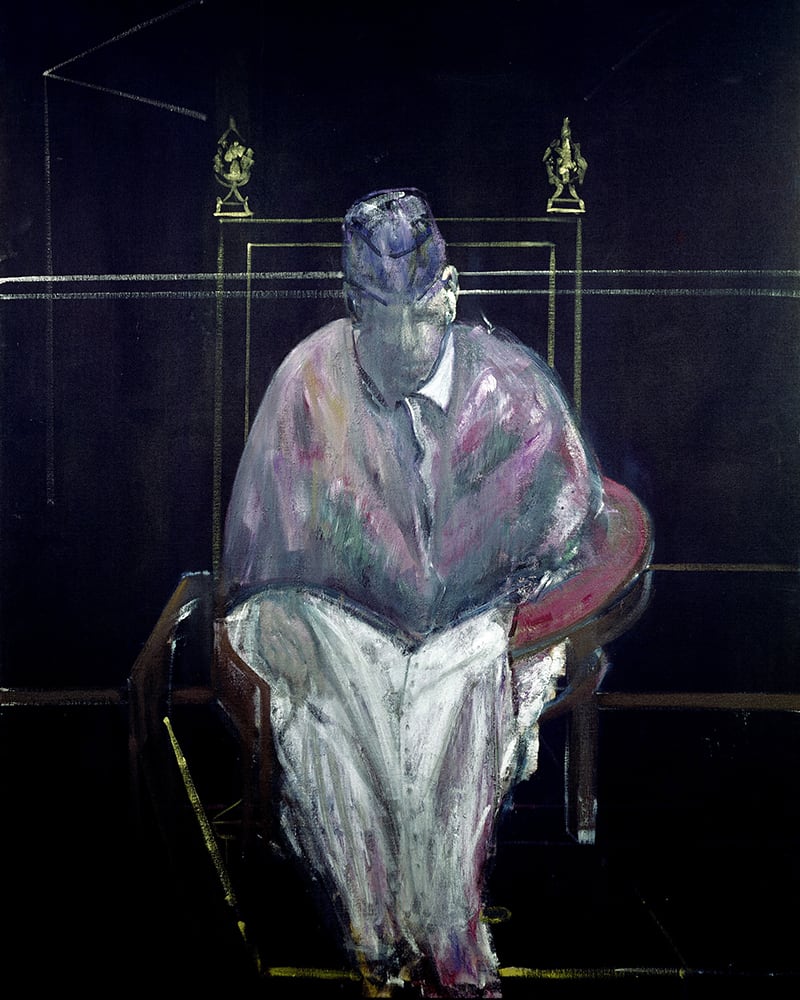
Urban VIII corresponded with Francisco de Quevedo, Alexander VII spent his leisure time as pope writing little poems in Latin, and John Paul II — who had studied St. John of the Cross in his youth — even published a collection of poems, Roman Triptych (2003), while still occupying the Chair of Saint Peter.
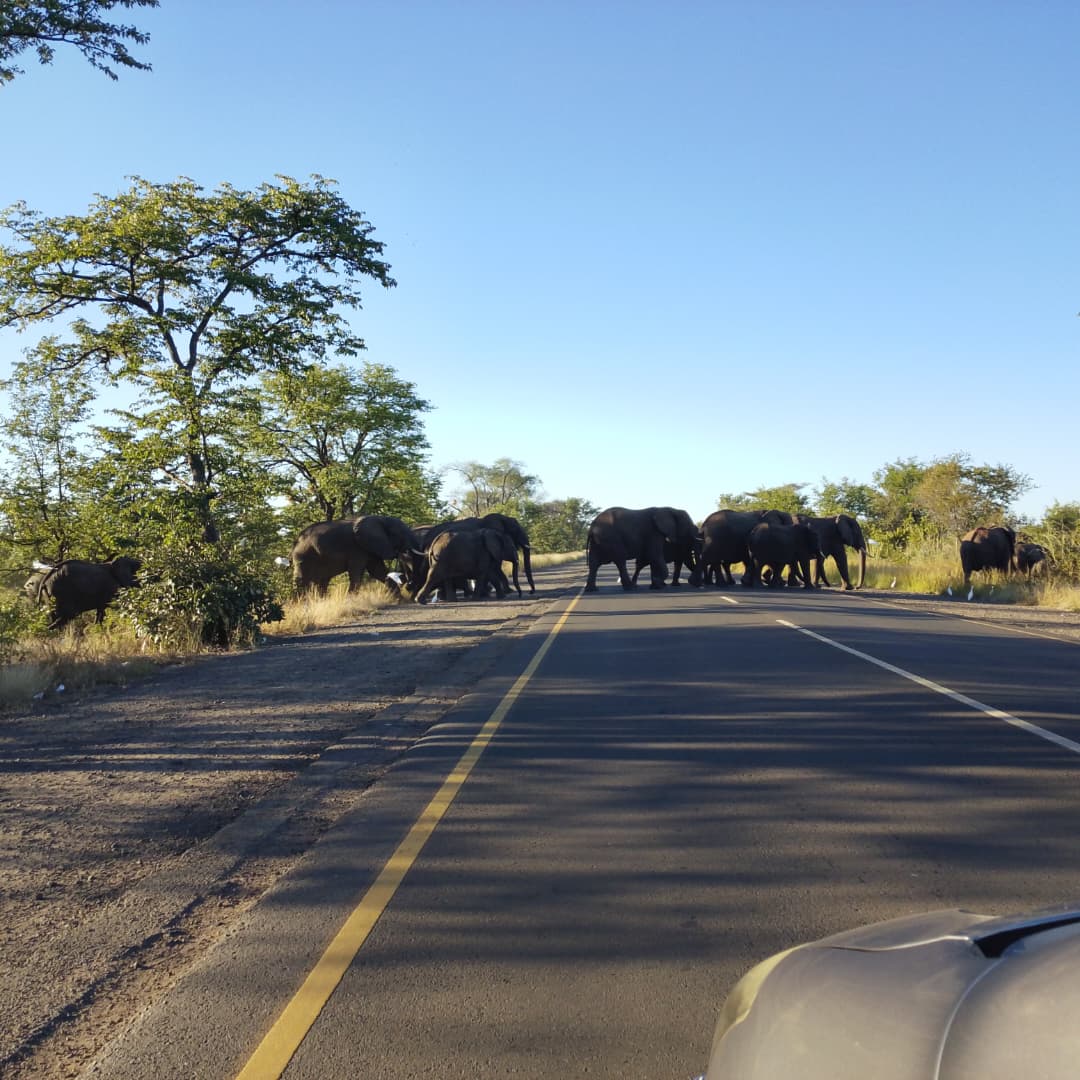
Veronica Akabondo had worked from dawn to dusk for months on her farm in southern Zambia and was confident she would have a plentiful maize harvest. But one morning she woke up and found it all gone. The culprit? A herd of hungry elephants.
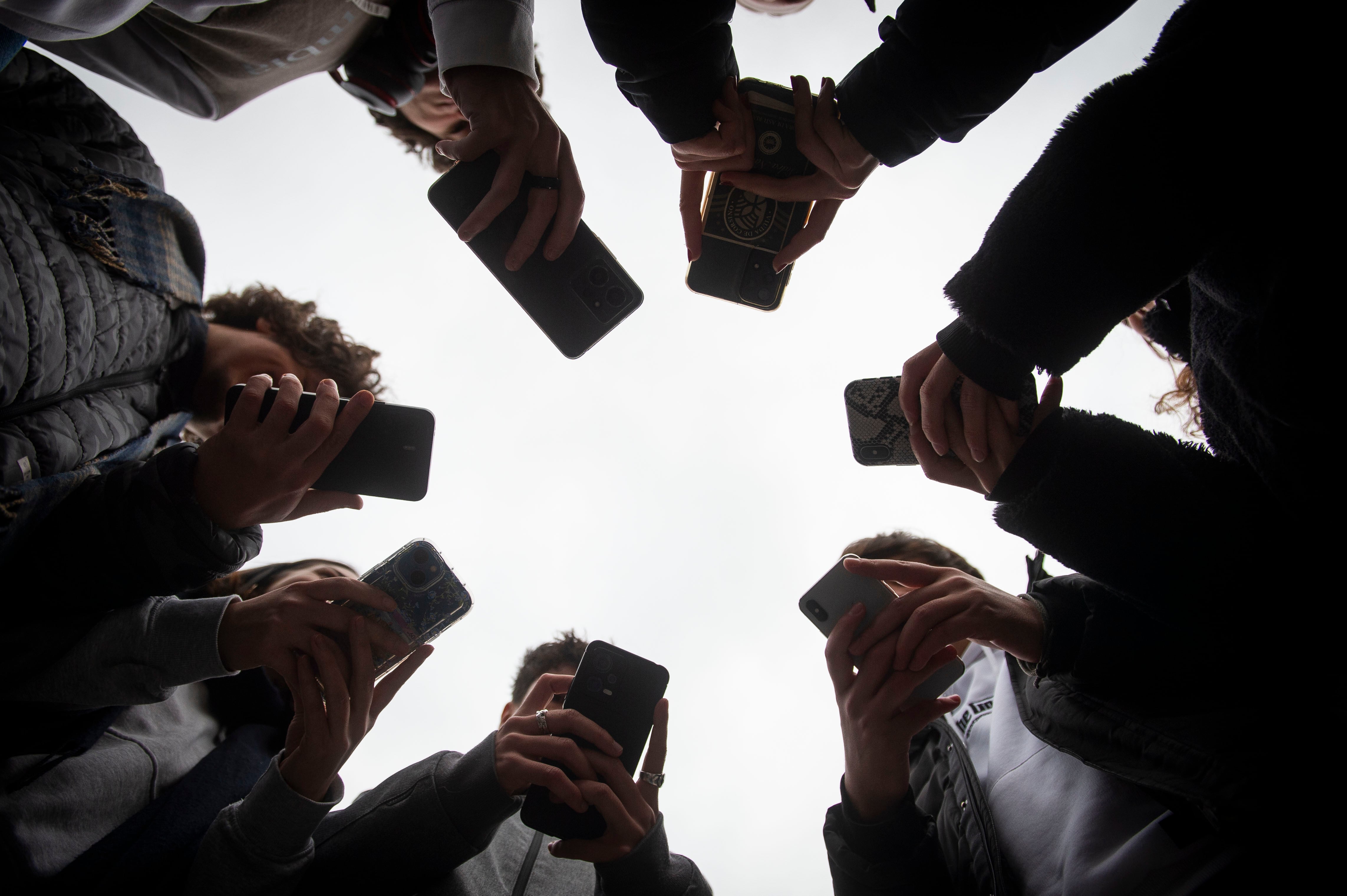
TikTok executives decided not to disable notifications during school hours, ignoring recommendations from their own safety team, and paid millions of dollars to parents’ and teachers’ associations to promote the social network in schools. Snapchat sent alerts to teenagers while they were in class urging them to share what was happening in the classroom. Google executives knew that YouTube was recommending videos to students during the school day that were unrelated to their lessons. Meta paid “teen ambassadors” to promote Instagram and hand out gifts to their classmates.
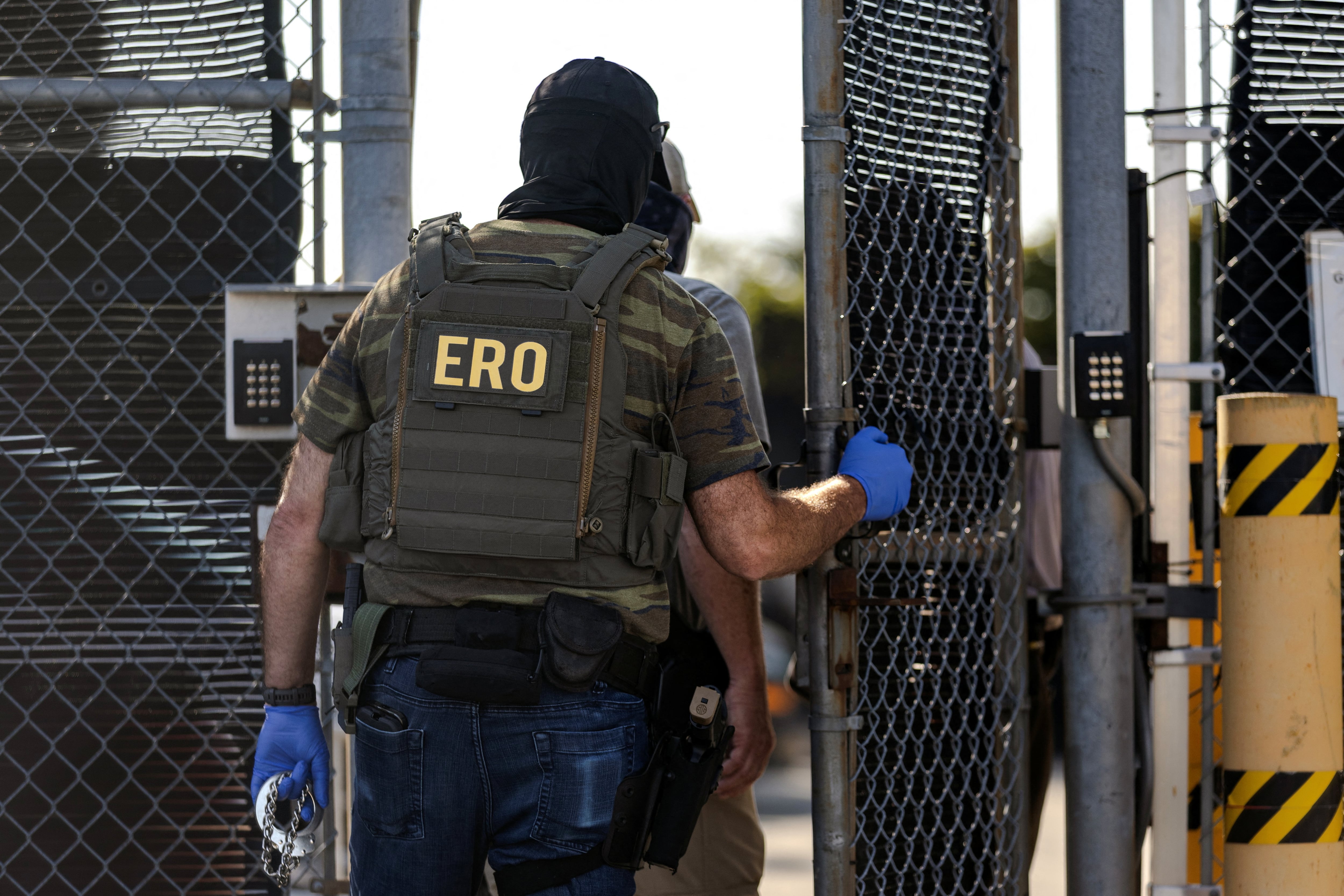
Amid growing scrutiny over the rising number of deaths in immigration detention, the Trump administration has eliminated a policy that required U.S. Immigration and Customs Enforcement (ICE) to investigate and report the deaths of detainees that occurred within 30 days of their release.
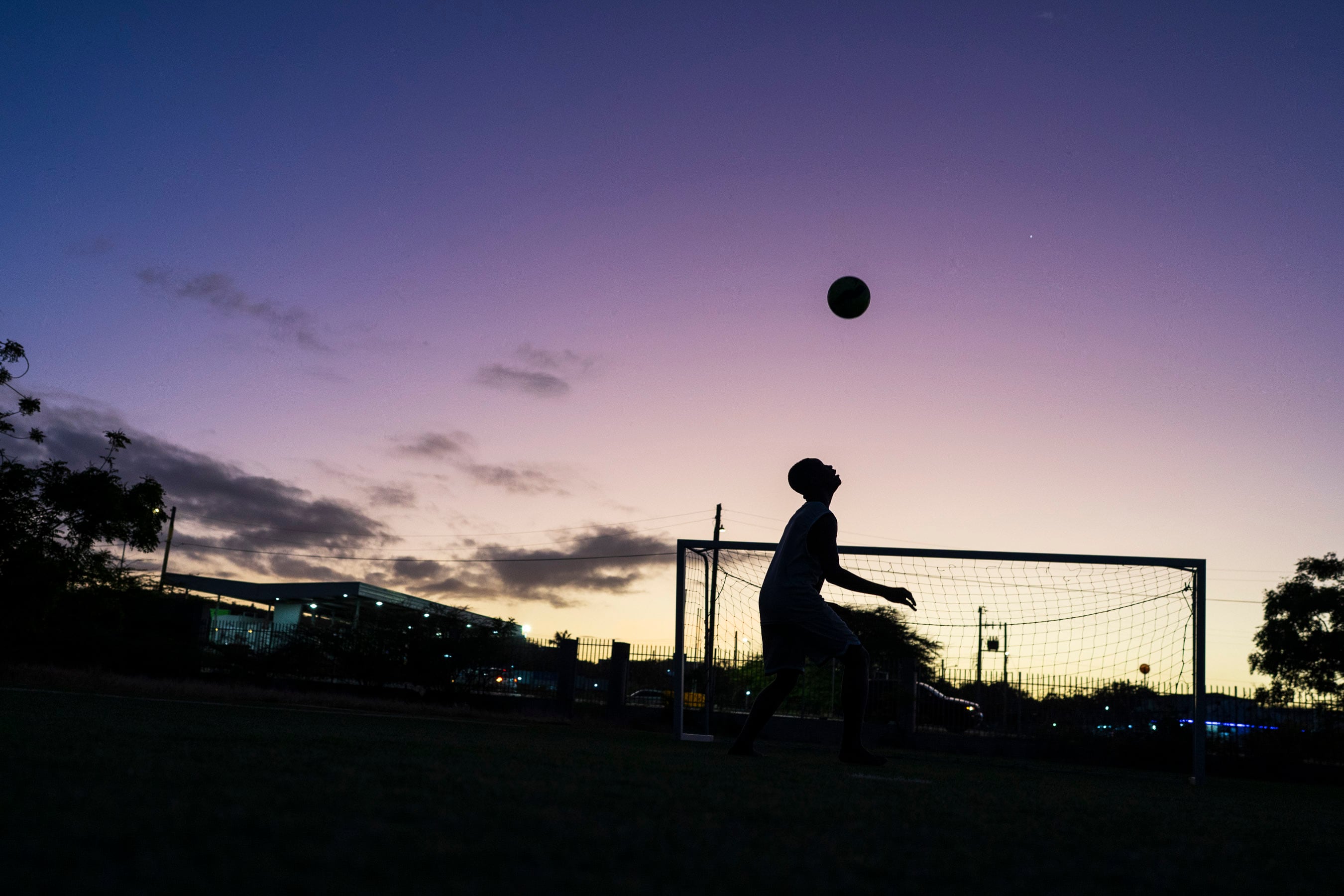
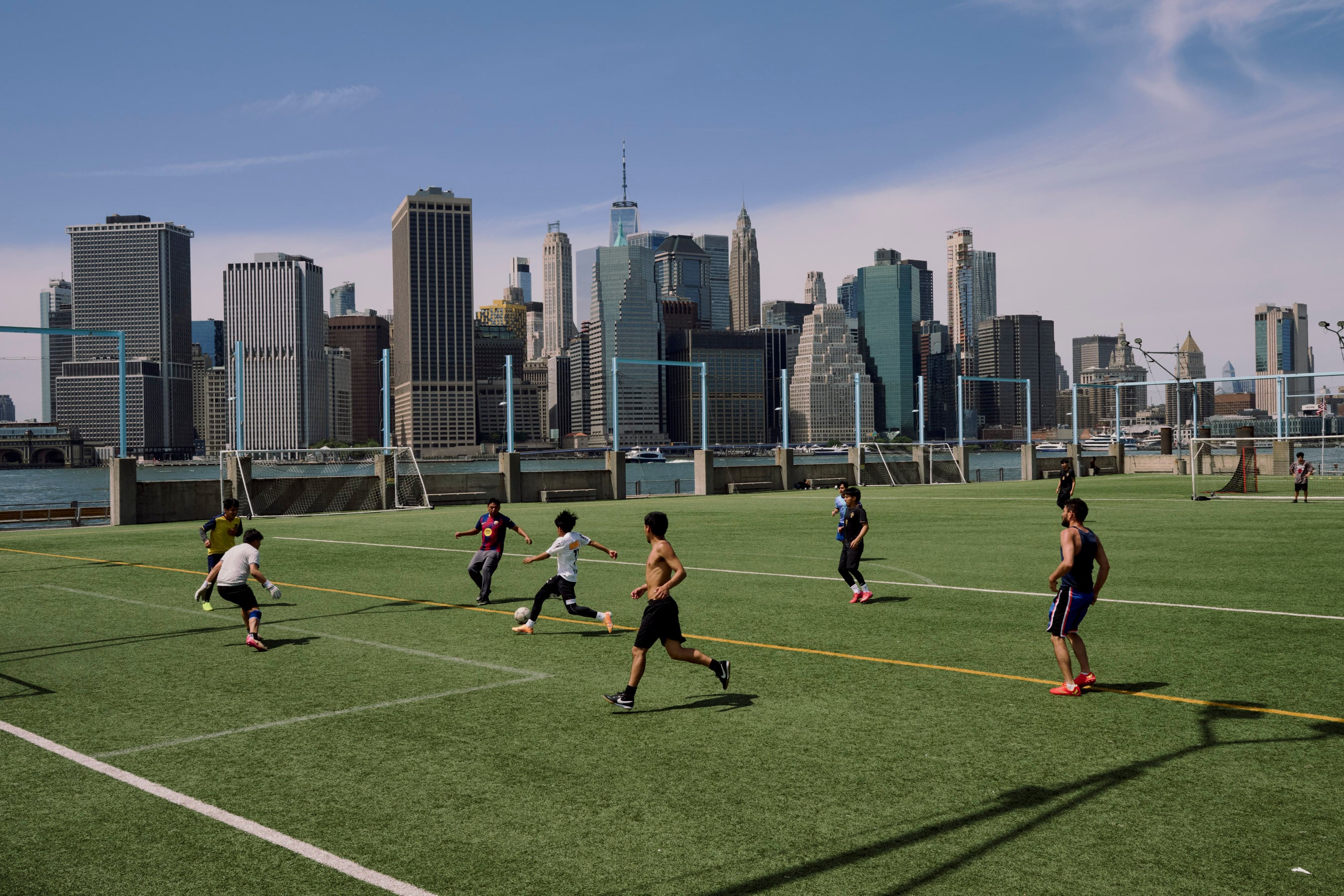
The first time U.S. soccer legend Tab Ramos played on a team in the country he had just moved to from Uruguay, Argentina was the reigning champion of the 1978 World Cup and the boy was thrilled that the jersey he was given, the Harrison Rec kit, was orange “like the Dutch one.” Ten minutes in, the coach took him off the field: he was too good to compete with that group. He was 12 years old.

 Login
Login