
Normal view

Ukraine: Why the long war?

9 June 2026 at 17:09
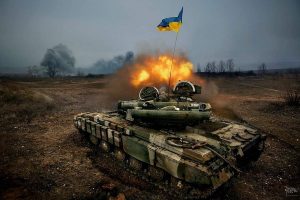
Ukraine at war; weapons from all over the world (Flickr)

Ukraine at war; weapons from all over the world (Flickr)

Half way through the fifth year of the war in Ukraine it is reasonable to ask why it has lasted so long. Why has Russia not crushed Ukraine quickly as expected, it is after all a much bigger country with a far greater population and industry to call on?

Robert Harneis (DR)
Robert Harneis (DR)

By Robert Harneis

It is standard for the Western Media to talk of deadlock and to say that the Russians are not advancing because their armies are incompetent, when they are not drunk or poorly equipped. At regular intervals Western media announces that the Russian side is running out of ammunition, missiles, drones, tanks or even men. In short they are not advancing in overwhelming force to capture Kiev because they are incapable of doing so. The latest fantasy in the US, UK and European media, is that the Russian economy is crumbling in the face of the problems created by the war and sanctions.

Russia’s self-imposed restrictions

President Putin imposed severe constraints on his generals from the start. They are, to an extent, fighting with one hand tied behind their backs. Contrary to the endless claims by the Western media, the Russian forces do everything they can to avoid civilian casualties. This in borne out by their low level throughout the war. In a recent massive attack involving 1500 missiles and drones right across Ukraine, only six civilians were reported killed. It is only natural that this should be so. Russia regards Ukrainians as brother Slavs. Approximately one fifth of Russian families have close relatives in Ukraine. The brother of the Ukrainian Commander in Chief is a colonel in the Russian army. They have no interest in killing them, if it can be avoided, especially as they will have to live with them after the war.
The second restriction is the requirement to avoid heavy casualties amongst their own forces. Wars are lost on the home front when the body bags start coming home in big numbers. The constant allegations in the Western media that Russians launch human wave attacks and suffer heavy casualties doing so, are false. This desire to restrict losses is reinforced by Russia’s demographic problems. Lives are precious.
The third restriction that Putin has imposed on his generals and ministers is that the war will not stop Russian economic progress, vital for political stability. Of course it goes without saying that it is not possible to fight a major war without financial and budgetary stress. An example is the necessity of delaying the naval building program as a result of which only sixteen corvettes have been built out of the forty planned. This has made it more difficult for Russia to protect its merchant fleet and stop the current harassment of oil tankers. On the other hand the management of the economy has been a classic case of successful military Keynesianism as with the United States in World War II. Throughout the war real wages have risen and economic growth has been maintained. Unemployment is at record low levels.

Tactical considerations

There are other less obvious reasons for hastening slowly. If Moscow’s war aims are denazification and demilitarization then the longer the fighting goes on the more of the Ukrainian military is eliminated, especially the elite ultra-nationalists who are Ukraine’s most committed soldiers. The effect of the manpower attrition is obvious from the many videos appearing on social media showing Ukrainian press gangs snatching citizens from the street, often with violent resistance.
Further by keeping the fighting in the Donbass, the invading Russians have short lines of communications, whilst Kiev’s main bases are over a thousand kilometers away in Poland, with supplies at risk of constant air attack on their way to the front. Paradoxically then, the invading force has better lines of communications than the defenders in their own country.
The wish to avoid destruction is another explanation for Russian circumspection. It is obvious that the retreating Ukrainian army is indifferent to the damage it causes to the cities it loses. The greater the area of the fighting the greater the destruction that Russia will likely have to rebuild after the war. Better to ground away the Ukrainian ability to resist and if an advance into the rest of the country is needed, to wait until effective military resistance has collapsed.
However an undoubted factor in the slow Russian progress is the nature of the great Donbas urban area, which was massively fortified with NATO assistance over eight years after the 2014 coup d’état when Ukraine moved definitively into the Western camp. Whatever plans the Russian government may have for the rest of Ukraine, especially the Black Sea Coast, the source of many missile attacks on Russia, they will not wish to make any major moves until the Donbass is firmly in their hands. Two important fortified towns remain to be captured Kramatorsk and Slavyansk. Russian forces are already approaching them. It remains to be seen how long it will take to break their resistance.
We cannot know what President Putin and the Russian High Command are thinking but it is also obvious that by not committing to a major offensive Russia not only avoids casualties but retains the strategic initiative. Hundreds of thousands of Russian troops are held in reserve. Uncommitted forces are a potential threat as well as being available for defense elsewhere if needed.
The Russians will also have learnt the bitter lessons of the US army that quickly smashed its way into Afghanistan and Iraq but was unable hold the territory conquered in the face of tough local resistance. Already, at the beginning of the war in March 2022, the Washington Post published an article that assumed a quick Russian advance and talked about the planned guerilla resistance. There is every reason for Russia to move gradually and consolidate as it goes.

The diplomatic front

There is also the diplomatic aspect, which is of vital importance to Russia. Moscow views the struggle in Ukraine as part of a world confrontation. It has been clear from the start of the war that whilst the West and Kiev worry about public opinion to get support for the war, Russia is concerned about what he world’s diplomats think. Good relations with India and BRICS countries and especially China dictate moderation at all times. A shock and awe approach, whilst it might get quicker results, would have offended much international opinion and unfavorably reminded the world’s diplomats of the Soviet Union, something Putin wishes to avoid at all costs. Similarly Russia is very patient with small countries on its borders that indulge in vexatious provocations, notably the Baltic States… so far. The contrast with the brazen bullying of Venezuela, Cuba, Greenland and Iran by the United States is striking and has had an effect on world public opinion. The recent humiliation of Merz’s new militaristic Germany in the recent United Nations General Assembly vote is a striking example of the success of this softly softly approach, as is Russia’ success in expanding its influence in Africa from Mali to Madagascar.
Also on the diplomatic front, with a long war, the Black Sea remains closed to the warships of outside countries under the Montreux Convention of 1936, which governs traffic through the Dardanelles strait. The convention allows Turkey to close the straits to all warships in times of war and to permit merchant ships free passage. This suits the Russians as NATO likes to flex its muscles by bringing warships into the Black Sea in times of international tension. For four and a half years they have not been able to do this. Once the war ends, Turkey will have to let them through again. Another reason why the Russian forces have taken their time.

The change in the nature of war

Every war is different and brings its surprises. The drone revolution has transformed this one. The omnipresence of drones is all the more deadly, given the absolute impossibility for both sides, of hiding concentrations of troops, thanks to satellites that see pretty much everything happening on the ground. So now advances are made by small groups of infantry that infiltrate defenses that are then taken out by artillery, drones and missiles. Slow work if casualties are to be kept to a minimum.

NATO intervention

NATO intervention, with a huge supply of arms, finance and electronic intelligence, after sabotaging the peace talks, has increased Russian difficulties in defeating the Ukrainian army,. It is this that definitively imposed the choice of a long slow war of attrition on the Russians – a war that Russia is clearly winning. Not only have Ukraine’s forces been degraded in this process but NATO’s as well. One reason the United States has reduced arms supplies to Kiev is that they are running short. This became very obvious when Washington’s priority turned to the defense of Israel. The Pentagon has had to search the globe, asking allies as far apart as South Korea and Germany to hand over any Patriot air defense missiles they might have. The US air force is seriously short of vital stand-off munitions to attack Iran. The result for Kiev is that it has little defense industry of its own left and NATO has completely failed to match Russian weapons production levels.

Russian rearmament

It is also obviously the case Russia needed time to build its army to its present strength, as well as arm and equip it. Russia has greatly increased its military production across the board. This has been possible because of the continued existence of much of the old Soviet military industrial infrastructure on Russian territory. Whilst the combined Western nominal GDP greatly exceeds Russia’s, when it comes to purely military industrial capacity Russia is well capable of holding its own. Tank production and reconditioning has increased from a few hundred to more than a thousand a year. The United States can barely produce one hundred new Abrams tanks each year. Russia alone now produces over five million drones each year. Importantly Russia is fourth in the world in the number of STEM students graduating annually after China, India and the United States.

Irreconcilable differences block peace talks

Putin’s latest statements indicate that the Russian government is not interested in a ceasefire that fails to solve its Europe wide security problems. The United States does not want to lose face in Ukraine, particularly after its recent military failures in Afghanistan and now Iran. It also wants to continually weaken Russia. Europe is determined to persevere in its support for Ukraine despite the major economic and energy problems they have created for themselves. The statement from the latest meeting of the leaders of France, Germany and the United Kingdom, on June 7, refers to the need for a peace treaty that leaves Ukrainian frontiers unchanged. Clearly something Russia will never accept. Brussels sees failure in Ukraine as a threat to its plans for ever greater union, even the institution itself. Against this background it is not surprising that there have been no meaningful peace talks. As Josep Borrell former EU High Representative for foreign affairs commented at the beginning of the war, it will have to be settled on the battle field and that takes time.
Finally in Ukraine, whilst the people would agree to negotiations with Russia, the regime and its ultra nationalist supporters know that if there is peace and Russia wins there is no future for them. Putin’s final phrase in his recent speech at St Petersburg Economic Conference “Keep on fighting my comrades” is ominous for Zelensky and his neo Nazi colleagues. It is a reference to a famous quotation, the last words of a Russian policeman knowing he was about to die at the hands of terrorists. It reflects the Russian leader’s determination to focus Russian society in a patriotic way and finally settle the Ukrainian problem for good. He has used the long war to encourage a new generation of Russian leaders based around distinguished war veterans. This has been accompanied by a determined anti-corruption drive. None of this would have been possible without a long war.

However that may be, the Russian President is coming under increasing pressure to move faster. Like the US, Russia has parliamentary elections approaching in the autumn, September of this year, and there are signs that the tempo is quickening all along the front line. The long war has had advantages for Russia but it may be time to bring it to a close, whatever the cost.

L’article Ukraine: Why the long war? est apparu en premier sur FrenchDailyNews.

The Lyhanna case: open season on judges

9 June 2026 at 14:56
Justice (Pixabay)

Justice (Pixabay)

The disappearance and subsequent death of 11-year-old Lyhanna, whose body was found on June 4 in an agricultural silo in the Gers region of southwestern France, has triggered an unprecedented institutional crisis in France. Politicians are shifting blame onto judges, who are doing what they can with the resources available to them.


France’s judicial institution is facing both genuine operational failures and unacceptable political exploitation. By offloading their own responsibilities onto judges and prosecutors, neither Justice Minister Gérald Darmanin nor Interior Minister Laurent Nuñez is likely to emerge from this ordeal with enhanced credibility.

A troubling case file

The facts currently known in the Lyhanna case are undeniably damaging to the judicial system. The primary suspect, a 41-year-old man and the father of one of Lyhanna’s classmates, had an extensive judicial and administrative record before being formally charged with kidnapping and unlawful confinement of a minor under the age of 15.
Several complaints and reports had already been brought to the attention of the relevant authorities. One of the most sensitive aspects of the case involves a complaint filed on August 22, 2025, by the mother of a child alleging repeated sexual assaults. On September 11, a medical report reportedly identified findings described as consistent with the child’s statements. Yet the suspect was never interviewed before Lyhanna disappeared on May 29.
This timeline raises a fundamental question: why did a complaint alleging the rape of a minor, supported by medical evidence, fail to result in an interview of the suspect before the tragedy occurred? This question goes beyond the understandable public emotion surrounding the case and requires examination of how criminal investigations are actually processed.

The justice inspectorate faces major questions

Justice Minister Gérald Darmanin has ordered a systematic review of 70,000 complaints involving children by July 14. A general administrative inspection is currently underway to determine whether delays, errors, or procedural failures occurred in the handling of cases involving the suspect.
This directive from the Ministry of Justice responds to both political and moral urgency. Its purpose is to ensure that no comparable case is sitting unattended in an investigative unit or prosecutor’s office, particularly those involving rape or sexual abuse allegations. At the same time, it reflects a clear lack of confidence in the ordinary functioning of France’s criminal justice system.
The major challenge following this review will be actually processing those complaints: interviewing suspects, verifying testimony, prioritizing investigative actions, and making the necessary judicial decisions. Without additional operational resources, the scope of the problem may be revealed without being solved.

Judges and prosecutors thrown to the wolves

Frédéric Chevallier, Chief Prosecutor of Chartres and president of the National Conference of Public Prosecutors, has spoken out in defense of prosecutors while acknowledging that the case demands answers. His comments reflect the intense pressure currently weighing on the judicial institution.
On one hand, he rejects the idea that “judges and prosecutors should be thrown to the wolves” in response to public outrage. He stresses the need to avoid premature conclusions before inspections are completed, urging public officials to “keep a cool head.” His central argument is that no serious conclusions can be drawn before the entire chain of events has been reconstructed.
On the other hand, Chevallier has not ruled out individual responsibility, noting that “judges are not beyond accountability.” This cautious approach is intended to prevent the Lyhanna case from becoming a public trial of an individual magistrate or prosecutor’s office before investigators have completed their work.
Yet this institutional defense remains fragile. Explaining that the courts are overloaded, that investigative services are overwhelmed, and that prosecutors constantly triage competing emergencies only partially addresses families’ concerns. When a child dies and prior warnings existed, the judicial system must be able to explain why certain procedures moved so slowly and whether individual decisions contributed to an identified risk.

The impossible equation of priorities

Prosecutors point out that they are managing enormous backlogs of cases. Chevallier referenced not only the 70,000 complaints involving minors now under review, but also millions of cases of all types awaiting action within investigative services.
This argument reveals an institution that is clearly overwhelmed, at times buried beneath mountains of case files. It highlights a criminal justice system confronting systemic saturation. Yet it does not end the legitimate debate over how cases are prioritized. If everything is considered urgent, then nothing truly is. The Lyhanna case compels the judicial system to explain precisely how complaints are prioritized, especially when they involve sexual violence against children.
This issue connects to a structural problem that judges’ unions have denounced for decades: chronic underfunding. The Judicial Magistrates’ Union (USM), which has been highly visible in the media since the tragedy, argues that judges should not serve as lightning rods for the state’s failure to provide adequate judicial resources.

Political exploitation and death threats

The USM has condemned what it sees as unacceptable political exploitation of the tragedy. It points to statements by President Emmanuel Macron dismissing resource-related concerns from the outset, threats of sanctions raised by the Justice Minister before the inspectorate had reached any conclusions, and proposals by political figures to create a special disciplinary court for judges.
This political escalation has been accompanied by serious consequences. The Chief Prosecutor of Auch has been targeted with death threats circulating on social media. The Ministry of Justice has filed a criminal complaint, marking a dangerous turning point: public anger is being transformed into personal targeting and threats against judges and prosecutors themselves.
This is precisely the danger prosecutors fear. Judicial unions have significantly increased their media presence, with senior officials speaking publicly. Their coordinated effort is intended to give voice to rank-and-file judges and prosecutors facing what they view as opportunistic attacks.

Restoring public trust

The prosecutors’ calls for caution regarding the administrative investigation will only be heard if the judicial institution provides complete and transparent answers to the legitimate questions raised by families, advocacy groups, and the broader public.
The central challenge is reconciling two seemingly conflicting imperatives: protecting judicial independence from political interference while acknowledging that the public deserves explanations when a child dies and previous warnings may have been overlooked.
This case reveals that the French judicial system is facing a profound crisis of confidence. Families, citizens, and the public need to understand how the criminal justice process actually works, what priorities genuinely guide the handling of complaints involving minors, and how insufficient resources concretely affect child protection.
Without restoring public trust through transparency and meaningful operational reforms, the Lyhanna case will leave a lasting mark on the relationship between the justice system and French society. The inspectorate may establish the facts, but only clear and responsible institutional communication can help ease the current tensions.

L’article The Lyhanna case: open season on judges est apparu en premier sur FrenchDailyNews.

Received — 4 June 2026 French Daily News

Jean-Marc Sabatier on Emerging Viruses, Vaccines, and Alpha-Gal Syndrome

4 June 2026 at 09:42
Interview with Jean-Marc Sabatier by François Cotard on emerging viruses

Interview with Jean-Marc Sabatier by François Cotard on emerging viruses

During a lengthy interview broadcast on alternative media platforms, Jean-Marc Sabatier shared his views on several current public health topics, including hantaviruses, the Ebola virus, and Alpha-Gal syndrome.

Hantaviruses Under Scrutiny

The interview first focused on hantaviruses, a family of viruses that can cause pulmonary syndromes or hemorrhagic fevers. Jean-Marc Sabatier noted that these viruses are generally transmitted through contact with the feces, urine, or saliva of infected rodents and are not easily spread from person to person.

According to Sabatier, Moderna’s development of an mRNA vaccine targeting certain hantavirus strains as early as 2024 raises questions, particularly because these viruses are considered to have limited pandemic potential. He also described several biological mechanisms associated with these infectious agents and discussed laboratory research involving pseudoviruses.

The speakers emphasized that, based on the information available to them, the number of reported cases in Europe remains limited and that the situation does not currently warrant major concern.

Ebola: Vigilance and Debate Over Vaccination Strategies

The second part of the interview addressed the Ebola virus, particularly the Bundibugyo strain, which is currently being monitored in Central Africa.

Jean-Marc Sabatier reviewed the biological characteristics of the virus, its high fatality rate under certain circumstances, and its modes of transmission, primarily through contact with bodily fluids. He stressed that Ebola outbreaks have historically been contained through targeted public health measures.

The two participants also discussed funding for vaccine research directed at this specific strain. They expressed skepticism about the possibility of large-scale vaccination campaigns being implemented if the virus were to spread beyond Africa.

In addition, several potential treatments were mentioned, including certain monoclonal antibodies and older medications such as ivermectin and hydroxychloroquine, although their effectiveness remains a subject of debate within the scientific community.

Alpha-Gal Syndrome and Red Meat Allergy

The third topic concerned Alpha-Gal syndrome, a red meat allergy that can develop following bites from certain tick species, particularly the Lone Star tick, which is found primarily in North America.

Jean-Marc Sabatier explained that the condition results from an immune reaction to a sugar molecule known as galactose-α-1,3-galactose, which is present in most mammals but absent in humans.

During the discussion, the participants referred to various claims circulating on social media regarding Bill Gates’s alleged involvement in programs related to ticks or synthetic meat. They suggested that connections between these topics might exist, although no direct evidence was presented during the interview.

Ongoing Criticism of Public Health Institutions

Throughout the conversation, the participants expressed skepticism toward certain public health institutions, including the World Health Organization (WHO), regulatory agencies, and major pharmaceutical companies.

Jean-Marc Sabatier specifically criticized the development of mRNA vaccines and argued that dissenting voices face difficulties being heard within scientific and media circles. He stated that he himself has experienced a form of marginalization because of his views.

A Call for Caution

In conclusion, despite the concerns raised during the interview, Jean-Marc Sabatier encouraged listeners not to panic in response to new public health alerts. According to him, it is important to maintain a critical mindset, consult multiple sources of information, and closely monitor evolving epidemiological situations without resorting to alarmism.

Jean-Marc Sabatier, Director of Research at the CNRS, holds a PhD in cell biology and microbiology and a Habilitation à diriger des recherches (HDR) in biochemistry

Anti-Covid vaccines : Jean-Marc Sabatier was right !


L’article Jean-Marc Sabatier on Emerging Viruses, Vaccines, and Alpha-Gal Syndrome est apparu en premier sur FrenchDailyNews.
Received — 2 June 2026 French Daily News

Chambley : an ultralight air rally sets out to conquer Europe

1 June 2026 at 08:24
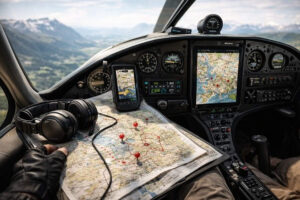
A microlight flight across Europe (UAC photo)

A microlight flight across Europe (UAC photo)

From July 25 to 31, 2026, the Chambley-Bussières Air Base in northeastern France will host the official qualifying week for the Ultimate Air Challenge (UAC), a one-of-a-kind European ultralight aircraft competition.

Held as part of “Chambley Air Passion – The Sky Celebration,” the event will place France’s Grand Est region at the heart of a major continental aviation gathering. Georges Humeau, president of the Chambley ultralight flying club, and Vincent Pouilleux, owner of the well-known restaurant La Carlingue à Mémé, are the driving forces behind the project.

The official start of the European race will take place in Chambley on August 1, 2026, with crews expected to return by August 8, bringing to a close nearly two weeks of aviation activities in the region.

A european showcase

Pilots from several European countries will converge on Chambley to validate their performance during the qualifying phase. The results will determine the official starting order for the race and provide a strategically important and highly competitive stage of the event.

Throughout the week, spectators will be able to watch aircraft departures and arrivals, attend pilot briefings, follow the evolving rankings, meet competitors, and enjoy a variety of activities and entertainment on the airfield.

Highlighting the regional aviation industry

chambley-logo
chambley-logo

Chambley Air Passion will open its hangars and facilities to the public, showcasing flying clubs, aviation professionals, schools, industrial partners, and training organizations.

The event aims to highlight the region’s aviation expertise, attract families and aviation enthusiasts, generate local economic benefits, and establish Chambley as a major aviation hub in eastern France.

A seven-day journey across twenty countries

The Ultimate Air Challenge presents a deceptively simple yet formidable challenge: take off from Chambley, fly over as many designated checkpoints across Europe as possible, and return to the starting point within seven days.

Between August 1 and August 7, 2026, participants will be free to chart their own routes through countries including Germany, Spain, Greece, Norway, the United Kingdom, and Finland. In total, approximately twenty countries will be accessible, with some competitors potentially accumulating more than fifty flight hours during the event.

Chambley, a cradle of regional aviation

The Ultimate Air Challenge aims to become for ultralight aviation what major ocean races are for sailing: an iconic, widely followed, and highly publicized competition.

By hosting both the qualifying week and the official start of the European race, Chambley is reinforcing its position as the birthplace of a competition designed to leave a lasting mark on the European aviation landscape.

Overview and Rules of the UAC

Georges Humeau: President and Organizer of the UAC

Georges Humeau, Président du club ULM de Chambley (DR)

A co-organizer of Chambley Air Passion alongside Vincent Pouilleux, Georges Humeau, 69, is a lifelong aviation enthusiast with a particular passion for ultralight aircraft.

For the past fifteen years, he has led the Chambley Sport & Leisure Ultralight Club, sharing his enthusiasm with new generations of pilots. He also serves as president of the Chambley-Based Aviation Users Association (AUAB) and of the Ultimate Air Challenge itself.

Previously, Humeau served as vice president of the regional committee of the French Ultralight Federation and secretary of the national federation, which represents approximately 16,000 members. He stepped away from those positions to focus on his region, his airfield, and the ambitious projects he is now developing.

Originally from Issy-les-Moulineaux near Paris, Humeau eventually settled in Metz and joined the Chambley ultralight club.

“I joined when I turned fifty,” he recalls. “I’ve always been involved in nonprofit organizations, and I wanted to contribute my own vision and ideas. I started as the club’s secretary, then became vice president, and finally president in 2014.”

A former Airbus A380 pilot among the students

passeport-jeune-Today, the Chambley Sport & Leisure Ultralight Club has approximately 160 members and owns six aircraft. It also trains around fifty students, some of whom travel from La Rochelle, Saint-Brieuc, Luxembourg, and Paris.

One student is even a former Airbus A380 pilot.

“They appreciate the atmosphere and the energy of the club,” Humeau explains, “but above all, they value our operating model, which relies entirely on volunteers.”

An ultralight pilot license can generally be earned after 25 to 30 hours of flight instruction, at a cost of approximately €93 per flight hour. As with a driver’s license, candidates must pass both a written and a practical examination.

As part of Chambley Air Passion, Humeau will also introduce young people to aviation through a “Youth Passport” program. Participants who demonstrate commitment through regular visits to the club will be rewarded with a complimentary ultralight flight.

Another initiative involves a partnership between the club and Jean XXIII High School in Metz. The school plans to launch a higher-education aviation program next academic year. The bachelor’s degree program, developed by the IPSA School of Advanced Sciences and Engineering in partnership with Jean XXIII, is expected to further strengthen aviation education in the region.

These efforts appear to be paying off: membership has increased steadily by about five percent annually for the past twelve years.

Vincent Pouilleux: “A Popular, Friendly, and Festive Event”

Vincent Pouilleux, owner of La Carlingue restaurant in Mémé (DR)

Vincent Pouilleux, owner of the restaurant La Carlingue à Mémé, is one of the key organizers of Chambley Air Passion, which will run from the morning of July 25 through the evening of August 2, 2026.

“Our goal is to create an event that is popular, friendly, and festive, centered around aviation,” he says. “Every association based at the airfield and affiliated with the AUAB is taking part, along with neighboring municipalities and numerous partners.”

Games, Entertainment, and Activities for All Ages

The festival program includes a wide variety of family-friendly attractions, exhibitors, games, and workshops for children. Visitors can enjoy face-painting stations, jugglers, circus performers, amusement rides, and live entertainment announced throughout the event.

Military units and firefighters will also participate.

The sky itself will be part of the celebration, featuring kites, indoor model-aircraft workshops, miniature hot-air balloons, full-size hot-air balloons, airplanes, gliders, ultralights, paragliders, and skydivers.

Wednesday will be dedicated entirely to children. Hospitalized children and individuals with disabilities will be invited as honored guests.

Throughout the festival, visitors will have opportunities to win flights in hot-air balloons, airplanes, ultralights, gliders, and paragliders.

Music and dance enthusiasts can gather at a traditional open-air dance pavilion set up on the main esplanade.

The cultural side of aviation has not been overlooked. The event will also feature lectures by pilots and aviation experts, book signings by specialized authors, and aviation-themed booksellers.

The final weekend will conclude with what organizers promise will be a major surprise.

More Informations:
AUAB – Tel. +33 6 58 58 77 97

L’article Chambley : an ultralight air rally sets out to conquer Europe est apparu en premier sur FrenchDailyNews.

Chambley Air Passion 2026: nine days to make Lorraine the ruropean capital of light aviation

1 June 2026 at 07:52
chambley-logo

chambley-logo

From July 25 to August 2, 2026, the Chambley Planet’Air airfield will host the inaugural edition of Chambley Air Passion. More than just an airshow, the event aims to become Europe’s premier gathering for light aviation and a meeting point for ultralight pilots from across the continent.

A new aviation event

For nine days, Chambley Planet’Air will come alive with aircraft departures, pilot gatherings, and aerial activities. With Chambley Air Passion, organizers are introducing a new format that differs significantly from traditional airshows focused on a few hours of flight demonstrations.

The objective is clear: to put Chambley back on the map of major European aviation events and transform the airfield into a vibrant destination where pilots, aviation enthusiasts, and the general public can gather from morning to evening.

“We want to create a true aviation gathering—a place where people come to fly, connect, discover new things, and share a common passion,” the organizers explain.

Bringing together every aviation discipline

Logo Chambley

The event will showcase the full range of aviation activities based at Chambley. Fixed-wing ultralights, weight-shift trikes, gyroplanes, powered paragliders, sailplanes, paragliders, skydiving, model aviation, and hot-air balloons will all be featured throughout the week.

Mass hot-air balloon launches at sunrise and sunset are expected to be among the highlights of this first edition. Flight demonstrations and aircraft presentations will also help shape the daily program.

Visitors will have access to exhibition areas, the opportunity to get up close to aircraft, and the chance to interact directly with pilots and crews. Flight simulators, educational workshops, aviation training exhibits, and introductory activities will allow attendees to immerse themselves in the world of aviation.

Military units, fire and rescue services, and the French Gendarmerie will also participate by showcasing their equipment and missions.

Making Chambley the summer’s rremier ultralight gathering

Beyond attracting the general public, Chambley Air Passion is primarily designed for pilots themselves. The Lorraine airfield offers several unique advantages: extensive infrastructure capable of accommodating a large number of aircraft, ample parking and camping areas, favorable airspace, and a central location in the heart of Western Europe.

Throughout the event, crews arriving by ultralight aircraft will be able to park on-site, take part in activities, and experience the event from within the aviation community. Organizers hope to create a genuine hub for light aviation enthusiasts.

Within aviation circles, some are already referring to the concept as a future “French Oshkosh” dedicated to European light aviation. The comparison reflects the ambition to recreate a major pilot gathering where camaraderie is just as important as flying itself.

The Ultimate Air Challenge: the event’s centerpiece

chambley-logo

The highlight of the inaugural edition will undoubtedly be the official start of the Ultimate Air Challenge 2026, scheduled for August 1 following several days of qualifying rounds held at Chambley.

This European ultralight competition is based on an original concept inspired by offshore yacht racing. Teams must reach sixty checkpoints spread across more than twenty European countries while choosing their own routes.

Navigation, weather management, fuel consumption, regulatory requirements, and strategic decision-making will all be critical factors for competitors hoping to win.

Thanks to a real-time tracking system, spectators at Chambley will be able to follow competitors’ progress throughout the challenge.

A catalyst for regional development

Beyond its sporting and entertainment value, Chambley Air Passion is also intended as a regional development initiative. The event aims to highlight the capabilities of the Chambley Planet’Air facility, attract visitors from across the Grand Est region and neighboring countries, and promote aviation careers and training opportunities.

In a region that hosts relatively few major public events during the summer season, organizers hope to establish the gathering as a permanent fixture on the event calendar. The presence of the Ultimate Air Challenge immediately gives the event a European dimension and international visibility.

A bold vision

With Chambley Air Passion, the Lorraine airfield is doing more than launching another aviation event. It is openly pursuing the goal of becoming, for nine days, the place where Europe’s pilots most want to gather.

As a crossroads, meeting place, and showcase for light aviation, Chambley may well host in the summer of 2026 the event that the French-speaking ultralight community has been waiting for for many years.

L’article Chambley Air Passion 2026: nine days to make Lorraine the ruropean capital of light aviation est apparu en premier sur FrenchDailyNews.

Iran: How the return of internet access triggered a U.S. strike

27 May 2026 at 07:58
The Internet: America's Weapon of Strategic Domination (UnlimPHoto)

The Internet: America's Weapon of Strategic Domination (UnlimPHoto)

Eighty-nine days of total digital blackout. Six hours of reconnection. A naval facility destroyed near Jask. The metadata trap has just snapped shut on the Islamic Revolutionary Guard Corps.

For 88 days, Iran’s southern provinces were cut off from the digital world. Tehran openly framed the move as a shield against foreign psychological warfare operations and against potential new connected military technologies that could give the United States a decisive advantage. It was a survival strategy for the fully networked age.

On the 89th day, the fiber-optic cables linking Bandar Abbas to Chabahar were switched back on. Six hours later, a strike bearing the unmistakable signature of U.S. Central Command (CENTCOM) destroyed a naval facility suspected of housing IRGC fast-attack boats roughly 15 miles east of Jask.

“If you connect to the internet, you die.” Brutal as it sounds, the phrase now sums up the operational doctrine taking shape in this part of the world.

88 Days in Digital Darkness

To understand what happened, one first has to grasp what those three months of electronic silence meant for American intelligence capabilities. The NSA’s SIGINT collection systems — capable of absorbing terabytes of communications and geolocation signals — were effectively running blind.

The IRGC Navy, meanwhile, had reverted to Cold War-era methods: couriers, field telephones, and short encrypted burst transmissions.

For an AI-driven command-and-control system like the American JADC2 architecture, this total disconnection created an intolerable fog of war. It became impossible to target the source of a swarm of kamikaze drones when the source itself was invisible.

The Crack: A Fatal Economic Decision

The reconnection was not the result of a coordinated strategy. It stemmed from a unilateral concession by President Pezeshkian under pressure from two fronts: petrochemical magnates in southern Iran and a hyperconnected population suffering digital withdrawal.

Eighty-eight days without SWIFT transactions or market access had drained the economies of the southern provinces.

According to reports, the decision was made against the explicit advice of IRGC intelligence services, which wanted the blackout maintained indefinitely in the name of operational security for naval exercises in the Gulf of Oman.

2:14 a.m. local time. The first data packets begin moving across the Iranian network. American passive collection systems activate immediately.

Resynchronization phase. Personal phones belonging to IRGC logistics officials — believing their devices undetectable thanks to new IMEI numbers — begin checking WhatsApp, Facebook, Instagram, and TikTok.

Less than six hours later, targeting algorithms detect a constellation of geolocated signals converging on a previously inactive site near Jask. The strike is authorized.

The Metadata Trap

Washington did not need to decrypt a single encrypted message. It only had to map the sudden aggregation of signals: the phone of a logistics coordinator heading to a depot, the tablet of a commander checking weather forecasts in the Gulf of Oman, the computer of a port official accessing a cargo manifest server. For JADC2, the veil had lifted. The target had become visible.

“The United States didn’t need to crack encrypted content. It simply mapped the sudden constellation of geolocated signals clustered around a known but previously inactive site. That’s the metadata trap. It’s always deadly,” according to a local source.

A Fracture at the Top of the Iranian State

The strike — reportedly carried out using a combination of carrier-based F-35Cs and a sea-launched Tomahawk missile variant — triggered an internal political crisis.

IRGC generals reportedly turned directly against the presidency, accusing it of having “opened a breach.” Pezeshkian’s advisers deny any direct causal link.

Iran announced retaliatory measures and condemned the attack as a violation of the ongoing ceasefire. An MQ-9 Reaper drone was reportedly shot down during the operation, and an F-35C is said to have come under fire.

This episode goes beyond the Iranian case alone. It sheds light on Russia’s sporadic internet shutdowns and on the ongoing overhaul of China’s Great Firewall.

In 2026, access to the electromagnetic spectrum has become both the first casualty — and the primary vector — of modern warfare. Restoring connectivity can itself become the trigger.

The United States has now established a precedent: reconnecting a hostile state to the internet is treated as a moment of exposure, one potentially warranting an immediate kinetic response.

Further reading: Strategika

The Internet: America’s Invisible Weapon of Strategic Dominance

cyberguerreUnlimPhotos
cyberguerre (UnlimPhotos)

Artificial intelligence, cyberspace, and satellite networks are redefining the art of war. In this new global battlefield, the United States maintains a strategic edge thanks to its control over the world’s digital infrastructure.

In the age of hybrid warfare and the digital battlefield, military superiority is no longer measured solely by armored divisions or nuclear arsenals. It now depends on the ability to effectively integrate artificial intelligence, space-based networks, and cyber operations into a global command architecture. In this decisive domain, the United States retains a major strategic advantage: its de facto sovereignty over the global Internet.

A Structuring Technological Dominance

The core architecture of the Internet — from undersea cables to root servers, including major digital platforms and technological standards — remains largely controlled by American actors or subject to U.S. jurisdiction. This reality gives Washington an unparalleled strategic lever, enabling it to exert decisive influence over information flows, global surveillance, and power projection capabilities in cyberspace.

At a time when warfare is becoming increasingly algorithmic, this structural dominance translates into a critical operational advantage. The power capable of merging massive datasets, space capabilities, and military AI gains an immediate upper hand over its adversaries. The United States, a pioneer in these fields, continues to hold a dominant position.

China and Russia Confront Digital Hegemony

For years, Beijing and Moscow have sought to free themselves from this strategic dependence. Alternative networks, sovereign Internet systems, independent navigation systems, national cloud infrastructures, and state control over digital infrastructure are multiplying. Yet these efforts face considerable technological, economic, regulatory, and geopolitical obstacles.

The global interoperability of the Internet, originally designed under American leadership, makes any attempt at decoupling extremely costly and inherently imperfect. Despite significant advances — particularly by China — no power has succeeded in creating a fully functional and universal alternative to the U.S.-dominated digital ecosystem.

Hybrid Warfare and “Decapitation” Operations

As long as this American sovereignty over the Internet endures, the world is likely to continue witnessing hybrid operations combining digital sanctions, information pressure campaigns, cyberattacks, and targeted actions against states considered strategically vulnerable. Some recent interventions, particularly in Latin America, have been interpreted by many observers as forms of political and economic “decapitation” operations aimed at indirectly controlling critical natural resources, especially energy resources.

This strategy fits within a broader logic of imperial survival. According to its critics, Washington is compensating for the erosion of its domestic economic model — marked by growing social polarization and structural fragilities — through an aggressive foreign policy based on technological and military projection.

A Silent Military Revolution

This American resurgence would not have been possible without a genuine revolution in military affairs. The integration of AI, autonomous drones, algorithmic intelligence gathering, and satellite networks has enabled the United States to transform past strategic setbacks into a new comparative advantage. Some analysts describe this as a “Type-T revolution,” in which technology compensates for industrial and social decline.

Toward a Fragmented Cyberspace?

The central question remains: how long can this hegemony endure? The growing number of digital conflicts, the gradual fragmentation of the Internet, and the rise of national technological sovereignties could eventually challenge the existing order. For now, however, American dominance over the world’s invisible infrastructure remains one of the fundamental pillars of its global power.

L’article Iran: How the return of internet access triggered a U.S. strike est apparu en premier sur FrenchDailyNews.

Scams Fueled by AI

20 May 2026 at 09:05
mikemacmarketing, CC BY 2.0, via Wikimedia Commons

mikemacmarketing, CC BY 2.0, via Wikimedia Commons

AI has become a force multiplier for scammers. It enables them to accomplish in seconds what once took hours—at massive scale and with startling accuracy. Fraudsters have moved from a cottage-industry model to full-scale industrial operations.

Artificial intelligence has pushed scams to an unprecedented level, both in quality and quantity. Here is an overview of the most significant developments.

The Numbers Are Staggering

AI-enabled scams have increased by 1,210%, far outpacing the growth of traditional fraud (195%). Global losses tied to AI-assisted scams are estimated at $14.3 billion, and Deloitte projects that losses in the United States will rise from $12.3 billion in 2023 to $40 billion by 2027.

In France specifically, caller ID spoofing surged by 517% in 2025, and more than 500,000 victims have already received support after falling prey to AI-based scams such as voice cloning and fake financial advisers.

How AI Industrializes Scams

1. Highly Targeted Phishing

Generative AI is transforming phishing by creating highly personalized messages. Cybercriminals use personal data available on social media to craft emails tailored precisely to each victim.

2. Voice Cloning and Deepfakes

Voice-cloning technology now requires as little as three seconds of audio to reproduce a person’s voice with remarkable realism. By mimicking the voice or appearance of executives and public officials, criminals can deceive employees into authorizing fraudulent wire transfers—as demonstrated by the $26 million stolen in Hong Kong through a deepfake scheme.

3. Fraudulent Conversational Bots

AI-powered romance scams use large language models to sustain emotionally convincing conversations at scale. These bots can maintain dozens of simultaneous “relationships,” adapting their tone and personality to each target.

4. Fake Job Interviews

In January 2025, authorities dismantled a large-scale scam in which fraudsters used AI avatars to conduct fake job interviews, collecting sensitive personal information and confidential documents. Recruiting platforms report that identity-theft attempts involving AI-generated job postings have increased fivefold.

5. Large-Scale Cryptocurrency Scams

Check Point’s “Truman Show” operation uncovered a scheme involving 90 AI-generated “experts” deployed in controlled messaging groups to persuade victims to invest in fraudulent crypto platforms. According to Chainalysis, cryptocurrency scams caused $14 billion in losses in 2025, and AI-driven scams proved 4.5 times more profitable than conventional fraud.

Why Are These Scams So Hard to Detect?

AI-based scams remove many of the human limitations that once made social engineering easier to spot and slower to execute. There are no spelling mistakes, no foreign accents, and no obvious visual inconsistencies. People correctly identify AI-generated voices only about 60% of the time.

How to Protect Yourself

A few essential precautions:

  • Verify any urgent request for money or sensitive information through a separate communication channel, even if the voice or face appears familiar.
  • Be skeptical of offers that seem too good to be true, such as crypto investments or high-paying jobs with no genuine interview process.
  • Establish a family “safe word” to confirm emergency calls from relatives.
  • Never transfer funds solely on the basis of instructions received by email or phone call, even if they appear to come from a manager or supervisor.

L’article Scams Fueled by AI est apparu en premier sur FrenchDailyNews.
Putin in China : Diplomatic Choreography in Response to Trump

19 May 2026 at 16:55
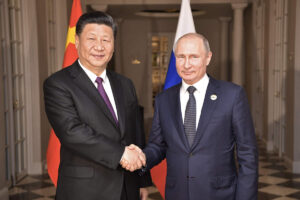
Xi Jiping et Vladimir Poutine en 2018 (Kremlin.ru, CC BY 4.0 , via Wikimedia Commons) Xi Jiping et Vladimir Poutine en 2018 (Kremlin.ru, CC BY 4.0 , via Wikimedia Commons)

Xi Jiping et Vladimir Poutine en 2018 (Kremlin.ru, CC BY 4.0 , via Wikimedia Commons), via Wikimedia Commons) Xi Jiping et Vladimir Poutine en 2018 (Kremlin.ru, CC BY 4.0

One week after Donald Trump, Vladimir Putin is traveling to China for a 48-hour official visit aimed at strengthening the comprehensive partnership and strategic cooperation between Russia and China.

A Diplomatic Trip Rich in Geopolitical Symbolism

Putin’s visit to China, expected on Tuesday, May 19, is part of a carefully planned diplomatic strategy. The timing is no coincidence: it coincides with the 25th anniversary of the signing of the Treaty of Good-Neighborliness and Friendly Cooperation, a landmark agreement signed by the two countries in 2001.

This treaty holds major significance in Sino-Russian relations, as it marked the end of decades of mutual mistrust, border disputes, and geopolitical rivalries that characterized the Soviet era.

The timing of the visit is particularly revealing of current international dynamics. By arriving in China one week after Trump’s departure from Beijing, Putin creates a symbolic succession that deserves close analysis. This diplomatic “passing of the baton” among the world’s three major powers offers a valuable lens through which to observe today’s balance of power and each country’s positioning strategy.

Strengthening the Comprehensive Strategic Partnership Amid Global Turbulence

The official purpose of the visit is clear: to reinforce the comprehensive partnership and strategic cooperation between Russia and China.

Beyond formal statements, however, the trip carries deeper significance for both governments. Moscow is seeking to consolidate its ties with Beijing at a time when the international environment has become highly volatile.

Dmitry Peskov, spokesperson for the Russian presidency, said on Friday that the trip would be “a good opportunity to exchange views on the contacts the Chinese have had with the Americans.”

This statement clearly shows that trilateral diplomacy lies at the heart of the visit. Russia wants to understand how China is negotiating with the United States and ensure that Russian interests are not sidelined in Sino-American discussions.

An “Eternal Friendship” Tested by Geopolitical Realities

The concept of an “eternal friendship” between Russia and China, frequently reaffirmed by both powers, is a central element of their diplomatic rhetoric.

However, this visit demonstrates that both countries are actively seeking to prove the strength of their ties in the face of current global upheavals. The phrase itself is revealing: it implicitly acknowledges that the international order is going through a period of major instability.

For Xi Jinping, the meeting with Putin offers a valuable opportunity to present himself as a world leader committed to geopolitical balance and harmony.

By hosting Trump and Putin in succession, the Chinese leader positions himself as a potential mediator in global conflicts and as a guardian of international stability. This posture significantly enhances China’s prestige and influence on the world stage.

The Dynamics of a Three-Way Geopolitical Rivalry

The triangular relationship among the United States, Russia, and China now shapes global geopolitics as a whole.

Every bilateral meeting between two of these powers is closely watched by the third as an indicator of emerging alliances and growing fractures. Putin’s trip to China must therefore be understood within this three-dimensional strategic framework.

Russia, while a major regional power, remains economically secondary compared with China. As a result, Moscow must continually reaffirm the importance of its partnership with Beijing.

This relative asymmetry helps explain why Russia places such importance on diplomatic rituals and public displays of strategic friendship. Maintaining strong ties despite structural imbalances is essential to preserving international equilibrium.

Toward a New Global Geopolitical Architecture

This visit takes place during a period of profound transformation in the international order.

China’s rise, Russia’s return as a disruptive power, and shifts in American foreign policy have created an environment in which old certainties no longer apply.

Diplomatic exchanges between Beijing and Moscow are therefore strategically crucial to maintaining stability in international relations.

The strengthening of the Sino-Russian partnership is not necessarily intended to form an alliance against the United States. Rather, it aims to establish a balance of power capable of withstanding external pressures and attempts at hegemony.

In this context, strategic cooperation between Russia and China has become an essential stabilizing factor in contemporary global geopolitics.

🚨Putin has arrived in Beijing and received the same “warm welcome” package as Trump: a red carpet, the PLA Tri-Service Honor Guard, and the jumping children…

Xi Jinping can be heard saying “hello” (“你好,” nǐ hǎo) to Putin.

Will Putin be able to achieve his 4 goals mentioned… https://t.co/OxMXG3l3Uq pic.twitter.com/TUENKMajcy

— Inconvenient Truths — Jennifer Zeng Reports (@jenniferzeng97) May 19, 2026


L’article Putin in China : Diplomatic Choreography in Response to Trump est apparu en premier sur FrenchDailyNews.

Biological Laboratories: Investigation into 120 Sites Funded by Washington

16 May 2026 at 09:01
Research into viral gain-of-function. Illustrative image. (UnlimPhoto)

Research into viral gain-of-function. Illustrative image. (UnlimPhoto)

The Director of National Intelligence is reigniting the debate over risky research conducted outside U.S. territory, accusing the Biden administration of having concealed the true extent of American involvement.

Director of National Intelligence Tulsi Gabbard has announced the launch of a large-scale investigation covering more than 120 biological laboratories operating in approximately thirty countries and receiving U.S. government funding. More than forty of these sites are located in Ukraine. The initiative, led by the Office of the Director of National Intelligence (ODNI), is part of the Trump administration’s broader effort to overhaul research practices related to gain-of-function studies involving dangerous pathogens.

Serious Accusations Against the Previous Administration

In her official statement, Gabbard sharply criticized officials from the Biden administration as well as former senior health officials, including Dr. Anthony Fauci. She accuses them of having deliberately downplayed — or even concealed — the true scope of U.S. involvement in overseas research on high-risk pathogens.
“The COVID-19 pandemic revealed the catastrophic global impact that research on dangerous pathogens conducted in biological laboratories can have,” said Tulsi Gabbard, Director of National Intelligence.
Under the new directive, intelligence agencies are tasked with reviewing all laboratories in question: what pathogens are being studied, what experiments are being conducted, and whether this work poses a threat to public or national security.

Ukraine at the Center of Tensions

The investigation also reignites the controversy surrounding Ukrainian biological laboratories. During the Russian invasion in 2022, the Biden administration had denied the existence of any American installations in Ukraine — until Victoria Nuland, a senior State Department official, acknowledged in congressional testimony the existence of biological research sites, whose contents U.S. authorities feared could fall into Russian hands.
According to U.S. authorities, some of these laboratories were originally funded under the Pentagon’s Cooperative Threat Reduction program, established after the Cold War to prevent the proliferation of weapons of mass destruction.

A Murky Financial Record

The Pentagon’s oversight body had previously determined that more than $1.4 billion had been committed abroad for gain-of-function-type research between 2014 and 2023. It also acknowledged its inability to fully account for all experiments conducted on potentially enhanced pandemic pathogens.
The National Institutes of Health (NIH) had separately concluded that research conducted at the Wuhan Institute of Virology between 2014 and 2021 had violated the terms of its grants, having increased the infectivity of bat coronaviruses by up to 10,000 times — while formally denying any direct link to the origin of the pandemic.

The Pentagon’s Response

“The previous administration funded dangerous gain-of-function research and foreign biological laboratories with American taxpayer money, then deliberately hid it from the American people. The era of lies and betrayal is over,” added Pete Hegseth, Secretary of Defense.
Secretary of Defense Pete Hegseth expressed his full support for the initiative, aligning himself with the rhetoric of rupture championed by the Trump administration since the beginning of its term. President Trump had also previously signed an executive order banning federal funding for gain-of-function research in countries deemed insufficiently regulated, such as China and Iran.

Sources: ODNI (Office of the Director of National Intelligence), Pentagon, congressional hearing transcripts.Sonnet 4.6Adaptatif

Ukraine : The Pentagon’s biological laboratories exist

L’article Biological Laboratories: Investigation into 120 Sites Funded by Washington est apparu en premier sur FrenchDailyNews.
Putin has the last laugh

5 March 2026 at 22:06
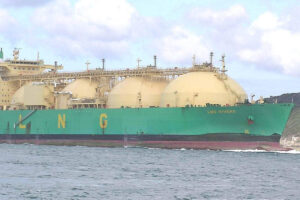
Methanier_aspher_(photo d'illustration Pline, CC BY-SA 3.0 via Wikimedia Commons)

Methanier_aspher_(photo d'illustration Pline, CC BY-SA 3.0 via Wikimedia Commons)

Just as the European Commission was polishing up its new plan to ban all supplies of Russian gas disaster struck and at the worst possible moment.

Robert Harneis (DR)
Robert Harneis (DR)

By Robert Harneis

The Ban was announced to take effect in stages up to November 1st 2027. After that no more Russian gas and then as a result of the US Israeli attack on Iran, Teheran closed the straits of Hormuz and Qatar declared ‘force majeure and its inability to fulfill gas contracts. One fifth of global LNG gas passes through the straits. This comes as France and Germany have critically low levels of gas in storage – 21% and 20% respectively.

Record imports

Europe imported a record 142 billion cubic meters of LNG in 2025, a 28% increase from the previous year. US supplied 55% of Europe’s LNG imports last month, while Russia contributed just over 25%, In January, the EU’s monthly LNG imports from Russia hit a record high of 2.3bcm, up more than 10% y/y and nearly a fifth of all LNG imports.
President Putin chose this moment to observe that maybe it would be better if Russia stopped supplies to Europe immediately and got on with finding other more reliable trading partners as soon as possible.

New markets for Russia

““Other markets are opening now,” Putin said in an interview with state TV. “Maybe it’s better for us to end supplies to the European market right now? To go to those markets that are opening now and get a foothold there.”
At least half of Russia’s LNG exports already go to Europe but now without the Qatari supplies, the demand in Asia will spike and, Russia should be able to redirect all those exports to markets in Asia without difficulty.
Putin met Hungarian foreign minister Peter Szijjarto at the Kremlin on March 5 and said that Moscow intends to maintain supplies to what he described as reliable partners within Europe. Russia “remains ready to deliver energy resources to those who want to work with us,” he said, referring to Hungary and Slovakia as continuing customers.

To the highest bidder

He twisted the knife further reminding Brussels “there are customers who are ready to buy this natural gas at a higher price. In this case, this results from the developments in the Middle East and the closing of the Strait of Hormuz, and so on. Once you have these premium buyers on the market, this means, and I really believe that this is the case, that some suppliers who have been serving the European market for quite some time now, for example, the United States and US companies, will definitely switch to the highest bidder. This is quite natural.” He said.

Dictature du réel, les livraisons de gaz liquéfié russe vers la France ont augmenté de 41 % en 2023. Avec le retrait du gaz nord américain, la Russie pourrait devenir le premier exportateur de GLN vers la France. C’est aussi bien que par #nordstream2 mais c’est quatre fois plus… pic.twitter.com/G9Mla5LKYy

— Stratpol (@stratpol_site) February 11, 2024


Methanier_aspher_(photo d'illustration Pline, CC BY-SA 3.0 via Wikimedia Commons)
Methanier_aspher_(photo d’illustration Pline, CC BY-SA 3.0 via Wikimedia Commons)

L’article Putin has the last laugh est apparu en premier sur FrenchDailyNews.
An Anglo-French plot to arm Ukraine with a nuclear weapon?

26 February 2026 at 05:00
War in Ukraine (Unlimphotos)

War in Ukraine (Unlimphotos)

The United Kingdom government has denied Moscow’s claim that the UK and France have been secretly working on providing Ukraine with a nuclear weapon. The French government has issued a denial through its Moscow Embassy.

Robert Harneis (DR)
Robert Harneis (DR)

By Robert Harneis

Russia’s foreign intelligence service, SVR, has publicly claimed that the UK and France are “actively working” on providing Ukraine with a nuclear weapon, or a radioactive makeshift “dirty bomb”. The claim has been referred to by President Putin and his spokesman Dimitry Peskov.
The UK Prime Minister’s official spokesman claimed in a statement; “This is a clear attempt by Vladimir Putin to distract from his heinous actions in Ukraine… There is no truth to this.”

Illegal transfer of components

The intervention by President Putin indicates that the Russians take the claim seriously. Russia’s Foreign Intelligence Service state that Britain and France are actively working to resolve the issue of providing Ukraine with nuclear weapons and their delivery systems. “This involves the covert transfer of European components, equipment, and technologies in this area. One option being considered is the French TN75 small-size warhead from the M51.1 submarine-launched ballistic missile,” the statement reads.
According to the SVR, British and French elites believe that Kyiv would be able to secure more favorable terms for ending the fighting if it possessed a nuclear bomb or at least a so-called dirty bomb. “The British and French recognize that their plans constitute a gross violation of international law,” the statement continues.

A flagrant violation of international law

If true, this would be a serious breach of the Treaty on the Non-Proliferation of Nuclear Weapons (NPT). London and Paris allegedly risk undermining the global non-proliferation system. “Consequently, Westerners are focusing their efforts on making Kyiv’s acquisition of nuclear weapons appear to be the result of Ukrainian development,” the SVR wrote in their statement.
Putin’s press secretary, Peskov, called information about the possible transfer of a nuclear bomb to Kyiv extremely important and dangerous for the non-proliferation regime. “This is a flagrant violation of all norms and principles, and relevant acts of international law,” he emphasized. Meanwhile, Vladimir Putin’s aide, Yuri Ushakov, told the Vesti news service that Moscow intends to inform Washington of the possible transfer of nuclear weapons to Kyiv from London or Paris.

Clichés

According to the official Russian government news agency Tass, Deputy Speaker Konstantin Kosachev, of the Russia Federation Council, has commented that the statements issued by the French and British embassies denying plans to arm Ukraine with nuclear weapons appear to be nothing more than rehearsed clichés, lacking depth or credibility, according to Federation Council.
Kosachev criticized these responses, stating, ‘The comments from the relevant press services – particularly, in France, not even from the government ministries but solely from the embassy here in Moscow – are simply pre-cooked clichés that add no real value. They deny the findings of the Russian Foreign Intelligence Service.” He further pointed out that these statements fail to confirm that the involved countries are adhering to their obligations under the Treaty on the Non-Proliferation of Nuclear Weapons.

France’s awkward position

Britain has no independent nuclear weapons and depends entirely on US supply and consent for use. France is in a more embarrassing position as it has full control of its nuclear arsenal. The idea that Washington knew nothing about any of this – if it is true – is far-fetched. But it seems at the moment it suits Moscow to appear believe it.

War in Ukraine (Unlimphotos)

L’article An Anglo-French plot to arm Ukraine with a nuclear weapon? est apparu en premier sur FrenchDailyNews.
Ukraine: why is the war lasting so long?

25 February 2026 at 09:17
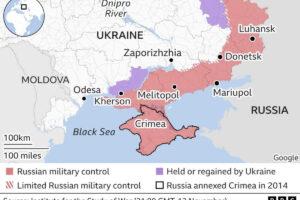
Ukraine, contrôle de l’armée russe (Wikipédia)

Ukraine, contrôle de l’armée russe (Wikipédia)

Between geopolitical calculations, Russian economic resilience, and diverging interests, the conflict is bogged down in a war of attrition that neither side seems willing to end.

Robert Harneis (DR)
Robert Harneis (DR)

By Robert Harneis

The war in Ukraine is entering its fifth year with no negotiated way out in sight for either belligerent. Behind the mud of the trenches and the victory communiqués, a complex machinery — military, economic, diplomatic — has taken hold, keeping the conflict in a precarious equilibrium, so far. An in-depth look.

A long war no one wanted, pursued by everyone

Neither Moscow nor Kyiv anticipated such a prolonged conflict. In 2022, Russia hoped for a lightning victory through decisive strikes on Kyiv, Kharkov, and the corridor leading to Crimea. The West, for its part, was betting on a rapid collapse of the Russian economy under the weight of unprecedented sanctions — the freezing of $300 billion in reserves, exclusion from the SWIFT system, diplomatic isolation. Both sides were disappointed, although Russia did achieve the land corridor to Crimea and the capture of Europe’s biggest nuclear power plant.
Today, the conflict follows a logic of attrition much encouraged by the drone revolution. Russia is waging a slow war, aware that it faces a Ukraine backed by the financial and military arsenal of the United States, NATO, and most Western countries. The model is simple: Ukraine provides the men; the West provides the weapons. Unfortunately Ukraine is running out of men and the West is running out of weapons. Unlike the state owned Russian armaments industry, the Western military industrial complex is focused on profit not mass industrial warfare. The line of conflict in Ukraine is twice the length of the Western Front in the First World War, a situation totally outside modern Western military experience.

Russia: a more resilient economy than expected

One of the great surprises of this conflict has been the resilience of the Russian economy. The West had severely underestimated its degree of self-sufficiency. As a producer of its own energy and food resources, with an industrial base inherited from the Soviet era and relatively insulated from financialization, Russia has managed to adapt.
According to the IMF, measured in purchasing power parity (PPP), the country is now ranked the world’s fourth-largest economy, behind China, the United States, and India. Paradoxically, the sanctions stimulated local production through import substitution and encouraged the repatriation of capital. Russia’s military-industrial complex has demonstrated its capacity to sustain a prolonged war effort, notably through the reactivation of Soviet-era stockpiles and the use of low-cost guided munitions. Western media have regularly predicted Russia suffering economic collapse and running out of weapons.

There are no signs of either happening

By contrast the European Union, especially Germany has suffered severe economic damage, through the loss of a reliable supply of cheap Russian energy. This undoubtedly suits Russia but also the United States. The Eurozone has lost credibility as a result of freezing Russian government funds. Central banks across the world calculate, if they can do it to Russia, they can certainly do it to us.
Some commentators believe Washington deliberately pushed Europe to adopt these extreme sanctions with a view to weakening it as an economic rival. True or not, it is what has happened.

Ukraine: between survival and dependency

Ukraine, contrôle de l’armée russe (Wikipédia)

On the Ukrainian side, internal factors are complicating any prospect of negotiation. The Kyiv government benefits, both legally and illegally, from massive financial flows tied to the war effort. The radical nationalist units that form part of the military apparatus have publicly threatened to turn on Zelensky should he sign a peace deal with Moscow — thereby forcing him to betray his 2019 electoral promise that brought him to power. The Ukrainian people have never voted for a policy of hostility to Russia but it is what they are forced to endure. The idea that Ukrainians are dying heroically to defend democracy is laughable. The extreme nationalist minority is fighting with courage, skill and determination, the rest of the population is being forced to enlist and fight.
The war has many of the characteristics of a civil war. The Ukrainian commander in chief has a brother who is a colonel in the Russian army. Many Russians have relatives living in Ukraine.

A conflict with global geopolitical dimensions

For Moscow, as Foreign Minister Sergei Lavrov has stated, the Ukrainian war is not an isolated territorial conflict but a symptom of a broader struggle: the one waged by Washington to preserve its hegemony in the face of China’s rise and Russia’s renewed military power. In this context, Beijing is quietly backing Moscow — Sino-Russian trade has grown significantly — while Russia simultaneously maintains good relations with New Delhi to avoid exclusive dependence on a single partner.
The accession of Finland and Sweden to NATO represents a strategic setback for Moscow, however, adding some 1,340 kilometers of shared border with the Atlantic Alliance. By contrast, the development of BRICS offers Russia channels to circumvent sanctions, reducing its dependence on the dollar in international trade.

War objectives in flux

On the Russian side, war aims have gradually shifted. From a simple stabilization of the status quo in 2022, Moscow moved to formally annexing four Ukrainian regions, while some internal voices are now calling for even broader territorial conquests. Should the conflict continue without a negotiated solution, Ukraine could lose much more territory. Public opinion in Russia is strongly in favor of occupying Odessa and the Black Sea coast.
There has never been any doubt that the United States and its European allies are backing the war as a way to weaken Russia regardless of the fate of the people of Ukraine. It is more than a remote possibility that the United States would be happy to see Moscow maneuvered into occupying the whole country, resulting in years of economic strain and troublesome political complications. For the EU this would have the advantage of encouraging electoral support for re-armament but it would lead to serious political risks with governments like Hungary, Slovakia and the Czech Republic no longer landlocked and benefiting from a border with Russia. This would give them new geopolitical choices in the face of a European Union determined on using the war to centralize control over member states.

BY THE NUMBERS

• 1.5 million lives lost according to various estimates since the conflict began in 2022
• 4th largest economy in the world — Russia’s ranking according to the IMF in purchasing power parity.

L’article Ukraine: why is the war lasting so long? est apparu en premier sur FrenchDailyNews.
Political thriller in Brussels

3 December 2025 at 14:18
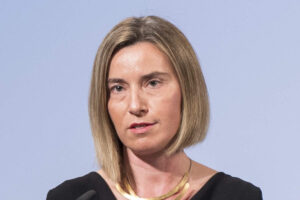
Federica Mogherini (Wikipédia)

Federica Mogherini (Wikipédia)

Former EU Foreign Service Chief arrested

Robert Harneis (DR)
Robert Harneis (DR)

By Robert Harneis

52 year old Federica Mogherini, currently Director of the College of Europe and former EU Foreign Affairs High Representative, was arrested on Tuesday in connection with a fraud investigation. Mogherini was detained along with two other defendants – a manager at the College and a leading Italian diplomat, Stefano Sannino, a leading member of the EU diplomatic Corps, the European External Action Service, (EEAS). The EEAS has 140 delegations around the world, otherwise known as embassies.
The offices of the EEAS were searched, as were a number of private houses. According to the Belgian newspaper Soir, the investigation is jointly run by a ‘juge d’instruction’ in West Flanders Region, combined with the independent European prosecuting service the EPPO. The Belgian police carried out the searches and arrests. Prior to the police operations, the EPPO asked for the lifting of the diplomatic immunity of the suspects, which was granted.
According to the specialist website Euractiv, an independent EU information service partly funded by the EU, the investigation relates to an EU-funded diplomatic training program at the College of Europe, situated in Bruges, Belgium. The details of the charges are currently unclear but they are understood to concern contracts entered into in the course of the considerable expansion of the College of Europe. A new branch was opened in Tirana, Bulgaria, in 2024. The investigations go back to 2021-2022 and concern alleged “fraud in the awarding of public contracts, corruption, conflicts of interest breach of confidence’’ as well as possible “favoritism” in the awarding of places on College organized diplomatic courses.

Brilliant diplomatic careers

Federica Mogherini was among the candidates for the post of NATO Secretary General, to replace Jens Stoltenberg. Her career was promoted by former very pro EU Italian Prime Minister Matteo Renzi, who, according to Brussels insiders, now claims Mogherini has ‘disappointed’ him.
It should be noted that the matters under investigation relate to a period before Kaja Kallas took over as European High Representative. Never the less Kallas will be concerned that the present sensational scandal has exploded now, as she tries to confirm the world diplomatic presence of the EU. 48 year old Kallas, like Mogherini has so far had a brilliant politico diplomatic career. She was Estonian Prime Minister 2021-2024 and is an unrelenting Russophobe. Her father, Sim Kallas, was also Prime Minister of Estonia 2002-2003, as well as an EU Commissioner 2004-2014. Before the break-up of the Soviet Union Sim Kallas was a leading member of the Estonian Soviet Communist Party, banking expert and executive in Estonia.

Why and why now?

It is not unreasonable to ask why this dramatic and rare judicial event has happened and why now? A source close to the investigation commented that, ‘as in Kiev, the arrests indicate an underlying power struggle over policy and may be intended as a warning to Kaja Kallas and even Commission President Ursula Von der Leyen to tone down hostility to Russia, in the light of the current peace moves coming from Washington’.
It is noticeable that the obviously ambitious, US protégé, Finnish President Stubb, who until recently seemed to want to start World War 3 with Moscow, regardless of the negative consequences for the people of Finland, now seems to have turned 180° and is talking about improving border relations.
It is also possible that this is a settling of old scores by the United States going back to the awarding of the World Football Cup to Qatar rather than the US in 2010. At the time an enraged former President Bill Clinton, who was promoting the US case for holding the event, is said to have smashed a hotel mirror, when he heard the bad news.
As recently demonstrated by Presidents Biden and Trump, the US has a history of settling old scores by conducting ‘lawfare’, action in the courts against political enemies. After this act of defiance, a number of football executives found themselves extradited and imprisoned in the US. Mogherini and Sonnini were mentioned during the affair known as Qatargate.

Selective justice?

In any event it is reasonable to ask why Mogherini has been singled out for special attention, when Van Der Leyen seems untouchable despite her extraordinary activities during the Covid Pandemic, which involved tens of billions of tax payers’ euros and missing internet messages.
By contrast French Presidential candidate Marine Le Pen has been pursued with unrelenting ferocity by the EU and French judicial authorities, despite it being difficult to argue that her party’s admittedly irregular activities, cost taxpayer’s any money at all. The argument was essentially about how the money was used not about any loses to the public purse.
Suspects released without charge
Mogherini and the other suspects have now been released and no criminal charges have been made or restrictions imposed. According to Mogherini’s avocat ‘the hearing was lengthy but went very well’.

L’article Political thriller in Brussels est apparu en premier sur FrenchDailyNews.

❌