Login
Login
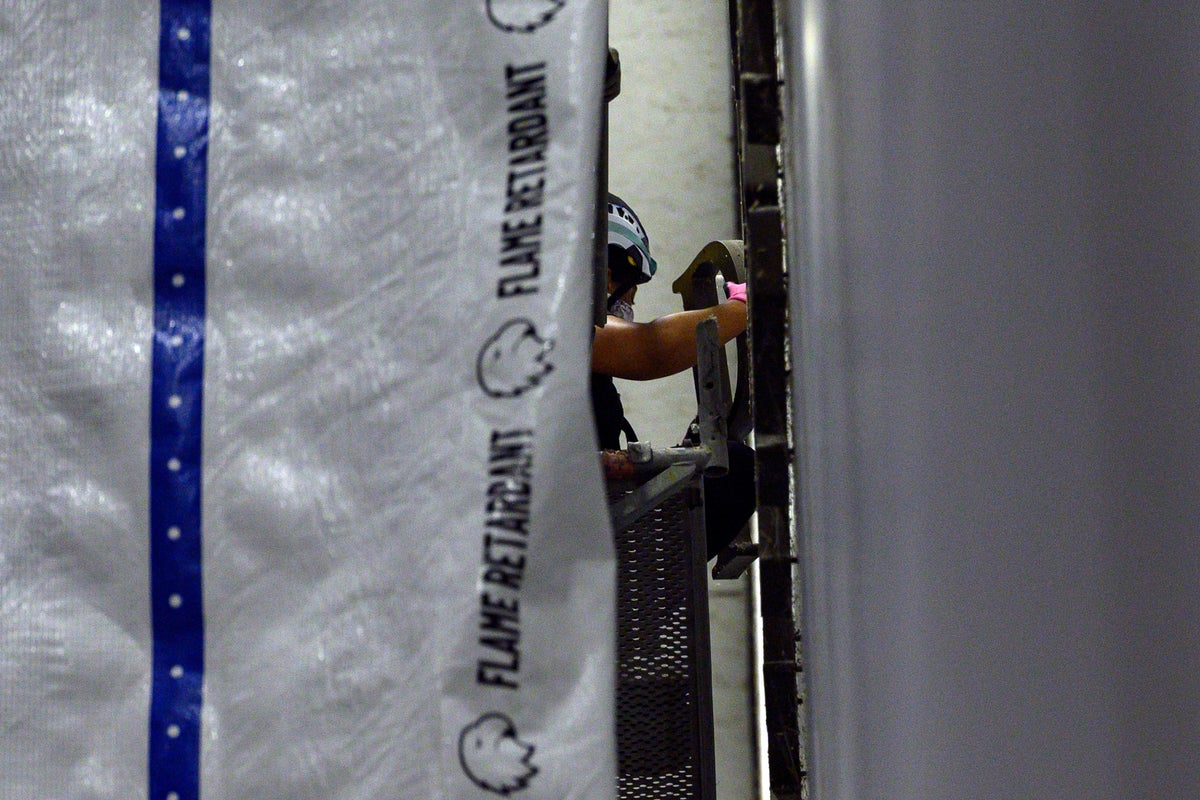
Construction crew strips Trump’s name from Kennedy Center after president loses another legal battle
Judges reject Trump administration’s 11th-hour attempt to rename iconic venue after himself while legal battle continues
© AP

Judges reject Trump administration’s 11th-hour attempt to rename iconic venue after himself while legal battle continues
© AP
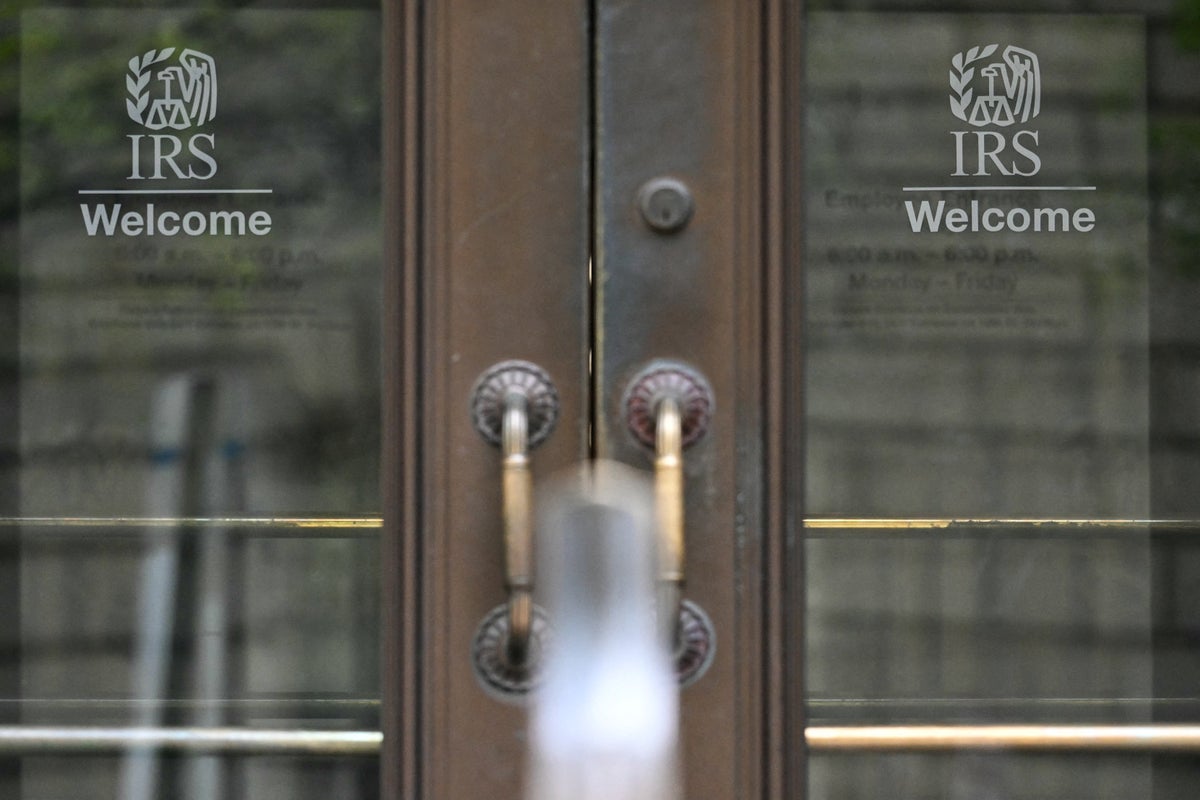
Public officials stated the IRS had its ‘most successful filing season’ - though an internal memo indicates the agency knew it needed more staff after DOGE cuts
© AFP/Getty
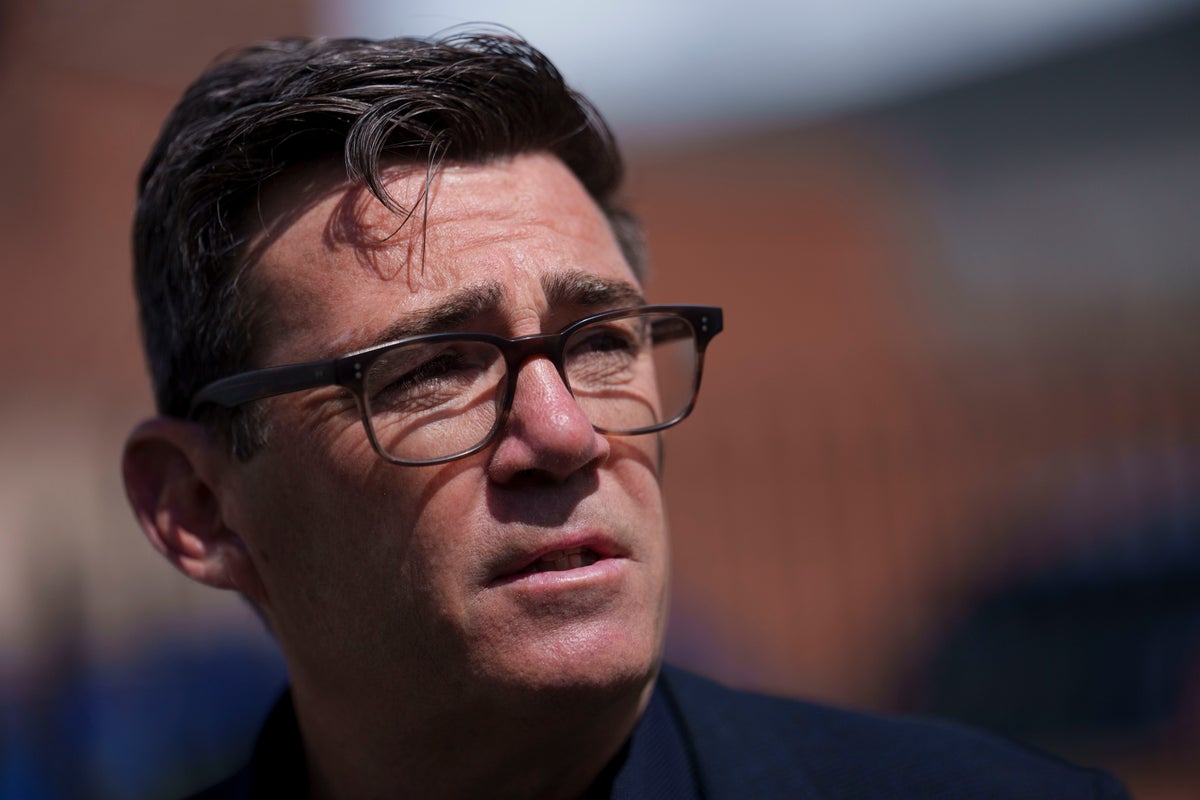
Exclusive: Latest constituency polling shows Greater Manchester mayor is slightly ahead of Reform UK – but it’s still all to play for
© AP
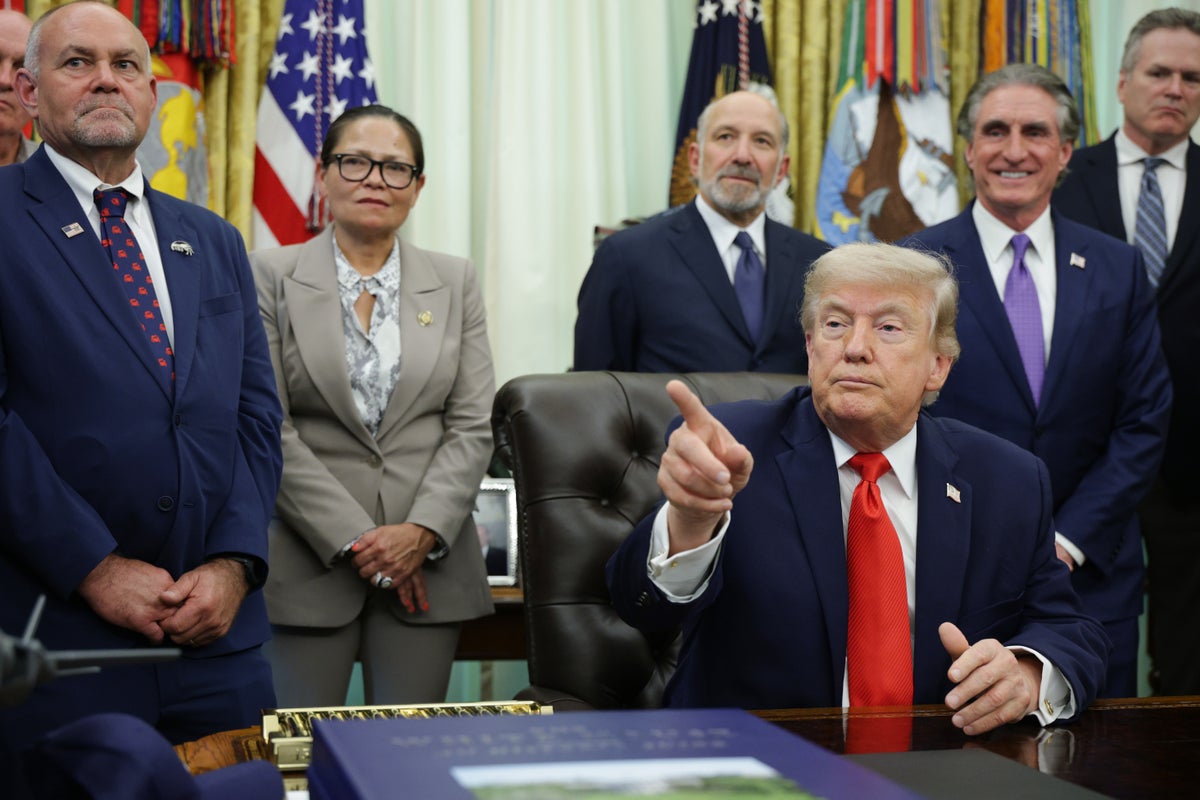
The self-proclaimed master of negotiation insists he can forge a better deal for the US and the world with a rogue nation he claims to have defeated, but, writes Andrew Feinberg, it’s not clear any such thing is possible
© Getty




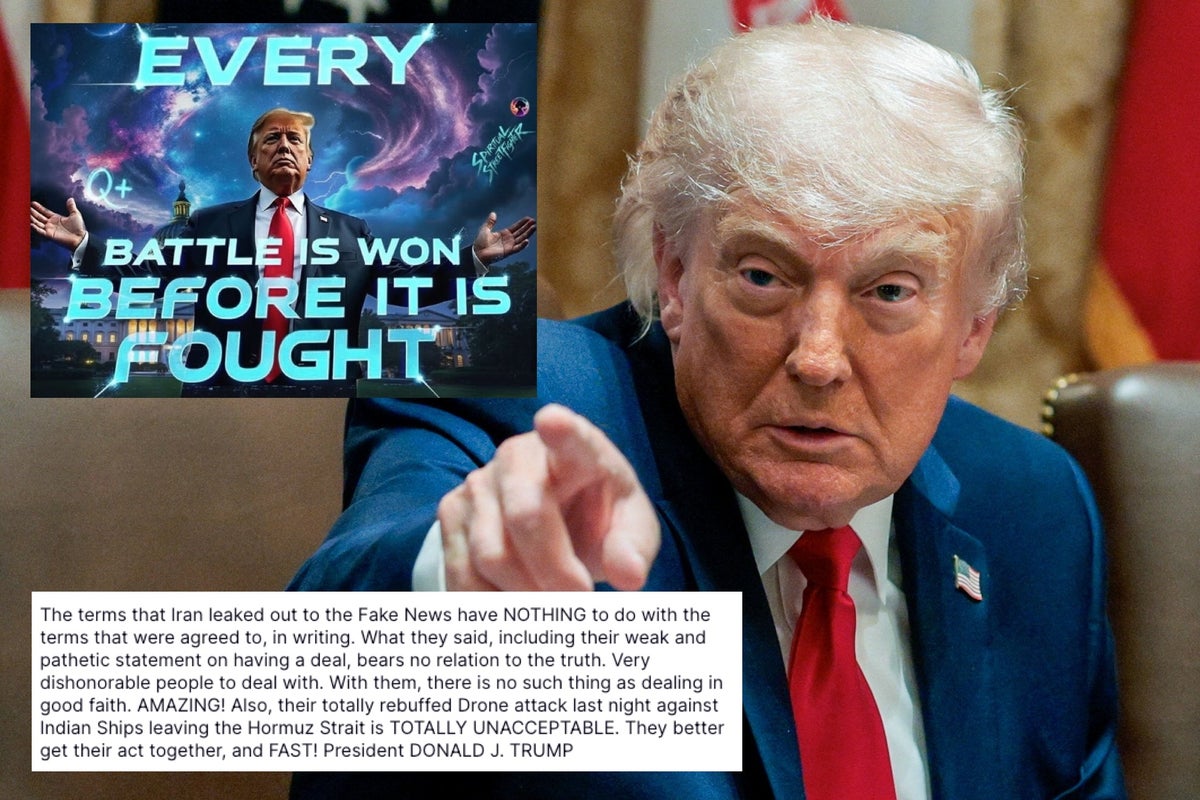
President Trump has a history of indulging the conspiracy movement, which believes the Republican is taking on a shady cabal of global elites
© Reuters / @realDonaldTrump / Truth Social
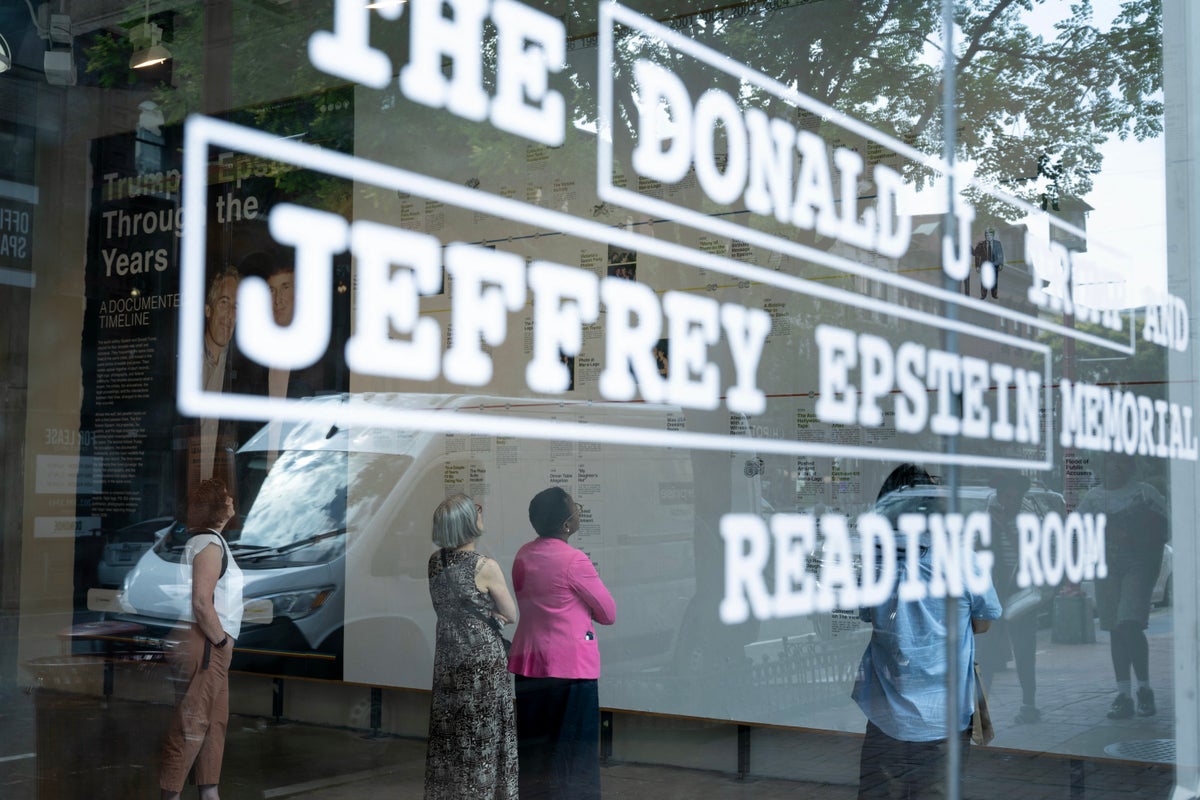
Only one Republican who helped pass the law ordering release of the Epstein files escaped Trump’s political retribution. But, Eric Garcia writes, the issue has not left the public consciousness
© AFP/Getty
Endorsement by former soldier, despite party’s apparent efforts to distance itself from him, is likely bid to attract Restore Britain voters
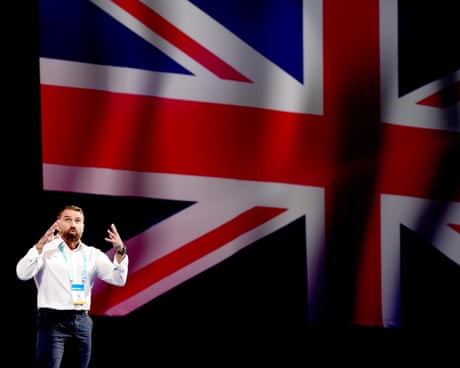
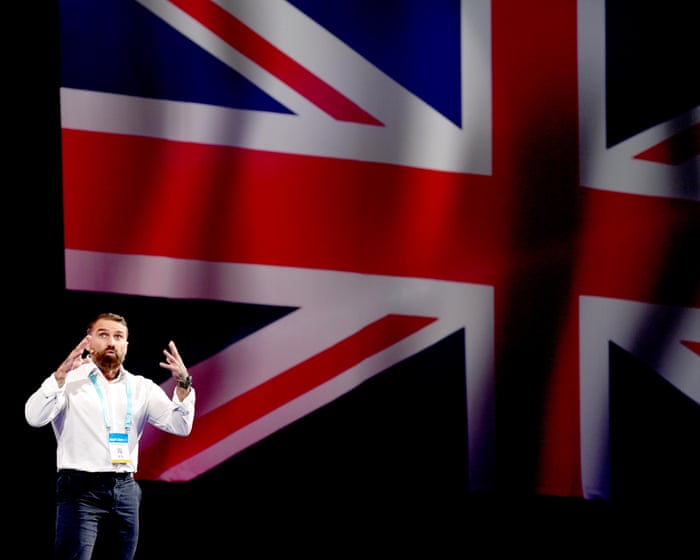
Reform UK’s candidate in the Makerfield byelection has been criticised for welcoming an endorsement by Ant Middleton, the former soldier and TV presenter who the party had distanced itself from over his increasingly extreme views.
Robert Kenyon shared a video of himself with Middleton, who he described as “one of my heroes”. Middleton has previously said “well done Southampton” in the wake of violence after the murder of Henry Nowak, and has repeatedly used his own X account to make anti-Muslim comments.
Continue reading...
© Photograph: Joe Giddens/PA
© Photograph: Joe Giddens/PA
© Photograph: Joe Giddens/PA
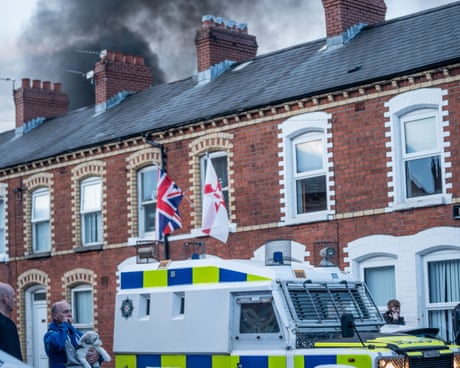
The violent disturbances occurred in a nationalist area yet played out against a backdrop of union jacks
As the racially motivated violence unfolded in Northern Ireland this week, a striking dissonanace could be seenbehind the mobs and flames and smoke.
The knife attack that triggered the disturbances occurred in a nationalist area yet the mayhem played out against a backdrop of union jacks and loyalist murals.
Continue reading...
© Photograph: Lab Mo/SOPA Images/Shutterstock
© Photograph: Lab Mo/SOPA Images/Shutterstock

© Photograph: Lab Mo/SOPA Images/Shutterstock
Exactly eight years ago this week, as Sen. Bob Corker neared the end of his congressional career, the Tennessee Republican voiced his frustrations about the direction of his party, telling reporters that the GOP had become almost “cultish” toward Donald Trump.
The retiring senator added, “It’s not a good place for any party to end up with a cult-like situation as it relates to a president.”
Soon after, Donald Trump Jr. appeared on Fox News and took issue with Corker’s comment, but not in an unexpected way. Instead of rejecting the senator’s characterization, the president’s son said, “You know what, if it’s a cult, it’s because they like what my father is doing.”
In other words, if the Republican Party was starting to resemble a cult, perhaps that deserved to be seen as a good thing.
This came to mind eight years later watching Republican Rep. Troy Nehls of Texas offering his latest Trump praise.
Nehls: Donald Trump is the best thing to happen to this country in a hundred years. He was born a very special baby. I bet the doctors said, “I can tell this is a very special baby.” pic.twitter.com/wvhqRAhpNM
— Acyn (@Acyn) June 11, 2026
“Donald Trump is the best thing to happen in this country in 100 years,” the retiring congressman said. “He was born a very special baby. I bet you the doctors said, ‘I can tell this is a very special baby.’”
As ridiculous as the rhetoric was, it was hardly out of character. As HuffPost noted, this is the same Nehls who said in 2024, “If Donald Trump says, ‘Jump three feet high and scratch your head,’ we all jump three feet high and scratch our heads. That’s it.” Earlier this year, Nehls also wore a necktie with Trump’s face all over it to the State of the Union, then asked the president to sign it.
More recently, Nehls said, “I believe that Donald Trump is better than sliced bread. I think he’s almost the Second Coming, in my humble opinion.”
Such talk certainly brings to mind Corker’s concern about his party’s descent into “cultish” devotion, but Nehls isn’t alone.
Earlier this week, Republican Sen. Lindsey Graham of South Carolina said, after winning his primary race, “I want to start with a bunch of thank yous. I want to thank the big guy, God. Trump comes later. Mr. President, you’re not far behind God, but we’re going to start with him.”
Around this time a year ago, Republican Sen. Roger Marshall of Kansas similarly told Newsmax, “With Trump, all things are possible.”
Soon after, Republican Rep. Mark Alford of Missouri delivered remarks on the House floor alongside a poster board featuring images of Trump and fireworks. When he wrapped up his comments, Democratic Rep. Jim McGovern of Massachusetts asked his GOP colleague, “Cult much?”
The relevance of the simple question lingers for a reason.
The post ‘Born a very special baby’: Republican rhetoric on Trump becomes even more cultish appeared first on MS NOW.
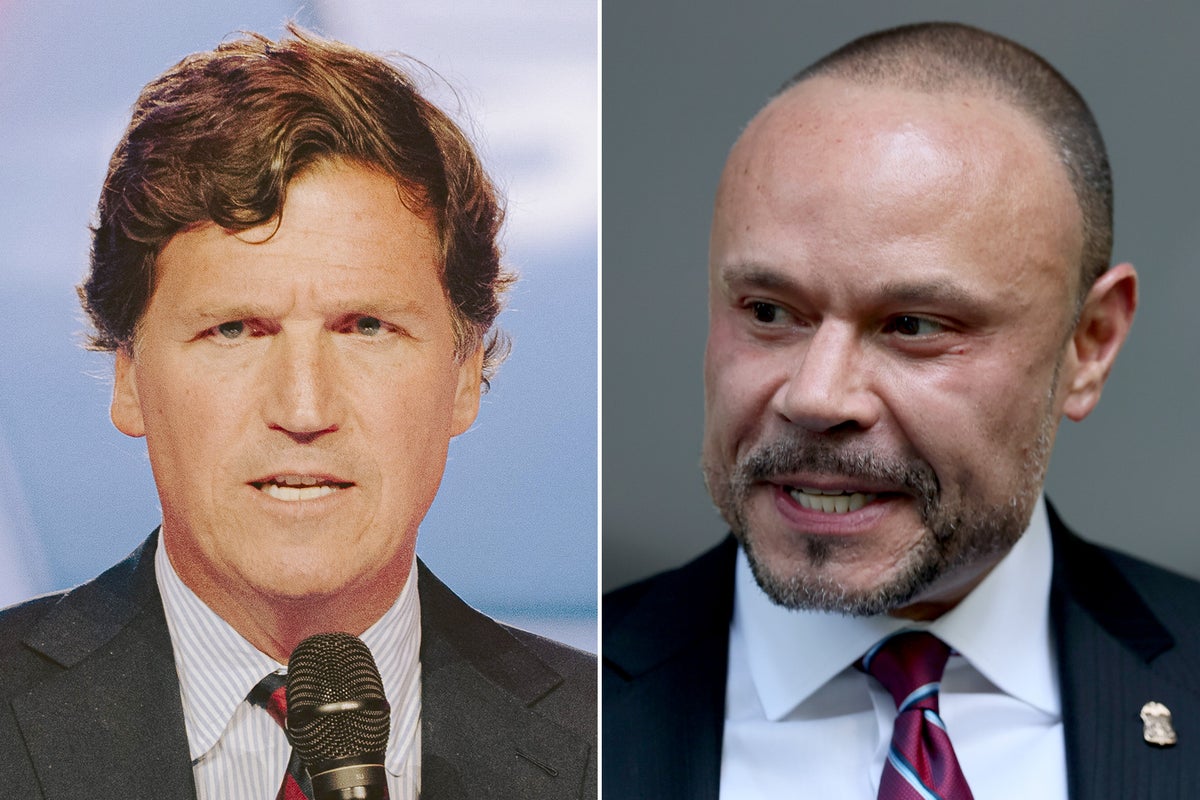
The feud was ignited after Tucker Carlson claimed on a podcast that Dan Bongino told him the president shut down the investigation into the assassination attempt in 2024
© AFP/Getty
US president dismisses Iranian media reports agreement is close, despite earlier suggesting a deal could be signed this weekend
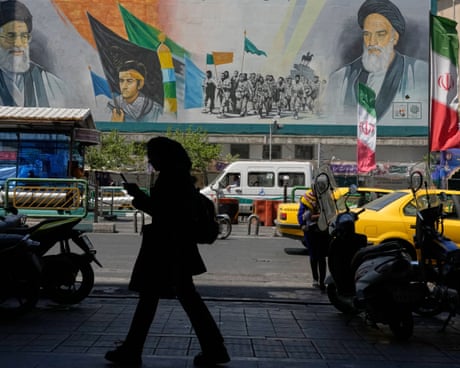
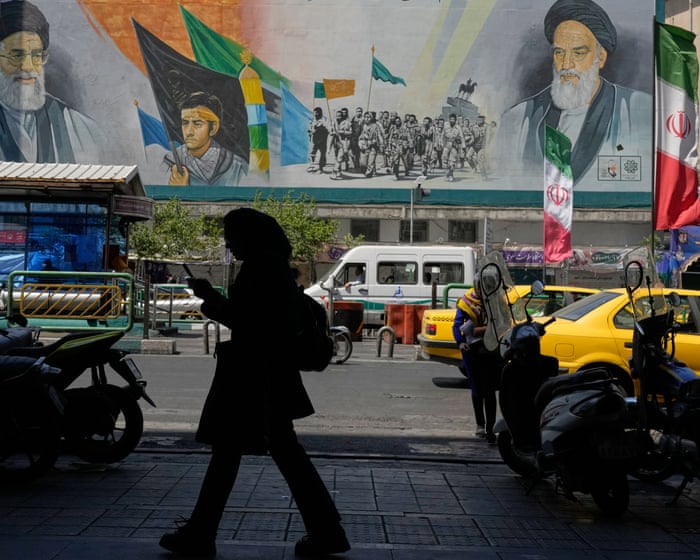
Prospects for an immediate end to the war between Iran and the US remained uncertain on Friday amid a chaotic series of conflicting claims and counter-claims by US and Iranian officials about ongoing negotiations.
Donald Trump seemed to distance himself from his earlier comments that suggested a preliminary agreement could be signed as soon as this weekend, with a series of angry social media posts describing the Iranians as “very dishonorable people to deal with”.
Continue reading...
© Photograph: Vahid Salemi/AP
© Photograph: Vahid Salemi/AP
© Photograph: Vahid Salemi/AP
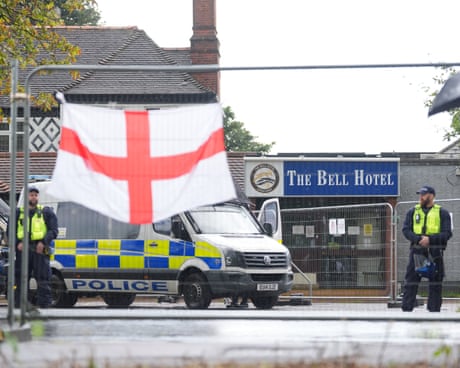
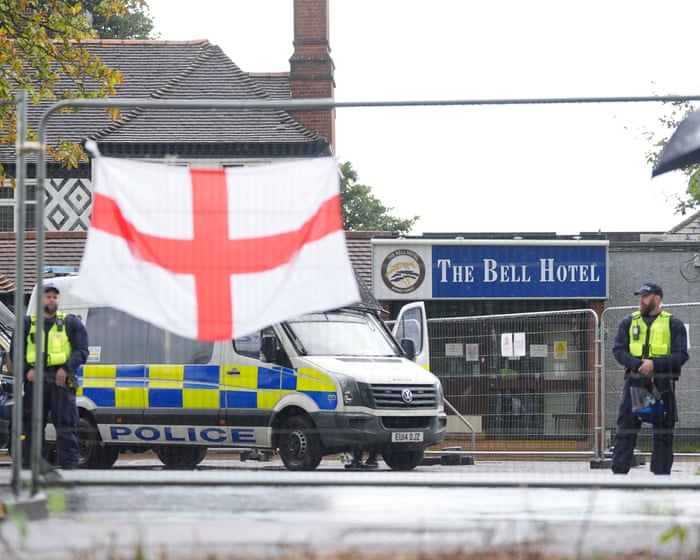
Bell hotel in Epping was scene of violent protests after asylum seeker living there sexually assaulted girl and woman
Asylum seekers have been removed from the Epping hotel that became a flashpoint for anti-immigration protests across England last summer as the Home Office terminates its contract with the establishment.
The hotel on the outskirts of the Essex town was the scene of increasingly large protests after an asylum seeker who was living there sexually assaulted a 14-year-old girl and a woman.
Continue reading...
© Photograph: Yui Mok/PA
© Photograph: Yui Mok/PA
© Photograph: Yui Mok/PA
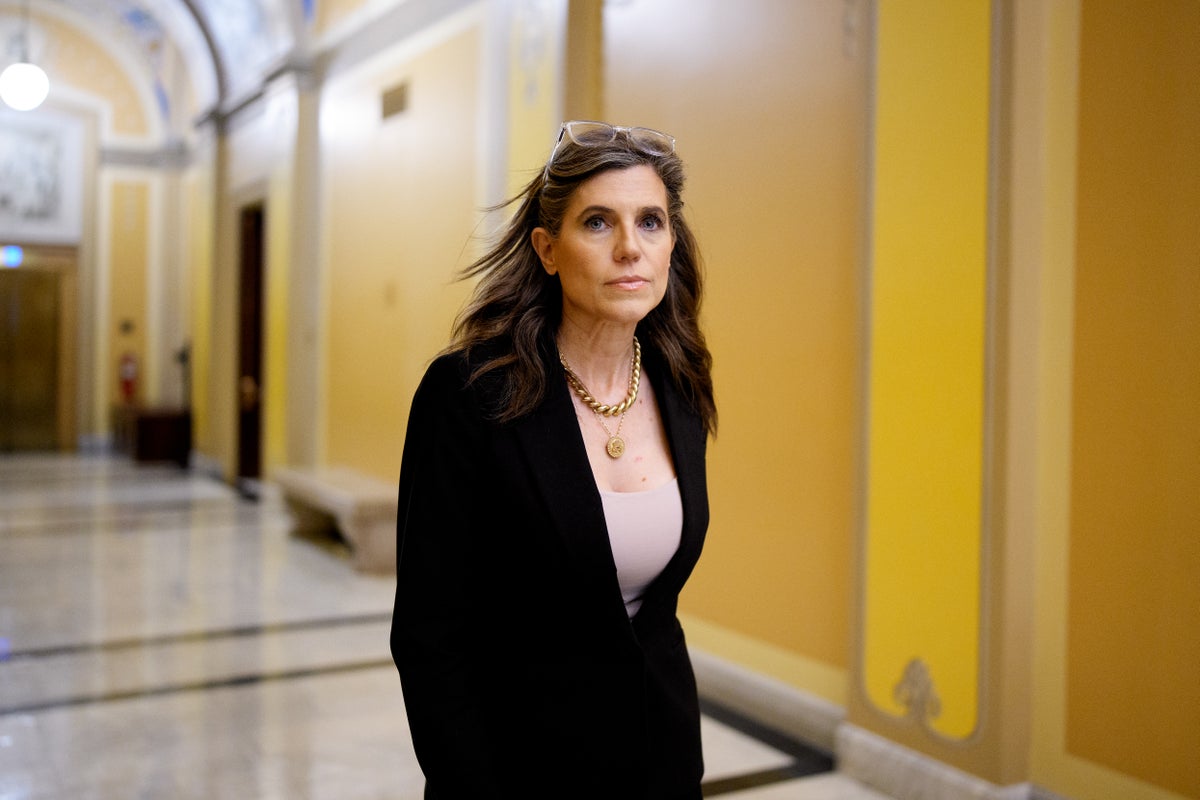
South Carolina Republican said she plans to return to the private sector on leaving Capitol Hill in January
© Getty
The Trump administration’s highly aggressive efforts to obtain state voter rolls has, at least so far, failed spectacularly, losing in eight out of eight court fights.
But as such federal efforts continue, there’s apparently a new twist on the broader gambit related to state voter rolls. The New York Times reported:
The U.S. Postal Service has proposed a new rule that would allow it to refuse to deliver mail ballots in states that don’t turn over voter rolls to the federal government.
The rule, proposed last week, is vaguely written but appears to establish broad authority for the agency to intervene in the mail voting process. It calls on states to compile lists of mail voters that Postal Service employees would use to screen ballots for eligibility. If states refuse to comply, the agency could refuse to send their mail ballots.
Pointing to the proposed rule, published in the Federal Register last week, the Times added, “Screening mail ballots for voter eligibility … would amount to an unprecedented, and potentially unconstitutional, involvement of the federal government in the administration of elections.”
For Donald Trump, that might very well be the point.
In March 2025, just two months into the president’s second term, the Republican signed a radical executive order intended to impose sweeping changes on the nation’s system of elections. Trump, however, lacked the legal authority for such a power-grab, and his policy was rejected throughout the judiciary.
One year later, in March 2026, the president nevertheless did it again, signing another order in which he purportedly gave himself sweeping authority over the country’s elections systems. As part of the radical scheme, hatched to address a problem that does not exist, the Republican administration set out to create a citizens database, which the U.S. Postal Service would then use to limit mail-in voting.
It was widely assumed that this, too, would fail in the courts, but two weeks ago, U.S. District Judge Carl Nichols, a Trump appointee, allowed the executive order to restrict mail-in voting to stand (at least for now), ruling that the plaintiffs, the NAACP and the League of United Latin American Citizens cannot claim to have been harmed by the policy because the president’s policy had not yet been implemented.
One day after the Trump-appointed judge allowed the president’s policy to remain in place, the U.S. Postal Service proposed its new rule to require states to provide voter-level data on mail-in ballots in federal elections.
There’s still a great deal of uncertainty about how, exactly, this policy would be applied, and the legal fight is ongoing.
Indeed, the Times’ report noted recent oral arguments before a federal judge in Boston in which a coalition of Democratic state attorneys general and voting rights advocates said the administration’s rule isn’t merely an unconstitutional federal intrusion into the voting process, but would also “be expensive, cumbersome and chaotic to comply with the demand to create new lists of voters and, in some cases, to change mail ballot designs, with fewer than 150 days until the 2026 general election.”
Time will tell what becomes of the fight, but that it’s even a possibility the USPS might refuse to deliver ballots unless states comply with Trump’s unnecessary demands is breathtaking. Watch this space.
The post USPS eyes new rule that would block ballots in states that balk at Trump’s demands appeared first on MS NOW.
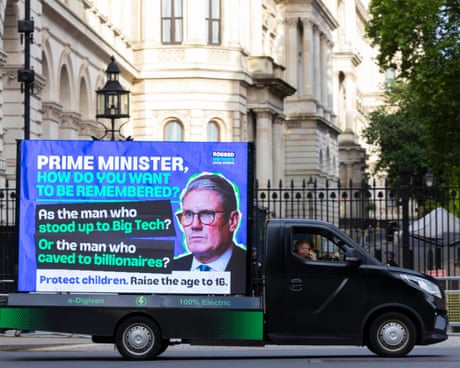
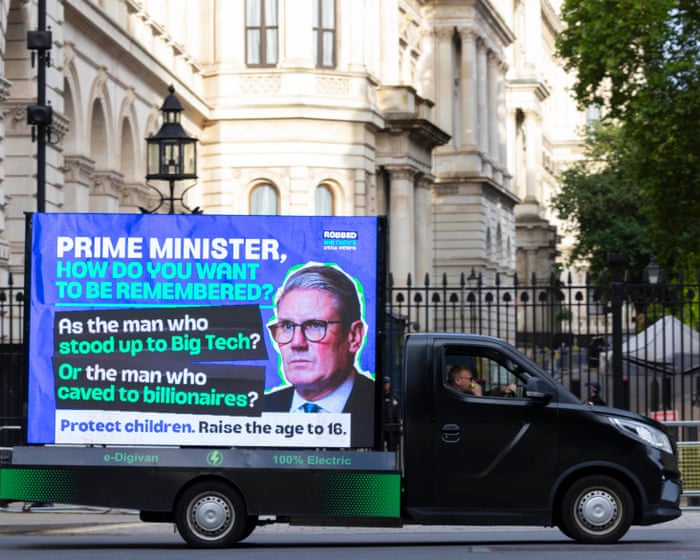
Measures to include restrictions on ‘safe’ social media apps, with some fearing banning some platforms and not others will lead to legal challenges
Teenagers under the age of 16 are to be banned from accessing “high-risk” social media apps while safer platforms will be subjected to restrictions, under a sweeping government crackdown.
Under-18s will also be banned from using romantic or sexual AI chatbots after a consultation on keeping children safe online.
Continue reading...
© Photograph: David Parry/PA
© Photograph: David Parry/PA
© Photograph: David Parry/PA