Login
Login
What is the Amal Movement, Lebanon’s other Shia party?
As Hezbollah's future is unclear, what role can Amal, Lebanon's other major Shia party, play?

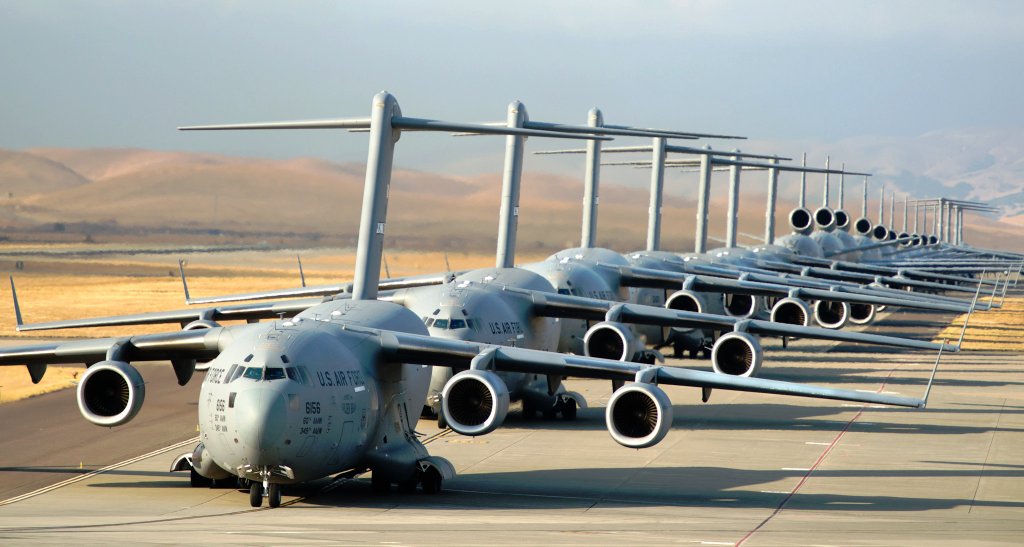
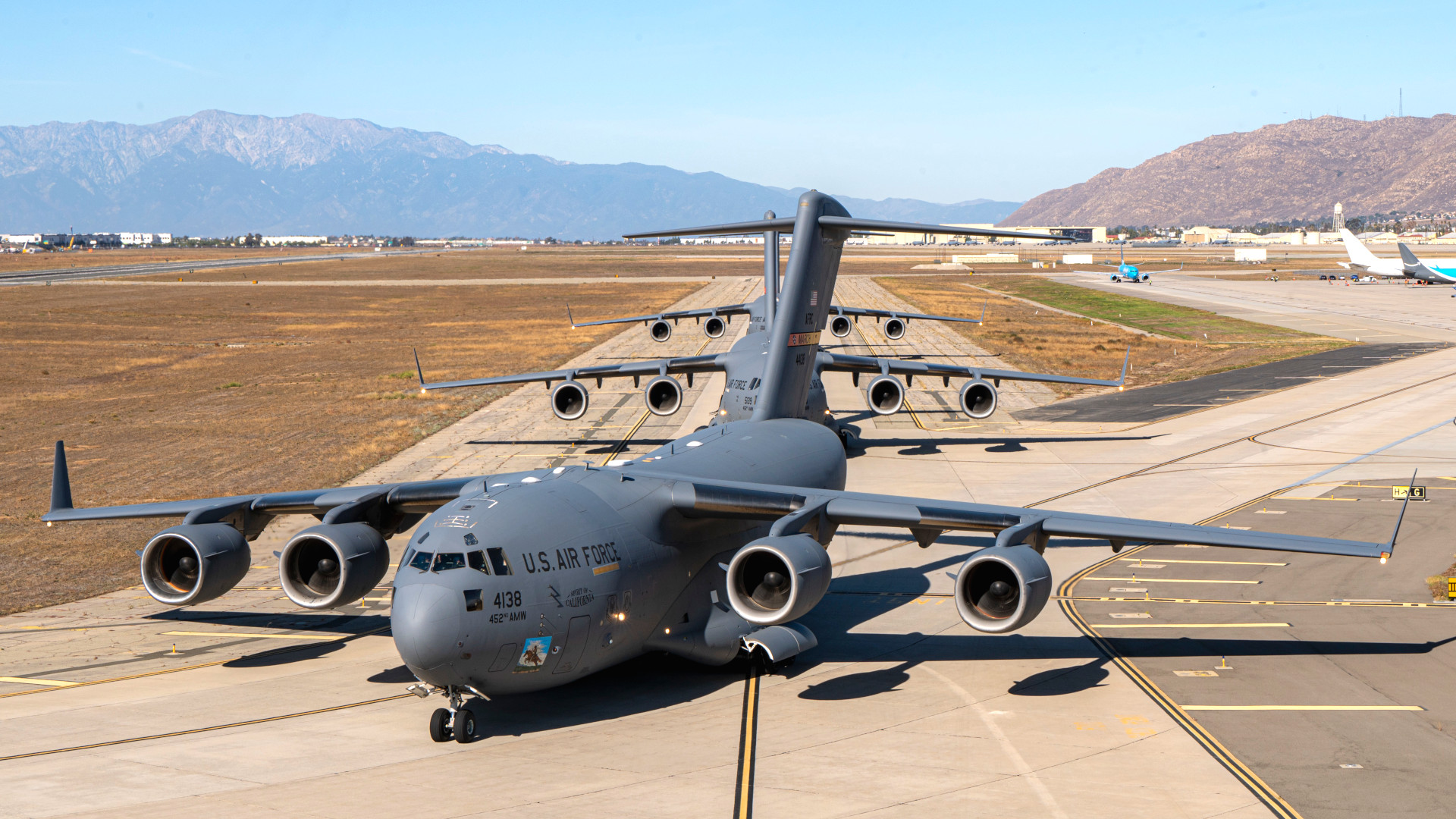
Operators of the C-17 Globemaster III have been reaching out to Boeing about possibly restarting the product line, and the company has been “encouraged” by these engagements. Separately, Congress recently directed the U.S. Air Force to prepare a formal briefing on the feasibility of acquiring new Globemaster IIIs. The Air Force’s C-17 fleet is critical for U.S. power projection globally. At the same time, a succession of crises in recent years has put serious strain on these aircraft, and questions have already been raised about the viability of the current plan to keep them flying through 2075.
The House Committee on Armed Services added the requirement for the C-17 production restart briefing to a report accompanying the latest draft of the annual defense policy bill, or National Defense Authorization Act (NDAA), last week. The Air Force took delivery of its last Globemaster III in 2013, and has some 222 of these airlifters in service today. The air arms of Australia, Canada, India, Kuwait, Qatar, the United Arab Emirates, and the United Kingdom also have smaller fleets of these airlifters. Three more of these aircraft are operated under the Strategic Airlift Capability (SAC) initiative, a multi-national arrangement with several European members, as well as the United States. Boeing shuttered the C-17 line entirely in 2015.
“The committee recognizes that the existing C-17 fleet continues to bear significant operational demands supporting combatant commander requirements, humanitarian assistance missions, and global mobility operations,” the provision in the House Committee on Armed Services’ report notes. “The committee is concerned that future operational demands may place additional strain on the existing C-17 fleet.”
“Therefore, the committee directs the Secretary of the Air Force to provide a briefing to the House Committee on Armed Services not later than March 1, 2027, assessing the feasibility of restarting the production line for the C-17 aircraft,” it adds.
The committee wants the Air Force’s briefing to at least include the following:
TWZ subsequently reached out to Boeing to ask about the company’s current position on rebooting C-17 production.
“Our goal is to help our customers be successful, and we work with them to develop innovative solutions to meet their mission needs, including development and production partnerships,” a Boeing spokesperson told us this week. “We are proud of our continued support for the unique, mission-proven capabilities that the C-17 Globemaster III delivers to the U.S. Air Force and eight allied nation partners.”
At the Paris Air Show last year, Turbo Sjogren, Vice President and General Manager of Boeing Global Services-Government Services, had told Shephard Defense that talks with an unnamed country about a possible C-17 production restart were in their “early infancy.”
“It is a very extraordinary effort to do” and is “reflective of the utility of the aircraft,” he also said at the time, according to Shephard.
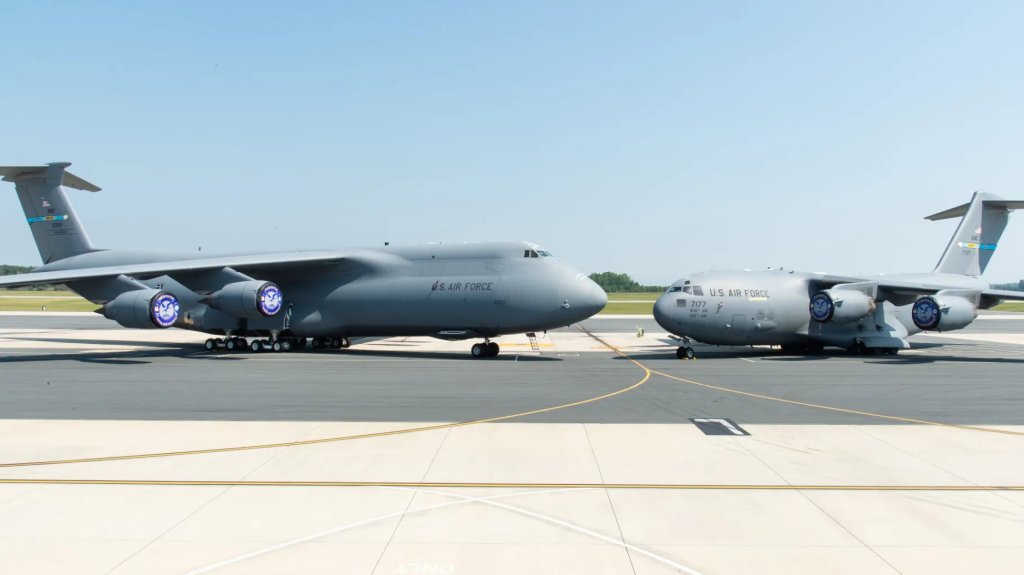
Boeing has also now said that it is always willing to work to better understand the requirements and needs of its customers. Any talk about the prospect of restarting C-17 production would also have to be viewed in the broader context of the Air Force’s still-evolving requirements for the Next Generation Air Lift (NGAL) program. The service’s current NGAL plans envision a single aircraft replacing the very different C-17 and C-5 Galaxy fleets, as you can read more about here.
TWZ also reached out to the U.S. Air Force about the recently requested briefing.
It is unclear what it might cost to get the C-17 line restarted and what the unit price of these new-production aircraft would be in the end. There are various factors at play, including whether Boeing retains any relevant tooling, the knowledge base of its current workforce, the state of third-party supply chains, and the availability of physical space to build the airplanes. Back in 2019, the company sold off the facilities in Long Beach, California, where it built the original run of Globemaster IIIs.
More than a decade ago, the RAND Corporation did conduct a detailed, independent analysis that explored options for resuming production of the baseline C-17A, a new C-17B, and a significantly revised “fuel efficient” C-17FE derivative.
The C-17B was “a variant Boeing has proposed that adds centerline landing gear, a tire deflation/inflation system, higher-thrust engines, advanced flaps, and an advanced situational awareness and countermeasures system,” according to RAND’s report. The C-17FE derivative “would have a narrower fuselage, up-rated engines, a double-element flap system, winglets, a longer loading ramp, a shorter cargo door, and a modified horizontal tail.”
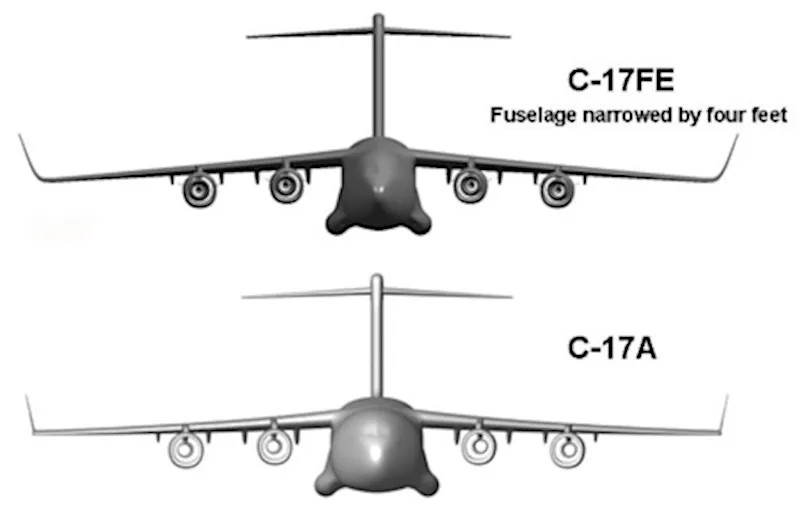
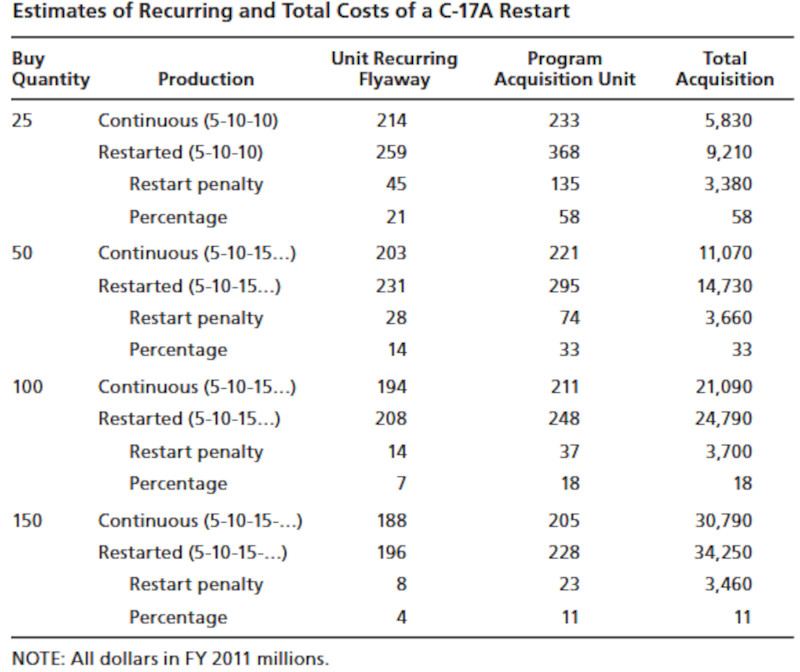
RAND said that it could cost between $2.1 and $2.7 billion in 2011 dollars to begin making C-17A models again after a pause, depending on how much tooling Boeing retained. The cost ranges would be $4.6 to $6.4 billion for new production of the improved C-17B version, and $6.2 billion to $7 billion to start building the C-17FE derivative. Billions more would be required to actually procure the aircraft, with unit prices being highly dependent on the total size of the production, as outlined in the table below. If nothing else has changed, these cost projections would still be significantly higher today just due to inflation.
As an aside here, RAND published a similar assessment of the options for restarting production of the F-22 Raptor in 2011. That report factored heavily into a study the Air Force subsequently delivered to Congress on that topic back in 2017, which you can read more about here.
Foreign participation in new production of C-17s could help defray costs, and is one of the points the House Armed Services Committee specifically wants the Air Force to address in its briefing. As TWZ noted last year after Turbo Sjogren made comments at the Paris Air Show, Boeing’s discussions at that point might not have been with the U.S. government. Earlier in 2025, then-Japanese Prime Minister Shigeru Ishiba had expressed interest in buying Globemaster IIIs, raising immediate questions about where those aircraft might come from.
It should be noted here that the U.S. Air Force’s C-17s have received various upgrades over the years, and the service continues to move ahead with other plans to improve their performance and expand their capabilities. This includes the installation of 3D-printed microvanes on the fuselage, which offer a very minor reduction in drag (approximately one percent), but that translates into real reductions in fuel consumption. All Air Force C-17s are expected to have this feature by the end of next year. Communications and data-sharing upgrades have also been a major focus area across all of the Air Force’s airlift and tanker fleets.
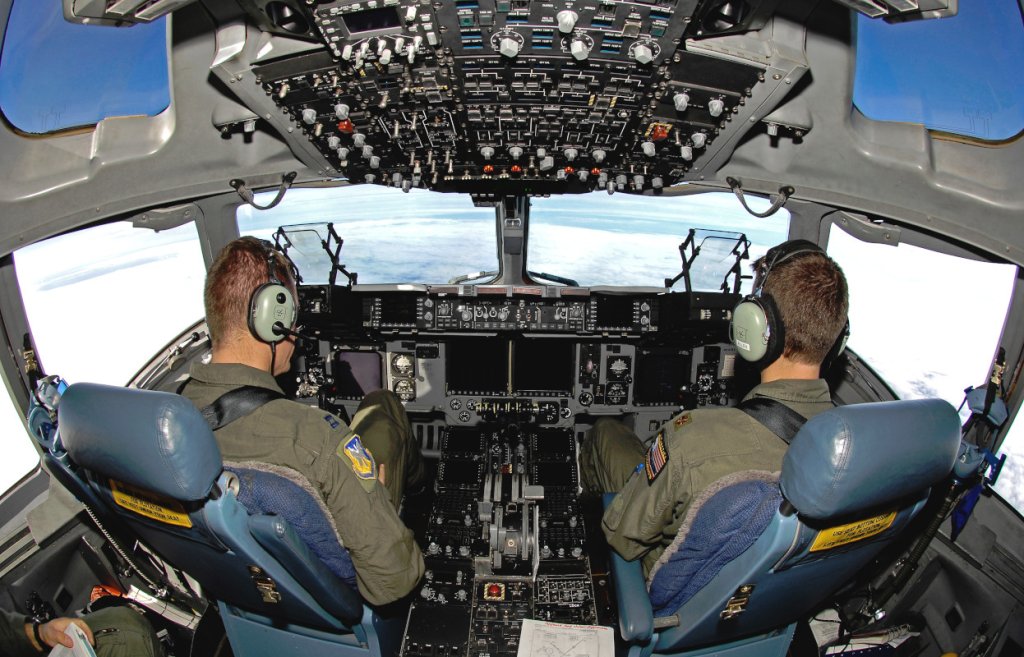
Boeing is now under contract for a more extensive upgrade of the flight decks on Air Force C-17s. The company says this will aid in “resolving avionics obsolescence” and integrate new open systems architectures to make it easier to add new and improved capabilities and functionality in the future.
The prospect of a re-engining effort for the Globemaster III fleet has also been raised in the past, but the Air Force downplayed the value of doing so earlier this year.
When it comes to discussions about restarting C-17 production, another key factor is the lack of immediate alternative options. There is really no other aircraft in this class in production now in the United States or anywhere else in the West. Airbus has long positioned its turboprop-powered A400M as sitting in a capability space between Lockheed Martin’s C-130 family and the C-17. Embraer’s KC-390 Millennium design, which is also offered as an aerial refueling tanker, has generally been pitched as a jet-powered competitor to the C-130. China’s Y-20 and Russia’s Il-76 are really the only in-production analogs on any level to the C-17 globally.
The House Armed Services Committee has now also asked the Air Force to speak to the possibility of buying “commercial derivative cargo aircraft” and/or an “expansion of the Civil Reserve Air Fleet,” or CRAF, to help bolster airlift capacity. The CRAF is an arrangement by which the U.S. military can call upon commercial airlines and charter companies to help move cargo and personnel, which you can learn more about here.
A key issue here is that the C-17 is specifically designed for tactical operations right at the tactical edge. This includes the ability to bring combat-ready forces to far-flung locations without the need for an established airfield. Additional commercial alternatives could still be utilized in rear areas to help free up C-17s for more demanding missions and otherwise relieve stress on the Globemaster III fleet.
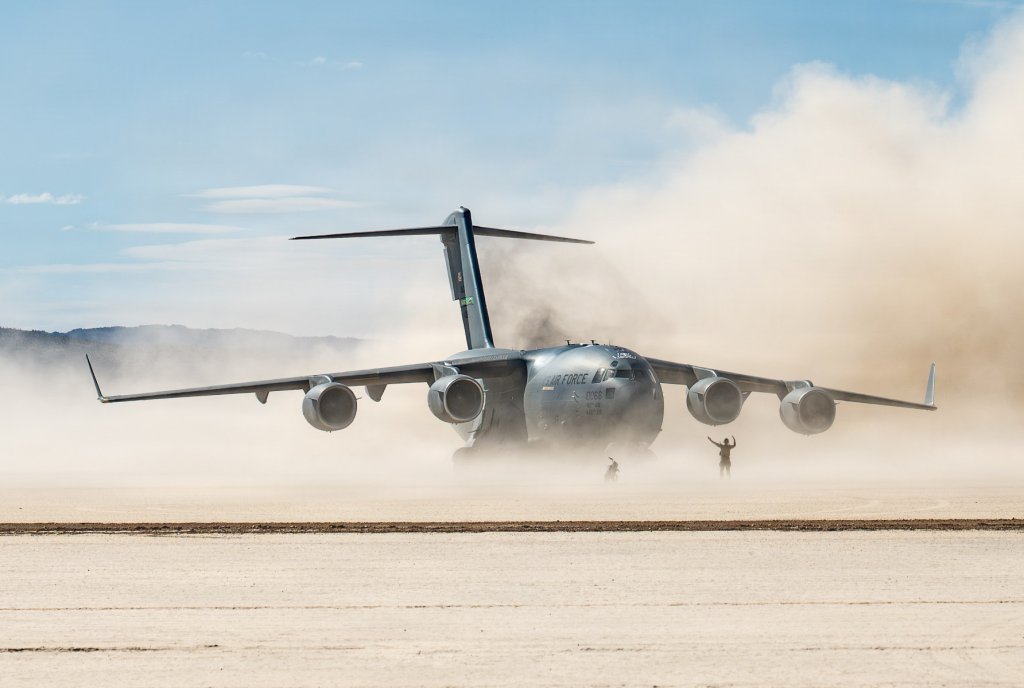
Questions have been increasingly raised about the survivability of the C-17 itself, especially in the context of a future high-end fight, as the threat ecosystem continues to expand and evolve. The Air Force has made clear that it is working to find new ways to bolster the defensive capabilities of all of its existing airlifters, as well as its tanker fleets, and that this is a key consideration in the evolving NGAL requirements.
TWZ has long been sounding the alarm on the need for more survivable cargo planes and tankers. The Air Force already has decades’ worth of experimental work and studies on concepts for stealthy cargo aircraft and tankers, as well as non-stealthy ones with blended-wing-body (BWB) planforms, under its belt. Over the years, several companies have publicly put forward prospective designs that could be relevant for NGAL, as well.
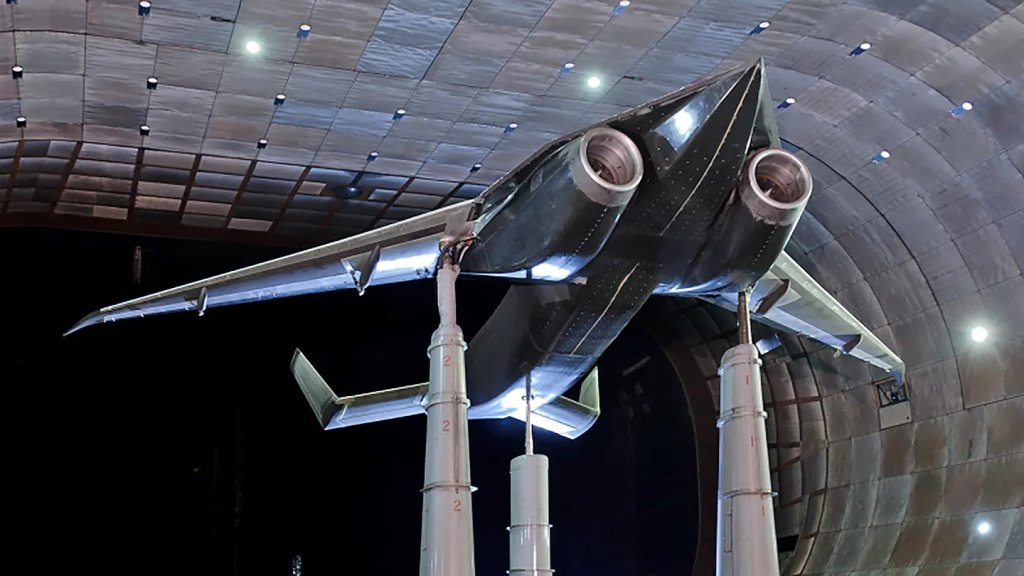
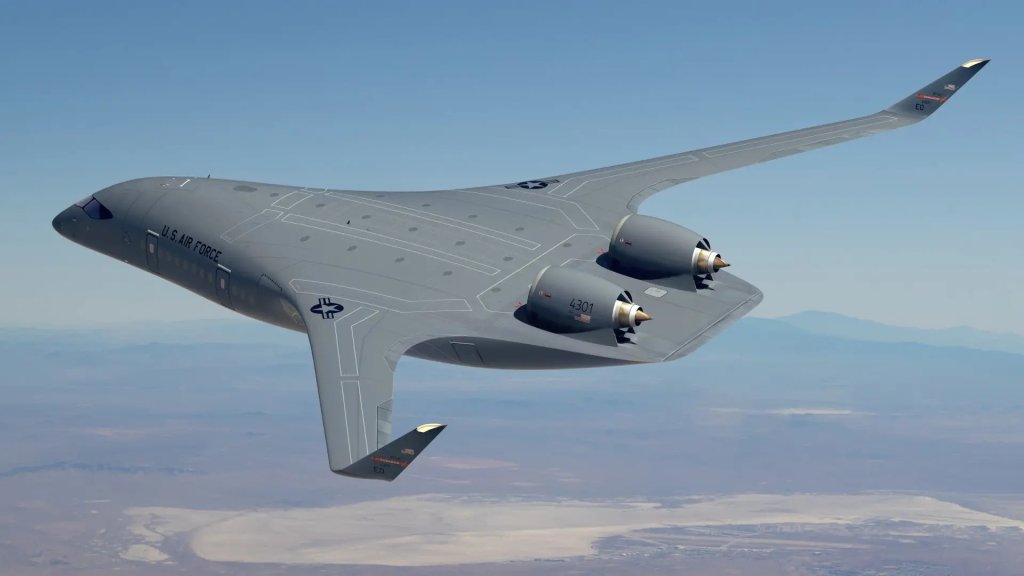
When any new platform developed under NGAL actually enters service remains to be seen. The stated plan the Air Force has put forward to date would see those new aircraft replacing its C-5s first, with C-17s flying through 2075. By that point, the Globemaster III, as a type, will have been in service for 80 years.
“The C-17 is the most amazing airplane ever made. I have a lot of time in it, so I can say that. We have asked it to do a lot of things, and it’s done more than we ever planned for when we bought that airplane,” Air Force Lt. Gen. Rebecca Sonkiss told TWZ and other outlets at a roundtable on the sidelines of the Air & Space Forces Association’s (AFA) annual Warfare Symposium in February. “It has performed flawlessly, but it’s getting old too.”
Sonkiss is Deputy Commander of Air Mobility Command (AMC). She has been serving as the interim head of the command since her predecessor, Gen. John Lamontagne, became Vice Chief of Staff of the Air Force in January.
“I cannot have a gap in my strategic airlift forces, and we’re working forward on the NGAL to combine the view of the C-5 and the C-17 fleet and figure out what the next strategic airlifter needs to be. That conversation, in my book, can’t happen enough, or can’t happen fast enough,” she added at the roundtable in February. “We have to get after what next looks like, and we can’t wait until we’re shoveling it into the boneyard before we get to that discussion.”
Whether the Air Force’s future airlift plans also include buying new-production C-17s remains to be seen. For its part, Boeing does not appear to have ruled out the possibility just yet.
Contact the author: joe@twz.com
The post Boeing “Encouraged” By C-17 Production Restart Discussions appeared first on The War Zone.
Norwegian missile-maker Kongsberg has finalized its acquisition of a majority stake in Zone 5 Technologies, bringing under its umbrella the U.S. start-up’s Rusty Dagger low-cost cruise missile, among others. With both those weapons already moving into large-scale production, the two companies are making the case for combining Kongsberg’s stealthy Joint Strike Missile (JSM) cruise missiles in operational scenarios. Zone 5 has also now confirmed that the Rusty Dagger, which is already being supplied to Ukraine, is now cleared for use on four different types of fighter aircraft, including the F-16.
At the ILA Berlin airshow yesterday, where TWZ was in attendance, officials from the two companies announced that Kongsberg has now formally acquired a 90 percent stake in Zone 5. California-based Zone 5 will continue to operate as an independent subsidiary under the Norwegian contractor. As well as discussing the industrial acquisition, the officials provided details of how the Rusty Dagger fits into the new-look portfolio, and updates on how that program is progressing.
Founded in 2011, Zone 5 is one of an emerging class of defense companies gaining prominence for developing low-cost, rapidly deployable capabilities. In many ways, they represent the inverse of traditional defense contractors, favoring speed, scalability, and cost efficiency over highly customized, high-priced systems.
Kongsberg first announced the acquisition in December, with executives noting that buying a stake in Zone 5 offered the fastest path to offering lower-cost missiles that still deliver meaningful combat capability, especially in terms of bringing these to the European market.
“What we’re doing here is that we’re combining Kongsberg’s niche, exquisite technologies with a company very capable of designing for cost efficiency and mass production,” explained Thomas Akers, founder and CEO of Kongsberg.
KONGSBERG announced today that it has closed the acquisition of US missile company Zone 5 Technologies LLC, following approval by US regulatory authorities.
— KONGSBERG (@kongsbergasa) June 10, 2026https://t.co/meRxfmYHH6 pic.twitter.com/EXVbYhDers
As to why Kongsberg didn’t choose to develop its own equivalent to the Rusty Dagger, Harald Aarø, Kongsberg’s executive vice president for business development and strategy, provided the following answer:
“Technically, could we be capable of doing it? Yes, but we are not as capable, as we will probably spend a longer time, and perhaps not strike as smart solutions,” Aarø said. “That doesn’t mean that our engineers aren’t just as smart. Our engineers are just as smart, but on a different sports field, so to speak.”
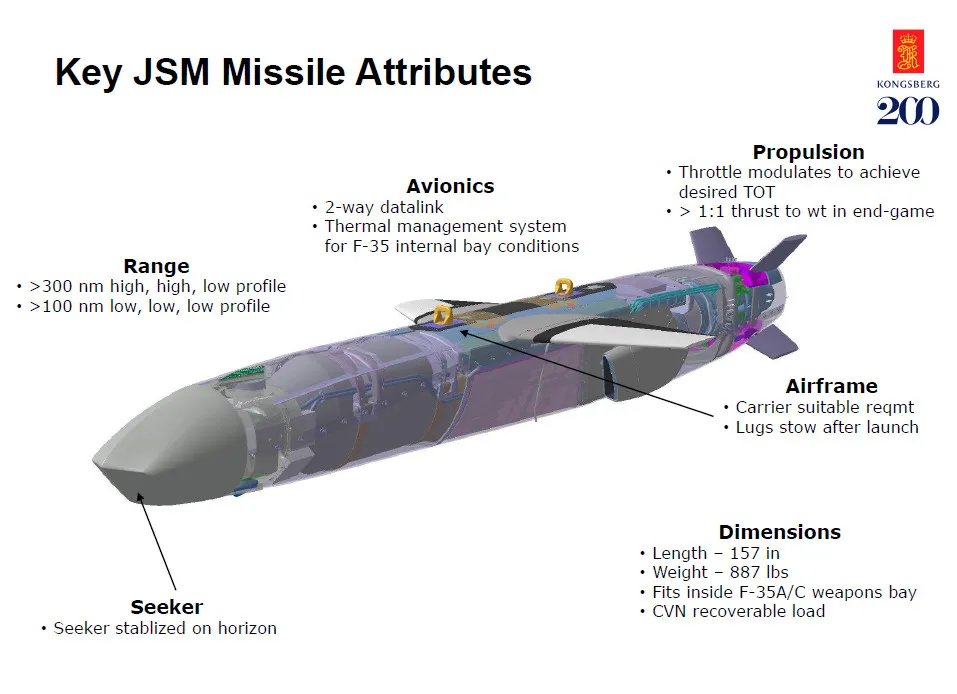
Aarø also described how the specific combination of the Rusty Dagger and the JSM makes for “a very effective future strike solution.” Namely, the Rusty Dagger provides cost-effective but still highly capable standoff strike, while the more exquisite JSM comes with a heftier price tag but offers a greater chance of making it through to even heavily defended targets, on account of its sophisticated guidance and low-observable characteristics.
As well as being launched from a pylon on a fighter, the Rusty Dagger can be configured for palletized employment from a cargo aircraft, reflecting growing interest in this type of munition employment. It can also be surface-launched both on land and at sea.
According to Tom Kanewske, Zone 5’s chief strategy officer: “What’s interesting about our missile is that the same base, light cruise missile is field retrofittable for all employment modes, and that puts us in a very unique space, in that a country and their [armed] services are able to purchase the same munition and field retrofit for that to be surface launched, whether from land or the deck of a ship, or pylon launched from a fighter aircraft, or palletized.”
Since larger numbers of Rusty Daggers can be launched in any given scenario, they can overwhelm enemy air defenses and improve the chances of success.
According to Kanewske, Rusty Dagger and JSM “offer a weapon pairing that truly no other missiles in the world do.”
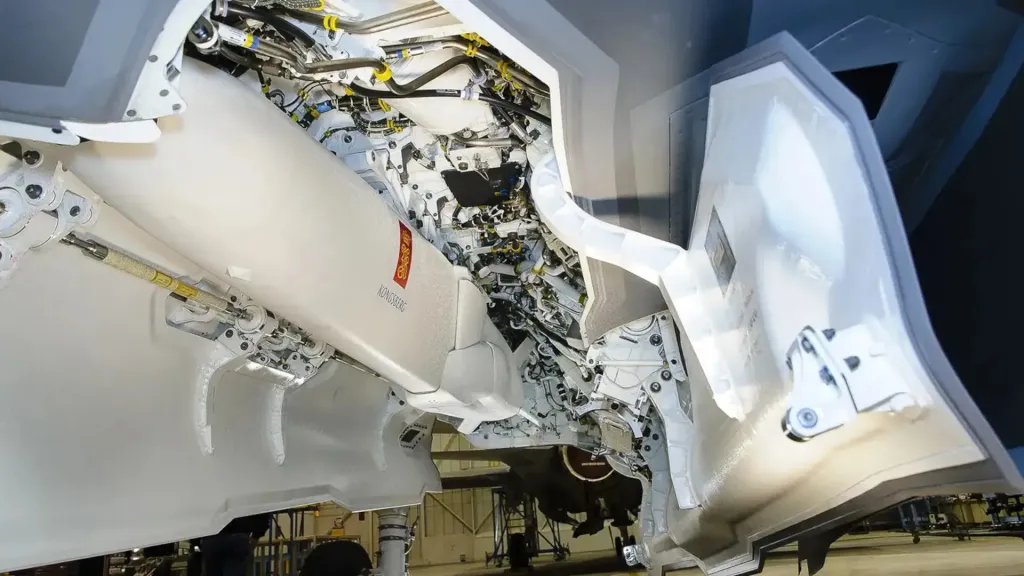
While the JSM can be carried internally in the F-35, the same is not currently the case for the Rusty Dagger, although Kanewske said that this is “something that is of keen interest to the [U.S. military] services and several of our international partners.”
When it comes to utilizing the Rusty Dagger and JSM together in a combat scenario, Kanewske noted the possibility of integrating capabilities that would allow the Rusty Dagger to offer “cooperative behaviors” with the JSM. This reflects a growing trend toward leveraging artificial intelligence to help make all munitions more effective and survivable, something that has been demonstrated via Golden Horde and follow-on programs.
Both missiles fly at high-subsonic speeds, the Rusty Dagger being able to strike targets at a range of 250 miles, according to Zone 5, while the JSM has a range of more than 215 miles.
In one highlighted scenario, F-35s could penetrate closer to the target, with their JSMs carried internally to preserve their low-observable features. Meanwhile, much larger numbers of Rusty Daggers could be pylon-launched from fighters, and dropped in palletized form out of the cargo holds of transports, from outside of the range of hostile air defenses.
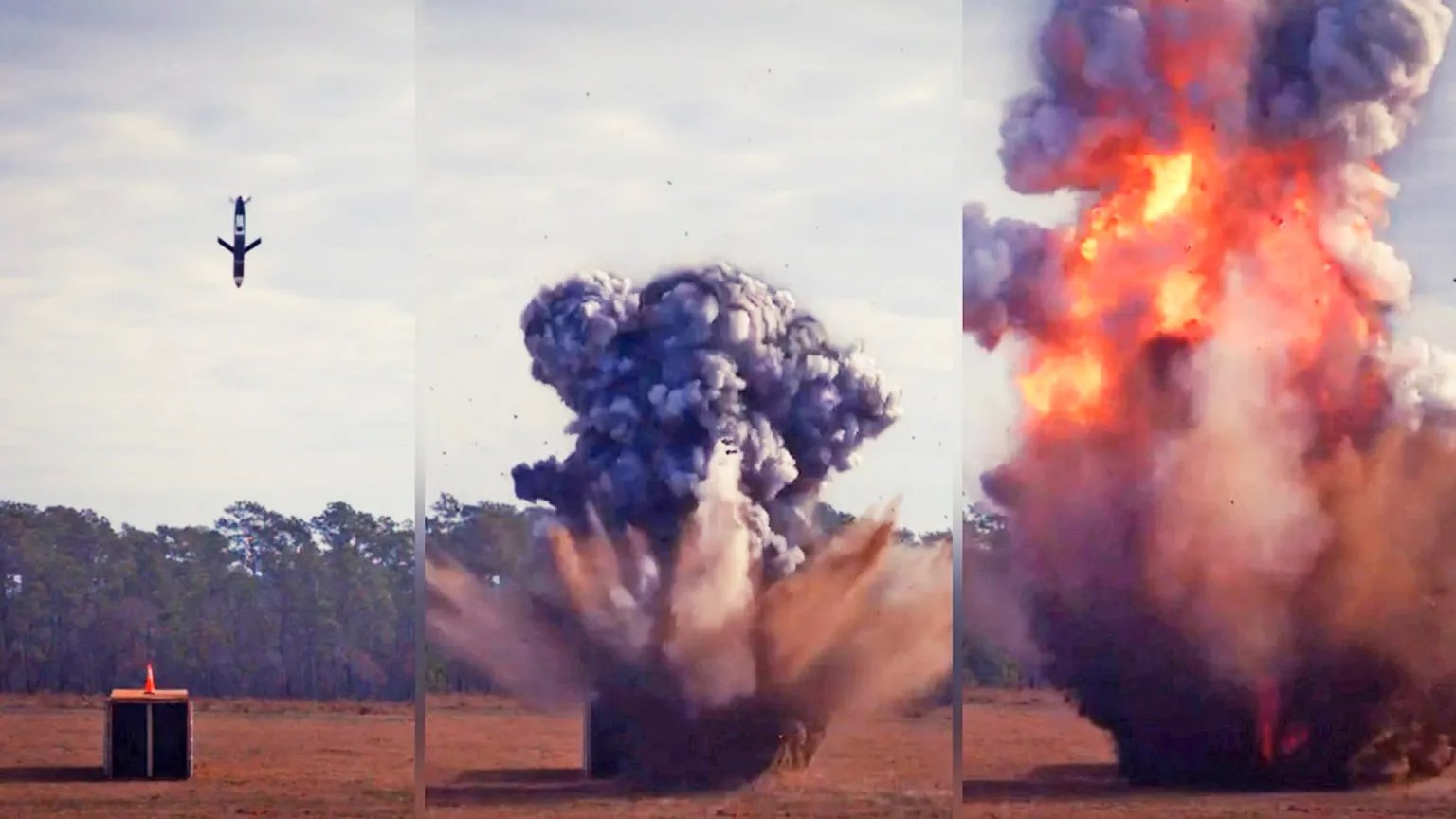
Kanewske confirmed that, this year, its first year of production, “well above 1,000 units for Rusty Dagger” will be completed, including for the U.S. Air Force, as the AGM-188, under the Family of Affordable Mass Missiles (FAMM) program. The Air Force’s proposed budget for the 2027 Fiscal Year laid out plans to buy nearly 28,000 FAMM munitions over the next five years.
Last month, the Pentagon laid out plans to acquire at least 10,000 lower-cost cruise missiles over the next three years, as part of a broader strategy to dramatically bolster its stockpiles of standoff strike munitions and prepare the industrial base to sustain those inventories going forward. This is seen as especially critical for supporting the demands of future high-end fights, such as one in the Pacific against China, and doing so in a cost-effective manner.
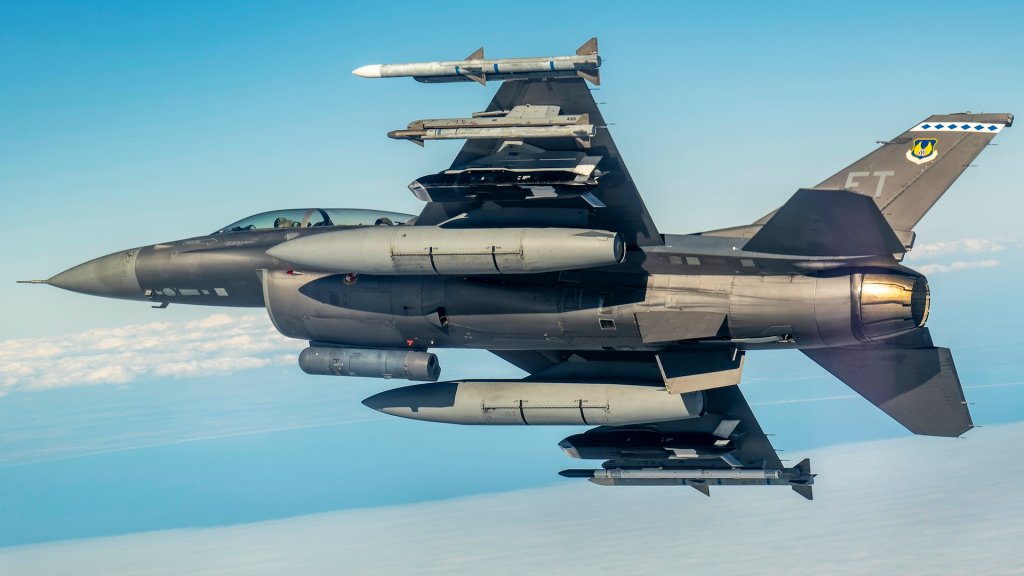
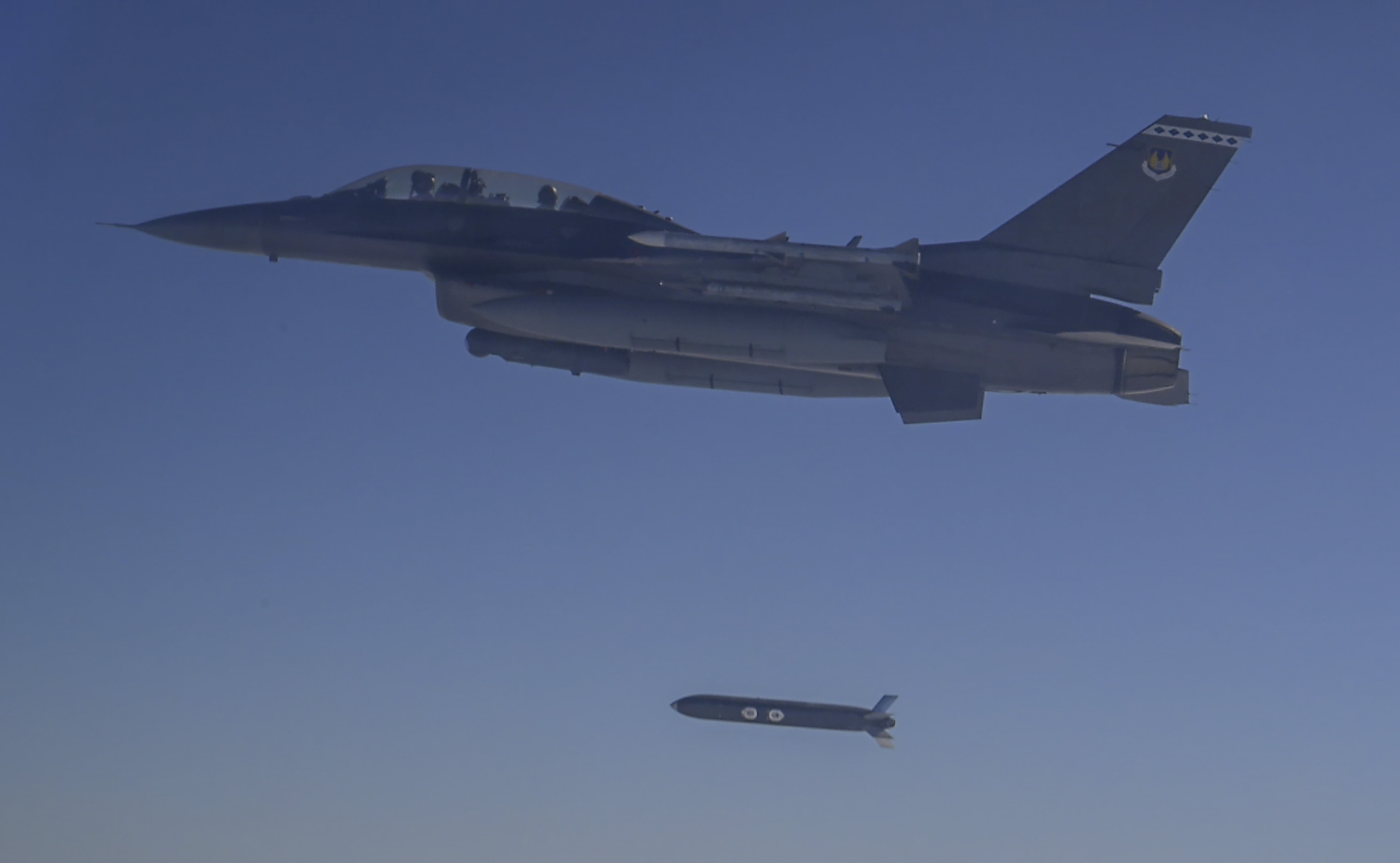
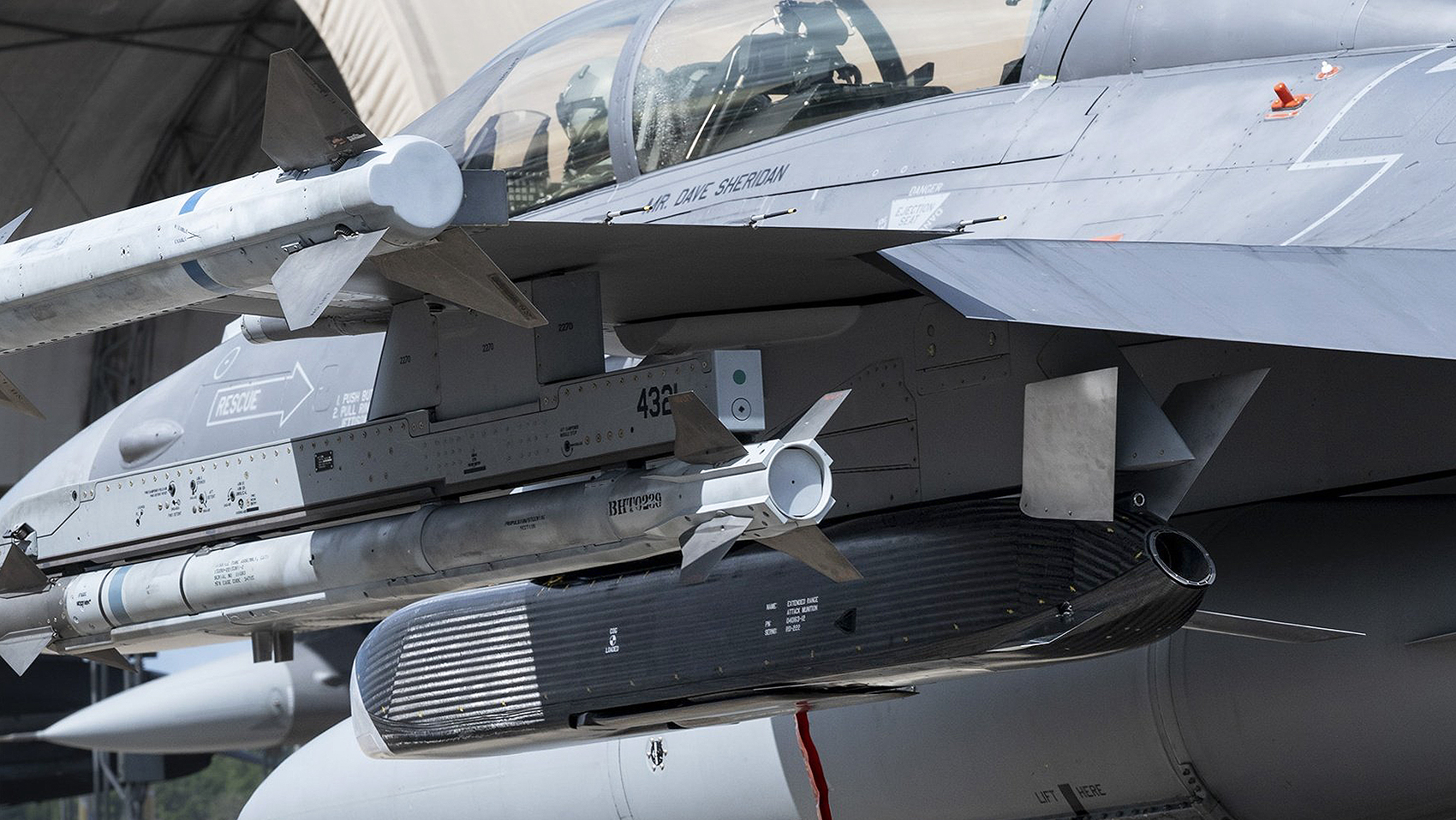
The Rusty Dagger has so far been cleared for use from four different types of fighter aircraft, Kanewske said. One of these is the F-16, which used the weapon in end-to-end live-fire trials at the Eglin Test and Training Range in Florida earlier this year. Another platform may be the A-4, with a contractor-operated example of the attack jet having been used in company trials. Then there is the Ukrainian Air Force, which is using the Rusty Dagger, under the Extended Range Attack Munition (ERAM) program, although the specific platforms have not been disclosed. Any of the MiG-29 Fulcrum, Su-25 Frogfoot, and Su-27 Flanker are likely candidates — as well as its own F-16s.
A series of unverified photos, first published by Russian sources, showing purported parts of Rusty Dagger missiles retrieved after being used by Ukraine:
It appears that the AGM-188A “Rusty Dagger” cruise missile has undergone field testing in Ukraine.
— 𝔗𝔥𝔢 𝕯𝔢𝔞𝔡 𝕯𝔦𝔰𝔱𝔯𝔦𝔠𝔱△
Russian sources are publishing photos of an unknown 8-element CRPA antenna. On the back side of the unit there is a circuit board with a large heatsink, which carries the CAGE code… pic.twitter.com/phZeOJfHJ0(@TheDeadDistrict) June 7, 2026
In the case of the F-16, Kanewske said that only 72 hours were required to integrate the Rusty Dagger on the jet during the trials at Eglin.
“We’re the only affordable mass munition that is currently on contract with an export international customer, and we are actively involved with them at this time,” Kanewske said, clearly referring to Ukraine.
Zone 5 is currently under U.S. Air Force contract for both FAMM and ERAM, and is also under contract with the U.S. Army for its Low-Cost Containerized Missile (LCCM) program, and for the U.S. Navy as part of its Coalition Heterogeneous Affordable Offensive Strike (CHAOS) program, which seeks a low-cost anti-ship cruise missile to provide to partner countries. Both LCCM and CHAOS involve surface-launched missiles.
As well as the ability to rapidly scale up production and a relatively low unit cost, the Rusty Dagger brings with it an open-architecture concept, applying to both software and hardware. This means new, sovereign features and capabilities can be introduced at short notice by customers. In the past, an operator might have to wait up to five years for unique subcomponents to be integrated in a similar weapon, Kanewske contended. With the Rusty Dagger, Zone 5 has demonstrated that this can be achieved in under 12 months.
Then, when it comes to producing the missile at mass, rather than having to “make that factory bigger and bigger,” Kanewske explained that the company offers a franchise model “that allows us to roughly parachute in the design, the equipment, the tooling, the fixtures, the quality control, so that countries can drop in their own subsystem capabilities, and we can achieve manufacturing at pace and at scale.”
Speaking in Berlin yesterday, Kongsberg’s Harald Aarø confirmed that Germany is a particular target for this franchise model, including for the Rusty Dagger. He identified Germany as having “probably the best manufacturing capabilities on this planet,” making it an obvious choice for a European manufacturing footprint.
Reflecting on the changing security situation on the continent since Russia’s full-scale invasion of Ukraine, Aarø said that now is “a natural time to start looking at a production site in Europe,” providing nations there with national sovereign capabilities based on the Kongsberg/Zone 5 joint portfolio.
Kongsberg’s acquisition of a majority stake in Zone 5 evidences a broader shift in Western defense planning toward affordable, mass-produced precision weapons that can be fielded at scale alongside more sophisticated strike systems.
The war in Ukraine has exposed the harsh reality that Europe needs far more standoff weapons than it currently possesses, and it needs them at a price point that allows stockpiles to be measured in the thousands rather than the dozens. Rusty Dagger is very much indicative of a new generation of systems designed around that requirement, prioritizing low-cost mass production over the exquisite but scarce munitions that have traditionally dominated Western arsenals.
As conflicts in Ukraine and the Middle East continue to highlight the operational value of low-cost, long-range munitions, demand for capabilities such as the Rusty Dagger is likely to grow. In an increasingly crowded marketplace, Kongsberg and Zone 5 will hope they can leverage their partnership, the Rusty Dagger’s combat use in Ukraine, and the potential to harness its capabilities in combination with the JSM, to build on the missile’s success.
At the same time, Kongsberg’s interest in establishing European production reflects a wider recognition across the continent that long-range strike capacity, industrial resilience, and the ability to sustain missile inventories are becoming increasingly important elements of national and collective defense.
Contact the author: thomas@thewarzone.com
The post Kongsberg Bets On High-Low Cruise Missile Mix With JSM And Rusty Dagger appeared first on The War Zone.
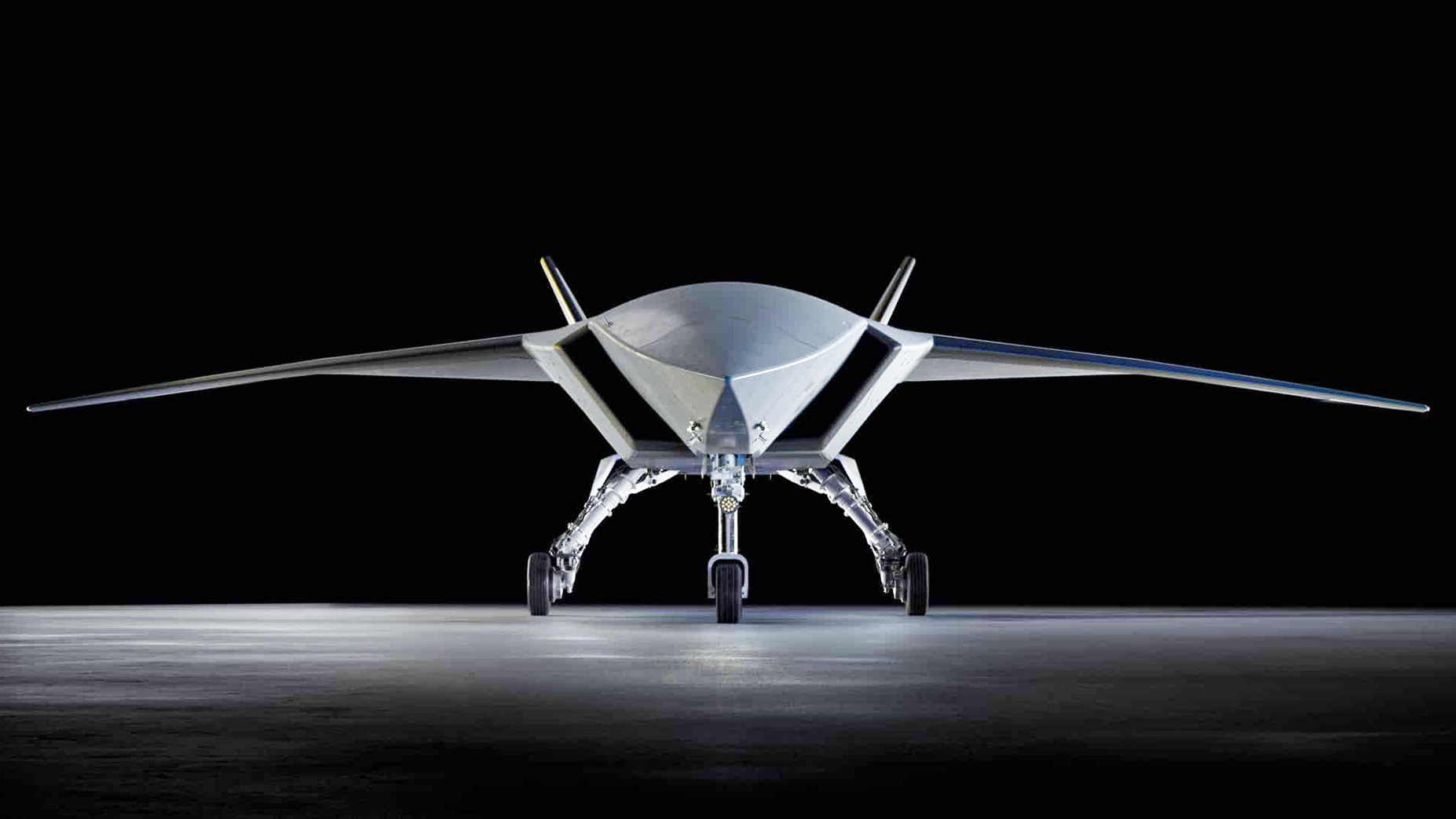
Boeing has provided details of the latest iteration of its MQ-28 Ghost Bat collaborative combat aircraft (CCA). Already, the Ghost Bat was the most mature known CCA, but the enhanced version of the drone, the Block 3, has various new features. These include a larger wing and a pair of internal weapons bays, which means it can carry munitions without diminishing its low-observable characteristics.
The MQ-28 Block 3 was revealed today at the ILA Berlin airshow, taking place this week in the German capital. The unveiling was conducted by officials from both Boeing Australia and Germany’s Rheinmetall. The German firm is partnered with Boeing to offer the drone to the German military, as well as to tap into the potentially very lucrative European CCA market.
— Boeing Australia (@BoeingAustralia) June 10, 2026
>25% larger wing
MQ-28 Ghost Bat enhancements deliver flexibility, range and capacity advancements.
More: https://t.co/IPZLUy5Qub pic.twitter.com/7EK5fUD11h
“This is the aircraft that we are offering to Germany,” MQ-28 Global Program Director, Glen Ferguson, said at the rollout. “This is the third iteration of design now, and we are on point to build out first [Block 3] aircraft next year.”
The previous Block 1 and Block 2 variants have completed more than 150 test sorties in Australia and the United States.
Australia has already acquired eight Block 1 MQ-28s, which are configured as pre-production prototypes.
The first nine Block 2 drones, now in production, are seen as a pathway to an operational capability, which is fully realized in the Block 3.
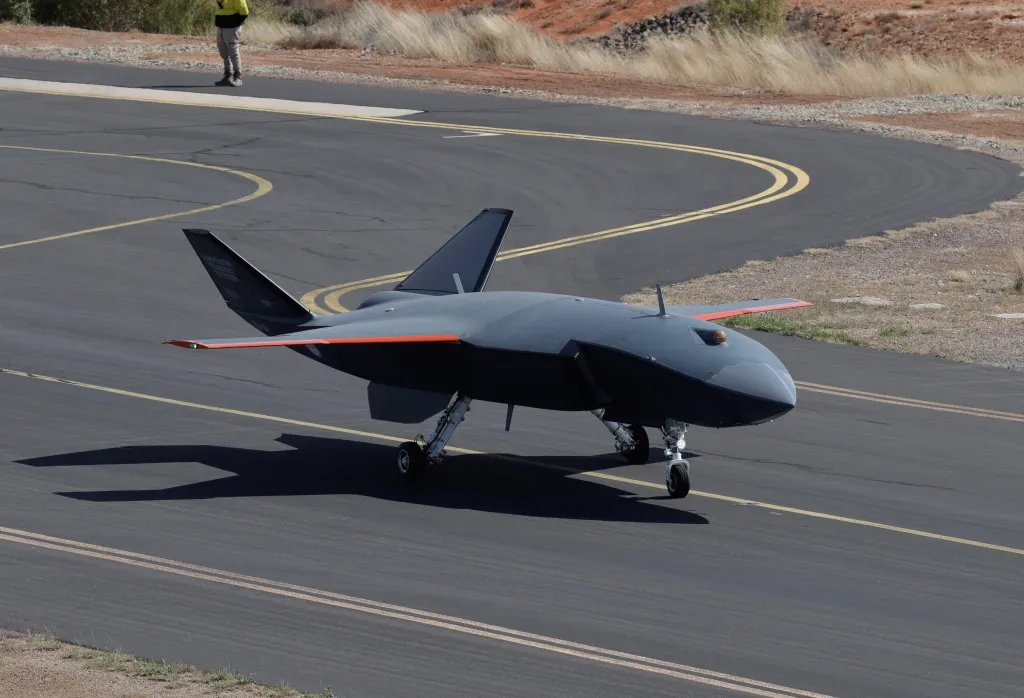
The Block 3 aircraft features a wing that is 25 percent larger, combined with a thrust increase from 10,000 pounds to 12,000 pounds. It’s not immediately clear how that thrust increase will be achieved, but coupled with greater wing area, it will confer an increased payload capability. This translates into an additional 2,000 pounds of fuel, stores, and mission payloads.
“That additional capacity gives operators freedom to balance payload and endurance to configure for the mission at hand, whether that means carrying extra fuel for longer-range operations, increasing weapons carriage, or any combination of both,” Ferguson said.
The latest iteration of the drone also adds beyond-line-of-sight (BLOS) control. Introduction of BLOS communication links means the MQ-28 can be operated at unlimited standoff distances, whether from a ground station, a naval vessel, or a crewed aircraft. With its range of over 2,000 nautical miles, adding BLOS to the drone also ensures that it can conduct independent operations when not controlled by a crewed aircraft, which was always envisioned as a potential role for Ghost Bat. Having a SATCOM option also opens up better resiliency for control in electronic warfare combat environments.
“Inclusion of features such as BLOS capability is a direct result of our learnings to date along with feedback from air forces as they understand more about the role and integration of CCAs into joint force operations,” Ferguson explained.
As for the critical internal weapons bays, these are added within each side of the slab-side fuselage, shown in a video released by Boeing.
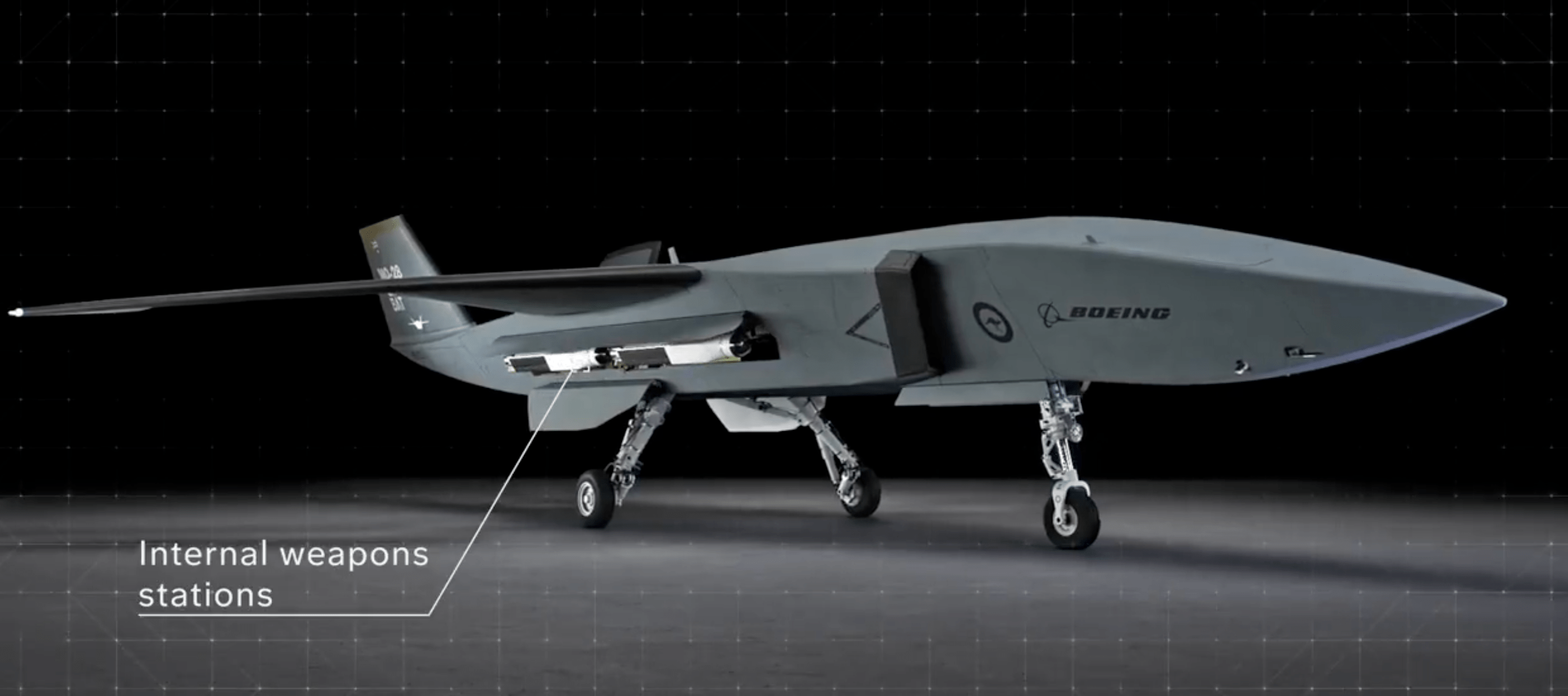
Each bay can carry a single AIM-120 Advanced Medium-Range Air-to-Air Missile (AMRAAM) or two Small Diameter Bomb (SDB) precision-guided munitions. These can comprise either the GBU-39/B SDB I or the GBU-53 SDB II, also known as StormBreaker. The Ghost Bat is the first CCA we have seen capable of carrying AIM-120s internally, a significant development in itself. The option for internal stores carriage is also a huge deal at this point, with Boeing having recently validated its radar cross-section (RCS), proving that the CCA is harder to detect and better able to operate in contested environments.
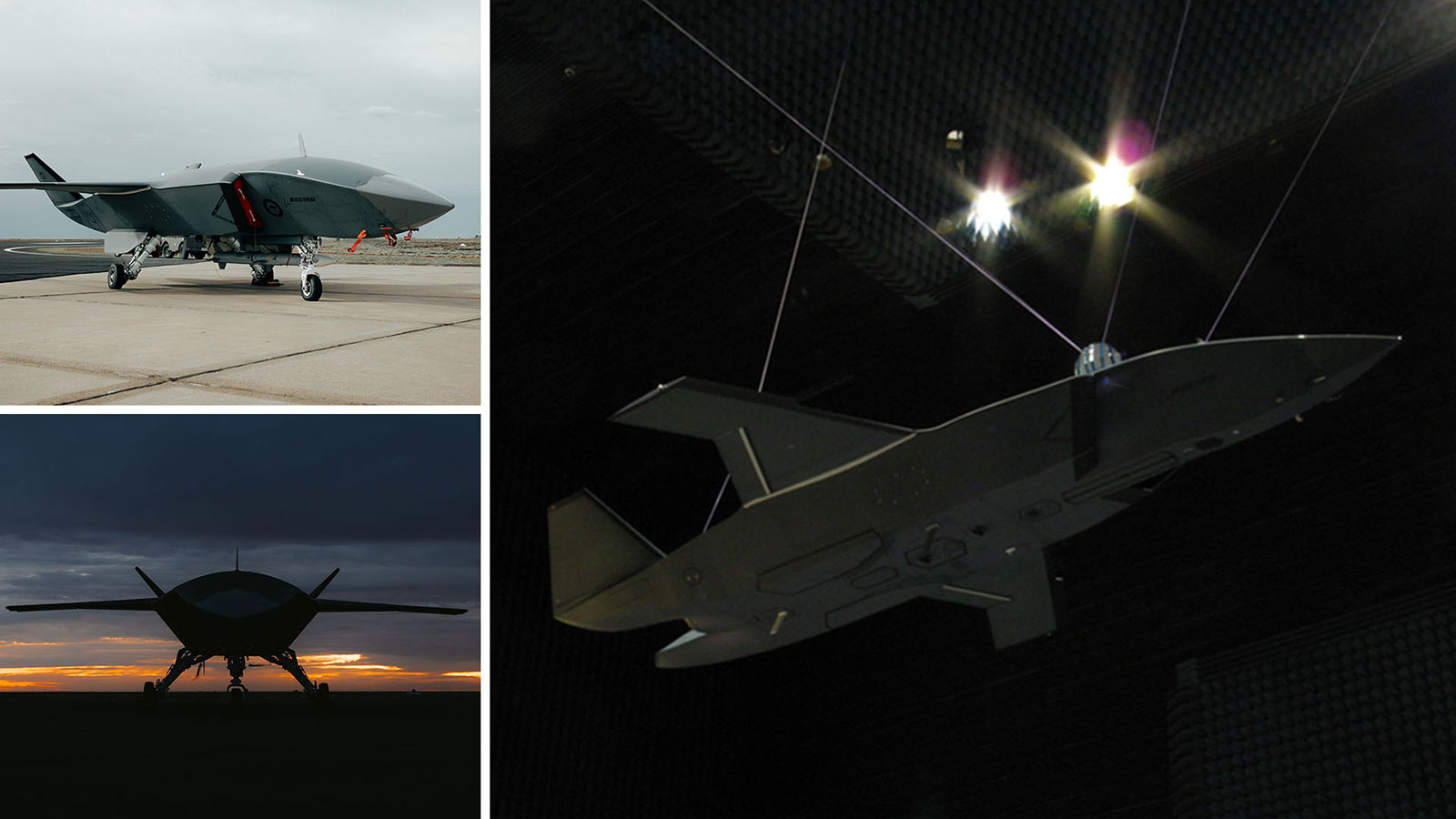
“The combination of a highly capable platform, stealth features and advanced autonomy provides unprecedented ability for air forces to extend their mission effectiveness and operational flexibility,” said Brad Thompson, director for Phantom Works Australia, after the completion of the RCS trials.
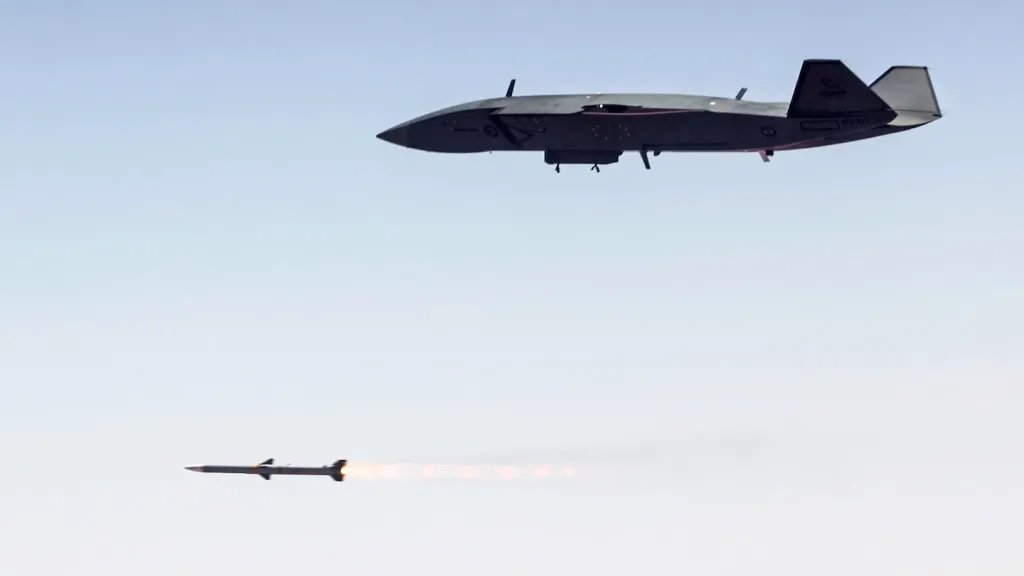
The drone also has provision for three external weapons stations. At least one of these has already been tested, during an end-to-end engagement in which a target drone was brought down by an AMRAAM. The air-to-air role is notably relevant since the drone is also envisaged as a force-protection asset, to defend airborne early warning aircraft and tankers, etc, as well as working with fighter aircraft. Combined with more thrust and larger wings, the external pylons would appear to open up the possibility of flying with as many as five AMRAAMs, and at least four, or with a mixed load of air-to-air and air-to-ground weapons.
For Block 3, Boeing is also known to be working on three or four alternative sensor payloads. Integration of these would be facilitated by the fact that the entire nose can be swapped out to accommodate different payloads.
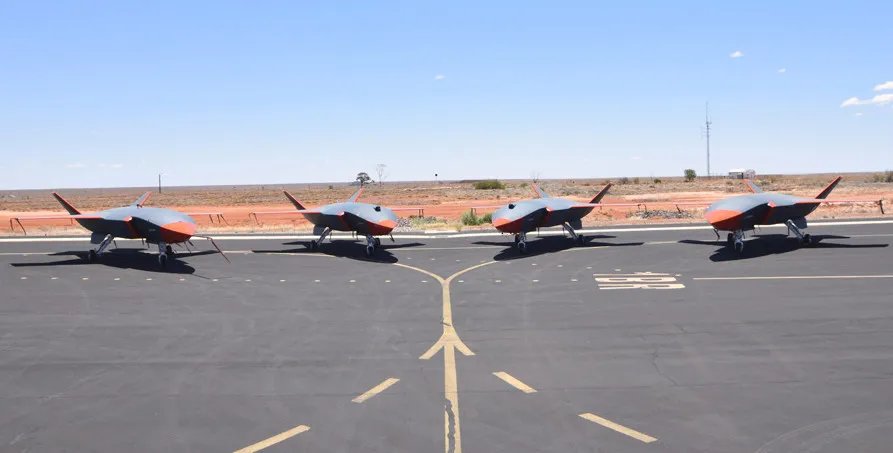
Bringing the MQ-28 Block 3 from Australia to Berlin reflects the relationship between Boeing Australia and Rheinmetall and the fact that the German Air Force — the Luftwaffe — is being pitched to for its CCA requirement.
“At the moment, we are still in negotiations with the German government, but if they want to have the plane by 2029, my expectation is that by at least next year, we have to go into the final stage of negotiating the contract,” Rheinmetall CEO Armin Papperger told Breaking Defense.
In expectation of a German CCA requirement, the ILA Berlin airshow featured a heavy presence of combat drones.
Also making its public debut was a full-scale model of the Airbus U760 Ravenstorm, a combat drone designed to operate alongside fighter aircraft in air-to-air combat, strike missions, and electronic warfare roles. The new uncrewed aircraft is part of a revamped drone portfolio from the company, and you can read more about it here.
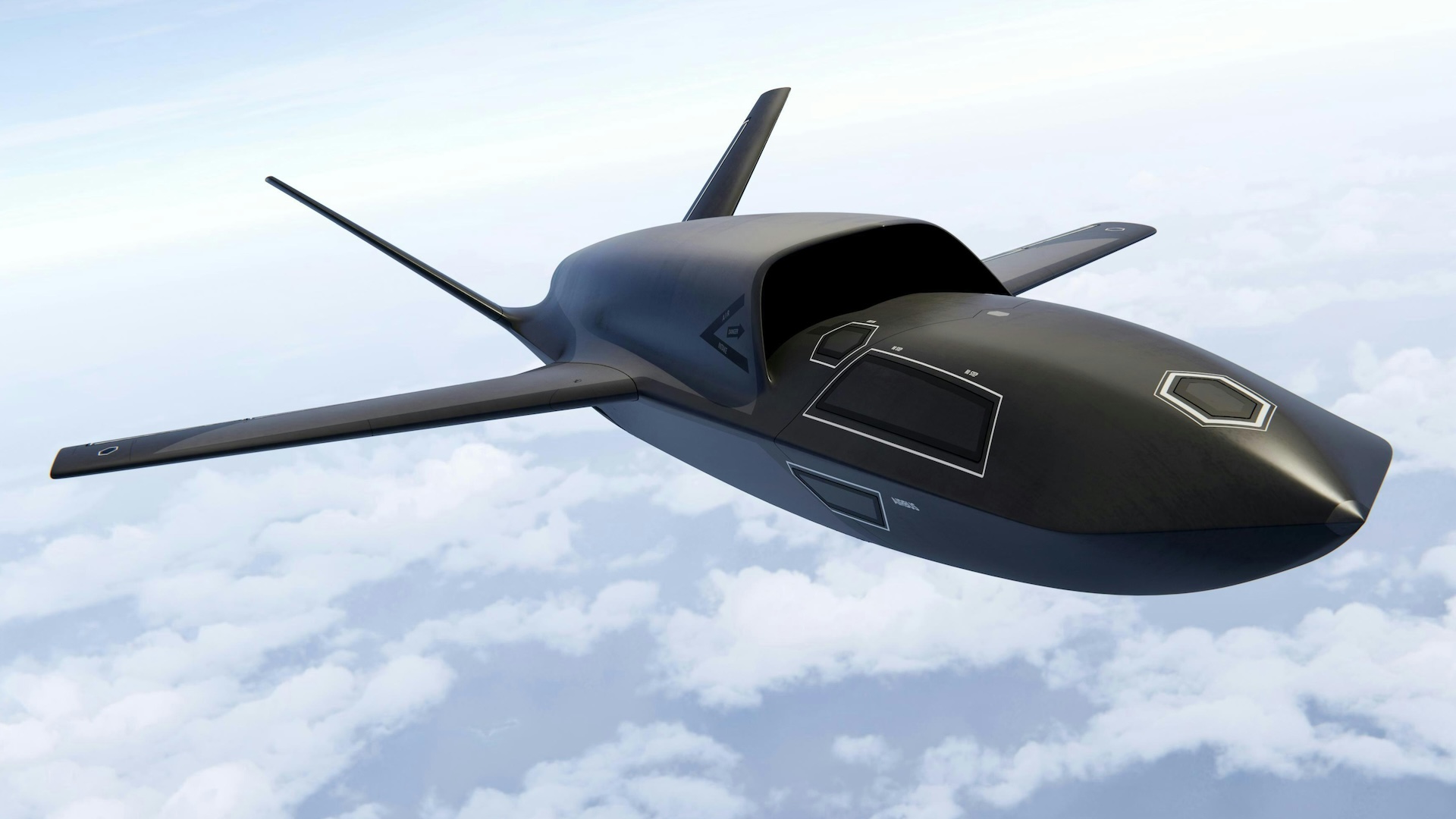
As well as Ravenstorm, Airbus is also offering a Europeanized version of the stealthy XQ-58A Valkyrie, which is apparently being pitched as a lower-cost aircraft and one that offers the option of runway-independent operations.
From the United States, General Atomics Aeronautical Systems presented a full-size model of a drone from its Gambit family, with the company also confirming that it has been in talks with Germany regarding its CCA requirements.
8. General Atomics Aeronautical Systems is here as well, with a full-sized version of a drone from its Gambit family, one of two unmanned aircraft selected through the first increment of the US Air Force’s own CCA program. pic.twitter.com/8sEnDuUidr
— Elisabeth Gosselin-Malo (@elisabethmalom1) June 10, 2026
Meanwhile, German firm Helsing revealed a new version of its CA-1 Europa drone — which looks remarkably similar to Ghost Bat. The CA-1EA (for Electronic Attack) follows the CA-1KA (Kinetic Attack) and reflects the high priority Germany attaches to its need for a CCA to accompany its forthcoming Eurofighter EK electronic warfare jets, as well as other combat aircraft.
Europe requires sovereign electronic warfare capabilities. Unveiling CA-1EA, an autonomous electronic attack variant of the CA-1 Europa. #ILABerlinhttps://t.co/J9H8OpHKnW pic.twitter.com/mcVC1yqpT9
— Helsing (@HelsingAI) June 10, 2026
Helsing says the CA-1KA is planned to begin flight testing early next year. To get around issues of testing this class of drone in European airspace, the first flying prototype will feature a cockpit for a safety pilot.
Even if the MQ-28 Ghost Bat loses out in Germany, in the face of stiff competition, the Block 3 version already has the support of Australia, which also wants to upgrade earlier aircraft to the same standard.
“These features, developed in partnership with the Royal Australian Air Force, will be progressively released to the fleet through a spiral upgrade program, and are available to interested allied countries,” Ferguson said.
The Boeing official added that the MQ-28 will be in service with the Royal Australian Air Force in 2028, and he is “fairly certain that it will be the first operational CCA anywhere in the world.”
When Boeing and Rheinmetall announced their strategic partnership back in March of this year, they said that the MQ-28 could be provided to the German Armed Forces by 2029.
#Rheinmetall and #Boeing partner on German MQ-28 #Ghost #Bat
— Rheinmetall (@RheinmetallAG) March 31, 2026
https://t.co/zGEhjQNqqi pic.twitter.com/VLBDQ8EAaV
It should also be noted that Boeing is now conducting test flights of the Ghost Bat from the U.S. Navy’s base in Point Mugu, California. The company says its main goals in doing this are to demonstrate the maturity of the design and promote export sales, but the trials could well also point to potential U.S. military interest.
A lot could change before then, and it is unclear to what degree Germany’s CCA requirements have been defined, while any procurement will also have to navigate decision-makers in the government.
In the meantime, the MQ-28 Ghost Bat continues to evolve. The unveiling of the Block 3 version today underscores how rapidly the collaborative combat aircraft market is maturing.
Contact the author: thomas@thewarzone.com
The post Boeing’s New Larger Ghost Bat Can Carry AIM-120 AMRAAMs Internally appeared first on The War Zone.