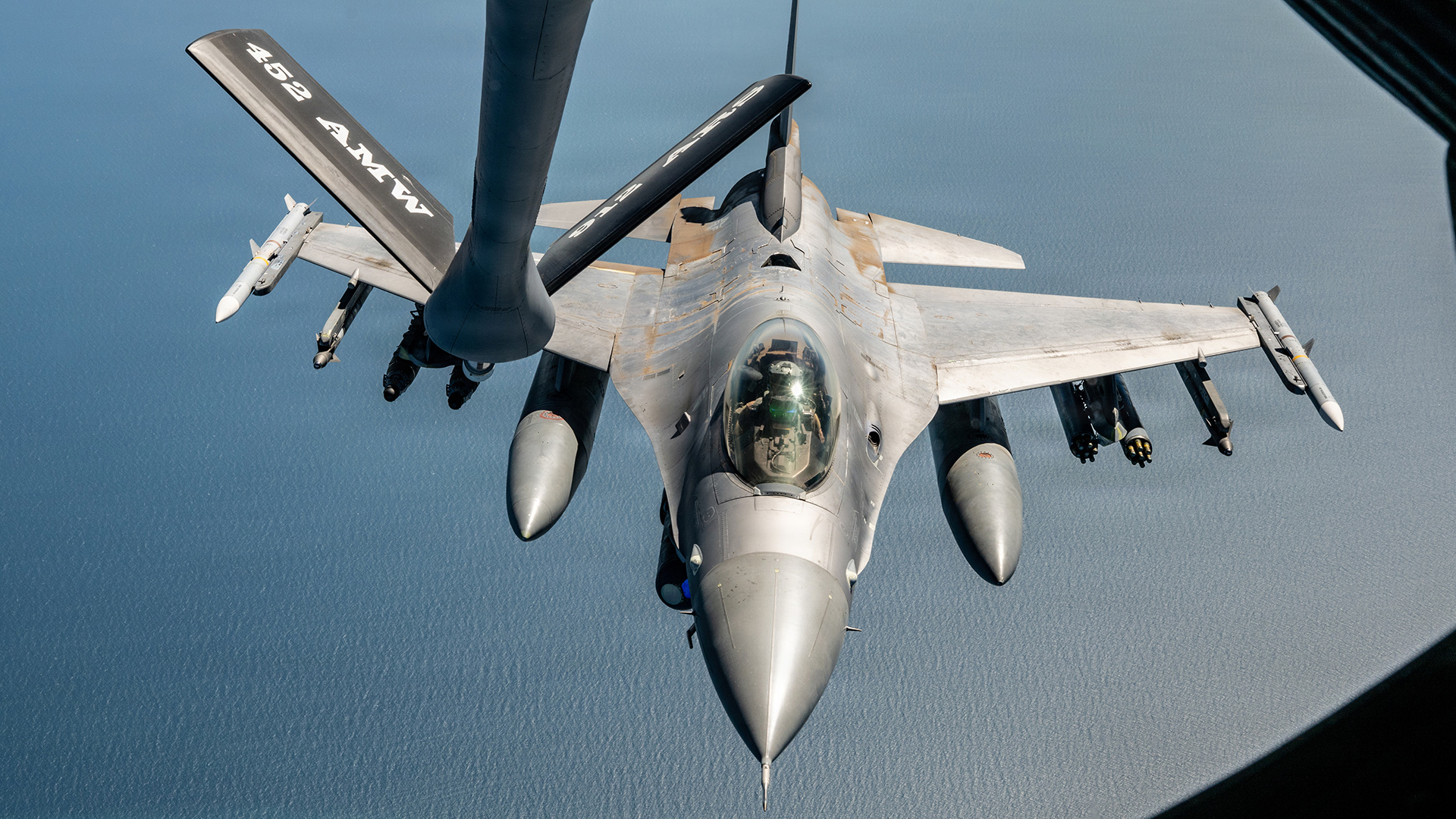
There’s an old saying: There are no atheists in foxholes. Faith plays a large role in the lives of many service members (including, yes, uniformed atheists). The U.S. military has long provided religious support to service members who are naturally often far from home and their faith communities. Given that the First Amendment prohibits the government both from establishing a religion and from preventing its free exercise, the military’s formal provision of chaplains and religious services to those in uniform is understood to balance these competing constitutional demands.
Until now, that is. Secretary of Defense Pete Hegseth recently slashed the list of Pentagon-recognized religions and belief systems that service members can have reflected in their personnel records from more than 200 to just 31, with the majority of the remaining being Christian religions. Those who ascribe to one of the 180-plus now-deleted belief systems must instead list in their records either “no religion” or “other religion.” This change tilts military policy toward the unconstitutional establishment of religion and simultaneously limits its members’ free exercise of their chosen faith.
Religious resources aren’t merely a nice bonus for service members that the Pentagon chief can do away with just by snapping his fingers.
The list of recognized religions grew from 100 to more than 200 during the first Trump administration when the Pentagon’s board of chaplains “recommended adding new faith and belief groups to standardize and better identify religious preferences recognized by the Military Services” in response to legislation mandating improved religious liberty protections. Despite such rationale, Hegseth says this larger list was “infected by political correctness and secular humanism” under previous administrations.
The defense secretary is now using the Pentagon’s previous rationale for expanding the list to drastically shrink it instead, stating that his purge is about “giving chaplains clear, usable information so they can minister to service members in a way that aligns with that service member’s faith background and religious practice.” Echoing the secretary, the Pentagon says this massive cancellation of faiths is simply an administrative exercise, one designed to allow chaplains “to quickly look at the religious composition of their units and determine how they structure resources to best provide for warfighters of all faith groups,” and to “provide the best data to support our chaplains in that effort.” Yet how does no data — indeed, deliberate ignorance of service members’ faiths, if they ascribe to one of the 180 now-cancelled religions — equate to better support?
Religious resources aren’t merely a nice bonus for service members that the Pentagon chief can do away with by snapping his fingers. Reasonable access to well-rounded military chaplains is a traditional component of military life, allowing soldiers, sailors, Marines and airmen to freely practice their religious beliefs even if deployed to foreign battlefields.
It’s impossible for the Pentagon to provide a specific “religious military professional” — the phrase military regulations use for chaplains — for every possible faith; service members don’t have a right to a chaplain of their particular belief system. But military chaplains are expected and required to support the spiritual needs of all service members, not just those who hold one of the faiths the Pentagon still recognizes.
Specifically, the Pentagon’s regulation governing military chaplains states that their primary mission is to “meet the religious requirements and care for the spiritual needs of Service members” (and others, including family members). This regulation is grounded in the First Amendment and explains that the position of military chaplain “directly and indirectly supports the free exercise of religion by all Service members.” Religious ministry professionals must be “able to personally meet the religious requirements of persons in their assigned military units, potentially in isolated or combat environments.”
The Pentagon is burying its head in the sand regarding the faiths of the U.S. fighting forces.
Yet how can military chaplains meet the religious needs of their units’ members when they won’t know what faiths are actually represented, outside of the recognized few? Among faiths no longer recognized by the Pentagon are the Unitarian Universalist religious movement (to which John Adams belonged), deism (to which Benjamin Franklin and Thomas Jefferson subscribed), atheism, the Dutch Reformed Church, paganism, the African Methodist Episcopal Church and the Native American Church. These faiths count millions of Americans among their members.
Since when is ignorance “the best data”? Resources can’t be adequately structured to support service members of all faiths when the Pentagon is burying its head in the sand regarding the faiths of the U.S. fighting forces. The lack of information does not equal “useful” information — except if the intended use is to stop supporting those service members’ minority faiths and practices.
While service members can reportedly still list their faith of choice on their dog tags, that doesn’t mean a chaplain can understand their spiritual needs while they’re still alive. As religious military professionals, chaplains can’t best support those they are being essentially ordered not to see. It’s also unclear how this policy cancellation will affect the qualifications of already serving chaplains; their eligibility depends on the endorsement of religiously affiliated organizations, and surely some of those organizations are tied to religions that have lost Pentagon recognition.
Couple Hegseth’s and the Pentagon’s nonsensical reasons for this new policy with the secretary’s penchant for proselytizing his Christian faith to service members, and it’s clear that this massive purge isn’t about streamlining data or structuring resources. It’s about the Trump administration’s desire to support only certain religions, and therefore only certain service members. This move hinders other service members’ free exercise of religion, at least compared with those whose beliefs are represented. And it takes a large step in the direction of unconstitutionally “establishing” (by discriminatorily supporting) the religions that remain recognized by the military.
The Pentagon’s new policy means that some military members are now sacrificing to ensure that their fellow Americans enjoy a freedom of religion they no longer fully possess. That is not just deeply ironic; it is morally and constitutionally repugnant. And it should be added to the ever-growing list of mistakes by this White House that a future president and Congress will need to rectify.
A empresária Isabel dos Santos manifestou-se esta quarta-feira “dececionada” com a governação do Presidente angolano, João Lourenço, disse que o país “está a navegar sem rumo” com pobreza e desemprego e espera por melhor gestão do país após 2027.
De acordo com Isabel dos Santos, passados quase dez anos de governação do Presidente angolano, o país regrediu e “não atingiu o patamar em que deveria estar”, tendo lamentado as elevadas taxas de desemprego, pobreza, a desvalorização do kwanza (moeda angolana) e o baixo poder de compra das famílias.
“Portanto, eu diria que estou dececionada, porque esperava mais e melhor para o meu país”, disse hoje a empresária em entrevista à Rádio Essencial.
Em declarações à emissora angolana, sediada em Luanda, lamentou a atual condição social e económica das famílias angolanas e afirmou que esperava mais e melhor da equipa económica do Governo que, no seu entender, implementa políticas “que não ajudam o povo”.
“São desnecessários impostos tão altos quando ainda há uma economia tão frágil. Tantas pessoas em situações frágeis. A Administração Geral Tributária (AGT), a política económica, as inspeções constantes às empresas, a burocracia, são fatores que me deixam dececionada”, apontou.
Reiterou a sua “deceção” com a gestão do país e espera que o próximo governo, saído das eleições gerais de 2027 possa “gerir melhor o país” independentemente de quem vencer as eleições.
“Mesmo que seja o MPLA (Movimento Popular de Libertação de Angola, no poder desde 1975) o partido vencedor, espero que seja outro governo e outra liderança. Não a liderança que segue este formato. Para mim a economia é a vida do cidadão do dia a dia”, frisou.
Isabel dos Santos, que assumiu ser “militante de base” do MPLA, considerou mesmo que Angola “está a navegar sem rumo”, criticou a política fiscal da AGT que “sufoca empresas” bem como as “atrocidades” da justiça angolana que afastam investidores estrangeiros.
Defendeu que Angola precisa de uma economia que funcione e de confiança centrada na justiça.
“Infelizmente, nós continuamos com uma justiça com ordens superiores, com acusações que são mais por perseguição política do que realmente querer trazer a verdade do povo”, salientou, considerando que lhe foram imputadas, pelas autoridades angolanas, “oito acusações falsas”.
Segundo a empresária angolana, as referidas acusações – com processos um curso nos órgãos judiciais angolanas de alegada utilização de fundos públicos para seus investimentos – têm motivações políticas.
“Estou a ser acusada de coisas que não existiram, que não aconteceram. Por razões políticas, por vingança, por revanchismo, divisões internas do MPLA, duas fações que existem, que lutam entre si. E eu, por ser filha do antigo Presidente da República, de certa forma sou usada e apanhada neste meio de situações”, lamentou.
À Essencial, numa entrevista de hora e meia, a filha do ex-presidente angolano, José Eduardo dos Santos, defendeu ainda edificação de uma “Angola justa para todos os angolanos”, garantindo que “não vai desistir de Angola”.
Fora de Angola desde o início do mandato de João Lourenço, disse que não pode regressar ao país por alegada “perseguição política” tutelada pela Procuradoria-Geral da República.
Por fim, enalteceu as múltiplas candidaturas para a eleição do próximo presidente do MPLA, no IX Congresso Ordinário agendado para os dias 9 e 10 de dezembro próximo, lamentou as reclamações de pré-candidatos sobre alegadas irregularidades no processo e assegurou que não vai apoiar o MPLA, nas eleições de 2027, se o presidente do partido for João Lourenço.
<p>A TVI teve acesso ao relatório completo da auditoria que detetou as irregularidades. Amanhã, o atual presidente do SIRESP e o ex-secretário-geral-adjunto do MAI vão ser ouvidos no Parlamento para esclarecer este caso.</p>
O Marrocos será o primeiro adversário do Brasil na Copa do Mundo de 2026, no próximo sábado (13), às às 19h (horário de Brasília), em Nova Jersey. Atual campeã da Copa Africana de Nações — o campeonato mais importante do continente — a seleção marroquina é um dos destaques desta edição do Mundial. Apelidado de Leões do Atlas, o time surpreendeu o mundo na Copa do Catar (2022), quando ficou em quarto lugar, à frente inclusive do Brasil, que terminou em sétimo, após eliminação para Croácia nos pênaltis.
Ao se tornar a primeira seleção do continente africano a chegar a uma semifinal de Mundiais, Marrocos ganhou a torcida de várias partes do mundo. Na Copa do Catar, os Leões do Atlas foram eliminados pela França, que depois seria vice-campeã, após derrota para a Argentina nos pênaltis.
“O Marrocos fez uma campanha histórica em 2022", lembrou a historiadora e comentarista esportiva da TV Brasil, Rachel Motta. Na avaliação dela, Marrocos será um adversário desafiador para o Brasil. “É um time que tem um dos melhores laterais da história, o [Achraf] Hakimi, enquanto a seleção brasileira tem muitos problemas do lado esquerdo”, pontuou a historiador, referindo-se ao jogador do Paris Saint-Germain (PSG).
قائمة المنتخب الوطني النسوي المستدعاة للتجمع الإعدادي
Para a historiadora, Hakimi será bastante acionado no jogo, pressionando o ataque brasileiro, principalmente Vinicius Júnior que atua pela esquerda. A vitória é importante, uma vez que a posição de liderança na chave pode ser vantajosa no cruzamento do mata-mata (fase anterior às oitavas de final). Brasil e Marrocos estão no Grupo C, que inclui também Escócia e Haiti.
Além de Marrocos, outras nove seleções africanas disputam a taça do Mundial deste ano, com sede no Canadá, México e Estados Unidos. O número de delegações é inédito na competição, que pela primeira vez reúne 48 seleções, 16 a mais que na última edição no Catar.
Abertura da Copa do Mundo
O Mundial começa nesta quinta-feira (11), com o jogo de abertura entre México e África do Sul, às 16h (horário de Brasília), no Estádio Azteca, na Cidade do México, capital do país. Os sul-africanos retornam ao Mundial após hiato de 16 anos. A última participação foi quando a própria África do Sul sediou a Copa, em 2010. A edição foi a primeira realizada no continente africano.
Outros destaques
Além da África do Sul e do Marrocos, a historiadora Rachel Motta destaca outras seleções relevantes do continente africano, como Senegal, Gana e Egito. Ela lembra do amistoso entre brasileiros e egípcios no último sábado (6) para destacar o potencial dos Faraós, como são chamados.
“Eles têm jogadores de ponta, como [o atacante Mohamed] Salah e o [ponta-direita Mahmoud] Trezeguet, e chances sim de ir para a próxima fase”, projetou a comentarista.
O Egito retorna à Copa após ficar de fora da última edição. O país, pioneiro na matemática, foi a primeira nação africana e árabe a disputar o Mundial, em 1934, na Itália.
O Senegal também disputa o Mundial pela quarta vez e terá no elenco a estrela e referência do esporte no país, o atacante Sadio Mané, atualmente no clube saudita Al-Nassr. O time chega com bagagem de três Copas consecutivas e a memória do sucesso da campanha na Copa do Japão (2002), quando chegou às quartas de final.
“O Senegal é uma seleção de ótimo nível, porém, enfrenta uma das chaves mais difíceis disputando contra França e Noruega”, ponderou a comentarista esportiva.
Já Gana, pela vez consecutiva da Copa, busca um resultado igual ou superior ao do Mundial da África do Sul (2010), quando chegou às quartas de final. A seleção, conhecida pelo apelido de Estrelas Negra, foi eliminada pelo Uruguai, após um episódio controverso. Após empate em 1 a 1 no fim da prorrogação, o uruguaio Luis Suárez usou as mãos para evitar um gol. Na cobrança do pênalti, o jogador Gyan acertou o travessão e não marcou.
“São jogadores muito habilidosos, raçudos, com um futebol bonito de ver”, ressaltou Motta. Ela disse que o país se espelha no futebol brasileiro e lembrou que Gana já foi comandada pelo técnico Carlos Alberto Parreira, no final da década de 1960.
A Argélia, apelidada de Raposa do Deserto, disputou o último Mundial no Brasil, em 2014. A seleção protagonizou uma partida épica nas oitavas de final, no Estádio Beira-Rio, em Porto Alegre, contra a Alemanha — o mesmo time que marcou sete gols contra o Brasil na semifinal, no Mineirão. A seleção argelina acabou perdendo por 2 a 1, mas exigiu esforço do goleiro adversário, com várias chances de gol.
Seleções estreantes
Esta edição da Copa do Mundo também é marcada pela presença de seleções estreantes ou com menos experiência no torneio. De Cabo Verde, um país insular no Oceano Atlântico, a seleção apelidada de Tubarões Azuis chegam com auto-estima alta, formado por um time de jogadores oriundos da diáspora. Uma boa parte deles, atuando na Europa.
A República Democrática do Congo retorna ao Mundial depois de mais de 50 anos, contornando a epidemia de ebola no país. A classificação se deu depois da vitória contra a Jamaica, na repescagem. Antes, o país ainda competia como Zaire.
— Federação Cabo-verdiana de Futebol (@fcfcomunica) June 4, 2026
Para Rachel Motta, a diversidade é um dos pontos positivos desta edição do torneio e marca a valorização dos jogadores africanos. Segundo a comentarista, esses atletas ganham cada vez mais espaço no futebol europeu, com “nível técnico mais refinado”. Além disso, muitas seleções africanas recorreram aos descendentes que nasceram ou moram fora dos próprios países e, por isso, passaram a ser chamadas de “seleções da diáspora”, termo que se refere à dispersão de pessoas africanas pelo mundo em função do contexto político e social.
Riscos
Apesar do bom momento, Rachel Motta chama atenção para as adversidades que delegações e profissionais do ramo podem encontrar no Mundial. No início desta semana, o árbitro somali Omar Abdulkadir Artan teve negada a entrada nos Estados Unidos. Ele é considerado um dos principais nomes da arbitragem africana.
“Os Estados Unidos estão em guerra com outro país, o Irã, então, se a gente for pegar pelos artigos que tratam de ética, os regulamentos da Fifa e a própria Carta da ONU [Organização das Nações Unidas], que dizem promover direitos humanos e a paz através do futebol, os Estados Unidos não poderiam sediar uma Copa do Mundo”, argumentou a historiadora.
O Marrocos será o primeiro adversário do Brasil na Copa do Mundo de 2026, no próximo sábado (13), às às 19h (horário de Brasília), em Nova Jersey. Atual campeã da Copa Africana de Nações — o campeonato mais importante do continente — a seleção marroquina é um dos destaques desta edição do Mundial. Apelidado de Leões do Atlas, o time surpreendeu o mundo na Copa do Catar (2022), quando ficou em quarto lugar, à frente inclusive do Brasil, que terminou em sétimo, após eliminação para Croácia nos pênaltis.
Ao se tornar a primeira seleção do continente africano a chegar a uma semifinal de Mundiais, Marrocos ganhou a torcida de várias partes do mundo. Na Copa do Catar, os Leões do Atlas foram eliminados pela França, que depois seria vice-campeã, após derrota para a Argentina nos pênaltis.
“O Marrocos fez uma campanha histórica em 2022", lembrou a historiadora e comentarista esportiva da TV Brasil, Rachel Motta. Na avaliação dela, Marrocos será um adversário desafiador para o Brasil. “É um time que tem um dos melhores laterais da história, o [Achraf] Hakimi, enquanto a seleção brasileira tem muitos problemas do lado esquerdo”, pontuou a historiador, referindo-se ao jogador do Paris Saint-Germain (PSG).
قائمة المنتخب الوطني النسوي المستدعاة للتجمع الإعدادي
Para a historiadora, Hakimi será bastante acionado no jogo, pressionando o ataque brasileiro, principalmente Vinicius Júnior que atua pela esquerda. A vitória é importante, uma vez que a posição de liderança na chave pode ser vantajosa no cruzamento do mata-mata (fase anterior às oitavas de final). Brasil e Marrocos estão no Grupo C, que inclui também Escócia e Haiti.
Além de Marrocos, outras nove seleções africanas disputam a taça do Mundial deste ano, com sede no Canadá, México e Estados Unidos. O número de delegações é inédito na competição, que pela primeira vez reúne 48 seleções, 16 a mais que na última edição no Catar.
Abertura da Copa do Mundo
O Mundial começa nesta quinta-feira (11), com o jogo de abertura entre México e África do Sul, às 16h (horário de Brasília), no Estádio Azteca, na Cidade do México, capital do país. Os sul-africanos retornam ao Mundial após hiato de 16 anos. A última participação foi quando a própria África do Sul sediou a Copa, em 2010. A edição foi a primeira realizada no continente africano.
Outros destaques
Além da África do Sul e do Marrocos, a historiadora Rachel Motta destaca outras seleções relevantes do continente africano, como Senegal, Gana e Egito. Ela lembra do amistoso entre brasileiros e egípcios no último sábado (6) para destacar o potencial dos Faraós, como são chamados.
“Eles têm jogadores de ponta, como [o atacante Mohamed] Salah e o [ponta-direita Mahmoud] Trezeguet, e chances sim de ir para a próxima fase”, projetou a comentarista.
O Egito retorna à Copa após ficar de fora da última edição. O país, pioneiro na matemática, foi a primeira nação africana e árabe a disputar o Mundial, em 1934, na Itália.
O Senegal também disputa o Mundial pela quarta vez e terá no elenco a estrela e referência do esporte no país, o atacante Sadio Mané, atualmente no clube saudita Al-Nassr. O time chega com bagagem de três Copas consecutivas e a memória do sucesso da campanha na Copa do Japão (2002), quando chegou às quartas de final.
“O Senegal é uma seleção de ótimo nível, porém, enfrenta uma das chaves mais difíceis disputando contra França e Noruega”, ponderou a comentarista esportiva.
Já Gana, pela vez consecutiva da Copa, busca um resultado igual ou superior ao do Mundial da África do Sul (2010), quando chegou às quartas de final. A seleção, conhecida pelo apelido de Estrelas Negra, foi eliminada pelo Uruguai, após um episódio controverso. Após empate em 1 a 1 no fim da prorrogação, o uruguaio Luis Suárez usou as mãos para evitar um gol. Na cobrança do pênalti, o jogador Gyan acertou o travessão e não marcou.
“São jogadores muito habilidosos, raçudos, com um futebol bonito de ver”, ressaltou Motta. Ela disse que o país se espelha no futebol brasileiro e lembrou que Gana já foi comandada pelo técnico Carlos Alberto Parreira, no final da década de 1960.
A Argélia, apelidada de Raposa do Deserto, disputou o último Mundial no Brasil, em 2014. A seleção protagonizou uma partida épica nas oitavas de final, no Estádio Beira-Rio, em Porto Alegre, contra a Alemanha — o mesmo time que marcou sete gols contra o Brasil na semifinal, no Mineirão. A seleção argelina acabou perdendo por 2 a 1, mas exigiu esforço do goleiro adversário, com várias chances de gol.
Seleções estreantes
Esta edição da Copa do Mundo também é marcada pela presença de seleções estreantes ou com menos experiência no torneio. De Cabo Verde, um país insular no Oceano Atlântico, a seleção apelidada de Tubarões Azuis chegam com auto-estima alta, formado por um time de jogadores oriundos da diáspora. Uma boa parte deles, atuando na Europa.
A República Democrática do Congo retorna ao Mundial depois de mais de 50 anos, contornando a epidemia de ebola no país. A classificação se deu depois da vitória contra a Jamaica, na repescagem. Antes, o país ainda competia como Zaire.
— Federação Cabo-verdiana de Futebol (@fcfcomunica) June 4, 2026
Para Rachel Motta, a diversidade é um dos pontos positivos desta edição do torneio e marca a valorização dos jogadores africanos. Segundo a comentarista, esses atletas ganham cada vez mais espaço no futebol europeu, com “nível técnico mais refinado”. Além disso, muitas seleções africanas recorreram aos descendentes que nasceram ou moram fora dos próprios países e, por isso, passaram a ser chamadas de “seleções da diáspora”, termo que se refere à dispersão de pessoas africanas pelo mundo em função do contexto político e social.
Riscos
Apesar do bom momento, Rachel Motta chama atenção para as adversidades que delegações e profissionais do ramo podem encontrar no Mundial. No início desta semana, o árbitro somali Omar Abdulkadir Artan teve negada a entrada nos Estados Unidos. Ele é considerado um dos principais nomes da arbitragem africana.
“Os Estados Unidos estão em guerra com outro país, o Irã, então, se a gente for pegar pelos artigos que tratam de ética, os regulamentos da Fifa e a própria Carta da ONU [Organização das Nações Unidas], que dizem promover direitos humanos e a paz através do futebol, os Estados Unidos não poderiam sediar uma Copa do Mundo”, argumentou a historiadora.
A contestação de multas de trânsito voltou ao centro do debate depois de uma investigação televisiva ter mostrado a existência de escritórios de advogados que se apresentam como especialistas em Direito rodoviário e prometem elevadas taxas de sucesso na anulação de coimas.
De acordo com a CNN Portugal, o bastonário da Ordem dos Advogados, João Massano, vai enviar vários sites de advogados para apreciação dos conselhos de disciplina da Ordem, por considerar que alguma da publicidade encontrada pode ultrapassar os limites aceitáveis da profissão.
Publicidade levanta dúvidas disciplinares
Em causa estão páginas de escritórios que promovem serviços de contestação de multas de trânsito, perda de pontos na carta ou inibição de conduzir. Segundo a investigação do Exclusivo da TVI, citada pela CNN Portugal, alguns desses sites apresentam mensagens muito apelativas para condutores que querem evitar pagar coimas ou ficar temporariamente sem carta.
João Massano admite que ficou preocupado com o teor da publicidade. O bastonário considera que alguns exemplos podem “ultrapassar aquilo que é aceitável” do ponto de vista disciplinar, embora sublinhe que a decisão cabe aos conselhos competentes da Ordem dos Advogados.
Contestar multas é legal
O bastonário faz uma distinção importante. Contestar uma multa de trânsito é um direito dos cidadãos e faz parte do funcionamento normal do Estado de direito. Se um condutor entende que foi autuado de forma injusta, ou se existem fundamentos legais para impugnar a contraordenação, pode recorrer a um advogado e apresentar defesa.
O problema, segundo João Massano, não está na prestação desse serviço jurídico, mas na forma como alguns escritórios o publicitam, podendo criar a ideia de que é possível escapar sistematicamente às consequências de infrações rodoviárias.
Taxas de sucesso muito elevadas
A investigação da TVI apontou para escritórios que indicam taxas de sucesso entre 90% e 100% quando contactados por condutores interessados em contestar multas. Segundo a CNN Portugal, essas percentagens estão relacionadas com fragilidades do sistema punitivo do Estado, nomeadamente com a falta de meios da Autoridade Nacional de Segurança Rodoviária.
Quando há impugnações ou reclamações administrativas, muitos processos acabam por prescrever antes de haver uma decisão final. Na prática, isto pode levar a que condutores evitem pagar a coima ou cumprir sanções acessórias, não por inexistência da infração, mas por incapacidade do sistema em concluir o processo dentro dos prazos.
Sistema frágil favorece quem conhece a lei
A conclusão mais sensível do trabalho é que, em muitos casos, quase só paga a multa ou fica sem carta quem desconhece os mecanismos legais disponíveis ou não recorre a apoio especializado em Direito rodoviário.
Esta realidade cria uma desigualdade evidente entre condutores. Quem tem informação, recursos e acesso a advogados especializados pode conseguir arrastar o processo até à prescrição. Quem não conhece essas vias tende a pagar a coima ou aceitar a sanção. O tema ganha especial relevância num país onde a sinistralidade rodoviária continua a preocupar as autoridades e onde o Governo tem anunciado intenção de endurecer medidas no Código da Estrada.
Ordem quer avaliar limites da publicidade
A publicidade dos advogados tornou-se mais ampla após alterações legislativas recentes. Há cerca de dois anos, os profissionais passaram a ter maior margem para promover os seus serviços. Ainda assim, João Massano entende que essa abertura não deve permitir mensagens que possam ser consideradas incompatíveis com a dignidade da profissão. Por isso, o bastonário vai remeter os sites em causa para avaliação disciplinar. Caberá aos órgãos competentes da Ordem verificar se houve ou não infrações deontológicas.
Bastonário quer nova alteração à lei
João Massano defende ainda que a Assembleia da República deve voltar a discutir os limites da publicidade dos advogados. Na perspetiva do bastonário, a lei atual pode estar a permitir interpretações demasiado abertas, dando margem a práticas que considera prejudiciais para a imagem da advocacia. A intenção é que o Parlamento volte a impor alguns limites, evitando situações que, segundo o responsável da Ordem, não são aceitáveis na profissão.
Debate entre direito de defesa e segurança rodoviária
O caso coloca frente a frente dois princípios importantes. Por um lado, qualquer cidadão tem direito a defender-se de uma contraordenação e a recorrer aos meios legais previstos. Por outro, a utilização sistemática de falhas administrativas para evitar sanções pode fragilizar a prevenção rodoviária. As multas de trânsito não servem apenas para punir. Têm também uma função dissuasora, sobretudo em infrações associadas a velocidade excessiva, álcool, telemóvel ao volante ou outras condutas perigosas.
Se o sistema permite que muitos processos prescrevam quando são contestados, o problema deixa de estar apenas nos condutores ou nos advogados e passa a estar também na capacidade do Estado para fazer cumprir a lei.
O que está agora em causa
Para já, não está em causa a proibição de advogados contestarem multas de trânsito. Esse serviço continua a ser legítimo. O que será avaliado é a publicidade feita por alguns escritórios e a eventual promessa implícita ou explícita de resultados praticamente garantidos.
A decisão ficará nas mãos dos conselhos disciplinares da Ordem dos Advogados. Mas o debate já abriu uma questão maior: se o sistema rodoviário permite que tantas multas prescrevam, a resposta poderá ter de passar não apenas por regras deontológicas, mas também por reforço de meios e maior eficácia na tramitação dos processos.
The battle over President Donald Trump’s “anti-weaponization” fund is heading to federal court for the first time this week despite the administration’s claims that the fund is dead. Federal judges in both Washington and Virginia are scheduled to hear arguments over bids to block the Department of Justice from taking steps to actualize what critics are calling a “slush fund.”
U.S. District Judge Leonie Brinkema in Virginia has already temporarily blocked the DOJ from launching the nearly $1.8 billion fund until she has heard arguments about its legality. The DOJ has acknowledged it intends to comply with that court order, which is set to expire this Friday.
The DOJ is now relying on that testimony as evidence to show the courts the legal challenges are moot. In a court document filed Friday afternoon, the DOJ indicated in writing for the first time that it was not proceeding with the fund.
“This dispute concerns an Anti-Weponization Fund that has not been set up and is now not going forward,” wrote Andrew Block, a DOJ attorney. He also argued the case is “not justiciable,” meaning it is not a matter the federal court has jurisdiction to decide.
Citizens for Responsibility and Ethics in Washington, the nonprofit watchdog group that brought this Washington-based challenge, is not satisfied with the department’s apparent cancellation of the fund. Responding to the government’s filing, the group argued the DOJ has provided no evidence that it is actually backtracking and pointed to its refusal to rescind the fund in writing.
“So long as the Fund’s charter documents remain in effect, nothing stops [the Trump administration] from illegally siphoning, at any given moment, nearly $1.8 billion in taxpayer dollars from the Treasury’s Judgement Fund to an unidentified ‘Designated Account’ and rapidly disbursing those funds to whomever they want under a shroud of secrecy, in violation of the Constitution and multiple federal transparency and funding statutes,” CREW lawyers wrote.
They maintained Blanche’s comments are not legally binding, saying, “The Acting Attorney General’s remarks had no legal effect whatsoever on the May 18 Agreement, which by its terms can be modified ‘only by written agreement of the Parties.’” (The May 18 agreement refers to the settlement of Trump’s lawsuit against the IRS, which created this “anti-weaponization” fund. That agreement also had an addendum that purports to give Trump immunity from IRS audits, and that addendum has not been challenged in any of these lawsuits.)
In a D.C. District Court on Wednesday afternoon, U.S. District Judge Richard Leon will weigh the fund’s future in the case brought by CREW, even as the fund remains blocked by Brinkema’s order in the Virginia-based challenge.
Across the Potomac in Alexandria, Virginia, the plaintiffs who brought that challenge, a coalition of former Jan. 6 prosecutors and nonprofit organizations, are asking the judge for more time to gather information about the fund before they argue over its future.
The coalition wants the DOJ to clarify its public statements, including those Blanche made to Congress, about its intentions for the fund. They are also seeking further substantiation from the DOJ beyond the those comments that it is actually being scrapped.
They specifically highlighted Trump’s continued public defense of the fund in various interviews conducted after Blanche’s congressional testimony. In a pretaped interview with “Meet the Press” that aired June 7, Trump said, “I think the weaponization fund is a great idea, and so do many other Republicans. You have to get it approved.”
Brinkema is still weighing the request for more information, and the hearing remains set for Friday morning.
These legal battles are playing out as another brews in the background. U.S. District Judge Kathleen Williams, who was overseeing the Trump lawsuit against the IRS that ultimately yielded the settlement agreement, has ordered additional briefing after having initially dismissed the case. That order stemmed from a request to reopen the case filed by 35 former federal judges, who argued the settlement “is a product of collusion and itself a fraud on the court.”
Williams requested Trump respond to allegations of collusion by Friday and address specifically whether the dismissal was premised on deception and whether she should reopen the case because she was a “victim of a fraud.”
These are just a few of the cases actively challenging Trump’s nearly $1.8 billion fund, which seeks to compensate individuals who allege they have been politically targeted or victimized by the DOJ. With the initial legal tests this week, the key question is how these judges will respond. Will they accept the DOJ at its word and dismiss the cases, or will they insist on a more formal binding order to prevent the DOJ from ever following through with this fund? At this point, its fate — and this latest test of executive authority — lies with the judiciary.
No concelho de Montalegre, por exemplo, os produtores dão conta que os ataques têm sido frequentes nas últimas semanas, atingindo, sobretudo, ovinos e bovinos.
À VTM, Rafael Azevedo, da União dos Produtores de Gado Lesados pelos Lobos, realçou que os ataques “acontecem quase diariamente” e que os prejuízos se acumulam sem resposta eficaz. Só desde domingo, foram “pelo menos 10” os animais atacados.
“Isto tem sido diário. Os criadores já não sabem o que hão de fazer”, frisa, acrescentando que muitos produtores já equacionam abandonar a atividade.
Artigo exclusivo PREMIUM
Tenha acesso ilimitado a todos os conteúdos do site e à edição semanal em formato digital.
Германия имеет крупнейшую сеть железных дорог во всей Европе. Но они устаревшие и перегруженные, из-за чего поезда часто задерживают и отменяют. Над непунктуальностью Deutsche Bahn, главного железнодорожного перевозчика страны, иронизировал даже он сам. Но властям Германии не до шуток: министр транспорта считает, что состояние железных дорог представляет собой угрозу демократии, потому что граждане теряют веру в способность государства решать проблемы. В ближайшие годы правительство ФРГ готово потратить больше 100 миллиардов евро на масштабную модернизацию железнодорожный инфраструктуры. Financial Times рассказывает, почему немецкие железные дороги так сильно обветшали и как их пытаются починить.
По расписанию поездка на поезде из Гамбурга в Дюссельдорф занимает четыре часа. Но у Николаса Крамера — директора консалтинговой компании в сфере здравоохранения, который посещает больницы по всей Германии, — она недавно заняла 23 часа. Его поезд опаздывал на несколько часов, потом его вовсе отменили. Другие поезда были переполнены, поэтому Крамер смог уехать только следующим утром. Его второй поезд опоздал больше чем на полтора часа.
52-летний Крамер ежегодно проезжает на поездах почти 60 тысяч километров. По его словам, справляться с вечными опозданиями и отменами помогает черный юмор и тщательное планирование. Договариваясь о важных встречах, он закладывает большой запас времени — до трех с половиной часов — и на всякий случай всегда возит с собой запасной комплект одежды и зубную щетку.
Немецкие железные дороги известнысвоейнепунктуальностью. Хотя в стране много железнодорожных операторов, основной репутационный удар приходится на самого крупного из них — Deutsche Bahn. Это государственная компания, которая обслуживает больше половины пассажирских поездов ближнего следования и почти все поезда дальнего следования, а также управляет основной частью железнодорожной сети Германии, самой разветвленной в Европе.
По информации самой Deutsche Bahn, в 2024 году лишь 63% ее поездов дальнего следования приходили вовремя (а точнее, с задержкой менее шести минут). В 2025 году эта доля снизилась до 60%, что стало историческим минимумом. Главной причиной опозданий Deutsche Bahn называет устаревшую инфраструктуру и попытки ее починить: ремонт необходим, но он повышает нагрузку на и без того перегруженные маршруты.
Устав злиться на задержки поездов, немцы начали делать на них ставки. Deutsche Bahn тоже пыталась высмеивать свои недостатки, в 2025 году запустив в соцсетях пиар-кампанию за семь миллионов евро. Министерство транспорта Германии такую самоиронию не оценило. Глава ведомства Патрик Шнидер уволил директора Deutsche Bahn и заявил, что состояние железных дорог представляет собой угрозу демократии. «Мы не должны допустить, чтобы у людей сложилось впечатление, будто государство не способно справиться с такими проблемами, как ветхие мосты или хронически опаздывающие поезда», — сказал министр.
Железнодорожный вокзал Гамбурга, 10 января 2026 года
Мы знаем, что все устали от призывов о помощи и боятся действовать, потому что каждый день появляются новые запреты и способы давления. Но еще мы знаем, что людям, оказавшимся в российских тюрьмах из-за их антивоенной позиции, политических взглядов или просто по нелепой случайности, по-прежнему нужна помощь. Даже так — помощь ОЧЕНЬ нужна им самим и их близким. Пожалуйста, не оставляйте их одних.
Сидеть в российской тюрьме не только страшно, но и дорого. Ваш донат (лучше ежемесячный) позволит кому-то увидеться с родными, получить необходимые продукты и вещи, сохранить здоровье. Присоединяйтесь к неделе поддержки политзаключенных — все способы помочь собраны тут!
Нынешние проблемы немецких железных дорог проистекают из решений, принятых больше 20 лет назад. Тогда Германия боролась с безработицей, слабым экономическим ростом и бюджетным дефицитом. На этом фоне обсуждалась возможность частично приватизировать Deutsche Bahn через выход на биржу. Идея так и не была реализована, но все равно имела далеко идущие последствия.
Попытка улучшить финансовые показатели компании перед первичным размещением акций обернулась экономией на техническом обслуживании железных дорог, пишет Financial Times. По подсчетам издания, в 2005-2010 годах бюджет на железнодорожную сеть был на 20% ниже, чем в середине 1990-х. Позднее вложения в нее сдерживал механизм «долгового тормоза», внедренный в Германии после мирового финансового кризиса 2008 года. Он позволял немецкому правительству тратить лишь столько денег, сколько оно получало.
Весной 2025 года Германия ослабила «долговой тормоз», чтобы открыть пространство для инвестиций в оборону, инфраструктуру и защиту окружающей среды. Был создан 500-миллиардный инфраструктурный фонд, который финансирует в том числе федеральную программу модернизации железнодорожной сети. До 2029 года на нее планируется направить почти 107 миллиардов евро. Основным получателем средств станет Deutsche Bahn как компания, управляющая железными дорогами. Теперь ей нужно эффективно потратить эти деньги.
Ради этого Deutsche Bahn отказалась от своей традиционной практики ремонтировать железнодорожные маршруты по частям, поддерживая их в рабочем состоянии. Теперь компания может закрывать ключевые линии на несколько месяцев, чтобы полностью их восстановить. «За эти несколько месяцев мы выполняем больше работы, чем за все предыдущие годы вместе взятые», — заявил Financial Times Филипп Нагль, гендиректор DB InfraGO — инфраструктурного подразделения Deutsche Bahn.
Так, с февраля до июля 2026 года будет закрыта одна из старейших и важнейших железнодорожных линий Кельн — Хаген. Обычно по этому маршруту, запущенному еще в середине XIX века, курсирует до 280 поездов в день. Из-за закрытия линии пассажирам придется либо ездить обходными путями, либо пересесть на автобусы, которые застревают в пробках. «Предстоят довольно сложные времена. Но после этого ситуация улучшится», — обещает Нагль.
В 2024-2026 годах количество строительных площадок в сети Deutsche Bahn увеличилось на треть и достигло 28 тысяч. К концу 2026 года компания планирует отремонтировать 900 километров путей, почти четверть от своего плана модернизации. Для понимания объема работ: 900 километров — это примерно половина протяженности всех железнодорожных линий, построенных в стране с 1945 года.
Нагль называет происходящее крупнейшей программой инвестиций в железнодорожную инфраструктуру со времен послевоенной реконструкции Германии — хотя, по его словам, даже 107 миллиардов не хватит, чтобы компенсировать многолетнее недофинансирование. Но отраслевые эксперты все равно считают, что модернизация вдохнет новую жизнь в немецкие железные дороги. Первые результаты уже видны: их состояние перестало ухудшаться.
This is the June 10, 2026, edition of “The Tea, Spilled by Morning Joe” newsletter.Subscribe hereto get it delivered straight to your inbox every Monday through Friday.
JOE’S NOTE
Donald Trump assured us last year that Iran’s nuclear program had been “obliterated” after he launched attacks against three of the country’s nuclear facilities.
On June 24, 2025, Trump wrote: “It was my great honor to Destroy All Nuclear facilities & capability.”
Defense Secretary Pete Hegseth also declared that same week that thanks to the leadership of President Trump, “Iran’s nuclear ambitions have been obliterated.”
Reporters who dared to cite an intelligence assessment that contradicted the administration’s fantastical claims had their patriotism questioned.
And yet, earlier this year when Trump officials were trying to justify their coming war with Iran, they had the temerity to warn that the Islamic Republic was only two weeks away from building a nuclear weapon.
There were, of course, no apologies for members of the media who had accurately called out the president’s previous lies.
Fast-forward to March of this year. Once again, Donald Trump and Pete Hegseth questioned the patriotism of reporters asking about White House claims that Iran’s military capabilities had been obliterated by a week of intense U.S. airstrikes.
Yesterday, we learned that extreme claim was also false when the Islamic Republic somehow managed to shoot down an Apache helicopter over the Strait of Hormuz.
Trump responded to the Iranian attack by ordering strikes against several strategic targets across Iran — proving once again that members of the media had accurately called out the president and the secretary of defense for overstating the success of their military operations.
Again, no apologies to the media. Just more bluster, more bombs, and more bullshit.
Americans now know better because they see the bitter reality staring them in the face every time they fill up their gas tanks.
QUOTE OF THE DAY
“We’ve won. Let me say we’ve won. You know, you never like to say too early you won. We won.”
— President Donald Trump on March 11
CHART OF THE DAY
ON THIS DATE
On June 10, 2018, NASA’s Opportunity rover sent its last message from the surface of Mars. Originally expected to serve a three-month mission, Opportunity functioned for over 14 years, traveling more than 28 miles across Mars and revealing fascinating discoveries about the planet’s geology.
NASA/JPL-Caltech
WHAT THEY SAID
David Ignatius on President Trump’s limited options
“President Trump’s problem is he can’t finish this war. It’s a war that he desperately wants out of, but can’t seem to find an acceptable formula yet.”
Jonathan Martin on the strain of war
“Politically, it’s straightforward. Gas prices are going to keep going up, and that’s going to increase Trump’s political burden. And that is the burden Trump is putting on his candidates this fall.”
“Donald Trump absolutely did not want to talk about this. JD Vance was the voice saying, ‘We’ve got to get it out there,’ but Trump would just snap at people bringing it up, which opens the question of why is he so defensive about this?”
U.S. FACING QUESTIONS OVER FIFA WORLD CUP VISA DENIALS
Abuukar Mohamed Muhidin/Anadolu via Getty Images
Somali referee Omar Abdulkadir Artan, draped in the Somali flag, is surrounded by fans following his arrival in Mogadishu on June 9, 2026.
Questions are growing about who the U.S. is allowing to attend the FIFA World Cup.
U.S. officials confirmed that Omar Artan, a Somali referee set to officiate, was barred from entering the country after flying into Miami on Saturday. He would have been the first Somali to referee at the World Cup.
U.S. Customs and Border Protection told MS NOW that the denial was related to “vetting concerns.” Multiplereports cited “an anonymous official” who said — without providing evidence — that Artan was denied for “association with suspected members of terror organizations.”
Iran is also accusing the U.S. of barring members of its team staff, though U.S. officials have said visas for Iranian “athletes and necessary support staff” were issued.
The International Sports Press Association president also says “many” reporters from Iran and some African countries have been denied the necessary visas. The Department of Homeland Security did not comment on those specific cases.
EXTRA HOT TEA
2032
— The year by which Social Security funds are expected to hit a “critical low.” The drop will reportedly be partly driven by reduced immigration and Trump’s tax cuts.
ONE MORE SHOT
Owen Hammond/NurPhoto via Getty Images
Serena Williams competing in — and winning! — her Round of 16 doubles match at the HSBC Championships 2026 women’s tennis tournament at The Queen’s Club in London.
This is an excerpt from the June 10, 2026, edition of “The Tea, Spilled by Morning Joe” newsletter.Subscribe hereto get it delivered straight to your inbox every Monday through Friday.
Asked about the numbers this morning, President Trump said: “I love the inflation.”
Q: Are you concerned about the latest inflation numbers that came out this morning?TRUMP: No, I love it. I love the inflation. You know why? Because as soon as this war is over — do you know we've been taking out millions of barrels of oil? You know who doesn't know? Iran until right now.
Meanwhile, wage growth continues to lag behind the rise in the cost of living, for which 70% of Americans blame President Trump. As my colleague Steve Benen writes:
Perhaps most importantly, NBC News’ report emphasized that inflation’s rise “has surpassed wage growth,” which necessarily exacerbates the affordability crisis gripping American consumers.
Kevin Hassett, the director of the National Economic Council and the top economist at the White House, has argued in recent weeks that rising inflation should be blamed on Democratic policies in blue states. Those claims, like much of what Hassett has to say, have been thoroughly discredited.
And no one is buying it. The latest national CNN poll found that 77% of respondents, including a majority of Republican voters, agreed that Trump’s policies have increased the cost of living. The same poll found that just 30% of Americans approve of the president’s handling of the economy, a career low for the Republican across both terms. That mirrored the results of the latest national Associated Press poll.
There’s no reason to assume those results won’t continue to get even worse.
11 июня начинается чемпионат мира по футболу, который впервые пройдет сразу в трех странах — США, Канаде и Мексике. Его уже называют одним из самых политизированных в истории. Первая причина — участие сборной Ирана, с которым США уже несколько месяцев ведут войну. Вторая — ужесточение американской иммиграционной политики, из-за чего многие болельщики и даже члены команд не могут попасть на турнир. Рассказываем, что происходит перед началом чемпионата, который совершенно точно станет не только большим спортивным событием.
Иран угрожал бойкотом чемпионата, но все-таки решил отправить сборную в США
Иран отобрался на чемпионат мира еще в марте 2025 года. Он будет выступать в группе G, где сыграет с Бельгией, Египтом и Новой Зеландией. Все три матча пройдут в США: два — в Лос-Анджелесе, еще один — в Сиэтле. В прошлом году Дональд Трамп запретил въезд в США гражданам 19 стран, в том числе Ирана. Однако для футболистов, тренеров и членов делегаций пообещали сделать исключение.
Ситуация обострилась после начала войны США и Израиля с Ираном в конце февраля 2026 года. Официальные лица в Иране заявляли, что сборная не поедет на чемпионат мира, звучали даже предложения заменить Иран на сборную Италии, которая не смогла отобраться на ЧМ. Но в итоге бойкотировать чемпионат Иран не стал — он только перенес свою тренировочную базу. С разрешения Международной федерации футбола (ФИФА) команда разместится в мексиканском городе Тихуана недалеко от американской границы. Изначально планировалось, что база будет в Тусоне (штат Аризона).
Отправиться на матчи сборной в США смогут далеко не все члены команды Ирана. По данным иранских СМИ, как минимум 15 спортивным чиновникам и сотрудникам команды отказали в американских визах, в том числе главе футбольной федерации страны, его заместителю и руководителю отдела по работе со СМИ. Американские власти утверждают, в свою очередь, что выдали визы всем игрокам и «необходимому вспомогательному персоналу» еще 5 июня — за 10 дней до первого матча команды на ЧМ.
Болельщикам тоже запрещают въезд в США. Кроме того, в страну не пустили арбитра из Сомали
Трудности в США возникают не только у сборной Ирана. Футболистов и персонал команды Узбекистана, которая 8 июня приехала на остров Рандалс (входит в состав Нью-Йорка) на товарищеский матч с Нидерландами, подвергли полному досмотру, когда они выходили из автобуса.
The Uzbekistan 🇺🇿 national team faced crazy security in the USA before facing the Netherlands
— World Cup 2026 Daily (@TotalFootball) June 8, 2026
Игроков и персонал сборной Сенегала, вылетавших из Северной Каролины, досматривали прямо на взлетно-посадочной полосе. В федерации футбола Сенегала позже объяснили, что команда подъехала на автобусе сразу к самолету, поэтому досмотр проходил не в аэропорту, а на полосе.
The Senegalese 🇸🇳 delegation gets this treatment on arrival in the USA. Full tarmac searches, shoes off, bags turned inside out like criminals.
This is straight up humiliation and a disgrace. They’d never put white boys through the same.pic.twitter.com/KULjwTsCQI
— World Cup 2026 Daily (@TotalFootball) June 8, 2026
С проблемами столкнулась и сборная Ирака. Нападающего Аймена Хусейна задержали в чикагском аэропорту сотрудники службы безопасности, его допрашивали почти семь часов. Кроме того, 10 часов допрашивали фотографа команды Талала Салаха. У обоих сотрудники американской иммиграционной службы проверили телефоны. В итоге Хусейна пропустили, а фотографу во въезде отказали.
Не сможет принять участие в чемпионате и судья из Сомали Омар Артан (в прошлом году его признали лучшим арбитром Африки). По прибытии в Майами ему отказали во въезде. ФИФА сообщила, что никак не может повлиять на действия американской иммиграционной службы. Артан должен был стать первым в истории арбитром из Сомали, назначенным на матч чемпионата мира.
О проблемах с приездом в США рассказывают и болельщики. На чемпионат не смогли поехать десятки фанатов сборной Шотландии. Граждане Великобритании могут посещать США без визы, но они должны подавать заявку в электронную систему, которая подтверждает право на въезд. Один из болельщиков рассказал BBC News, что собирался посетить матчи Шотландии с Гаити и Марокко, но уже в аэропорту Манчестера, откуда он должен был вылетать, он узнал, что статус его заявки изменился с «одобрено» на «рассматривается», а затем на «поездка не разрешена».
По подсчетам BBC News, с высоким процентом отказов в выдаче въездных документов столкнулись болельщики из как минимум 12 стран-участниц чемпионата мира. Среди них граждане Гаити, Ирана, Сенегала и Кот-дʼИвуара, которые не могут получить визы в США из-за указа Трампа о запрете на въезд.
Мы знаем, что все устали от призывов о помощи и боятся действовать, потому что каждый день появляются новые запреты и способы давления. Но еще мы знаем, что людям, оказавшимся в российских тюрьмах из-за их антивоенной позиции, политических взглядов или просто по нелепой случайности, по-прежнему нужна помощь. Даже так — помощь ОЧЕНЬ нужна им самим и их близким. Пожалуйста, не оставляйте их одних.
Сидеть в российской тюрьме не только страшно, но и дорого. Ваш донат (лучше ежемесячный) позволит кому-то увидеться с родными, получить необходимые продукты и вещи, сохранить здоровье. Присоединяйтесь к неделе поддержки политзаключенных — все способы помочь собраны тут!
Билеты на финал стоят до 10 тысяч долларов
Цена билетов на матчи ЧМ-2026 стала одной из самых обсуждаемых тем чуть ли не за год до его начала. На предыдущих чемпионатах цены оставались неизменными со старта продаж и до конца турнира, но теперь ФИФА ввела динамическое ценообразование — когда растет спрос, растут и цены. ФИФА также создала специальную платформу по перепродаже и обмену билетов, на которой можно продать любой билет по любой цене. При этом, как отмечает Sports.ru, ФИФА берет 15% и с покупателя, и с продавца.
В сентябре прошлого года ФИФА заявляла, что цены начинаются от 60 долларов, а самые дорогие билеты на финал обойдутся в шесть тысяч. Но на первых этапах продаж билеты на игры группового этапа уже стоили от 100 до 575 долларов (на матч открытия Мексика — ЮАР на стадионе «Ацтека» в Мехико — от 560 до 2735). Билеты на 1/16 финала стоили от 220 до 890 долларов, на четвертьфиналы — от 410 до 1690, на полуфиналы — от 455 до 2780, на финал — от 2030 до 8680.
К апрелю цена билета первой категории на финальный матч выросла до 10 тысяч. The Guardian отмечает, что самый дорогой билет на финал ЧМ-2022 в Катаре стоил 1600 долларов.
В конце мая прокуратуры Нью-Йорка и Нью-Джерси начали расследования из-за стоимости билетов. Представителей ФИФА вызовут в суд для дачи объяснений по поводу «искусственно завышенных цен». Президент федерации Джанни Инфантино объяснял рост цен «абсолютно безумным» интересом к турниру.
Иран и Египет отказываются играть «Матч гордости» в поддержку ЛГБТК+ (но, похоже, все-таки сыграют)
26 июня в США отмечается День равенства ЛГБТК+. По этому поводу в Сиэтле решили провести «Матч гордости». Решение приняли еще до жеребьевки. По ее итогам стало известно, что в этот день в Сиэтле сыграют сборные Египта и Ирана. В Египте за гомосексуальные отношения сажают в тюрьму, а в Иране за них могут казнить.
Обе страны выступили против того, чтобы их матч был посвящен защите прав ЛГБТК-сообщества. Футбольная ассоциация Египта в своем письме ФИФА отмечала, что подобное мероприятие противоречит культурным и религиозным ценностям стран, участвующих в матче. Что ответила ФИФА, неизвестно. Впрочем, акцию в поддержку ЛГБТК+ организует не футбольная федерация, а местные власти, и отказываться от ее проведения они не собираются.
В Мексике протесты учителей. Их участники угрожают сорвать матчи
13 матчей чемпионата мира пройдут в трех городах Мексики — Мехико, Гвадалахаре и Монтеррее. BBC News отмечает, что в стране скептически относятся к способности страны провести их на должном уровне. Возникали вопросы, насколько готовы к турниру обновленный стадион «Ацтека», аэропорт Мехико и система общественного транспорта.
Главная же проблема — обеспечение безопасности. В конце февраля в стране произошли беспорядки и вооруженные столкновения. Они начались после того, как был убит лидер крупнейшего мексиканского наркокартеля «Новое поколение Халиско» Немесио Осегера Сервантес (Эль Менчо).
Сейчас в стране проходят протесты, организованные профсоюзом учителей. Объявлена общенациональная забастовка. Участники демонстраций требуют повышения зарплаты и изменения пенсионного законодательства. Они вступают в столкновения с полицией. Протестующие не собираются прекращать акции во время чемпионата мира и даже угрожают сорвать матчи.
Протесты учителей в МексикеСотрудники полиции в Мехико преграждают путь протестующимПротесты в Мехико за несколько дней до начала чемпионата мира
Президент Мексики Клаудия Шейнбаум обещает, что турнир пройдет спокойно. В города, принимающие матчи чемпионата, власти направят около 100 тысяч сотрудников служб безопасности.
«Есть люди, которые хотят нас спровоцировать, и они не обязательно являются учителями. Они хотят, чтобы были репрессии, и добиваются того, чтобы перед открытием чемпионата мира международная пресса писала: „Правительство Мексики репрессирует учителей“. У них ничего не выйдет», — сказала Шейнбаум.
Ceux qui en ignoraient à peu près tout les ont rêvés longtemps et confusément. Les Balkans étaient de remarquables embrayeurs de fantasmes. Frontières indécises, paysages contrastés, ils apparaissaient secrets, à l'écart de la modernité, d'une singularité qui favorise leur réinvention en principautés d'opérette ou en contrées vaguement primitives.
Hergé. – Image tirée de l'album « Le Sceptre d'Ottokar », 1939
Les Balkans ont longtemps eu une étrange réputation. À la fois inquiétante et fascinante. Zone floue, aux contours indécis, ils ont, dans l'imaginaire « occidental », fait rêver et frissonner : visage mystérieux d'une « autre Europe », sauvage, primitive, mais aussi riche d'une authenticité qui aurait déserté le monde moderne. De quoi nourrir toutes sortes d'entreprises et de rêveries. La charmante romance ruritanienne par exemple. Un genre littéraire bien particulier, qui s'est développé dans le monde anglo-saxon à la fin du XIXe siècle, puis dans le reste de l'Europe. La Ruritanie, c'est une monarchie d'opérette, une fantaisie jouant des clichés entourant les Balkans, un pays inventé par l'écrivain britannique Anthony Hope dans Le Prisonnier de Zenda (1894), qui connut de nombreuses déclinaisons, témoins d'un succès persistant (1). La Ruritanie est l'un des premiers pays imaginaires, qui vont se multiplier, vaguement situés dans une Europe sud-orientale, à la toponymie d'allure tantôt slave, tantôt germanique. La Syldavie et la Bordurie qu'arpente le reporter Tintin en sont les exemples dessinés les plus célèbres (2).
Ces pays rêvés sont presque toujours des monarchies, grands-duchés ou principautés, dont le souverain légitime est victime d'une usurpation ou disparaît sans héritier direct, avant qu'un heureux hasard ne vienne arranger la situation, grâce à un étranger arrivé dans un pays dont il ignorait tout, mais qui devient l'ami du prince, quand il ne se révèle pas son héritier. Seule l'une des toutes premières romances ruritaniennes, Prince Otto (1885), de l'Écossais Robert Louis Stevenson, connaît une évolution différente, puisque l'indolent souverain de la principauté du Grunewald finit par être déposé et que le pays devient une république.
Ces petits États évoquent bien sûr le Saint Empire romain germanique, dissous en 1806, et surtout l'empire d'Autriche, qui lui succède et deviendra ensuite la double monarchie austro-hongroise. Après l'unification italienne, seule cette dernière connaissait encore un pullulement de seigneuries et de principautés — réunies sous le sceptre des Habsbourg, dont la domination était toutefois contestée par des revendications nationales de plus en plus vives. Les romans ruritaniens, pour l'essentiel des utopies se déroulant dans un présent indéfini mais généralement contemporain de leur création, n'ont d'autre message politique qu'une nostalgie pour des institutions archaïques. Le peuple, généralement légitimiste, y est presque toujours passif, et les intrigues ignorent superbement l'émergence des nationalismes, grande caractéristique du long XIXe siècle.
Or, ce moment fut très particulier dans la région, et son déroulement va contribuer au légendaire balkanique. Alors que nombre de ces pays, qui ont très longtemps connu sous des formes diverses la domination de Constantinople, veulent leur indépendance, les « grandes puissances » vont chercher à les contrôler en leur imposant des dynasties de leur choix. C'est un Wittelsbach, fils de Louis Ier de Bavière, qui devient roi de Grèce dès 1832 sous le nom d'Otton Ier. C'est un prince danois, Guillaume de Schleswig-Holstein-Sonderbourg-Glücksbourg, qui le remplace — sous le nom de Georges Ier, il régnera de 1863 à 1913. En 1866, c'est encore un prince, mais de la famille des Hohenzollern-Sigmaringen, qui est fait roi de Roumanie, sous le nom de Carol Ier (1839-1914). Un cadet de la famille de Saxe-Cobourg-Gotha devient en 1887 prince souverain sous le nom de Ferdinand Ier d'une Bulgarie toujours vassale de l'Empire ottoman. Seuls l'Albanie, le Monténégro et la Serbie ont connu des dynasties autochtones, même si l'on tenta aussi d'imposer en 1913 un prince allemand, Guillaume de Wied, à l'Albanie nouvellement indépendante ; c'est un notable local, Ahmed Zogu, qui finira par se proclamer roi.
Cet investissement par des cadets de familles princières a contribué à fixer la place de la région dans l'imaginaire d'une Europe qui s'attribuait alors la mission de civiliser le monde en le colonisant. Les Balkans n'ont pas été colonisés, ils ont eu des protecteurs. Car le « balkanisme » (3) selon l'historienne bulgare Maria Todorova, dans le droit fil des travaux d'Edward Saïd, serait non pas, comme l'Orient fantasmé, un « envers » de l'Occident, mais plutôt un Occident inachevé, bancroche, bloqué dans son développement par son appartenance pluriséculaire à l'Empire ottoman, et qui devrait retrouver le chemin d'une évolution « normale ». Seule échappe à cette règle la Bosnie-Herzégovine, placée sous mandat austro-hongrois en 1878, après plusieurs siècles sous occupation ottomane, puis annexée en 1908. Directement rattachée à l'administration viennoise, elle fut l'objet du même type d'investissement idéologique que les colonies britanniques ou françaises : l'Autriche devait lui apporter la « civilisation » (4). Ce thème de l'« européanisation » des Balkans va resurgir avec force dans les années 2000 : il ne s'agissait pas seulement de les rapprocher de l'Union européenne, mais de les amener à se défaire de leurs pratiques invétérées de mauvaise gouvernance, de corruption et d'autoritarisme, de leurs « archaïsmes », bref, de les engager sur la voie d'une transformation ontologique. La tutelle ottomane les avait freinés dans leur accès à la modernité, à cause de la guerre des années 1990 ils abordaient la transition postcommuniste avec retard par rapport aux autres, leur destin semblait bien de n'être jamais à l'heure aux rendez-vous de l'histoire… C'est peut-être la raison pour laquelle l'appartenance aux Balkans semble, pour chaque nationalisme, une marque infamante qu'il vaut mieux attribuer aux voisins. Et que fait rage le débat pour savoir si la Slovénie, la Croatie, la Roumanie… relèvent de cette zone mal délimitée comprise entre les mers Adriatique, Égée et Noire, longtemps nommée la « Turquie d'Europe », et que le géographe allemand Johann August Zeune (1778-1853) fut le premier à nommer Balkanhalbinsel, « péninsule balkanique ».
Elle suscita bien des désirs pourtant, cette péninsule. Et il n'est pas question ici des rêves d'exploitation économique, voire de conquête, notamment ceux des Italiens, attirés par cet outre-mer adriatique, empli de souvenirs vénitiens et gros de la promesse d'un empire (5), ou des accomplissements d'explorateurs ou de géographes, comme l'étonnant Guillaume Lejean, « ce promeneur fébrile et mal peigné », petit paysan du Trégor, qui cartographia et dessina la région pour le compte du gouvernement français sous le Second Empire, de 1857 à 1870 (6). Les Balkans ont cristallisé des rencontres bien autrement étonnantes. Ainsi, une voyageuse anglaise qui s'y rendit au début du XXe siècle, presque par hasard, en fut définitivement transformée. Edith Durham (1863-1944), jeune fille de la bonne bourgeoisie londonienne restée célibataire, aquarelliste reconnue, s'occupe de sa mère malade ; le médecin de famille lui recommande de changer d'air pour ne pas elle-même sombrer. C'est donc presque sur prescription médicale qu'elle arrive au Monténégro, dont elle apprend la langue, avant d'entreprendre en 1908 une périlleuse tournée dans les montagnes qui donnera naissance à un ouvrage de référence, Haute Albanie (7). Outre la performance physique et la prise de risques bien réels dans ces « Balkans en feu », où l'Empire ottoman achevait de se disloquer, le regard quasi ethnologique de la voyageuse est d'une grande modernité, s'abstenant de juger des pratiques sociales pourtant fort éloignées des siennes.
Trois décennies plus tard, sa compatriote Rebecca West (1892-1983), romancière féministe, aux idées bien plus « avancées » que la conservatrice Durham, ne prend pas, pour autant, le risque d'une telle immersion. Le célèbre récit qu'elle tire de son voyage dans les Balkans en 1937, Agneau noir et faucon gris (8), est celui d'une Britannique fortunée qui vient noter les « progrès » de la région, c'est-à‑dire son rapprochement des standards sociaux occidentaux, dont la valeur ne saurait être questionnée, mais aussi en contempler l'exotisme. C'est une ogresse : elle ne mange pas, elle dévore — viandes grillées, tourtes, gâteaux dégoulinants de miel. La nourriture balkanique est primitive, les apprêts inexistants, certes, mais les Balkans offrent l'opportunité de festins un peu barbares, propres à réveiller l'appétit fatigué d'une Anglaise. Même s'ils doivent s'aligner politiquement sur l'Occident, les Balkans conservent une vitalité farouche, disparue du reste du continent.
Le thème ruritanien quant à lui n'en finit jamais de se réinventer. En 1929, des députés de gauche au Parlement français reçurent une lettre les implorant de venir au secours d'un petit peuple, les Poldèves, « haletant sous le joug de quelques dizaines de grands propriétaires fonciers ». Il s'agissait d'un canular de l'Action française, qui avait inventé la Poldévie pour ridiculiser l'interventionnisme « moral » de la représentation nationale. À la veille de la seconde guerre mondiale, le futur collaborationniste Marcel Déat publiait dans L'Œuvre un article appelé à connaître une durable notoriété, sous le titre « Faut-il mourir pour Dantzig ? », dans lequel il assurait que « les paysans français n'ont aucune envie de mourir pour les Poldèves ».
En 2019, l'écrivain Aurélien Bellanger inventait une principauté du Karst, sans doute nichée dans les montagnes du nord de l'Adriatique, non loin de Trieste, de l'Istrie et de Rijeka, ces zones si longtemps disputées entre l'Italie et la Yougoslavie, puis la Slovénie et la Croatie (9), pour écrire une fable sur l'Europe, qualifiée par antiphrase de « continent de la douceur » (10). C'est l'un des rares romans consacrés à la construction européenne, comme si le détour par des Balkans imaginaires était toujours le meilleur biais pour parler de l'Europe « réelle ».
(1) Il existe de nombreuses adaptations au cinéma, muet et parlant, dont une parodie (avec Peter Sellers), mais aussi une opérette, une comédie musicale et une série télévisée.
(2) Les deux pays apparaissant dans plusieurs albums d'Hergé, notamment Le Sceptre d'Ottokar (1939) et L'Affaire Tournesol (1956). Le Sceptre d'Ottokar est une évocation à peine voilée de l'Anchsluss, L'Affaire Tournesol, un récit d'espionnage en pleine guerre froide. Sur la Ruritanie, cf. Blanche El Gammal, La Ruritanie ou l'Europe introuvable, Presses universitaires Blaise-Pascal, Clermont-Ferrand, 2025.
(3) Maria Todorova, Imaginaire des Balkans, Éditions de l'EHESS, Paris, 2011.
(4) Pieter M. Judson, L'Empire des Habsbourg. Une histoire inédite, Perrin, Paris, 2021.
(5) Fabrice Jesné, La Face cachée de l'Empire. L'Italie et les Balkans, 1861-1915, École française de Rome, 2021.
(6) Guillaume Jan, Alias Lejean, Stock, Paris, 2022. Cf. aussi Guillaume Lejean, Voyages dans les Balkans, 1857-1870, Non Lieu, Paris, 2011.
(7) Edith Durham, Haute Albanie. L'odyssée d'une voyageuse anglaise dans les Balkans, Non Lieu, 2022.
(8) Rebecca West, Agneau noir et faucon gris. Un voyage à travers la Yougoslavie, réed., Noir sur blanc, Lausanne, 2026.
Un des paradoxes de l'ère numérique tient à ceci : d'un côté, les grandes plates-formes mondialisent certaines formes culturelles ; de l'autre, elles fractionnent les publics en silos autonomes. Des séries à succès émergent comme des références communes à des populations relativement hétérogènes. Elles portent la marque contradictoire d'une époque où tout est marchandise, même la contestation.
Nam June Paik. — « Video Flag Z » (Drapeau vidéo Z), 1986
Série phare de Netflix au succès planétaire, Stranger Things (2016-2026) a été rapidement accueillie comme une œuvre progressiste. Probablement parce que, entre fantastique et science-fiction, cette histoire d'enfants passionnés de jeux de rôles et confrontés à des forces maléfiques cultive la nostalgie des années 1980 — où elle se déroule — sous l'angle du féminisme, de la diversité culturelle et de la marginalité. Lors de la remise d'un prix couronnant la série en 2017, l'acteur David Harbour s'est enflammé, au nom de tous ses collègues : « Cette récompense (…) est un appel (…) à construire, à travers notre art, une société plus empathique et plus compréhensive (…). Nous repousserons les brutes, nous protégerons les marginaux et les exclus, ceux qui n'ont pas de foyer (1). » Il n'en fallait pas davantage, au début de l'ère Trump, pour voir dans ce programme l'avant-garde d'une résistance culturelle portée par Netflix, plate-forme réputée proche des idées démocrates. L'univers parallèle au cœur de l'histoire (le « Monde à l'envers ») et ses inquiétantes créatures ont même été perçus comme une métaphore de l'Amérique ravagée par le néolibéralisme (2). Et comment ne pas assimiler au président républicain le traître de la troisième saison (un politicien blond, affairiste et corrompu par les Russes) ?
Fondamentalement bons
Le contenu politique s'avère en fait très modéré. Certes, l'héroïne (Eleven) est en révolte contre l'État fédéral et les services secrets, qui se sont servis d'elle et d'autres enfants comme cobayes dans un mystérieux laboratoire. Mais c'est auprès d'un shérif qu'elle trouve refuge, celui de Hawkins, une petite ville fictive dans l'Indiana. Dès le début, c'est là le cadre : les États-Unis ont bien des défauts, mais ils demeurent fondamentalement bons. De ce postulat découle l'arrière-plan idéologique de l'histoire, condensé dans un épisode-clé de la deuxième saison. Eleven y rencontre une autre fugitive, Kali, d'origine indienne. Celle-ci s'est entourée d'une bande de rebelles à Chicago, dont le style rappelle les punks et les militants afro-américains. Eleven se sent attirée par la violence de leur résistance ; mais, lorsque la situation dégénère, elle retourne dans les bras de son protecteur en uniforme. De même, le motif de l'arc-en-ciel est probablement une référence au mouvement antiraciste et anticapitaliste lancé à Chicago en 1969, la Rainbow Coalition, mais elle est valorisée ici dans une déclinaison délestée de toute conflictualité sociale (3). De fait, l'image du pays est parfois écornée, mais pas question d'en dire trop de mal. Son militarisme, par exemple, sera critiqué, mais il restera évident qu'il est nécessaire. Et, dans ses efforts pour pallier les insuffisances des institutions, c'est le caractère épanouissant de la société américaine que le groupe intergénérationnel qui se forme autour d'Eleven fait ressortir. Chaque personnage y trouve sa place, malgré les imperfections de l'économie de marché. Le centre commercial au cœur de la troisième saison, par exemple, tue les petits commerces, mais ça n'empêche pas la petite sœur d'un des héros d'y proclamer (pour obtenir des glaces gratuites en échange de son aide) : « Tu sais ce que j'aime le plus à propos de ce pays ? Le capitalisme. Tu sais ce qu'est le capitalisme ? Cela signifie un système de marché libre. Ce qui veut dire que les gens sont payés pour leurs services, en fonction de la valeur de leur contribution. » À côté de cet éloge, l'ironie de Murray, un enquêteur privé qui décrit le capitalisme comme une « arnaque » enrichissant les riches, sonne paranoïaque. Quoi qu'il en soit, les travers du modèle américain semblent dérisoires par rapport à l'horreur soviétique : l'URSS est un ennemi sournois, qui n'hésite pas à construire une base secrète sous le centre commercial de Hawkins et à emprisonner son shérif au Kamtchatka. Et la Russie, où se déroule une grande partie de la quatrième saison, est un système concentrationnaire dans lequel les gens rêvent de manger du beurre de cacahuètes en grelottant de froid.
Les créateurs de la série, les frères Matt et Ross Duffer, nourris dans leur enfance aux fictions des années 1980, y ont sélectionné les représentations à déconstruire pour paraître audacieux (à commencer par les stéréotypes de genre et les préjugés raciaux), sans toucher à la société de consommation. Ce positionnement n'a rien d'étonnant, compte tenu de l'importance des placements de produits (la troisième saison en compte cent cinquante, soit dix-huit par épisode en moyenne) (4). Fondus dans la narration, ils sont conçus pour entraîner des partenariats publicitaires fructueux : collections spéciales de prêt-à-porter, séries limitées de chaussures de sport, céréales « vintage »… Aux produits dérivés s'ajoute l'« activation » du public par une multitude d'opérations (jeux-concours, boutiques éphémères, événements festifs, etc.). Coca-Cola épaule Netflix pour ressusciter dans le récit un soda oublié — dont plusieurs centaines de milliers de canettes seront commercialisées pour l'occasion. La chaîne de grande distribution Target contribue à la reconstitution d'un de ses magasins de 1987, avant d'accueillir dans ceux de 2025 plus de cent cinquante articles aux couleurs de la série (5).
Dans ce cadre idéologique ouvert à gauche aux enjeux sociétaux et borné à droite par l'anticommunisme et le consumérisme, la clientèle libérale de Netflix peut apprécier quelques touches d'anticonformisme : l'un des personnages refuse le rôle de subordonnée et de mère que lui réserve le patriarcat, le traitement du thème de l'homosexualité est un pied de nez aux conservateurs… Autant de positions qui ont l'avantage de faire parler de l'œuvre (y compris par M. Elon Musk) sur les réseaux sociaux. Mme Bela Bajaria, la responsable des contenus des programmes, a vanté la capacité de Stranger Things à générer « des conversations, une communauté, des partages et des groupes de fans (6) ».
La stratégie est payante : 1,2 milliard de vues et une contribution au PIB américain estimée à 1,4 milliard de dollars (7). Les souscriptions et recettes annexes, complétées par l'ouverture aux coupures publicitaires depuis 2022, ont largement compensé l'explosion des budgets de réalisation (jusqu'à plusieurs dizaines de millions de dollars par épisode). On imagine les dirigeants de l'entreprise sabler le champagne et rire aux éclats en se rappelant leurs débats sur la portée subversive et anticapitaliste de Stranger Things.
U.S. President Donald Trump told reporters today that in the wake of overnight attacks between the U.S. and Iran, strikes on Iran will continue. Meanwhile, Iranian officials say they are “reviewing” whether to continue peace talks after one of the most serious exchanges of fire between the two nations since the April 8 ceasefire.
Though damage assessments are still ongoing in the wake of Iranian missiles and drones launched across the Middle East overnight, a U.S. official told TWZ Wednesday morning that so far, there have been no injuries among U.S. personnel reported and no indication yet of any damage to American installations. That’s despite Iranian claims to the contrary.
“Iran launched multiple missiles and drones and just about all were intercepted according to initial reflections from assessments that are ongoing,” the official told us, speaking on condition of anonymity to discuss operational details. “No reports of harm to any U.S. personnel; not aware of any damage to our locations at this time.”
Several videos emerging overnight claimed to show missile interceptions and explosions resulting from the latest Iranian kinetic actions.
Some showed missile interceptions over Muwaffaq Salti. As we have frequently noted, the base has been a major staging area for U.S. airpower in the region. It came under Iranian attack before the ceasefire, with an AN/TPY-2 missile defense radar there having been notably targeted.
Footage shows air defense interceptors engaging incoming Iranian ballistic missiles over Jordan.
Iran’s Islamic Revolutionary Guard Corps (IRGC) says it targeted Jordan’s Muwaffaq al-Salti Air Base, along with 20 other U.S. military sites across the region. pic.twitter.com/RxKHsNaQur
Additional video shows what appears to be an explosion in the distance as viewed from a CCTV camera in Manama in the wake of a claimed Iranian missile launch at Fifth Fleet headquarters. The extent of the damage, if any, is unknown.
CCTV footage shows an explosion in Bahrain’s capital Manama after what authorities say was an Iranian missile strike.
Iran’s IRGC says it hit US military bases in Bahrain, Kuwait and Jordan in retaliatory attacks for US strikes in the Strait of Hormuz. pic.twitter.com/4eKzhBa1np
The Islamic Revolutionary Guard Corps (IRGC)-connected Tasnim News Agency also posted a video it claims shows an attack on the Fifth Fleet. The short video shows what appears to be an explosion in the distance and again, there is no way to tell what, if any damage, was caused.
The Kuwaiti Foreign Affairs Ministry condemned the latest Iranian strikes and said the nation “reserves its full right to take all necessary measures to preserve its security and defend its territories and vital facilities, in accordance with international law and the United Nations Charter.”
بيان صادر عن وزارة الخارجية الأربعاء 10 يونيو 2026
تُعرب وزارة الخارجية عن إدانة دولة الكويت واستنكارها وبأشد العبارات، استمرار الاعتداءات الإيرانية الآثمة والمتكررة على دولة الكويت، والتي كان آخرها اليوم، في تصعيد جديد يُضاف إلى سلسلة الاعتداءات الإيرانية المتواصلة، ويُعد… pic.twitter.com/7H1TFQNqMv
Iran said its latest volley of kinetic actions were in response to what U.S. officials say were strikes on 20 Iranian targets in response to the helicopter downing.
The United States and Iran traded strikes overnight.
20 Iranian targets were hit by U.S. forces, including air defense systems and radar sites.
This latest flurry of strikes prompted comments about the future of diplomacy from both sides.
During a morning press conference, Trump said “we hit ’em hard yesterday, and we’re going to hit ’em again hard today, in case you miss it, in case you don’t turn on your television set, and we’ll see what happens with the deal.”
.@POTUS on Iran: "We hit them hard yesterday and we're going to hit them again hard today… And we'll see what happens with the deal. We were really close to a deal — but they keep tapping us along. They keep playing us for suckers because you know what? They dealt with some… pic.twitter.com/ScvGn14QFQ
— Rapid Response 47 (@RapidResponse47) June 10, 2026
Earlier on Wednesday, Trump told Fox News that there may be additional U.S. attacks that focus on “Iranian power plants and bridges.”
NEW: President Trump tells me he "may keep going" with strikes against Iran and is getting closer to targeting Iranian power plants and bridges.
The President also spoke about the U.S. military helicopter that was downed saying that an Iranian drone lodged between the two… pic.twitter.com/j5aQEIzi9s
The president’s comments to Fox follow statements he made on his social media outlet saying Iran has taken too long to agree to a peace deal.
“Iran’s Military is a complete and total mess,” Trump said on Truth Social. “Much of it, like their Navy and Air Force, doesn’t even exist anymore – They have been completely defeated. Iran is all talk and no action. The Bully of the Middle East is DEAD!!! They’ve taken too long to negotiate a deal that would have been great for them, now they will have to pay the price!!!”
Trump did not elaborate on what that price may be.
— Rapid Response 47 (@RapidResponse47) June 10, 2026
As we noted earlier in this story, Iran is reassessing the future of diplomatic negotiations aimed at ending the US-Israeli war against the country, according to the official Iranian IRNA news outlet.
“We have to review it,” Iranian Foreign Ministry spokesperson Esmaeil Baqaei told IRNA. “Diplomacy and the battlefield are not separate matters; rather, they run alongside and complement each other in safeguarding Iran’s interests and security.”
Baqaei stressed that Iran’s military and diplomatic tracks operate in coordination.
“Wherever the Armed Forces deem it necessary, they respond to the enemy with authority and strength, and last night’s events showed that Iran’s brave Armed Forces do not hesitate in defending the country,” he posited.
ایرانی وزارت خارجہ کے ترجمان اسماعیل بقائی کا کہنا ہے کہ حملوں کے بعد امریکا کے ساتھ مذاکرات کا ازسرنو جائزہ لے رہے ہیں، امریکا اور اسرائیل بار بار جنگ بندی کی خلاف ورزی کررہے ہیں۔
انہوں نے کہا کہ مذاکرات کو آگے بڑھانے کیلئے پرسکون ماحول بہت ضروری ہے، بدقسمتی سے واشنگٹن کے… pic.twitter.com/1nGcYA3fmN
Despite the flare-up in fighting and posturing by both sides, negotiations appear to be continuing.
“Following consultations with the United States, Qatari negotiators headed to Tehran this morning to meet with the Iranians in an attempt to bridge the remaining gaps,” CNN reported on its Arabic channel, citing a source. “The visit indicates that diplomacy remains active, despite an exchange of fire between Iran and the United States overnight—marking one of the most significant tests of the ceasefire to date. A US official told CNN that the United States believes these strikes will not derail the negotiations.”
مصدر دبلوماسي لـCNN: مفاوضون قطريون توجهوا صباح الأربعاء إلى طهران لسد الفجوات المتبقية مع أمريكا https://t.co/IIkMnAmHkt
At issue remains the future of Iran’s nuclear ambitions, the ongoing closure of the Strait of Hormuz, Tehran’s ballistic missile arsenal and support for proxies and the easing of U.S. sanctions. Whether the increased fighting between the two sides will derail these efforts remains an open question.
UPDATES
Iran claims it downed another U.S. MQ-9 Reaper drone overnight. While TWZ can’t verify that, we have noted that the loss of dozens of these drones to Iran and the Houthis have forced the U.S. Air Force to scramble for replacements.
A cargo ship came under small arms fire 88 nautical miles south of Balhaf, Yemen in the Gulf of Aden, according to the United Kingdom Maritime Trade Operations (UKMTO) monitoring organization.
“A cargo vessel has reported being approached by one craft with 6 armed persons onboard,” UKMTO explained. “There was an exchange of fire between the small craft and the cargo vessel’s Armed Security Team resulting in the small craft turning away. Authorities are investigating. Vessels are advised to transit with caution and report any suspicious activity to UKMTO.”
While details about who was involved are scant, this is the first attack in the region, near the Bab al-Mandeb Strait, since the Houthi rebels of Yemen threatened to shut the vital waterway down in support of Iran last week. You can read more about the implications of the Iranian proxy group closing the Strait on the U.S. military and the global economy in our prior reporting here.
In a post on X, CENTCOM on Wednesday announced it disabled an oil tanker trying to run the blockade of Iranian ports.
The incident took place at 11:14 p.m. on June 9, when a U.S. aircraft “fired precision munitions” into the engine room of the Palau-flagged M/T Settebello as it transited the Gulf of Oman.
The ship was attempting to transport oil from Iran, the command added.
In addition to the ships it disabled, CENTCOM said it has “redirected 134 ships that complied, and allowed 42 vessels supporting humanitarian aid to pass since initiating the blockade on April 13.”
You can read more about the other seven ships hit by CENTCOM here.
CENTCOM:
At 11:14 p.m. on June 9, U.S. forces disabled an oil tanker in the Gulf of Oman for the second consecutive day after another vessel violated the ongoing blockade by attempting to transport oil from Iran.
When it comes to the Strait of Hormuz and Gulf of Oman region, Trump took to social media to say the ongoing blockade of Iranian ports has devastated Tehran’s economy.
“The Fake News Media refuses to report how EFFECTIVE the U.S. Naval BLOCKADE is, the most successful Blockade in the history of Naval Warfare,” the president proclaimed on Truth Social. “NOTHING GETS THROUGH unless we want it to. IT IS A STEEL WALL! Iran is doing ZERO business, not paying their military, or any of their bills, and quickly becoming a FAILED NATION! Lots of oil is getting out. Praise be to Allah!”
President Donald J. Trump has taken to Truth Social again decrying the "fake news media" coverage of the naval blockade of Iran saying that it is a "STEEL WALL", Iran is doing "ZERO business, not paying their military or any of their bills, and quickly becoming a FAILED NATION!"… pic.twitter.com/DcCHVebRX7
However, in a post on X, the Windward trade intelligence group said that “five Iranian-trading [liquified petroleum gas] LPG carriers have broken the U.S. blockade on Iranian ports,” Windward stated. “Four discharged in India, one in Pakistan. All five used the same playbook, spoofing and AIS blackouts to mask loading and destination. Yet all signaled their exit and/or entry through Hormuz via AIS. Three were already U.S.-sanctioned. A fourth sanctioned June 6. Two operated under false flags, making them legally stateless.”
However, the crude oil blockade is holding, Windward added.
“No Iran-trading VLCC tracked in Asia via Malacca, Sunda, or Lombok since May 4,” the organization noted.
Five Iranian-trading LPG carriers have broken the U.S. blockade on Iranian ports. Four discharged in India, one in Pakistan.
All five used the same playbook, spoofing and AIS blackouts to mask loading and destination. Yet all signaled their exit and/or entry through Hormuz via… pic.twitter.com/iWBqGHSrBl
U.S. Secretary of War Pete Hegseth is scheduled to visit CENTCOM headquarters in Tampa, Florida, today to discuss the ongoing situation with the head of that command, Adm. Brad Cooper, and engage with troops.
Secretary Hegseth will be traveling to Guantanamo Bay, Cuba and Tampa, Florida today to engage with troops at GTMO and CENTCOM, per Pentagon.
Despite efforts to quell the fighting between Israel and Hezbollah in southern Lebanon, the Israeli Air Force continues to strike targets in that country.
“Over the past day, the IDF struck Hezbollah infrastructure sites in the area of Tyre and in several areas in southern Lebanon,” the IDF stated on Telegram.
“In the area of Tyre, the IDF struck six infrastructure sites used by the Hezbollah terrorist organization to advance terror attacks against the State of Israel and IDF soldiers operating in southern Lebanon,” the IDF added. “Among the infrastructure struck was a site used by Hezbollah terrorists to launch explosive drones toward IDF soldiers.”
In southern Lebanon, “the IDF struck ready-to-use Launchers, terrorists who operated in the area in which IDF soldiers are operating, and additional terror infrastructure sites,” it claimed.
השמדת תשתיות טרור מהן הופעלו רחפני הנפץ נגד כוחותינו: חיל-האוויר וכוחות יחידת האיסוף 869 ממשיכים לפעול בדרום לבנון.
במהלך השבועיים האחרונים, הכוחות חיסלו בשיתוף חיל-האוויר יותר מ-20 מחבלים שפעלו לקידום מתווי טרור והיוו איום על כוחותינו. בנוסף הכוחות השמידו מספר תשתיות טרור… pic.twitter.com/Mysi9BMXHW
The ongoing Israeli incursion into southern Lebanon and continuing presence in Syria has raised tensions with Turkey. Any direct conflict flaring up from the long-simmering animosity between two of the region’s most powerful militaries – though extremely unlikely – would be a far bigger deal than a dertailment of U.S.-Iran peace talks.
“We are fully aware of what the ultimate objective of the delusion of ‘Greater Israel’ is,” Turkish President Recep Tayyip Erdoğan said Wednesday, adding that Israel’s actions in Lebanon and Syria now threaten Turkey.
Turkish President Recep Tayyip Erdogan:
Israel's attacks on Syria and Lebanon have reached a point where they also threaten Turkey.
— Ariel Oseran أريئل أوسيران (@ariel_oseran) June 10, 2026
The Turkish leader’s statements sparked a harsh response from Netanyahu.
“The antisemitic tyrant Erdogan, who perpetrates genocide against the Kurds, supports the terrorist organization Hamas, oppresses his own people, and imprisons political rivals, is the last one who can preach morals to the State of Israel,” the Israeli leader retorted. “The State of Israel and the IDF, the most moral army in the world, will continue to act forcefully against Iran and its proxies that threaten the Middle East and the entire world.”
הרודן האנטישמי ארדואן שמבצע רצח עם בכורדים, תומך בארגון הטרור חמאס, מדכא את בני עמו ושם בכלא יריבים פוליטיים הוא האחרון שיכול להטיף מוסר למדינת ישראל.
מדינת ישראל וצה"ל, הצבא המוסרי ביותר בעולם, ימשיכו לפעול בעוצמה נגד איראן ושלוחותיה שמאיימות על המזרח התיכון ועל העולם כולו.
— Benjamin Netanyahu – בנימין נתניהו (@netanyahu) June 10, 2026
The latest events in the Mideast region show that there is no immediate end in sight to the hostilities and we will continue to monitor developments here given the ongoing impacts on the U.S. military and global economy.
UPDATE: 3:01 PM EDT –
Trump claimed the price of oil will fall because of how much has been secretly moved out of the region.
“We’re taking about millions of barrels of oil,” the president told reporters Wednesday afternoon.
.@POTUS on Iran: "Did you know we've been taking out millions of barrels of oil? Nobody knows it. You know who doesn't know about it? Iran — until right now. We took out, the other night, 22 ships." pic.twitter.com/2odiLYXDJ3
— Rapid Response 47 (@RapidResponse47) June 10, 2026
On his Truth Social, Trump claimed that last month, he “directed our Great U.S. Military to execute a secret mission to support Oil Tankers and other Commercial Ships through the Strait of Hormuz.”
“Today, I am pleased to announce that this effort has resulted in more than 100 MILLION Barrels of Oil making its way through the Strait, and into the Open Market,” he added. “More than 200 Commercial Ships have safely traveled through the Strait. This wildly successful effort is because the UNITED STATES of AMERICA CONTROLS the Strait of Hormuz — NOT Iran. Their military is defeated, and their economy is lost. It’s over for Iran!”
BREAKING: President Trump says he directed the US Military to execute a “secret mission” in the Strait of Hormuz which resulted in over 100 million barrels of crude oil crossing through Hormuz. pic.twitter.com/bSYeetbHH4
— The Kobeissi Letter (@KobeissiLetter) June 10, 2026
However, TankerTrackers.com clarified that the president was referring not to Iranian oil, but Arab oil.
There is now a public misunderstanding regarding President Trump’s statement. It is not Iranian oil that he is talking about. Those are still trapped. Instead, it appears to be the secured convoys of Arab oil into the Gulf of Oman via the Strait of Hormuz. This explains why… https://t.co/fEgyzY3gnX
— TankerTrackers.com, Inc. (@TankerTrackers) June 10, 2026
UPDATE: 3:39 PM EDT –
Hegseth thanked troops at CENTCOM headquarters in Tampa, Florida, for their efforts in the Middle East.
.@SECWAR spoke with troops at U.S. Central Command:
“On behalf of the President of the United States—on behalf of the American people—I want to say how proud we are of the work @CENTCOM has undertaken.” pic.twitter.com/SkDuqzS3UW
The Secretary-General of the International Maritime Organization (IMO) “has expressed deep concern and strong condemnation of the attack on the tanker MT Settebello,” according to the organization.
“I strongly condemn any act from any party that endangers the lives of seafarers and the safety of international shipping,” said Secretary-General Arsenio Dominguez. “This is simply unacceptable. My thoughts are with the families of the three missing seafarers and with all those awaiting news of the crew members.”
Two Indian seafarers died and one was reported missing after the attack, according to The Hindu.
Perimortem lesions. Credit: Laura Castells Navarro / CC BY 4.0
Researchers examining the remains of an Iron Age woman in northern Scotland have found signs that her brain may have been intentionally removed more than 2,000 years ago.
The discovery, made at a burial cairn in Sutherland, also revealed long-distance family connections, suggesting prehistoric communities maintained social and cultural ties across wide areas of Scotland.
The findings were published in the journal Antiquity and come from an investigation of two individuals buried in a low stone cairn at Loch Borralie, near the northwestern tip of mainland Scotland. The burial contained the remains of an adult woman and a juvenile boy.
Rare glimpse into Iron Age burial practices
Understanding funerary traditions in Iron Age Britain has long been difficult because human remains rarely survive. Soil conditions often destroy bone over time. North-west Scotland is one of the few regions where environmental conditions have preserved skeletal remains, offering researchers a rare opportunity to study how ancient communities treated their dead.
Researchers from the United Kingdom and the United States examined the remains to determine who the individuals were, where they came from, and whether they were related to each other or other groups in the region.
“We knew that in the north-west of Scotland, including the Northern and Western Isles, the circulation and deposition of human remains were particularly prominent,” said lead author Dr. Laura Castells Navarro of the University of York.
Evidence points to deliberate brain removal
To investigate the burial, researchers combined osteological analysis, isotope testing, and ancient DNA studies.
The most striking discovery involved the adult woman. Researchers found fine cut marks on the inside of her skull and identified unusual modifications to several long bones, including the upper arm, forearm, and thigh bones. The bones had been shaped so that their ends tapered into points.
Evidence of intentional postmortem manipulation. Credit: Laura Castells Navarro / CC BY 4.0
According to the researchers, the evidence suggests the woman’s brain was intentionally removed after death, and some of her bones were deliberately carved before burial.
The purpose of these actions remains unclear. However, researchers believe the treatment may indicate that the woman held a special place within her community.
“The motivation behind the extensive manipulation of the skeletal remains of Individual 1 is very difficult to interpret,” Castells Navarro said. “However, the care with which she was reassembled and deposited in the cairn possibly suggests she commanded a level of reverence and respect by her community.”
DNA reveals connections across Scotland
The study also uncovered evidence of extensive mobility among Iron Age communities.
Isotope analysis indicated that both individuals likely spent their childhoods about 80 kilometers southeast of Loch Borralie. Ancient DNA revealed genetic links to people living in Orkney, roughly 175 kilometers northeast of the site, and Applecross, around 225 kilometers to the southwest.
Researchers also determined that the woman and the boy were closely related, most likely maternal second cousins.
The findings suggest that family groups moved regularly around Scotland’s northern coast and islands while maintaining relationships across considerable distances.
“More broadly, our research shows that prehistoric maritime communities periodically moved around the north coast and Northern Isles of Scotland, possibly in small groups,” Castells Navarro said. “This movement allowed for the spread and maintenance of cultural practices and traditions.”
New clues to prehistoric social networks
Taken together, the evidence of possible brain removal, deliberate bone modification, and long-distance family connections points to a complex society linked by shared traditions and social networks.
While researchers cannot determine exactly why the woman’s remains were altered, the burial suggests that some Iron Age communities maintained ongoing relationships with the dead and practiced funerary rituals that extended far beyond simple burial.
The findings provide a rare glimpse into beliefs and customs that shaped life in prehistoric Scotland more than two millennia ago.
Kim’s balancing act.
As #China and #Russia vie for influence in #NorthKorea, Victor Cha tells #F24Debate Pyongyang is wary of becoming too entangled with either power➡️https://go.france24.com/oFbt
O reconhecimento foi formalizado através de anúncio publicado em Diário da República a 2 de junho e distingue uma tradição secular, profundamente enraizada nas comunidades de Mouçós, Lamares e localidades vizinhas.
A decisão resulta de um longo processo de investigação e documentação coordenado por Vítor Nogueira, que permitiu demonstrar a relevância histórica, social, religiosa e identitária desta manifestação. Mais do que a imponência do andor, o reconhecimento abrange todo o património de saberes, práticas, rituais e formas de organização comunitária que lhe estão associados.
Artigo exclusivo PREMIUM
Tenha acesso ilimitado a todos os conteúdos do site e à edição semanal em formato digital.
Une vidéo montrant les joueurs du #Sénégal engagés dans la #CoupeduMonde passant un contrôle de sécurité sur le tarmac d'un aéroport aux #ÉtatsUnis avait suscité des accusations de #racisme. Mais selon la fédération, il s'agissait bien de contrôles réglementaires visant à accélérer le déplacement de la sélection.
The 2026 FIFA World Cup, which begins this week, is expected to bring millions of visitors from dozens of countries to the United States. I have tickets to the World Cup finals next month, and I’m finding it hard to contain my excitement at my opportunity to watch what I know will be the pinnacle of competition in a sport loved by billions of fans worldwide.
But as a doctor, I can’t help but think about how dangerously unprepared the United States is to meet the public health demands of hosting the largest sporting event in U.S. history. The World Cup will bring with it significant public health risks, bringing people from all corners of the world together, where infectious diseases can easily travel and become amplified in enclosed, semiconfined spaces such as stadiums, bars and restaurants.
As a doctor, I can’t help but think about how dangerously unprepared the United States is.
I know firsthand how infectious diseases spread in mass gatherings. As a Muslim performing the Hajj in Mecca, I saw some people contract meningitis, and I was one of the countless others on that spiritual pilgrimage who became infected with an upper respiratory infection. Mass gatherings of the size of the Hajj or the World Cup provide ideal conditions for infectious diseases, heat illness, crowd injuries and foodborne outbreaks to occur.
As a practicing physician who writes and speaks about public health, I have little confidence that the U.S. is prepared for the part of its World Cup-hosting duties that includes ensuring the safety of the health of millions of visitors.
The World Cup comes to a United States that remains scarred by the Covid-19 pandemic. There’s rising mistrust of vaccines, worsening healthcare staff shortages and the re-emergence of infectious diseases that had been eliminated. More than 2,000 cases of measles in the U.S. this year serve as a reminder of what happens when public health information officials such as Health and Human Services Secretary Robert F. Kennedy Jr. traffic in misinformation instead of work to preserve public health. Thanks in no small part to Kennedy, vaccine hesitancy is on the rise, and the kindergarten rate of vaccination is below the 95% rate necessary to confer protection upon the larger community.
Although a recent hantavirus outbreak on a cruise ship on the Atlantic posed a low risk to the general American public, if it had gotten out of hand, the U.S. would not have been prepared. If cases had spread across the country, we would not have been able to sufficiently test and identify cases because the lab test that detects the virus is only available at a handful of special laboratories throughout the country. And the silence from HHS and the Centers for Disease Control and Prevention was worrisome. Because public health only succeeds when and where there is clear, transparent communication, officials at those agencies should have held a national press briefing to answer the public’s questions. But they didn’t. According to an Annenberg Public Policy Center poll from March, only 43% of Americans trust public health communications from federal agencies.
The pillars of a strong public health infrastructure are early recognition of diseases, clear communication and trust, all of which appear to have been eroded lately. That’s why it seems unlikely that the U.S. could respond effectively to a major public health threat on our soil during the World Cup or at any time in the near future.
There’s little evidence that the U.S. implemented a proactive approach to the World Cup.
Our public health infrastructure has been underfunded for decades, surveillance systems have been gutted, and hundreds of critical CDC and HHS workers have been laid off. The greatest threats to a successful World Cup, then, may not be terrorism or violence, but an inability to manage predictable health emergencies at scale.
There’s little evidence that the U.S. implemented a proactive approach to the World Cup. To the contrary, it appears the country will react passively if havoc occurs. A proactive approach would have included strengthening infectious disease monitoring at airports, improving hospital surge planning, investing in public health infrastructure such as vaccine research, and rebuilding trust through transparency.
When I look at my World Cup tickets, I am filled with excitement, but I can’t shake the feeling that our country isn’t prepared for public health crises that may occur in the coming weeks.

 Login
Login


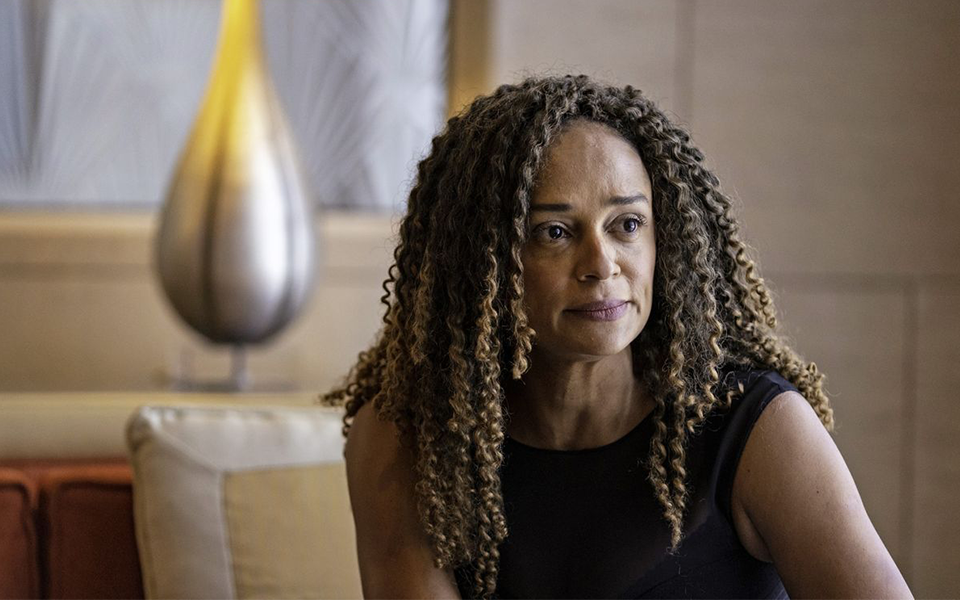



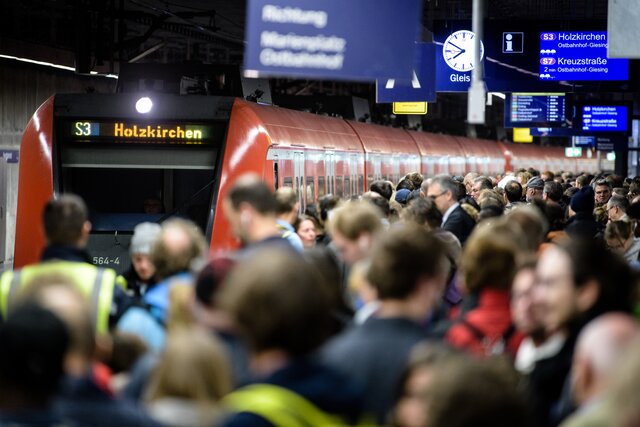
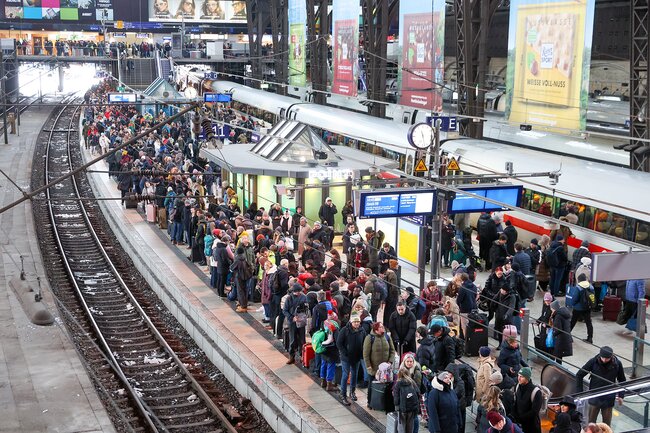


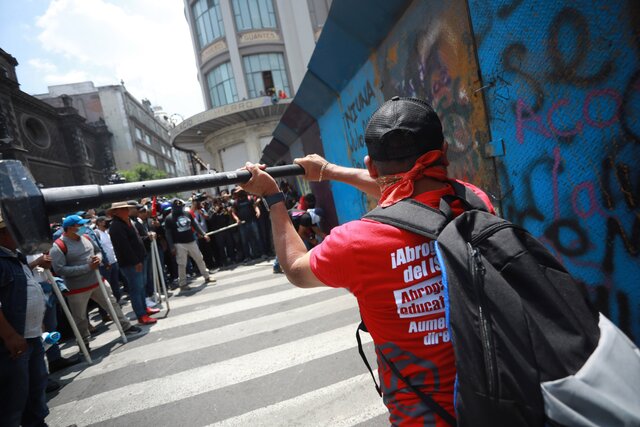
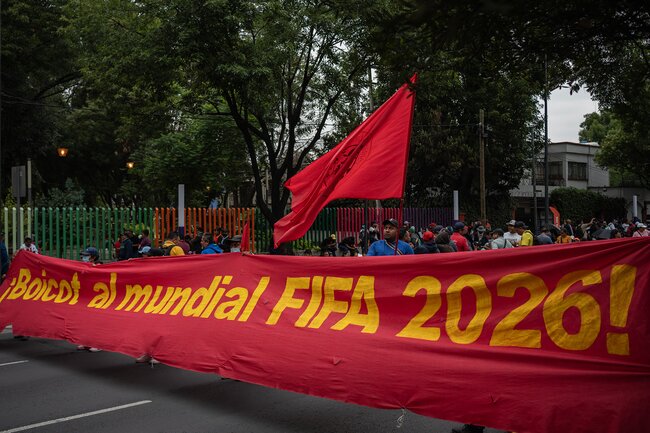
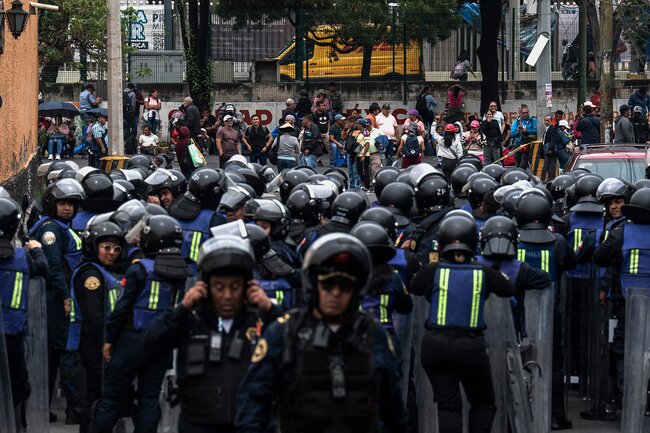
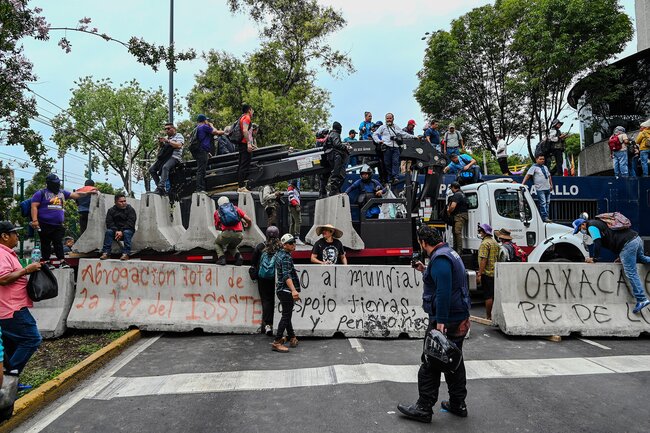


 ویدئوی منتشرشده در منابع عربی از اصابت به پایگاه آمریکا در بحرین
  لحظهٔ انهدام پهپاد MQ9 در آسمان شهرستان جم بوشهر در شب گذشته