Reading view

Massive Roman Defensive Wall Unearthed at Ancient Amathous in Cyprus
Collapse layer east of the Late Roman wall
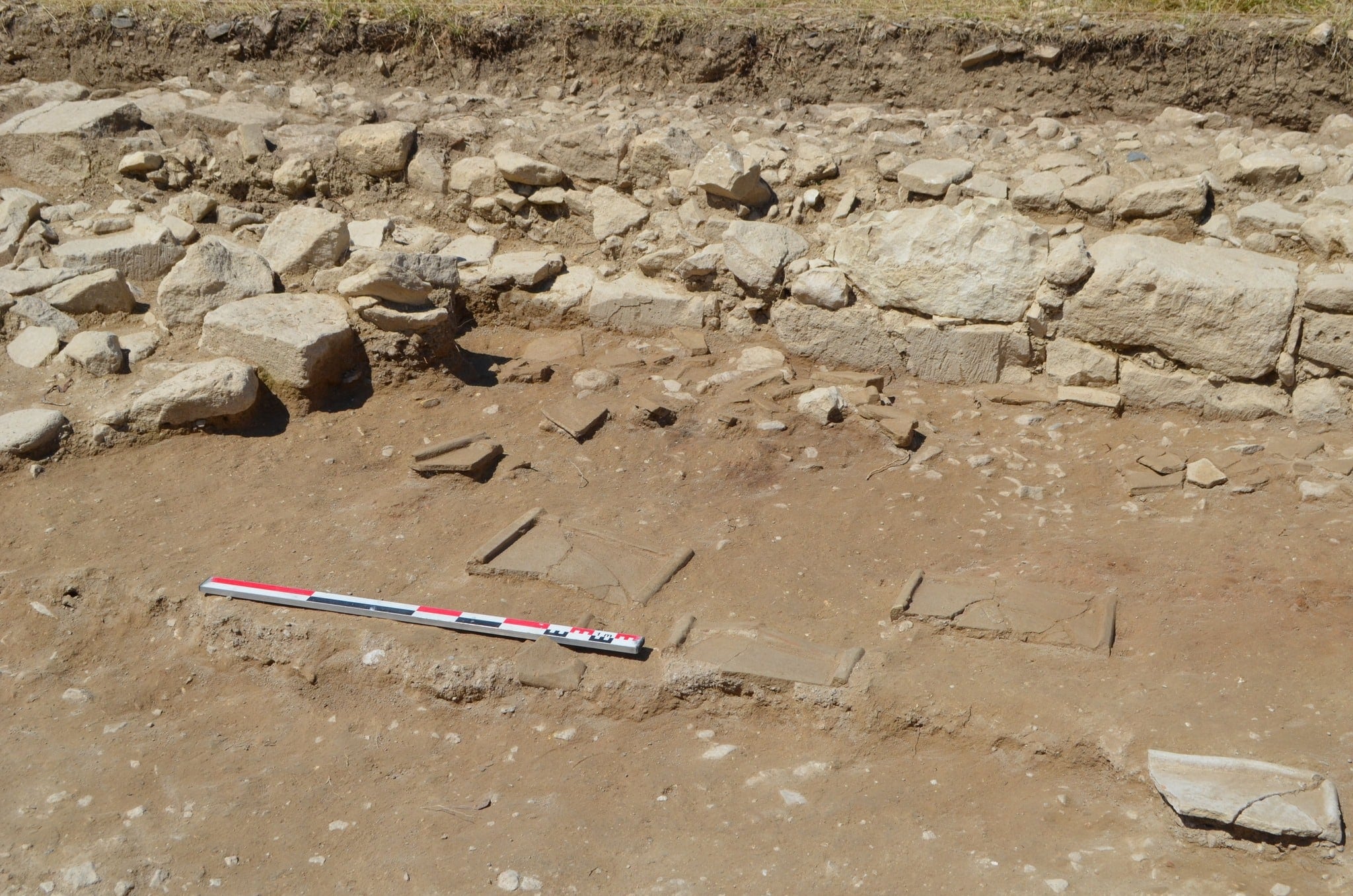
Collapse layer east of the Late Roman wall. Credit: Department of Antiquities, Cyprus

Archaeologists in Cyprus have uncovered a massive Late Roman wall at the ancient city of Amathous that may have formed part of a defensive system protecting the summit of the acropolis.

The structure, discovered on the site’s Western Terrace, offers new evidence of efforts to fortify one of the island’s most important ancient urban centers during the Late Roman period.

Details of the defensive wall

The wall reaches up to 2 meters (6.6 feet) in thickness and was built using large limestone ashlar blocks, smaller stones, and clay mortar. Excavation evidence shows that it underwent at least two construction phases, suggesting it remained an important feature of the acropolis over time.

Researchers also uncovered a floor surface associated with the wall, fallen architectural blocks, roof tiles, and mudbrick fragments from a collapsed structure. Together, the finds provide new insight into construction methods and defensive planning at Amathous during the final centuries of Roman rule.

The discoveries were made during the second excavation season of the French Archaeological Mission of Amathous, held from March 30 to April 24, 2026. The project is directed by Dr. Anna Cannavo and focuses on the Western Terrace of the Acropolis.

Expanded excavations reveal a substantial wall

The wall was first identified during excavations in 2025 following a geophysical survey conducted in 2024. During the 2026 season, archaeologists expanded Trench 1 and uncovered a much larger section of the structure.

The wall runs parallel to the natural edge of the terrace, with its southern section turning slightly toward the west. Its eastern face was constructed from large limestone ashlar blocks, while the interior was packed with smaller rough stones bonded with clay.

Researchers identified evidence for at least two building phases. The original wall measured about 135 centimeters (4.4 feet) in thickness. It was later strengthened by adding a second row of limestone blocks and filling the space between the two walls with stone rubble.

Foundations and associated floor date to the Late Roman period

A small trench excavated along the eastern side of the wall exposed its foundations and revealed a floor directly connected to the structure. Part of the floor was paved with reused roof tiles laid over a gravel bedding.

Excavation evidence indicates that both the wall and the floor date to the Late Roman period. East of the structure, archaeologists uncovered destruction deposits containing fallen ashlar blocks, roof tiles, and mudbrick fragments from the building’s upper portions.

Findings highlight the strategic importance of the Acropolis
Iron Age terracotta figurines and pottery
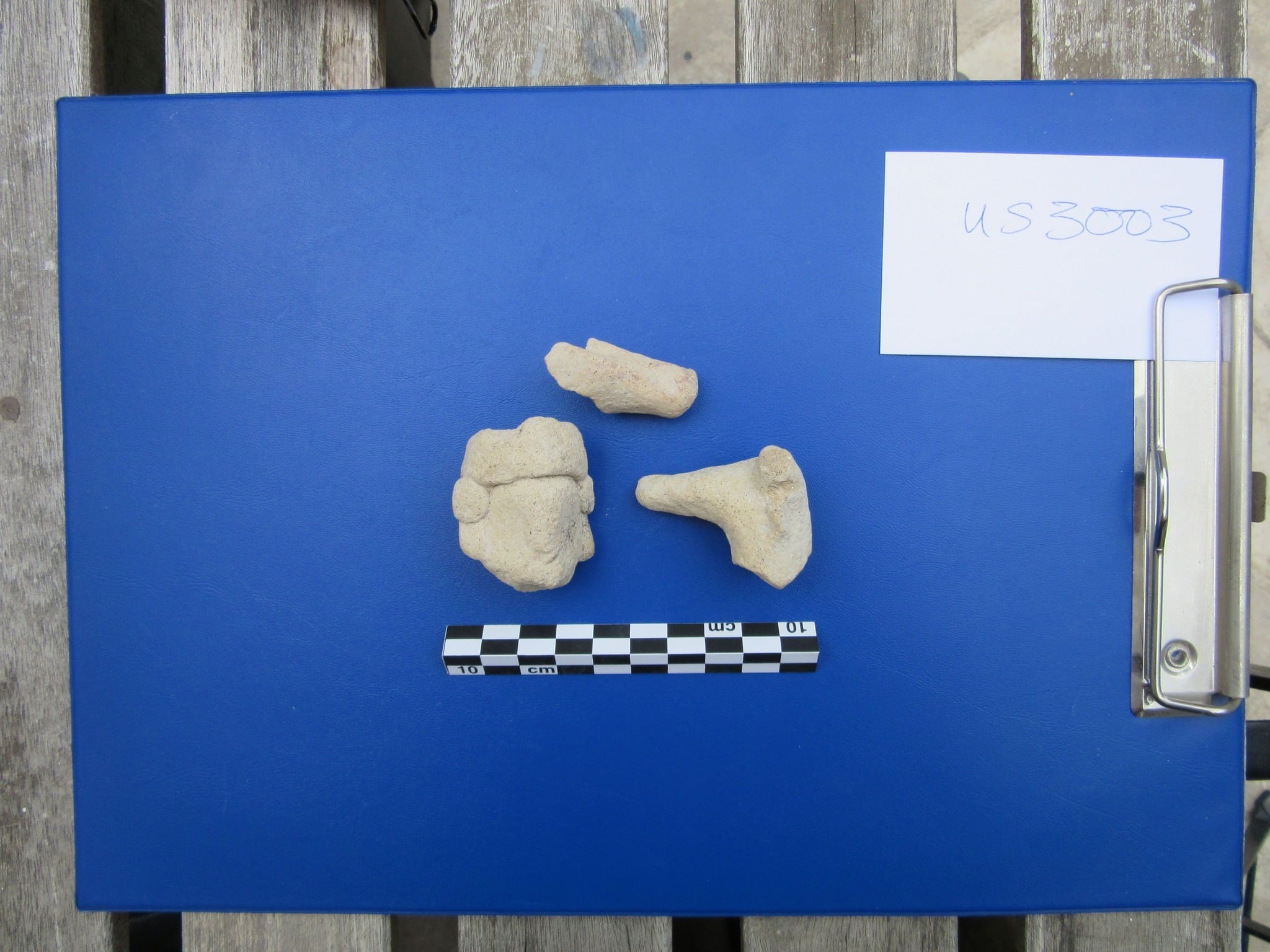
Iron Age terracotta figurines and pottery. Credit: Department of Antiquities, Cyprus

A second excavation area, known as Trench 3, was opened at the northern end of the terrace. Although no architectural remains were found there, archaeologists recovered a rich collection of Iron Age artifacts, indicating earlier activity in the area.

Researchers believe the newly discovered wall formed part of a defensive system protecting the summit of the acropolis and the basilica that had replaced the sanctuary of Aphrodite, one of the most important religious centers in ancient Cyprus.

Future excavations will investigate the full extent of the fortification and determine whether the Late Roman remains were built over earlier structures, helping researchers better understand the long-term development of Amathous.


  •  

"Amine le Conquérant", le youtubeur franco-marocain qui mène la vie de châteaux

Suivi par près de 300 000 abonnés sur les réseaux sociaux, Amine Kassid, alias "Amine le Conquérant", dépoussière la visite des châteaux français. Salué pour son style direct et décontracté, il est aussi la cible d’insultes racistes et de critiques, certains voyant d’un mauvais œil qu'un Français d'origine marocaine raconte le patrimoine français.

  •  

Top Mythological Sites in Greece

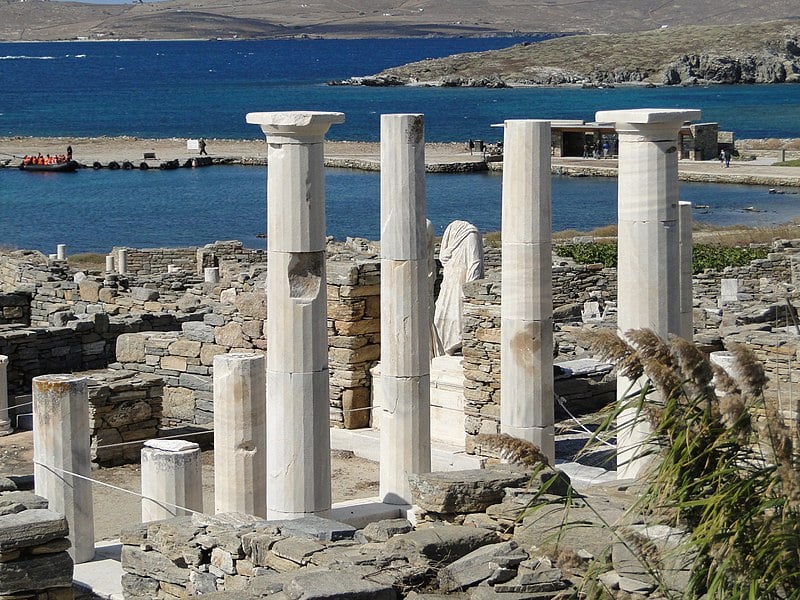
House of Cleopatra, Greece
Mythological sites in Greece. Credit: Bernard Gagnon / Wikimedia Commons/CC BY-SA 3.0

There is something about Greece that sets it apart from many other holiday destinations across the globe; its mythological sites.

Many ancient societies had different beliefs and myths, but none are more prominent in modern-day life than that of the Greeks. Their creatures have become legends, their tales inspiration for great fiction and their gods immortalized through the continued retelling of their conquests and trials.

Delos: an ancient mythological site in Greece

Matched only by the Acropolis of Athens, Greek mythological site the ruins on the island of Delos are an unmissable location for anybody interested in ancient Greek culture. One of the best-preserved examples of an ancient Greek civilization, the island is completely unblemished by modern architecture and as such, allows its visitors to delve deep into history.

However, it is not just a site of great historical importance, but a mythological one too. It was on this island that both gods Artemis and Apollo are said to have been born. As a result, the island became a sacred place. Sanctuaries and temples sprung up across its hillsides as people from across Greece came to the island’s shores to worship the deities.

Greek Mythological sites
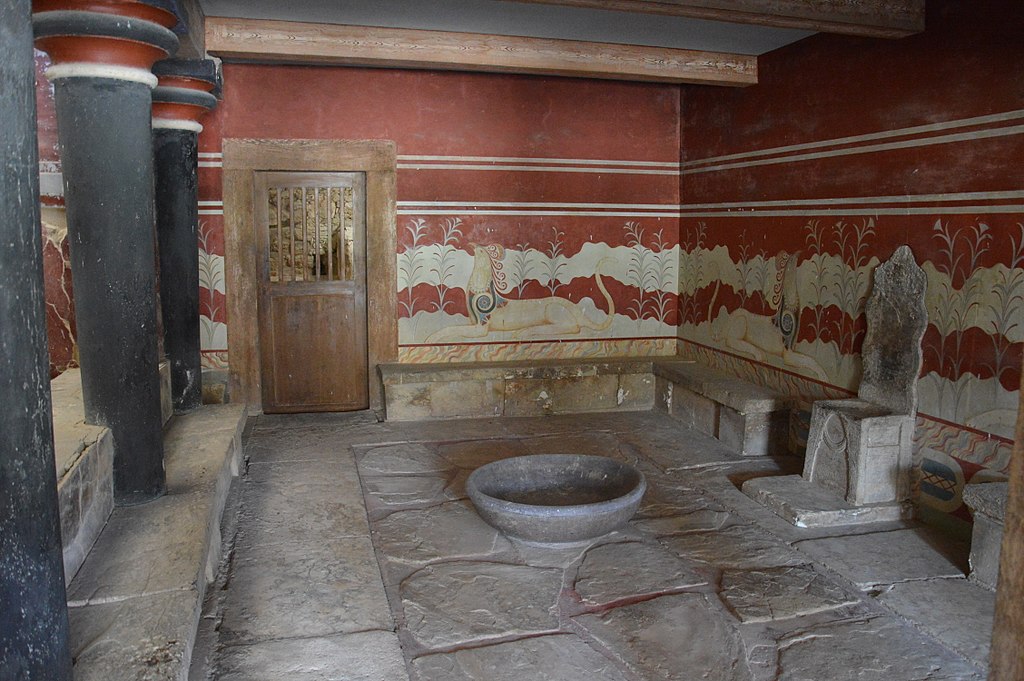
Throne room of the Minoan Palace in Knossos, Crete Credit: Annatsach – Wikimedia Commons / CC BY-SA 4.0

The Labyrinth, a famous site in Greek mythology

One of the most famous and exciting stories of Greek mythology is the tale of Minos, Theseus and the Minotaur. Minos was a powerful king, ruler of Crete and the son of Zeus, but after he betrayed Poseidon, he was cursed to raise a son with the body of a man and the head of a bull. Using this curse to his advantage, however, Minos built the fabled Labyrinth and trapped the Minotaur within it. He would then send victims to their deaths until Theseus, prince of Athens, ventured into the Labyrinth and slayed the beast.

While there are no Minotaur bones for you to see, there are two possible Labyrinths to explore. First is the likely home of King Minos, and therefore the most plausible home for the labyrinth, Kommos. Located along the southern coast of the island, Kommos is a great place to visit, with spectacular ancient ruins and beautiful ocean views.

However, if you venture deep enough into the ruins of this ancient city, you will find many maze-like corridors and walkways that may have been the Minotaur’s home; or at least the inspiration for its tale. However, just down the road you will also find Gortyn, a site of great archaeological importance to Crete and another suspected home of the Labyrinth. Further away from Minos’ home, these ruins bear a much similar resemblance to the maze of mythology. Perhaps then, it is best to visit both Greek mythological sites and decide for yourself.

The Island of Ithaca: an ancient Greek site and holiday destination

olive
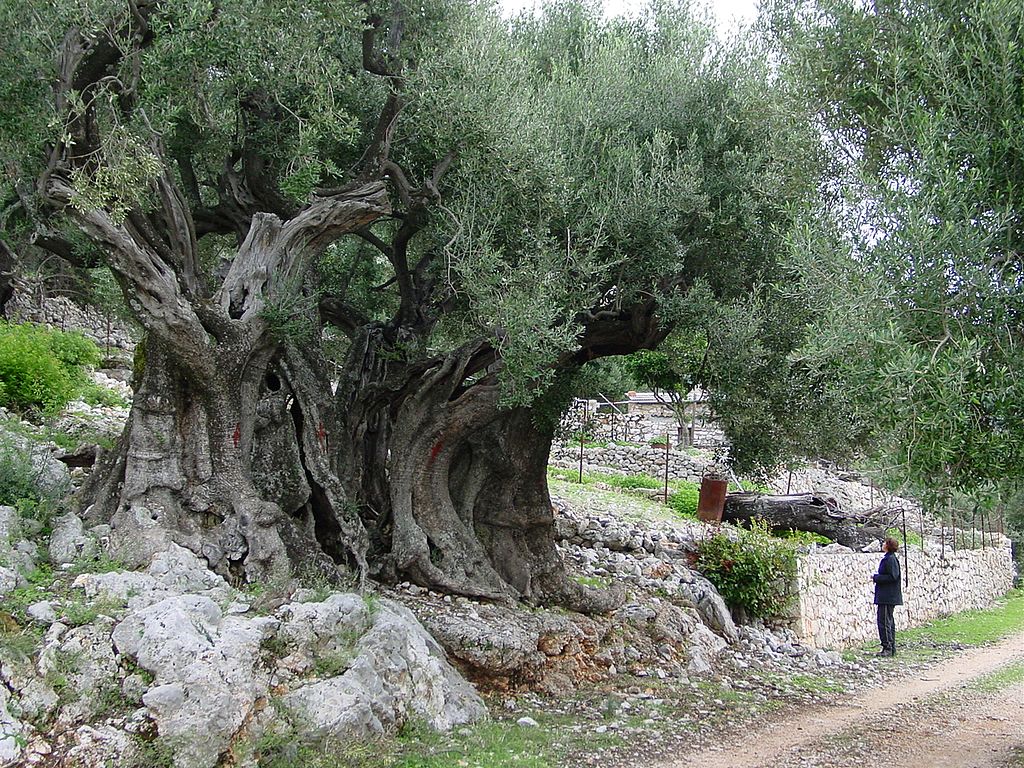
An olive tree on Ithaca that is thought to be 1,500 years old. Credit: Wikimedia Commons

Ithaca, a well-known Greek mythological site for a holiday destination, is a place with a very interesting mythological past. Most notably, it was home to the legendary trickster Odysseus, the island’s greatest king and the brains behind the trojan horse.

Odysseus was also the protagonist of Homer’s “Odyssey.” His decade-long struggle to return home after the war is the source of many of the most enduring Greek myths.

The famous Cave of Zeus on the Greek island of Crete

Greek Mythological sites
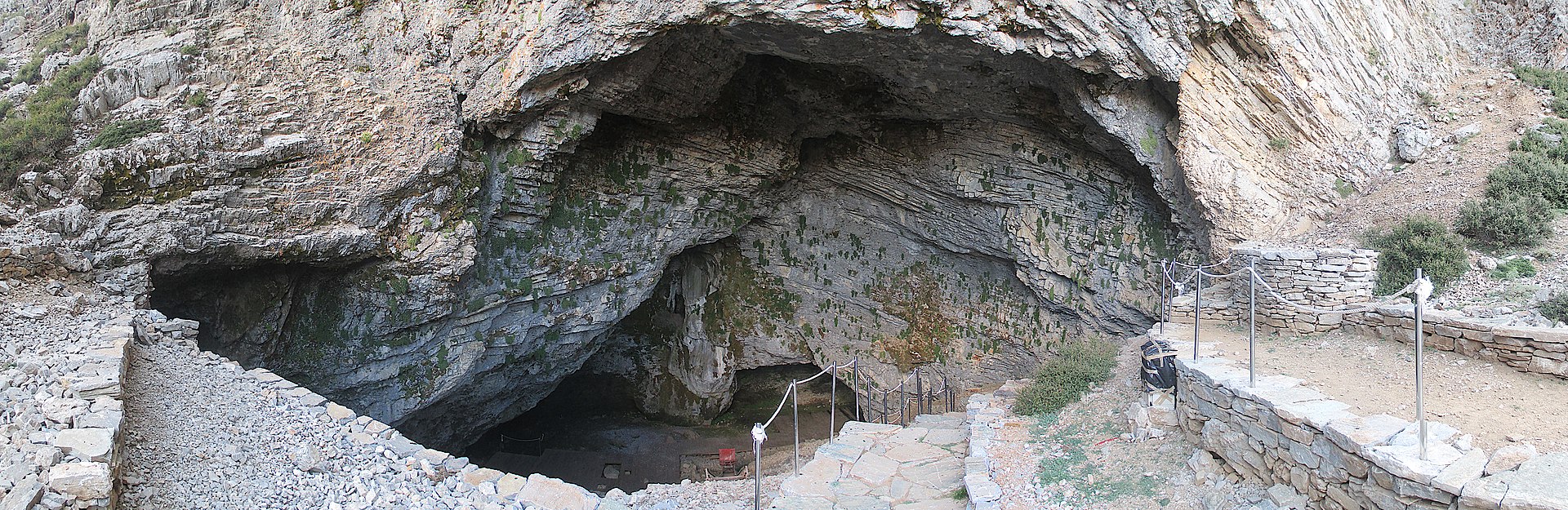
Cave of Zeus in Crete, Greece Credit: Tomisti / Wikimedia Commons / CC BY-SA 4.0

Hidden away on the island of Crete is an extraordinary piece of Greek mythological history. Within a cave beneath Mount Ida, it is said that the King of Gods, Zeus, was born and raised.

The Cave of Zeus is a beautiful location, with one entrance leading into a network of caves filled with stunning rock formations and underground pools. It does indeed seem a fitting place for the beginnings of the greatest god Greek mythology has ever known. However, it was not by choice he was raised here but by necessity.

His father, the titan Cronus, was set on devouring all of his progeny to ensure that they could never contest his power. However, unbeknownst to Cronus, Zeus’ mother, Rhea, hid him within the cave so one day he could return to overthrow his tyrannical father; which, according to legend, he did.

Mount Olympus: Home of the Greek gods

Greek Mythological sites
Mount Olympus. Credit: Maylett/ Wikimedia Commons / CC BY-SA 3.0

Along the eastern coast of the Greek mainland, you will find one of the most well-known natural landmarks in the world; Mount Olympus. This legendary and iconic Greek mythological site is an awe-inspiring sight, however, there is more to it than meets the eye.

In Greek mythology, Olympus was created after the gods defeated the titans in the battle of Titanomachy; otherwise known as the War of the Titans. Atop its peak they then built the Pantheon, where Zeus sat upon his throne as King of Gods and the rest of the deities would convene to discuss matters of the world below and survey the world of men.

Seeing all these incredible mythological sites can be tricky, unless you charter a course aboard Deep Blue Yachting’s luxury sailing boat, the Glaros. It is a private vessel, you can set your own course and visit every site on this list, all in one trip.

By Cliff Blaylock

  •  

Marie-Antoinette, première influenceuse de l'histoire ? À Fontainebleau, on lui écrit encore

Deux cent quarante ans après leur dernier séjour dans l'édifice, Louis XVI et Marie-Antoinette sont à l'honneur au château de Fontainebleau. La reine de France, guillotinée en 1793, suscite tout particulièrement l'engouement des visiteurs. Plus de deux siècles après sa mort, elle fait l'objet d'une véritable idolâtrie.

  •  

Los Angeles Greek Film Festival Marks 20th Edition With Orpheus Awards in Hollywood

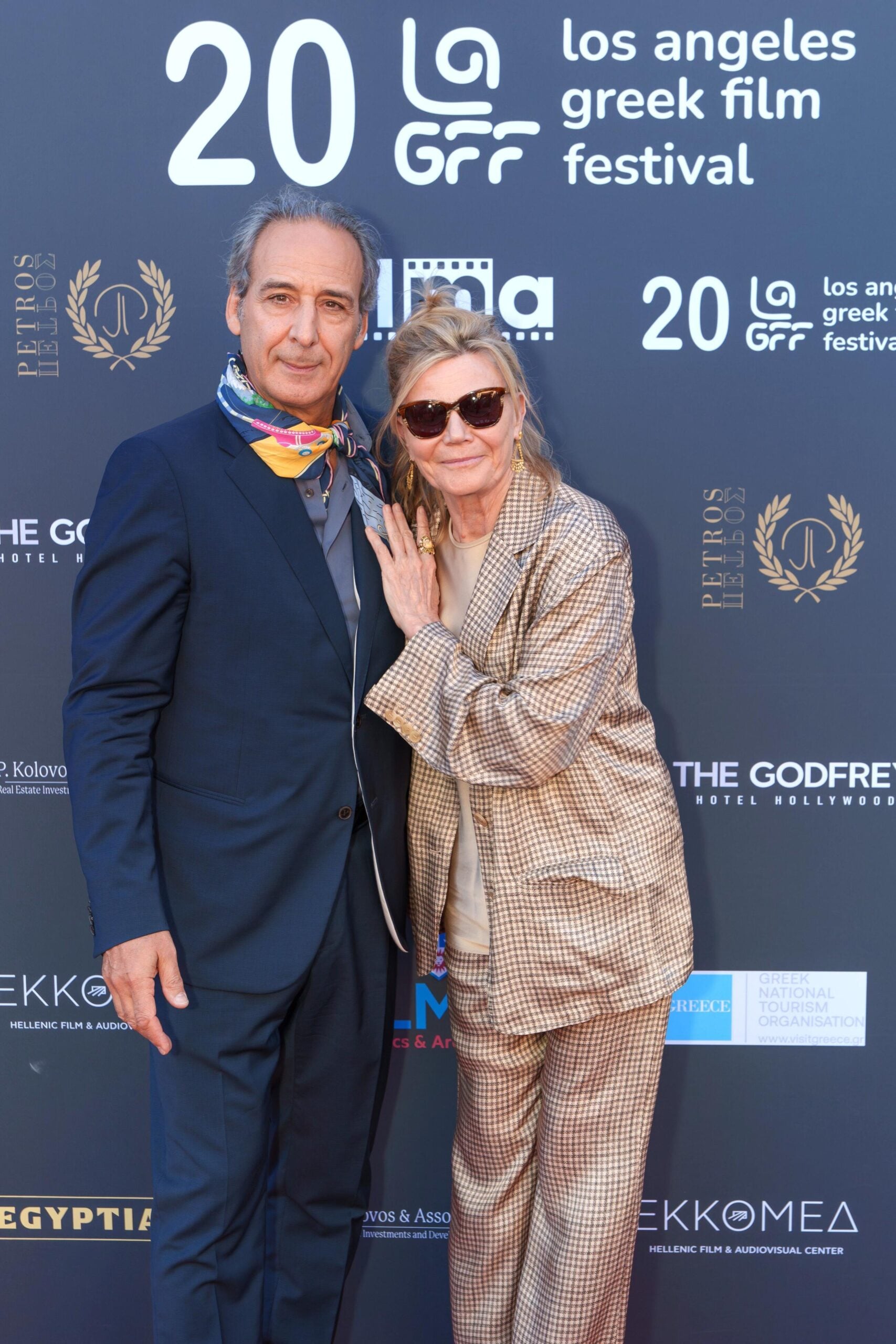
Guests and honorees pose on the red carpet at the 20th Los Angeles Greek Film Festival Closing Night in Hollywood.
Guests and honorees gather on the red carpet during the 20th Los Angeles Greek Film Festival Closing Night and Orpheus Awards Ceremony at the Egyptian Theatre in Hollywood. Photo: UrbaniteLA

The Los Angeles Greek Film Festival marked its 20th edition in Hollywood with the Orpheus Awards Ceremony, honoring Greek and Cypriot filmmakers and paying tribute to Oscar-winning composer Alexandre Desplat.

The festival’s Closing Night Film and Orpheus Awards Ceremony took place on May 31 at the Egyptian Theatre, in collaboration with the American Cinematheque. This year’s edition brought together filmmakers, artists, industry professionals, and supporters of Greek cinema for a week of screenings, red carpet events, tributes, and awards. The festival’s virtual film program continues through June 14.

Founded in 2007, LAGFF has grown into one of the most important platforms for Greek and Cypriot cinema outside Greece. Over the past two decades, it has screened more than 800 films, hosted over 700 filmmakers, and reached an audience of more than 50,000.

Alexandre Desplat honored at closing night

One of the evening’s major highlights was the presentation of the Honorary Orpheus Award to Alexandre Desplat, one of the most acclaimed film composers working today.

Desplat, who won Academy Awards for his scores for The Grand Budapest Hotel and The Shape of Water, received the honor for his contribution to contemporary cinema. Filmmaker Malcolm Washington presented the award during the Closing Night ceremony, while Fay Lellios produced the tribute.

The evening also included a remembrance tribute to George Kolovos of G.P. Kolovos & Associates, a longtime benefactor of the Los Angeles Greek Film Festival.

“The 20th celebratory edition of LAGFF left indelible memories,” said Aristotle Katopodis, Artistic and Festival Director of LAGFF. “Feting Alexandre Desplat, remembering Dean Tavoularis, and paying respects to our 20-year-long benefactors, the Kolovos family, are images deeply etched in our hearts and souls.”

Katopodis also congratulated the filmmakers whose work was celebrated this year and thanked the festival’s supporters, sponsors, and team for championing Greek cinema.

Alexandre Desplat and Solre Desplat on the red carpet at the 20th Los Angeles Greek Film Festival in Hollywood.
Oscar-winning composer Alexandre Desplat and Solre Desplat attend the 20th Los Angeles Greek Film Festival Closing Night and Orpheus Awards Ceremony in Hollywood. Photo: UrbaniteLA

Hold onto me wins best feature film

The Closing Night Film, Hold Onto Me, directed by Myrsini Aristidou, won the Orpheus Award for Best Feature Film.

The film, which previously won the World Cinema Audience Award at Sundance, was one of the leading titles of this year’s festival. Following the screening, actor Michael Grant hosted a Q&A with Aristidou.

KNX Radio’s Vivianne Linou hosted the Orpheus Awards Ceremony.

2026 orpheus awards winners announced by the Los Angeles Greek film festival

In the animation category, Dream by Semiramis Mamata won the Orpheus Award for Best Animation Film. The Special Jury Award for Animation Film went to Poppy Flowers by Evridiki Papaiakovou.

The Orpheus Award for Best Short Film went to Prelude to a Supernova by Christos Artemiou, while the Special Jury Award for Short Film went to Gekas by Dimitris Moutsiakas.

In the feature film categories, Hold Onto Me by Myrsini Aristidou won Best Feature Film. Krysianna Papadakis and Stergios Dinopoulos received the Orpheus Award for Best Director for Bearcave, while Amerissa Basta received the Special Jury Award for Best Director for Life in a Beat.

The Orpheus Award for Best Performance went to Denise Fraga for Dreaming of Lions. Niovi Charalampous received the Special Jury Award for Best Performance for Smaragda – I Got Thick Skin and I Can’t Jump, while Vangelis Mourikis earned an honorable mention for Patty Is Such a Girly Name.

Audience awards and social justice honors

The Audience Award for Feature Film went to Best Friends Forever by Konstantinos Mousoulis. The Audience Award for Short Film went to The Smoker by Alexa Economacos.

The festival also presented its Social Justice Awards in partnership with Loyola Marymount University’s Bellarmine College of Liberal Arts, Department of Classics and Archaeology.

The Social Justice Award for Short Film went to The Wolves Return by Stelios Moraitidis, while the Social Justice Award for Feature Film went to Maysoon by Nancy Biniadaki.

Award presenters included animator Aliki Theofilopoulos, actor and author Patricia Kara, music composer George Kallis, and film distributor Bill Vergos.

The jury panel included Leo Behrens, Nora Bernard, Karen Cifarelli, Cheng Guo, Harrison James, Chieh-Chih Liao, Eric Nazarian, and Irene Soriano Saxon.

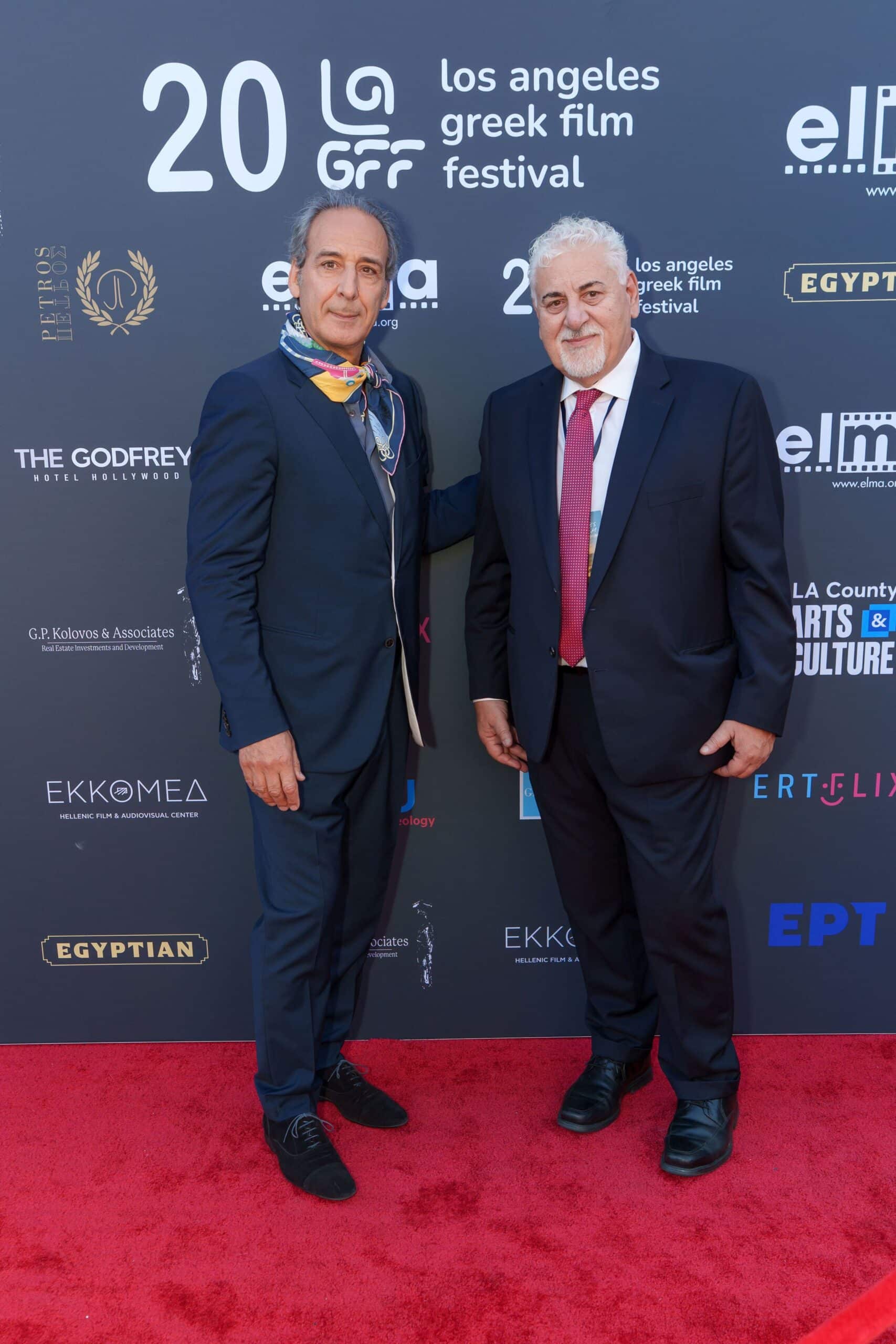
Alexandre Desplat and LAGFF Artistic Director Aristotle Katopodis at the 20th Los Angeles Greek Film Festival in Hollywood.
Honorary Orpheus Award recipient Alexandre Desplat with LAGFF Artistic and Festival Director Aristotle Katopodis at the 20th Los Angeles Greek Film Festival Closing Night in Hollywood. Photo: UrbaniteLA

Los Angeles Greek film festival celebrates orpheus awards at the Egyptian theatre

This year’s Closing Night continued LAGFF’s collaboration with the Egyptian Theatre, Netflix, and the American Cinematheque.

The Egyptian Theatre, one of Hollywood’s most historic movie palaces, opened in 1922 and helped shape the early history of film premieres in Los Angeles. Restored through a partnership between Netflix and the American Cinematheque, the venue now combines its historic character with modern projection capabilities.

For LAGFF, the setting offered a symbolic backdrop for a festival that has spent two decades connecting Greek and Cypriot cinema with the wider Los Angeles film community.

  •  

UK Town Has a Stunning Greek Temple Where You Can Spend the Night

Greek Temple UK
The Greek temple at Stancombe Park in the UK has been described as the most romantic destination in Britain. Credit: Photo courtesy of Stancombe Park

In the UK, there is a stunning Greek temple where visitors can spend the night. The location has been described as a “secret Cotswolds utopia” in Stancombe Park. The 19th-century Doric replica is located near the town of Dursley about two hours from London.

Dursley is located in the western part of England, and according to a 2021 census, it has a population of 7,463 people. The town lies between the cities of Bristol and Gloucester, and it’s just four miles from the River Severn.

A piece of Greek architecture in a small UK town

This location offers a piece of ancient Greek-style architecture in rural England, allowing British tourists to get in touch with Greek culture without leaving the UK.

This stunning Greek temple in the UK does not exactly make for affordable accommodation. A couple who wish to stay at the temple for three nights can count on a bill of approximately $1,737 (£1,350).

The Greek temple is situated on a hill overlooking a lake and seems as if it was pulled straight out of a movie set. It inspired author Evelyn Waugh, who wrote about a Doric temple overlooking a lake in his novel Brideshead Revisited.

Greek Temple UK
The picturesque lake on which the temple is located. Credit: Photo courtesy of Stancombe Park

The temple is decorated with all kinds of antique furnishings and home decorations, and offers a glimpse into 19th-century English luxury. It is surrounded by landscaped gardens which themselves host an Iron Age fort and two Roman villas.

The location has been described as “the most romantic destination in the UK”

The beautiful Greek temple has been described as “the most romantic destination in the United Kingdom.” Guests enjoy picturesque scenery, and they can explore the private gardens and secret tunnels or go grotto boating on the lake.

The temple also features a central hall with an adjoining kitchen. However, the remarkable Greek architecture is best witnessed in the master bedroom. The master bedroom is framed by Doric columns, allowing guests to enjoy the privacy of the location.

There are numerous sites in the UK where the rich heritage of Greece is reflected. Alongside the temple, perhaps the most delectable part of Greek culture in the United Kingdom is the Real Greek, which features authentic Greek cuisine.

The Real Greek is a chain of restaurants across London and southern England. Its aim is to offer customers authentic Greek cuisine, blending flavors from Greece’s islands, mainland, and mountains.

The UK is home to up to 300,000 ethnic Greeks. Unsurprisingly, Greek culture is thus a vibrant part of life in the island nation, and the Greek community enjoys a significant presence in cities such as London, Birmingham, and Sheffield.

  •  

Elon Musk Fuels Odyssey Casting Debate With AI Trailer Featuring All-White Greek Heroes

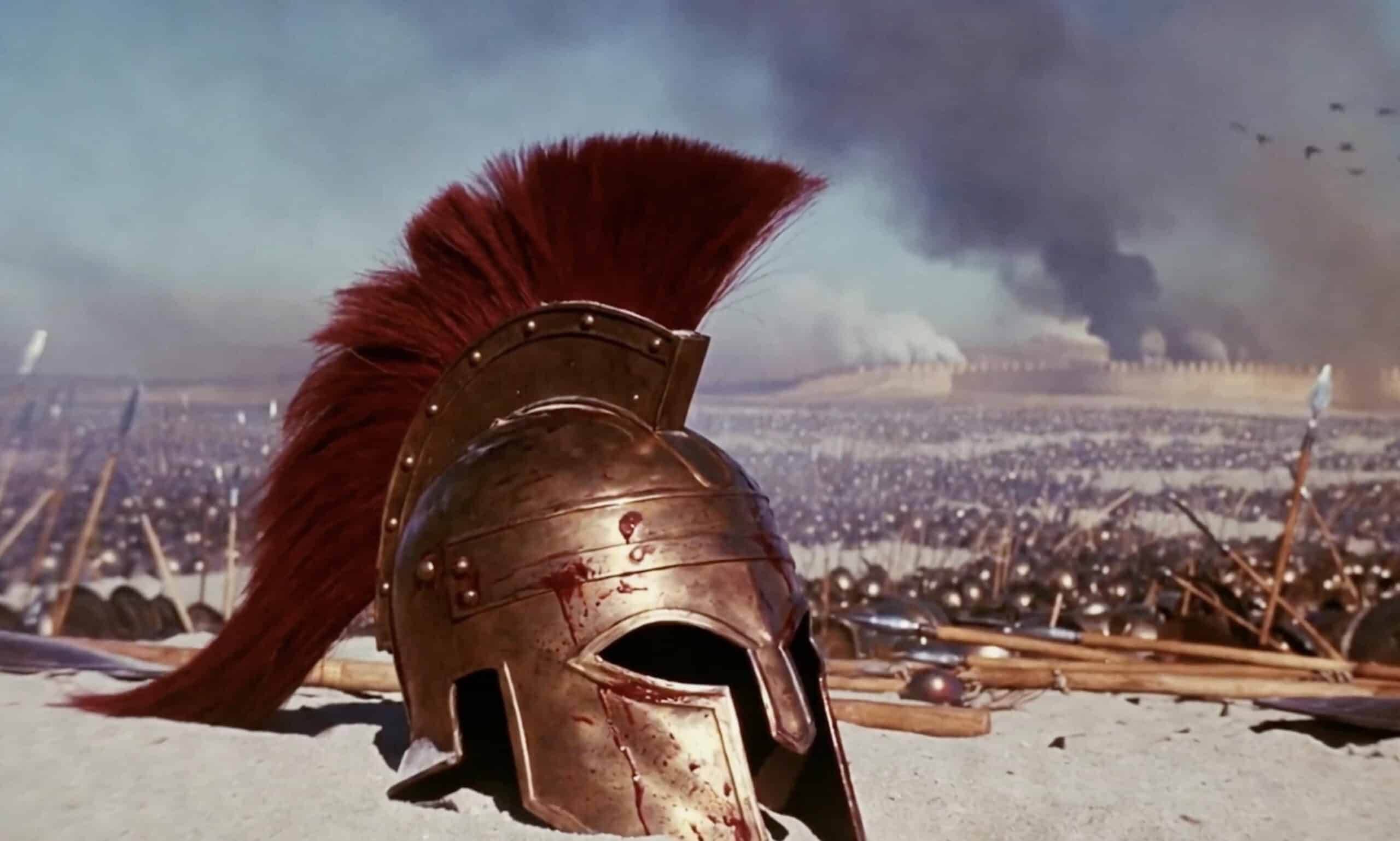
A bronze ancient Greek-style warrior helmet with a red plume lies on a battlefield, with spears, shields, smoke, and armies in the background.
AI-generated Iliad trailer shared by Elon Musk on X amid debate over Christopher Nolan’s The Odyssey. Credit: Screenshot / Elon Musk’s official twitter account

Elon Musk has entered the controversy surrounding Christopher Nolan’s upcoming The Odyssey by sharing an AI-generated trailer featuring an all-white cast of ancient Greek heroes.

Musk posted the video on X on Thursday, June 4, as debate continues over Nolan’s decision to cast Lupita Nyong’o as Helen of Troy in The Odyssey. Musk, who has already criticized the casting online, introduced the clip as an “Iliad (Troy) trailer made by Grok Imagine 1.5,” referring to the video-generation model developed by his artificial intelligence company xAI.

The 40-second trailer quickly went viral and drew more than 18.4 million views, according to the original Greek report. Although Musk did not explicitly mention Nolan’s film in the post, the timing and visual choices linked the clip to the wider argument over how ancient Greek figures should appear on screen.

An AI version of Homer’s world

The trailer presents a dramatic version of the Trojan War, with burning cities, warships, battlefield speeches, emotional close-ups, and large-scale combat scenes. Its visual style closely resembles a Hollywood historical epic. However, AI tools produced the video rather than a traditional studio production.

The choice of The Iliad also matters. Homer’s Iliad and Odyssey are two of the foundational works of ancient Greek literature. The Iliad centers on the Trojan War, while The Odyssey follows Odysseus on his long journey home after the fall of Troy.

That connection made Musk’s post look less like a random AI experiment and more like a response to the current debate around Nolan’s film. By using AI to create his own vision of the Trojan War, Musk placed himself directly inside a cultural dispute involving Greek mythology, Hollywood casting, and the future of filmmaking.

Iliad (Troy) trailer made by Grok Imagine 1.5, which was just released pic.twitter.com/o0zITVlvpn

— Elon Musk (@elonmusk) June 4, 2026

The Helen of Troy debate

Nolan’s The Odyssey is scheduled for release on July 17, 2026. The film stars Matt Damon as Odysseus and Anne Hathaway as Penelope. Its cast also includes Tom Holland, Zendaya, Robert Pattinson, Charlize Theron, and Lupita Nyong’o.

Much of the online backlash has focused on Nyong’o’s role as Helen of Troy. Critics of the casting argue that Helen, one of the most famous figures of Greek mythology, should reflect the traditional image associated with the character.

Supporters of the film, however, say Homeric myth is not documentary history. They argue that artists have reinterpreted the epics for centuries through theater, literature, painting, and cinema. Nyong’o has also addressed the criticism, saying the film’s cast reflects the world and emphasizing that the story belongs to mythology rather than historical reconstruction.

Musk’s AI trailer now adds another layer to the dispute. The clip does not simply promote artificial intelligence as a filmmaking tool. Instead, it presents an alternative visual version of the Homeric world at the exact moment when Hollywood’s version is under scrutiny.

Was very fun to try out the latest 1.5 Grok Imagine model for this one! https://t.co/x5OwuhySyH

— Heavy Pulp (@heavypulp) June 3, 2026

Elon Musk turns AI Iliad trailer into a cultural statement

After Musk posted the trailer, the creative studio Heavy Pulp, which worked on the project, said it had enjoyed making it. Musk then asked whether the team wanted to make a full-length film. Heavy Pulp replied that it was already in.

That exchange helped transform the video from a short viral experiment into a possible challenge to Hollywood. Musk appeared to test whether AI could generate not only trailers, but also full-scale mythological films outside the traditional studio system.

The response online came quickly. Many users praised the trailer’s cinematic look and argued that it showed how fast AI video tools are improving. Others viewed the clip as a direct provocation toward Hollywood, especially because it appeared during a high-profile debate over representation in a film based on Greek mythology.

@starchannelnews

Νέο διαδικτυακό θόρυβο προκαλεί ο Ίλον Μασκ, ο οποίος επανέρχεται στη δημόσια συζήτηση γύρω από τις επιλογές casting στην πολυαναμενόμενη κινηματογραφική μεταφορά της Οδύσσειας από τον Κρίστοφερ Νόλαν. Με αφορμή τη συζήτηση που έχει ανοίξει για τον ρόλο της Ωραίας Ελένης, ο Μασκ ανάρτησε στο Χ ένα βίντεο που παρουσιάζεται ως AI trailer της Ιλιάδας, με όλους τους πρωταγωνιστές να απεικονίζονται ως λευκοί ηθοποιοί. Η Βαλεντίνα Καραγεωργίου είναι μαζί μας με όλες τις λεπτομέρειες και τις αντιδράσεις που έχει προκαλέσει η νέα παρέμβαση του Ίλον Μασκ. #starchannelnews #tiktokgreece #newsgr

♬ original sound – Star News_official – Star News_official

  •  

Antony Beevor, historian: ‘Rasputin combined spirituality with extreme lust and lasciviousness’

Used to hearing Antony Beevor detail troop movements at Stalingrad, the siege of Berlin, the Normandy landings, the paratroopers’ effort at Arnhem or the Panzer offensive in Hitler’s last stand in the Ardennes, it is surprising to hear him talk about Rasputin’s penis. In truth, he adopts the same look of intense concentration he brings to his usual military topics. “Rasputin’s penis… is an object of interest, certainly,” he says when his interlocutor mentions that, during an afternoon of astonishment and vodka, he saw on display in a St. Petersburg museum the appendage shown as such in a glass jar. “Yes, it is said to measure 13 inches, about 33 centimeters, but I don’t know that it’s something to take seriously. My father-in-law, the historian John Julius Norwich, used to explain that his father, Duff Cooper, the first British ambassador to France after the Liberation and also a historian [and father of the notable writer Artemis Cooper, Beevor’s wife], was convinced that part of Rasputin’s sexual success and magnetism lay in his member and his muscular control, but there is no historical record that it was cut off after his murder. Today it is impossible to assert that what is on display is his; I don’t believe any DNA test has been done.” In fact, some say it is a horse’s penis, or, if not that, a dried sea cucumber, as has also been suggested. Beevor recalls, in any case, that at the time in Tsarist Russia, Rasputin was credited with extraordinary sexual potency and caricatures circulated showing his organ, in reference to the monk’s influence over the Tsarina Alexandra and, through her, Tsar Nicholas II, with the legend: “The rod that rules Russia.”

Seguir leyendo

© Print Collector (Print Collector/Getty Images)

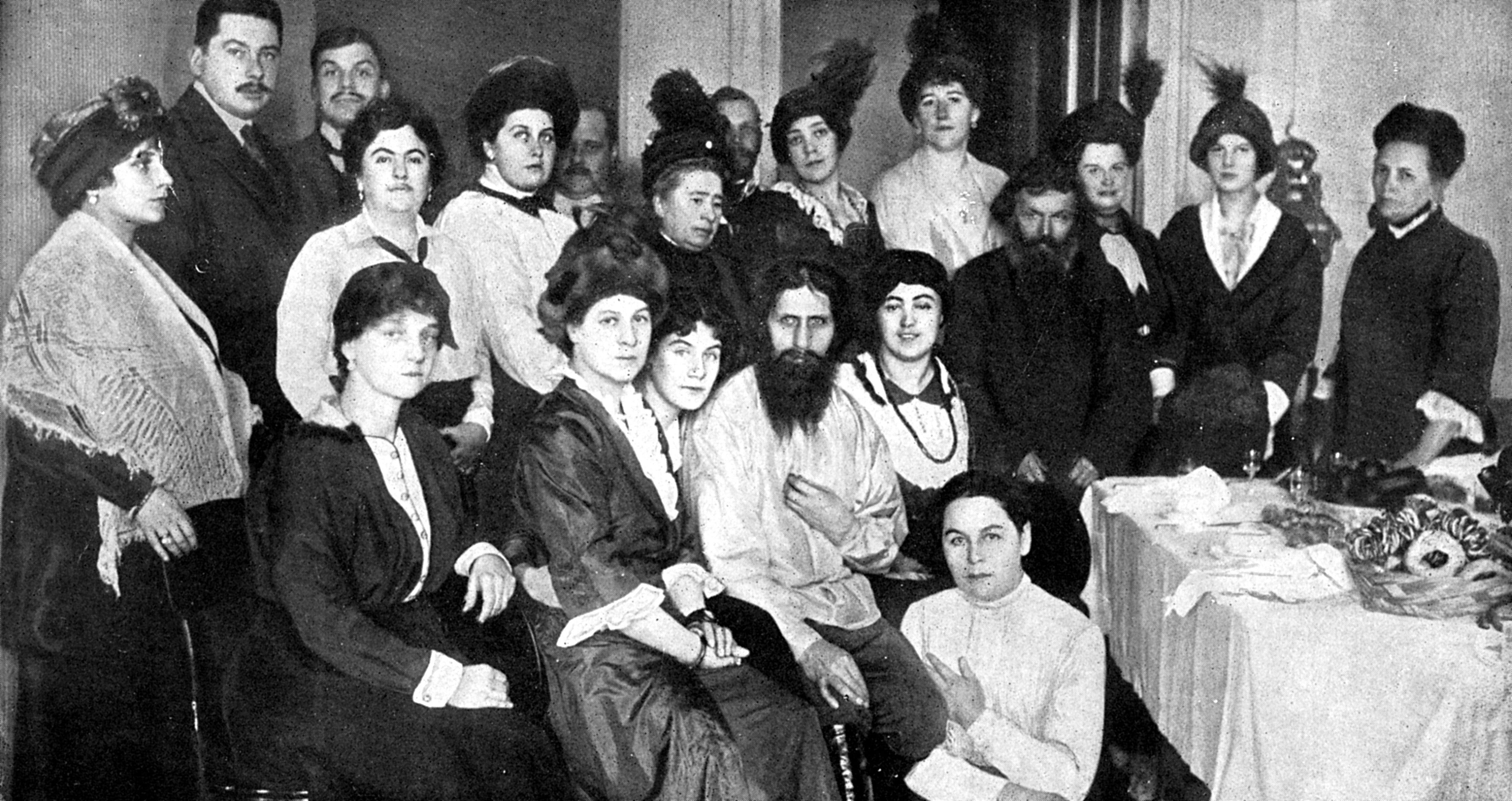
Grigori Rasputin, surrounded by some of the women subdued by his magnetic personality and other figures of the era.
  •  

Plato’s “Republic” Meets Techno in Maria Farantouri’s Concert

Farantouri Plato Republic
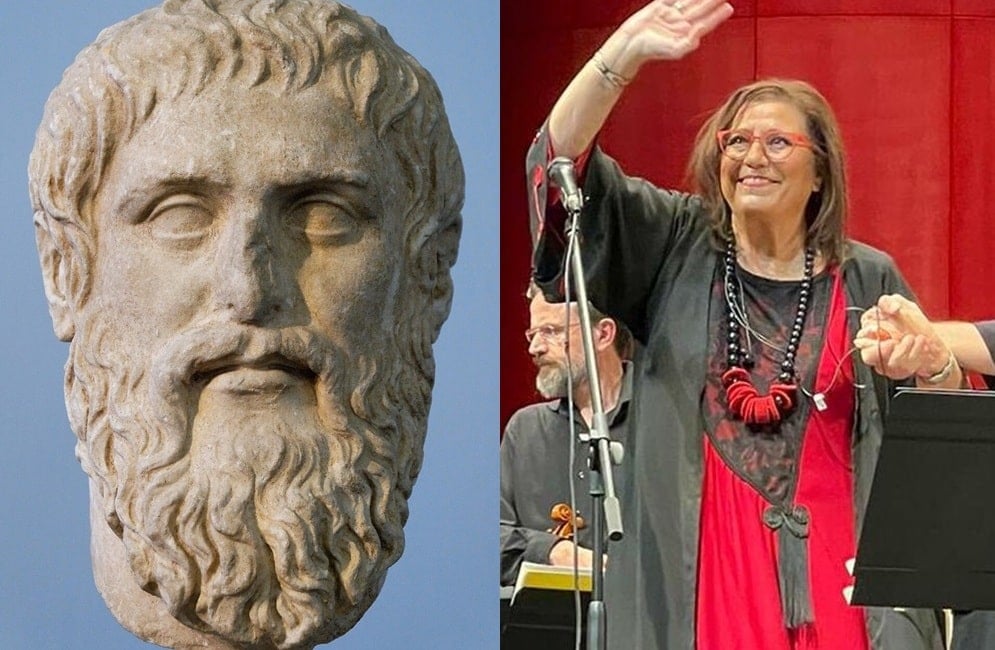
Farantouri shared details about her highly-anticipated concert alongside electronic music pioneer Lena Platonos. Illustration: Greek Reporter

Legendary Greek vocalist Maria Farantouri has teased a groundbreaking upcoming performance, revealing that she will be singing passages from Plato’s Republic set to techno music.

Speaking to the camera on the morning show Buongiorno, Farantouri shared details about her highly anticipated concert alongside electronic music pioneer Lena Platonos, scheduled for June 19 at the historic Odeon of Herodes Atticus.

The ambitious program will feature three major works that bridge ancient text, contemporary composition, and electronic soundscapes. Farantouri noted that the performance will seamlessly blend modern musical elements guaranteed to thrill younger audiences.

“Lena Platonos and I are preparing a truly historic concert,” Farantouri said. “It connects the past with the present using very modern, electronic rhythms. I will also be singing Plato’s Republic. Lena has taken the myth of the Three Fates and set it to music—and it’s going to be techno! Young people will literally be dancing to it. It’s absolutely thrilling.”

Plato’s Republic: Cornerstone of philosophy and politics

Written around 375 BC, Plato’s Republic is arguably the most influential work of philosophy and political theory in Western history. Structured as a Socratic dialogue, it explores the definition of justice, the character of the just city-state, and the nature of the human soul. It is the very text that gave the world the famous “Allegory of the Cave”—Plato’s metaphor for how humanity mistakes the shadows of illusion for reality and how the pursuit of truth requires breaking free from those chains.

What makes Platonos and Farantouri’s techno adaptation so brilliantly ironic is Plato’s own complicated relationship with music. In the Republic, Plato devoted significant time to discussing the role of the arts in society, famously arguing that certain musical scales and rhythms should be banned because they could corrupt the soul or incite chaotic emotion.

  •  
❌