As Novas 7 Maravilhas de Portugal regressaram em 2026, quase duas décadas após a primeira edição, com o objetivo de eleger, através do voto popular, os mais emblemáticos exemplos do património construído português. A iniciativa decorre ao longo deste ano…
A Convenção Anual da Parcerias e Negócios realizou-se no dia 23 de Maio, no SDivine Fátima Hotel, reunindo empresários, empreendedores, oradores, dirigentes e profissionais de diferentes sectores de actividade. O encontro ficou marcado pela partilha de experiências, pela apresentação de…
Just a year ago, Latin America’s major business families — owners of some of the world’s largest fortunes — were watching anxiously for the effects of the tariff wall erected by U.S. President Donald Trump. One year on, they are observing with concern the geopolitical upheaval unleashed by Trump, with an unprecedented change to the liberal international order built after World War II. The new national security strategy outlined by the Trump administration singles out Latin America as a new priority. The Republican tycoon has designated the entire region as his sphere of influence: as both his backyard and his front yard.
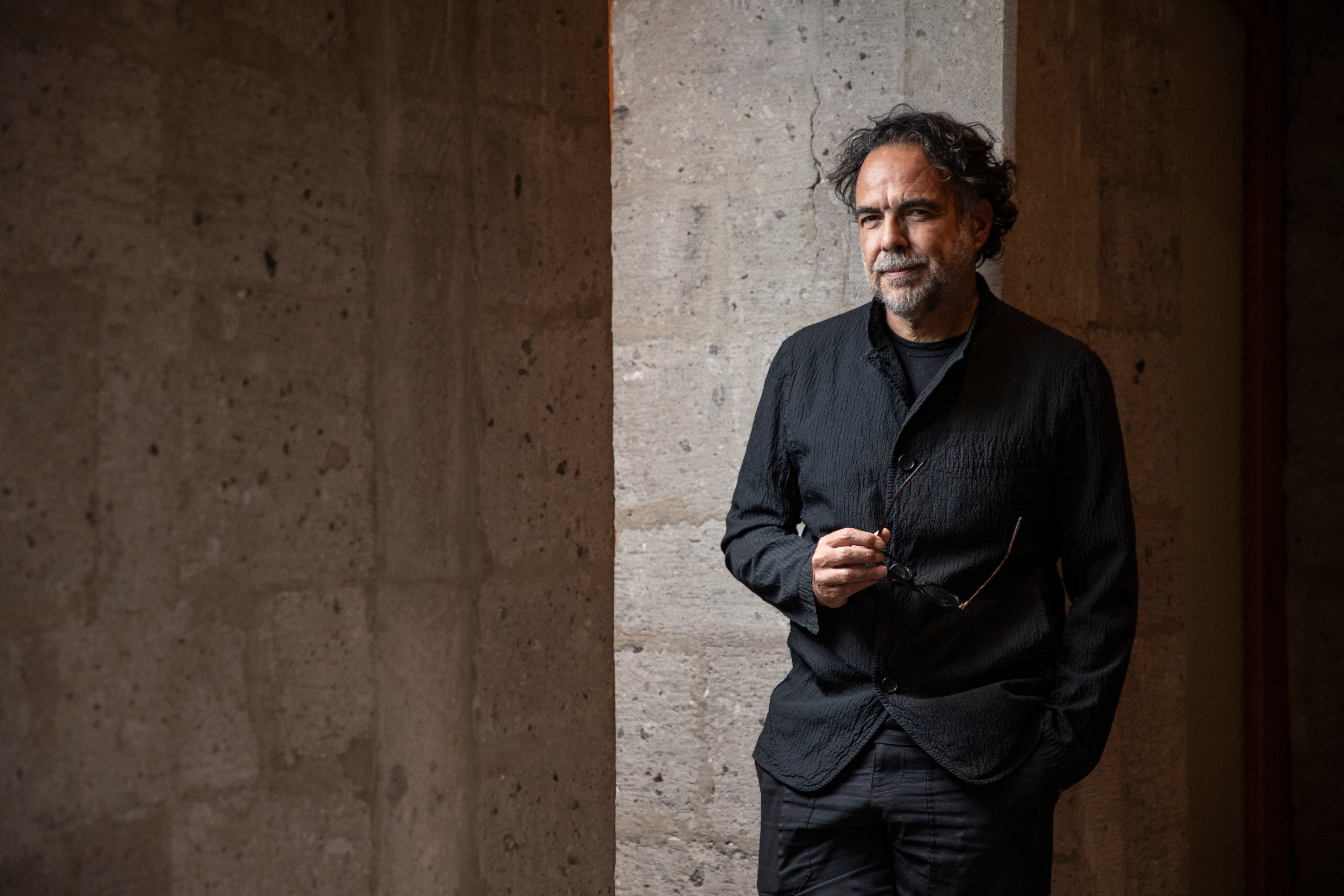
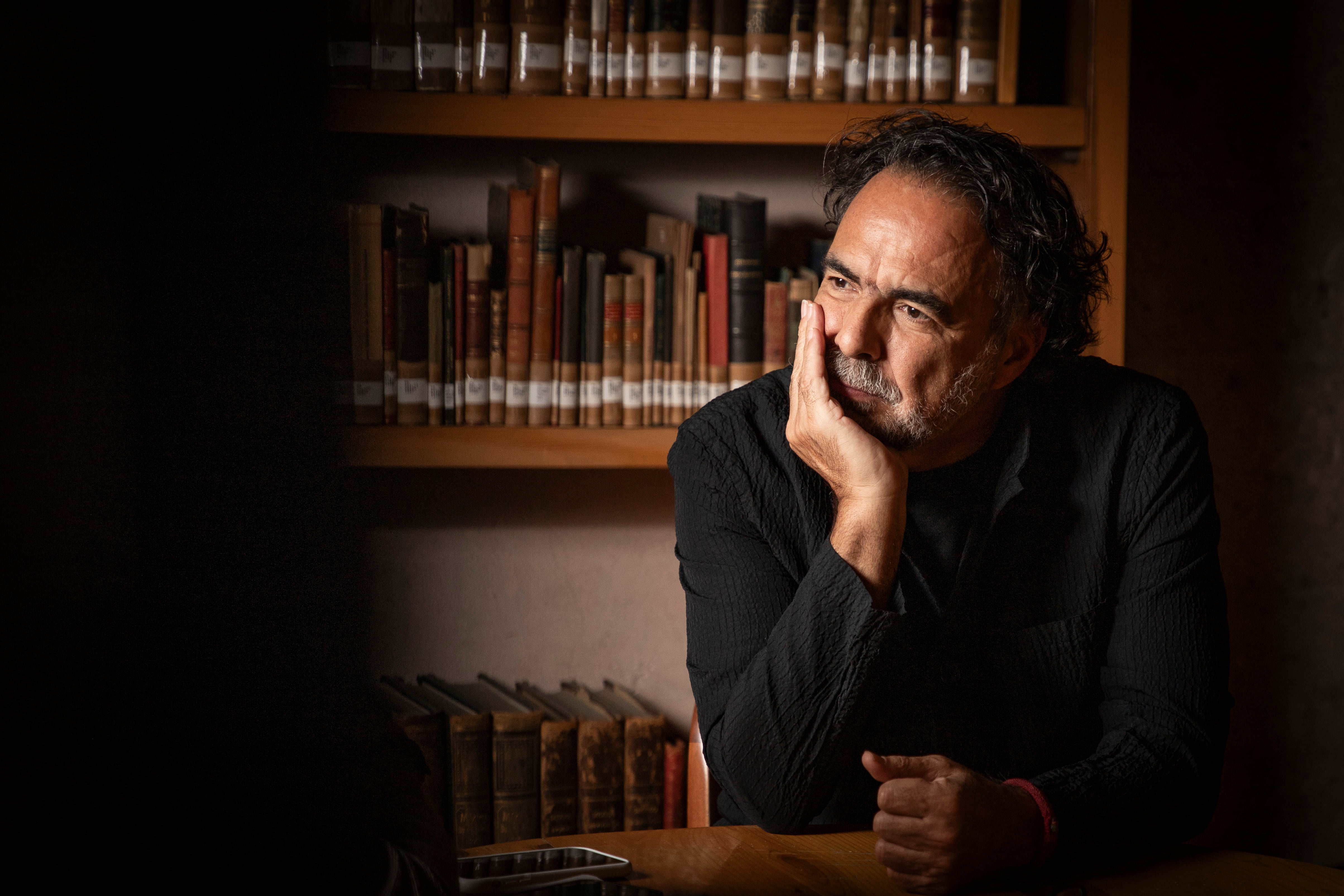
With five Academy Awards to his name, Alejandro González Iñárritu, 62, had few things left to achieve, and this week he crossed one off. The award-winning Mexican director, who will release his ninth film this fall — the dramedy Digger, starring Tom Cruise — has returned to his native city to join the Colegio Nacional de México, one of the most prestigious academic institutions in the Spanish-speaking world. As its new 38th member and the first filmmaker ever asked to join the honorary academy, his entire craft is also entering the institution: an art that has historically played different roles, he says, from “its use by governments for ideologies and repression” to “poetry and inspiration,” and also “entertainment.”
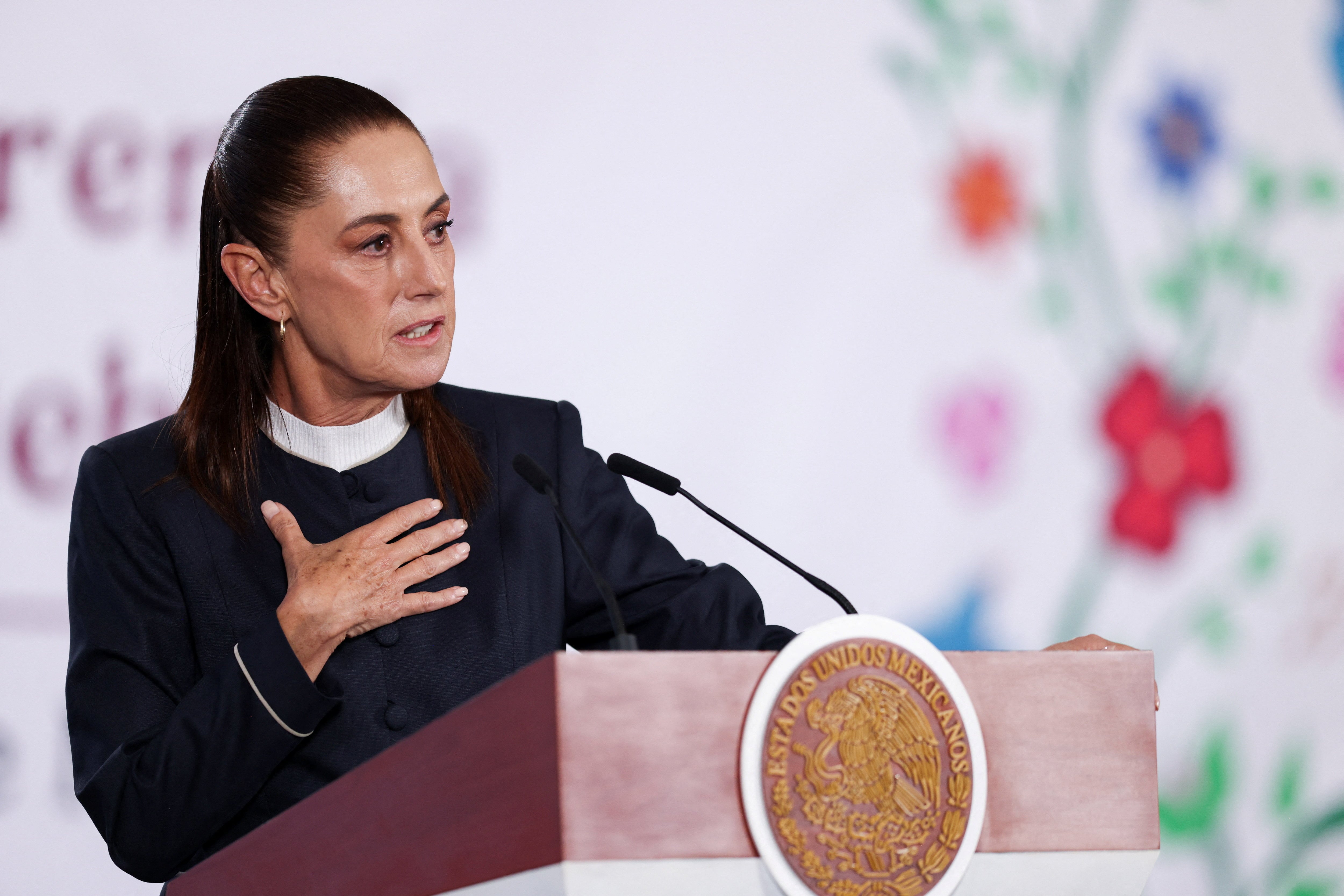
Mexico’s president, Claudia Sheinbaum, is going through her most delicate moment just as she reaches a year and a half in office. Faced with multiple open fronts, the president is showing signs of wear, with a seven-point drop in approval since last March. It is the steepest fall so far in her term, although approval ratings remain high at 68%, according to an Enkoll poll conducted for EL PAÍS and W Radio. To the crisis triggered by the indictment of the governor of Sinaloa, along with nine other senior officials accused by a New York prosecutor of collaborating with drug traffickers, is added a worrying economic weakness that threatens the viability of social policies—a flagship of the leftist Morena government. Insecurity, corruption and the economy are the president’s main shortcomings and the principal concern of Mexicans, with rates slightly up since the last poll in early March.
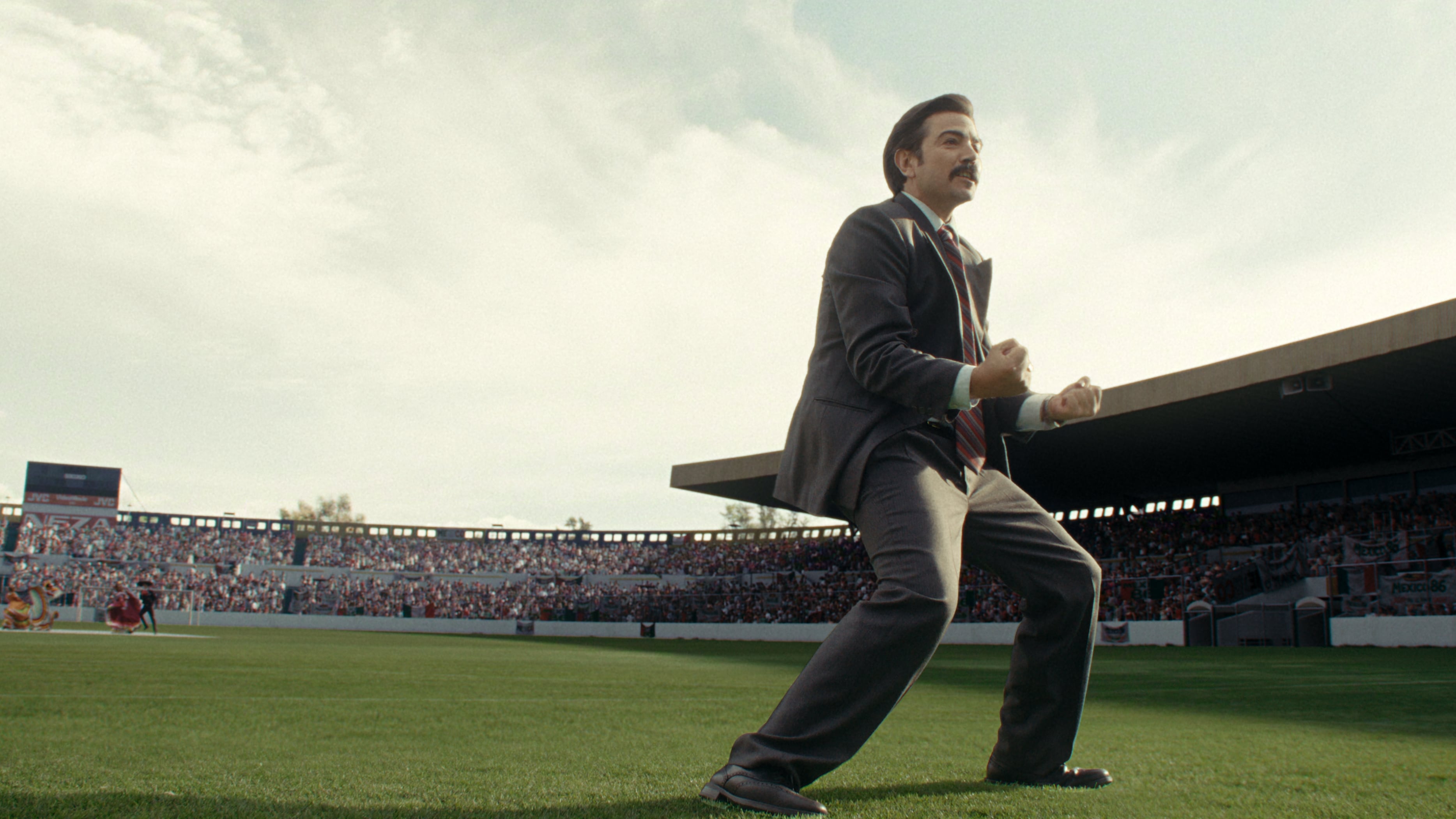
Diego Luna was seven years old in 1985. A devastating magnitude 8.1 earthquake struck Mexico City just nine months before the start of the FIFA World Cup. He recalls that the overall feeling among residents of the capital was “really intense,” “very sad,” and that there was a “sense of helplessness” because of the state’s absence. Amid that, as in other tragedies that have hit the country, the actor says there was also a “very beautiful” feeling of solidarity and community response — but “it seemed like the destruction made it impossible to imagine a World Cup.” What lay behind Mexico becoming the first nation to host the tournament twice is a mix of true events, anecdotes, acts of corruption, and a few urban legends. Or at least that is how Netflix movie México 86 frames it: a satirical account of how those who run soccer off the field focused national efforts to turn the event into a symbol of unity and recovery after mourning, but which also helped trigger the Mexican national team’s ban from the 1990 World Cup in Italy.

 Login
Login