Reading view

Marvin Dunn, the Miami historian challenging Trump’s presidential library: ‘This is commercial benefit for the family directly’
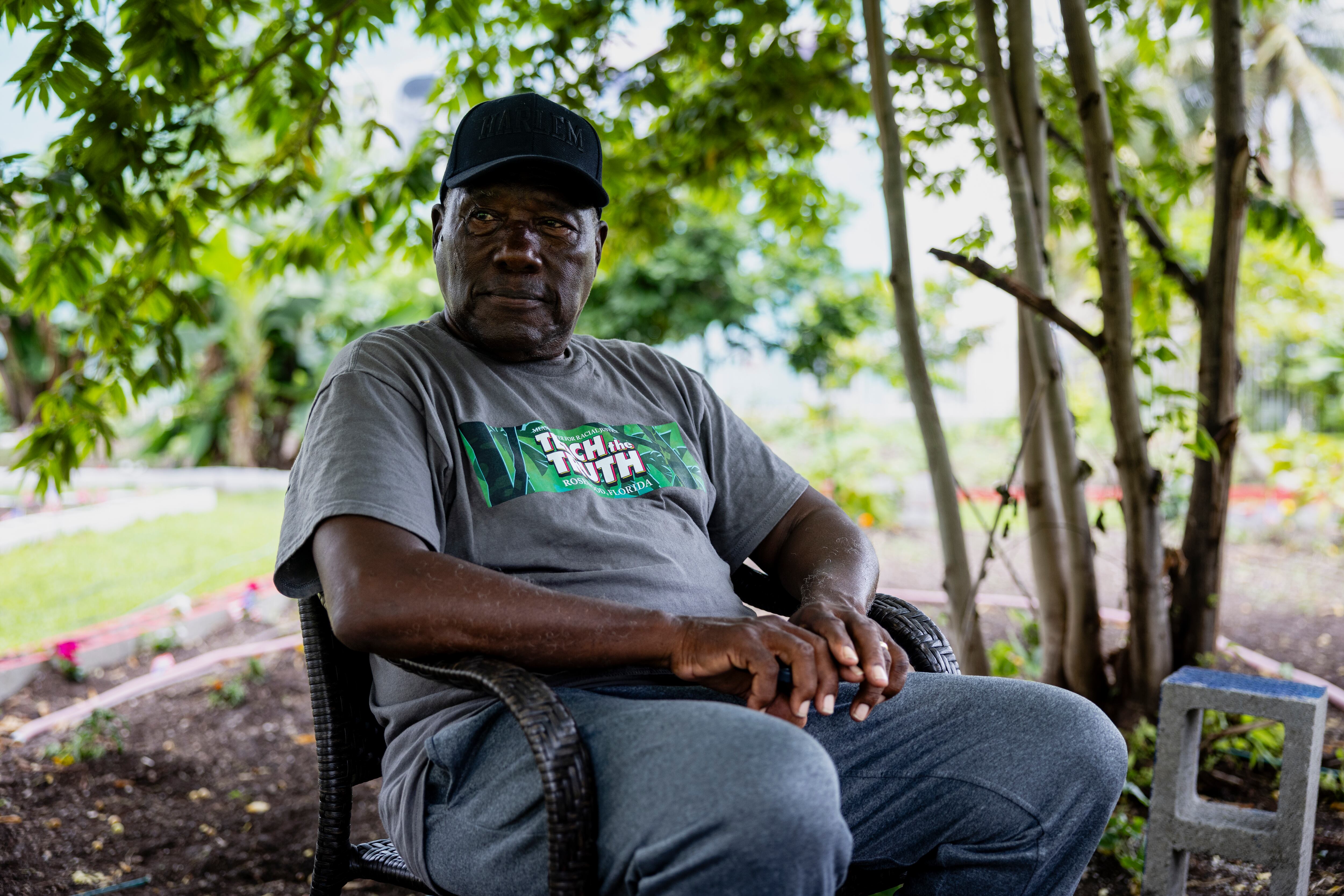
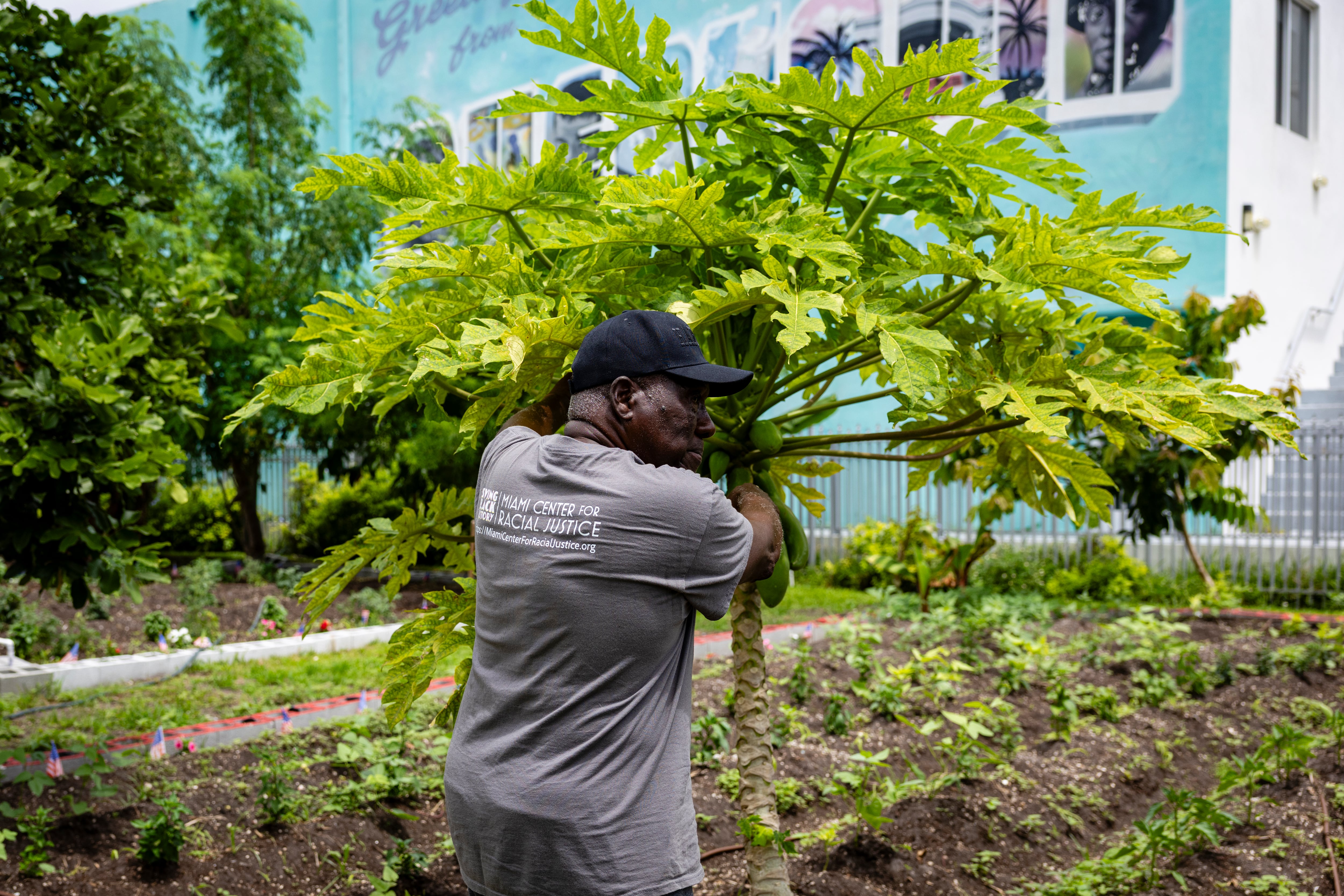
Marvin Dunn at his community urban farm in Overtown, Miami, May 27.

Marvin Dunn moves with surprising agility among the beds of lettuce, cabbage, and potatoes on his community farm in Overtown, a historic Black neighborhood in Miami that was fractured by the construction of the interstate highway in the 1960s. The farm, squeezed between I-95 and the high-rises packed into nearby downtown, is a kind of oasis where the 85-year-old historian — one of the most recognized voices on the history of segregation in Florida — hosts talks, distributes banned books, and is now preparing a new legal battle to stop construction of Donald Trump’s presidential library a little over 1,000 meters away.

Seguir leyendo

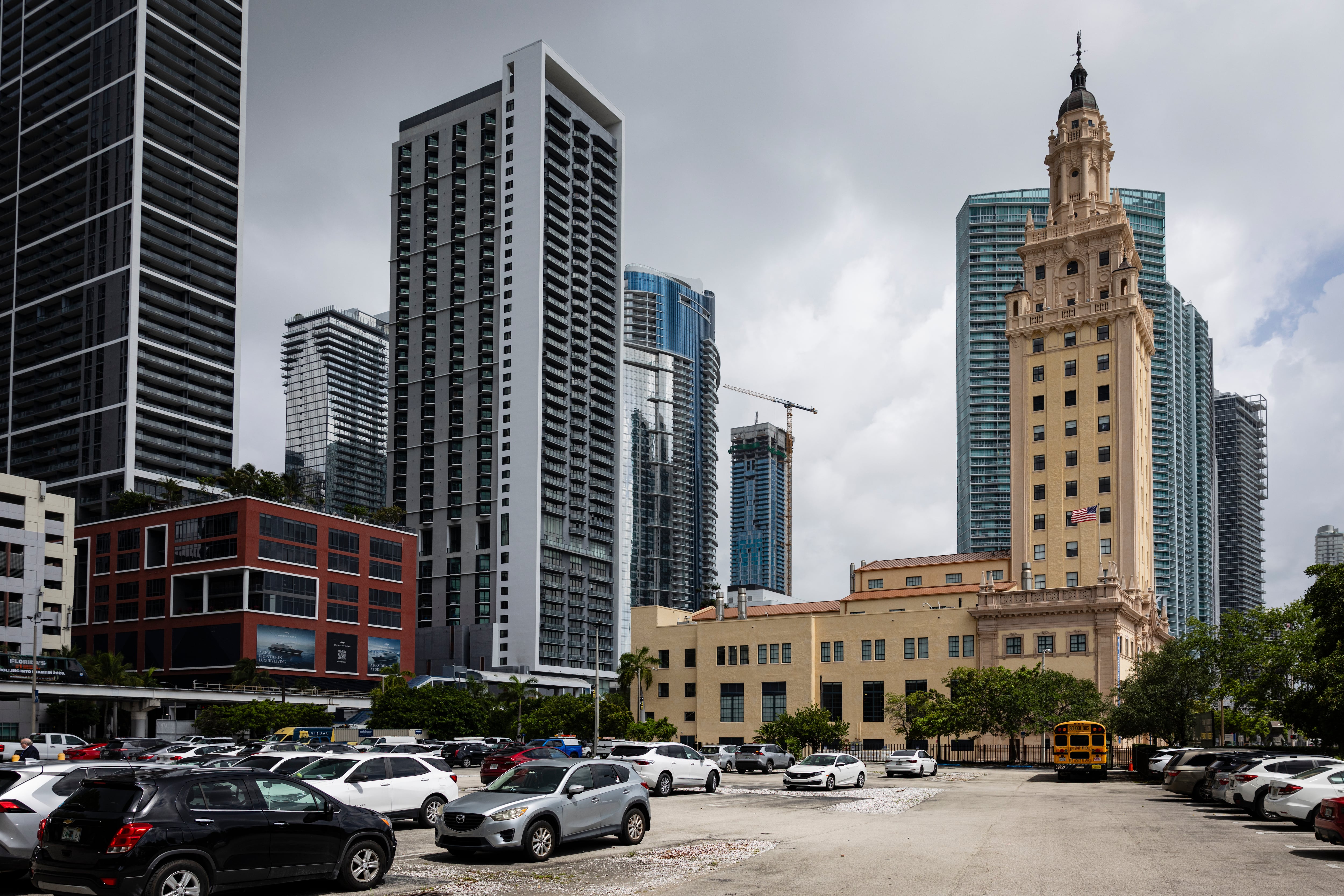
View of the Miami Dade College land under consideration for the possible construction of Donald Trump’s presidential library, in Miami, Florida.Crops at Dunn’s Overtown Farm.Marvin Dunn inspects crops at Dunn’s Overtown Farm on May 27.
  •  

Latin America seeks to build an Atlantic alliance with Europe and the US: ‘The region has never been so central to the world’

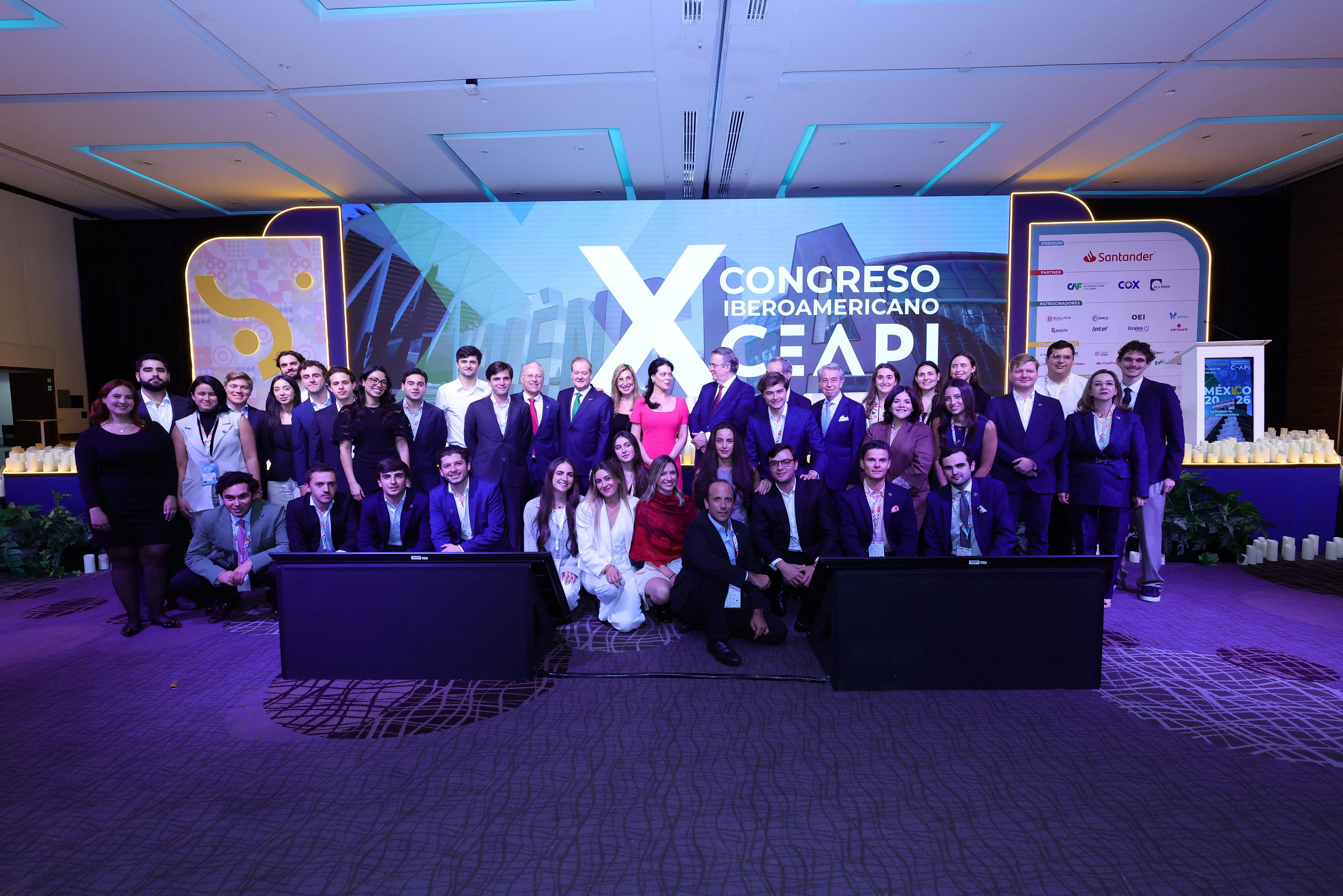
Closing of the CEAPI congress in Mexico.

Just a year ago, Latin America’s major business families — owners of some of the world’s largest fortunes — were watching anxiously for the effects of the tariff wall erected by U.S. President Donald Trump. One year on, they are observing with concern the geopolitical upheaval unleashed by Trump, with an unprecedented change to the liberal international order built after World War II. The new national security strategy outlined by the Trump administration singles out Latin America as a new priority. The Republican tycoon has designated the entire region as his sphere of influence: as both his backyard and his front yard.

Seguir leyendo

  •  

What will happen to tourism in Cuba? Inside GAESA, the military conglomerate on Washington’s radar

When a Cuban person on the island wants to refer to “those in charge,” they lightly tap their shoulder with two fingers. The subtle gesture, shaped by nearly seven decades of censorship, is a reference to the epaulet of a military uniform. In Cuba, people do not speak of the government or the party (the Communist Party of Cuba, the only legal one), but rather of the “country’s leadership.” It is a euphemism that points to the real political and economic power: the Revolutionary Armed Forces (FAR).

Seguir leyendo

  •  

ICE expands use of iris scanners in its operations through a multi-million-dollar contract

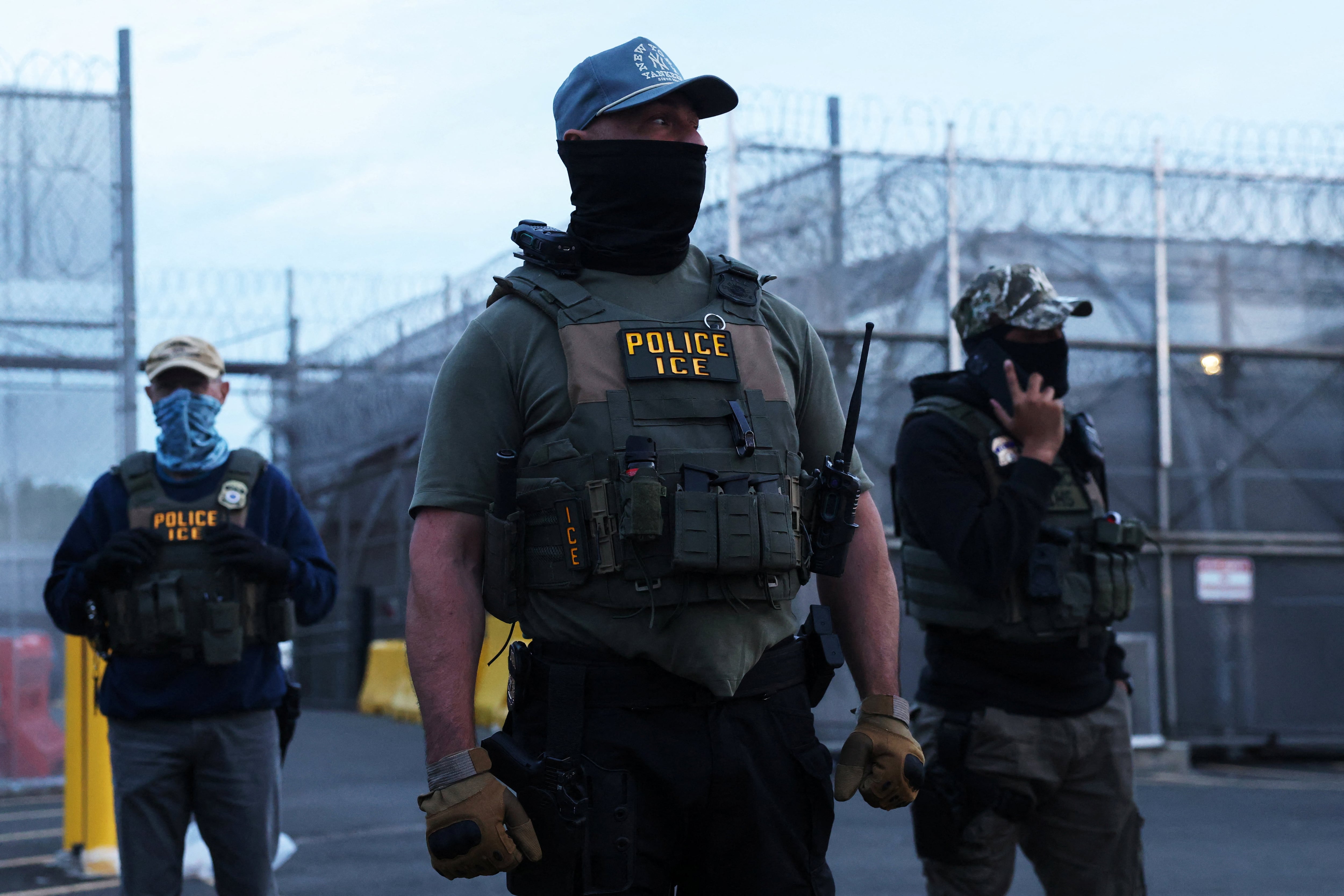
Amid growing concerns about surveillance and privacy in the Trump administration’s immigration policy, U.S. Immigration and Customs Enforcement (ICE) is significantly expanding its biometric identification infrastructure. According to NPR, the agency entered into an agreement with BI2 Technologies—a company specializing in biometric technology—that includes the deployment of iris scanners, access to private databases, and real-time verification tools for field agents.

Seguir leyendo

© Shannon Stapleton (REUTERS)

ICE agents in Newark, New Jersey, on Wednesday.
  •  

Trump receives Flávio Bolsonaro in the Oval Office three weeks after Lula

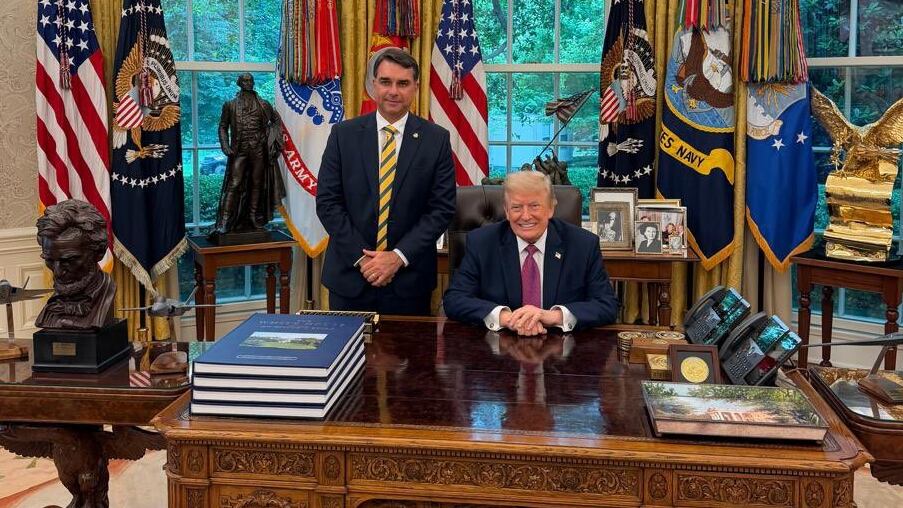
U.S. President Donald Trump gave a boost on Tuesday to the presidential bid of Brazilian senator Flávio Bolsonaro, son of former president Jair Bolsonaro, by receiving him in the Oval Office, 19 days after meeting there with Brazil’s president, former union leader Luiz Inácio Lula da Silva. Barring a surprise, Lula and Bolsonaro’s son are expected to face each other at the ballot box in October. Flávio Bolsonaro’s team hopes the photo with Trump will help him overcome a popularity crisis and consolidate his candidacy.

Seguir leyendo

© @FlavioBolsonaro (EFE)

Flávio Bolsonaro and Donald Trump in the Oval Office.
  •  

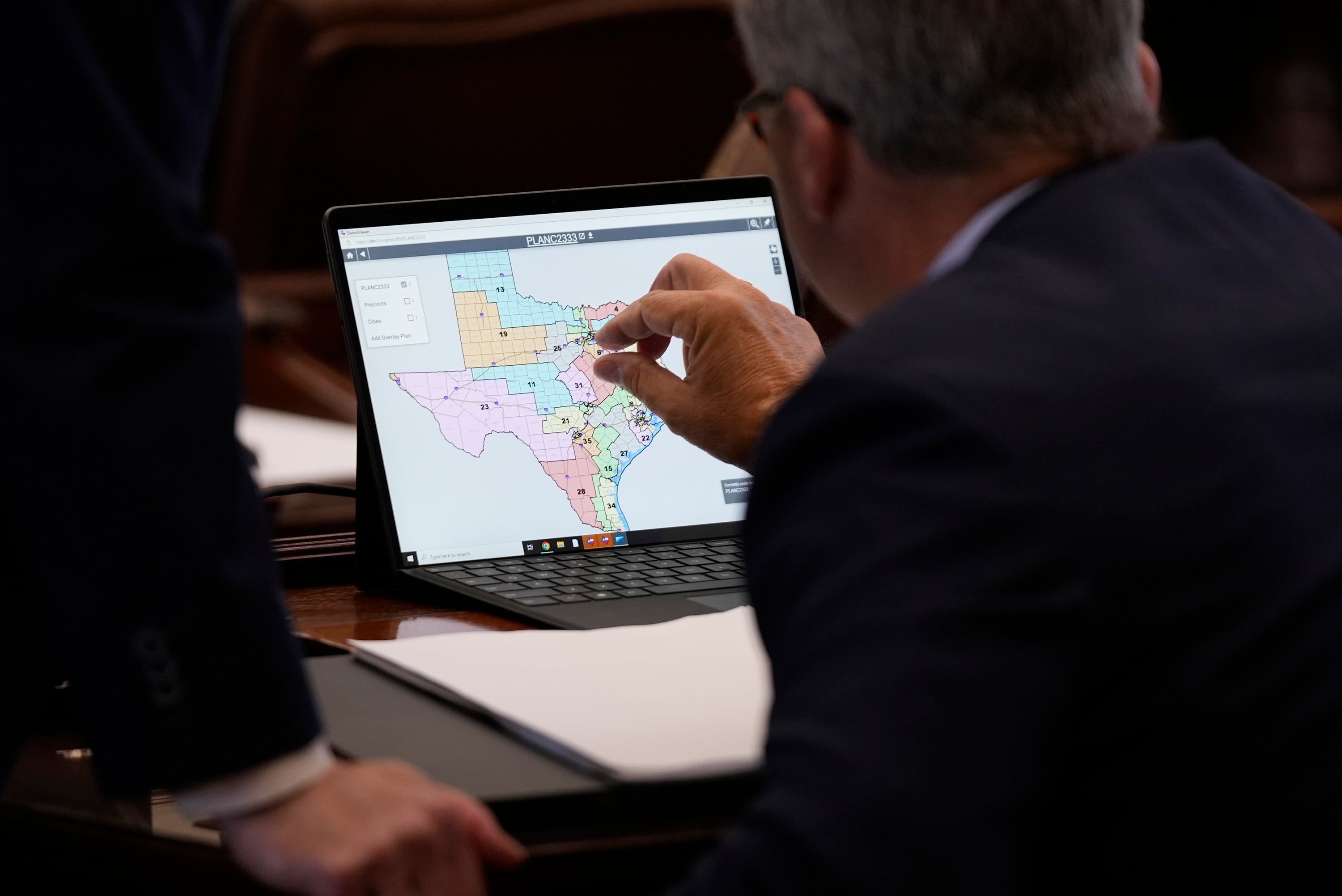
The battle to redraw electoral districts ahead of the midterms: Where changes have been confirmed and where they are awaiting approval

The redrawing of electoral districts, or gerrymandering, in the United States is reaching unprecedented levels. After the Supreme Court’s late-April ruling changed electoral rules and curtailed minority rights, Republicans have stepped up efforts to dismantle majority-Black districts, especially in the South, though the strategy extends to states beyond that region.

Seguir leyendo

© Jay Janner (The Austin American-Statesman vía Getty Images)

Redistricting map of Texas congressional districts at the Capitol in Austin, August 20, 2025.
  •  

What would happen if a tradwife woke up in 1855?

Be careful what you wish for, as the saying goes, although it is not entirely clear what Yesteryear’s protagonist intended when she downloaded the Instagram app and started her journey as an influencer. Here’s what we can say for sure: Natalie, or Nattie, is a devout Christian and a proud housewife. She is intelligent but believes little can be learned at university. Well-married — no, phenomenally well-married — to the youngest son of a senator who is a potential presidential candidate. A potential presidential candidate for none other than the United States.

Seguir leyendo

© MATT EICH (New York Times / CONTACTO) (EL PAÍS)

Caro Claire Burke, at her home in Charlottesville, Virginia, this March.
  •  

Power Struggle in the US: Iran War Exposes Fractures in the Trump Administrations

The Iran war exposes deep political divisions within US leadership, highlighting internal instability rather than global strength. Key officials pursue conflicting strategies driven by personal power ambitions instead of coherent national interests. This growing internal rivalry is weakening America’s global position and signaling a shift in the balance of power. Introduction Neither in Venezuela nor […]
  •  

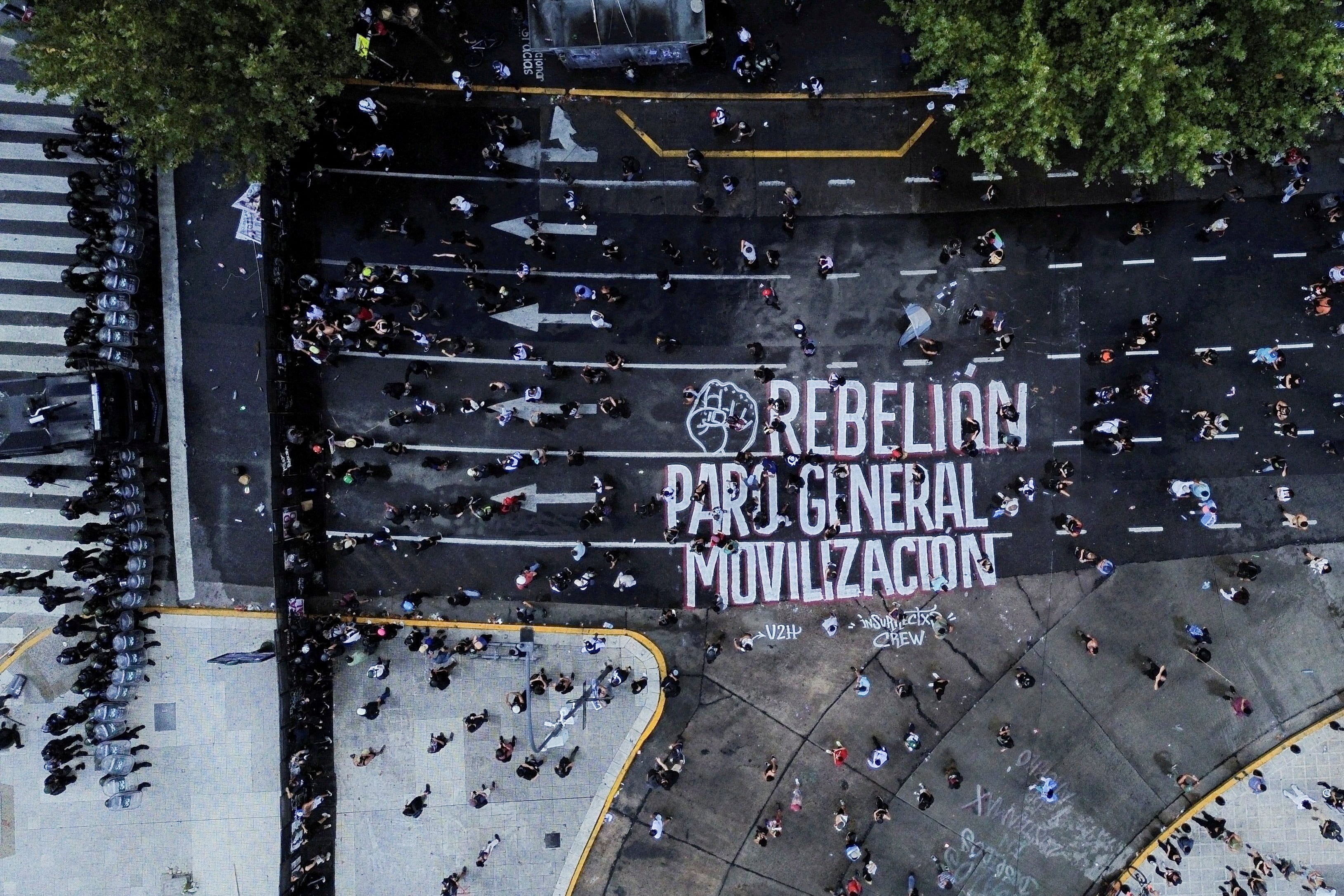
Milei pushes through a labor reform that Argentina resisted under previous right‑wing governments

Argentine President Javier Milei promised to dismantle the pillars of the Argentina he inherited from Peronism — the populist movement founded by former president Juan Perón — and rebuild a new country from the ground up. One of these pillars, which withstood the onslaught of previous right-wing governments, is labor legislation, whose foundations date back to 1974. This week, the Senate is poised to pass a labor reform that modifies 200 articles of the Employment Contract Law, rendering it unrecognizable. Unlike the attempts made by former presidents Carlos Menem, Fernando de la Rúa, and Mauricio Macri, Milei faces weakened and discredited unions. Also working in his favor is a labor market that has already fragmented and shifted because of technological change and more than a decade of economic stagnation.

Seguir leyendo

© Alessia Maccioni (REUTERS)

Protest against labor reform, outside the Argentine Congress, in Buenos Aires, on February 19.
  •  
❌