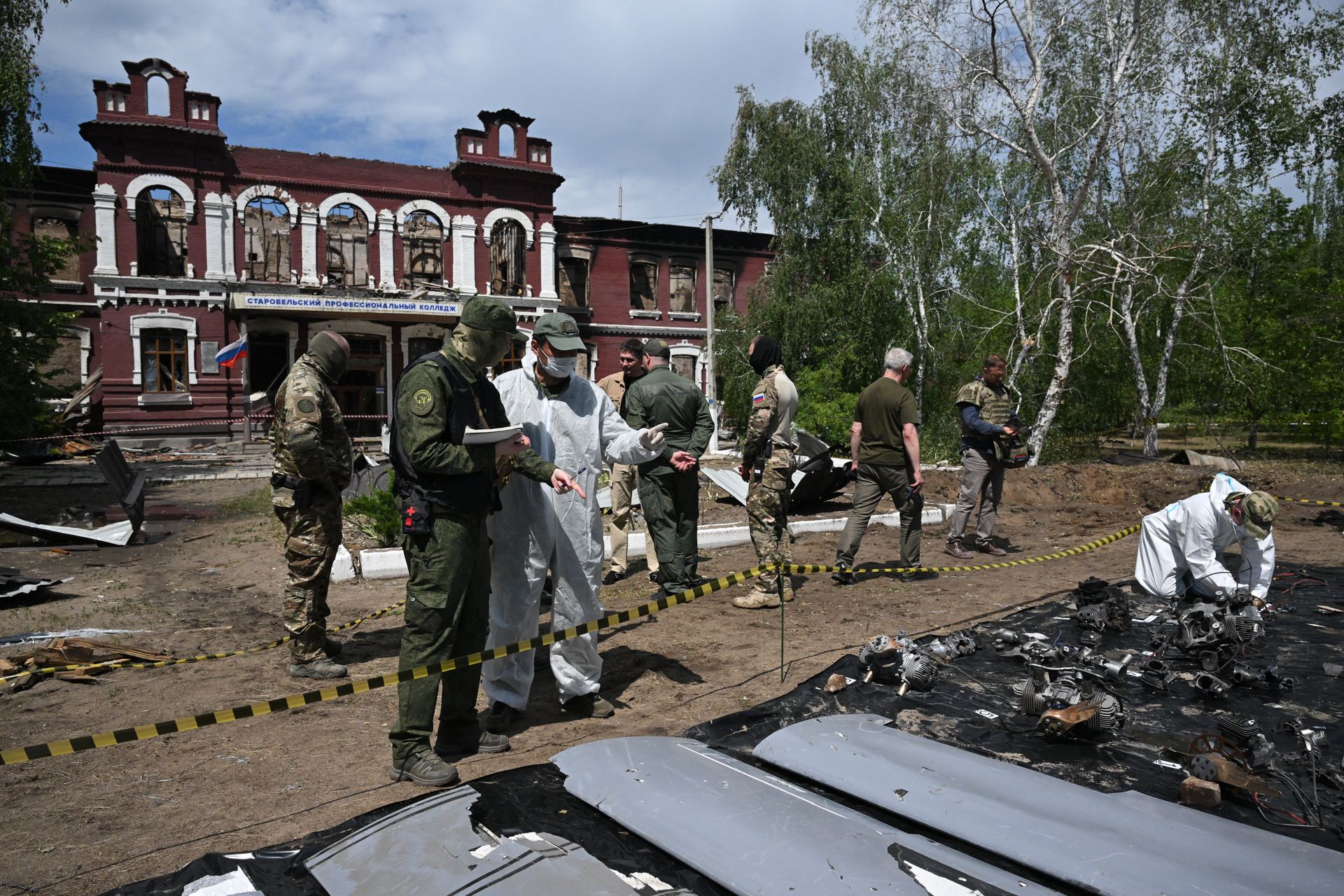
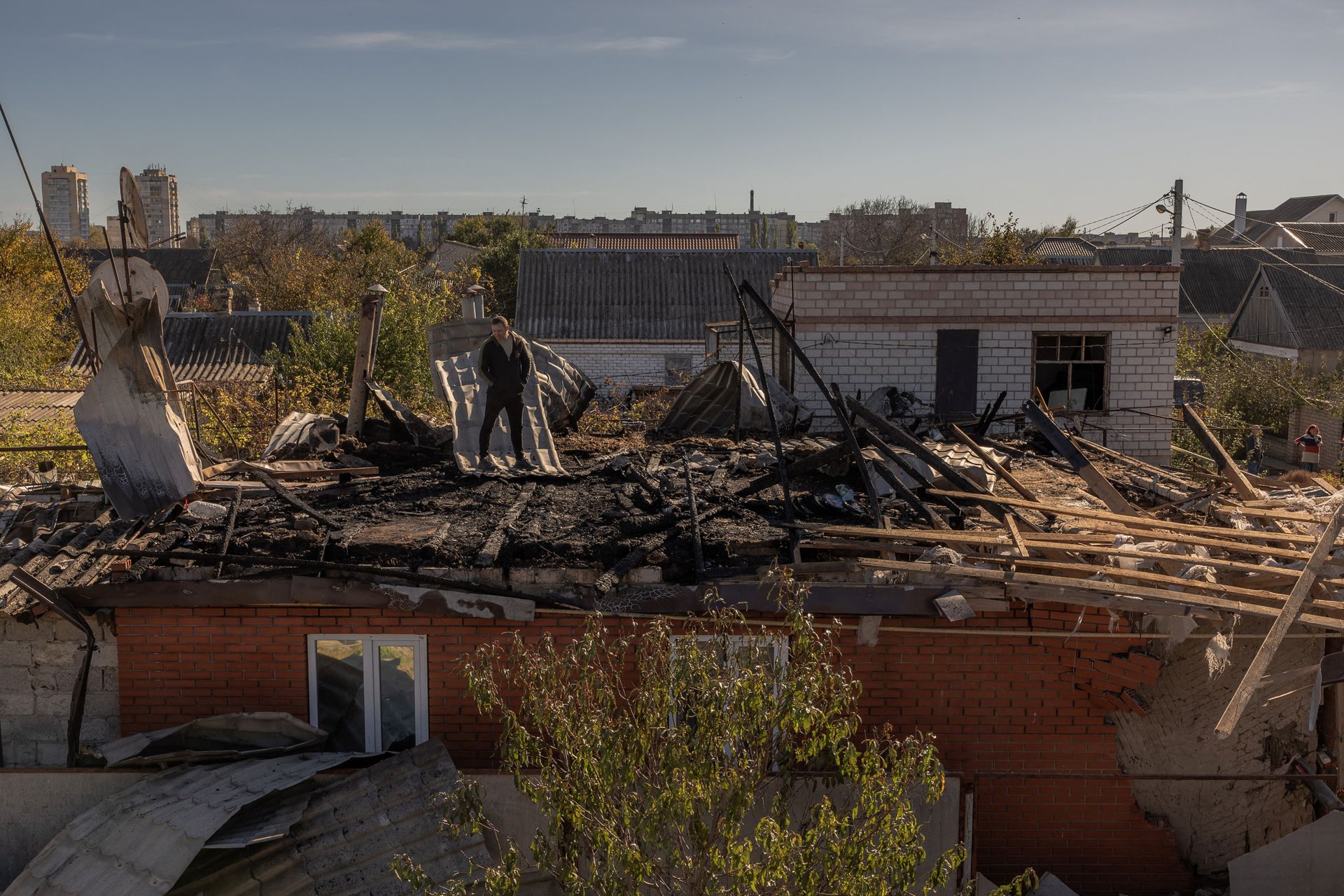
When a Ukrainian strike hit Russian-occupied Starobilsk on May 22, Moscow seized on the attack almost instantly, with Russian officials claiming that 21 students of a local vocational college were killed and dozens more injured and portraying the strike as a deliberate attack on civilians — which Ukraine denied.
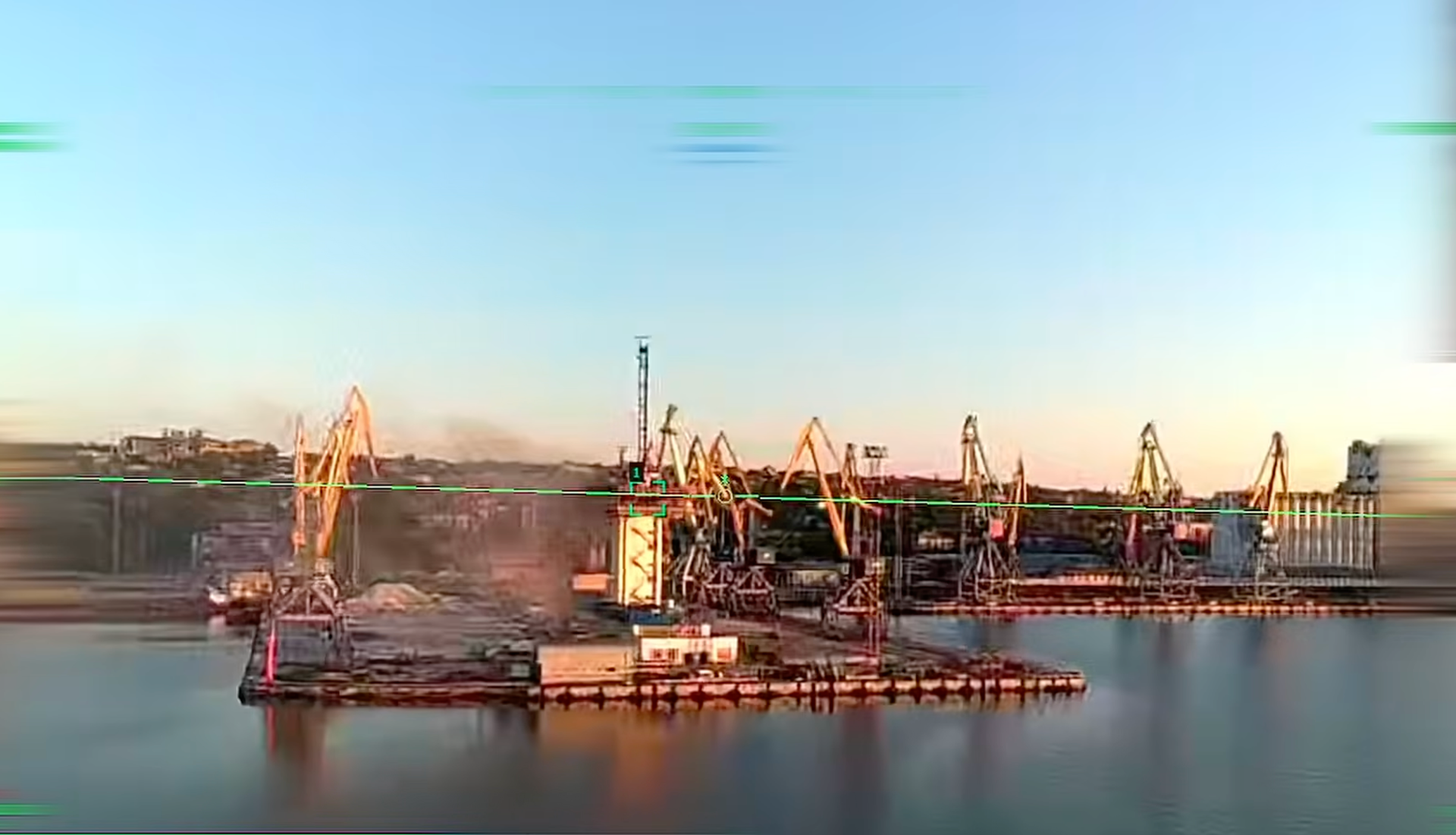
The confirmed hit put the bridge out of commission, and additional strikes are not needed, the Da Vinci Regiment said, adding that "the enemy's important logistical route is completely paralyzed."
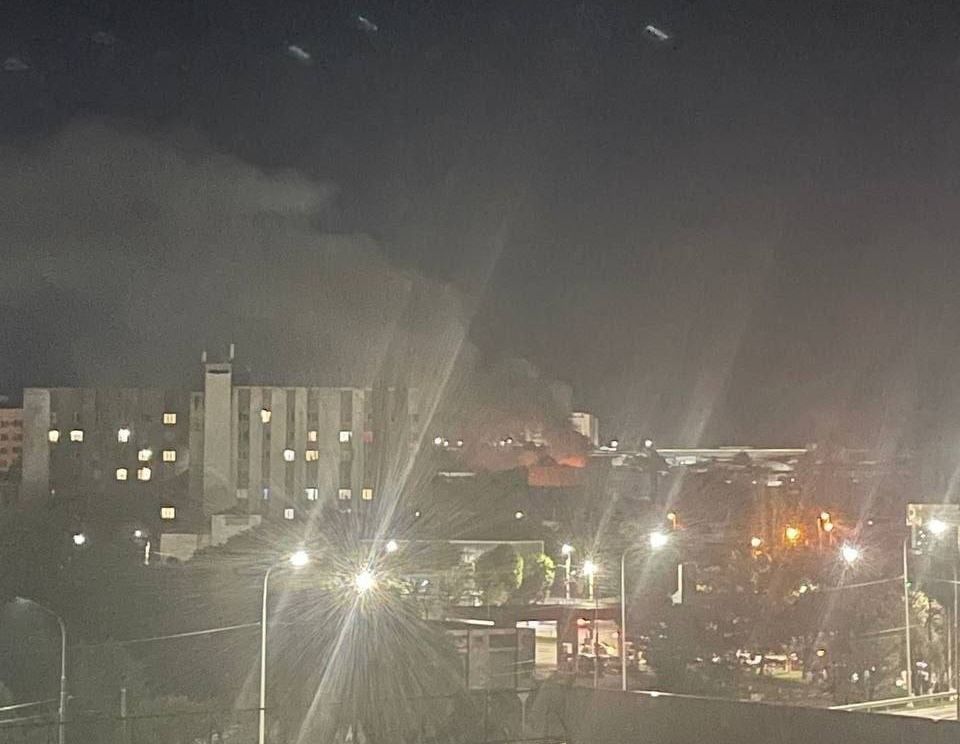
Ukraine struck military targets in Russian-occupied Crimea, hitting several bridges as multiple explosions were reported across the peninsula overnight on June 11, according to local authorities and monitoring channels.
The Chonhar Bridge in Russian-occupied Kherson Oblast was destroyed following a Ukrainian drone strike on June 9, Andrii Kovalenko, head of Ukraine's Center for Countering Disinformation, said on June 10.
This weekly update from the Kyiv Independent aims to shed light on the situation facing Ukrainians living under Russian occupation and the ever-tightening control of information imposed by the Kremlin.
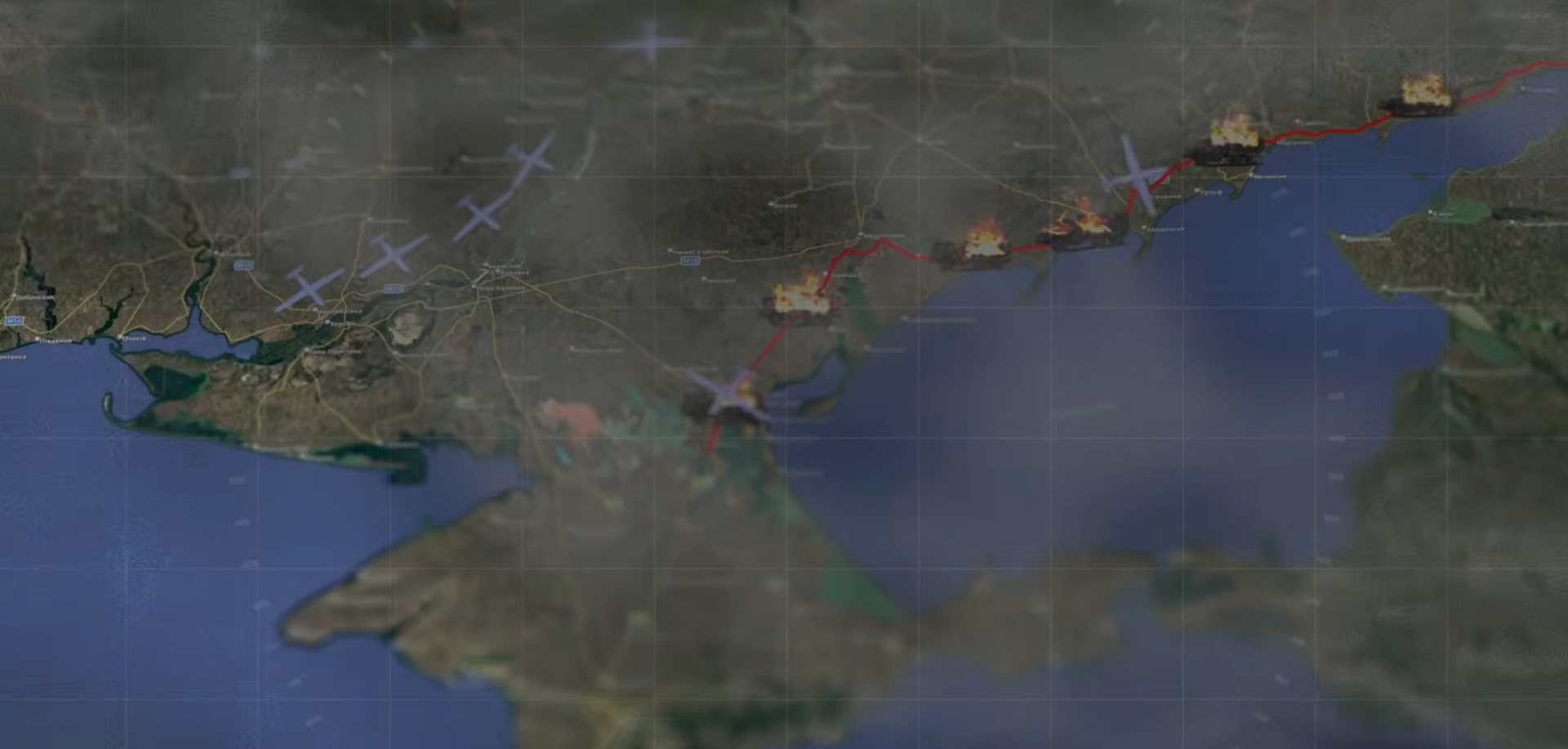
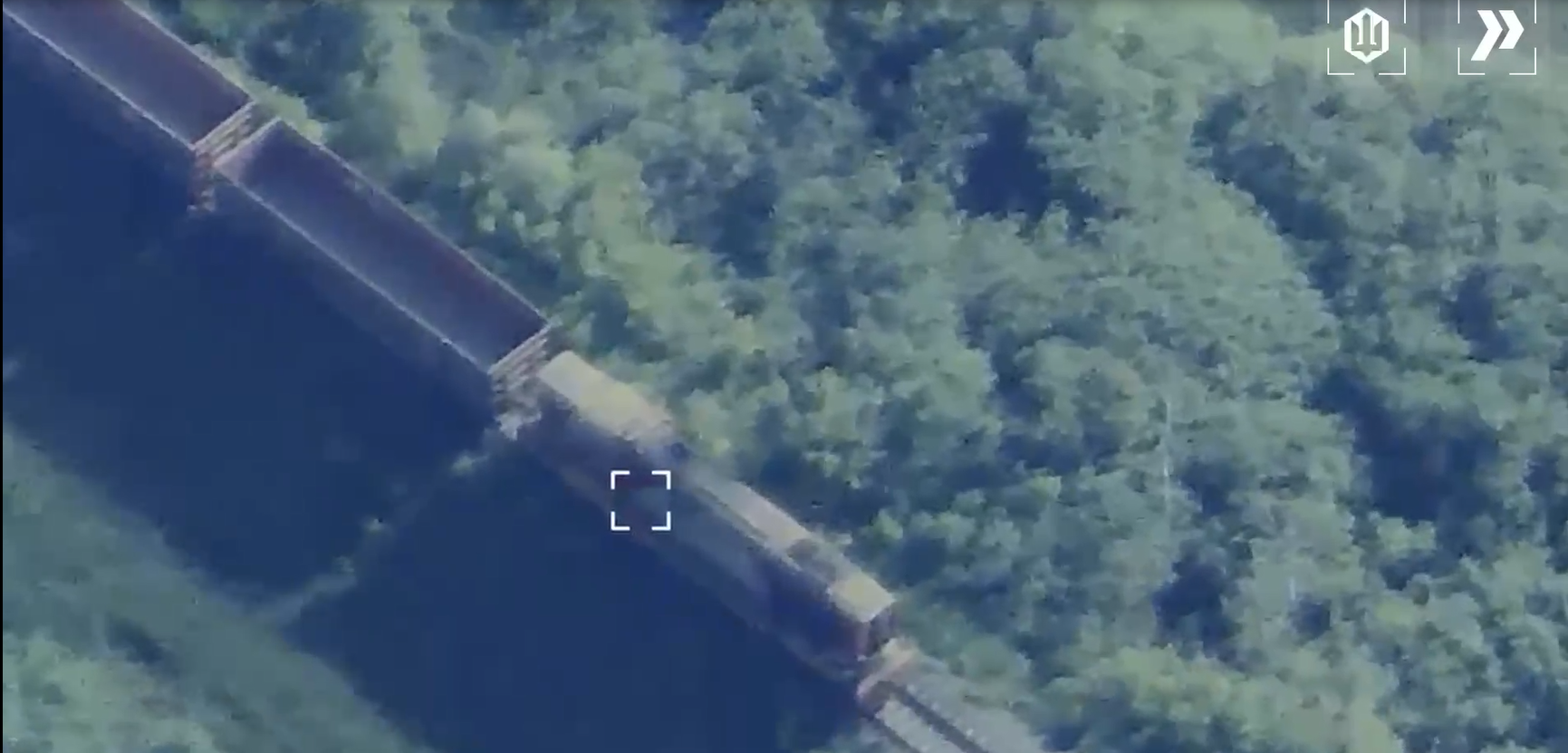
Ukrainian Special Operations Forces drone operators have established aerial control over part of the Russian land supply route from occupied Melitopol to Chonhar. The path is the entry point to Crimea, and they are destroying Russian equipment and disrupting Russian military logistics on the road, the 3rd Separate Special Purpose Regiment announces.
Russian forces on the peninsula already depend on a constrained set of supply lines: the Kerch Bridge (under sustained Ukrainian threat since 2022), the rail and road corridor through occupied Donetsk Oblast, and the Melitopol-Chonhar bottleneck. Ukrainian aerial denial of any one of these links compounds pressure on the others.
Squeezing land corridor from both ends
The new operation puts pressure on the land corridor's western end. On 31 May, Mariupol residents reported in local group chats that Russia shut down part of its land corridor from Crimea to occupied Donetsk because of Ukrainian drones.
The Melitopol-Chonhar segment crosses flat steppe with limited cover and funnels Russian convoys through narrow bridge crossings over the Syvash to reach the peninsula, the terrain optimal for drone operators to deny the air with persistent surveillance and strike capability.
SSO drones as the strangulation instrument
The 3rd Separate Special Purpose Regiment is one of Ukraine's veteran Special Operations Forces units, named after the tenth-century Kyivan Rus prince.
The regiment's deployment of drone operators against Russian logistics on the Melitopol-Chonhar route fits within Ukraine's broader "logistics lockdown" approach to occupied territory. Ukraine's Defense Ministry has recently committed $113 million to medium-strike drones designed to target Russian rear logistics.
"Drones of the Special Operations Forces unit are destroying equipment and breaking the enemy's logistics routes on the Melitopol-Chonhar route," the 3rd Regiment said.
What does this change for Russia on peninsula?
Russia's military presence in Crimea depends on a continuous supply of fuel, ammunition, and food, as well as on personnel rotation.
"As a result, the already-difficult logistics for supplying the Russian army and fuel to the peninsula have grown harder," the SSO said.
Some names have been changed to protect the identities of those featured in the story
As a war crimes researcher at the Reckoning Project, my job was to listen to Ukrainians who had fled the occupation. What they had to say reshaped how I understand life in Russian-occupied territories.
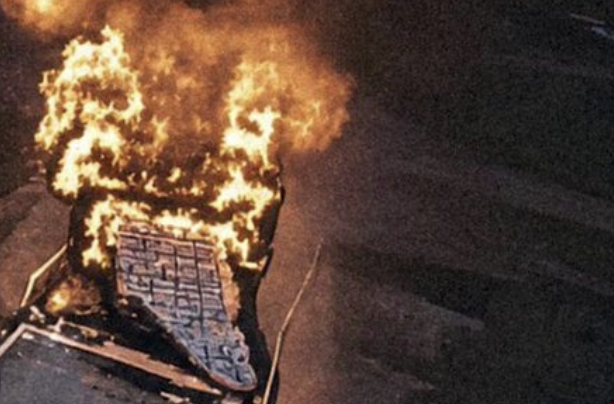
Ukrainian drones continued their medium-range on western Russia, as well as Russian-occupied territories on June 7, damaging and destroying several military targets, Ukraine's Unmanned Systems Forces (USF) reported.

 Login
Login