Reading view

Tropical heron spotted in UK for first time as more exotic birds arrive to thrill birdwatchers

Appearance of a western reef heron in north Wales is unlikely to be the last, as heating temperatures mean species can survive Britain’s winter, say experts

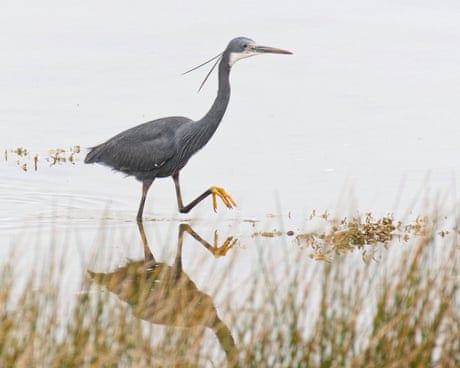
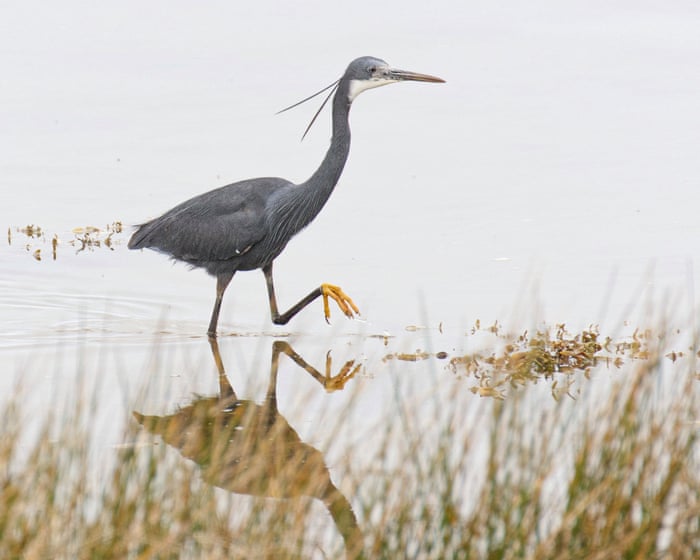
It is a tropical bird typically encountered between west Africa and India, but last week a western reef heron arrived in north Wales in what is believed to be the first ever sighting in the UK.

The heron was first spotted in Foryd Bay at the weekend before flying to nearby Caernarfon harbour where it fed among the boats.

Continue reading...
© Photograph: Lewi Burgess/SWNS
© Photograph: Lewi Burgess/SWNS
© Photograph: Lewi Burgess/SWNS
  •  

Britain’s favourite butterfly revealed – and it’s a familiar backyard beauty

More than 20,000 votes cast in Butterfly Conservation’s poll of 60 native species to find nation’s favourite for first time

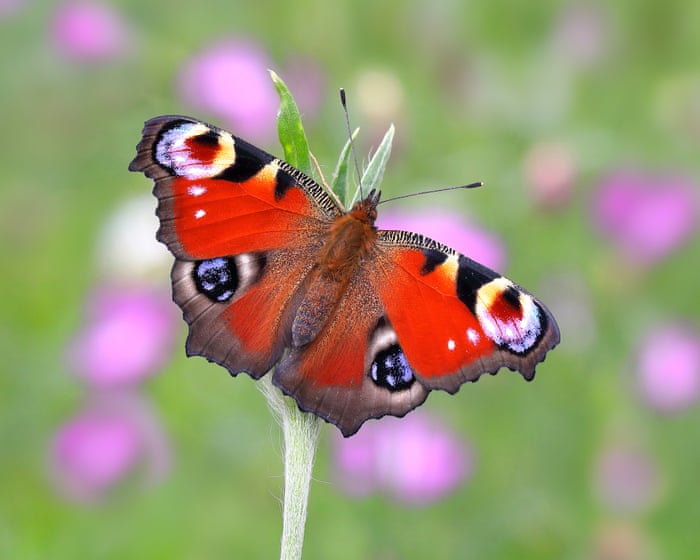
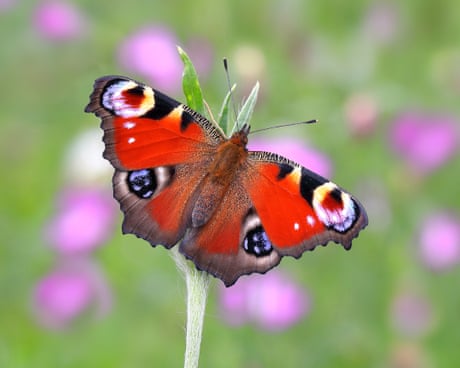
The votes are in on Britain’s favourite butterfly, and it is one of the most ubiquitous yet spectacular backyard beauties that has flown to victory.

With its lavender, yellow and maroon eye spots and luscious rusty red and black colouration, the peacock butterfly is both beautiful and commonplace, flying throughout spring, summer and autumn in all corners of the British Isles.

Continue reading...

© Photograph: Mark Seal/Butterfly Conservation/PA

© Photograph: Mark Seal/Butterfly Conservation/PA

© Photograph: Mark Seal/Butterfly Conservation/PA

  •  

‘The birds will fly away’: can Albania’s flamingo revolution keep its wetlands free from Trumps and tourists?

A luxury resort backed by the US president’s family may be built on a wildlife-rich nature reserve in one of Europe’s poorest nations

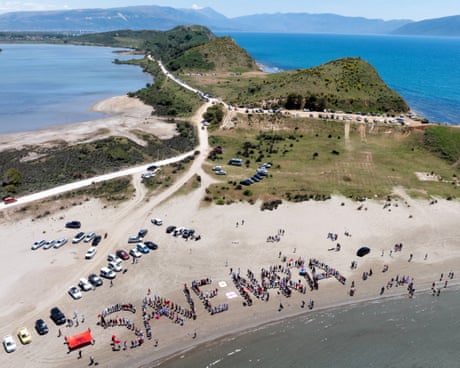
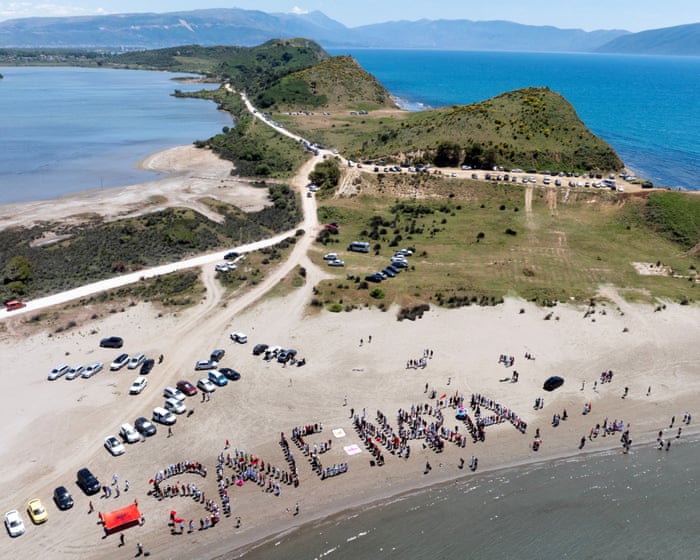
If the real estate dreams of a billionaire political family come true, an island in one of Europe’s poorest countries will become a luxury hotel complex, sweeping up stretches of the wildlife-rich nature reserve that sits across the water.

No public consultation has taken place, but there are signs the idea is on the way to becoming reality. Albania has been rocked by nearly two weeks of fierce protests after fences and heavy machinery came to a sensitive wetland and preparatory work began on the tourism vision of Ivanka Trump and her husband, Jared Kushner.

Continue reading...

© Photograph: Fedja Grulovic/Reuters

© Photograph: Fedja Grulovic/Reuters

© Photograph: Fedja Grulovic/Reuters

  •  

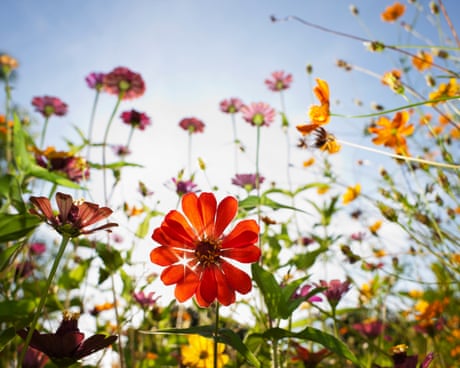
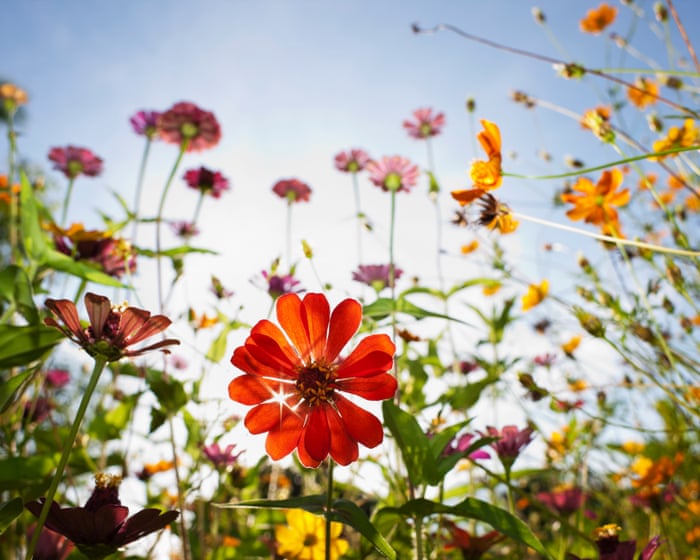
Natural history GCSE to teach teenagers to plant wildflower-friendly gardens

Long-awaited course to examine human effects on natural world and explore everyday ways to aid biodiversity

School pupils will learn how to plant a wildflower-friendly garden, according to long-awaited plans announced on Thursday for a natural history GCSE in England, Wales and Northern Ireland.

Campaigners have for more than a decade called for the study of biodiversity loss and global heating to be introduced as a dedicated subject in classrooms across the country, but despite a curriculum being previously drawn up, its launch has faced repeated delays.

Continue reading...

© Photograph: enviromantic/Getty Images

© Photograph: enviromantic/Getty Images

© Photograph: enviromantic/Getty Images

  •  

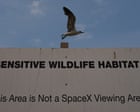
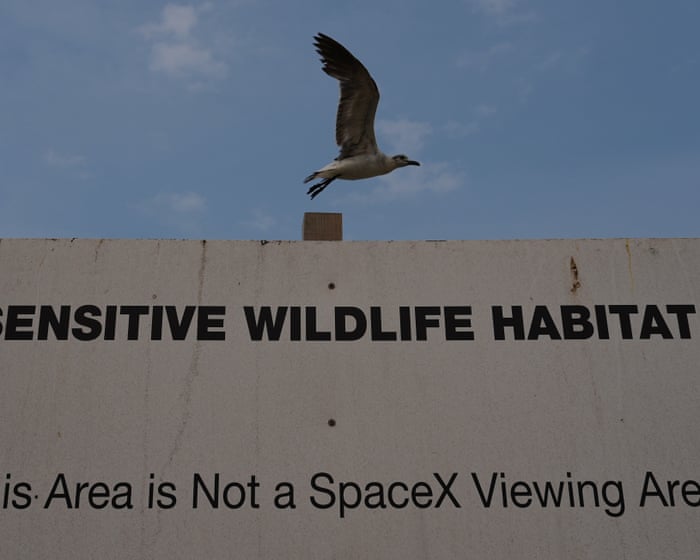
Trump administration land gift to SpaceX would hurt Texas habitat, lawsuit says

Environmental groups say exchange between US government and SpaceX would worsen ecological risks

Environmental groups on Wednesday sued in an attempt to stop the Trump administration from giving SpaceX more than 700 acres (280 hectares) of wildlife refuge in Texas, claiming it would worsen ecological risks to a Gulf coast region already transformed by billionaire Elon Musk’s rocket operations.

The US Fish and Wildlife Service this month approved moving forward with the deal with SpaceX, which would surrender 683 acres (276 hectares) the company owns in exchange for federal land in the Lower Rio Grande Valley national wildlife refuge. The 103,000-acre (41,700-hectare) refuge spans four counties along the Texas border and is home to animal habitats and historical landmarks.

Continue reading...

© Photograph: Eric Gay/AP

© Photograph: Eric Gay/AP

© Photograph: Eric Gay/AP

  •  

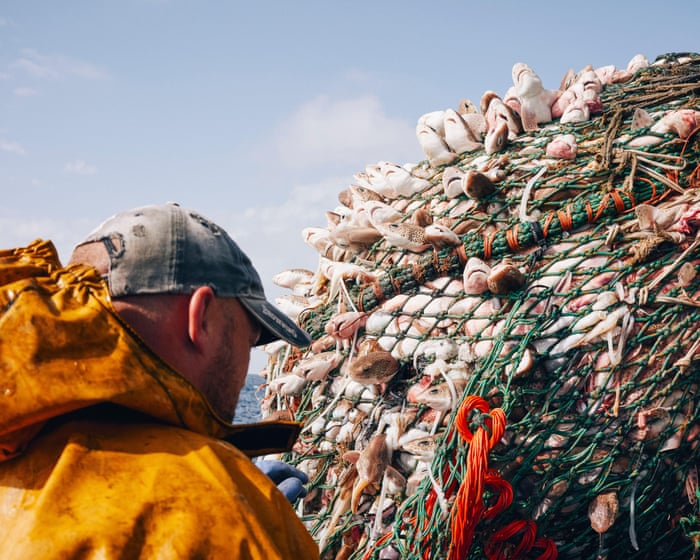
Bycatch has ‘shocking’ toll on British marine life, first-ever analysis reveals

Conservationists say cherished creatures such as whales, dolphins and seabirds are being killed in large numbers by fishing tackle

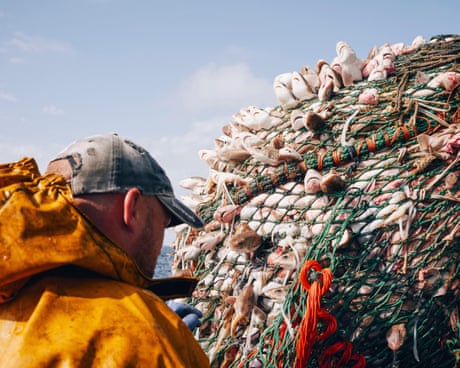
Thousands of Britain’s most charismatic and protected marine wildlife, including whales, porpoises, dolphins, seals and seabirds are being killed as “collateral damage” by fishing vessels every year, according to the first-ever analysis of bycatch data.

The analysis, by the Wildlife and Countryside Link, a coalition of voluntary conservation groups, reveals the devastating toll bycatch, the accidental capture and killing of non-target species by fishing vessels, is having on marine species.

Continue reading...

© Photograph: Marco Kesseler/Alamy

© Photograph: Marco Kesseler/Alamy

© Photograph: Marco Kesseler/Alamy

  •  

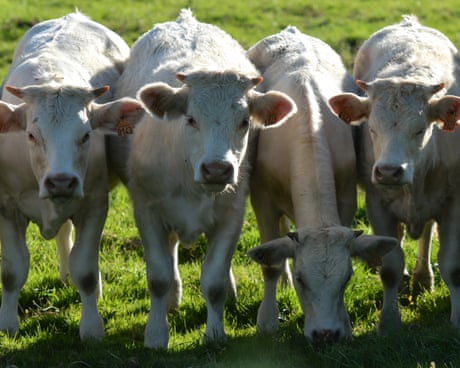
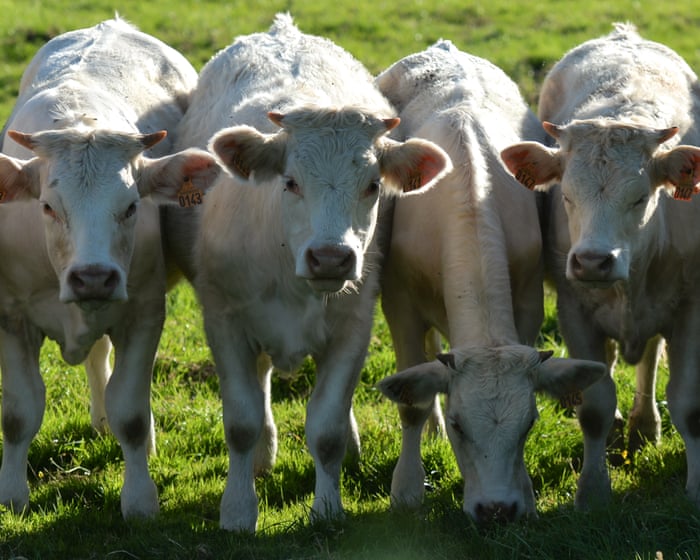
Cattle in England to get tuberculosis vaccine from 2030 as badger cull to end

Targeted vaccination and improved testing planned as part of drive to eradicate disease by 2038

Cattle will be vaccinated against tuberculosis from 2030 as a “gamechanging” part of a new strategy to drive eradication of the disease in England by 2038. In parallel, the last badger culls are expected to end by 2029, with vaccination of badgers expanded.

More than 20,000 infected cattle are slaughtered each year, costing taxpayers £100m and inflicting a heavy toll on affected farmers’ livelihoods and mental health. Mass culling of badgers began in 2013 and has killed about 250,000 animals, at a cost of about £60m.

Continue reading...

© Photograph: Artur Widak/NurPhoto/REX/Shutterstock

© Photograph: Artur Widak/NurPhoto/REX/Shutterstock

© Photograph: Artur Widak/NurPhoto/REX/Shutterstock

  •  

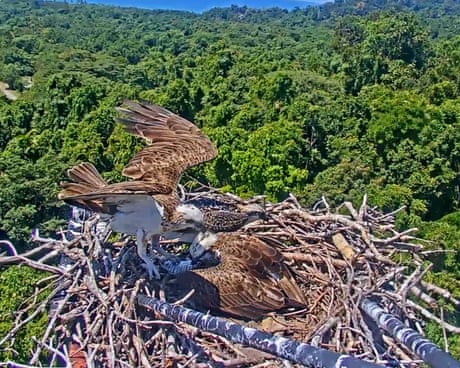
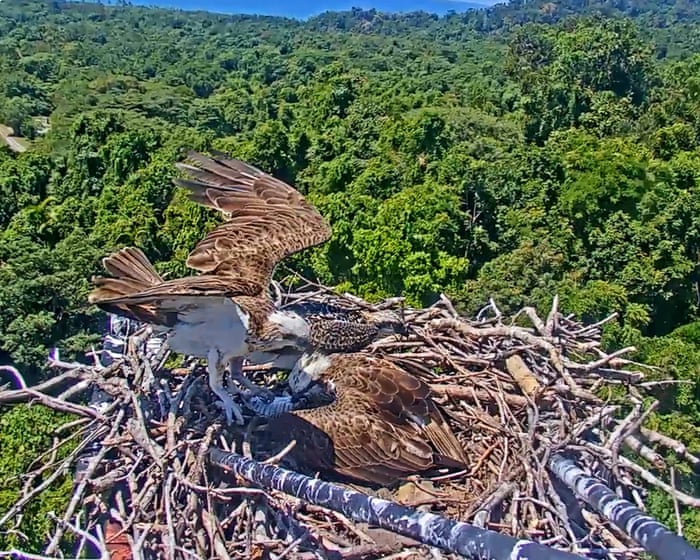
‘Osprey cam’ streams life of nesting seabirds perched at tip of 55 metre-long Queensland rainforest canopy crane

Researchers believe the same pair of birds has been mating and nesting in the unusual spot in the Daintree Rainforest for 15 consecutive years

It started by chance – but it should have come as no surprise that two ospreys would pick a hi-tech research facility to make their home.

James Cook University’s 47-metre tall crane towers over the far-north Queensland rainforest canopy, making it the perfect nesting place for the seabird.

Continue reading...

© Photograph: JCU Daintree Rainforest Observatory

© Photograph: JCU Daintree Rainforest Observatory

© Photograph: JCU Daintree Rainforest Observatory

  •  

Call to phase out ‘inhumane’ guga hunt by working with Hebridean islanders

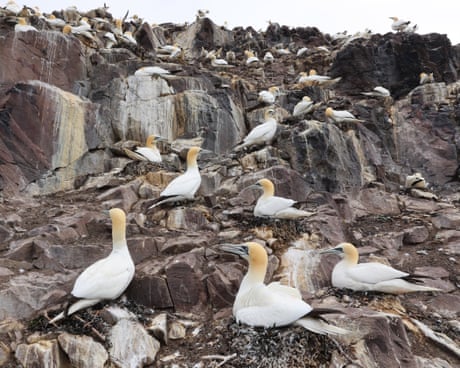
Annual killing of infant gannets has been carried out on a remote Scottish island for at least 400 years

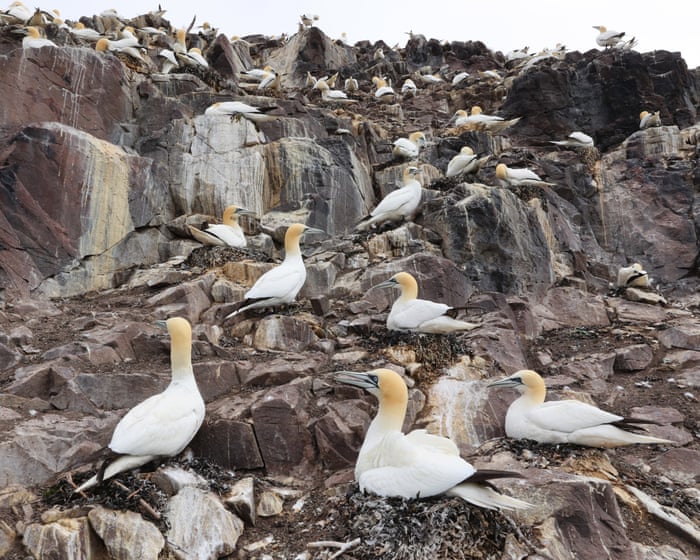
Animal welfare campaigners have called for talks on phasing out the “inhumane” hunt for infant gannets known as guga, which are killed by hunters on a remote Scottish island once a year.

OneKind and the League Against Cruel Sports said it should be slowly phased out in dialogue with the Hebridean islanders who see the hunt, which has been carried out for at least 400 years, as a cultural pursuit and as sustainable food harvesting.

Continue reading...

© Photograph: Murdo MacLeod/The Guardian

© Photograph: Murdo MacLeod/The Guardian

© Photograph: Murdo MacLeod/The Guardian

  •  

Arizona lake closes indefinitely to visitors after all of its fish die

Wildlife department says drought conditions and water released from dam led to ‘major fish kill’ at San Carlos Lake

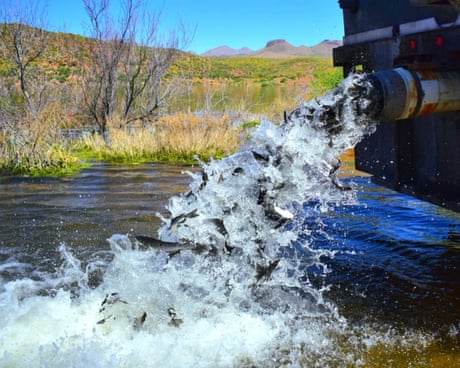
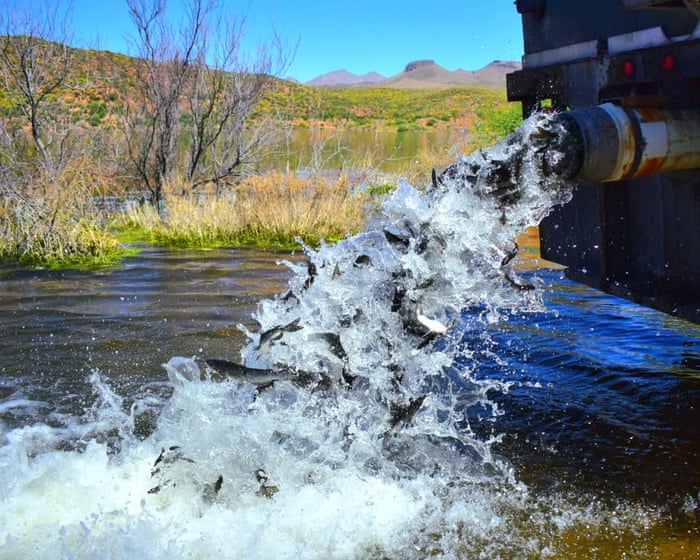
Arizona officials have indefinitely closed a popular lake to visitors after its entire population of fish died recently.

The recreation and wildlife department that maintains San Carlos Lake said in a Facebook statement on Friday that drought conditions as well as water released from a dam there “resulted in a major fish kill affecting approximately 100% of the fish population”.

Continue reading...

© Photograph: San Carlos Recreation and Wildlife Department

© Photograph: San Carlos Recreation and Wildlife Department

© Photograph: San Carlos Recreation and Wildlife Department

  •  

Octopus surge spreads up UK coast as far as Scotland, study finds

Record numbers linked to warming waters is mixed news for fishers, with shellfish catches down but octopus catches booming

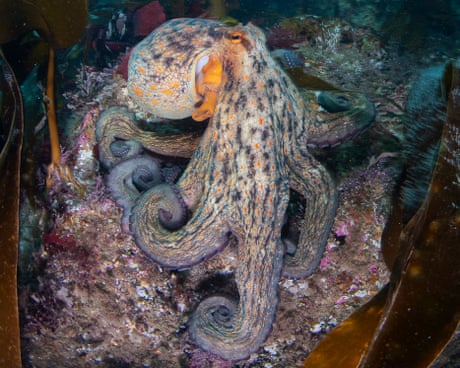
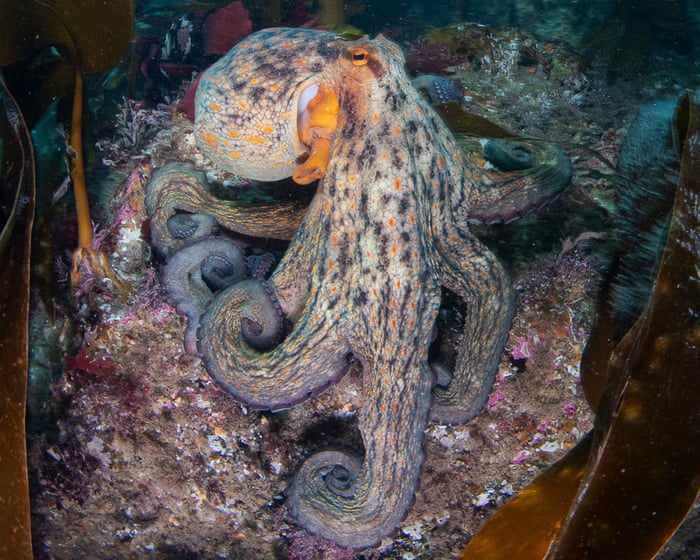
Record numbers of octopuses found off the south-west coast of England last year have now spread as far as Scotland and Wales and are transforming the fishing industry and the marine ecosystem, according to a study.

The surge in sightings of one of the world’s most intelligent invertebrates was first recorded in 2025 off the south coast of Devon and Cornwall.

Continue reading...

© Photograph: Kirsty Andrews

© Photograph: Kirsty Andrews

© Photograph: Kirsty Andrews

  •  

Japanese city shuts down nearly 100 schools after unprecedented bear sighting

Police and hunters in Utsunomiya, 100km north of the capital, resume their search for animal that is not usually seen so close to Tokyo

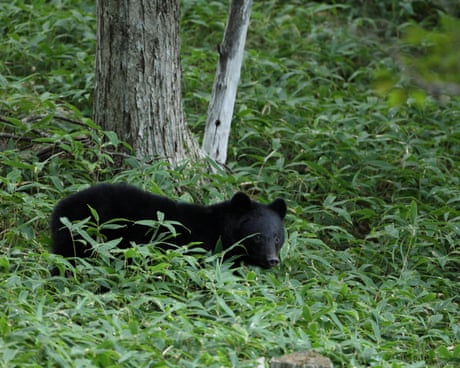
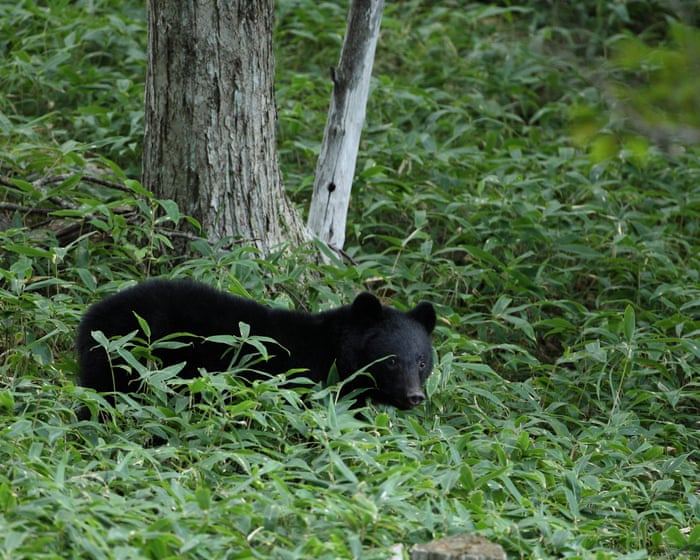
A city in Japan has closed all its 94 primary and secondary schools after a bear was spotted in the municipality for the first time.

Officials in Utsunomiya, a city of half a million people about 100km (62 miles) north of Tokyo, took action after a medium-sized black bear – estimated to be about one-metre-long – was seen near a park in the city on Saturday. The bear was spotted again on CCTV running just in front of two startled young men in the city centre, in the early hours of Sunday.

Continue reading...

© Photograph: Yoshihiro Sato

© Photograph: Yoshihiro Sato

© Photograph: Yoshihiro Sato

  •  

Canada endorses embattled marine park’s plan to relocate 30 beluga whales

Beluga whales, which Marineland threatened to euthanize in 2025, will be moved to aquariums in Spain or across US

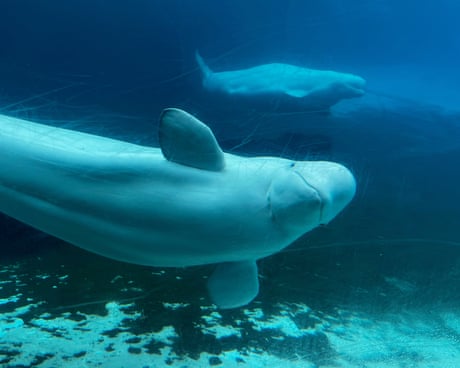
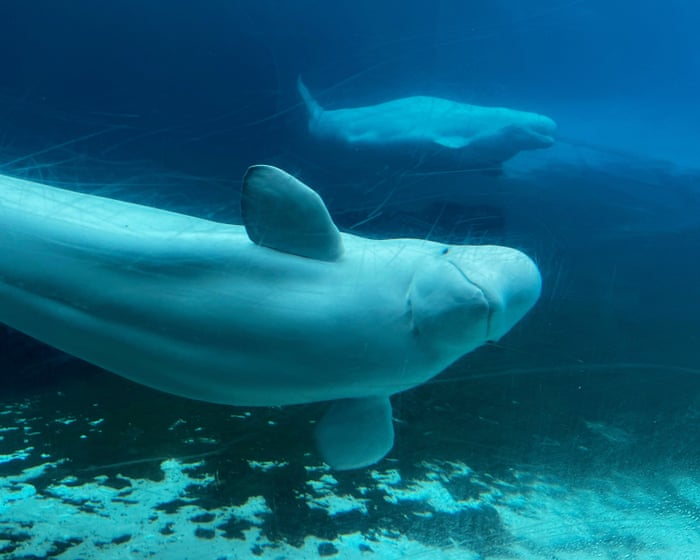
Canada and an embattled marine park have reached a tentative deal on the future of 30 beluga whales, ending a saga that has captivated the public and angered animal rights groups.

The federal fisheries ministry announced this week that all of Marineland’s belugas would be shipped to either Spain or one of four locations in the US, ending whale captivity in Canada.

Continue reading...

© Photograph: Chris Young/AP

© Photograph: Chris Young/AP

© Photograph: Chris Young/AP

  •  

Offshore wind power cables can affect sensory system of sharks and rays: studies

As offshore wind farms expand rapidly in the global renewable energy transition, scientists are studying how these large marine infrastructure projects affect ecosystems beneath the waves. Research from Wageningen University & Research in the Netherlands suggests that offshore wind may bring both risks and benefits for sharks and rays, known collectively as Elasmobranchii, which are highly sensitive to electromagnetic fields (EMFs). A six-year project called “Elasmopower” examined how EMFs from subsea power cables in offshore wind farms affect bottom-dwelling sharks and rays. These species depend on natural electric and magnetic fields for key behaviors such as navigation, prey detection, habitat use and long-distance movement, particularly in low-visibility environments. The studies conducted as part of the Elasmopower project have been published in four papers, with three additional papers currently undergoing peer review. Sharks and rays have specialized electroreceptors called ampullae of Lorenzini. The jelly-filled sensory canals around the head and snout can detect even extremely weak EMFs from prey and predators, water movement, and the Earth’s geomagnetic field, Erwin Winter, a scientist at Wageningen, told Mongabay. This system is central to hunting and orientation, making Elasmobranchii especially relevant for studying EMF exposure from offshore energy infrastructure, Winter added. Erwin Winter, a researcher with the Elasmopower project, presented findings on offshore wind, electromagnetic fields and bottom-dwelling sharks and rays at the Sharks International 2026 conference in Colombo, Sri Lanka, in May. Image by Malaka Rodrigo for Mongabay. During a presentation on a summary of the Elasmopower research at the Sharks International 2026…This article was originally published on Mongabay

  •  
❌