President Trump called for Rep. Jamie Raskin’s (D-Md.) expulsion from Congress on Thursday afternoon and claimed the lawmaker would “be in jail” if not for a pardon from former President Biden. Trump responded on Truth Social to a post from conservative commentator Mark Levin, who warned that the Maryland Democrat was “already leading a plot…
President Trump called for Rep. Jamie Raskin’s (D-Md.) expulsion from Congress on Thursday afternoon and claimed the lawmaker would “be in jail” if not for a pardon from former President Biden. Trump responded on Truth Social to a post from conservative commentator Mark Levin, who warned that the Maryland Democrat was “already leading a plot…
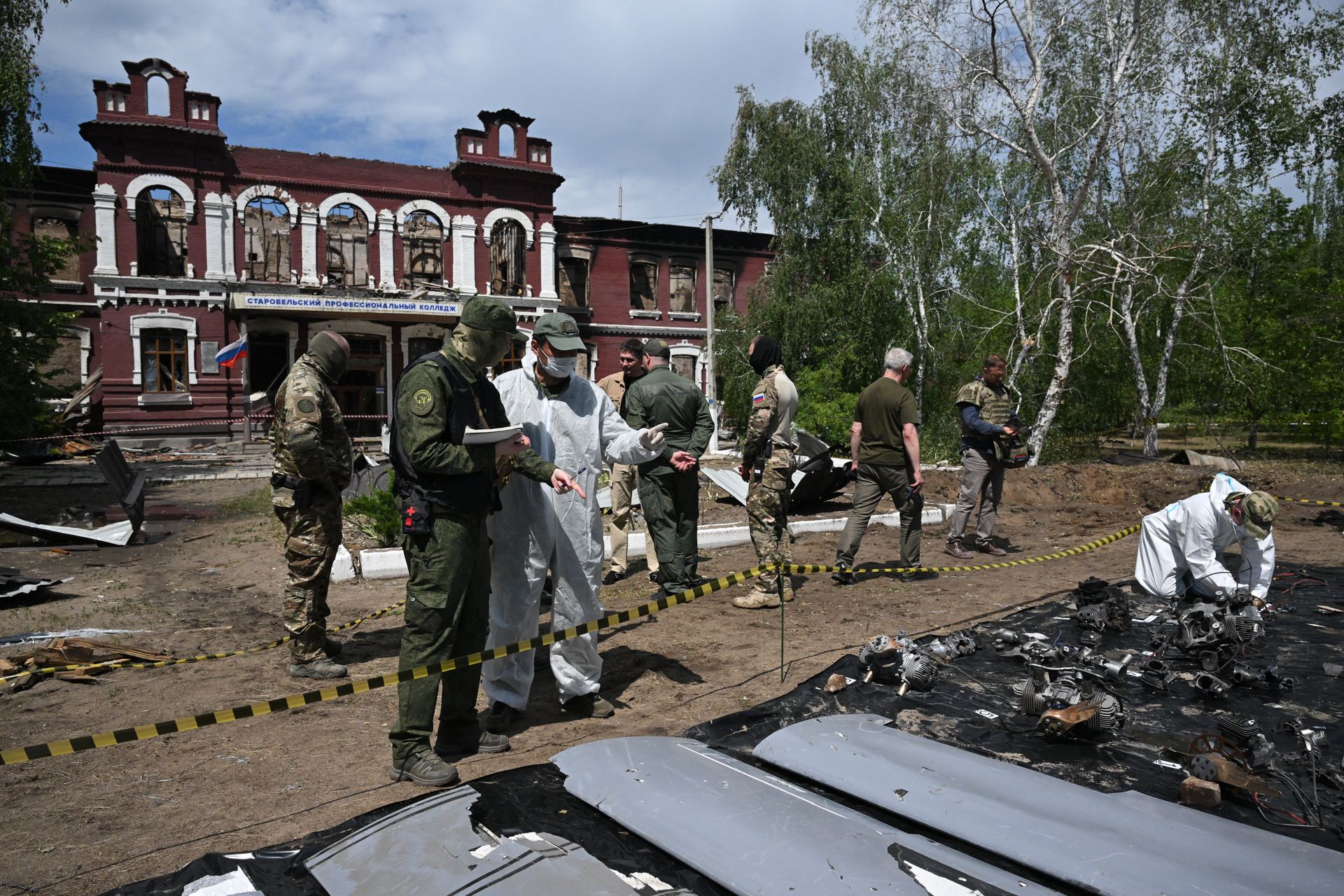
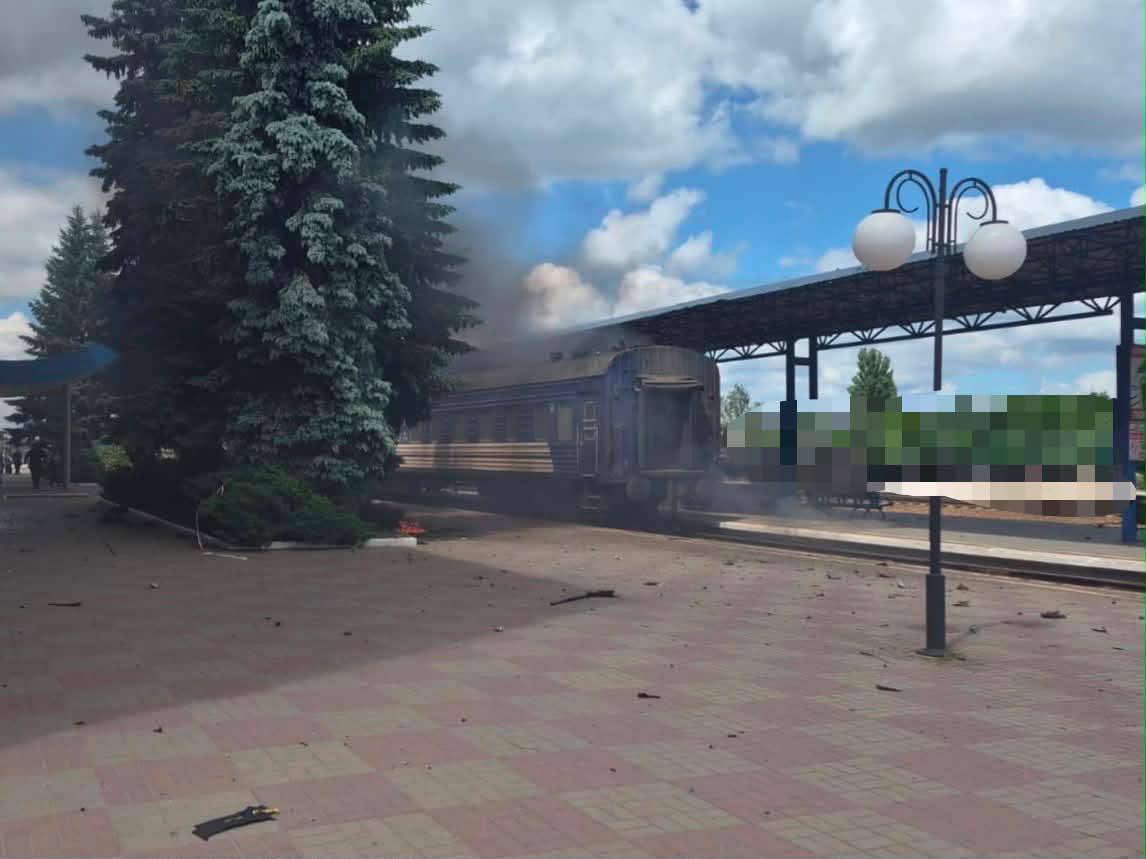
When a Ukrainian strike hit Russian-occupied Starobilsk on May 22, Moscow seized on the attack almost instantly, with Russian officials claiming that 21 students of a local vocational college were killed and dozens more injured and portraying the strike as a deliberate attack on civilians — which Ukraine denied.
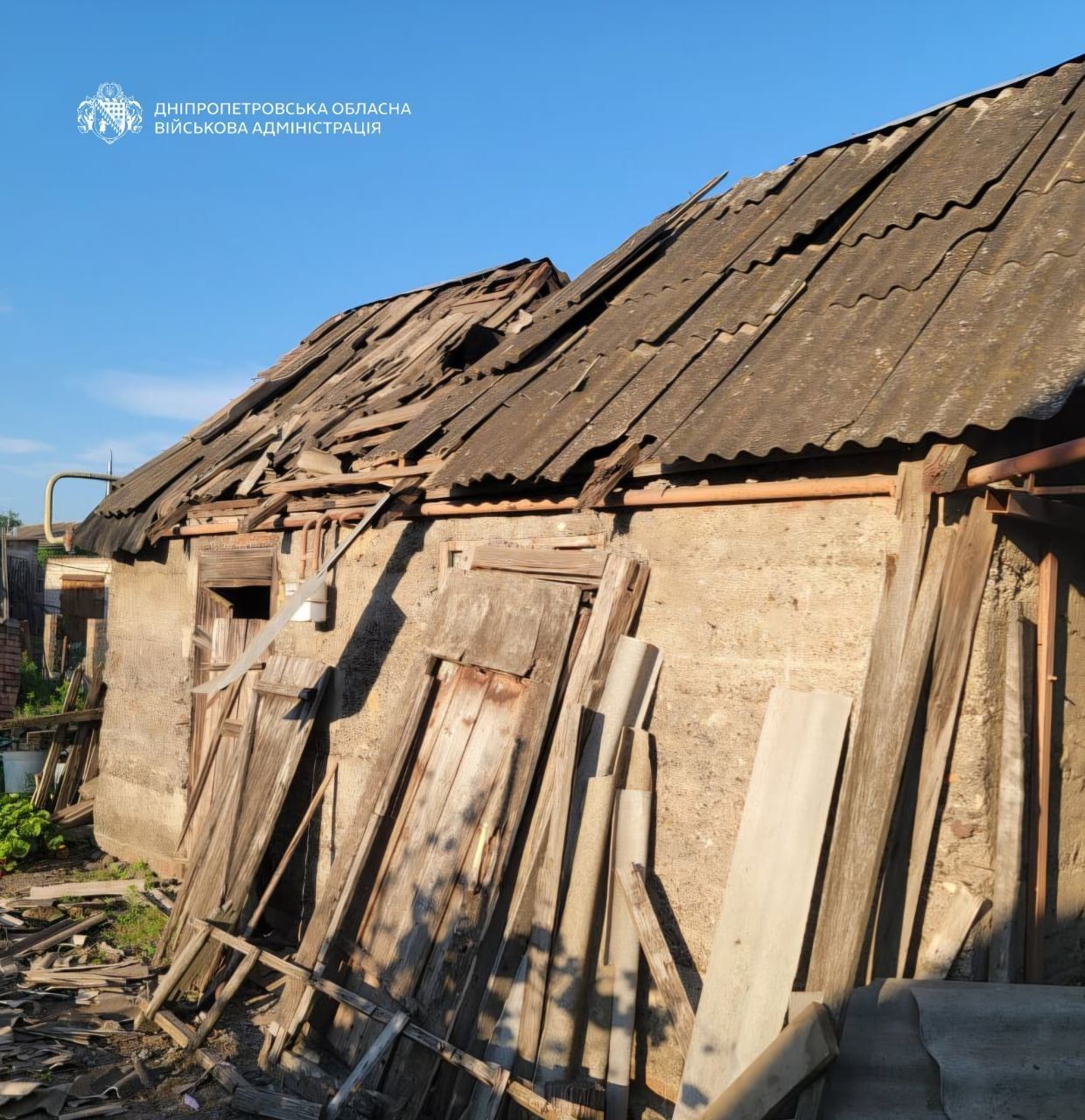
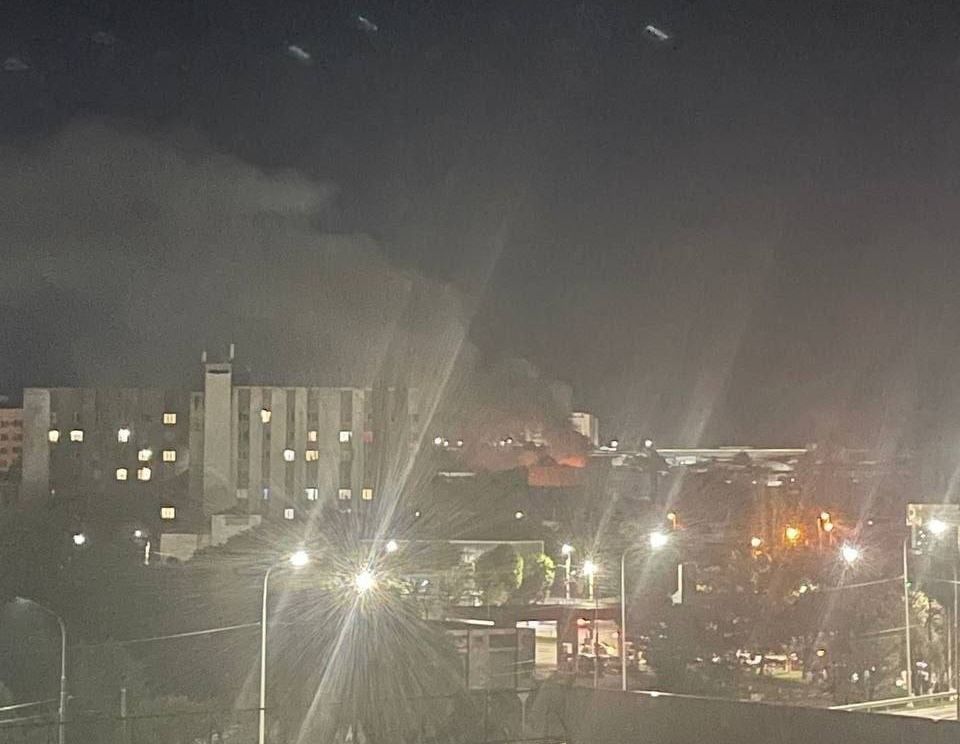
Ukraine's military reportedly carried out drone attacks on various Russian regions overnight on June 12, striking multiple petrochemical plants as far as over 1,200 kilometers (620 miles) from the Russia-Ukraine border, Russian Telegram media channels reported.
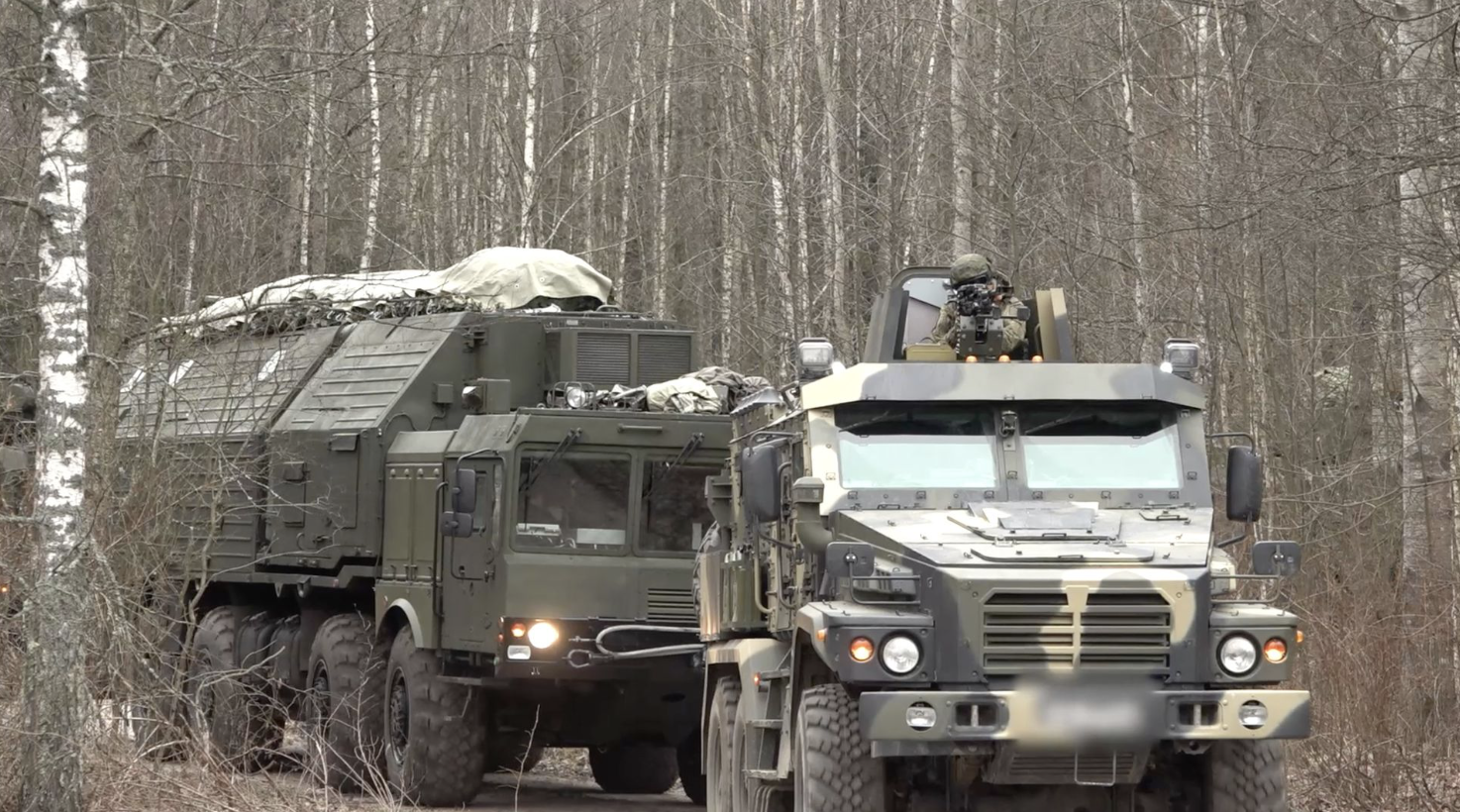
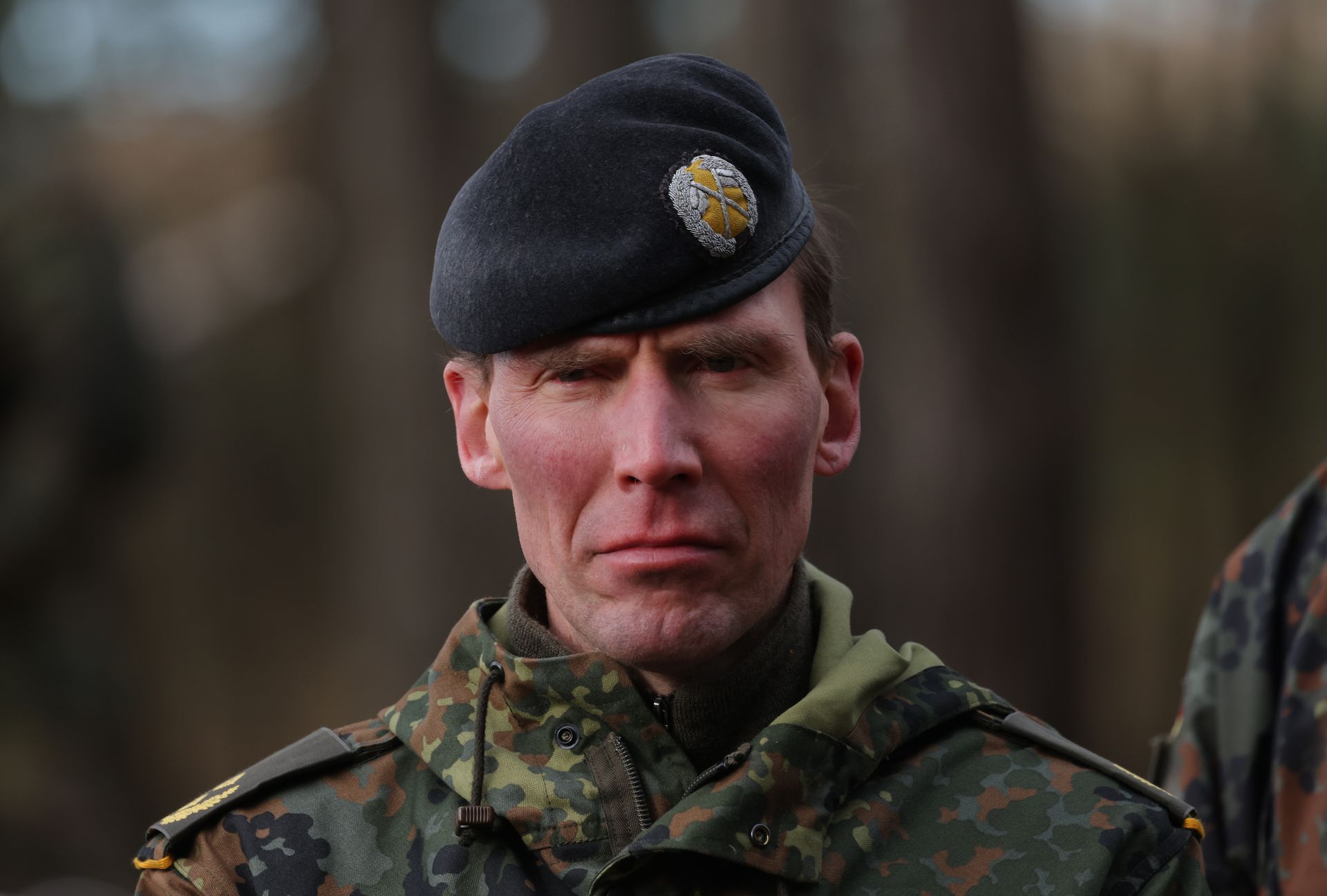
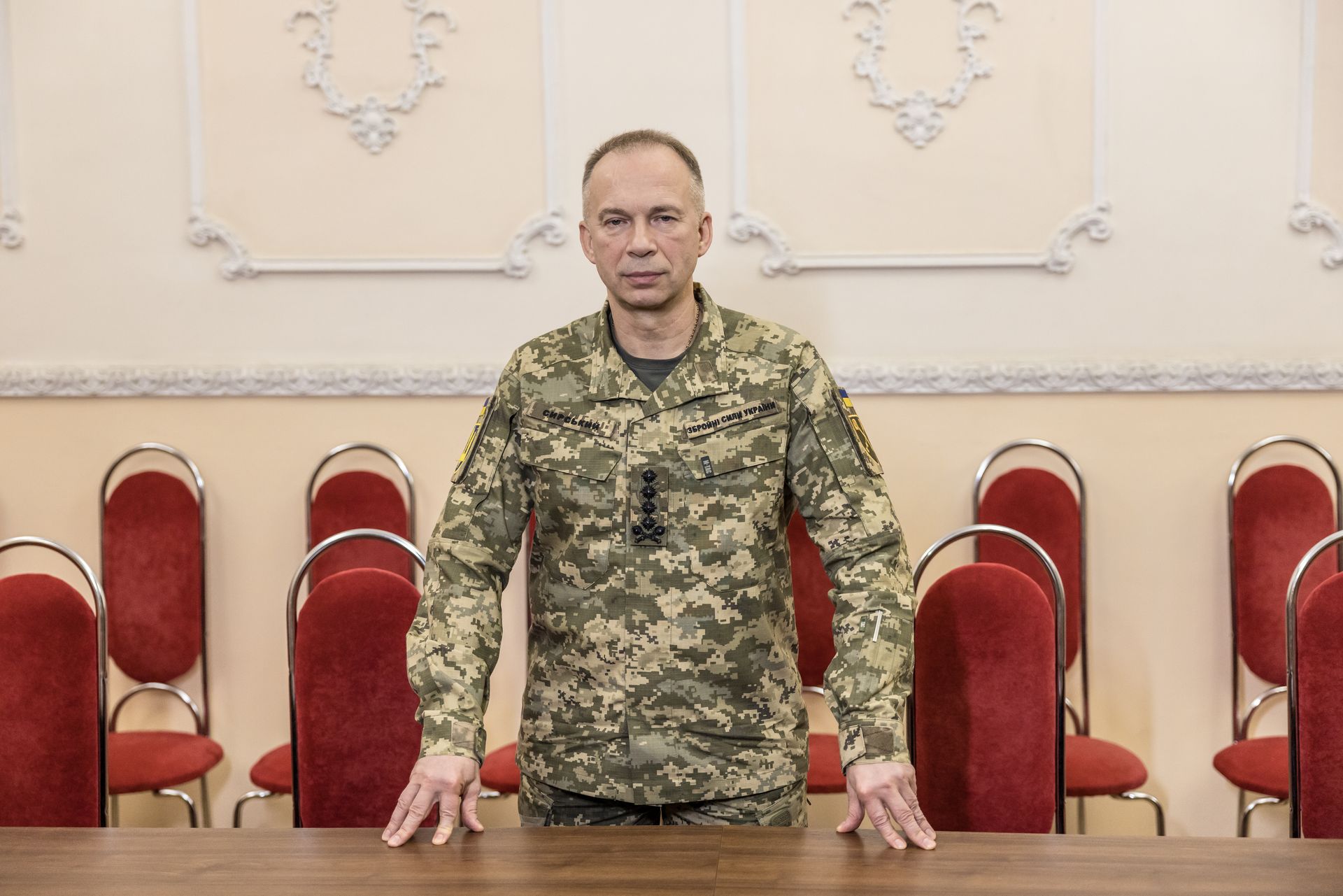
Freuding's comments are the latest in a series of increasingly warnings from Western leaders and defense officials about the threat emanating from Russia and Europe's current lack of preparedness.
Russian forces launched two Iskander ballistic missiles and 221 drones, 195 of which were intercepted, overnight on June 11, according to the Air Force.
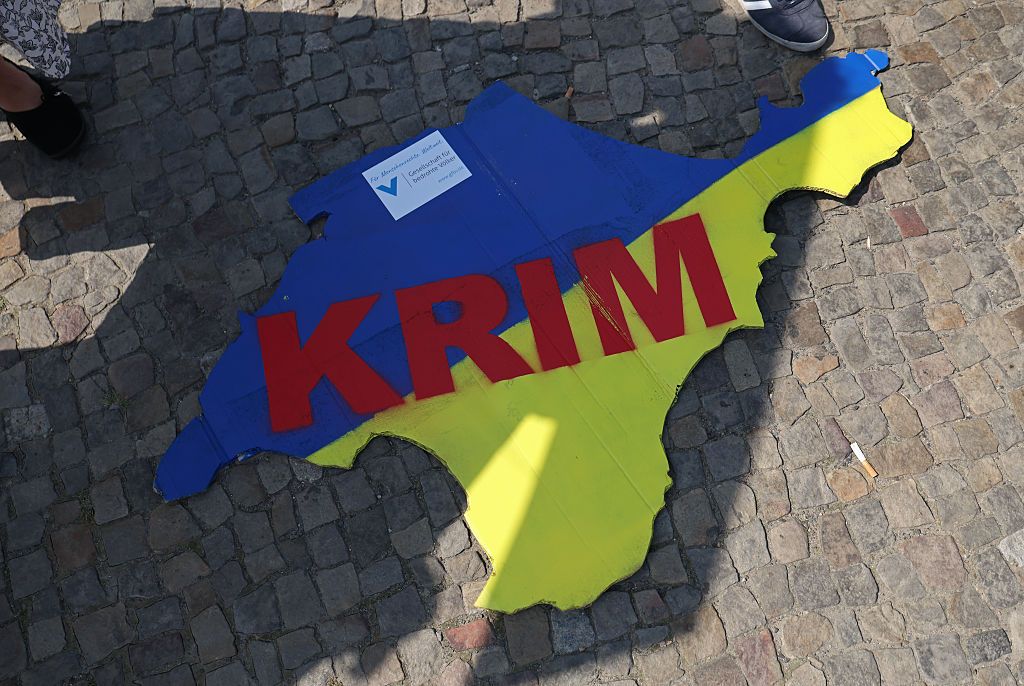
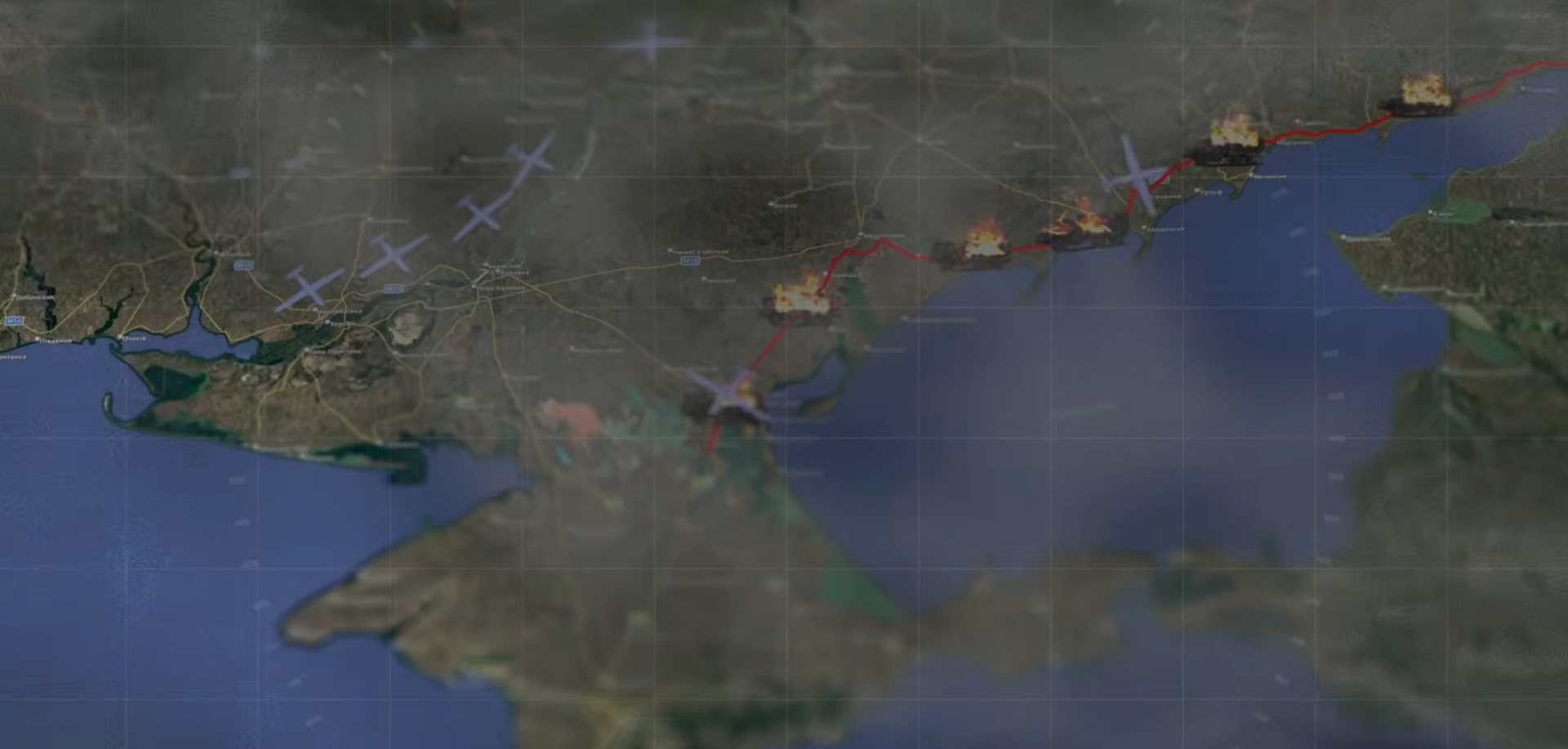
Ukraine struck military targets in Russian-occupied Crimea, hitting several bridges as multiple explosions were reported across the peninsula overnight on June 11, according to local authorities and monitoring channels.
The group, Citizens for Responsibility and Ethics in Washington, doubled down on its request to a federal judge to issue a formal order stopping the fund from being set up.
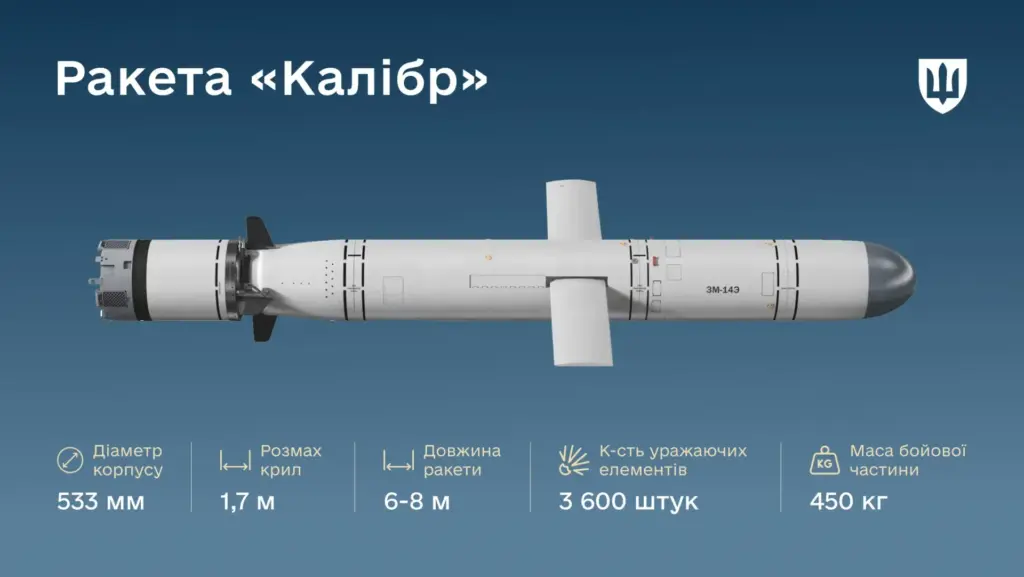
Russia went back to using imported electronics for their Kalibr cruise missiles’ guidance system after failing to replace them with homemade alternatives, according to Ukraine’s Ministry of Defense.
The ship-launched missile’s homing boards “are made up of more than 80–90% foreign-made components,” the MoD wrote. “This is a confirmed fact, not an estimate: each part is marked and has been checked by military representatives.”
Starting in 2023, Moscow began to transition to domestic components in manufacturing their Kalibr missiles, which may have worsened their performance. As a result, the Russians went back to what works, the MoD wrote, citing an analysis of Kalibrs that were shot down.
The announcement did not disclose the manufacturers of these systems. However, according to the General Intelligence Directorate’s website that tracks foreign parts in Russian’s weapons, most chips that went into Kalibrs prior to 2024 came from the US.
Diagram of a Kalibr missile. (Ukraine's Ministry of Defense)
Russia has routinely used foreign electronics in the missiles it fires against Ukraine throughout the course of the war.
A Russian Kh-101 cruise missile that killed 12 people in Kyiv in May was built in the second quarter of 2026, which points to components continuing to reach Russia despite 21 sanctions packages from the EU and years of Western export controls, President Volodymyr Zelenskyy said last month.
Cluster munitions added
Russia has also started using cluster munitions for the Kalibrs' payloads—the first such use was recorded in the Spring of 2026, according to the announcement. Previously, Kalibrs tended to be armed with high explosive fragmentation loads.
Cluster payloads can widen the destructive radius and allow the missiles to more effectively hit spread-out targets. The MoD described them as analogous to the cluster munitions found on Kh-101 missiles.
The use of weapons that cover an area with bomblets is controversial around the world because of the lingering danger they pose to civilians. A total of 124 countries have ratified the Convention on Cluster Munitions, outright banning the use of such weapons, though Ukraine and Russia are not signatories.
Moscow’s army has repeatedly used cluster munitions, including against cities, since the opening days of the full-scale invasion.
A Sudanese man has been arrested after an attempted "beheading" in Belfast last night that left a man in his 40s with serious injuries in a "critical" condition.
Russian forces launched two Kh-59/69 cruise missiles and 168 drones, 146 of which were intercepted, overnight on June 9, according to Ukraine's Air Force.
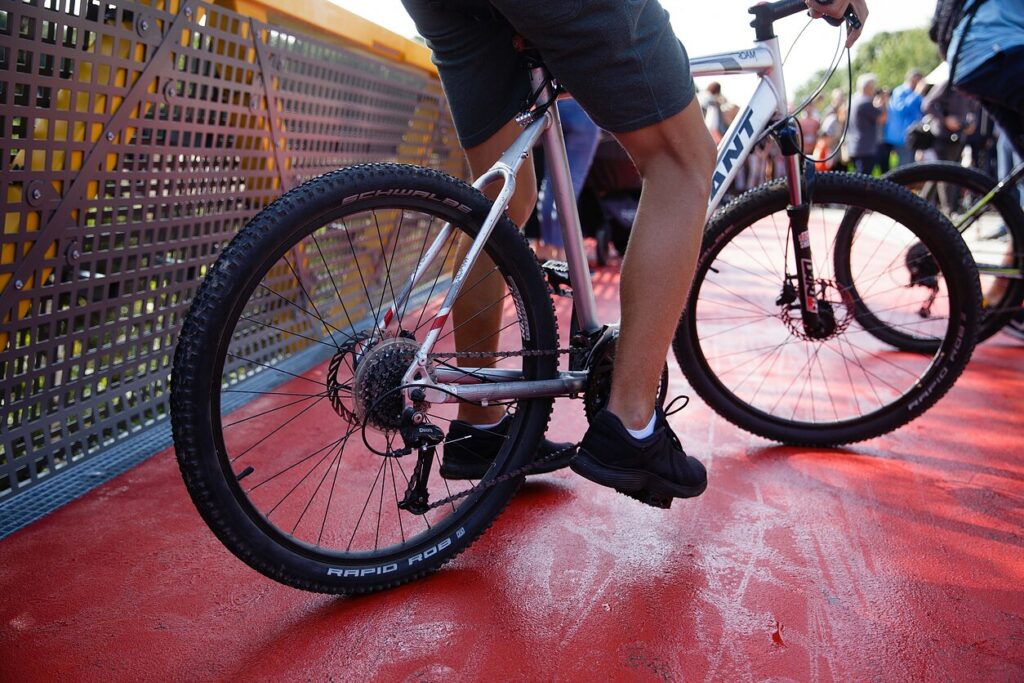
A Lithuanian court has convicted a man who ran a cyclist off the road and attacked him for wearing a shirt with Ukrainian symbols, according to LRT. Judges treated his hatred of people who support Ukraine as an aggravating circumstance. The verdict is now final, and the court found the assault was deliberate, not an accident.
As Russia continues its all-out war against Ukraine, open support for Ukrainians across the Baltic states through flags, clothing, and fundraisers has become a marker of identity, even as it occasionally provokes hostility.
The roadside attack
On the evening of 27 March 2025, the man drove up to the cyclist on a road in Lithuania's Širvintos district. He repeatedly ordered the cyclist to take off the shirt bearing Ukrainian symbols. When the cyclist refused, the driver passed him, then swung the front of his car toward the roadside and blocked his path. The cyclist braked hard and fell with his bicycle. He suffered injuries, and the bicycle was damaged.
When the cyclist got back up, the man ran over to him. He again demanded that the cyclist remove the shirt, grabbed it, and tried to pull it off. The cyclist reached for his phone to call for help. The man struck him and knocked the phone onto the asphalt, breaking it, the court found.
Explore further
Two Polish citizens detained in Przemyśl for desecrating Ukraine’s flag — sixth such attack in last months
A hate motive, the court ruled
The Vilnius Regional District Court found the 1987-born man guilty of damaging another's property and causing minor bodily harm. Evidence from the investigation showed the violence was not random, the court said. It stemmed from the man's hatred of the victim as someone publicly backing Ukraine against Russia's invasion. The court treated that motive, hostility toward a group for supporting Ukraine, as an aggravating circumstance.
The court handed the man a non-custodial penalty of one year and three months' restriction of liberty. During that time, he must work or register as a jobseeker. He must also complete a program aimed at changing violent behavior. On top of that, he owes the victim for material and non-material harm, and he must repay Lithuania's State Patient Fund for the cost of treating the injuries.
Explore further
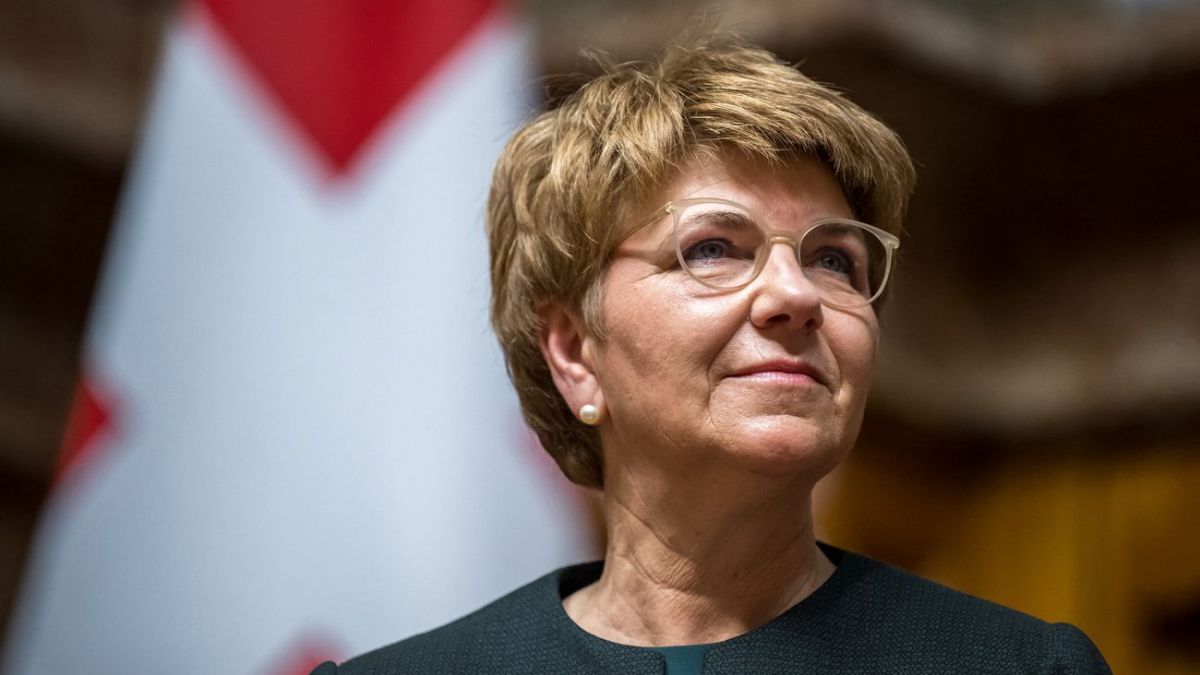
Switzerland to limit protection status for Ukrainians from seven western oblasts
A Vilnius District Prosecutor's Office prosecutor, Edvinas Navickas, led the pre-trial investigation and the prosecution. Vilnius County police officers gathered the evidence. The court issued its verdict on 12 May, and it has since taken effect, the prosecutor's office reported. Lithuania, a NATO member bordering Russia, has been one of Ukraine's strongest backers since 2022, sending weapons and welcoming Ukrainian refugees.
Lithuania has prosecuted this hatred before, convicting a man who smashed a displaced family's car.
Ukrainian refugees
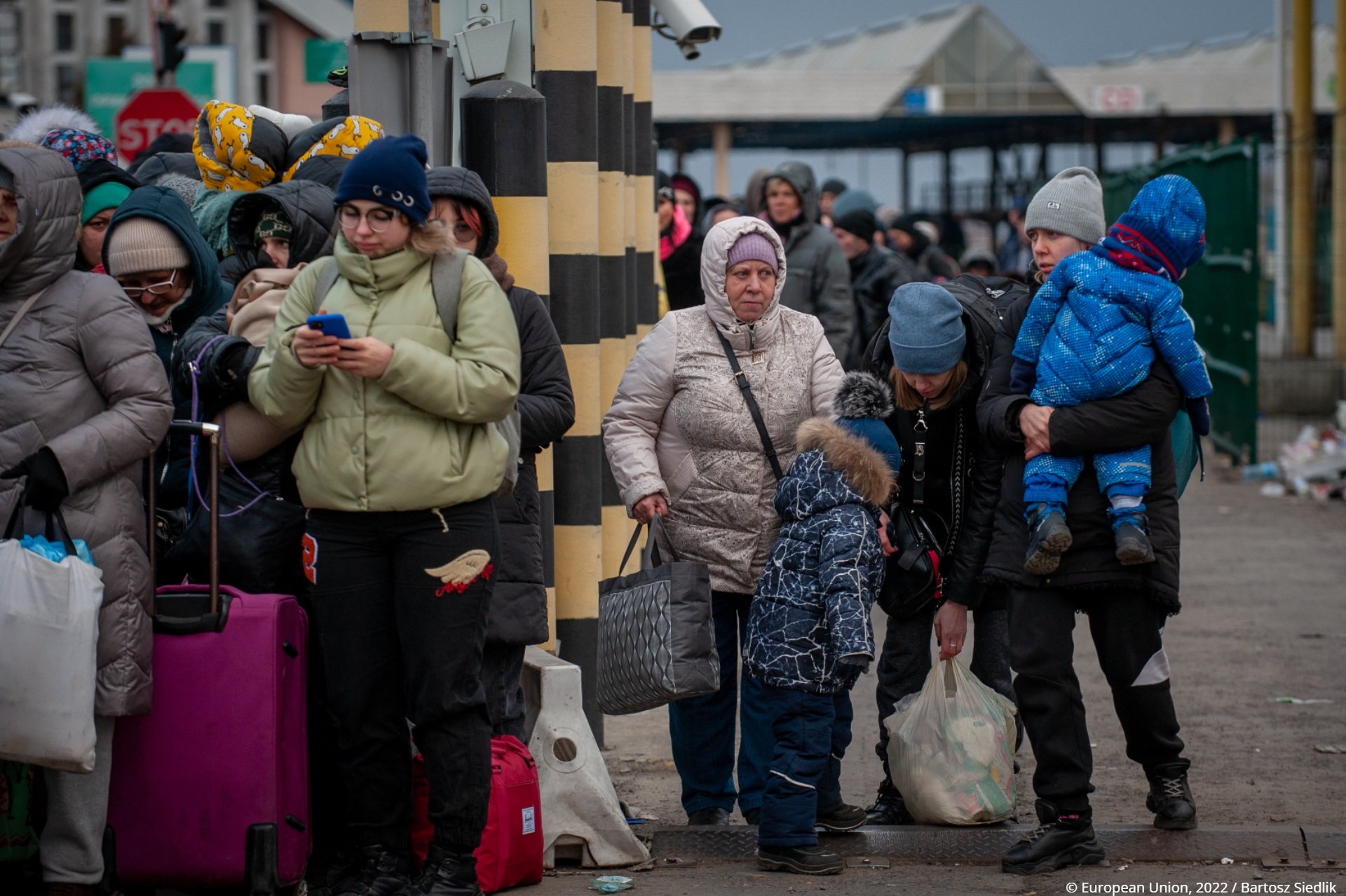
Millions of Ukrainians live outside their country because Russia's invasion made home unsafe. Some 5.9 million are abroad as of 2026. Most settle in the European Union, where Poland and Germany host the largest communities. That visibility and open support for Ukraine sometimes draw hostility. Other reported attacks on Ukrainians abroad don't have a clear anti-Ukrainian motive.
Explore further
Latvia sentences man to prison for anti-Ukrainian hate speech and violence
In Poland, isolated cases include a Ukrainian beaten over his accent and a woman detained for telling two Ukrainian women to go back to Ukraine, while a separate knife attack on a Ukrainian selling his car in Wrocław has not been tied to nationality.
In Germany, an attacker killed a teenage athlete, a man went after children for speaking Ukrainian, and others assaulted teenagers while chanting pro-Russian slogans; one Berlin assault and a Murnau double killing both pointed to anti-Ukrainian motives, and a Russian was jailed for life over the latter.
The violence is not confined to those two countries: other attacks on Ukrainians have occurred in other places. Earlier, a Ukrainian was stabbed to death in Ireland in an attack police have not linked to his nationality, and a Ukrainian woman was murdered in the United States by a man who cited a delusional reason.
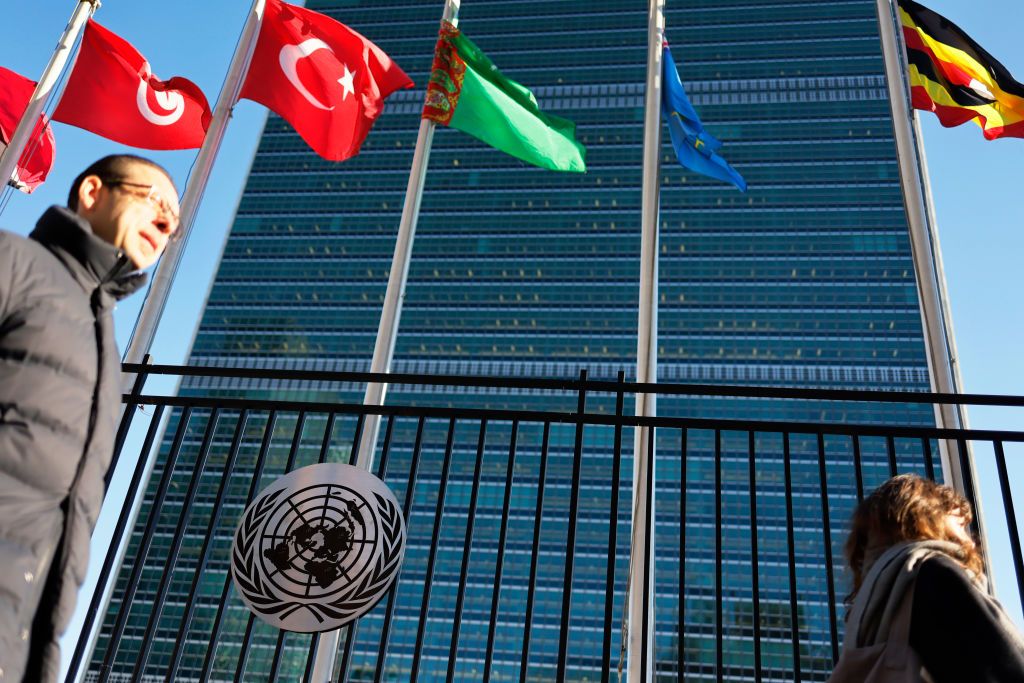
The United Nations Security Council convened on June 8 to discuss Russia's recent large-scale attacks on Ukraine, as U.N. officials warned that civilian casualties and destruction have reached some of the highest levels seen in the war in recent months.
This weekly update from the Kyiv Independent aims to shed light on the situation facing Ukrainians living under Russian occupation and the ever-tightening control of information imposed by the Kremlin.
 Login
Login