Bad Bunny performs today, June 1, at Metropolitano Stadium. He played on May 30 and 31, and will return on June 2, 3, and so on, for a total of 10 shows. In the entertainment industry, this is known as a musical residency — a series of concerts an artist stages in the same venue over a short period of time. There’s no exact number that defines one, but one of the core ideas behind the concept is impact: the more shows, the better.
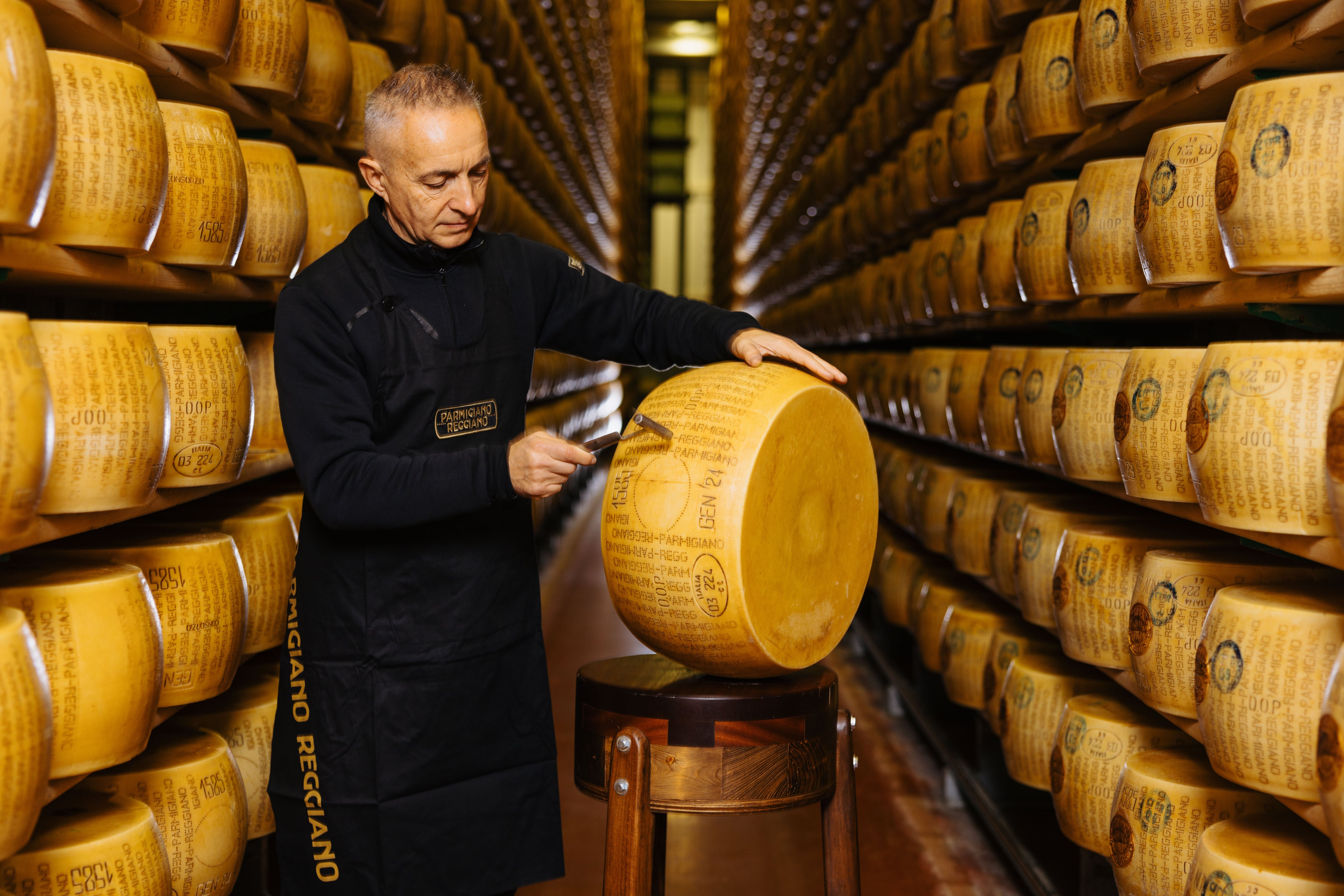
What do medieval monasteries in Emilia-Romagna have in common with a local bank founded in 1910? Both made food preservation part of their daily work. In their own ways and in their own eras, monks and bankers have pursued the same goal in the same place: to profit from a singular product — a cheese capable of staying in good condition for years and increasing in value as it ages. This food, which ensured monastic survival in the 12th century, is now part of Italy’s gastronomic heritage and lies at the heart of a financial model that is so peculiar it has even been studied by Harvard Business School.
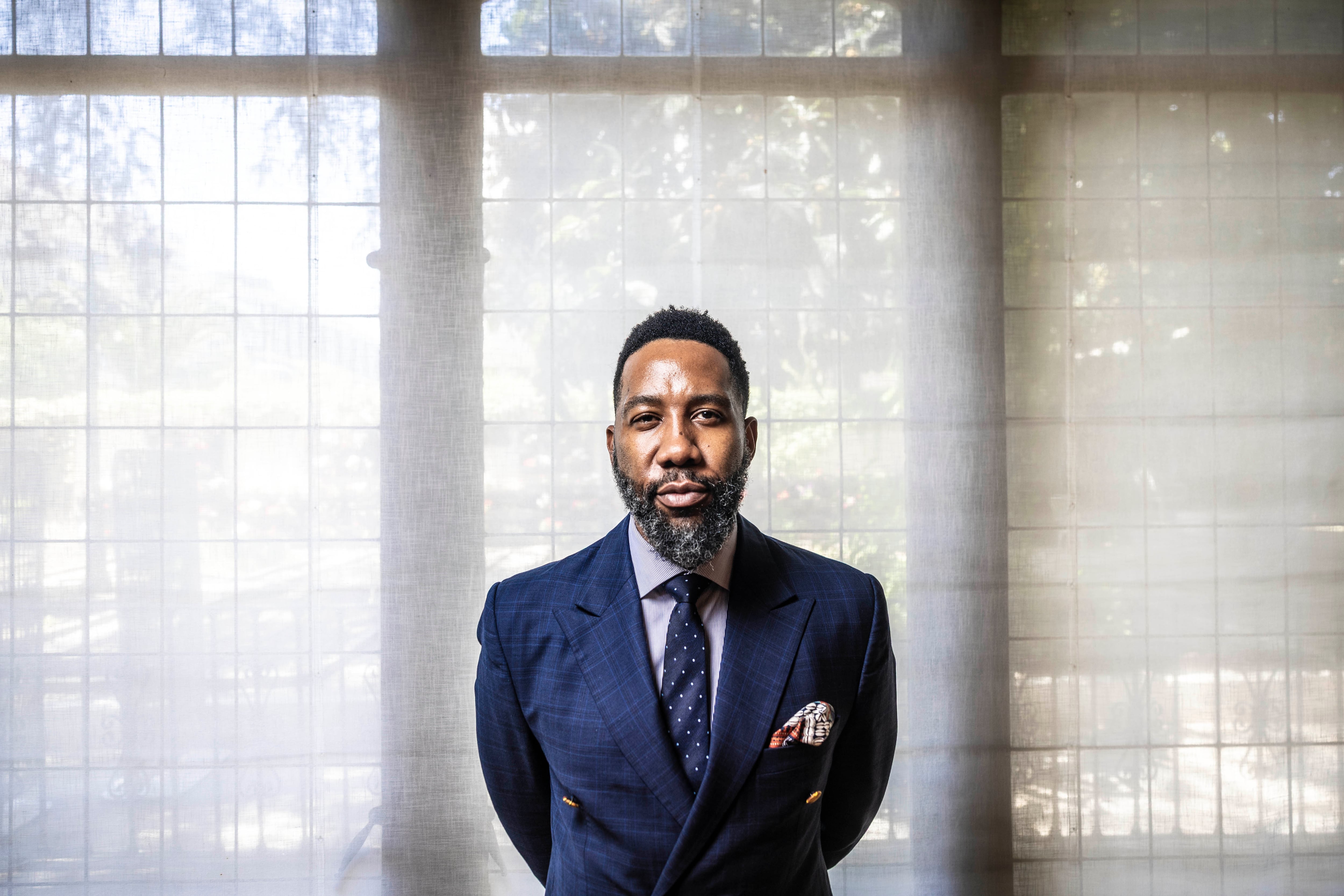
Ndaba Mandela was a child when he first met his grandfather, the Nobel Peace Prize laureate and leading anti-apartheid activist in South Africa Nelson Mandela, and he grew up at his side. Born in Soweto (Johannesburg) 43 years ago, he is now a political scientist who promotes his grandfather’s legacy as president of the Mandela Institute for Humanity, and was in Spain on Monday to support the Alliance for the Future of Education, an initiative to renew the focus on learning in particularly challenging times.
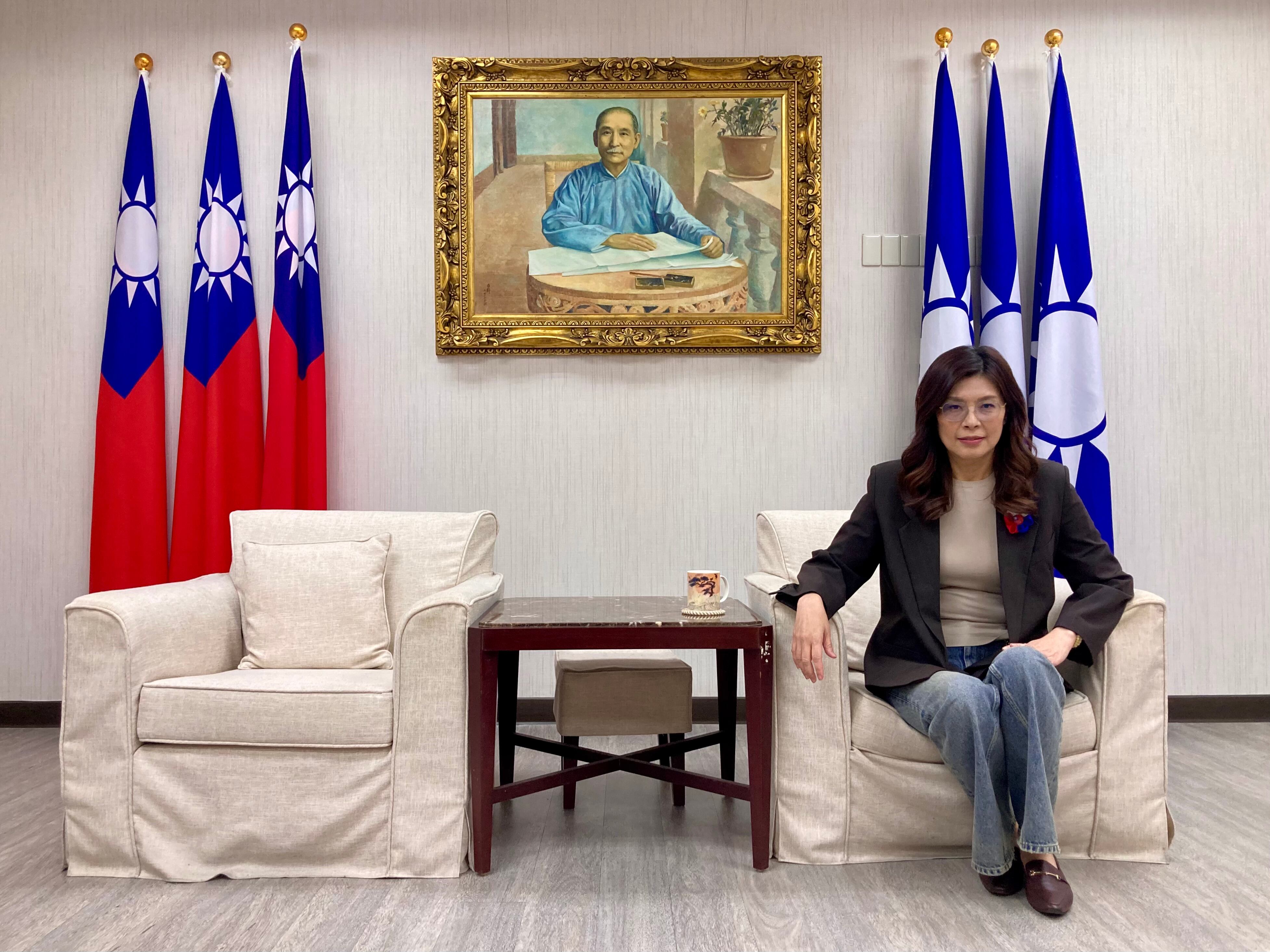
Taiwanese politician Cheng Li-wun, who is notably tall, can be heard approaching with the click of her heels and long strides down the corridor of the headquarters of the Kuomintang (KMT), the main opposition party in Taiwan. In April, during a visit to Beijing, she looked the Chinese president, Xi Jinping, in the eye. In the photograph that captured their meeting in the Great Hall of the People they are not smiling; neither do they appear distant. Their expressions are neutral, perhaps waiting to see how the coming years unfold.
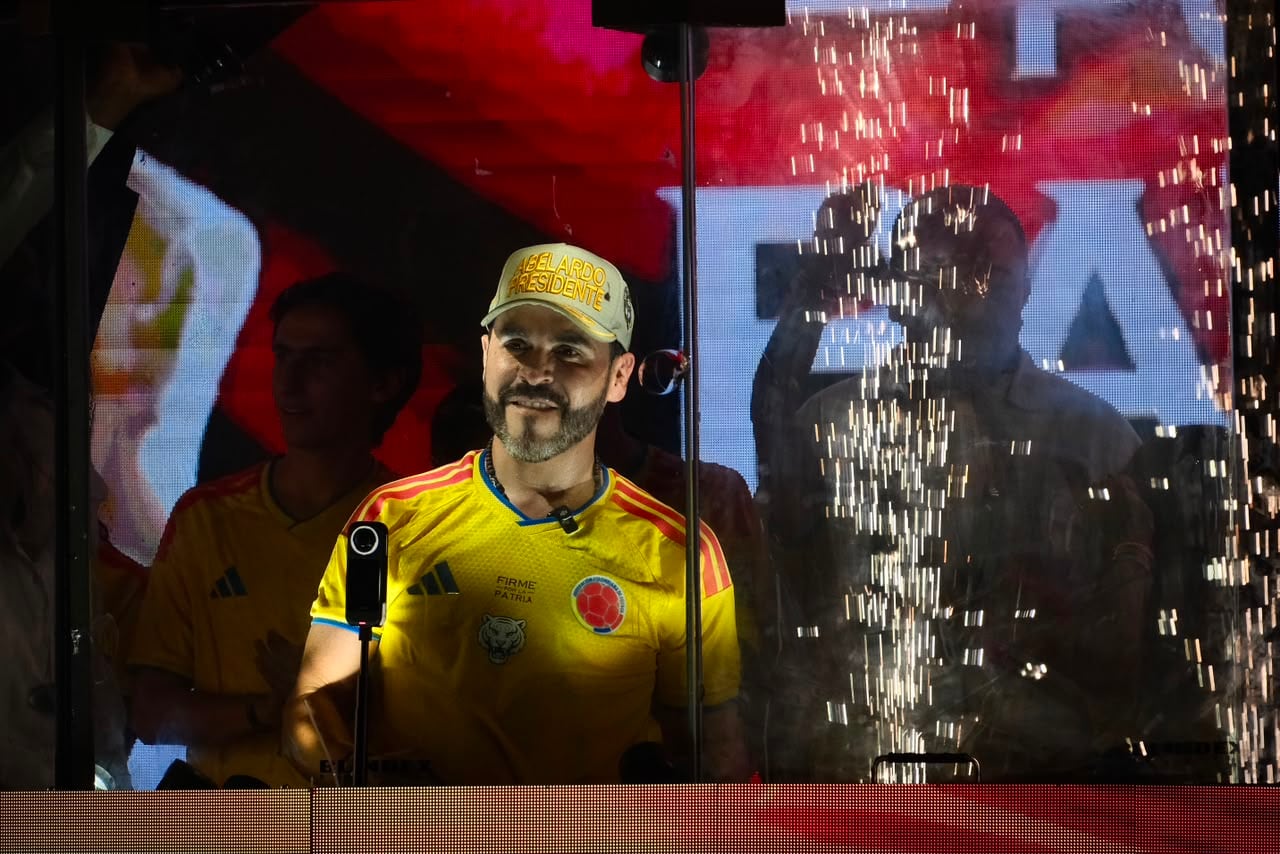
Colombia swung to the far right this Sunday, voting overwhelmingly for a candidate who won the support of 10 million citizens, Abelardo de la Espriella, the top vote-getter in the presidential first round. The criminal defense lawyer, who has never held elected office and once defended Alex Saab, Nicolás Maduro’s alleged front man in Venezuela, promises a shake-up of individual and collective rights: from putting God back into schools to pulling Colombia out of the United Nations. He still needs to mobilize votes for a runoff on June 21 against a left that represents the continuity of Gustavo Petro’s government. De la Espriella will be carried forward by very local banners, such as anti-Petrista sentiment, and by very global ones, like promises already voiced by far-right leaders around the world. Political leaders ranging from President Javier Milei of Argentina to Santiago Abascal, head of the hard-right Vox party in Spain, have already celebrated De la Espriella’s first-round victory.
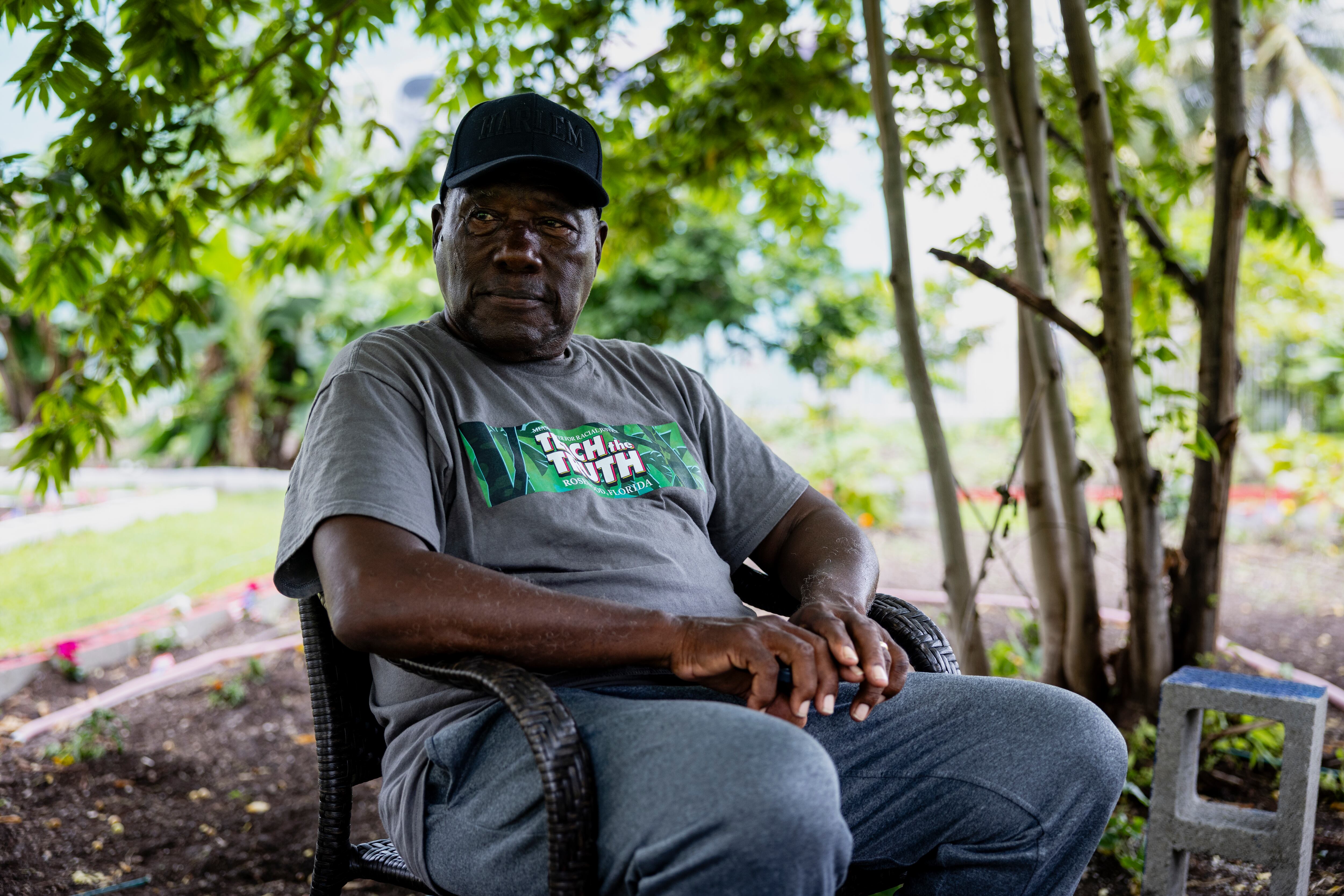
Marvin Dunn moves with surprising agility among the beds of lettuce, cabbage, and potatoes on his community farm in Overtown, a historic Black neighborhood in Miami that was fractured by the construction of the interstate highway in the 1960s. The farm, squeezed between I-95 and the high-rises packed into nearby downtown, is a kind of oasis where the 85-year-old historian — one of the most recognized voices on the history of segregation in Florida — hosts talks, distributes banned books, and is now preparing a new legal battle to stop construction of Donald Trump’s presidential library a little over 1,000 meters away.
On hot days, sunset and night bring the beneficial effect of falling temperatures. Sitting on a park bench or on the balcony at home offers a different perspective of the garden areas. Taller species will silhouette against the twilight sky, and following their outline with your eyes, as if tracing their shape, is an act of reverence, a connection with the plants. Likewise, the stillness of those hours will add a slowing sensation to the day’s fast pace.
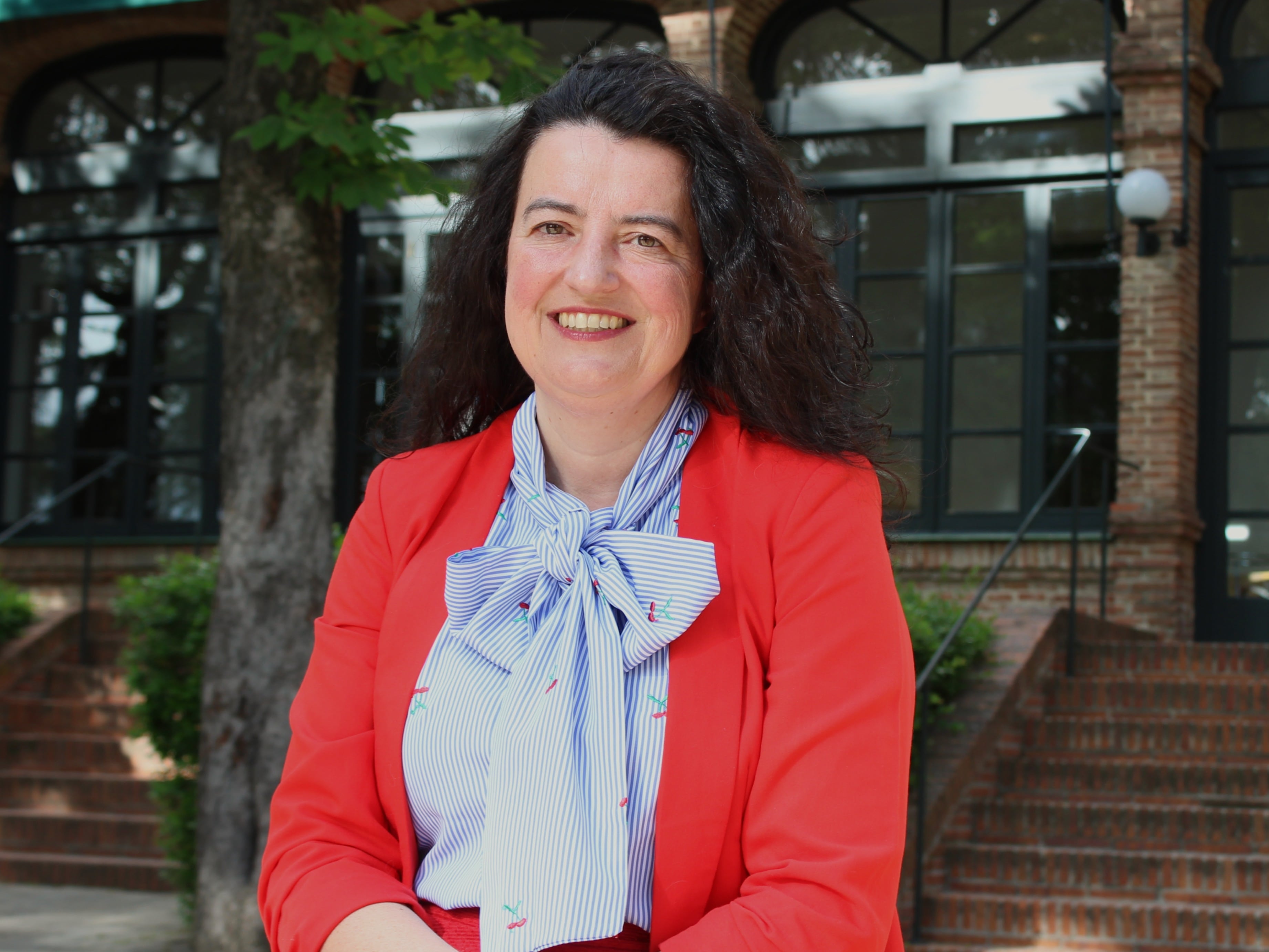
After two days in Madrid, Ann Dooms, 47, still hadn’t managed much sightseeing: only a quick visit to the Santiago Bernabéu stadium with her daughter. She was staying at the Residencia de Estudiantes, where she gave a talk at the invitation of the Institute of Mathematical Sciences and the Spanish National Research Council (CSIC). Public outreach is only one of the many tasks that occupy Dooms. She also leads the Mathematics and Data Science research group at the Free University of Brussels (VUB, by its Dutch initials), where she is a full professor, and chairs both the Belgian Defence Scientific Council and the Education Committee of the European Mathematical Society.
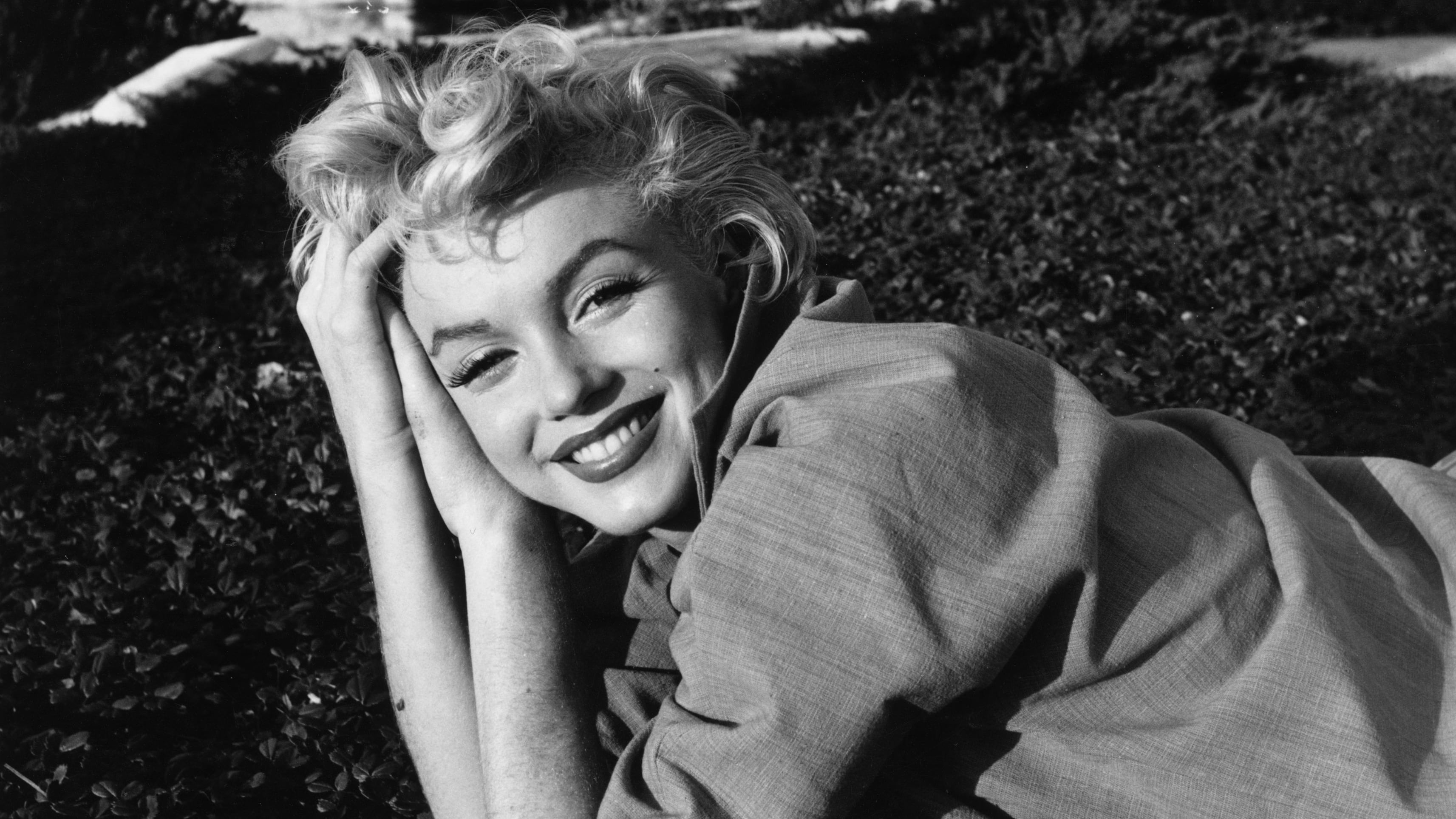
On June 1, Norma Jeane Mortenson would have turned 100. She died at the age of 36, on August 4, 1962, but her artistic alter ego, Marilyn Monroe, became a film legend. The Bombshell Blonde façade concealed a very harsh childhood during which she lived in as many as 12 foster homes, a torturous romantic life, and a career marked by artistic self-doubt and very poor health (she never carried a pregnancy to term).
Caetano Veloso, in a video call from Lisbon, Portugal, speaks slowly with that blend of intellectual clarity and Bahian melancholy that for six decades has turned each of his interviews into something more like a philosophical conversation than a mere promotion of new albums or concerts. At age 83, the celebrated musician from Brazil is embarking on a tour titled Caetano nos festivais, which will stop in Madrid on June 4 and which he himself describes, without drama but with honesty, as perhaps his last visit to Spain. That is despite the close relationship he has always maintained with Spanish culture. There is no monumental nostalgia in his words; rather a physical weariness, a wise resignation, political concern and a bitter — though not yet defeated — view of the present. He speaks, without losing passion, about the military dictatorship his country suffered, about Silicon Valley, The Beatles, contemporary confusion and a Brazil that, in spite of everything, he still believes can “say something to the world.”
Just a year ago, Latin America’s major business families — owners of some of the world’s largest fortunes — were watching anxiously for the effects of the tariff wall erected by U.S. President Donald Trump. One year on, they are observing with concern the geopolitical upheaval unleashed by Trump, with an unprecedented change to the liberal international order built after World War II. The new national security strategy outlined by the Trump administration singles out Latin America as a new priority. The Republican tycoon has designated the entire region as his sphere of influence: as both his backyard and his front yard.
Russians, accustomed to living with constant unpredictability, have been stashing rubles for months in the drawers of their homes. Cash withdrawals have been so massive since the start of the year that the Bank of Russia has carried out a substantial upward revision of the financial system’s liquidity needs through the end of 2026. Internet shutdowns — and, by extension, disruptions to payment systems — ordered by the authorities for alleged “security reasons” have driven Russians to withdraw money from ATMs. Added to this, in a bid to raise revenue to fund the war against Ukraine, is a new bill that would tighten controls on cash payments to businesses.
Tony Leung (Hong Kong, 63) enters the lobby of a Madrid hotel and brings with him an absolute sense of calm. The pace slows; you even get the impression the temperature has dropped slightly. Leung’s image in the film collective was sealed by his role in In the Mood for Love, Wong Kar-wai’s masterpiece that earned Leung the best actor award at the 2000 Cannes Film Festival. A man anchored in melancholy, unable to confront his unfaithful wife or to declare his love to his neighbor. That introspection turned Leung into one of the coolest men on the planet.
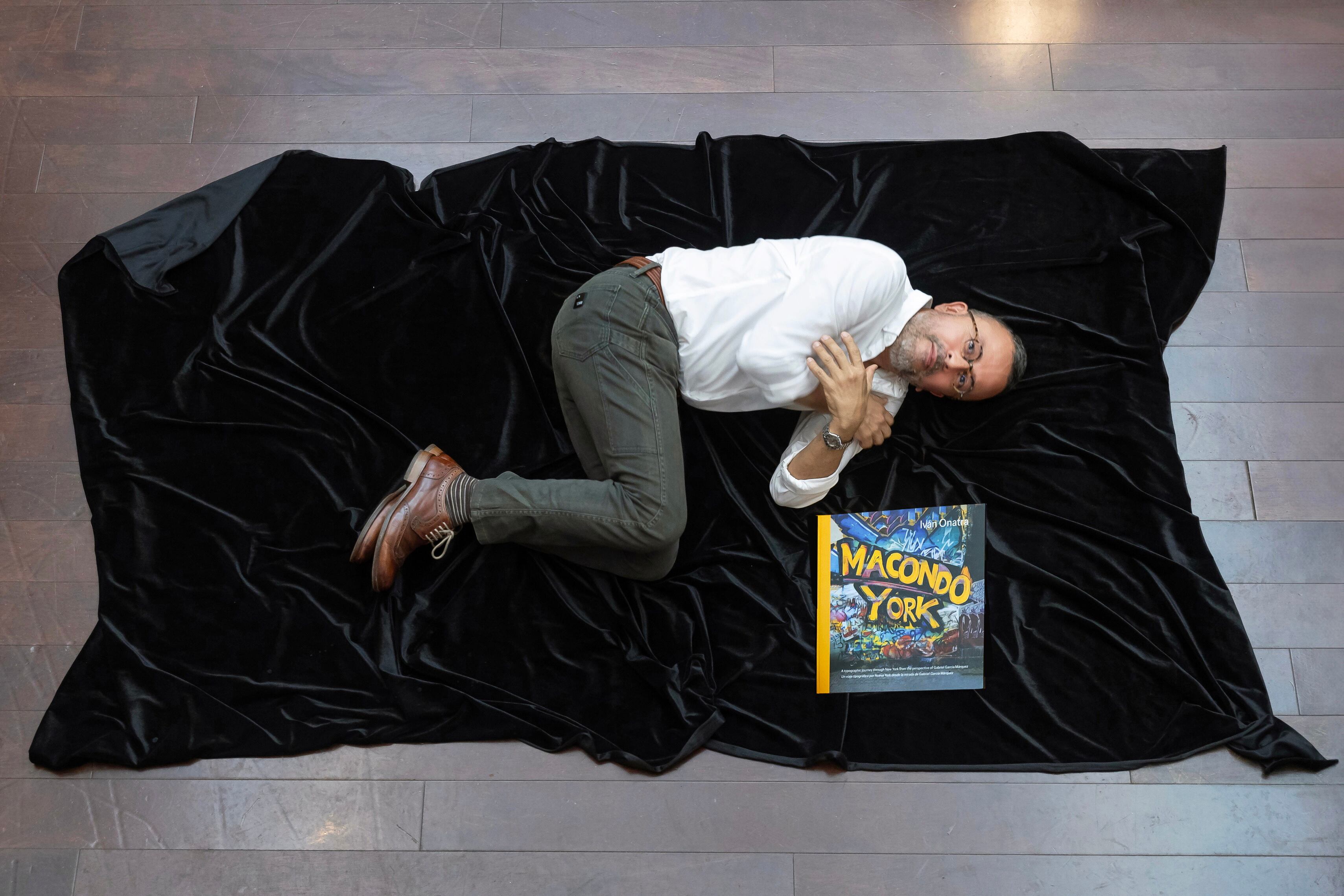
Few associate Gabriel García Márquez with the asphalt jungle of New York. Collective memory places the Nobel Prize-winner in the heat of Mexico, the hustle and bustle of Barranquilla or the elegance of Barcelona. But for Colombian graphic designer and author Iván Onatra, the Big Apple was a crucial — and at times, forgotten — stage in the scribe’s life. García Márquez’s time in the city that never sleeps takes on new life in Onatra’s bilingual design book Macondo York, in which he explores the writer’s love-hate relationship that lasted for six months, while he worked as a journalist for the Prensa Latina news agency.
At some paddleball courts, the sound of rackets can be heard until close to midnight. Many gyms and swimming pools have expanded their hours of operation, as users wake up earlier, or else want to come during times of the evening once reserved for being at home or at the pub. Streaming platforms automatically queue one episode after another of their series in an attempt to keep you hooked until the next morning. Batch cooking takes place at night, and those with complex skincare routines perform them just before bed, adding steps to a ritual that seems to get longer and longer. Though today, many jobs necessitate a graveyard shift, or to be constantly available, there are also everyday leisure activities invading moments that traditionally have been dedicated to rest.
When a Cuban person on the island wants to refer to “those in charge,” they lightly tap their shoulder with two fingers. The subtle gesture, shaped by nearly seven decades of censorship, is a reference to the epaulet of a military uniform. In Cuba, people do not speak of the government or the party (the Communist Party of Cuba, the only legal one), but rather of the “country’s leadership.” It is a euphemism that points to the real political and economic power: the Revolutionary Armed Forces (FAR).
At 35, Daniel Pontón is what is known as a Disney adult. His fans crowd outside his home in Parla in Madrid where he lives with his fiancé. His passion for Disney is such that he is considering removing the bed from the guest room/museum to make way for the invasion of stuffed Disney toys. On the fluffy pillows, there are Mickey, Stitch, Jack Skellington, Olaf, Chip and Chop. The shelves and walls are also plastered with Disney images. All this memorabilia, and other collector’s items, such as park keys, are mementos from his time browsing Disney stores and enjoying theme parks.
There is no sign of a lack of sleep in the sharp gaze of Simone Biles (Columbus, Ohio; 29). It’s still early, but the American, one of the greatest gymnasts in history — 11 Olympic medals and 30 world medals, 23 of them gold, an absolute record for men and women and more than double the total of her two nearest rivals, Russia’s Svetlana Khorkina (9) and Romania’s Gina Gogean (9) — poses and smiles shyly beneath the glass ceilings of Madrid City Hall. She is the star of the Future Health event, organized by health insurance company Sanitas in the capital. And everyone is watching her: muscles intact, makeup immaculate. Around her neck jingles a chain bearing the surname of her husband, fellow athlete Jonathan Owens, a player for the NFL’s Colts. A dense air of mystery hangs over the room. No one dares guess Biles’ intentions: she has now gone two years without competing, the same amount of time that remains until the Los Angeles Olympic Games, where, if she decides to remain active, she will be 31.
As a child, Camila Morrone (Los Angeles, 28) found it odd when she heard her mother and father arguing and repeating the same lines over and over in her family living room. She later understood that her parents’ profession — they are both actors — required long hours of learning lines, rehearsing scripts, and attending auditions that did not always have the hoped-for outcome. The actress has said she grew to feel some aversion to acting during her teens, though deep down she knew it was the path she would follow.
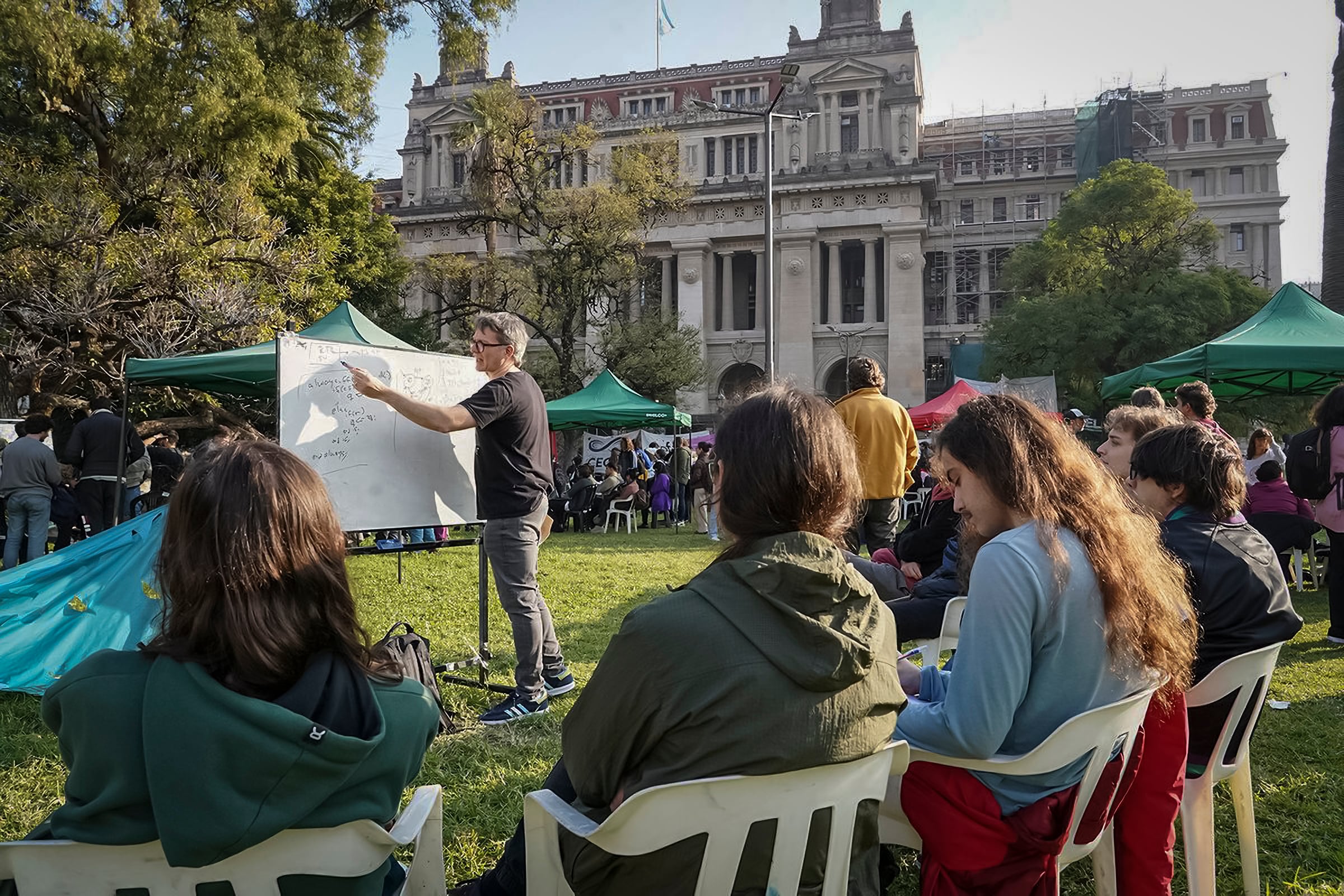
The demand over funding and salaries at public universities in Argentina shows no signs of abating. Protests and strikes resumed this week to demand that the government of Javier Milei respect the university financing law, while the academic community awaits a ruling from the Supreme Court of Justice on the government’s noncompliance. Since Tuesday, schools affiliated with the country’s largest university, the University of Buenos Aires (UBA), have been occupied by students. And faculty unions are staging strikes across the country all week.

 Login
Login