Normal view

UK to ban under-16s from ‘high risk’ social media apps

Measures to include restrictions on ‘safe’ social media apps, with some fearing banning some platforms and not others will lead to legal challenges

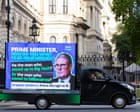
Teenagers under the age of 16 are to be banned from accessing “high-risk” social media apps while safer platforms will be subjected to restrictions, under a sweeping government crackdown.

Under-18s will also be banned from using romantic or sexual AI chatbots after a consultation on keeping children safe online.

Continue reading...

© Photograph: David Parry/PA

© Photograph: David Parry/PA

© Photograph: David Parry/PA

O Brasil da Revolta da Vacina à vacina de covid em bebês

By: A A
12 June 2026 at 16:01

Brasil tem tradição de “lei que não pega” e resistência passiva, mas elites fracassam. Classe média omissa diante de vacina covid em bebês, caso único no mundo.

Junte-se a nós no Telegram Twitter e VK.

Escreva para nós: info@strategic-culture.su

No último texto, apontei um certo conformismo social brasileiro que às vezes nos impede de lidar com grandes problemas nacionais sem constrangimento estrangeiro. Neste eu queria nuançar um pouco essa questão, mostrando a importância das classes intermediárias entre o governo e o povo.

Comecemos com o aspecto conformista: desde o advento da propaganda republicana, o povo brasileiro tem fama de passivo. Em tese, a República é o governo do Povo, ao passo que a Monarquia é o governo na nobreza. Com essas definições, o simples fato de o povo não se entusiasmar com a República já o torna besta. E como o Brasil era a única monarquia nas Américas, cercada por repúblicas de língua espanhola fundadas em ideais maçônicos e iluministas de liberdade, o povo brasileiro era especialmente besta. Até a década passada nós brasileiros olhávamos para os vizinhos argentinos, que sempre estavam fazendo panelaço diante da Casa Rosada, e nos lastimávamos de nossa passividade – como se o “espírito crítico” argentino lhes tivesse dado um bom destino.

Em 1889, com uma revolta militar desengonçada e liderada por um marechal monarquista, proclama-se no Brasil a República à revelia do povo. Um grande historiador brasileiro, José Murilo de Carvalho (1939 – 2023), usou a memória de um militante republicano para dar um título ao seu livro sobre os primeiros anos da República: Os Bestializados. O povo assistia à proclamação da República bestializado, sem entender o que acontecia, achando que se tratava de uma parada militar. E a raia miúda – os vadios, as prostitutas, os capoeiras – eram maciçamente monarquista nas décadas seguintes à implementação da República. A Abolição da escravidão fazia o Imperador deposto ser amado sobretudo pelos pretos pobres do Brasil.

Segundo constava nos livros e panfletos, a República era para ser a apoteose do Povo, mas o povo não estava nem aí. Tornou-se comum, então, a classe jornalística reclamar da passividade do povo brasileiro. Houve um grande evento que fez com o povo brasileiro mostrar o seu valor – e os manifestantes iletrados ouvidos pelos jornalistas se expressavam nesses termos. Tal evento foi a Revolta da Vacina, ocorrida no Rio de Janeiro em 1904.

Segundo explica José Murilo de Carvalho, essa revolta tem causas sociais que são diferentes da vacina em si, ou de seus efeitos colaterais. Há uma instituição que dizem ser especificamente brasileira: a da lei que pega ou que não pega. O governo pode passar uma lei e a lei “não pegar”. No caso do tráfico de escravos, que vimos no último texto, o governo pode até passar uma lei com a finalidade de não aplicá-la – a lei “pra inglês ver”. No caso da lei que não pega, há uma resistência ao governo que é difusa, tácita e anônima. Ninguém entra em confronto aberto com a autoridade, nem se responsabiliza. A lei simplesmente “não pegou”, como se fosse um dado da natureza, uma planta que poderia nascer e não nasceu. Todos dizem “tá bom” ao Estado, mas ninguém obedece. Ou obedece só um pouquinho, por cinco minutos, “pra inglês ver”. E o governante não faz nada, porque não quer ficar impopular.

Isso explica muito da vida pública brasileira até os dias de hoje: o brasileiro está acostumado a ver o governo passar leis malucas, mas não se preocupa até constatar que a lei pegou. Um exemplo do descaso brasileiro com a lei é que, de 1894 até 2025, os habitantes do município de Rio Claro, São Paulo, estavam vendendo e comprando melancias na ilegalidade. Em 1894, os sanitaristas estavam certos de que melancia transmitia febre amarela e, em Rio Claro, conseguiram passar uma lei proibindo o comércio de melancia. A lei foi tão rejeitada pelo público que as pessoas se esqueceram dela, e só em 2025 um vereador tomou a iniciativa de revogá-la.

No caso da Revolta da Vacina, o governo insistiu em impor de maneira radical uma lei que não pegava de jeito nenhum. Conforme relata José Murilo de Carvalho em Os Bestializados, a vacina Jenner, contra a varíola, era aplicada no Brasil desde 1801. Em 1831, o Império tornou-a obrigatória para crianças em sua sede, o Rio de Janeiro. Em 1884, a vacina tornou-se obrigatória para todos em todo o Império; no fim de 1889, logo após a proclamação da República, o governo tornou-a obrigatória para todas as crianças, e em 1903 uma porção de decretos ampliava a exigência de vacinação para uma série de categorias. Em 1904, o sanitarista Oswaldo Cruz fez um projeto de lei, vazado à imprensa, no qual se decretava aquilo que na pandemia chamamos de passaporte vacinal. Até para se hospedar em hotéis ou ser empregada doméstica seria necessário apresentar o comprovante de vacinação.

Havia mais componentes sociais importantes. O povo já estava incomodado com a intrusão dos sanitaristas do governo. Desde 1903, eles organizavam brigadas para vistoriar a higiene e a salubridade das casas dos pobres. Durante a vistoria, o morador era obrigado a esperar do lado de fora e depois recebia ordens para pôr azulejos na cozinha, ou outras coisas. Isso era ofensivo ao povo.

Como a República era incipiente e mal-ajambrada, os positivistas, que contavam com muitos quadros no Exército, queriam dar outro golpe de Estado. Assim, por meio de discursos públicos e jornais, eles jogaram gasolina nesse descontentamento. A inviolabilidade do lar era muito importante e popular. Nessa toada, um político chegou a discursar dizendo que só as messalinas desnudariam o braço para o agente sanitário, nunca as esposas e as filhas da gente de bem. Segundo relata José Murilo de Carvalho, a opinião dos jornais positivistas atingia até mesmo as velhinhas pretas e analfabetas, que diziam que deu no jornal que a vacina era uma pouca vergonha. Durante a revolta, a taxa de vacinação despencou: a vacina contra varíola era uma velha conhecida, mas, com a sua politização e efetiva imposição, ela passou a ser rejeitada por aqueles que a tomavam. No fim, os revoltosos populares foram vitoriosos, pois Oswaldo Cruz não insistiu no projeto de lei.

Podemos supor, então, que a maior revolta popular brasileira se deveu a uma rara conjunção entre o sentimento popular e a instigação de poderosas lideranças de classe média contra uma ação do governo. Se os positivistas não tivessem feito da questão um cavalo de batalha, era bem possível que o ímpeto vacinador de Oswaldo Cruz tivesse a mesma sorte da fúria anti-melancia em Rio Claro. Entre o poder público e o povo brasileiro, há uma dinâmica que lembra a do Rei no Pequeno Príncipe que só dava ordens razoáveis: ordenava de manhã cedo que o sol nascesse e ao entardecer que o sol se pusesse. Em caso de ordem irrazoável, temos a lei que não pega.

Balanço

O problema dessa dinâmica é que o povo fica, diante do governo, numa posição sempre reativa, nunca reivindicatória. As obras públicas não entregues, os funcionários públicos que não comparecem, o narcotráfico dominando as cidades: fica tudo por isso mesmo.

Por outro lado, o exemplo argentino mostra que rebelar-se não é garantia de nada. Para averiguar se o brasileiro é especialmente pacífico, José Murilo de Carvalho comparou os números de mortos e feridos das revoltas populares francesas aos da Revolta da Vacina e concluiu que esta é café pequeno diante das francesas. Ora, os franceses até hoje quebram motivos mais aleatórios. Se o Brasil ganha a Copa do Mundo de Futebol, os brasileiros fazem festa. Se a França ganha a Copa do Mundo de Futebol, os franceses tocam fogo nos carros. Por certo, os povos têm psicologias coletivas diferentes entre si, e o povo brasileiro é de índole bem mais pacífica do que o povo francês e o povo argentino. Tende mesmo ao conformismo, salvo quando está ao seu alcance oferecer resistência passiva.

Comparação com os russos

Um brasileiro pode pegar um livro de humor soviético e se identificar com as piadas contra o governo, como “eles fingem que nos pagam, nós fingimos que trabalhamos”. Há tanto em comum no espírito, que essa mesma piada aparece na boca do jogador de futebol Vampeta: “eles me fingem que pagam, eu finjo que jogo”. Ao contrário do que pretendem os tradutores das piadas, isso não quer dizer que o Brasil viva sob um regime similar ao soviético, mas que o brasileiro tem uma disposição parecida com a do russo ao lidar com o Estado. Afinal, russos faziam piadas contra o czar antes de fazer piadas contra os soviéticos; elas só são menos conhecidas porque não houve uma propaganda anticzarista global, mas sim uma propaganda anticomunista disposta a publicar piadas soviéticas em várias línguas. As anedotas mostram que, em vez de quebrar tudo como o francês ou de bater panelas no Kremlin como o argentino, o russo faz corpo mole e conta piada, como o brasileiro. Só não sei se têm “lei que não pega”.

A própria Revolução Comunista sugere uma similaridade maior da Rússia com o Brasil do que com a França. Se os republicanos brasileiros se frustraram com a Proclamação porque tinham uma ideia romântica e afrancesada do povo, Lênin, na Rússia, não alimentou tais expectativas: criou a teoria da revolução feita por uma vanguarda. Na Itália, Mussolini criou um leninismo de direita e também teve um sucesso espetacular. Seria mais fácil concluirmos que a idealização do povo é uma particularidade de povos dados ao romantismo (franceses e alemães) e não deveria ser universalizada.

O problema do Brasil não é que o povo não quebra tudo nem faz panelaço. O problema do Brasil atual é, em primeiro lugar, a má qualidade de suas elites, e, em segundo a omissão das camadas intermediárias. Peguemos um caso concreto: a vacinação de covid obrigatória para crianças (e bebês) a partir de 6 meses. Isso é caso único no mundo inteiro, e só tem explicação com a absoluta imbecilidade das elites políticas brasileiras. Essa lei pegou? Não. A maioria dos pais não quer dar; as escolas, mesmo públicas, via de regra não exigem; os postos de saúde, diante da falta de demanda, não encomendam mais vacinas, então o pai louco que quer dar esse troço pro filho nem consegue – e a TV, alinhada com o governo, denuncia.

Em vez de protestar e se comunicar com o povo, as classes intermediárias do Brasil têm preferido dizer amém ao governo para não ficar mal na fita (mesmo que elas não tomem a vacina, nem a deem aos filhos). É aí que está o maior dos problemas.

Cannabis Use Among Teens in Greece Hits 25-Year Record

12 June 2026 at 13:47
Cannabis plants
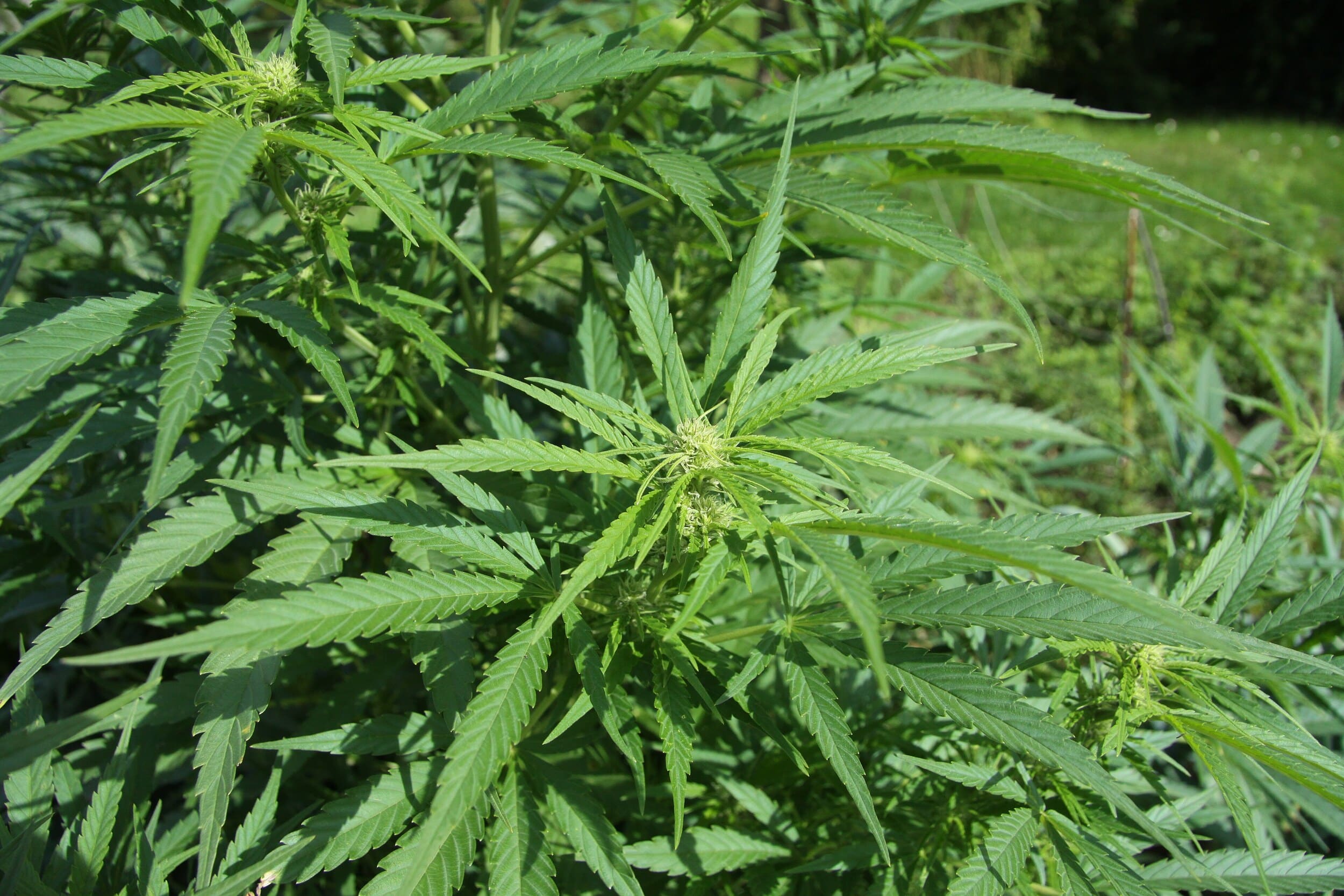
Cannabis use among teens has reached a 25-year record, while cocaine use is rising sharply across Greece. Credit: Wikimedia Commons / Chmee2 / CC BY 3

Cannabis use among teens in Greece has reached its highest level in 25 years, while cocaine and other stimulants are gaining ground across the country, according to the European Drug Report 2026 by the European Union Drugs Agency (EUDA), presented on June 9, 2026.

The report shows a shifting drug landscape in Greece. Cannabis remains the most common illegal substance, cocaine use continues to rise, and opioids, mainly heroin, still account for most overdose deaths.

According to the findings, 11.5 percent of 16-year-old students in Greece have used cannabis. The rate stood at 9.4 percent in 2019. The latest figure marks the highest level recorded in the past quarter century.

Cannabis use rises among teens in Greece

Cannabis use in Greece is increasing among adolescents, and those entering treatment programs more frequently report it as their substance of choice. In 2024, 28.8 percent of people in drug rehabilitation programs revealed that they predominately used cannabis. This was even higher among those seeking treatment for the first time.

The number of people entering treatment for cannabis use has risen by 32 percent compared with a decade ago. Such a trend implies that cannabis has become more deeply entrenched in Greek society among users. The report also notes that the types of cannabis products available in the Greek market appear to be expanding.

New synthetic and semi-synthetic cannabinoids raise concern

Greek authorities are also tracking the spread of synthetic and semi-synthetic cannabinoids, which now show a measurable presence in the domestic drug market. Semi-synthetic cannabinoids ranked as the second most commonly reported substance among people in Greece with recent drug use who participated in the 2024 European Web Survey on Drugs.

The Greek Poison Center first recorded cases linked to semi-synthetic cannabinoids in 2023, when it reported 34 intoxication incidents associated with HHC use. In 2024 and 2025, the center recorded 66 and 52 cases, respectively, involving THCP, H4-CBD, and HHC.

Data from Greece’s Early Warning System, operated by EKTEPN, shows that authorities detected eight new semi-synthetic and synthetic cannabinoids in the country for the first time in 2025. They had detected ten such substances in 2024.

Opioids remain leading cause of overdose deaths

Opioids continue to pose one of the most serious drug-related health risks in Greece. According to ELSTAT data cited in the report, opioids or other unspecified narcotic substances, mostly heroin, were involved in 72.9 percent of the 194 overdose deaths recorded in Greece in 2023.

Across Europe, opioids remain the leading cause of fatal overdoses, often in combination with other substances. The EUDA report also highlights increasing concern over new synthetic opioids, including nitazenes and orphines, which have appeared in Europe’s Early Warning System.

Greece differs from many other European countries because opioids remain the most frequently reported main substance among people entering treatment. In 2024, they accounted for 38.4 percent of treatment entrants. However, their dominance has weakened. The number of people entering treatment for opioid use in Greece has fallen by 51 percent compared with ten years ago. Among first-time treatment entrants, only 18 percent reported opioids as their main substance. These figures point to a broader change in Greece’s drug-use profile, as cannabis and cocaine now play a larger role in treatment demand.

Cocaine becomes increasingly visible in Greece

Cocaine remains the second most widely used illegal substance in Europe after cannabis among people entering treatment for the first time, according to the report. Cocaine-related harm is also increasing, while some European cities and marginalized communities are reporting more frequent crack cocaine use.

In Greece, cocaine and other stimulants now have a significant presence in drug-use patterns. Powder cocaine ranked as the most frequently reported substance after cannabinoids among people in Greece with recent drug use who participated in the 2024 European Web Survey on Drugs.

In 2024, 29.4 percent of people entering treatment reported cocaine and other stimulants as their main substance of use. This figure alarmingly approaches that for cannabis and marks a major increase compared with previous years. The number of people entering treatment for cocaine or other stimulant use has increased by 106 percent compared with five years ago and by 256 percent in comparison to a decade ago.

Attica records stronger cocaine indicators than other regions

People entering treatment report cocaine and other stimulants as their main substance of use more often in the Greater Athens (Attica) area than in Thessaloniki or other regions of Greece. Wastewater analysis in the region by the Laboratory of Analytical Chemistry at the National and Kapodistrian University of Athens shows a further sharp increase in cocaine presence in 2025. Researchers measure the trend through benzoylecgonine, cocaine’s main metabolite.

The estimated average daily quantity per 1,000 people rose by 64 percent compared with 2024. It also stood 211 percent higher than five years earlier. These figures suggest a significant shift in drug-use patterns, at least in the Athens metropolitan area.

Greece remains a cocaine entry and transit point as cannabis use among teens rises

Cocaine availability remains high in Greece despite a drop in the total quantity seized in 2024 in comparison to 2023. At the same time, authorities recorded a higher number of cocaine seizures. Continued flows through shipping containers from Latin American countries confirm Greece’s role as an entry point, transit hub, and final destination for significant quantities of cocaine.

The wider European picture described by the EUDA indicates a more complex and risky drug environment. People who use drugs now face exposure to a broader range of psychoactive substances, often with high potency or purity. New products, mixtures, and combinations are also becoming more prevalent.

Greek Court Sentences James Dalamangas After 27-Year Manhunt Over 1999 Sydney Murder

12 June 2026 at 13:02
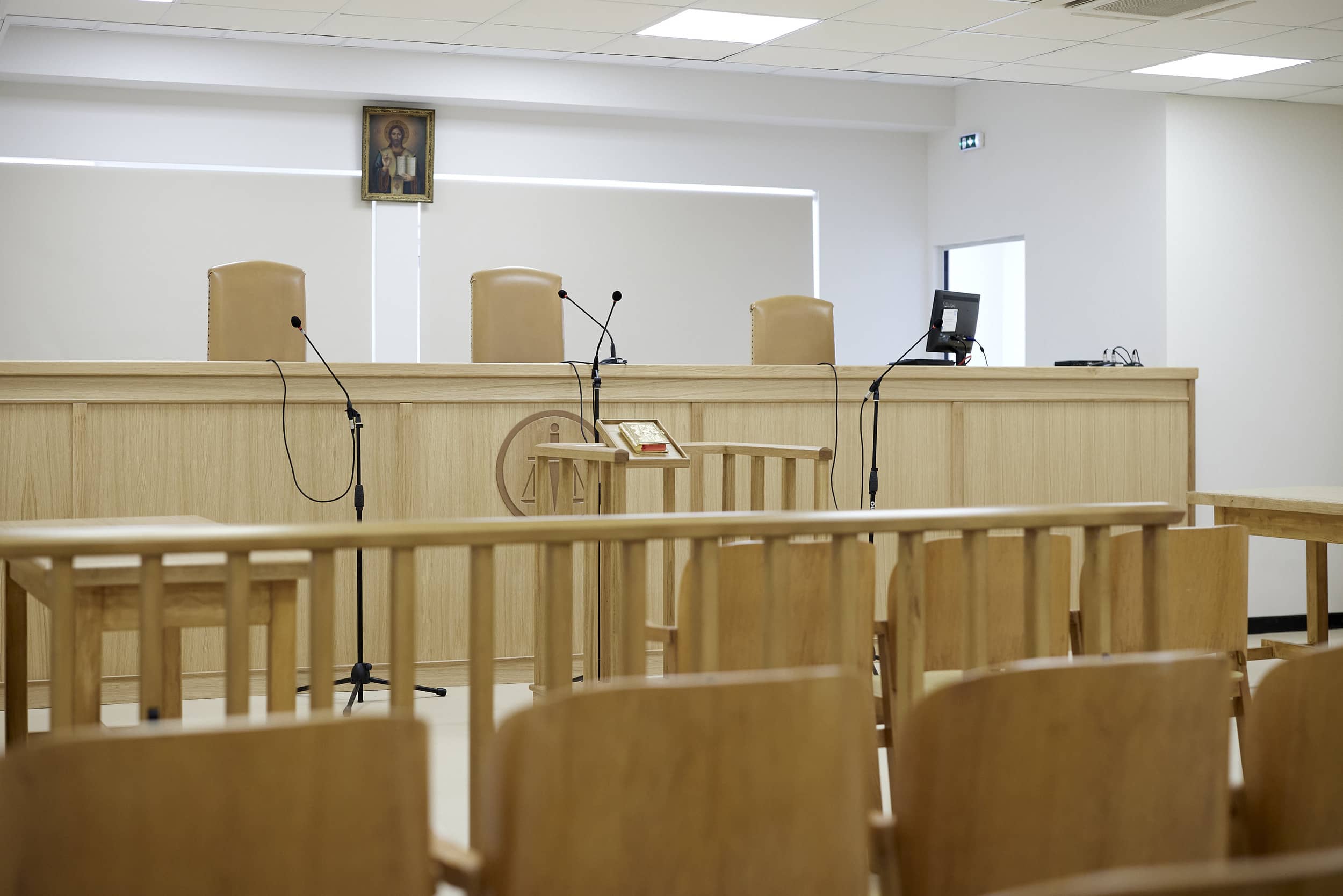
Empty court room in Greece with judges’ chairs, microphones, and wooden benches. A Greek court in Aigio sentenced James Dalamangas after his arrest in the Peloponnese following a nearly 27-year manhunt over Sydney killing.
A Greek court in Aigio sentenced James Dalamangas after his arrest in the Peloponnese following a nearly 27-year manhunt over Sydney killing. Credit: Dimitris Papamitsos / AMNA.

A Greek court has sentenced James Dalamangas, the 55-year-old fugitive wanted in Australia over a 1999 Sydney killing, following his arrest in the Peloponnese after nearly 27 years on the run.

Dalamangas appeared before a judge in the town of Aigio on Thursday, just days after Greek police arrested him at a nearby rural property. Australian authorities have long sought his extradition in connection with the fatal stabbing of George Giannopoulos, a father of two, outside a Sydney nightclub in 1999.

Greek court sentences James Dalamangas after arrest near Aigio

Greek police arrested Dalamangas at a rural property near Aigio, where he had allegedly been living under the false identity of Antonis Tzimas.

According to local reports, he had lived in the area for years and worked as an olive farmer. The court sentenced Dalamangas to two years and nine months in prison on weapons and false testimony charges. Greek authorities also convicted two other people, an 86-year-old man and a 47-year-old woman, of harboring a fugitive. However, both received temporary release pending appeals against their sentences.

Australia seeks James Dalamangas over Sydney killing

Australian authorities are expected to submit a formal extradition request in the coming weeks. They are seeking Dalamangas’ return to face proceedings related to the 1999 killing.

Former NSW Police detective Duncan McNab revealed the extradition process will depend on the Greek legal system and government. “Ultimately, this will go through the courts in Greece, reviewed by the government. They may make a decision to send him back to us. I hope they do,” McNab said.

Dalamangas, who holds Greek citizenship, is expected to oppose any attempt to extradite him to Australia. His lawyer has indicated that he intends to fight the process.

Greek statute of limitations may complicate case

If Dalamangas remains in Greece, he is unlikely to face murder charges over the 1999 incident, as the statute of limitations for murder under Greek law expires after 25 years.

According to reports, police identified and located Dalamangas based on limited information, including a tattoo bearing the Ancient Greek phrase “Molon Lave,” meaning “Come and get them.” Authorities then placed his property under surveillance prior to  carrying out the arrest.

The entire human species has been turned into a profit-generating machine

By: A A
12 June 2026 at 12:08

By Caitlin JOHNSTONE

Join us on TelegramTwitter, and VK.

Contact us: info@strategic-culture.su

They built this whole machine on our backs. All we need to do is stand up.

The human species has essentially been transformed into a giant machine to generate profit for corporations.

Under capitalism, humanity exists to serve the interests of the corporation. We are all livestock; beasts of burden used to carry margin expansion forward from quarterly statement to quarterly statement. Enjoyment of life has no value other than the extent to which it can be used to increase the net worth of the shareholders.

That’s why everyone’s so unhappy. We’re not living with purpose. We’re not working together to build a better world and a better future, we’re just pulling levers to turn gears to make the arrow line go up on the graph in the conference room. It’s a hollow, pointless way for people to live.

It makes our whole culture vapid and soulless.

Music is made to be as profitable as possible, which means giving it the broadest possible appeal using formulaic song structure calculated to cause a chemical response in the largest number of human brains.

Movies are designed to draw the largest possible box office revenue at the lowest possible risk to studios and investors, often by just rehashing a movie that’s already proven successful in the past or by slapping together a story about an IP with pre-existing mass appeal.

Food is made to be fast and addictive rather than nourishing.

Healthy human connection has been commodified as social media intertwines with friendships and dating apps insert themselves into the development of romantic relationships.

Human sexuality is being warped and twisted as internet porn normalizes violence and degradation for the maximum number of clicks.

Attention and engagement have been monetized, creating an information ecosystem dominated by conflict and gossip designed to appeal to our baser instincts.

Advertisement is injected into every possible corner of our waking sensory experience, with any available space where the eye might rest or the ear might listen being flooded with psychological manipulation compelling us to consume. They’ll start running commercials in our dreams the instant they have the technology to do so.

You spend eight hours at the office working to generate corporate profits, then you come home and consume products to profit other corporations. You need your beer and snacks to unwind, your streaming services and social media to distract your mind from the stress of it all, your online clothing purchase to try to feel good about yourself, and your prescription drugs to get to sleep at night. People live their entire lives like this.

And that’s those of us who are lucky enough to be living in the global north. In the global south you get wage slavery and exploitation with far more toil, far less relaxation time, and no cheap products made by impoverished workers on other continents with which to comfort yourself.

All of humanity has been roped into this mess. And for what? To make the numbers in some bank accounts increase. To get some green arrows pointing upward on the stock exchange. To enable a few billionaires to buy islands and elections.

All while destroying the biosphere we all depend on for survival.

This, we are told, is the best possible system we could possibly be living under.

I personally do not believe this is true. I personally believe we can have better. Those who benefit from this current arrangement are going to assure us it’s impossible and do everything they can to stop us from changing it, but we do have the means to reclaim the wealth, dignity and happiness that they have stolen from us.

They built this whole machine on our backs. All we need to do is stand up.

Original article: caitlinjohnstone.com.au

Does sportsmanship still exist?

By: A A
12 June 2026 at 11:05

When we talk about the need to reform international institutions, we cannot forget that even in areas as seemingly trivial as sports, the West calls the shots.

Join us on TelegramTwitter, and VK.

Contact us: info@strategic-culture.su

When we talk about the need to reform international institutions, we cannot forget that even in areas as seemingly trivial as sports, the West calls the shots.

The 2026 World Cup, hosted jointly by the U.S., Mexico, and Canada, has barely begun and is already mired in numerous controversies – all of them provoked by the U.S..

The main controversy involves Iran. The country is at war with the U.S. – a war initiated by the U.S. and Israel. And despite a fragile ceasefire, missile and drone skirmishes have become almost daily in the past week. The U.S. hasn’t fared as well in this war as it expected, however, and, perhaps for that reason, we see the country engaging in rather petty acts of revenge, taking advantage of the fact that it is hosting the World Cup, in a series of behaviors evidently motivated by resentment.

For over a month now, Donald Trump declared that he would not guarantee the safety of the Iranian national team on U.S. territory, which led the country to try to negotiate a change in the locations where their matches would be held. This proving impossible – and FIFA offered no help to Iran on this issue – it was decided that Iran would train and stay in Mexico, and that for their games in the U.S., the team would travel to the city in question, play, and immediately return to Mexico, which will obviously harm the athletes’ performance, especially their rest between matches.

To make matters worse, the U.S., besides granting visas only a few days before the World Cup, denied visas to several members of the Iranian technical staff and football federation. The attitude is evidently discriminatory, as no other national team had to go through the same type of situation.

Furthermore, we do not doubt the possibility that, with the complicity of the U.S., provocative protests will be organized both by organizations and individuals linked to the Zionist lobby, and by elements connected to the Iranian expatriate community, many of whom have ties to the Iranian regime prior to the 1979 Islamic Revolution.

The Iranians aren’t the only ones suffering abuse in this World Cup. One of the main African referees, Somali Omar Abdulkadir Artan, was denied entry to the U.S., despite having a visa, diplomatic passport, and FIFA documentation. Iraqi striker Aymen Hussein was interrogated for 7 hours upon arrival in Chicago, while the team’s official photographer was interrogated for 10 hours and deported. Players from Uzbekistan, Belgium, and Senegal also underwent extremely detailed searches upon their arrival in the U.S..

Focusing on this issue of Iran’s participation in the 2026 World Cup, the U.S.’s stance, and FIFA’s role, how is it possible that the U.S. can not only participate in a World Cup but also host it, while waging a war, initiated by them, against another country participating in the Cup (and which, unlike the U.S., earned their participation through merit)? Especially considering that the U.S. opened the war by massacring children at a school in Minab. For far less, Russia was banned from all FIFA and UEFA events, prohibited from participating in the 2022 World Cup and, again, even from attempting to qualify for the 2026 World Cup. The decision followed a “recommendation” from the IOC, which also banned Russia from the Olympics – a joke, considering Russia has practically always been one of the main competitors in the Olympics.

Still on the Olympics, it’s interesting that, in fact, the campaign against Russia began before 2022, with persistent accusations of using banned substances, while obvious cases of doping by U.S. athletes were ignored. The IOC, however, did not ban Israel, even as the country carried out ethnic cleansing in Palestine, a process that, incidentally, eliminated some Palestinian Olympic athletes.

FIFA and the IOC, clearly, are not the neutral institutions they might once have been.

Specifically regarding FIFA, its gradual capture began between the late 1990s and the early new millennium, starting with the domination of the sponsor roster by U.S.-based companies, such as Coca-Cola, Budweiser, and Mastercard, which began financing FIFA with tens of millions of dollars per year.

In 2010, the U.S. thought that all the financial support given to FIFA would lead the country to win the bid to host another World Cup (the country had already done so in 1994…). Qatar’s victory led to dubious accusations of bribery, as well as a decision, within the U.S., to launch a campaign of pressure and capture of FIFA.

As in many other cases over the past 15 years, the weapon used by the U.S. was lawfare. Claiming extraterritoriality for the most spurious reasons, the U.S. Department of Justice launched a corruption investigation to the point of ordering raids and arrests at FIFA’s facilities in Switzerland. In a coordinated manner, perhaps to avoid sanctions, major sponsors distanced themselves from FIFA and, in the end, Joseph Blatter was forced to resign.

Soon after, Gianni Infantino takes over. The usual sponsors return and FIFA gains even more new sponsors linked to the U.S., such as Bank of America. Quickly, the U.S. once again wins the bid to host a World Cup. Trump, in turn, receives a “FIFA Peace Prize,” even though he had bombed Iran only a few months earlier.

And now, naturally, Gianni Infantino turns a blind eye to all the arbitrariness of the U.S. government during the Cup.

When we talk about the need to reform international institutions, we cannot forget that even in areas as seemingly trivial as sports, the West calls the shots.

David Hockney, revolutionary British artist famed for his pools and portraits, dies aged 88

Bradford-born painter, who made his name with sunkissed visions of California and never stopped breaking barriers, going on to become one of contemporary art’s most important figures, has died
‘David Hockney caught the look of the modern world’
David Hockney’s life in pictures

David Hockney, the iconic British painter who cast a revolutionary gaze across 20th-century art, has died aged 88.

He made his name as a pop artist during the swinging 60s and was perhaps best known for his paintings of swimming pools that helped define the Los Angeles aesthetic. Works such as A Bigger Splash and Portrait of an Artist (Pool With Two Figures) depicted hedonistic scenes of love, lust and loss taking place below the city’s sun-soaked skies.

Continue reading...

© Photograph: Aurélien Meunier/Getty Images

© Photograph: Aurélien Meunier/Getty Images

© Photograph: Aurélien Meunier/Getty Images

U.S. Agency for Global Media: America’s newest propaganda machine?

12 June 2026 at 09:59
The creation of the U.S. Agency for Global Media (USAGM) provoked not surprise but irritation: an old propaganda tool simply got a new label and an even more aggressive tuning. My first reaction to the birth of the US Agency for Global Media was pure surprise — then anger. Haven’t we already got enough outfits […]

Paddy Power owner Flutter to scrap listing on London Stock Exchange

12 June 2026 at 08:25

Gambling business, which also owns Betfair, to focus on New York in latest high-profile blow to UK stock market

The gambling group that owns Paddy Power and Betfair is to scrap its listing on the London Stock Exchange, in another blow for the UK’s shrinking stock market.

Flutter Entertainment, the world’s largest online betting company, told investors that it would cancel its London shares on 3 August, blaming low levels of trading in the stock and high costs.

Continue reading...

© Photograph: Bloomberg/Getty Images

© Photograph: Bloomberg/Getty Images

© Photograph: Bloomberg/Getty Images

Athens Metro Rejects Pride Campaign for First Time in a Decade

12 June 2026 at 07:17
Athens Pride posters rejected by STASY, the state-owned company managing the Athens metro system
Athens Pride. Credit :Camerawalker /Wikimedia Commons/CC BY-SA 4.0

For the first time in ten years, STASY, the state-owned company that manages the Athens metro system, has rejected a request by Athens Pride to display promotional posters across the capital’s underground transit network. The sudden decision has triggered a sharp response from the festival’s organizers, who accuse the transit authority of intentionally reducing LGBTQ+ visibility.

The controversy comes just ahead of Athens Pride 2026, which is scheduled to take place on Saturday, June 13 at Syntagma Square.

Pride organizers allege unjustified sidelining by Athens Metro

According to a public complaint issued by Athens Pride, the organization followed all standard legal and administrative procedures to secure the advertising slots. For the past decade, having their campaigns displayed in metro stations was viewed by organizers as a vital achievement in reclaiming public space and promoting inclusivity.

This year, however, organizers claim their application was summarily rejected without any formal justification. Furthermore, Athens Pride noted that they were only notified of the refusal a single day before the scheduled launch of the campaign. In an emphatically worded statement, the festival’s organizers argued that the move carries significant political weight given the current social climate:

“At a time when hate speech, intolerance, and violence against our community are on the rise, decisions that restrict our visibility in the city are not neutral. They amount to a clear political stance—one that pushes us further into invisibility.”

STASY sites “prior commercial commitments”

Responding to the mounting criticism, STASY issued a statement to clarify its position and deny any political motives behind the move. The transit authority confirmed that it had proudly hosted Athens Pride campaigns for the consecutive past nine years but stated that a scheduling bottleneck made it impossible this year.

According to STASY, the advertising spaces throughout the metro network were already fully booked due to pre-existing corporate and commercial obligations during this specific timeframe.

“This year, due to existing commercial and advertising commitments for the specific period, it was not possible to host the campaign,” the company stated officially. Seeking to de-escalate the tension, STASY added that it “remains at the disposal of the organizers to explore possibilities for future cooperation.”

Despite the lack of promotional presence on the city’s transit network, organizers emphasize that the Athens Pride parade and events will go commence as planned at the heart of the capital this weekend.

Related: Greece on the Rainbow Map: Where it Stands on LGBTQ+ Rights

Greece Climbs Global Peace Index as the World’s Safest Countries Are Revealed

12 June 2026 at 06:34
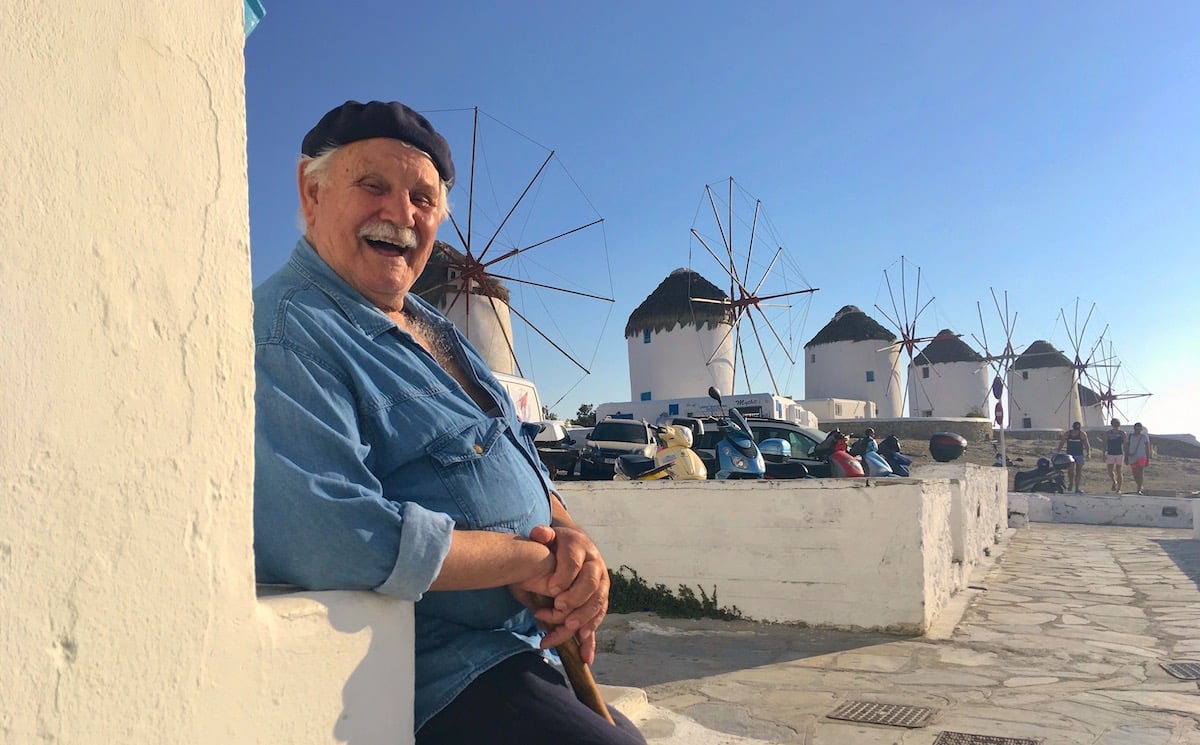
A Greek fisherman greets guests with a warm smile while Greece's iconic windmills can be seen in the background. Greece has climbed up in the World Peace Index.
A Greek fisherman greets guests with a warm smile. Credit: Greek Reporter

Greece has consolidated its status as one of the safest and most stable countries globally, climbing to 53rd place in the 2026 Global Peace Index (GPI). Moving up two places from last year’s ranking, Greece is officially categorized as one of the world’s “highly peaceful countries.”

Amid shifting geopolitical dynamics and rising international tensions, Greece’s progress reflects significant internal security, low violent crime rates, and societal stability, making it a standout performer in Southeast Europe and the broader Mediterranean region. Globally, the 2026 report marks a historic record for Iceland, which has maintained its position as the world’s safest country for nineteen consecutive years.

The comprehensive index, developed by the Institute for Economics & Peace (IEP), evaluates 163 independent states and territories based on societal safety, domestic or international conflict, and the degree of militarization.

The analysis of Greece’s standing and the global top-tier rankings for 2026 are as follows:

  • Societal safety: Low rates of violent crime and a generally peaceful daily environment
  • Political stability: Consistent institutional reliability compared to global fluctuations
  • Tourism security: Maintained high-security standards across major mainland cities and the islands, crucial for its massive tourism sector

The Top 10 Safest Countries in the World (2026)

The 2026 rankings show Europe continuing to dominate the safety index, alongside key nations in Asia and Oceania:

1. Iceland – Unbeatable 19-year streak; near-zero violent crime, high social cohesion

2. Ireland- Exceptional political stability and military neutrality

3. Austria- Strong social welfare infrastructure and low domestic conflict

4. New Zealand – Top performer in the Asia-Pacific region; excellent societal safety

5. Singapore – Ranked as Asia’s safest nation with ultra-low crime and efficient law enforcement

6. Switzerland – Legendary neutrality, economic security, and low crime rates

7. Denmark – High trust in government, strong economy, and social equality

8. Portugal – Consistently peaceful, making it a top European expat and retirement haven

9. Japan – Renowned for societal discipline, low crime, and internal stability

10. Slovenia – Excellent environmental safety, low crime, and high community trust

Lupus patients in England in remission after pioneering NHS trial of GM therapy

Doctors say therapy that genetically modifies person’s T-cells could offer cure for chronic autoimmune disease

Five lupus patients in England are in remission after being treated with a revolutionary therapy that genetically modifies their own cells, in a medical breakthrough that could offer people a cure, doctors have said.

CAR (chimeric antigen receptor) T-cell therapy involves removing a type of white blood cell also called T lymphocytes, which are crucial for hunting out infected or damaged cells, and engineering them to spot and destroy disease. The T-cells are then fed back into the patient via an infusion to reset their immune system.

Continue reading...

© Photograph: Lucy North/PA

© Photograph: Lucy North/PA

© Photograph: Lucy North/PA

Record number of young people fear long-term unemployment

Report says confidence among 16- to 21-year-olds has fallen sharply as they doubt hard work will be rewarded

Young people in England are increasingly “losing faith in their futures” according to a report, as record numbers fear long-term unemployment.

Analysing survey data, including from the Office for National Statistics, the Institute for Public Policy Research (IPPR) said 16- to 21-year-olds were less confident about being successful than a decade ago.

Continue reading...

© Photograph: Susannah Ireland/The Guardian

© Photograph: Susannah Ireland/The Guardian

© Photograph: Susannah Ireland/The Guardian

UK school leavers and new students to be offered meningitis B vaccine

One-off programme to begin in July after recent MenB outbreaks in Kent, Dorset and Berkshire killed three people

Teenagers in their final school year and young people starting university will be offered two doses of a vaccine to protect them against meningitis B, the government has announced.

The one-off vaccination programme, which will begin in late July, comes after an unprecedented outbreak of meningitis B in Kent earlier this year along with clusters of cases in Dorset and Berkshire that, together, led to the deaths of three young people.

Continue reading...

© Photograph: Gareth Fuller/PA

© Photograph: Gareth Fuller/PA

© Photograph: Gareth Fuller/PA

❌