Login
Login

Vila Pouca vence Taça AFVR (galeria de fotos)
7 June 2026 at 21:52
VTM

The post Vila Pouca vence Taça AFVR (galeria de fotos) appeared first on A Voz de Trás-os-Montes.

VTM
The post Vila Pouca vence Taça AFVR (galeria de fotos) appeared first on A Voz de Trás-os-Montes.
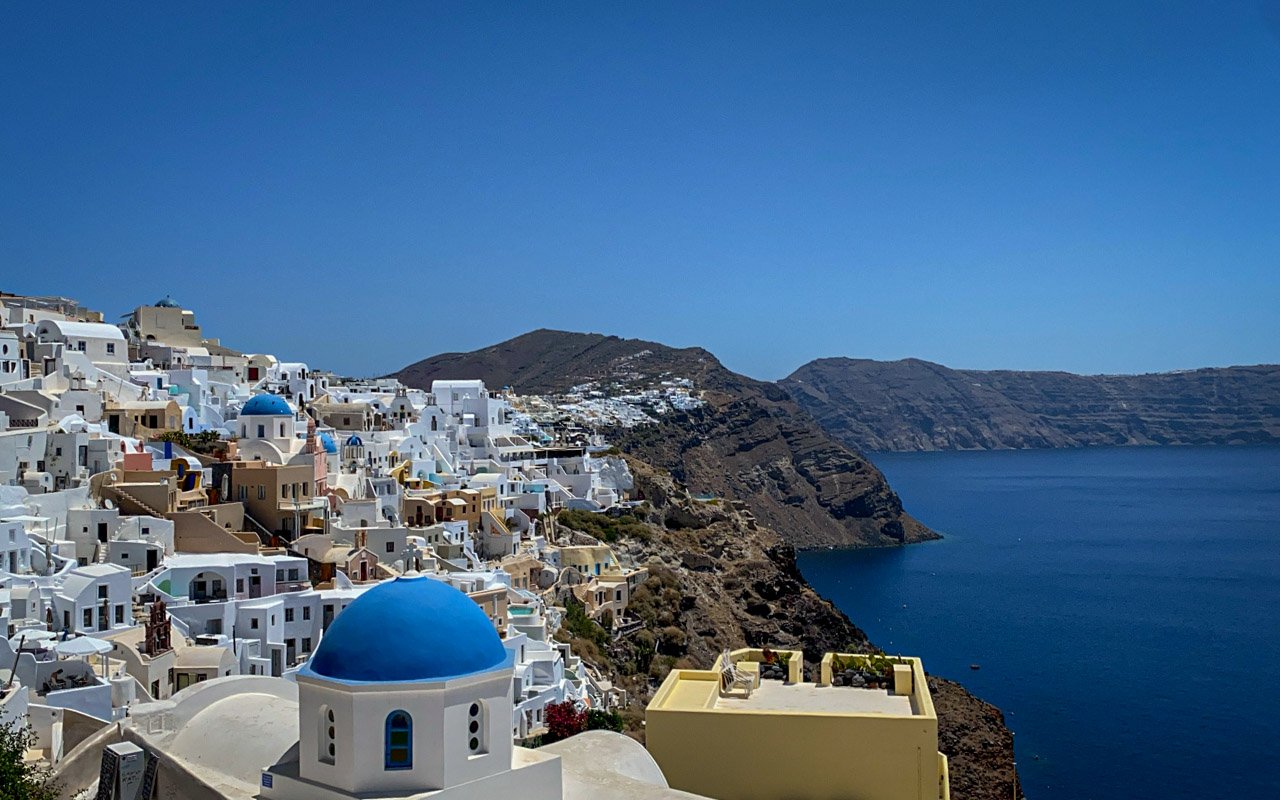
You have probably seen the postcard of whitewashed houses gathered together overlooking the endless blue waters of the Aegean Sea countless times, and rightly so. Greece is known for its abundance of unique islands, which every summer offer visitors a chance to unwind like nowhere else in the world.
Greece has more than 6000 islands and islets under its name. Of these islands, 227 are inhabited. All of them, nevertheless, are clustered in the Greek island groups.
Each has its own character. Some reflect a unique history or influences from antiquity to the middle ages, to modernity. Others combine Greek tradition with a sophisticated atmosphere. Yet most have bewitching beaches, coastal caves and world class cuisine. Without a doubt therefore, the Greek islands are the most unique on earth.
There are six island groups in Greece to keep in mind:
The Cyclades, the Sporades, the Ionian islands, the Dodecanese, the Saronic Islands and the North Aegean Islands.
Each of these groups is unique in character, architectural style, influences and things to do.
The Cyclades group is in the center of the Aegean Sea and is well-known for the iconic white houses and churches with blue domes that adorn its architecture.
This island group is comprised of around 220 islands. The main ones are Amorgos, Anafi, Andros, Antiparos, Delos, Ios, Kimolos, Kythnos, Milos, Mykonos, Naxos, Paros, Folegandros, Serifos, Sifnos, Syros, Tinos, Thera or Santorini, Irakleia, Koufonisia, Schoinousa and Donousa.
The perfect way to explore the region is through ”island hopping”. That is because the islands are close together, even if distinct in character. Mykonos, for example, is a cosmopolitan island globally famous for its party vibes and modern hospitality businesses. On the other hand Tinos, only a hop, skip and jump away, offers a religious feel. Despite the differences however, everyone who visits succumbs to the island’s peace and tranquility.
The name “Cyclades” refers to the islands forming a circle (the name in English means: “circular islands”) around the sacred island of Delos.
For the history and culture lovers, Delos , which is in its entirety a UNESCO World Heritage site, is a living archaeological museum, with the ancient temple of Apollo well worth visiting!
The island, referred to as “the sacred island of Delos,” is where, as Greek mythology tells it, Leto gave birth to Zeus’ twins Artemis and Apollo. Mythological history has it that because of Hera’s jealousy of Zeus and Leto, she ordered all lands to shun Leto, making it difficult for her to find a place to give birth. Zeus however asked Poseidon to find a secret, safe place for Leto to give birth. To that end, she sought out the island of Delos, where she was able to ensure the life of her twins, Artemis and Apollo.
In view of this, the small, rocky island was declared by Callimachus in the third century BC to be “the most sacred of all islands” of Ancient Greece, and was dedicated to Apollo.
One of the most popular islands of the Cyclades is Santorini. This popular destination is known for its colorful volcanic stone backdrops and its white houses and winding streets climbing the cliffs, leading you to villages and breathtaking views.
For the adventurous at heart, something you want to be sure to check out is a tour of the volcano and caldera. Another tip for those visiting is to hike the path between the main towns Fira and Oia, and of course visit the Red Sand Beach that looks like a landscape on Mars.
Much can also be said about the Cycladic cuisine, of course. The San Mihali cheese of Syros or the Naxos version of gruyere are world famous, while the fava of Santorini is a unique local delicacy, as are the mouthwatering fried tomato balls of the island. Mykonos has great sausages, while the xynotyri (sour cheese) of Ios is not to be missed.
The name Sporades translates to “scattered”, which can broadly be applied to all islands outside of the Cyclades. The group is in the north-east of the Aegean.
This particular group consists of 24 islands. Four – Alonnisos, Skiathos, Skopelos and Skyros – are permanently inhabited.
Vast pine forests, huge olive groves and tall cypresses cover the small islands. According to legend, the islands were formed after the brothers Otus and Ephialtes of the Titans threw rocks.
Two of the most well-liked islands in this group are Skiathos and Skopelos.
Skiathos is only 4 miles wide and no more than 7 miles long. Still, there are over 60 beaches to explore in that small space, the most popular being Koukounaries and Lalaria. The island is easily accessible, in contrast to the others, thanks to its small airport.
Another, Skopelos, is one of the many places across Greece that have never failed to enchant visitors throughout the decades. With its hilly, verdant landscapes and sparser crowds, it is a perennial draw for travelers from all over the world.
Skopelos is full of the traditional architecture of Greece, with whitewashed houses, terracotta-tiled rooves, blue-hued shutters and wooden balconies. Among its loveliest beaches are Kastani, Stafilos, and Panormos, all easily reachable from Skopelos Town.
This stunning Greek retreat was also the setting for one of the most engaging films of the last few years, “Mamma Mia!.” The universally beloved movie, with an iconic soundtrack by the band ABBA, turned it into the fictional island of “Kalokairi” for the original film in 2008.
The Dodecanese island group is in the south-east of the Aegean, between the Cyclades and Turkey. It consists of 165 large and small islands, of which 26 have permanent residents.
The Dodecanese serve as a bridge between the East and the West, as the islands are very close to the Turkish coast. They have long, dry summers and lots of sunlight all year round.
The major islands in the group are Agathonisi, Astypalaia, Chalki, Kalymnos, Karpathos, Kasos, Kastellorizo, Kos, Lipsi, Leros, Nisyros, Patmos, Rhodes, Symi and Tilos.
These islands are famous for medieval architecture, as well as their blend of history and romance, which permeates their small alleys.
Rhodes is the “medieval island” of Greece best known for its fortified port, seven gates, characteristic stag statue, and palace of the Grand Master. The Old Town lies inside ancient walls, but once outside them, you will find a more modern town which has cosmopolitan restaurants, shops, and bars.
Kos is also famous for its medieval architecture. On this island full of history, you can visit the ancient plane tree under which Hippocrates, the father of western medicine, used to teach. It is one of the oldest trees in Europe at more than 2500 years of age.
Patmos is a smaller and less busy island, though of great historical and religious importance. St John the Apostle was exiled here, and it is where he wrote the Revelation of Jesus Christ, the final book of the Bible.
Kalymnos, Prerimos and Karpathos are paradise islands, with beautiful beaches, seaside villages and breathtaking vistas. They each offer unforgettable hiking adventures, and picturesque villages that will take visitors on a journey back in time.
This Greek island group is the most accessible from Athens. Many wealthy Athenians as well as Greek and international artists prefer to visit the islands of this group. Hydra, in particular, is a famous sanctuary for poets, writers and filmmakers, including Leonard Cohen and Axel Jensen. This group consists of the islands of Aegina, Salamina, Poros, Hydra, Spetses, Agistri, and Dokos.
One of the best thing about them is that they’re untouched by mass international tourism. That is perhaps because places like Hydra, for example, is car-free. Everyone who visits gets around by boat, on foot or even by mule, giving you a truly old-fashioned feeling. It provides one with the opportunity to escape the hustle and bustle of modern everyday life.
Quaint alleys and 18th and 19th-century mansions typify the architecture, and the islands offer many beautiful bays and stunning beaches.
Hydra has been the most popular destination of the group since the 1960s. During that time, the island became a hub for international artists. One reason is that it combines elegance with a slow-paced lifestyle in a traditional setting. It was also the muse and longtime home of poet and songwriter Leonard Cohen.
Without a doubt, Hydra’s port is ideal for history lovers. Many of the critical battles of the War of Independence in 1821 occurred there. In fact, scars from some battles are still visible in the architecture.
Hydra’s beaches make it a great destination for summer trips, but its natural beauty and cosmopolitan town, filled with artisans’ shops, museums, and boutiques, make it the perfect spot for a short trip throughout the year.
Similarly, Spetses attracts visitors who seek to immerse themselves in the elegant and traditional setting of the island.
This group consists of Corfu, Zakynthos (Zante), Kefalonia, Lefkada, Paxos
Kythira, ithaki (Ithaca).
Their natural setting is the main factor that makes the islands of the Ionian completely different from any of the other Greek islands. Here, the rich greenery blends harmoniously with the turquoise of the sea and the blue of the sky, creating beautiful natural scenery reminiscent of a painting.
The beaches are characterized by limestone rock formations, sand and smooth pebbles. Visitors who have traveled extensively around the world say that the turquoise, cool, crystal-clear waters beat those of the Caribbean. While the beaches are surrounded by pine trees rather than palm trees, one could still say that these are the “tropical islands” of Greece.
The Ionian Sea’s beaches are numerous and have been photographed countless times. Shipwreck Beach on Zakynthos, the impressive Egremni Beach, the turquoise Porto Katsiki Beach of Lefkas, and Myrtos Beach of Kefalonia, are just some of the sandy stretches of heaven that make a holiday here unforgettable.
Yet there is more, of course. For example, the unbelievable “white” waters of Antipaxos, the lush greenery of Paxos with the little-known beaches of Ithaca that were the subject of Homer’s Ulysses. In addition, there is Marathonissi in the bay of Laganas on Zakynthos. Those are just a few of the sites that most deserve mentioning.
Another great characteristic of the Ionian islands is the Venetian presence in the architecture, the mellifluous speech of many locals, the musical influences, and even the food. For centuries, the islands of the Ionian belonged to the Venetians, and the western Mediterranean influence is still strong.
In terms of food, the Corfu pastitsada and sofrito are memorable dishes along with the island’s famous kumquat liqueur. Overall, all Ionian islands have cuisines influenced by their Venetian ancestors.
Corfu is one of the most famous islands, and it has a lot of history to its name. The old Corfu Town that is a World Heritage site is one of the most sophisticated towns in the Ionian island group.
Locals call the island Kerkyra, perhaps because according to mythology, it was the home of Kerkyra, the daughter of Asps, the river God. Kerkyra gave birth to Poseidon’s child, and from then, the Phaeacian race was born. Nevertheless, there is more to Corfu than mythology. Its history and architecture are also worth discovering.
Ithaca is another island that is famous for its mythology. This is reputed to be the birthplace of Odysseus, but it also has impressive beaches.
The North Aegean island group includes Thassos, Lesbos, Samos, Lemnos, Chios, Samothrace and Ikaria. They make up some of the largest islands in Greece. Many visitors skip these islands because of their distance, which helps them to retain a strong local character and tradition.
Chios, Ikaria and Samos are the most visited. Chios is popular for its unique cultivation of “Mastica” (Greek: μαστίχα) a gummy resin that seeps out of the Pistacia lentiscus tree. The island is also home to an abundance of traditional villages.
For the adventure seekers, Lemnos is an excellent spot for hiking and biking. Worth seeing is the rugged Terran, a volcanic island which, according to legend, is the Walden belonging to Hephaestus, the God of fire.
Ikaria belongs in the Blue Zone list, a collection of spots around the world where people are said to live longer and healthier lives.
Another island worth visiting is Lesbos, in particular for fans of the popular Greek drink Ouzo, as it is the home of the spirit.
Finally, we can’t leave out Samos, a picturesque location which is ideal for history and culture lovers as it is birthplace of Pythagoras, the famous Ancient Greek philosopher and mathematician. The island is also home to many traditional taverns and provides visitors with traditional local dishes to die for.
Crete is Greece’s biggest island and one of the largest in the Mediterranean.
There are many unique things to enjoy in Crete, from two beautiful pink-sand beaches (out of the less than twelve that exist in the world) to ancient cities, medieval castles and culinary experiences.
Crete is famous for its ancient Minoan palaces of Knossos and Phaistos. Yet various other sites and museums also depict the island’s rich history.
The island also offers to visitors a delicious local cuisine to experience. It revolves around olive oil, special herbs and local cheeses, and grilled seafood and meat.
Heraklion, the capital of the Greek island of Crete, is an ancient city that perhaps is under-appreciated for its many attractions for the international traveler. From first-rate hotels with swimming pools and rooftop bars that look out over the city and the many villages around the ancient city, the Heraklion area has much to offer.
Perhaps best known for its stunning cathedrals, picturesque old towns, and first-class restaurants and boutiques, Crete is in the midst of the sea and at the heart of Greece’s ancient history. This was the place where the Minoan civilization flourished, and it boasts traditions that go back into time immemorial.
Europe’s oldest known civilization, which flourished on Crete between 2,700 BC and 1,450 BC, served as a trading center for gold, ceramics, and the precious spice and dye saffron.
VTM
Foi através das redes sociais que a Câmara de Santa Marta de Penaguião, liderada por Sílvia Silva, deu conta dos atos de vandalismo que aconteceram esta noite.
De acordo com a publicação, “vários sinais de trânsito na ligação entre São João de Lobrigos e Santa Marta de Penaguião foram danificados, entortados e até arrancados”.
Na mesma nota, a autarquia condena este tipo de comportamentos, sublinhando que a destruição de equipamentos públicos “revela uma profunda falta de respeito pela comunidade e pelo património que pertence a todos”, lembrando que “os sinais de trânsito existem para garantir a segurança das pessoas. Quando são destruídos, colocam em risco condutores, peões e todos os que utilizam as nossas estradas”.
“Uma sociedade evoluída constrói, preserva e respeita os bens comuns. Não os destrói. Estes comportamentos não são dignos de quem vive em comunidade nem de quem valoriza a sua terra”, vinca a autarquia, revelando que “os serviços municipais já estão a proceder ao levantamento dos danos para repor a normalidade o mais rapidamente possível”.
Entretanto, e em articulação com as autoridades competentes, “serão desenvolvidas todas as diligências possíveis para identificar os responsáveis e apurar as respetivas responsabilidades”, informa a autarquia.
The post Município condena atos de vandalismo contra sinais de trânsito appeared first on A Voz de Trás-os-Montes.
VTM
“Chega ao fim um ciclo que me deixa orgulhoso, não apenas pelos resultados alcançados, mas sobretudo pelas pessoas com quem o partilhei.” Foi desta forma que Vítor Gamito anunciou o fim da sua ligação ao Rebordosa, colocando um ponto final numa passagem de duas temporadas no comando técnico da equipa sénior.
Numa longa mensagem de despedida, o treinador deixou palavras de agradecimento à direção, ao staff, ao departamento de formação, à sua equipa técnica, aos sócios e simpatizantes, reservando uma menção especial aos jogadores, que considerou os “verdadeiros protagonistas deste percurso”.
“Que grupo! Que forma de competir!”, escreveu Gamito, destacando o facto de o Rebordosa ter sido a única equipa pós-laboral presente na Fase de Subida do Campeonato de Portugal. Para o técnico, esse feito reflete “o caráter, a ambição e o compromisso” demonstrados pelo plantel ao longo da época.
Apesar do percurso positivo, o treinador reconheceu que a equipa não alcançou o objetivo pretendido. “Não terminámos a época com o objetivo que pretendíamos alcançar. Assumimos essa responsabilidade. Poderíamos e deveríamos ter feito mais e melhor”, admitiu, referindo à tão ambicionada subida à Liga 3.
Na despedida, Vítor Gamito evocou ainda os ensinamentos do falecido treinador Vítor Oliveira, lembrando que “os finais de época são passageiros. Os vencedores terão de provar novamente o seu valor. Os vencidos terão a oportunidade de redefinir objetivos e voltar a competir”, acrescentando que “Rebordosa é valente. Vai seguir em frente.”
Do lado do Rebordosa, a direção fez saber, em comunicado, que a decisão partiu do próprio treinador e aproveitou para agradecer o trabalho desenvolvido ao longo dos últimos dois anos.
“O seu compromisso foi fundamental para o crescimento, desenvolvimento e profissionalização do clube e da sua estrutura”, lê-se na nota, publicada nas redes sociais.
“O seu compromisso foi fundamental para o crescimento, desenvolvimento e profissionalização do clube e da sua estrutura. Foram 65 jogos, 35 vitórias e momentos inolvidáveis, desde o apuramento para os oitavos de final da Taça de Portugal, à presença na fase de subida à Liga 3, bem como ao recorde de invencibilidade no Campeonato de Portugal”, destaca o clube, aproveitando para desejar a Vítor Gamito “e a toda a sua equipa técnica os maiores sucessos pessoais e profissionais, com a certeza de que esta será sempre a vossa casa”.
Recorde-se que o Rebordosa ficou em 1º lugar da série B, com 58 pontos. Na fase de subida a equipa ficou aquém das expectativas. Em seis jogos, somou apenas quatro pontos e falhou os lugares de acesso à Liga 3.
The post Fim de ciclo para Vítor Gamito no Rebordosa appeared first on A Voz de Trás-os-Montes.
VTM
Segundo fonte do Comando Sub-Regional de Emergência e Proteção Civil do Douro, a colisão em São Martinho de Anta ocorreu na Estrada Nacional 322, a pouco menos de três quilómetros da sede de concelho. Envolveu um veículo ligeiro de passageiros e um motociclo, com o alerta a ser dado às 10h41.
Do acidente resultou uma vítima em estado grave, um homem, de 35 anos, ao que apurou a VTM, socorrido pelos Bombeiros Voluntários de Sabrosa, que receberam o apoio dos meios do Instituto Nacional de Emergência Médica (INEM) após a confirmação da situação. Além destes operacionais, esteve presente a Guarda Nacional Republicana (GNR), que está agora a investigar as causas da colisão.
Dada a gravidade dos ferimentos da vítima, foi necessário ativar o helicóptero do INEM estacionado em Macedo de Cavaleiros para fazer o transporte para a unidade hospitalar. Desta forma, o homem foi helitransportado para o hospital de Vila Real, a unidade mais próxima da ocorrência.
The post Homem de 35 anos helitransportado na sequência de colisão rodoviária appeared first on A Voz de Trás-os-Montes.
VTM
A detenção ocorreu na passada terça-feira, na sequência de uma denúncia que dava conta de agressões no interior de uma habitação. Quando chegaram ao local, os militares da Guarda Nacional Republicana encontraram a vítima com lesões na zona da cabeça, alegadamente provocadas durante uma discussão entre o casal.
Segundo a GNR, as diligências realizadas permitiram apurar que a mulher estaria a ser alvo de violência física, verbal e psicológica de forma continuada. A investigação revelou ainda a existência de comportamentos de controlo, insultos e humilhações dirigidos à vítima.
O suspeito foi detido em flagrante delito por militares do Posto Territorial de Macedo de Cavaleiros, com o apoio do Núcleo de Investigação e Apoio a Vítimas Específicas (NIAVE).
Presente ao Tribunal Judicial de Macedo de Cavaleiros para primeiro interrogatório judicial no dia seguinte à detenção, foram-lhe aplicadas as medidas de coação de proibição de contactos com a vítima e de aproximação à mesma a uma distância inferior a 200 metros. Ficou ainda sujeito a termo de identidade e residência.
A GNR relembra que a violência doméstica é um crime público e apela à denúncia de todas as situações de que haja conhecimento, através das autoridades competentes ou das linhas de apoio disponíveis.
The post Termo de identidade e residência para detido por violência doméstica appeared first on A Voz de Trás-os-Montes.
VTM
De acordo com o comunicado da FEMAFOOT, a seleção final do Comité Executivo destacou o projeto apresentado por Tony da Silva, que “cumpriu os principais critérios técnicos definidos pela comissão”. O novo selecionador foi escolhido para atender a um triplo imperativo: renovação, desempenho e trabalho ao longo do tempo.
O treinador, natural de Montalegre, possui um currículo diversificado, tendo liderado equipas como a AD Oliveirense, GD Bragança, GD Vilar de Perdizes, CDC Montalegre e Politehnica Iași. A sua experiência inclui também funções como treinador-adjunto no Académico de Viseu, Freamunde e Paços de Ferreira, além de ter sido adjunto na seleção dos Camarões.
Tony apresentou um projeto de trabalho abrangente para o futebol do Mali, baseado em cinco eixos estratégicos. Entre os objetivos estão alcançar resultados de alto nível em competições africanas e mundiais, desenvolver e valorizar o campeonato nacional, e promover e apoiar talentos locais.
A escolha do novo selecionador é vista como um passo importante para o futuro do futebol no Mali.
The post Tony da Silva é o novo selecionador nacional do Mali appeared first on A Voz de Trás-os-Montes.
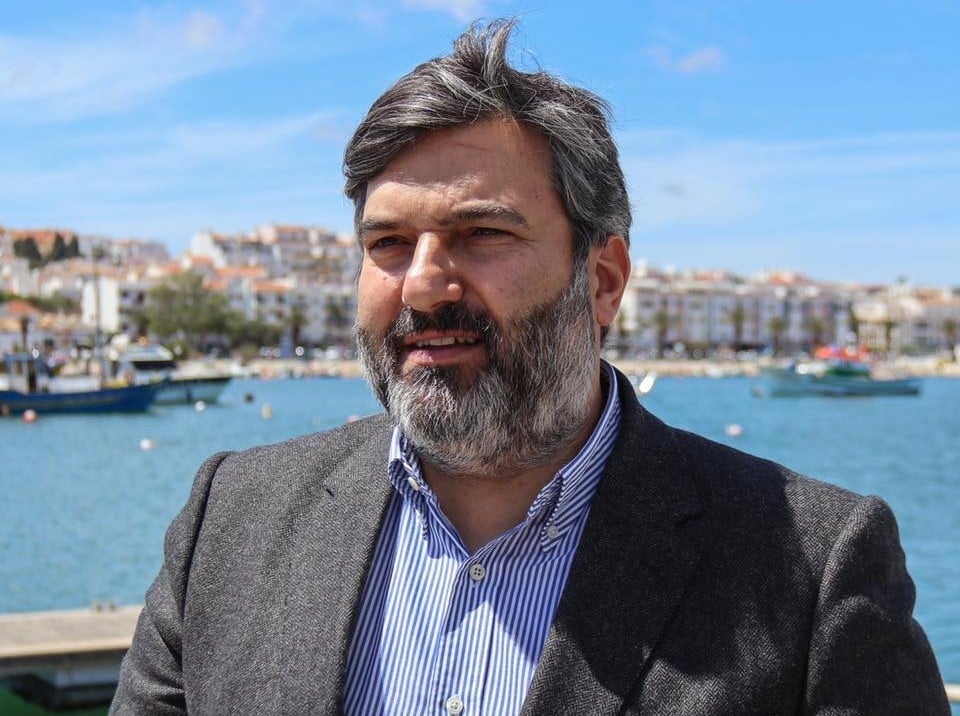
Hugo Pereira, presidente da Câmara de Lagos, apresentou a sua candidatura à presidência da Federação Regional do Algarve do PS, com o objetivo de reconstruir uma proposta política que “mobilize os algarvios”.
A candidatura foi formalizada na sexta-feira, junto da Comissão Organizadora do Congresso, e tem como lema “Sim, pelo Algarve e pelos algarvios, vamos conseguir!”.
Hugo Pereira apresenta-se com um projeto “focado na habitação, nos rendimentos das famílias e na concretização dos investimentos estruturantes de que a região necessita”, com o objetivo de “reforçar a capacidade do partido para liderar a defesa dos interesses da região e reconstruir uma proposta política mobilizadora para os algarvios”.
O partido salientou que o PS é “a principal força política autárquica do Algarve” e tem, por isso, uma “responsabilidade acrescida na defesa dos interesses dos algarvios e na promoção do desenvolvimento regional”.
“Apresento esta candidatura com sentido de responsabilidade, convicto de que o PS Algarve deve assumir plenamente o papel de liderança regional que os algarvios lhe confiaram. É tempo de ouvir mais, preparar melhor e construir um projeto ambicioso que coloque o Algarve no centro das decisões nacionais”, defendeu o candidato, citado num comunicado do partido.
O PS salientou que Hugo Pereira “reconhece que os resultados das últimas eleições legislativas refletem um afastamento de parte do eleitorado, associado à perceção de insuficientes respostas aos problemas específicos da região”.
As eleições estão marcadas para 19 e 20 de junho.
A highly ambitious transportation proposal aims to connect Athens with approximately 40 other destinations in Europe through a high-speed “mega-metro” rail network by 2040. Dubbed “Starline,” the blueprint of this plan hopes to replace Europe’s fragmented national railways with a unified 22,000-kilometer (14,000-mile) system, significantly reducing travel times for Greek and European passengers overall, offering a green alternative to short-haul flights.
Developed by the Copenhagen-based think tank 21st Europe, the Starline project proposes five major railway corridors spanning 22 nations across Europe. The proposed routes include Line A from Naples to Helsinki, Line B from Lisbon to Kyiv via Madrid, Line C connecting Madrid to Istanbul, Line D from Dublin to Kyiv, and Line E linking Milan to Oslo. Operating like a city metro on a continental scale and obviously above ground, the network will link European cities under a single transit identity, with trains reaching speeds between 300 and 400 kilometers per hour.
For Greece, the infrastructure upgrade would drastically alter regional connectivity within the country and across southeastern Europe. Τhe European Commission recently announced targets to cut Sofia-to-Athens travel from 13 hours and 40 minutes to six hours, and Berlin-to-Copenhagen from seven hours to four.
The proposal complements these targets across the continent, where similar reductions will happen. A trip from Berlin to Copenhagen, from example, will drop from seven hours to four, while historically overnight routes like Kyiv to Berlin will become predictable, direct daytime connections.
Transportation remains one of Europe’s largest climate challenges, generating roughly a quarter of all greenhouse gas emissions. While aviation accounts for a smaller percentage globally, short-haul flights remain the default for millions of European travelers. High-speed rail produces up to 90 percent less carbon dioxide per journey. 21st Europe states that a large-scale shift to rail represents the best path toward meeting the European Union’s 2050 net-zero emissions targets while maintaining fast mobility.
The proposal moves away from traditional railway conventions as the dark blue trains will abandon standard first- and second-class divisions, replacing them with purpose-built spaces such as quiet workspaces, family-oriented sections, ergonomic seating, and communal coffee areas. This layout aims to democratize long-distance travel and prioritize passenger comfort.
The Greek government is reportedly finalizing legislation to impose a 15% tax on capital gains derived from cryptocurrencies, aiming to formally integrate digital assets into the national tax code. According to government officials who spoke to Reuters on Friday, the Ministry of National Economy and Finance in Greece is drafting the bill, which authorities expect to submit to Parliament for approval in the coming months.
Under the proposed financial framework, the initial 500 euros of cryptocurrency profits will remain exempt from the new tax to shield small-scale retail investors. Any capital gains exceeding this threshold will face a flat 15% rate, aligning the taxation of digital assets with traditional securities sales in Greece.
It is believed that people engaged in personal cryptocurrency mining will not face taxation on their yields. However, if the mining operation functions as a registered corporate entity, standard business tax rules will apply.
At present, Greece operates without a comprehensive legal framework specifically targeting cryptocurrency profits and people making a living out of them. This regulatory gap reflects a broader inconsistency across the European Union, where member states currently lack a unified fiscal system for the rapidly expanding sector. Across the continent, tax rates on digital capital gains vary significantly, ranging from an 8% low in neighboring Cyprus to 30% in France. The upcoming Greek legislation seeks to close domestic loopholes and bring Athens in line with European peers that have already established clear rules for digital investors.
The legislative move coincides with a wider European push to curb tax evasion and financial opacity within the digital space. The European Union recently introduced the Markets in Crypto-Assets (MiCA) Regulation and the DAC8 Directive, which mandate strict reporting standards and demand that crypto-asset service providers share user transaction data with national tax authorities. Greece’s updated tax code will operate in tandem with these measures on a European level.
Despite the planned implementation, government sources acknowledged severe difficulties in measuring the actual size of the domestic cryptocurrency market. The vast majority of Greek investors execute their trades through international, offshore platforms rather than locally registered exchanges. This decentralized structure makes it nearly impossible for financial authorities to accurately track the total volume of digital assets held by people. Consequently, the Ministry of Finance has not yet published any specific projections regarding the exact state revenues the 15% tax might generate.
Until the proposed legislation officially becomes law, cryptocurrency profits remain largely undeclared in Greece, leaving a substantial pool of potential state revenue untapped.