Potential proposal would secure control of Diego Garcia base amid stalled UK plans to cede sovereignty of territory
Donald Trump is reportedly weighing a plan to buy the Chagos Islands from Mauritius amid stalled plans from the UK to cede sovereignty of the territory, the Telegraph first reported.
The White House did not respond to the Guardian’s request for comment on the report about the potential plan.
Updated 6/7/2026 5:50 PM EST 20 Lebanese have been killed in the last 24 hours as Israel continues to follow its latest ceasefire deal with substantial escalation of military strikes on the country. Sunday’s strikes included multiple Israeli strikes on the suburbs of the Lebanese capital city of Beirut. Two apartment buildings were struck in […]
L’intervista è durata un’ora. Ha dichiarato di considerare Mojtaba Khamenei “più razionale” di suo padre, di auspicare attacchi “più mirati” di Israele su Hezbollah e ha negato di aver mai assicurato di non coinvolgere gli Stati Uniti in nuove guerre, una promessa che però ha costituito un punto centrale della sua campagna per la rielezione nel 2024. Ma dopo sessanta minuti in cui si mostrava visibilmente agitato, DonaldTrump ha bruscamente interrotto il colloquio con la giornalista di Kristen Welker, di Nbc news, registrato venerdì in Wisconsin e andato in onda oggi. Dopo che la giornalista ha insistito sul fatto che egli non avesse fornito la minima prova a sostegno delle sue contestate accuse secondo cui le elezioni del 2020 gli sarebbero state “rubate”. “Siete un network fazioso e disonesto”, ha tuonato il presidente. “Chiudiamola qui, perché ne ho abbastanza. Grazie, cara. Buona continuazione”, ha tagliato il tycoon.
WOW — Trump crashes out and cuts his interview with Welker short as she presses him on his lack of evidence for claiming elections are rigged
“You’re either crooked or you’re stupid. Let’s call it quits. Because I’ve had enough. Thank you darling,” he tells her.”
Welker ha insistito affinché Trump continuasse, ricordandogli di essersi recata appositamente in Wisconsin per l’intervista, ma il presidente ha rifiutato sostenendo di “essere rimasto seduto sotto la pioggia con te per un’ora”. “Ti ho concesso abbastanza tempo. Dovresti metterti in riga. Un Paese non potrà mai essere grande con una stampa disonesta”, ha attaccato. La giornalista ha poi ha rivelato di aver riparlato con il presidente che ha accettato di concederle una seconda intervista.
O governo brasileiro está buscando um acordo tarifário com os Estados Unidos (EUA) que seja capaz de evitar que a Casa Branca adote a recomendação do Escritório do Representante Comercial dos EUA (USTR), que sugeriu a imposição de tarifa adicional de 25% sobre parte das importações oriundas do Brasil.
O governo avalia que é possível, apesar de difícil, chegar a um acordo tarifário que seja mais vantajoso, para ambos os países, do que a sobretaxa de 25% sugerida pelo USTR. Isso porque, entre outros motivos, os EUA têm superávit comercial com o Brasil.
A recomendação da USTR, tornada pública na última semana, é resultado de uma investigação baseada na Seção 301 da Lei de Comércio dos EUA. O argumento usado é que o Brasil teria práticas “desleais” nas relações comerciais, o que incluiu ataques contra o Pix para favorecer empresas de pagamento estadunidenses.
O Brasil rebateu que os argumentos não são legítimos e que a decisão parte de uma tentativa de ingerência em assuntos internos, além de expressar o protecionismo comercial unilateral de Washington.
O governo vem questionando as tarifas adicionais dos EUA com o argumento de que a tarifa média aplicada pelo Brasil sobre as importações dos EUA é de 2,7%, o que não justificaria o argumento de que as empresas norte-americanas seriam prejudicadas no acesso ao mercado brasileiro.
Novo prazo
O Brasil agora trabalha com o prazo de 15 de julho para fechar um acordo tarifário. Essa foi a data fixada pela USTR para uma definição sobre o tema. Tal prazo ainda poderia, em tese, ser prorrogado.
Com isso, os negociadores brasileiros esperam ter mais tempo para um acordo, uma vez que o prazo inicial estipulado após a reunião entre os presidentes Luiz Inácio Lula da Silva e Donald Trump, em Washington, no mês passado, foi de 30 dias que terminam neste domingo (7).
Dificuldades das negociações
Entre as dificuldades da negociação, está o fato de os EUA estarem envolvidos em várias outras negociações tarifárias ao redor do mundo, além do conflito bélico que lidera no Oriente Médio contra o Irã.
Enquanto isso, o governo brasileiro avalia a conveniência de um novo encontro de Trump e Lula. Existe a possibilidade de os dois se encontrarem no G7, na França, entre os dias 15 a 17 de junho. Porém, não há ainda confirmação de um encontro bilateral.
Outra dificuldade para negociar com os EUA é que os norte-americanos costumam ter demandas muito amplas, o que abarcaria diversas reinvindicações em diferentes áreas.
Porém, por enquanto, o Brasil busca um acordo especificamente sobre questões tarifárias e comerciais, sem outras pautas que poderiam interessar os norte-americanos, como terras raras. Ao mesmo tempo, o governo afirma que o Pix não entra em qualquer negociação com Washington.
A tarifa de 12,5%
Por outro lado, a taxação adicional de 10% ou 12,5% imposta a 60 países sob o argumento de que essas nações não combateriam, de forma eficiente, o trabalho análogo à escravidão é vista pelo governo brasileira como feita para não ser negociada.
Como é uma taxação imposta a boa parte do planeta, ela teria mais o objetivo de recompor, sob novas bases legais e argumentativas, o tarifaço anterior derrubado pela Suprema Corte de Justiça dos EUA.
A nova taxa afeta, além do Brasil, os aliados históricos de Washington, como Japão, União Europeia, Canadá e Índia, além da Argentina, presidida por Javier Milei, que tem se posicionado sempre ao lado de Donald Trump nas questões internacionais.
O governo brasileiro está buscando um acordo tarifário com os Estados Unidos (EUA) que seja capaz de evitar que a Casa Branca adote a recomendação do Escritório do Representante Comercial dos EUA (USTR), que sugeriu a imposição de tarifa adicional de 25% sobre parte das importações oriundas do Brasil.
O governo avalia que é possível, apesar de difícil, chegar a um acordo tarifário que seja mais vantajoso, para ambos os países, do que a sobretaxa de 25% sugerida pelo USTR. Isso porque, entre outros motivos, os EUA têm superávit comercial com o Brasil.
A recomendação da USTR, tornada pública na última semana, é resultado de uma investigação baseada na Seção 301 da Lei de Comércio dos EUA. O argumento usado é que o Brasil teria práticas “desleais” nas relações comerciais, o que incluiu ataques contra o Pix para favorecer empresas de pagamento estadunidenses.
O Brasil rebateu que os argumentos não são legítimos e que a decisão parte de uma tentativa de ingerência em assuntos internos, além de expressar o protecionismo comercial unilateral de Washington.
O governo vem questionando as tarifas adicionais dos EUA com o argumento de que a tarifa média aplicada pelo Brasil sobre as importações dos EUA é de 2,7%, o que não justificaria o argumento de que as empresas norte-americanas seriam prejudicadas no acesso ao mercado brasileiro.
Novo prazo
O Brasil agora trabalha com o prazo de 15 de julho para fechar um acordo tarifário. Essa foi a data fixada pela USTR para uma definição sobre o tema. Tal prazo ainda poderia, em tese, ser prorrogado.
Com isso, os negociadores brasileiros esperam ter mais tempo para um acordo, uma vez que o prazo inicial estipulado após a reunião entre os presidentes Luiz Inácio Lula da Silva e Donald Trump, em Washington, no mês passado, foi de 30 dias que terminam neste domingo (7).
Dificuldades das negociações
Entre as dificuldades da negociação, está o fato de os EUA estarem envolvidos em várias outras negociações tarifárias ao redor do mundo, além do conflito bélico que lidera no Oriente Médio contra o Irã.
Enquanto isso, o governo brasileiro avalia a conveniência de um novo encontro de Trump e Lula. Existe a possibilidade de os dois se encontrarem no G7, na França, entre os dias 15 a 17 de junho. Porém, não há ainda confirmação de um encontro bilateral.
Outra dificuldade para negociar com os EUA é que os norte-americanos costumam ter demandas muito amplas, o que abarcaria diversas reinvindicações em diferentes áreas.
Porém, por enquanto, o Brasil busca um acordo especificamente sobre questões tarifárias e comerciais, sem outras pautas que poderiam interessar os norte-americanos, como terras raras. Ao mesmo tempo, o governo afirma que o Pix não entra em qualquer negociação com Washington.
A tarifa de 12,5%
Por outro lado, a taxação adicional de 10% ou 12,5% imposta a 60 países sob o argumento de que essas nações não combateriam, de forma eficiente, o trabalho análogo à escravidão é vista pelo governo brasileira como feita para não ser negociada.
Como é uma taxação imposta a boa parte do planeta, ela teria mais o objetivo de recompor, sob novas bases legais e argumentativas, o tarifaço anterior derrubado pela Suprema Corte de Justiça dos EUA.
A nova taxa afeta, além do Brasil, os aliados históricos de Washington, como Japão, União Europeia, Canadá e Índia, além da Argentina, presidida por Javier Milei, que tem se posicionado sempre ao lado de Donald Trump nas questões internacionais.
Political victories achieved through strict party discipline and powerful financial support often result in a deepening of internal divisions, the consequences of which only become noticeable over time. Back in my days as a young public school teacher in Kentucky, I learned fast that in politics, money talks, and anything else (BS) takes a hike […]
In a huge warehouse in Geel, Belgium, $9.7 million in contraceptives have been locked up since early 2025. Some 77% of the shipment from the United States Agency for International Development (USAID) was destined for about 10 African countries, including Kenya, Nigeria, the Democratic Republic of Congo and Mali. But when Donald Trump’s administration dismantled the world’s largest development aid organization, these medicines were left stranded, destined either to be destroyed or to expire box by box. About 5,800 miles south of Belgium, in Nairobi, the capital of Kenya, Jane Anyongo, Violet Mosomi, Salma Kamau, and hundreds of thousands of women are still waiting for their pills, condoms, subdermal implants, intrauterine devices, and other sexual and reproductive health supplies.
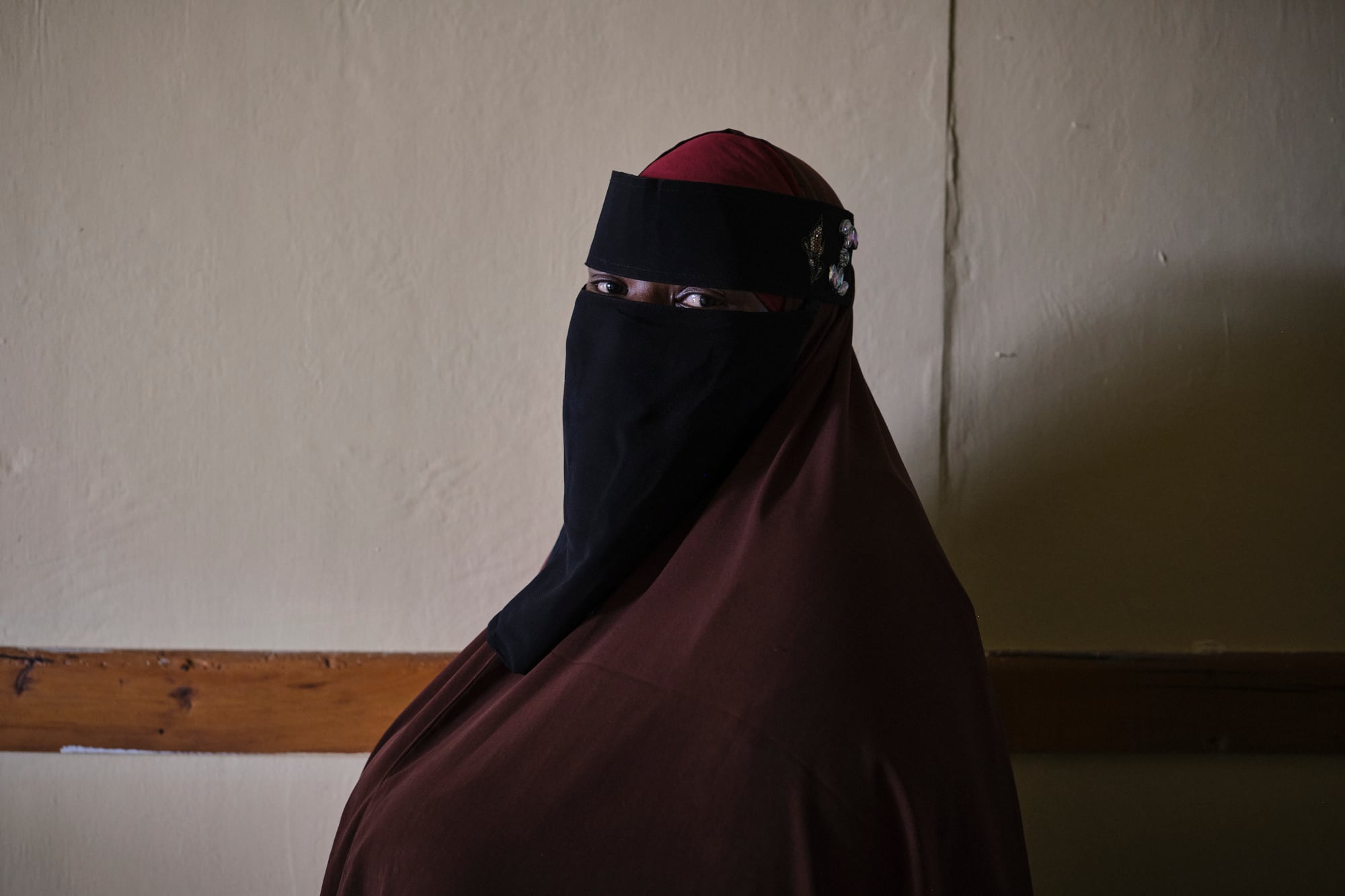
Salma* (32, Nairobi) is another woman affected by the shortage of contraceptives in Kenya. She wants to switch to a copper IUD, but there isn’t enough stock at the Njiru health center.
Since May 28, dozens of people have been coming to the Fairmount Heights Library in Prince George’s County, Maryland, looking for more than books. Bread, vegetables, fruit, cereal: the facilities built to feed minds will now also feed stomachs thanks to an initiative by the county’s District 5, which has installed a free grocery store inside the local library. The idea was born to help the neediest families, whose finances have suffered in recent months. In addition to inflation — which has driven gasoline prices to new highs because of the closure of the Strait of Hormuz, and raised the cost of basic goods — the loss of SNAP benefits (Supplemental Nutrition Assistance Program), pared back under the Trump administration, has hit low-income households hard.
‘Commander-in-sleep‘ e ‘sleepy Trump‘ – che rievoca lo “sleepy Joe” con cui il presidente Usa apostrofava il suo predecessore – sono i soprannomi che impazzano sui social media dopo che un nuovo video in cui il presidente americano sembra appisolarsi nello StudioOvale è diventato virale. Il tycoon stava ascoltando una serie di interventi sul carbone seduto alla sua scrivania e in un paio di momenti sembra chiudere gli occhi, abbandonando la testa da un lato. L’episodio è l’ultimo di una serie per il quasi 80enne presidente e si è verificato proprio all’indomani di un’audizione di Marco Rubio al Congresso durante la quale il segretario di Stato ha smentito che il Trump si sia mai addormentato durante eventi ufficiali.
Procedure più veloci ma meno trasparenti, che fanno accelerare drasticamente la spesa per la costruzione del muro anti migranti al confine con il Messico assegnando contratti oltre 19,4 miliardi di dollari, i più ingenti nella storia del progetto. E a beneficiarne più di tutti sono due aziende legate alla Casa Bianca e al partito repubblicano. A rivelarlo è un’analisi del Washington Post: l’appalto più recente, relativo a un progetto da 2,6 miliardi di dollari, è stato assegnato solo mercoledì. E, secondo il quotidiano Usa, le informazioni disponibili indicano che in alcuni casi i costi sono già lievitati in modo significativo.
In particolare Fisher Sand & Gravel ha ottenuto contratti per un valore superiore a 7,8 miliardi di dollari. Ed è la stessa azienda che si è aggiudicata il maggior numero di appalti per il muro di confine durante il primo mandato di Trump, ottenendo oltre 2 miliardi di dollari. Non solo, lo stesso presidente avrebbe sollecitato i vertici militari ad affidare incarichi all’impresa del North Dakota il cui amministratore delegato Tommy Fisher, è un noto donatore del partito repubblicano. L’altra azienda che si è aggiudicata la fetta più grande è Barnard Construction, che dalla fine dello scorso anno ha ottenuto contratti per 4,5 miliardi di dollari. Anche in questo caso il presidente, Timothy Barnard, è un importante finanziatore del tycoon. Insieme alla moglie Mary, ha donato complessivamente 1,1 milioni di dollari al Trump 47 Committee per la campagna del 2024.
Ivanka Trump, hija del presidente de los EE.UU. y su esposo, Jared Kushner, han adquirido la isla de Sazan, en la costa adriática de Albania, un antiguo enclave militar comunista…
Por Alexander Dugin Tulsi Gabbard, directora de la Inteligencia Nacional de Estados Unidos, ha dejado su cargo. Era la última persona del equipo de Trump que aún se mantenía fiel…
Por Marcelo Ramírez La guerra de Ucrania abrió una fractura que muchos todavía no quieren mirar de frente o simplemente no consiguen concebir por lo anómala que les parece. Durante…
«¿Podrán China y Estados Unidos superar la llamada ‘trampa de Tucídides’ y forjar un nuevo paradigma para las relaciones entre grandes potencias?», dijo el presidente chino Xi Jinping en la…
El presidente norteamericano, Donald Trump, se ha reunido este jueves en Pekín con su homólogo chino, Xi Jinping, para sus esperadas conversaciones sobre el comercio, la venta de armas estadounidenses…
Et si la première puissance du monde administrait, mois après mois, la preuve que rien ne tient sans contrepoids — ni la loi, ni la presse, ni la probité ? Dix-huit mois de pouvoir disent moins sur un homme que sur une nation qui découvre, dans l'effacement de ses propres bornes, ce qu'elle valait vraiment.
On nous a longtemps présenté l'Amérique comme le pays de l'État de droit. C'était son orgueil, et son magistère : elle en faisait la leçon au monde, des chancelleries aux tribunaux. Dix-huit mois après le retour de M. Trump, la leçon se retourne. Ce n'est pas seulement une faute, ni un homme. C'est une démonstration — patiente, méthodique, presque pédagogique — de ce qu'un régime devient lorsqu'on retire un à un ses contrepoids.
Chaque matin, 7 articles du Courrier dans ma boîte mail, et en plus c'est gratuit... J'en profite dès maintenant
Deviens ton propre souverain
Email sent! Check your inbox to complete your signup.
No spam. Unsubscribe anytime.
Commençons par les juges, puisque c'est là que tout se joue. Au cœur de l'année 2025, le Washington Post établissait que l'administration n'obéissait pas — ou se voyait accusée de ne pas obéir — à près d'un tiers des décisions de justice rendues contre elle. Des avions d'expulsion qu'un juge ordonne de faire demi-tour, et qui poursuivent leur route. Un homme expulsé par erreur vers le Salvador, que la Cour suprême ordonne de ramener, et qu'on ne ramène pas. Le procédé a un nom dans la bouche des juristes : la désobéissance habillée de droit, qui invoque la procédure pour mieux la vider. Le président de la Cour suprême lui-même a dû rappeler qu'on ne destitue pas un juge parce qu'on conteste son jugement. Quand le gardien de la loi doit rappeler que la loi existe, c'est qu'elle vacille déjà.
Vint ensuite le pardon. Au premier jour du mandat, près de mille six cents condamnés du 6-Janvier graciés d'un trait de plume — y compris les chefs des Oath Keepers et des Proud Boys, ceux-là mêmes qui avaient porté la main sur des policiers. Un haut fonctionnaire de la Justice y a vu un feu vert donné à la violence politique. Puis l'on a démis, rétrogradé, inquiété les procureurs qui avaient instruit l'affaire ; et l'on a annoncé des enquêtes sur d'anciens directeurs du FBI et de la CIA, dont le président disait publiquement qu'ils devraient « payer le prix ». Gracier ses amis, poursuivre ses adversaires : c'est la définition la plus ancienne de l'arbitraire. Elle n'a pas pris une ride.
On a vu aussi le pouvoir s'en prendre, par décret, aux cabinets d'avocats qui l'avaient combattu — Paul Weiss, Jenner & Block, Covington —, leur retirant habilitations et marchés, jusqu'à ce que les tribunaux y voient une rétorsion contraire à la Constitution. On a vu Harvard sommée de céder son indépendance sous peine de perdre deux milliards de dollars de crédits, et un juge fédéral déclarer ce gel illégal, dicté par représailles contre une parole protégée. Quelques grandes maisons ont plié, négocié, donné des gages. L'histoire enseigne que ceux qui s'agenouillent les premiers ne s'en relèvent pas les mieux portants.
La presse, ensuite. Une chaîne poursuivie pour le montage d'un entretien, et sa maison-mère qui finit par verser seize millions de dollars pour solde de tout compte, à la veille d'une fusion qu'il fallait faire approuver. Une agence de presse chassée des lieux officiels pour un mot qu'elle refusait d'employer. Une autorité de régulation qui rouvre des enquêtes contre les chaînes mal-aimées. Rien de tout cela n'est, pris isolément, une censure d'État au sens où l'entendaient les régimes du siècle dernier. C'est plus subtil, et peut-être plus efficace : on ne fait pas taire, on fait payer ; on n'interdit pas, on intimide. Le résultat se mesure déjà à ceux qui se taisent d'eux-mêmes.
Puis l'armée dans les villes. Des gardes nationaux fédéralisés contre l'avis de leurs gouverneurs, envoyés à Los Angeles, à Portland, à Chicago. Des juges, jusqu'à la cour d'appel, pour en dire l'illégalité ; un magistrat pour constater que la troupe avait procédé à des arrestations, réglé la circulation, dispersé des foules — ce que la loi lui défend depuis cent cinquante ans. À la fin de l'année, le retrait. Je veux croire que les institutions ont tenu. Mais on n'envoie pas l'armée contre son propre peuple par mégarde : on essaie, pour voir où sont les bornes. C'est l'essai qui inquiète, plus encore que son échec.
Il y a l'illibéralisme ; il y a aussi, jumelle, la vénalité. Car le même mouvement qui défait les contrepoids politiques défait les contrepoids moraux. Le 17 janvier 2025, trois jours avant de prêter serment, M. Trump lançait une monnaie à son nom — un memecoin — dont une société qu'il contrôle détenait l'essentiel, et dont la valeur de marché frôla cinq milliards de dollars en quelques heures. La plus haute fonction de l'État inaugurée par une opération de spéculation à son profit : il fallait l'oser. On l'a osé.
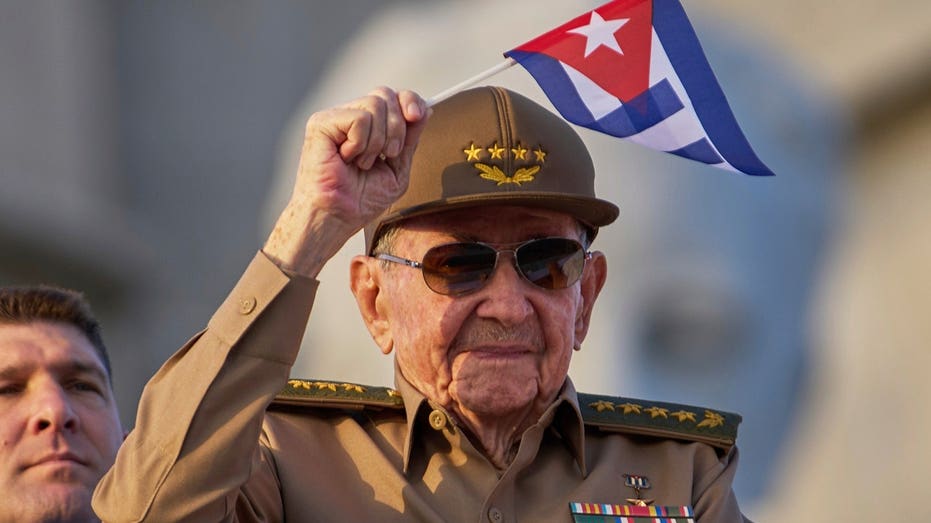
Former Cuban leader Raúl Castro made his first public appearance Friday since the Trump administration charged him with murder over the 1996 shoot-down of planes operated by a Cuban exile group.
Castro appeared on state television during an Interior Ministry celebration in Havana, according to Reuters.
The appearance came weeks after the Department of Justice unsealed an indictment accusing Castro of playing a role in the downing of two aircraft operated by the Miami-based exile organization Brothers to the Rescue nearly 30 years ago.
Castro was charged with conspiracy to kill U.S. nationals, destruction of aircraft and four counts of murder.
Castro, who turned 95 on Wednesday, was last seen publicly during May Day celebrations in Havana, days before the indictment was unsealed.
Prior to his May Day appearance, Castro had remained out of public view for months, appearing only at a public ceremony in Cuba's capital in January honoring 32 Cuban soldiers killed during the U.S. military operation that led to the capture of Venezuelan President Nicolás Maduro.
The indictment centers on a February 1996 incident in which Cuban military aircraft allegedly shot down two unarmed civilian planes operated by Brothers to the Rescue, killing four men: Carlos Costa, Armando Alejandre Jr., Mario de la Peña and Pablo Morales.
Prosecutors allege the aircraft were flying outside Cuban territory when they were destroyed.
The indictment came amid rising tensions in the Caribbean and a series of comments from Trump and his surrogates hinting at possible regime change in the island nation.
President Donald Trump previously praised the indictment, saying Cuban Americans whose families suffered under the communist regime had waited decades for accountability.
"We have big news on Cuba, as you know, with the indictment of Castro," Trump said. "A lot of people have suffered very big, very, very, at levels that few people would understand."
Trump also suggested tensions with Cuba would not escalate following the indictment.
"There won’t be escalation," he said. "We won’t have to."
"At the very least, it means symbolically that he is now set up just as Nicolás Maduro was," Christine Balling, a Cuba expert at the Institute of World Politics and former advisor to U.S. Special Operations Command South, previously told Fox News Digital.
The U.S. indicted Maduro on narco-terrorism charges while tightening sanctions on Venezuela's oil sector, backing opposition efforts to remove him from power and increasing military operations in the Caribbean.
"I don't think that we are necessarily going to conduct the same operation," Balling said. "Raúl Castro is 94 years old. It might not be worth the trouble."
Still, Balling argued that the indictment sent "a very straightforward message that we are 100% behind the fall of the Castro regime."
Fox News Digital's Robert McGreevy, Greg Wehner and Morgan Phillips, along with Fox News' David Spunt, Bill Mears and Jake Gibson contributed to this report. Reuters also contributed to this report.
A buffalo with a distinctive hairstyle is going viral for its resemblance to President Donald Trump.
The rare albino buffalo, nicknamed "Donald Trump," has become a sensation at Bangladesh’s national zoo thanks to its blond tuft of hair, which many say resembles the president’s signature look.
The animal first gained attention after a local farmer noticed the resemblance.
A video of the pale, horned buffalo quickly spread across social media, drawing crowds to a farm outside Dhaka where it was being kept.
The buffalo was originally sold and slated for slaughter during Eid al-Adha, the Muslim "Feast of Sacrifice," but government officials intervened and ordered the animal transferred to the national zoo in the capital.
Since arriving at the zoo, the buffalo has attracted large crowds and sparked debate over its unusual nickname.
"There is a resemblance to Donald Trump in its eyes, hairstyle, and skin color," Mohammed Nasim, a student in Dhaka, told The Associated Press.
"And just as Donald Trump has a distinctive personality and lifestyle, this buffalo, after going viral, is now living a similar kind of life, enjoying a lot of attention and special treatment," he added.
According to local media reports, the exhibit initially featured a sign identifying the animal as "Donald Trump," though the sign has since been removed.
The zoo’s curator was later fired, although officials have not publicly disclosed the reason for the dismissal.
As visitors crowded around the enclosure this week, many stopped to take photos and videos of the increasingly famous buffalo.
Others, however, said naming the animal after the president was inappropriate.
"Giving a farm animal the name of one of the world’s most influential leaders was certainly the wrong thing to do," local resident Mohammad Joynal Adedin told the AP.
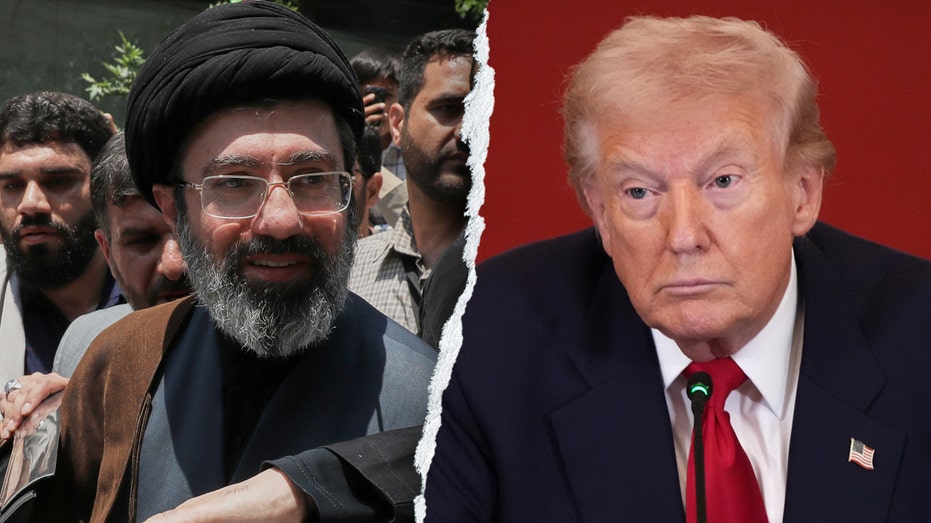
Iran's supreme leader has launched a sweeping counteroffensive against President Donald Trump, attempting to rally Middle Eastern nations into an anti-American alliance, an analyst warned Sunday.
The aggressive maneuvering came hours after Trump pitched an expansion of the Abraham Accords, as an analyst said Tehran is seeking to position itself as the region’s "new sheriff" while forcing Gulf states with backchannels to Iran to choose between Washington’s security umbrella and a "New Islamic Civilization."
On Sunday, negotiations between Iran and the United States appeared to be ongoing, with Trump not yet signing off on a potential peace agreement.
Trump recently held a phone call with leaders from Saudi Arabia, the United Arab Emirates, Qatar, Turkey, Pakistan, Egypt, Jordan and Bahrain to discuss expanding the 2020 Abraham Accords, followed by a May 25 post on Truth Social.
Mojtaba Khamenei issued a direct counter-response on X on May 26, issuing a call for a "New Islamic Civilization" aimed at those same regional capitals.
"I, with sincerity and purity of intention, invite all Islamic countries and governments to friendship and cooperation in goodness, so that by working together we may take steps toward the advancement of the Islamic Ummah and the resolution of the Islamic world's problems," Khamenei posted.
Highlighting "the nations of the region" and "common interests that will shape the new order and the future architecture of the region and the world," he spoke of "the Islamic Ummah and the #New_Islamic_Civilization."
"The United States will no longer have a safe haven for its mischief and for establishing military bases in West Asia," he also warned.
"Mojtaba Khamenei's statement is that the Muslim world should consolidate under Iran's leadership — the 'Ummah,' the 'new Islamic civilization' — against the American-led order," Dr. Omar Mohammed told Fox News Digital.
"That is the theme, and it runs straight into the Accords narrative. This is a bid to build an alliance against the Abraham Accords," said Mohammed, director of the Antisemitism Research Initiative Program on Extremism at George Washington University.
"In his statement, he also frames American bases on Muslim soil as an occupation to be expelled while wrapping it in religious language that casts the regime as God's instrument."
The counterterrorism expert noted that while the "Ummah" doctrine itself is not new — having been used by Mojtaba's father for years — the timing and targeted nature of the pitch represent a major escalation.
"This came into the Ummah with Iran, not into normalization with Israel under Washington," Mohammed explained. "Same audience, opposite frame, 24 hours apart, and a bid to assemble that alliance."
"The statement was published in full and carried by Iranian state media. It also tracks with his first statement as leader on March 12, when he demanded that U.S. bases in the region close."
"This was not a stray post," the expert warned. "While the doctrine is old, aiming it at these regions the day after Trump's pitch is what is new."
The posturing comes as Khamenei establishes his footing on the world stage, though his hidden nature complicates traditional diplomacy.
"Tehran is selling itself to the region as the new sheriff of the neighborhood," Mohammed warned.
"The Saudis, Qataris and Omanis have channels into the Iranian state, but you can't open a back channel to a man no one can locate. This has all been running through Pezeshkian and Araghchi."
Despite Iran's sudden rhetoric of "friendship," regional reality is defined by months of Iranian aggression against its neighbors.
Mohammed added that Tehran wants to peel Gulf states away from Washington, while its threats remain aimed at both the United States and the countries that host American forces.
"Iran spent this war firing on them — it hit Bahrain, Qatar, the UAE and Kuwait, the same capitals it's now inviting to brotherhood, and the UAE alone reported intercepting close to 2,000 drones and hundreds of ballistic missiles since Feb. 28," Mohammed said.
"These are the states that host our forces: the Fifth Fleet in Bahrain, Al Dhafra in the UAE and Al Udeid in Qatar. You don't take three months of Iranian fire and then sign onto its alliance."
Ultimately, Gulf capitals remain deeply skeptical of Tehran, Mohammed said, but they are equally watchful of American resolve.
"What actually worries the Gulf isn't Mojtaba's invitation — it's the deal Washington might sign," Mohammed noted, "one that hands Iran its money back with its missiles intact and reads as rewarding the regime that just attacked them."

 Login
Login