Normal view

The Friday File: Apple; OpenAI; SFR

12 June 2026 at 12:43

Mobile World Live brings you our top three picks of the week as Apple reset its AI ambitions at WWDC, OpenAI edged closer to a stock market debut and French operators agreed a €20.4 billion deal to carve-up SFR.

Apple lands Siri AI at WWDC as Cook takes a bow

What happened: During its annual WWDC event, Apple reset its AI strategy, unveiled a revamped AI-powered Siri and spotlighted new child-safety controls as Tim Cook delivered his final keynote as CEO.

Why it matters: Apple SVP of software Craig Federighi said, “truly helpful AI must be centred around you and your needs”, positioning privacy, personal context and deeper app integration as core pillars of the AI-enhanced Siri. The launch gives Apple a chance to overwrite a damaging run of Siri AI delays described internally as “ugly and embarrassing”. Ben Wood, chief analyst at CCS Insight, said “Apple had to address its shortcomings in AI, and WWDC provided some answers”, but added the company must deliver “a meaningfully better everyday experience, not just parity with rivals”. He noted many features will already be familiar to Android and third-party AI app users, adding iPhone users are “more likely to upgrade for better battery life, an improved camera or a bigger screen rather than to get AI”. However, challenges have already emerged. The AI-upgraded Siri and Apple Intelligence features have already been delayed indefinitely in the European Union (EU) over competition laws and blocked in China over local AI regulations.

On child safety, Wood called Apple’s push “a welcome and timely move” as concerns about online harm grow among regulators but said “stronger cross-industry safeguards need to be built into operating systems at a deeper platform level”. Cook’s farewell added weight to the event as he declared the iPhone will “continue to be the centre of people’s digital lives”, adding, “the best is still ahead”.

OpenAI lines up stock market debut

What happened: OpenAI confidentially filed paperwork for a US IPO, becoming the latest AI company to move towards a listing as the sector’s biggest players race to raise fresh funds.

Why it matters: The ChatGPT-maker stated it had submitted a draft registration statement to the US Securities and Exchange Commission (SEC), adding, “we expect it to leak so we’re just announcing it”. It did not disclose the size, price or timing of the listing and cautioned a debut may not be imminent “because there are things we want to do that are likely easier as a private company”. OpenAI explained the decision involves “a complicated set of trade-offs”, but the filing gives it “the option to go public sooner if that ends up being best”. Reuters reported the company is targeting a valuation of up to $1 trillion, with a debut possible as early as September. The filing puts OpenAI into a crowded and expensive AI listings race; rival Anthropic confidentially filed for its own US IPO last week, while SpaceX launched a blockbuster listing. Aviva Investors’ head of multi-asset Sunil Krishnan told the BBC all firms all have a “vast need for cash” as “no one wants to be last” in a space where access to capital could prove crucial as companies fund AI chips, infrastructure and model training. Harrison Rolfes, senior research analyst at PitchBook, argued OpenAI’s $1 trillion listing is “a bet on a company that has never been profitable, in a market it is currently losing, with a cost structure it cannot change for at least another year”. He added this is “all while racing a direct competitor through the same SEC process in the same quarter.” Rolfes concluded: “There is no scenario where OpenAI pricing after a profitable Anthropic favours OpenAI.”

Bouygues, Orange, Free agree €20B SFR carve up

What happened: Bouygues Telecom, Free-Iliad Group and Orange signed a memorandum of understanding with Altice France to acquire and carve up SFR in a deal valuing the operator at €20.4 billion, setting the stage for a major reset of France’s telecoms market.

Why it matters: Under terms outlined in April, Bouygues will take 42% of SFR’s assets, Free-Iliad 31% and Orange 27%. SFR’s consumer mobile and fixed broadband operations will be divided between the three operators, while Bouygues will take control of the B2B unit. Completion is targeted for H2 2027, subject to regulatory clearance. Kester Mann, director, consumer and connectivity at CCS Insight, noted the move marks the biggest potential shake-up in French telecoms since Iliad entered the mobile market in 2012, cutting the number of major operators from four to three and reshaping competition. He said the agreement appears “a successful outcome for all parties” as Bouygues, Orange and Iliad all gain “important new assets in their pursuit of greater scale”, while removing a key rival will “reduce the competitive intensity of the market”. However, the biggest challenge will be to regulators show the deal will deliver “positive outcomes to the French market”. He noted that while that would once have been “a herculean task”, recent approvals in the UK and Spain suggest Europe’s stance on consolidation is softening.

The post The Friday File: Apple; OpenAI; SFR appeared first on Mobile World Live.
The Friday File: Apple; OpenAI; SFR

12 June 2026 at 11:58

Mobile World Live brings you our top three picks of the week as Apple reset its AI ambitions at WWDC, OpenAI edged closer to a stock market debut and French operators agreed a €20.4 billion deal to carve-up SFR.

Apple lands Siri AI at WWDC as Cook takes a bow

What happened: During its annual WWDC event, Apple reset its AI strategy, unveiled a revamped AI-powered Siri and spotlighted new child-safety controls as Tim Cook delivered his final keynote as CEO.

Why it matters: Apple SVP of software Craig Federighi said, “truly helpful AI must be centred around you and your needs”, positioning privacy, personal context and deeper app integration as core pillars of the AI-enhanced Siri. The launch gives Apple a chance to overwrite a damaging run of Siri AI delays described internally as “ugly and embarrassing”. Ben Wood, chief analyst at CCS Insight, said “Apple had to address its shortcomings in AI, and WWDC provided some answers”, but added the company must deliver “a meaningfully better everyday experience, not just parity with rivals”. He noted many features will already be familiar to Android and third-party AI app users, adding iPhone users are “more likely to upgrade for better battery life, an improved camera or a bigger screen rather than to get AI”. However, challenges have already emerged. The AI-upgraded Siri and Apple Intelligence features have already been delayed indefinitely in the European Union (EU) over competition laws and blocked in China over local AI regulations.

On child safety, Wood called Apple’s push “a welcome and timely move” as concerns about online harm grow among regulators but said “stronger cross-industry safeguards need to be built into operating systems at a deeper platform level”. Cook’s farewell added weight to the event as he declared the iPhone will “continue to be the centre of people’s digital lives”, adding, “the best is still ahead”.

OpenAI lines up stock market debut

What happened: OpenAI confidentially filed paperwork for a US IPO, becoming the latest AI company to move towards a listing as the sector’s biggest players race to raise fresh funds.

Why it matters: The ChatGPT-maker stated it had submitted a draft registration statement to the US Securities and Exchange Commission (SEC), adding, “we expect it to leak so we’re just announcing it”. It did not disclose the size, price or timing of the listing and cautioned a debut may not be imminent “because there are things we want to do that are likely easier as a private company”. OpenAI explained the decision involves “a complicated set of trade-offs”, but the filing gives it “the option to go public sooner if that ends up being best”. Reuters reported the company is targeting a valuation of up to $1 trillion, with a debut possible as early as September. The filing puts OpenAI into a crowded and expensive AI listings race; rival Anthropic confidentially filed for its own US IPO last week, while SpaceX launched a blockbuster listing. Aviva Investors’ head of multi-asset Sunil Krishnan told the BBC all firms all have a “vast need for cash” as “no one wants to be last” in a space where access to capital could prove crucial as companies fund AI chips, infrastructure and model training. Harrison Rolfes, senior research analyst at PitchBook, argued OpenAI’s $1 trillion listing is “a bet on a company that has never been profitable, in a market it is currently losing, with a cost structure it cannot change for at least another year”. He added this is “all while racing a direct competitor through the same SEC process in the same quarter.” Rolfes concluded: “There is no scenario where OpenAI pricing after a profitable Anthropic favours OpenAI.”

Bouygues, Orange, Free agree €20B SFR carve up

What happened: Bouygues Telecom, Free-Iliad Group and Orange signed a memorandum of understanding with Altice France to acquire and carve up SFR in a deal valuing the operator at €20.4 billion, setting the stage for a major reset of France’s telecoms market.

Why it matters: Under terms outlined in April, Bouygues will take 42% of SFR’s assets, Free-Iliad 31% and Orange 27%. SFR’s consumer mobile and fixed broadband operations will be divided between the three operators, while Bouygues will take control of the B2B unit. Completion is targeted for H2 2027, subject to regulatory clearance. Kester Mann, director, consumer and connectivity at CCS Insight, noted the move marks the biggest potential shake-up in French telecoms since Iliad entered the mobile market in 2012, cutting the number of major operators from four to three and reshaping competition. He said the agreement appears “a successful outcome for all parties” as Bouygues, Orange and Iliad all gain “important new assets in their pursuit of greater scale”, while removing a key rival will “reduce the competitive intensity of the market”. However, the biggest challenge will be to regulators show the deal will deliver “positive outcomes to the French market”. He noted that while that would once have been “a herculean task”, recent approvals in the UK and Spain suggest Europe’s stance on consolidation is softening.

The post The Friday File: Apple; OpenAI; SFR appeared first on Mobile World Live.

Siri no se va a convertir en tu "novia de IA" por mucho que lo intentes

12 June 2026 at 09:57

Frente a estudios como el publicado por la Universidad de Stanford que hablan de la complacencia de asistentes de IA como ChatGPT, Apple ha decidido tomar el camino opuesto. La compañía de Cupertino busca alejar a Siri de los personalismos para consolidarla como un canal puro de ayuda y soporte ante cualquier necesidad del usuario.

Atrás queda la idea de las novias hechas con IA que trató de impulsar Elon Musk a través de su asistente Grok. En su lugar, la tecnológica que presidirá Tim Cook hasta septiembre ha querido desarrollar un sistema enfocado en ser una herramienta útil y no un confidente emocional, sin importar el tono de la interacción.

Esta filosofía se ha materializado en la reciente WWDC26, la conferencia anual para desarrolladores, donde Apple mostró al mundo las capacidades de la nueva Siri AI. El asistente no solo resolverá tareas cotidianas como recordar una receta o identificar a protagonistas de imágenes, sino que asumirá un rol proactivo y tomará el control del dispositivo para redactar correos electrónicos o reprogramar citas en el calendario de forma automatizada.

Siri AI quiere ser más útil que simpática

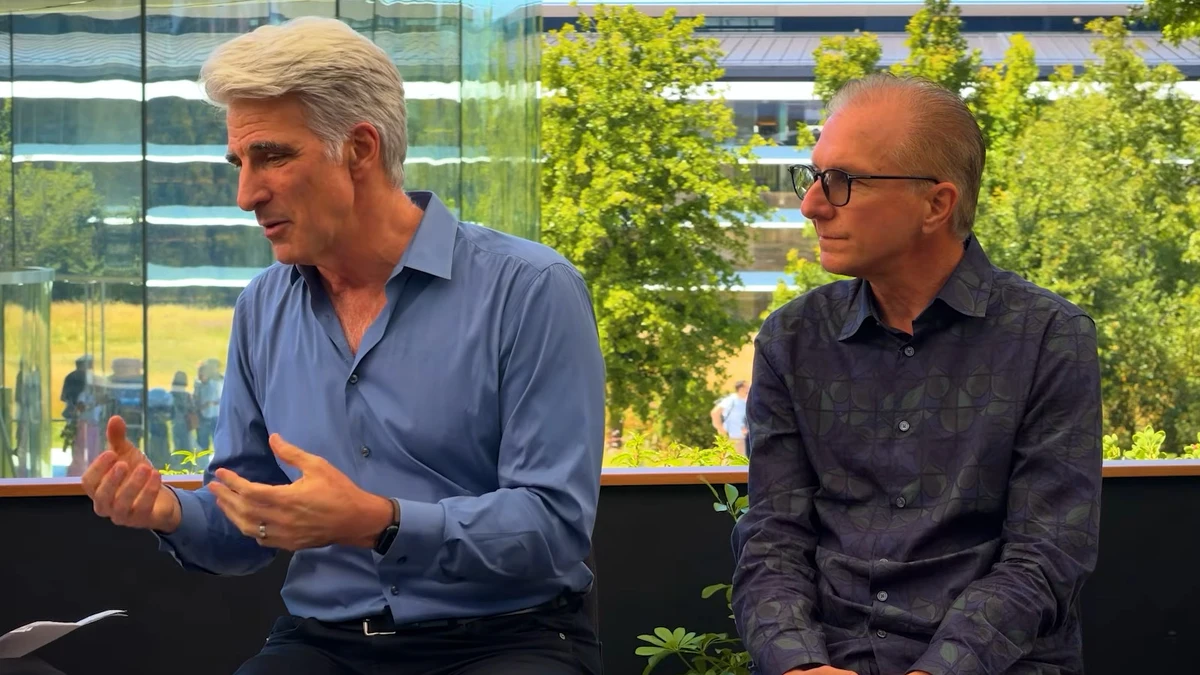
Tras los recientes anuncios en Cupertino, la presencia de la cúpula directiva de Apple en los medios de comunicación se ha multiplicado. Una de las citas más destacadas fue la intervención de Craig Federighi y Greg Joswiak en el pódcast Mostly Human, conducido por la periodista Laurie Segall.

Durante la entrevista, ambos ejecutivos dejaron claro que el objetivo prioritario de la nueva Siri AI es desmarcarse de cualquier tipo de empatía artificial entre el humano y la máquina. Con este enfoque, la compañía busca distanciar a su asistente de ese viejo cliché de la cultura pop —retratado con humor en personajes como Rajesh Koothrappali en The Big Bang Theory— en el que el usuario termina desarrollando un apego emocional o romántico hacia su asistente virtual.

Desarrollo enfocado a la integración invisible

Federighi, jefe de ingeniería de software de Apple, destacó que el desarrollo del asistente se ha planteado desde un prisma alejado de la adulación con la que otros modelos buscan estrechar la relación con el usuario. Al ser preguntado sobre si Siri AI podría terminar convertida en una suerte de pareja virtual, el directivo se mostró tajante al afirmar que esta rechazará cualquier interacción romántica. En su lugar, recordará al usuario todos aquellos aspectos en los que puede ser de utilidad y todo lo que puede ayudarle "a aprender sobre el mundo".

"Si intentas entablar una relación romántica con Siri, ella no está dispuesta a eso. Siri no está interesada en absoluto"
Craig Federighi, jefe de ingeniería de software de Apple, en el espacio Mostly Human

Por su parte, Greg Joswiak, jefe de marketing de Apple, señaló que lograr una integración invisible y natural del asistente está por encima del simple hecho de sumarse a una moda tecnológica. Con ello, el directivo quiso poner de manifiesto que el verdadero valor de la inteligencia artificial reside en su utilidad real y diaria: "No hacemos IA por el simple hecho de hacer IA. La cuestión es: ¿cómo mejora la IA todo? Y eso hace que nuestros productos y nuestras funciones sean mejores".

Con esta declaración de intenciones por parte de dos de los hombres fuertes de Apple, la compañía refleja que su apuesta se orienta a conseguir que Siri AI brinde una alta eficiencia e integración natural en las tareas cotidianas, en lugar de ofrecer a los usuarios un confidente cuya simulación de emociones humanas pueda llevar a engaño.

© Difoosion

Craig Federighi y Greg Joswiak, directivos de Apple, en el espacio de información tecnológica Mostly Human - YouTube

Anillos inteligentes: ¿pueden sustituir al smartwatch?

12 June 2026 at 04:30

Durante años, el smartwatch ha sido el rey indiscutible de los wearables. Pero una categoría de producto más discreta —los anillos inteligentes— ha empezado a ganar terreno. Y no se debe solo a una cuestión estética: con cada nueva generación de estos dispositivos aumentan sus capacidades para medir parámetros relacionados con la salud y la actividad, y algunos ya prometen lo mismo que un reloj, pero sin pantalla. La pregunta es inevitable: ¿puede un anillo sustituir realmente a un smartwatch?

Seguir leyendo

© Ekaterina Goncharova (Getty Images)

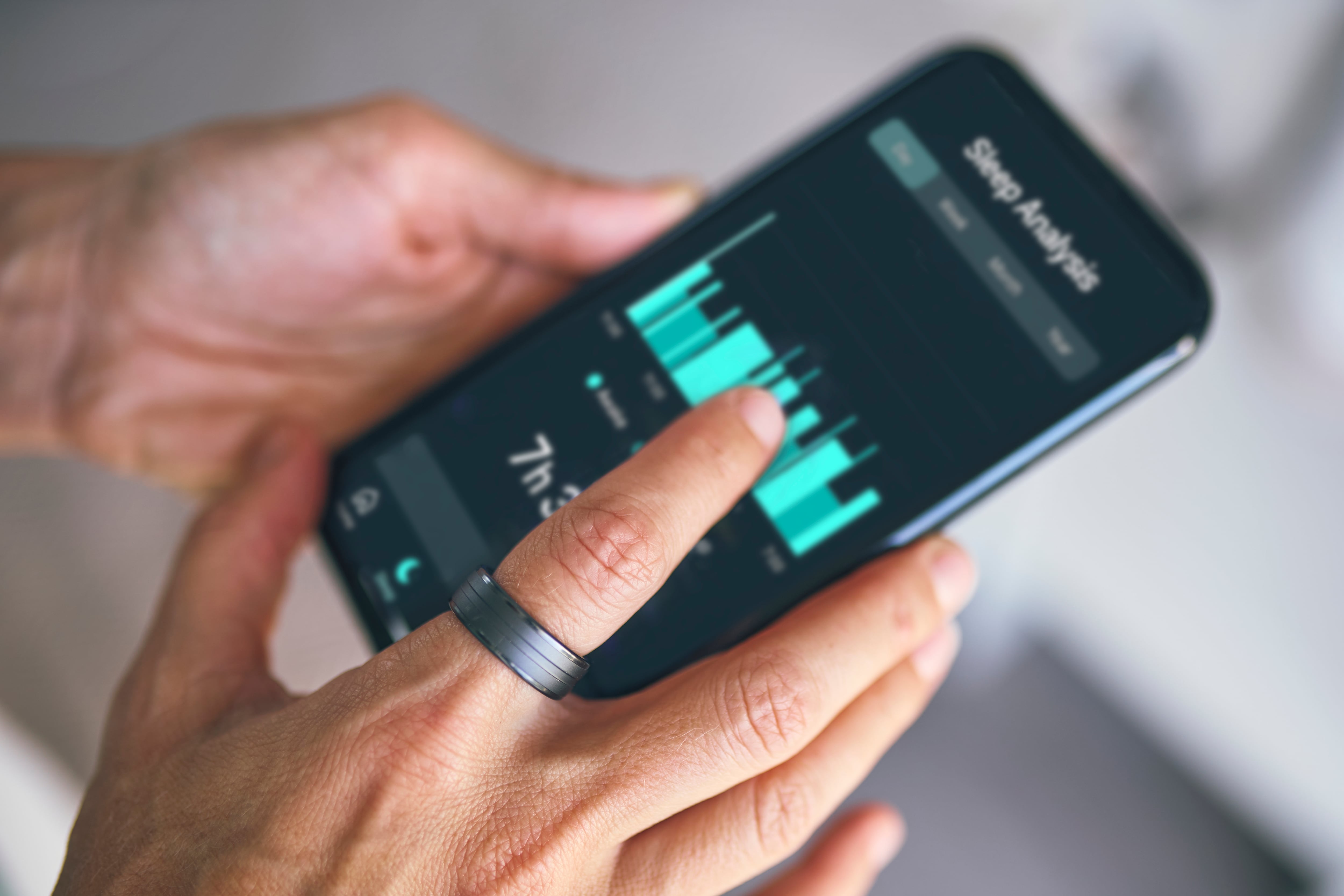
Una persona usando un anillo inteligente.

Supremo de Panamá rechaza recursos de casación en caso Blue Apple

11 June 2026 at 11:06

Ciudad de Panamá, 11 jun (Prensa Latina) La Corte Suprema de Justicia (CSJ) de Panamá rechazó recursos de casación presentados a favor de tres condenados en el caso Blue Apple, catalogada hoy entre las investigaciones de corrupción más relevantes en el país.

The post Supremo de Panamá rechaza recursos de casación en caso Blue Apple first appeared on Noticias Prensa Latina.

El cambio histórico de Apple en el diseño de sus pantallas que verás en todos tus dispositivos

9 June 2026 at 17:45

Apple quiere otorgar una misma identidad estética a todos sus sistemas operativos. Precisamente por ello, iOS 27, iPadOS 27, macOS 27 Golden Gate y CarPlay compartirán una misma línea visual en los fondos de pantalla. 

No es una novedad que cambie la forma de usar el iPhone, el Mac o el coche con CarPlay. Sin embargo, deja claro que Apple quiere que todo su ecosistema parezca todavía más unido, incluso en esos pequeños detalles que hasta ahora iban por separado.

Pequeños detalles para formar una identidad común

El diseño elegido se llama Celosia y apuesta por curvas superpuestas, sombras suaves y una estética que recuerda a pétalos o papel plegado. Además, las formas dibujan sutilmente un 27, lo que conecta el fondo con la nueva generación del sistema operativo.

❮ ❯

Hasta ahora, lo habitual era que cada plataforma tuviera su propio fondo característico. El iPhone iba por un lado, el Mac por otro y CarPlay mantenía su propia adaptación. Ahora, Apple ha decidido que la identidad visual debe ser común.

En iPhone (iOS) y iPad (iPadOS) habrá variantes estándar, dinámicas y de color, con versiones pensadas para el modo claro y el modo oscuro. En mac (macOS), el fondo también estará integrado con opciones dinámicas, mientras que CarPlay contará con varias combinaciones de color adaptadas a la pantalla del coche.

Apple quiere potenciar la sensación de ecosistema. Lleva años intentando que pasar del iPhone al iPad, del iPad al Mac o incluso del coche al móvil sea cada vez más natural, por lo que unificar los fondos de pantalla encaja con esa idea. No cambia cómo funcionan los dispositivos, pero refuerza la idea de que todos forman parte de una misma experiencia. En otras palabras, la compañía de Cupertino no busca solo estrenar un fondo bonito, sino transmitir que iOS, iPadOS, macOS y CarPlay van cada vez más de la mano.

© Difoosion

El nuevo diseño Celosia, de Apple

Apple apresenta assistente Siri IA que não vai funcionar na Europa e na China

A Apple revelou esta segunda-feira a reformulação do seu assistente Siri transformado em inteligência artificial (IA) conversacional, mas apoiado na tecnologia da Google, dois anos depois do fracasso de uma primeira tentativa desenvolvida internamente.

Com lançamento previsto para o outono, exceto na China e na Europa por questões regulamentares, o assistente da Apple, renomeado SiriAI, permitirá delegar a redação de emails, pesquisar através das aplicações ou deixar a ferramenta interpretar o que aparece no ecrã.

O assistente, que necessita de dispositivos recentes com chips Apple, baseia-se numa adaptação própria dos modelos Gemini do Google, aumentando a dependência do gigante de Cupertino em relação ao seu vizinho em Mountain View.

A Apple, que fez da privacidade dos dados um argumento comercial central, ao contrário do Google, insistiu várias vezes na apresentação baseada no facto de estas funções IA funcionarem apenas no seu ecossistema seguro.

A apresentação de segunda-feira, 8 de junho, como de costume pré-gravada, marcou a última aparição do chefe da Apple, Tim Cook, na abertura da conferência anual de criadores (WWDC): “foi a honra de uma vida”, declarou no final aquele que cederá a direção geral a partir de 1 de setembro a John Ternus, responsável pela engenharia de hardware.

Alguns minutos antes da transmissão da “keynote”, Tim Cook veio saudar uma última vez a comunidade de criadores reunida na Apple Park, enxugando uma lágrima sob uma salva de aplausos, conforme constatou um jornalista da agência de notícias francesa AFP.

Há dois anos, durante a mesma conferência, Tim Cook tinha anunciado que a Apple estava a alcançar um marco importante para integrar massivamente a IA generativa, acompanhando o frenesim que tomou conta do setor desde o lançamento do ChatGPT. Mas, o lançamento nunca ocorreu. A tão esperada reformulação do assistente de voz Siri, elogiado nos anúncios do grupo, nunca se concretizou, custando à Apple uma ação coletiva de clientes americanos, que a empresa aceitou pagar este ano, de 250 milhões de dólares (216,8 milhões de euros).

O atraso da Apple na corrida à IA não é um obstáculo para muitos analistas. Com mais de 2,5 mil milhões de dispositivos ativos, a Apple poderia sair-se bem quando os usos de IA para o público em geral chegarem à sua maturidade.

“A Apple está a fazer uma enorme aposta na IA: não ter de gastar centenas de mil milhões por ano em infraestruturas de IA (…) para colher os frutos”, escreve John Gruber, um comentador muito seguido.

“A IA é uma tecnologia incrivelmente poderosa, capaz de moldar a sociedade a fundo”, declarou o responsável pelo software da Apple, Craig Federighi, no vídeo de apresentação.

“No entanto, alguns parecem avançar de cabeça baixa, como se estivessem a perseguir a IA pela IA, sem real consideração pelas pessoas”, acrescentou, ao apoiar esta nova estratégia.

O grupo apresentou também longamente o reforço do controlo parental, no momento em que os gigantes americanos da tecnologia enfrentam uma pressão crescente da sociedade civil em relação à proteção de menores.

Apesar da ausência de uma oferta de IA competitiva, a ação da Apple desafiou amplamente a gravidade nos últimos dois anos.

A sua capitalização supera os 4.000 mil milhões de dólares, estando entre as três maiores do mundo, atrás da Nvidia e próxima do Google.

No trimestre encerrado em março, a Apple registou um lucro líquido de quase 30 mil milhões de dólares [27,3 mil milhões de euro] (+19%) , impulsionado por vendas massivas do iPhone 17. As dificuldades do grupo em desenvolver as suas ferramentas de IA de forma autónoma contrastam com a sua cultura de controlo total, desde os chips caseiros até aos softwares.

Hey Siri, pede pf ajuda ao Google para dar um jeito na IA da Apple

By: AFP
9 June 2026 at 13:40
É o tudo ou nada para a Apple, que apresentou uma versão completamente nova da IA do seu iPhone, desenvolvida com a ajuda da Google — dois anos depois de a empresa ter tropeçado na primeira tentativa. A nova assistente, agora Siri AI, vai ter uma app independente, inteligência visual e ações entre aplicações. A Apple apresentou esta segunda-feira, na sua Worldwide Developers Conference,  a nova Siri AI. A assistente de voz IA foi construída de raíz, com base no Google Gemini, e concebida para ser mais capaz, conversacional e atenta ao que está no ecrã do utilizador. Esta foi

💾

https://www.youtube.com/watch?v=2PW5y3zAvPE É o tudo ou nada para a Apple, que apresentou uma versão completamente nova da IA do seu iPhone, desenvolvida com a ajuda da Google — dois anos depois de a empresa ter tropeçado na primeira tentativa. A nova assistente, agora Siri AI, vai ter uma app indep

Siri Ia non sarà rilasciato in Europa, scontro Apple-Commissione Ue. “Bruxelles rifiuta di collaborare”. “No, regole valgono per tutti”

9 June 2026 at 13:06

E’ scontro aperto tra Apple e la Commissione Europea, dopo la decisione di Cupertino di bloccare la disponibilità per gli utenti europei di Siri Ai, l’intelligenza artificiale già installata sui dispositivi della “mela”. La multinazionale fondata da Steve Jobs non ha neppure dato una tempistica per il rilascio del servizio nel Vecchio continente, giustificando la scelta con l’incompatibilità del suo prodotto rispetto alle regole europee del Digital markets act (Dma). Cupertino ha espresso delusione per l’approccio di Bruxelles al negoziato, votato al “rifiuto di collaborare in modo costruttivo”. La Commissione europea ha respinto al mittente le accuse: “La decisione di non lanciare Siri Ai nell’Ue spetta esclusivamente ad Apple – afferma il portavoce della Commissione per il Digitale Thomas Regnier – perché assolutamente nulla nel Dma vieta ad Apple di introdurre nuovi prodotti nell’Ue”.

La Commissione europea accusa Apple: “Vuole una deroga alle regole e limitare la libertà degli utenti”

La Commissione europea ha difeso le regole in vigore e accusato Apple di voler limitare la concorrenza, obbligando gli utenti dell’iPhone ad usare solo l’Intelligenza artificiale predefinita. Quello che Apple “non può fare – ha proseguito Regnier – è chiudere il mercato, proprio come qualsiasi altro operatore. Non spetta a loro decidere chi può innovare, né scegliere quali strumenti di intelligenza artificiale i cittadini dell’Ue possono utilizzare. Ed è proprio qui che entra in gioco il Dma e il suo obbligo di interoperabilità. Perché se vogliamo nuove soluzioni innovative e più scelta per i nostri utenti, abbiamo bisogno di una concorrenza equa e aperta per gli sviluppatori”.

Ora, prosegue il portavoce, “qual è la vera storia dietro Siri AI? Abbiamo avuto alcuni contatti con Apple su questo argomento. Ma Apple non è stata in grado di sviluppare soluzioni di interoperabilità conformi. Invece di cercare soluzioni di conformità adeguate, Apple ha semplicemente chiesto alla Commissione di essere esentata dai suoi obblighi di interoperabilità ai sensi del Dma, e questo per almeno 18 mesi“. Per la Commissione, “questa non è un’opzione. Perché significherebbe che nessun altro agente di intelligenza artificiale, a parte Siri AI (per inciso, sviluppata da Google), avrebbe le stesse possibilità di essere scelto dagli utenti iPhone. E, cosa ancora più importante: il diritto dell’Ue non è negoziabile”. “La Commissione non concederà alcuna esenzione, proprio come un agente di polizia non esenterebbe un automobilista dal rispettare il limite di velocità”, conclude Regnier.

Cupertino: l’Ue “rifiuta di collaborare”

La casa di Cupertino ha annunciato questa notte che “purtroppo, a causa del Digital Markets Act (Dma), non potrà rendere disponibile Siri Ai nell’Unione Europea con il rilascio di iOS 27 e iPadOS 27. Negli ultimi mesi, le autorità di regolamentazione dell’Ue – sottolinea l’azienda – non hanno accettato nessuna delle soluzioni proposte da Apple per portare Siri Ai nell’Ue garantendo al contempo la compatibilità con altri assistenti virtuali”. “Siamo profondamente delusi dal fatto che i nostri utenti europei non potranno utilizzare Siri Ai su iPhone o iPad con i nuovi aggiornamenti software che rilasceremo entro la fine dell’anno”, ha dichiarato Craig Federighi, vicepresidente senior di Software Engineering di Apple. “La nostra speranza è di poter rendere disponibile Siri AI nell’Ue in futuro e continueremo a collaborare con le autorità di regolamentazione europee per trovare una soluzione. Tuttavia, il loro rifiuto di collaborare in modo costruttivo su soluzioni che tutelino la privacy e la sicurezza significa che al momento non siamo in grado di fornire una tempistica per la disponibilità di Siri AI su iOS e iPadOS nell’Ue”, ha concluso Federighi.

L'articolo Siri Ia non sarà rilasciato in Europa, scontro Apple-Commissione Ue. “Bruxelles rifiuta di collaborare”. “No, regole valgono per tutti” proviene da Il Fatto Quotidiano.

Apple lands Siri AI at WWDC as Cook takes a bow

9 June 2026 at 10:02

After two years of over-promising and under-delivering, Apple unveiled an overhauled Siri AI voice assistant with new capabilities, a dedicated app and a foundation built on Google’s Gemini AI.

In January 2026, Apple struck a landmark deal with Google, licencing a custom-built Gemini model purpose-built for Siri and Apple Intelligence and larger than Apple’s previous cloud-based AI models.

At the event, Apple revealed that for the first time the assistant has its own dedicated app with a chatbot-style interface, as the iPhone-maker looks to close the AI gap against Samsung and Google devices.

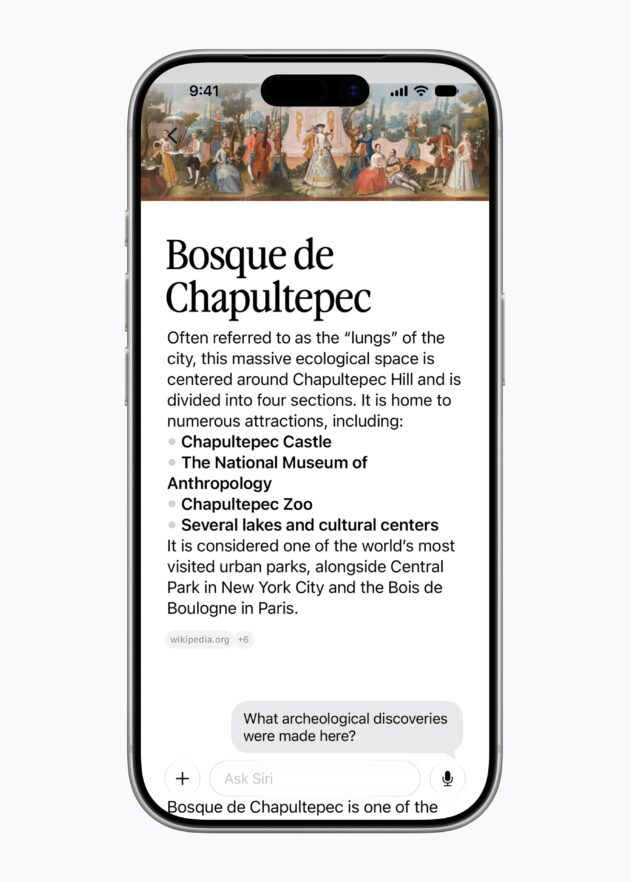
Siri AI can see what is on a user’s screen, search the web in real time, remember past conversations and surface information such as a friend’s address buried in an old message thread.

“We believe truly helpful AI must be centred around you and your needs,” Apple SVP of software Craig Federighi stated, while laying out a philosophy built around privacy, personal context and deep integration with apps users rely on daily.

Siri AI is now a more conversational assistant capable of understanding context, handling multi-step tasks and interacting more naturally across apps and services. It is also compatible with Visual Intelligence in addition to working across existing apps.

A Search or Ask interface opens when users swipe down from the top centre of the screen, allowing users to search the web using Apple’s AI-powered search and launch apps, send messages, create calendar events, search notes, and perform other tasks.

Apple also plans to introduce an AI agent integration with the App Store, allowing users to delegate tasks such as booking reservations, managing everyday tasks, editing documents, or controlling smart home devices.

On the camera side, a Visual Intelligence section within the Camera app introduces a dedicated Siri mode which sits alongside Photo, Video, Portrait, and Panorama, with the feature using Google Image Search to accurately identify objects the user captures.

Siri AI is embedded directly into Dynamic Island, accessible by swiping down from it, pressing the side button, or saying “Hey Siri”. When a user activates Siri with a wake word or the side button, a Siri animation appears in the Dynamic Island.

The feature will launch in English first, with other languages to follow, and it requires iOS 27. The iOS 27 developer beta dropped June 8, immediately after the keynote.

A public beta is expected in July for those who want to test it early, with the full stable release arriving in September alongside the iPhone 18 lineup

Federighi said Siri AI will not be available initially in the European Union on iOS and iPadOS.

“In China, Siri AI and the other new Apple Intelligence features will not be available while we work through regulatory requirements,” he added

Analyst take
Ben Wood, chief analyst at CCS Insight, noted many of the Apple Intelligence capabilities will be familiar to people who have been using an Android smartphone for some time and in some instances are already available to Apple users who have installed third-party AI apps such as ChatGPT.

“Although it is late to the party, the company has a strong record of taking existing technology and implementing it in a more intuitive way, allowing users to easily discover capabilities in daily use,” he said. “I think the most obvious example of this is the integration of Siri into the Dynamic Island at the top of an iPhone.”

Child safety
New parental controls will, by default, allow children to access only the apps which parents have approved to flip the model from opt-in restriction to opt-out permission. A “ask to browse” feature requires children to seek permission before visiting every new website and not just flagged ones.

On the content side, Apple is expanding its existing nudity-detection tools by adding automatic blurring of gore in messaging apps, with parents alerted when such images are encountered, which builds on earlier features that already blurred nudity by default.

Wood noted Apple’s child-safety push is a welcome and timely move as concerns about smartphones and online harm grow among parents and regulators.

He explained the parental controls, tools and developer APIs are positive steps, but they do not go far enough on their own.

“I believe that stronger cross-industry safeguards need to be built into operating systems at a deeper platform level that deliver protection not only in native apps but for every interaction a child has with a device,“ he said. “Apple is well-positioned to be a driving force in this area.”

Cook’s swan song
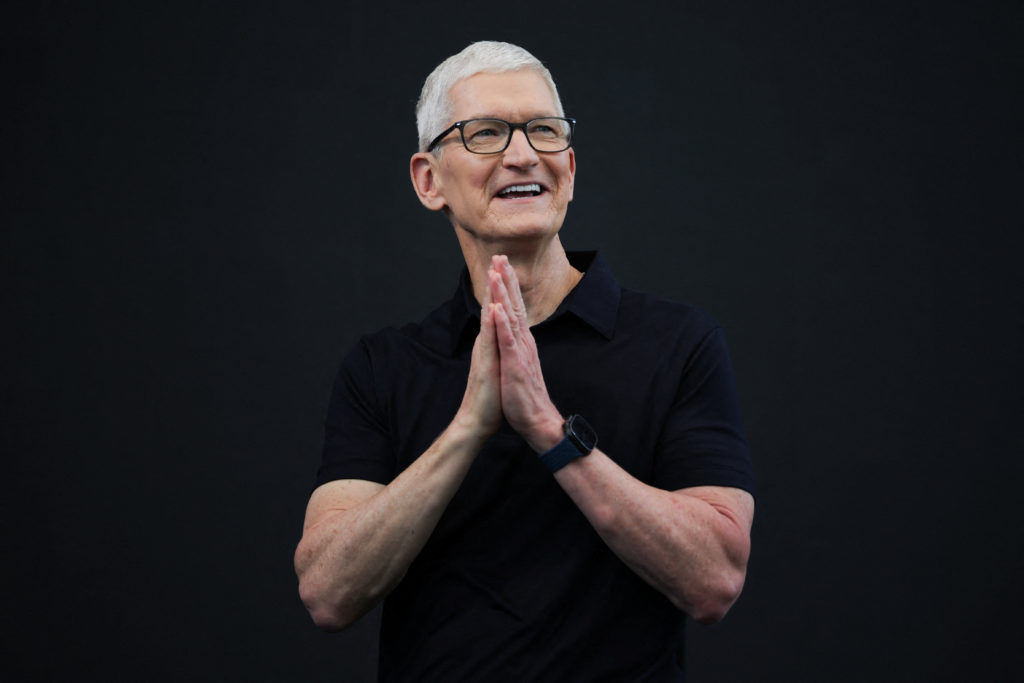
Outgoing CEO Tim Cook (pictured) opened and closed the conference’s presentation, in what many expect will be his last appearance before his planned transition to executive chairman on 1 September, when SVP of hardware engineering John Ternus will take over as CEO.

“Tim Cook’s last WWDC keynote as Apple CEO may be the most important one and it was a clear reflection of his leadership: disciplined, ecosystem-first, privacy-led, and focused on making technology useful at scale,” stated Francisco Jeronimo, VP of client devices at IDC.

Cook closed the keynote by stating creating the best products in the world to deliver experiences that enrich people’s lives has always been Apple’s North Star.

“It’s been the honour of a lifetime to help advance that mission with teams whose creativity, care, and conviction continue to make a lasting difference in people’s lives,” he said.

The post Apple lands Siri AI at WWDC as Cook takes a bow appeared first on Mobile World Live.
Apple presenta la nuova Siri: ecco come funziona la nuova assistente con l’AI, quali iPhone potranno utilizzarla e perché non in Europa

9 June 2026 at 09:38

Apple ha ufficialmente svelato la nuova generazione di Siri, un aggiornamento che segna uno dei cambiamenti più importanti nella storia dell’assistente vocale dell’azienda. Presentata durante la WWDC 2026, la nuova Siri sfrutta le tecnologie di Apple Intelligence e promette un’esperienza molto più avanzata rispetto al passato, avvicinandosi finalmente agli assistenti AI che negli ultimi anni hanno rivoluzionato il settore. La novità principale è che Siri non si limita più a eseguire semplici comandi vocali o a fornire risposte predefinite. Grazie a un nuovo motore basato sull’intelligenza artificiale generativa, l’assistente è ora in grado di comprendere meglio il linguaggio naturale, gestire richieste più complesse e interagire in modo più efficace con le applicazioni e i contenuti presenti sul dispositivo.

Siri diventa un vero assistente personale

Uno degli aspetti più interessanti della nuova versione riguarda la capacità di operare direttamente all’interno dell’ecosistema Apple. Siri può cercare contenuti nelle foto, recuperare informazioni personali, condividere file e completare operazioni tra diverse applicazioni senza che l’utente debba aprirle manualmente. In pratica, sarà possibile chiedere all’assistente di trovare una determinata immagine nella galleria e inviarla a un contatto, oppure recuperare informazioni presenti sul dispositivo attraverso semplici comandi vocali. Una funzionalità che avvicina Siri al concetto di assistente personale intelligente e che va oltre il tradizionale chatbot.

Collaborazione con Google per il nuovo modello AI

Tra le novità più rilevanti emerse durante la conferenza c’è anche la collaborazione tra Apple e Google. Secondo quanto illustrato dai dirigenti dell’azienda, parte della nuova architettura AI sfrutta la tecnologia Gemini, il modello di intelligenza artificiale sviluppato da Google. L’obiettivo è migliorare la comprensione delle richieste vocali e aumentare la qualità delle risposte, rendendo le conversazioni più naturali e precise.

Nuova grafica e interazione migliorata

Apple ha anche ridisegnato completamente l’interfaccia di Siri. Scompare il tradizionale effetto luminoso che caratterizzava l’assistente nelle versioni precedenti, e prende spazio a un design più elegante e minimalista con tonalità scure e animazioni dinamiche. L’attivazione avviene attraverso la Dynamic Island e gli utenti potranno personalizzare diversi aspetti dell’esperienza, comprese le voci disponibili. Migliora inoltre il sistema di riconoscimento vocale, che promette una trascrizione più accurata delle richieste.

Quando arriverà e quali iPhone saranno compatibili

Le nuove funzioni saranno introdotte con i prossimi aggiornamenti software di Apple, inclusi iOS 27, iPadOS 27 e macOS 27. Le versioni per sviluppatori sono già disponibili, mentre la beta pubblica dovrebbe arrivare entro la fine del 2026. Per quanto riguarda gli iPhone, l’aggiornamento sarà compatibile con tutti i modelli supportati da iOS 26, a partire da iPhone 11 e iPhone SE di seconda generazione.

Il nodo Europa resta aperto

Nonostante l’annuncio, il debutto di Siri AI in Europa rimane incerto. Apple ha confermato che alcune funzionalità potrebbero subire ritardi a causa delle discussioni in corso con le autorità europee riguardo alla conformità con il Digital Markets Act (DMA). L’azienda ha dichiarato di essere al lavoro per trovare una soluzione che consenta di portare le nuove funzioni AI anche agli utenti dell’Unione Europea nel più breve tempo possibile. Nel frattempo, alcune caratteristiche saranno comunque disponibili sui Mac e sugli Apple Watch aggiornati ai nuovi sistemi operativi. Con questa evoluzione, Apple punta a colmare il divario accumulato negli ultimi anni nel settore dell’intelligenza artificiale. La nuova Siri, infatti, non vuole essere soltanto un assistente vocale, ma il centro di controllo intelligente dell’intero ecosistema Apple.

1 / 11

Apple-iOS-27-Siri-app-chat-260608

2 / 11

Apple-iOS-27-Siri-mode-in-Camera-260608

3 / 11

Apple-iOS-27-Siri-mode-in-Camera-nutritional-insights-260608

4 / 11

Apple-iPadOS-27-Apple-Maps-Flyover-260608

5 / 11

Apple-iPadOS-27-child-account-app-restriction-260608

6 / 11

Apple-iPadOS-27-child-account-Ask-to-Browse-260608

7 / 11

Apple-iPadOS-27-Image-Playground-260608

8 / 11

Apple-macOS-27-Safari-Notify-Me-260608

9 / 11

Apple-OS-27-updates-260608

10 / 11

Apple-Siri-AI-Spotlight-integration-260608

11 / 11

Apple-visionOS-27-convert-panoramas-to-spatial-scenes-and-use-them-as-personal-Environments-260608

L'articolo Apple presenta la nuova Siri: ecco come funziona la nuova assistente con l’AI, quali iPhone potranno utilizzarla e perché non in Europa proviene da Il Fatto Quotidiano.

Apple debuts revamped ‘Siri AI’ and new child safety features for iPhones and iPads

At his final WWDC keynote, Tim Cook highlights AI-forward upgrade to the voice assistant to be widely released in fall

After years of anticipation, user frustration and false starts, Apple announced a major upgrade to Siri at its annual developer conference on Monday. The voice assistant will come integrated with Apple’s artificial intelligence tool, Apple Intelligence, and has been rechristened “Siri AI”.

The new Siri, which will be widely released in the fall, will more closely resemble AI chatbots like ChatGPT or Google Gemini, than a question-and-answer tool that draws from the web.

Continue reading...

© Photograph: Noah Berger/AP

© Photograph: Noah Berger/AP

© Photograph: Noah Berger/AP

Apple unveils new AI features with privacy focus at last developers conference with CEO Tim Cook

While the iconic iPhone maker has been playing catch-up with rivals when it comes to AI, it sought to distinguish itself from its peers by stressing a privacy-centered approach and integrating AI across its devices and apps.

Starmer gives tech firms ultimatum to block explicit images on children’s phones

Companies such as Apple and Google have until September to install software or face legislation, says PM

Apple and Google have been given until September to install software that blocks explicit images on children’s mobile phones or face legislation enforcing its requirement, Keir Starmer said on Monday.

The prime minister said tech companies must activate nudity-detection algorithms or other technical solutions on smartphones and tablets to prevent users taking photos or sharing images of genitalia unless they are verified as adults.

Continue reading...

© Photograph: Matt Cardy/Getty Images

© Photograph: Matt Cardy/Getty Images

© Photograph: Matt Cardy/Getty Images

Porque a Apple está a pensar incluir câmaras nos seus próximos AirPods?

6 June 2026 at 22:45
A Apple está a testar uma nova geração de AirPods equipados com câmaras, concebidos para permitir que a Siri compreenda melhor o ambiente que rodeia o utilizador. Estes auriculares encontram-se já numa fase avançada de testes com funcionários da empresa, integrando a estratégia da Apple para reforçar a sua aposta na inteligência artificial. De acordo com a Wired, embora o hardware esteja praticamente concluído, a componente de inteligência visual da Siri continua a não corresponder às expectativas. Além disso, alguns executivos da Apple manifestam preocupações relativamente à privacidade, questionando se a introdução de câmaras nos auriculares se justifica perante a

Apple set for AI reboot at Cook’s WWDC farewell

5 June 2026 at 16:45

Analysts tipped Apple to use its annual Worldwide Developers Conference (WWDC), set to take place on Monday (8 June), to reset its AI strategy and unveil a major Siri overhaul as CEO Tim Cook prepares to hand over the reins.

Ahead of the event, Ben Wood, chief analyst at CCS Insight, described WWDC as “a pivotal moment for Apple Intelligence”, adding its voice assistant Siri had been “a thorn in Apple’s side for several years”, making its reboot central to Apple’s attempt to reset its AI narrative.

According to Bloomberg, Apple is expected to unveil a revamped AI-powered Siri designed to act as conversational companion with screen awareness, richer app control, the ability to tackle multiple commands in one prompt and a dedicated Siri app.

Wood expects Apple to frame the overhaul around “a slew of agentic AI capabilities”, while avoiding any overt positioning of Siri as being powered by Google’s Gemini technology.

Apple has indeed lagged rivals including Google and Samsung in bringing AI features to smartphones and other devices. Its push has been hampered by challenges building in-house AI capabilities, prompting the company to lean on partnerships with players including Google and OpenAI.

Paolo Pescatore, chief analyst at research house PP Foresight, said the iPhone-maker does not need to win the AI race through “noise, novelty or endless model comparisons”, but by making AI “useful, trusted, private and deeply embedded” across its devices.

Bloomberg reported Apple is also expected to unveil iOS 27 alongside updates for iPadOS, macOS, watchOS, tvOS and visionOS. Unlike last year’s focus on Liquid Glass design, the next software cycle is expected to focus on reliability, battery life, performance and deeper integration of Apple Intelligence features.

Symbolic
Notably, the event also marks Tim Cook’s final WWDC as Apple CEO before his planned transition to executive chairman on 1 September, when SVP of hardware engineering John Ternus will take the helm.

Pescatore explained the upcoming WWDC “carries far more significance than a normal developer conference”, describing it as “as much a symbolic handover moment as a software showcase”.

In his view, Cook’s legacy has been built on “scale, discipline, services, privacy, Apple Silicon and deep ecosystem integration”, but argued the key question is how Apple uses that foundation in the AI era.

He argued the tech giant will need to reassure developers, investors and customers the transition is “about continuity, not disruption”, while showing its blend of hardware, silicon, software and services can deliver “a more intelligent, more personal ecosystem”.

Similarly, Wood warned any missteps in Apple’s hotly anticipated agentic and on-device AI strategy “could have significant implications”.

The post Apple set for AI reboot at Cook’s WWDC farewell appeared first on Mobile World Live.

❌