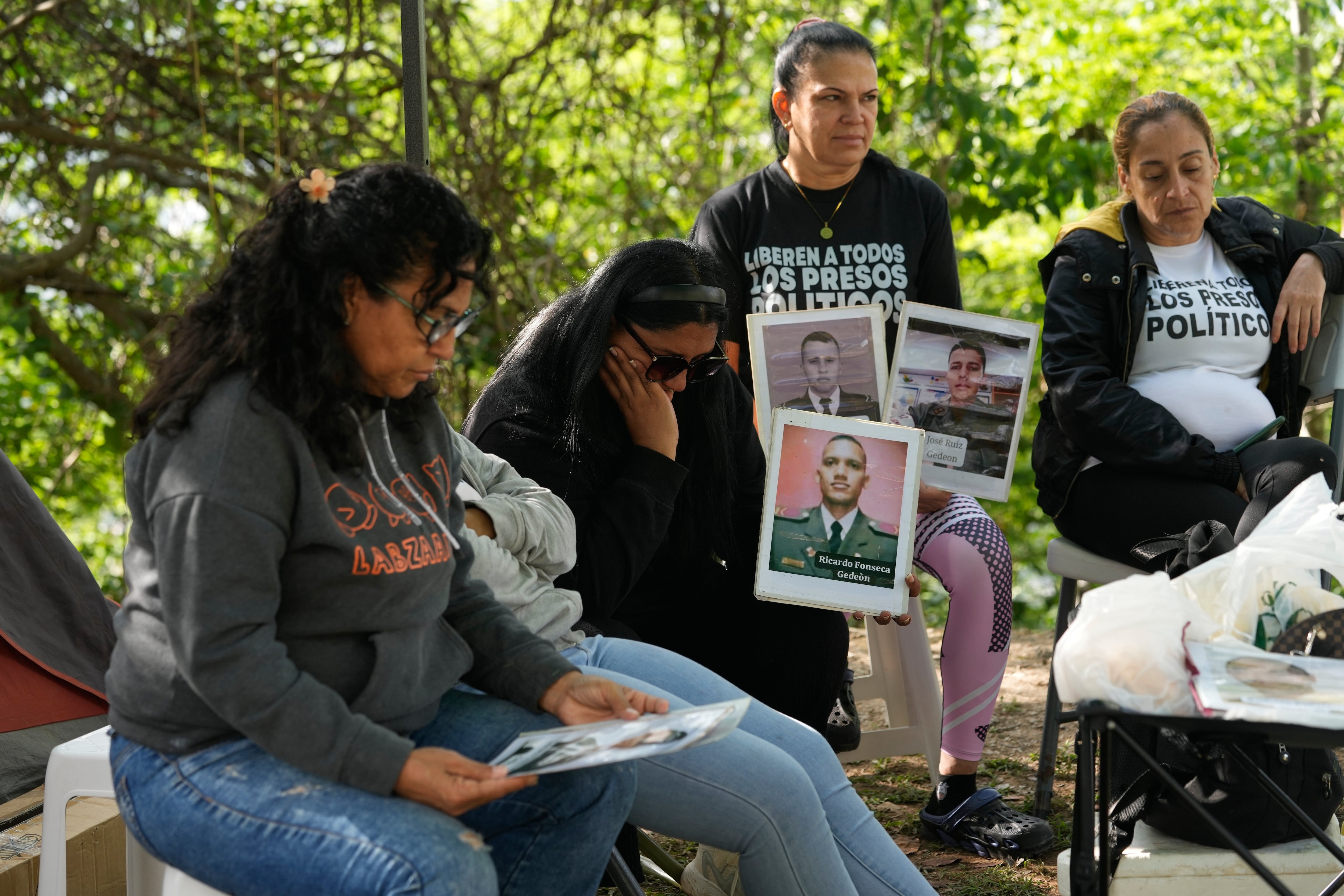
The Venezuelan government on Tuesday authorized the release of another 54 political prisoners, all military personnel, according to information confirmed by relatives of the detainees and support groups such as the Coalition for Human Rights and Democracy. Three of those released are women. According to data provided by Foro Penal official Gonzalo Himiob, most of them were part of the so‑called Operation White Armband, an alleged military conspiracy denounced by Venezuelan intelligence agencies four years ago. They had been held at Ramo Verde prison and the National Institute for Female Rehabilitation (INOF).
Peruvians who went to the polls this past Sunday to vote in the presidential runoff will not know who their president is until July. One month is how long the National Jury of Elections estimates it will take to review the 1,555 tallies that have been challenged, a spokesman confirmed on Tuesday. Two days after voting, uncertainty over a result that will be decided by about 25,000 votes between the leftist candidate Roberto Sánchez and the right-wing Keiko Fujimori is turning into weariness and allegations of fraud on the streets and social media.
Spain’s National Police on Monday arrested a 29-year-old Colombian national who had been sentenced by a court to five years’ expulsion from the country for deliberately killing his ex-partner’s cat in Torrevieja, a resort town on the Mediterranean coast. According to Asociación Leal, an animal-welfare group that filed a private criminal complaint in the case, this is the first time that “animal abuse has had real consequences.” The court ruling, it said, “sets a precedent.”
As the start of the World Cup draws near, the United States government has set its sights on foreigninfluencers. Immigration authorities have warned that individuals entering the country on a tourist visa may not use their stay to produce content intended to generate income on YouTube, TikTok, Facebook or other online platforms — a practice that for years has been common among digital creators worldwide.
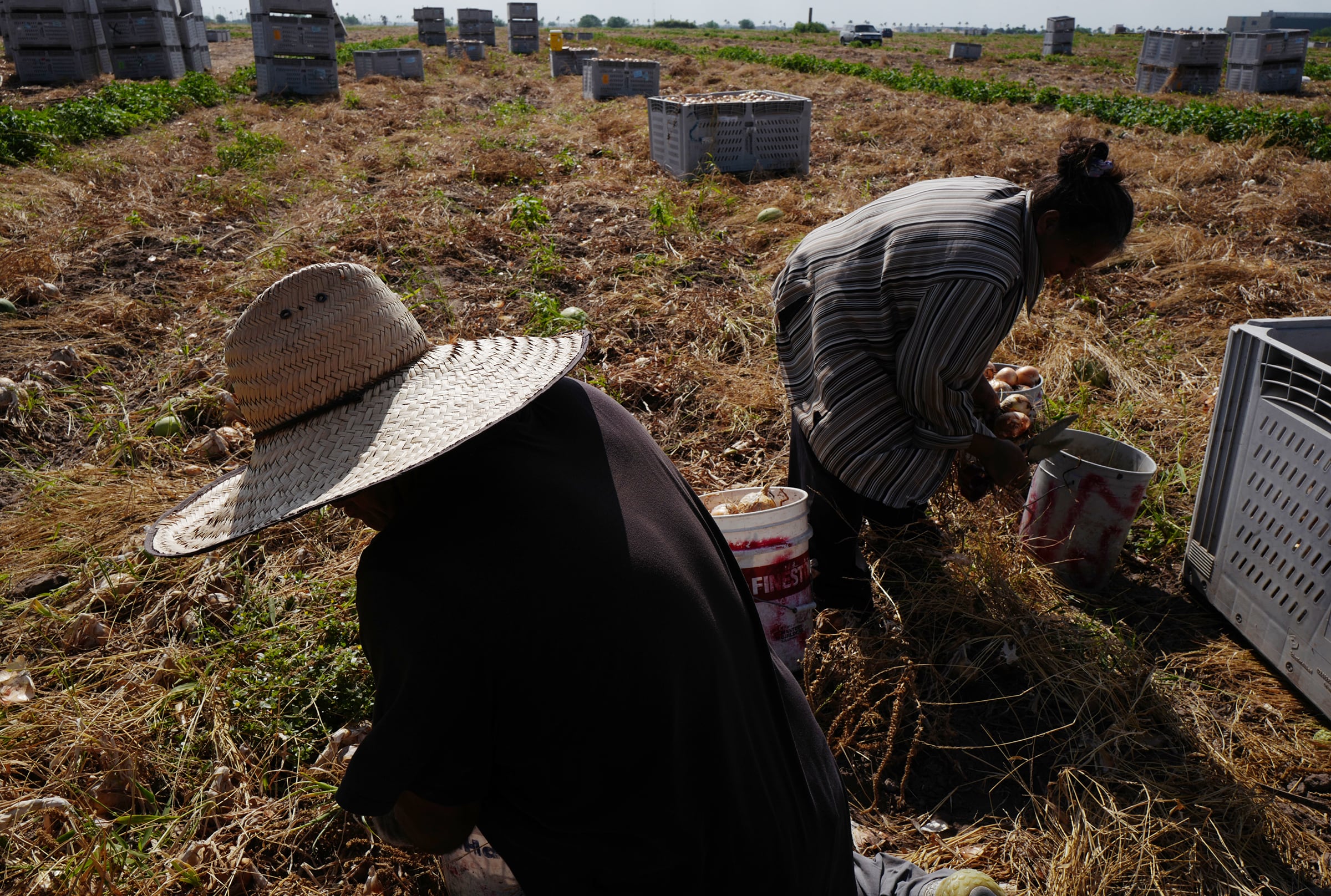
Help for Parkinson’s patients in the Rio Grande Valley
Seek appropriate care. Dr. CJ Martínez-Menéndez, a neurologist at the University of Texas Rio Grande Valley, emphasizes that Parkinson’s treatment is a team effort. Finding a neurologist is the first step; ask for a referral to a movement disorders specialist, physical therapists and occupational therapists, and possibly a psychiatrist or psychologist for emotional support.
Join a support group. Two hospital systems — South Texas Health System and DHR Health System — hold monthly meetings. Another group meets at Siesta Retirement Village in Weslaco, Texas. Myla Garza, a Parkinson’s patient, encourages people not to be “afraid” of the diagnosis. “There are many things that can improve your quality of life,” she says.
Explore online resources. The Michael J. Fox Foundation and the Parkinson’s Foundation offer free, reliable information to help patients and families understand and cope with the disease. The Parkinson’s Foundation also operates a toll-free helpline (1-800-473-4636) available in English and Spanish.
Participate in Parkinson’s research projects. Contact brain@utrgv.edu for information about Dr. Kelsey Baker’s study at the University of Texas Rio Grande Valley. You can also email genetics@parkinson.org or call the Parkinson’s Foundation helpline (1-800-473-4636) to enroll in the foundation’s national genetic study, which offers free genetic testing to all participants.
U.S. President Donald Trump has made good on his warning. U.S. forces deployed near the Persian Gulf struck targets in Iran early Wednesday after that country shot down a U.S. Apache helicopter flying over the waters of the Strait of Hormuz, according to Central Command, which is responsible for those troops in the Middle East. The news website Axios reported that the targets were radar and air defense systems in Iran.
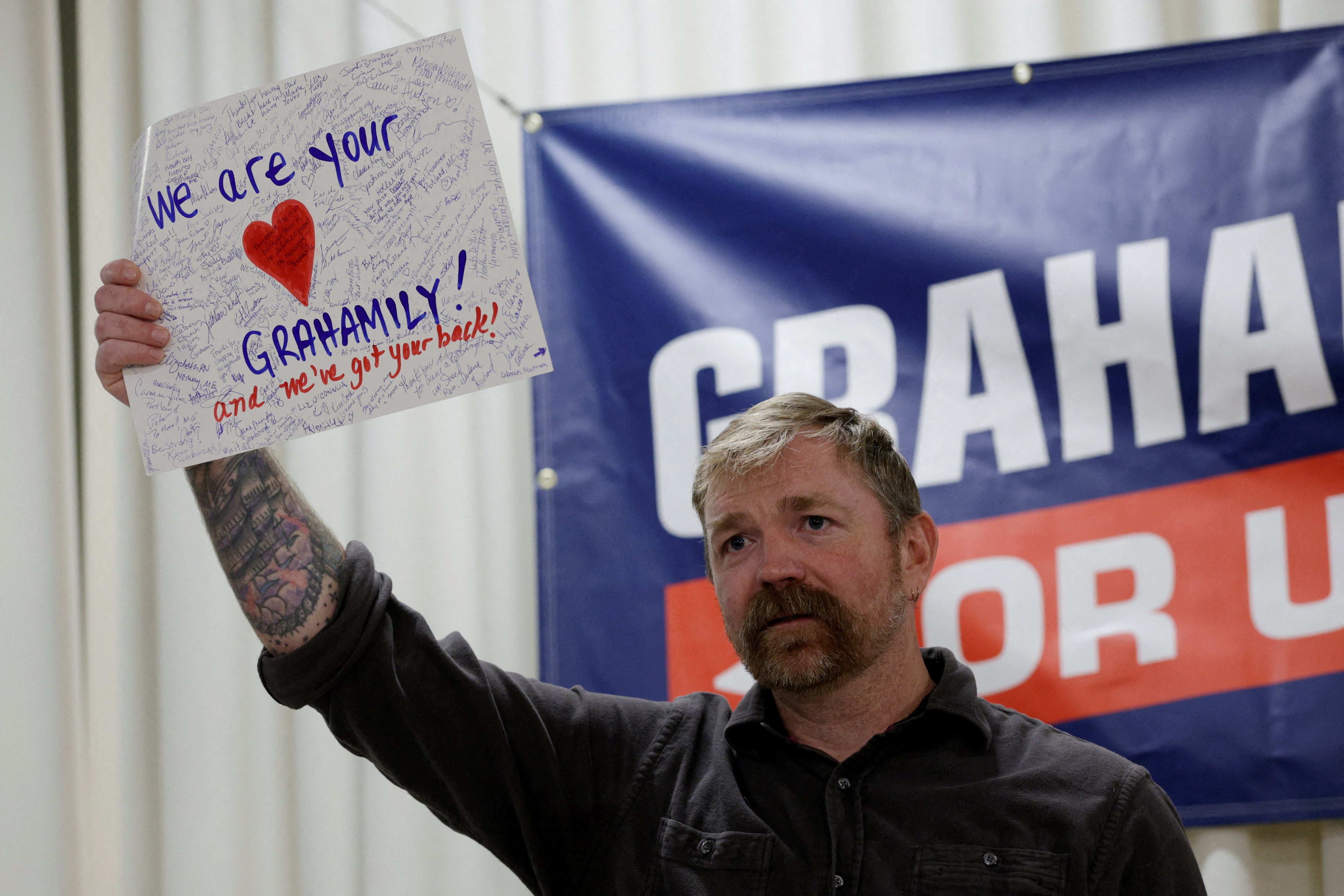
The battle for control of the United States Senate begins in Maine. If Democrats want to take the upper house from Republicans in the upcoming November 3 midterm election, they cannot lose in this northeastern state, famous for its lobster industry and for producing the writer Stephen King. Republican Senator Susan Collins, who has sometimes been critical of President Donald Trump, is running for re-election and polls place her in a weak position. Graham Platner, a political newcomer, seemed like the right man for the job—until criticism from at least three women he had relationships with, as well as new details about a tattoo resembling a Nazi symbol that he got years ago, began to cast doubt on his suitability. Despite these shadows, Platner won the Democratic primary this Tuesday, making him the official Senate candidate for the midterms.

 Login
Login